
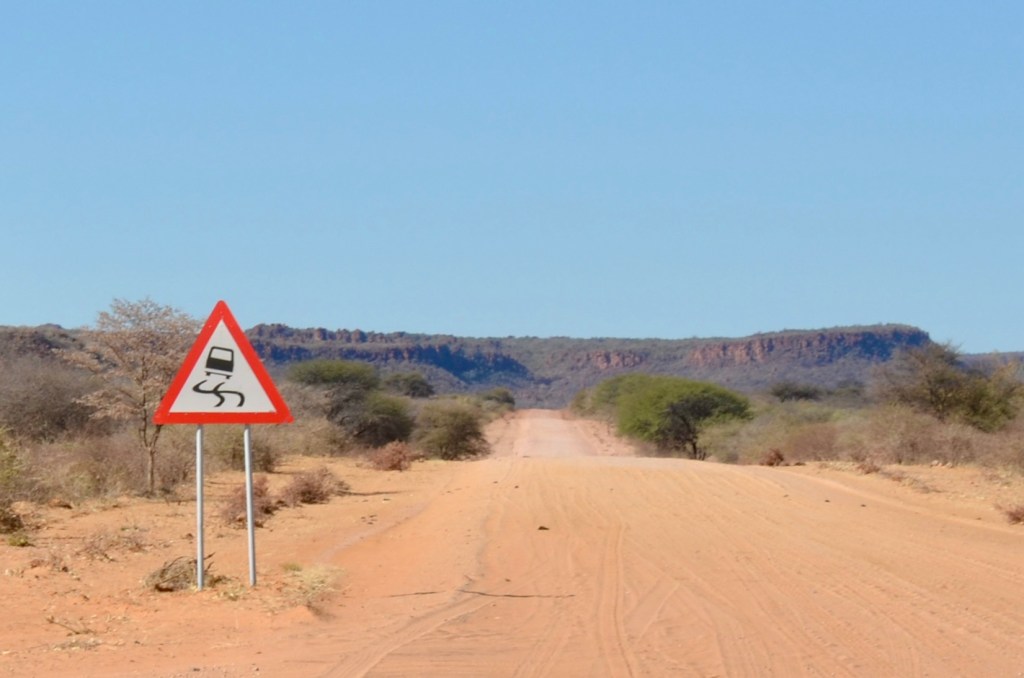
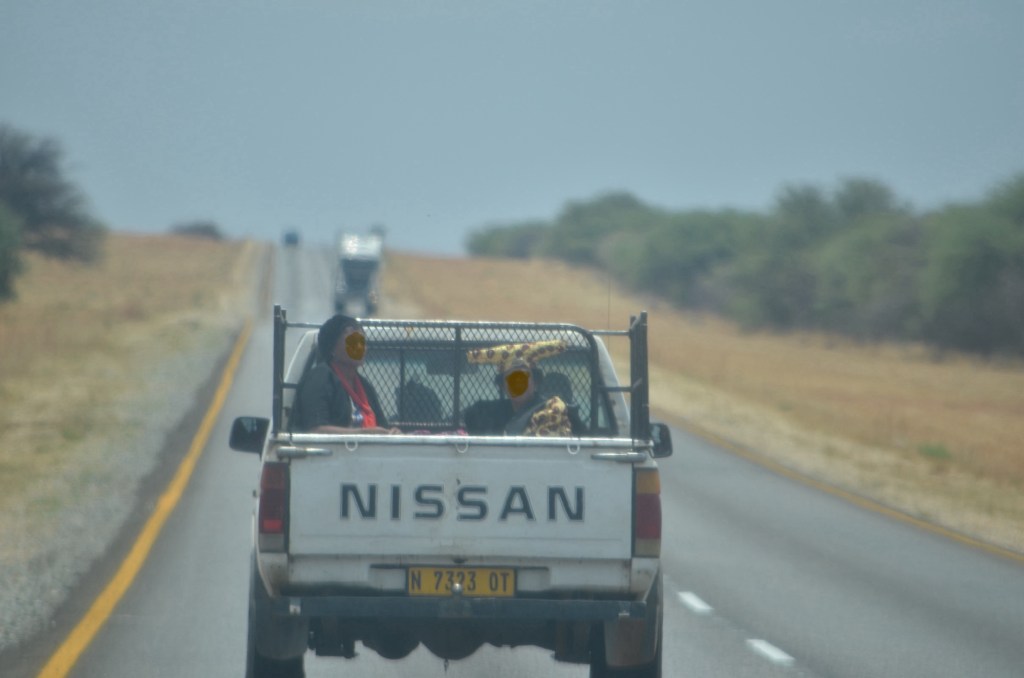
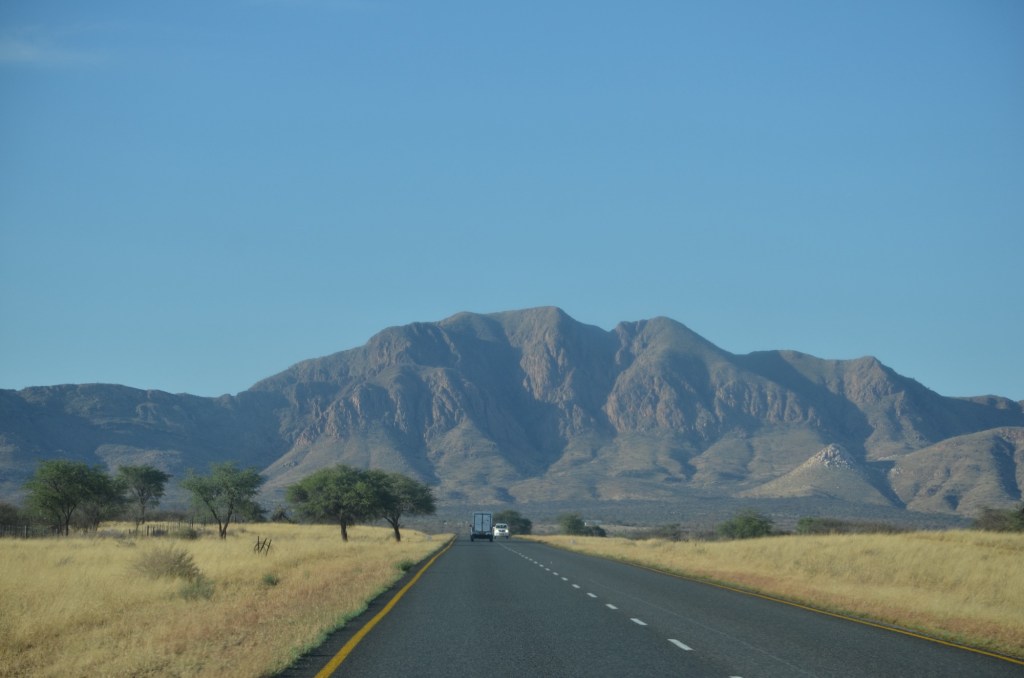
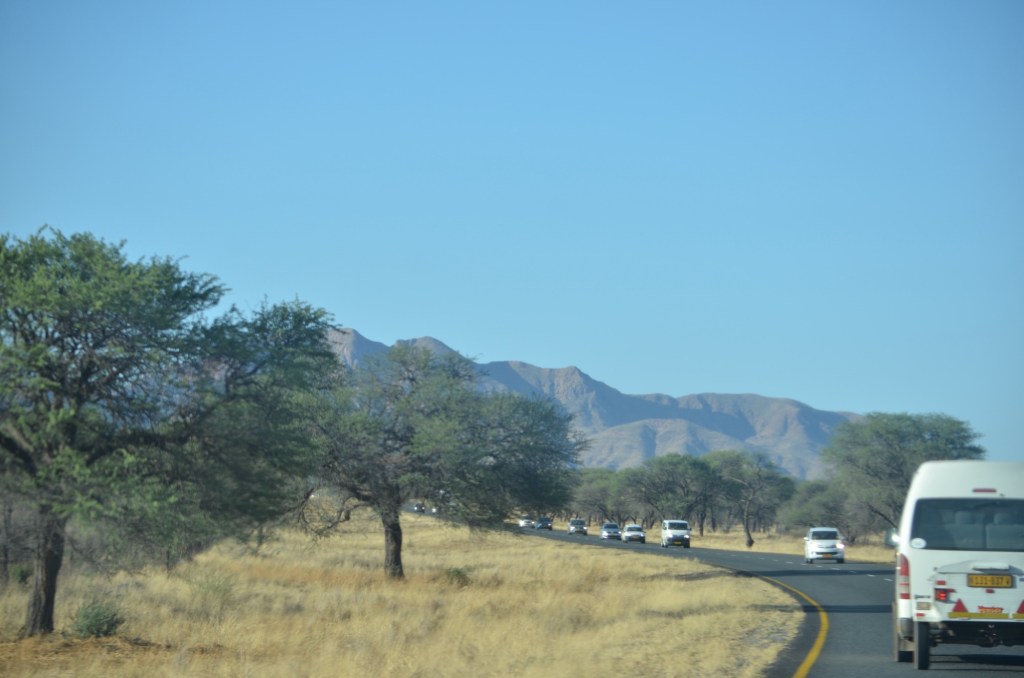
Driving through Namibia is an amazing experience! The landscapes are so open, the horizon so wide, the colors so warm and you can see miles and miles ahead. Most of the time you are alone on the road, or you pass a “bakkie” (a small truck) with lots of people on the back, often dressed in their best costumes, ready for a wedding in one of the cities ahead.
Then again, most of the accidents in Namibia happen on the road, so you need to be aware of a few things to make your trip as safe as possible.
Driving advice:
- Drive on the left side of the road!
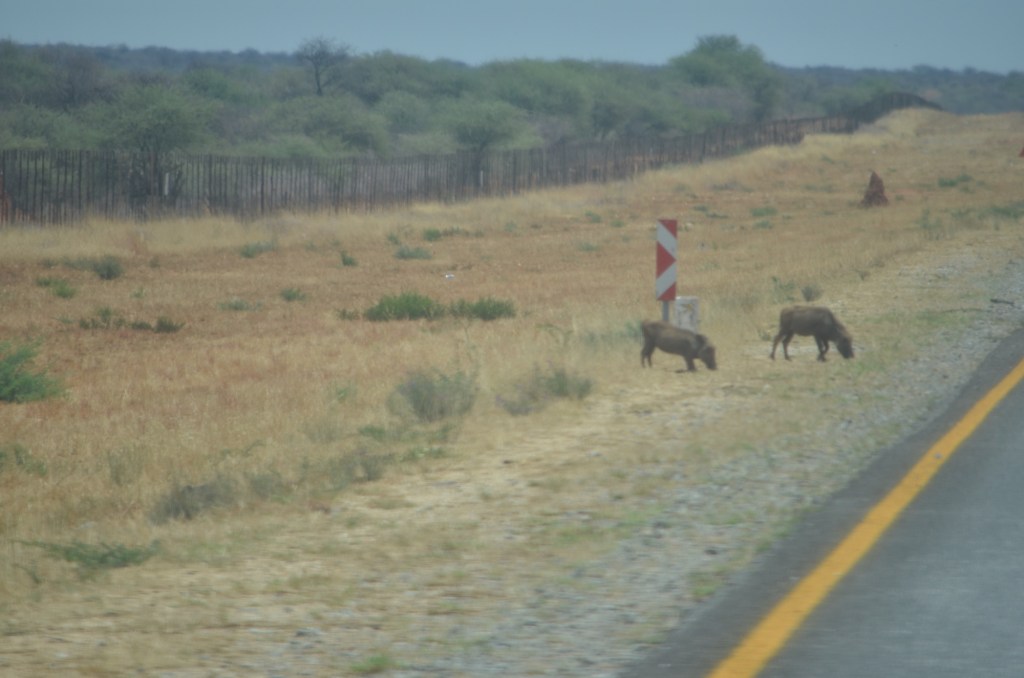
- Stop driving an hour before sunset! Many small animals, as baboons and pumbas gets more active in the afternoon, as the air cool off. They all gravitates towards the warm tarred roads. Never drive in the dark.
- Never drink and drive! You need to focus when driving as fast as you do on namibian roads. The speed limit on main roads use to be 120 km/h, but many drive faster. In addition, you will never know if the car coming towards you is driven by somebody that has been drinking.
- Stop and rest at one or more of the picnic areas along the road.
- Always bring tons of water and something to eat. If you blow a tyre or your car breaks down, it may be days before you get help. Be prepared.
- Buy paper maps. The internet connection is terrible most places in Namibia. Don’t expect Google maps to help you.
- Help others, that are in need.
Roads:
Roads in Namibia is mostly named according to road standard. Between the bigger cities, like Windhoek, Lüderitz, Swakopmund, Walvis Bay, Otjiwarongo, Outjo and the Etosha park, you’ll find “B-roads”. These are tarred and in relatively good shape. You can thus manage a safari trip to Etosha, with a weekend trip to the sea, with a smaller sedan car, as a Corolla, Golf or similar.
Inside the Etosha park, there will be gravel roads, but when spotting animals you will anyhow not wish to drive faster than in max. 40-60 km/h, so a small car will be OK here, as well.
Then again; if you have money to rent a bigger car, this will lift you higher up from the ground, and often give you a better view of the animals and a better camera angel.
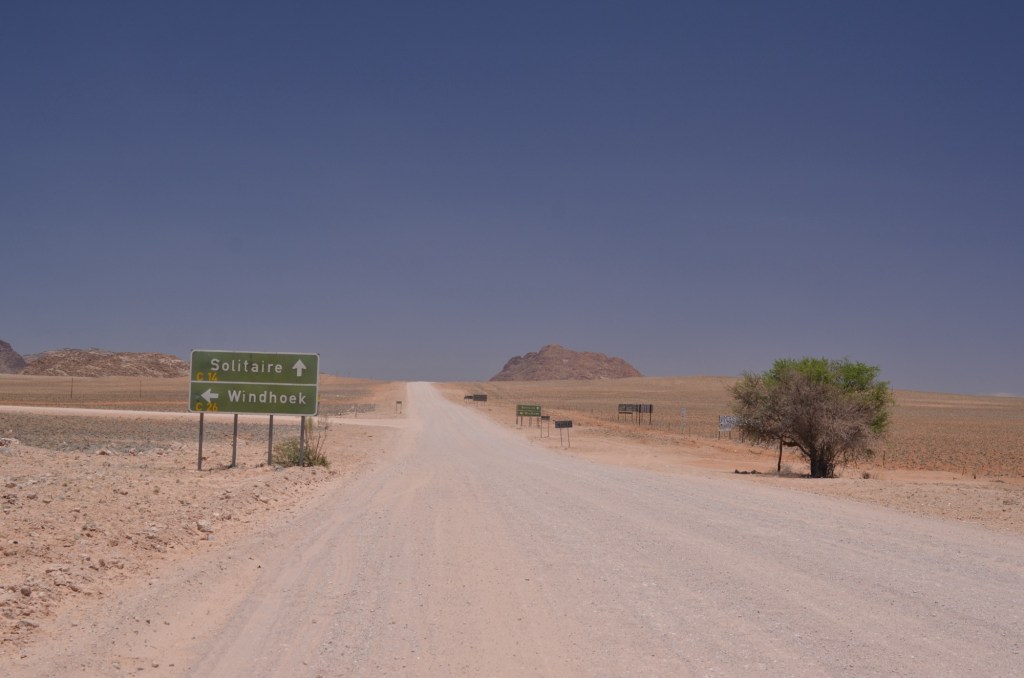
The C-roads are mostly gravel roads, but regularly maintained. Some, is also with tar, as the C39 to Khorixas. The tarred roads are the red ones in the maps below.
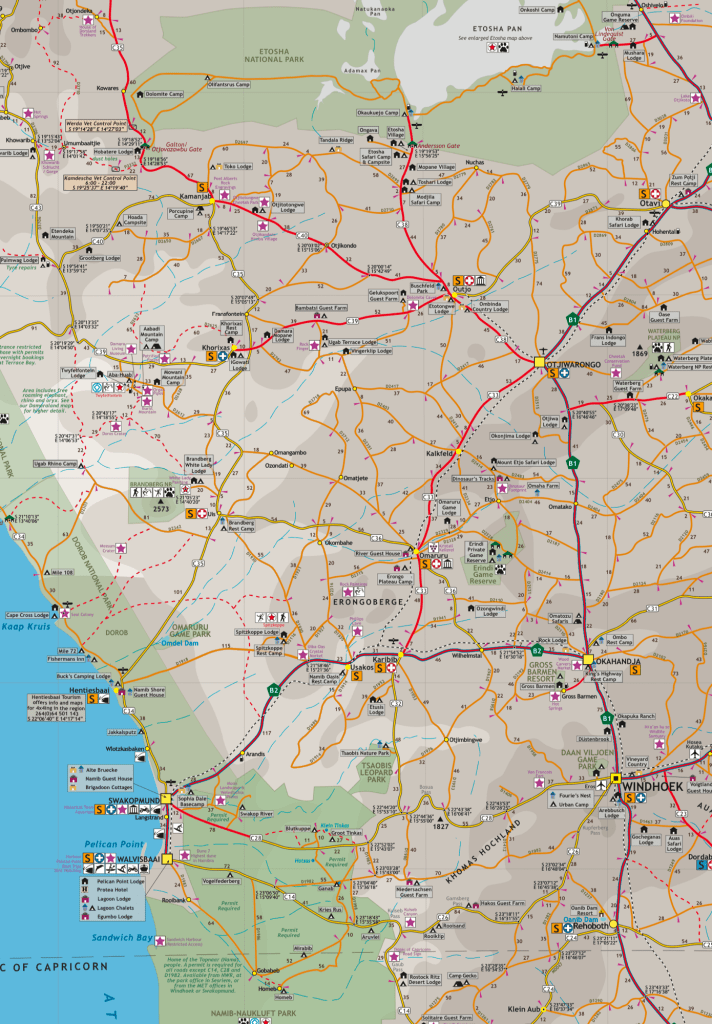

D-roads are of gravel and often in worse condition than the C-roads, but sometimes not as different.
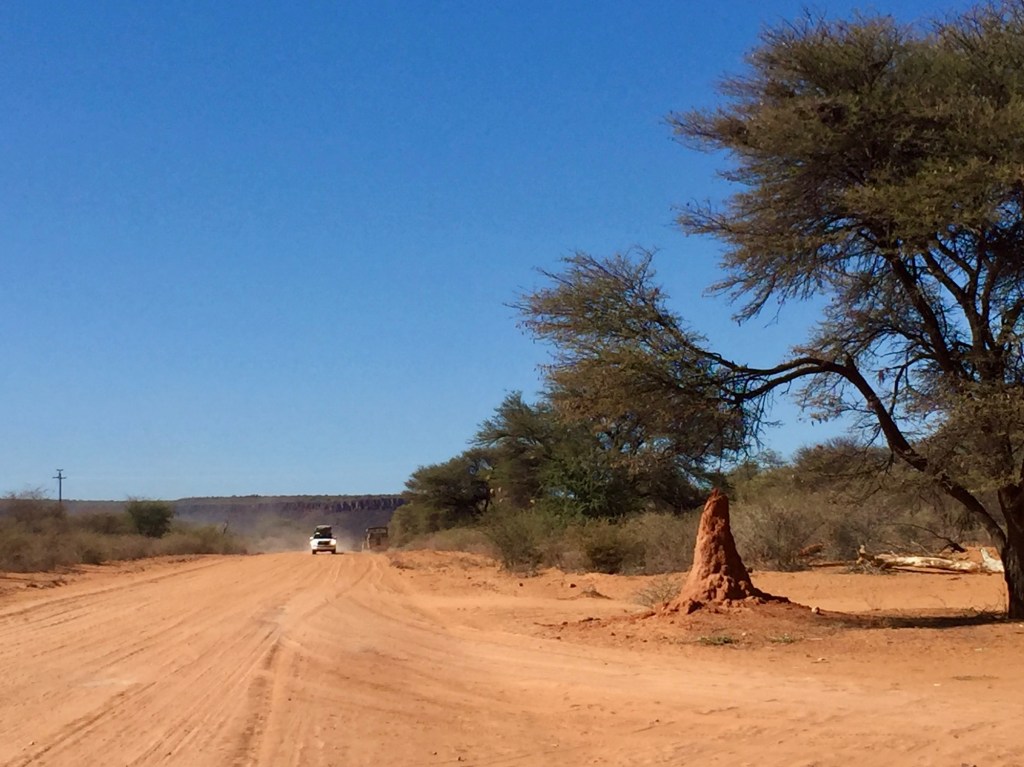
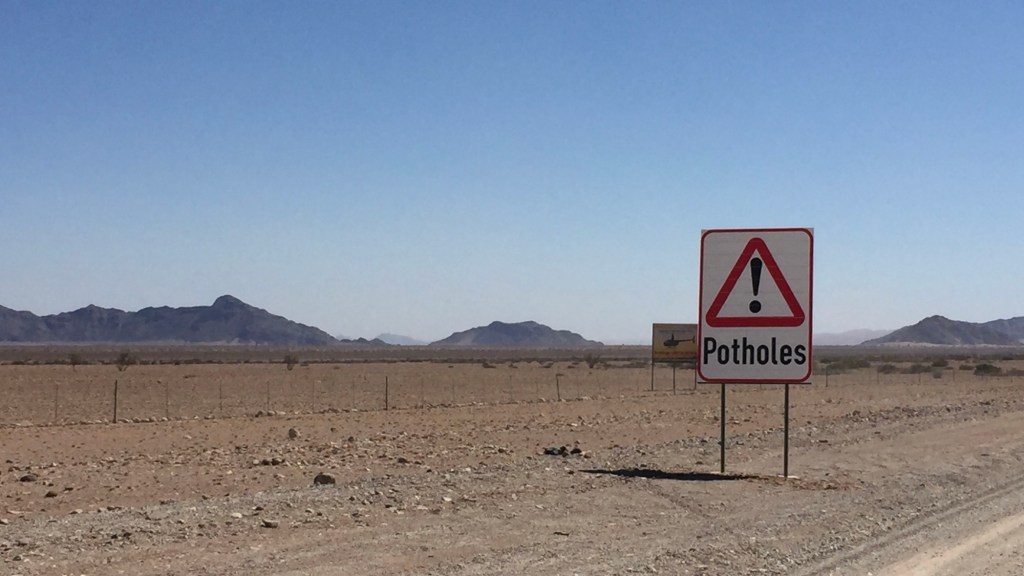
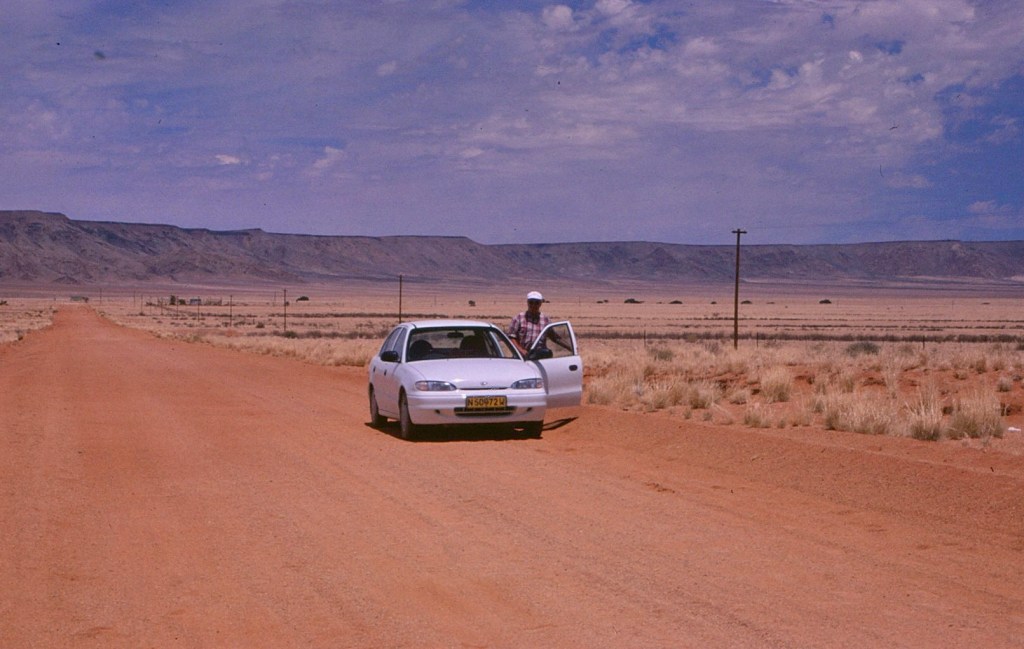
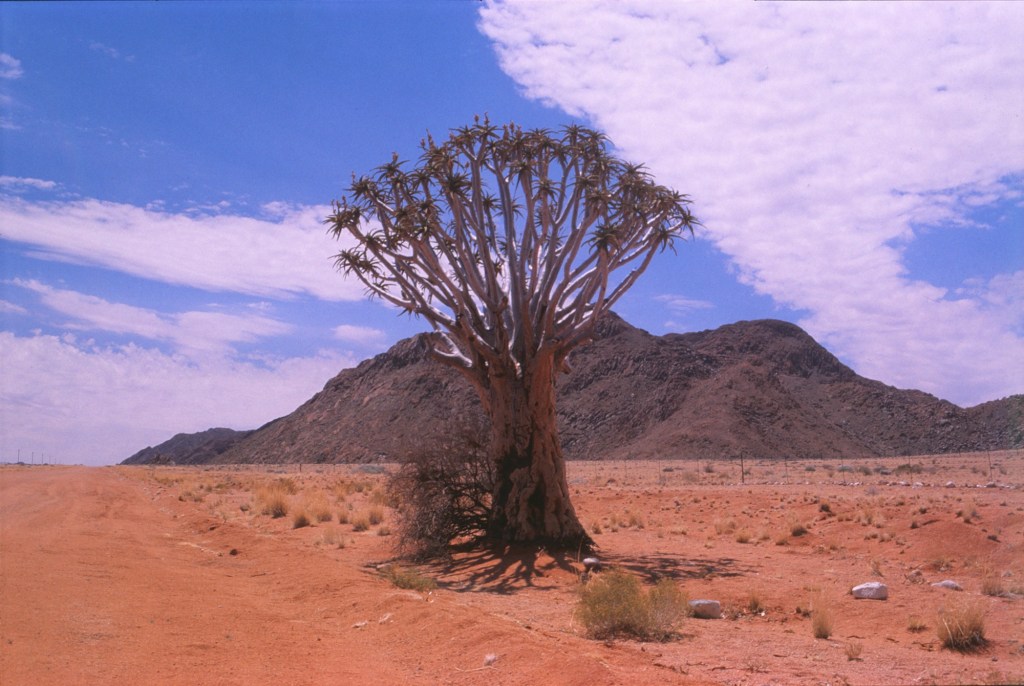
Gravel roads can be bumpy, as a washboard, full of sharp stones, that can punch a hole in your tires or made of the softest sand. My favourite red and sandy road is the D707; on the edge of the great Namib desert.
Read more about Namibian roads and their conditions at : expertafrica.
 Laila’s travel blog
Leave a comment