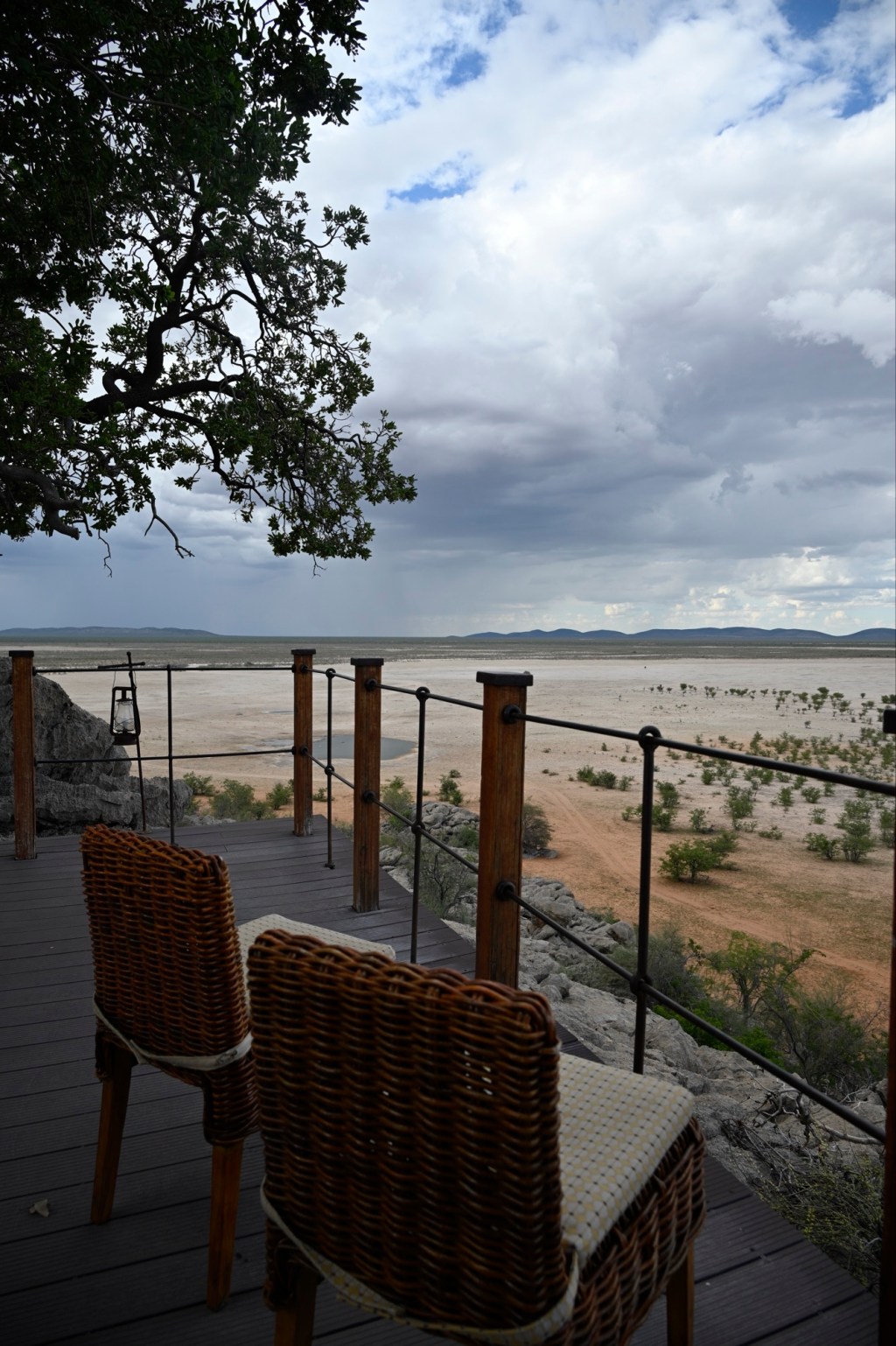
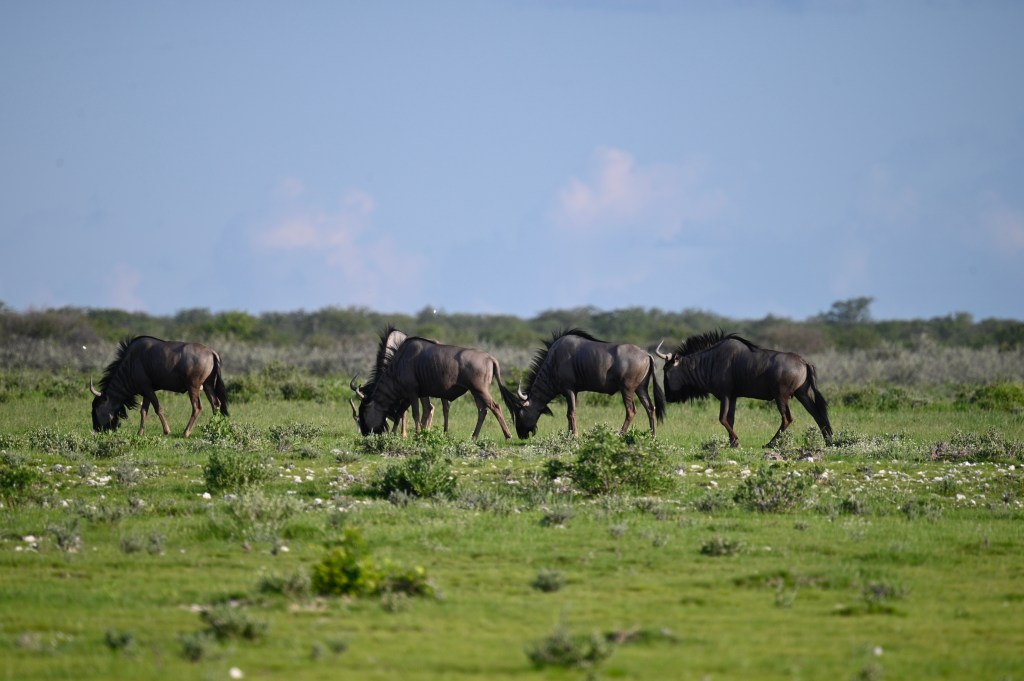
The western part of Etosha national park was unexplored territory for us. This part used to be closed for tourist before and only opened up around 2014. We started the westward journey at the Etosha pan, around along Wolfsnes. We had quite low expectations, as we had seen few animals the day before, due to the rain, but was amazed by the beautiful landscapes and animal herds we still met in the west.
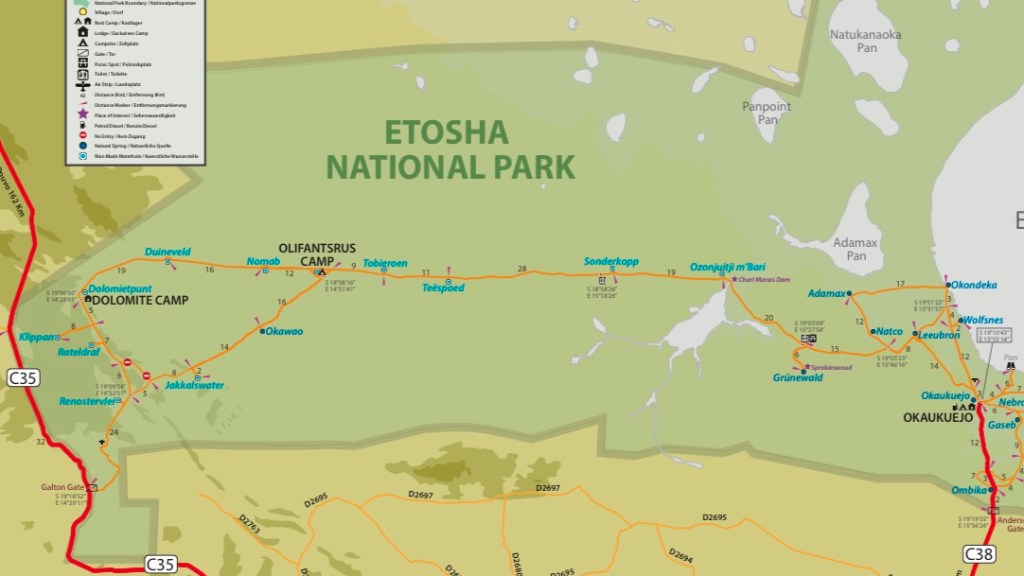
We found a fenced rest stop at Sonderkopp and a waterhole viewpoint and a sandwich at Olifantsrus camp. Otherwise we were on the road most of the day, before reaching Dolomite resort around 17:00.
Weaver birds and their nests
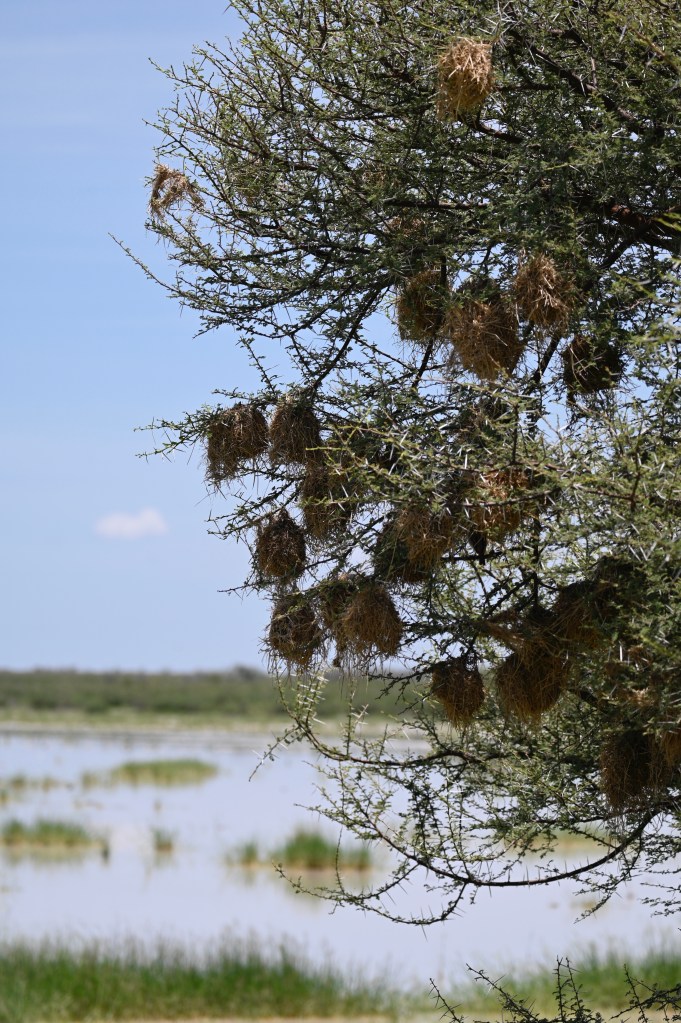
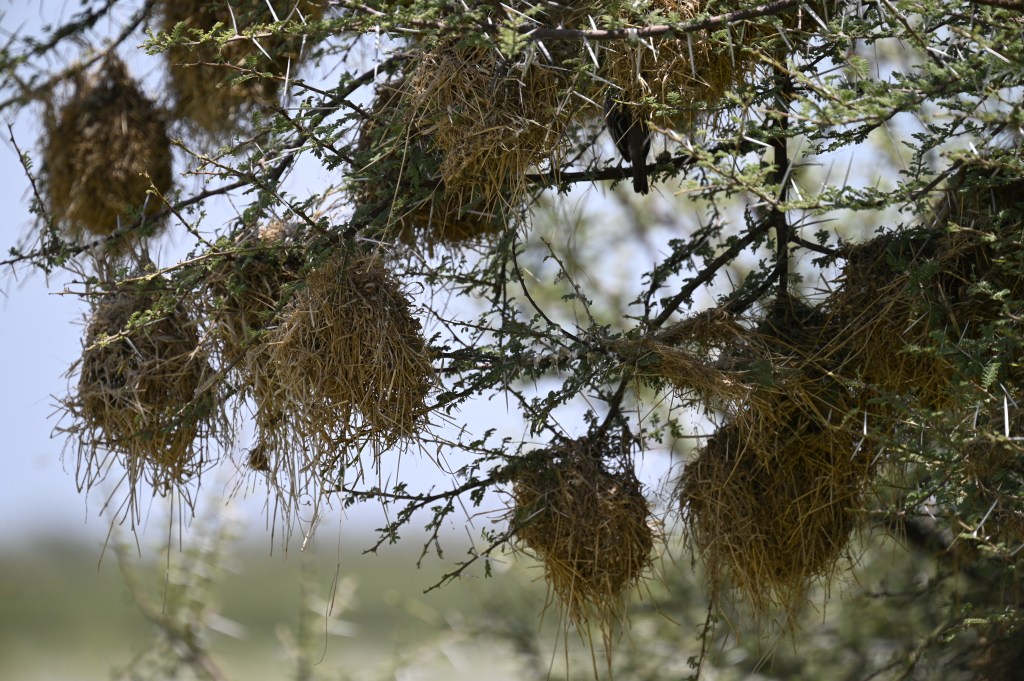
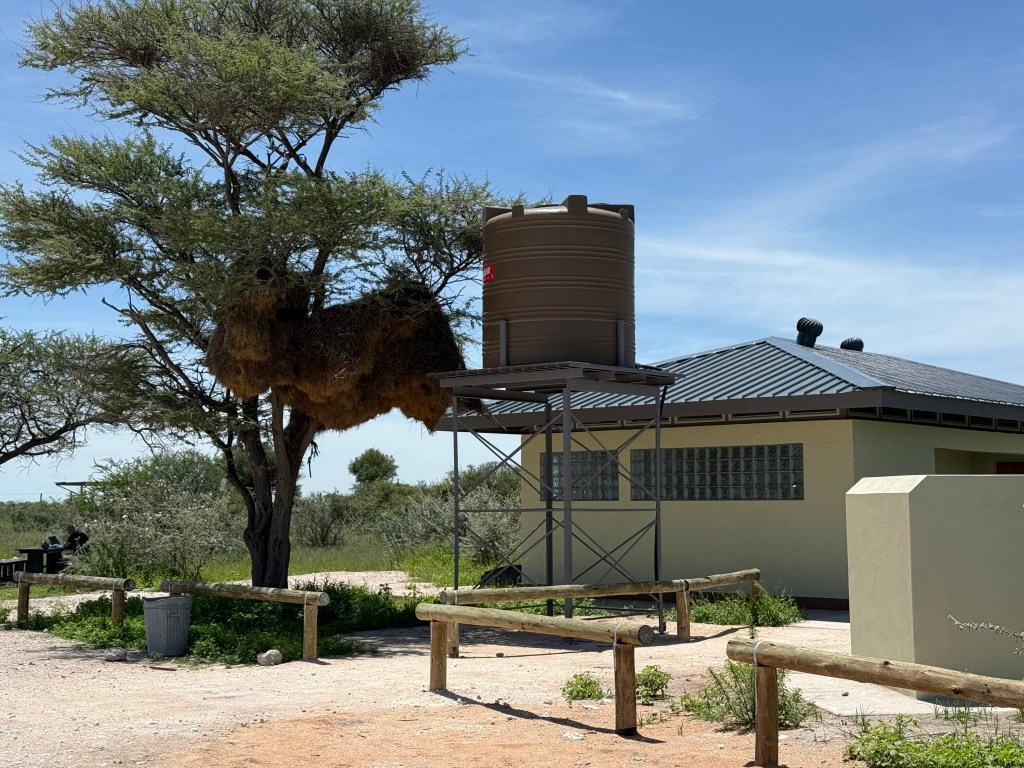
Travelling in Namibia, you will see birds nests in many of the trees as well as in the electricity poles. Some weaver birds builds enormous compounds of nests, where there may live large amounts of birds in one enormous nest, with many openings. The grey/brown birds inhabiting these nests is called the Sociable weaver.
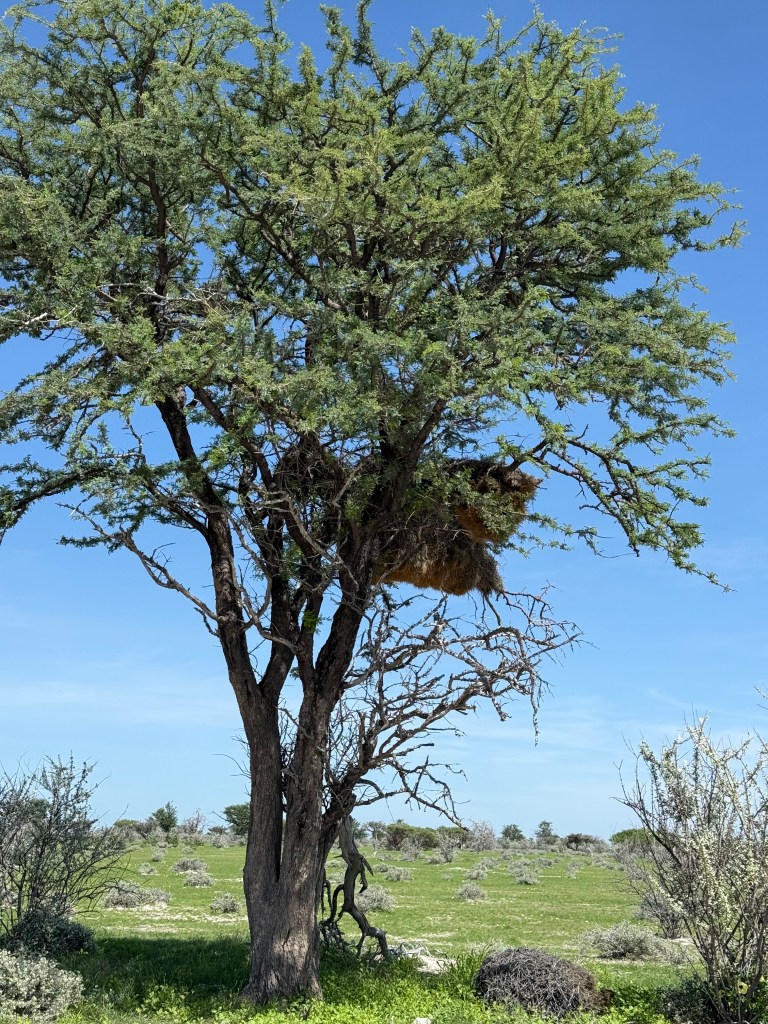
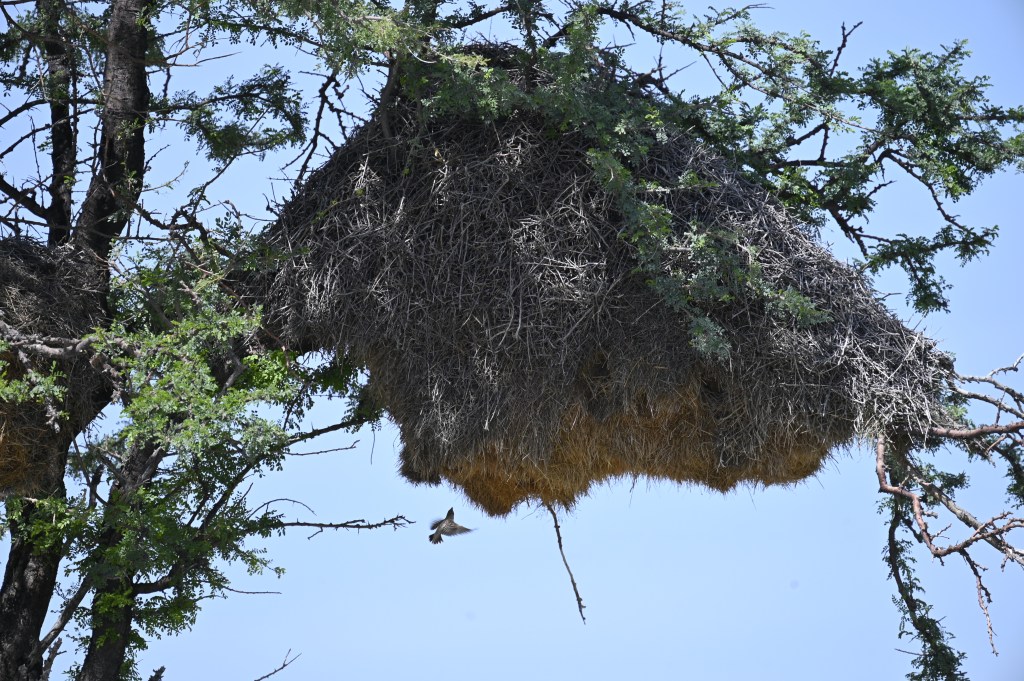
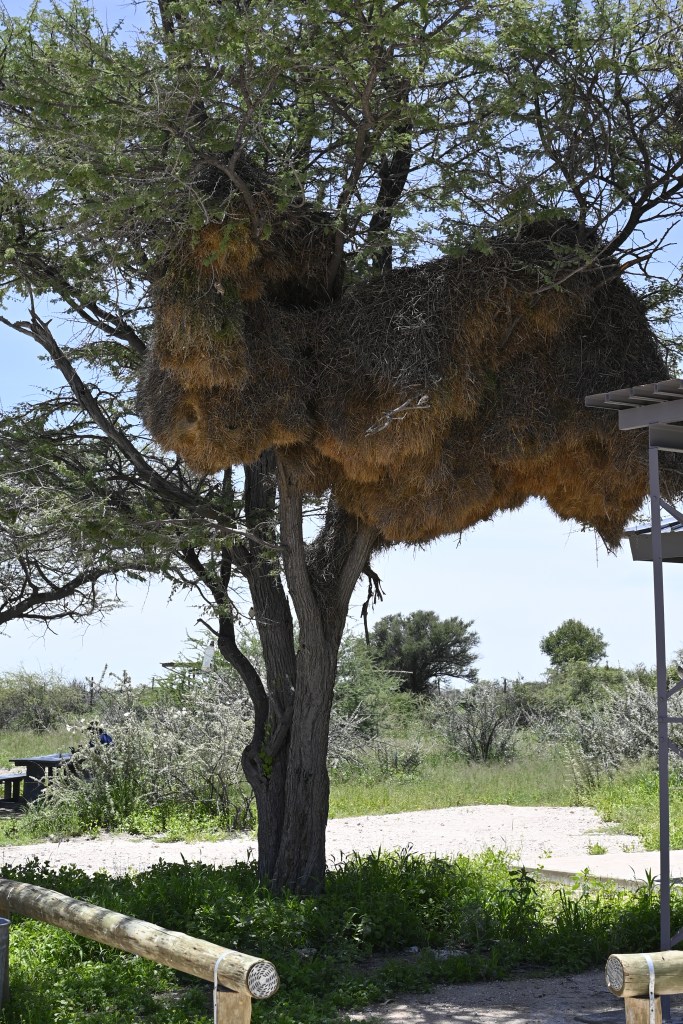
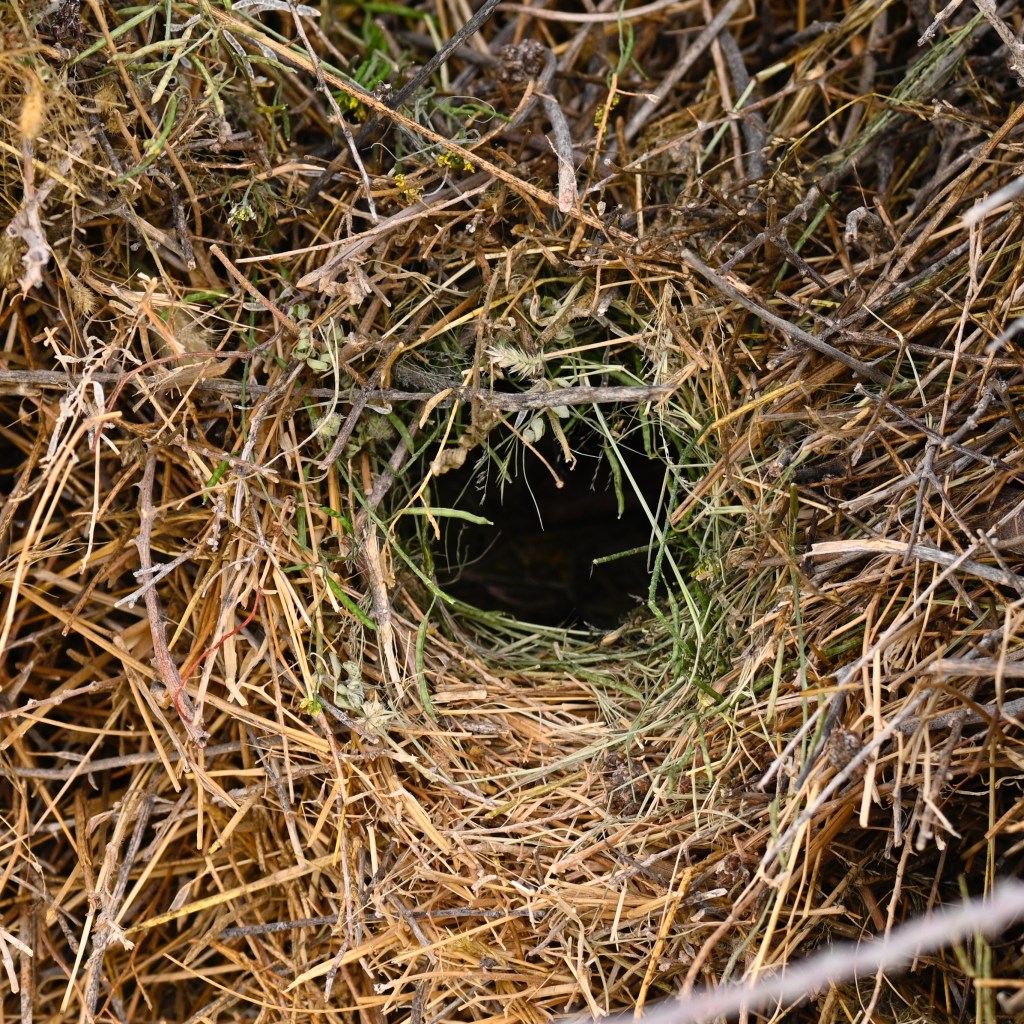
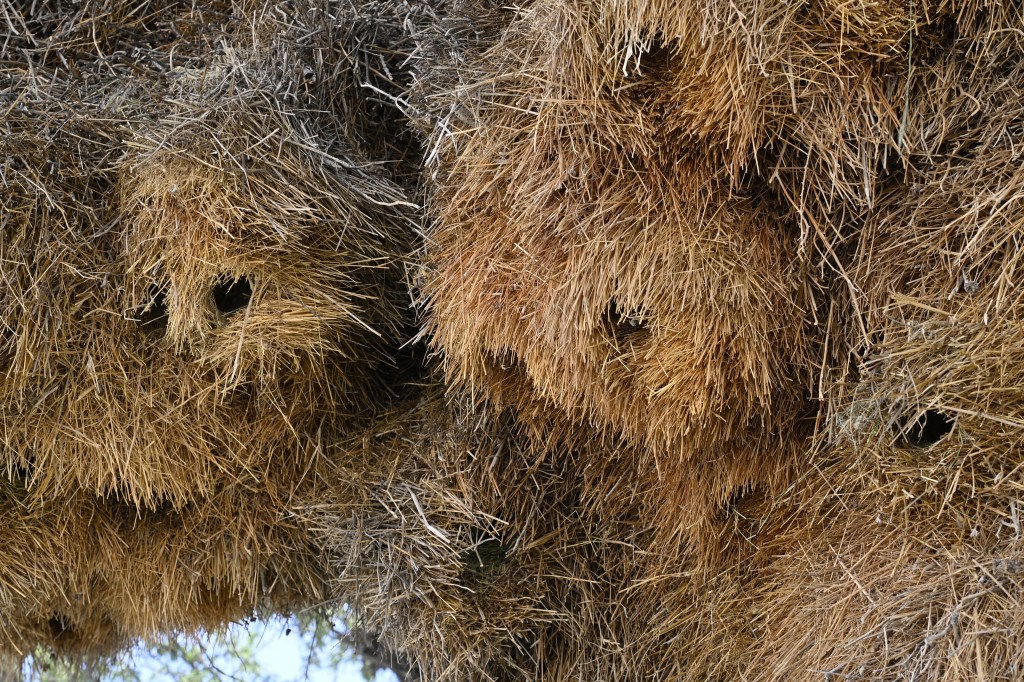
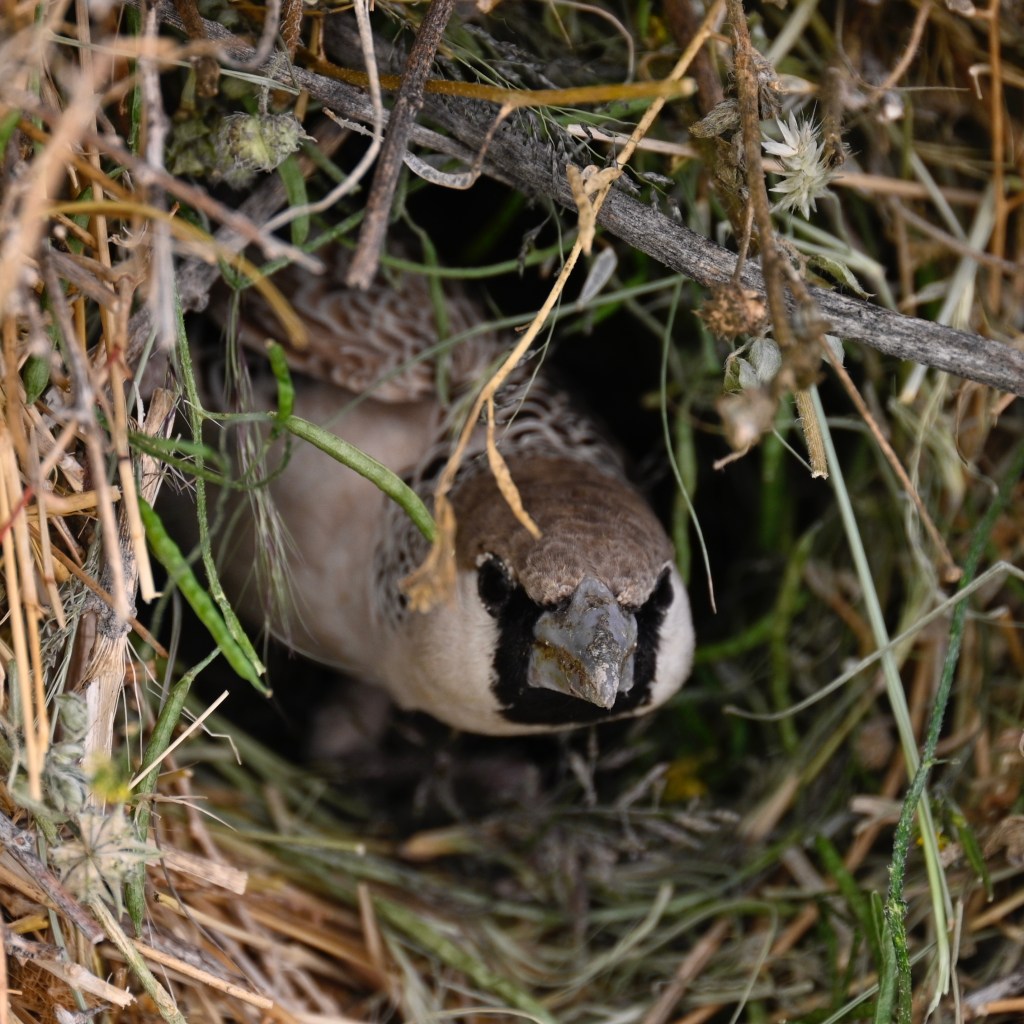
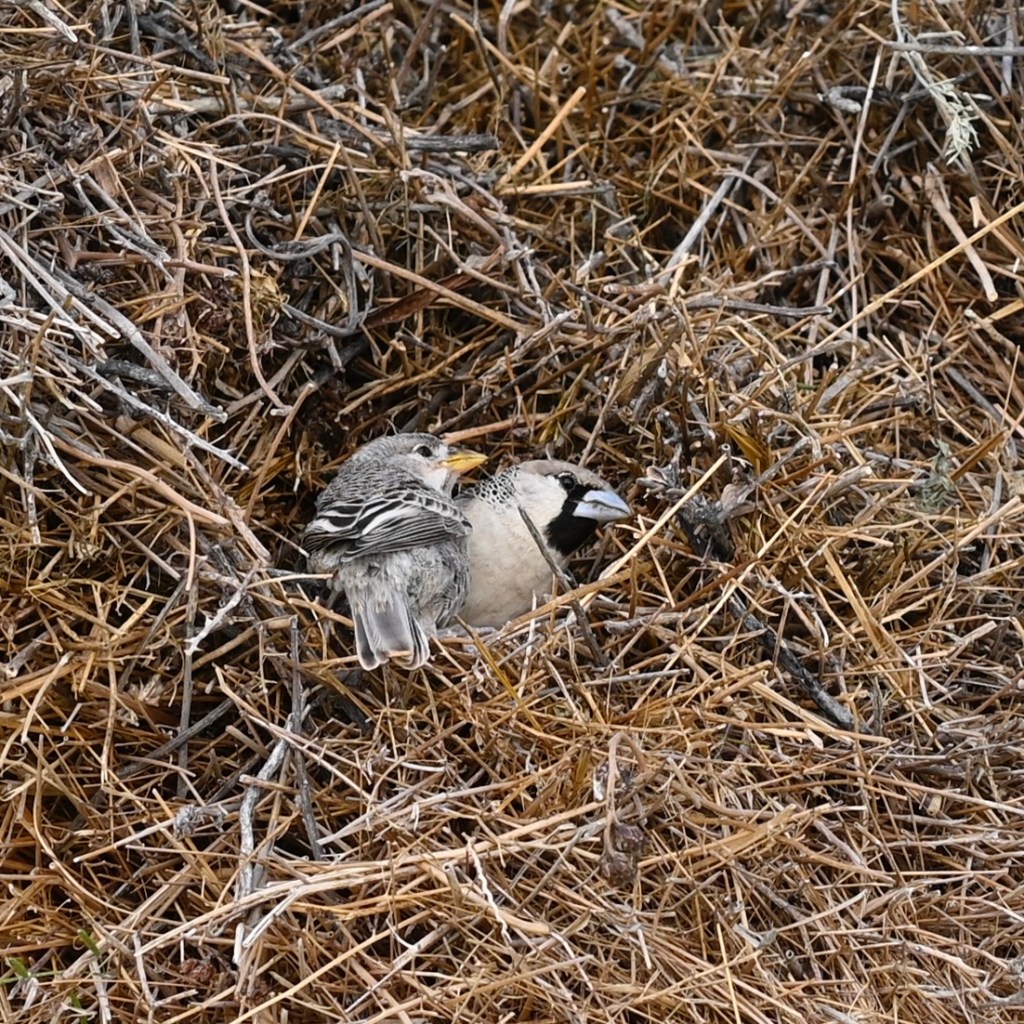
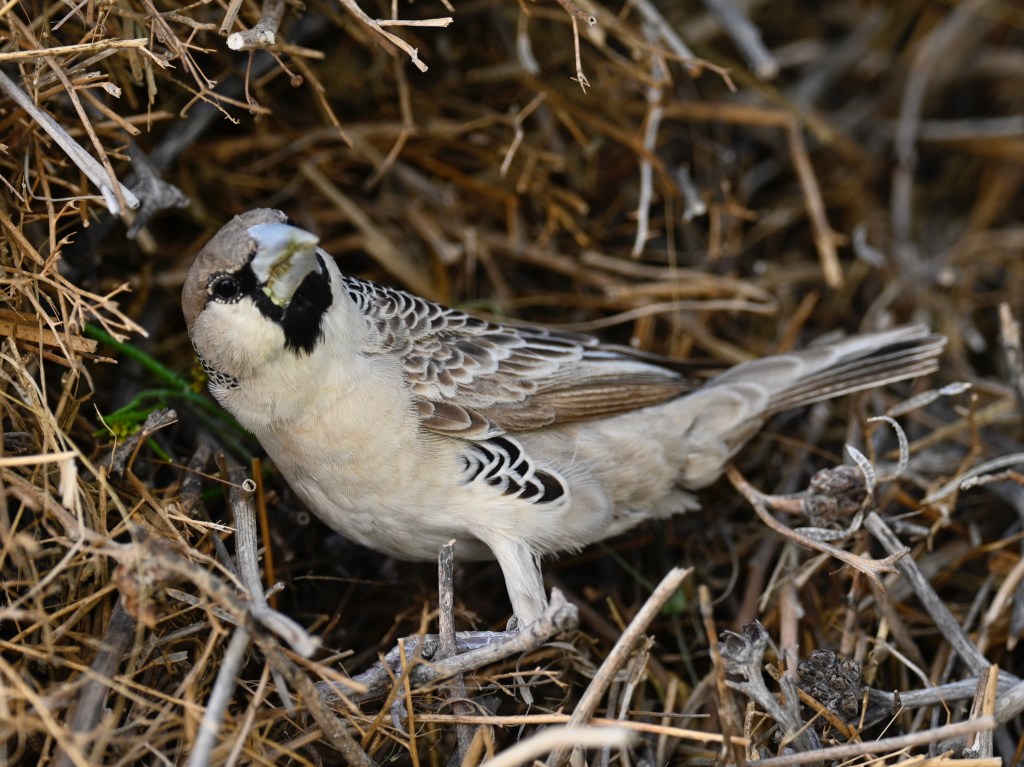
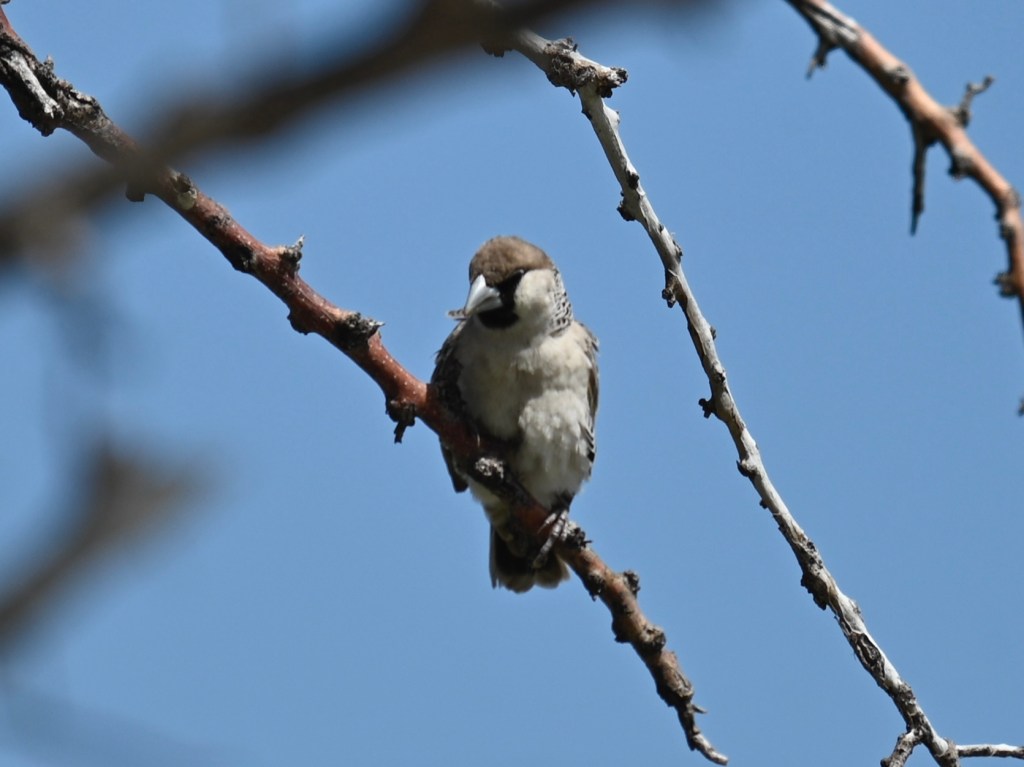
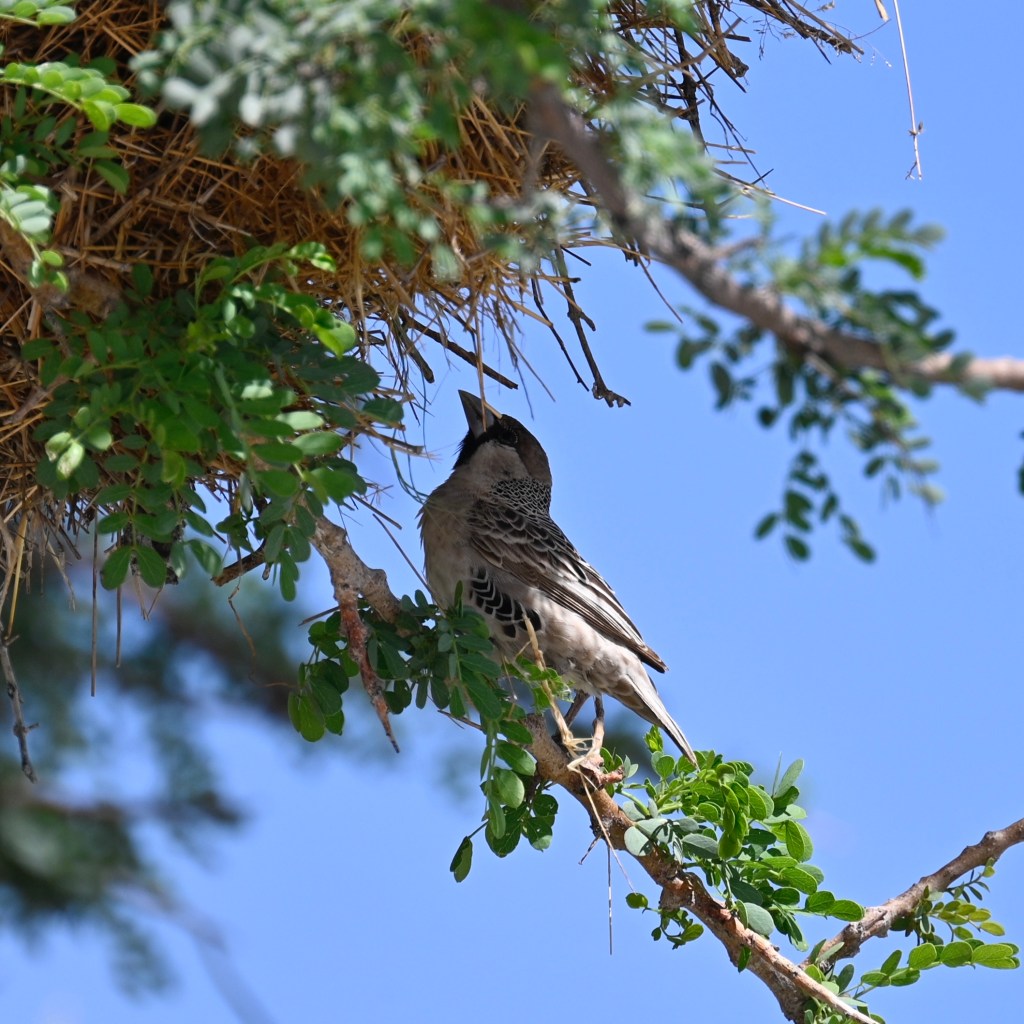
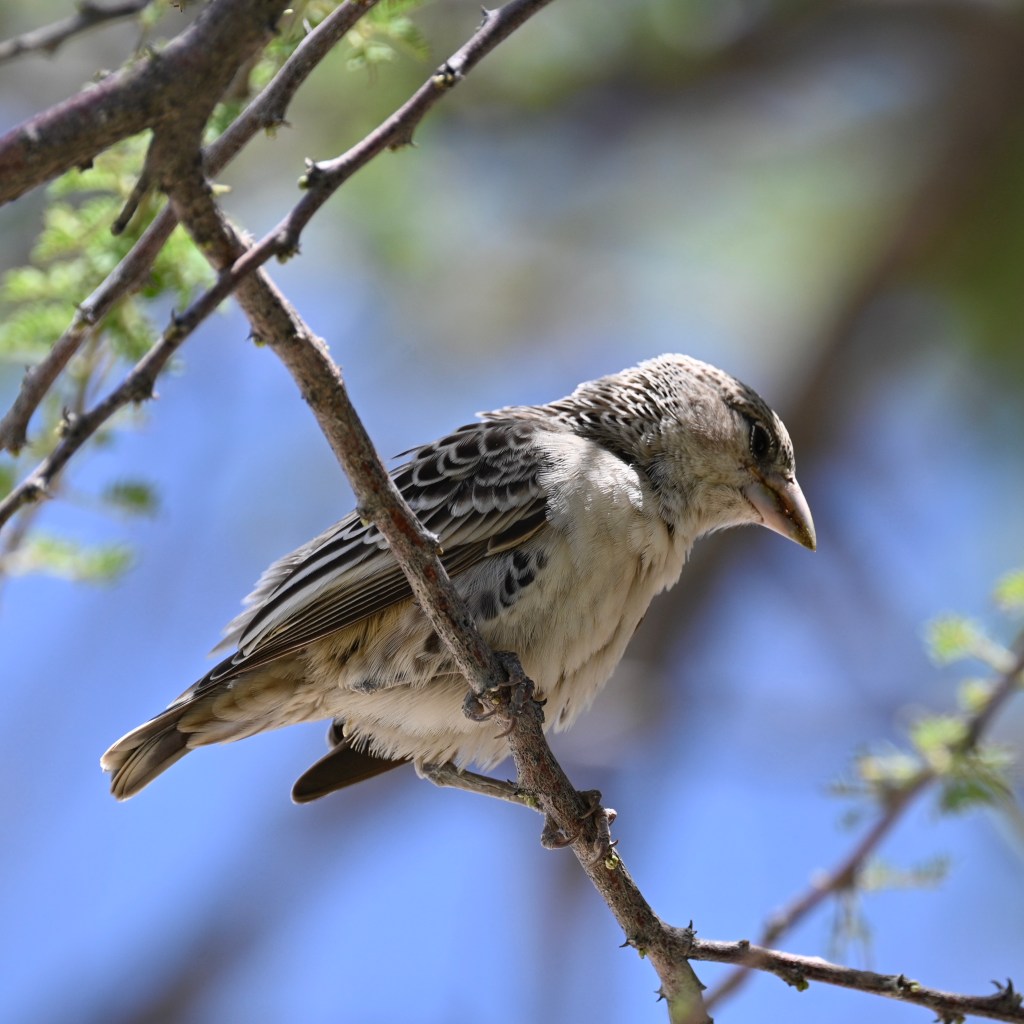

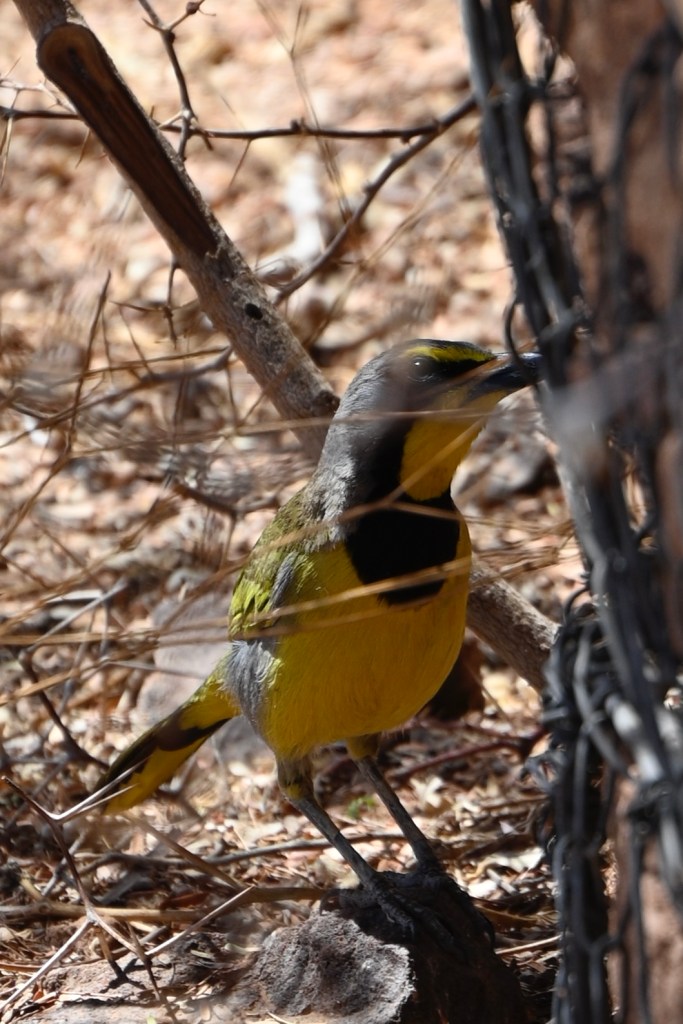
Another weaver bird species is the yellow and black Southern masked weaver. These also like to live in the same tree as their fellows, but in separate nests. If you see a tree with many smaller and separate nests hanging, it may thus be inhabited by the Southern masked weaver or a similar species.
Ground squirrels
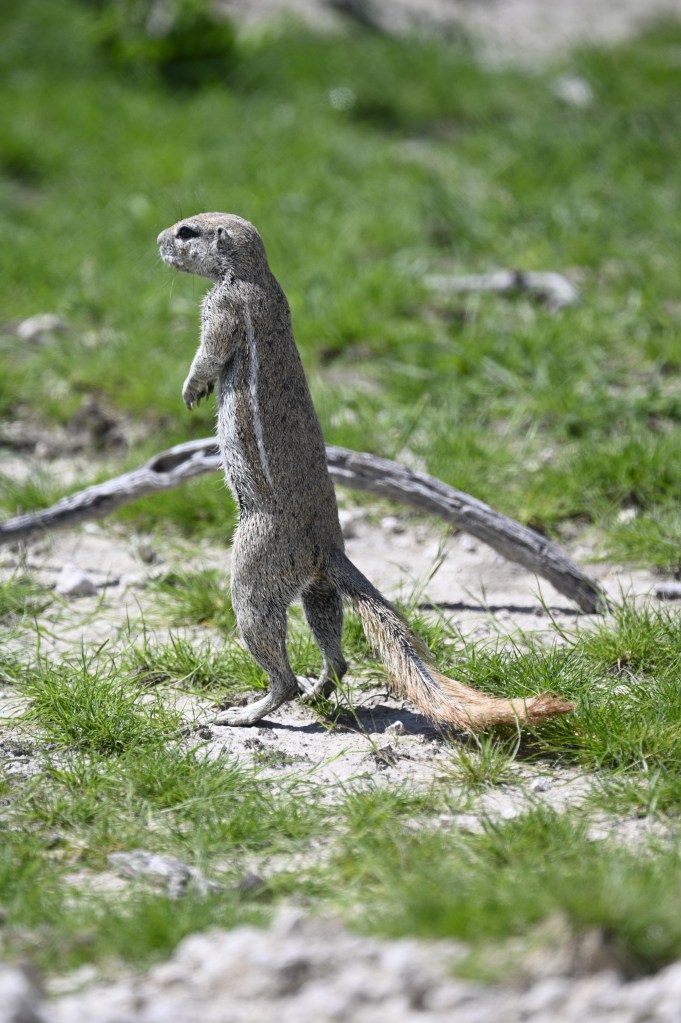
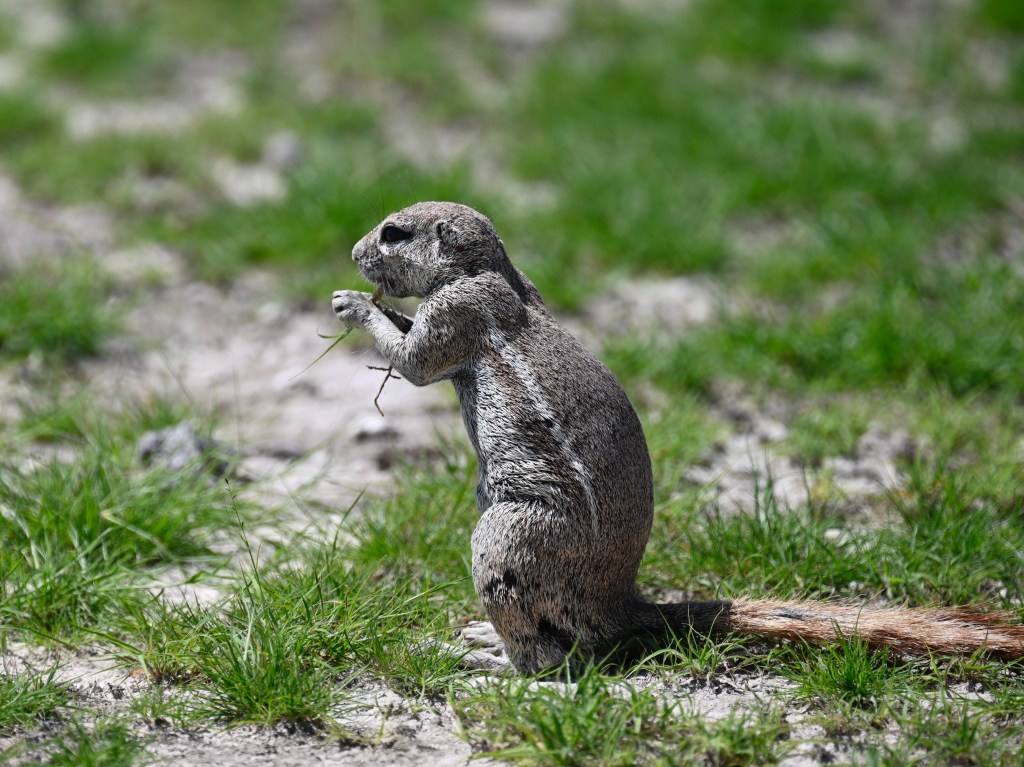
Ground squirrels are beautiful and funny creatures. They dig large holes in the ground, linked with a tunnel system between. I’ve mostly seen these in the dryer western part of Etosha.
Zebras
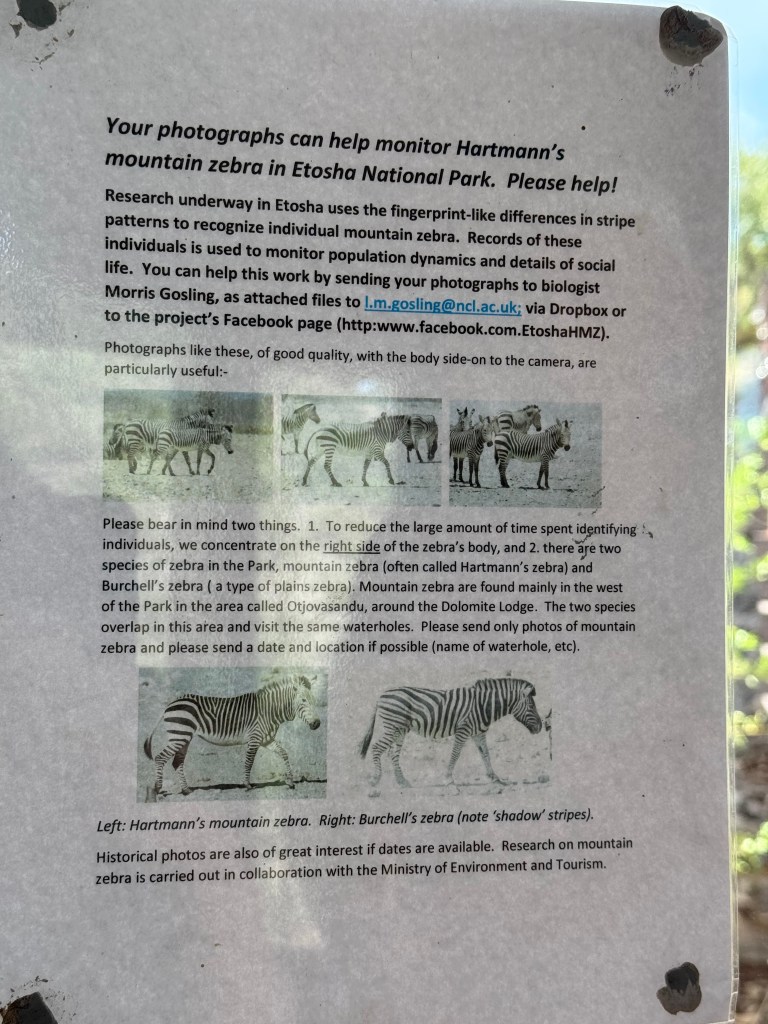
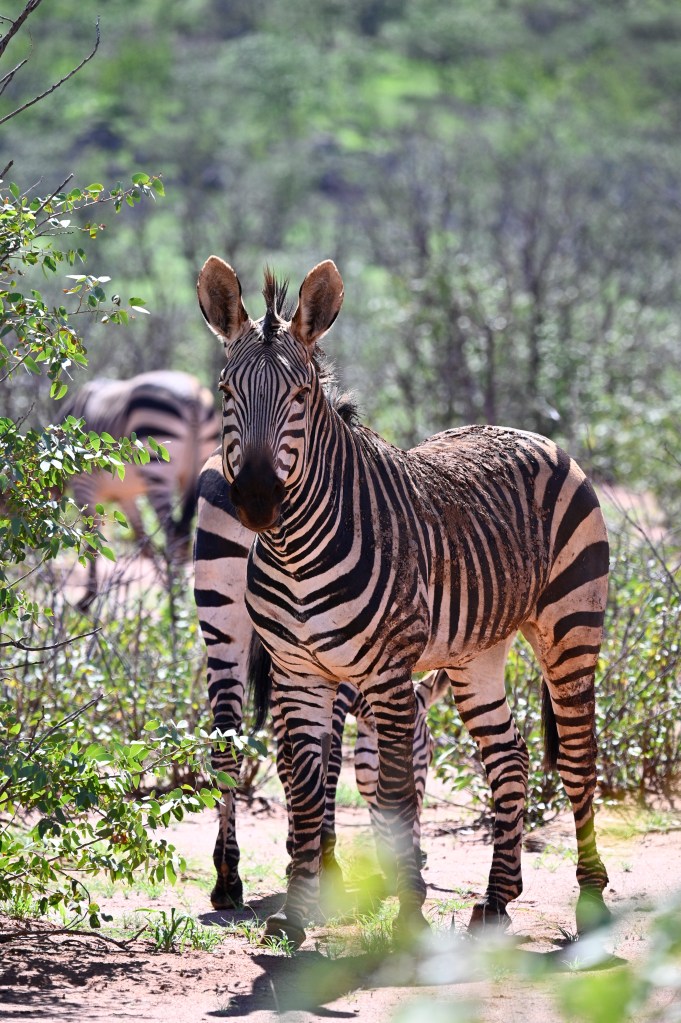
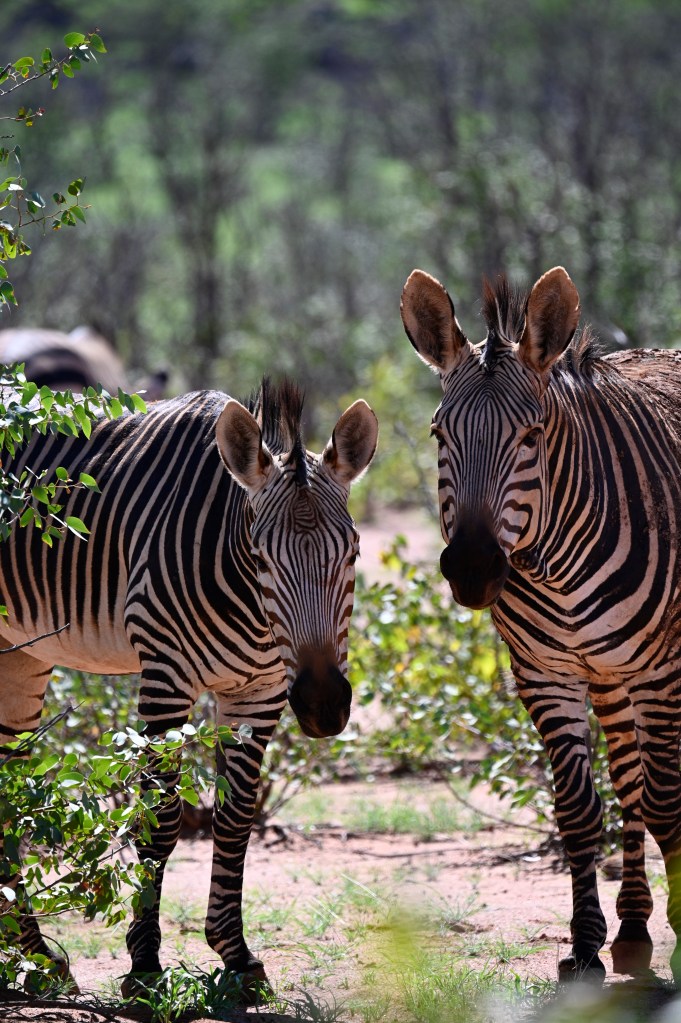
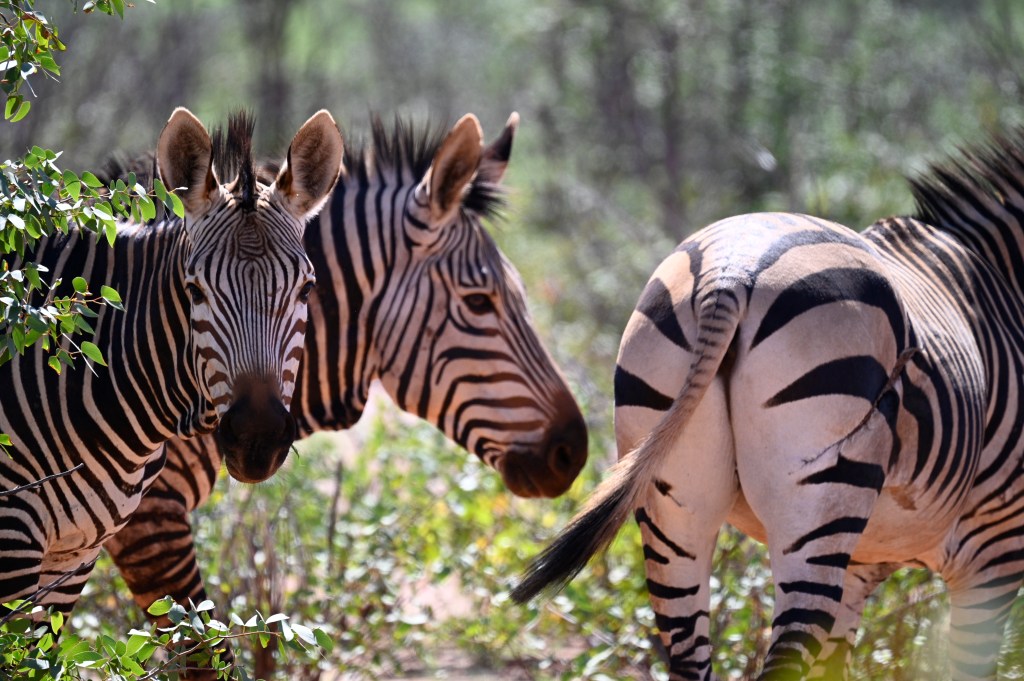
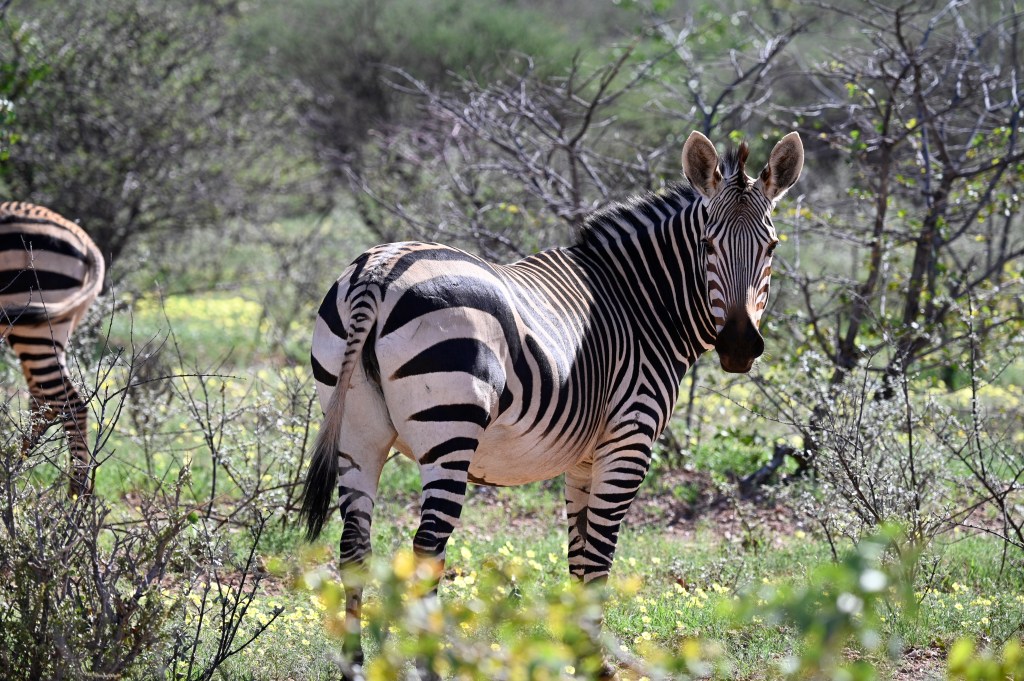
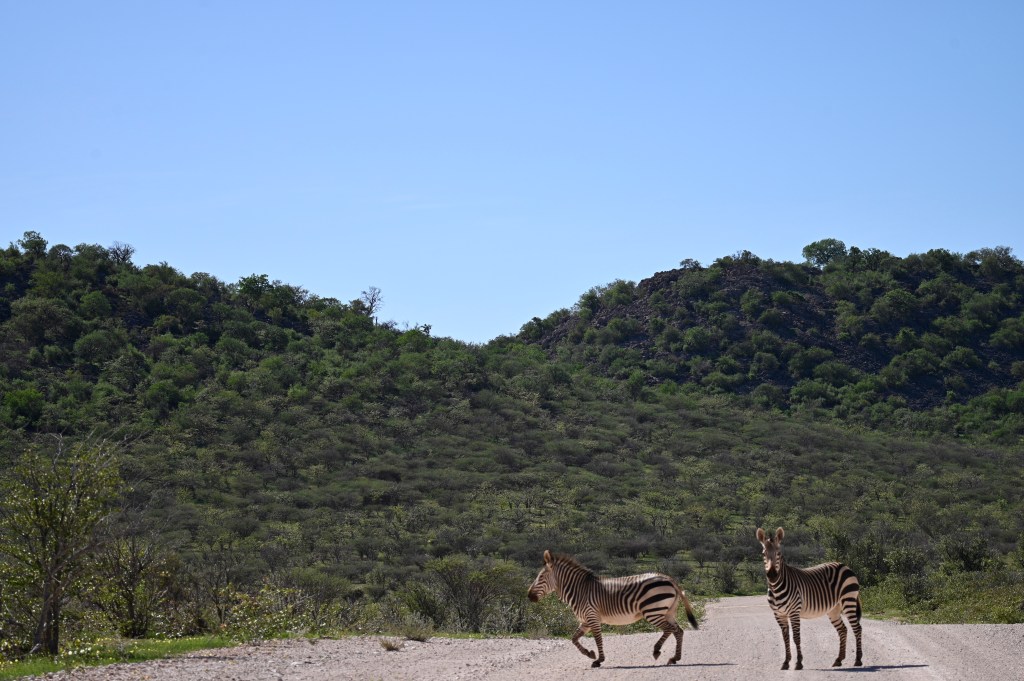
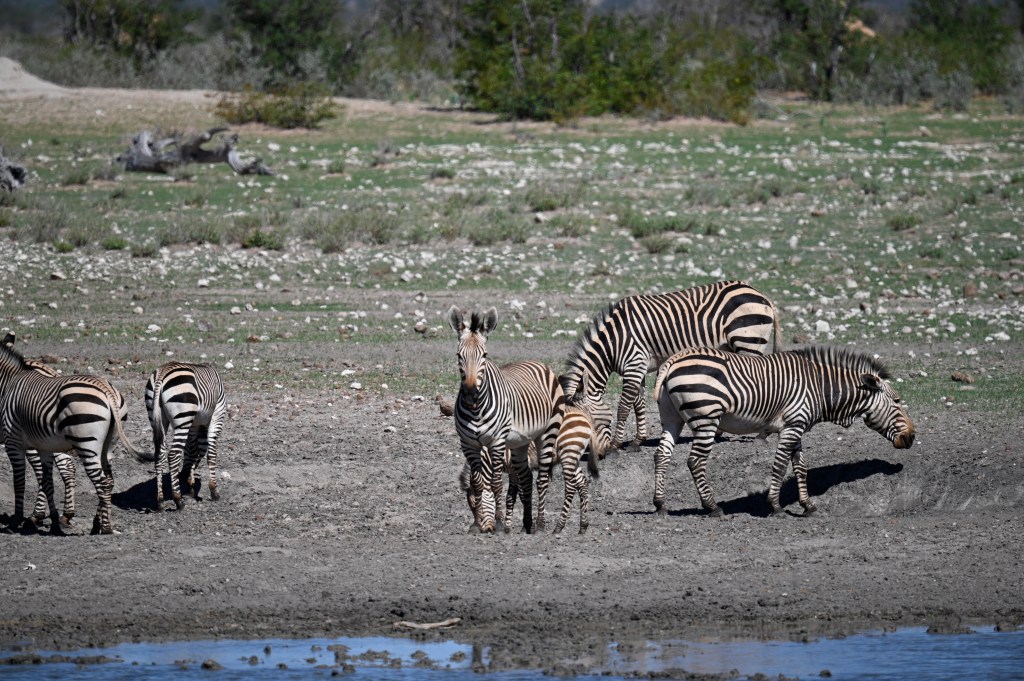
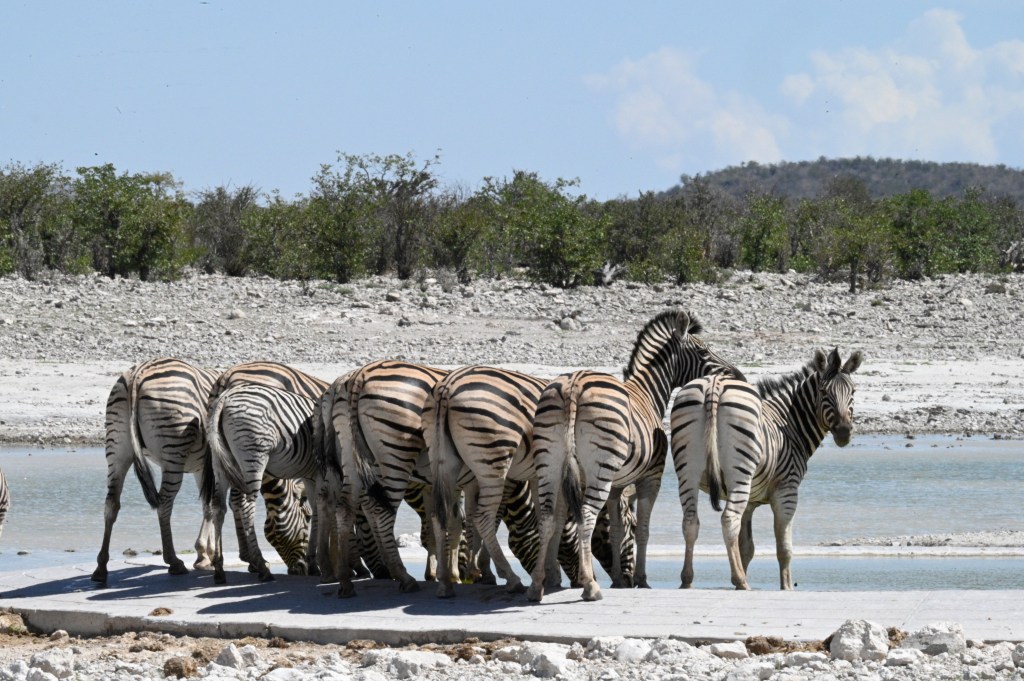
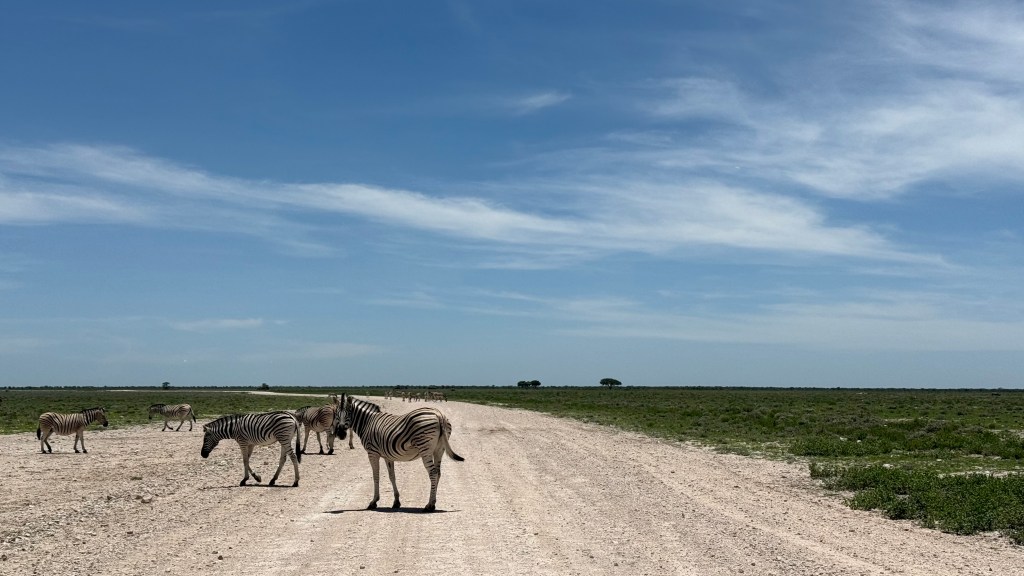
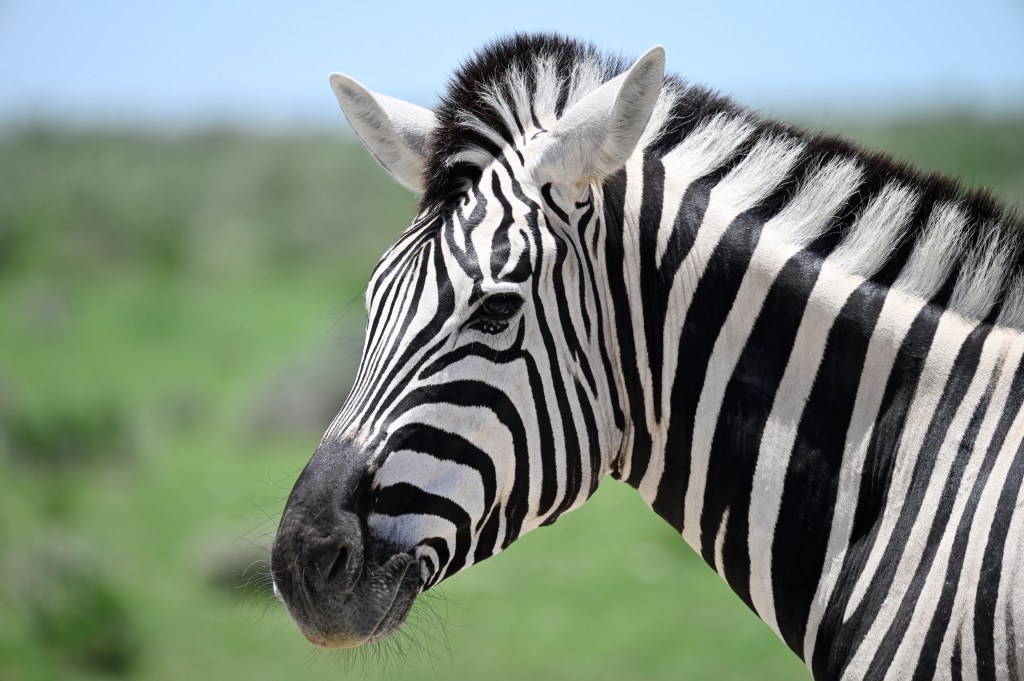
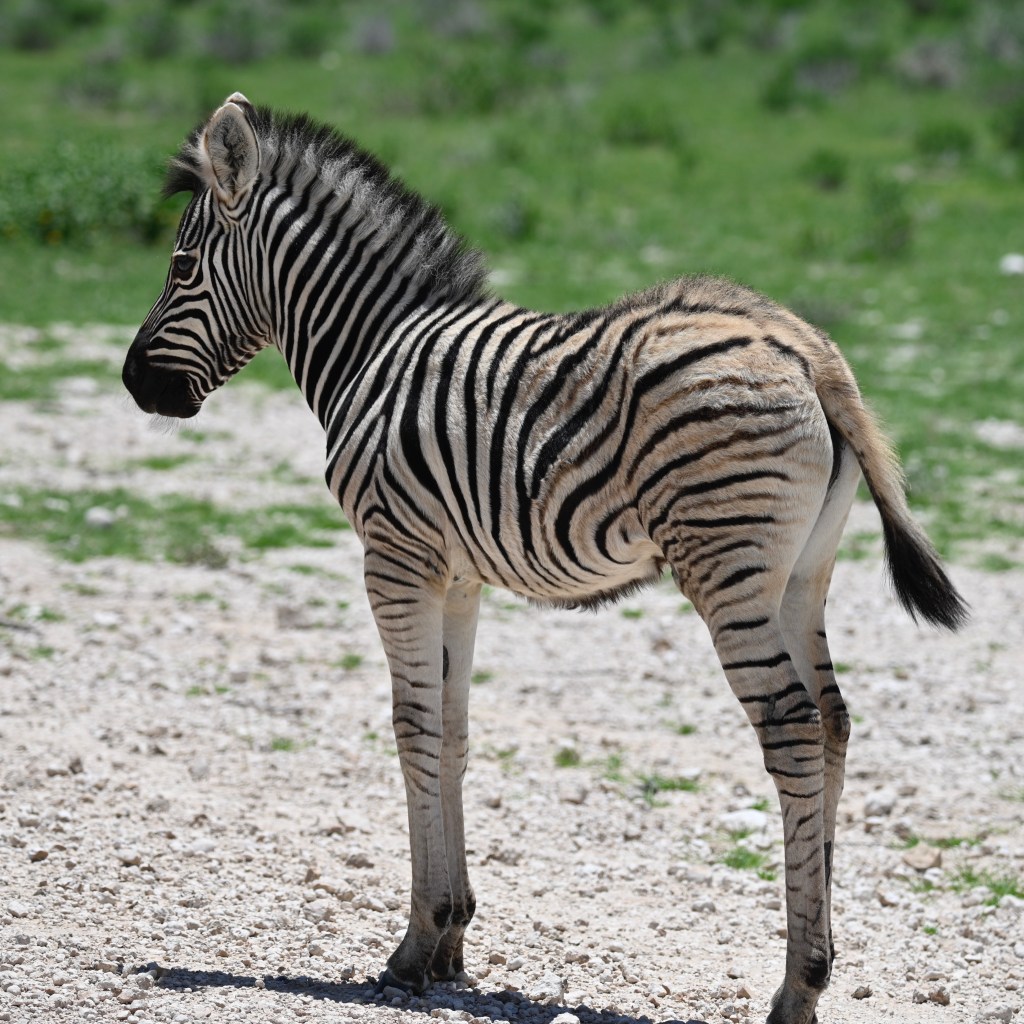
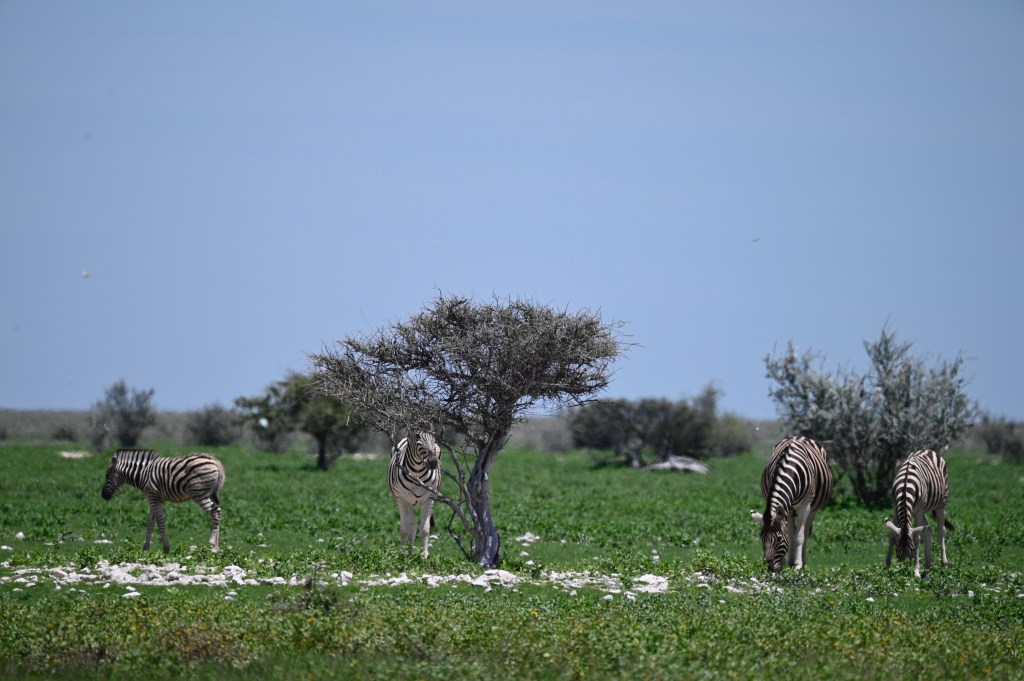
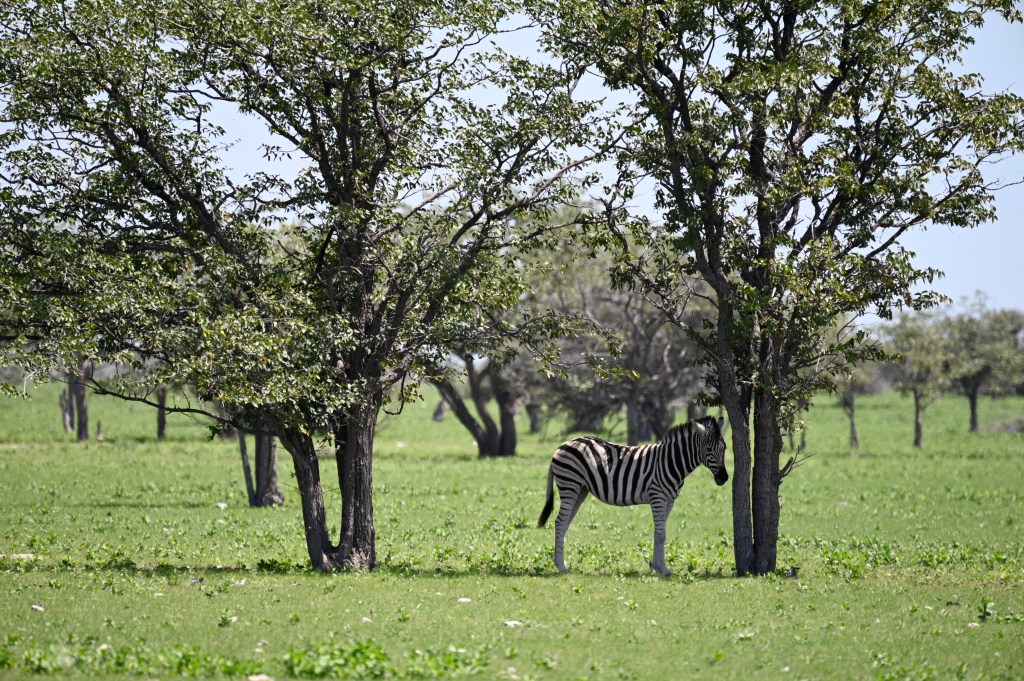
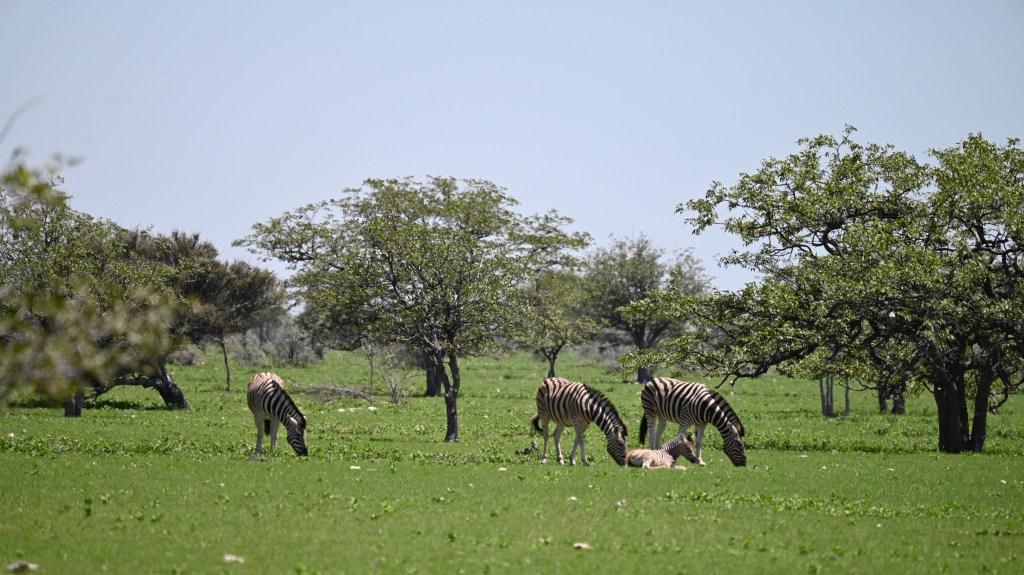
We encountered two different Zebra species in western Etosha. The regular plains Zebra and the more vulnerable Hartmann’s mountain Zebra. The latter one we met southwest of Dolomite camp. It is recognised by its stripes not crossing underneath its belly and by not having the thinner greyish stripes in-between the black and white. When looking at pictures, they also seemed to have shorter legs. We didn’t understand it at the time we encountered them, but at the camp, we had seen a poster asking visitors to help in a research project to register mountain zebras. When looking at that, we realised that we had seen something rare.

Other animals seen in the west
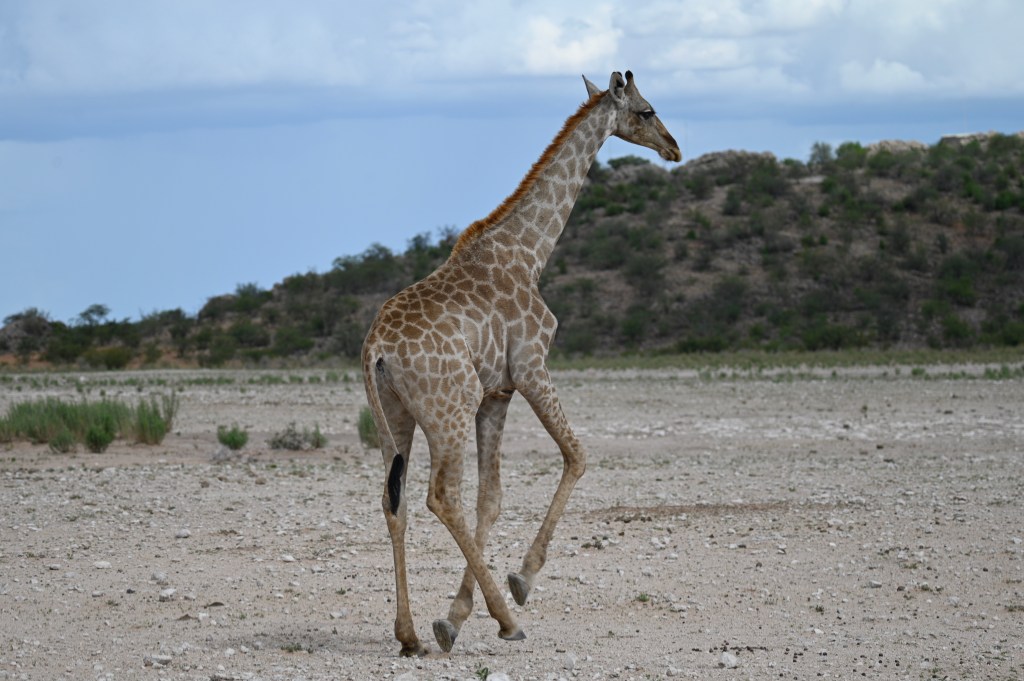
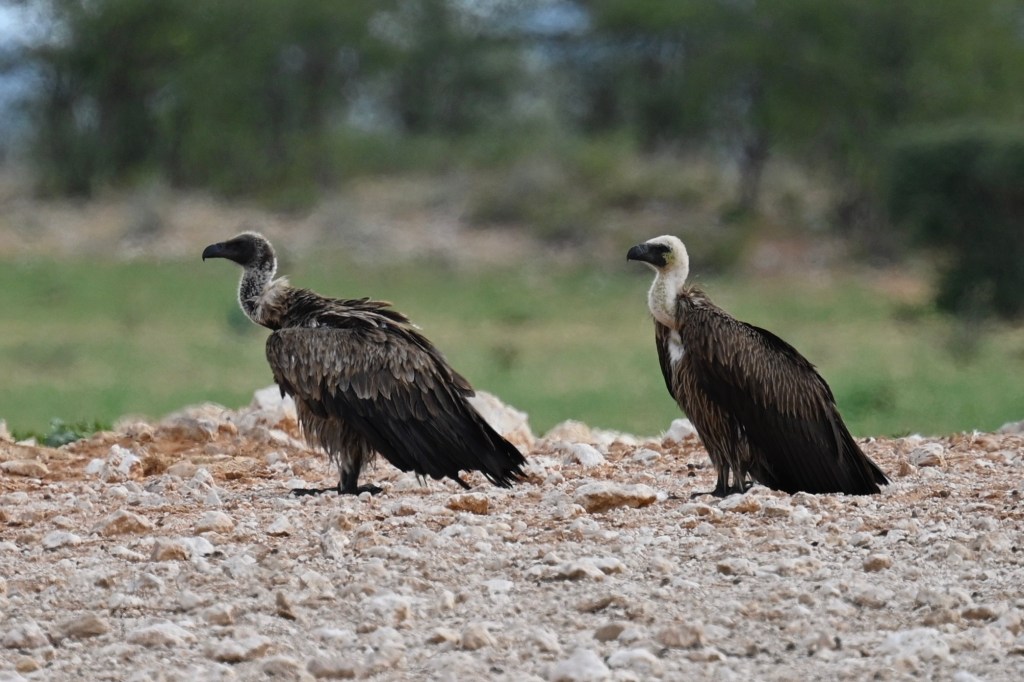
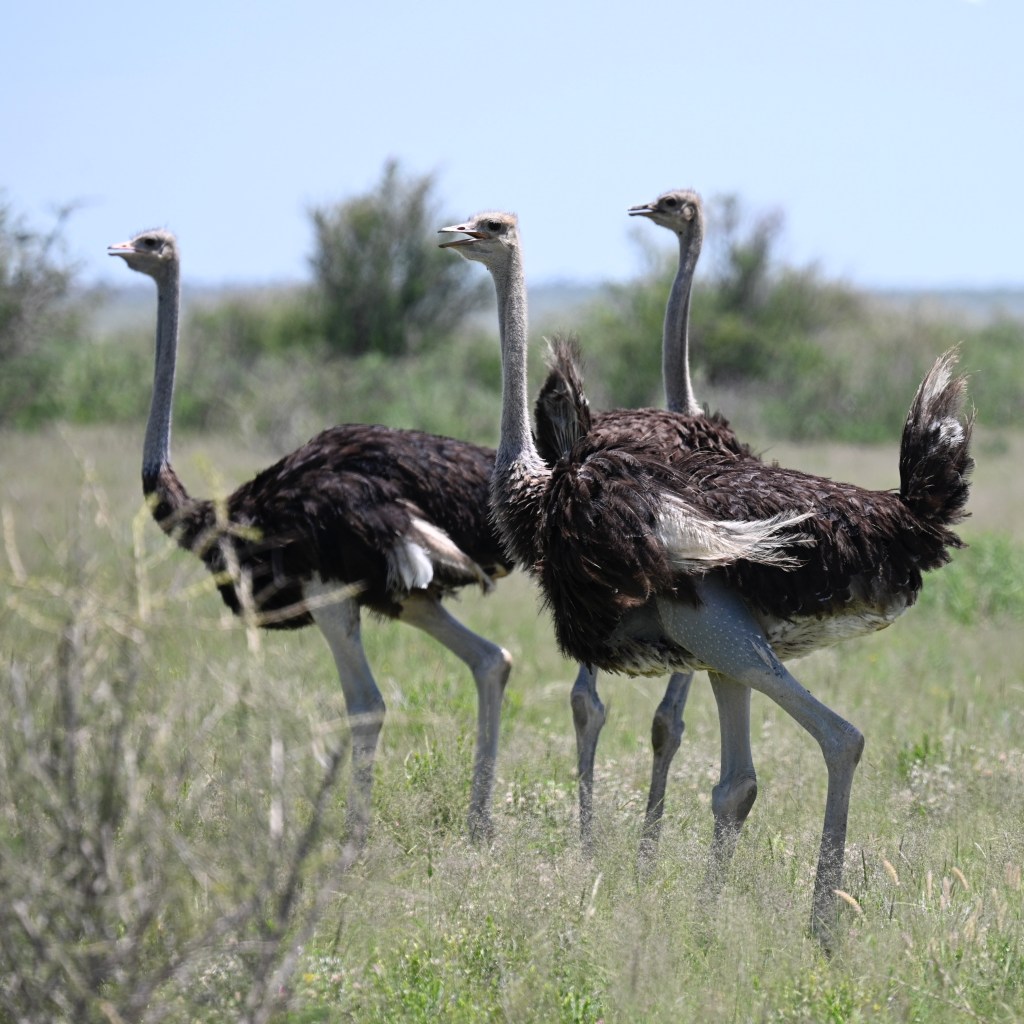
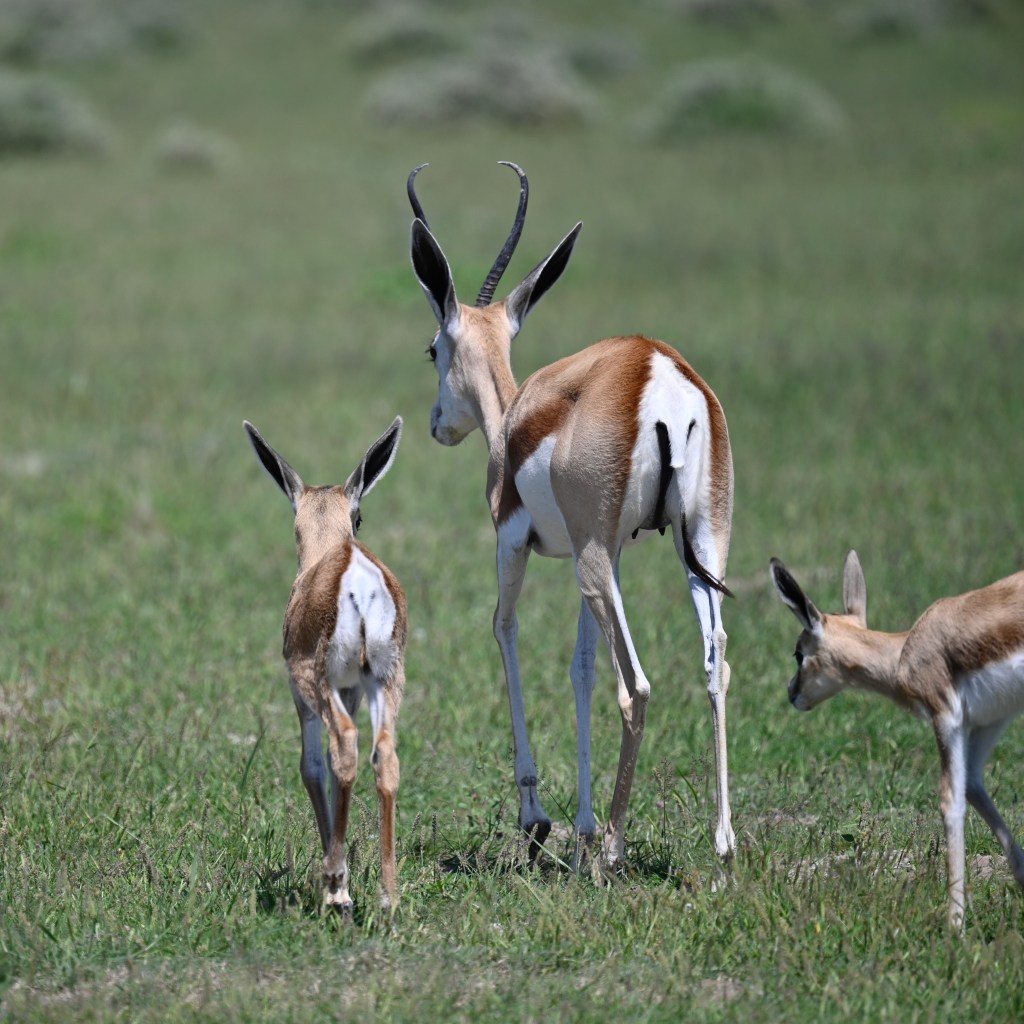
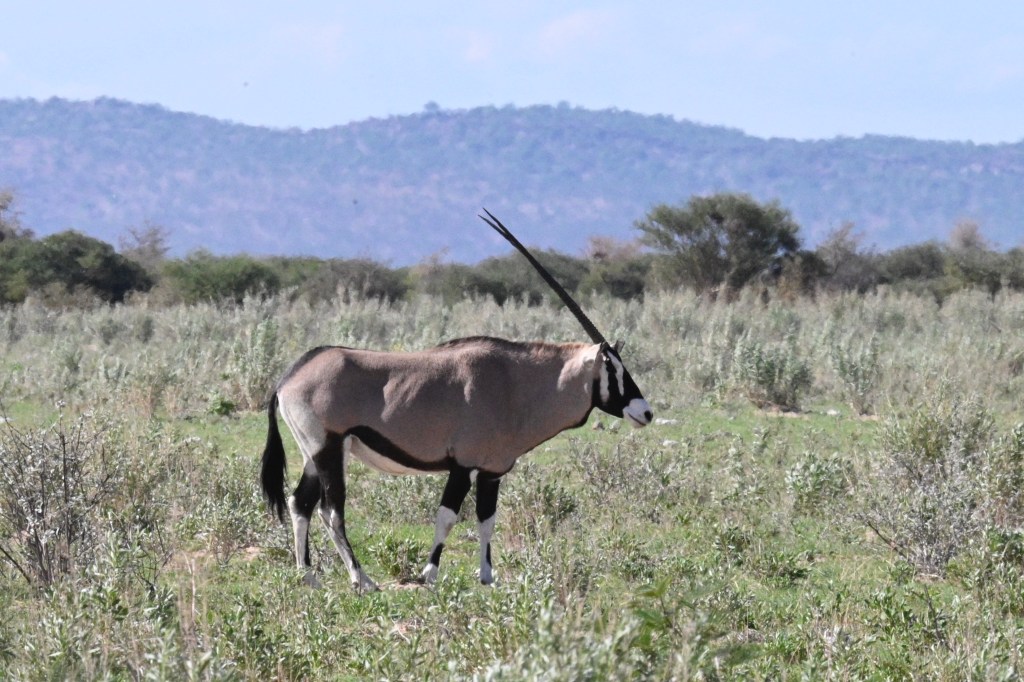
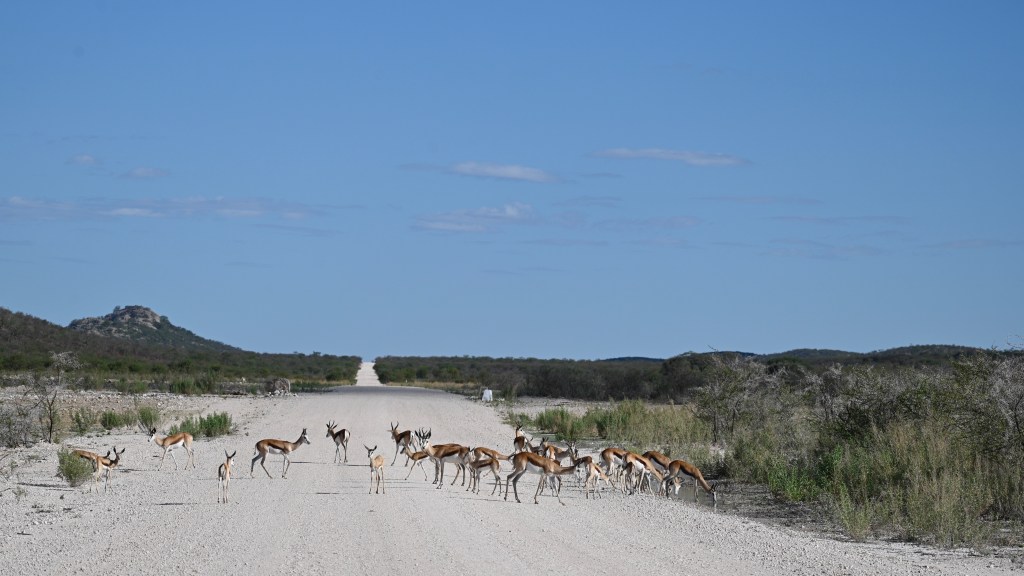
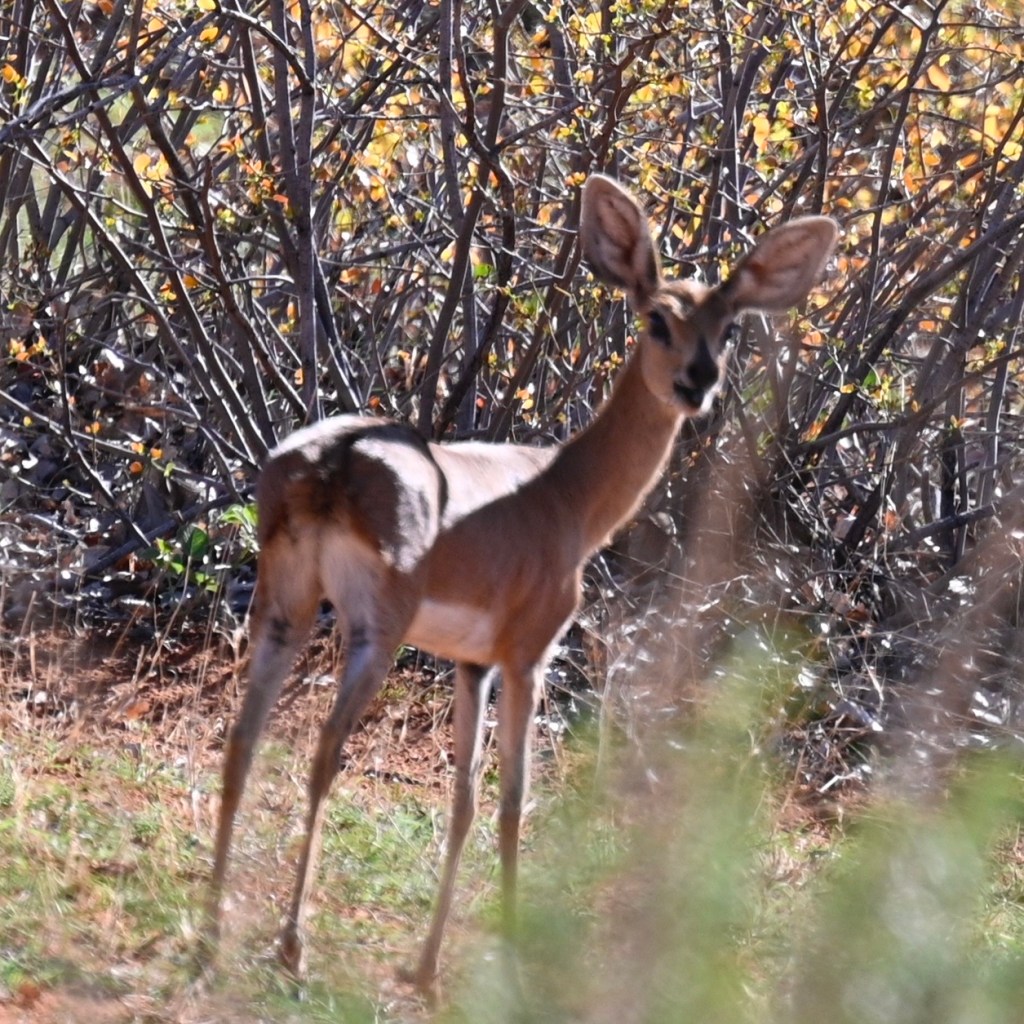
We also saw a lot of antelopes in western Etosha, as Springbuck, Oryx, Red Heartbeast, Stenbuck and Blue Wildebeast. In addition we saw Giraffes, Vultures, a Brown Hyena, a Varan and lots of flowers.


The flowers
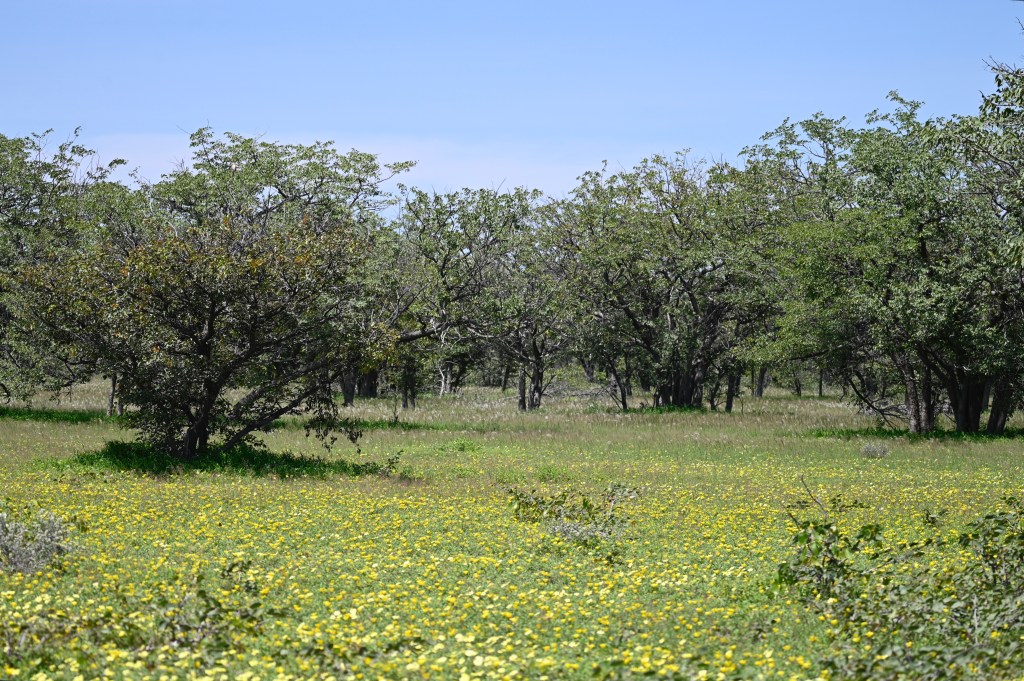
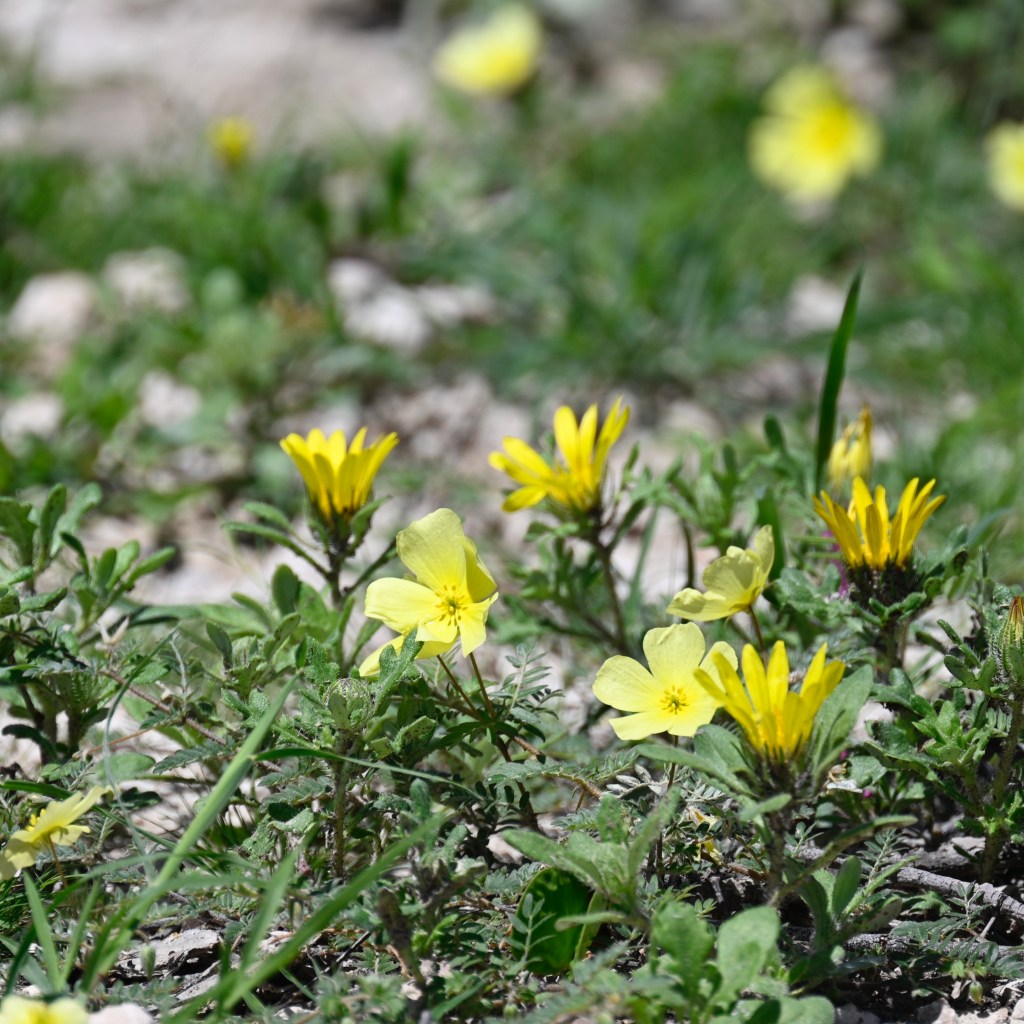
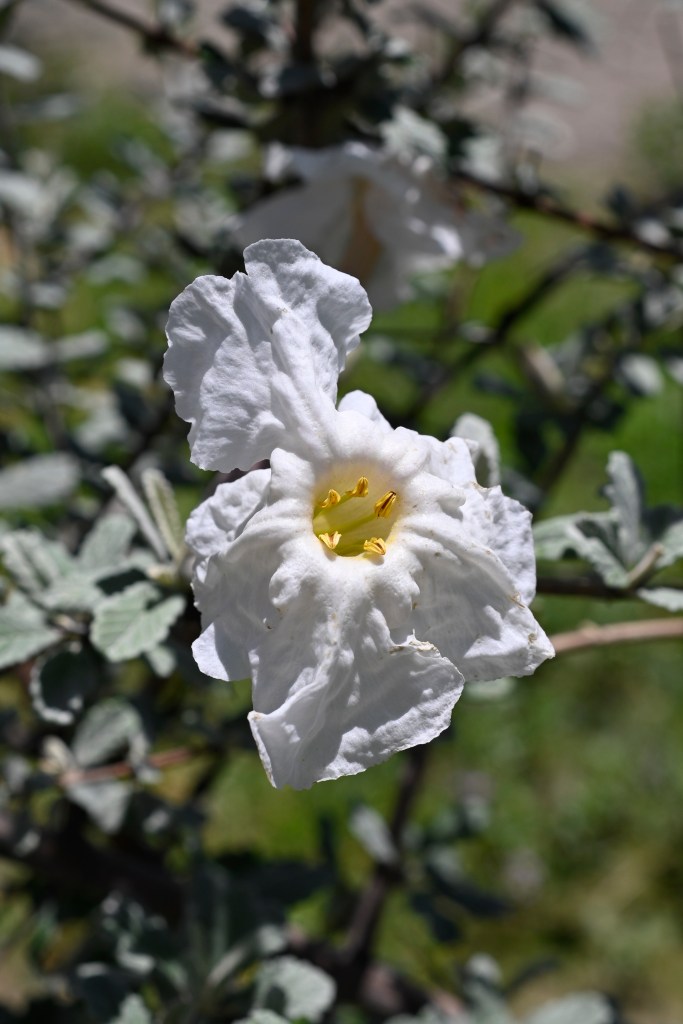
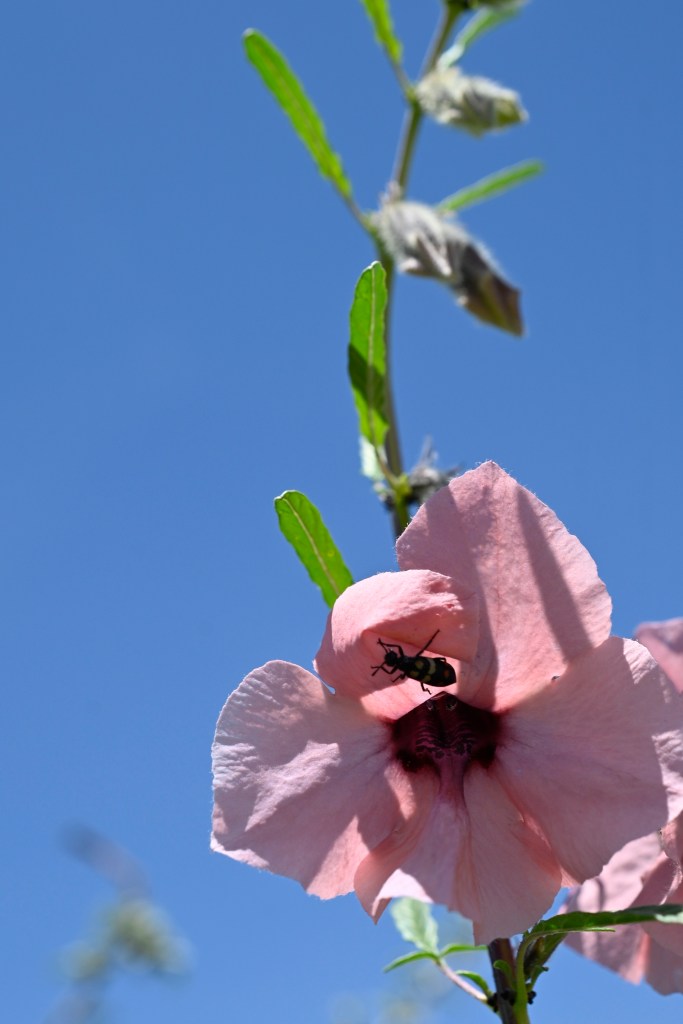
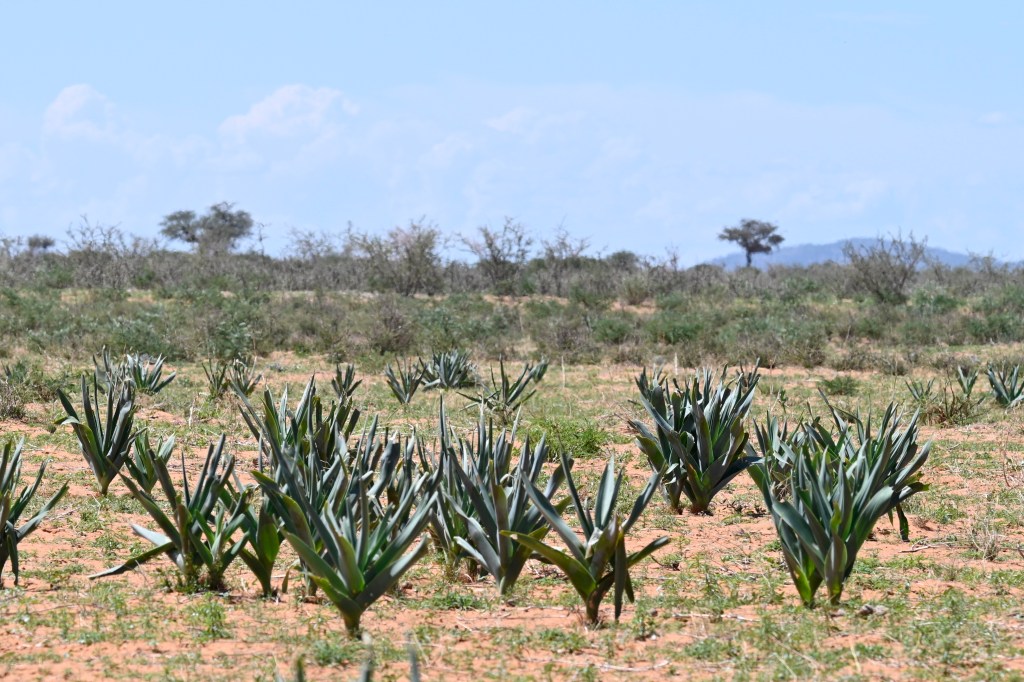
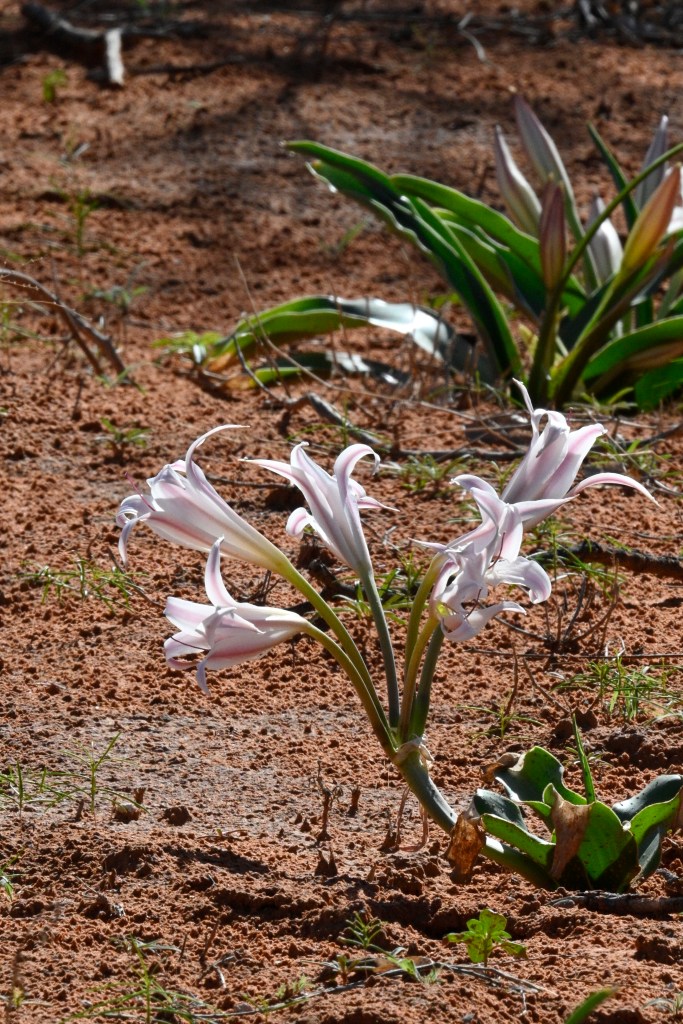
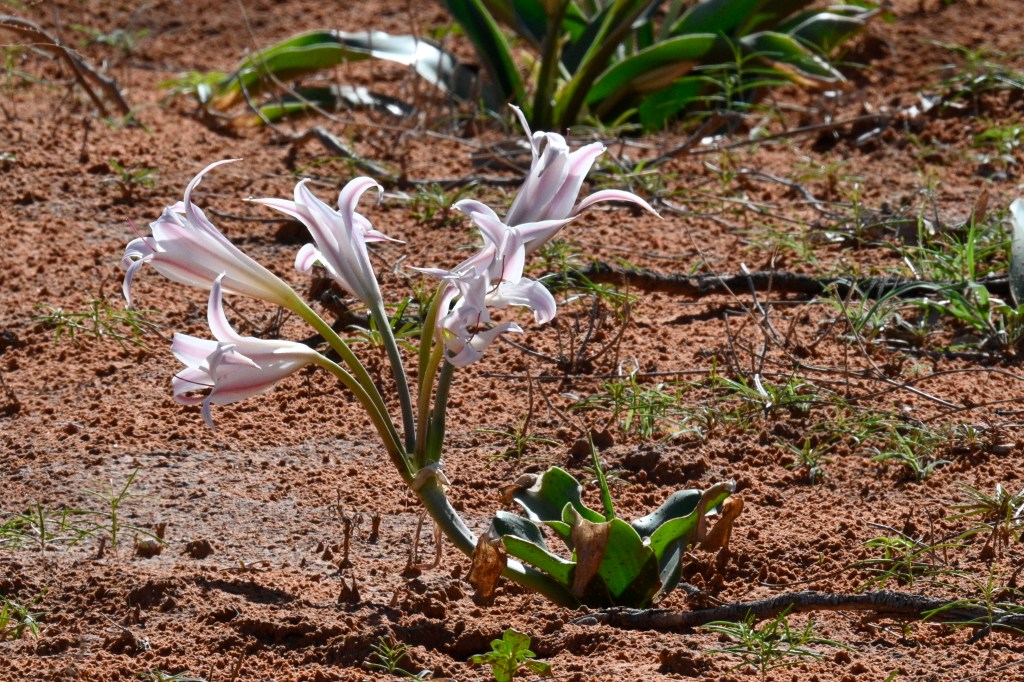
Due to the rain, there was flowers and grass in landscapes which otherwise would have been dry and rocky. some areas looked like huge gardens and outside the fenced reststop, zebras grassed freely. One day we saw the leaves of desert lillies and the day after we saw them in full bloom.
Rest stops
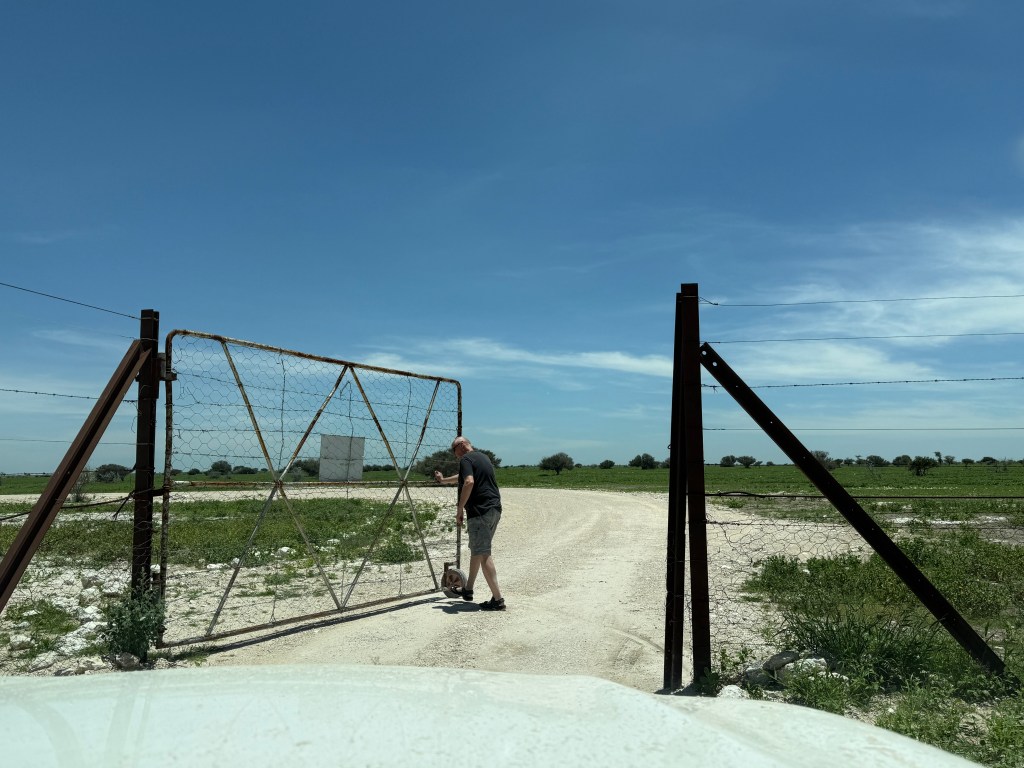
As there are wild and dangerous animals in Etosha, you cannot leave your car whenever you need a break. As the travel between Okaukuejo and Dolomite takes many hours, you should plan stops wherever possible and bring water and food in your car. We found a fenced rest stop at Sonderklopp, where one of us needed to quickly leave the car and open the gate to let the car in and then close it again before any lions could get us. Inside the fence we could walk freely around. The toilet was not working, but there were plenty of trees and bushes giving some hide.
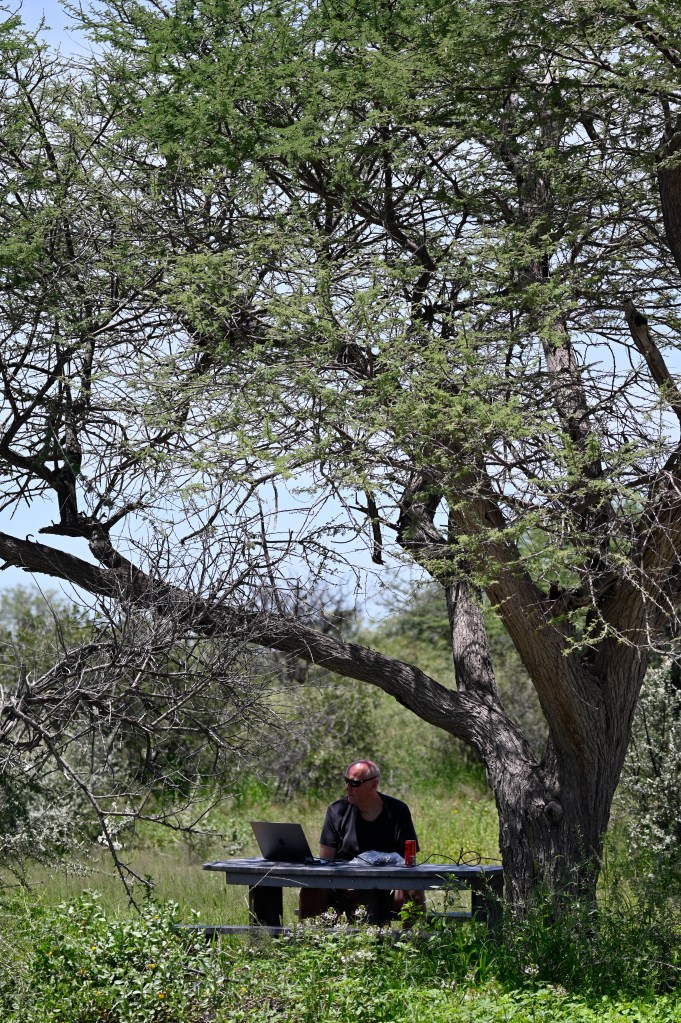
My husband, Trond, used the opportunity for doing some sound recordings of the weaver birds.
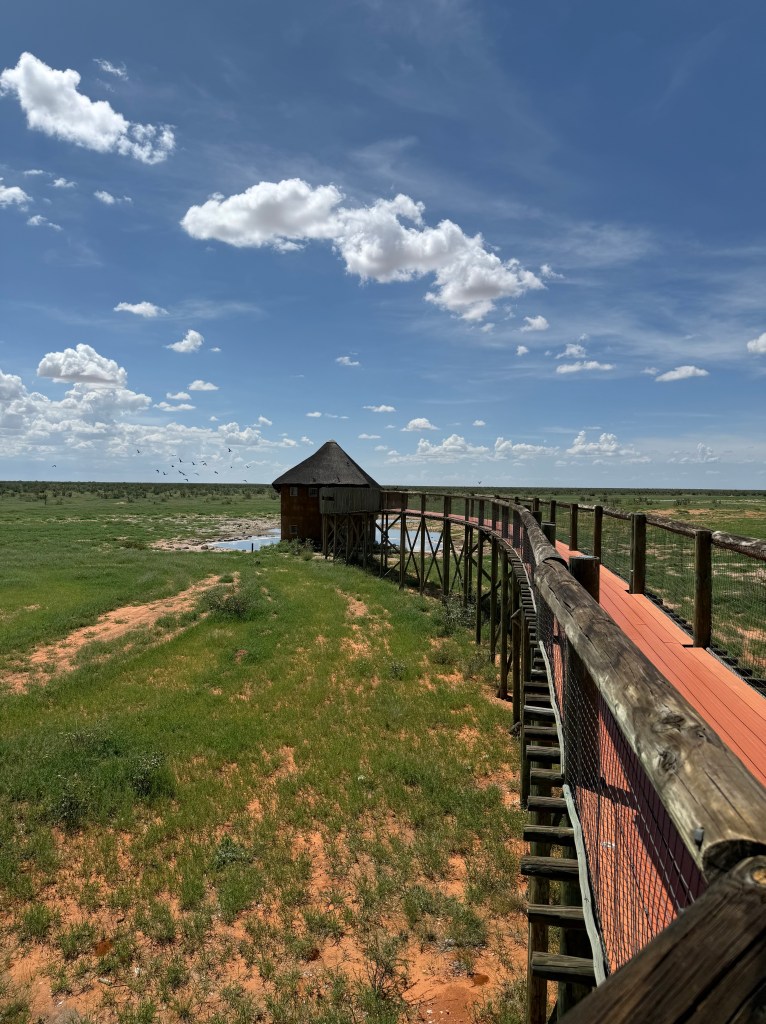
The other stop on the way to Dolomite, was the NWR camping area at Olifantrus, which also had a small café selling coffee and toast. Olifantrus also has a waterhole, with a beautiful walkway to a wooden tower-like viewing point.
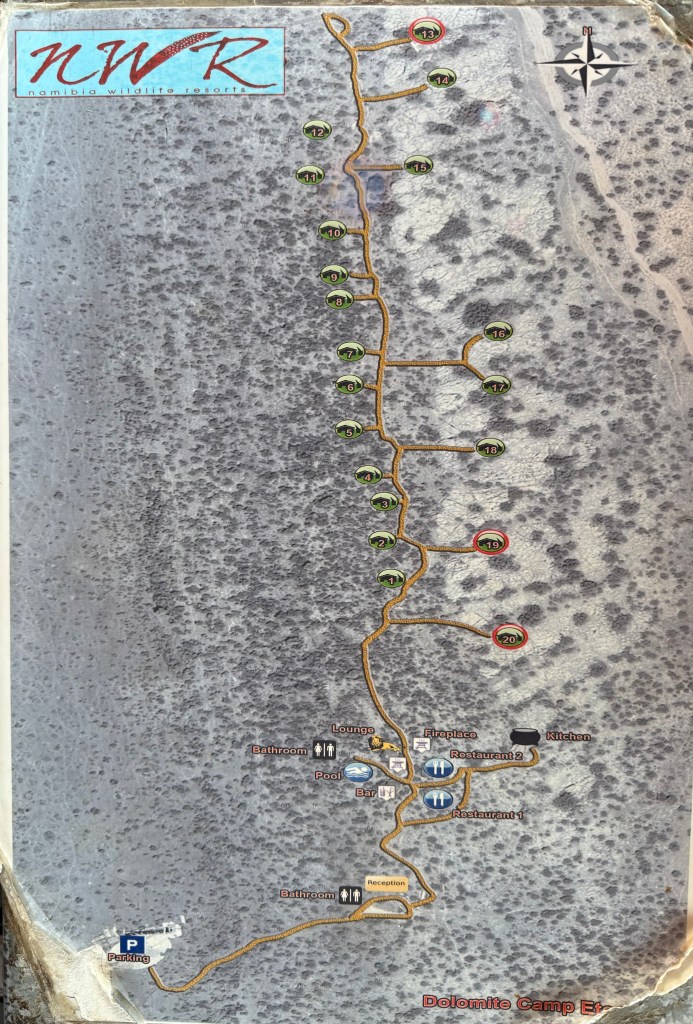
Dolomite resort is the only accommodation in the western Etosha, if you do not want to camp, if which you can do this at Olifantrus camp.
Dolomite resort
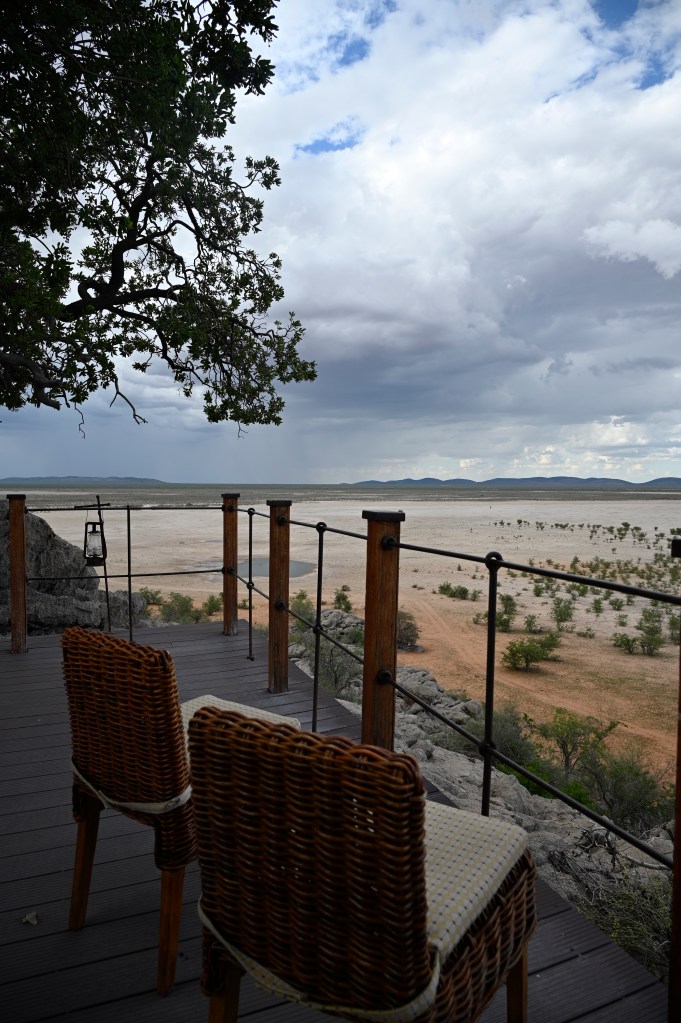
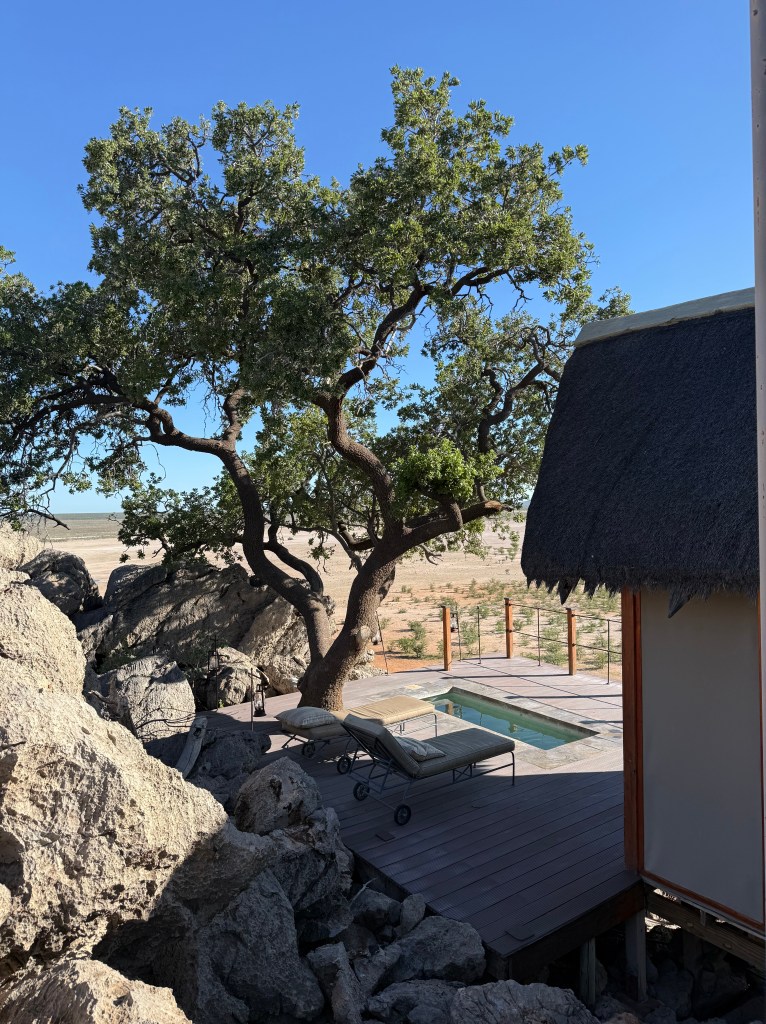
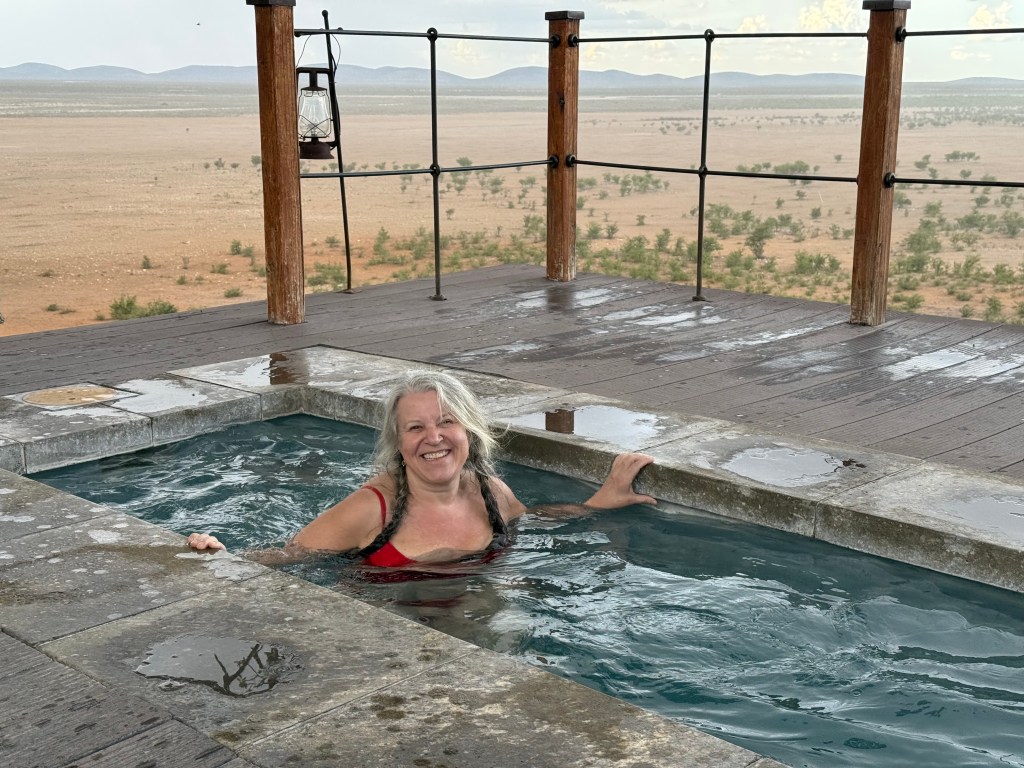
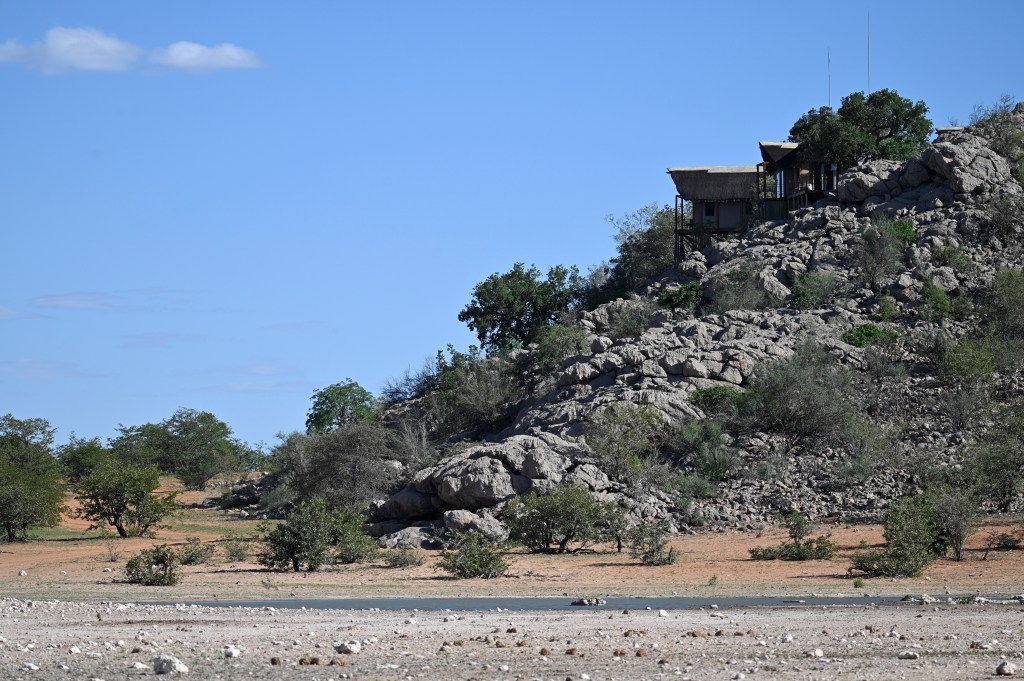
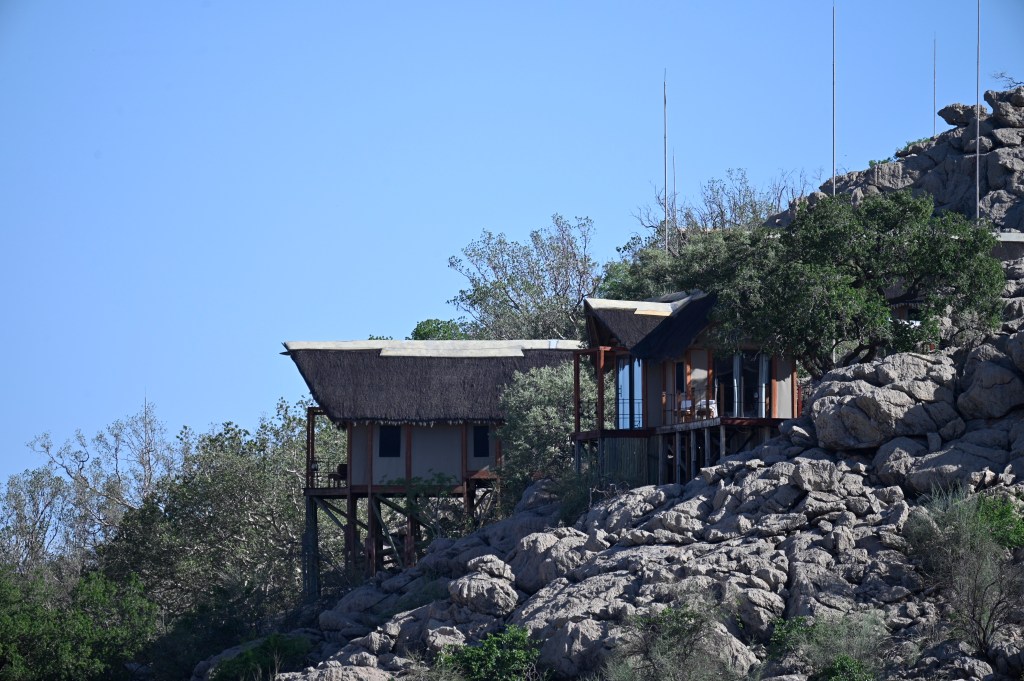
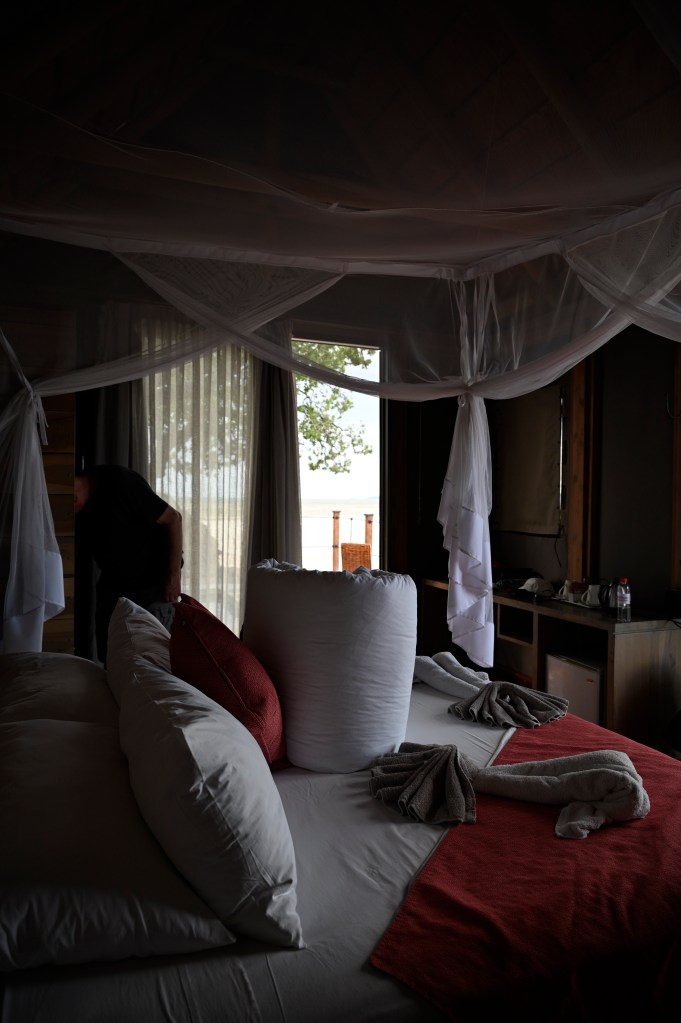
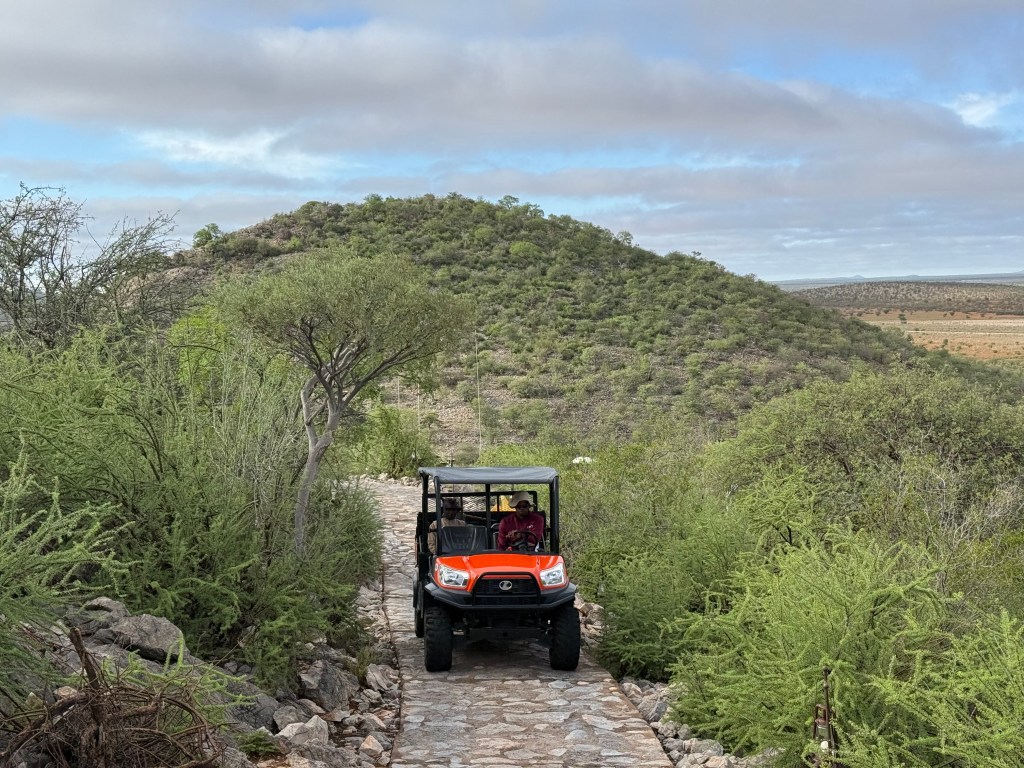
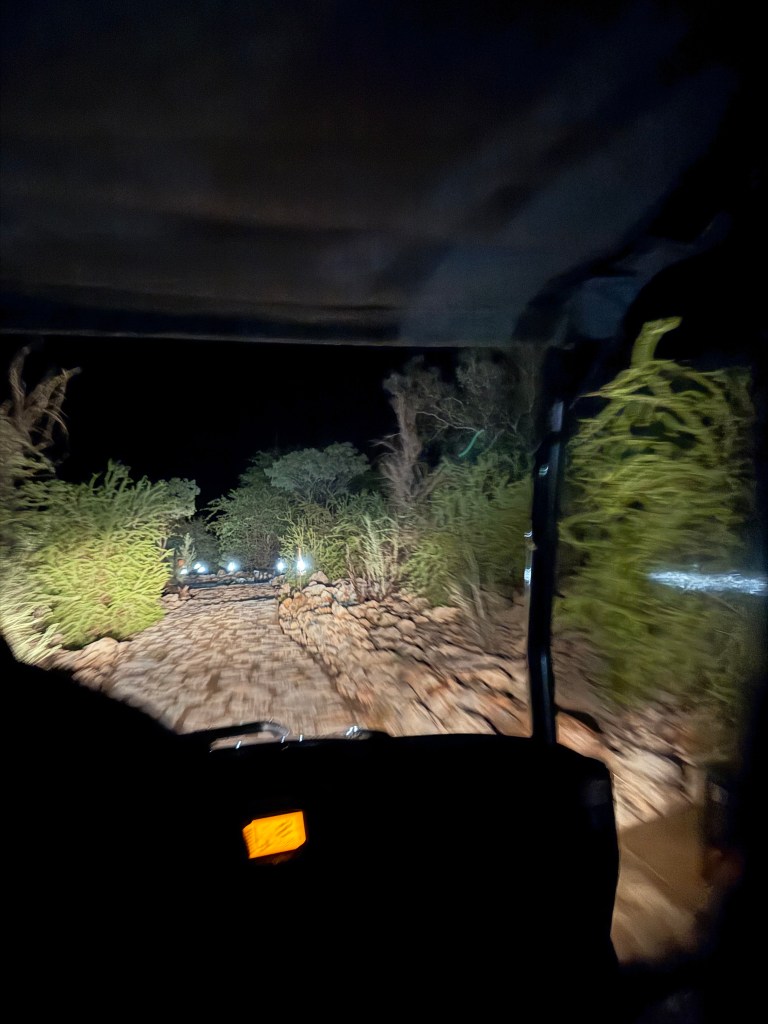
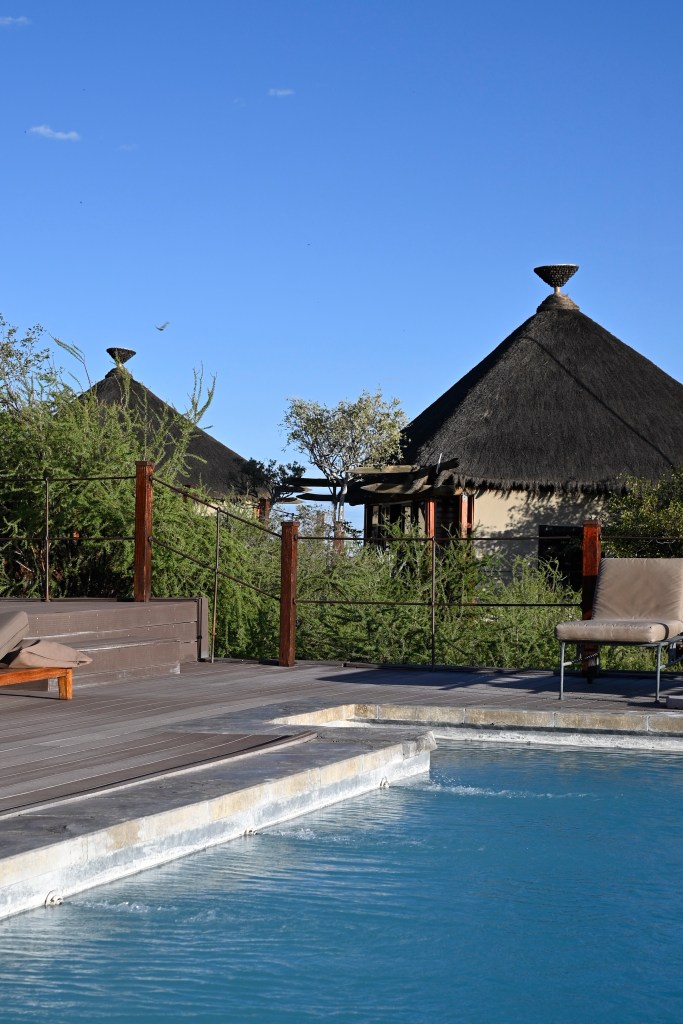
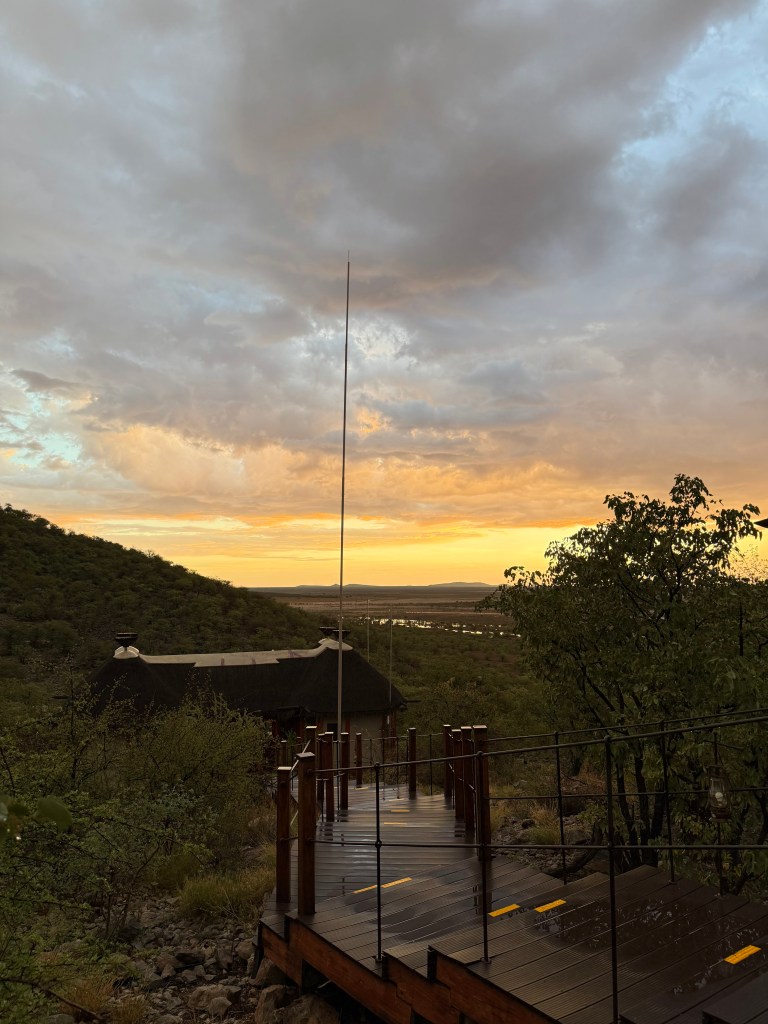
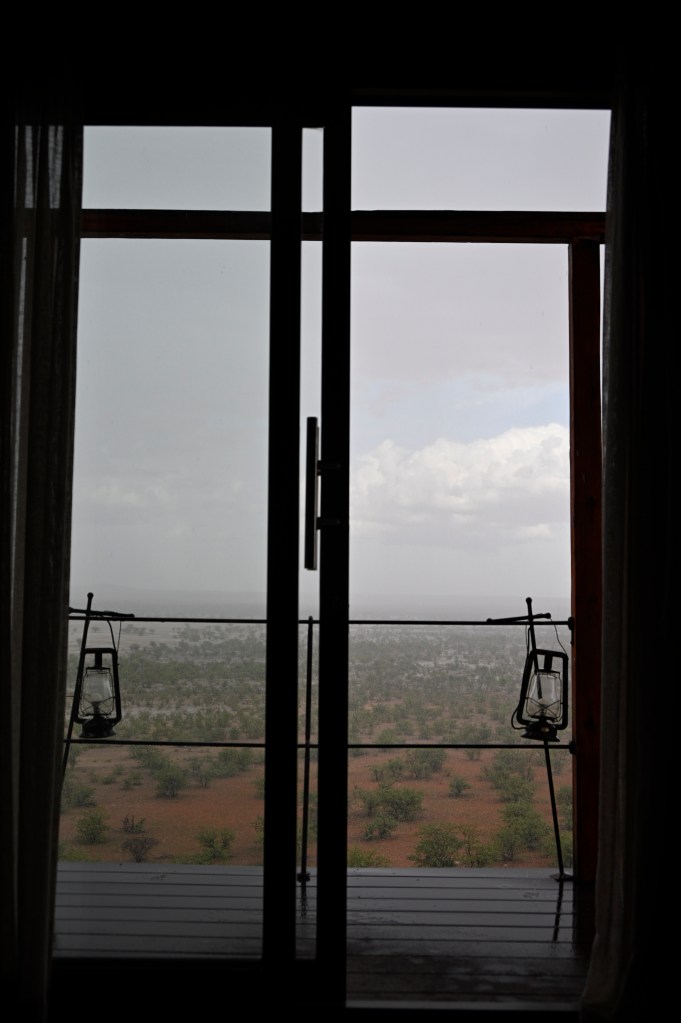
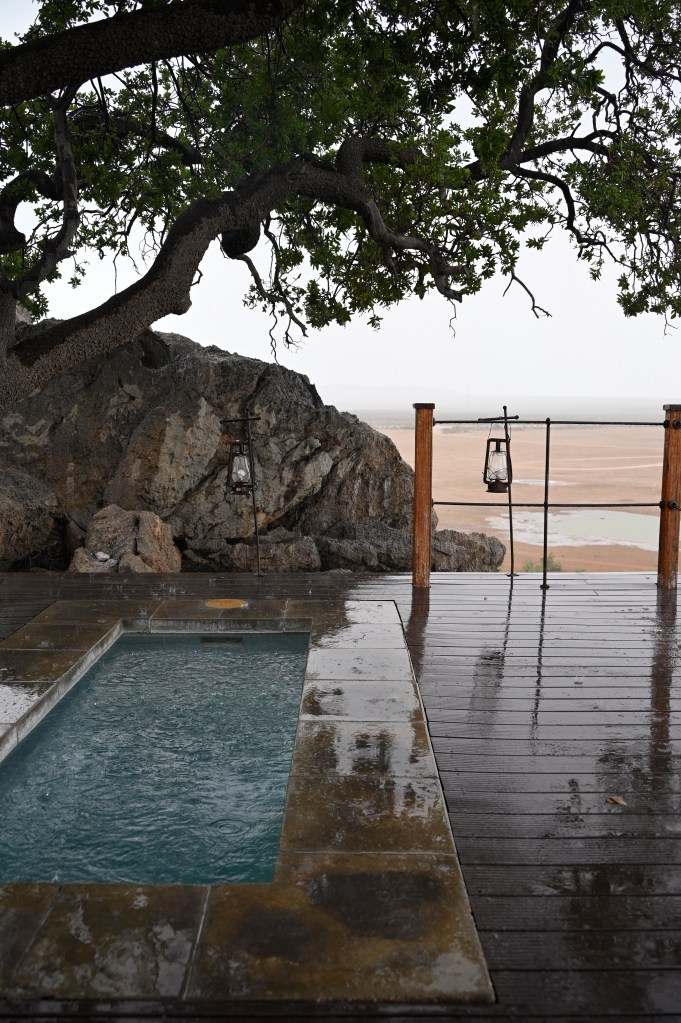
Dolomite was such a treat! We lived in a de-luxe chalet with our own private plunge pool and view over the waterhole from our two balconies. It was the cabin furthest away from the reception, restaurant and main pool area, but a small “golf-car” picked us and our luggage up at he parking, a little down-hill and drove it to our cabin. It also drove us home in the evening, when it was too dark to walk home. There are no fences in Dolomite camp, so it may be wise not to walk home alone in the dark, with night-active animals around.
The night we arrived, it started raining and were stuck in the cabin for a few hours, until the rain ceased. We prepared for a walk in the rain, to reach dinner, with an extra set of dry clothes in a rain-proof bag. Lucky the rain stopped just while we had started the walk. We also met the “buggie” (the small golf-car) that had missed us at dinner and had come to pick us up.
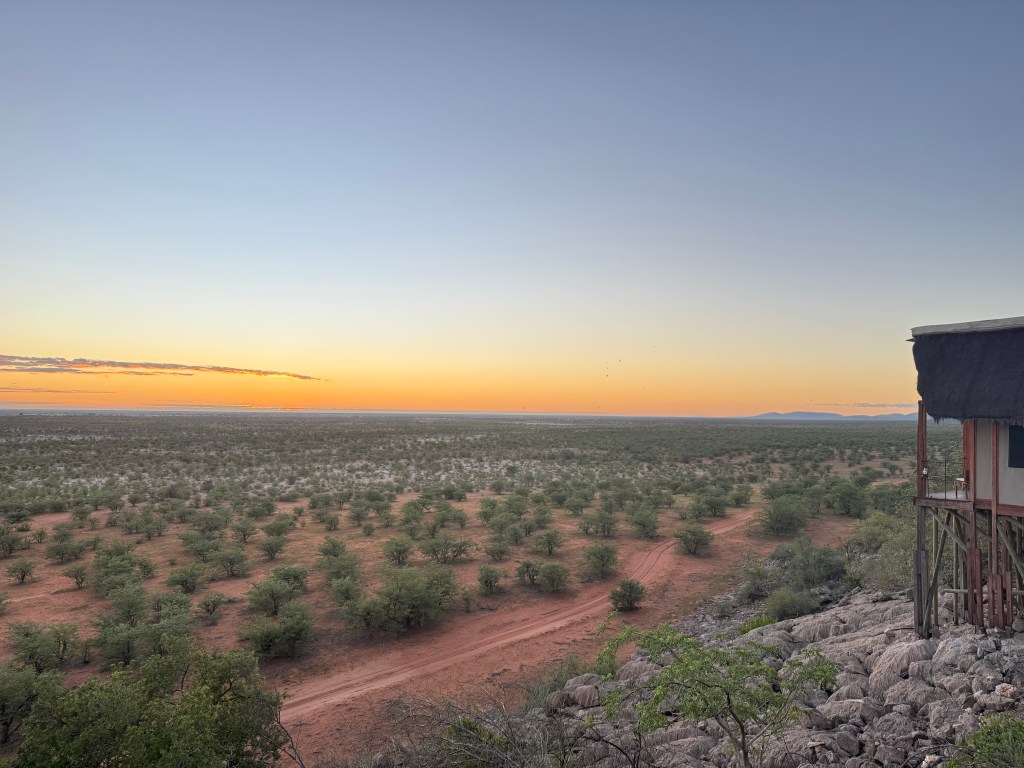
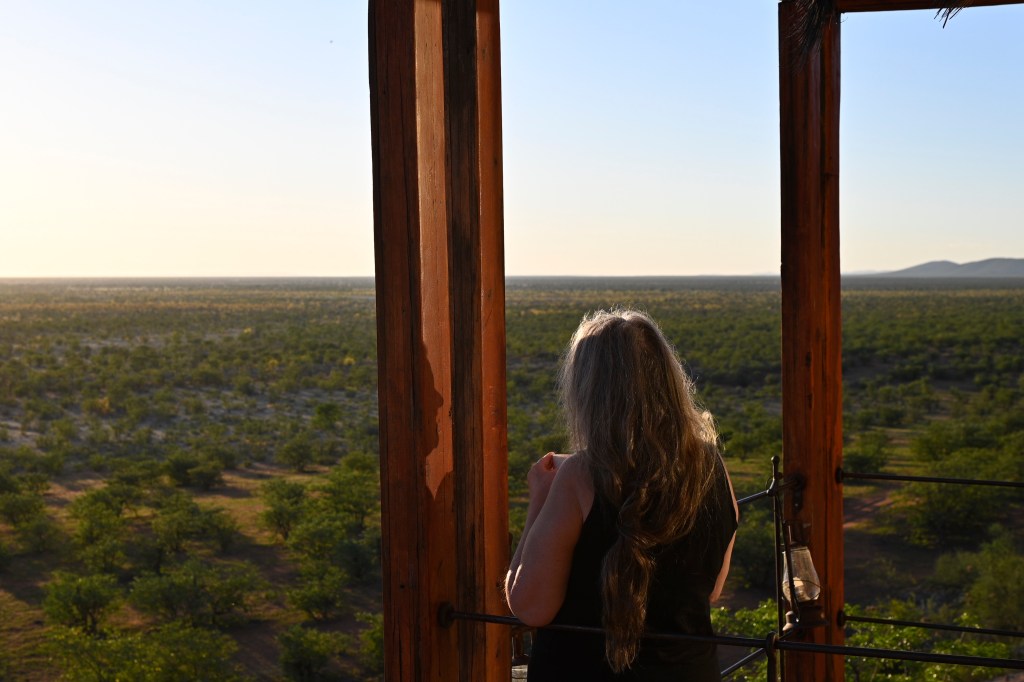
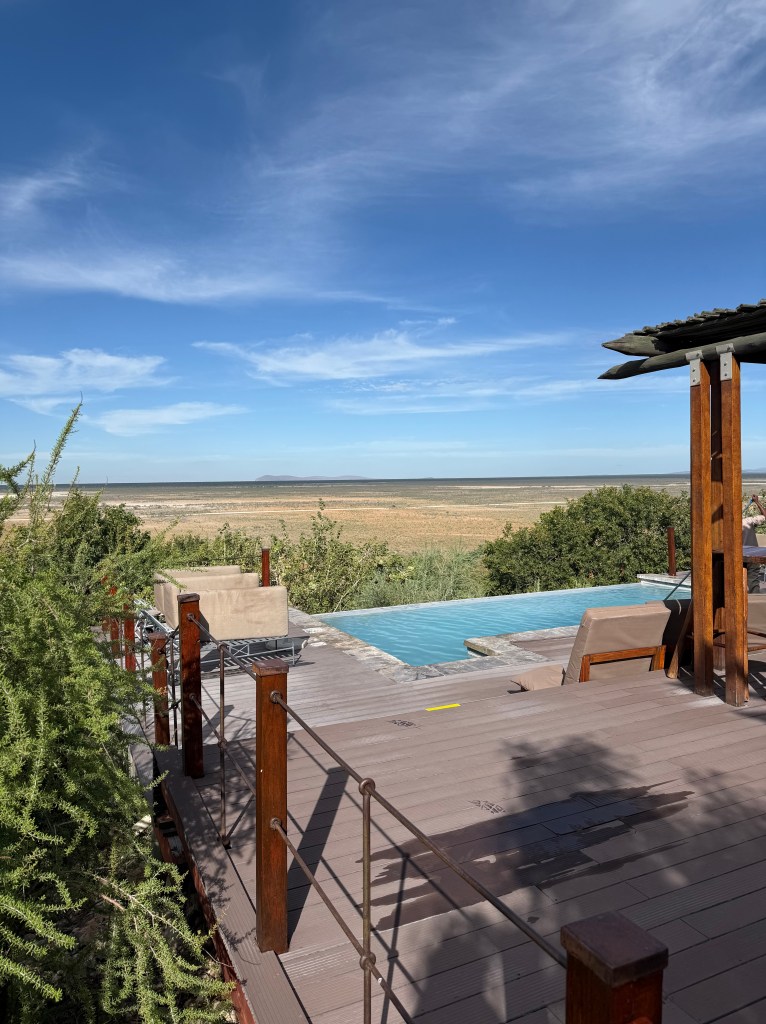
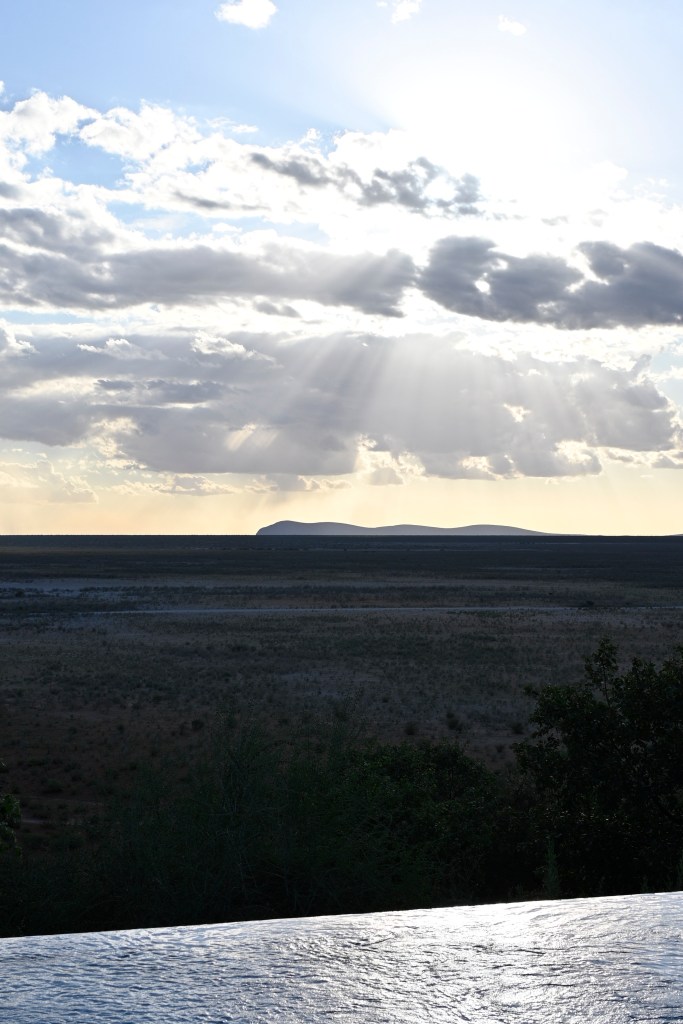
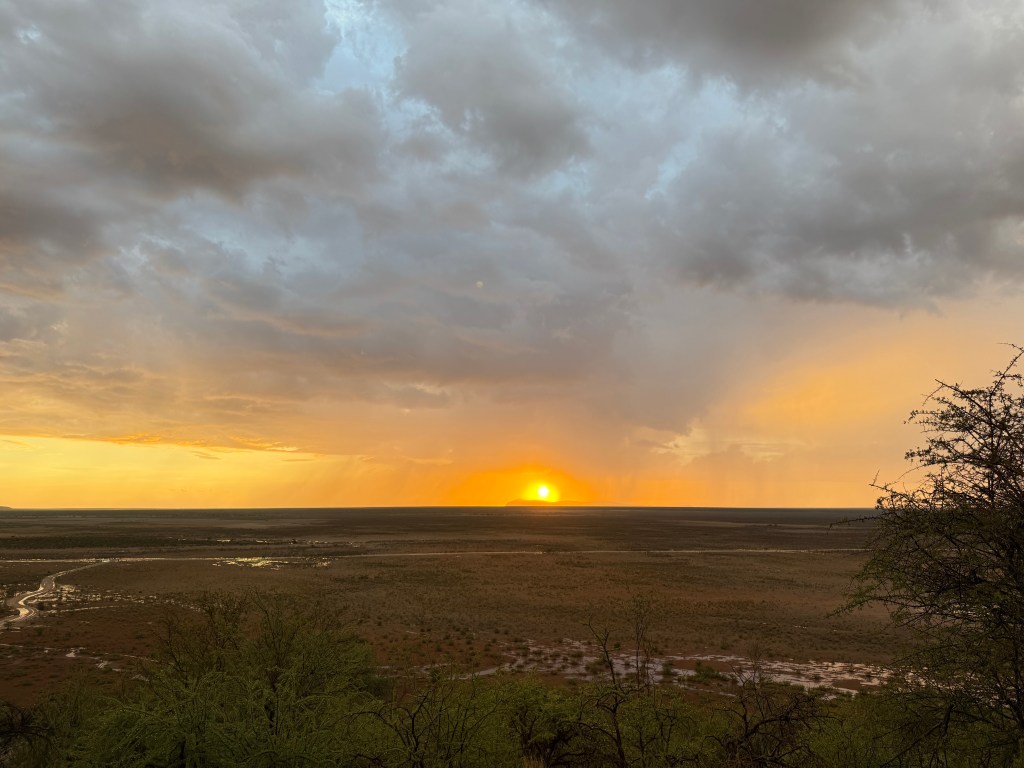
The view from the Dolomite camp was spectacular. From the main pool, we could look over the wide plains and see the beautiful sunset.
Even though we did not see so many animals there this time, due to the rain, we saw a few Zebra at the dolomite waterhole one morning and the other morning we heard the roar of lions.

 Laila’s travel blog
Leave a comment