The beach resort Swakopmund is where I lived one year in the late 90’s and where I still have good friends. It was such a treat to be back, so I really just wanted to stay there for weeks.
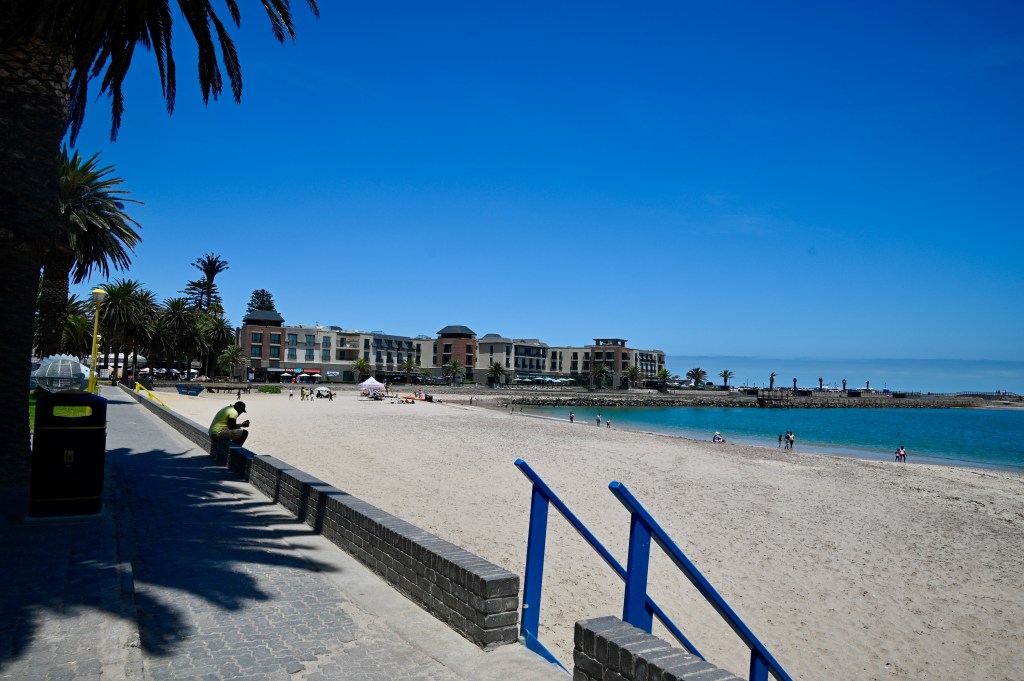
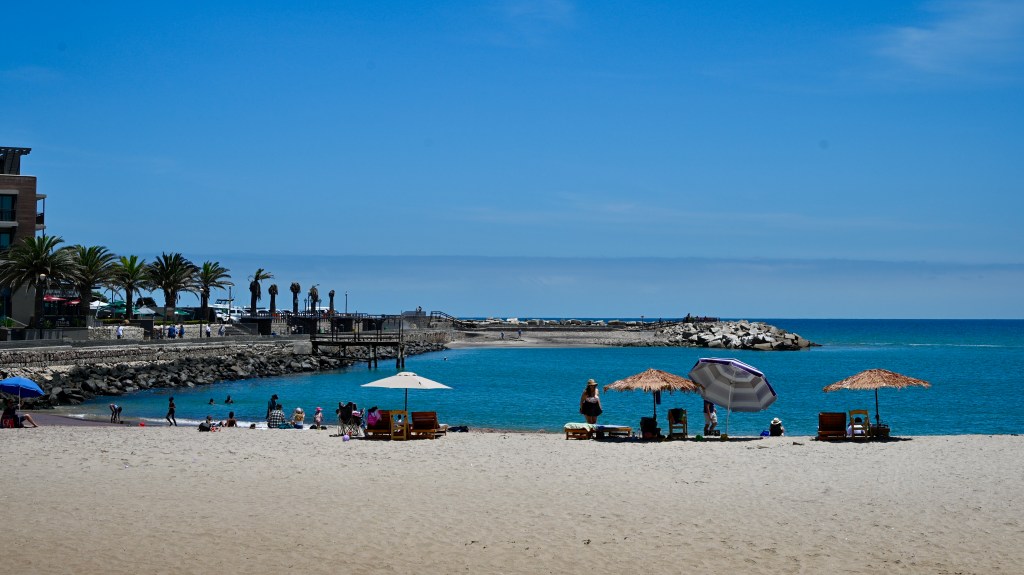
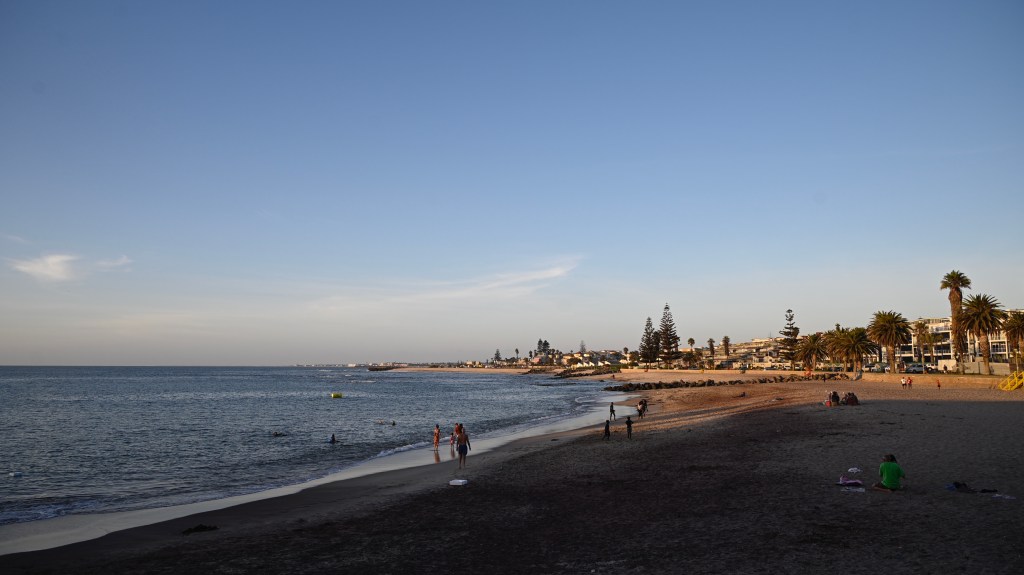
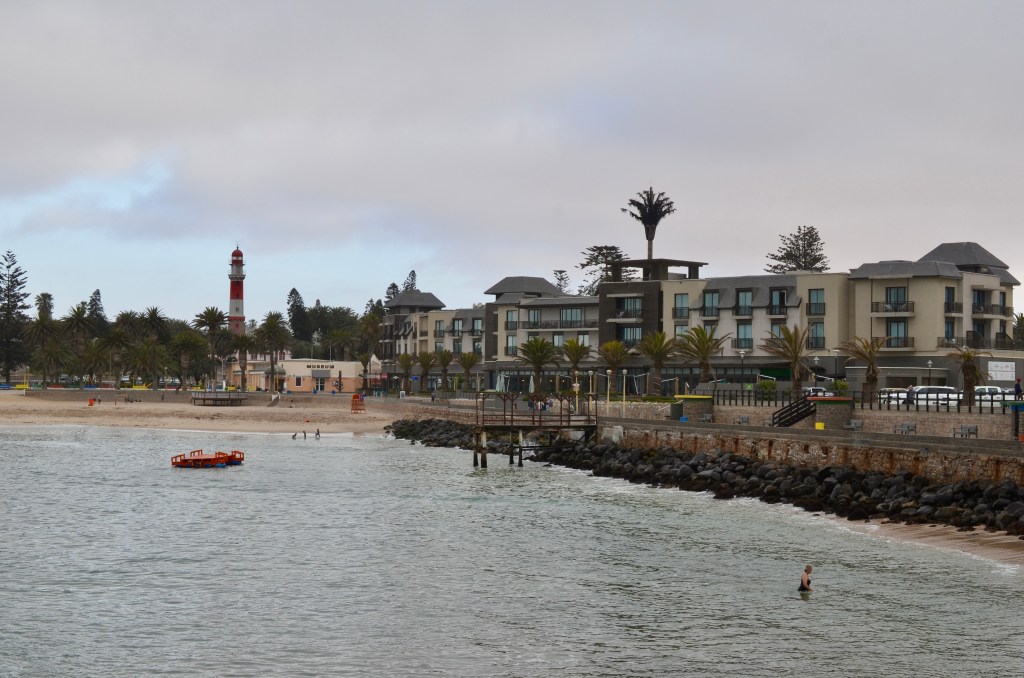
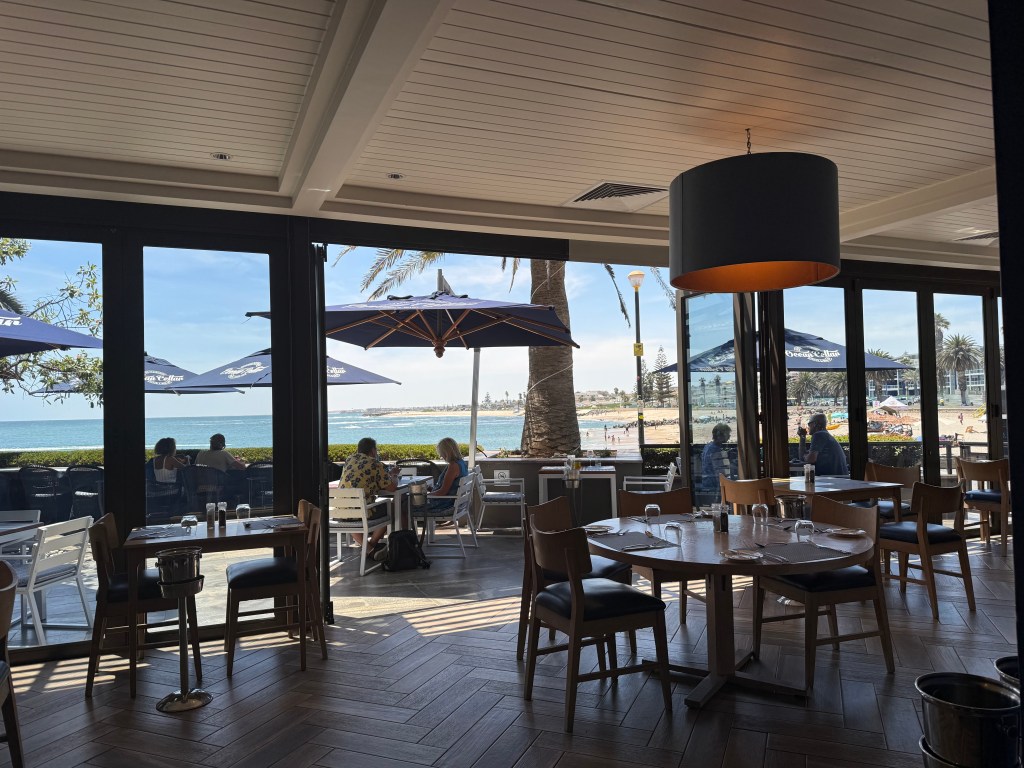
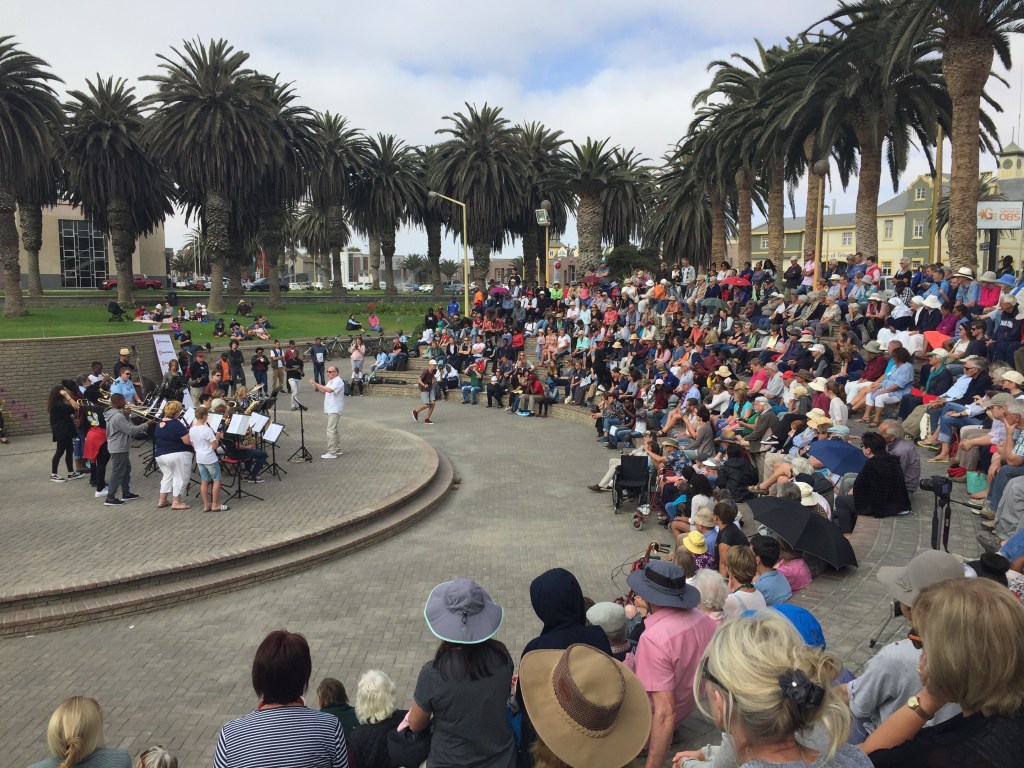
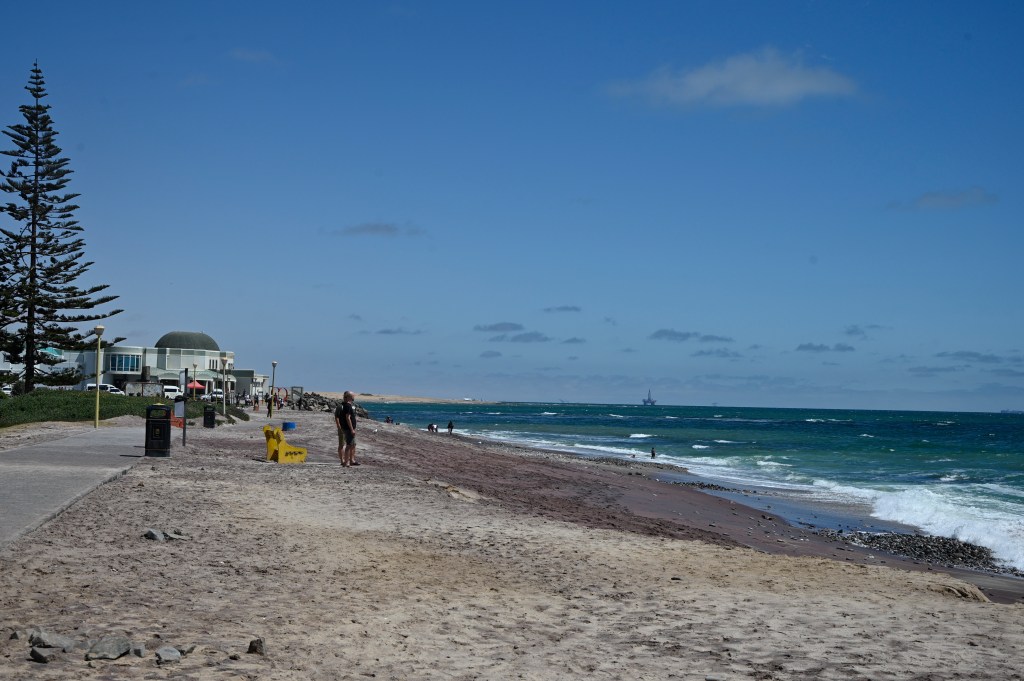
Swakopmund has a wonderful city-beach that people in the summer months, and especially around Christmas-time, which the locals call «the festive season». The water was still warm when we were there in late February and many locals enjoyed being on the beach and swimming in the water.
As the whole coastline of Namibia literally is a long beach, it may also be possible to get a dip in the sea at other places, but the currents may be more unpredictable at other places. I thus found the city-beach the safest.
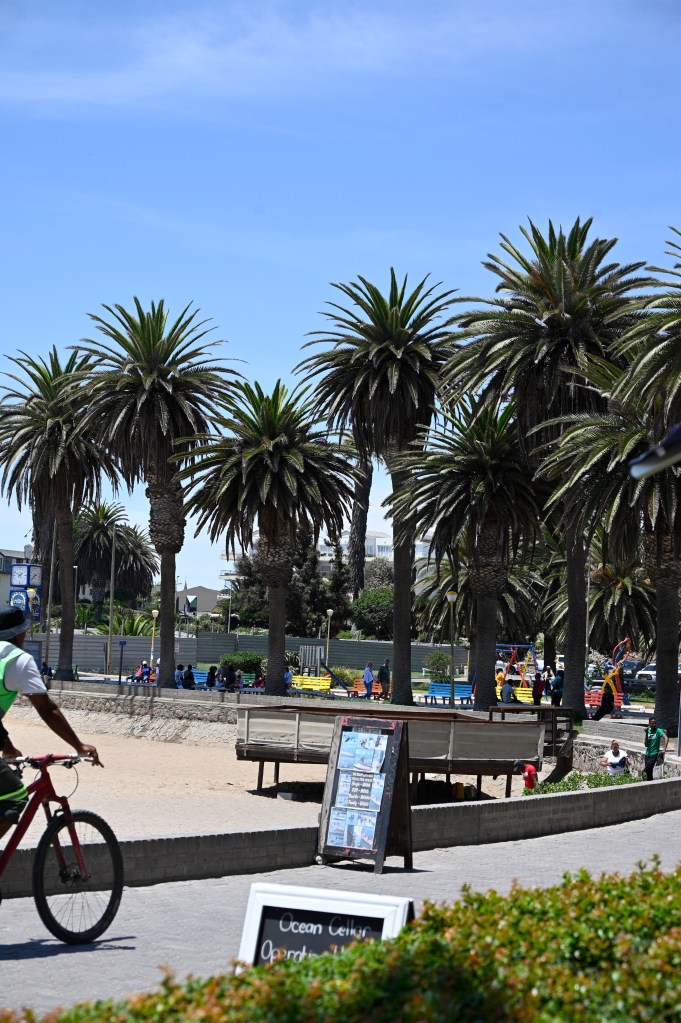
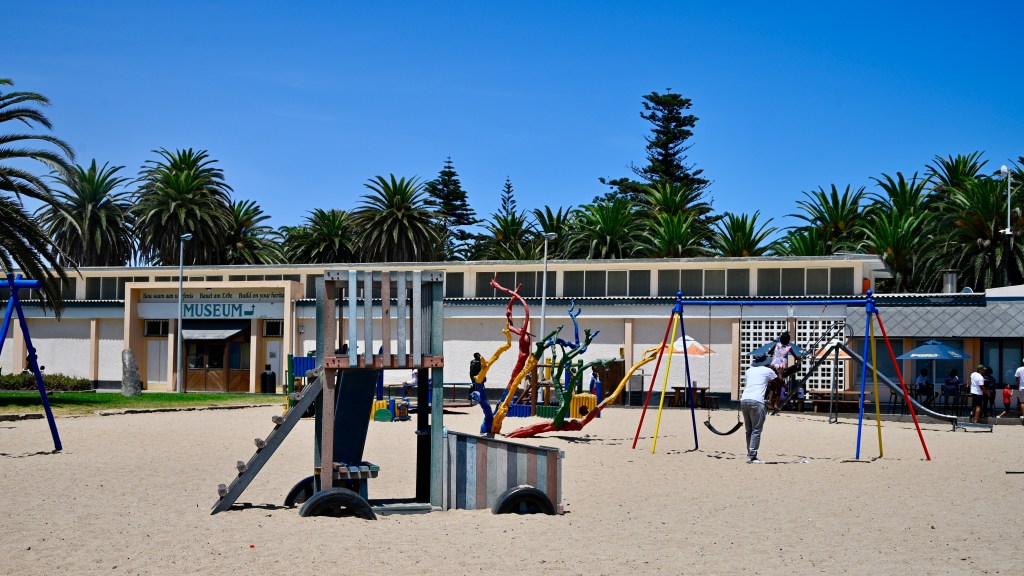
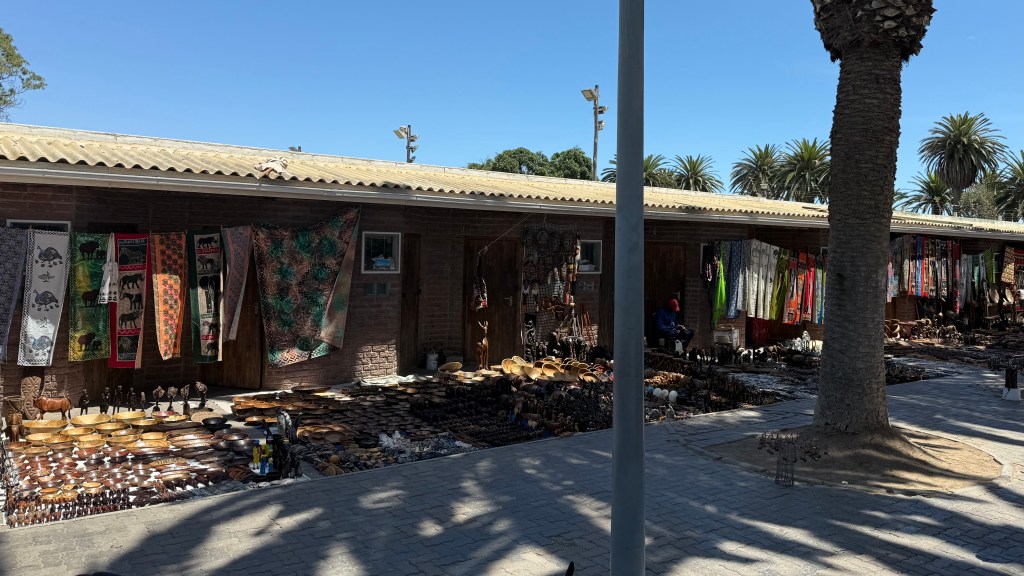
Along the beach there are hotels, restaurants, ice-cream shops and a playground for children. Close-by is also an outdoor market, selling handcrafted products.


Food
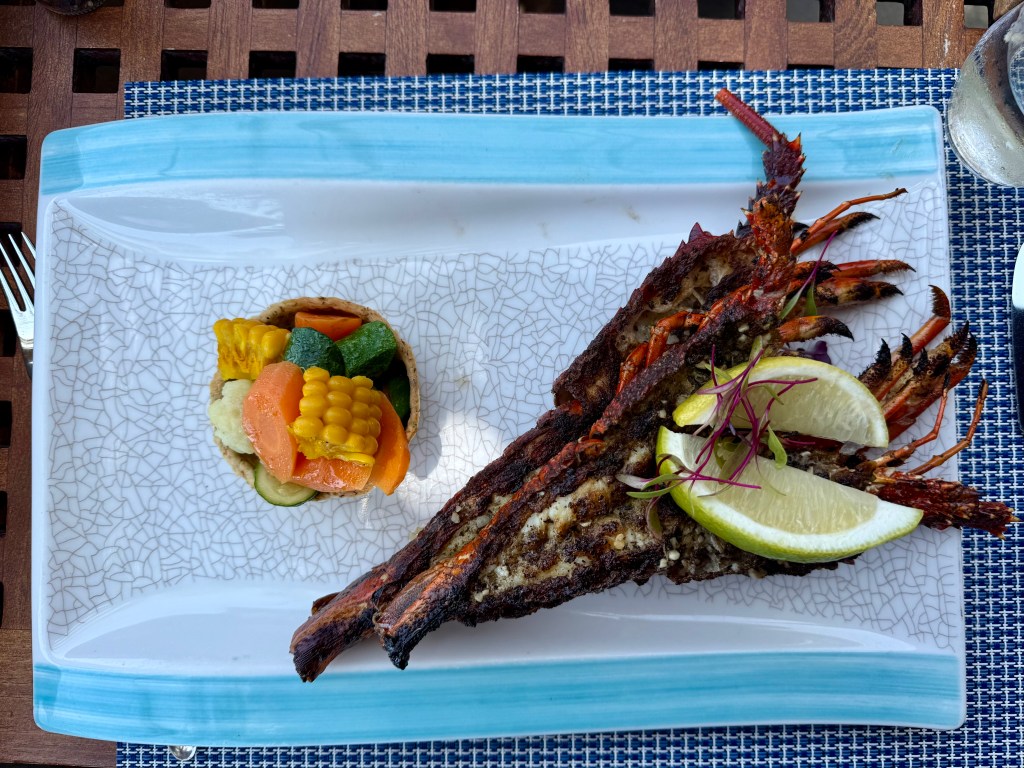
The beach restaurants serve really nice seafood, as fish, oysters and Rock lobster (Jasus lalandii, in latin). It is smaller than the lobster you find in Europe (Homarus) and lacks the large front claws, but taste delicious. Its fishing season is from November til April, and in this period you may find the delicacy in the coastal restaurants, as in Swakopmund, Walvis Bay and Lüderitz. This is the opposite season from when most tourist visit Namibia (May to October) so many tourists miss the taste of the local lobster.
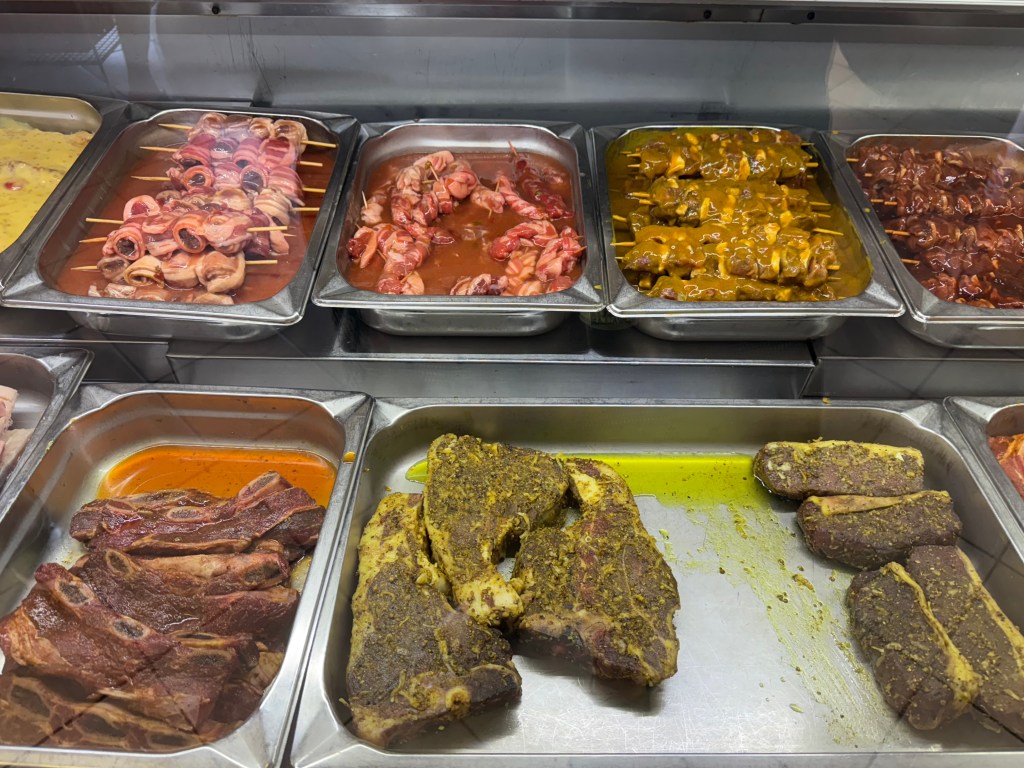
Namibia also have excellent meat and barbecuing is a common thing to do, especially when you’re out camping, but also in restaurants and at home. The meat market sell regular Ox, Sheep an Pig meat in addition to meat from different wild animals (game) as Kudu, Oryx, Springbok and sometimes also Ostrich, even though we fond none of the latter this time. The local sausage, Boerewors, is also a delicacy.
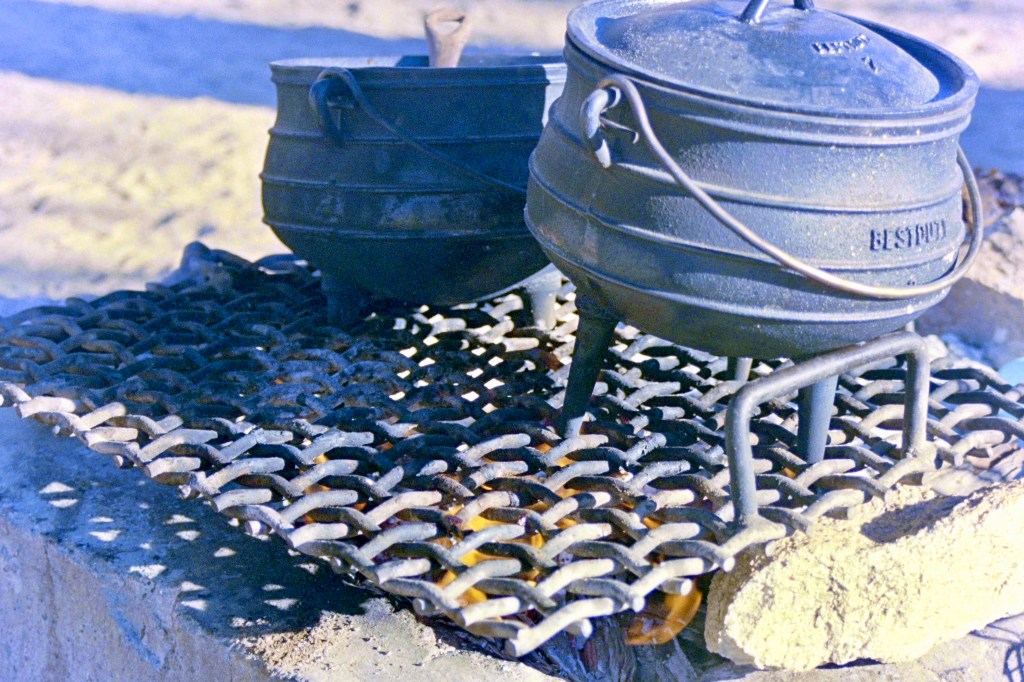
Another popular dish is the Potjiekos, a stew with meat and vegetables, which is cooked in a three-legged iron cauldron over an open fire.
Crystals and precious stones
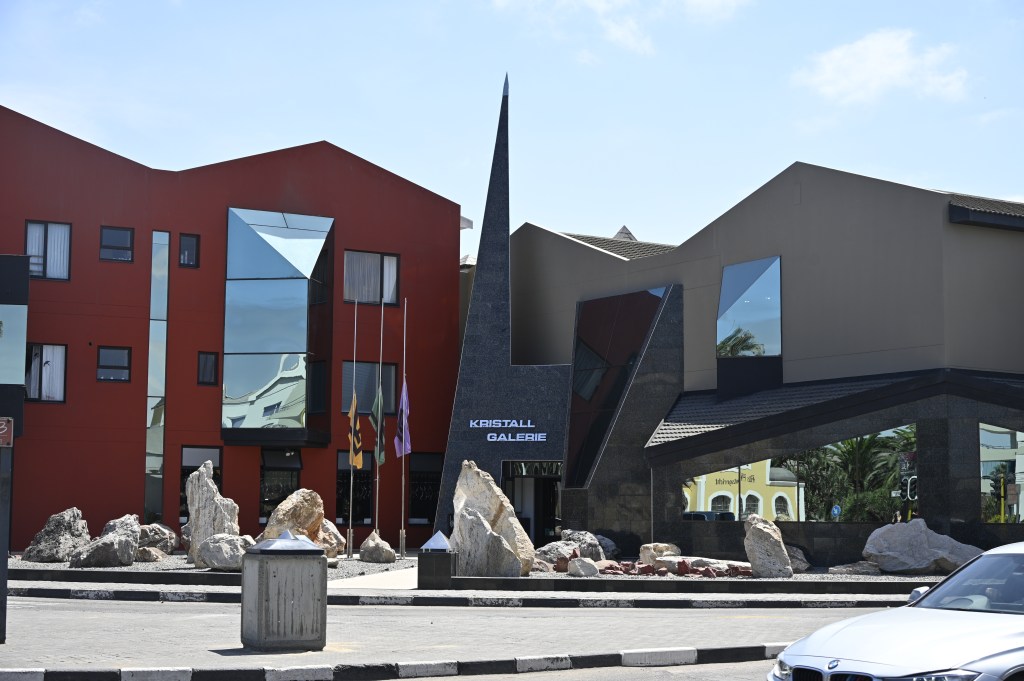
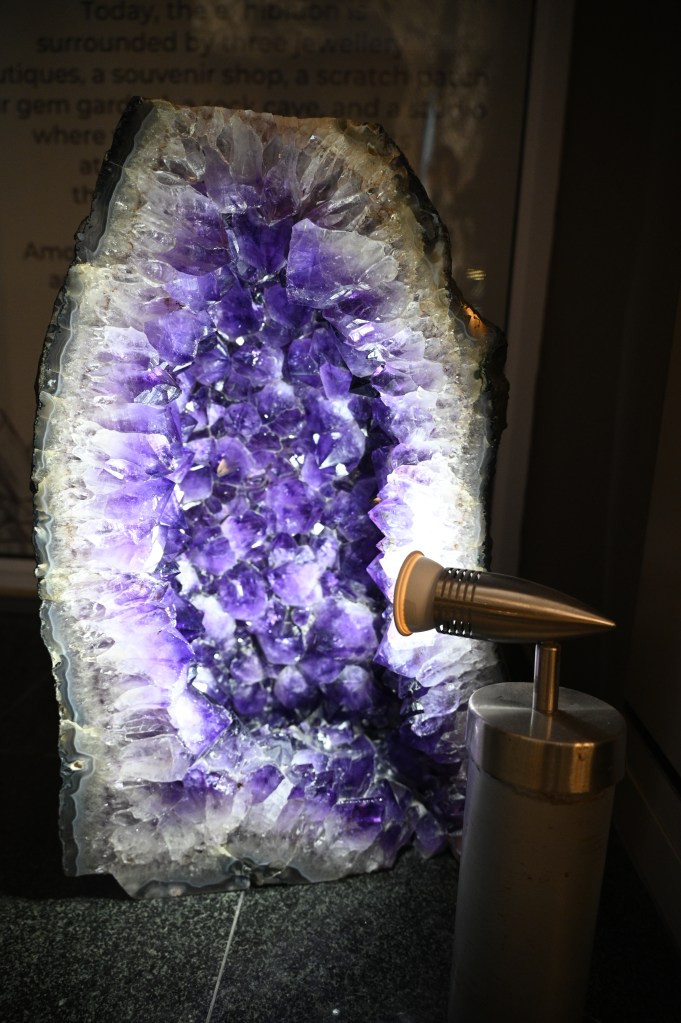
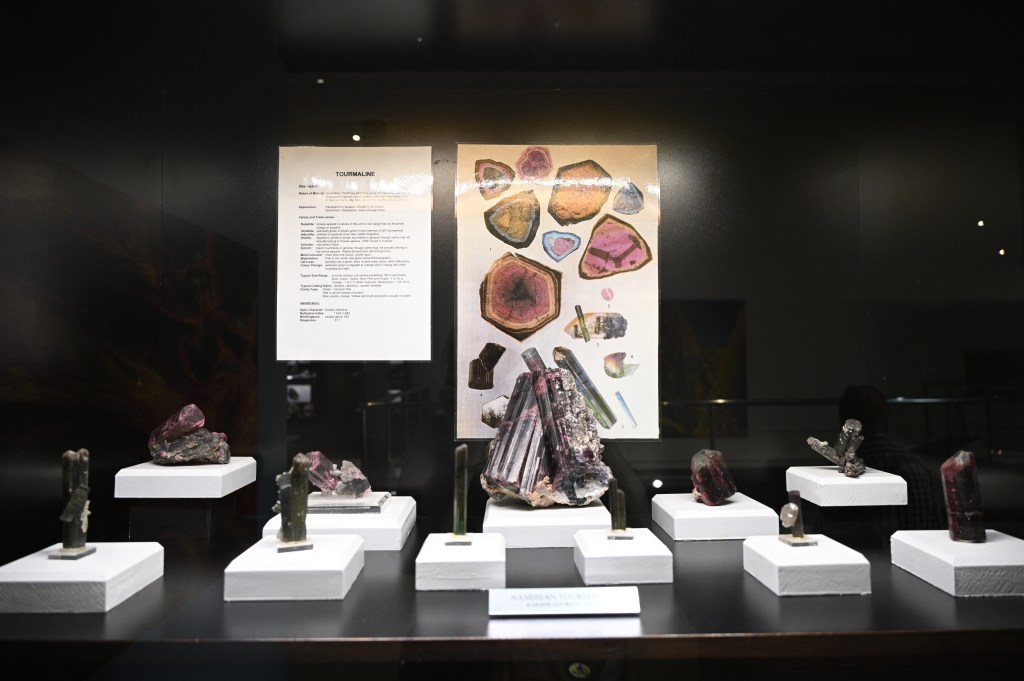
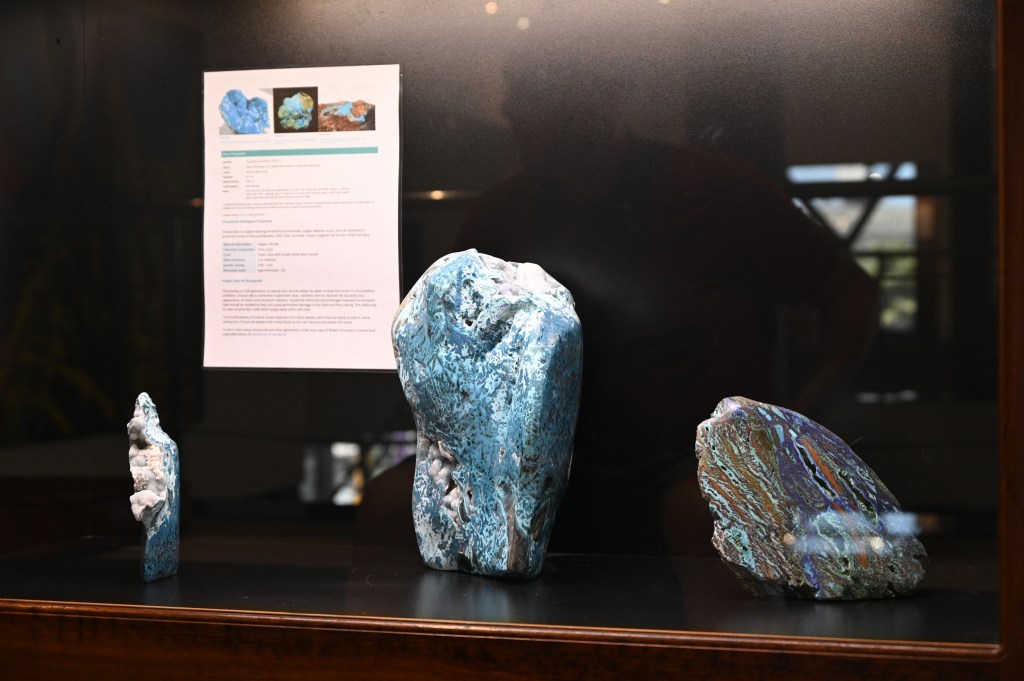
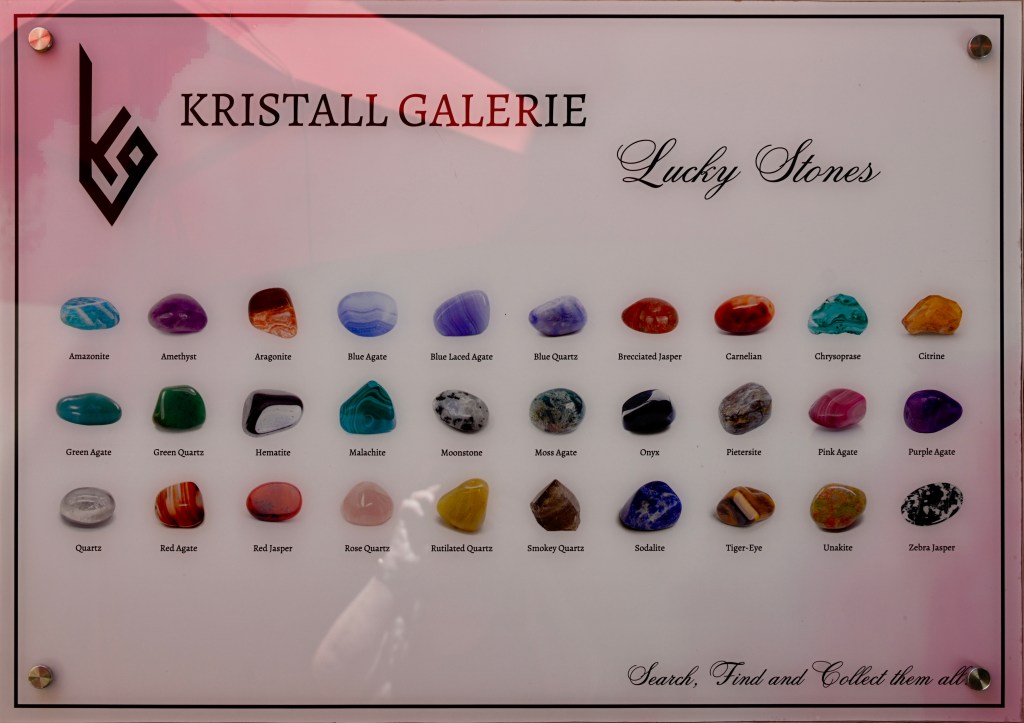
Diamonds and precious stones are in addition to meat and fish, some of the main export goods found in Namibia. In the city centre of Swakopmund, you can visit Kristall gallerie, where some of the large crystals found in Namibia are exhibited. You can learn how they find these inside the caves and even buy some of the smaller ones with you home.
Activities
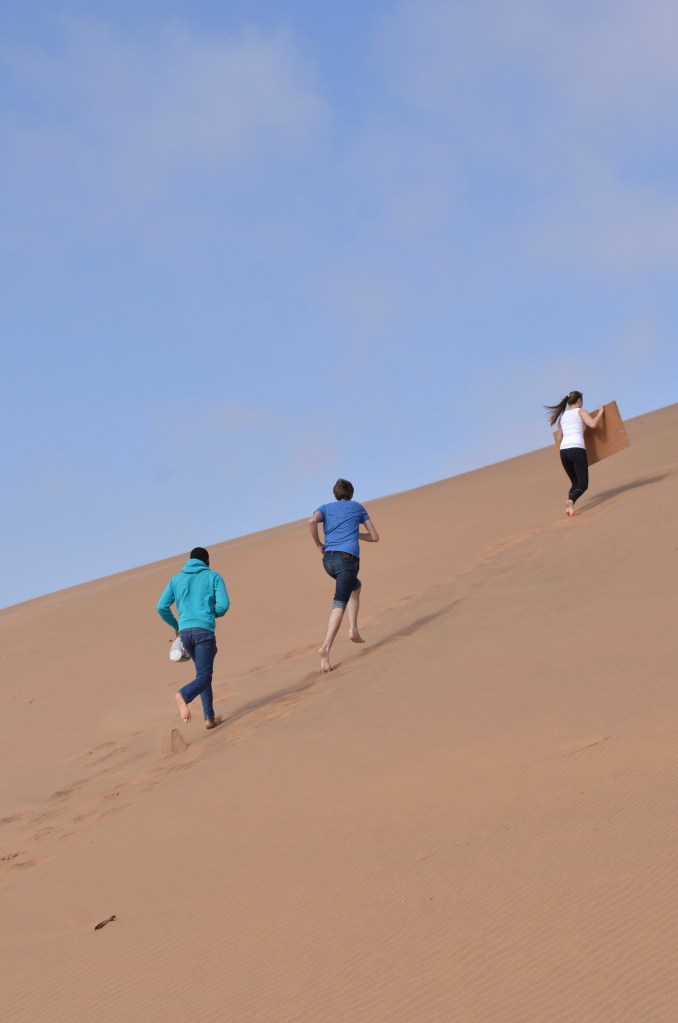
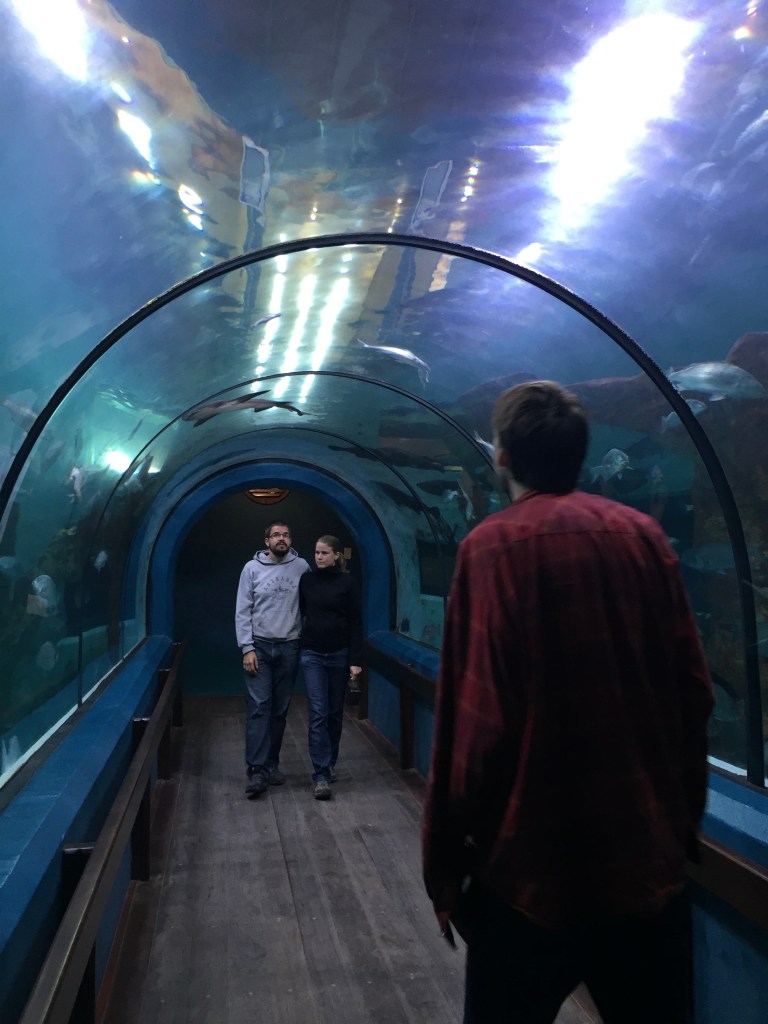
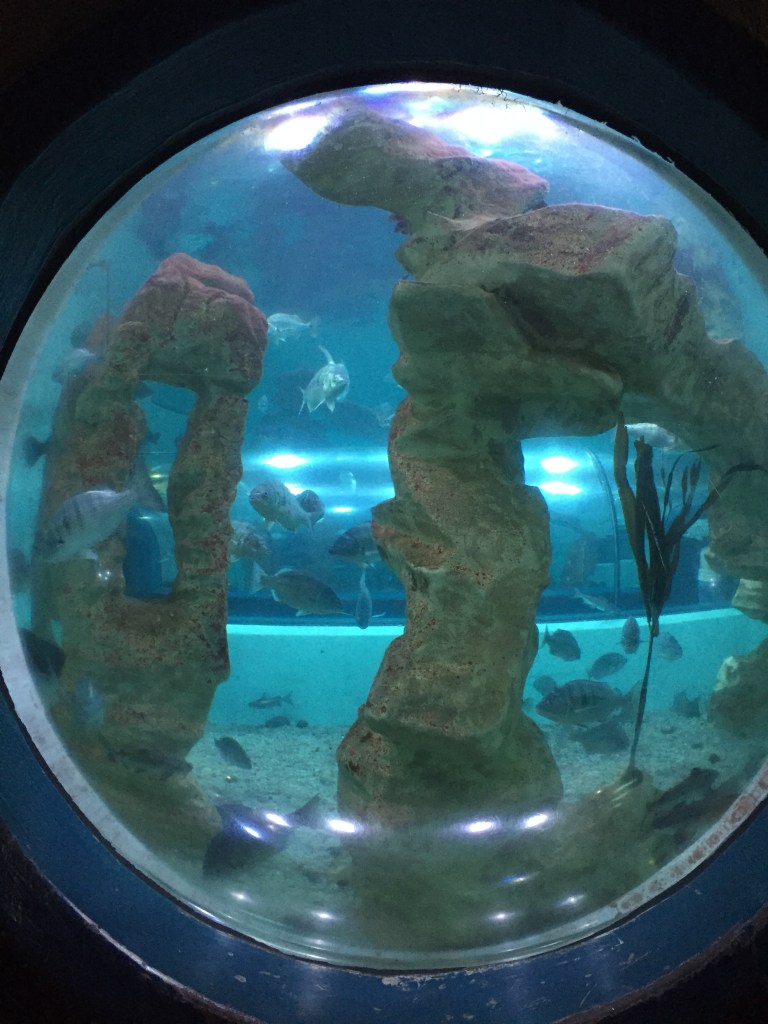
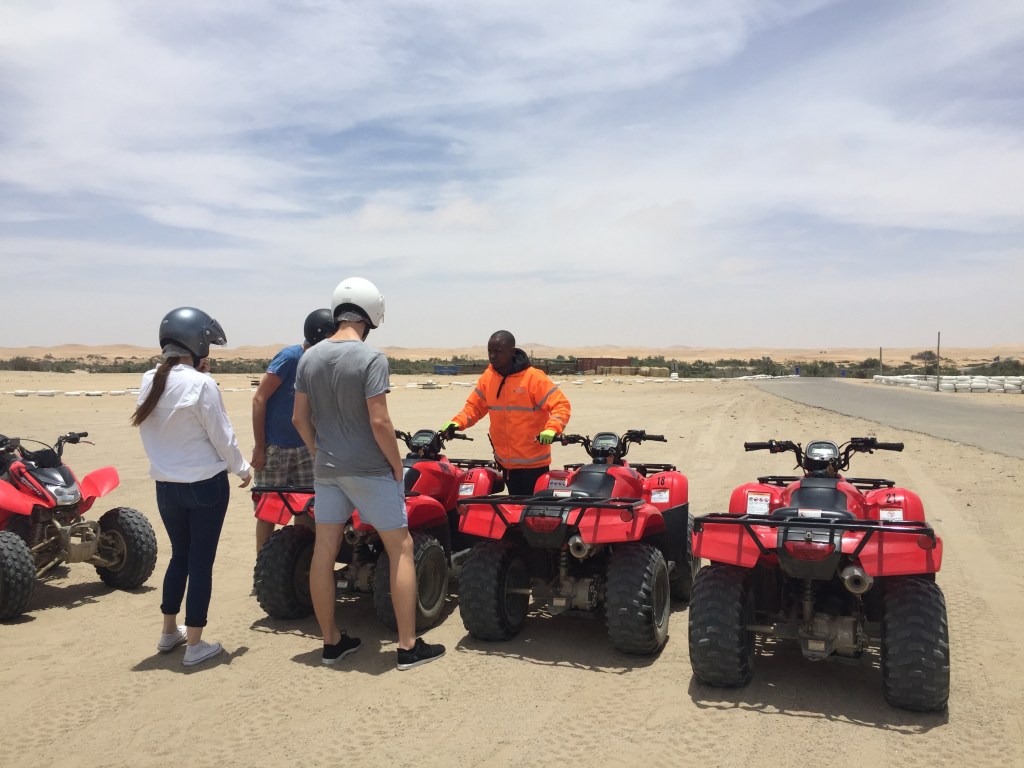
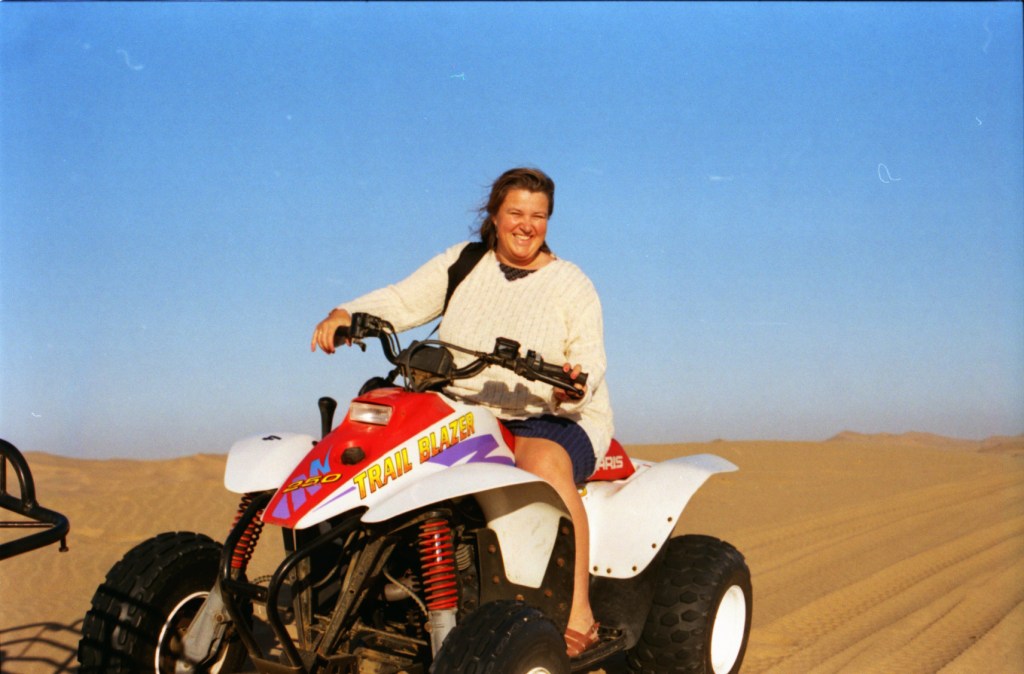
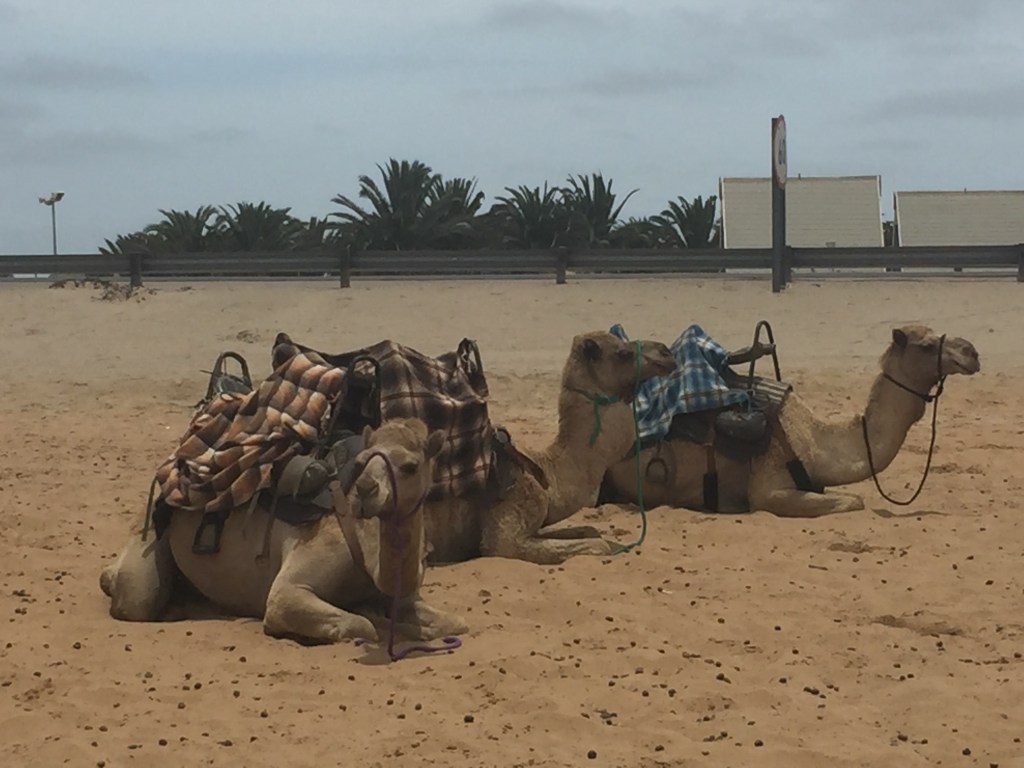
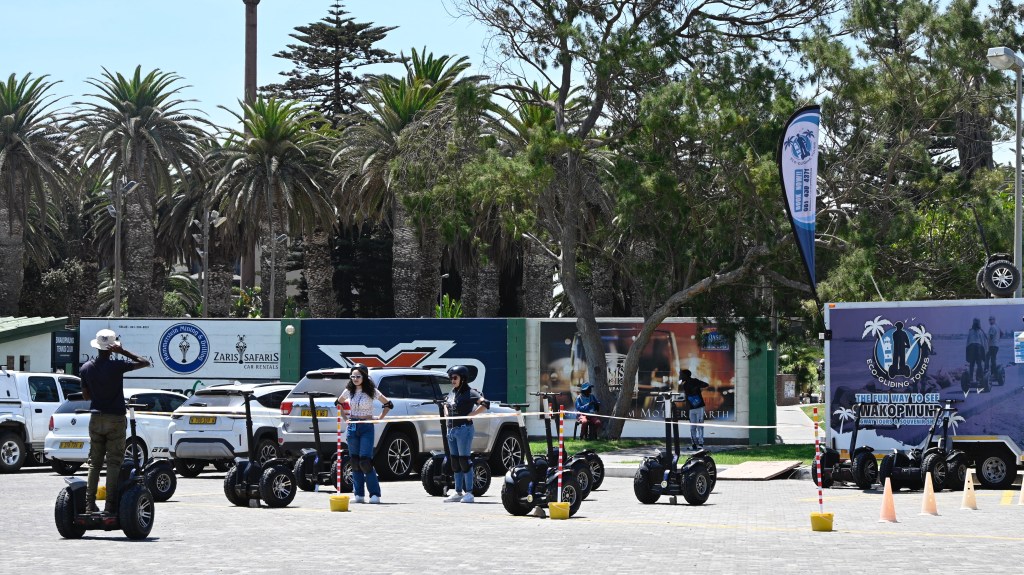
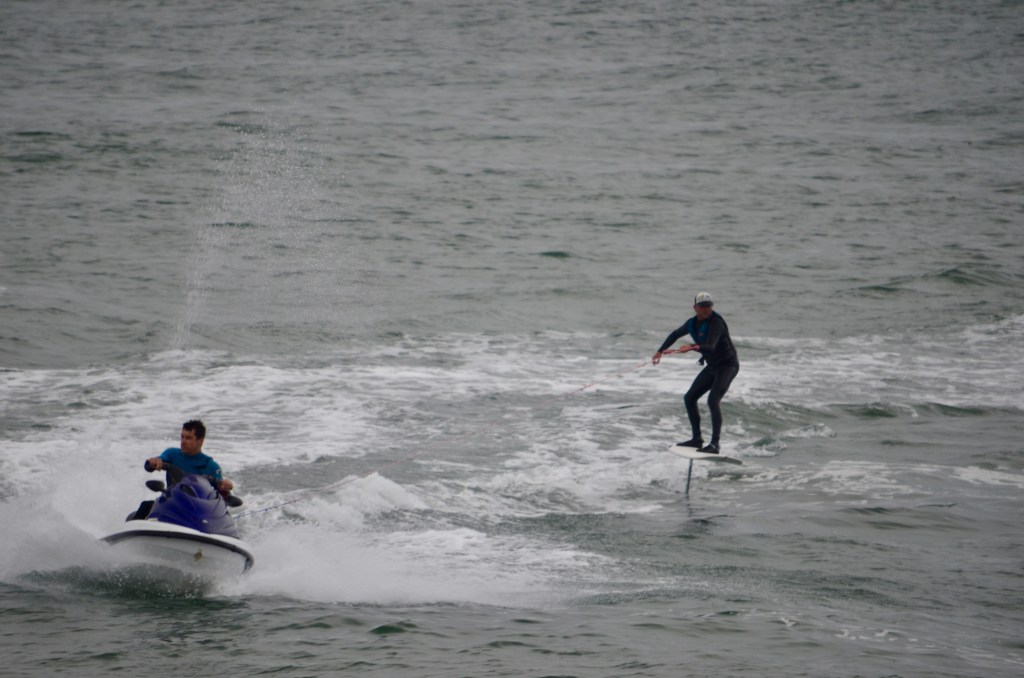
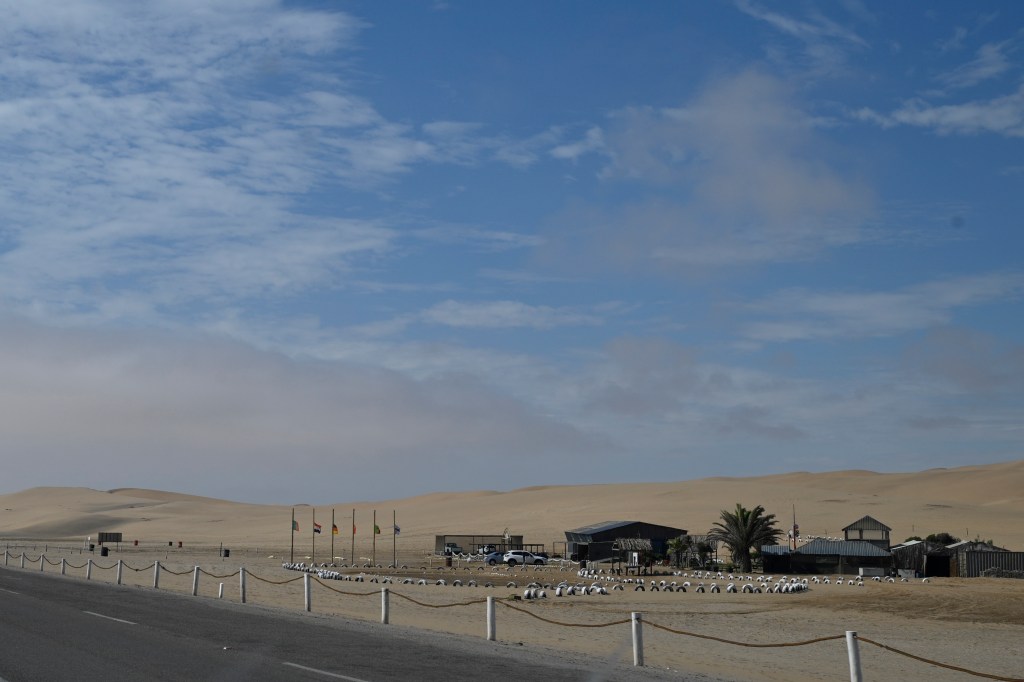
There are plenty of activities to do in Swakopmund, in addition to swimming, boat trips, fishing, sea-sports and visit to the aquarium (which unfortunately was closed for restoration), you can play in the large sand dunes which stretches between Swakopmund and Walvis Bay. You can rent sand boards, 4-wheel motorbikes to drive into the dunes and even ride on the back of camels along the dry river bed.
North of the city, you’ll find several fishing resorts, named after how many miles they are from the city. In Henties Bay, you’ll also find a University campus within fisheries.
If you continue even further north, to Cape Cross, you may meet a large seal, or actually sea lions, colony. They are fun to see, but you may remember the smell a long time afterwards.
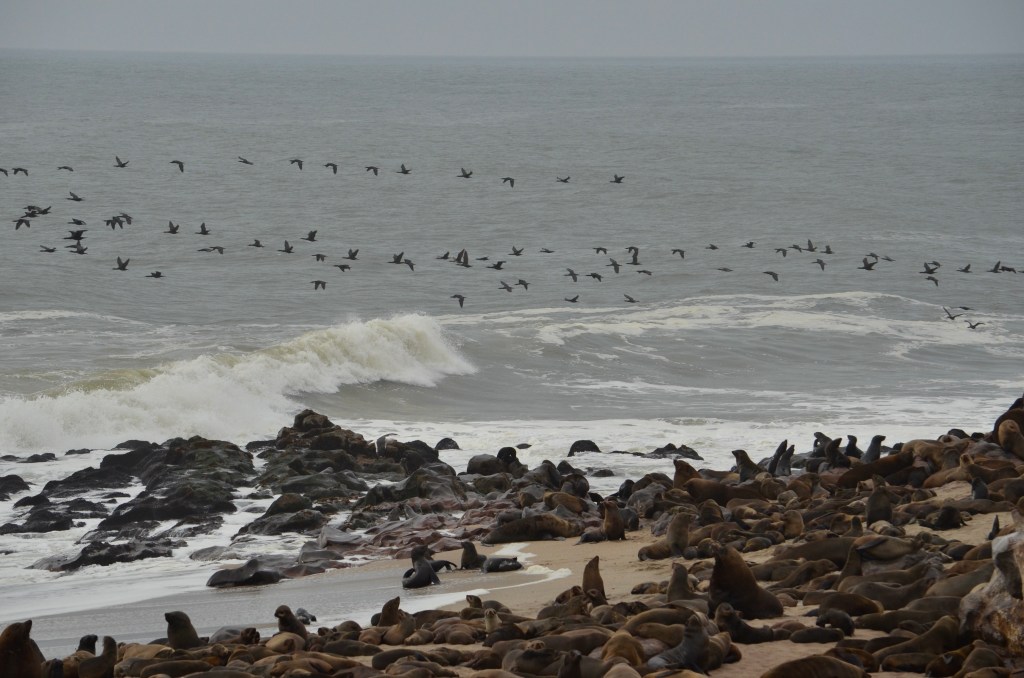
Cape cross sea lions
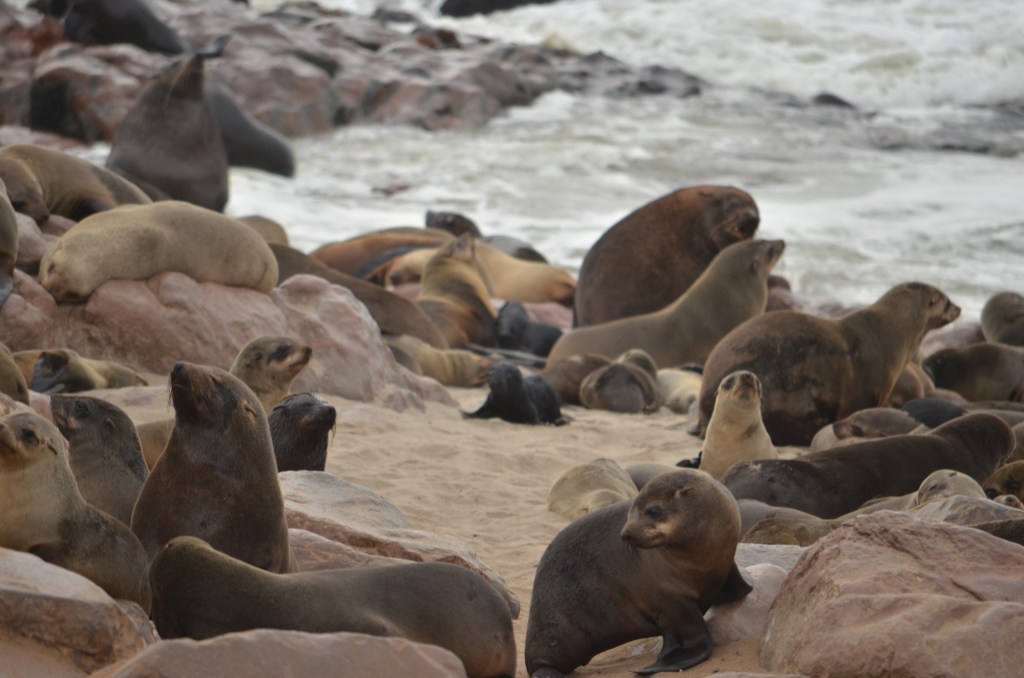
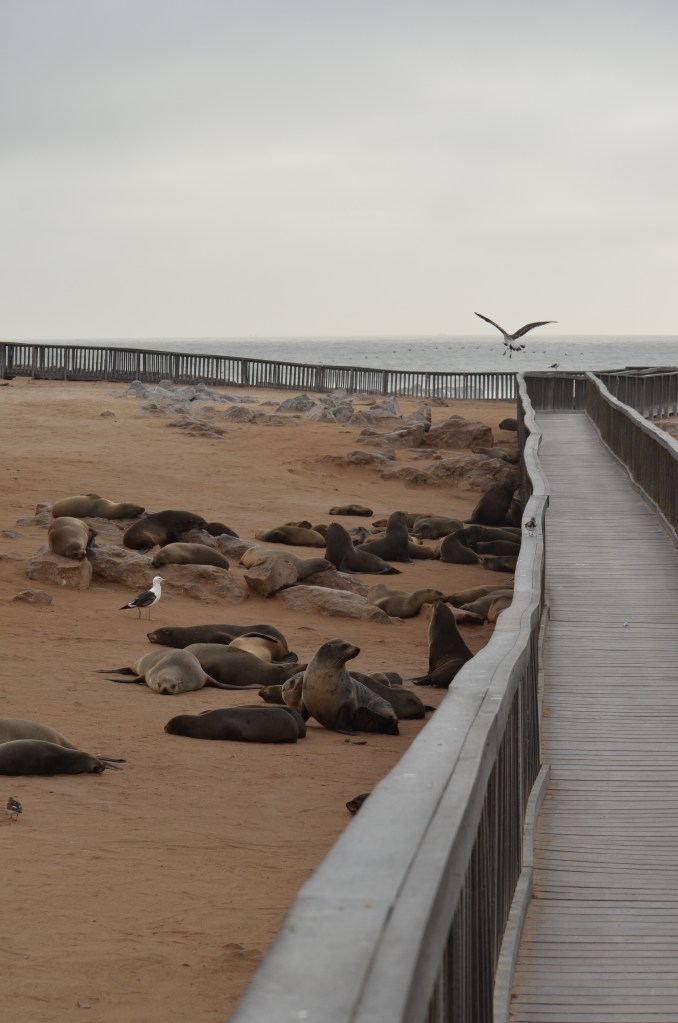
Cape cross sea lions
History and architecture
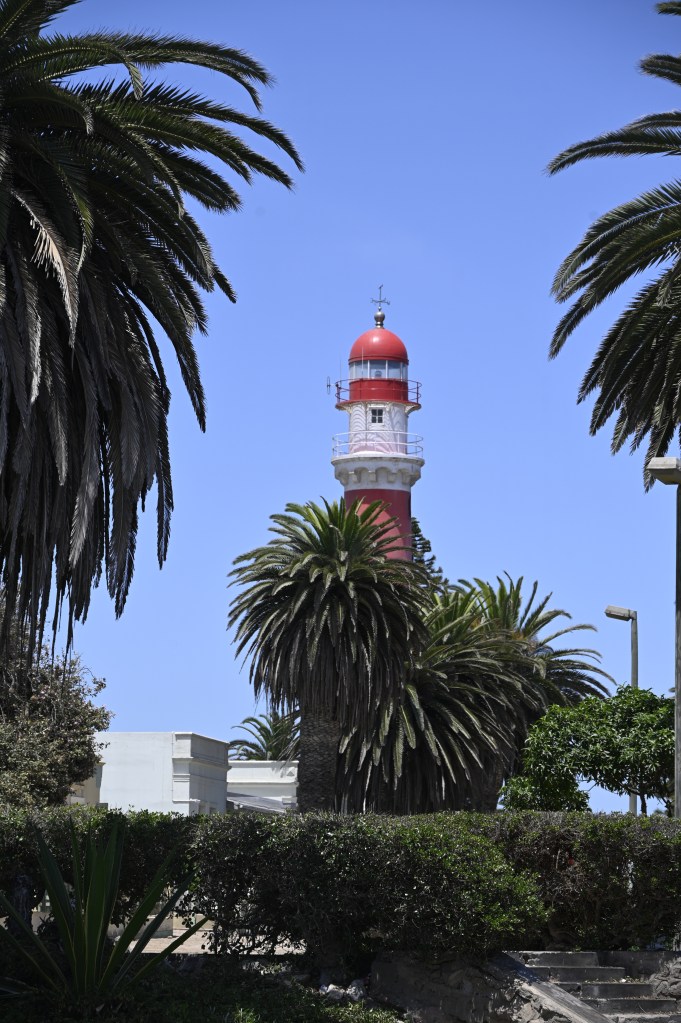
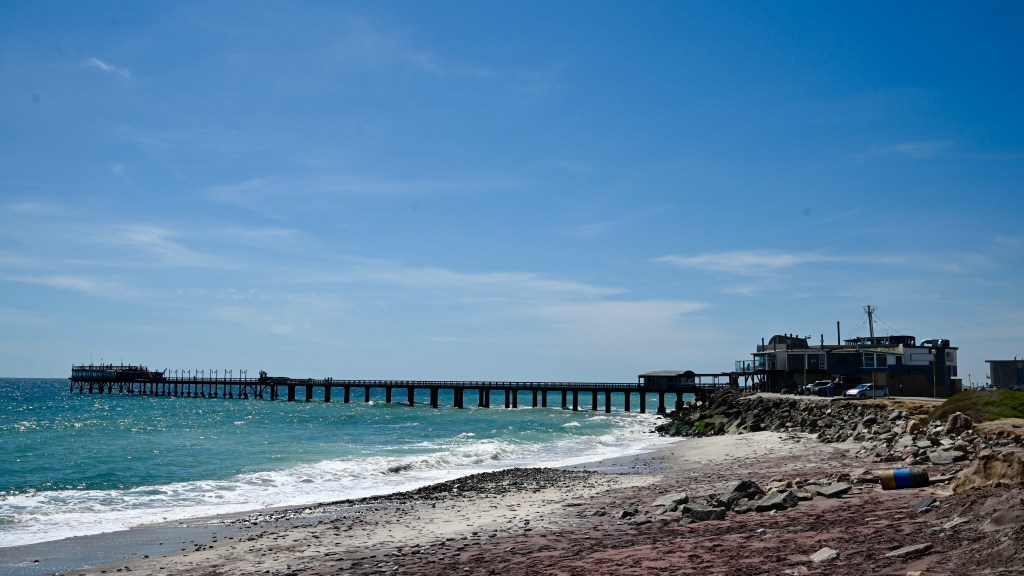
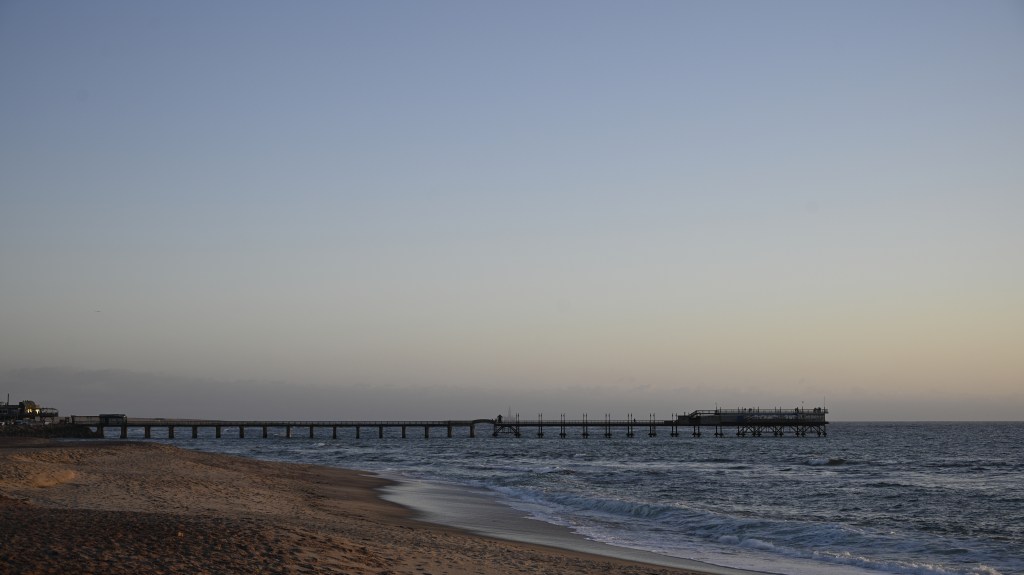
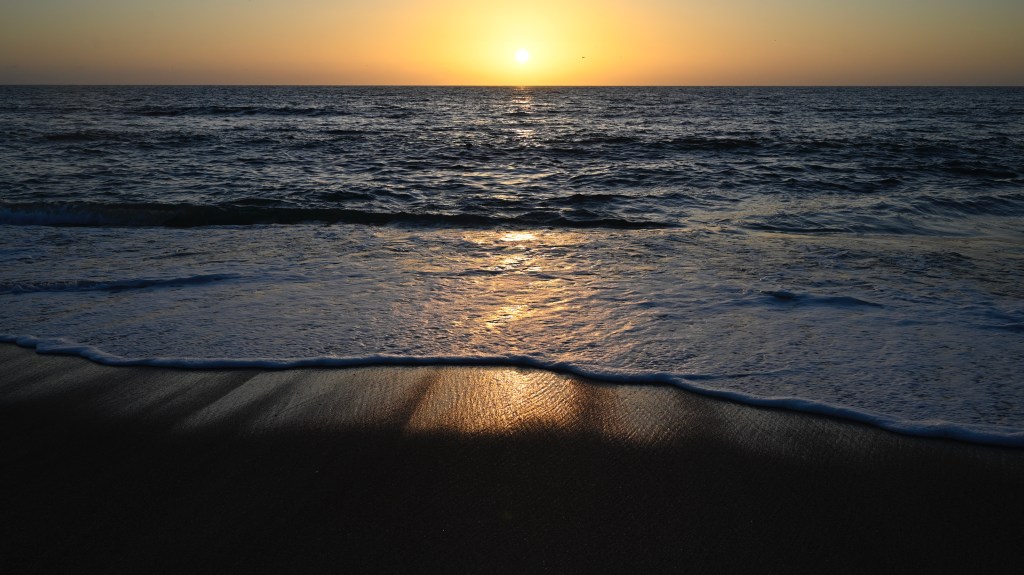
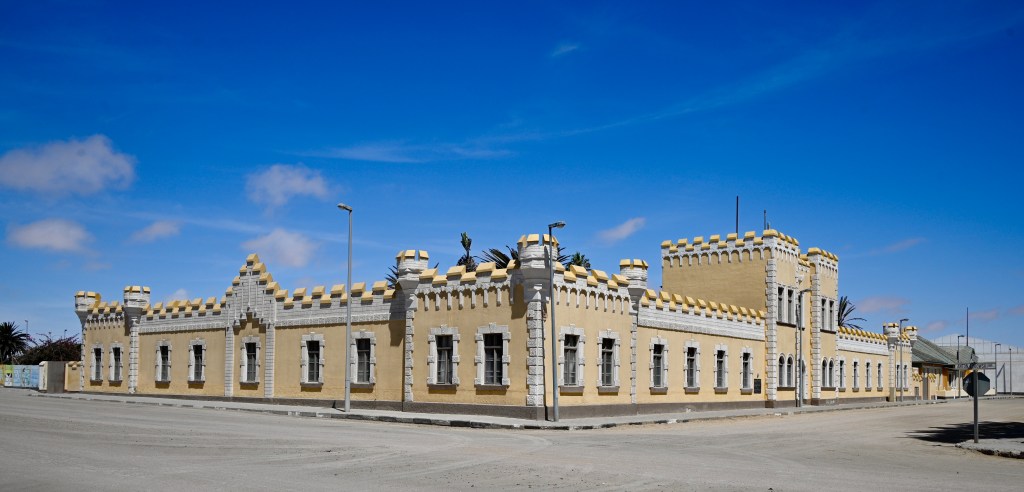
The city of Swakopmund was founded by German colonialist in 1892, as the main harbour for German South West Africa. It nestles north of the mouth of Swakop river, hence its name. Apart from the beach area, where a small mole is built as a shelter and which originally was planned as a harbour, the coastline is mostly a flat stretch of sand. The mole-area was quickly filled with sand and hence the harbour at the mole was abandoned and a long jetty stretching out from the flat sand banks was built around 1912. Nowadays the jetty only functions as a place for sundowners and food, as it have two restaurants overlooking the sunset.

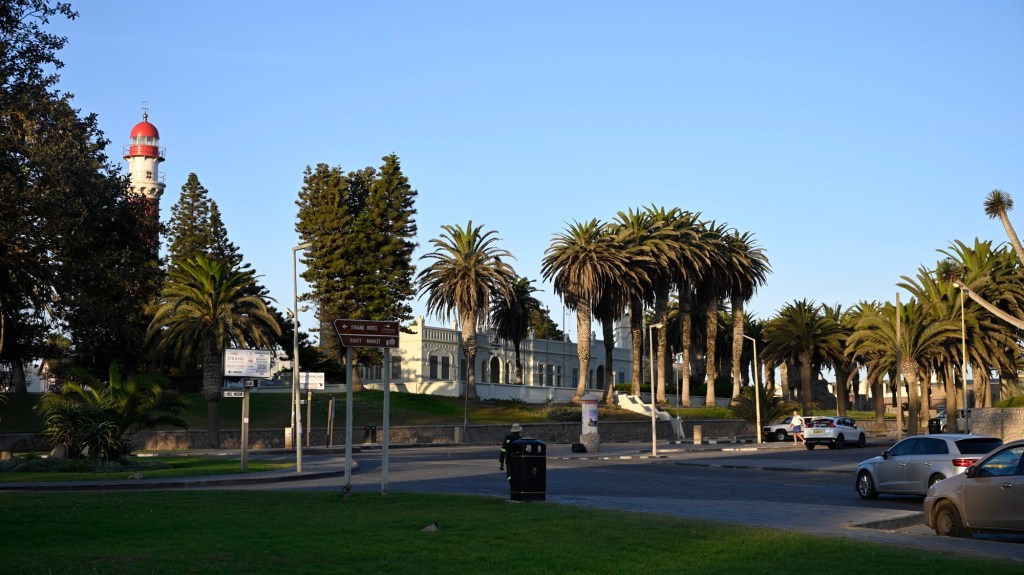
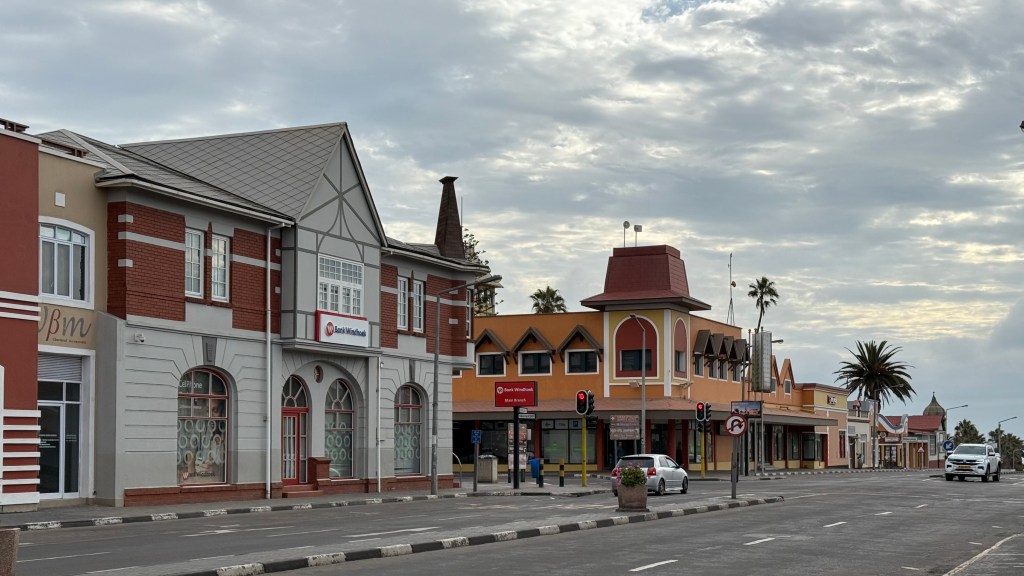
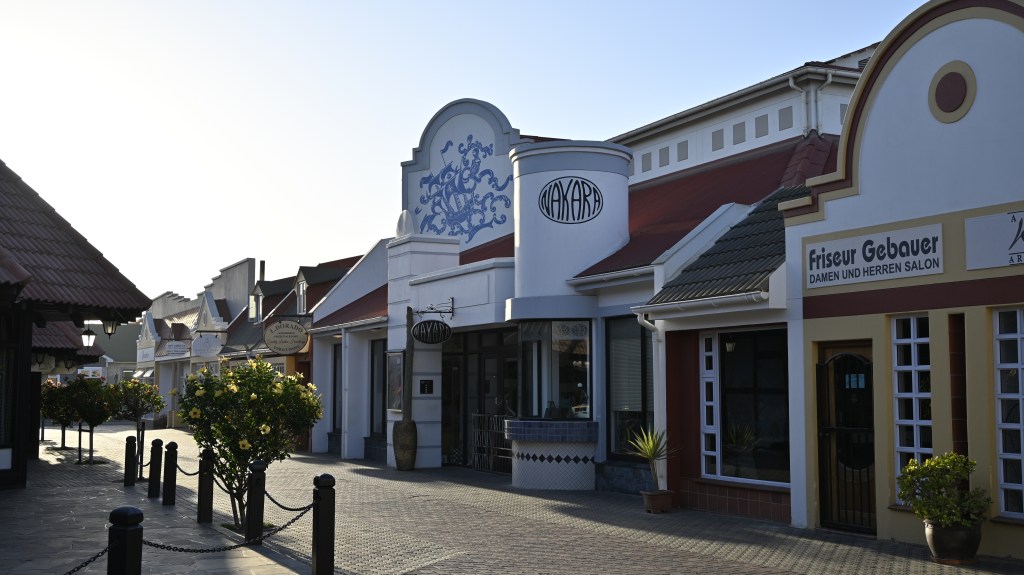
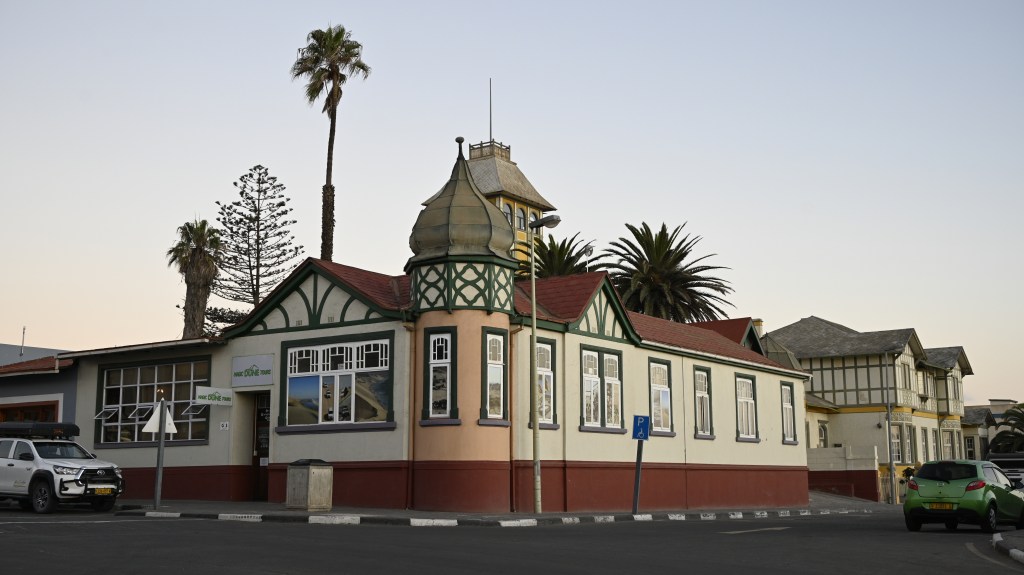
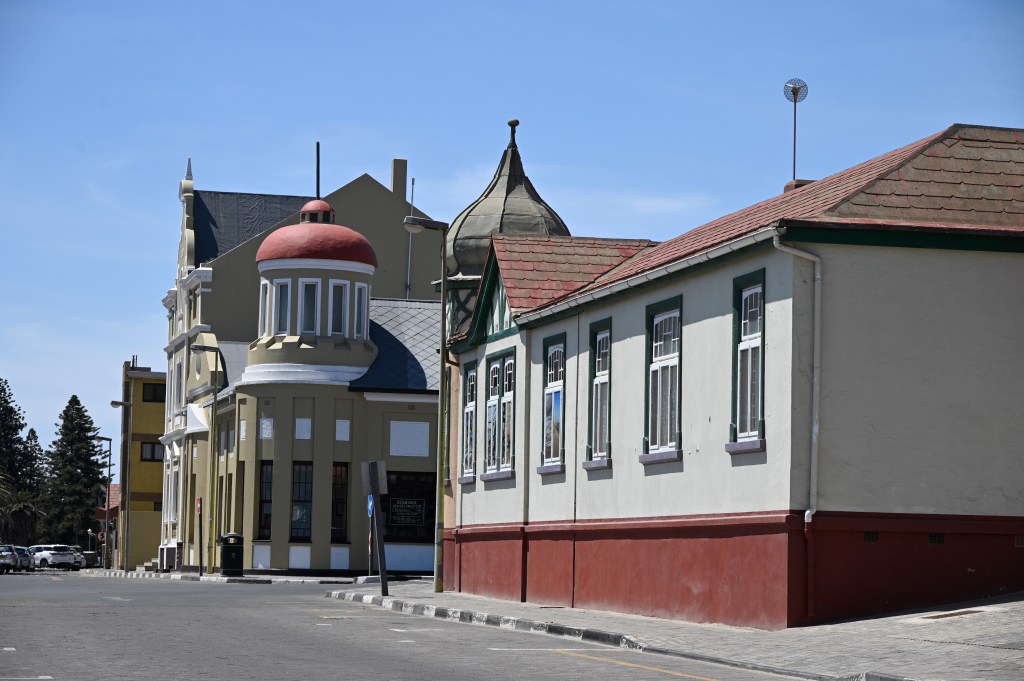
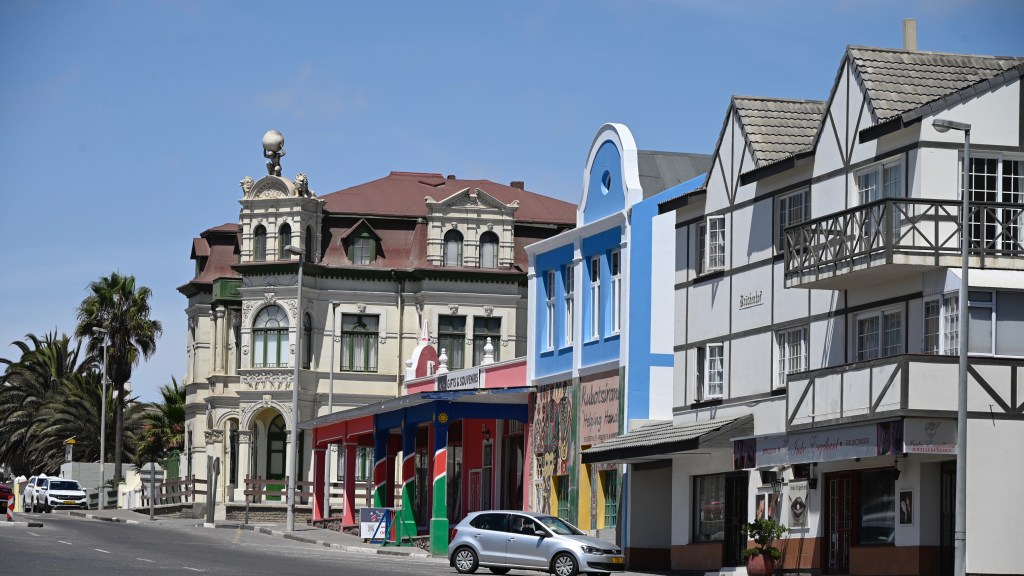
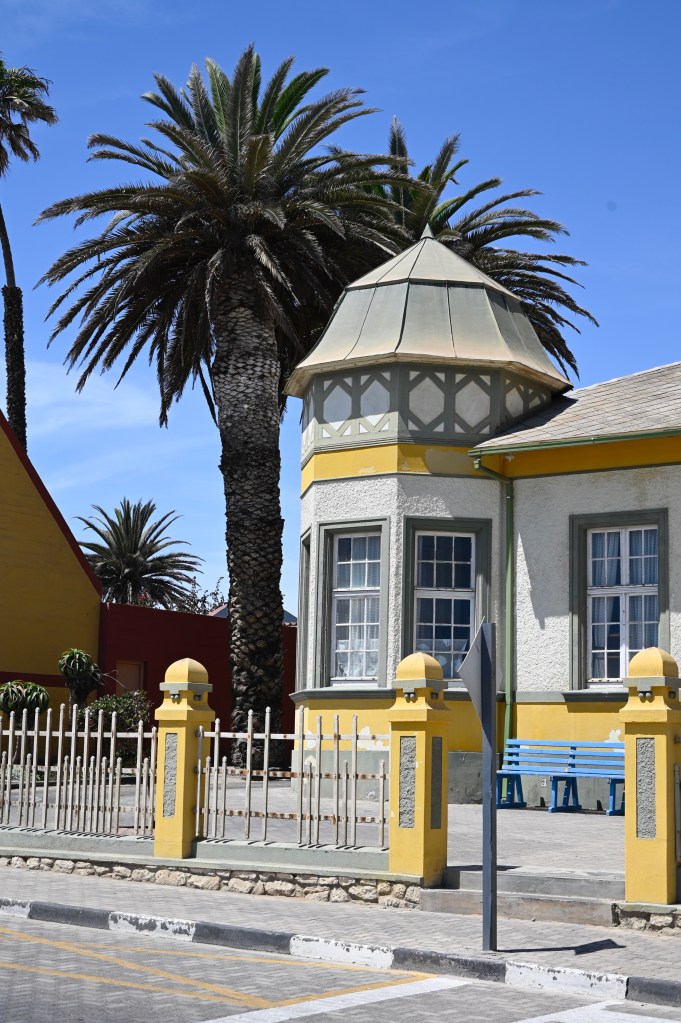
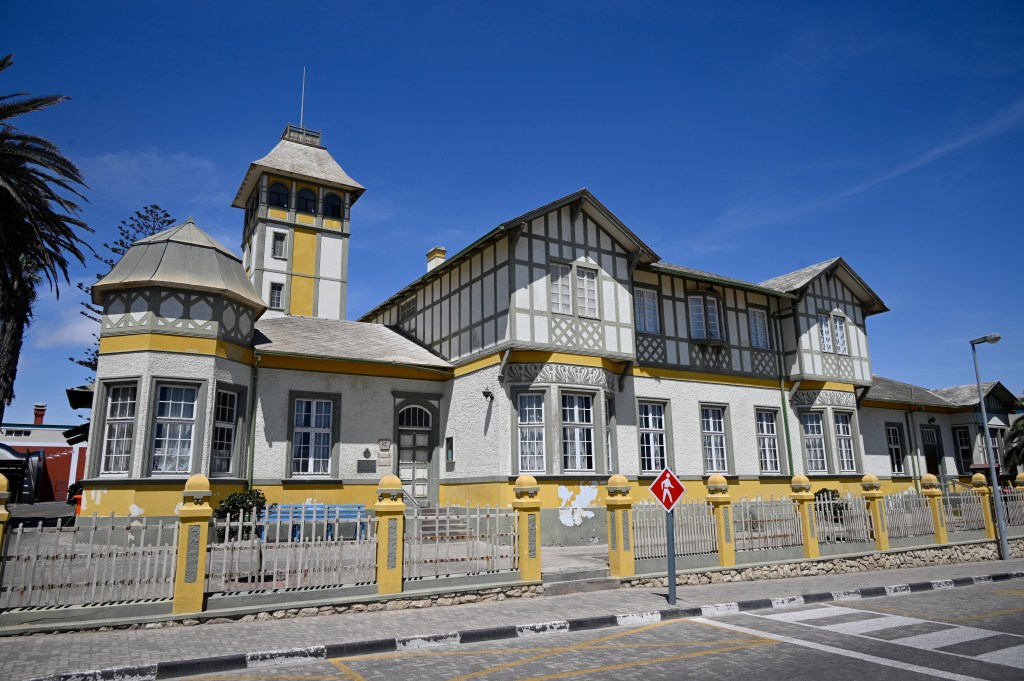
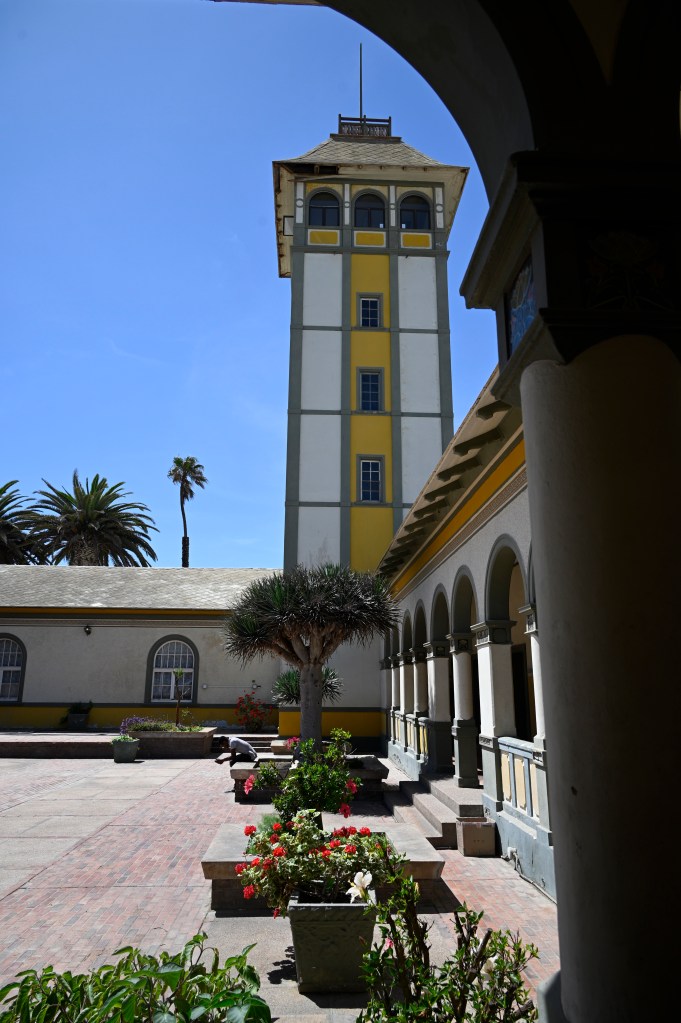
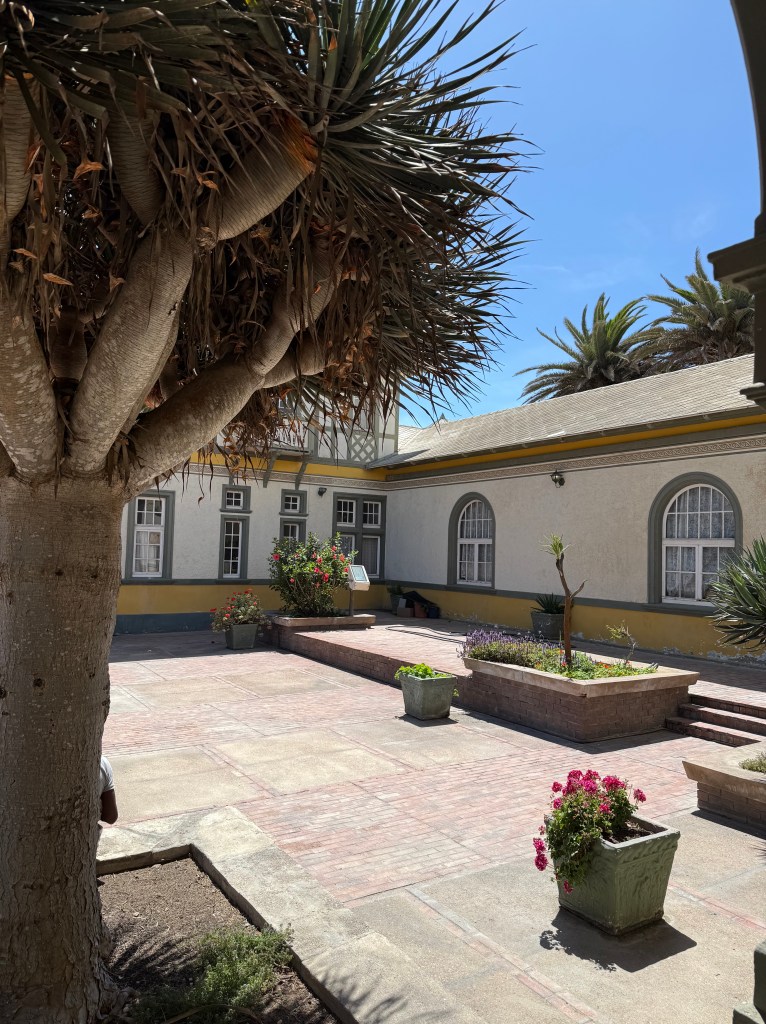
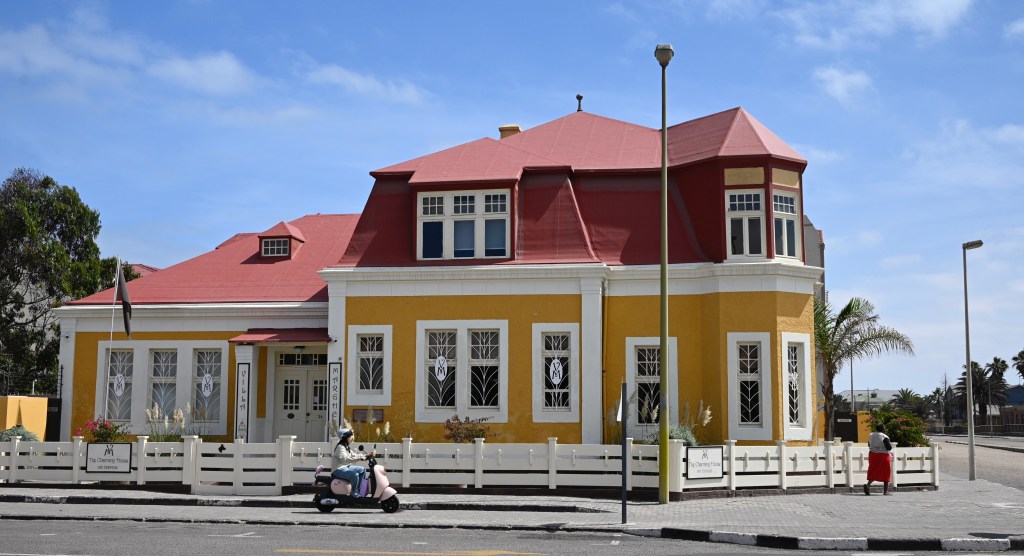
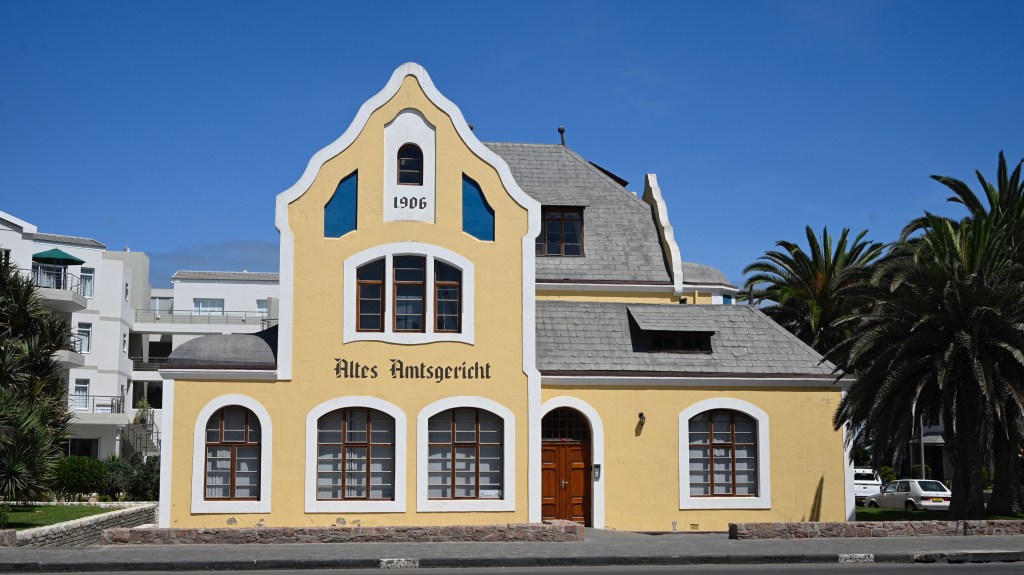
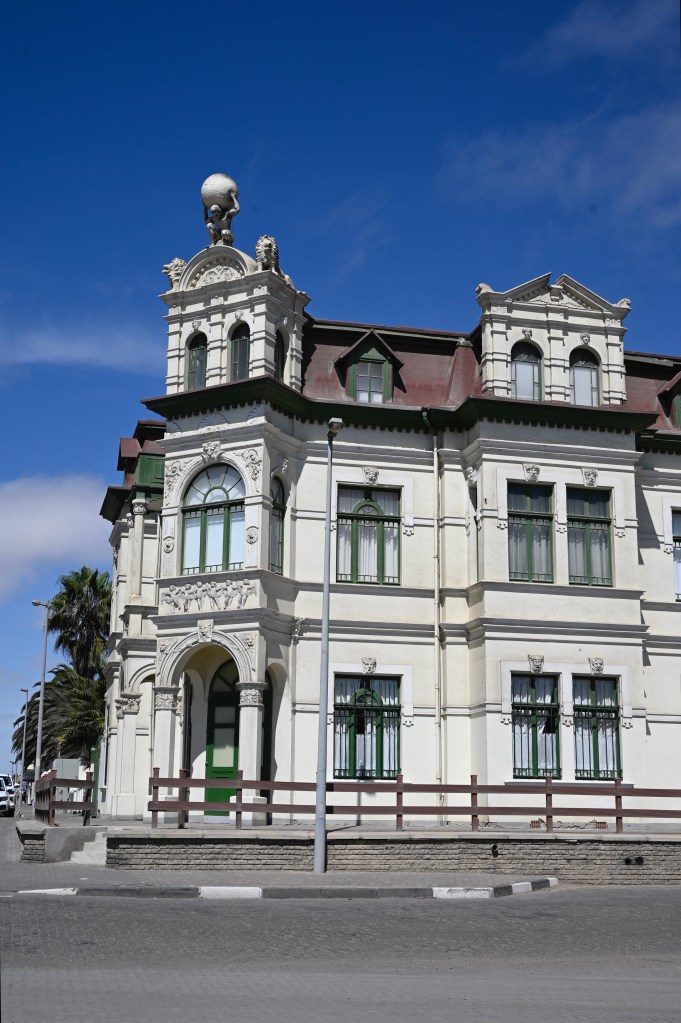
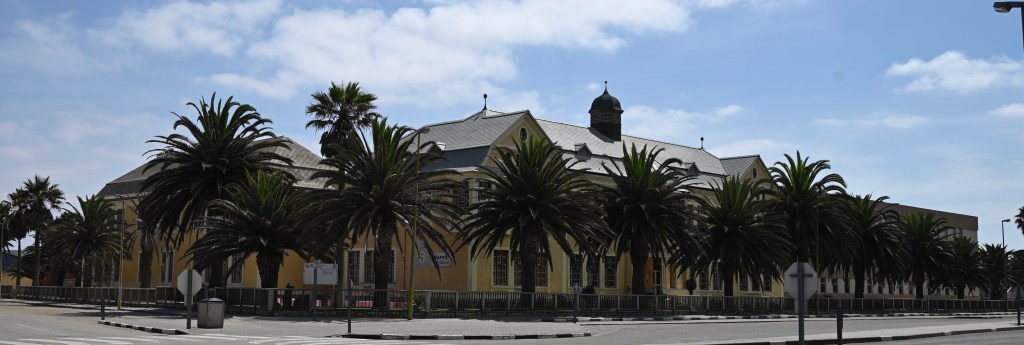
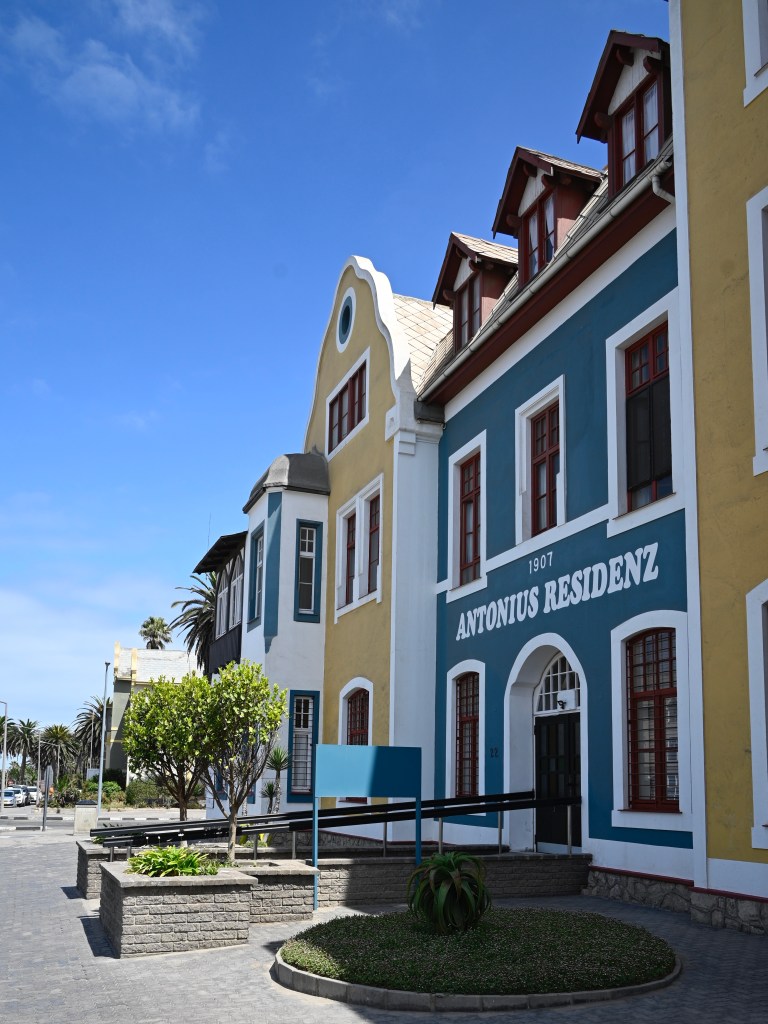
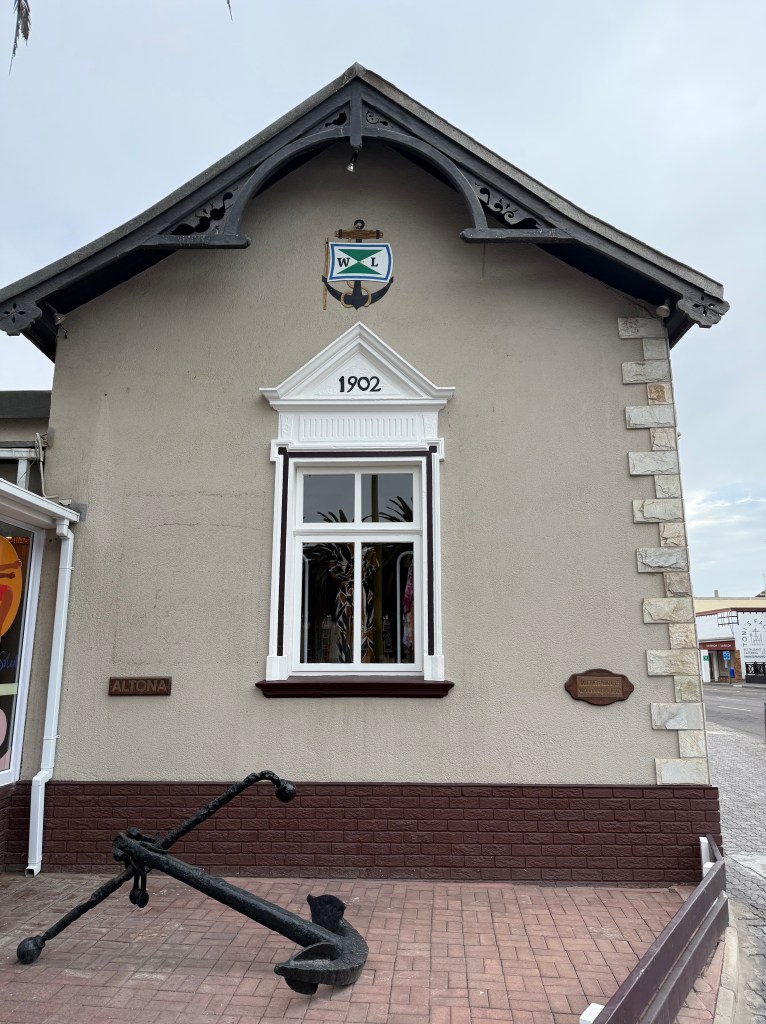
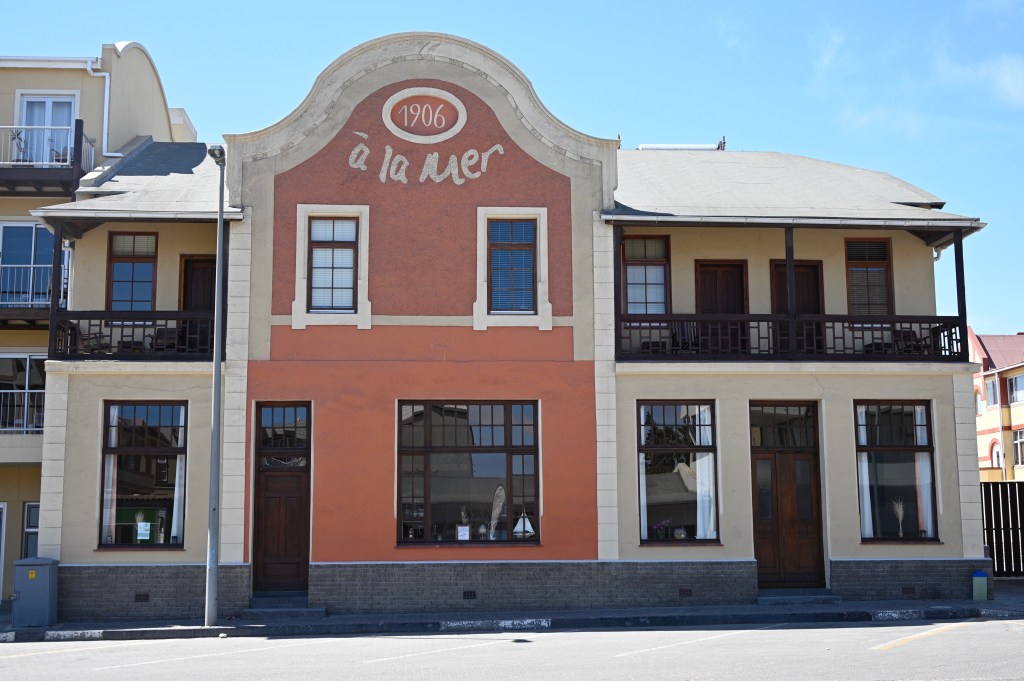
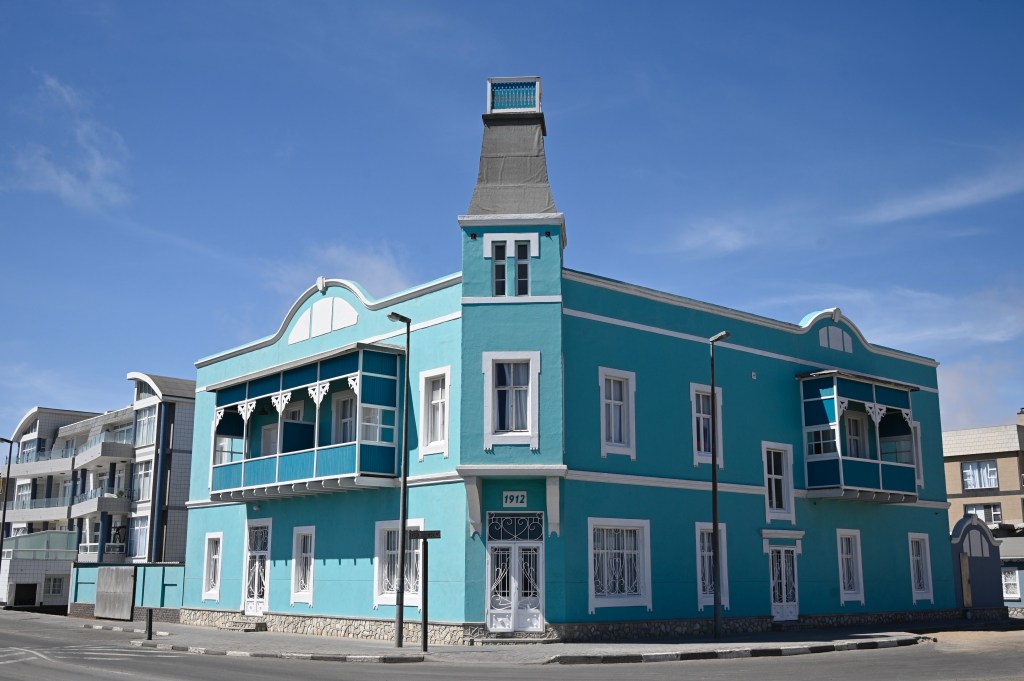
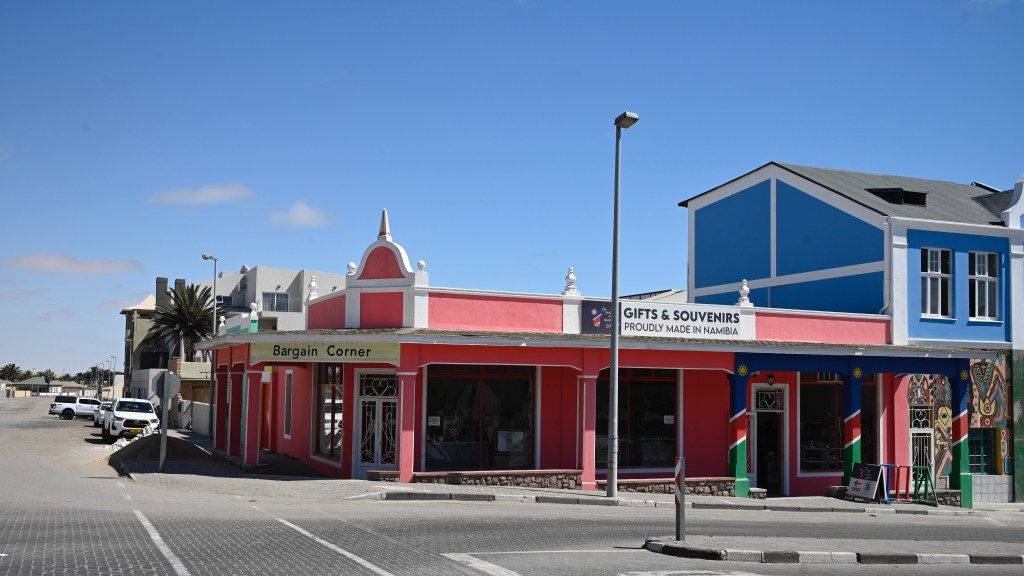
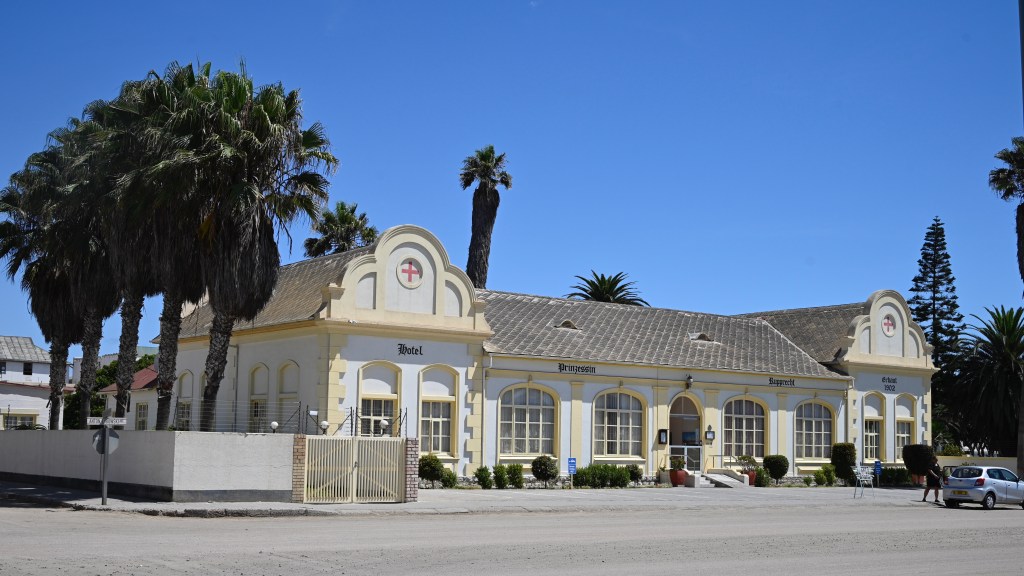
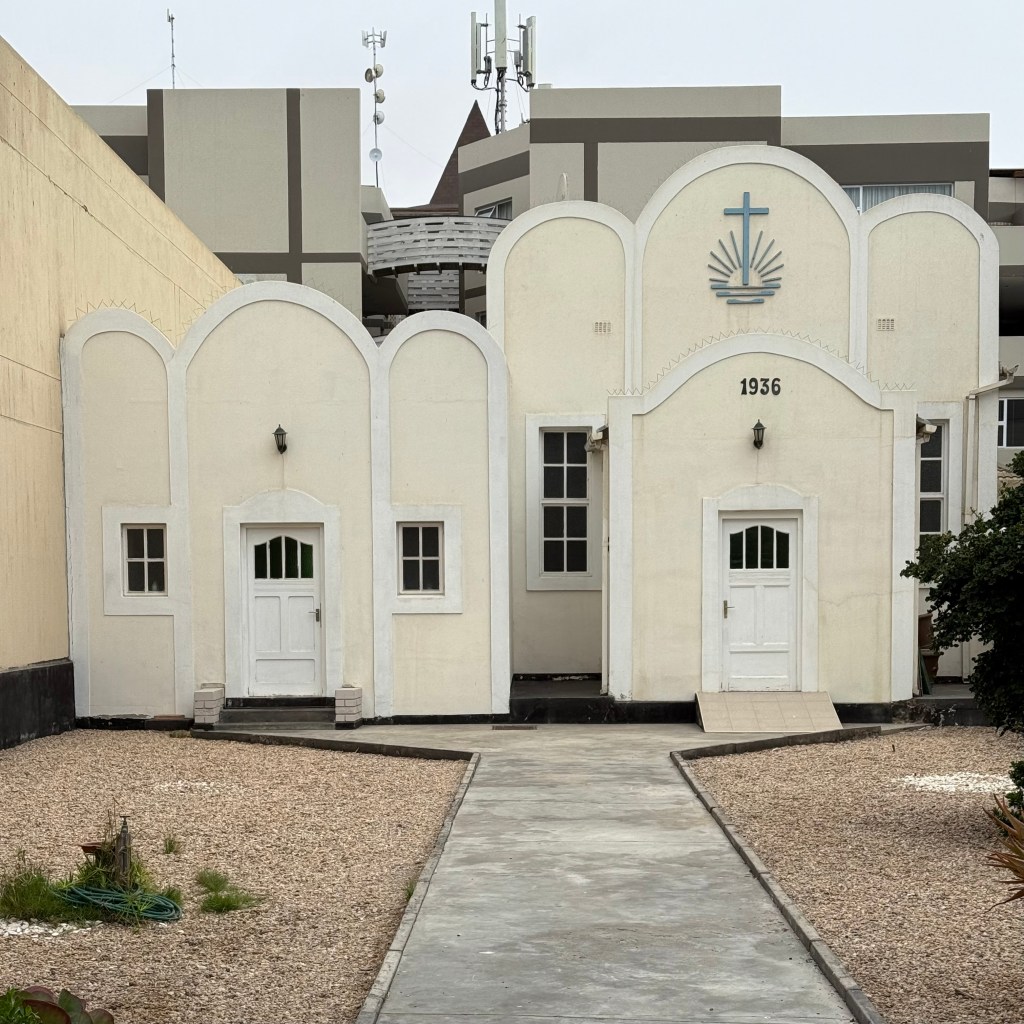
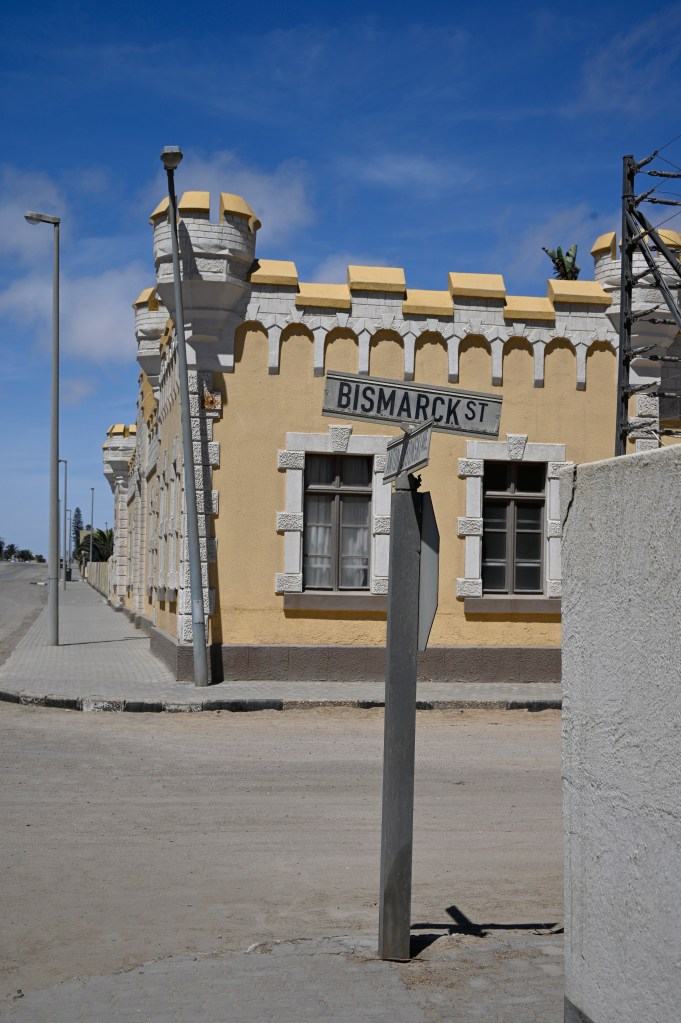
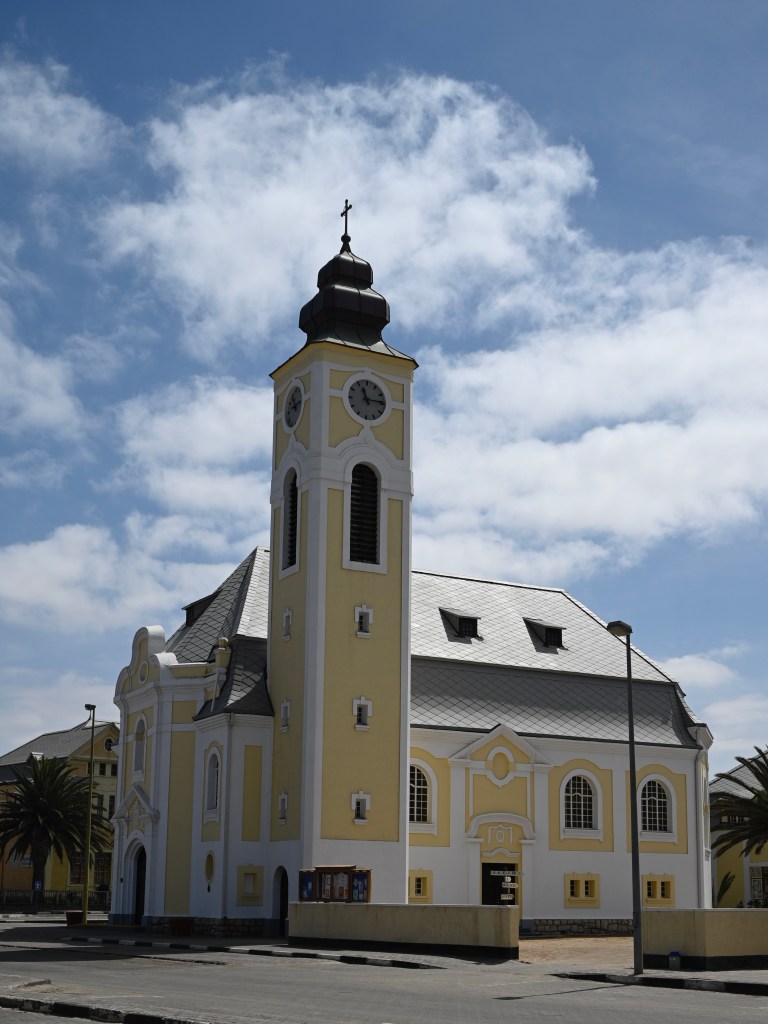
As many of the old buildings in Swakopmund was built by Germans, in the early 1900, many of them is built in Art nouveau/ Jugend style. It is beautiful to see the buildings when walking through the town, but it also bring about thoughts of the colonial history, which is far from nice.
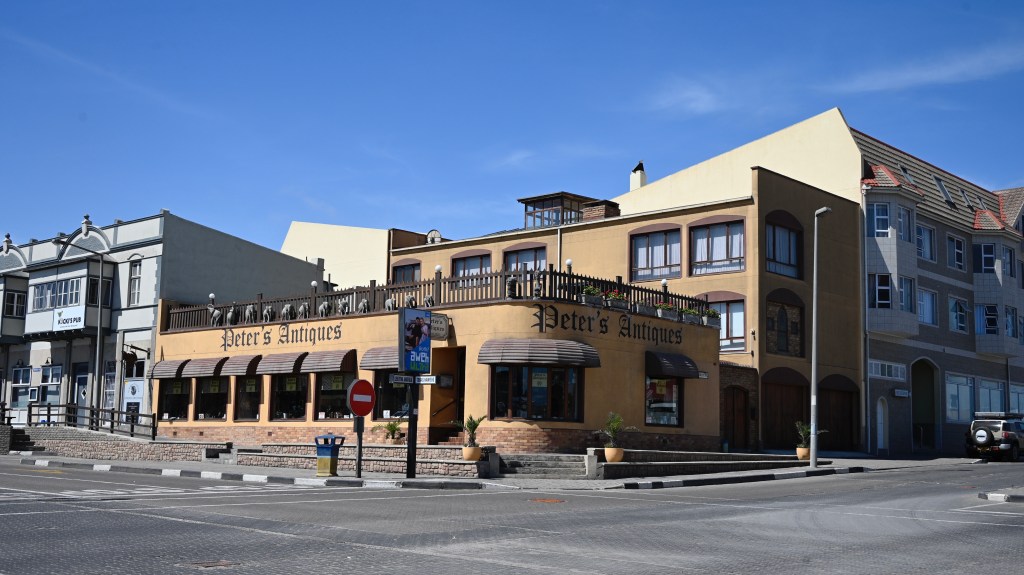
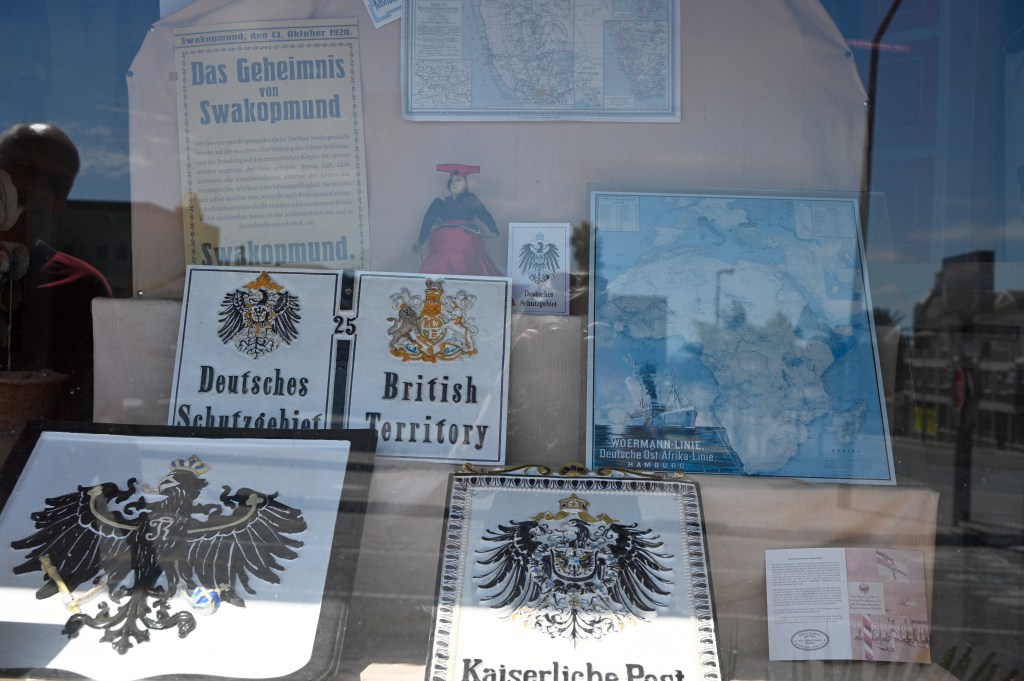
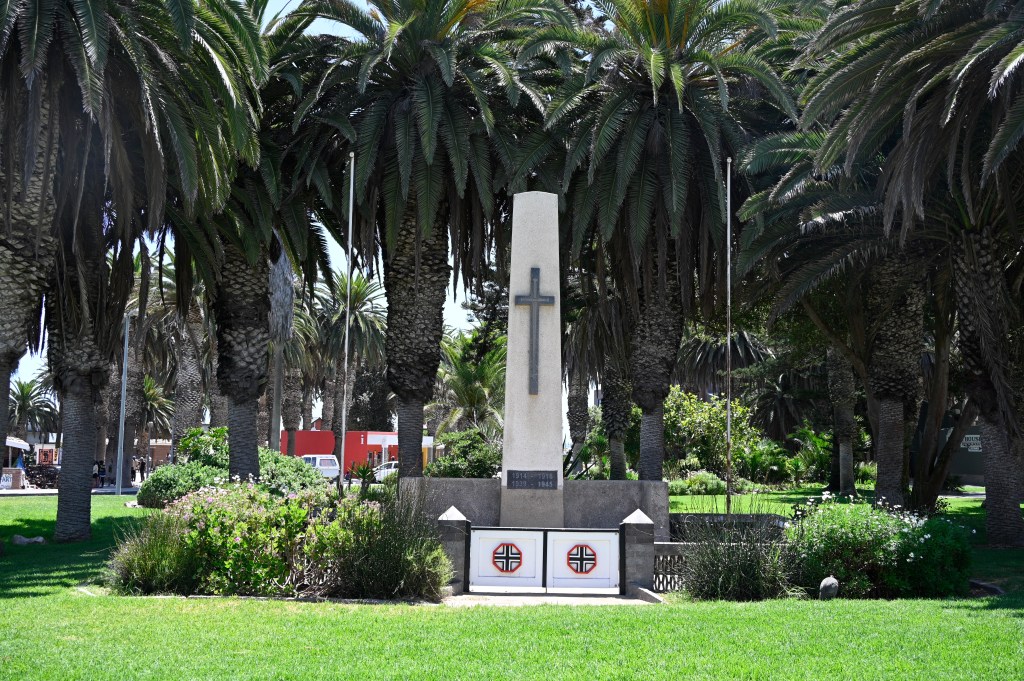
When we lived in Swakopmund, we knew little about the colonial history and about what had happened to the Namibian people in early 19-hundreds, but we found it troubling to find German artifacts from second world war in the Peters Antique shop as well as watching how there still was celebrations for the fallen (German) soldiers in front the war memorial close to our house and memorial platters in the German church. It was also challenging to experience how segregated people lived, based on their cultural background and colors. Nowadays the city seems more mixed and modern houses and beach resorts seems to be populated by a wider part of the population, which I’m happy to see.
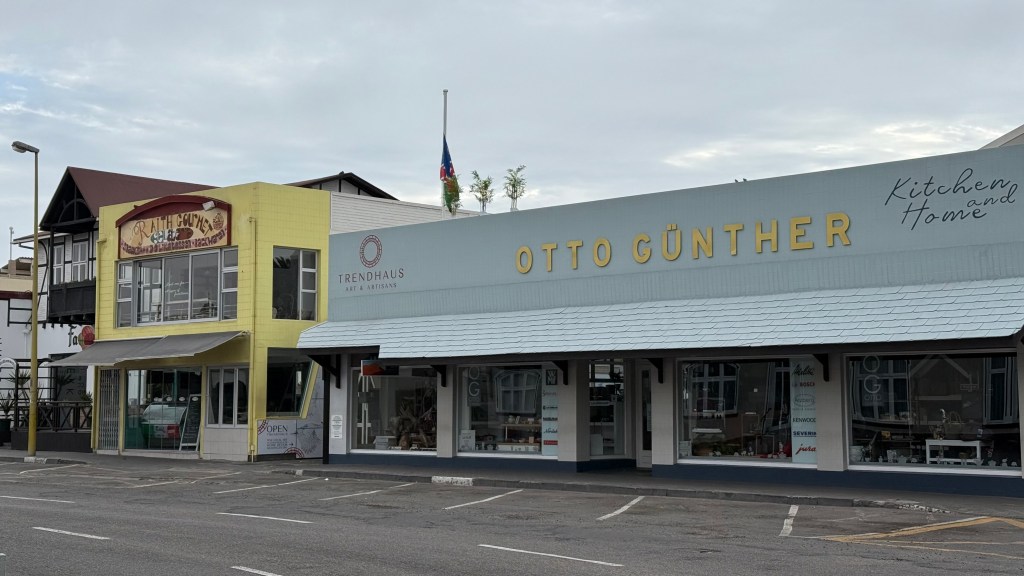
The city center have hotels, nice cafés, a cinema and shops where you can buy groceries, clothes, safari equipment, fishing gear, gold, precious stones and diamonds.
Visiting «old grounds»
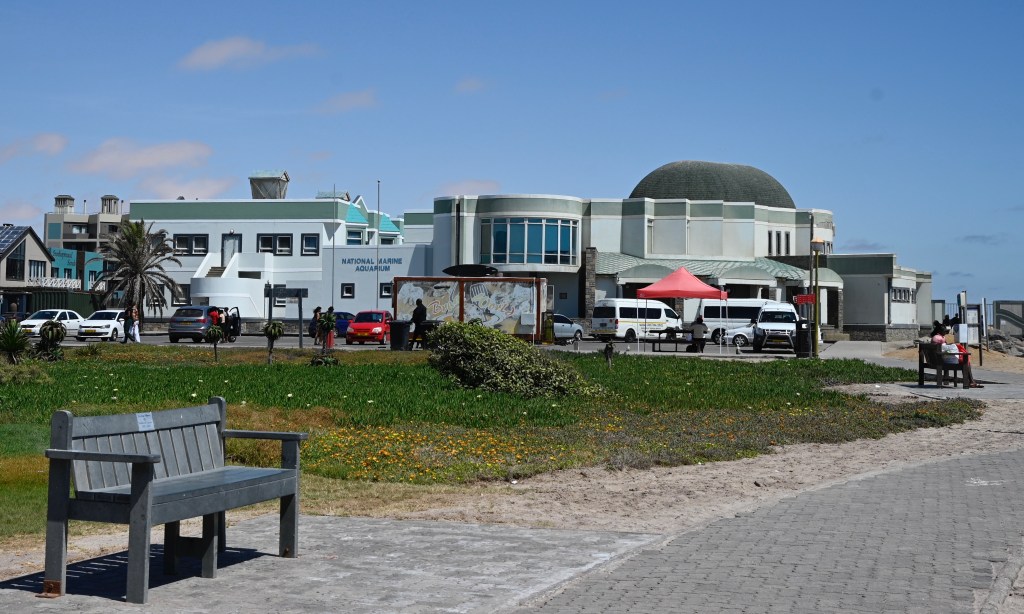
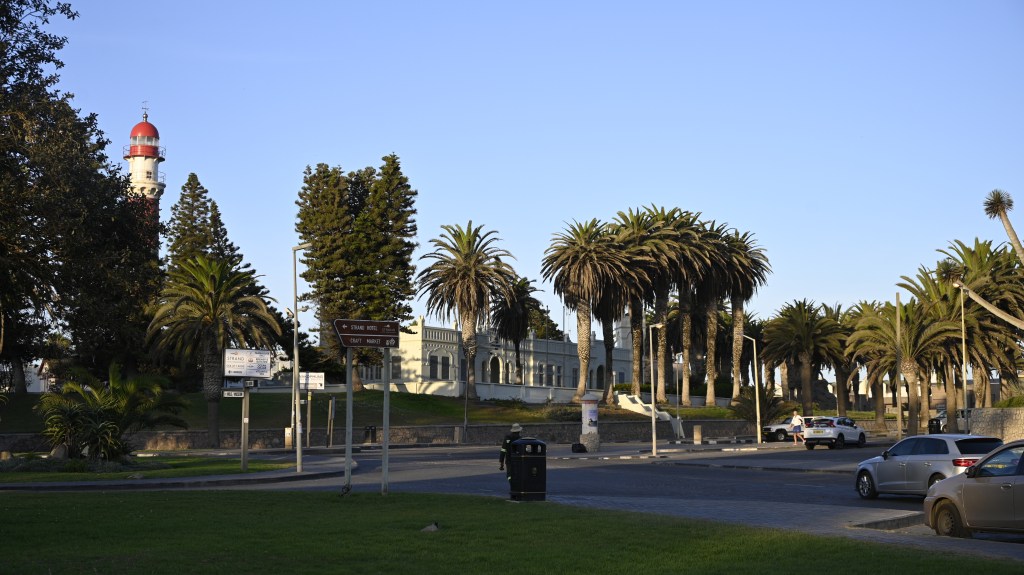
When we lived in Swakopmund in the late 90’s, I worked at the Fisheries research centre NatMIRC, belonging to the Namibian Ministry of Fisheries and Marine Resources. This lays next door to the aquarium very close to the beach and the jetty, in a beautiful sunset spot. Now you could also see oil rigs from this part of the beach, as Namibia now has found petroleum resources outside the coast.
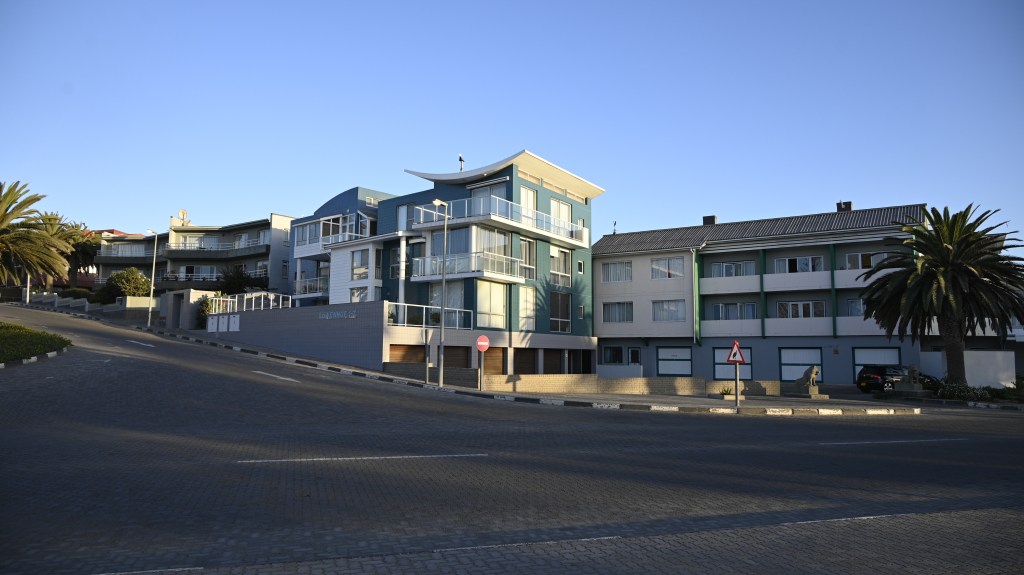
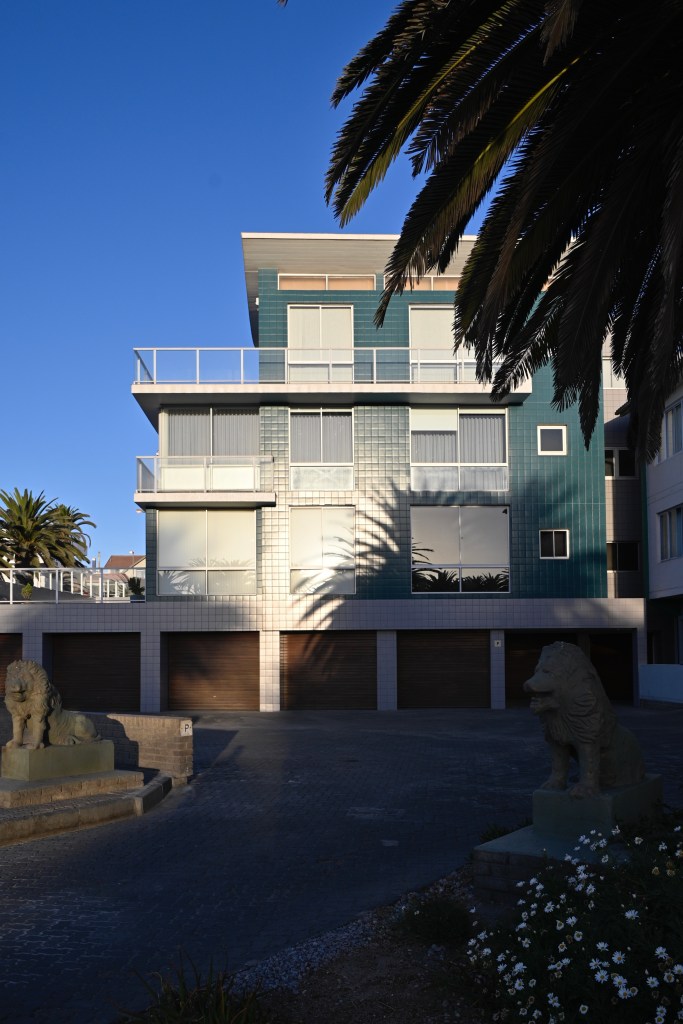
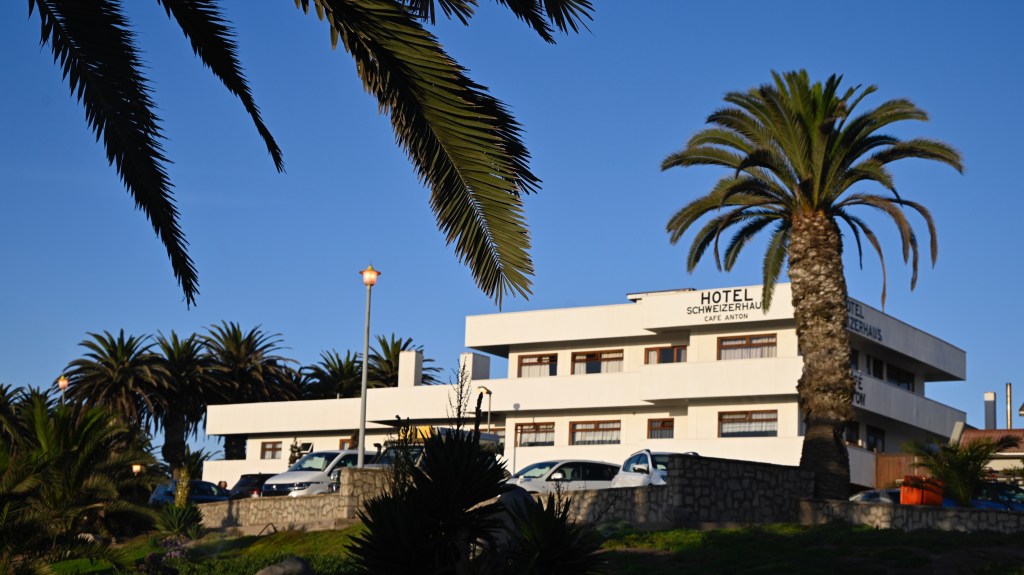
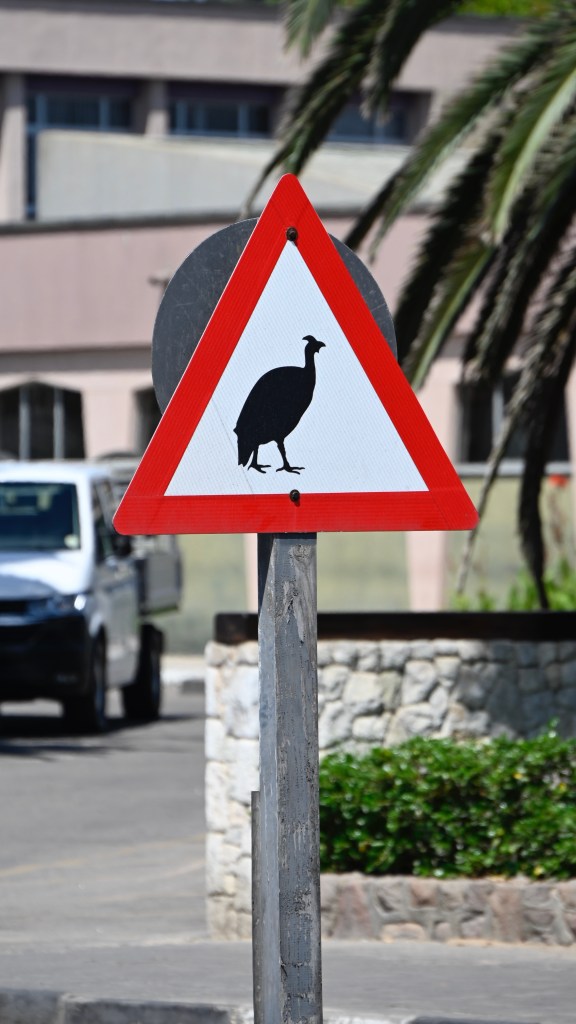
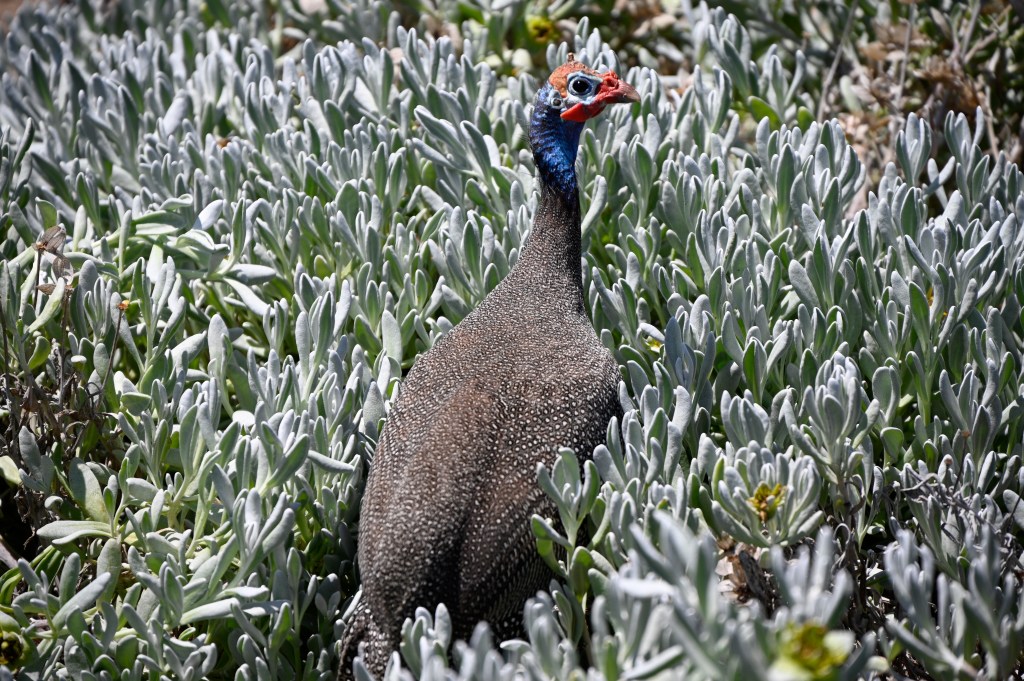
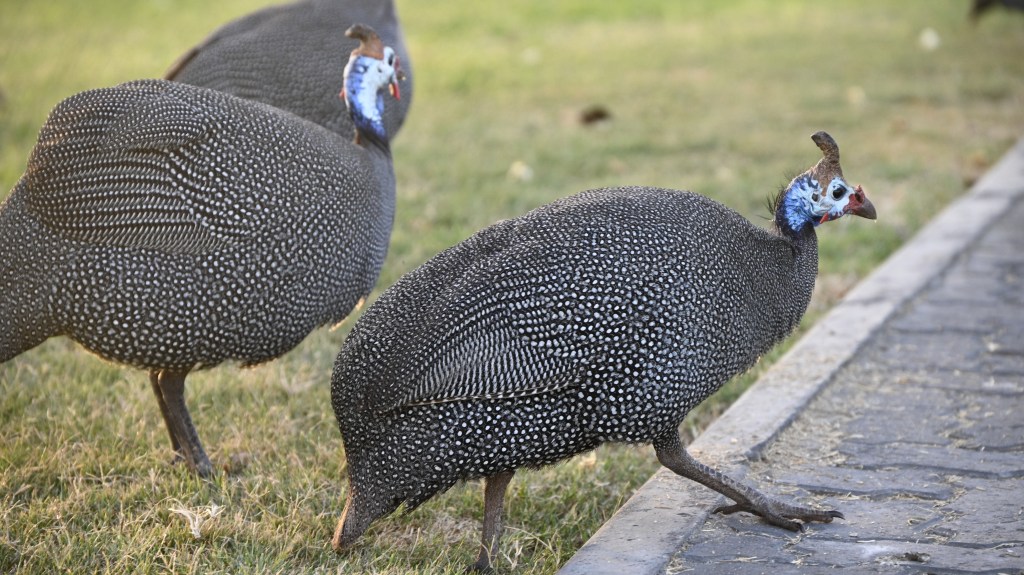
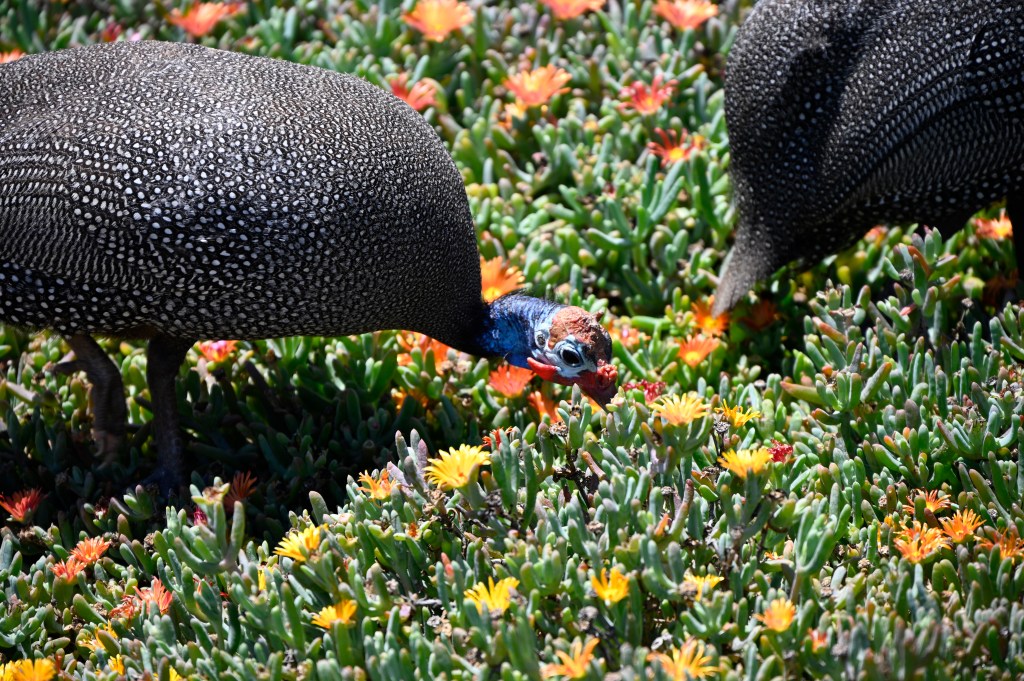
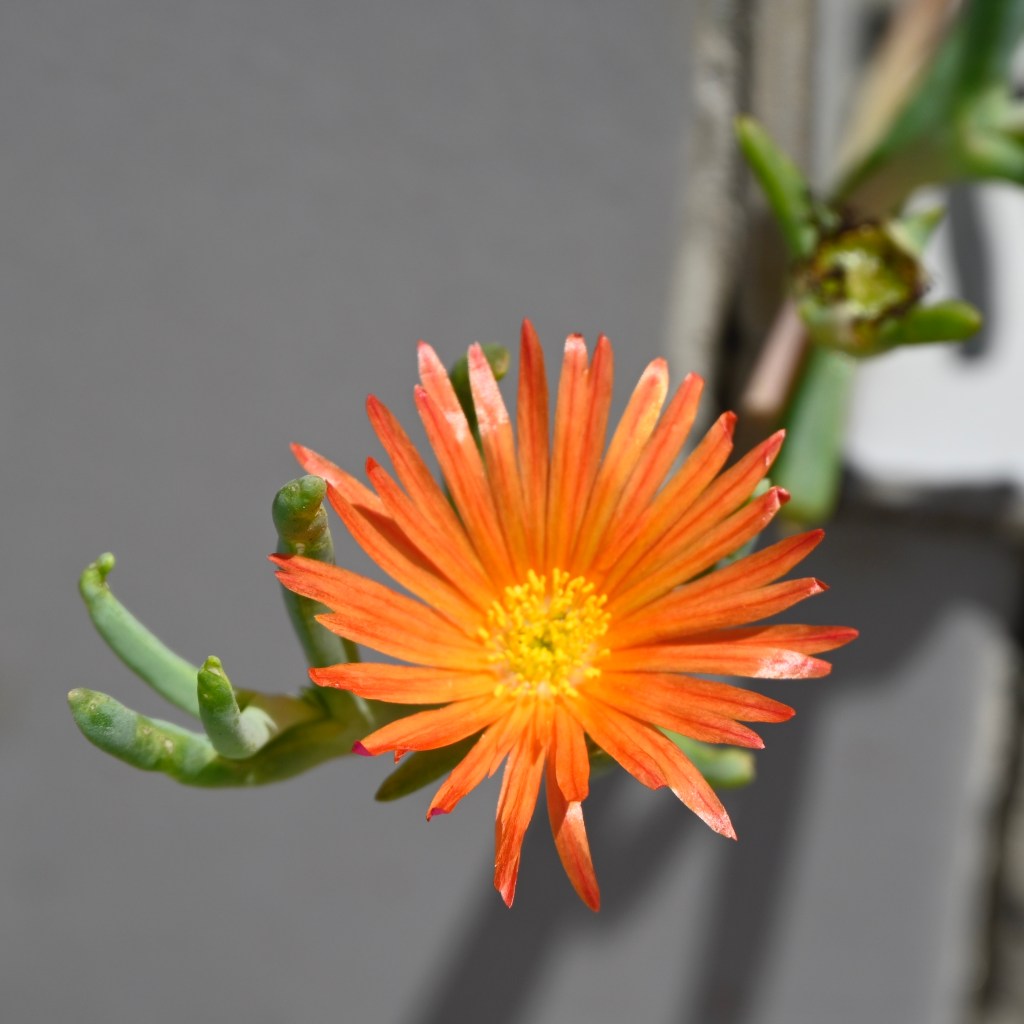
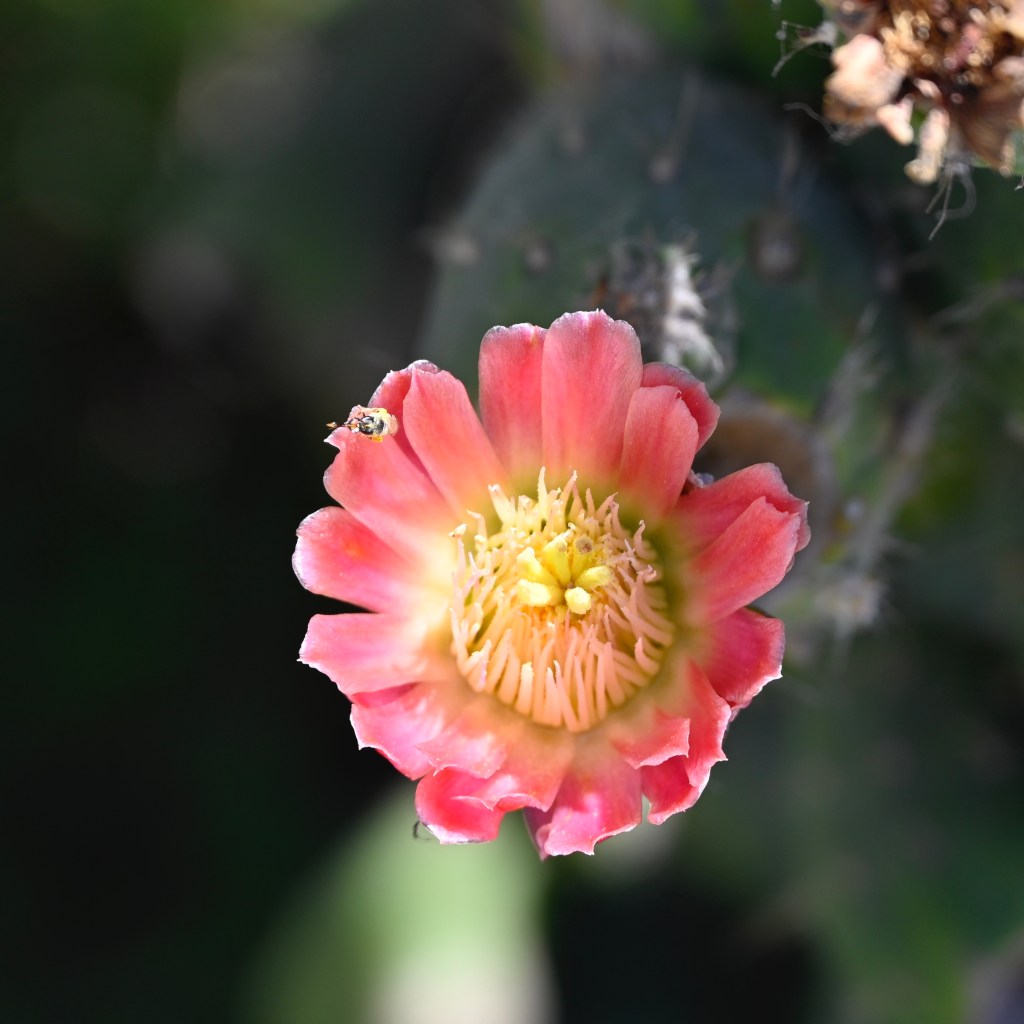
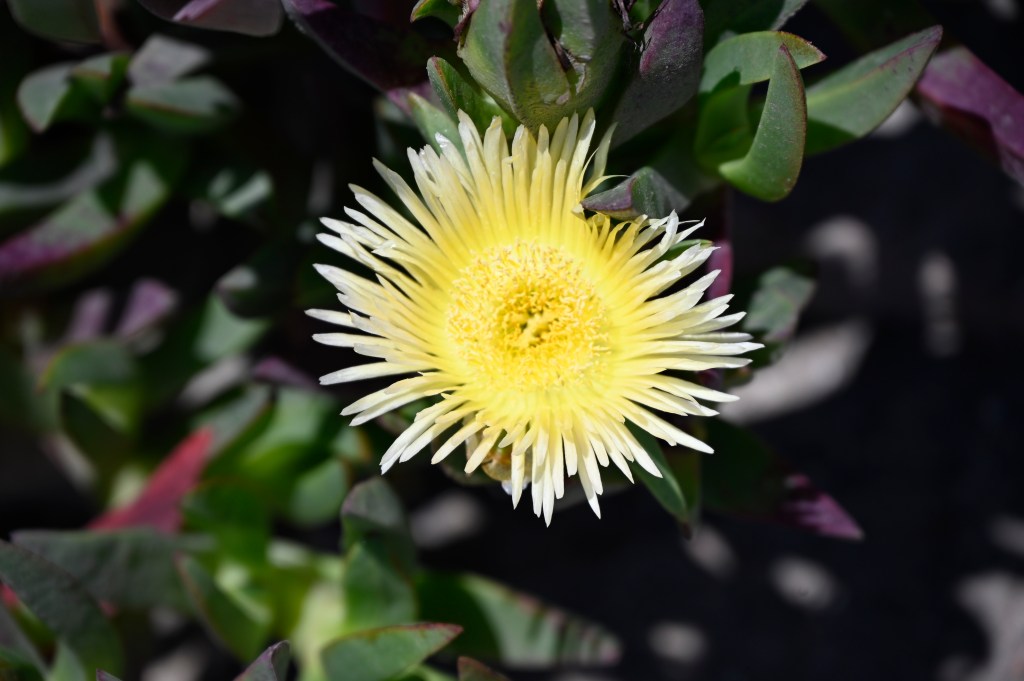
We used to live in a beautiful blue apartment building in a street called Lövenhof, with view over the palms and the sea. The building still stands in the same place, with the two lion statues still in place. It is just a short stroll from there to the beach. It is also very close to Café Anton, where they serve German cakes. The park right below is now inhabited by Guinea fowls and coastal flowers.
Walvis Bay
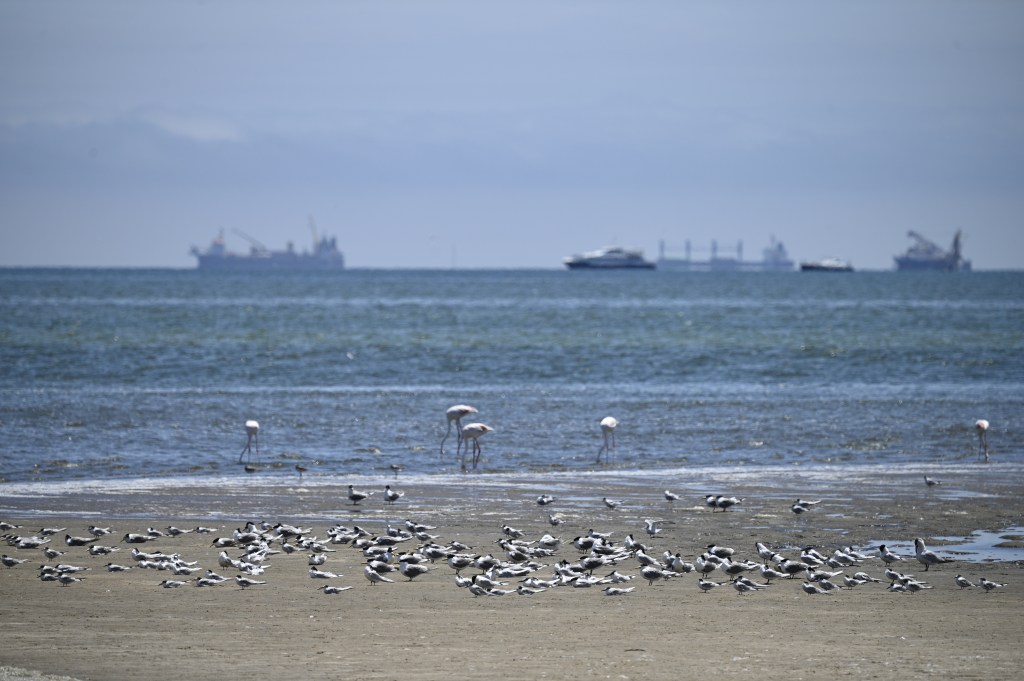
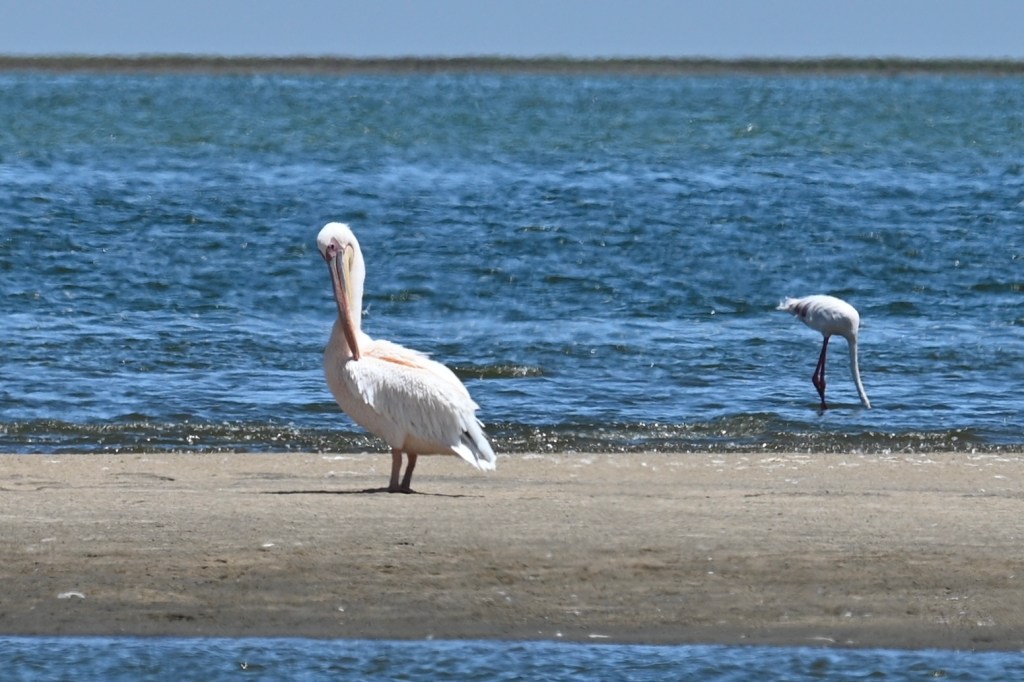
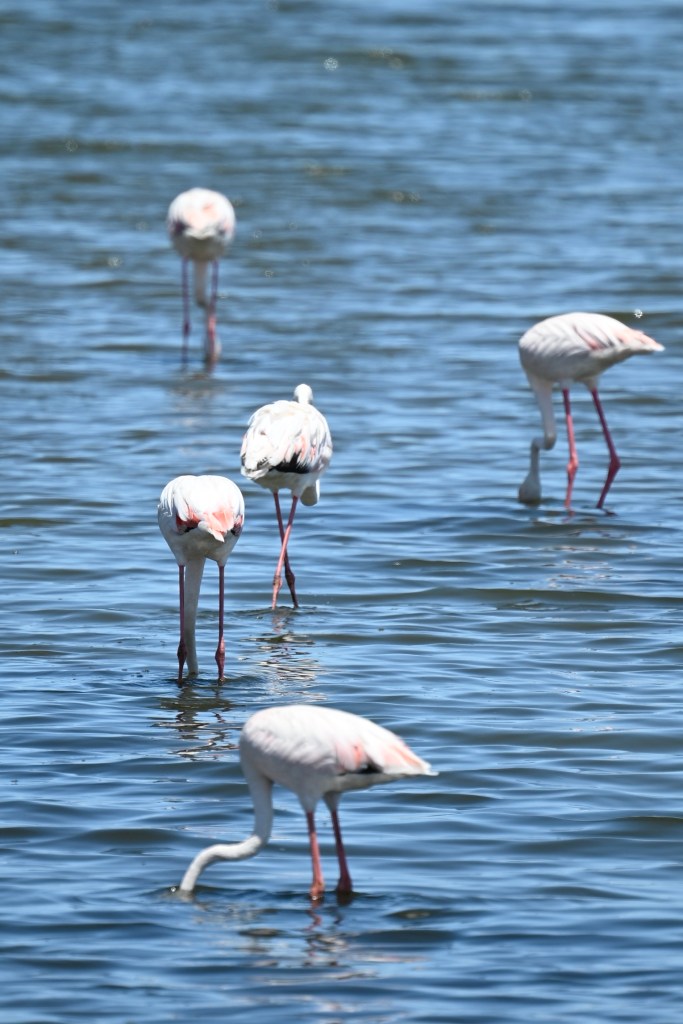
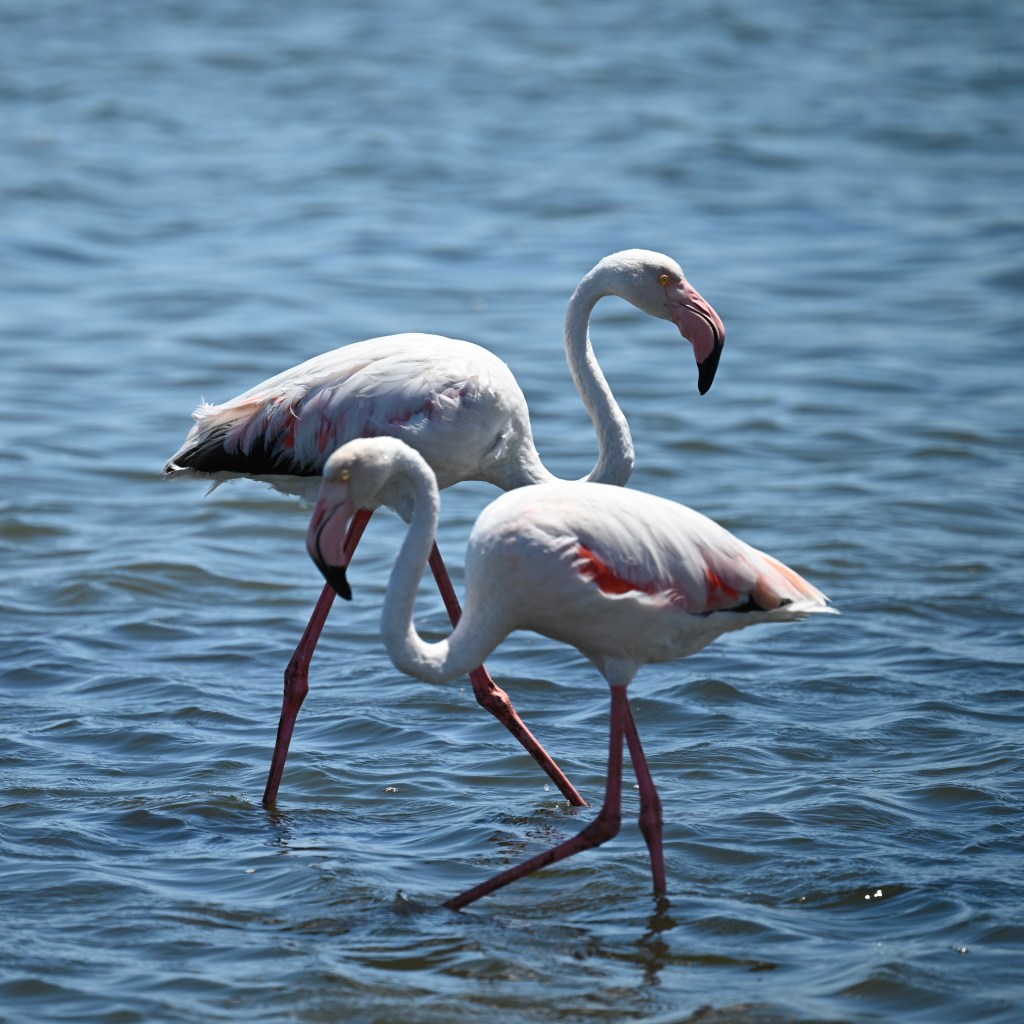
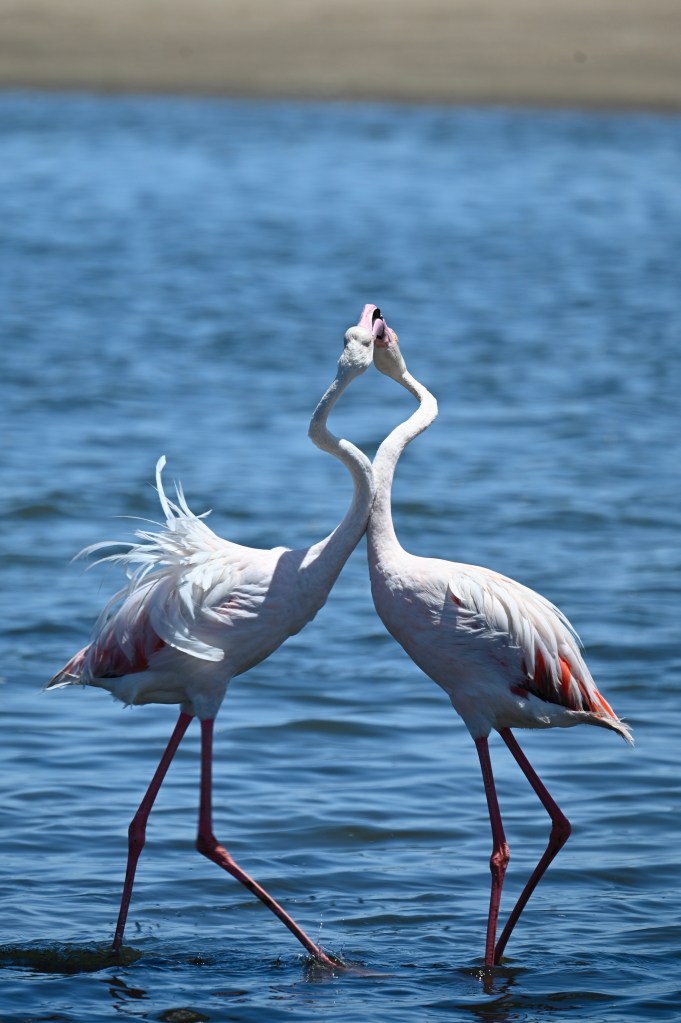
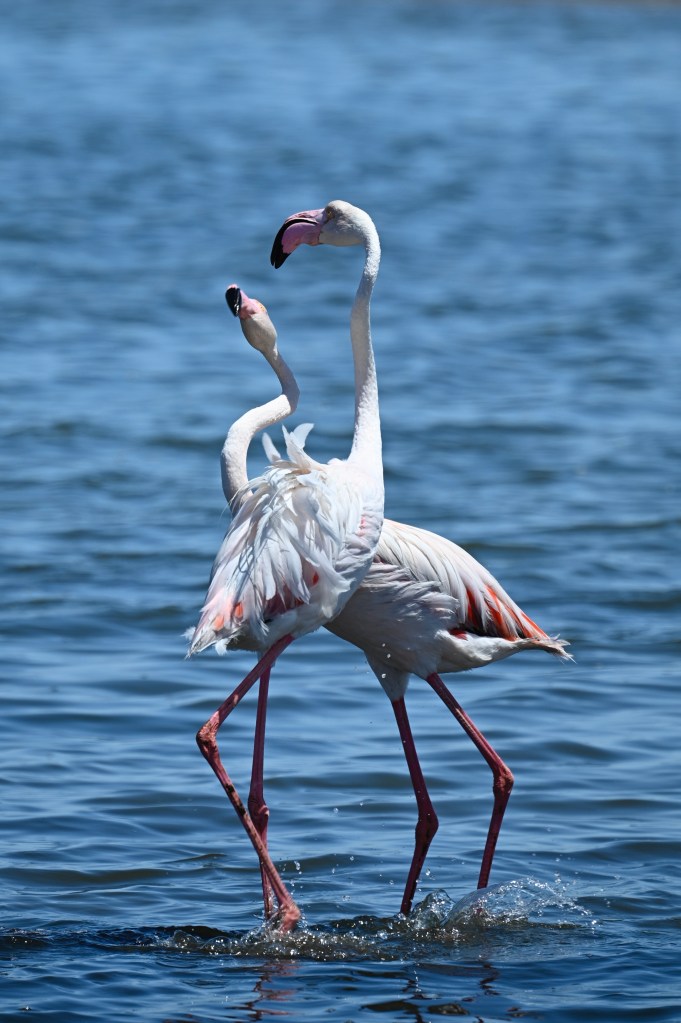
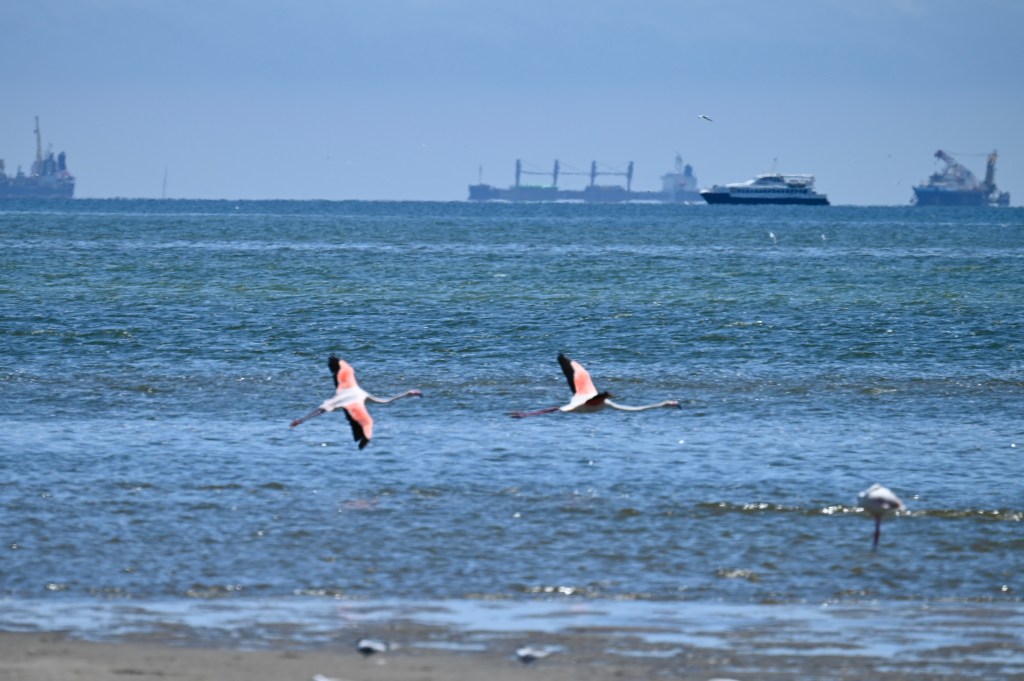
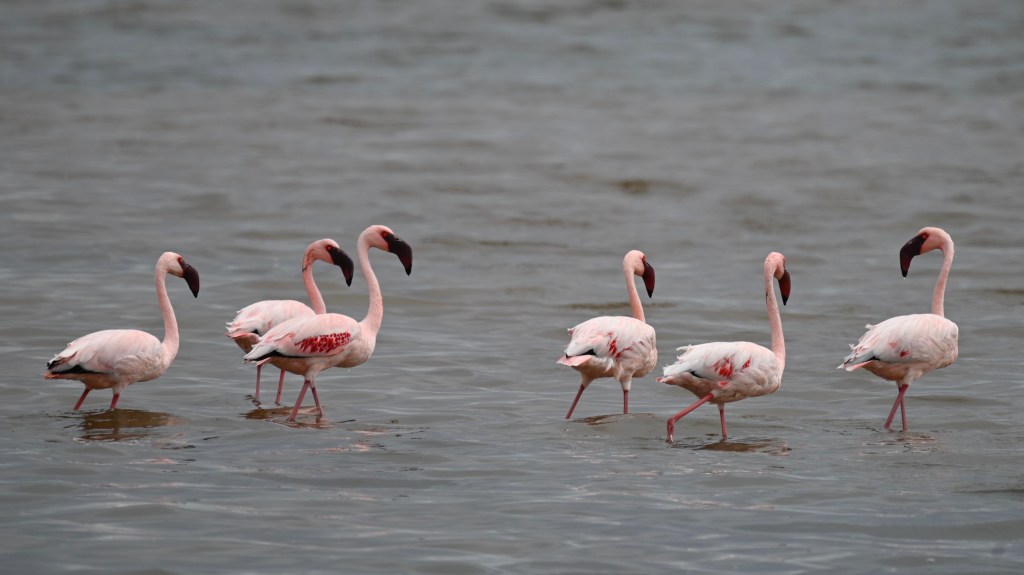
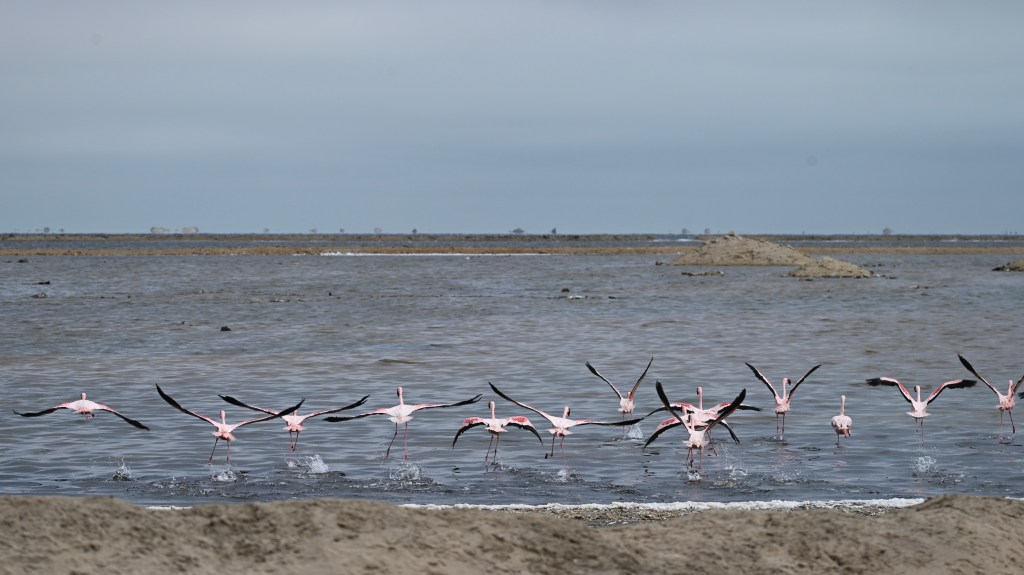
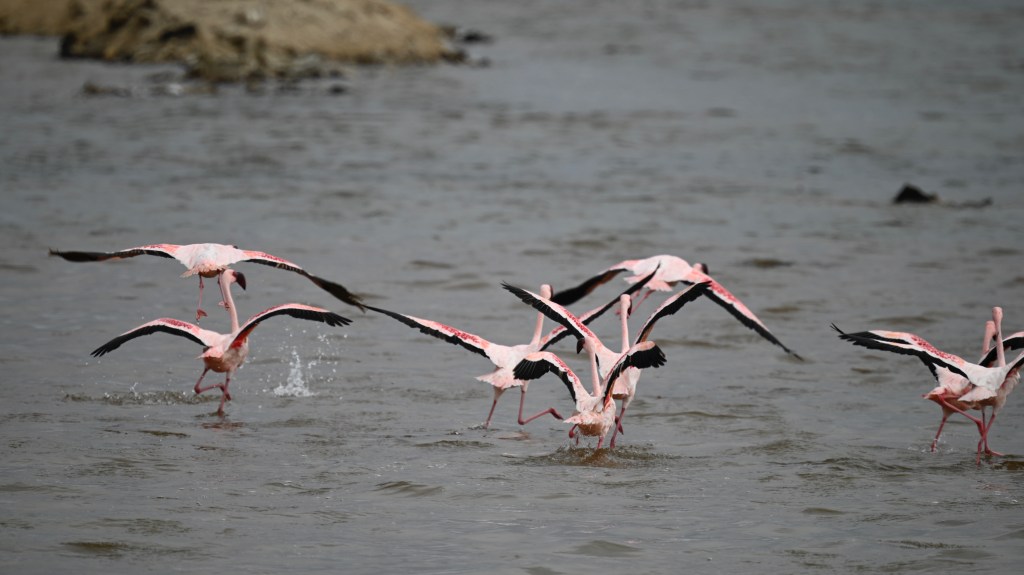
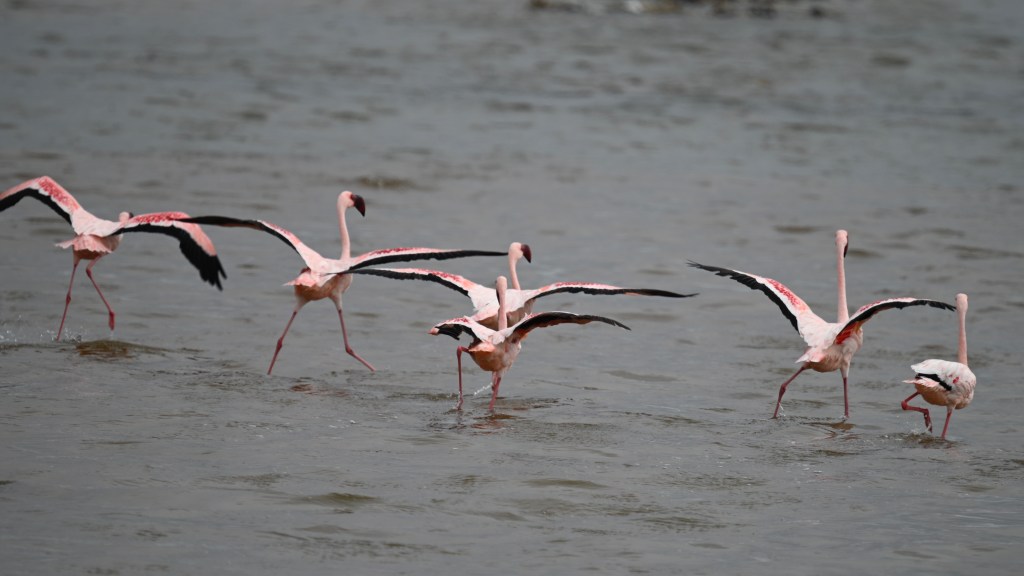
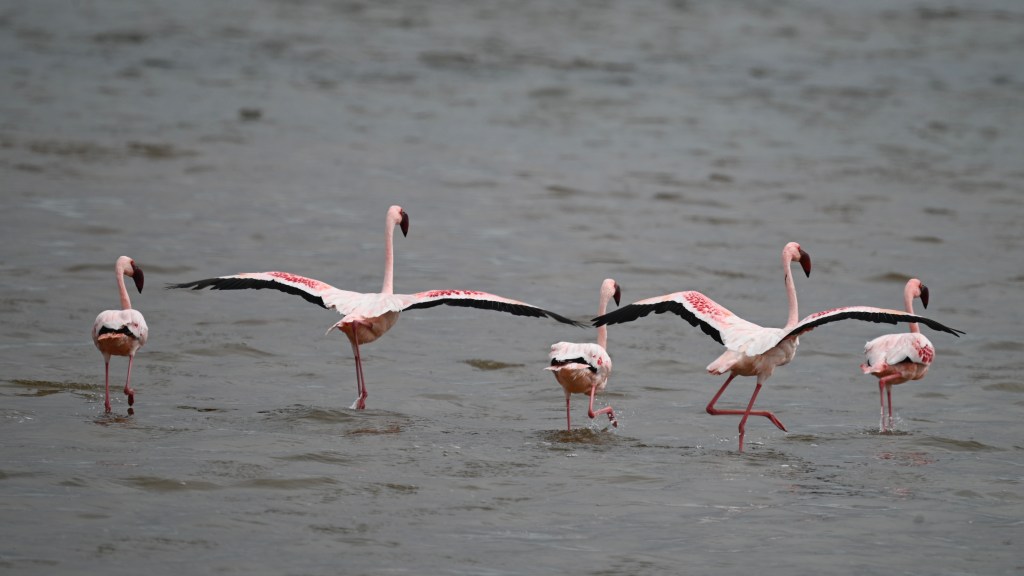
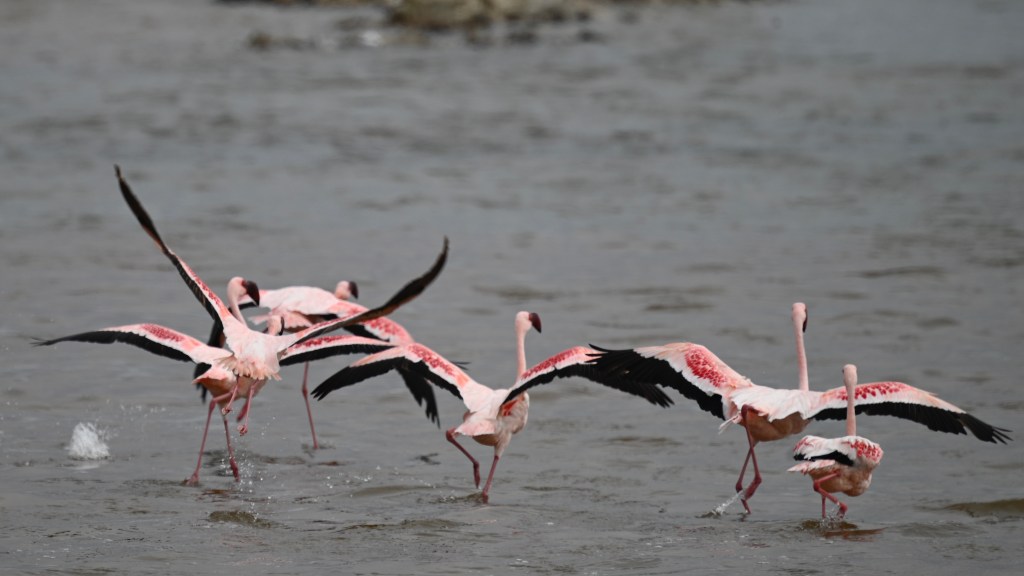
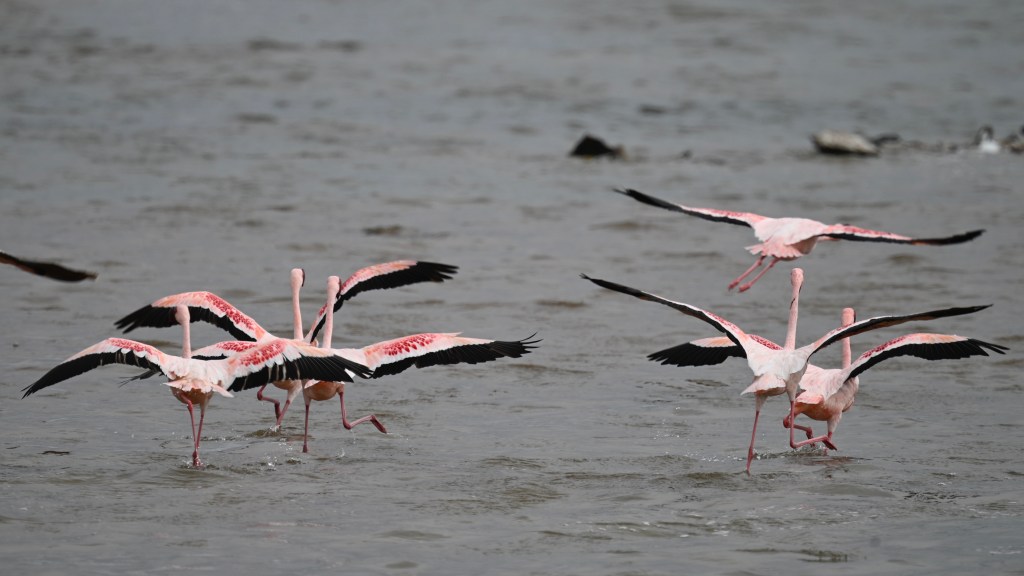
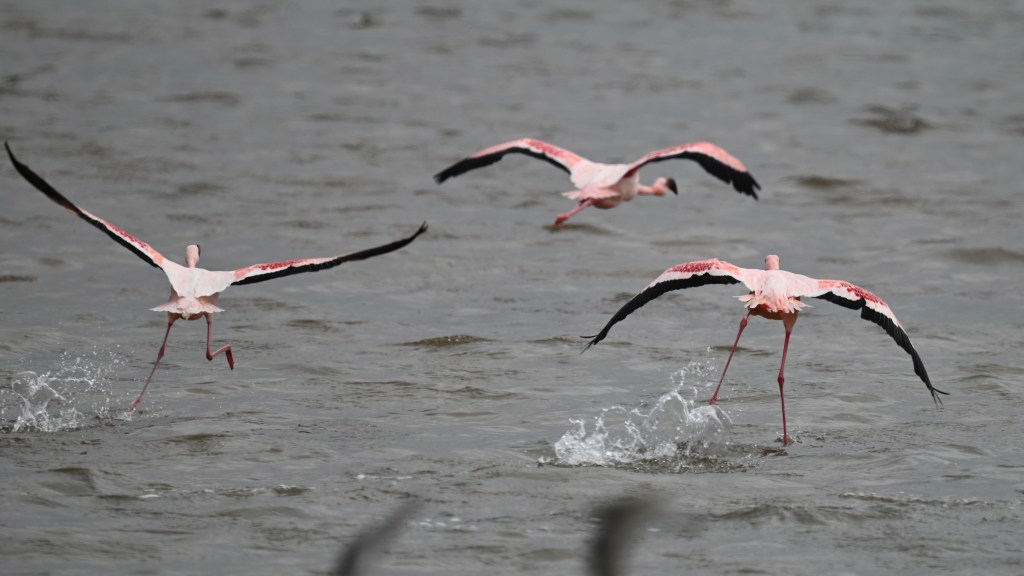
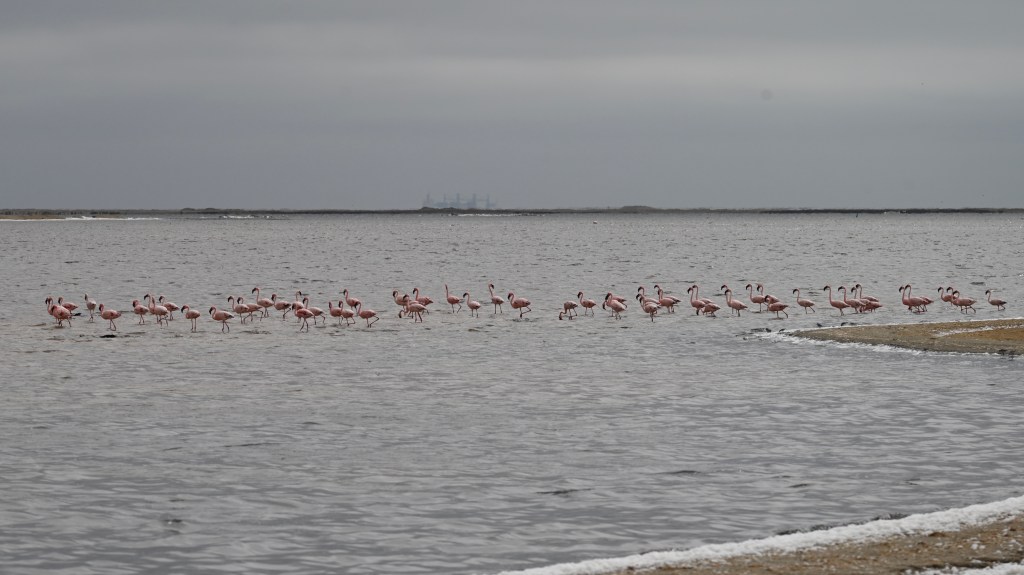
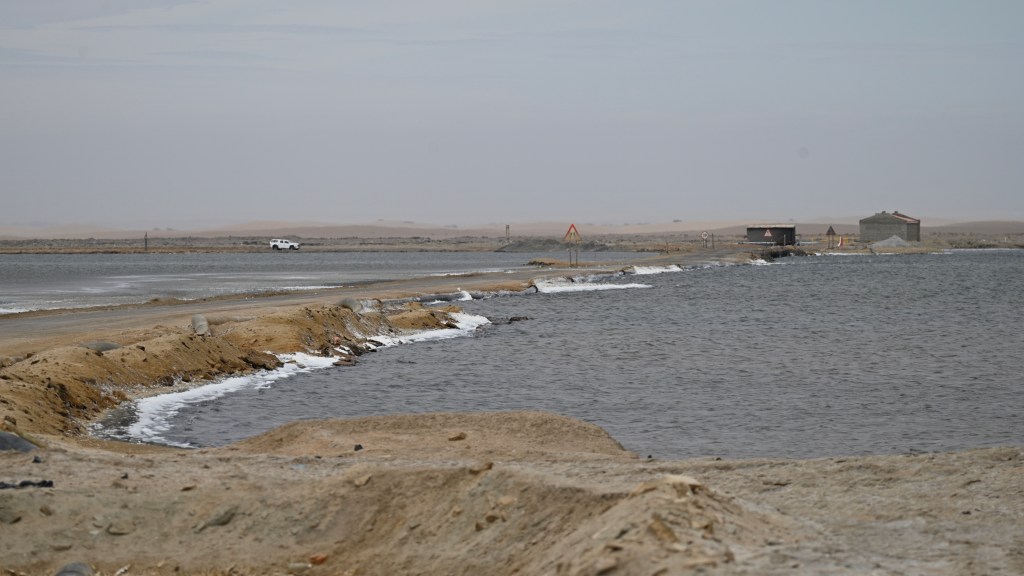
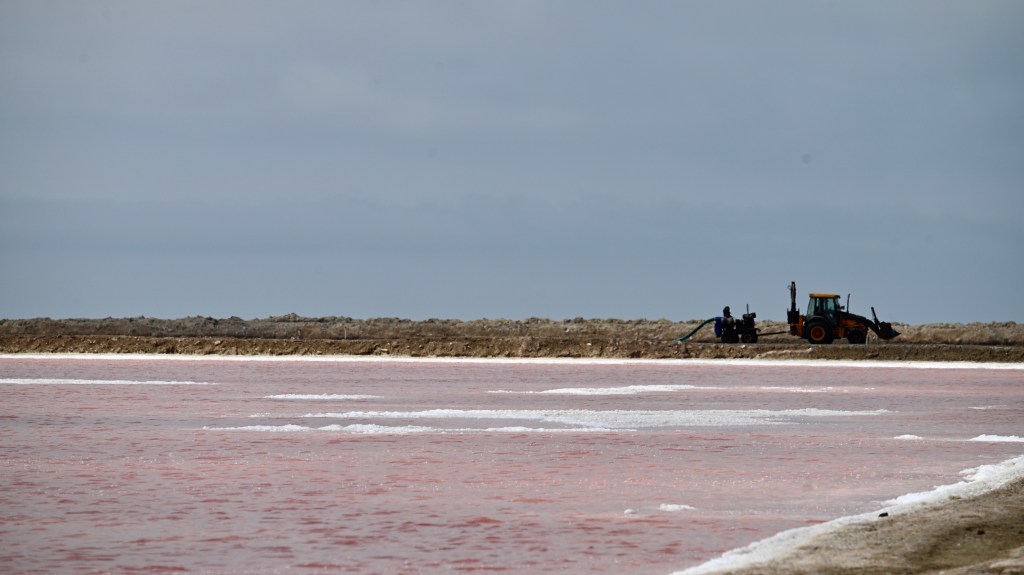
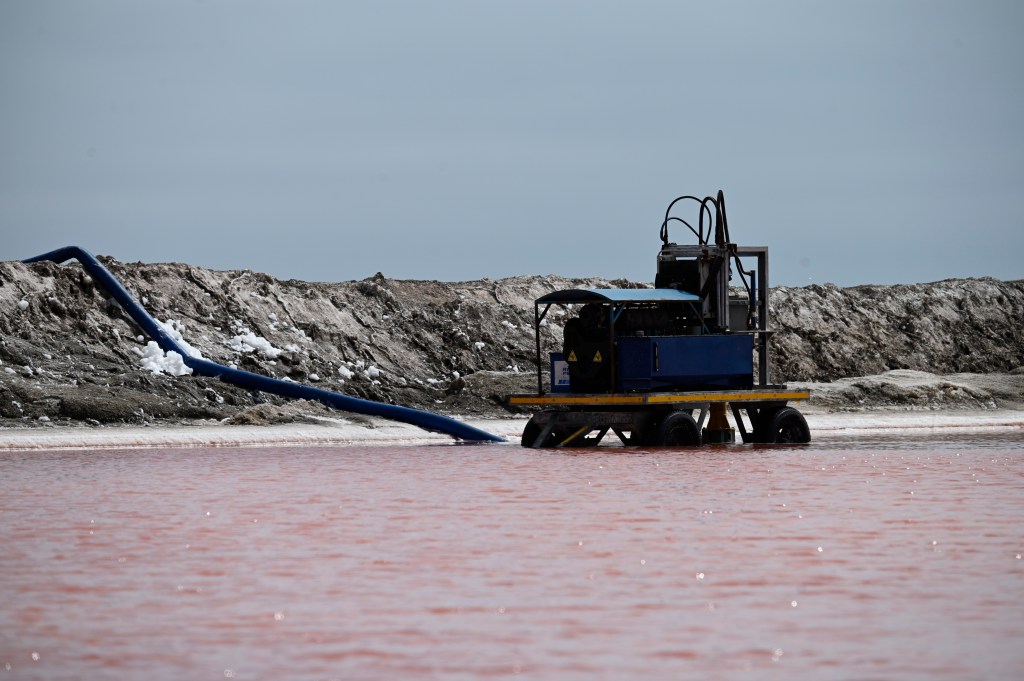
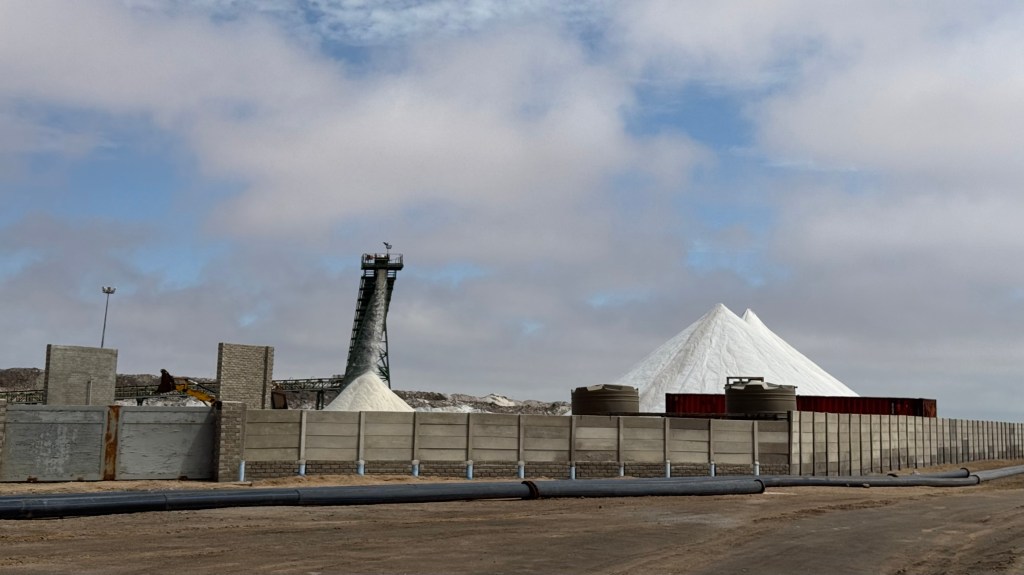
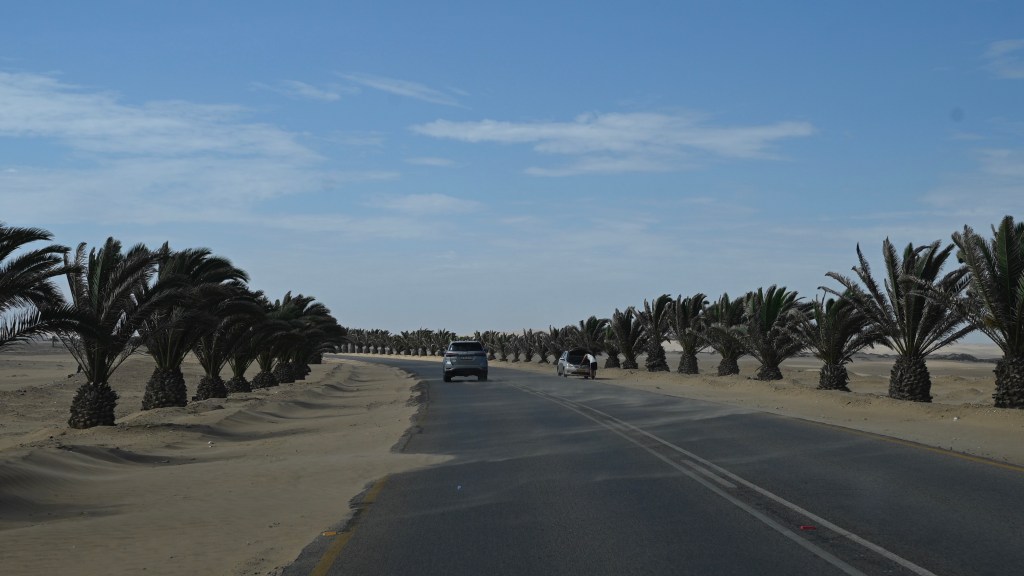
Walvis Bay is a port city south of Swakopmund. Here you will see ships, cranes, oil rigs and a much more industry related city center. Walvis bay has a long stretch of palm trees along the road when driving into town, which is quite nice. The centre is however not as «pretty» as Swakopmund. Nevertheless, it has beautiful areas, as the Esplanade area, where you can see lots of birds, as flamingos and pelicans. You can also visit the salt works, where they fill large areas with sea water and allowing it to dry, so as to extract salt from the water, when the sun heats it up. Walvis Bay also have excellent seafood restaurants, overlooking the ocean, as for instance the Anchors on the Waterfront.


 Laila’s travel blog
Leave a comment