The Namib desert stretches 2000 km along the southwestern coast of Africa. From southern Angola along Namibia and slightly into South Africa. Parts of it is called “the Skeleton coast” as many sailors have died, when shipwrecking here and trying to cross the desert on foot to look for fresh water and you can read a fiction about this it in Wilbur Smiths novel “The burning shore”, which was my first meeting with this area of the world. Reading Wilbur Smith today can, however be quite challenging, with the way he talks about females and his colonial aspects, but if one overseas some of this, one can hear that he plots several of the Namibian “highlights” as Brukkaros mountain, the dunes, !nana fruit and San culture into the book. A local crew members on one of the fisheries cruises I participated in during late 90’s told us he used to work at the ship Wilbur Smith owned in his youth (maybe when he was out fishing for Tuna or Marlin?) and that he behaved very polite and friendly towards all if the crew, letting everybody eat at the same table and such, which were not common in those days.
Dunes
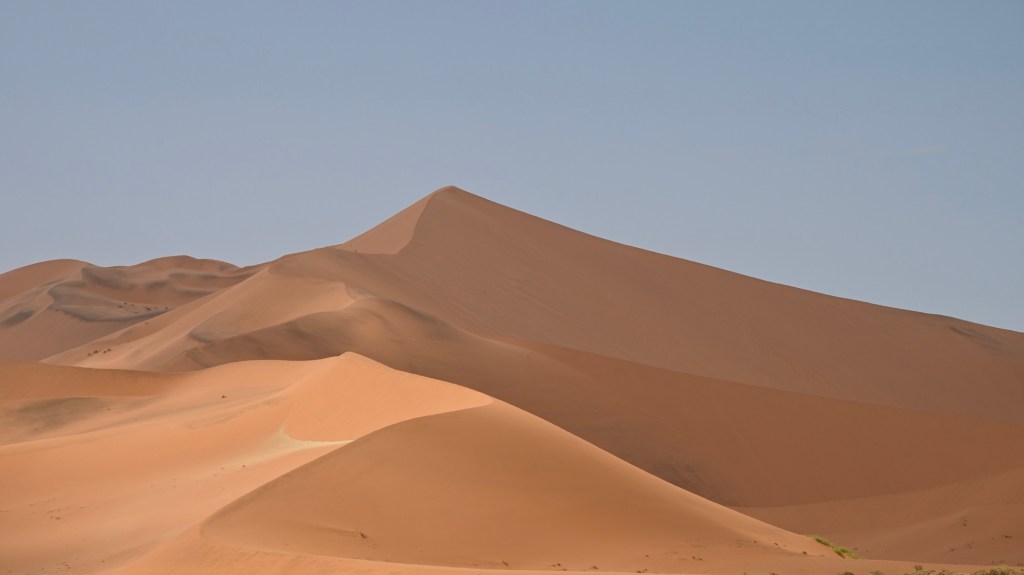
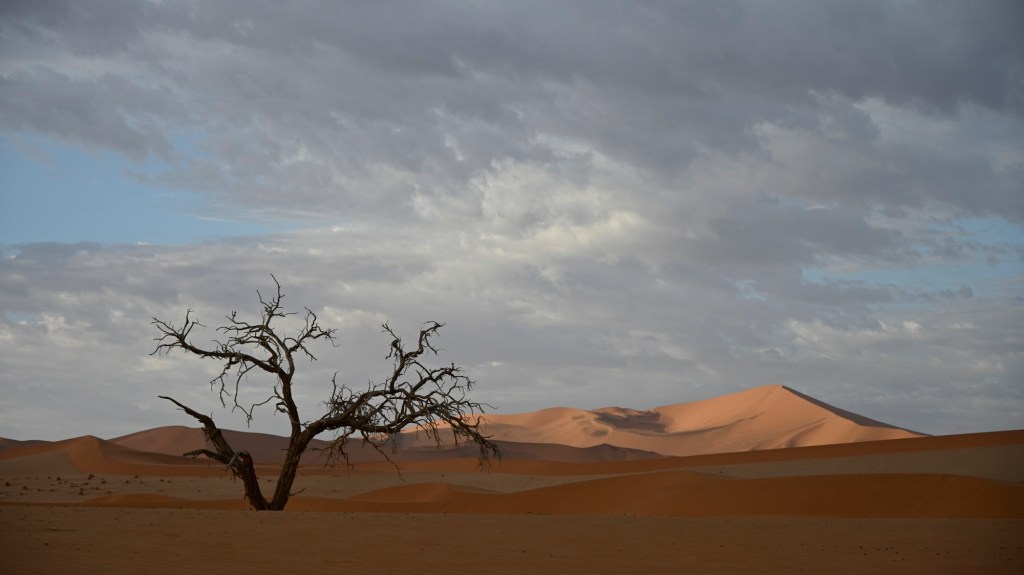
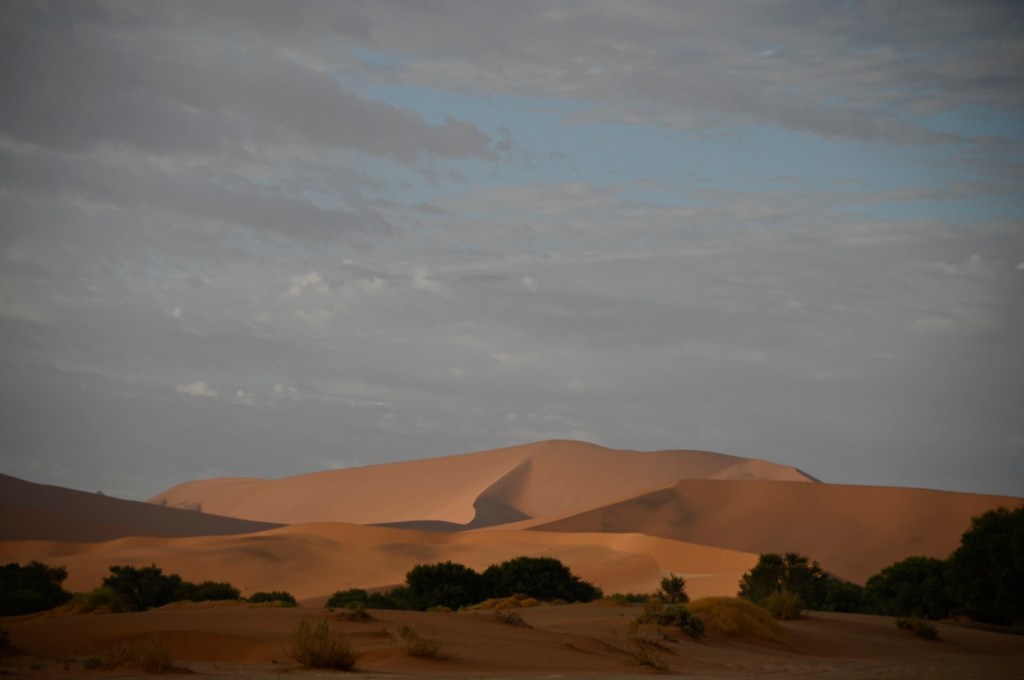
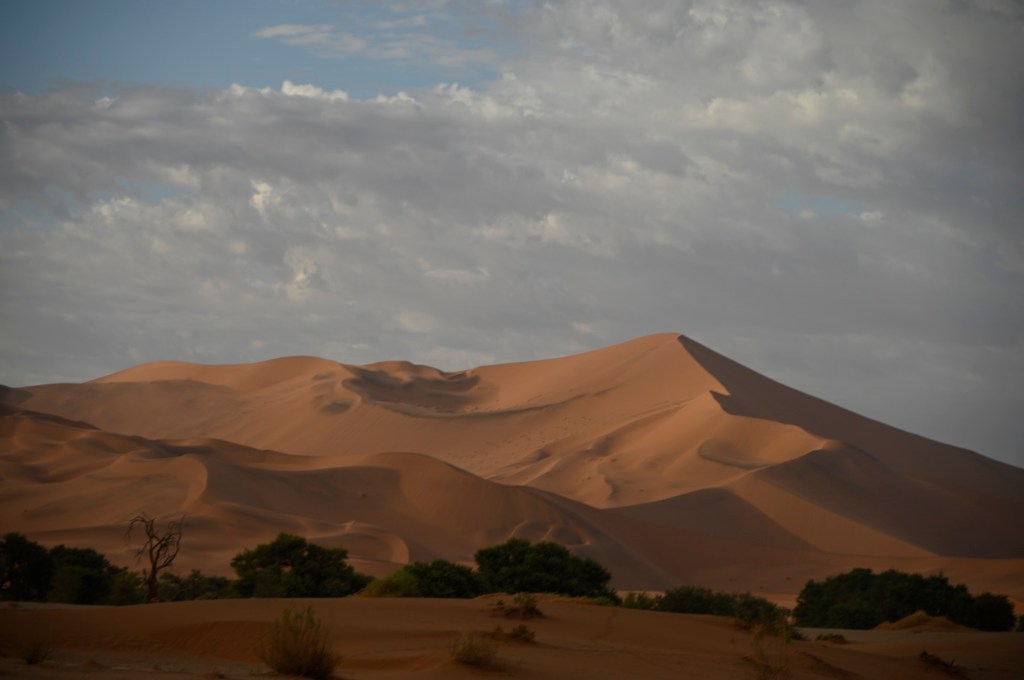
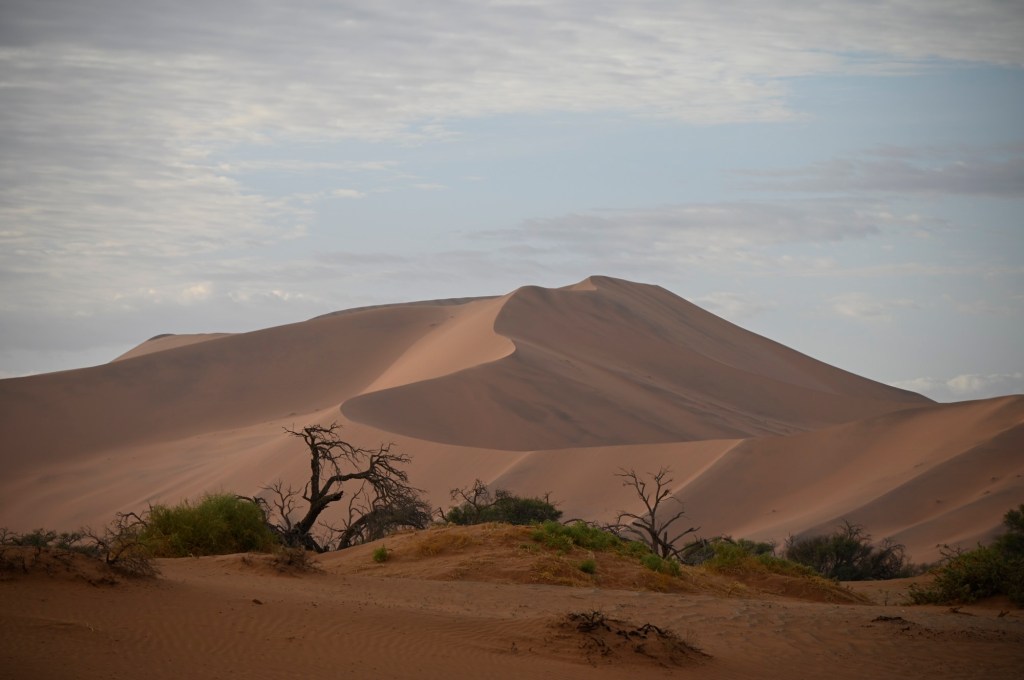
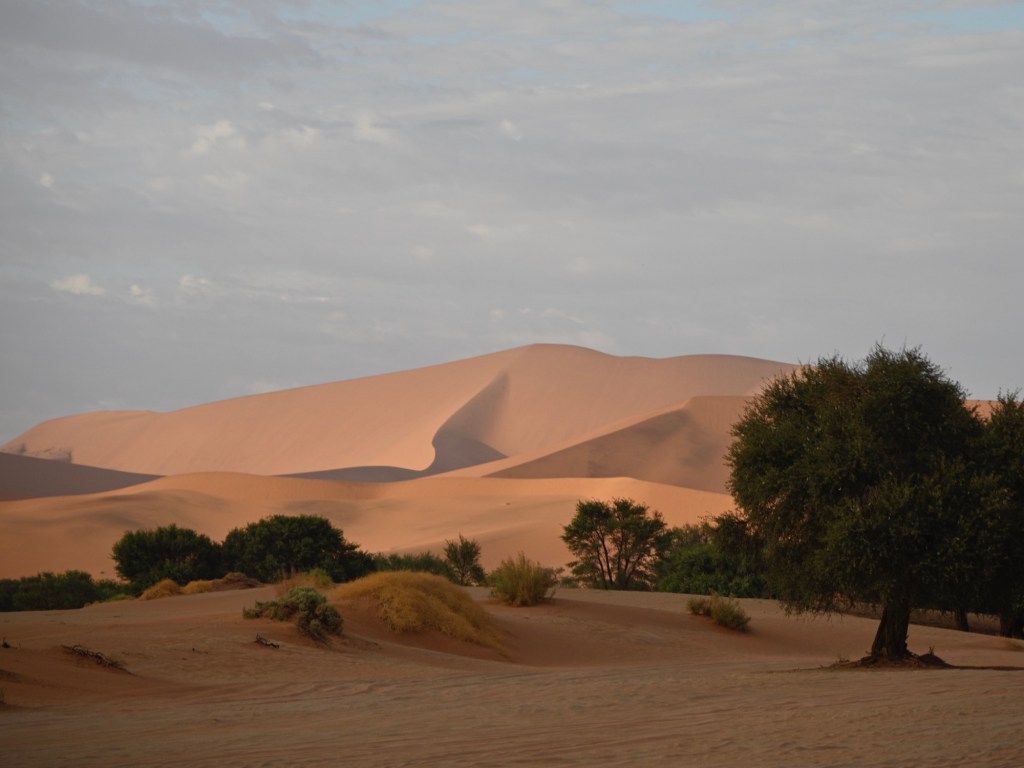
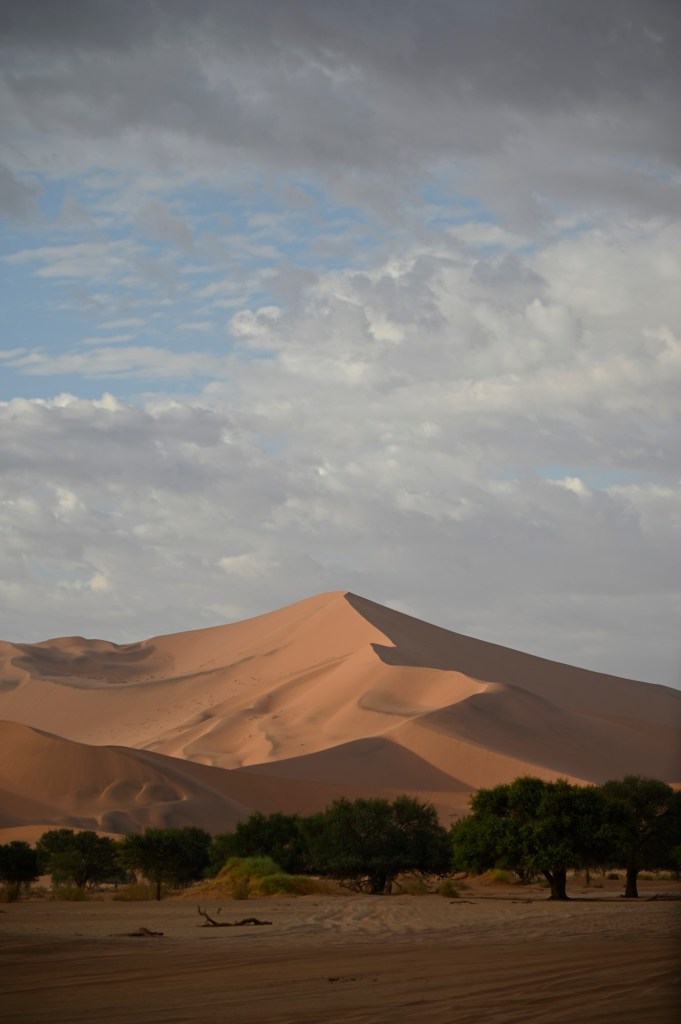
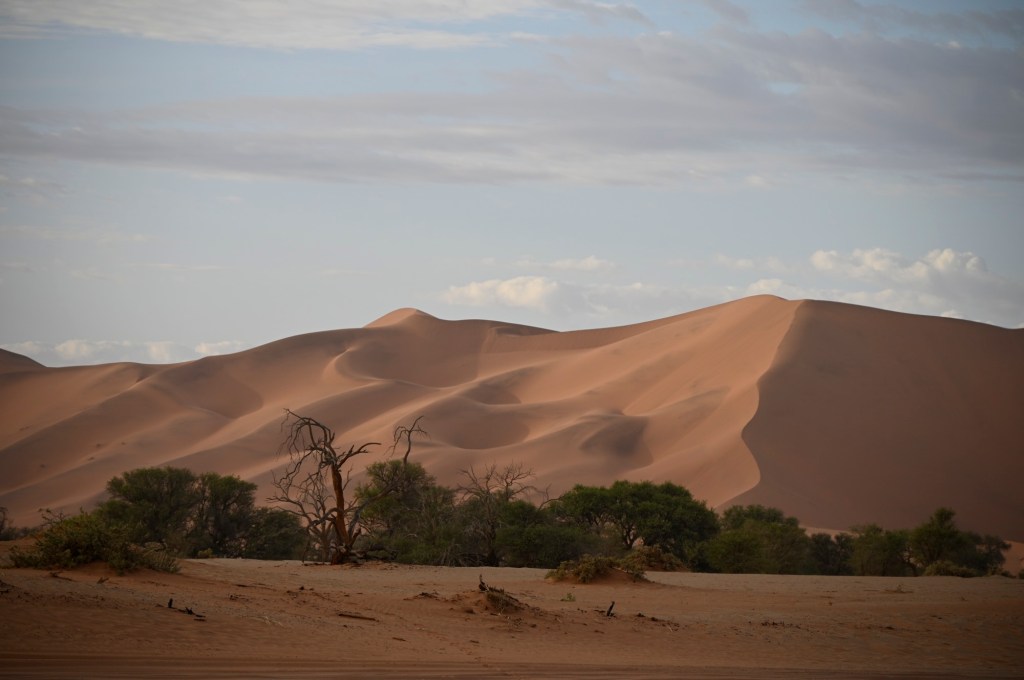
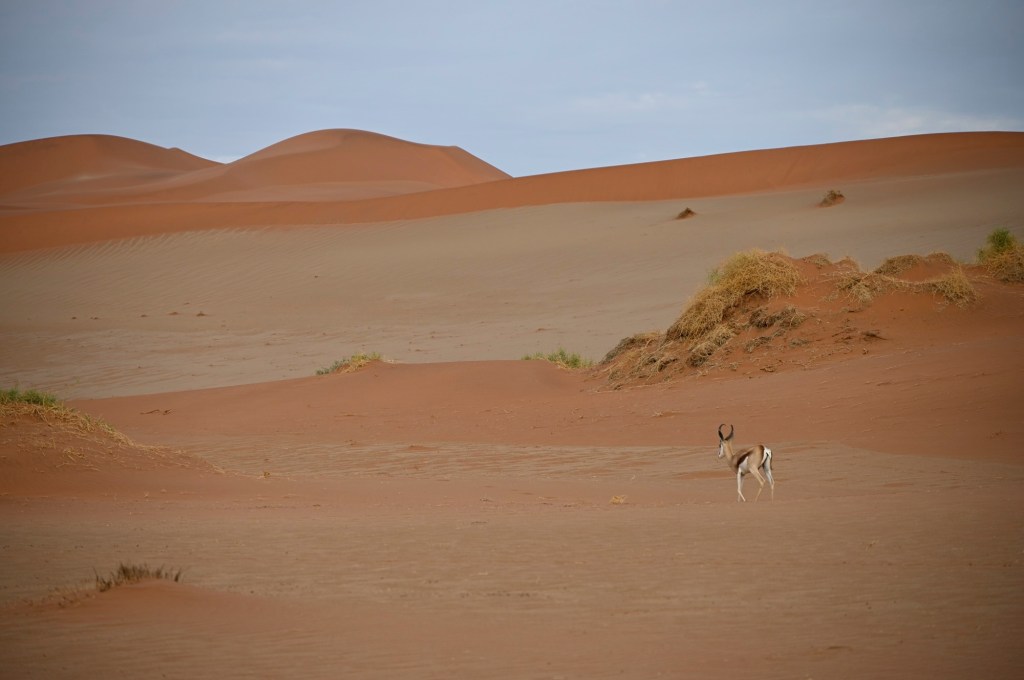
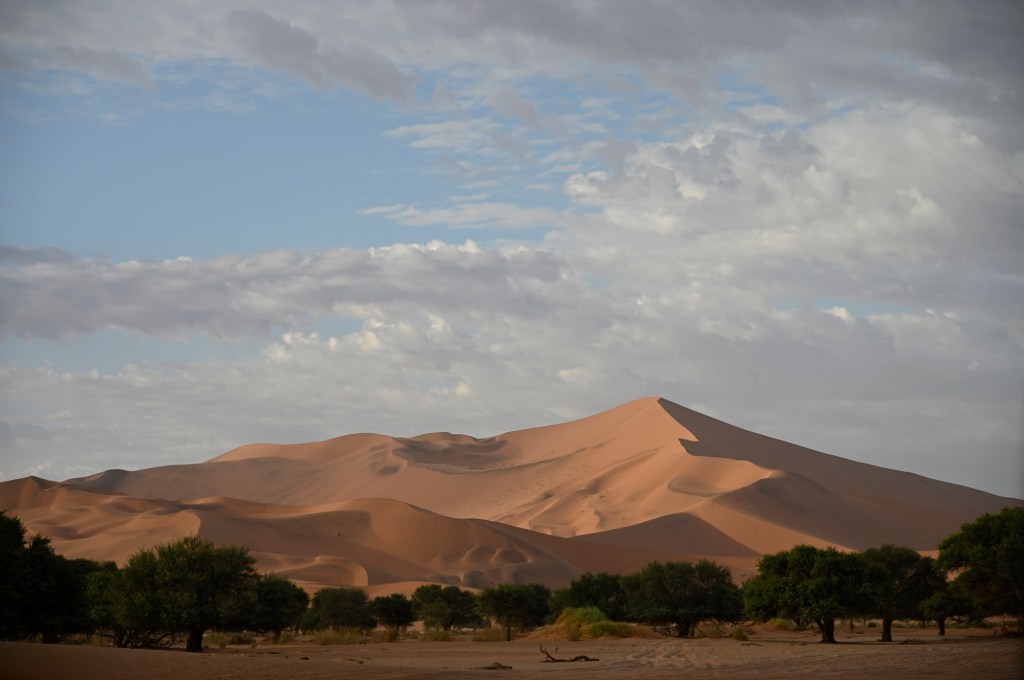
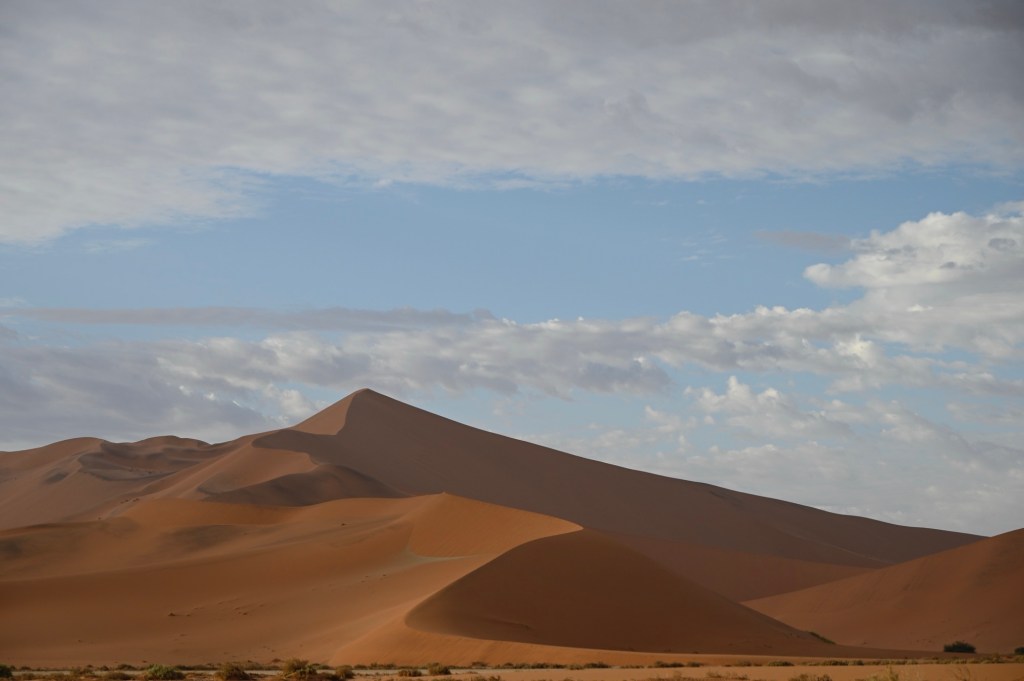
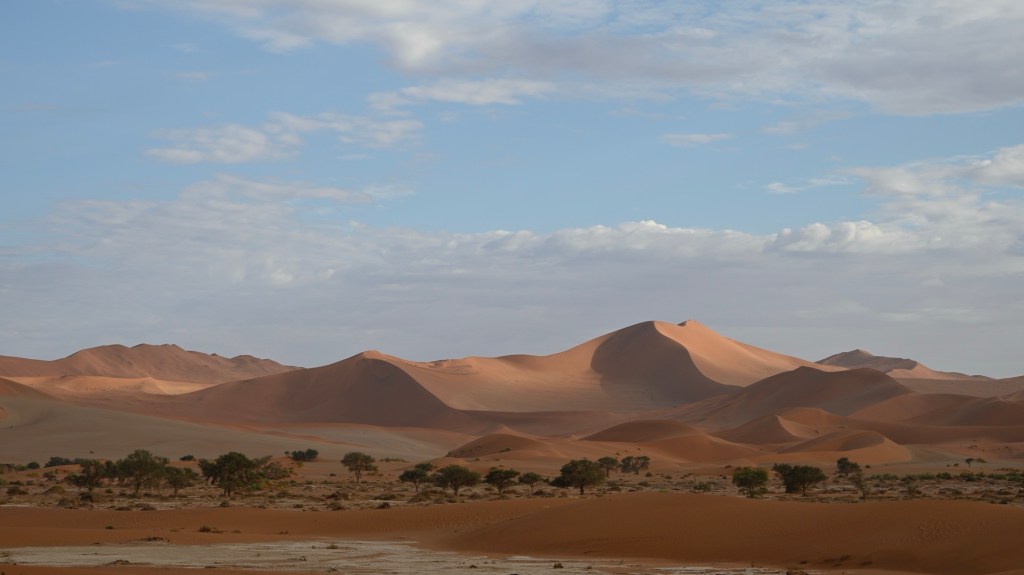
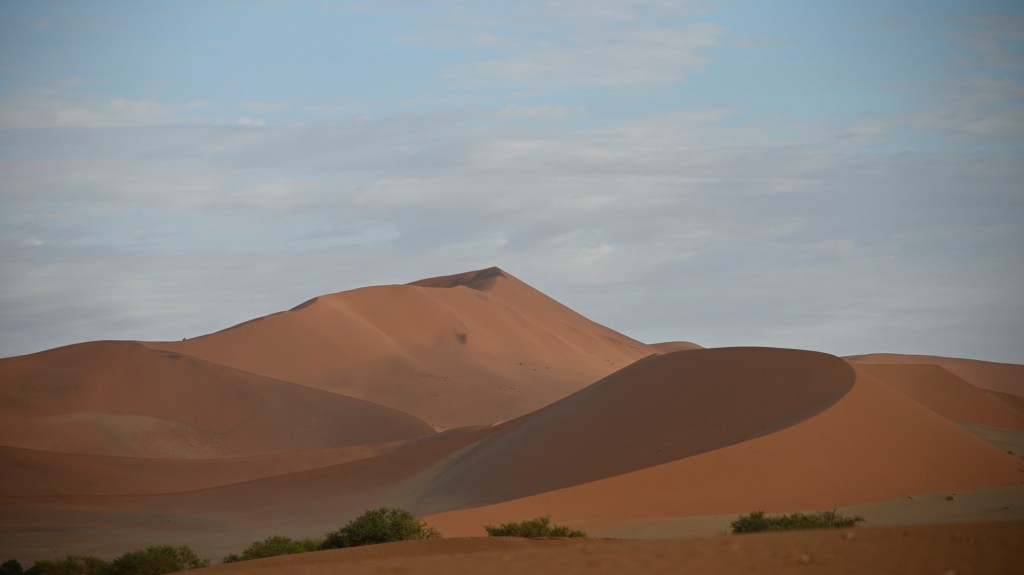
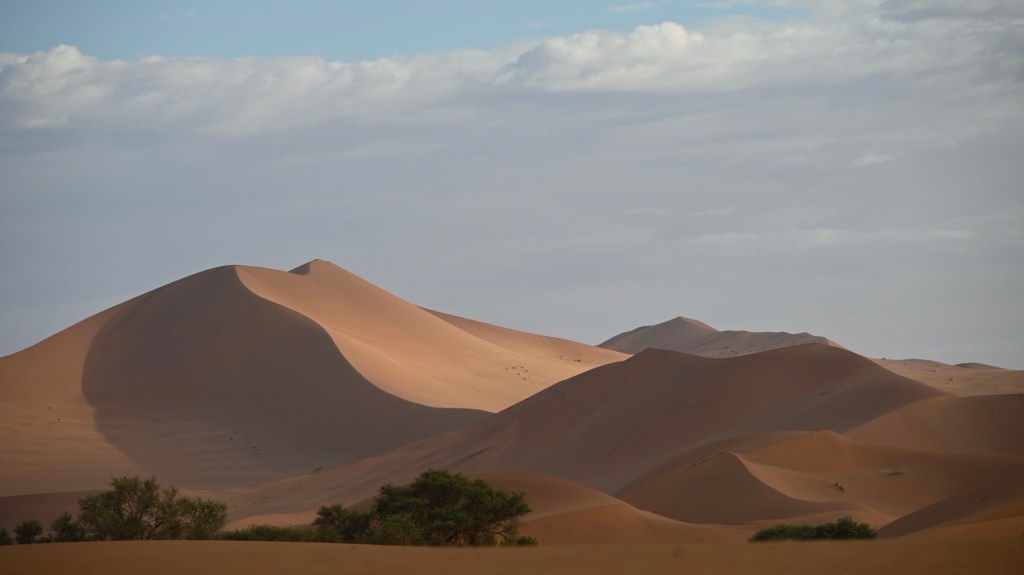
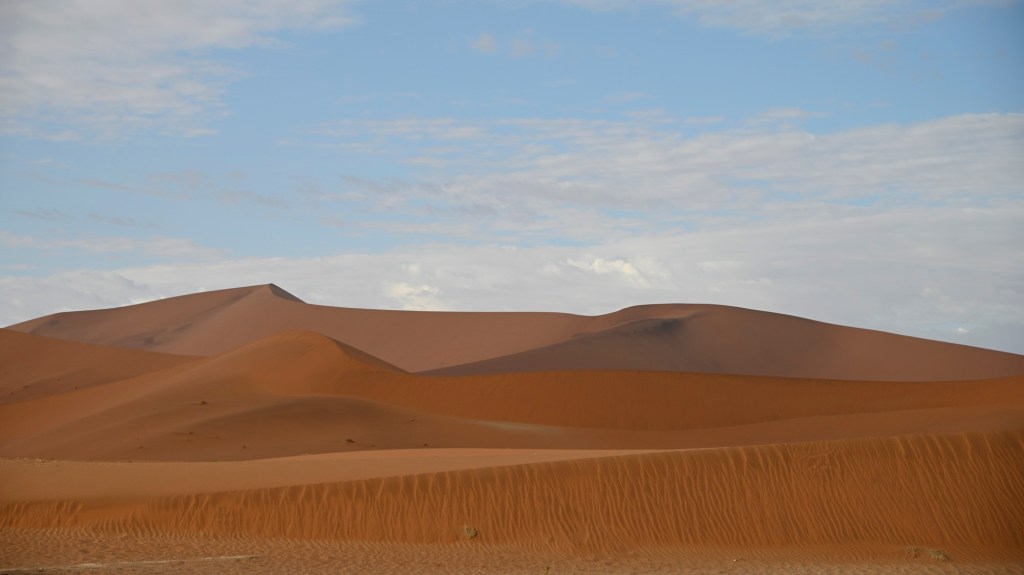
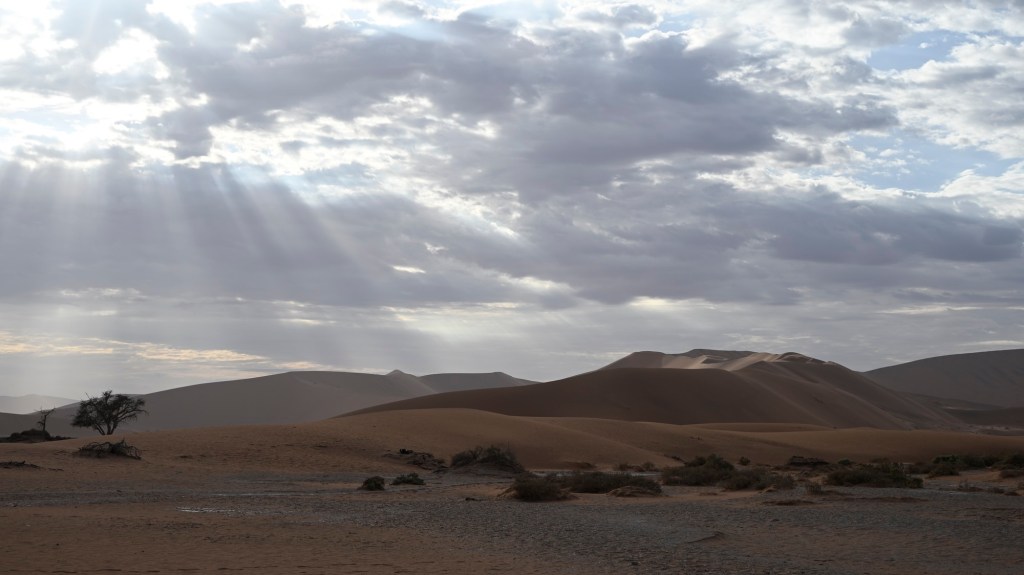
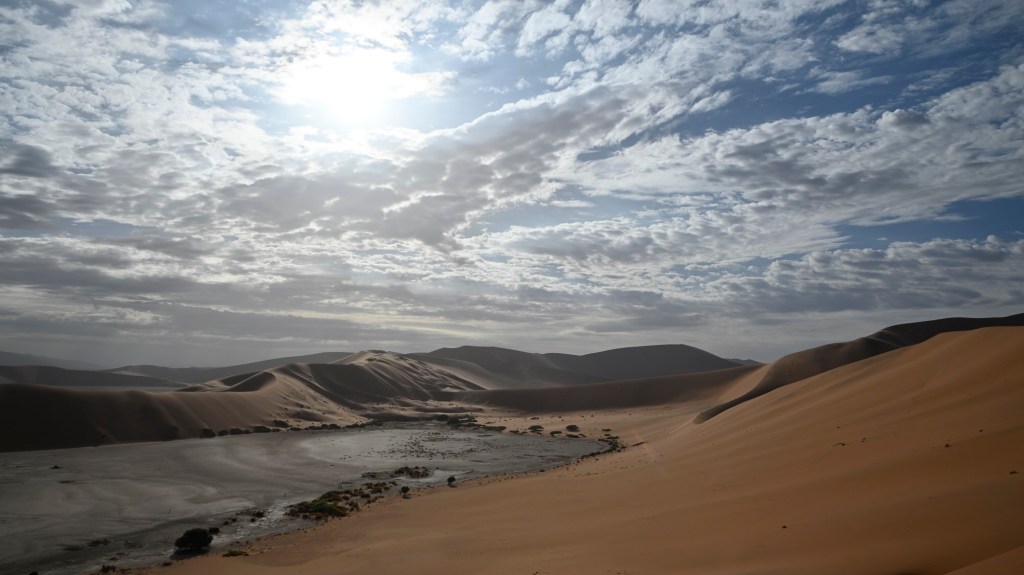
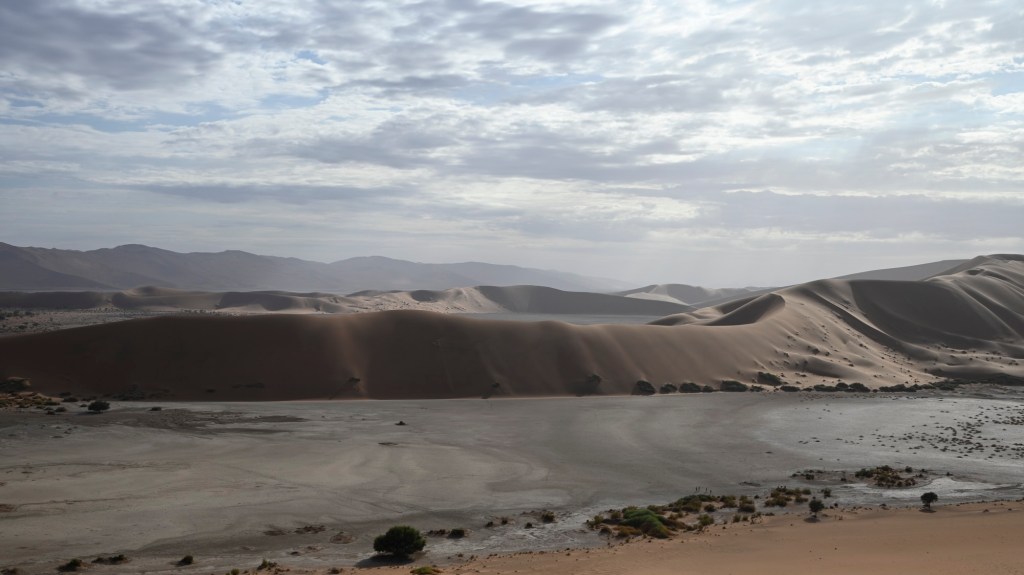
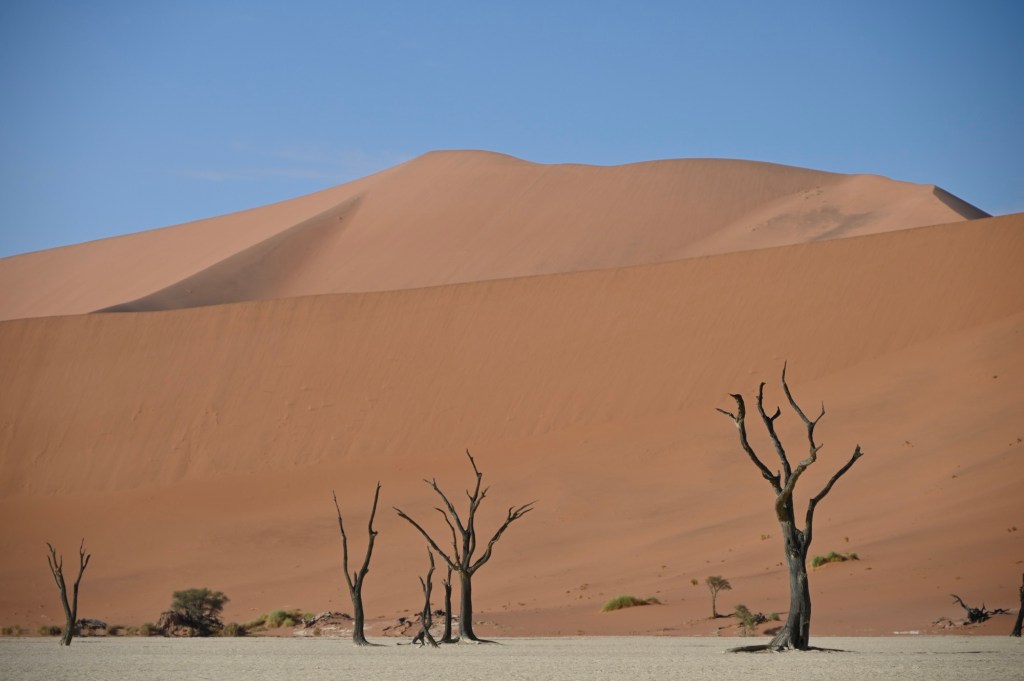
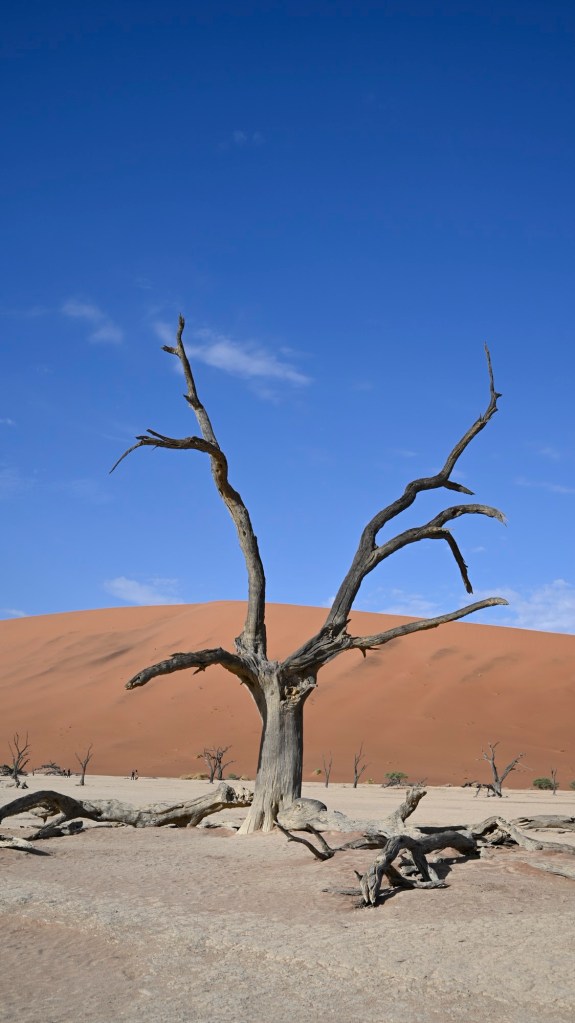
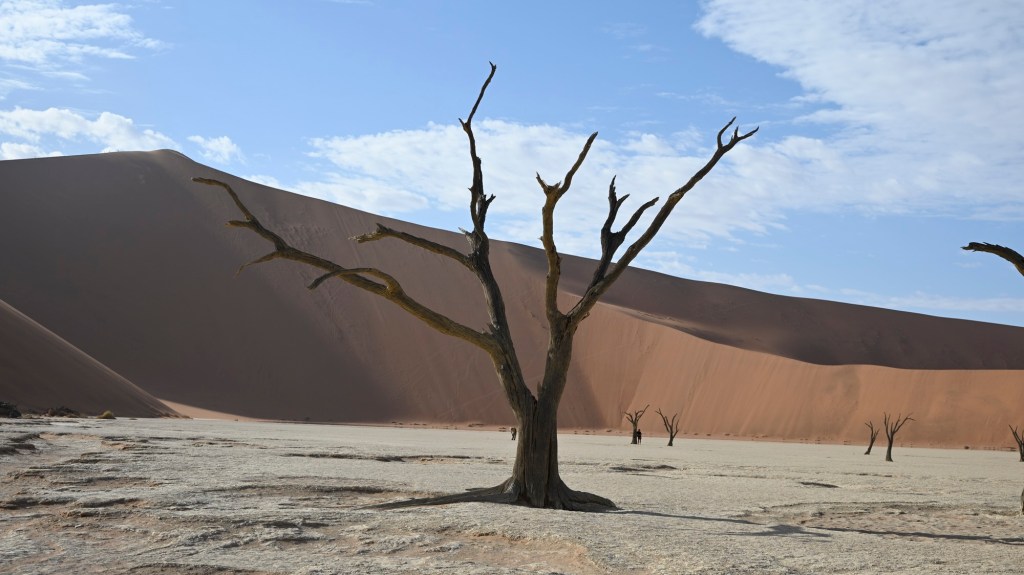
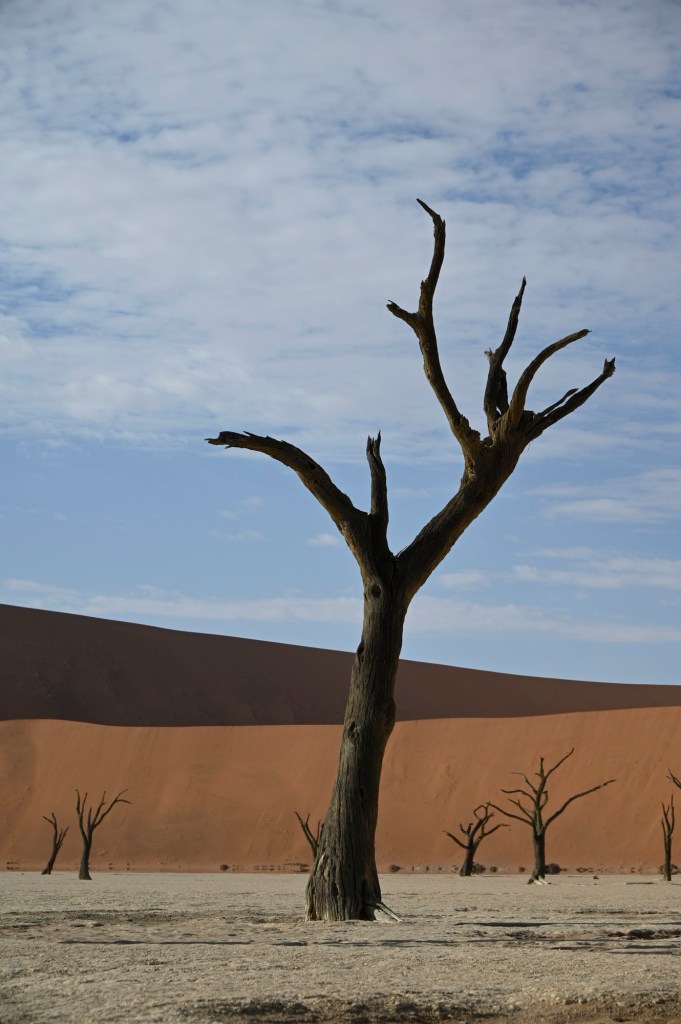
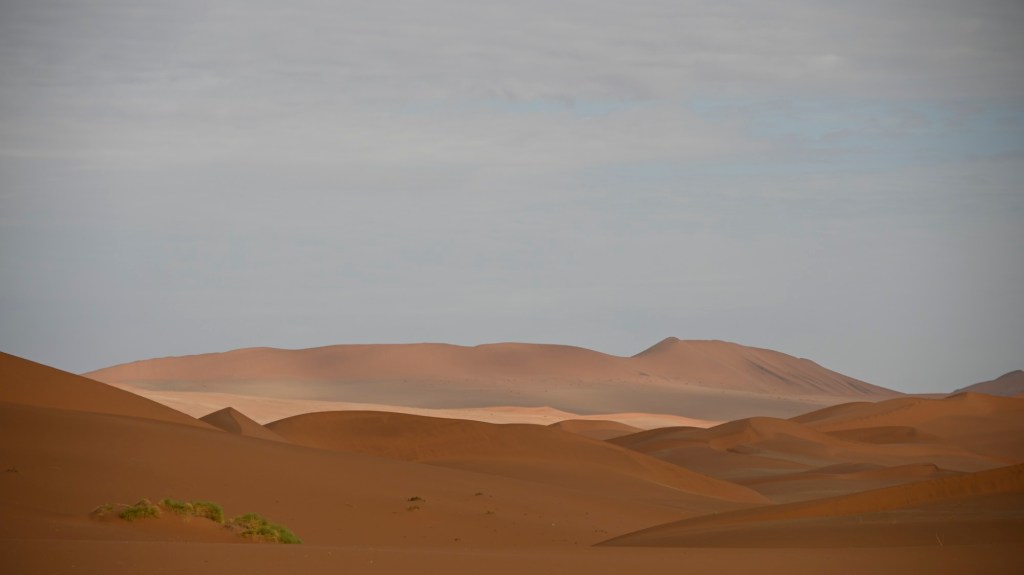
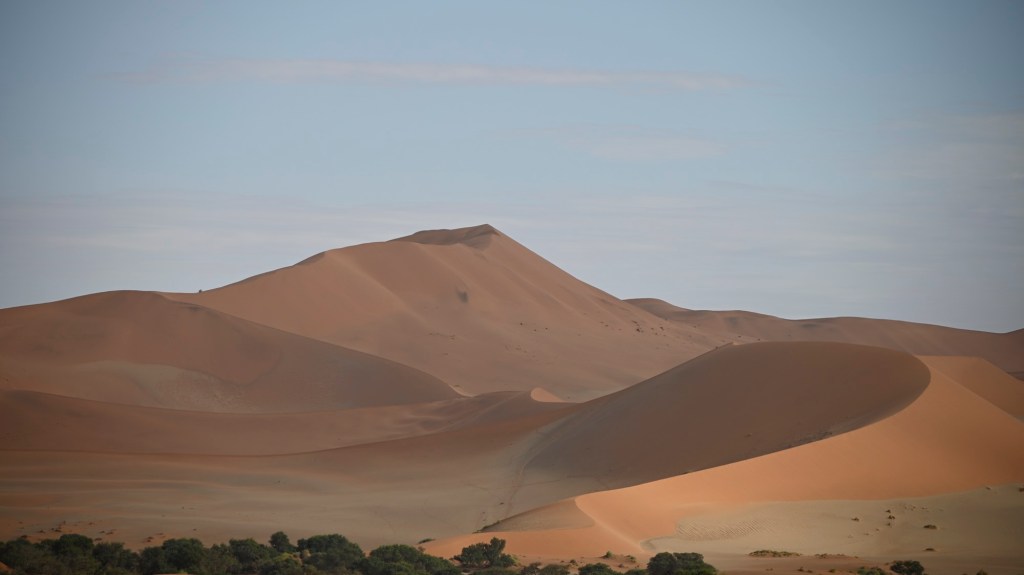
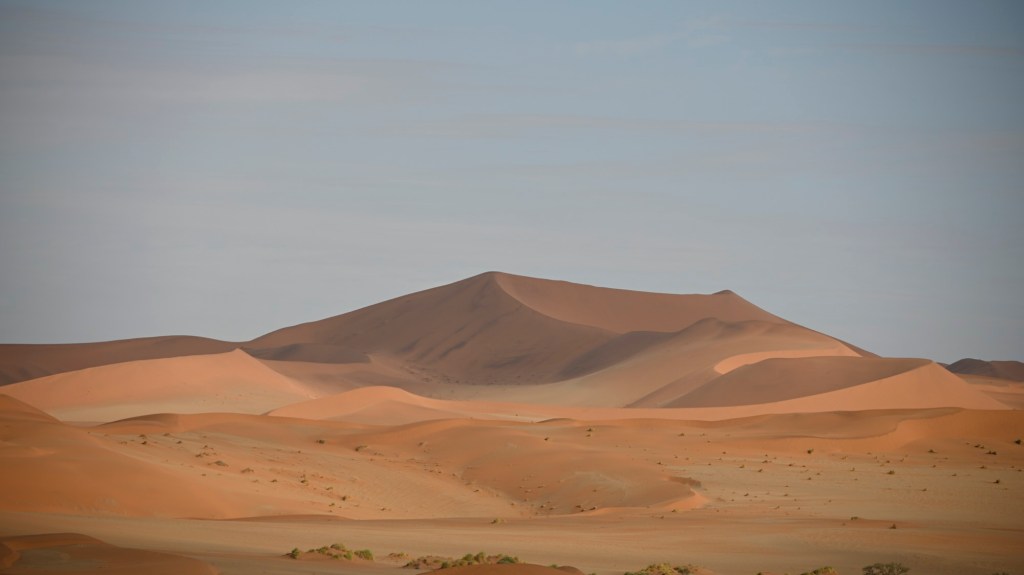
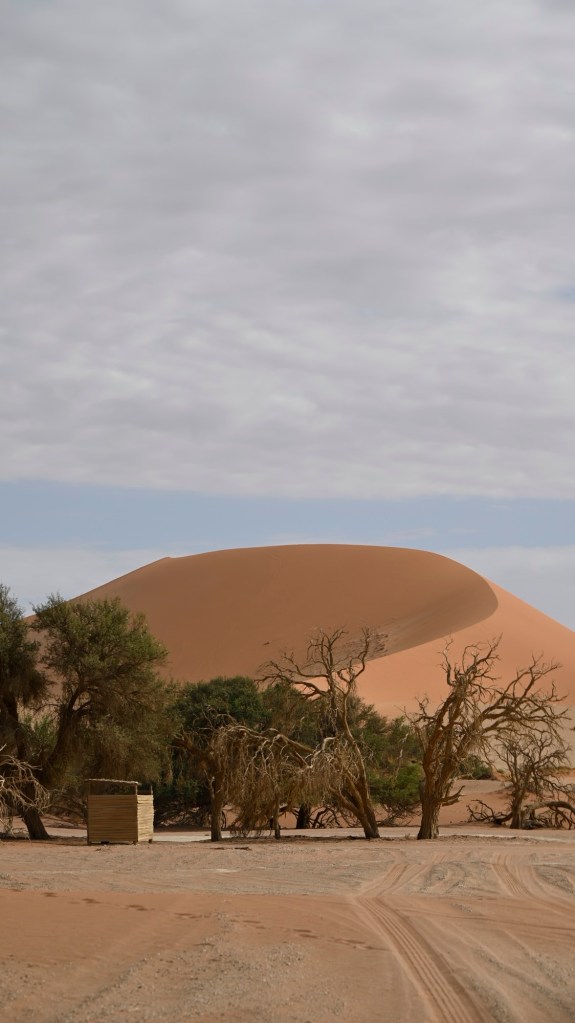
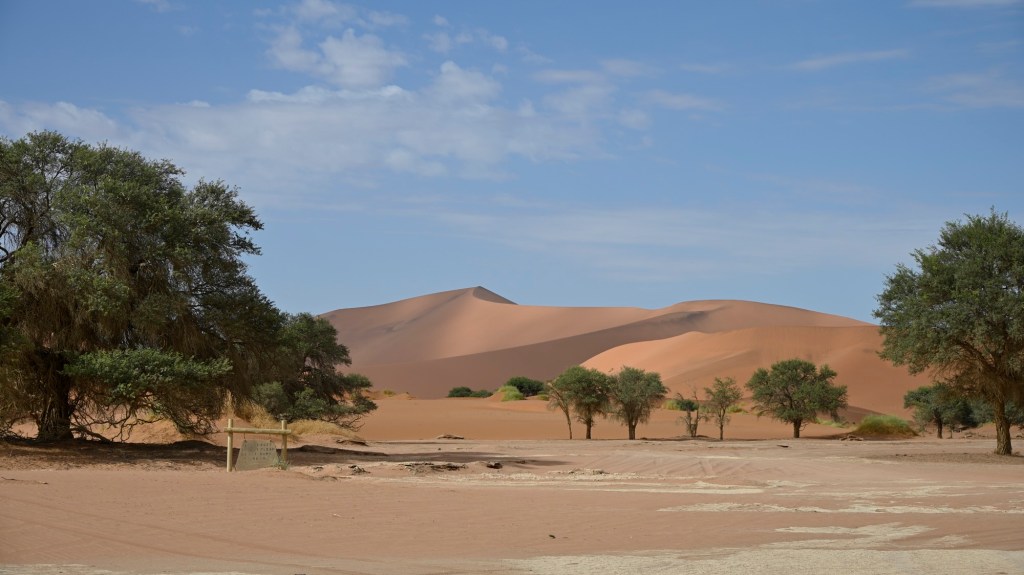
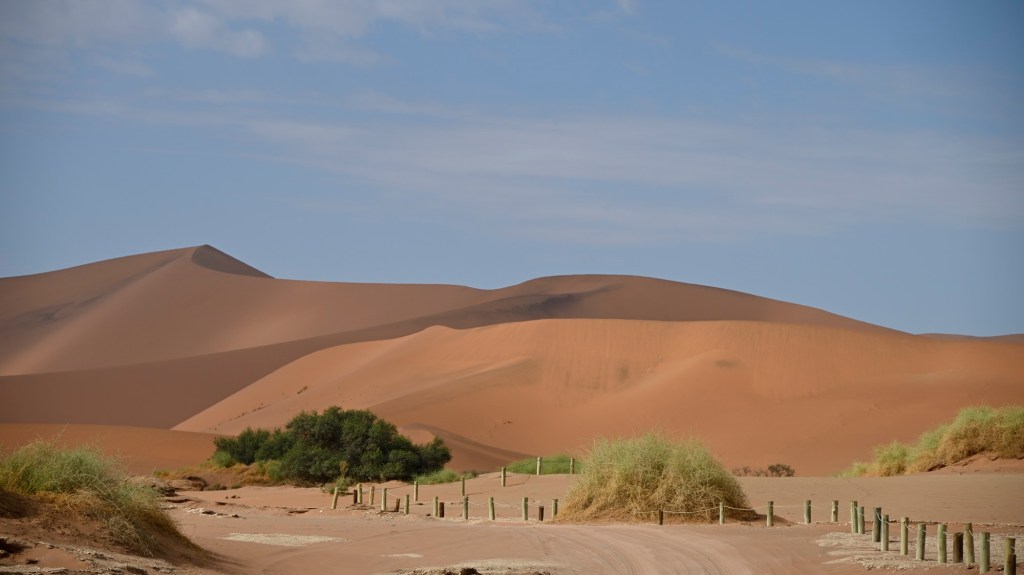
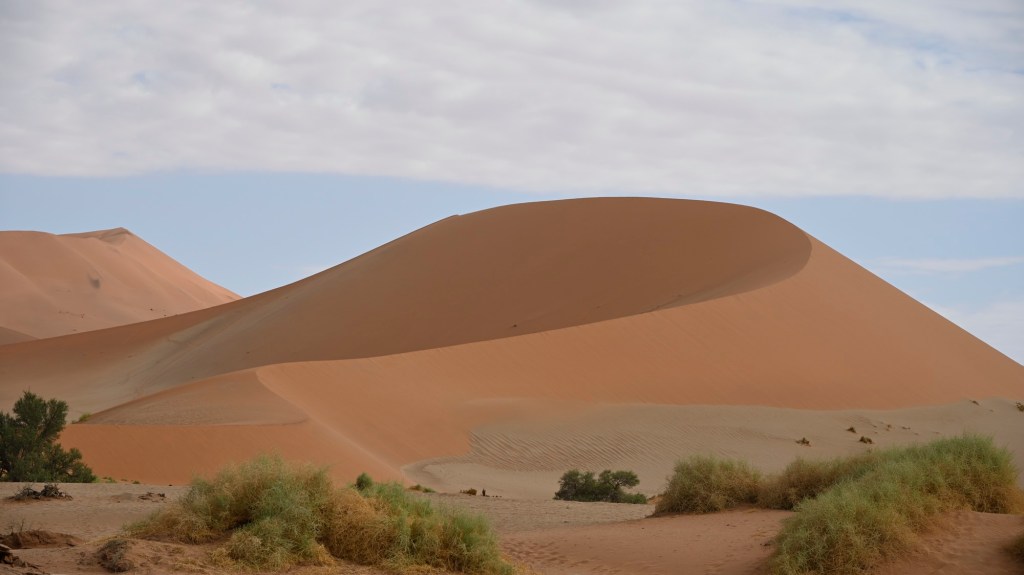
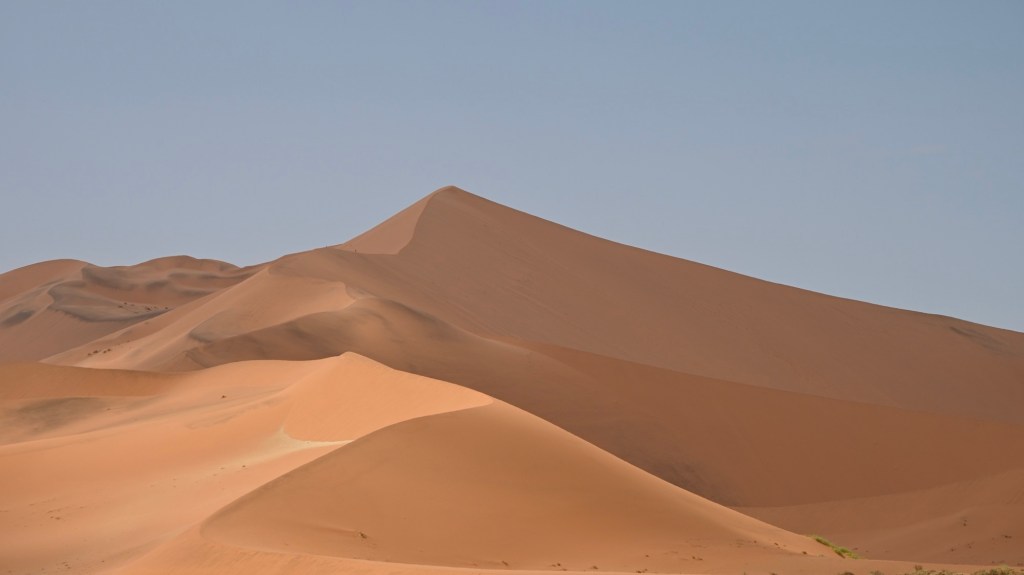
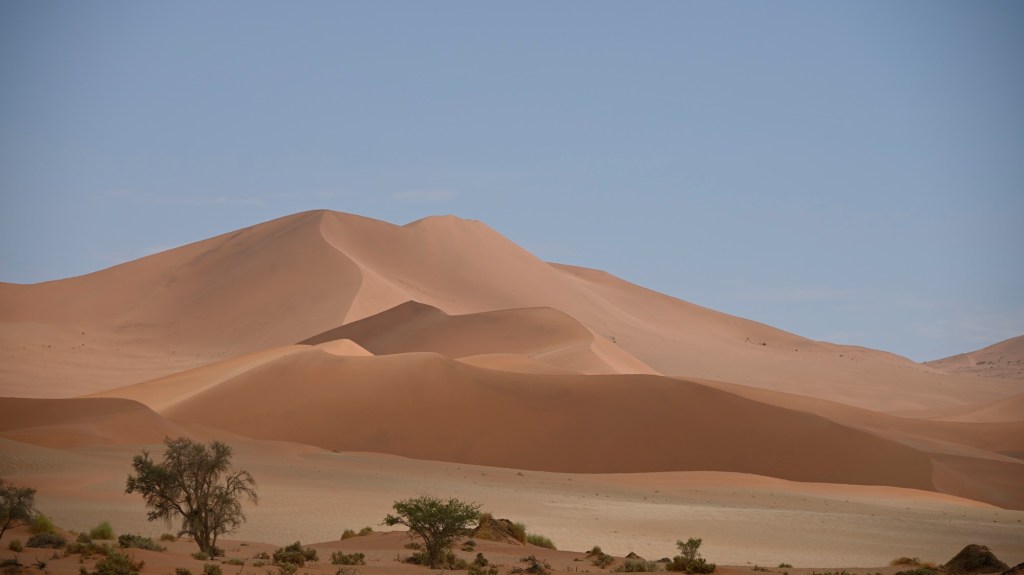
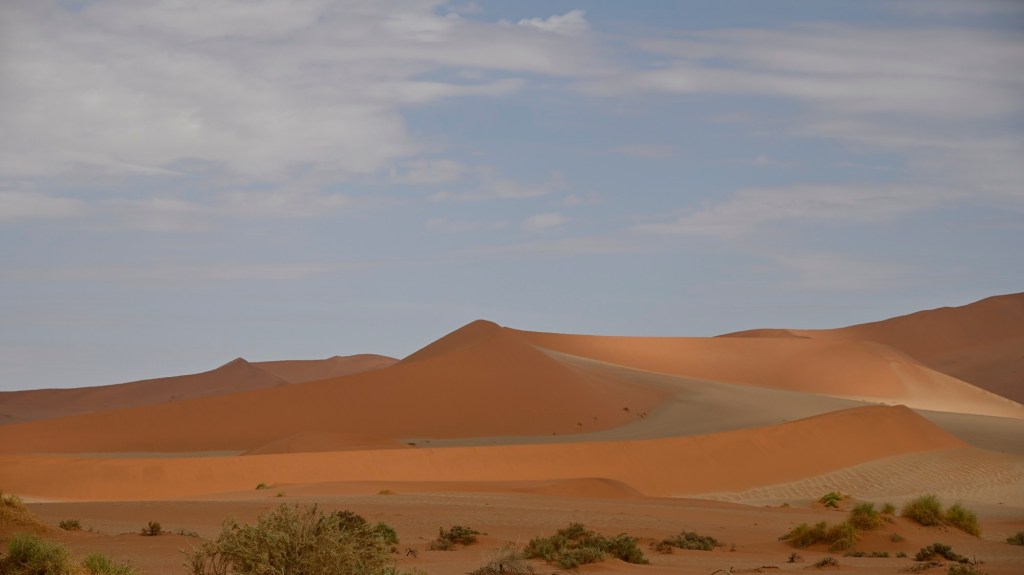
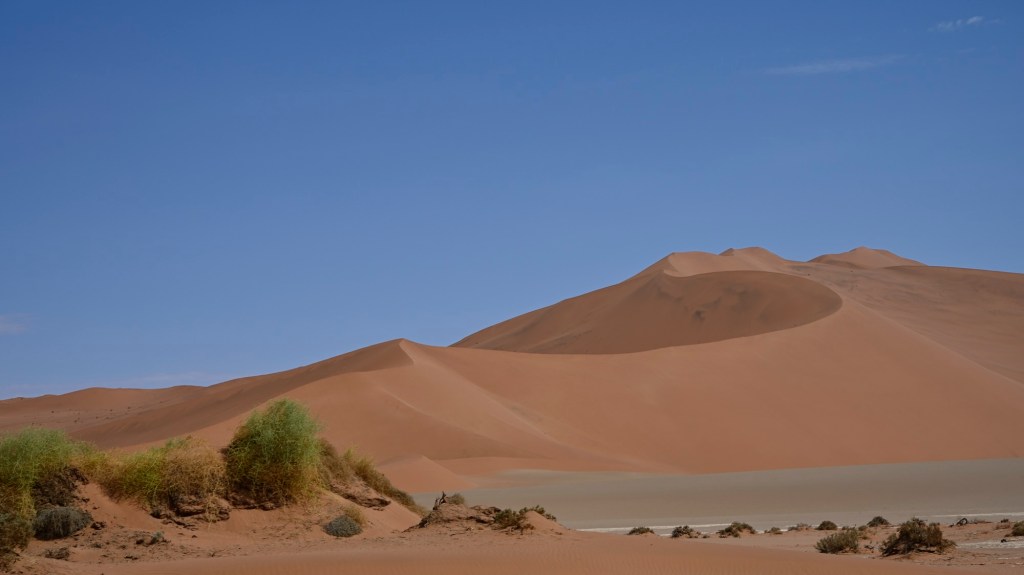
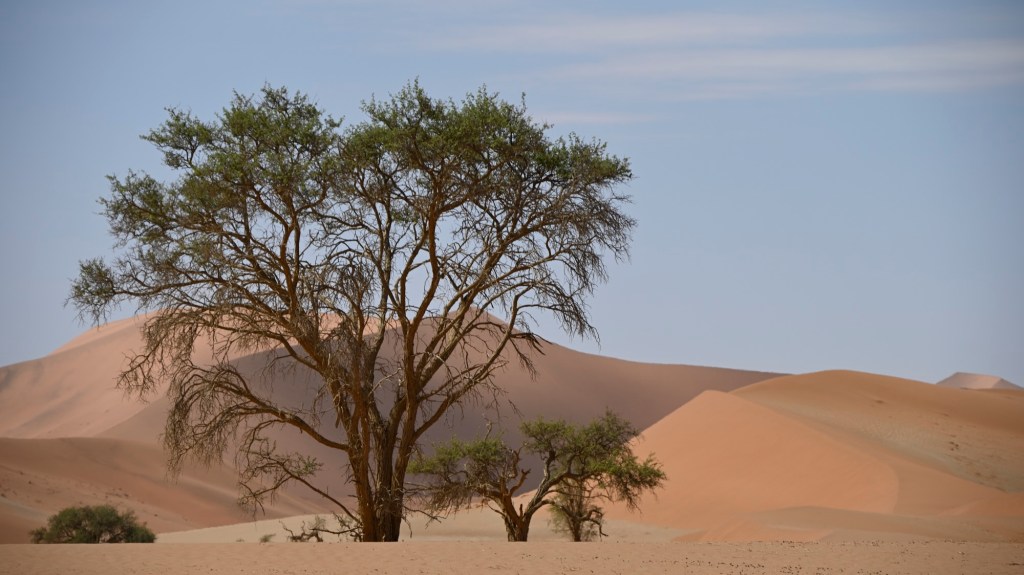
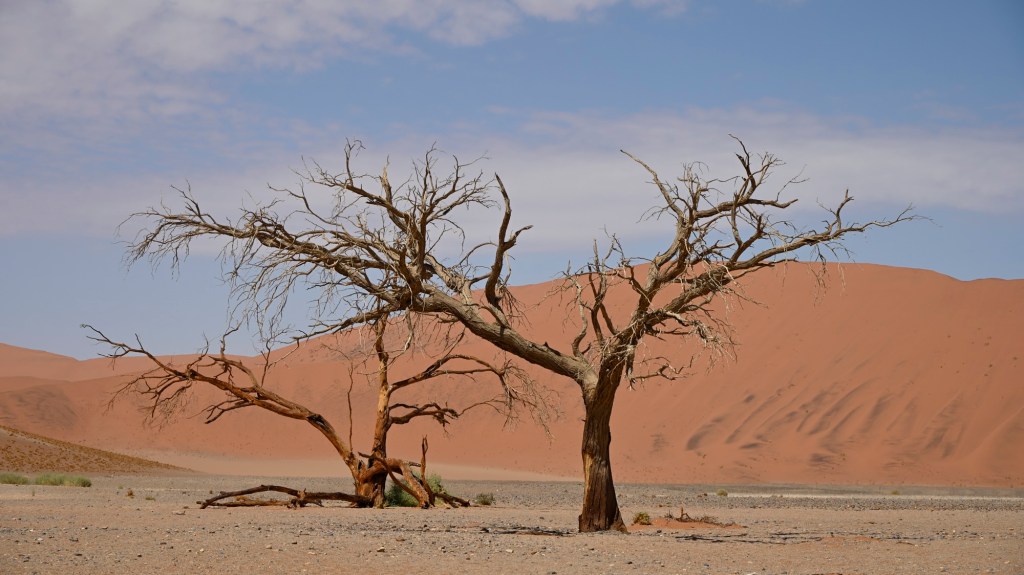
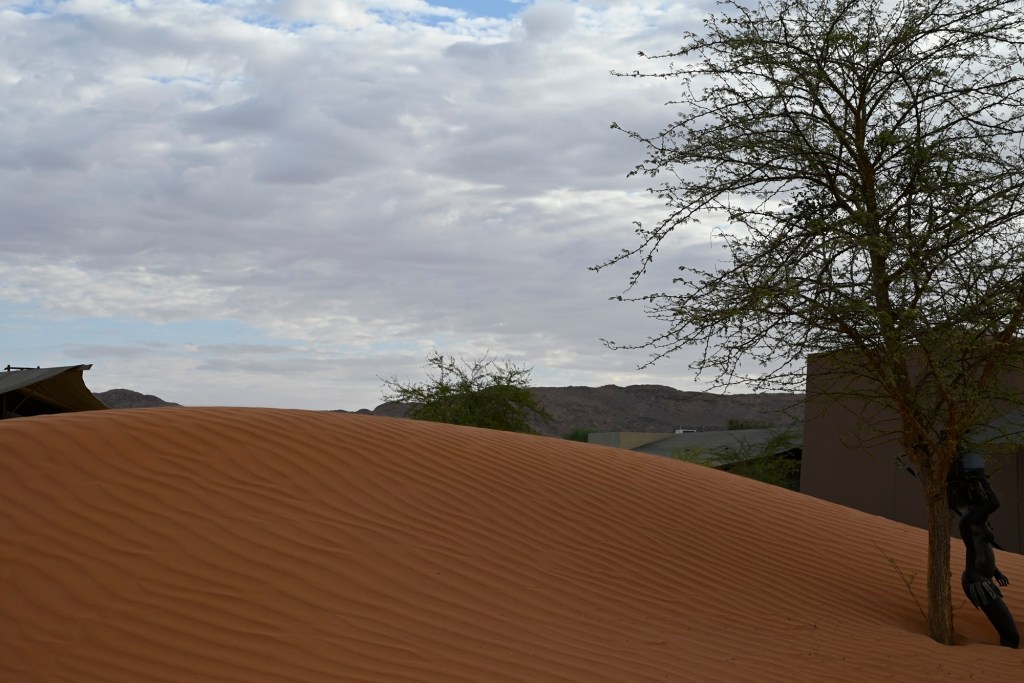
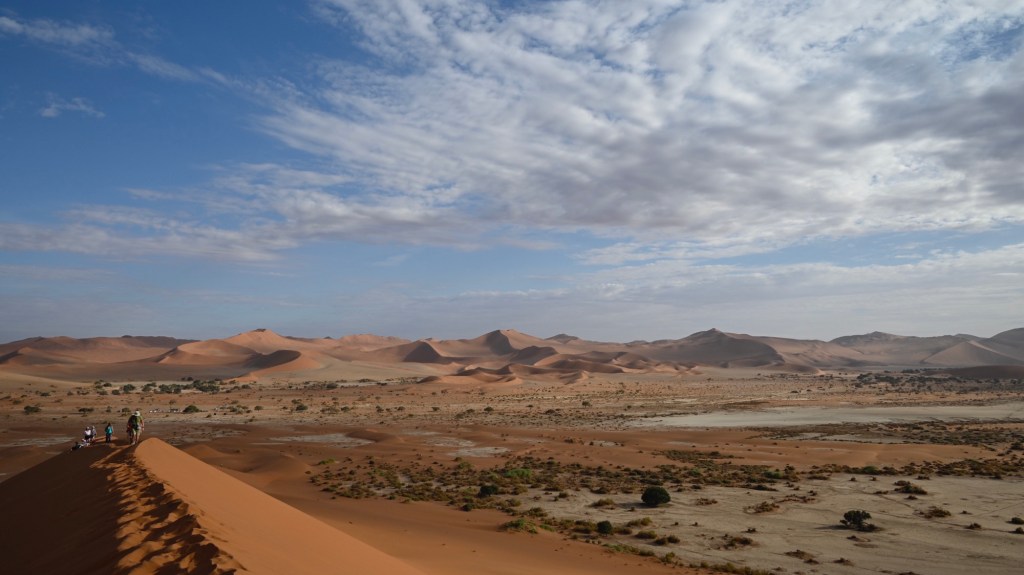
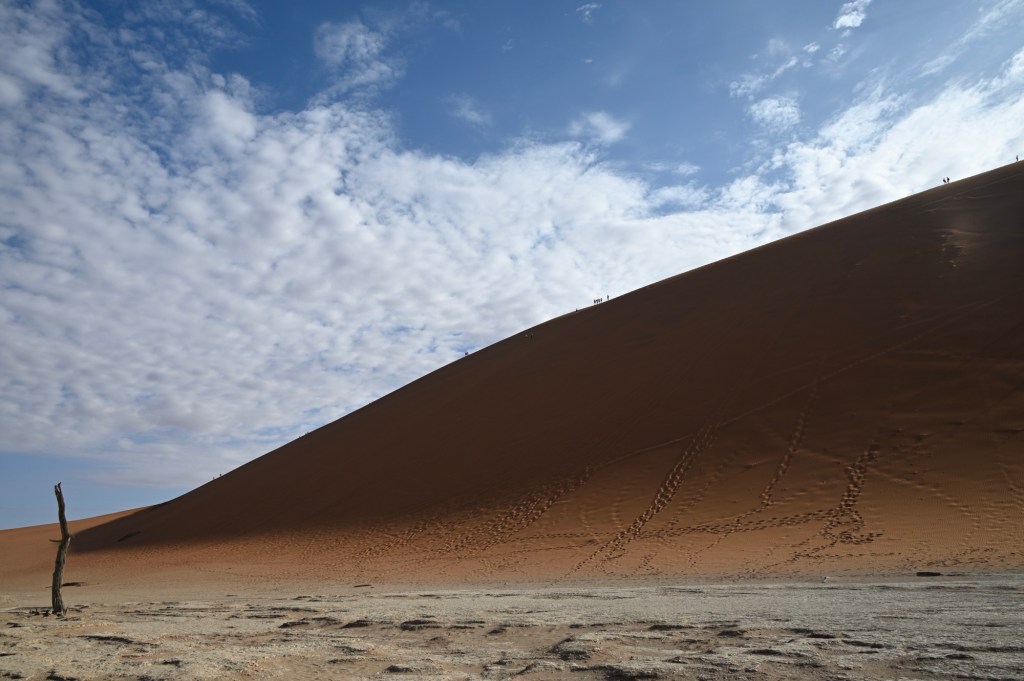
The most massive orange dunes you’ll find south of Walvis Bay, in the Sossusvlei-area, even though you’ll also find tall and yellow dunes between Swakopmund and Walvis Bay. The orange color develops over time as iron in the sand is oxidized (like rusty metal); the older the dune, the brighter the color. The dunes in the southern Namib desert are the tallest in the world, in places rising above the desert floor more than 300 meters. They have been there for more than 55 million years and is possible to visit and climb, as a road stretches into the dune area along a dryed-up riverbed at Sesriem. Some years, when the rains are good and river runs, the water can reach all the way into Deadvlei, but it is very rare and I’ve never seen this myself. many of the dunes has been given names, as Big daddy, Big mama, Dune 45, Dune 7, Elim dune and so on. You can read more about the different dunes in Sossusvlei at wildvoyager.
if you wish to dig deeper into Desert research and climate/environment issues relating to this, you can stay for some days at the Gobabeb research station, in the northern borders of the dunes, south of the road between Walvis Bay and Solitaire.
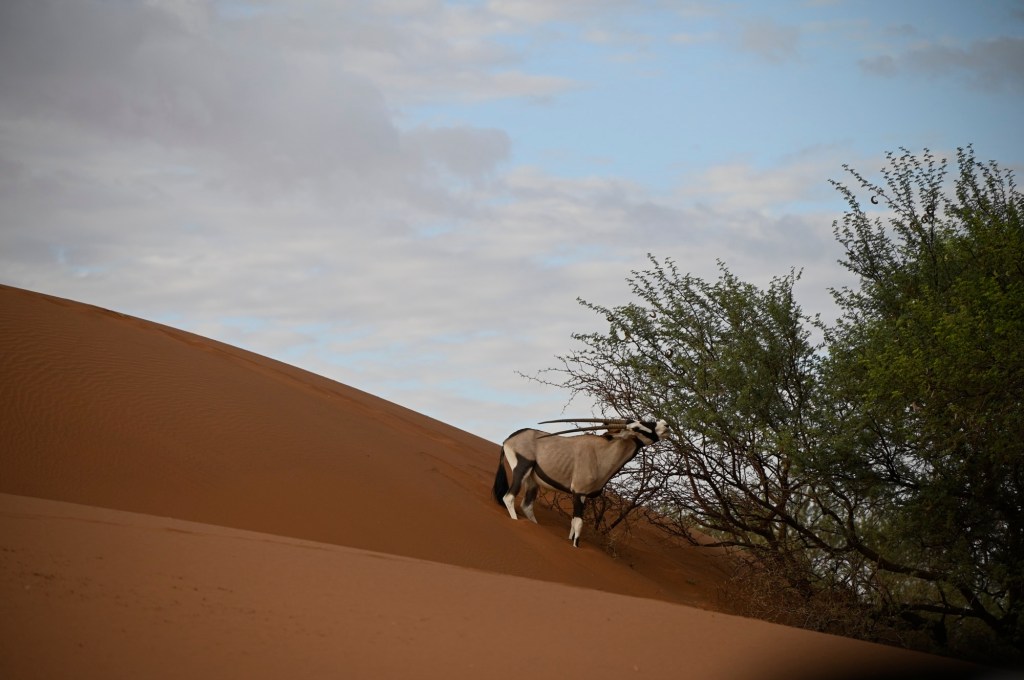
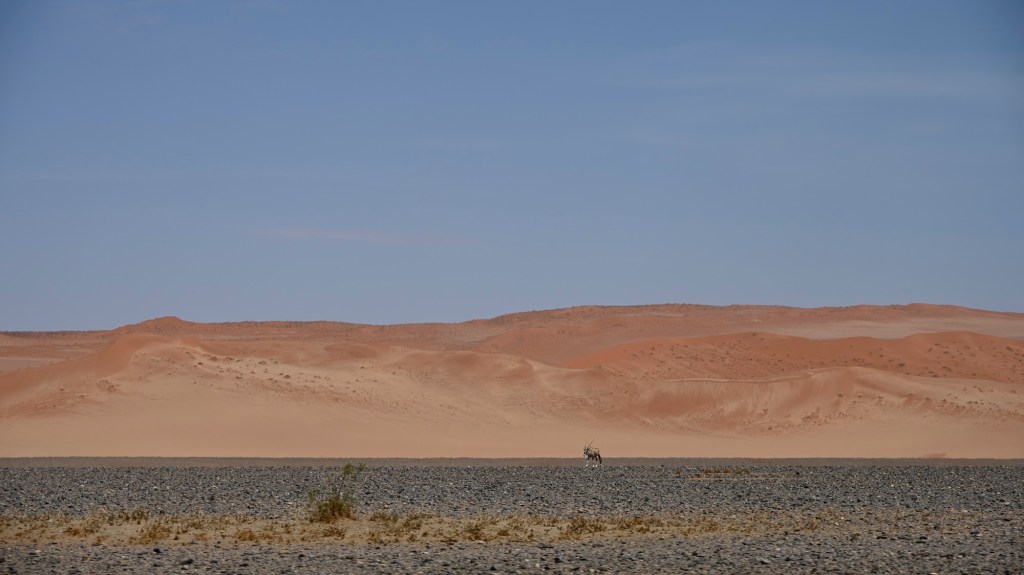
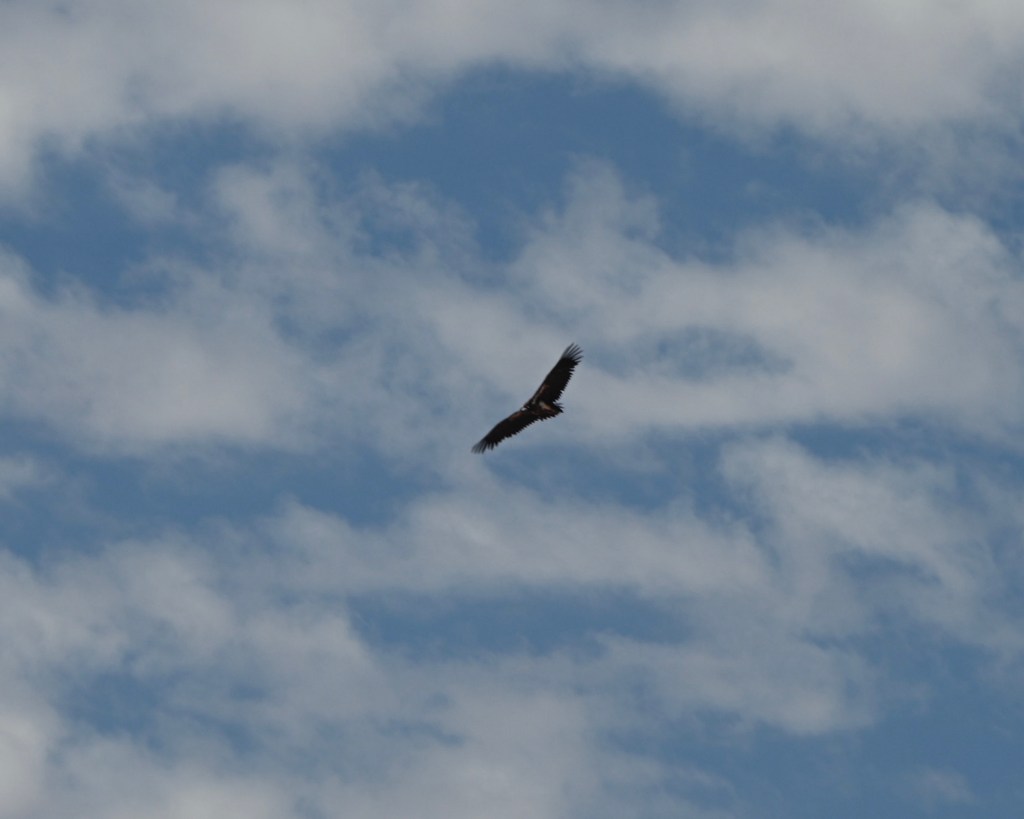
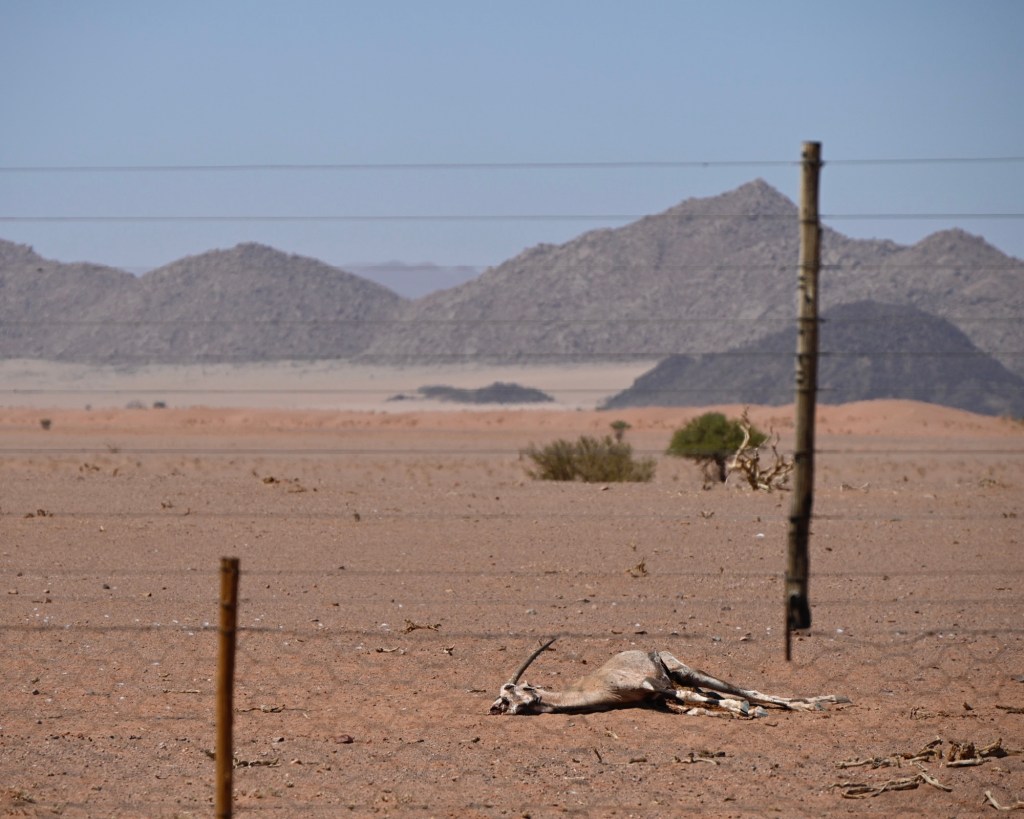
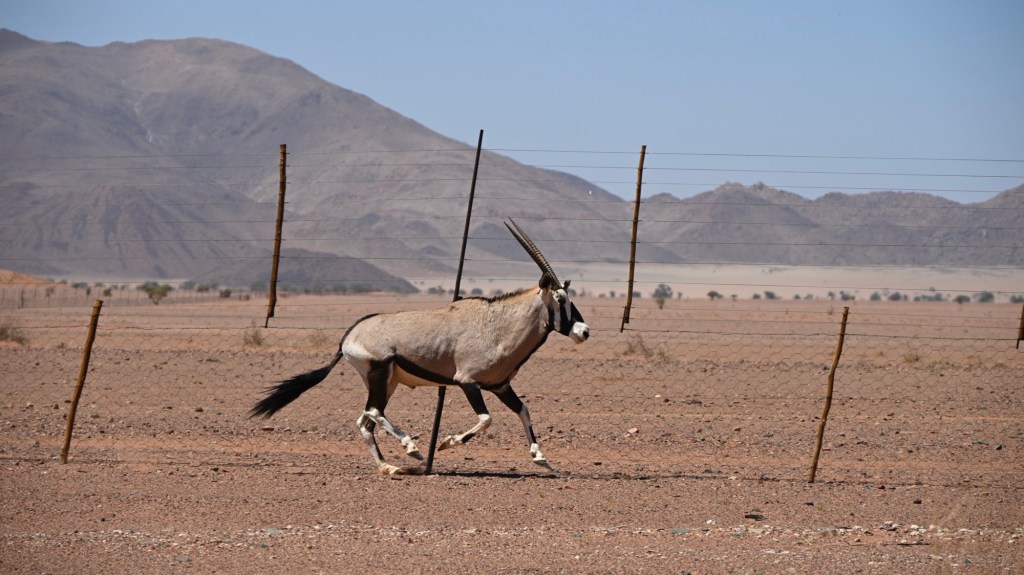
Sossusvlei lays within the borders of the Namib-Naukluft park. In addition to dunes, you can see desert-living mammals, as Oryx, Springbok, Jackals and lots of birds. You can visit mountains, canyons and look at stars, as this area is one of the darkest places on earth. Read more about star gazing at my blogpost Namibia – Star gazing.
Where to stay
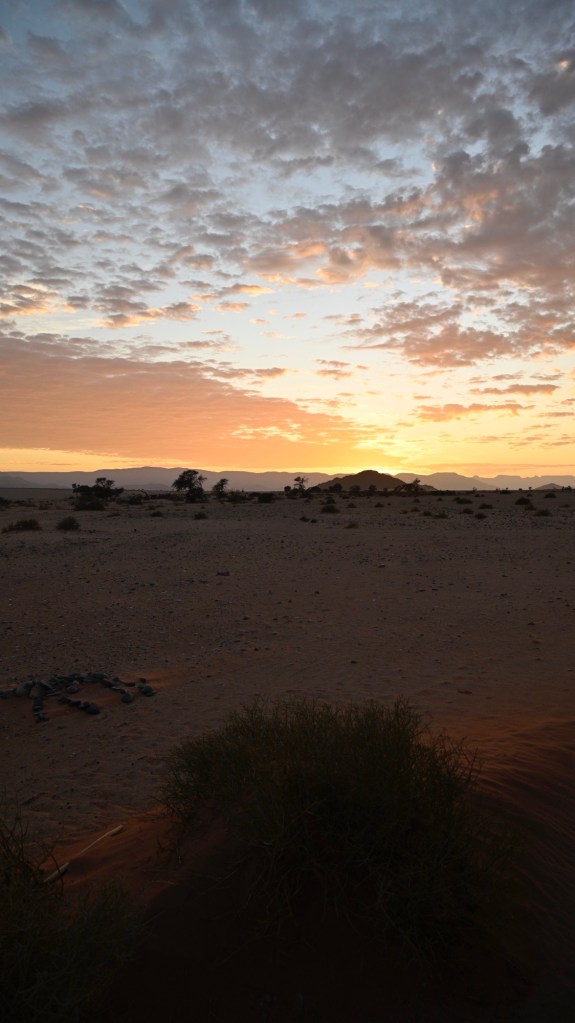
To reach the tall dunes, you must pass a gate and pay a park-fee. The gate does not open until sunrise (06:30 when I was there late February) and it takes at least one hour to drive from the gate to the Deadvlei area, so if you wish to take a photo if the sunrise over the dunes, you need to live inside the park gates.
Inside the gates
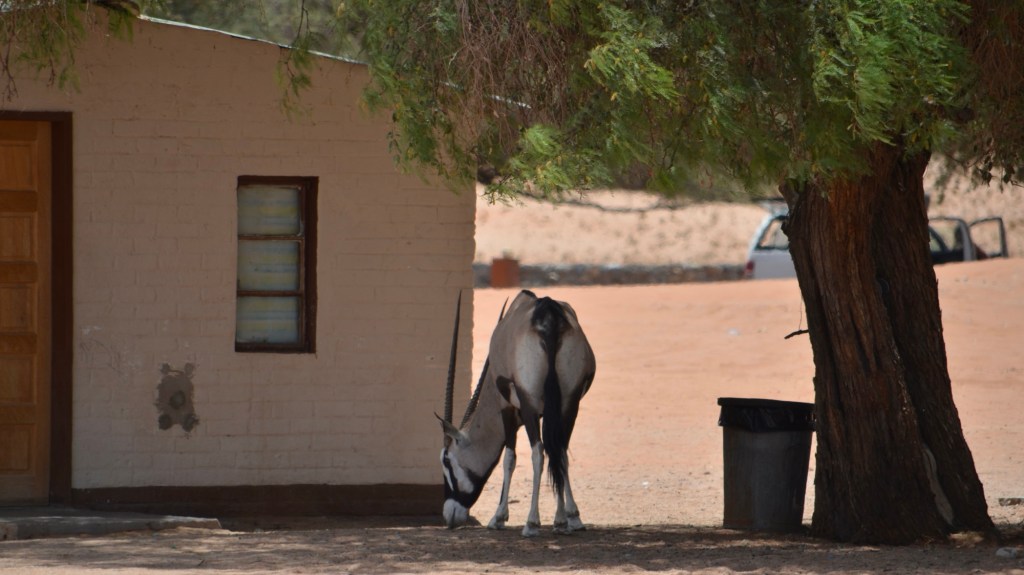
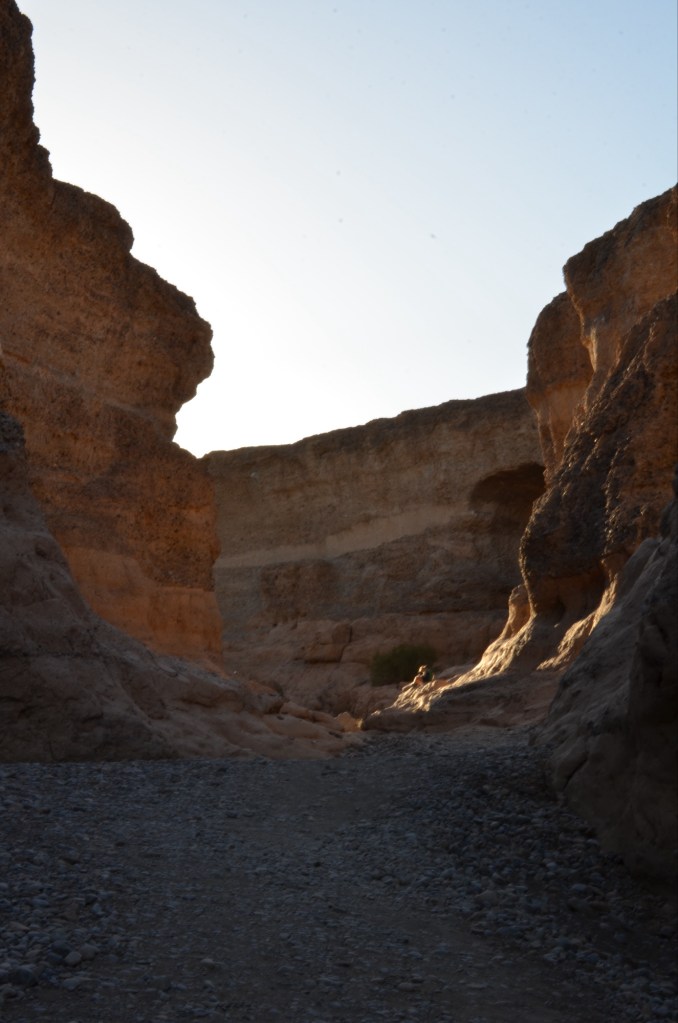
Inside the gate, you have two good options, which can be booked through the NWR website: Camping at the Sesriem campsite, where you anyway has to stop to pay the fees, or to stay in a luxurious cabin at Sossus dune lodge. I’ve tried both at previous trips to Sossusvlei and enjoyed both options. At the campsite, you can get a spot under a large acacia tree and either barbecue your own food or eat a cafe. You can also get a dip in the pool as wild Oryx’es stroll around you. At the dune lodge, you’ll get a separate cabin with sunset views of the dunes, easy access to the Sesriem canyon, a beautiful pool to swim in and nice food. However, if you are a foreigner, the Sossus dune lodge can be very pricy, so this time we chose to stay right outside the gate, at the privately owned Sossusvlei lodge.
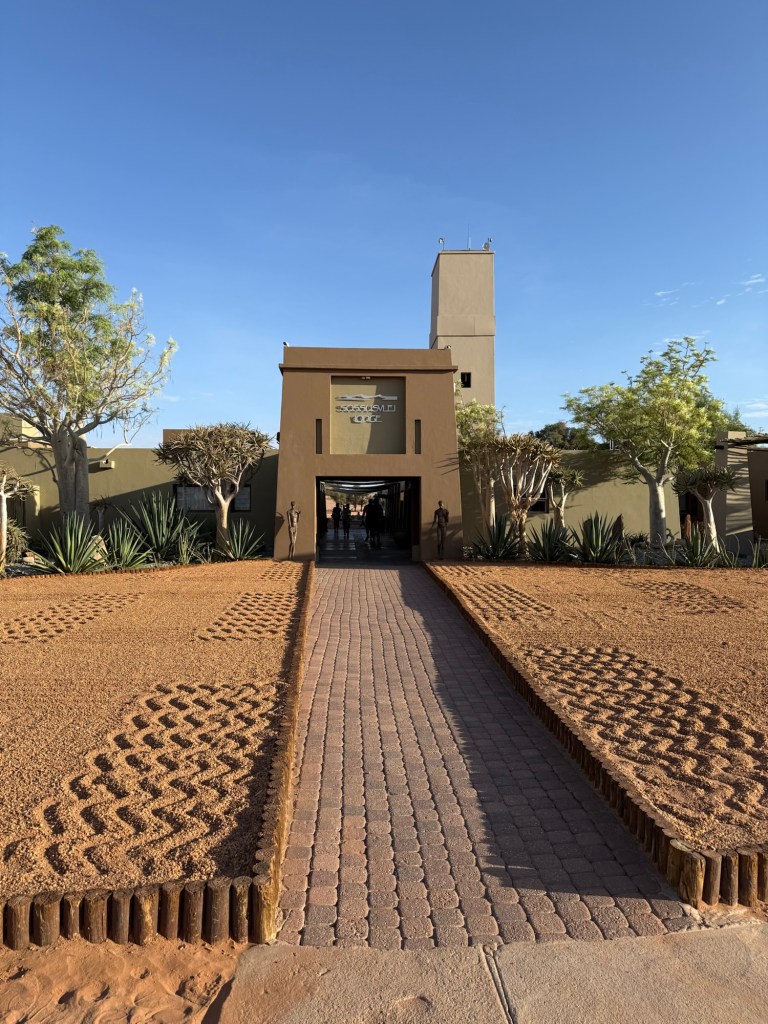
Sossusvlei Lodge
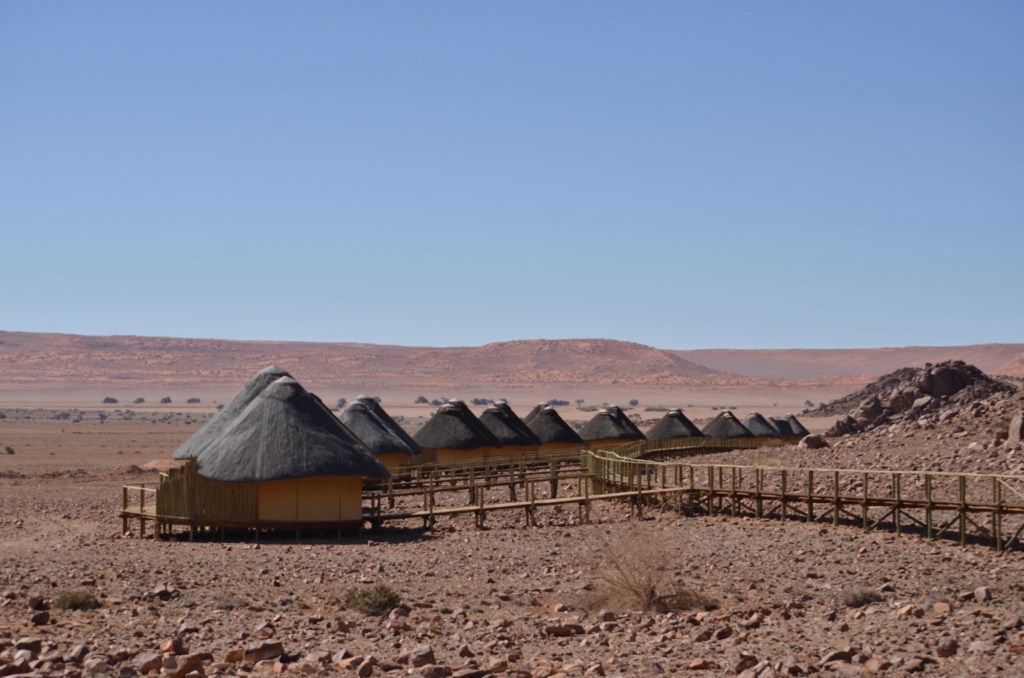
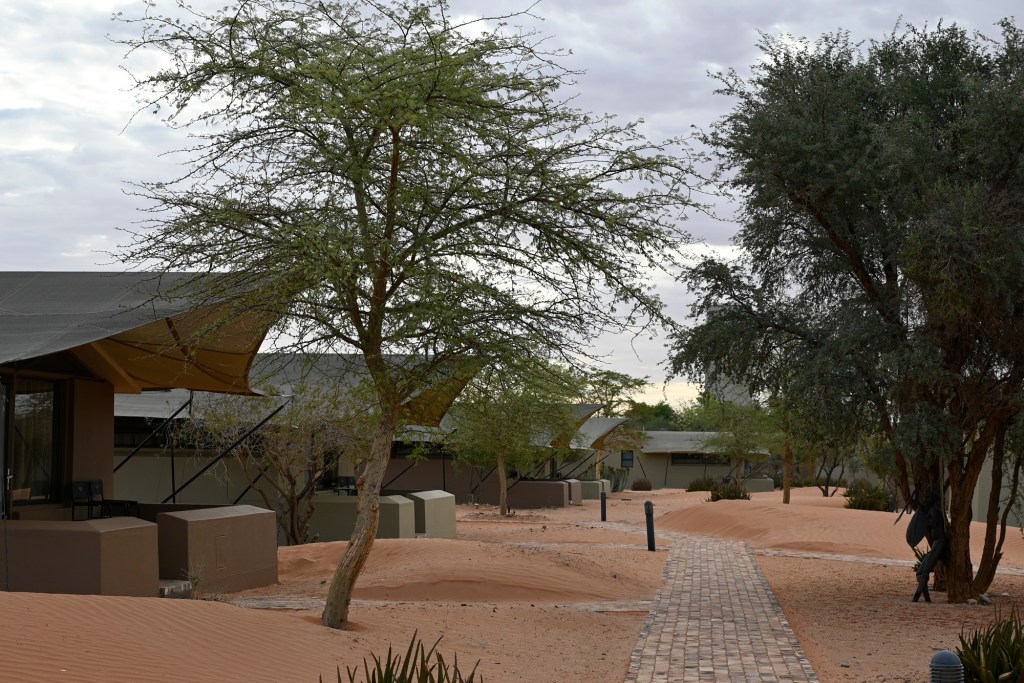
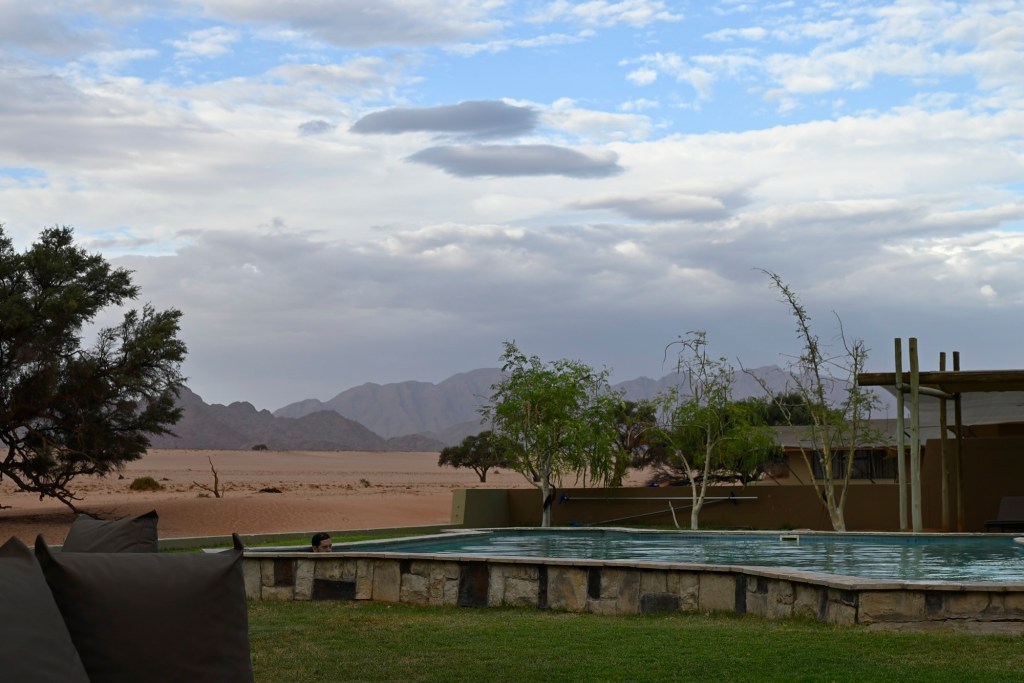
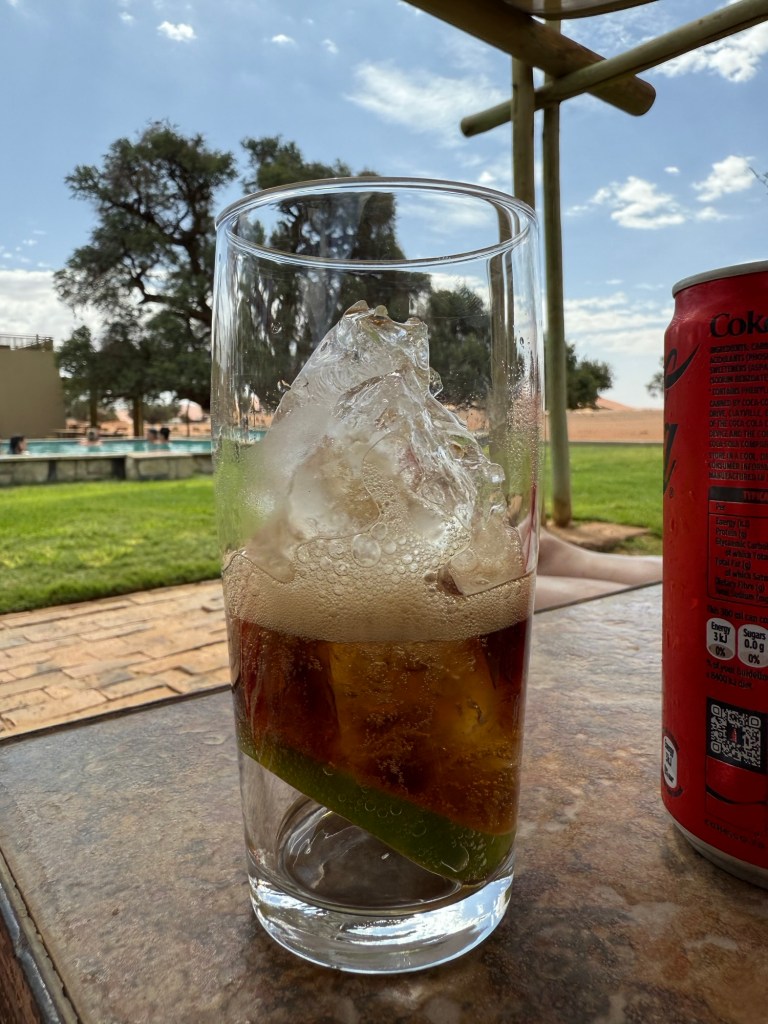
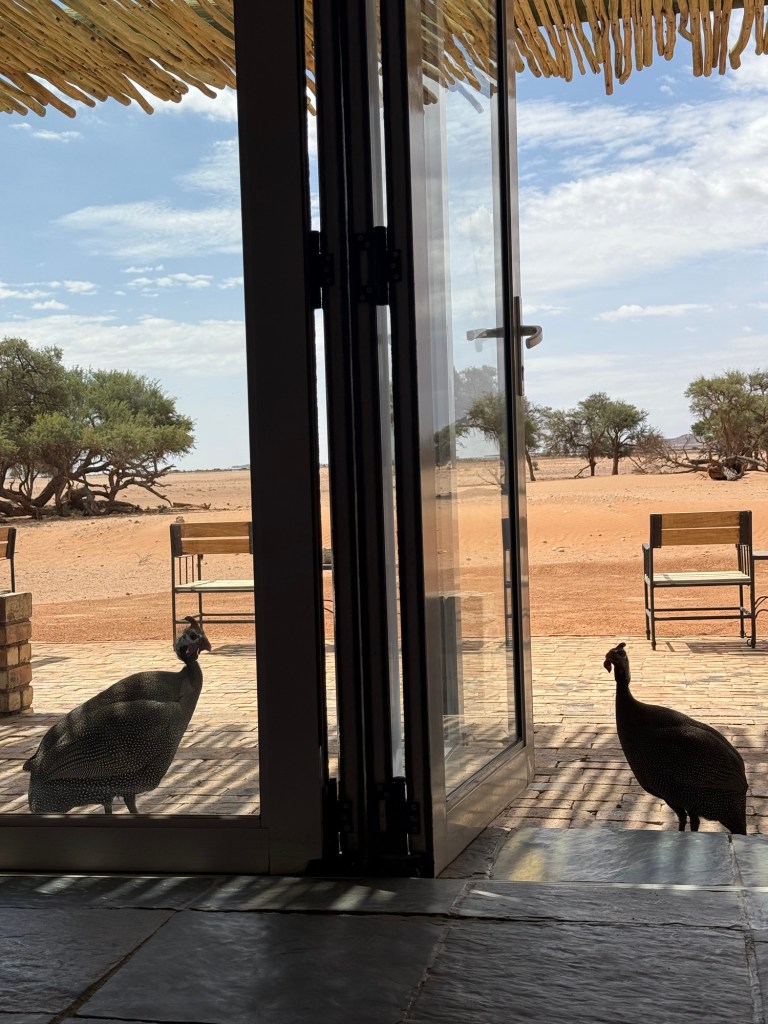
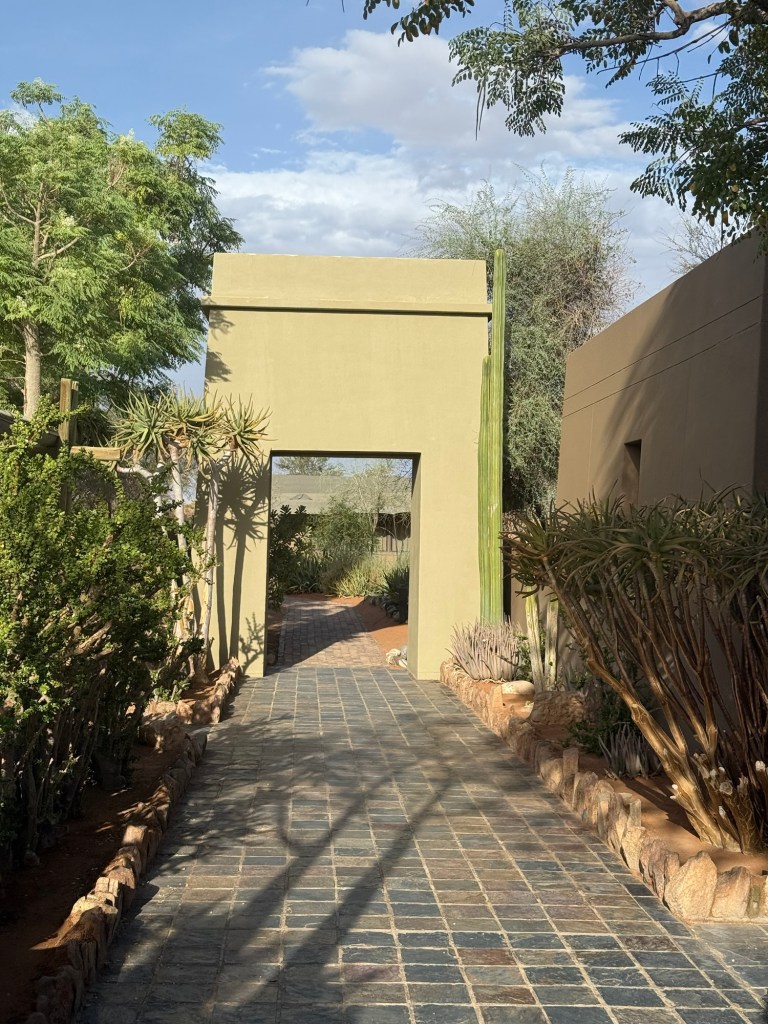
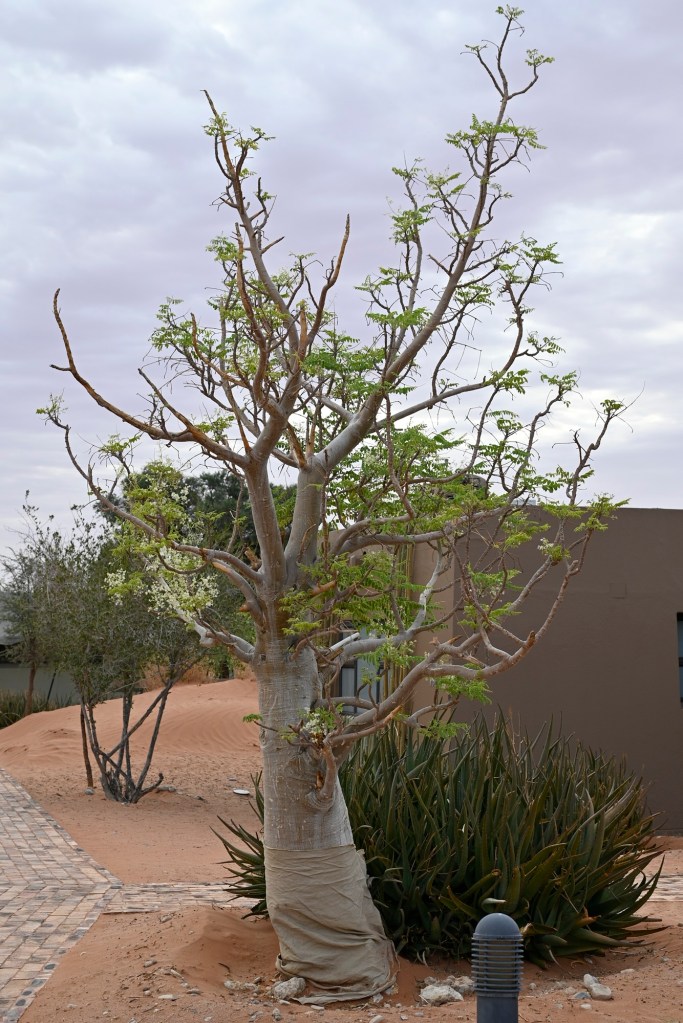
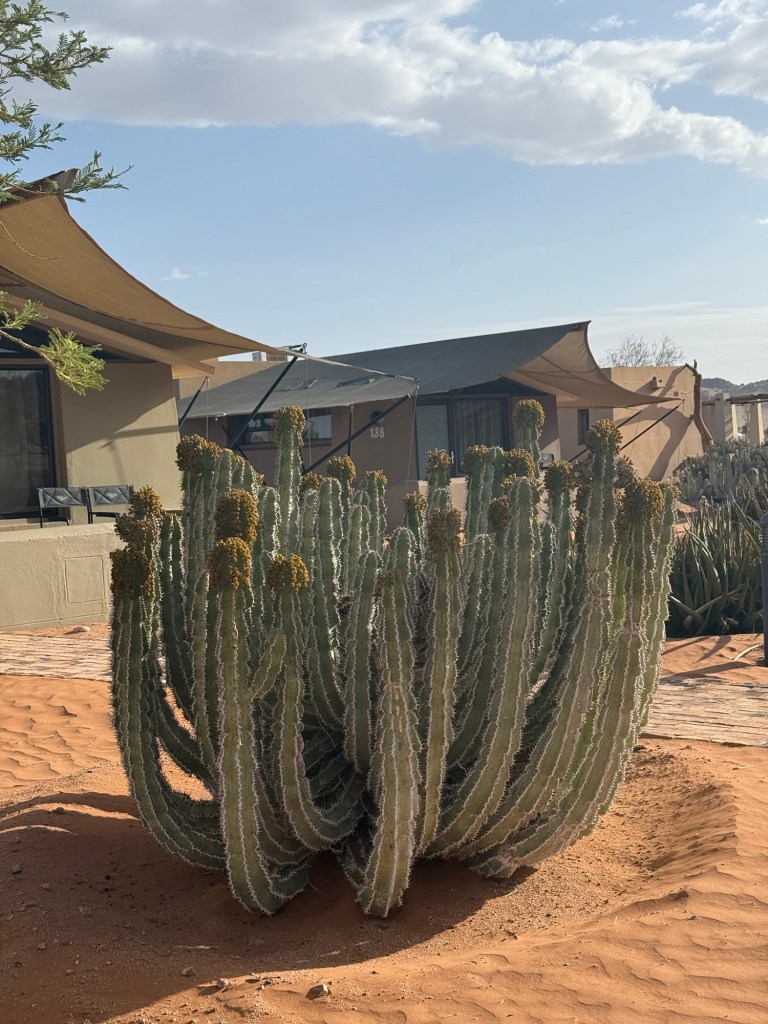
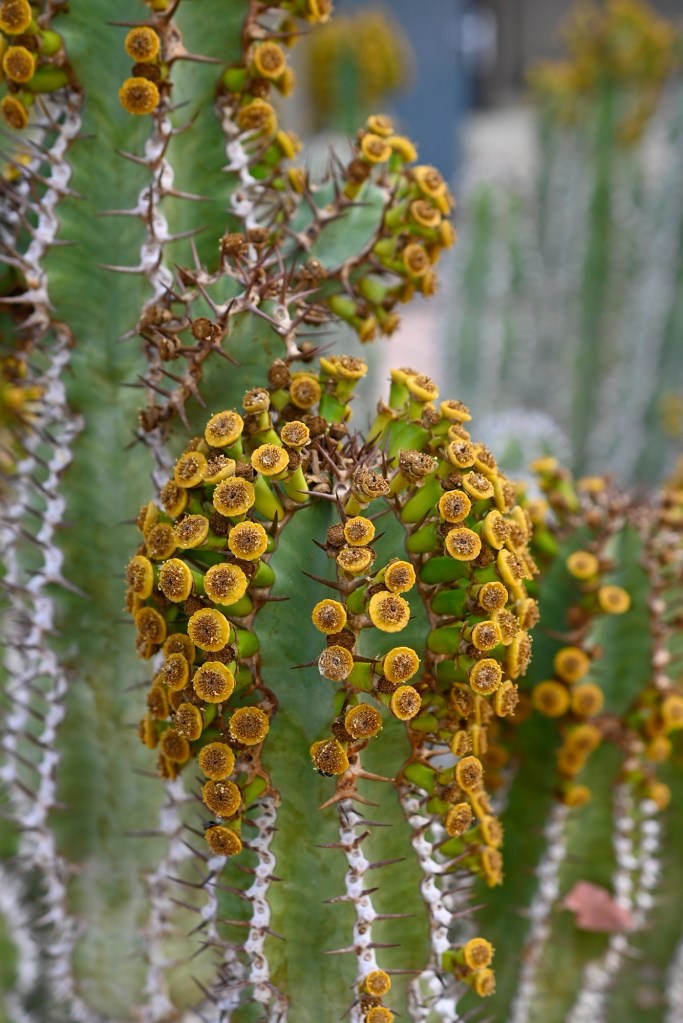
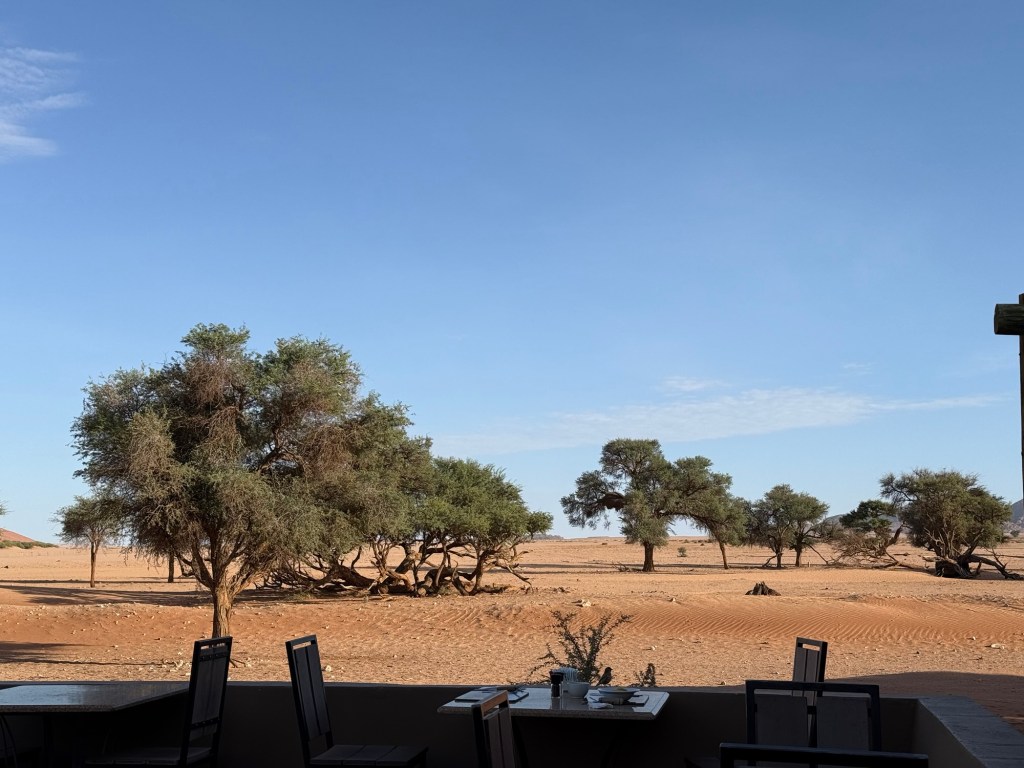
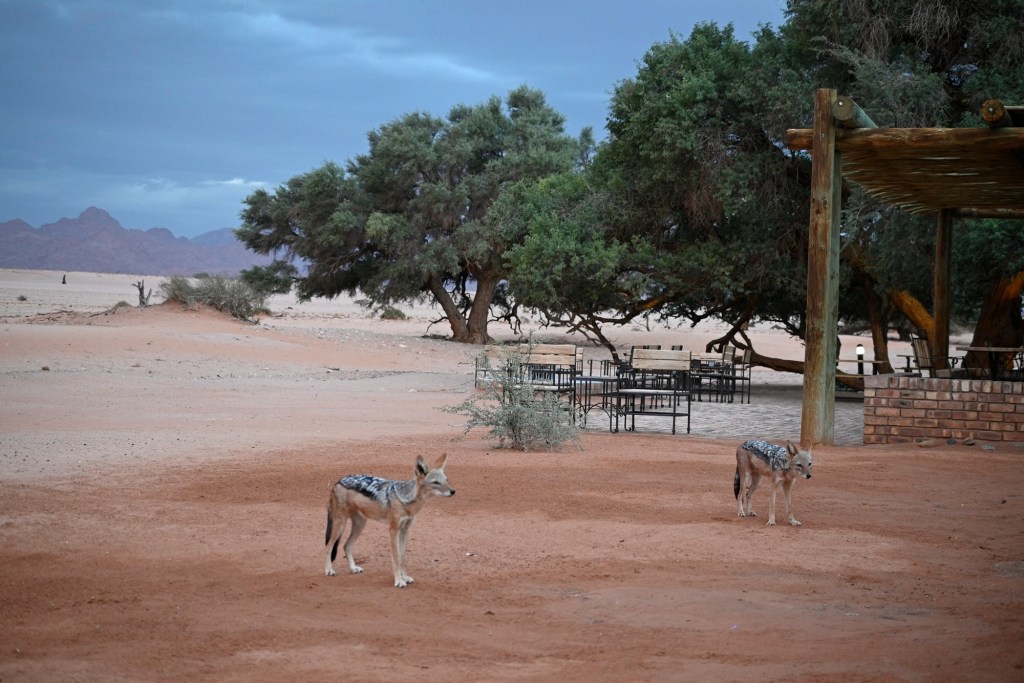
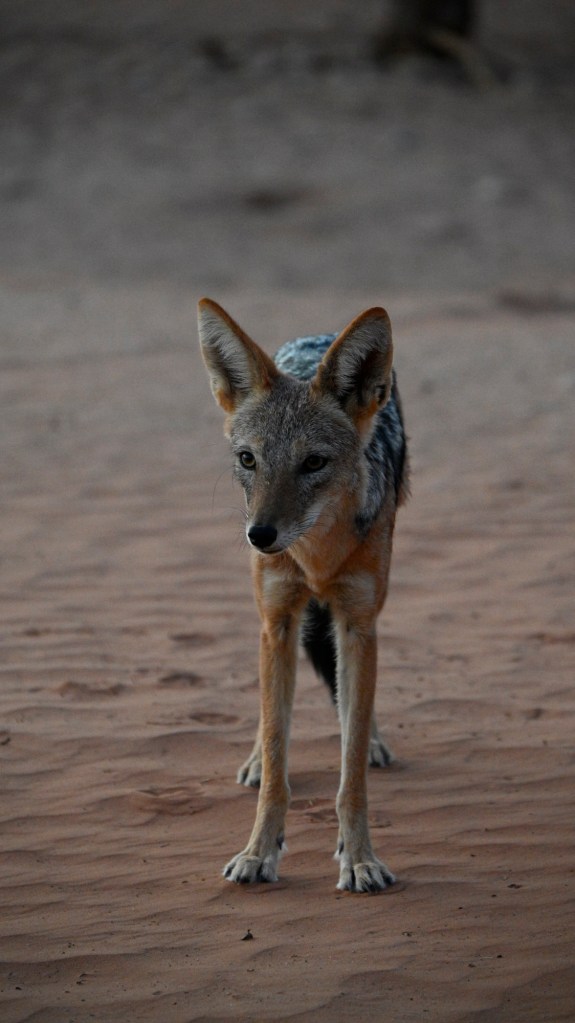
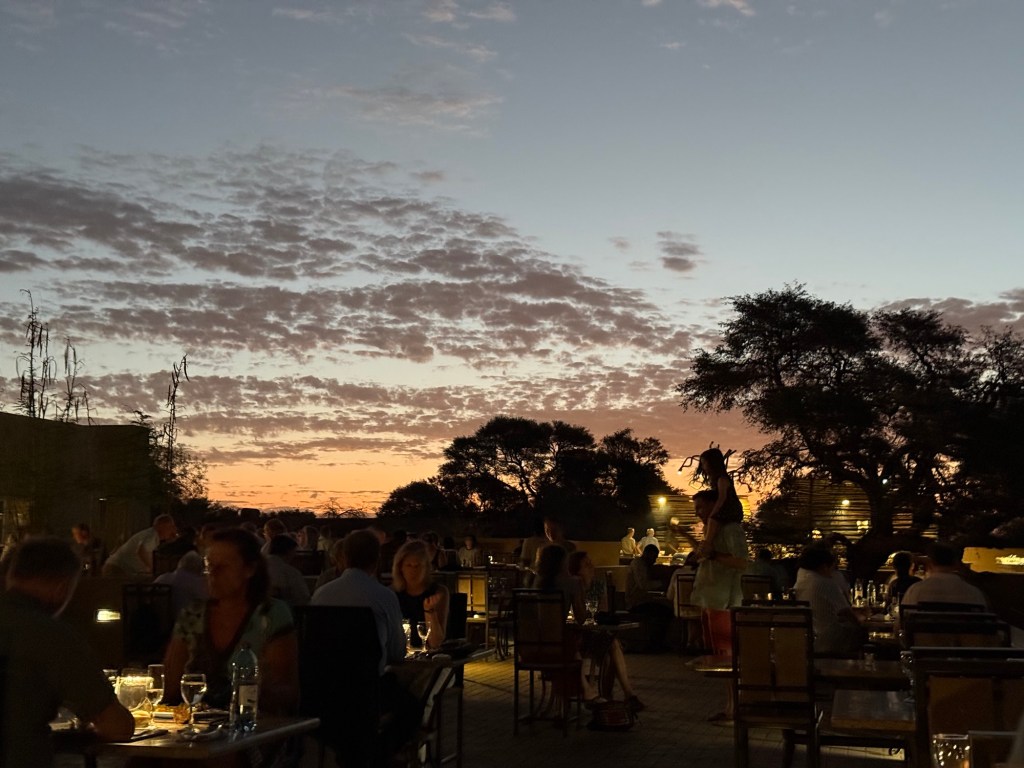
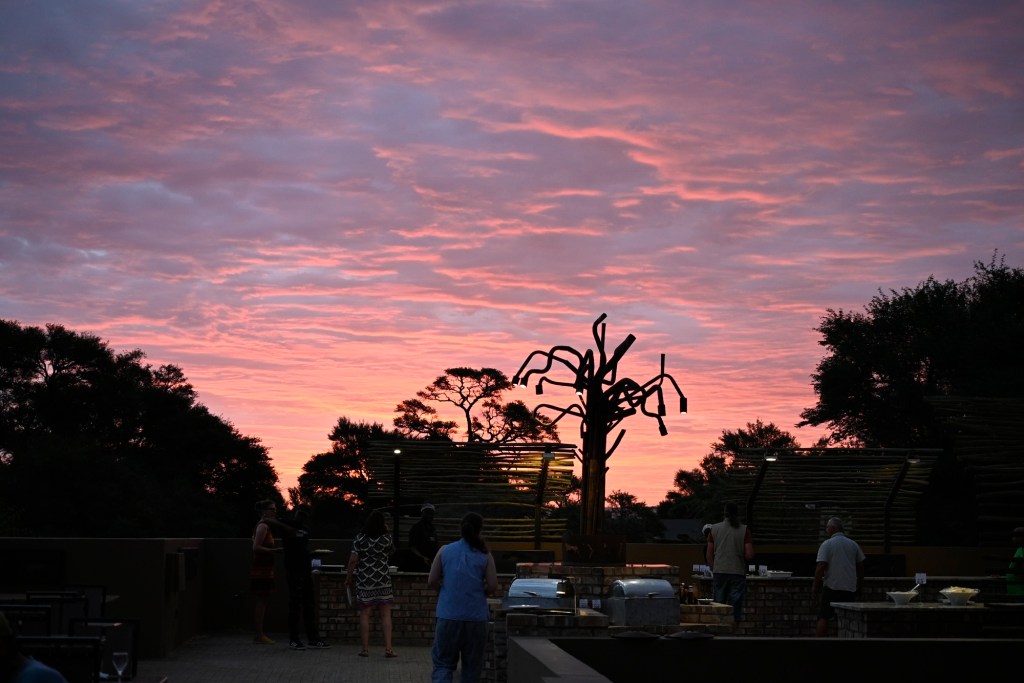
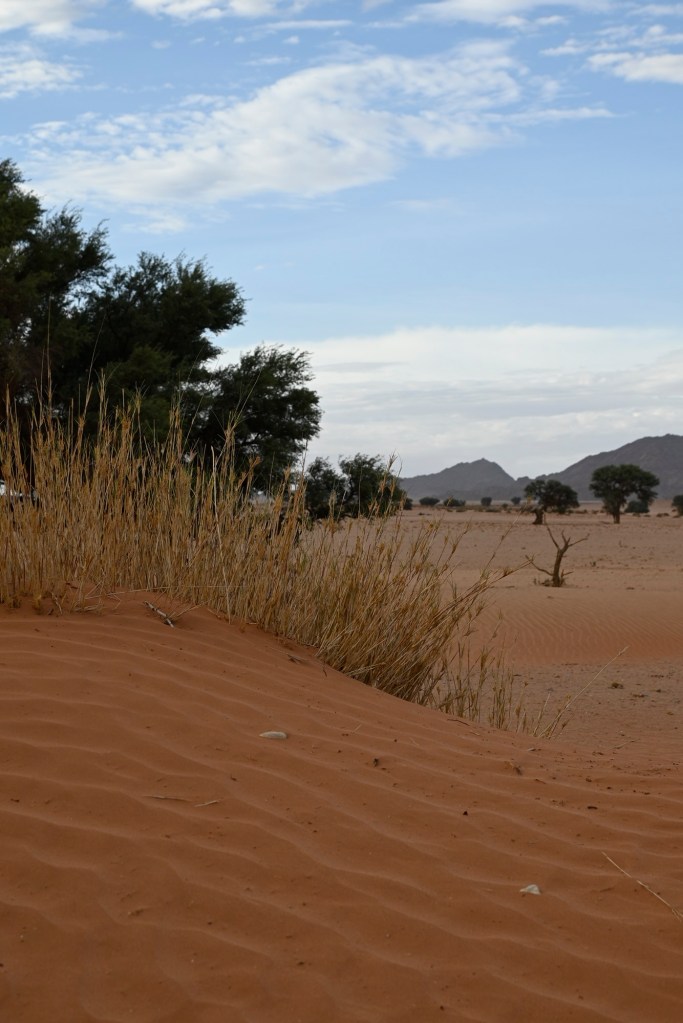
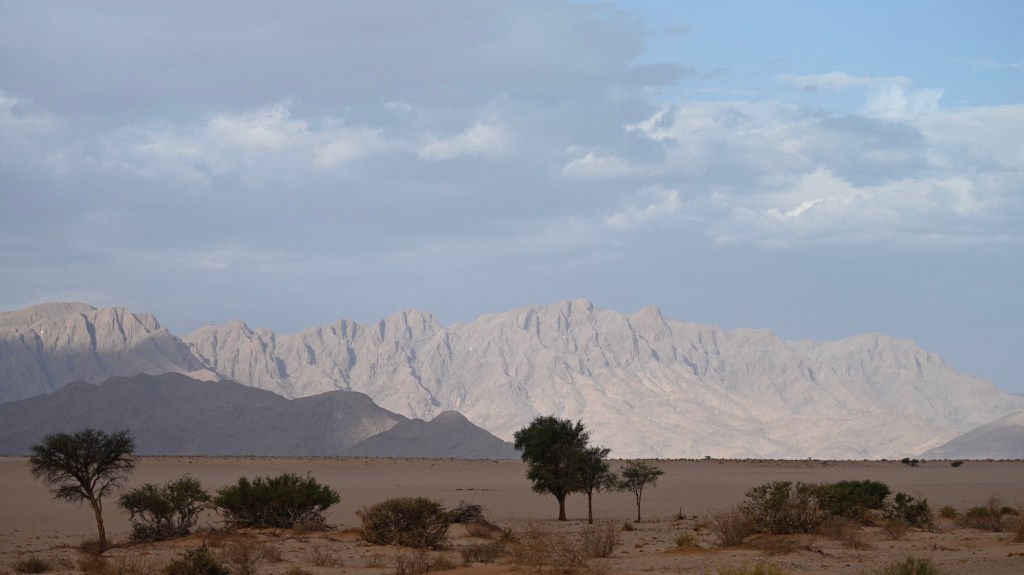
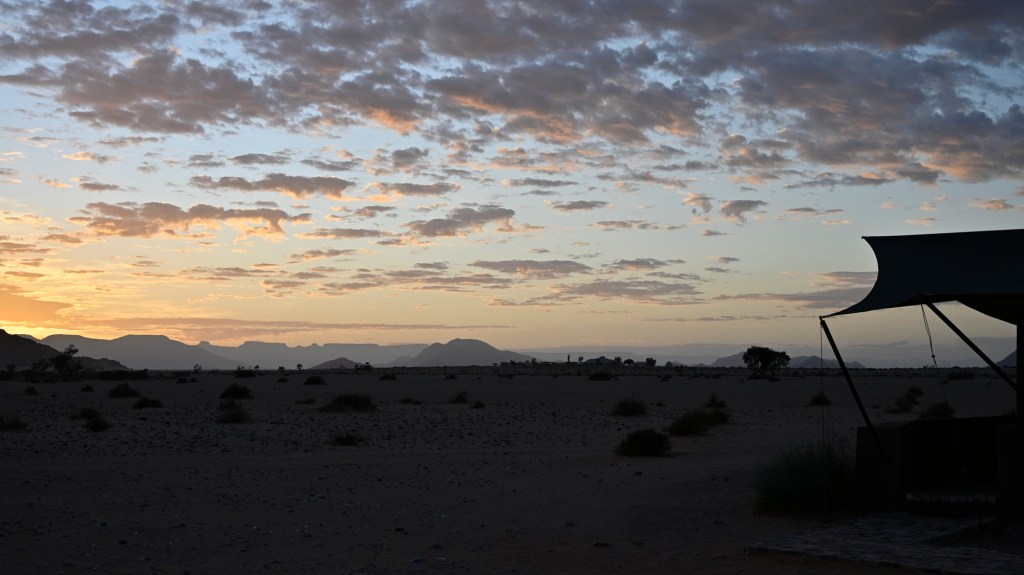
Sossusvlei lodge, which lays right outside the Sesriem gate, was an excellent place to stay. Everything from the air-conditioned cabins, looking almost like tents, the beautiful walkways with special trees and flowers along the way, the outdoor dining at sunset, with salads, cold meals and barbecued meat, fish and vegetables, as well as the wonderful pool, where you could relax in the afternoons, with a drink and a view over the desert was great. Our cabin was furthest away from the reception, and although there was termites and jackals right outside, it gave a wonderful and peaceful morning view over the mountains and desert in front of them.
Visiting the dunes
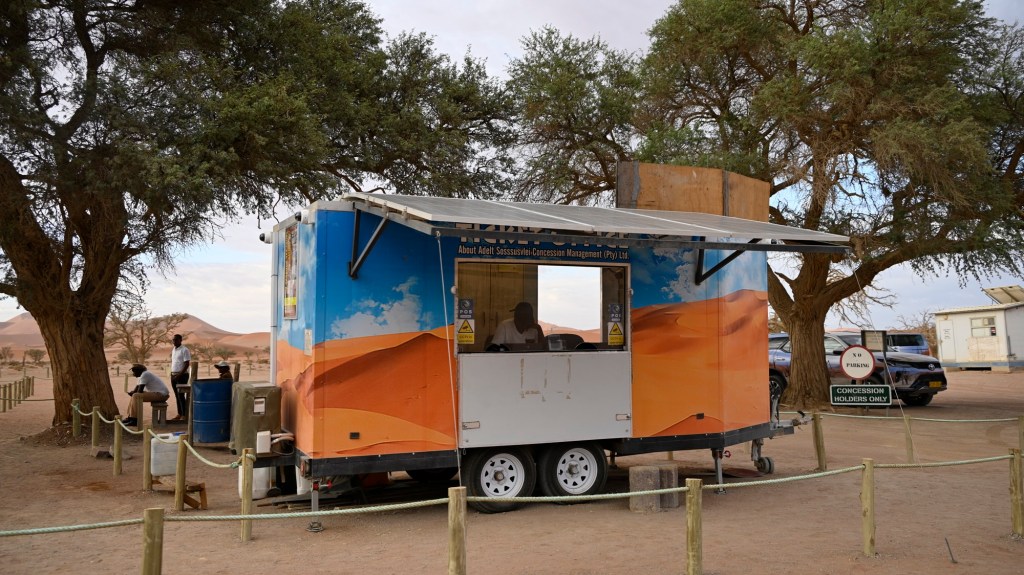
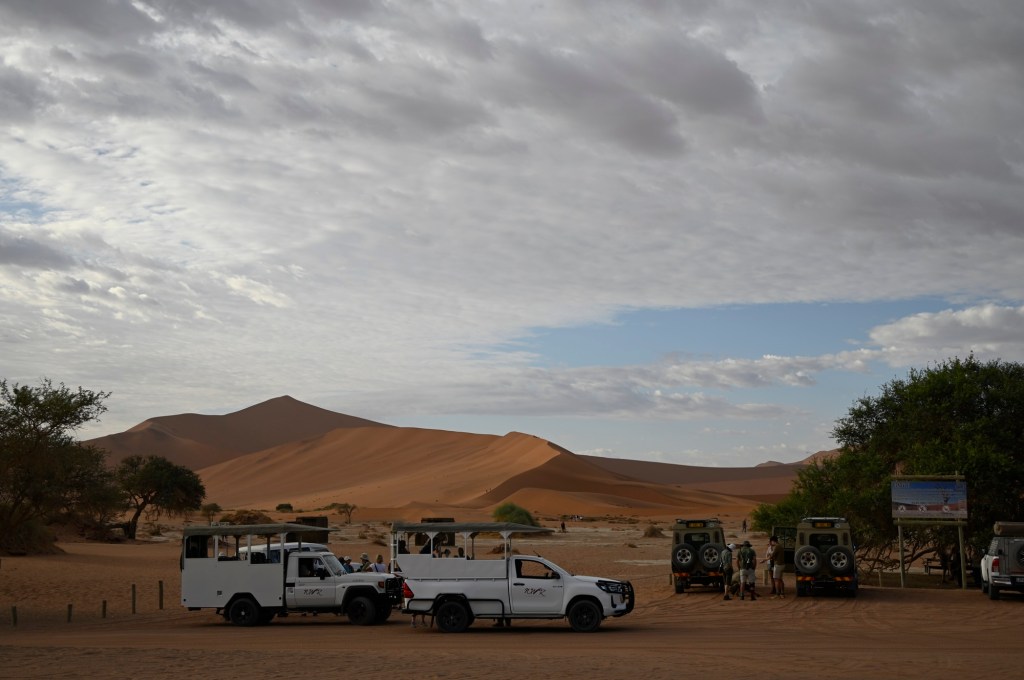
You can visit the dunes by driving your own car on a straight and tarred road until the 4×2 parking, only 4 km from Deadvlei. From there, however, you need a 4×4 car and very good driving skills, as the sand are very loose in the last kilometers. There has been some changes in how to get a shuttle the last kilometers, and I’m not quite sure how that works right now, but we did pass by a ticket van on our way to Deadvlei, so I think it is still possible to get a shuttle from there. If not, you can get shuttles from the NWR campsite. Ref. what I’ve heard, it costs 200 NAD per person, in 2025. Please remember cash, as network and bank terminals may be very unstable.
When we visited in 2017, we drove ourself and booked a shuttle the last part. It gave us the freedom to eat breakfast before we left and to stop where we wanted on the way, but came with the price of a taller and stronger sun and very hot sand. I really burnt my feet and we struggled to get a shuttle back to the 2×4 parking in the midst of the burning sun. This time we thus chose a guided morning visit, arranged by the lodge.
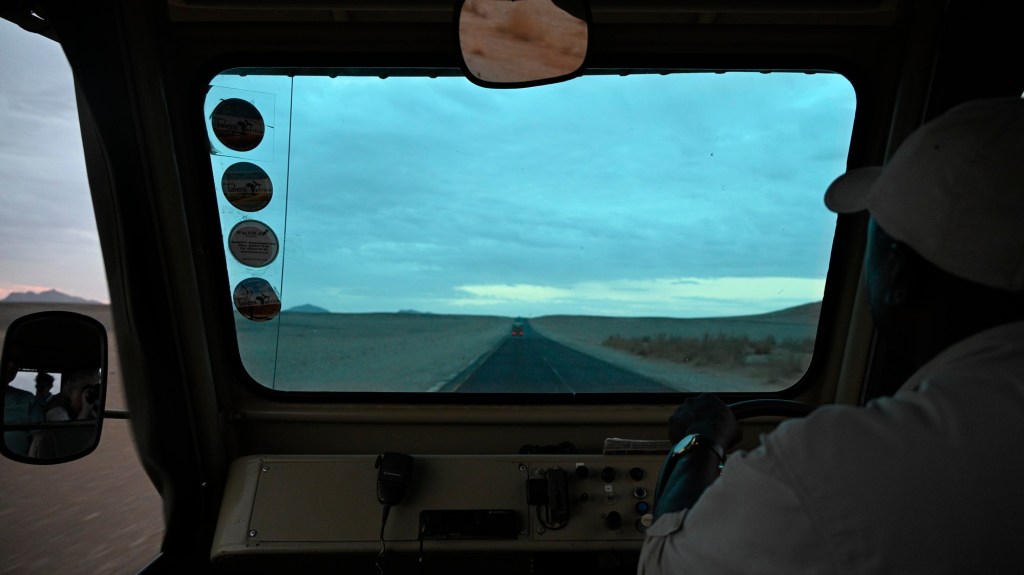
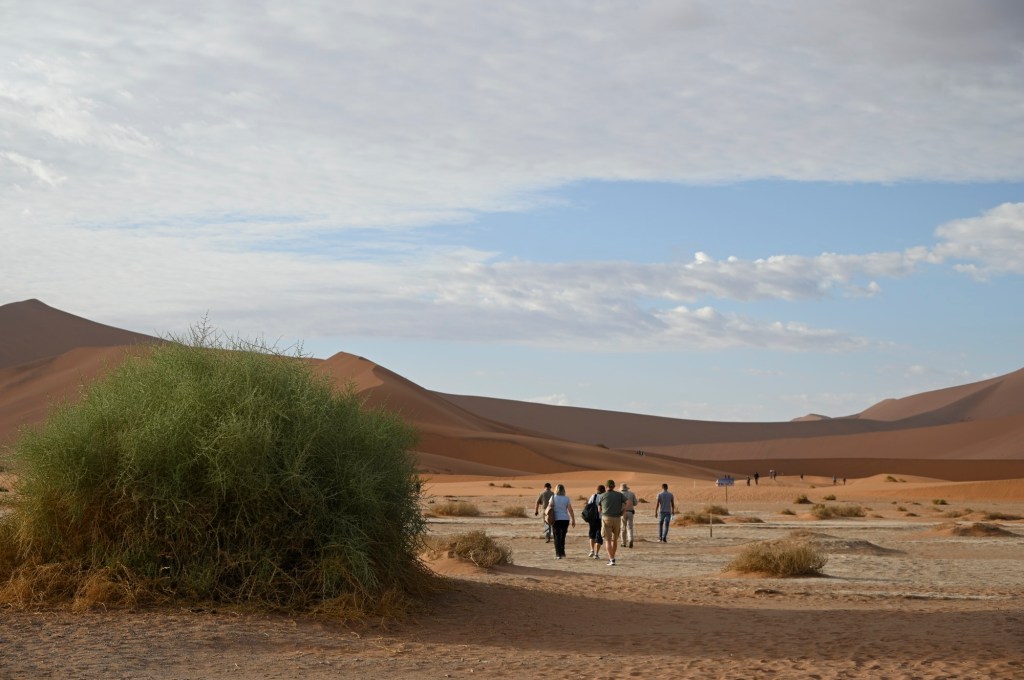
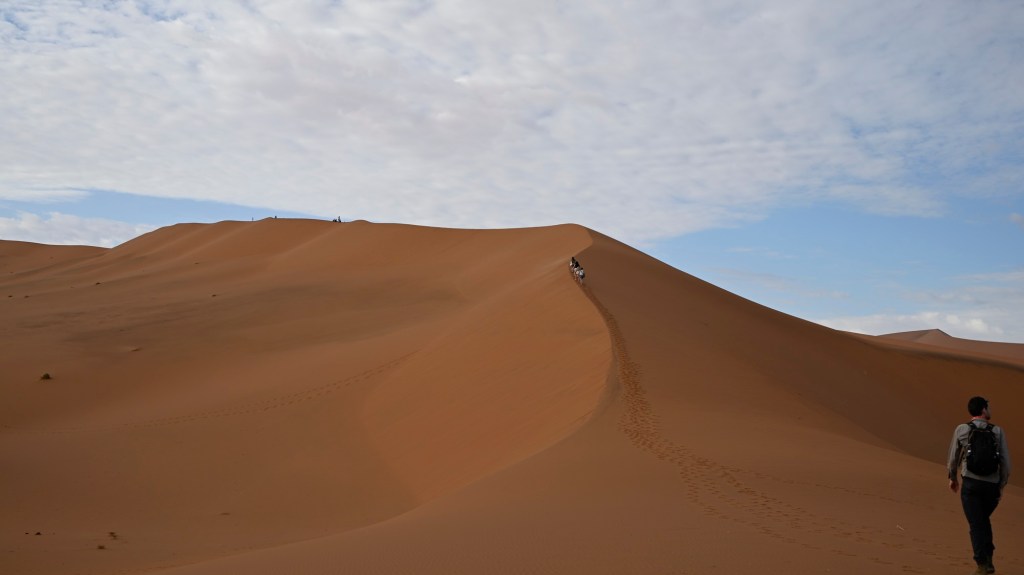
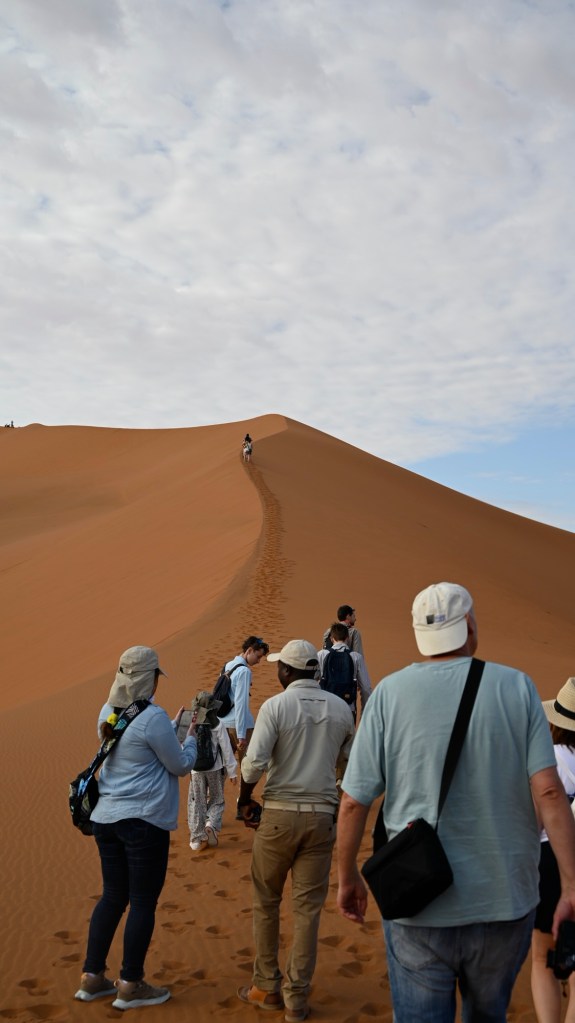
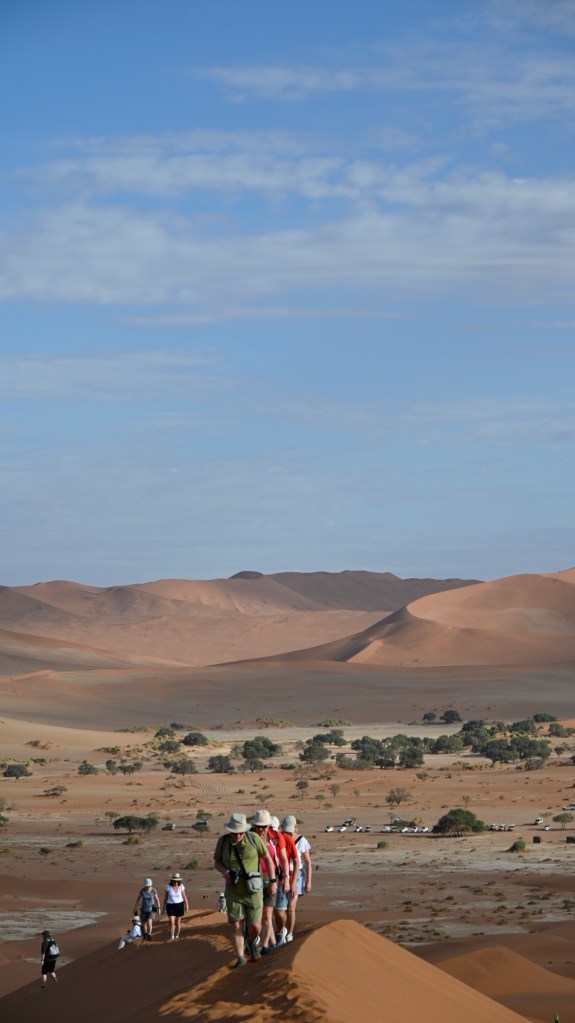
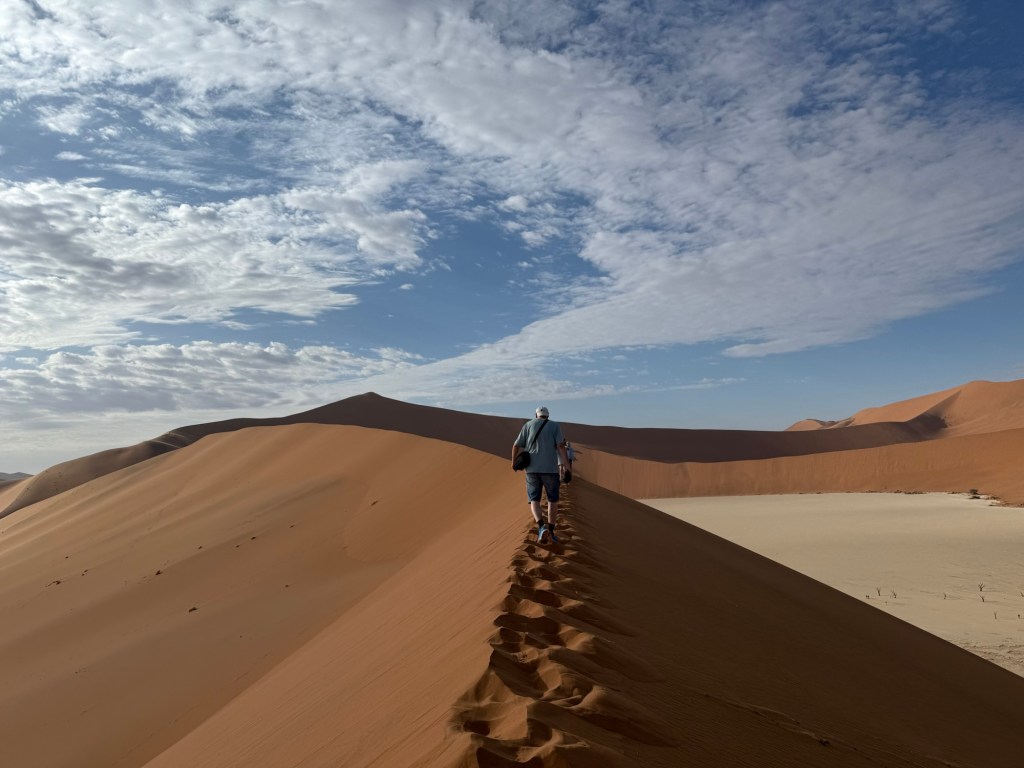
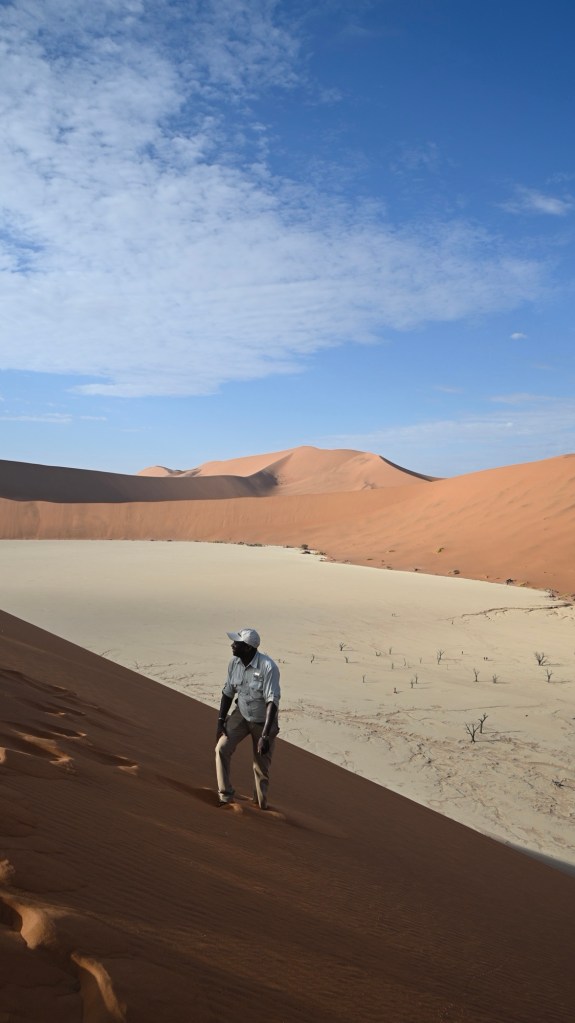
The guided visit to the dunes was efficient, informative and wonderful. We left the lodge when it was still dark, at 06:15, and was climbing the dunes around 08:00, before the sand got too warm and the sun too hot. The guide gave good advices on how to climb and descend the steep, sandy edges and slopes, which was very useful. Walking in the footsteps of the previous person, when climbing up the tall dune helped saving energy and when descending and the fear of height started kicking in, the guide showed us how to “dance” down the steep slopes by placing our heels deep down in the sand in a rythmical manner, which helped a lot. “Voile voile” shouted the French children that came with the group and wanted to go up again to “dance down” the dune once again.
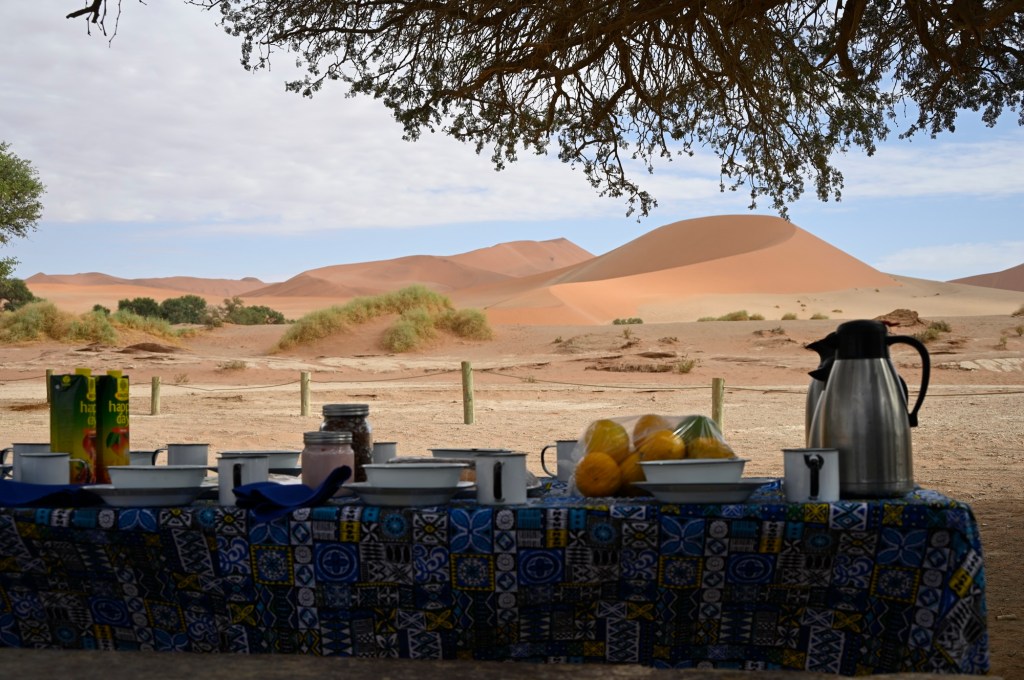
We also got a wonderful breakfast, in the middle of the desert, below a tree with lots of birds around.
Hot-air ballooning over the dunes – or not…
I had planned on doing hot-air ballooning over the dunes, as I did not do this any of the other times and it really did look amazing. However, when coming to it, I chose not to do it, as the starting place was no longer close to Sesriem gate and I would have to drive in the dark for 22 km on a rugged gravel road to get to the starting point before 05:00. Even though I love driving through the Namibian countryside, I also have respect for the dangers on the road. Driving in the dark is something I never do, if I can omit it, as sudden rivers may disrupt the road and animals may cross right ahead of you.
I think I’ll have to stick with the balloon memories from the late 90’s, when dark came too sudden upon us and we had to sleep in the car. When waking up, we saw several hot-air balloons rising above the mountains and fields next to us, as the morning sun shone upon them. When we eventually started driving, we discovered that the road had been washed away, just some hundred meters i front of us. We had been spared for an accident and gained a great experience by stopping where we did and sleeping in the car seat instead of in the lodge, we originally had booked.
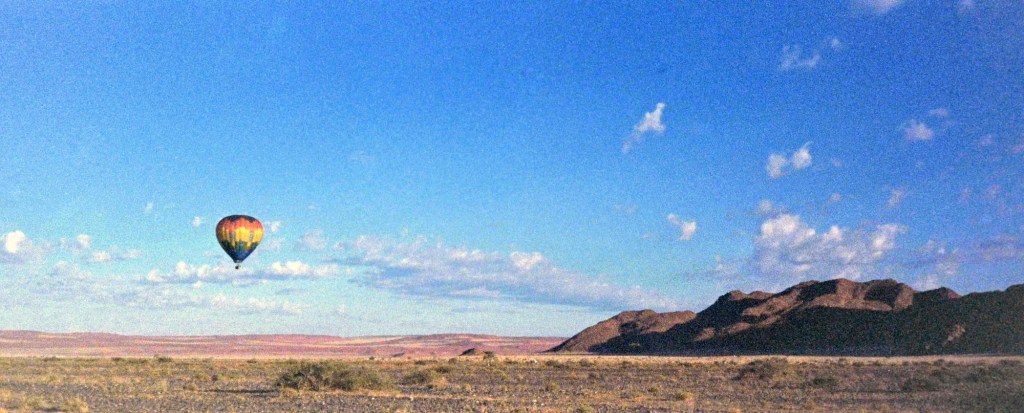
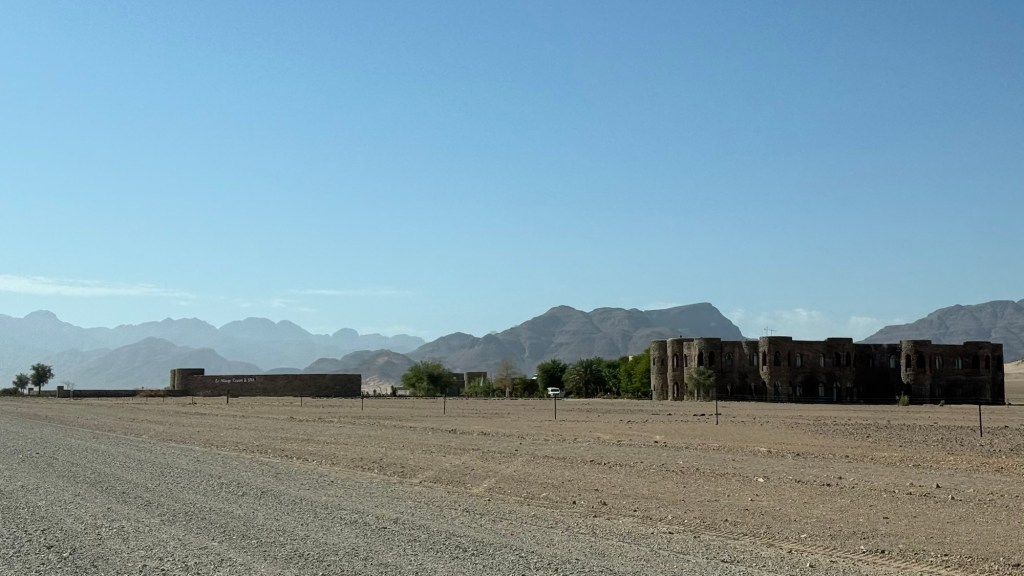
If you wish to do hot-air ballooning over the Namib desert, you can book at Namib-sky balloon safaris. If such, i would advise you to booking an accommodation which is very close to their starting point, as maybe the Le Mirage resort and spa.
The roads and places to rest
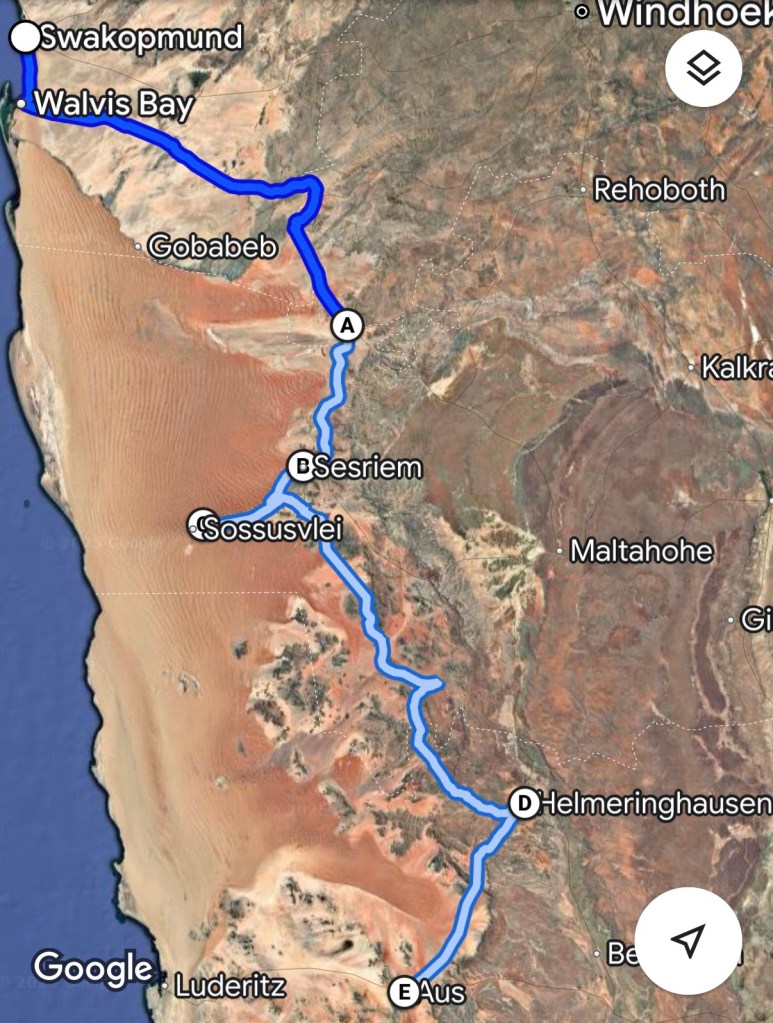
As the whole coastline between Walvis Bay to Lüderitz consist of sand and dunes, there is no way to drive in a straight line along the coast between these two cities. You need to travel more than 3 hours (233 kilometers) into the country, on the gravel road C14 to Solitaire, before you can turn southwards.
Solitaire
Solitaire is a good place to take a rest, fill petrol and some food. It has an old filling station, grocery shop and two cafés. It is also possible to get a campsite here or a room for the night.
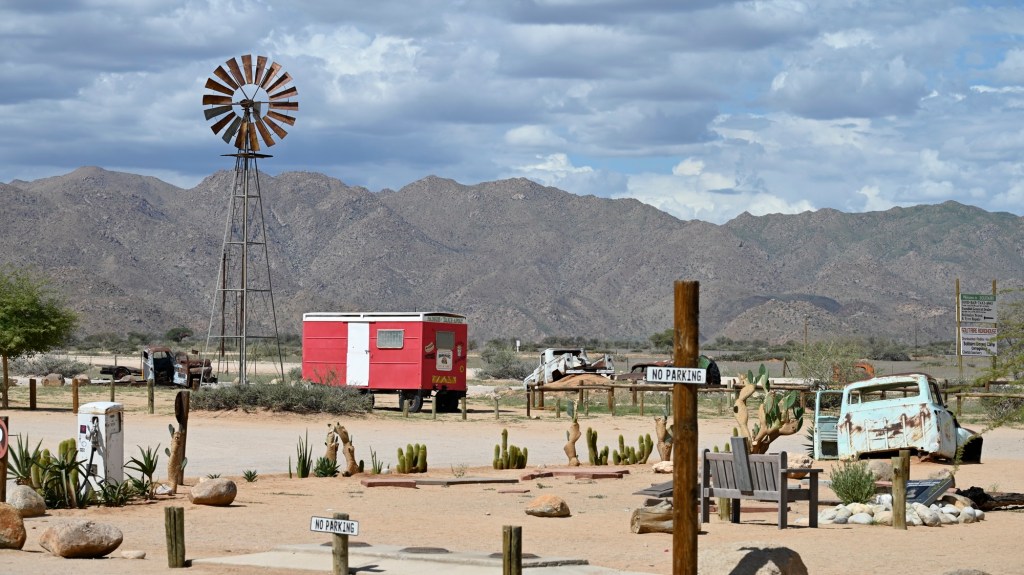
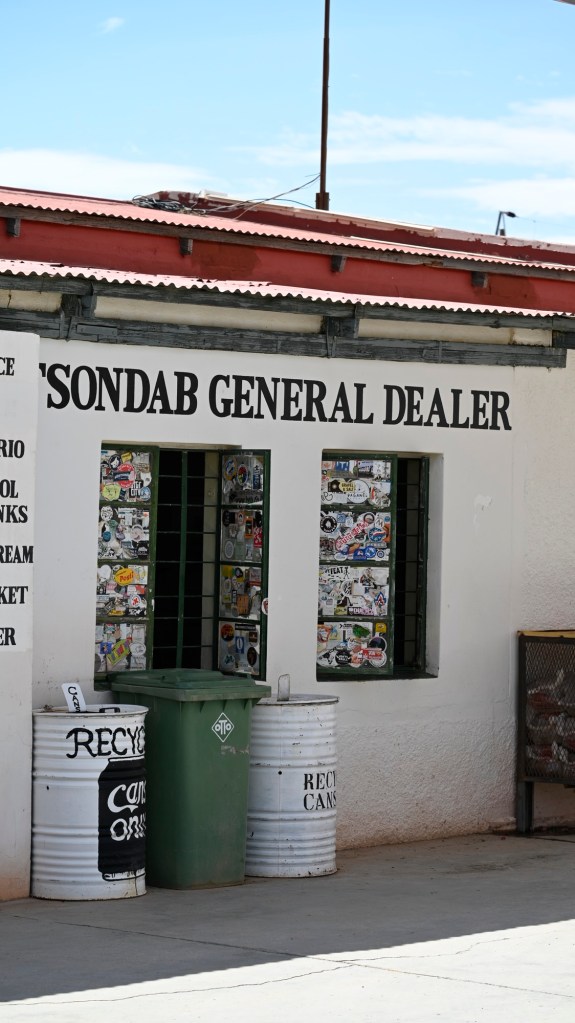
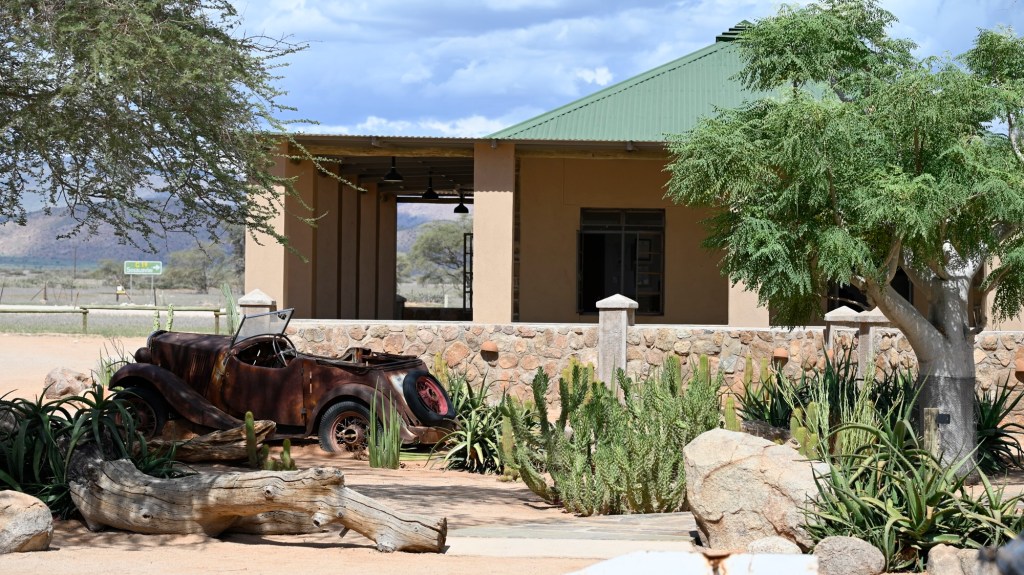
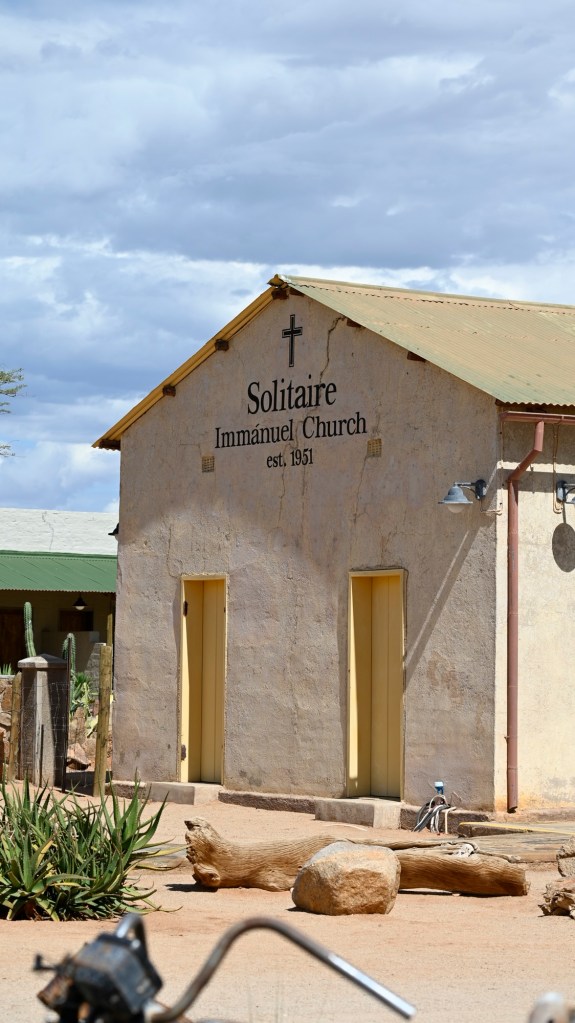
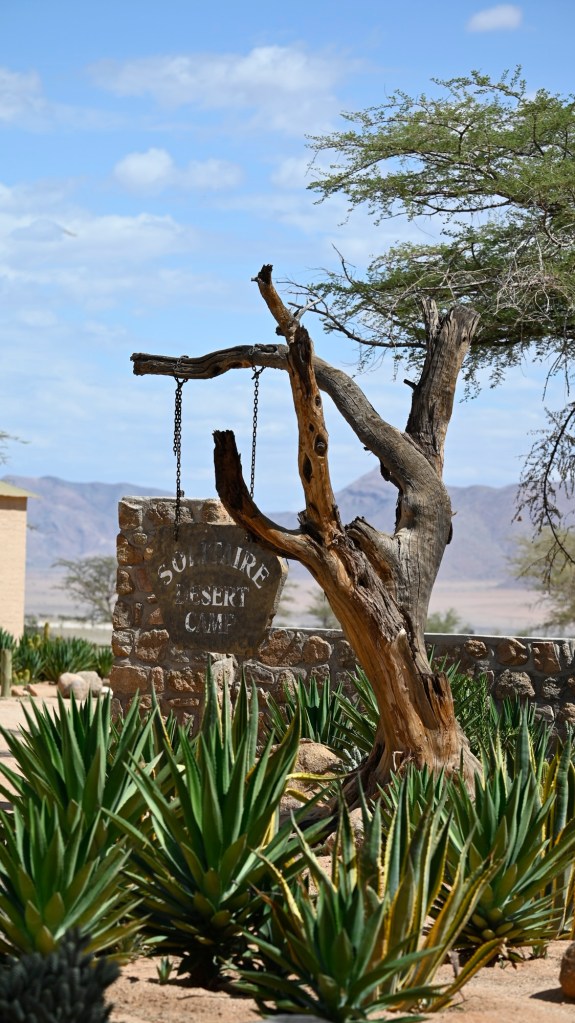
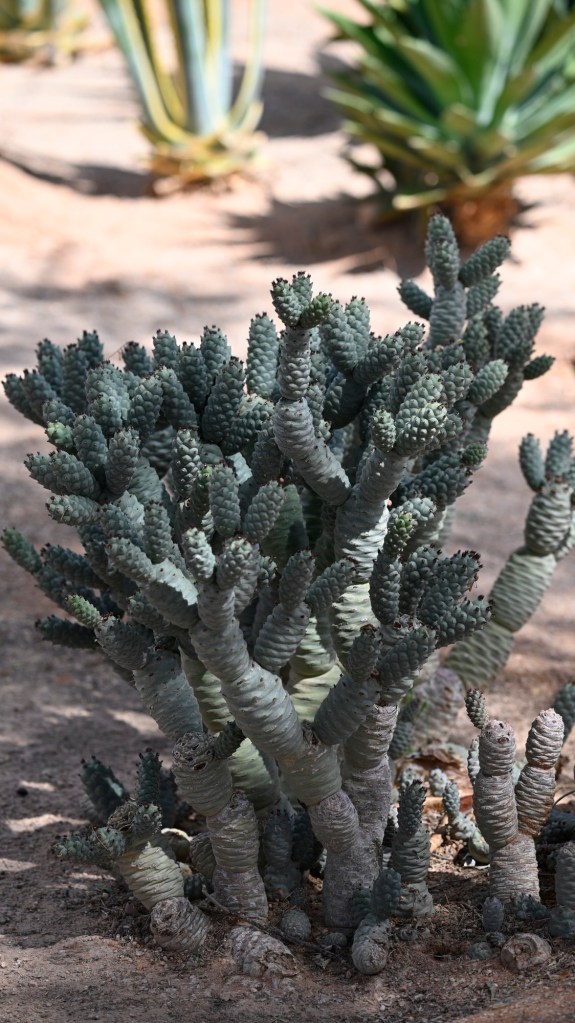
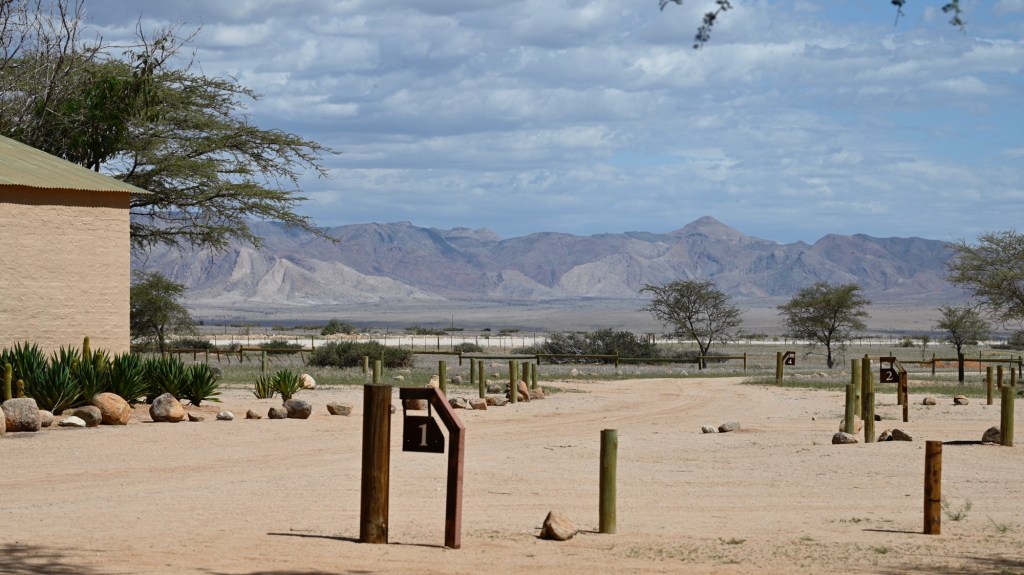
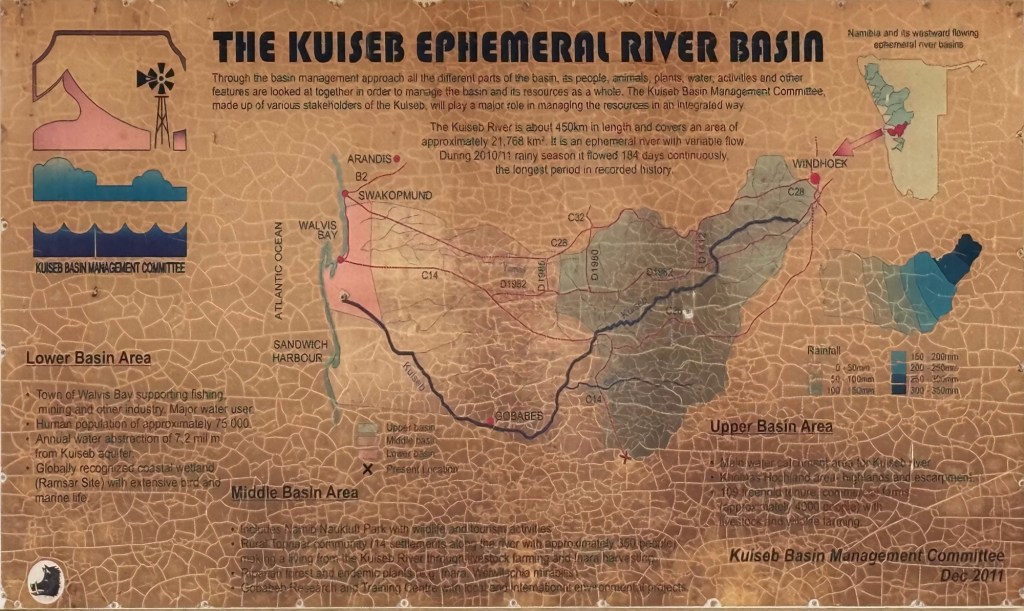
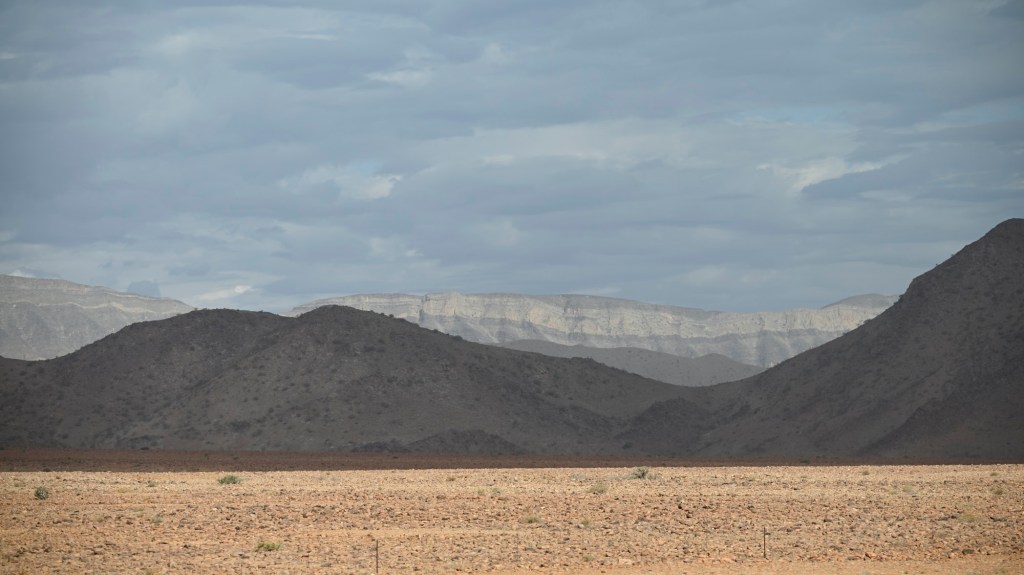
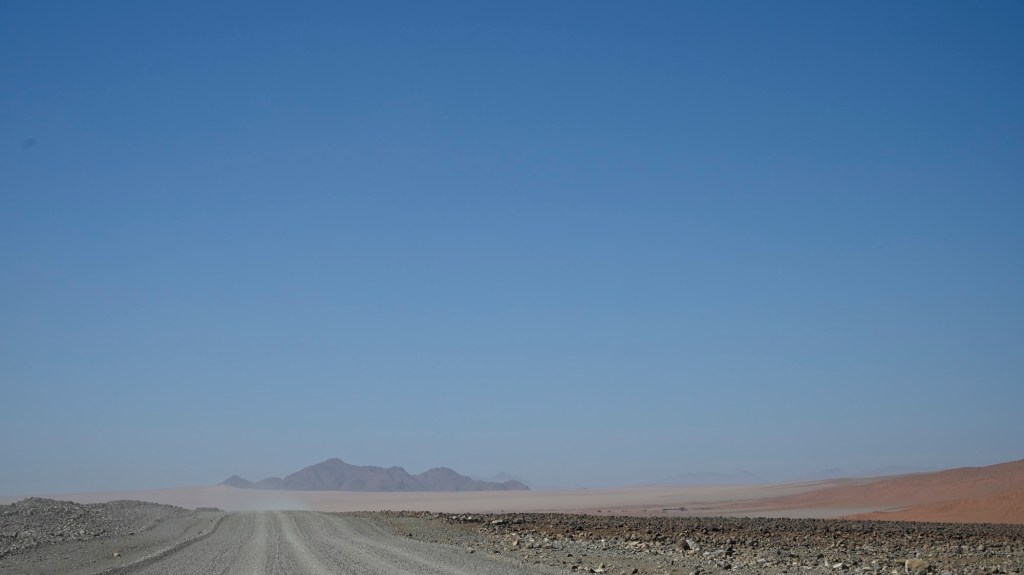
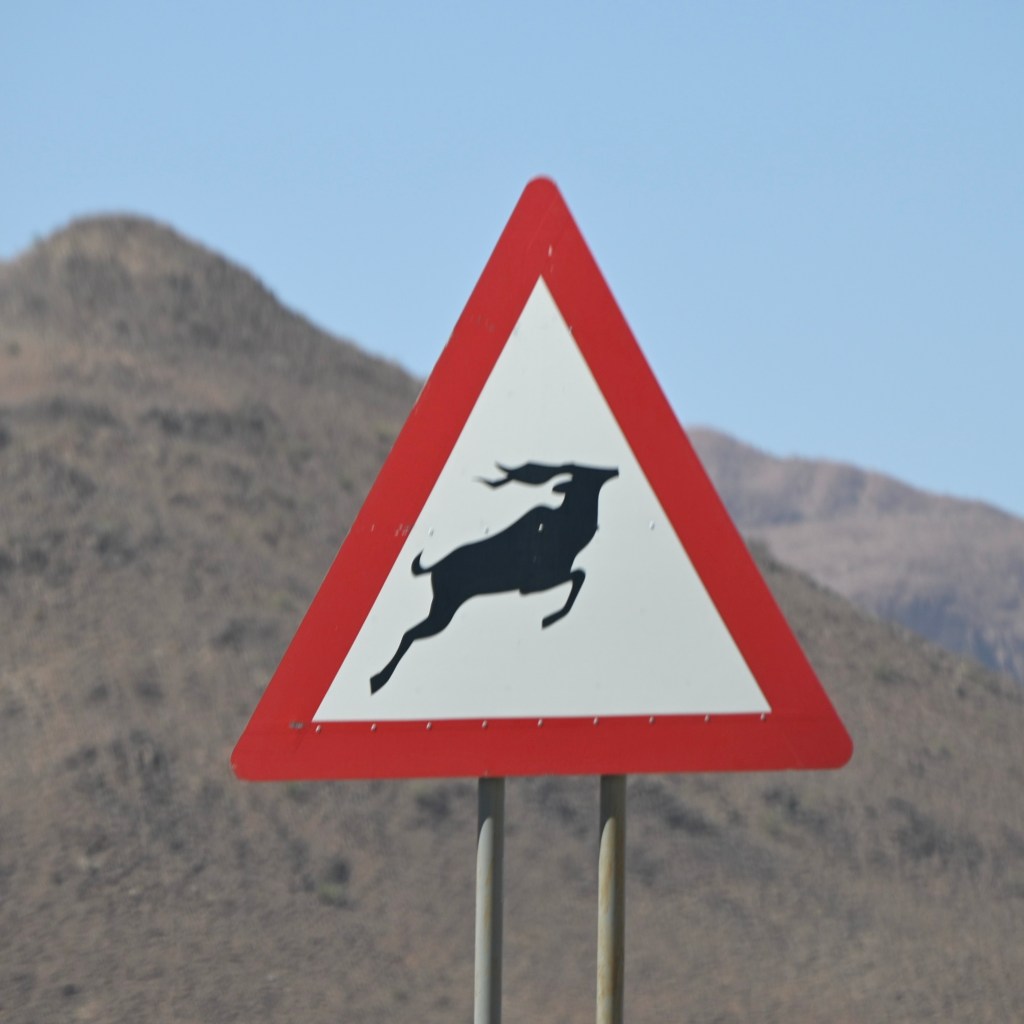
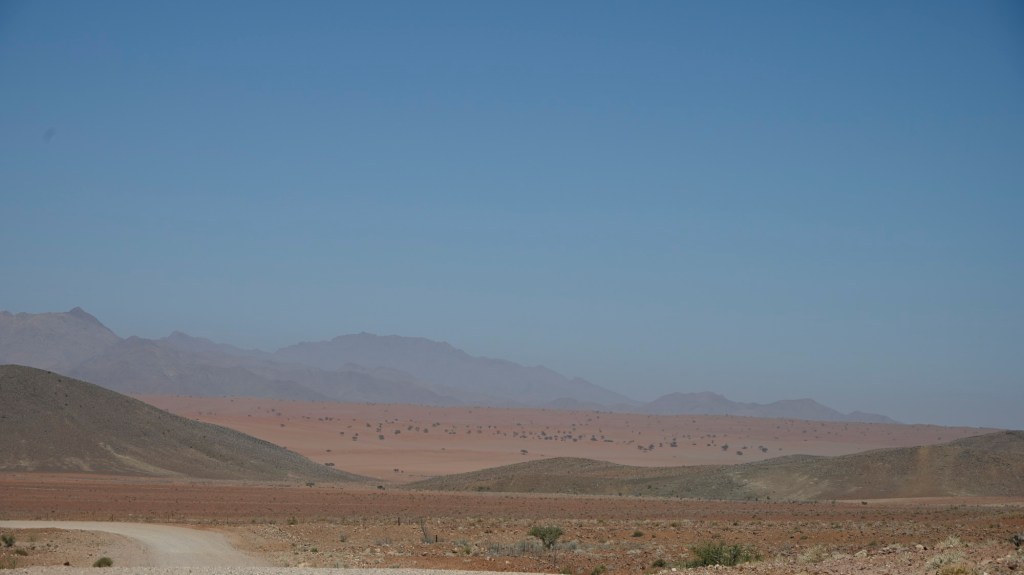
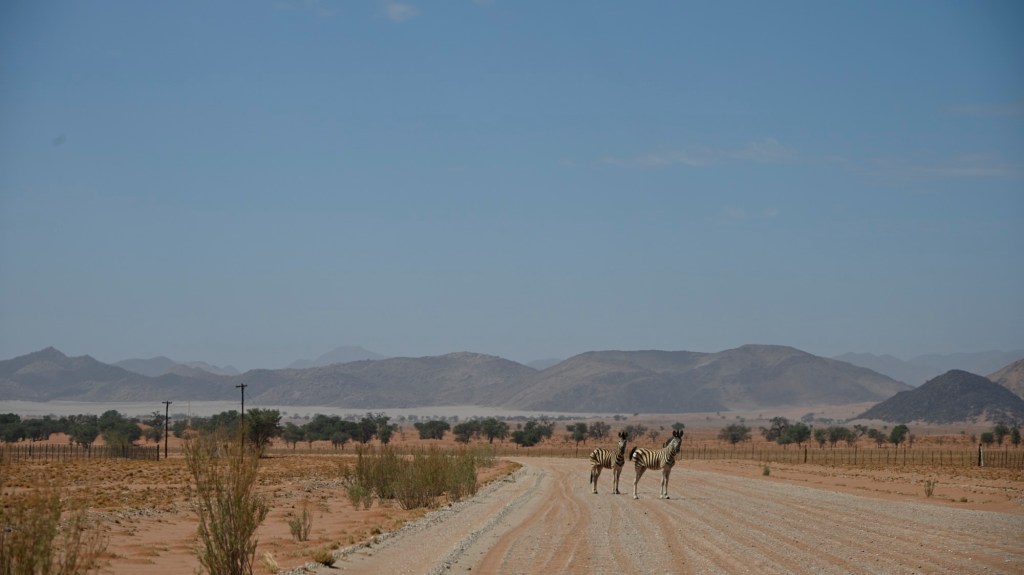
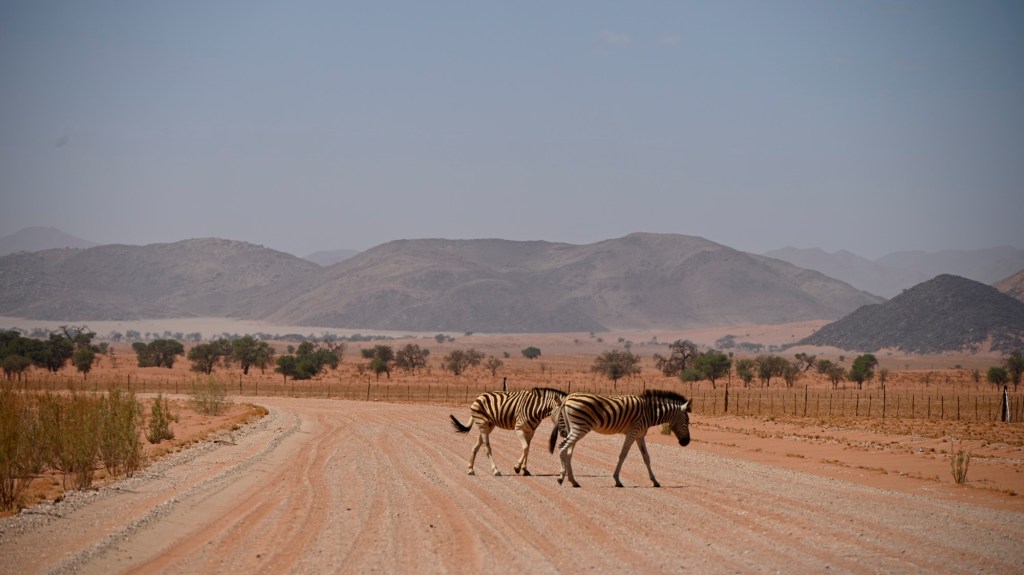
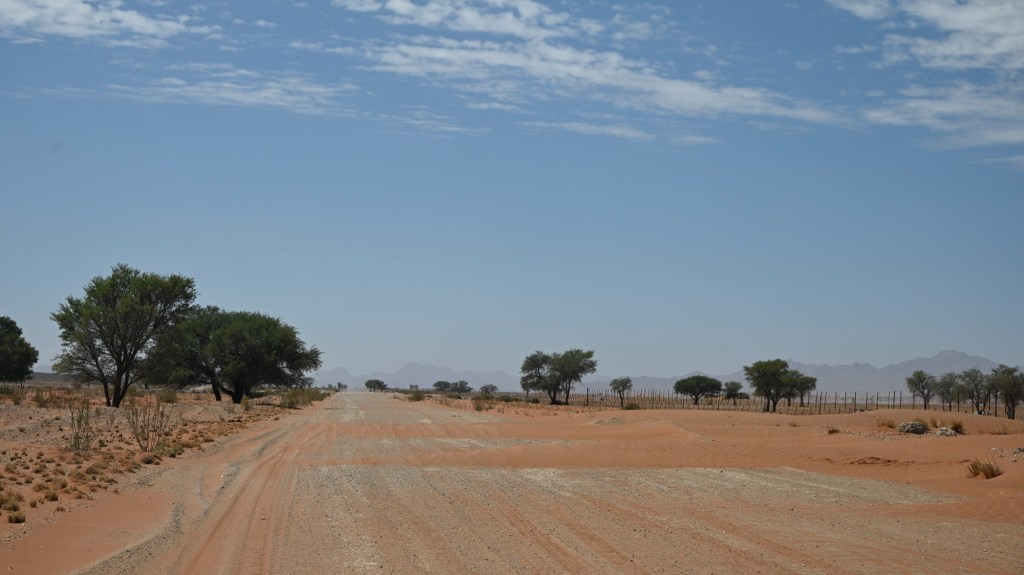
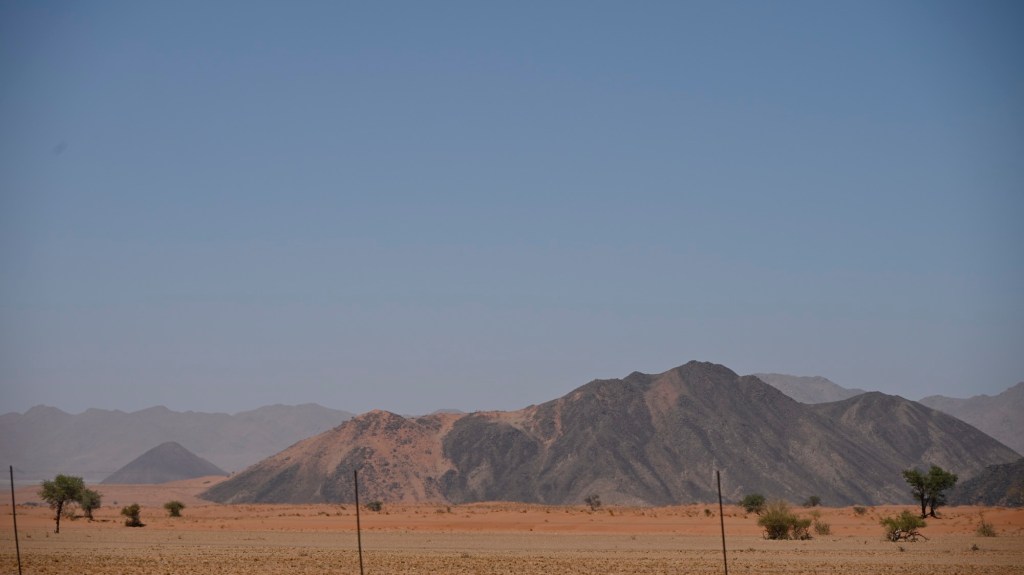
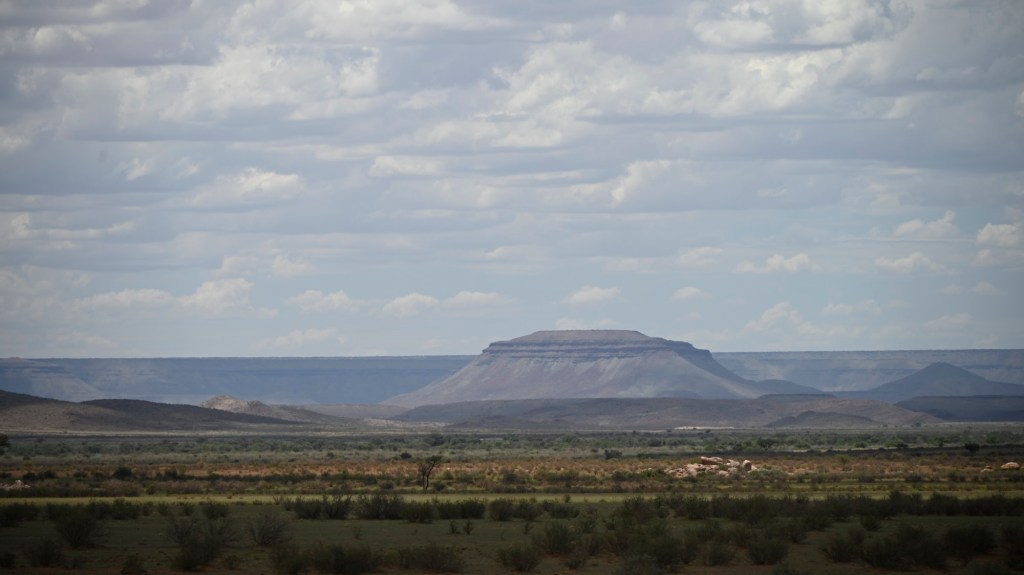
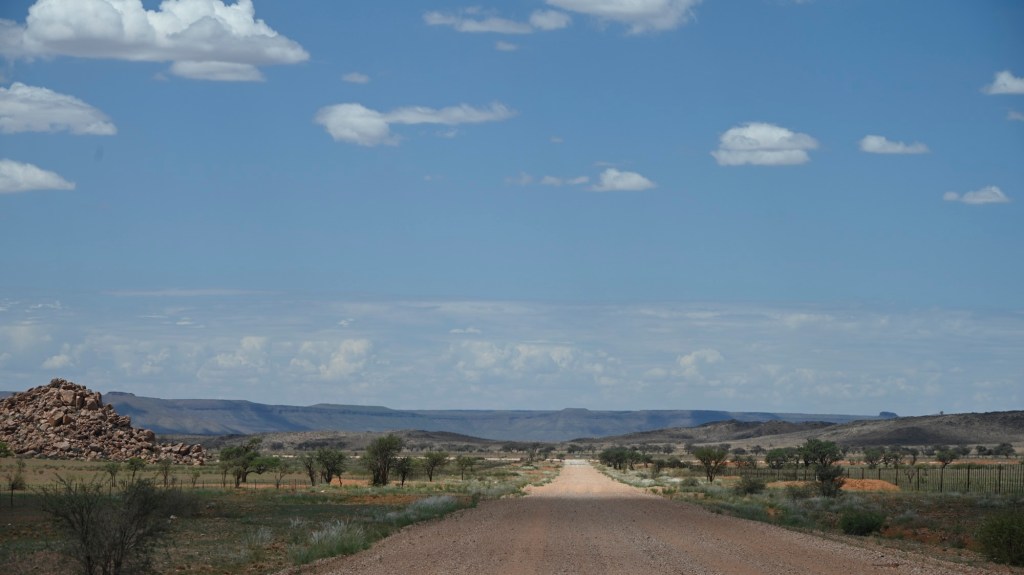
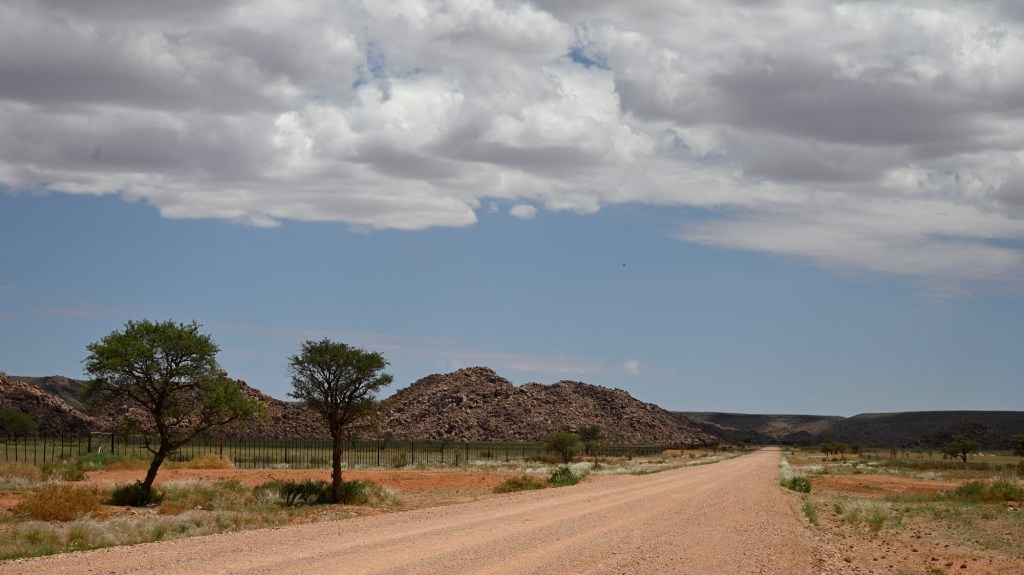
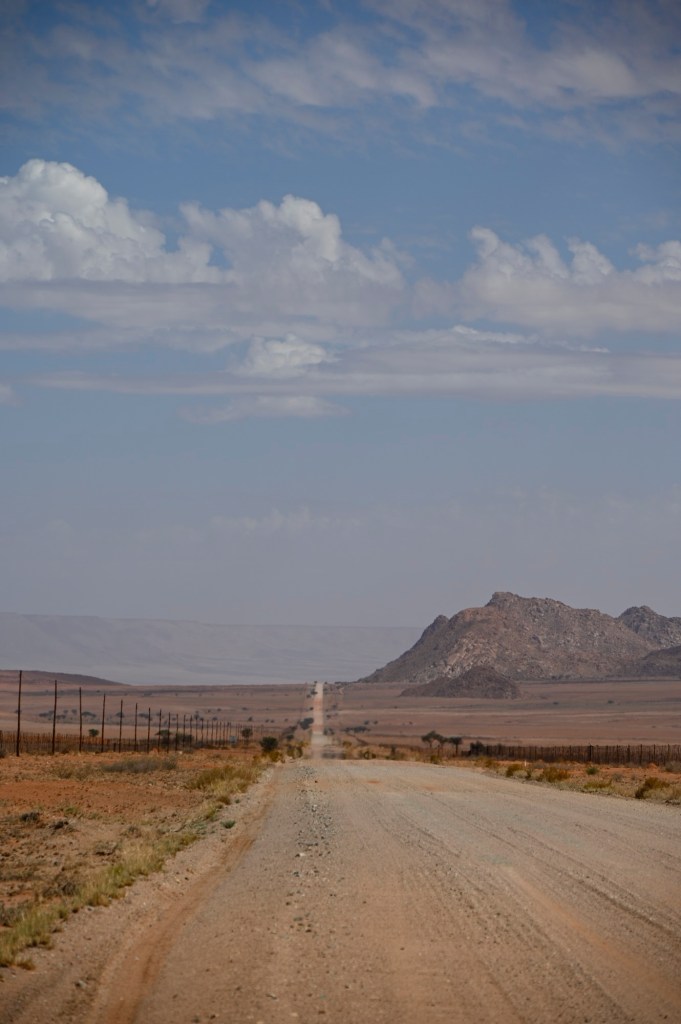
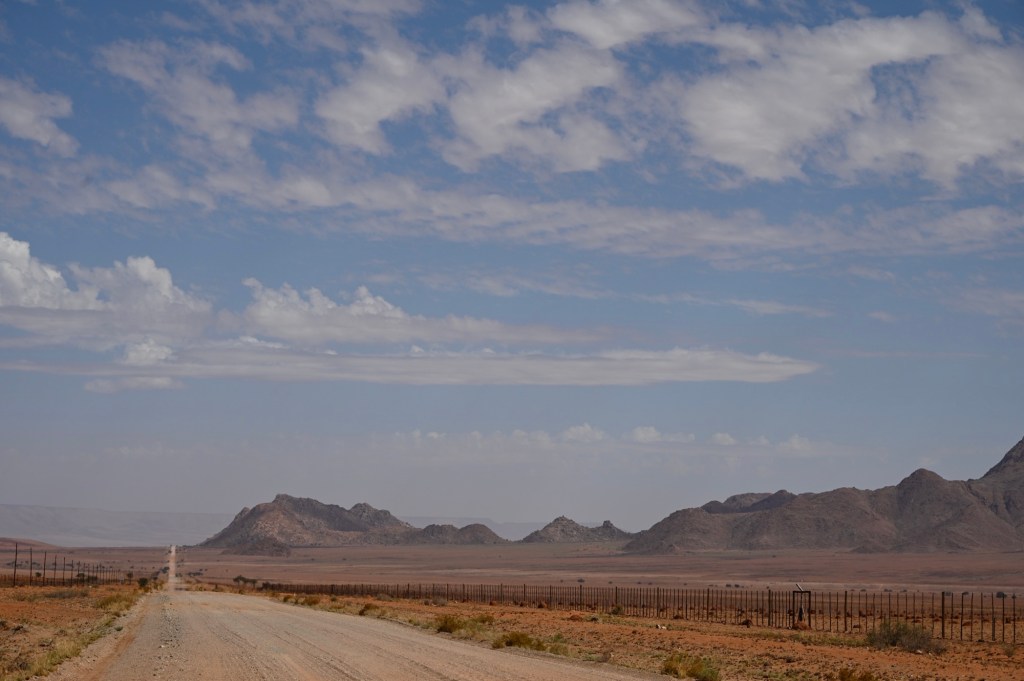
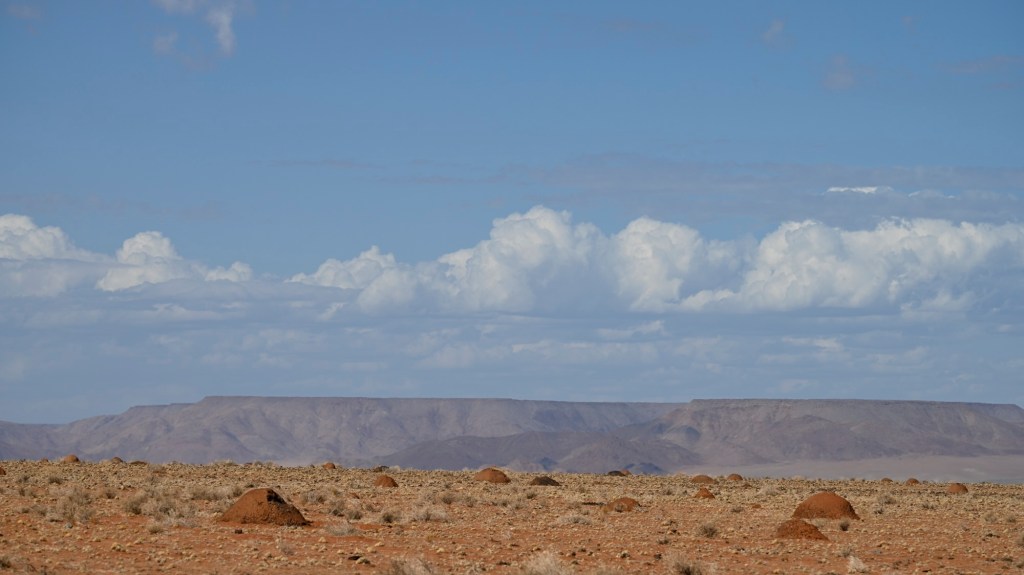
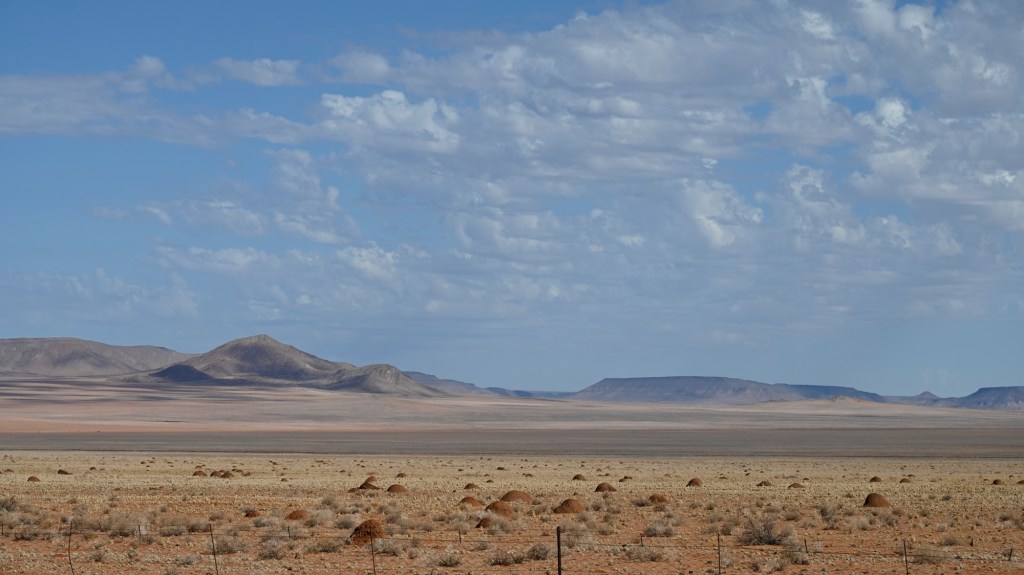
From Solitaire to Sesriem, which is the gateway to the Sossusvlei dune area, it takes at least 1 hour on gravel road C19. The views on the road, from Walvis to Sesriem, including the Kuiseb pass was spectacular. It is gravel all the way, but really worth the drive. You’ll see open plains, harsh rocky mountains and river-passes, sand dunes, spectacular trees and plants and even animals, when passing through the Namib-Naukluft park.
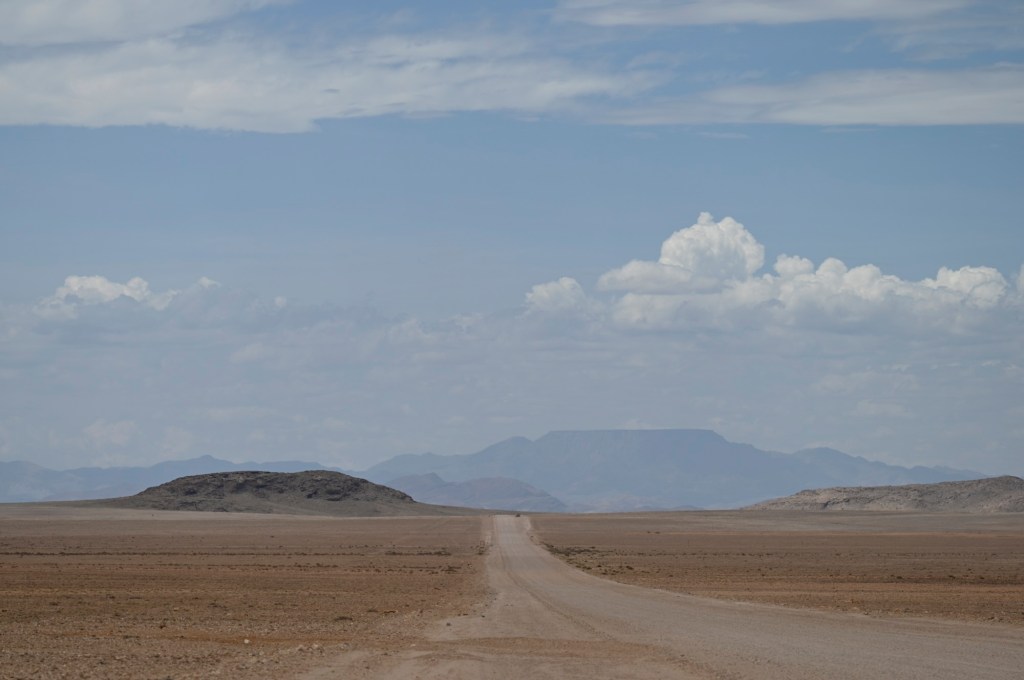
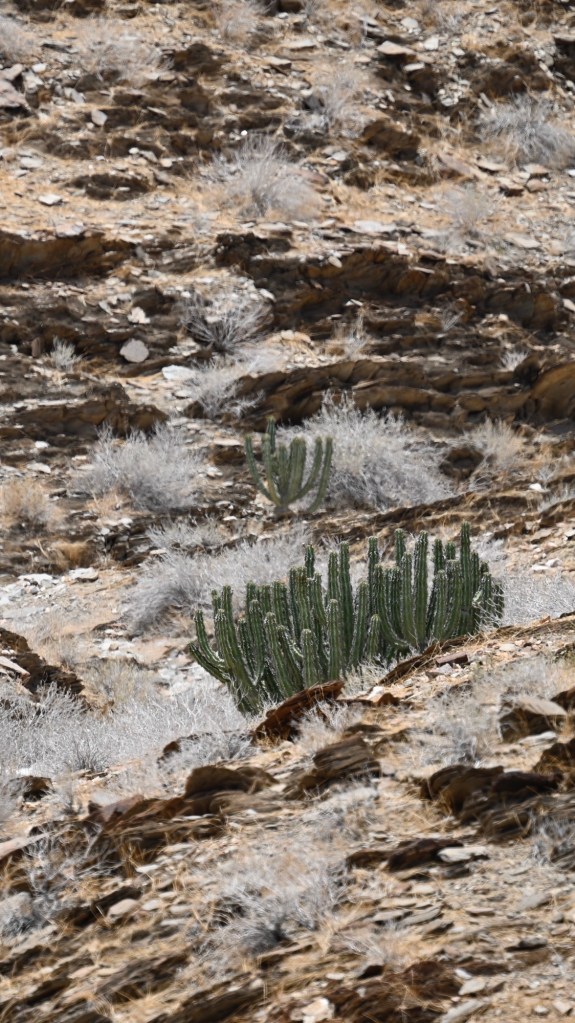
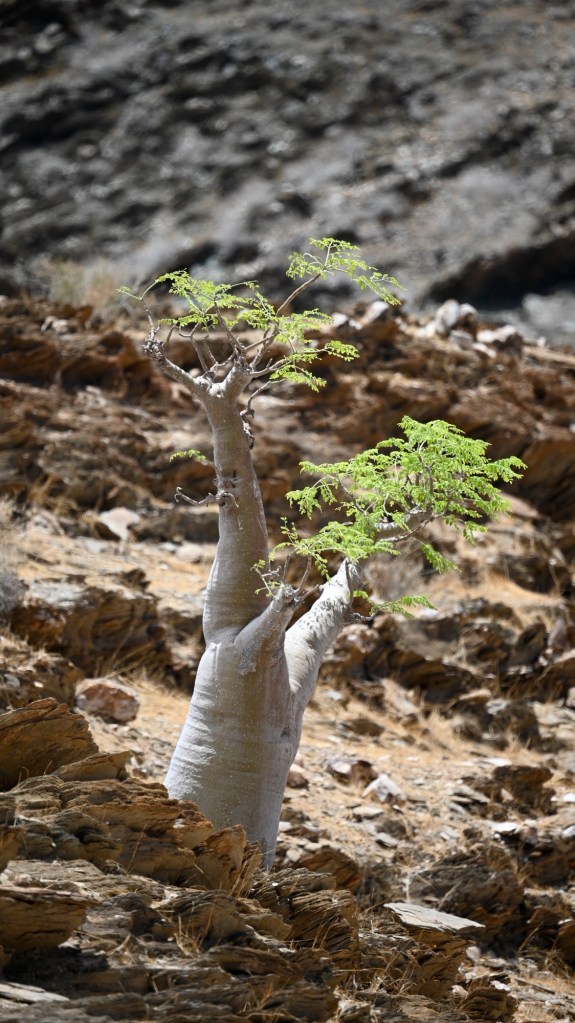
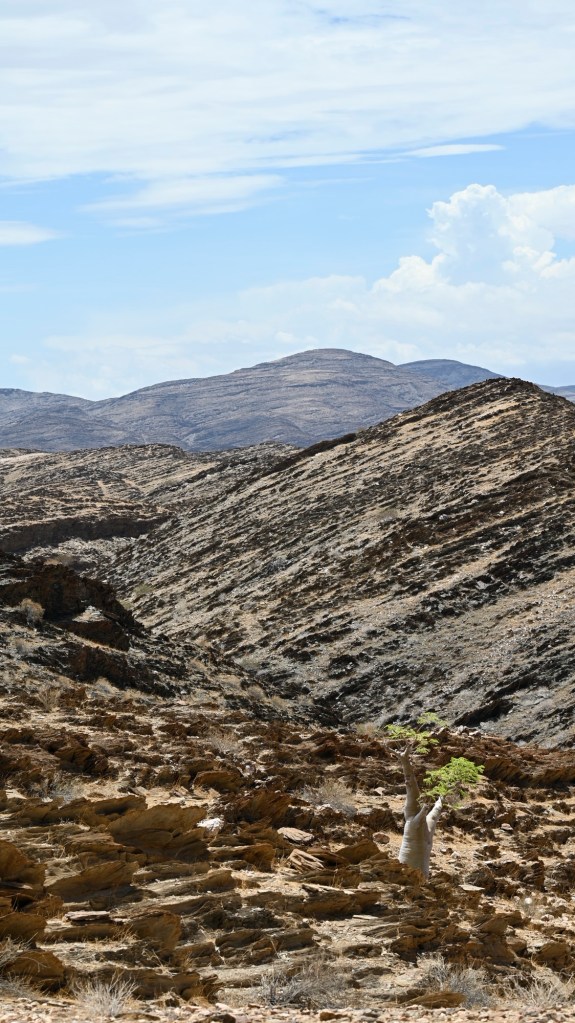
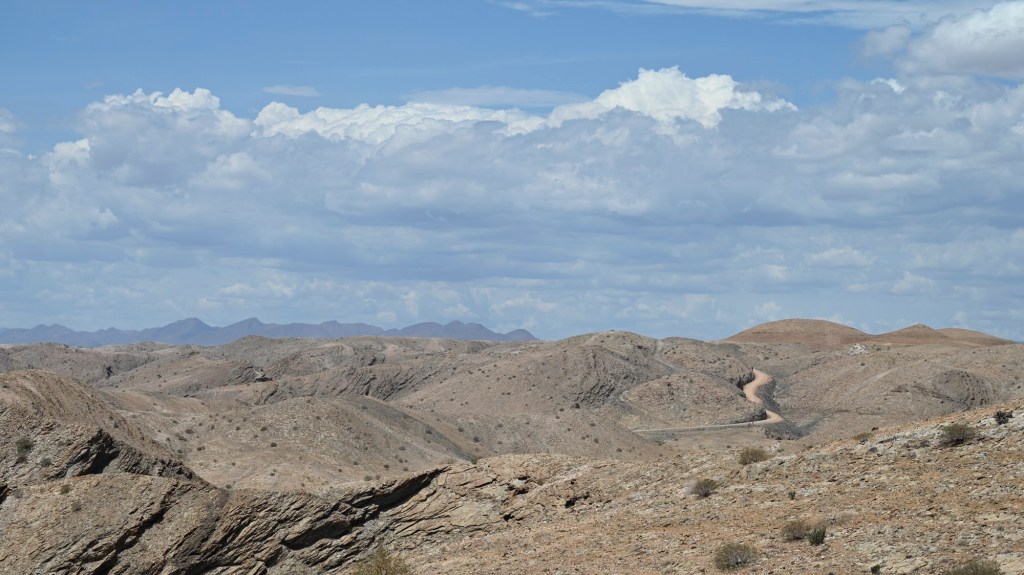
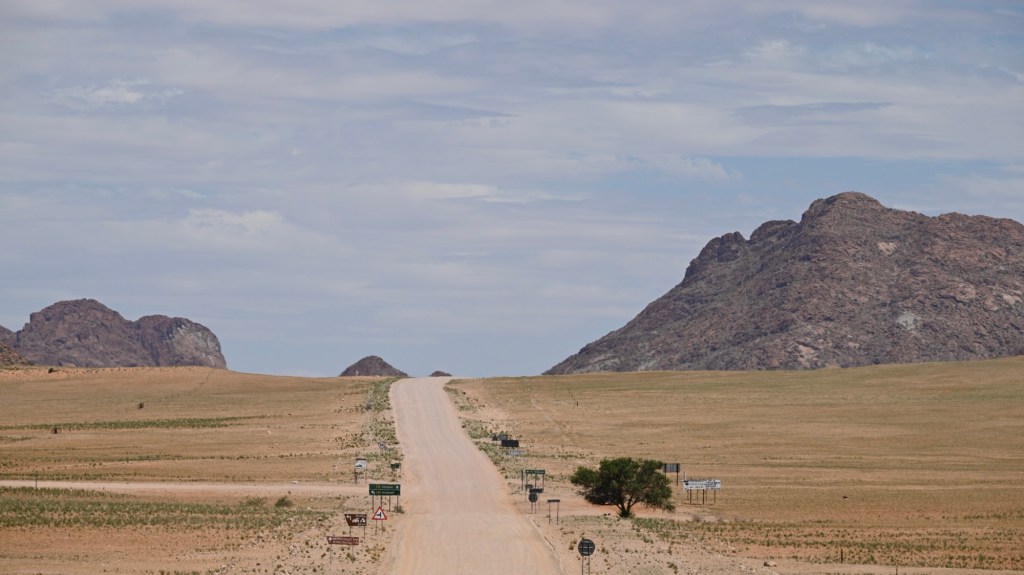
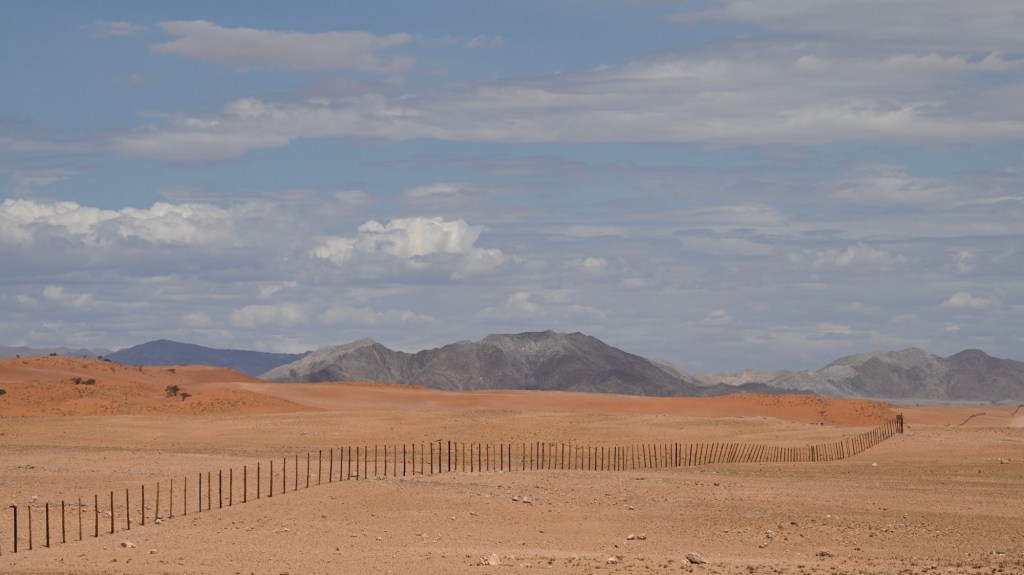
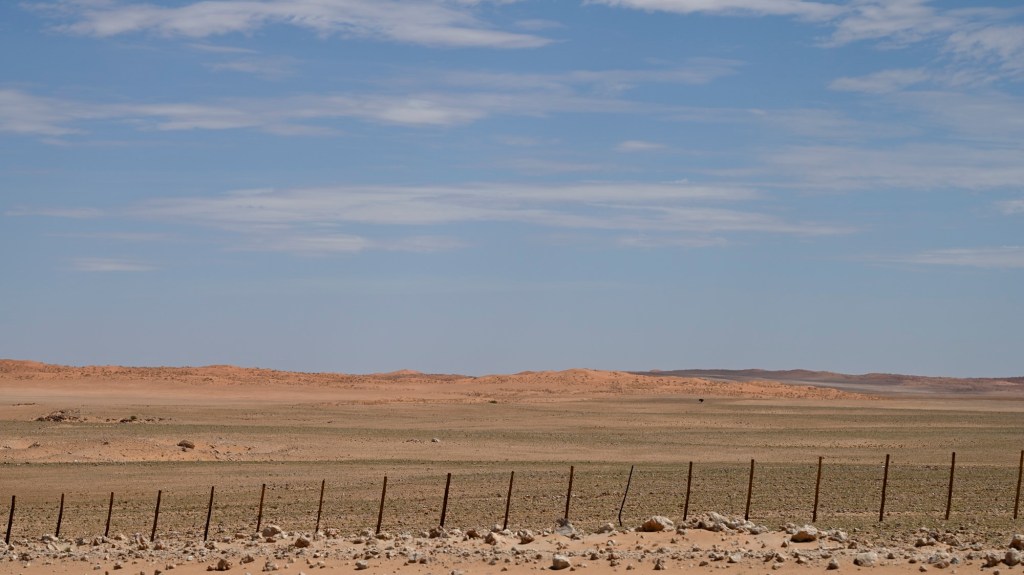
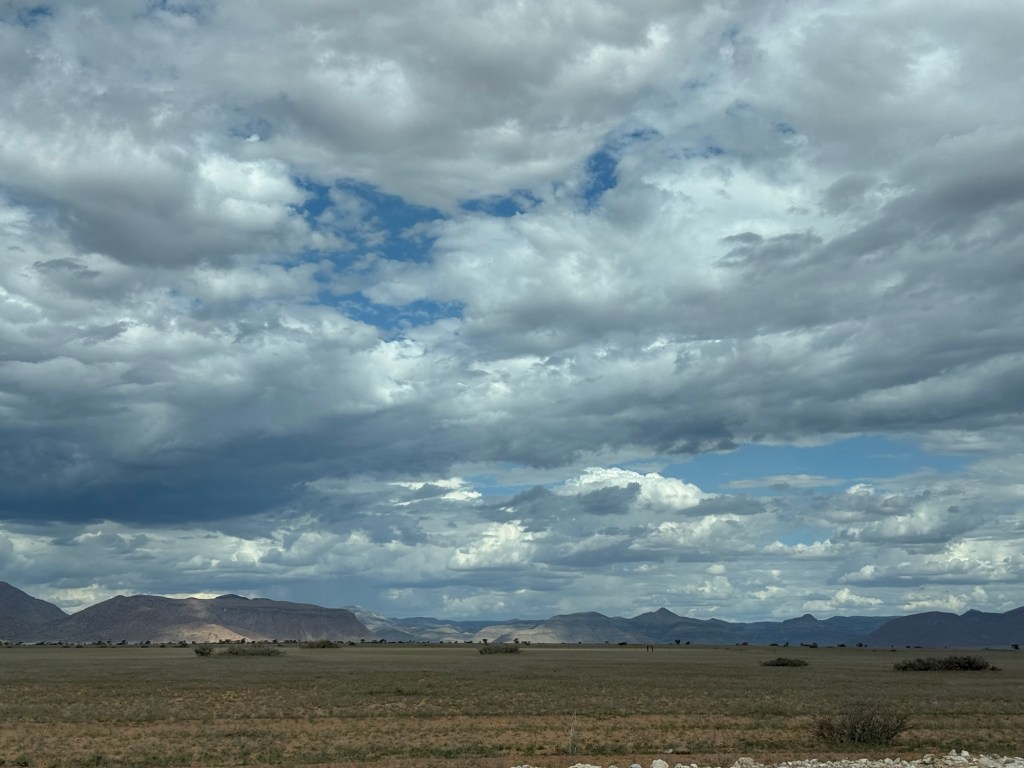
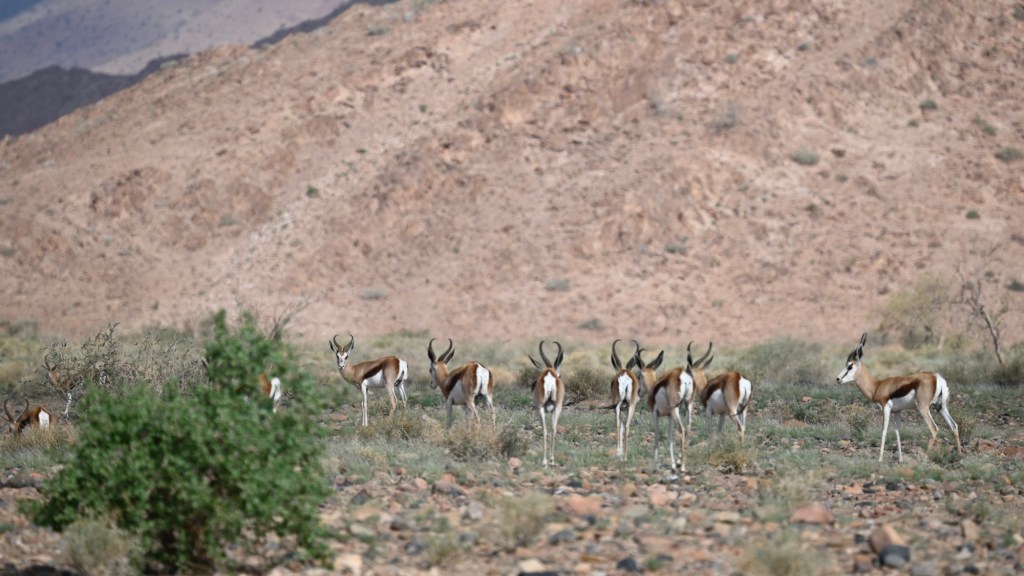
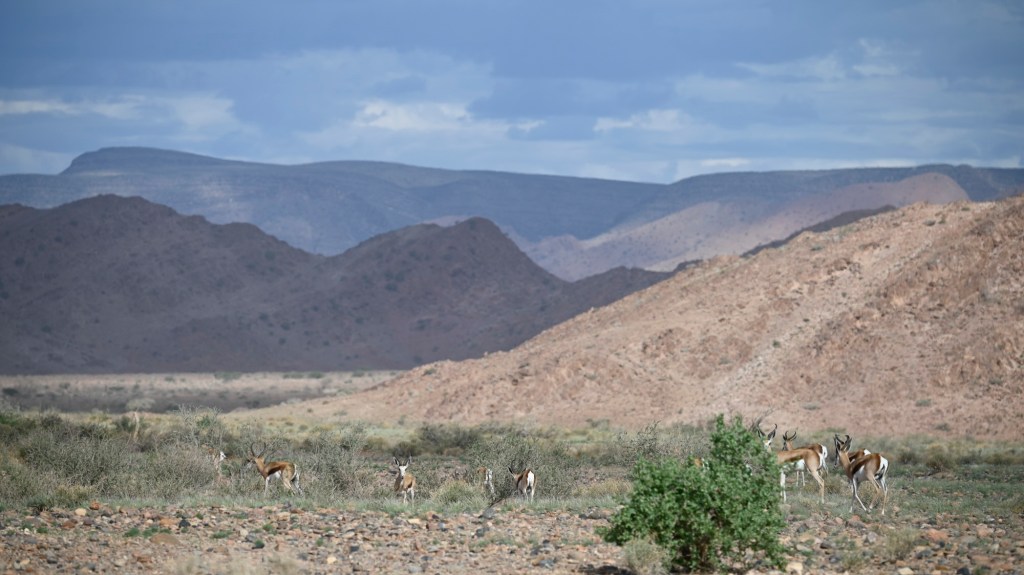
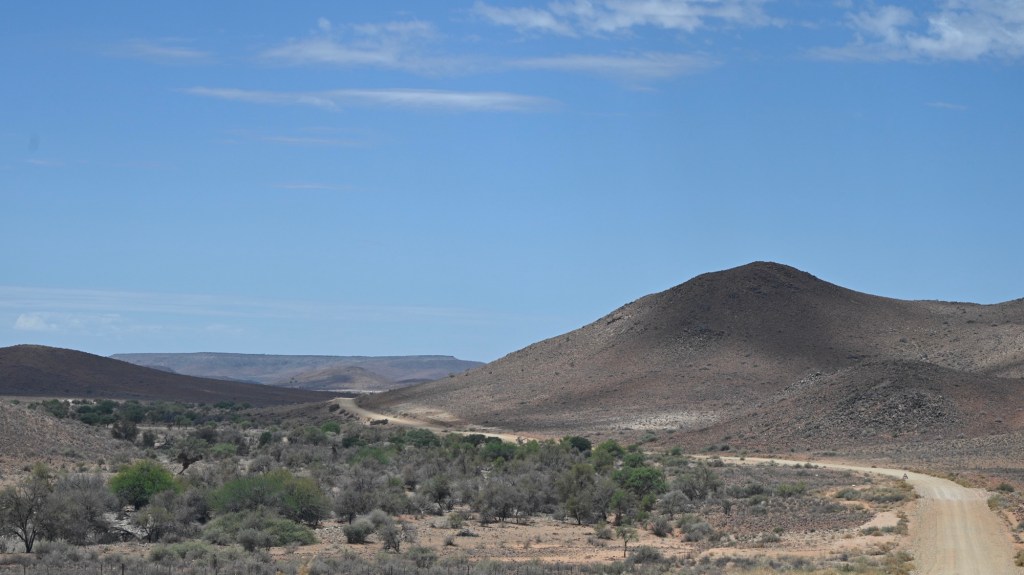
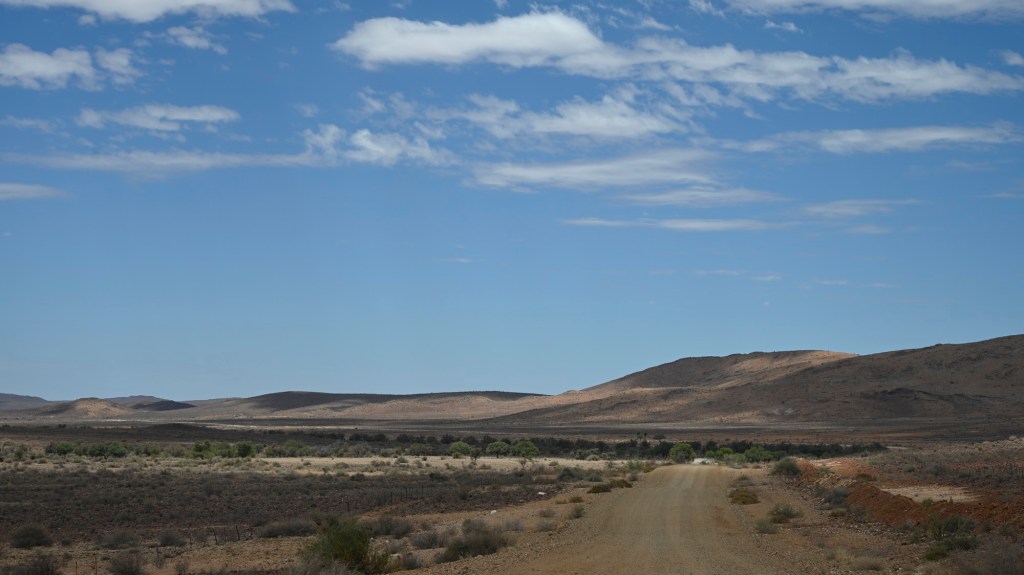
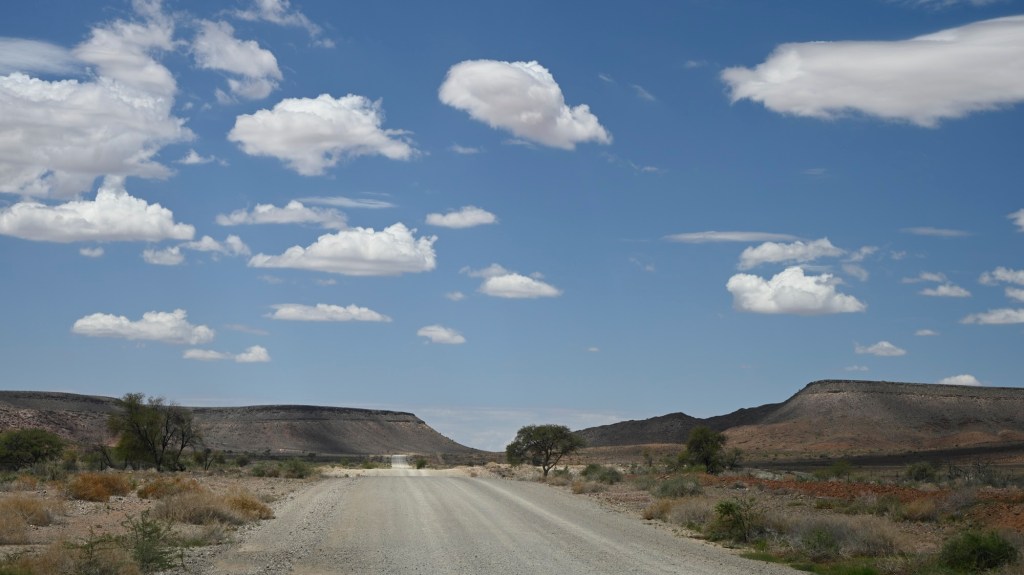
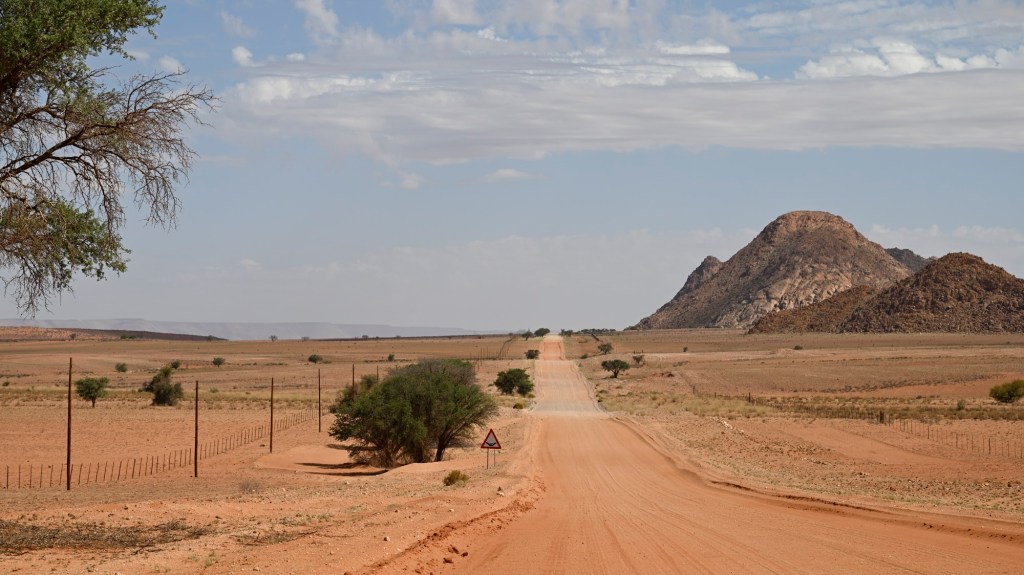
From Sesriem, we chose the C27 gravel road, which runs alongside the desert southwards almost to Helmeringhausen.
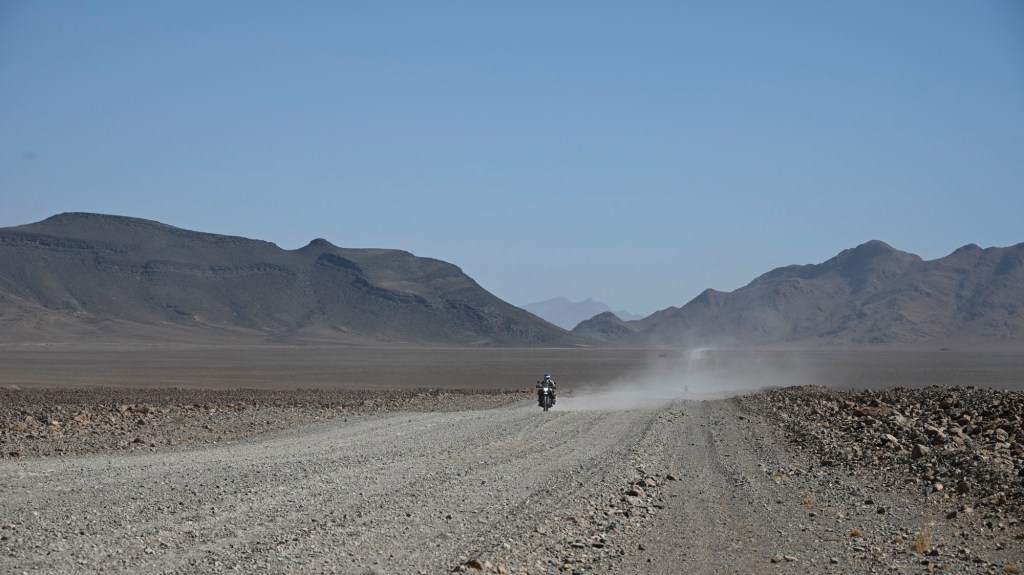
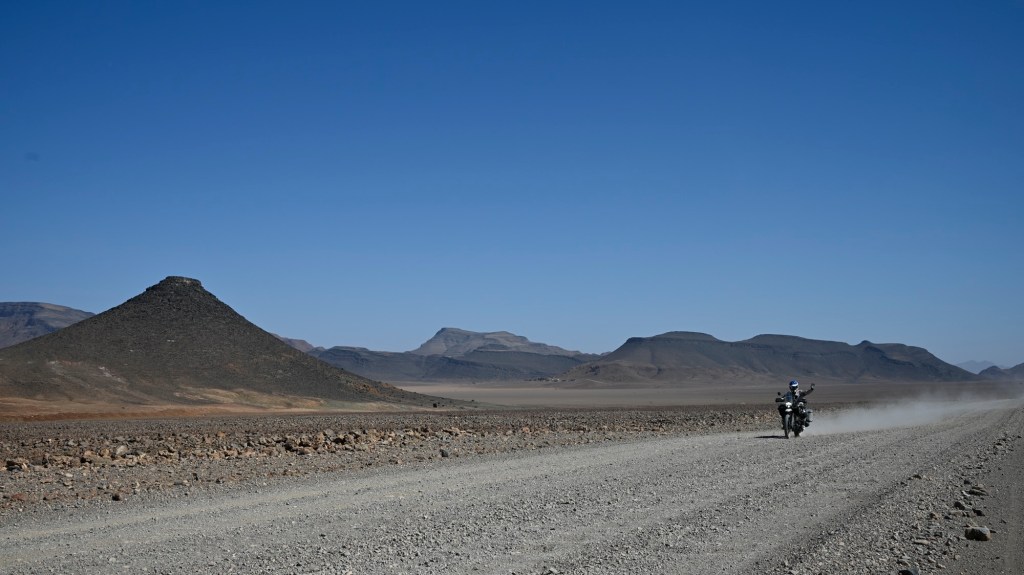
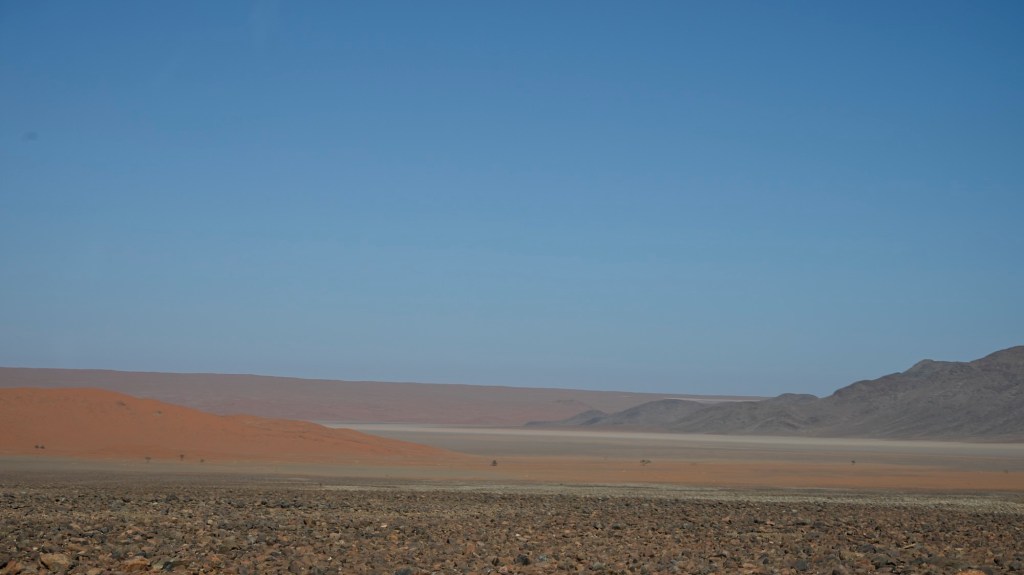
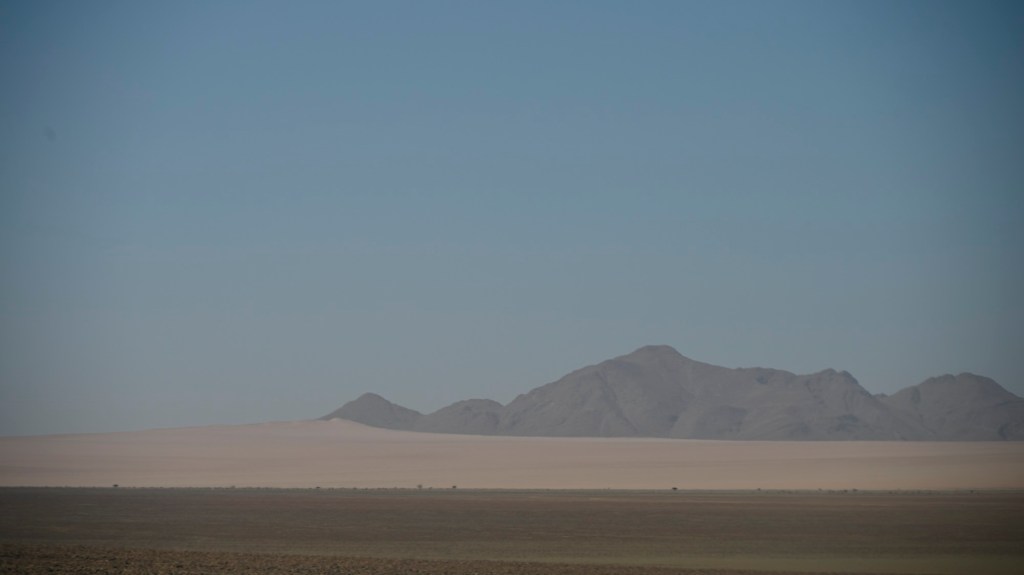
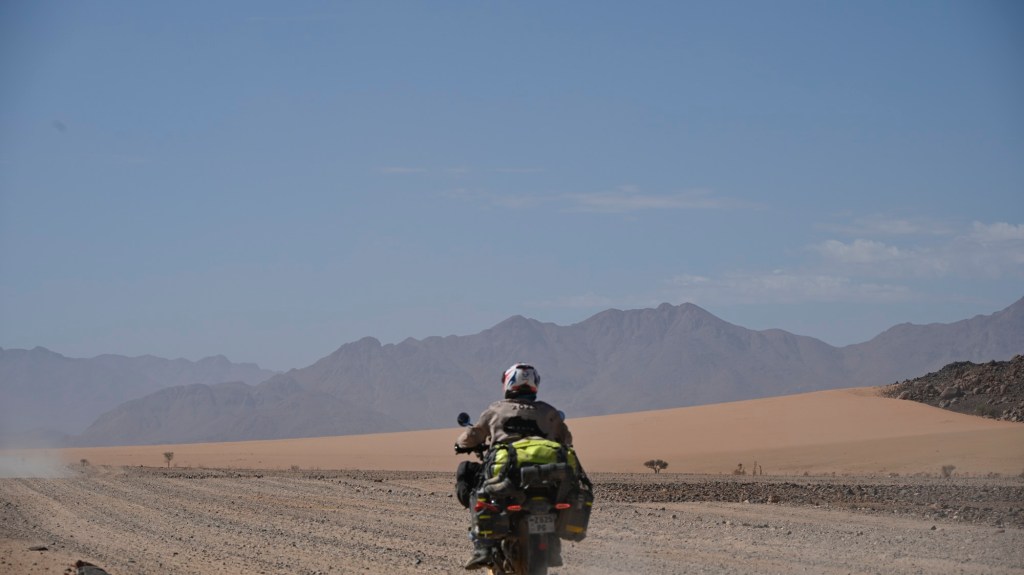
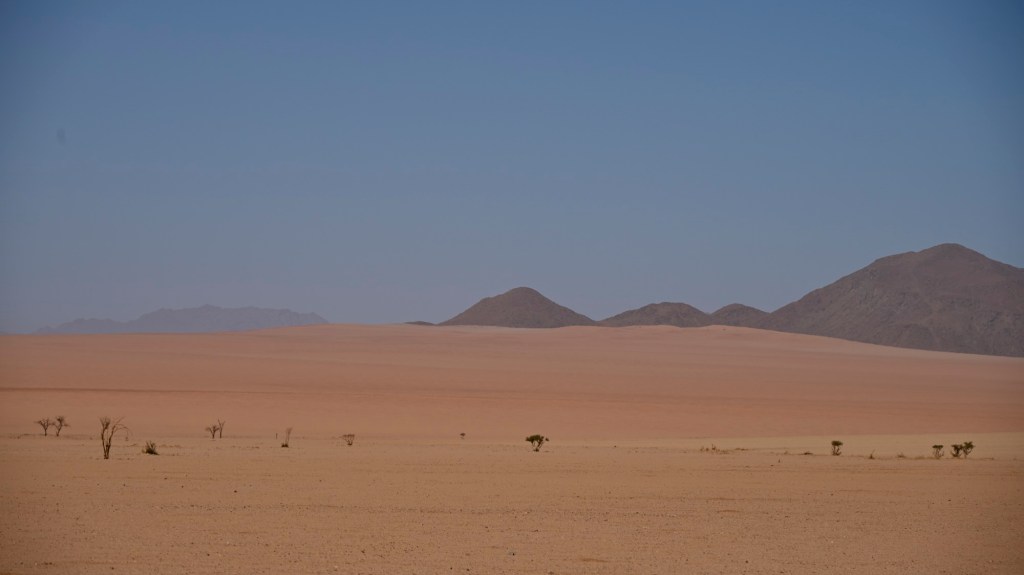
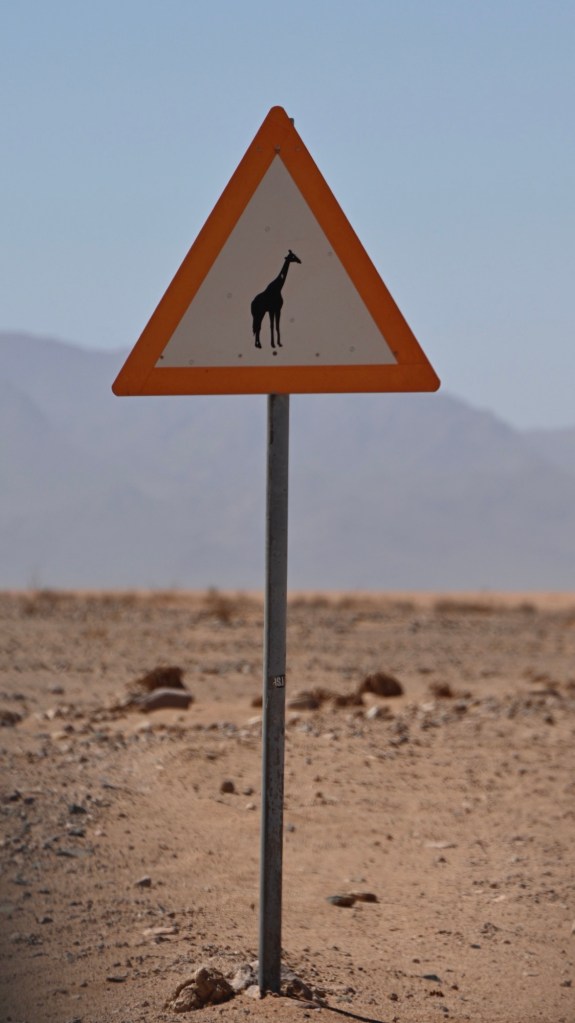
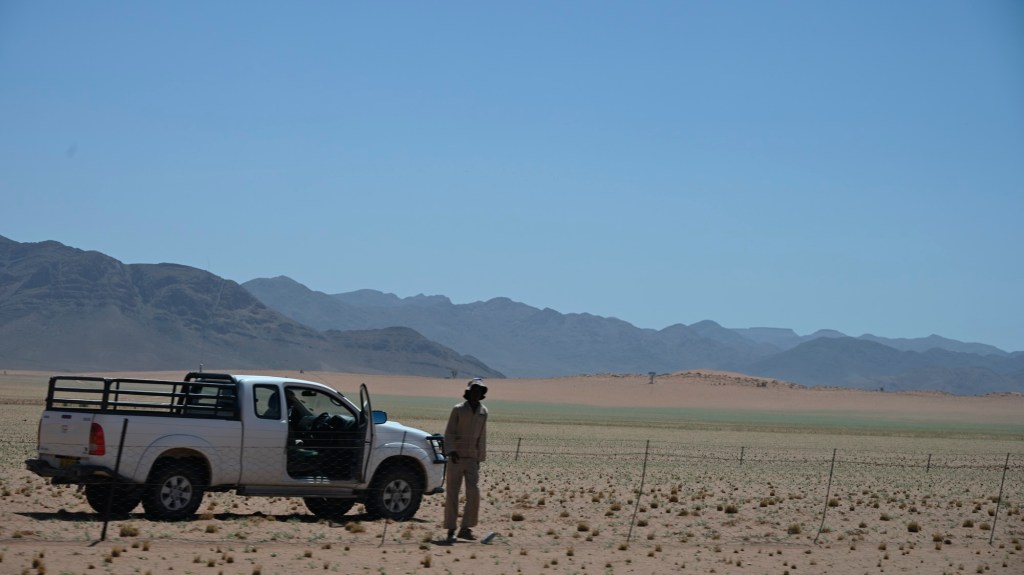
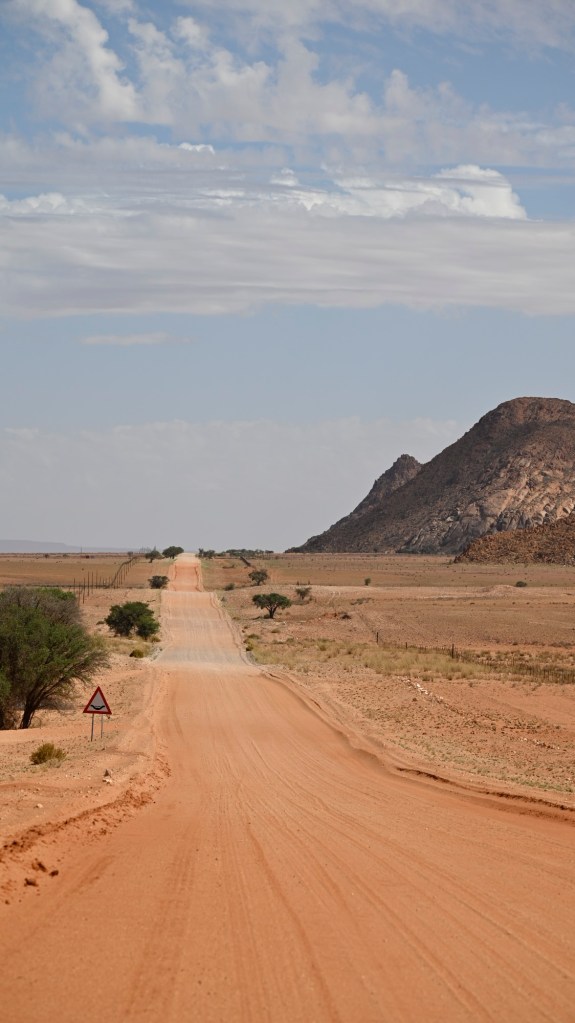
We were thinking about taking the the C707, from Spes Bona, which is considered one of the most scenic roads in Namibia, with lots of red sand, but realism of how tired one gets by driving on bumpy gravel roads won this time. It was still a beautiful road. We met several motor bikes on the road. With the stony and bumpy roads, it seemed like a gamble with life, but we hope they managed in the end. I was anyway happy that we had four wheels and not two.
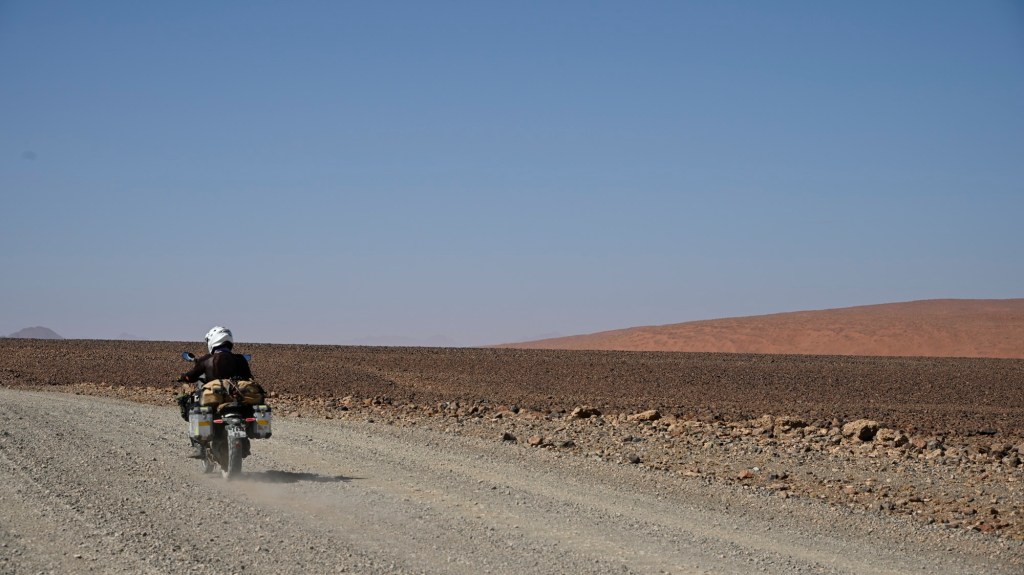
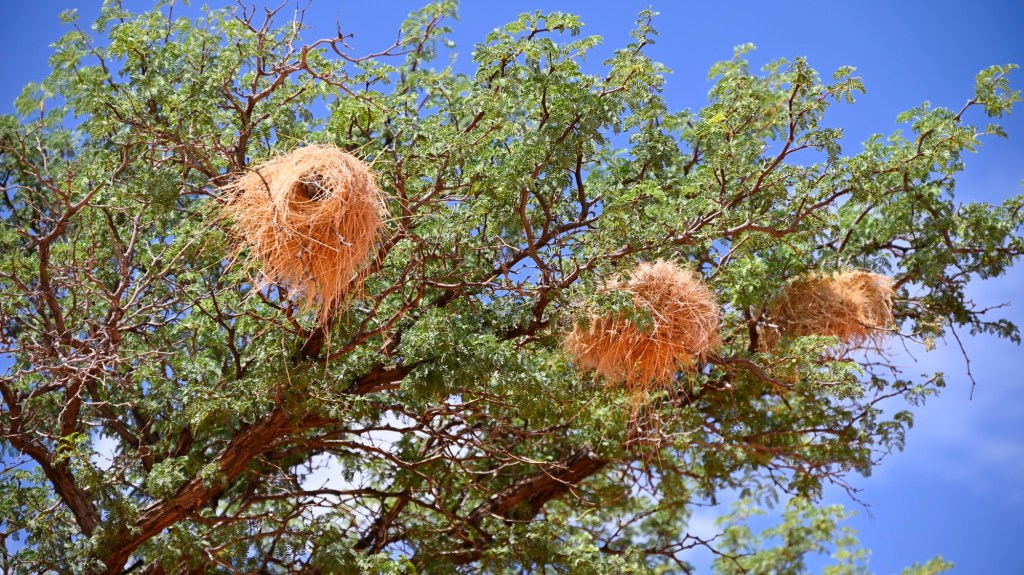
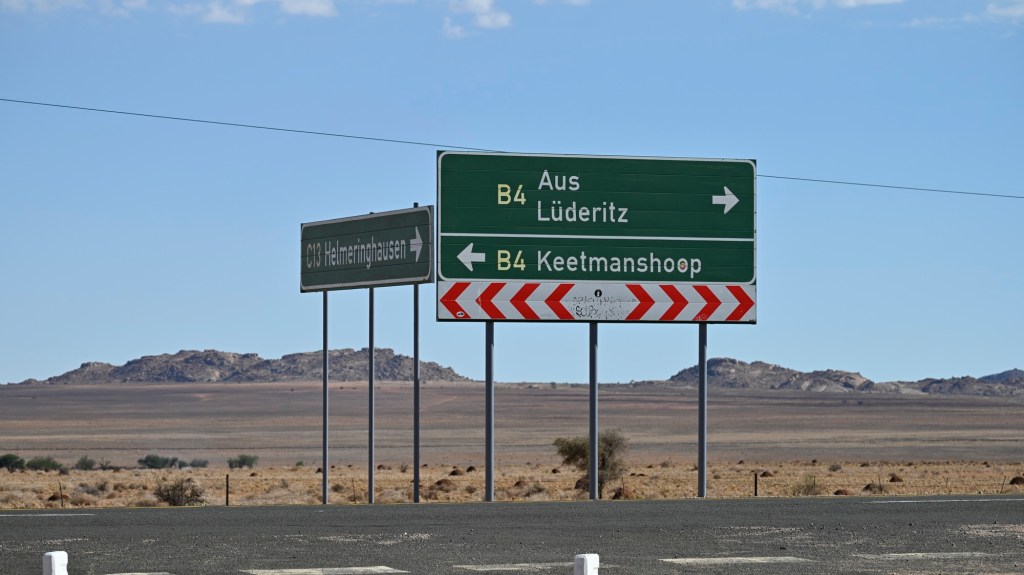
Helmeringhausen
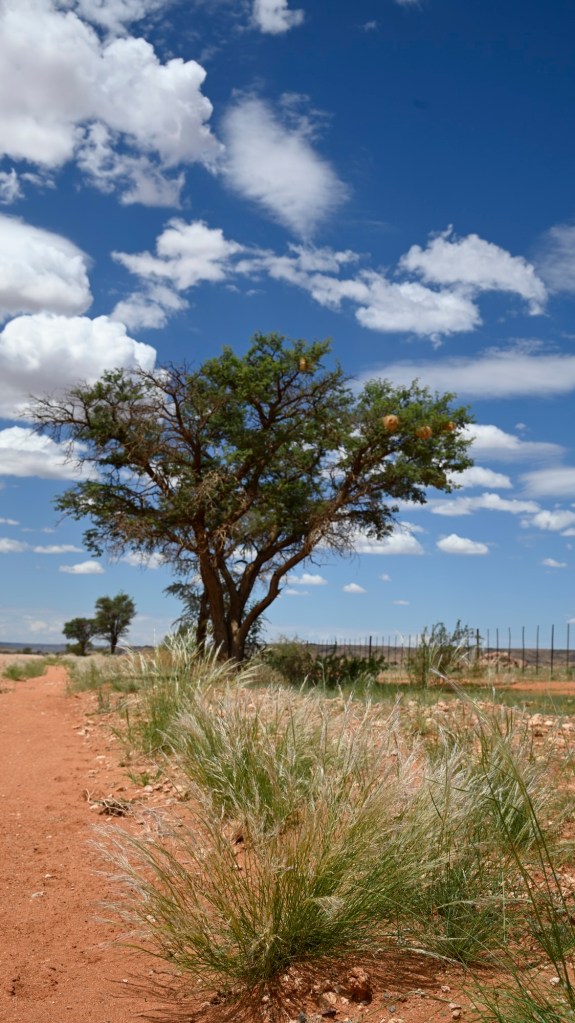
Helmeringhausen hotel was a small turn-off our initial road, but gave us a needed rest and good food, apple cake and view of beautiful yellow weaver birds.
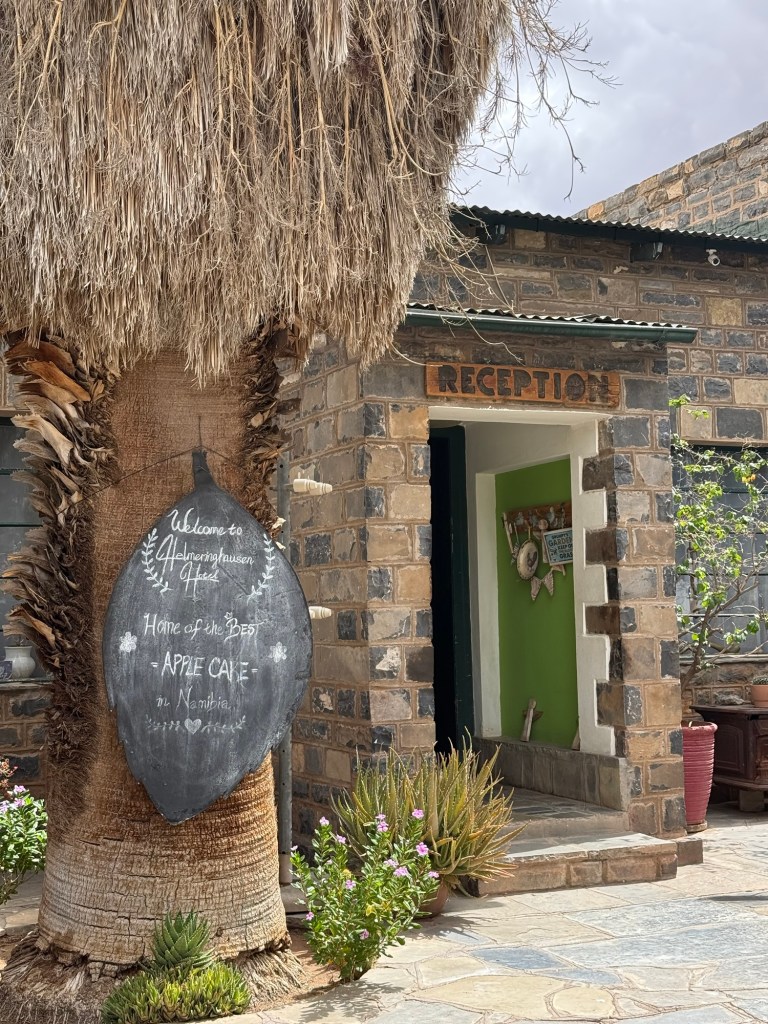
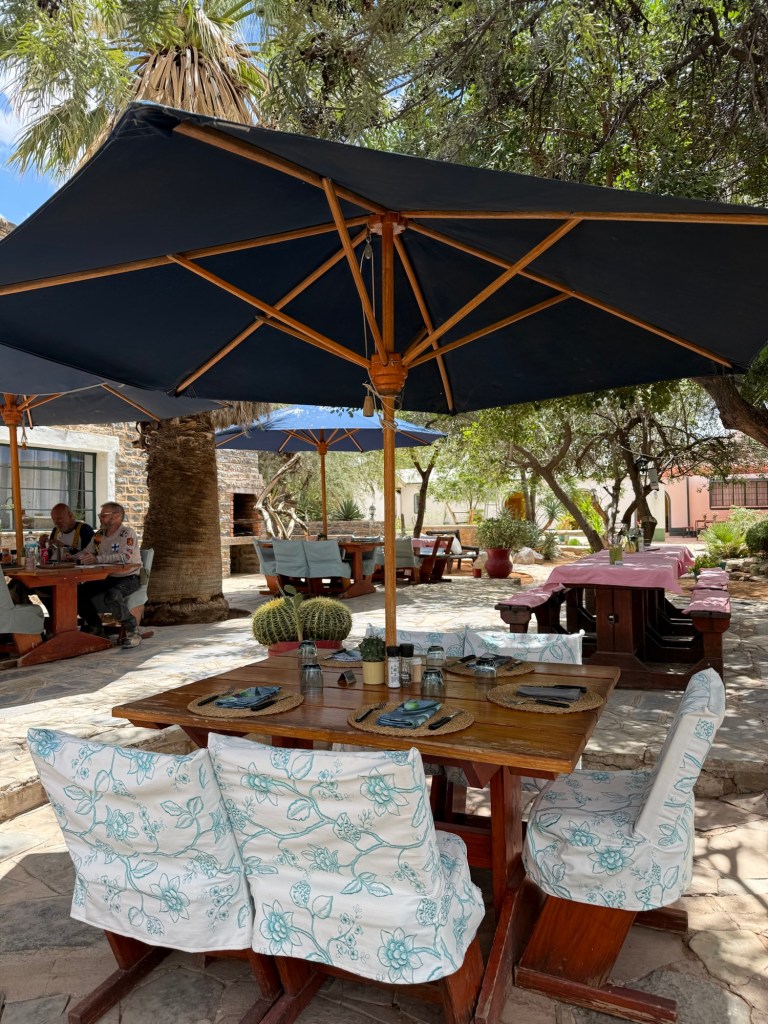
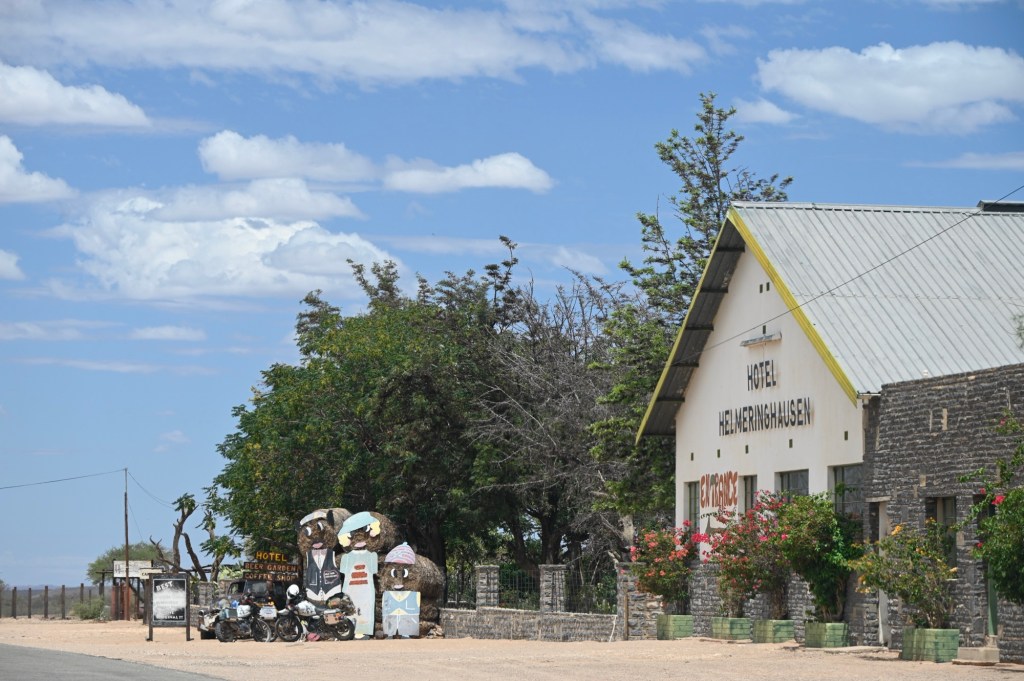
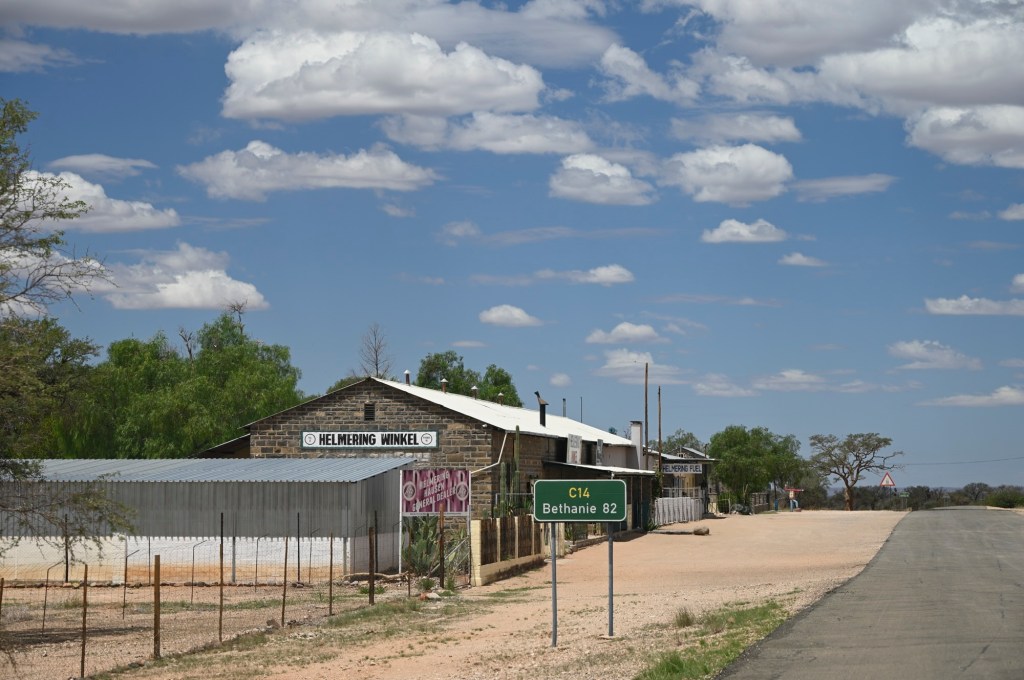
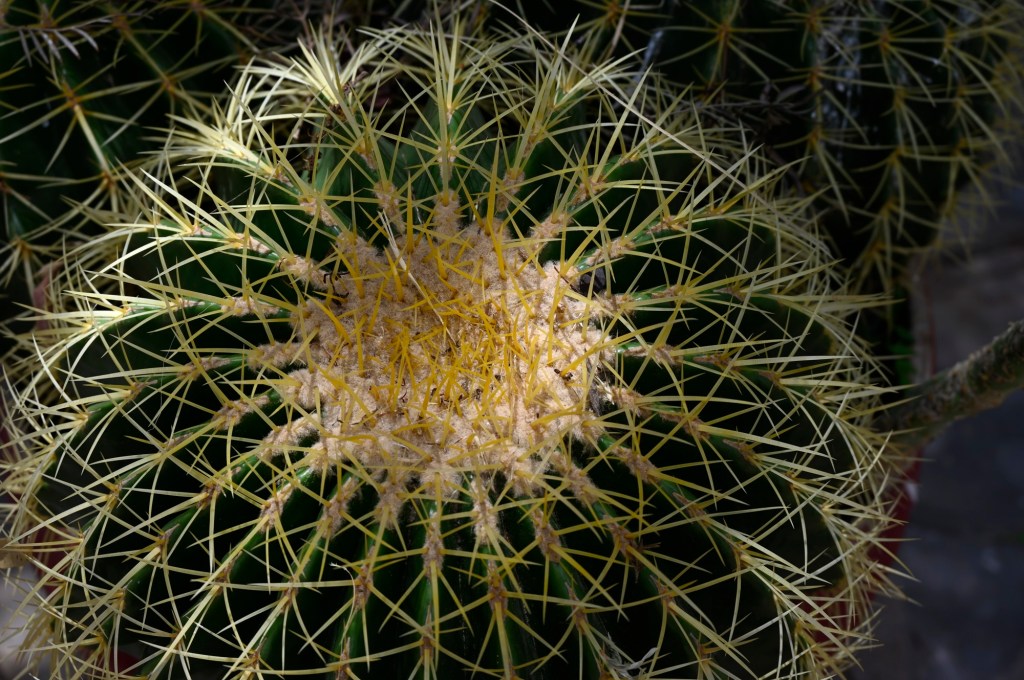
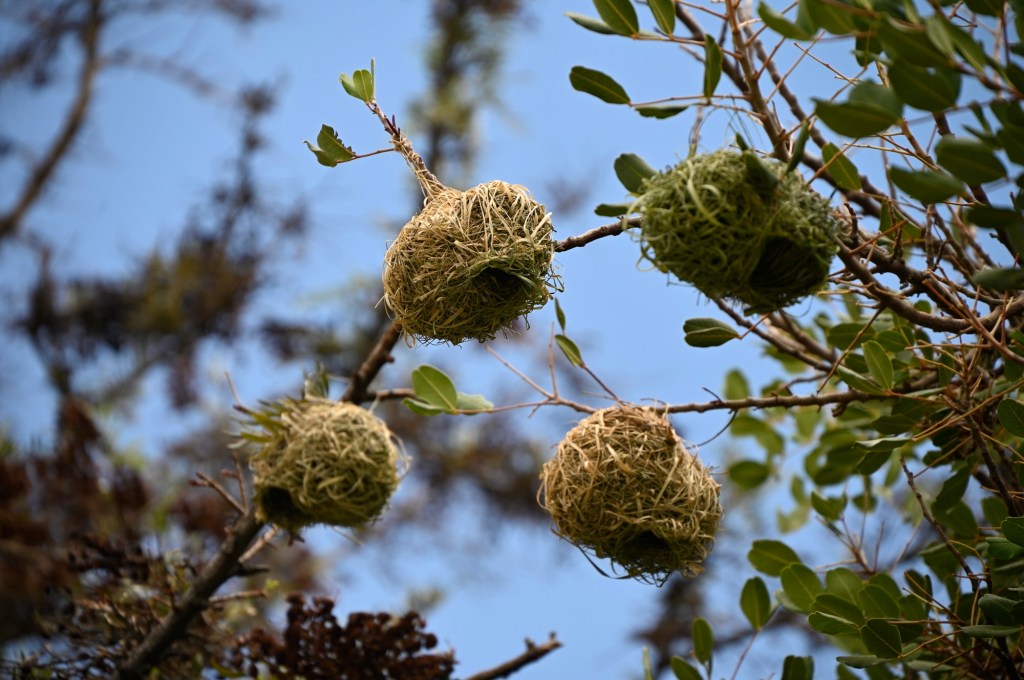
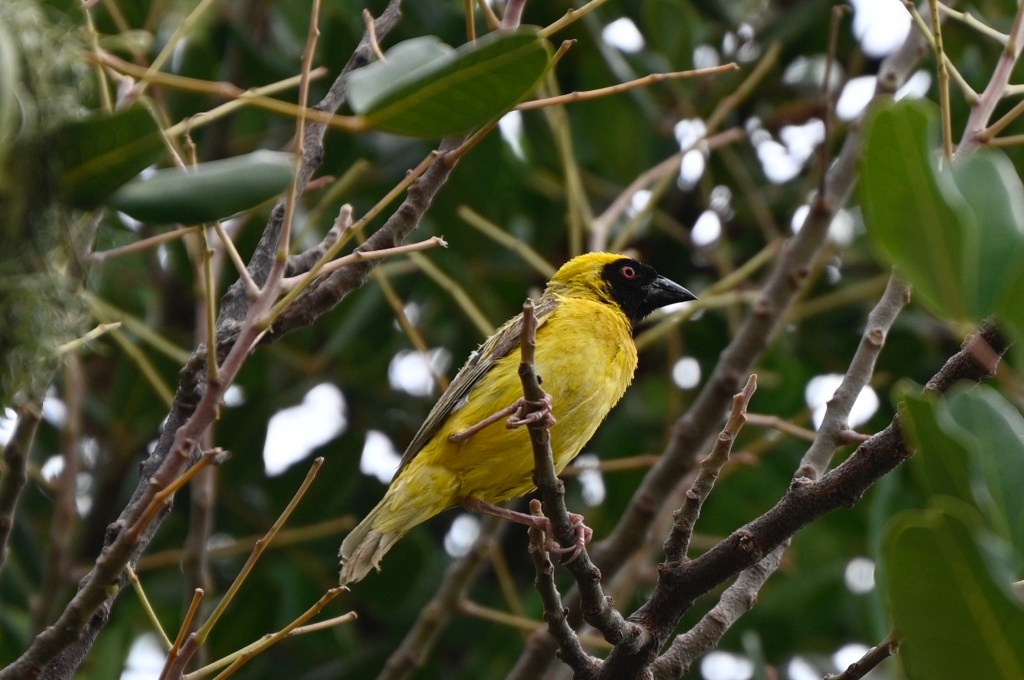
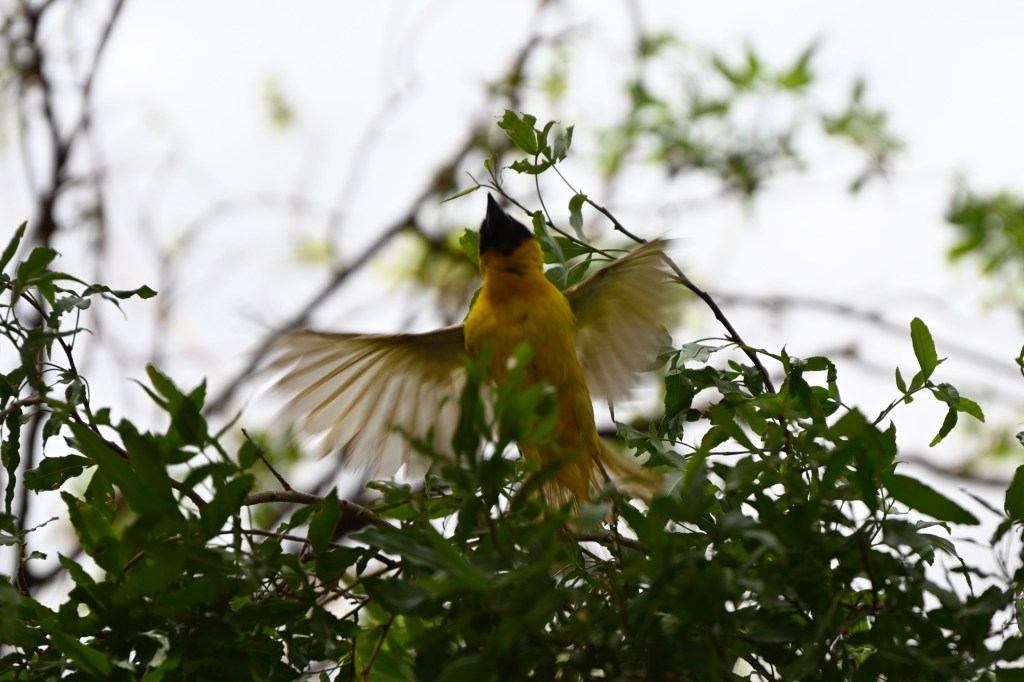
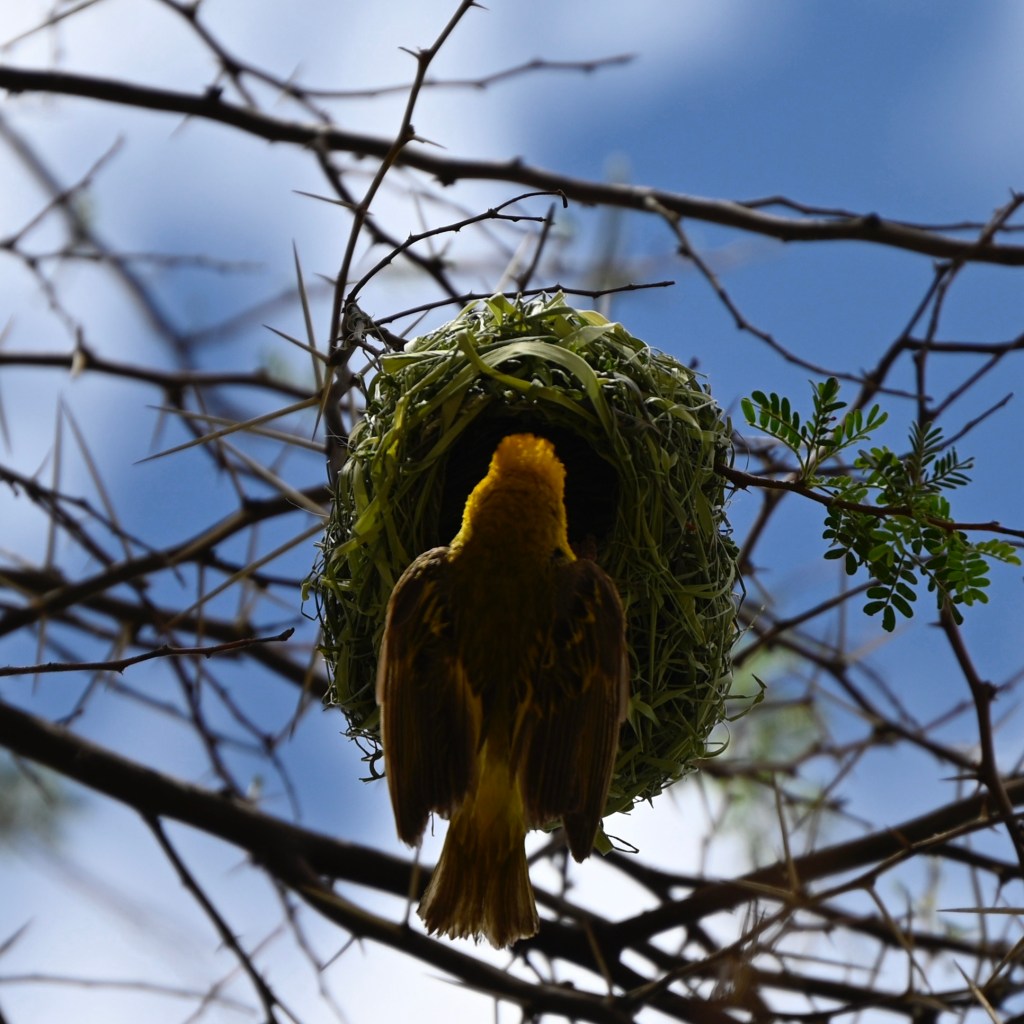
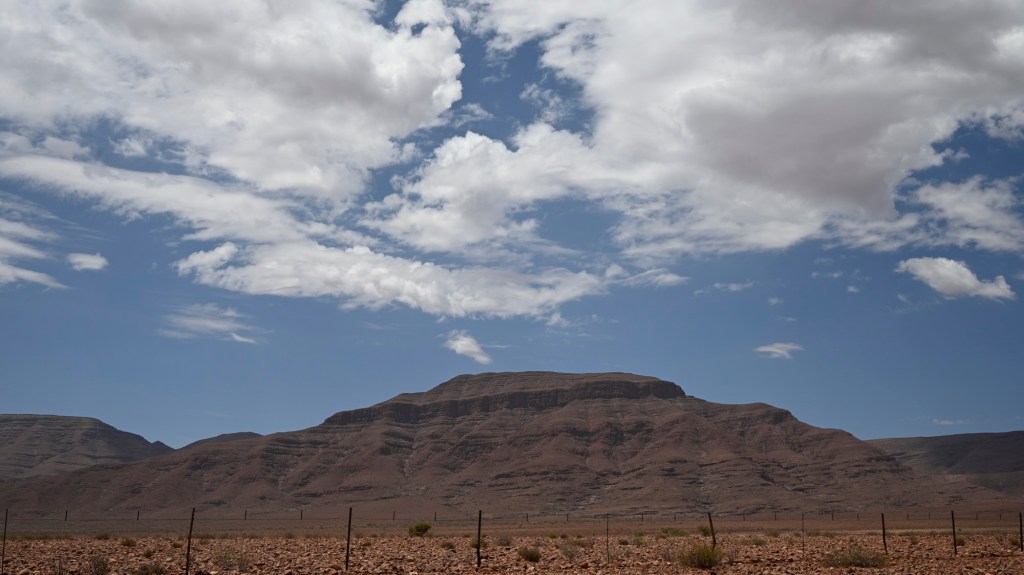
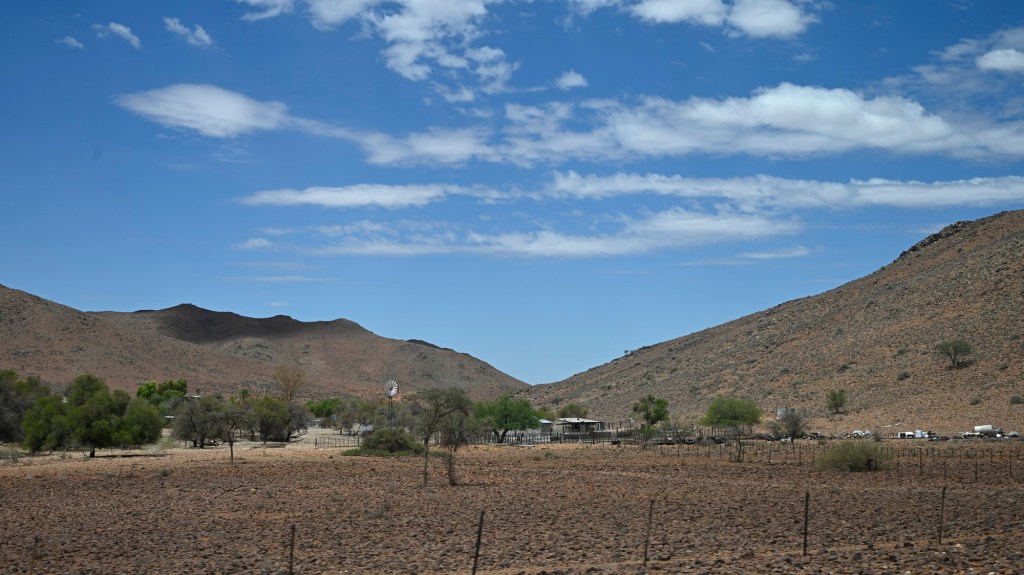
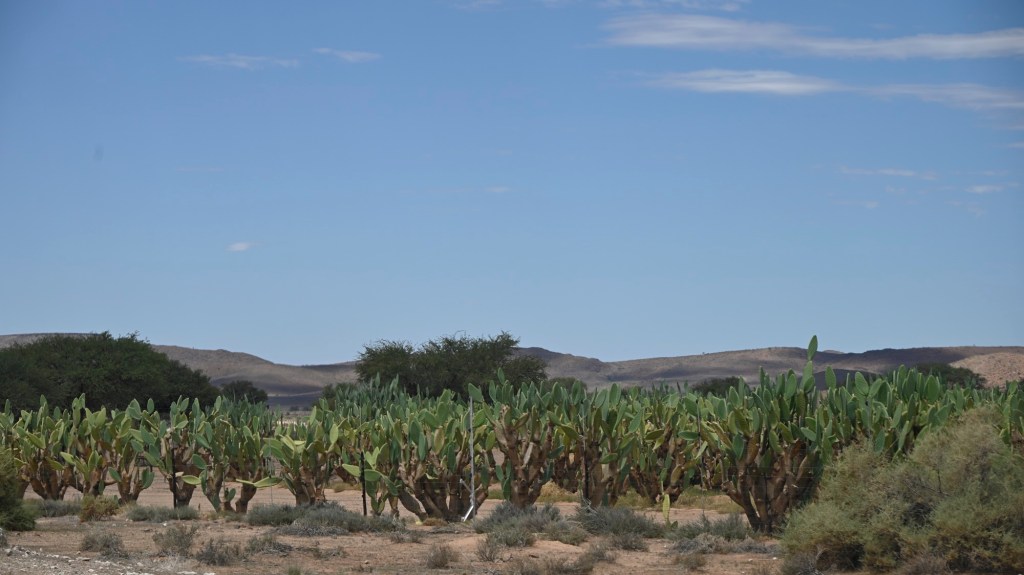
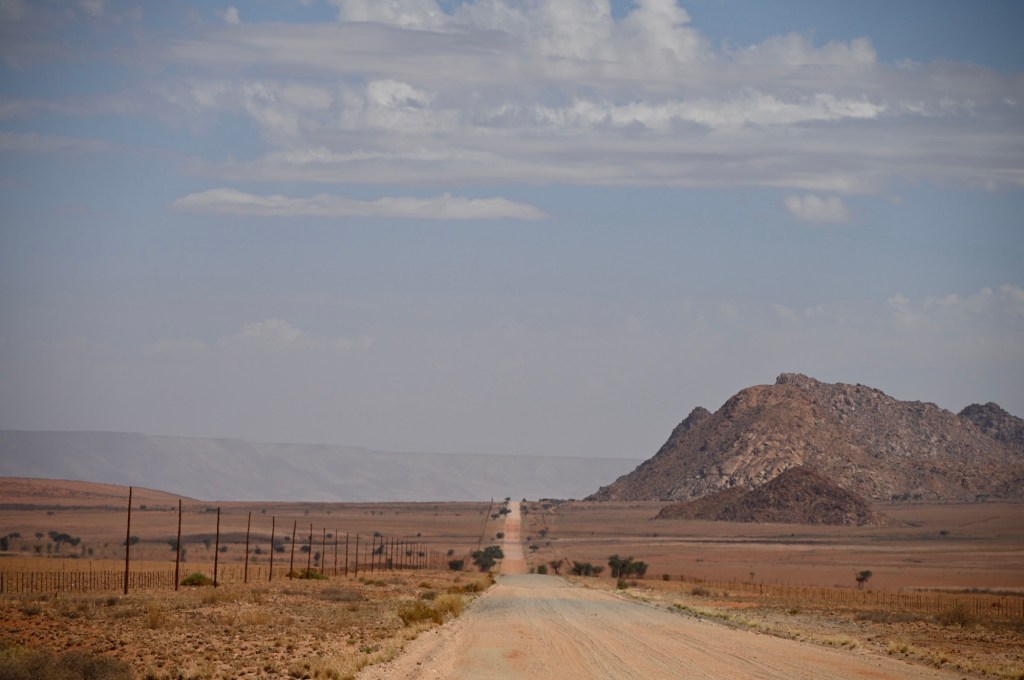
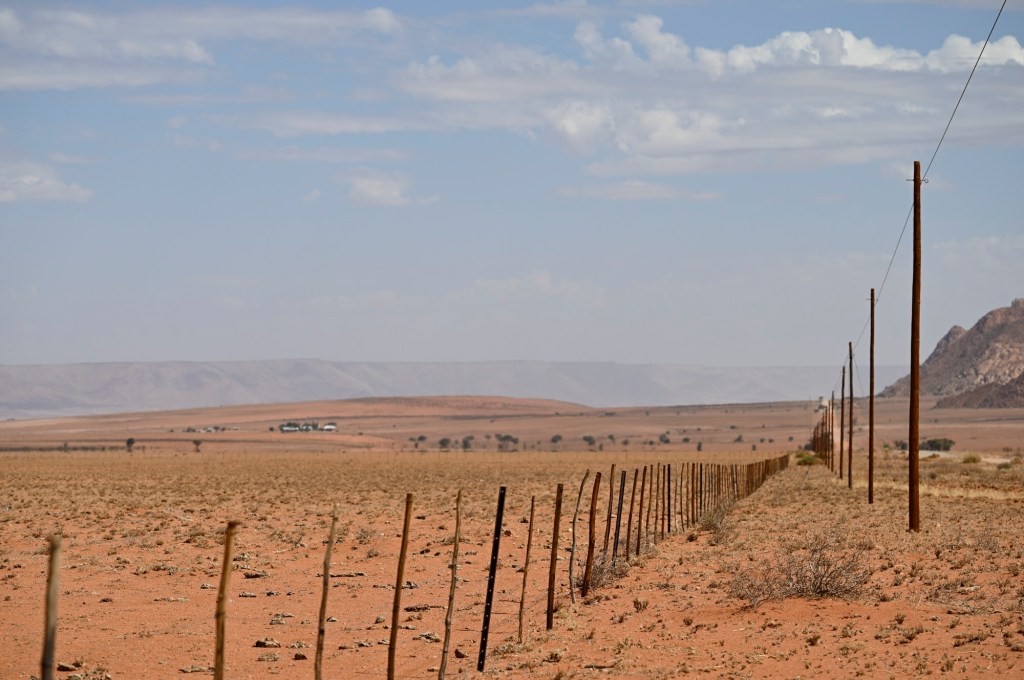
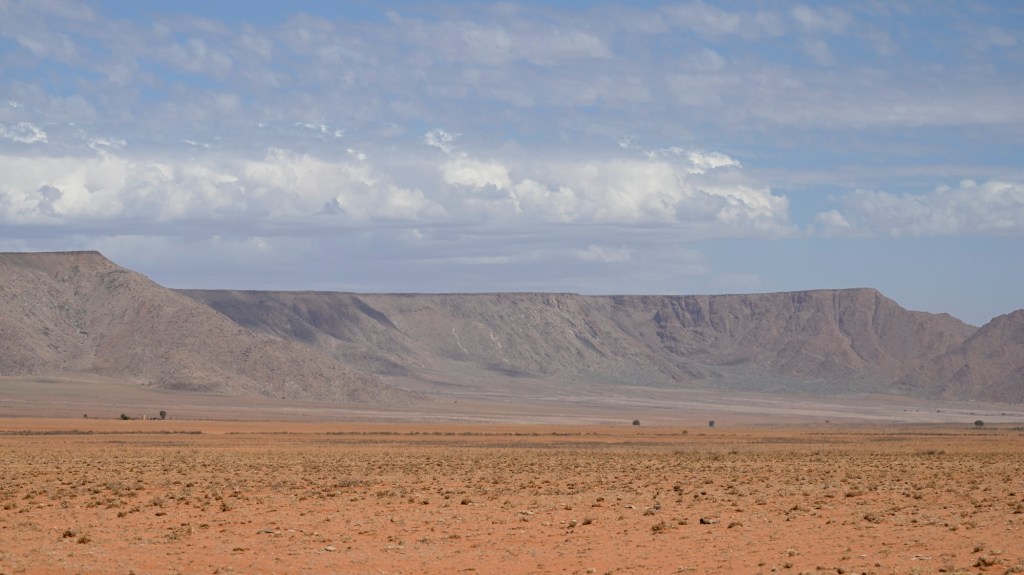
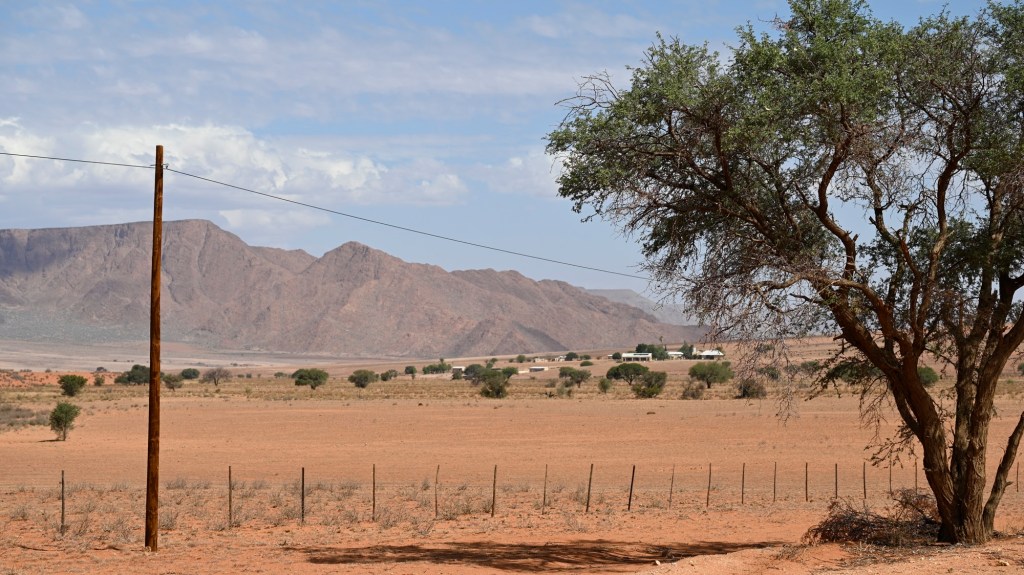
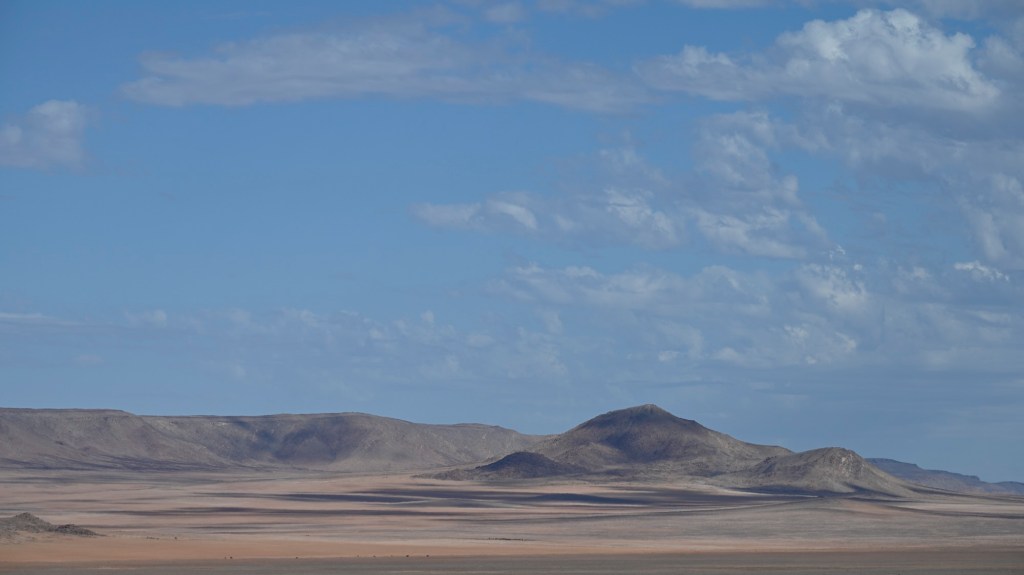
The last part of our trip to Aus went on C13, a good gravel road with one of the most scenic roads I know about, towards the Tiras mountains. South of the mountains, before you reach the Tirool guest farm, selling the sweetest oranges I have ever tasted. there used to be a farm selling the sweetest oranges I have ever tasted. Unfortunately the farm seemed abandoned many years back, which was sad to see, given that the had grown both Aloe and oranges there.
 Laila’s travel blog
Leave a comment