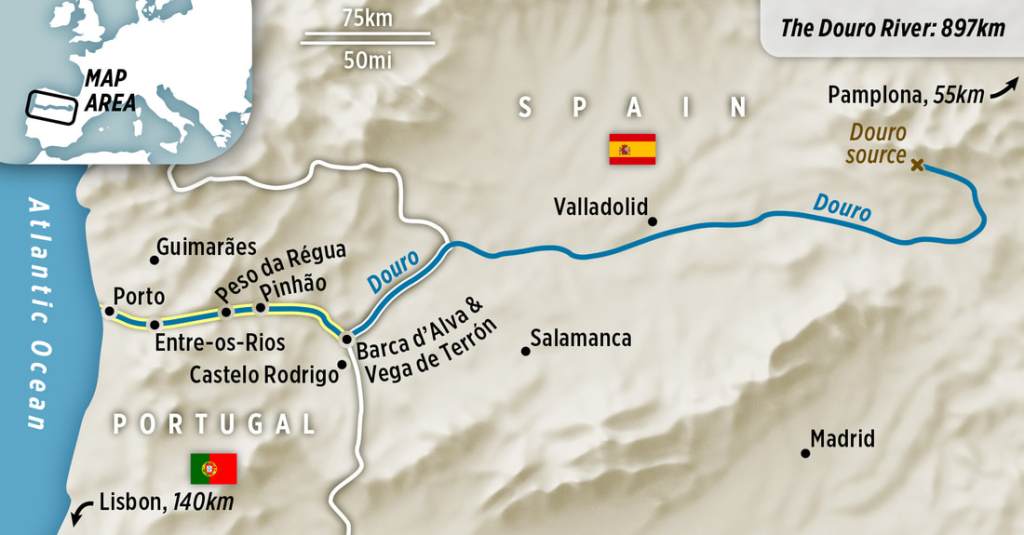
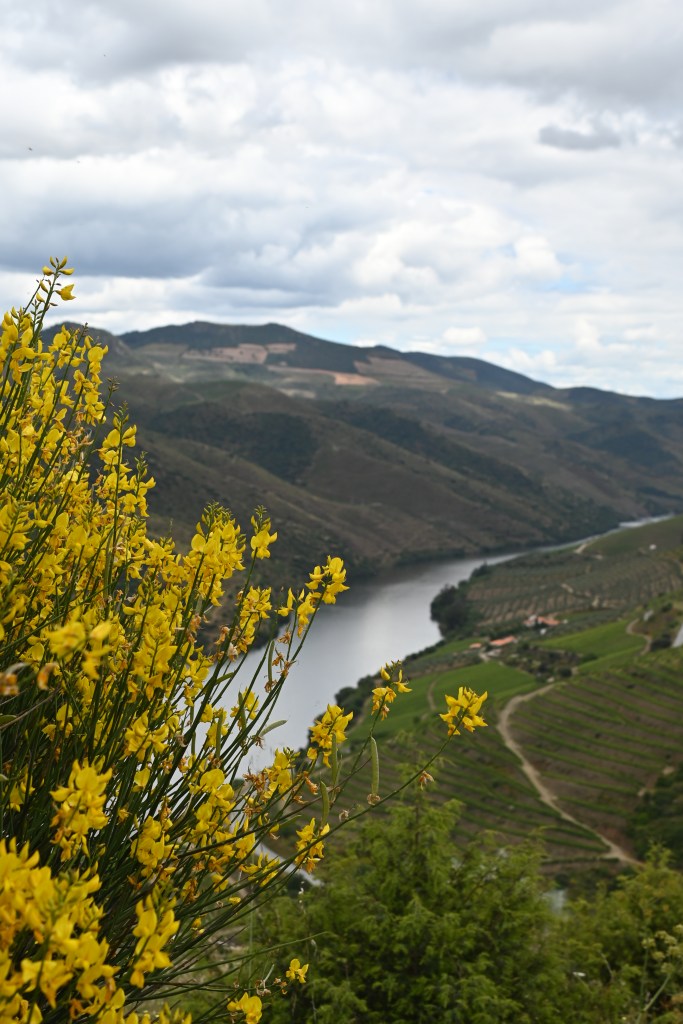
The Douro river is a large river running from far into the Spanish highlands, passing wonderful cities like Tordesillas, Toro, Zamora, Miranda do Douro, Pocinho and Peso do Regua on its way, until it completes its journey in the city of Porto, where it meets the Atlantic ocean. In this blog post I focus on the upper Douro region, in Portugal.
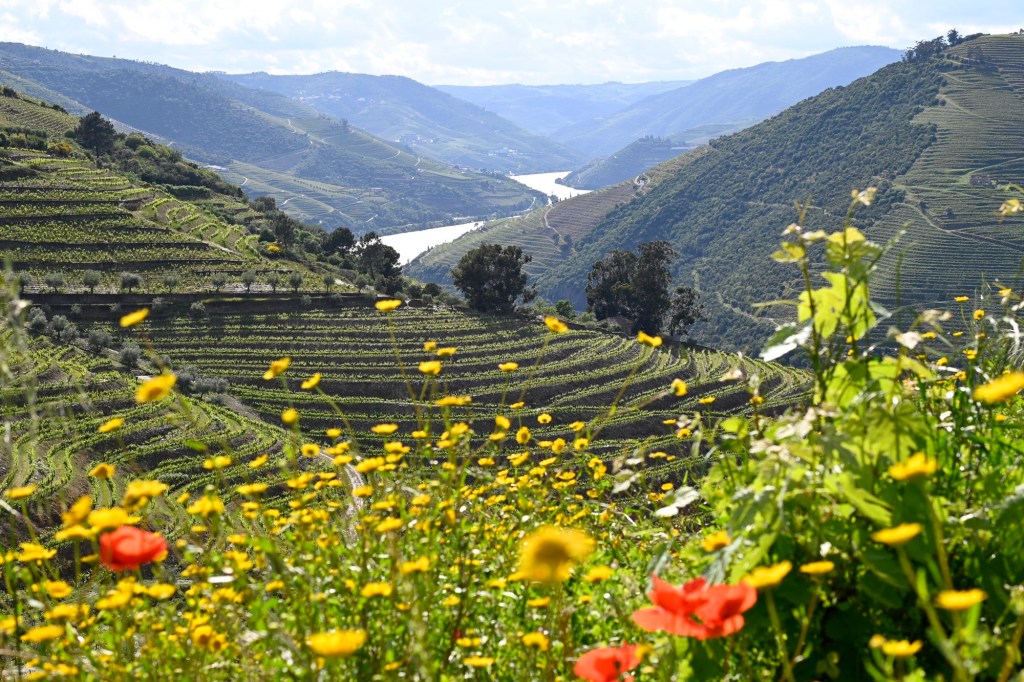
The banks of the Douro is fertile and many of Portugals greatest wineries are located in the Douro region. It is also a region of immense beauty, and I will try to guide you through some of what you can experience in the region, from old castles, archeological sites, train rides, museums, hot springs and hidden gems.
The wine regions
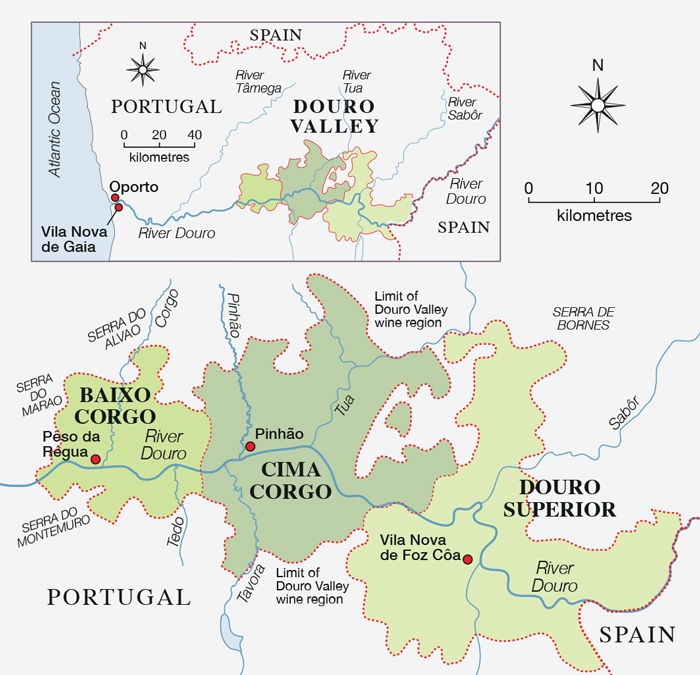
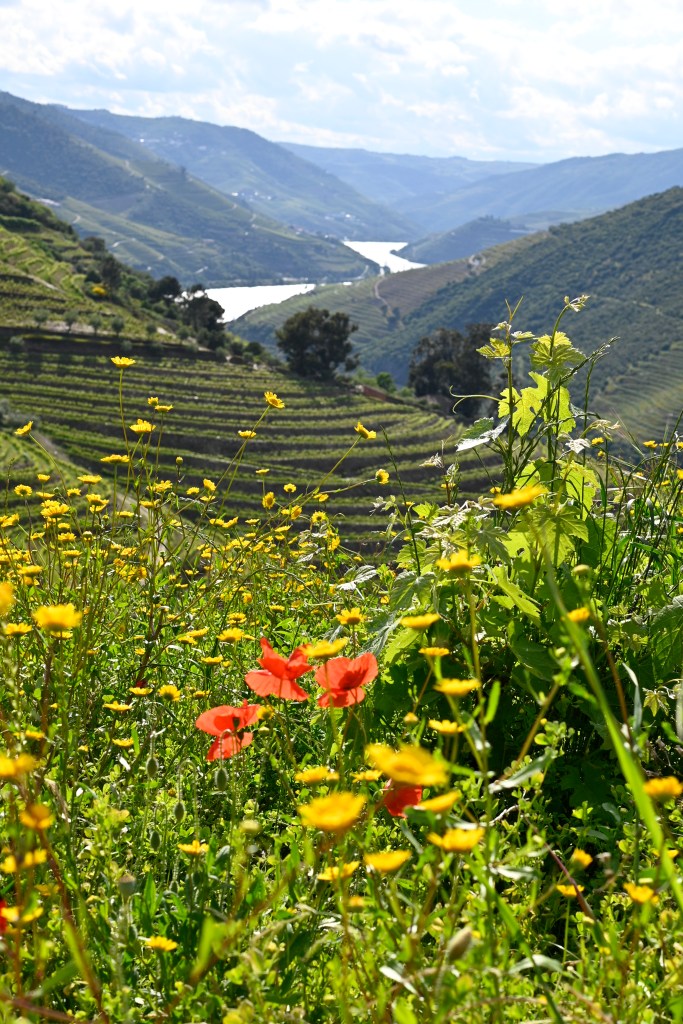
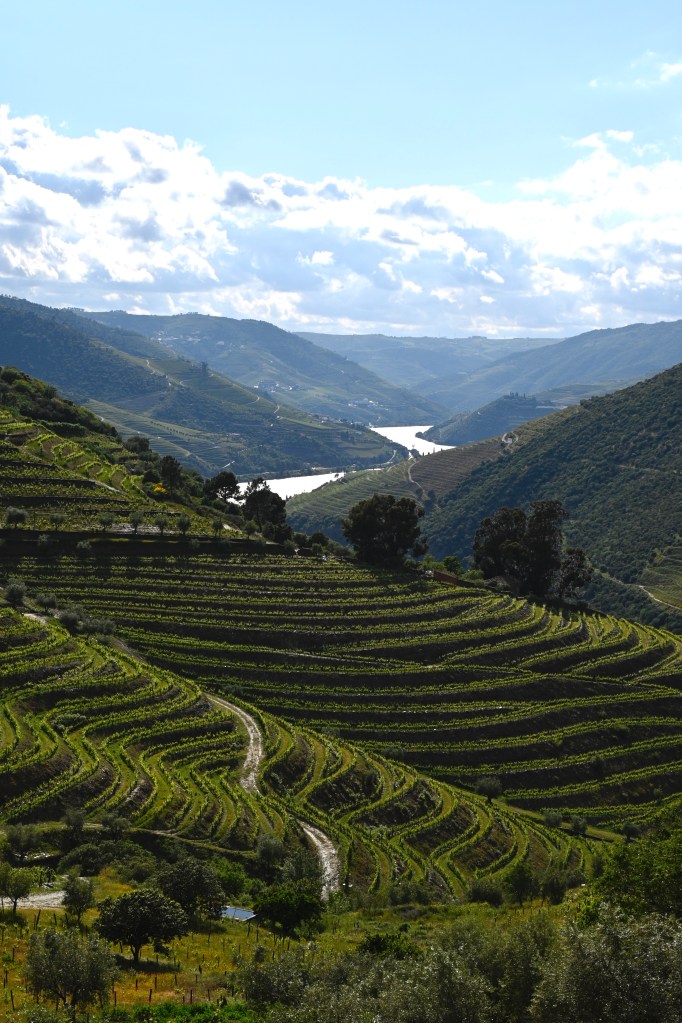
The Douro wine regions is located in the upper part of the river (Alte Douro) which is sub-divided into the upper region (Douro Superior), the middle region (Cima Corgo) and the lower region (Baixa Corgo). We have spent most time in the upper part, in the Mêda district, close to Vila Nova de Foz Côa, but have also stayed some in the lower parts in Peso da Regua and driven along the river and over the mountains in the middle parts. All of these regions are beautiful, but in my opinion, you’ll find the most beautiful and least touristed places if you drive further inwards in the valley.
How to get around
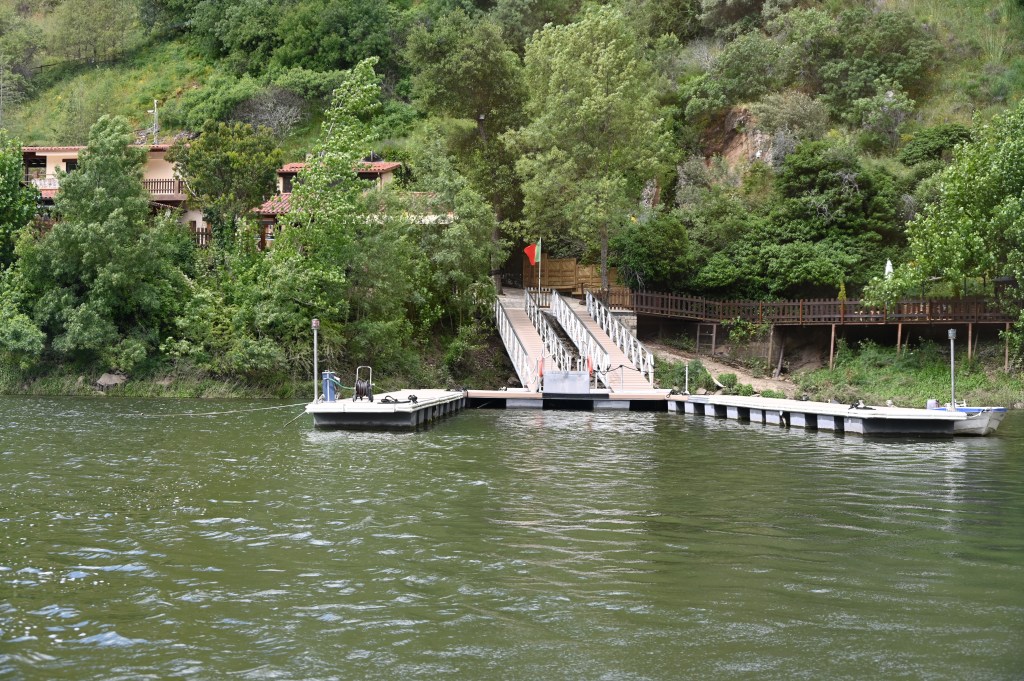
Most people going to the Douro region will come by plane the cities of Porto or Lisbon. From Lisbon you can take a train to Porto. Less known, is that you can also take a train from Porto along the Douro river to the small city of Pocinho. This small and quite noisy train passes along the riverside and gives you a wonderful view of the river, wine fields, flowering trees and small cities. You can take the train from Sao Bento train station or Campanhã. The first part of the ride is inland, but after you’ll reach Mosteiró it will follow the river banks all the way to Pocinho. Several places along the rivers are quays, where riverboats can take you out on river cruises. The train seems to go twice a day, in the morning and around lunch-time and you can take the same route back in the afternoon. If you jump off in one of the cities along the way, you can thus go for a boat cruice and some wine tasting and take the train back in the evening. There are also options of taking roundtrips with train from Regua to Pocinho and ferry back to Regua.
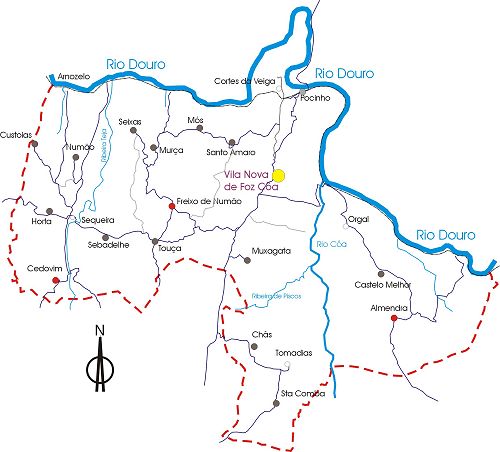
If you wish to continue further from Pocinho, please note that there is very little public transport in the area. Right now it seems to be a bus (no.45) from Miranda do Douro in the northwest towards Lisbon, which connect Pocinho to Foz Côa and Celorico de Beira, where you can meet the Lisbon train, but I would not take that for granted at all times. It also seems to be a Taxi service in Pocinho. To really explore the wonderful scenery and beautiful historical villages in this area, I would suggest renting a car.

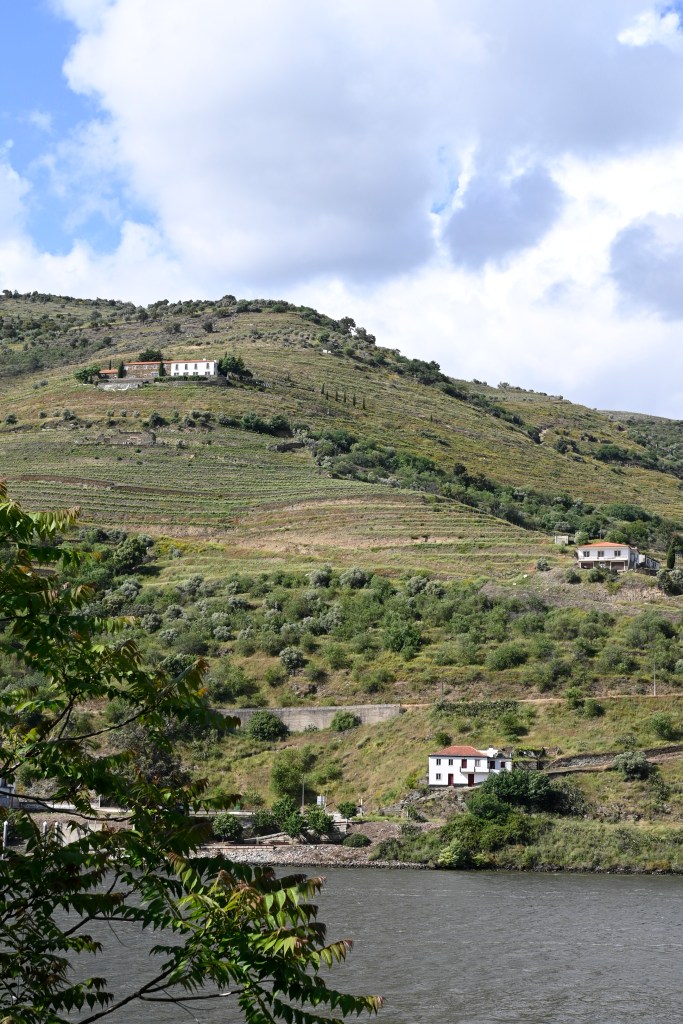
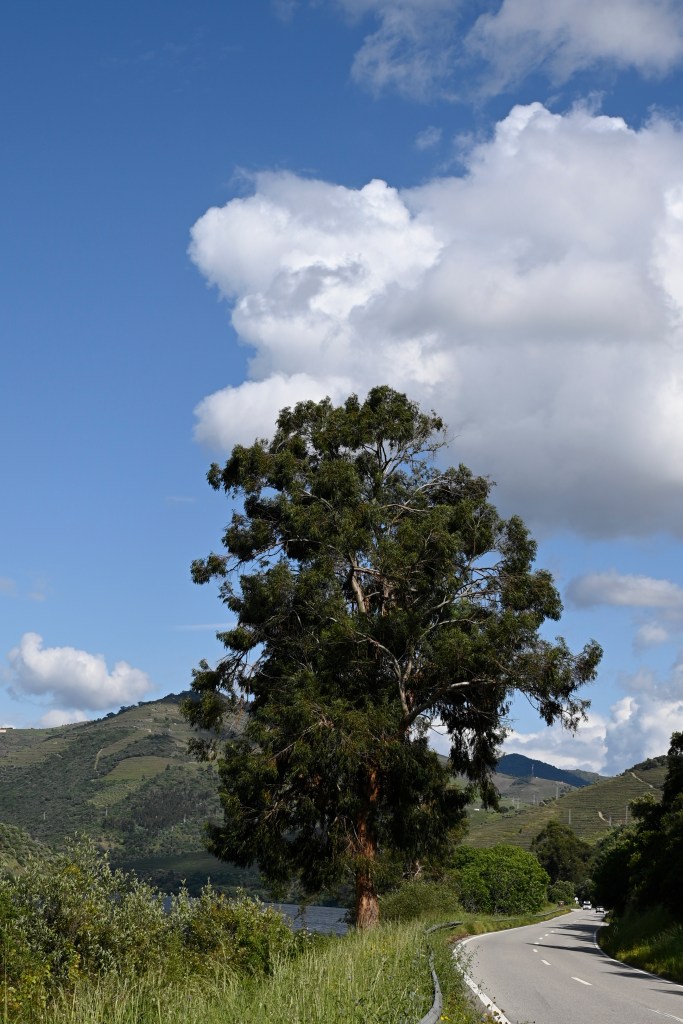
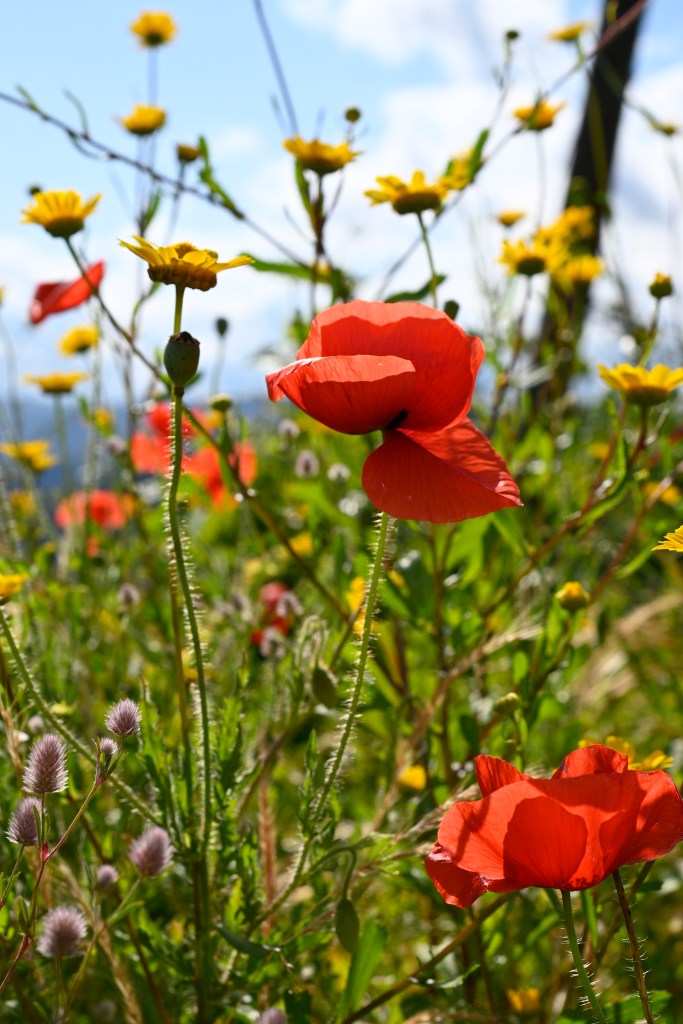
If you drive the car from Porto to Peso do Regua and further on to Foz Côa and the Mêda area, I would suggest two things; first to take a short break in Amarante, which is a really beautiful city and then to follow the road on the southern siden of the Douro river from Peso do Regua to Mêda. It is a really beautiful road with tall trees, flowers and view if the river. Depending on the route chosen it can bring you through mountain villages like Valença do Douro, Castanheiro do Sul and allow you to visit the castle of Penedono, bring you through amazing views in Ervedousa do Douro or give you a small-city vibe with restaurants overlooking the river and river-boats in Pinhão.
Festivals/Festas
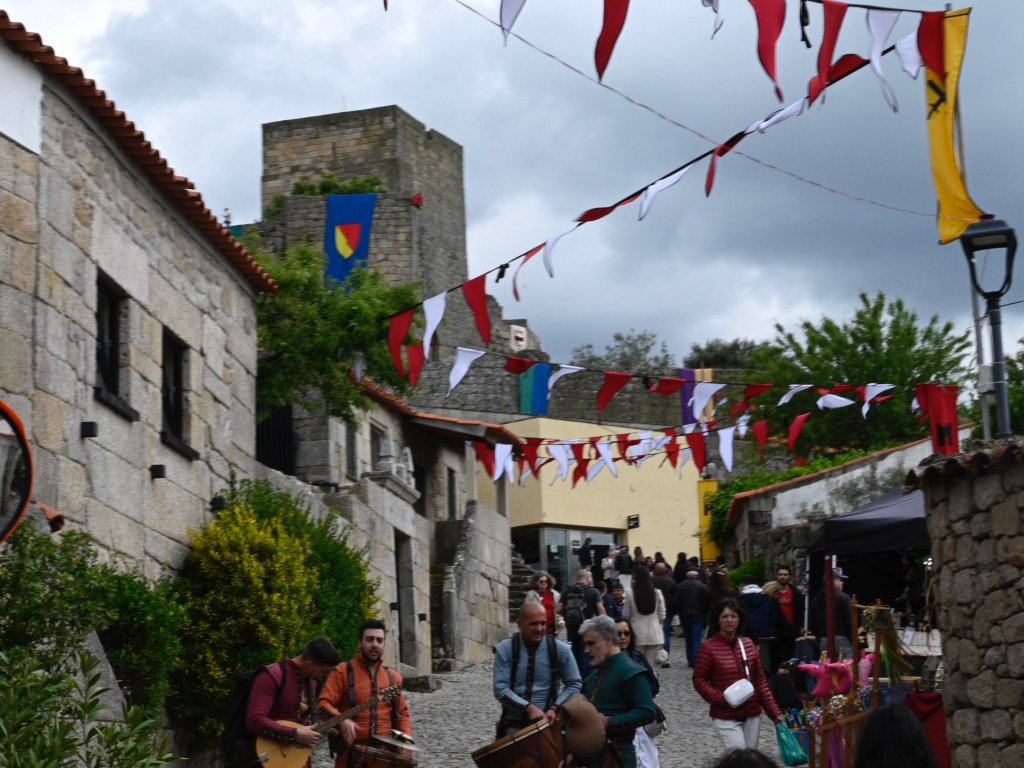
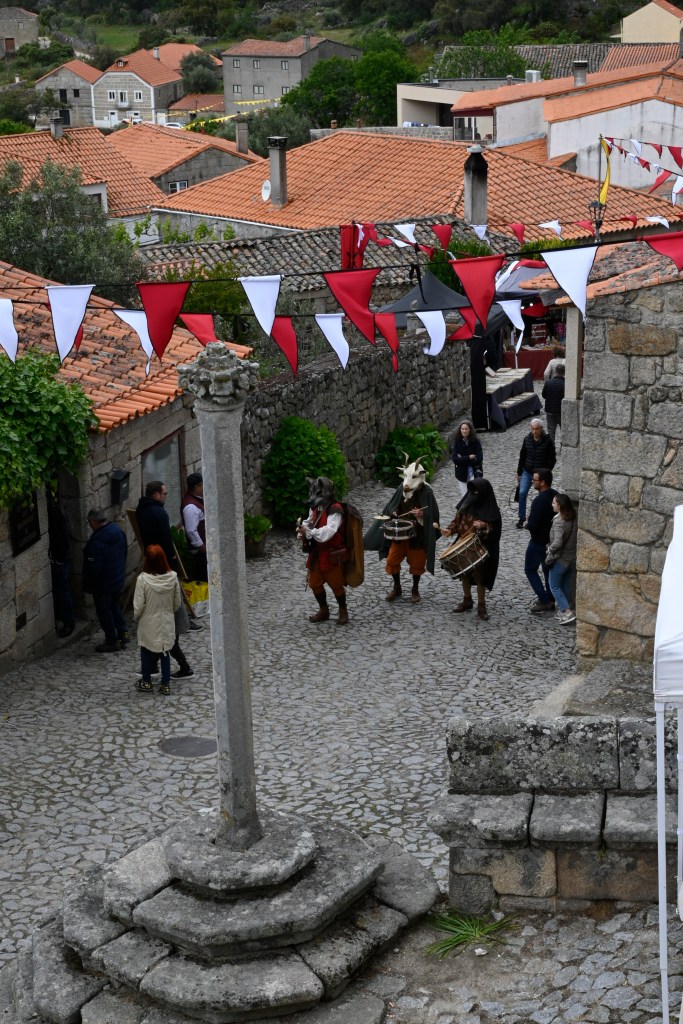
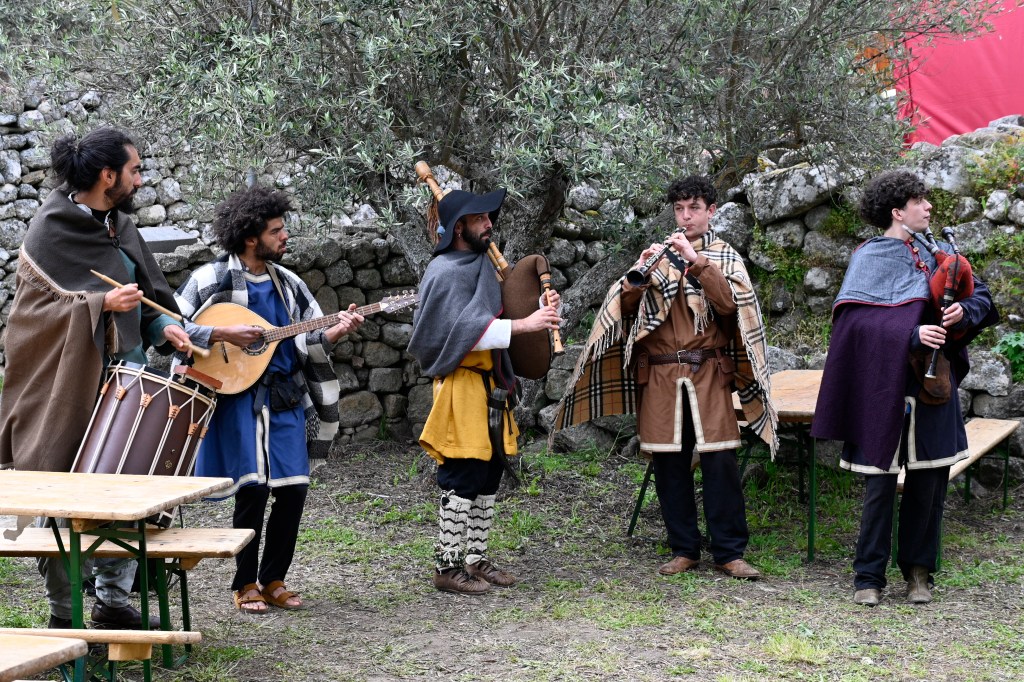
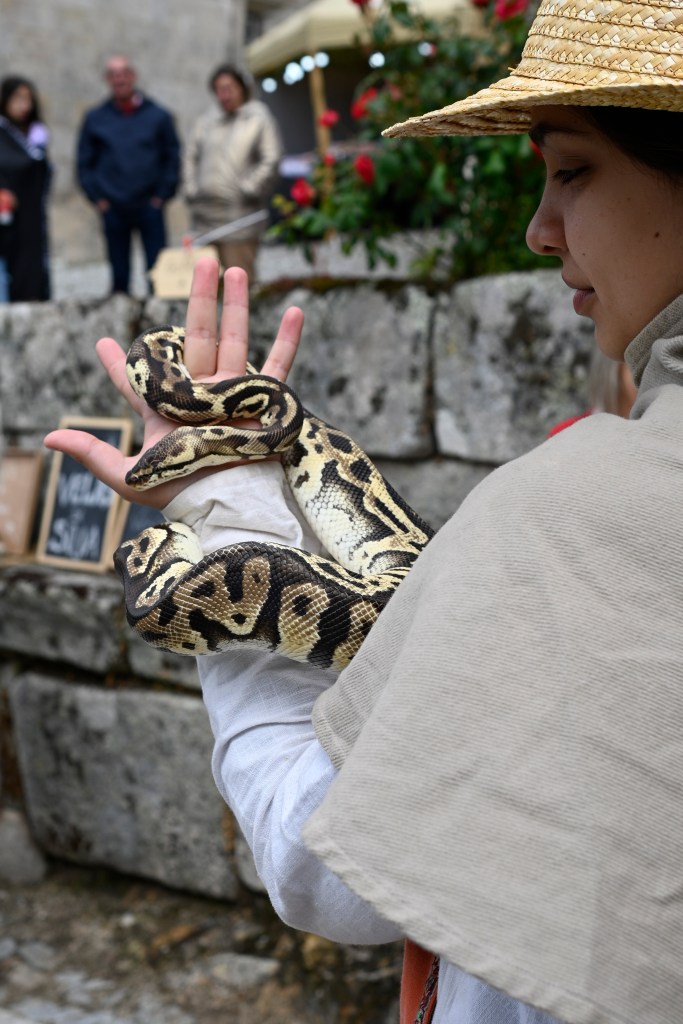
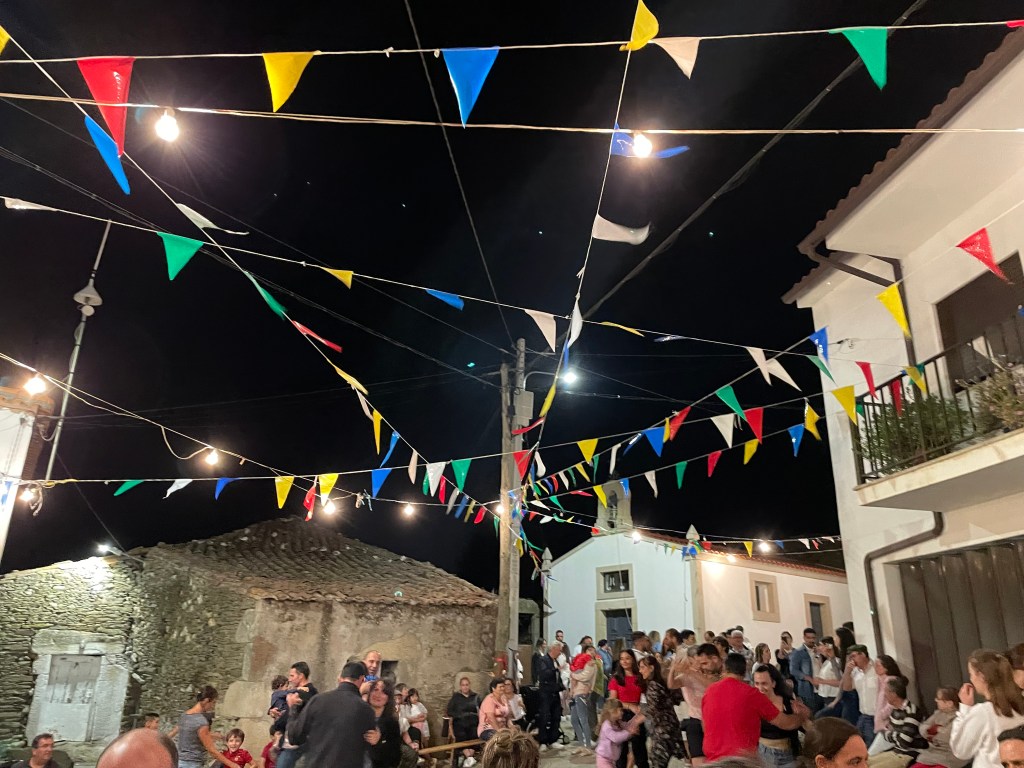
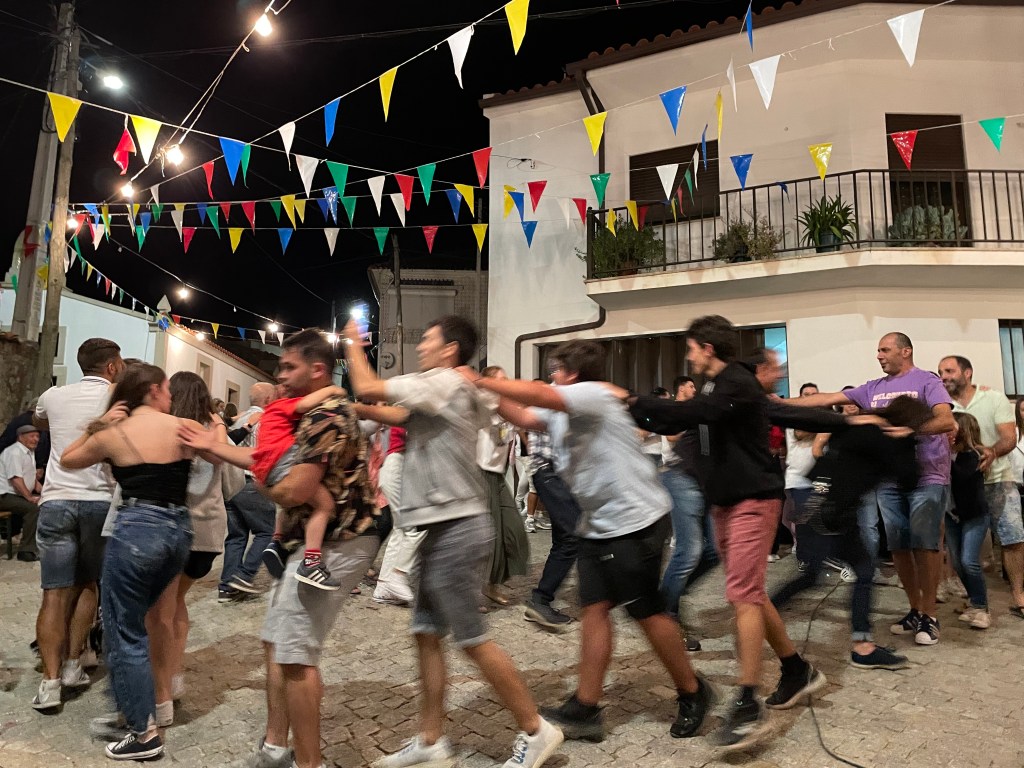
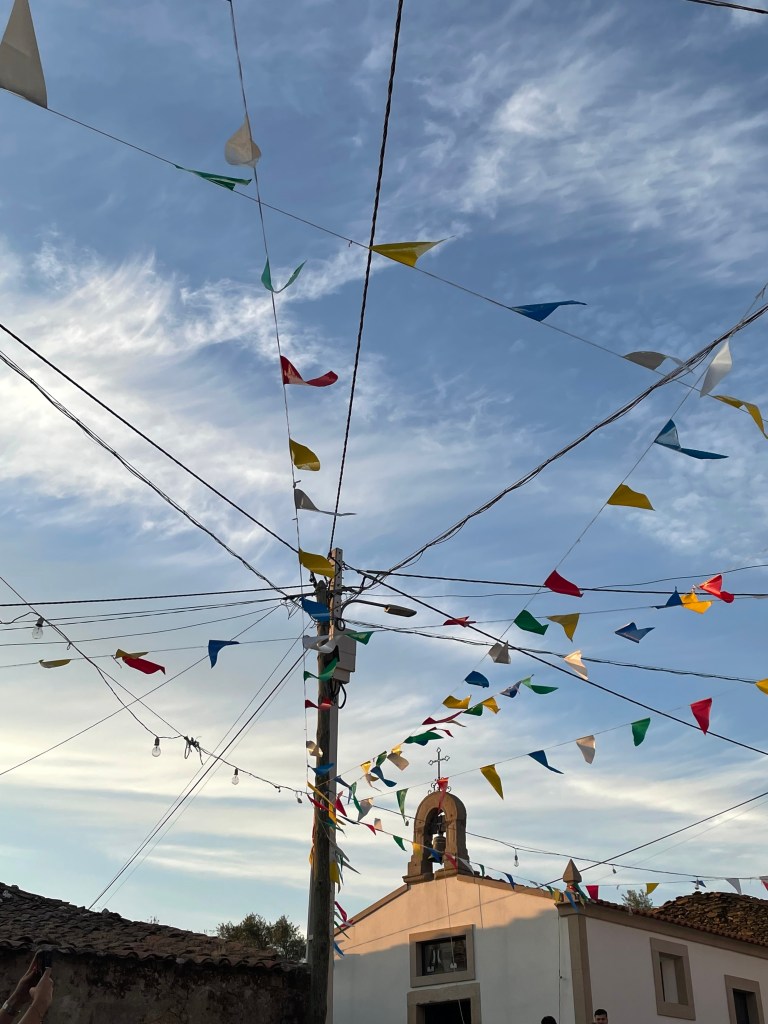
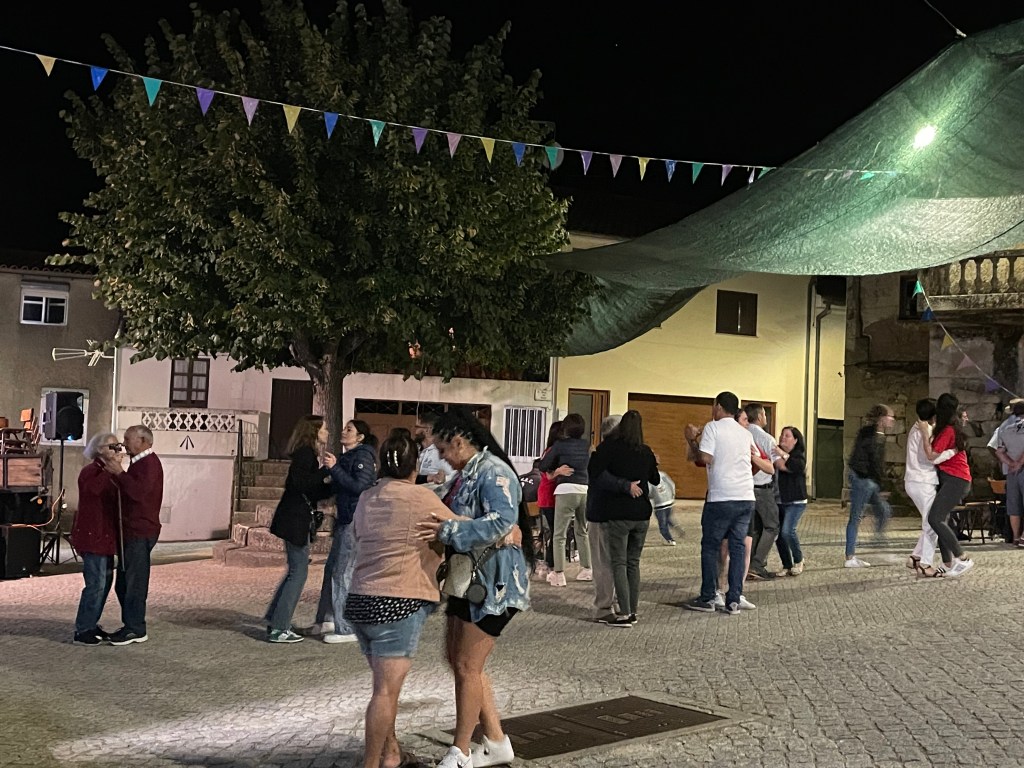
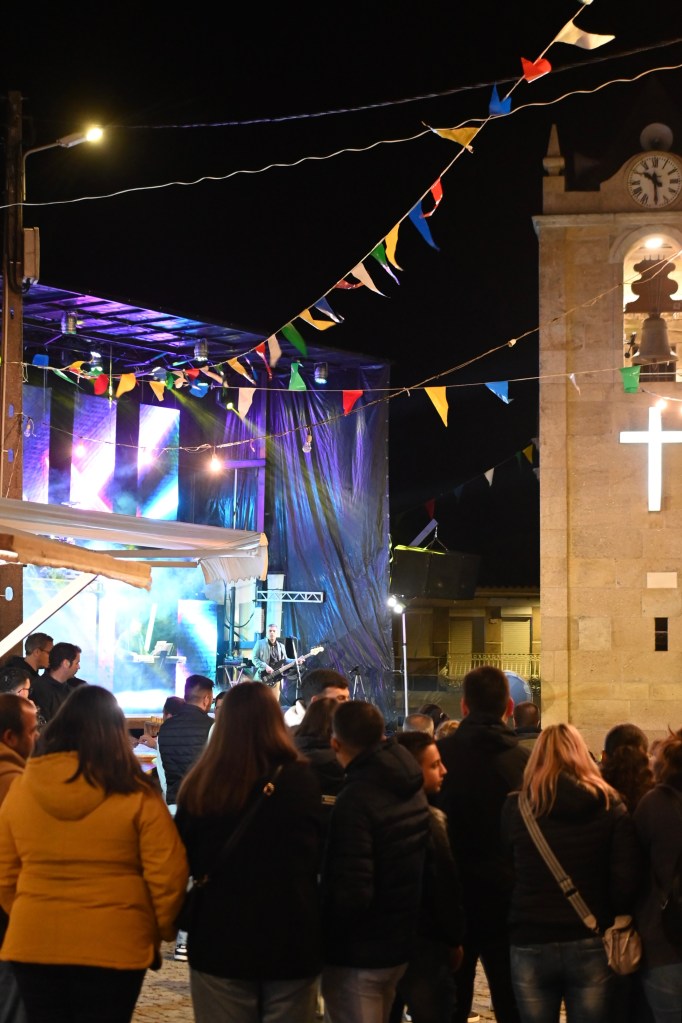
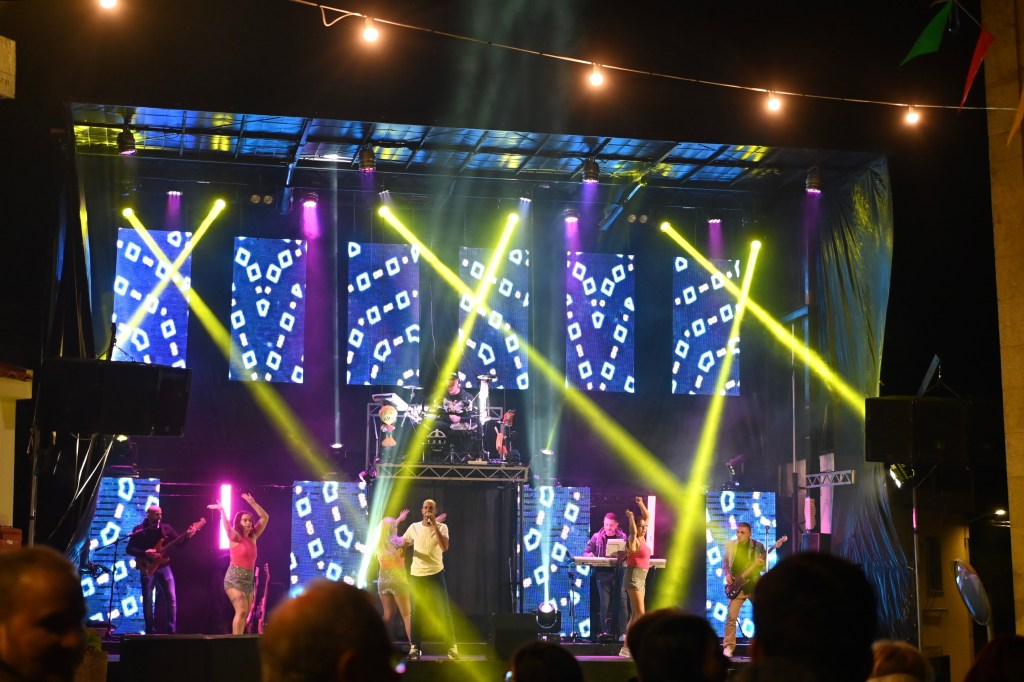
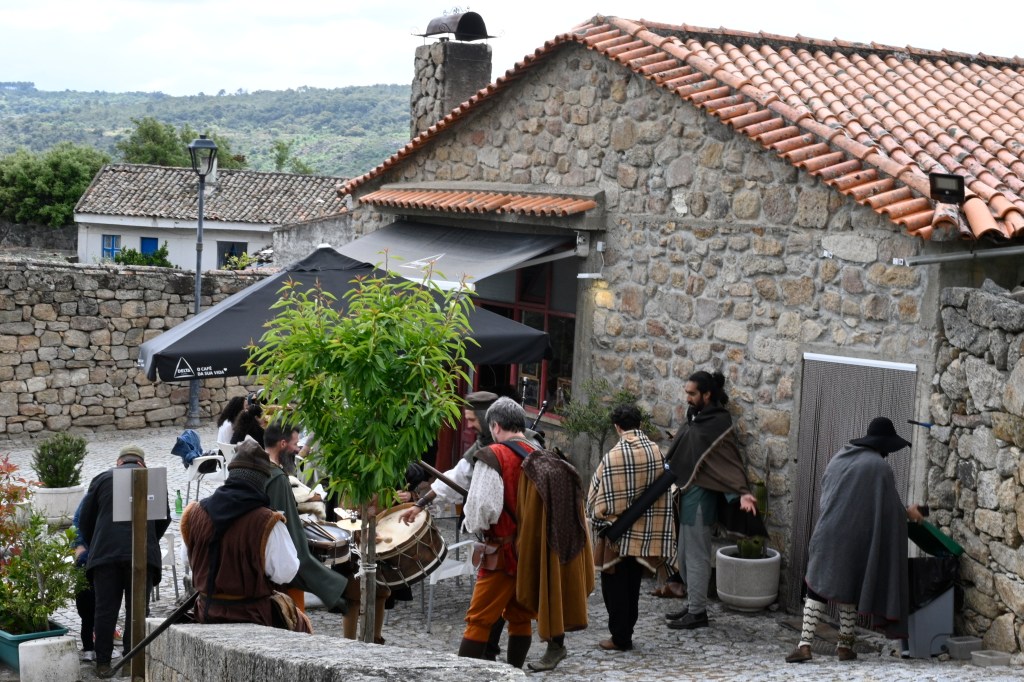
Festivals are something that this parts og Portugal is really great at. Each of the cities and villages has their own ones, with music and dancing in the streets, local competitions, religious ceremonies, barbecues, wine, sangria and laughter all around. In the spring you have the fiestas related to the awakening of nature, like the Almond blossom festival in Foz Côa, and the Medieval fairs in for instance Marialva and Penedono. In the summer you’ll have the fiestas celebrating the homecoming of all the “emigrants” and in between you’ll have religious festivals related to for instance Easter, Christmas and other religious events. For us it has been really nice to have been invited to participate in several of these, and it has been even one more thing to link our hearts closer to this spectacular country.

Cities and villages
Peso da Regua
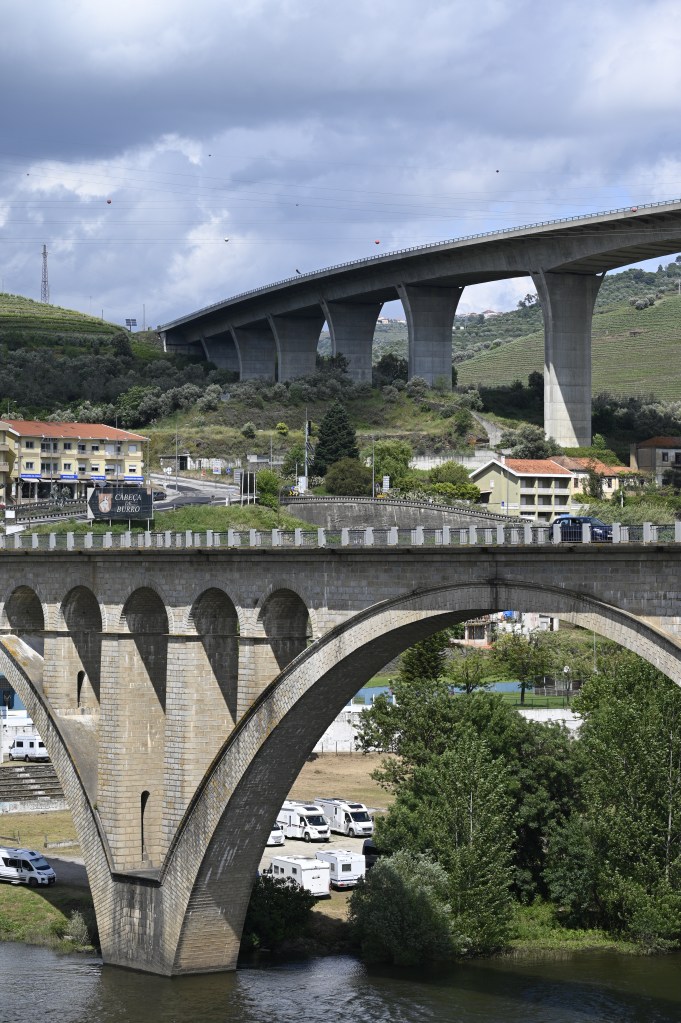
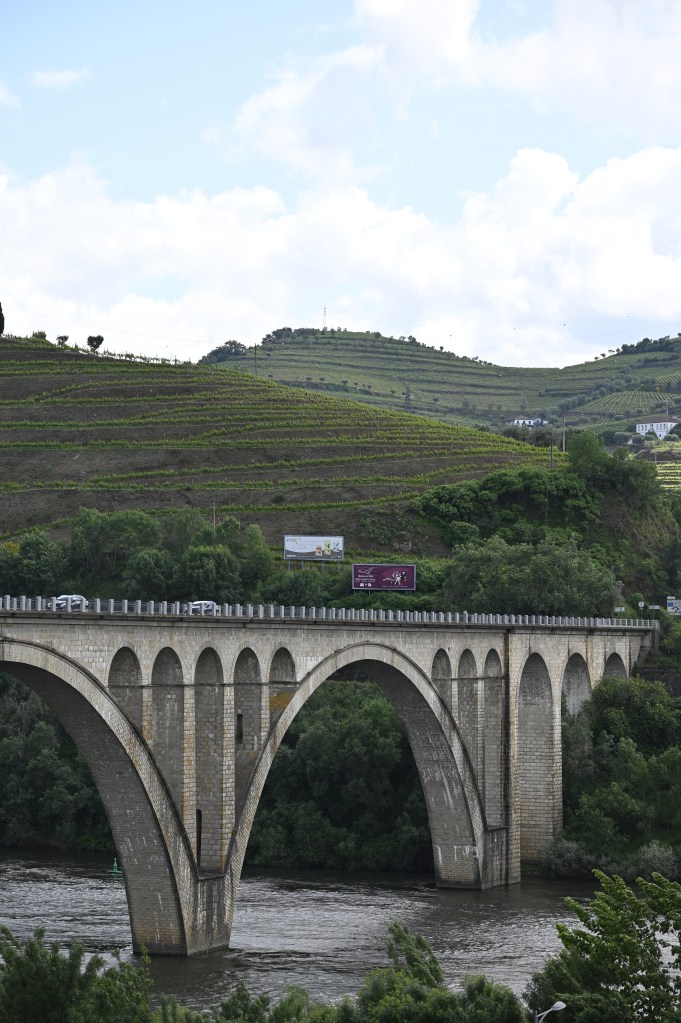
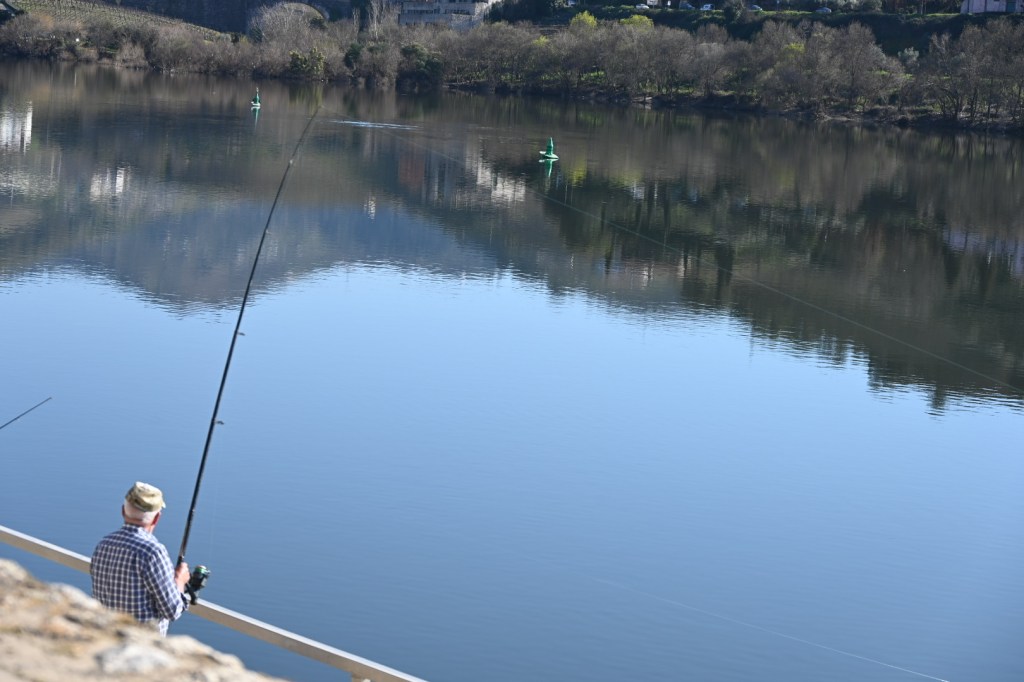
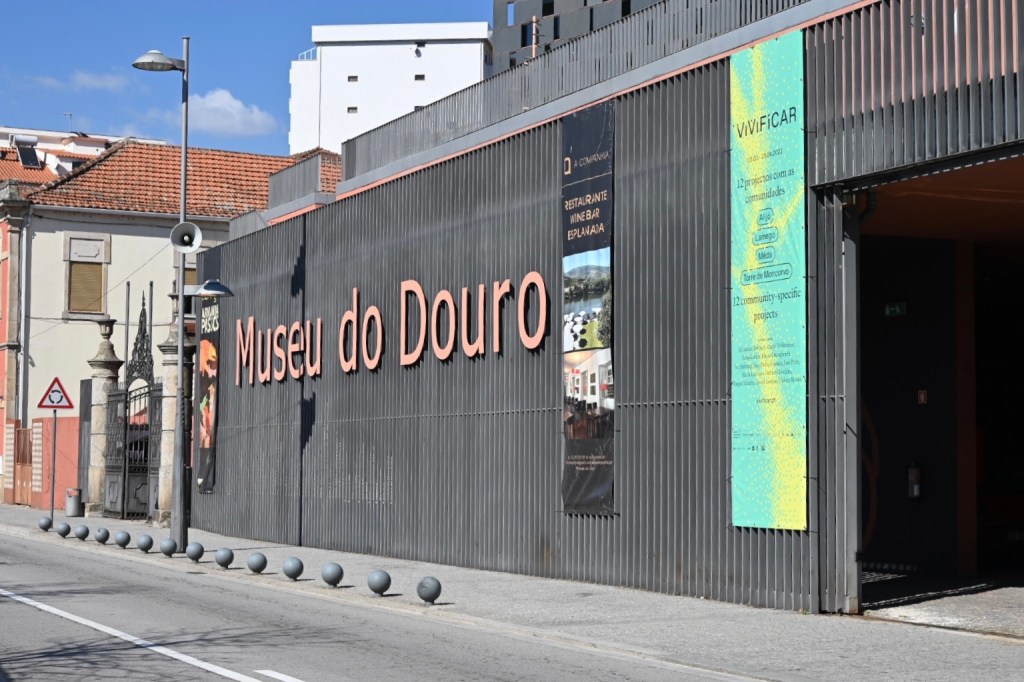
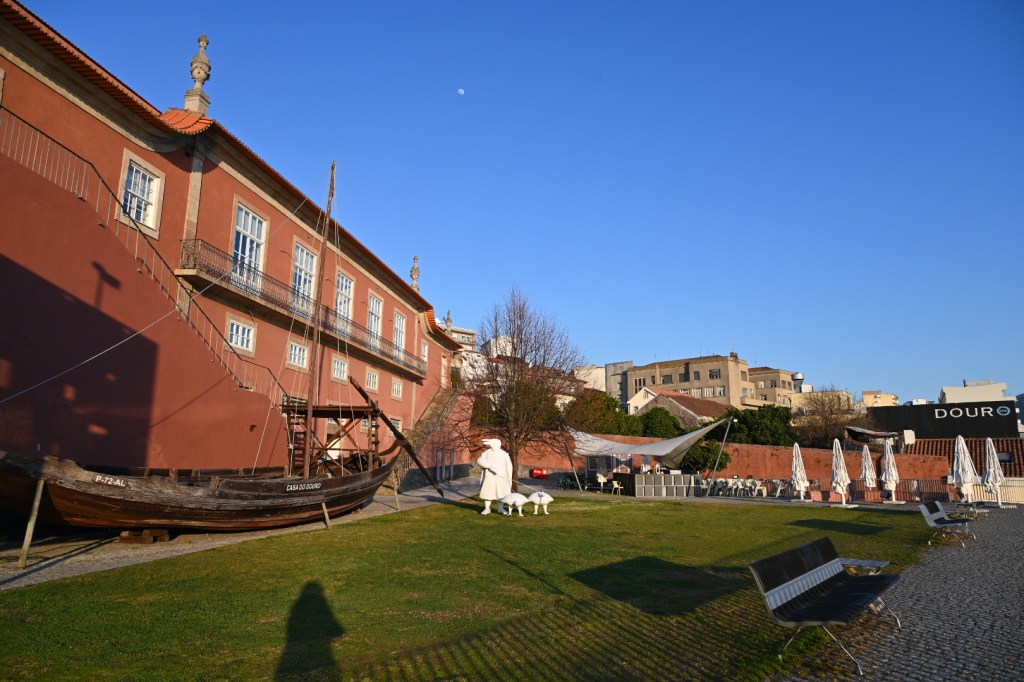
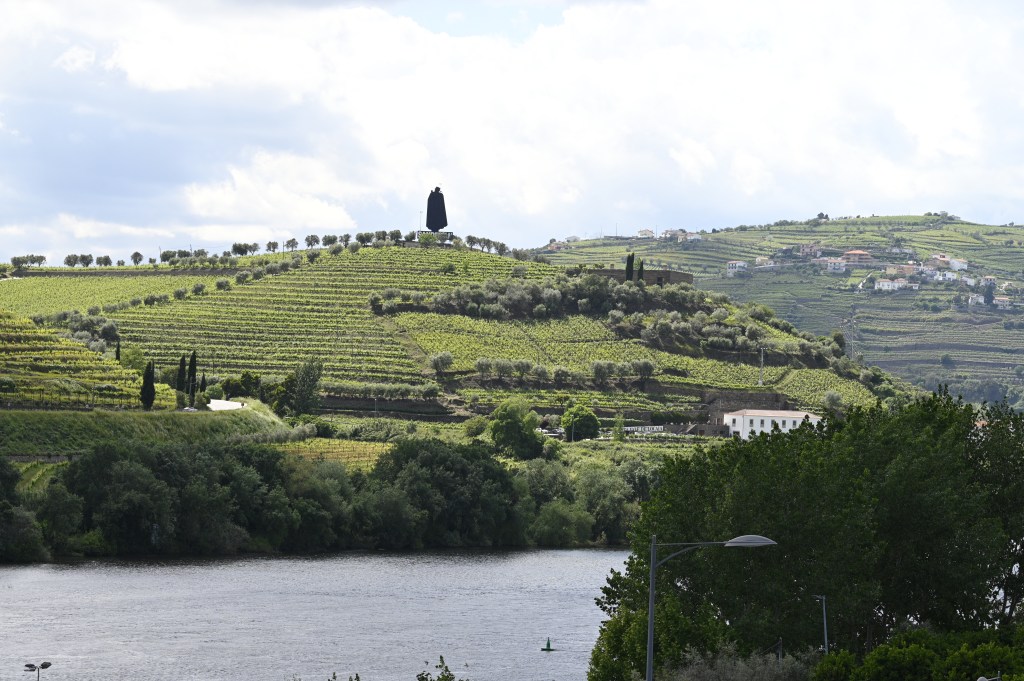
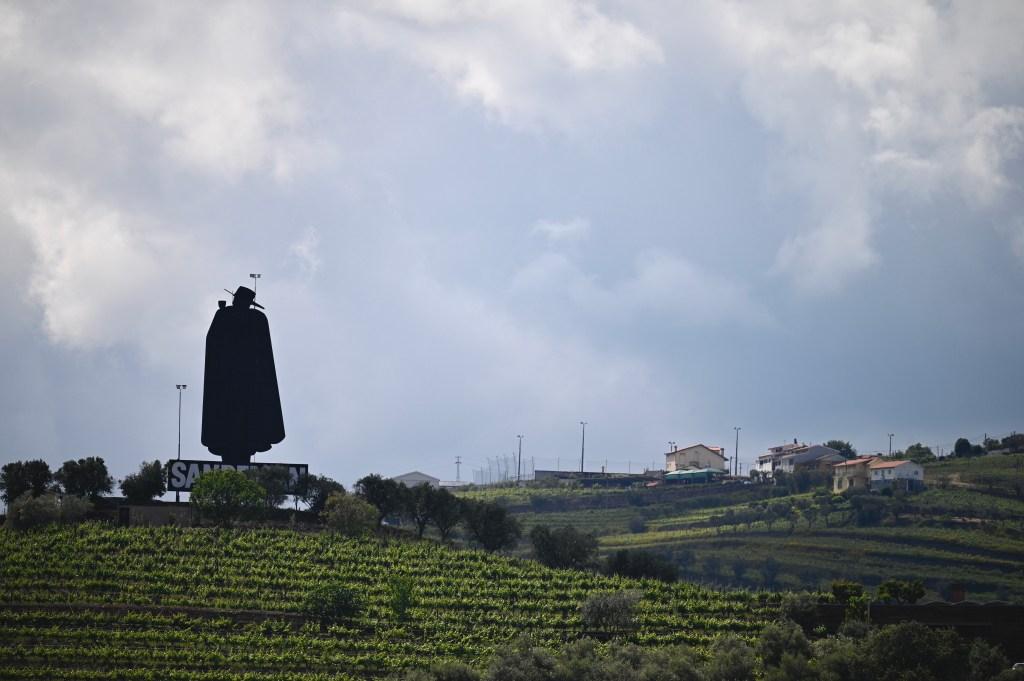
“Regua” is a nice city located in the lower Douro region, less than 2 hours from Porto with train. It is a good place to visit as it has wineries, beautiful bridges, boat trips, the very nice Douro museum, spa’s and restaurants. However, it will not give you the historic feel like you will get in cities higher up in the valley, so I will recommend staying here a night and continue up the valley for the other experiences. I like to stroll along the riverside, watching people fishing in the river and looking at the green hills, with wine branches and the black silhouette of a Sandman port figure on top of a hill. I’ve only been in “Regua” in the spring, a little out-of season, but find it to be warmer than many of the other places in the region. Sitting at one of the local cafés with a café solo and a “pastels de nata” with the warm sun in my face is really nice. Local friends of mine recommend trying a lunch or dinner at the fashionable DOC Dourorestaurant, 15 minutes from Régua by car, or even better Taxi, as they serve the food with wine packages.
Pocinho
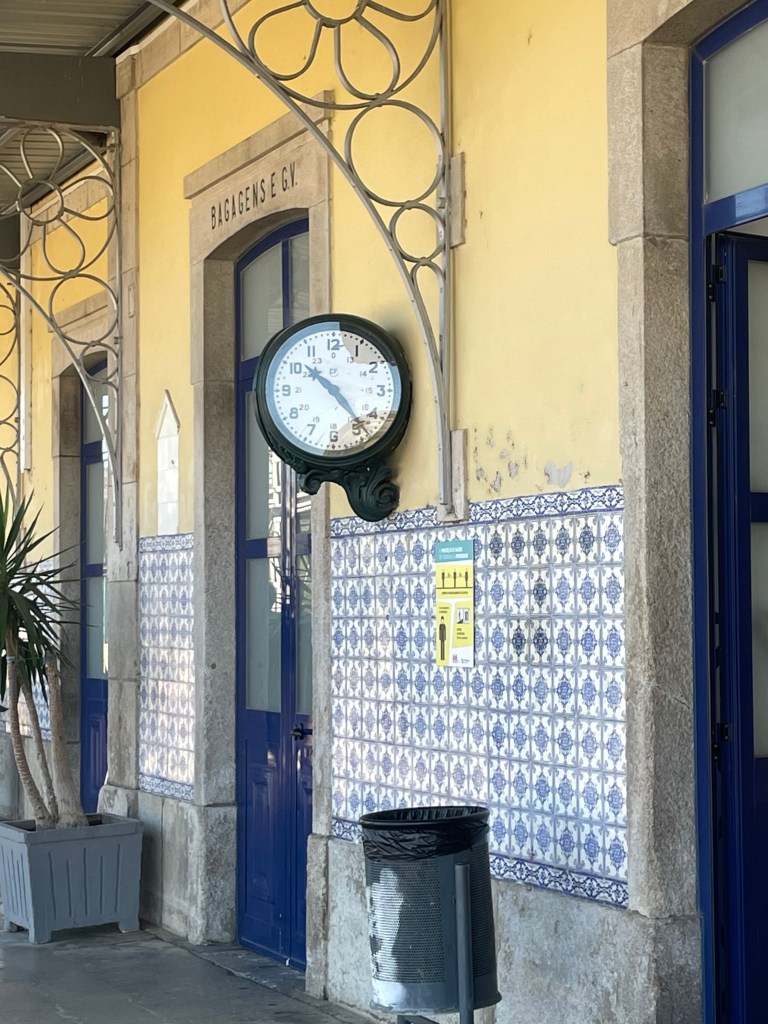
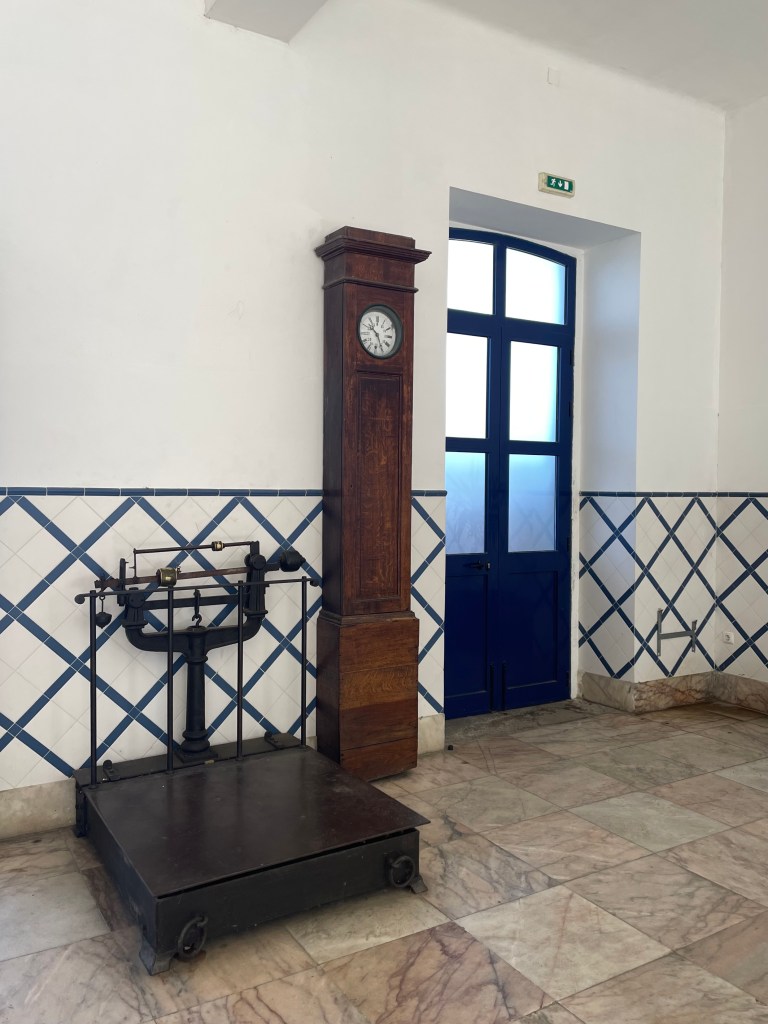
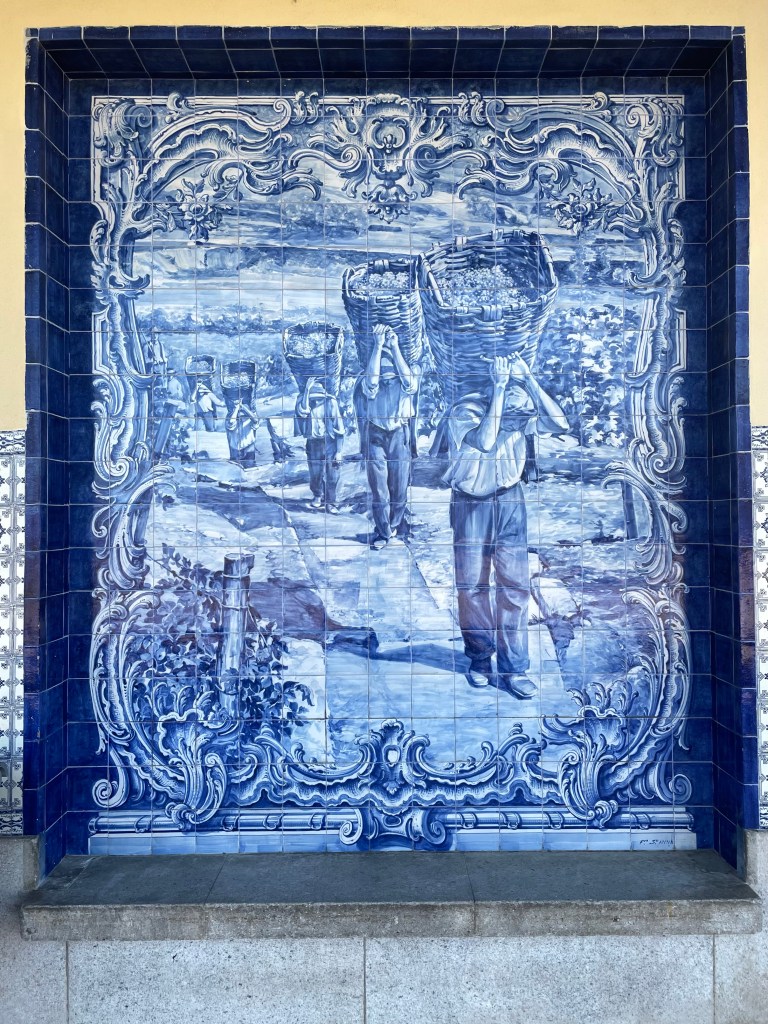
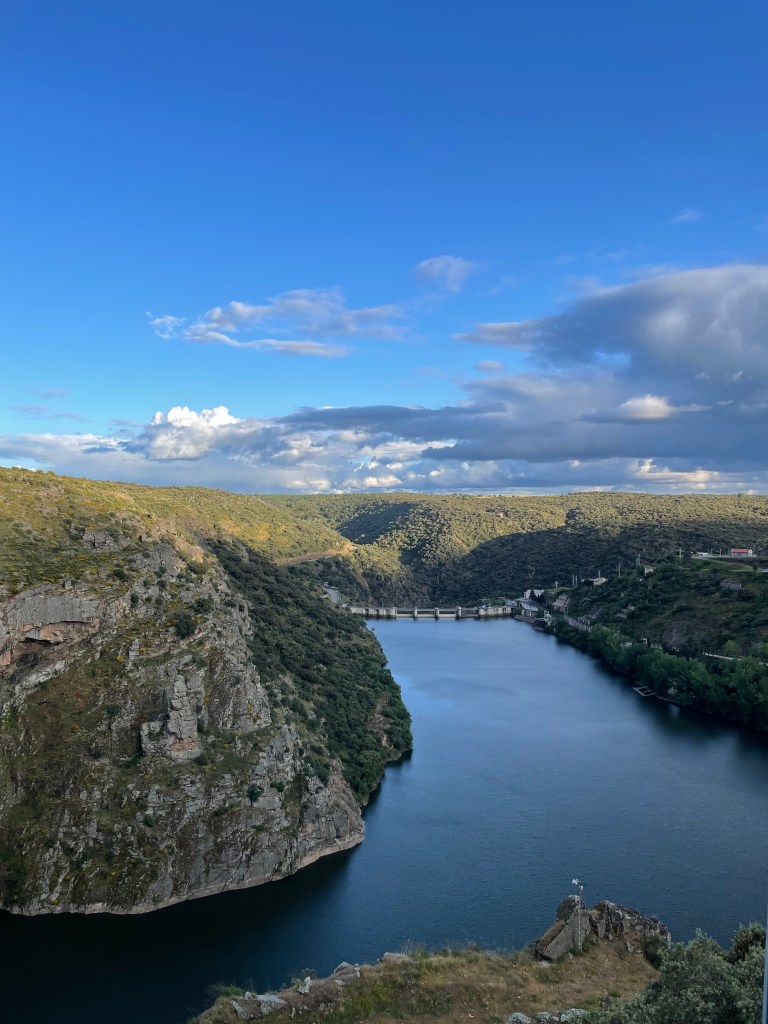
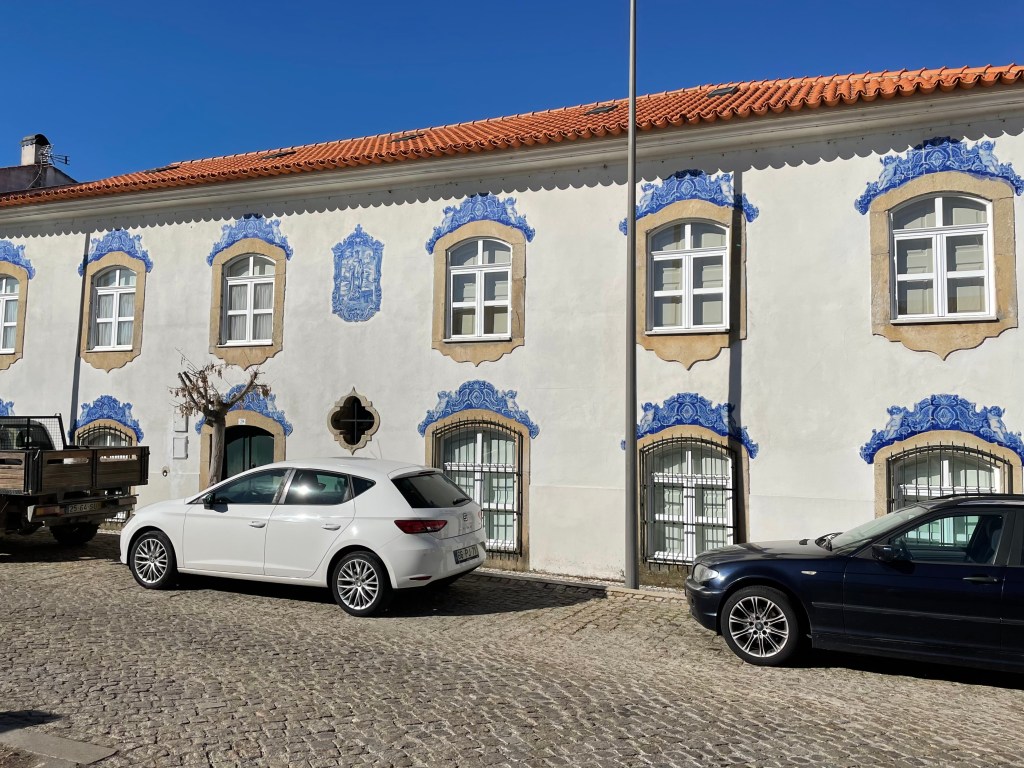
Pocinho is as far as you get up the valley by train. It is a very small village with a few cafés, serving coffee and cakes, but really not much more. The station area is however very nice, with white and blue tiles. There is also a large dam, where the Douro river is kept regulated. The main road from Foz Côa to Braganca and Vila Real crosses the river at Pocinho and if you have a car, you can visit the nearby Torre de Montecorvo.



Miranda do Douro
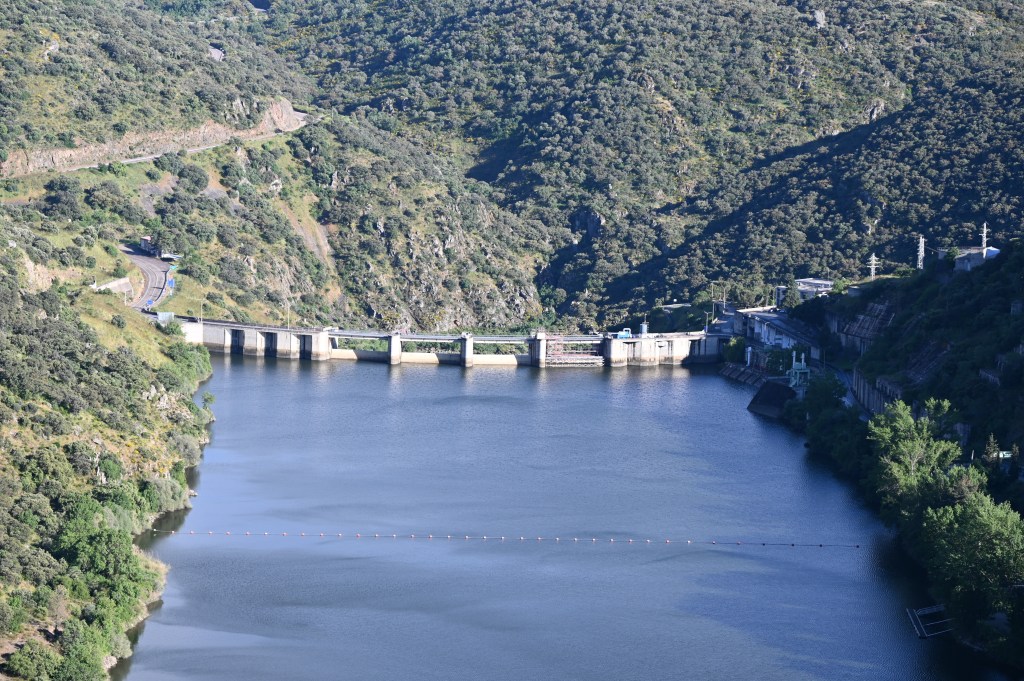
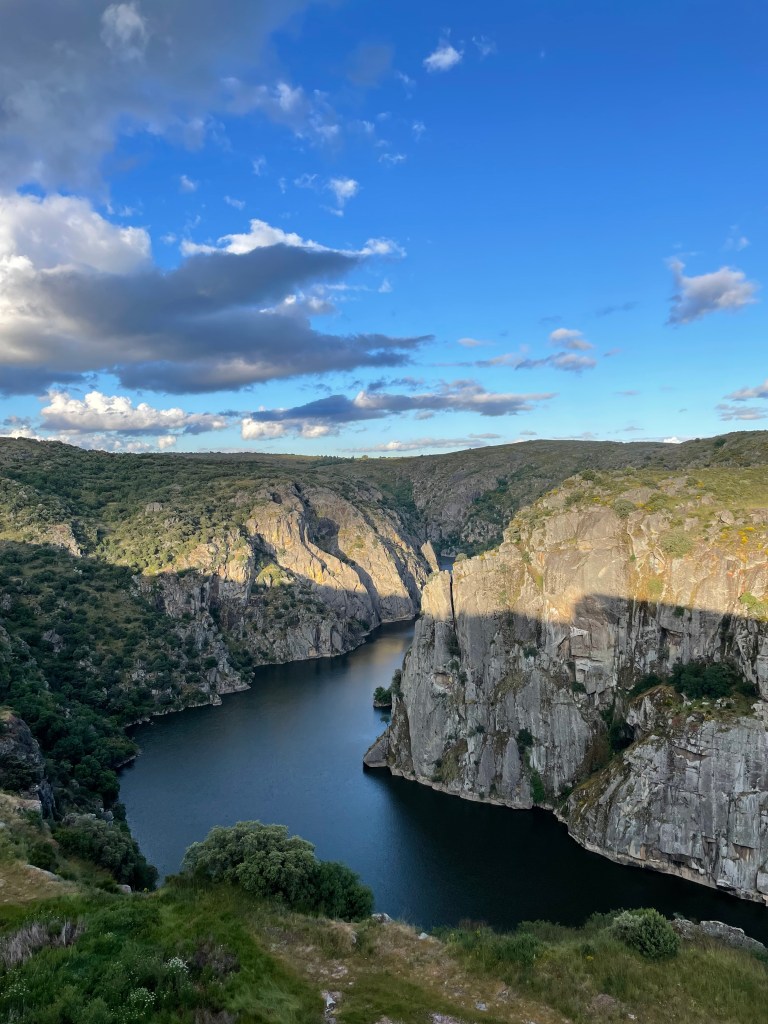
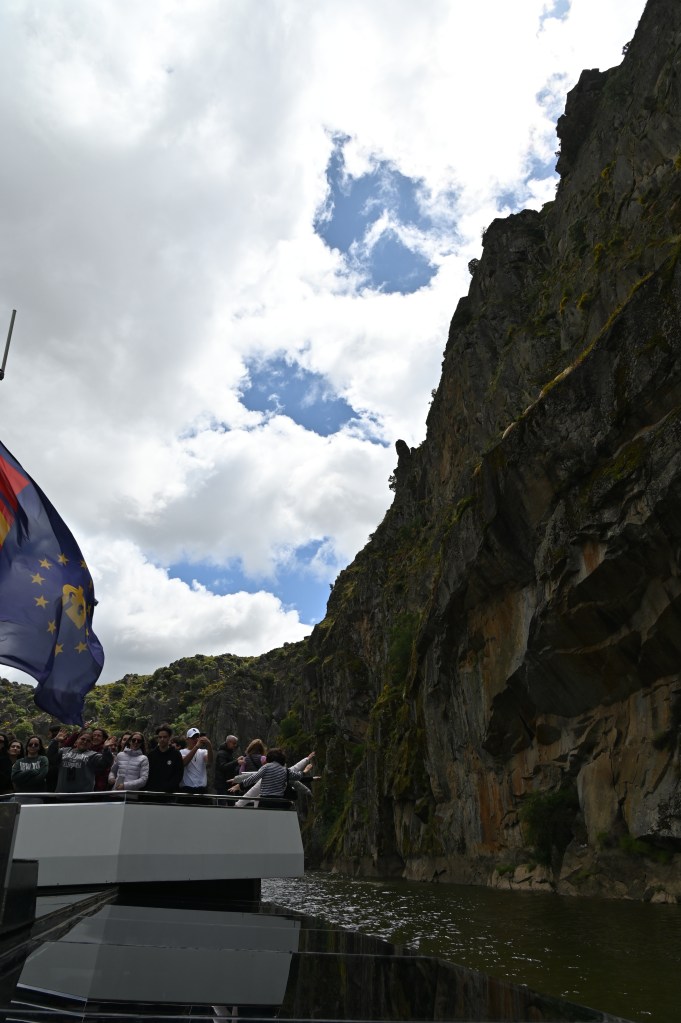
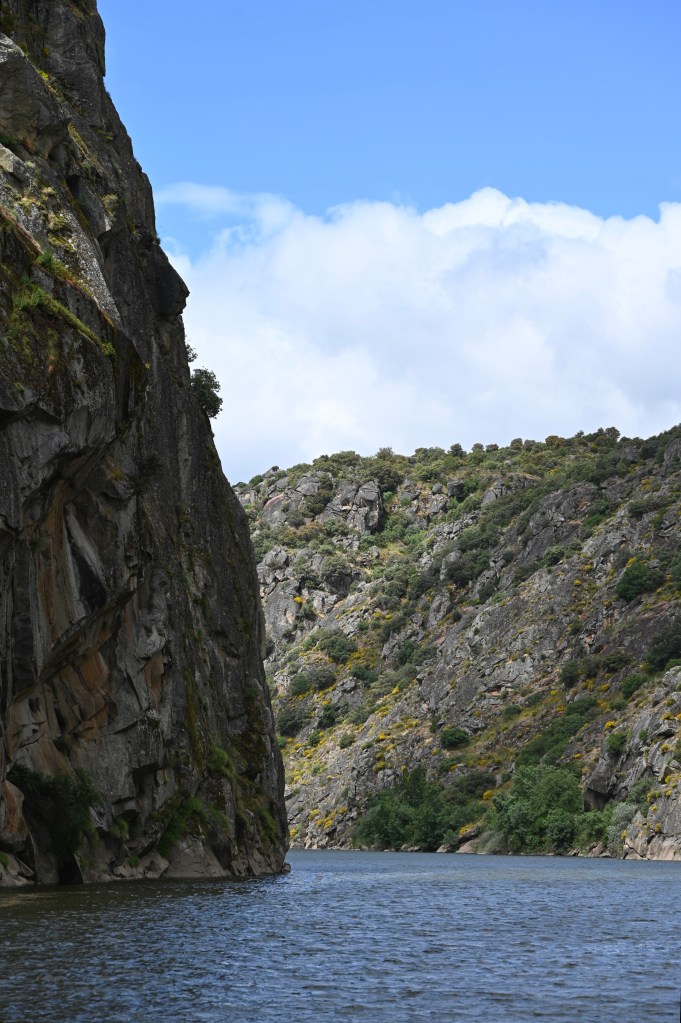
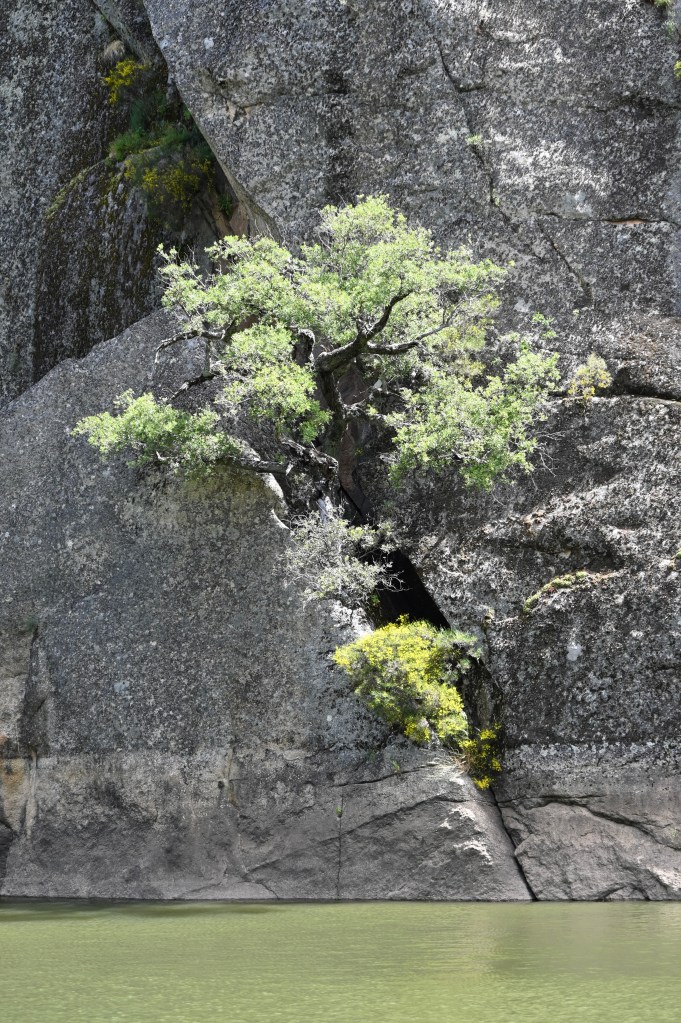
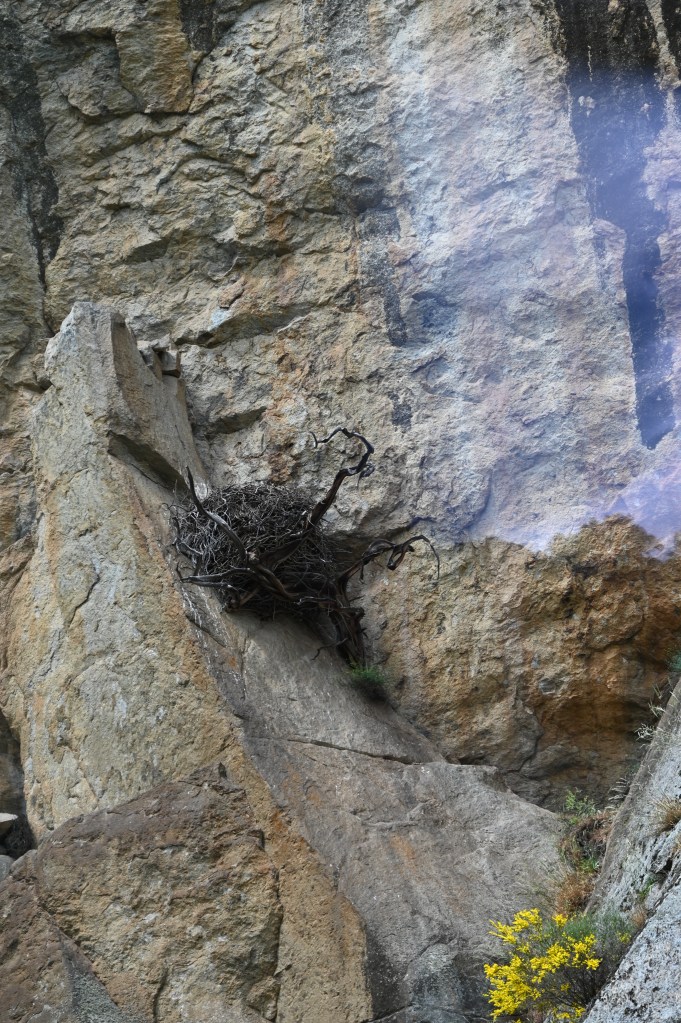
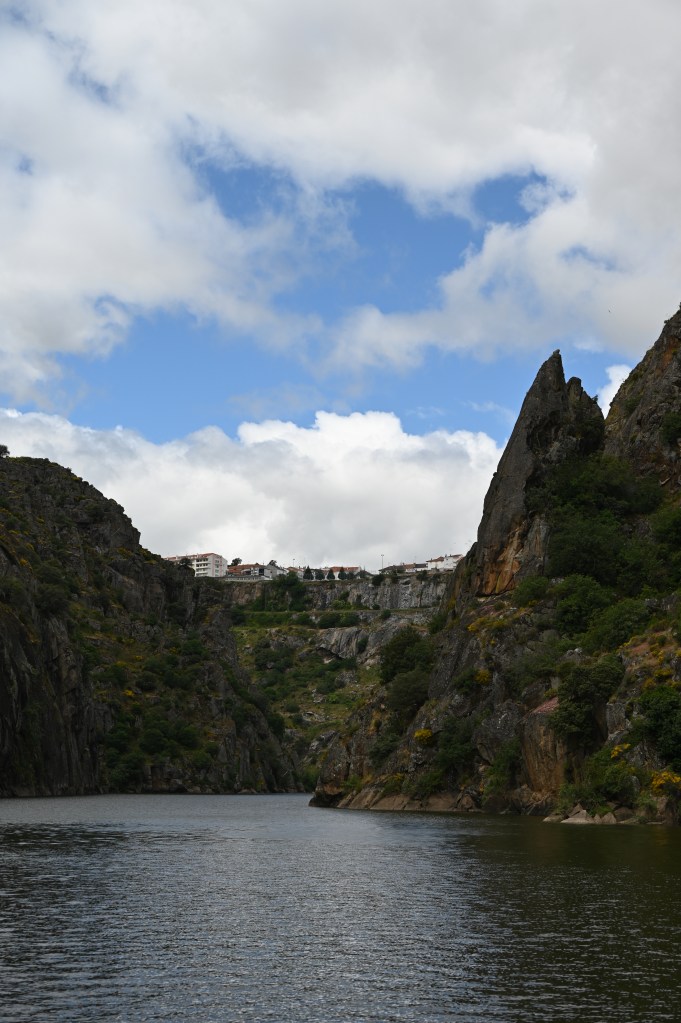
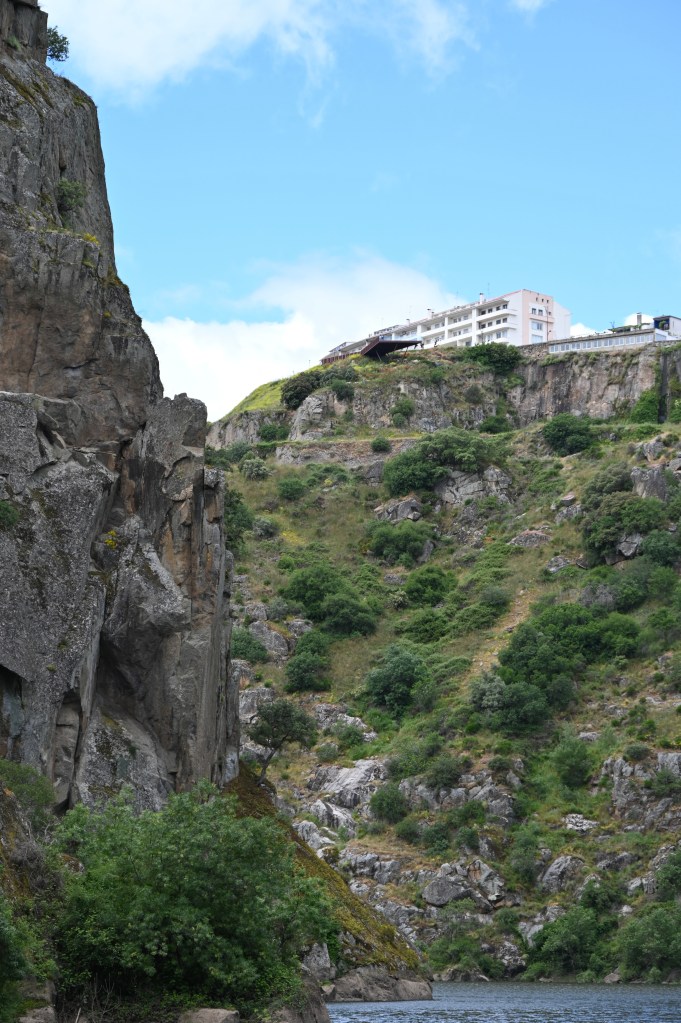
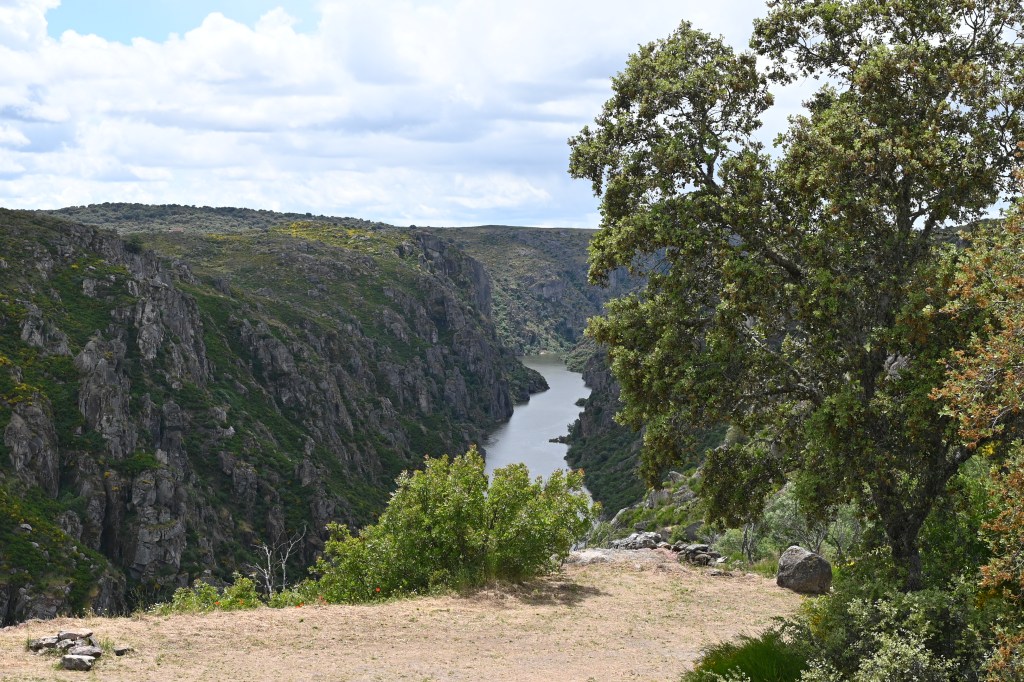
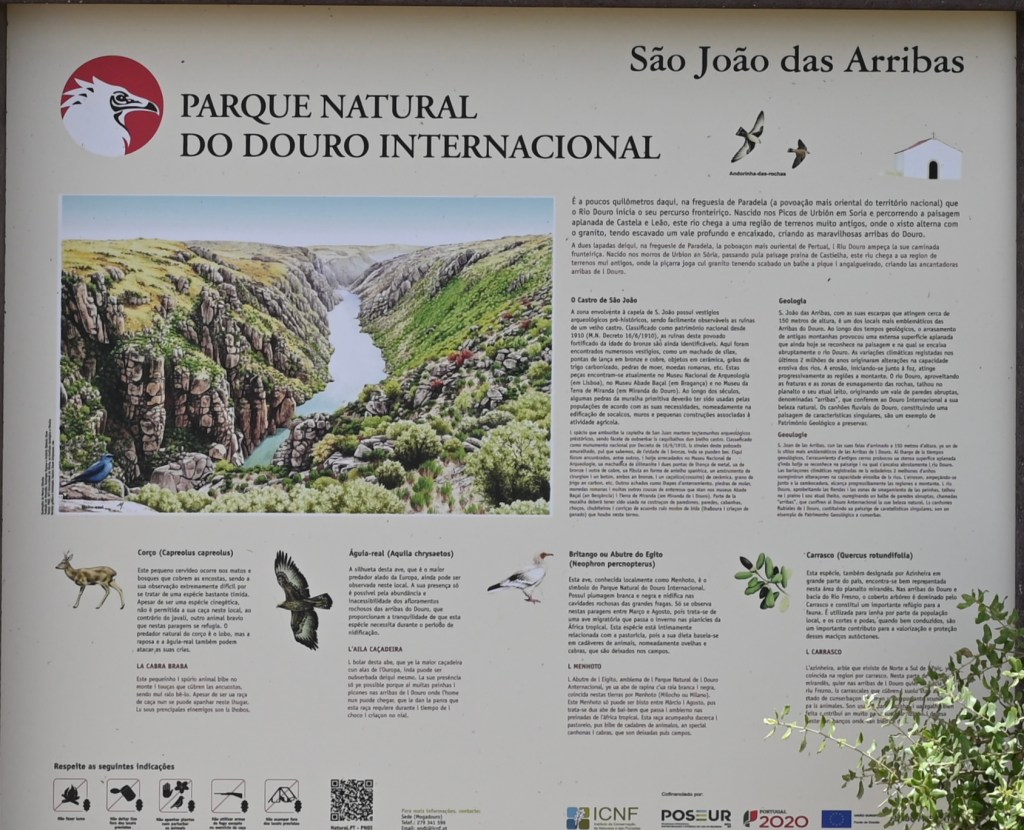
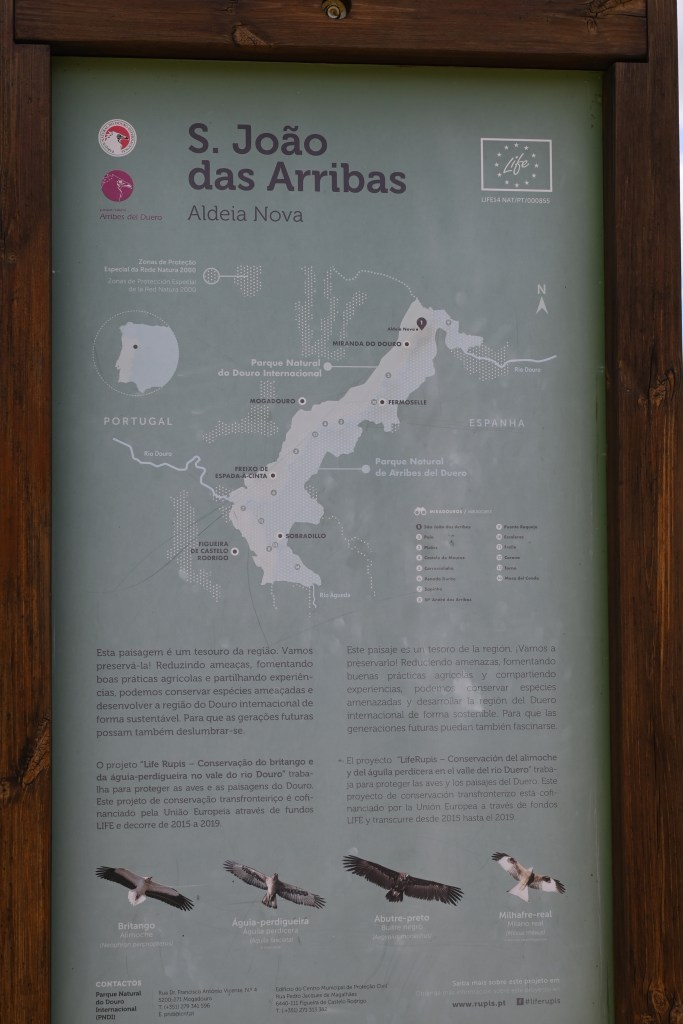
Miranda do Douro is northeast in Portugal, right on the edge between Spain and Portugal. Here the Douro river marks the border between the countries and the city is on a hill looking down at where the river has carved its way in the landscape. The city is quite simple, but has a spectacular view. It also has a Biological station where you can learn about the landscape and the animals living in the water, the mountains and the sky. You can also take part in a cruise on the river, where they tell you about this.

Vila Nova de Foz Côa
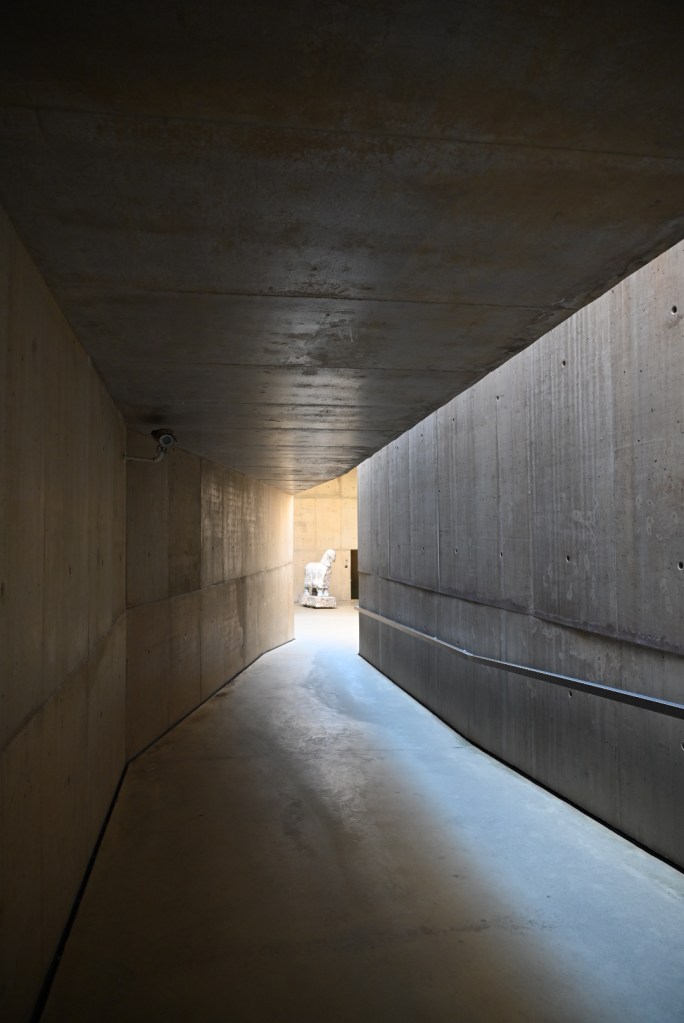
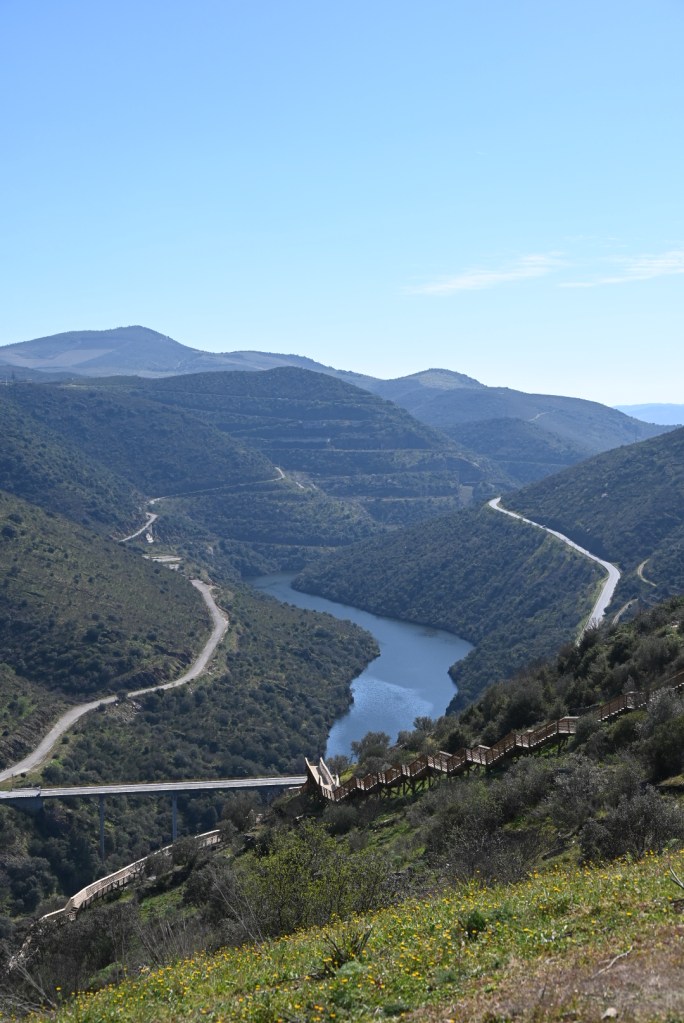
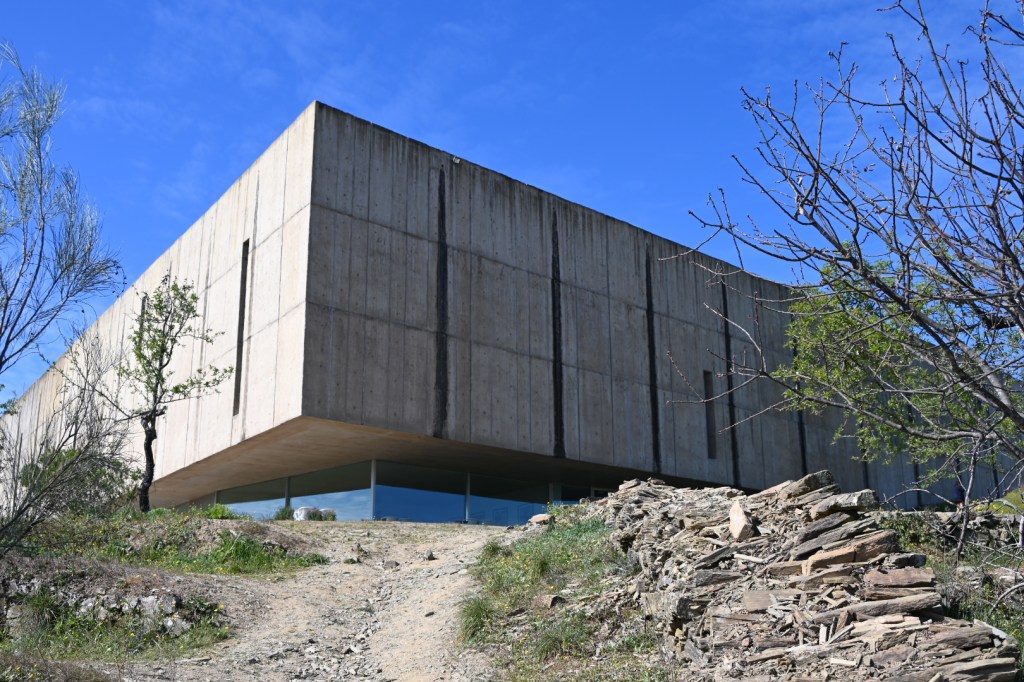
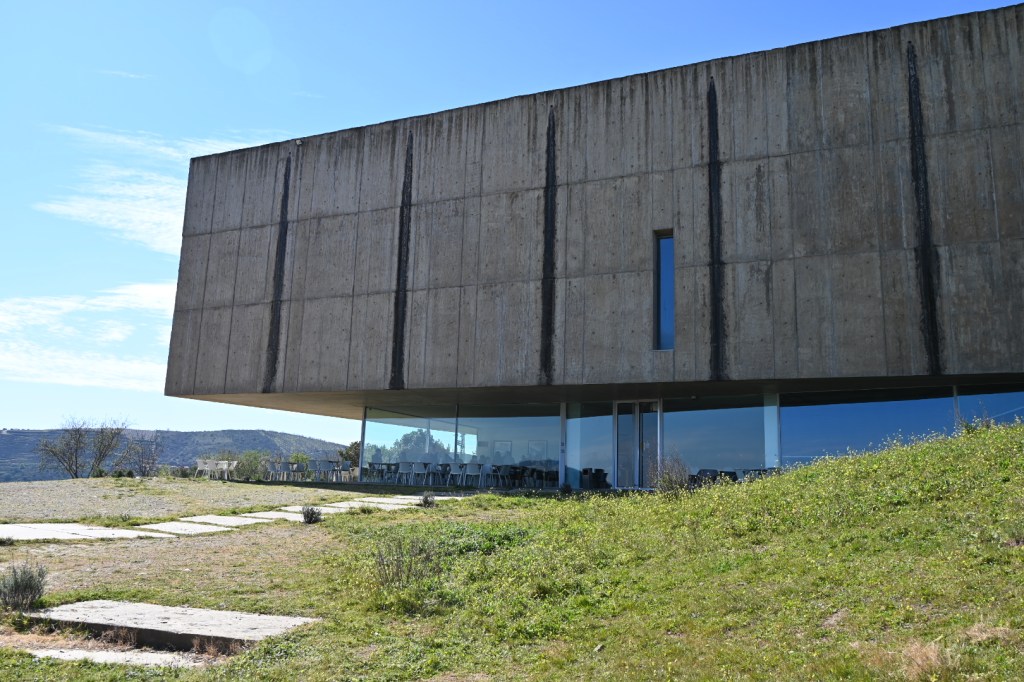
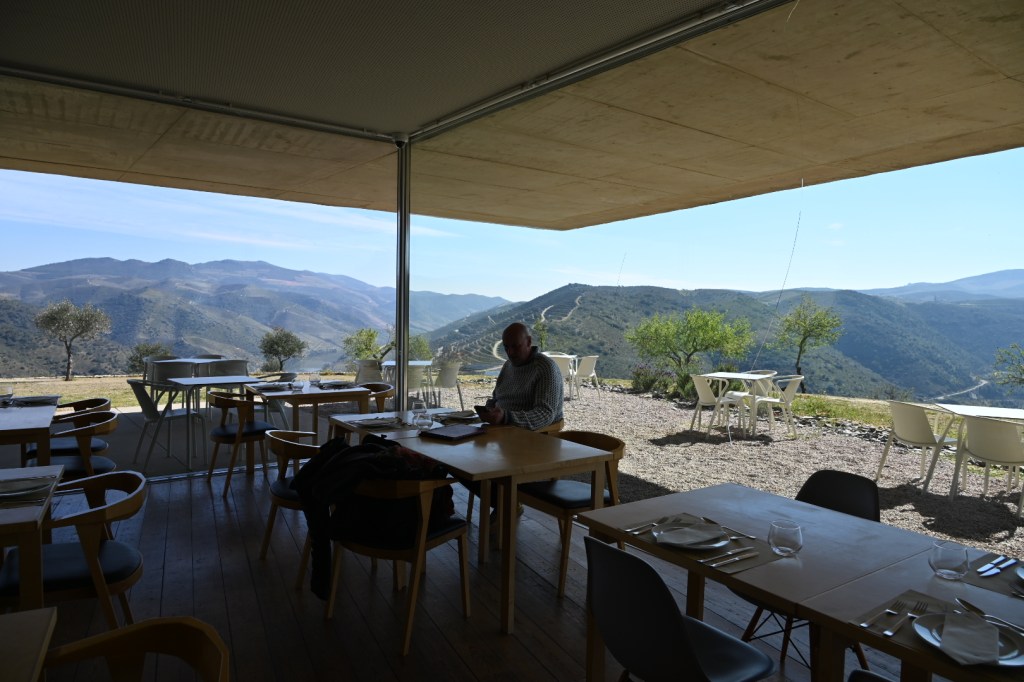
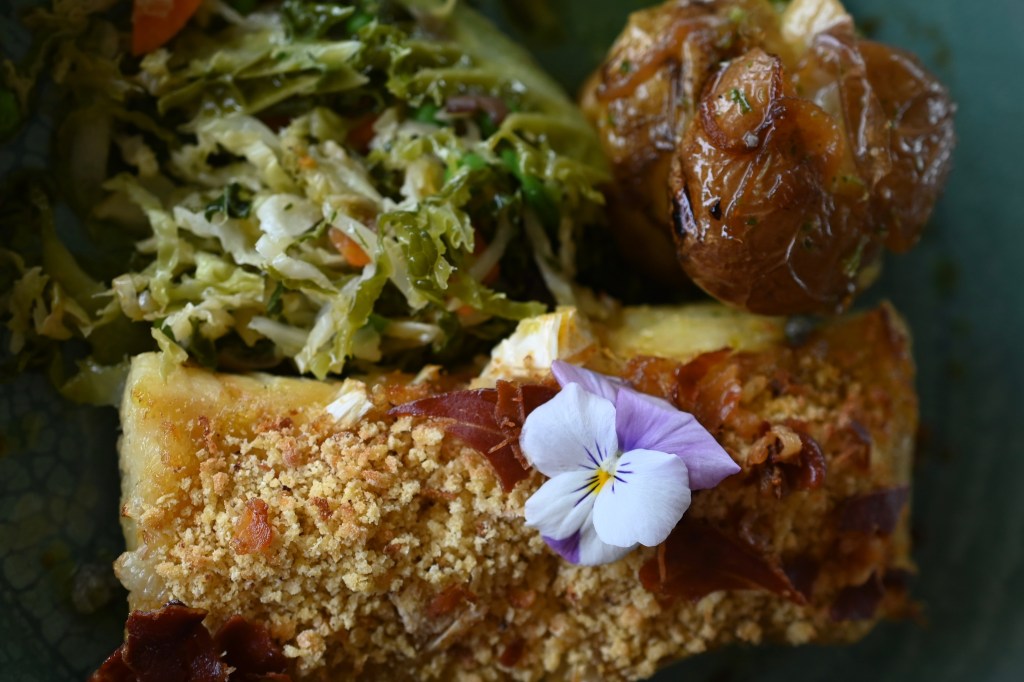
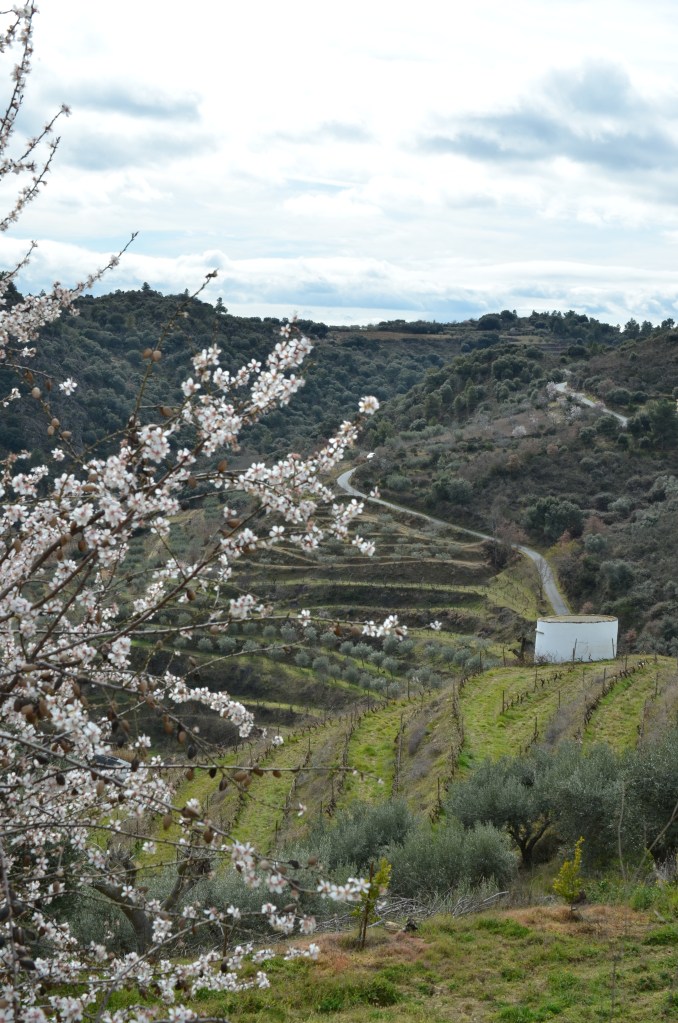
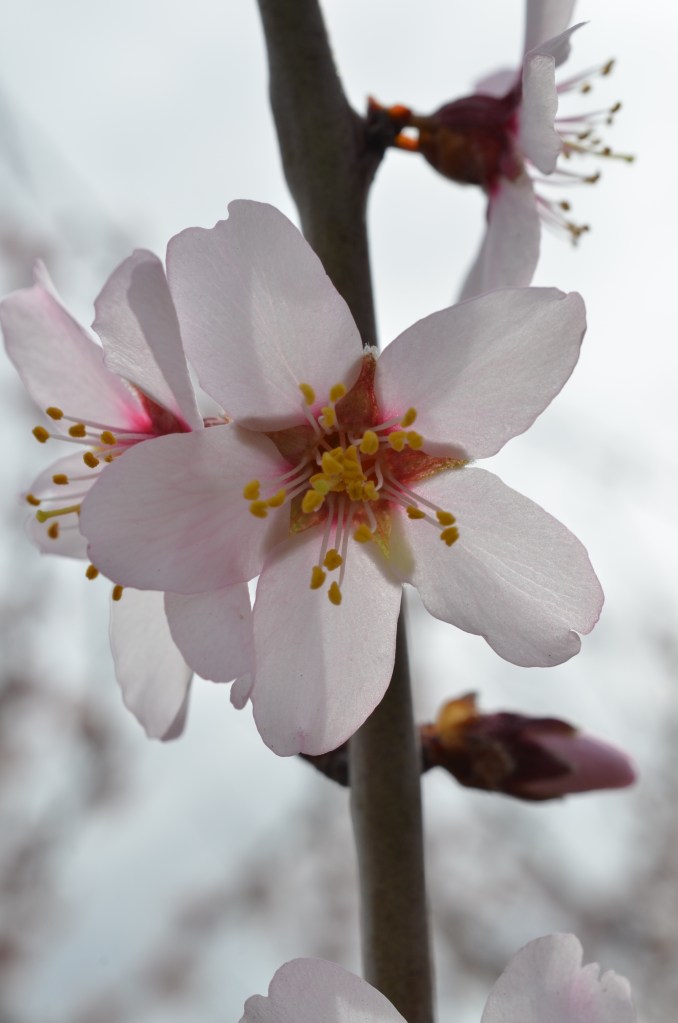
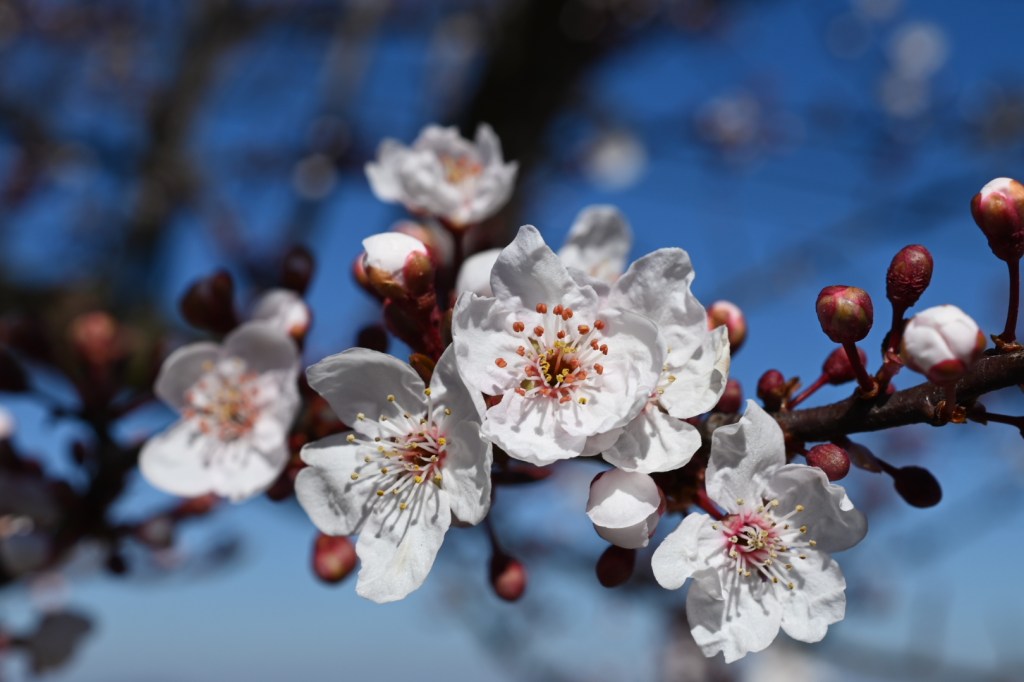
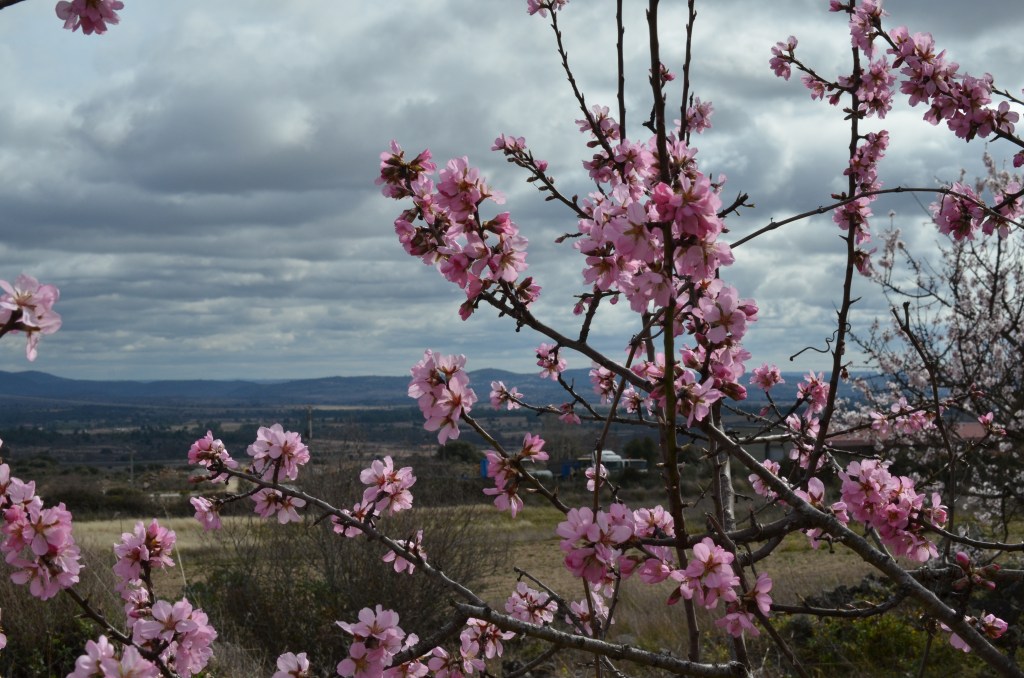
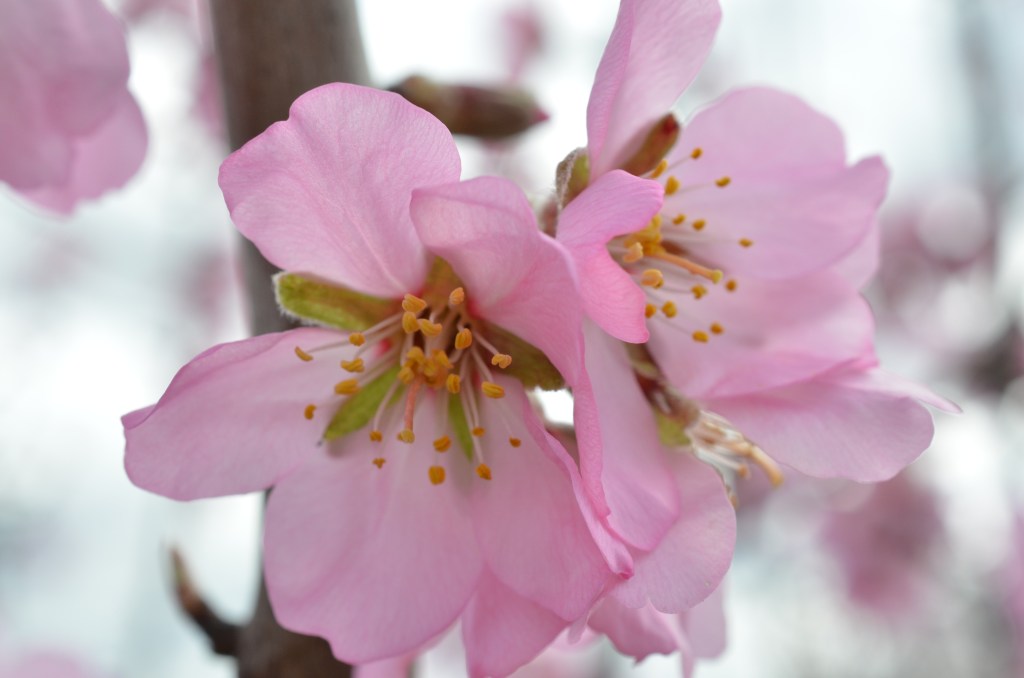
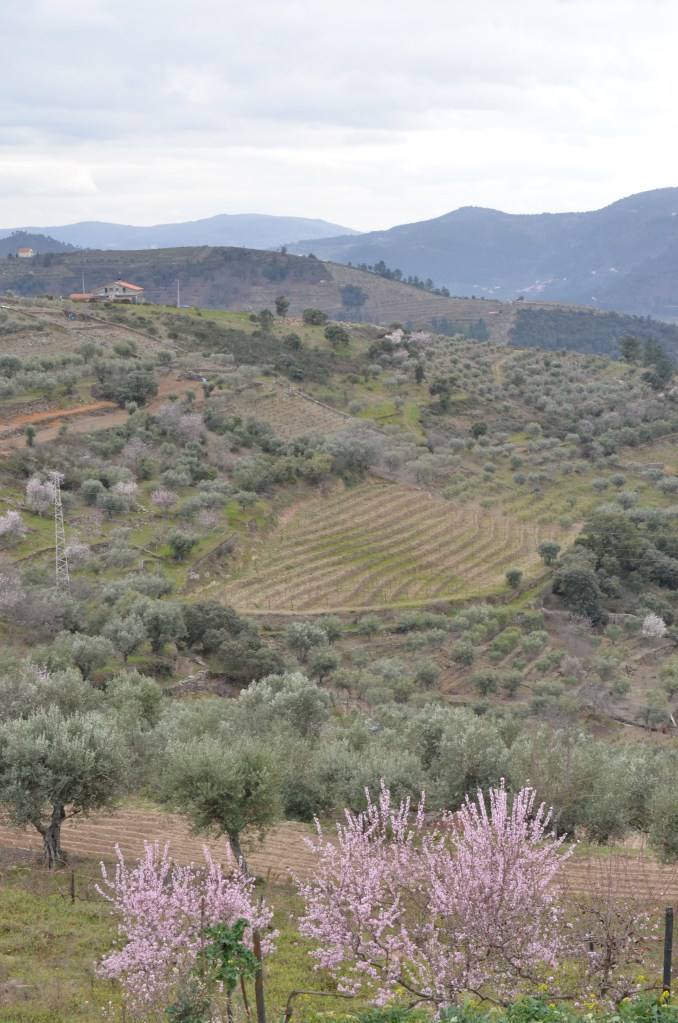
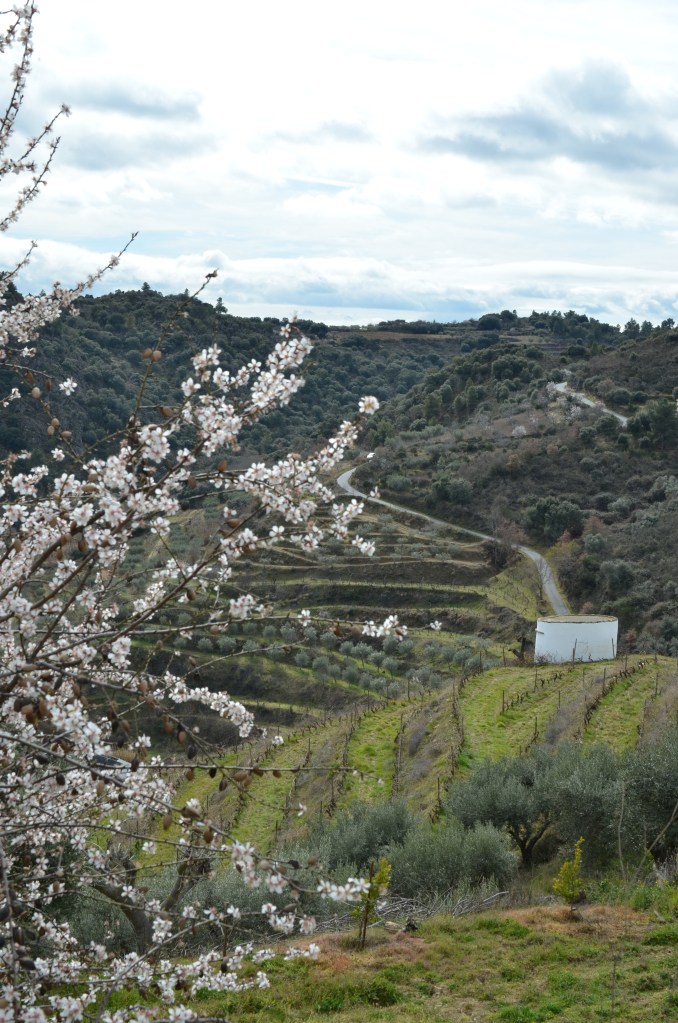
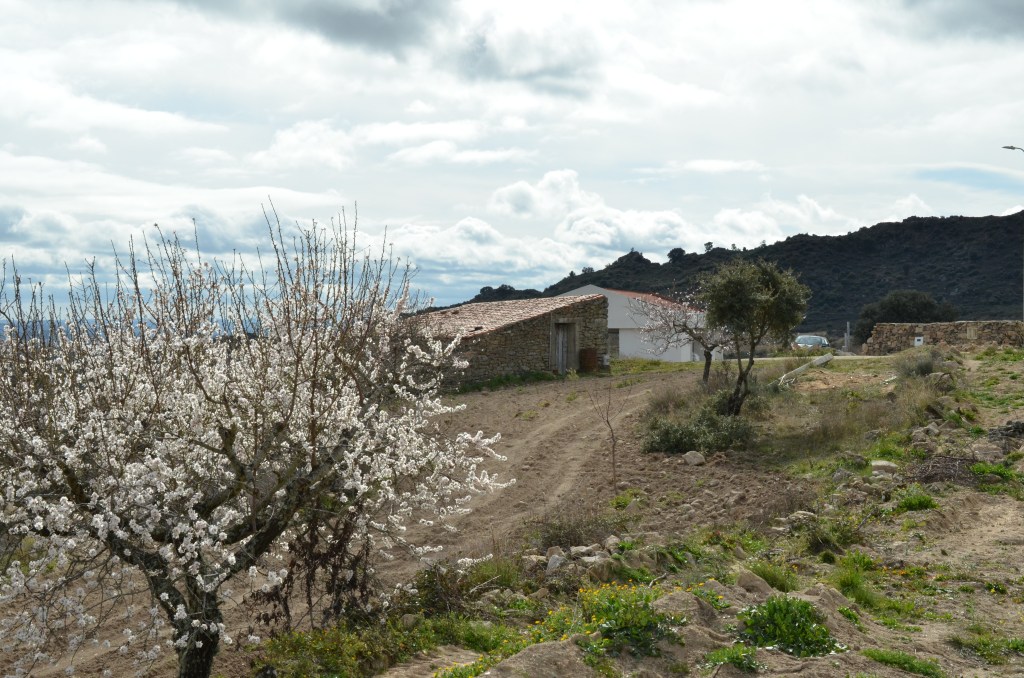
Foz Côa is south of Pocinho, along the river Côa, which is a branch of the Douro river. Foz Côa is the name of both the larger region and the city centre. The area has a lot of almond trees and every spring, in February/March the area is covered with white almond blossoms. Foz Côa is in the middle of a wine producing area, with many wineries and has a large archeological museum which is worth visiting. The Côa river and valley was made an UNESCO world heritage site in 1998, due to the discovery of ancient Rock art sites in the area. The museum is a little outside the city, but is beautifully located on a hill with view to both the Côa and the Douro rivers. It has an excellent restaurant and guided tours in boat, kayak or by foot to the rock art sites.
Mêda
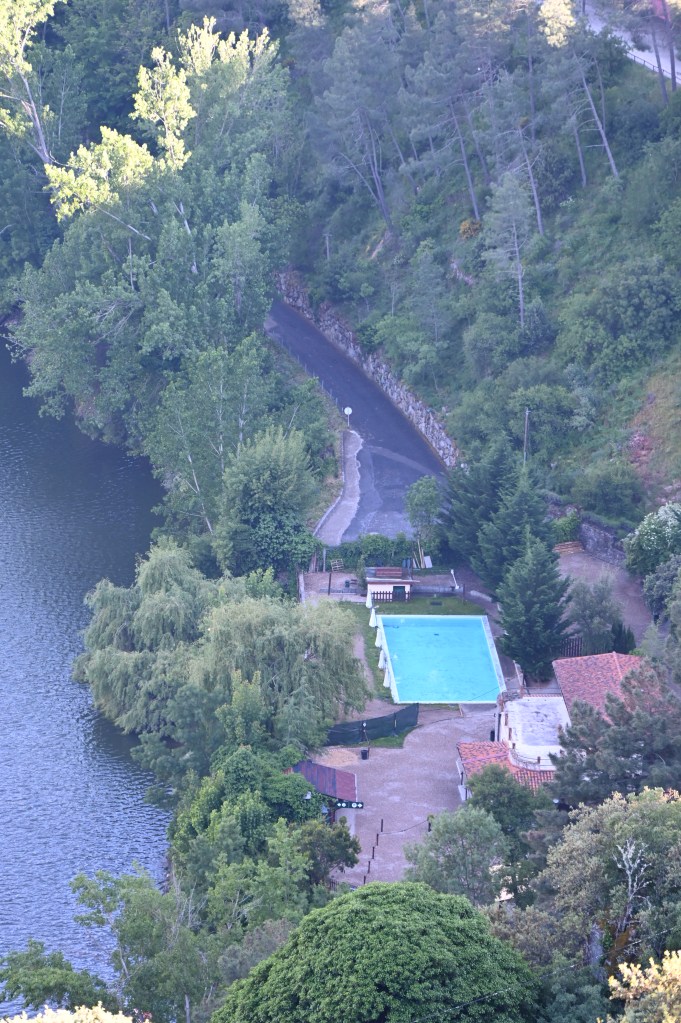
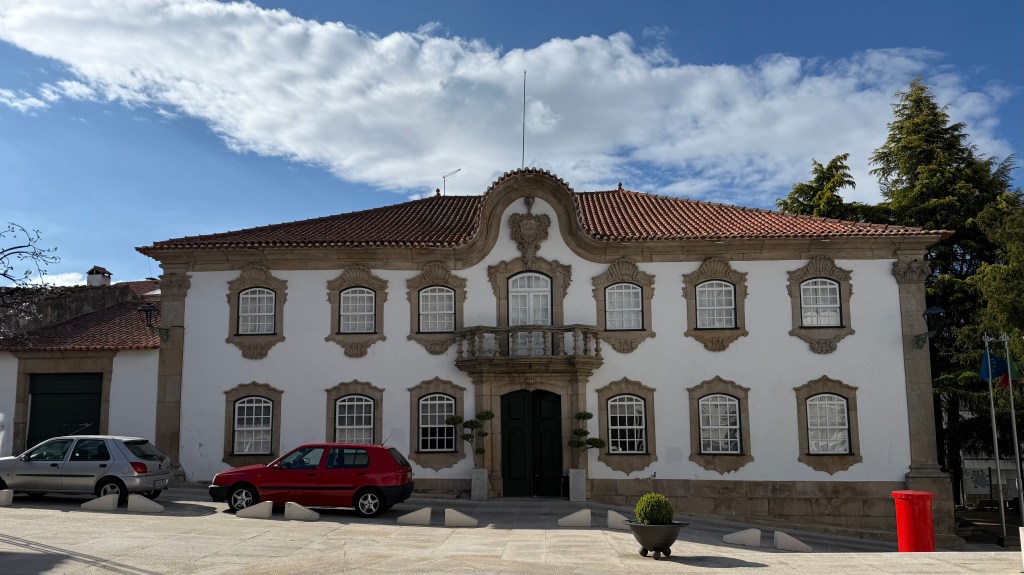
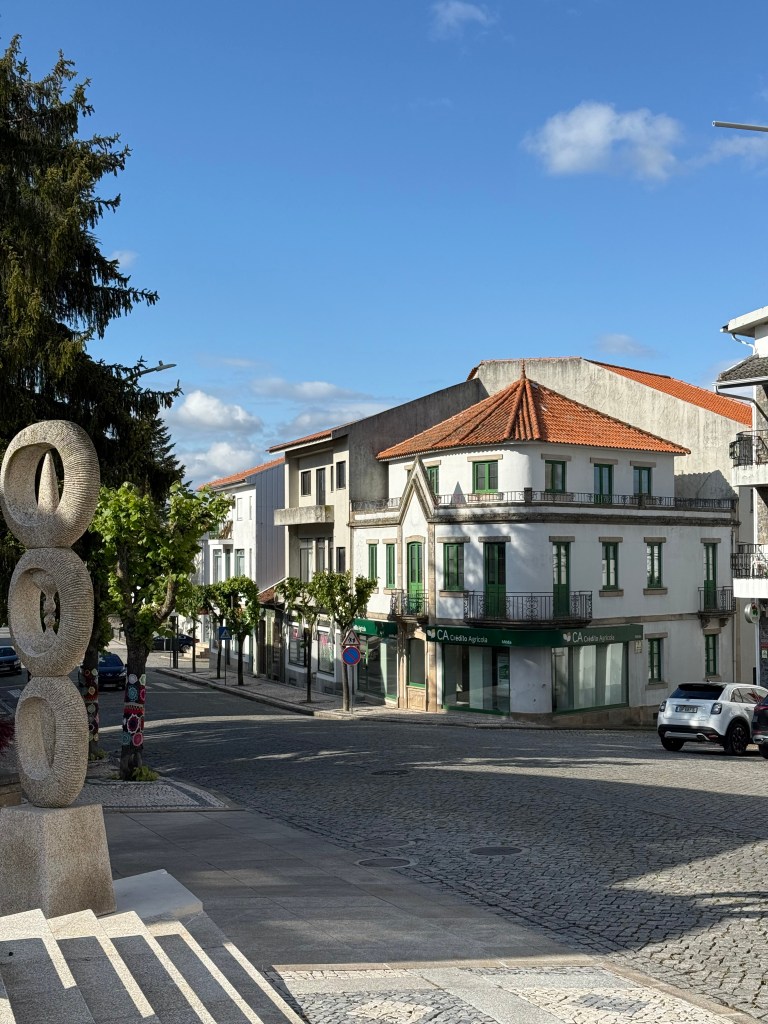
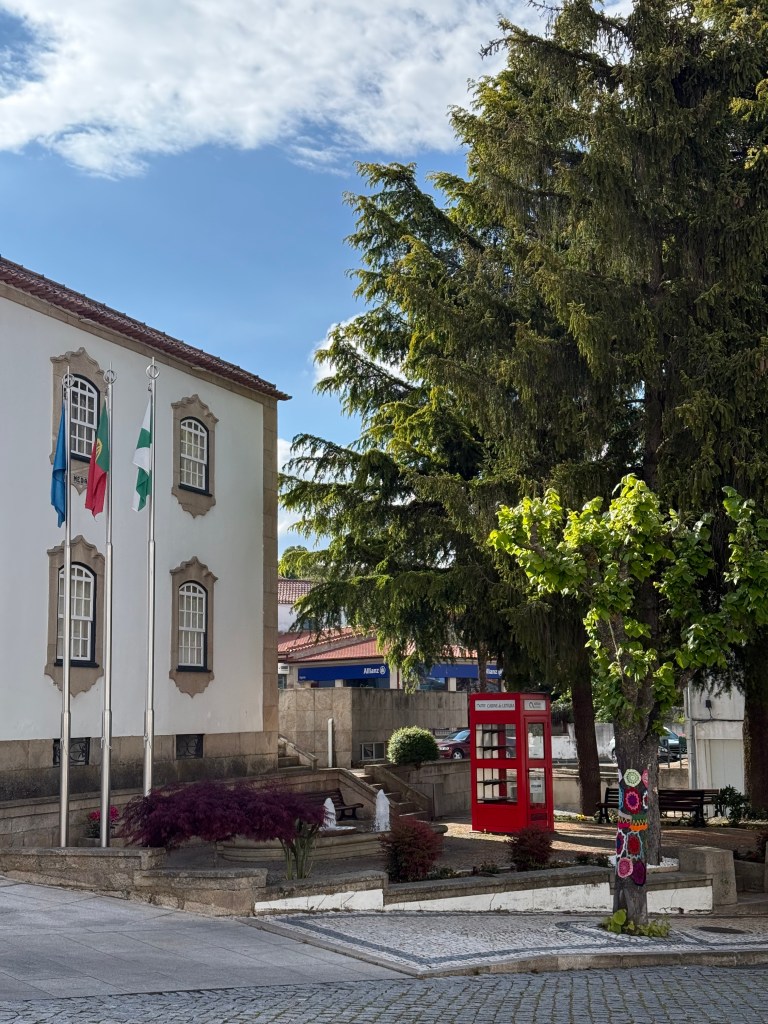
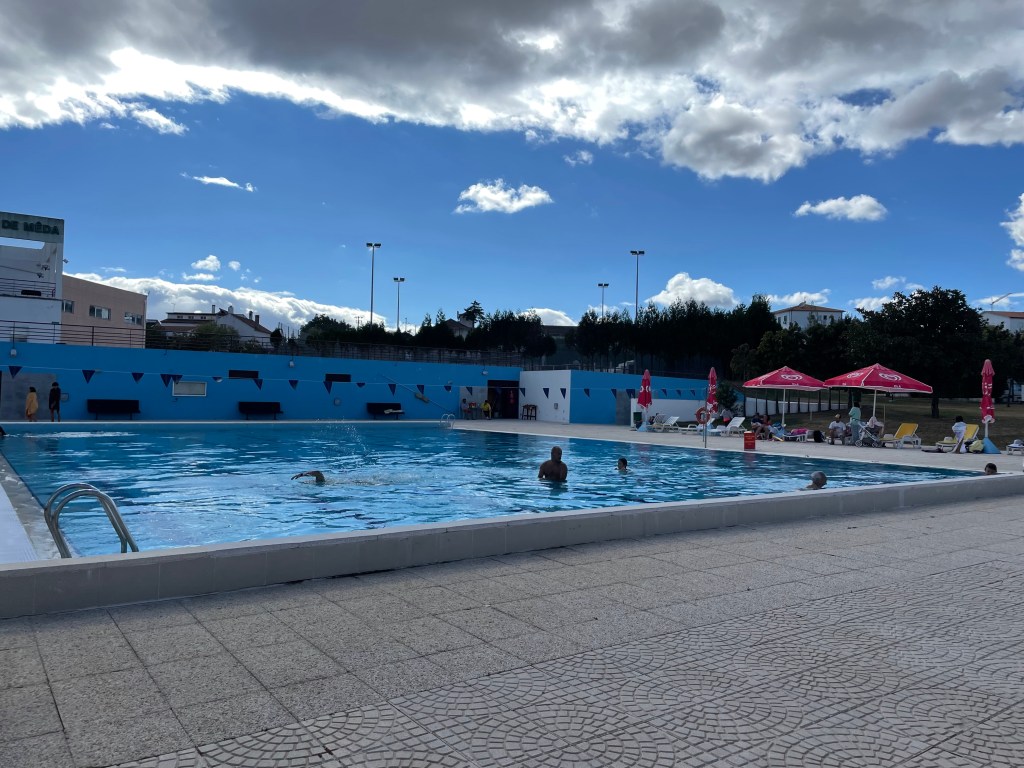
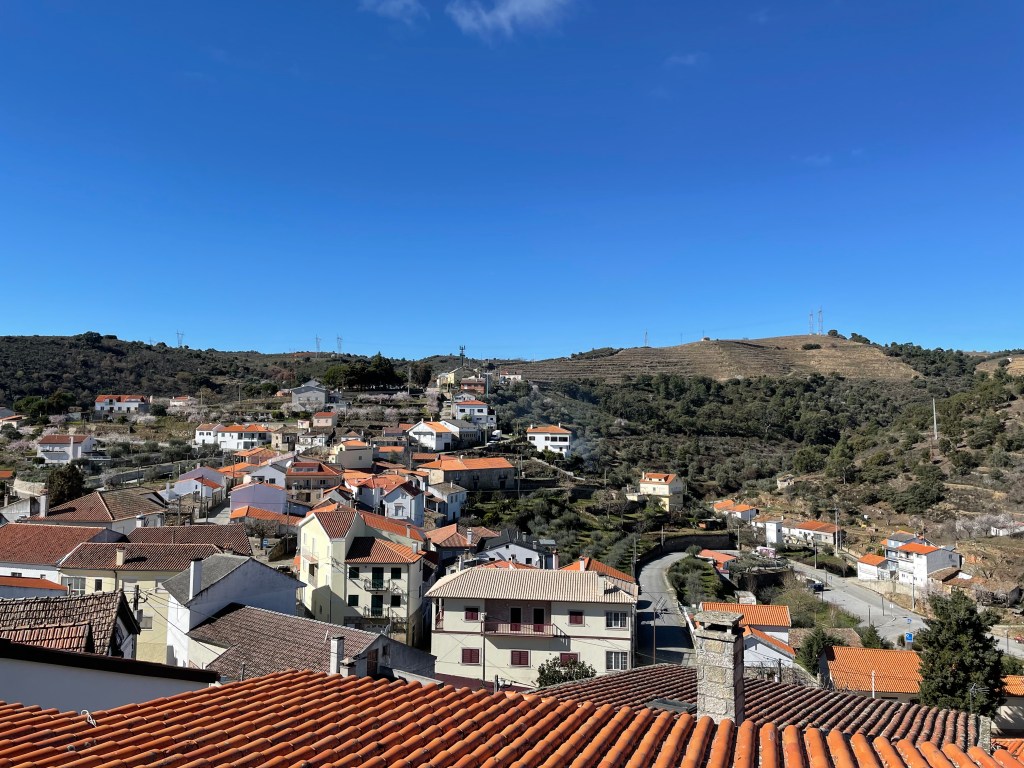
Mêda is the region south of Foz Côa. It covers both the city of Mêda and several other beautiful cities and villages, like Poço do Canto and Marialva. Mêda city is maybe not as pretty as the smaller villages around, but it is a good base to explore the region, as it has a hotel, restaurants and even a great outdoor public swimming pool, which is open in the summer season. We have stayed a couple of times at the one-star hotel Novo Dia, which is totally fine. Nothing fancy, but clean, friendly, warm and with a good breakfast. It is also in walking distance to several restaurants, which is a good bonus, knowing the really good wine you get at all these places. O Mercado is one of the better restaurants, with excellent food and wine, but you get really decent local food at most of the restaurants around. The wines from the Mêda region is high quality and have won several prizes for their quality.

Poço do Canto
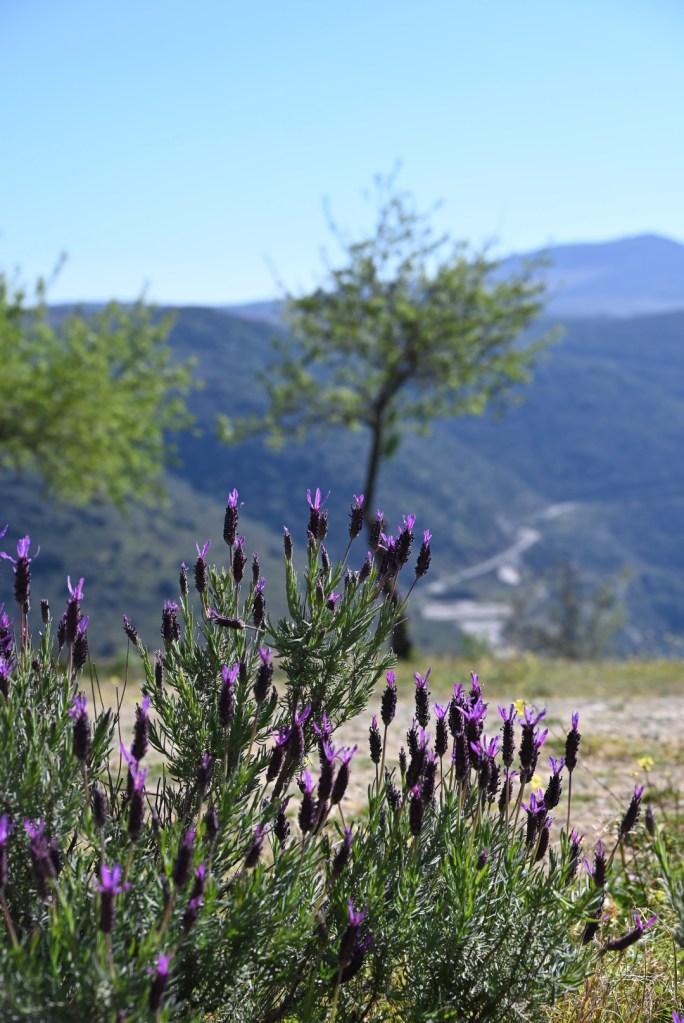
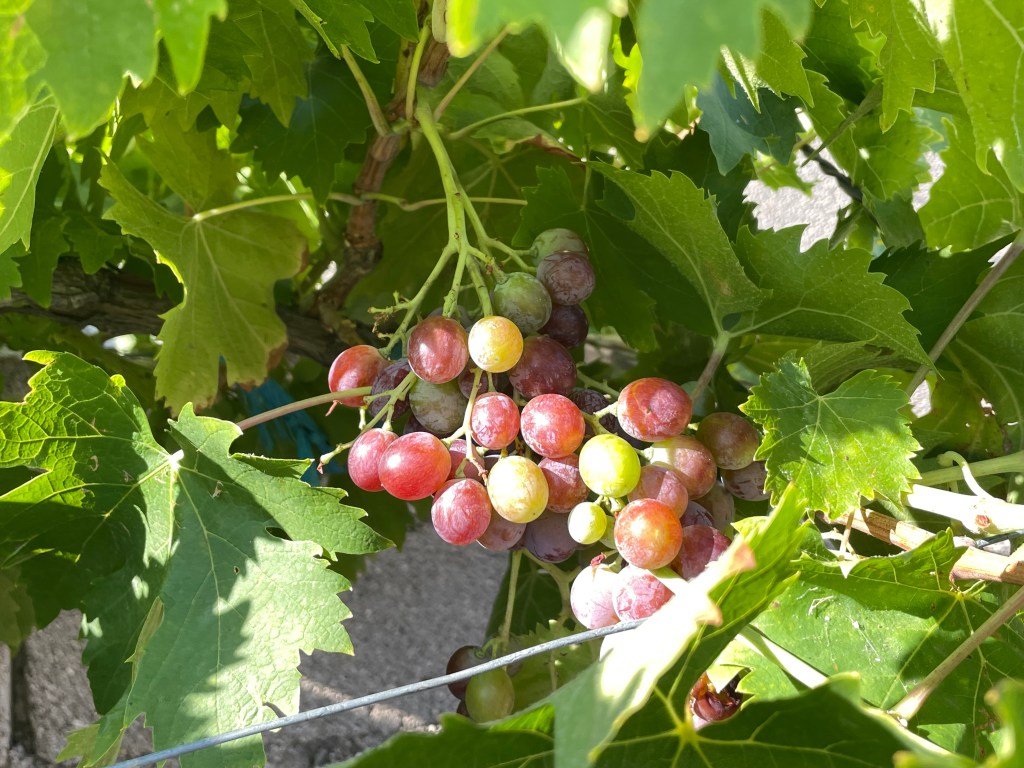
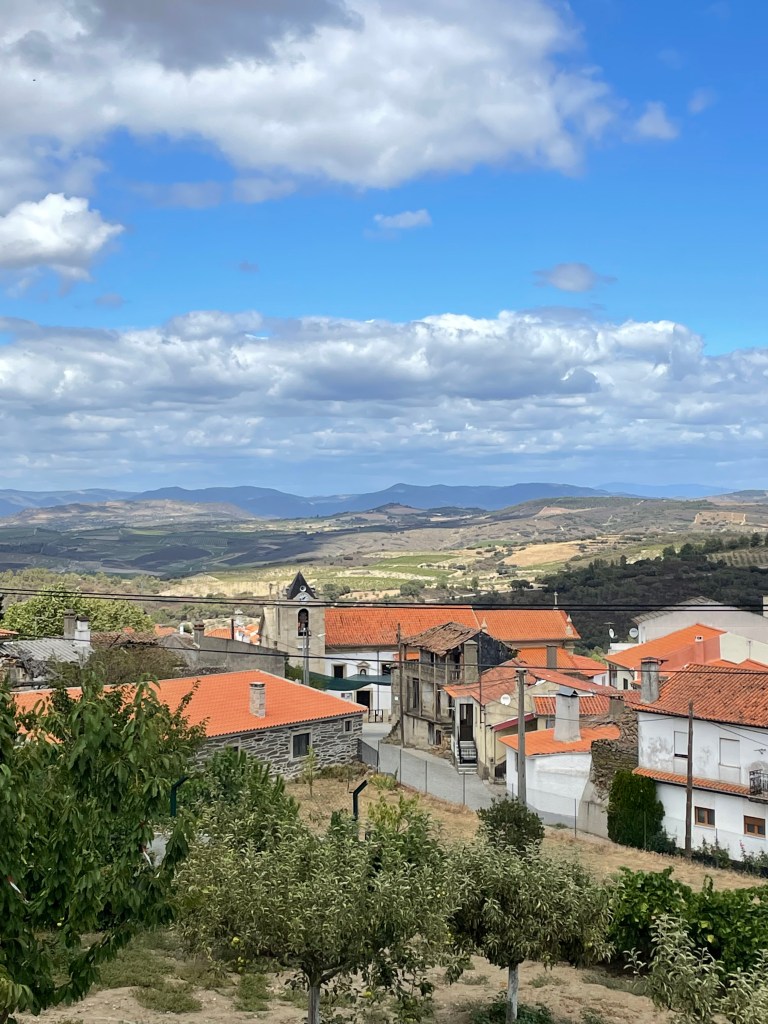
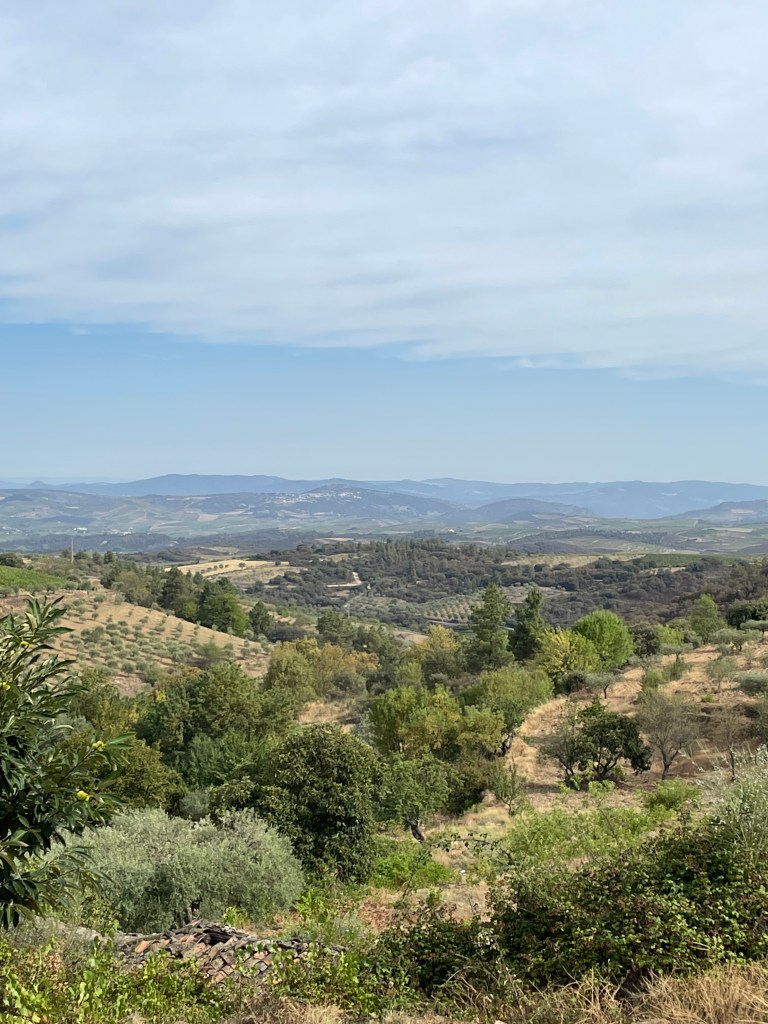
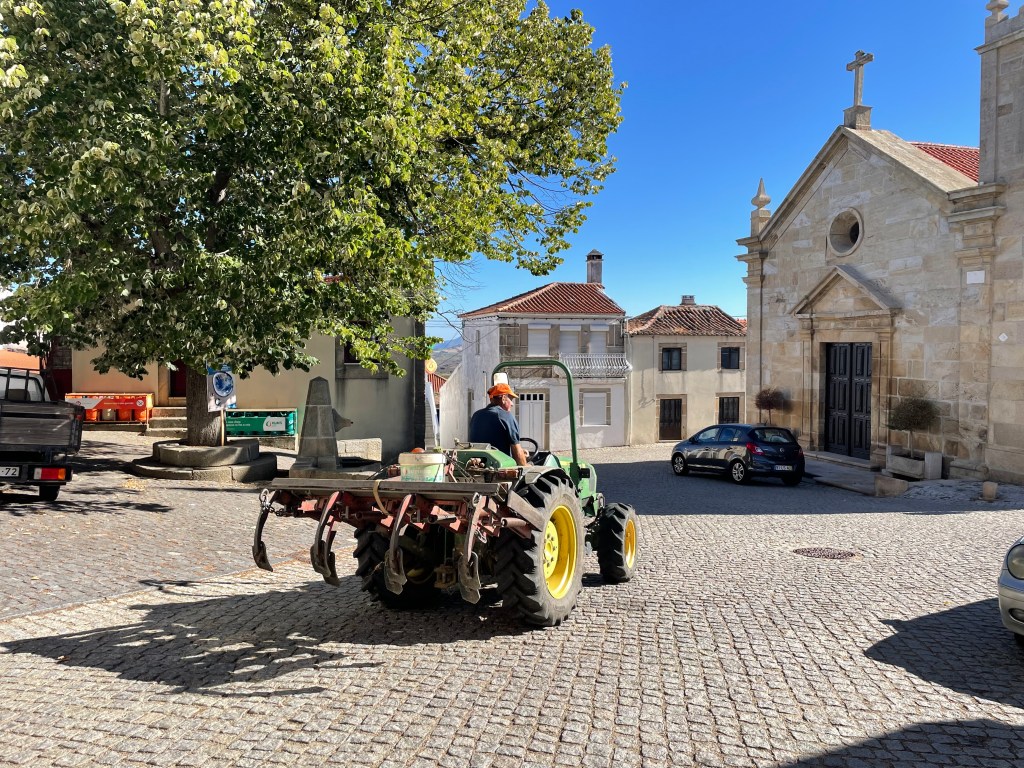
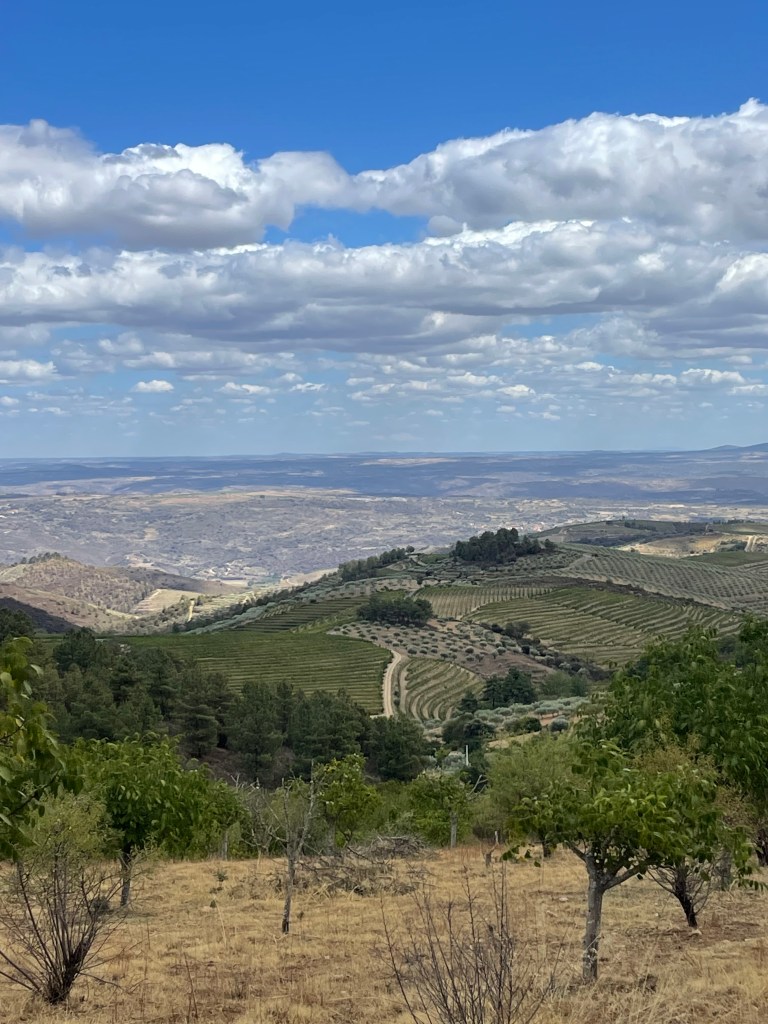
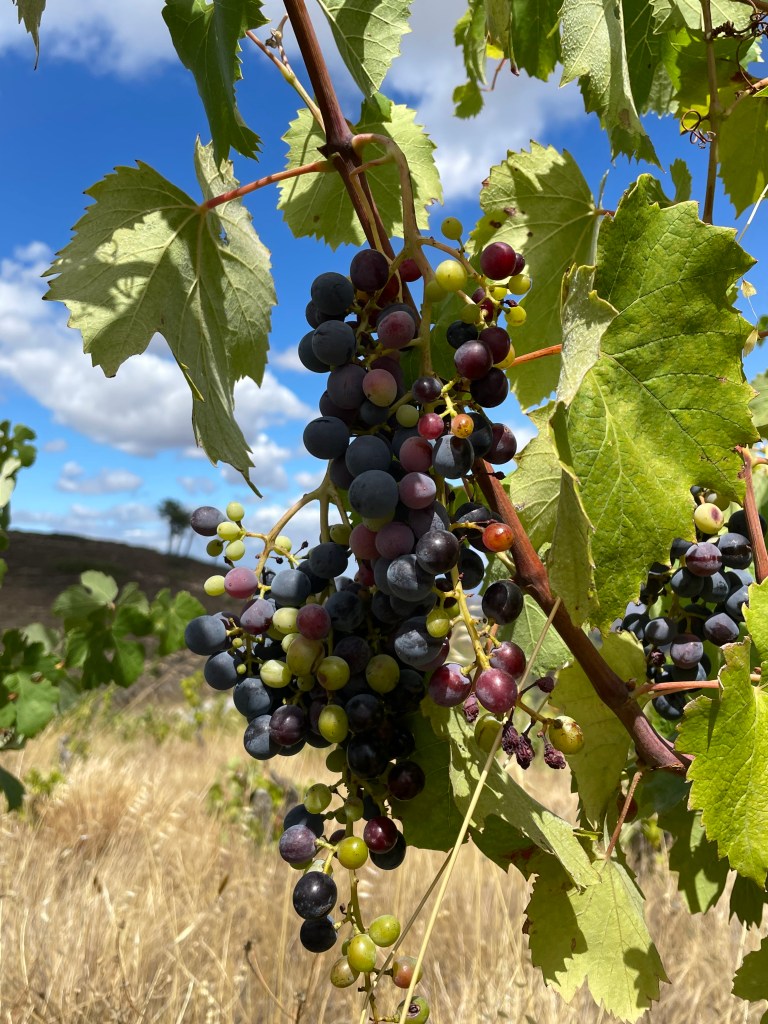
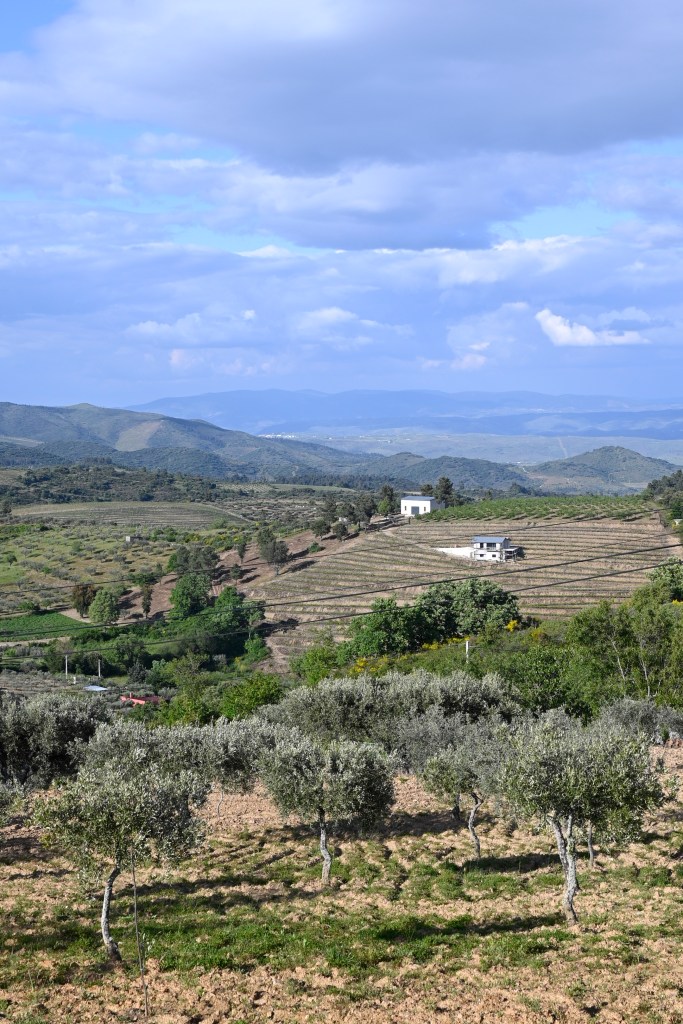
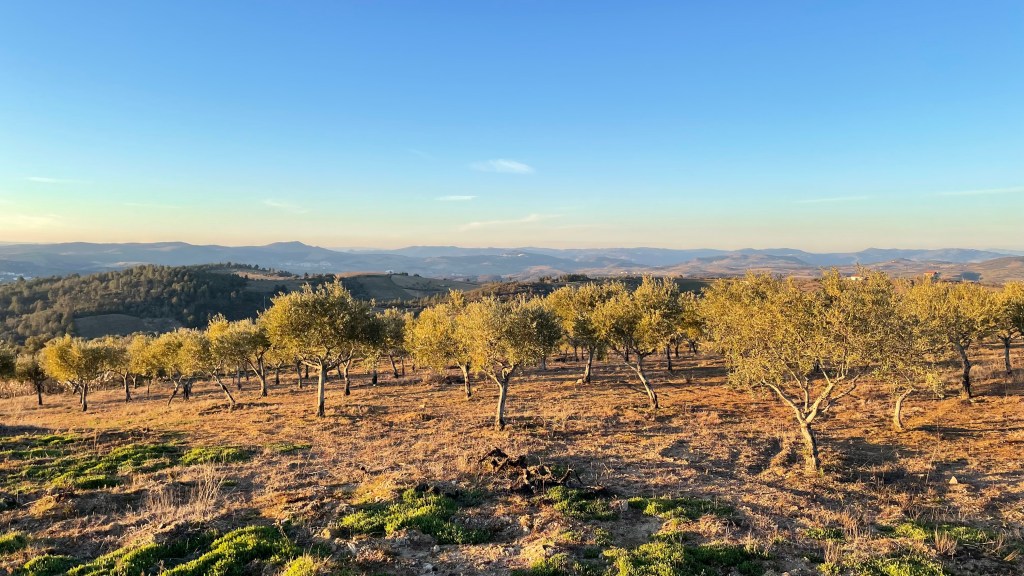
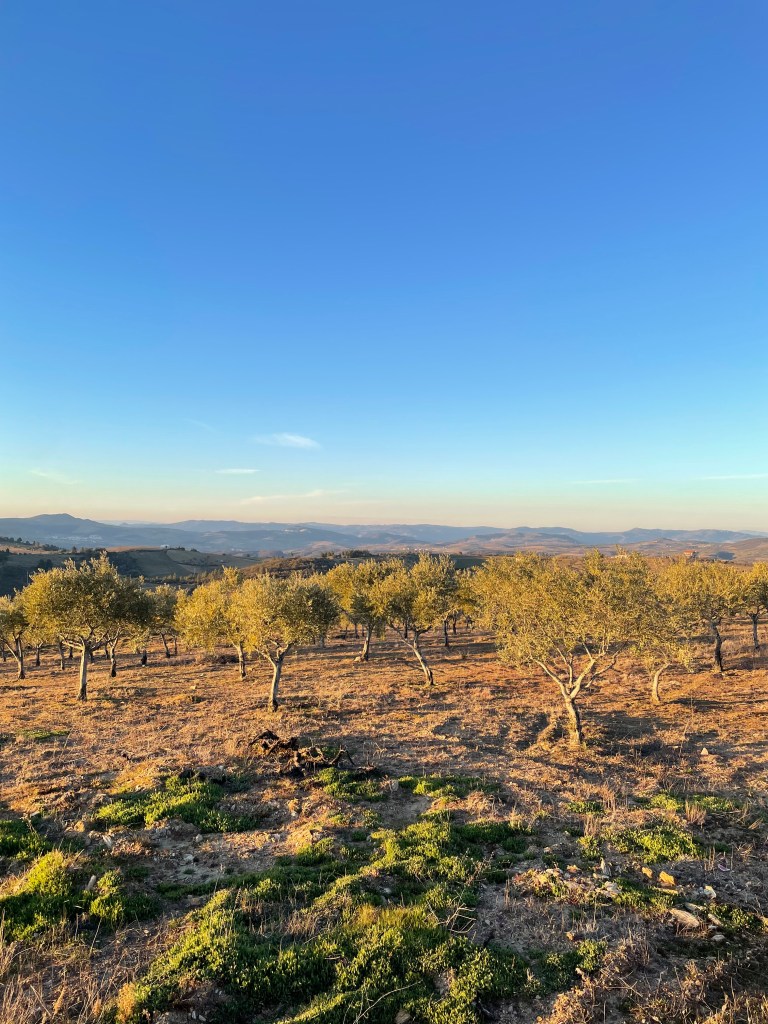
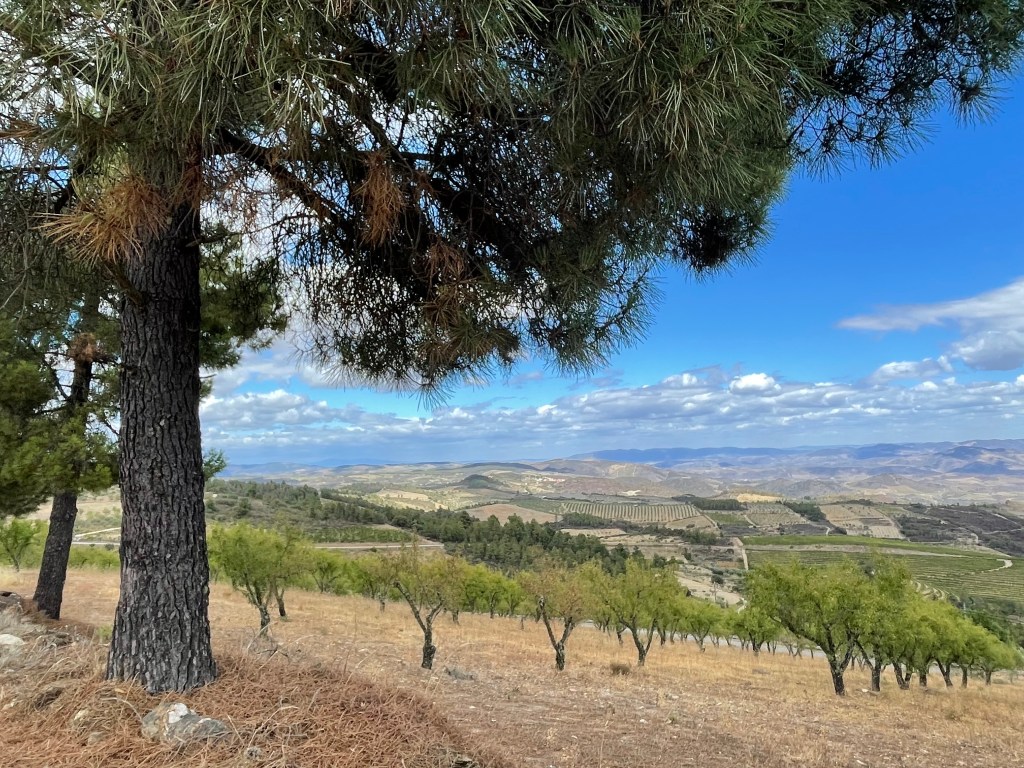
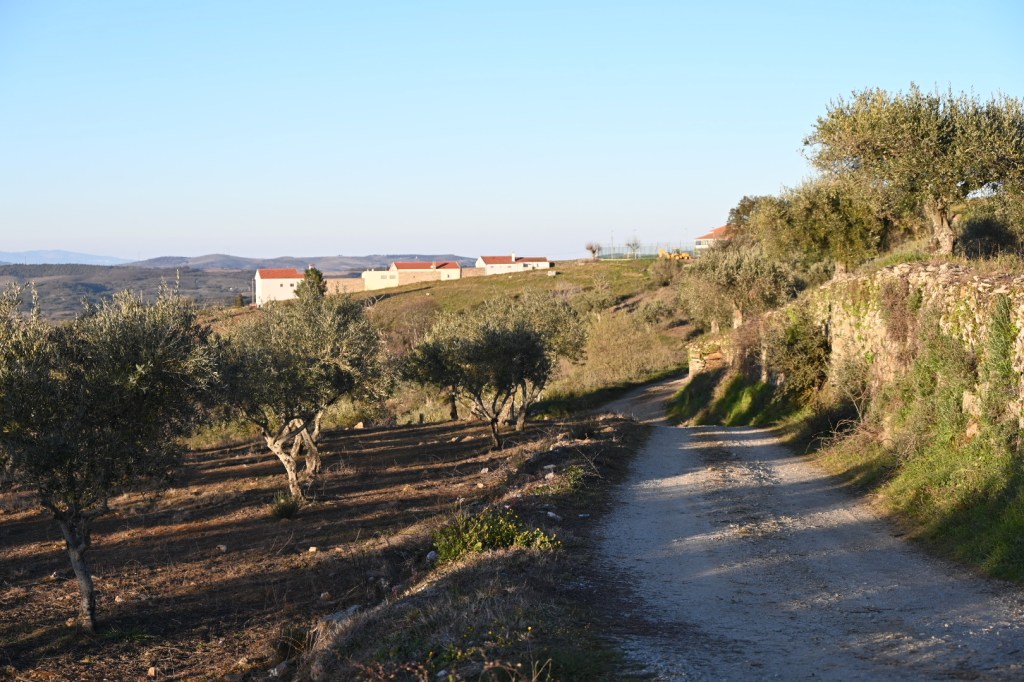
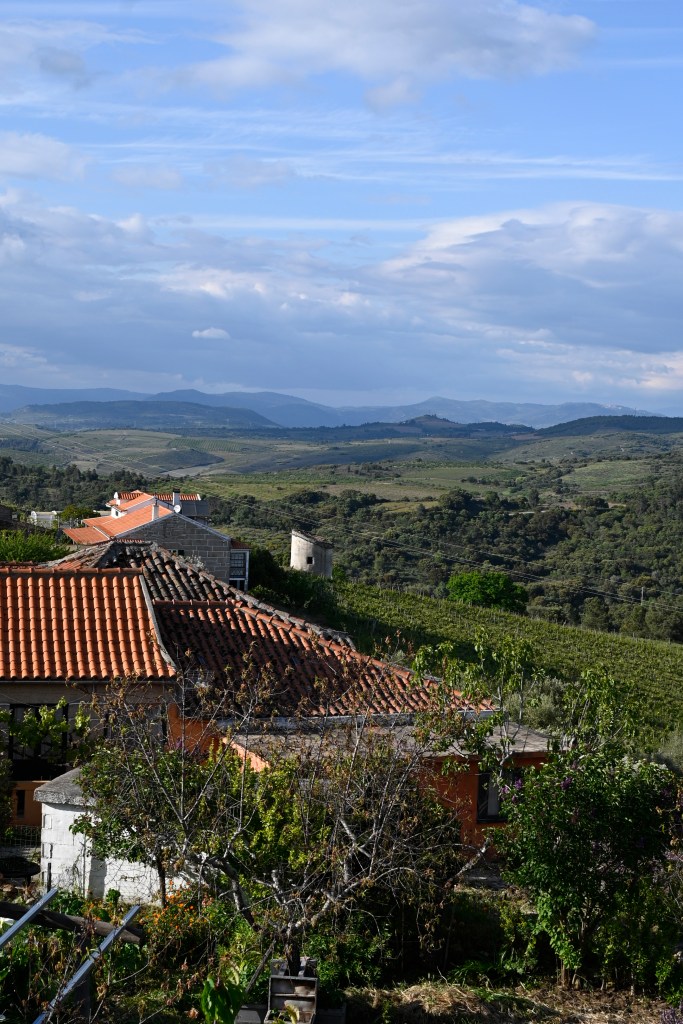
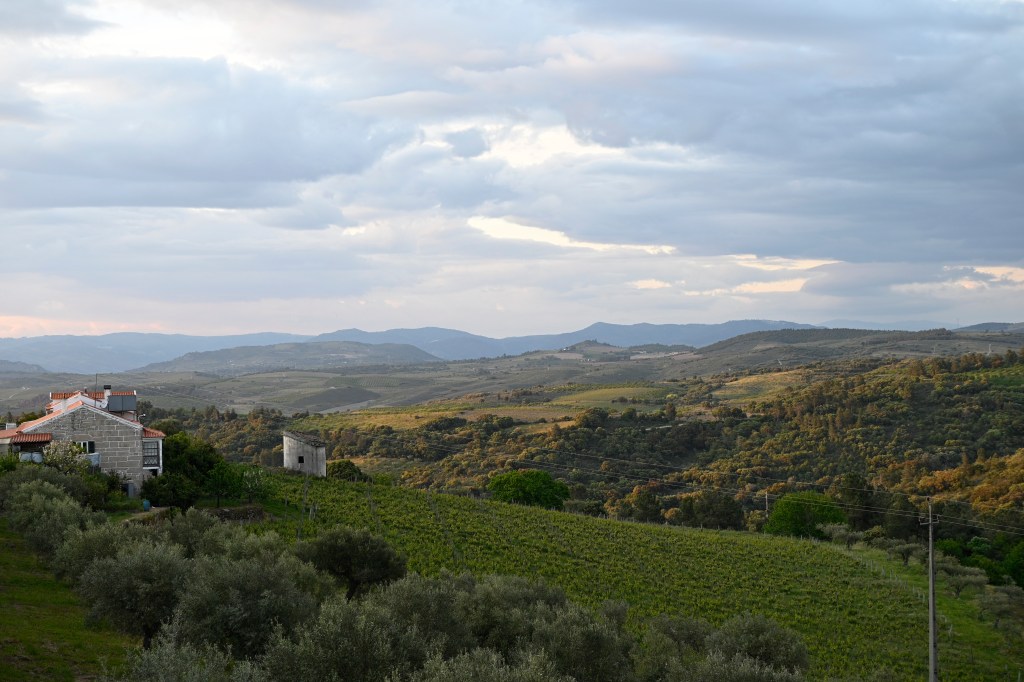
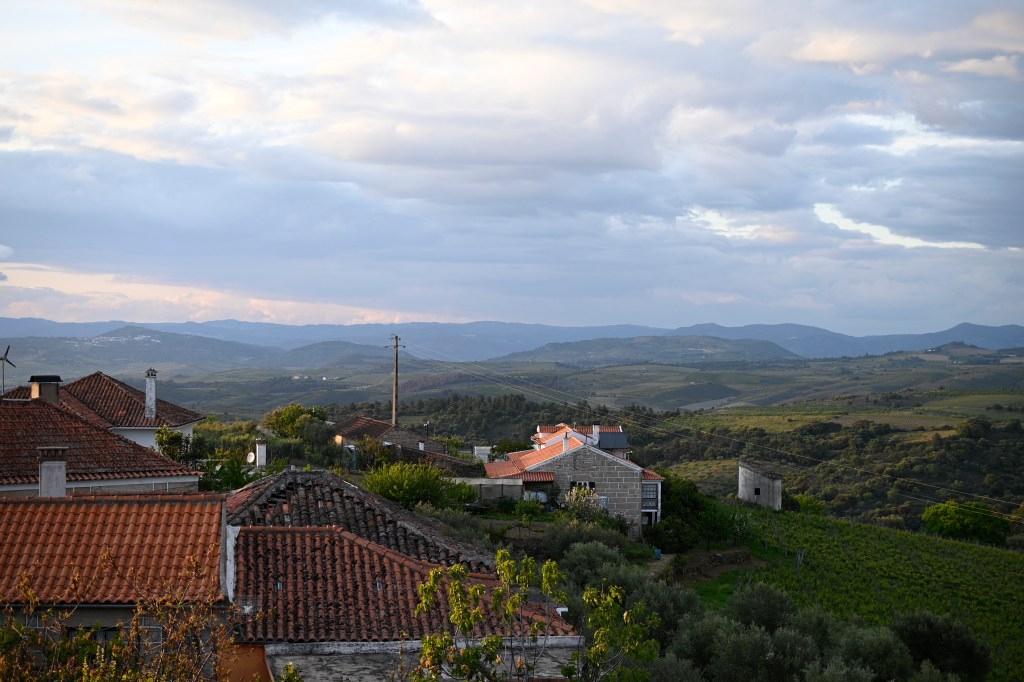
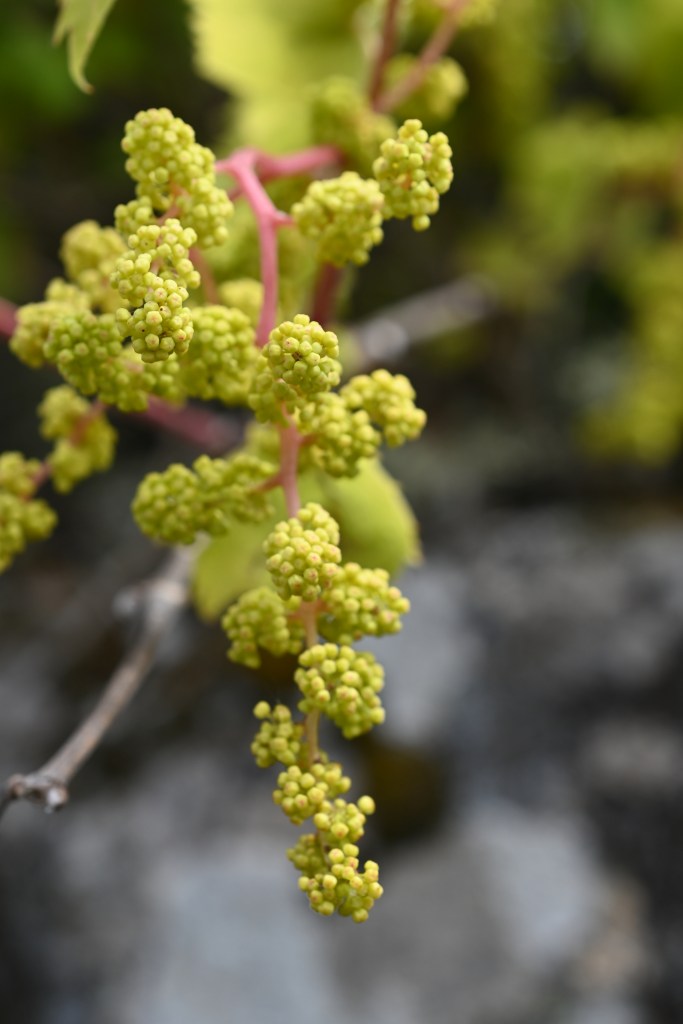
Poço do Canto is one of the “pearls” in the Mêda district. It is an hours walk from Mêda or 7 minutes drive. I would, however recommend the walk, as the views when walking between these two cities/villages is so amazing. You can walk in-between wine fields and flowering trees and if you’re there in the right season taste some of the grapes on the way. Many of the wine fields seem abandoned, so if you have practical genes, it really gives you the urge to “buy a farm” in Portugal and start a small winery on your own. If you are not as ambitious, there are two really good wineries in Poço do Canto that you should consider; Vinilourenco and Lucinda Todo Bom. Both have prize winning wine and Vinolourenco even has a “tasting room” with large windows overlooking the valley, where he treats guests and customers.
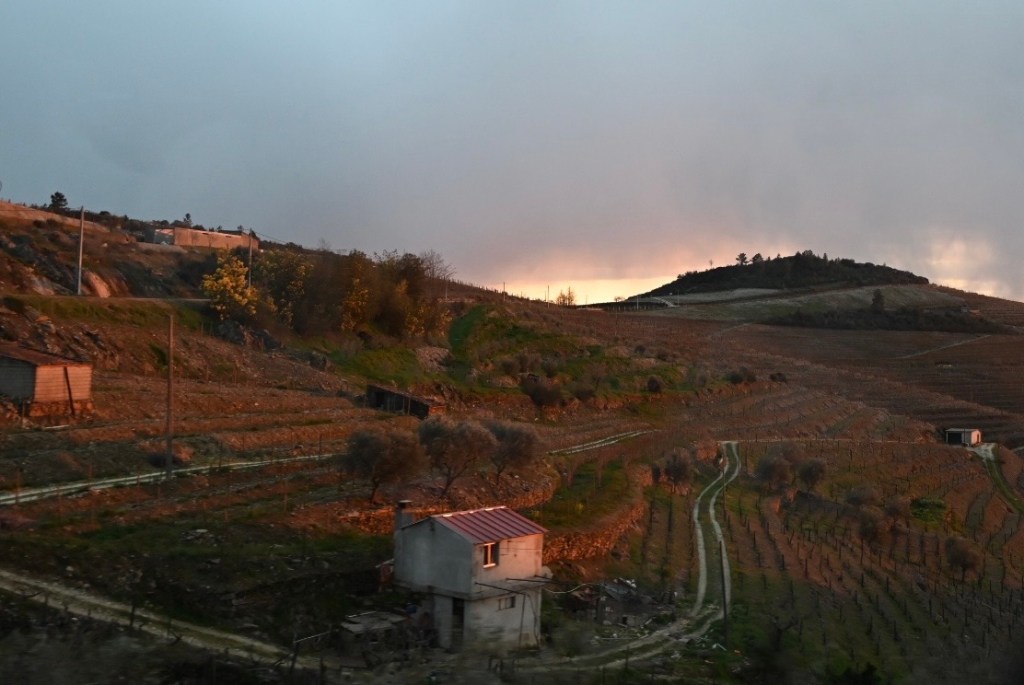
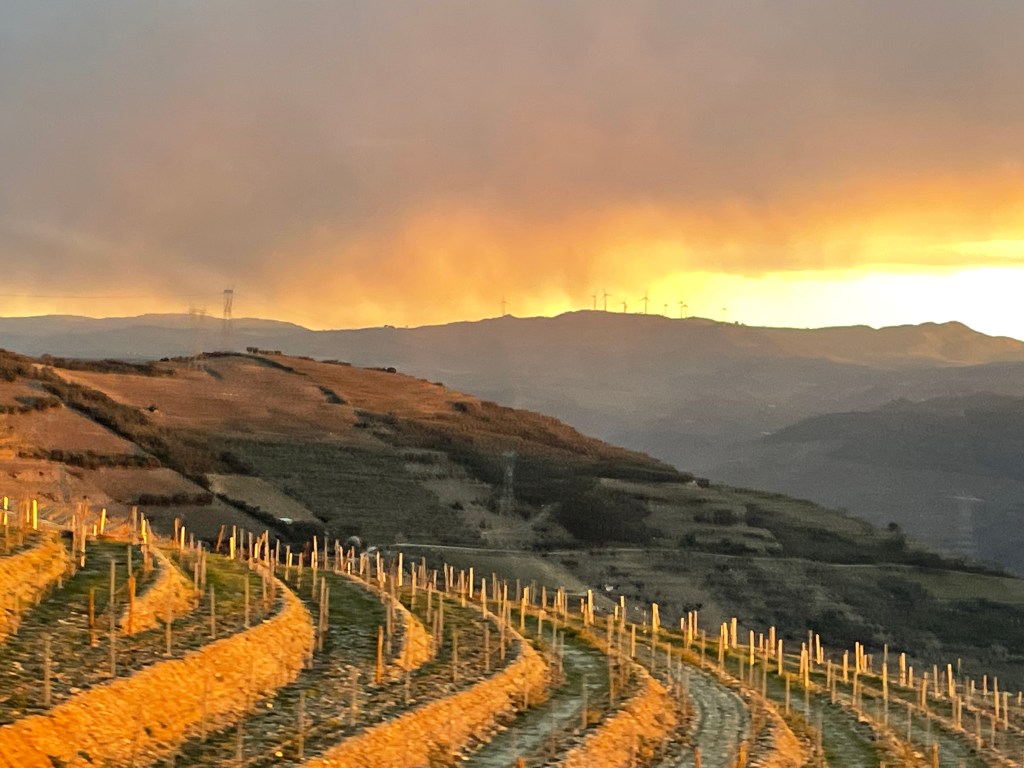
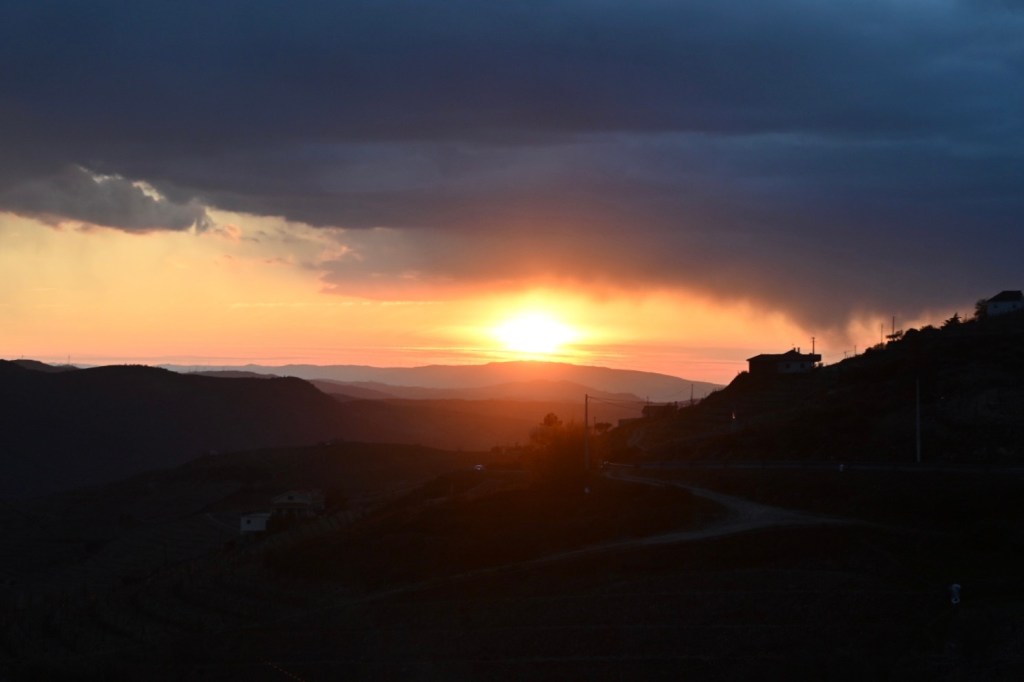
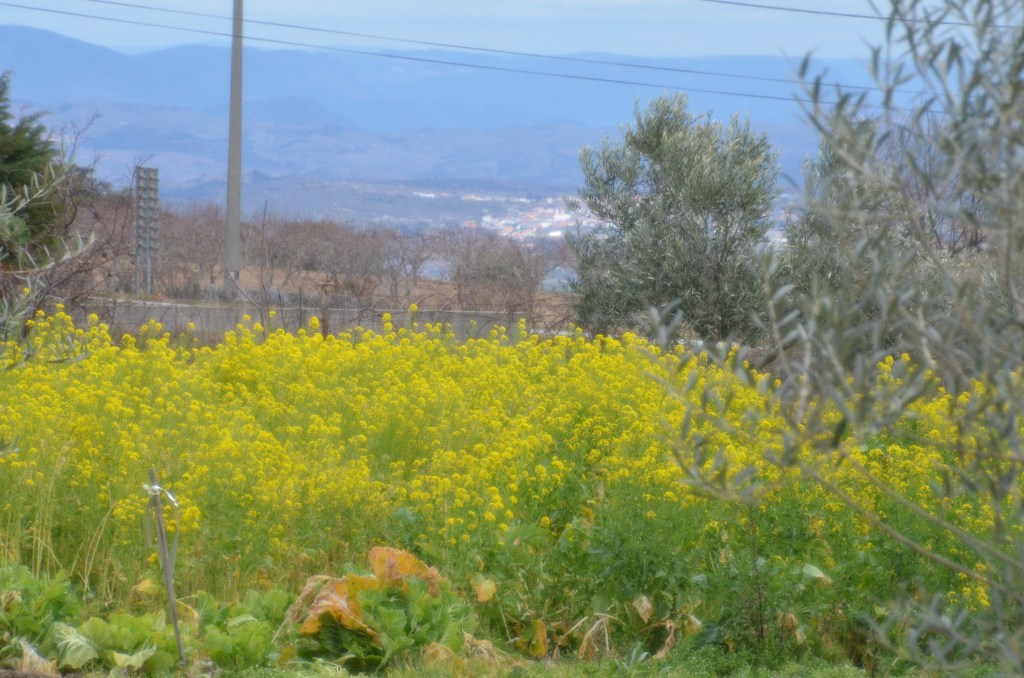
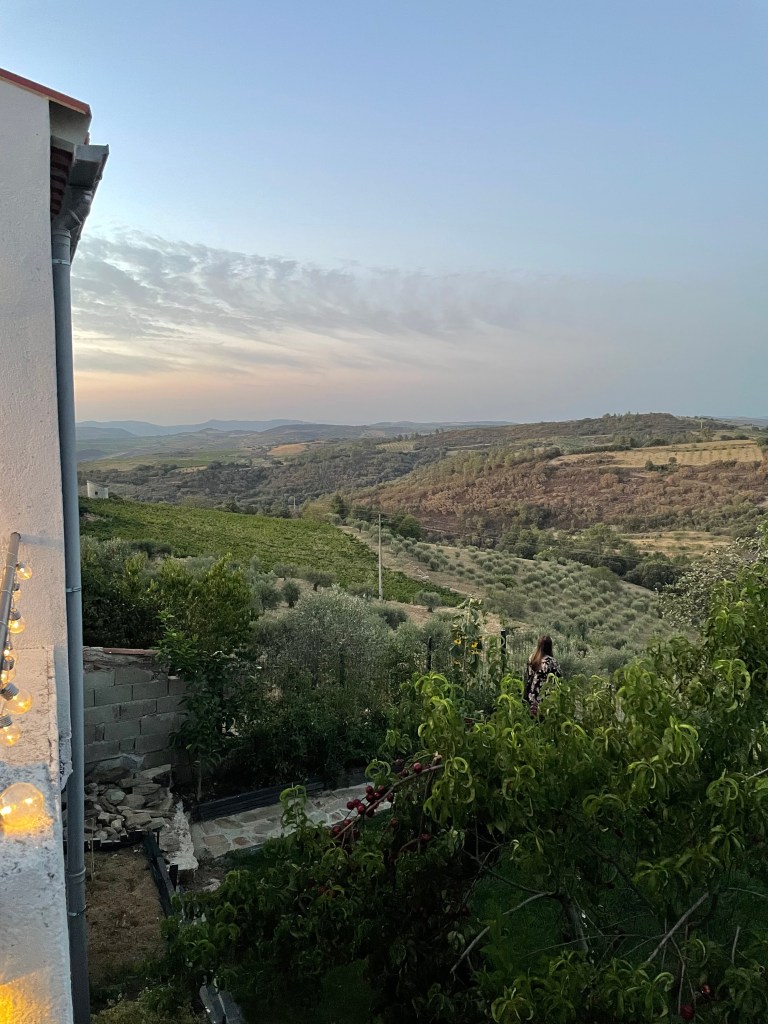
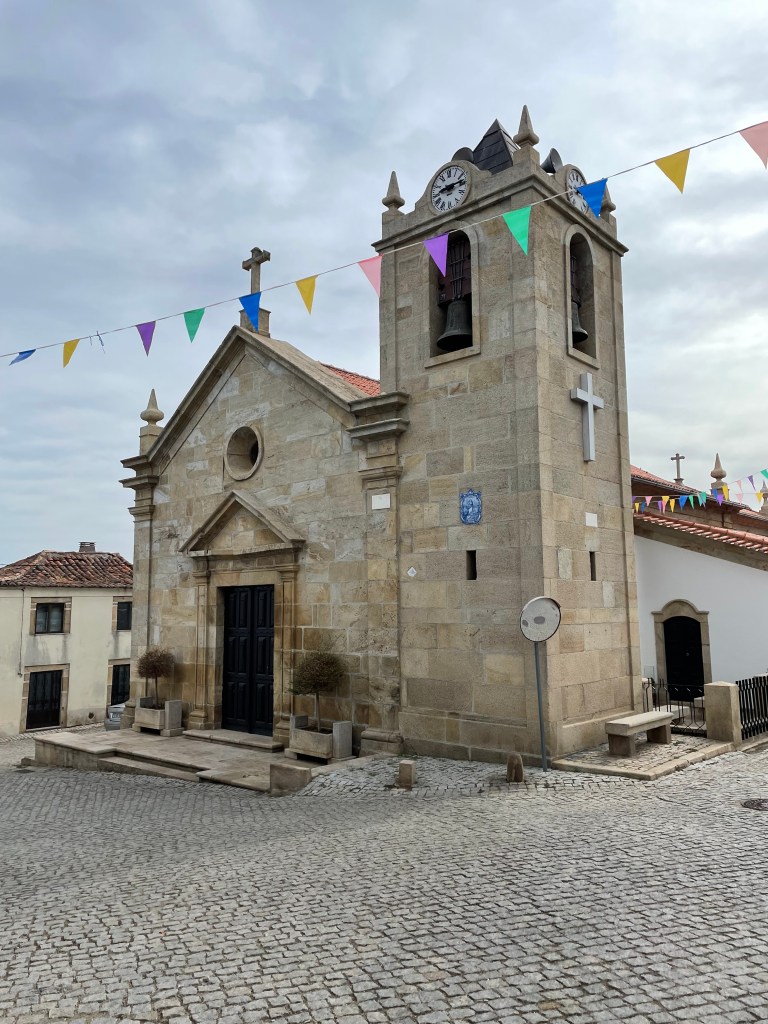
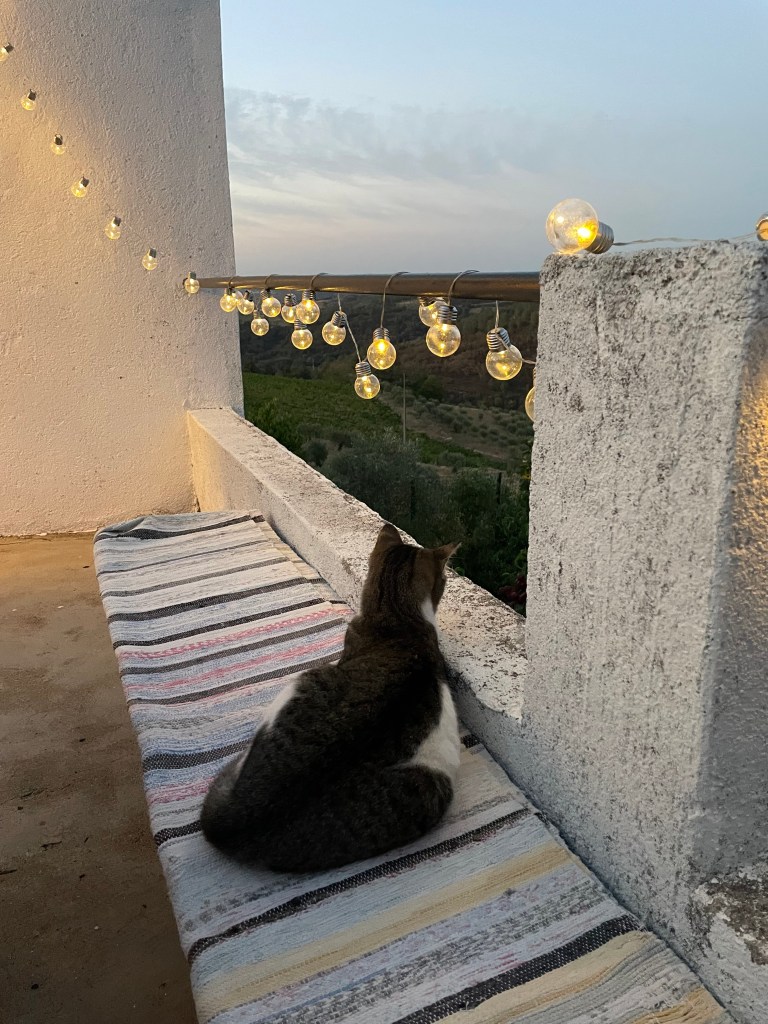
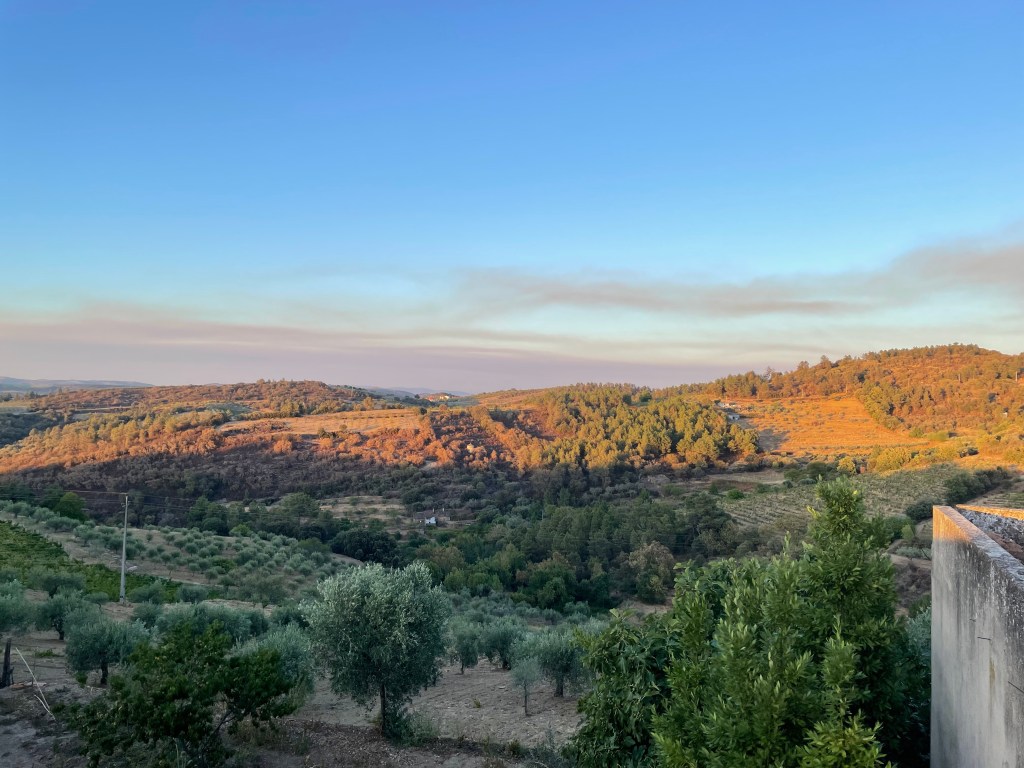
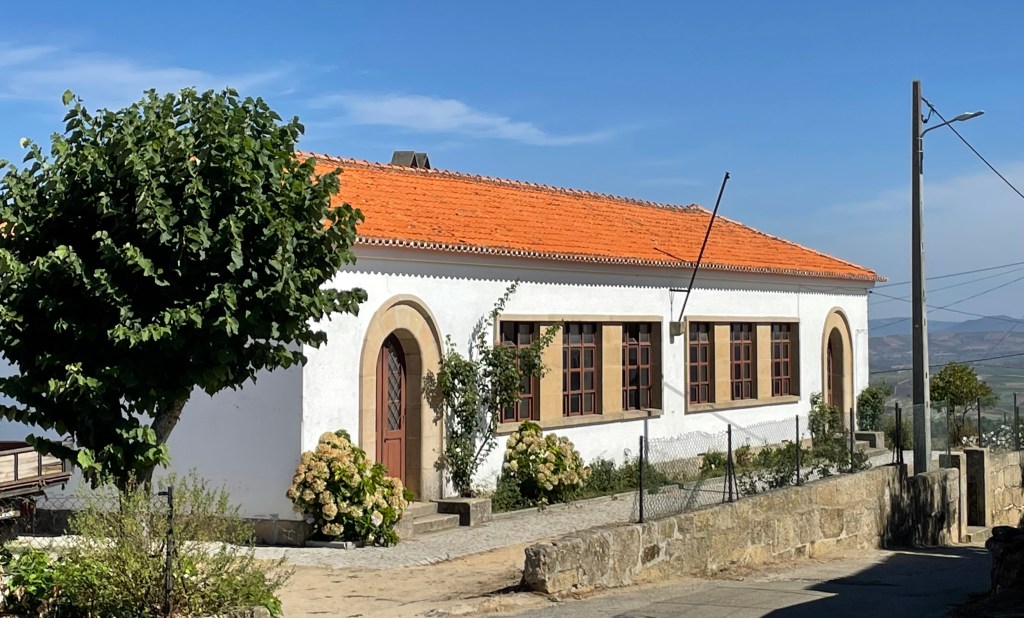
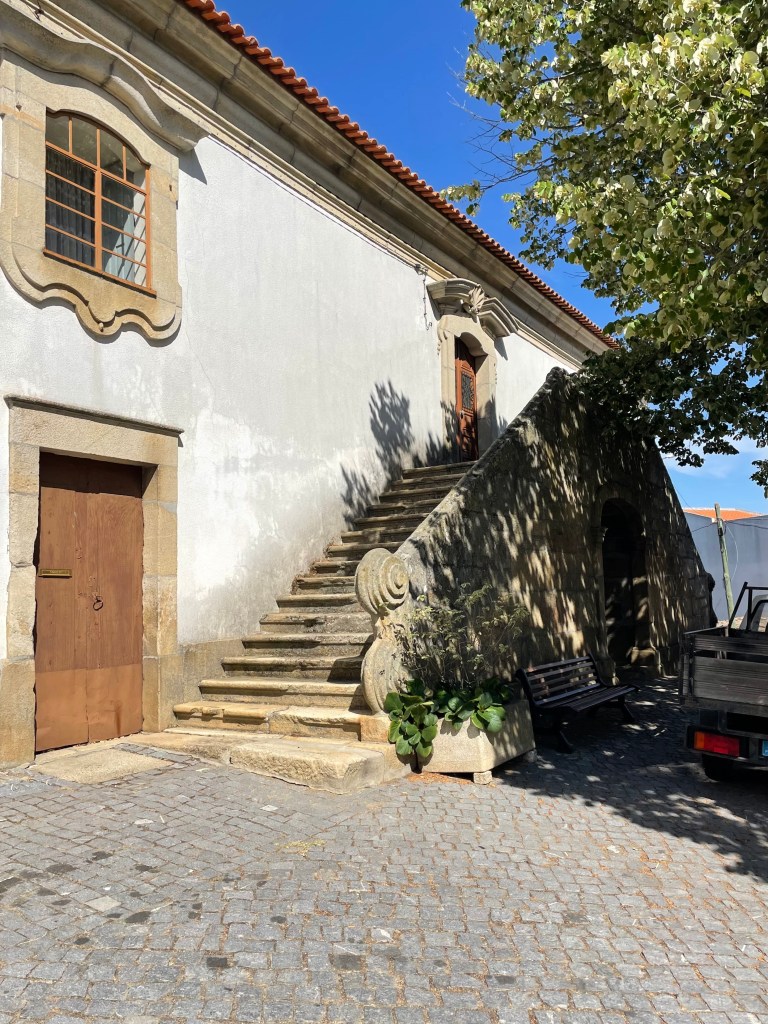
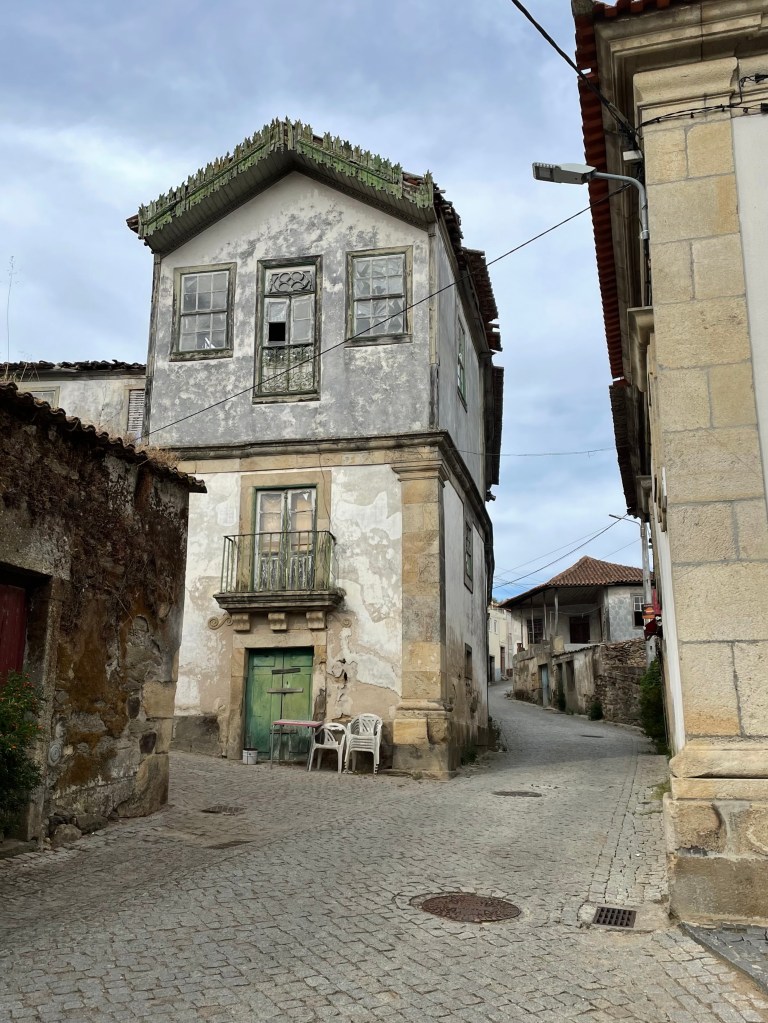
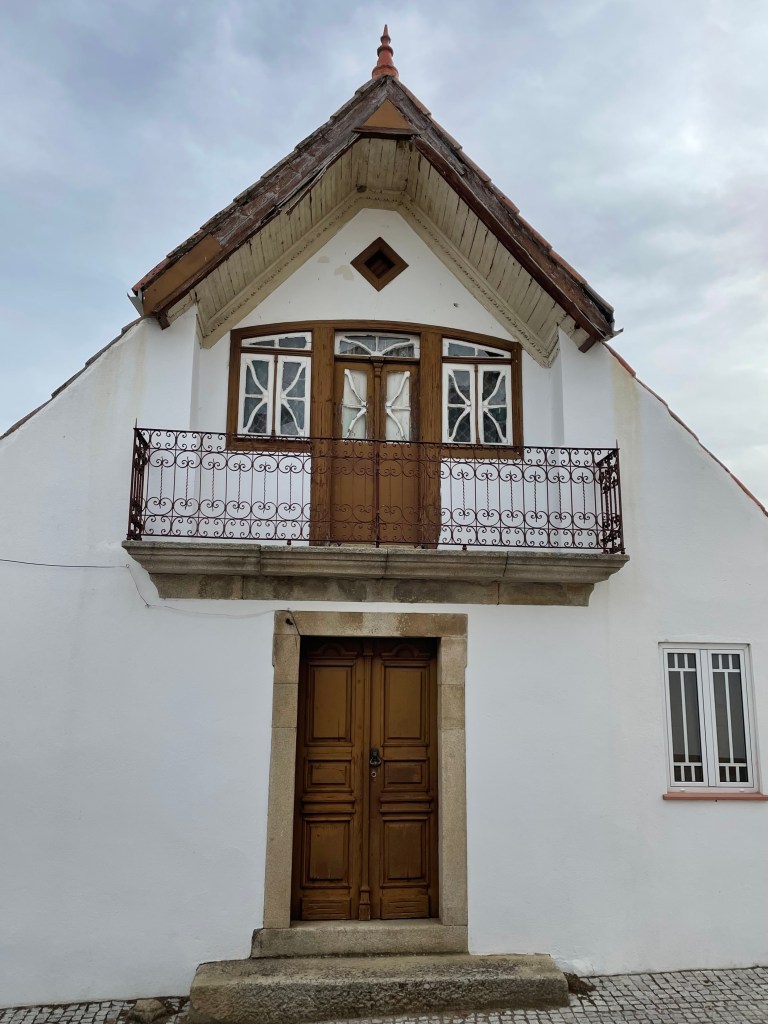
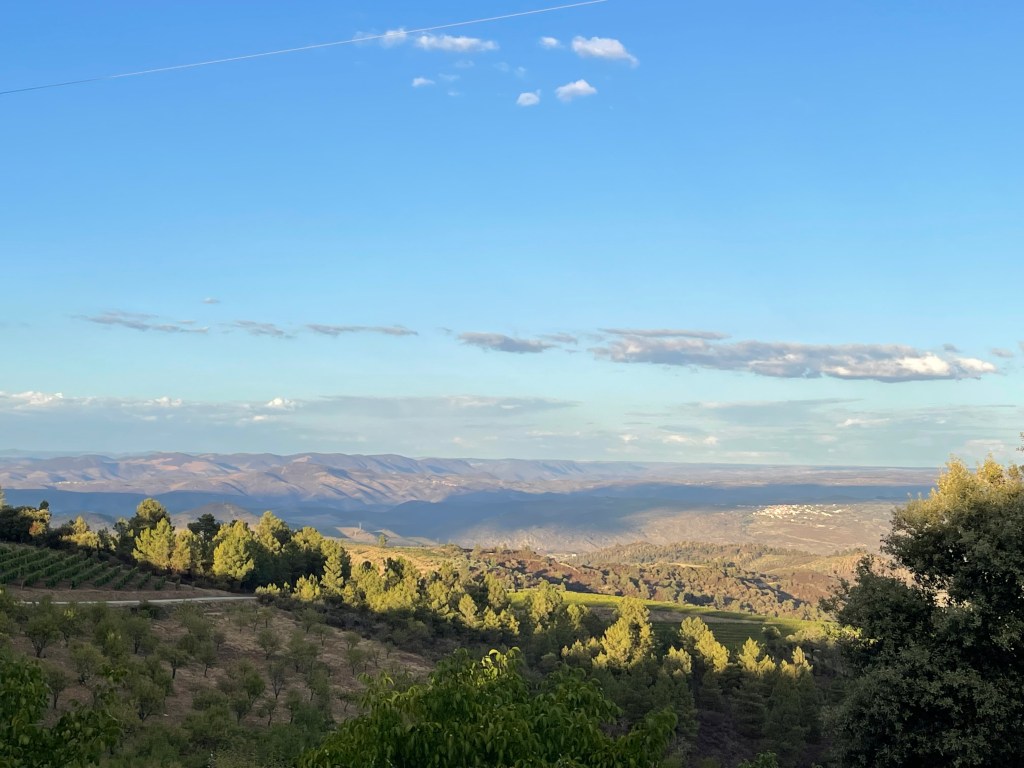
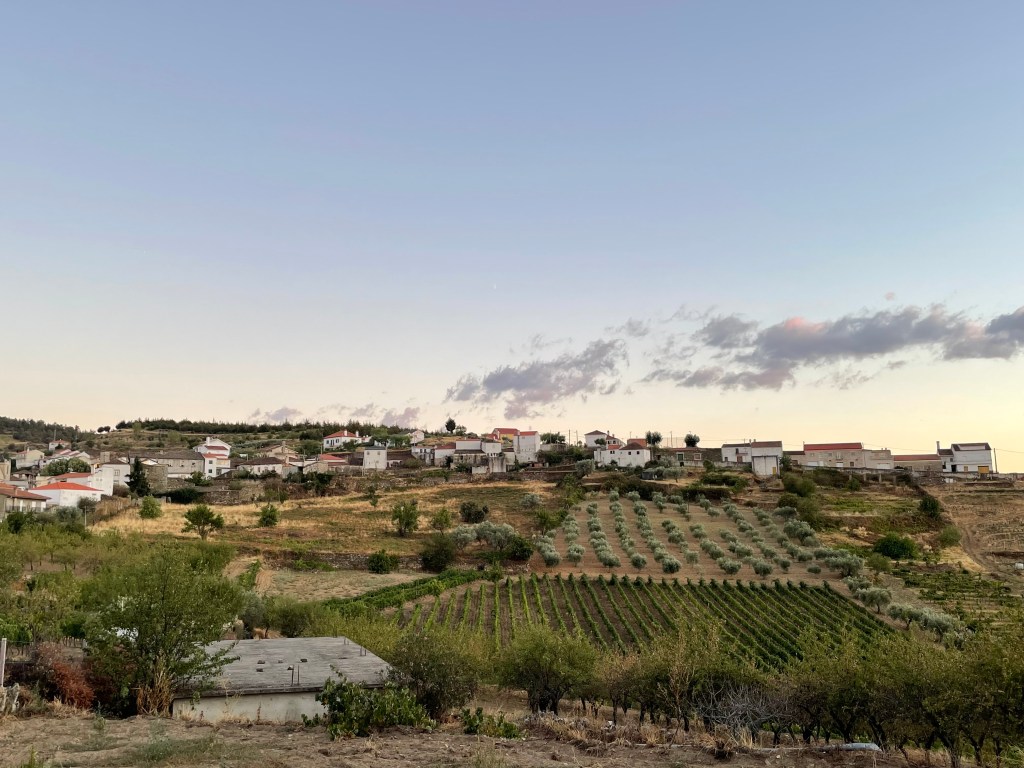
The village Poço do Canto is otherwise quite silent, except from when they have Festas, which actually happens quite often. There is no hotels or restaurant, but there is a small coffee shop, right across the square to the church. The big thing with Poço do Canto though, is the view, which is amazing. As the village sits on top of a hill, you can see the valleys at both sides, covered with wines, olives, figs and almond trees. The colors are continually shifting and it’s like a painting to look at when the sun rises in the morning and sets in the evening. The church bells (which actually is only a recording, played over and over) might be a little annoying, but as I now love both the village and its people, I can live happy with that. From Poço do Canto, you can continue your walk past the graveyard and follow the trail to the little village of Vale do Porco, which had one if the most amazing village festas I have ever attended.
Tips: As there are few places to get food and drinks on this “village walk”, I would suggest that you bring some water and prearrange with someone to pick you up when you get tired. There are Taxi services in Meda, so arrange with them or friends about transport back before you leave. And dont forget your camera and/or painting equipment!
Longroiva
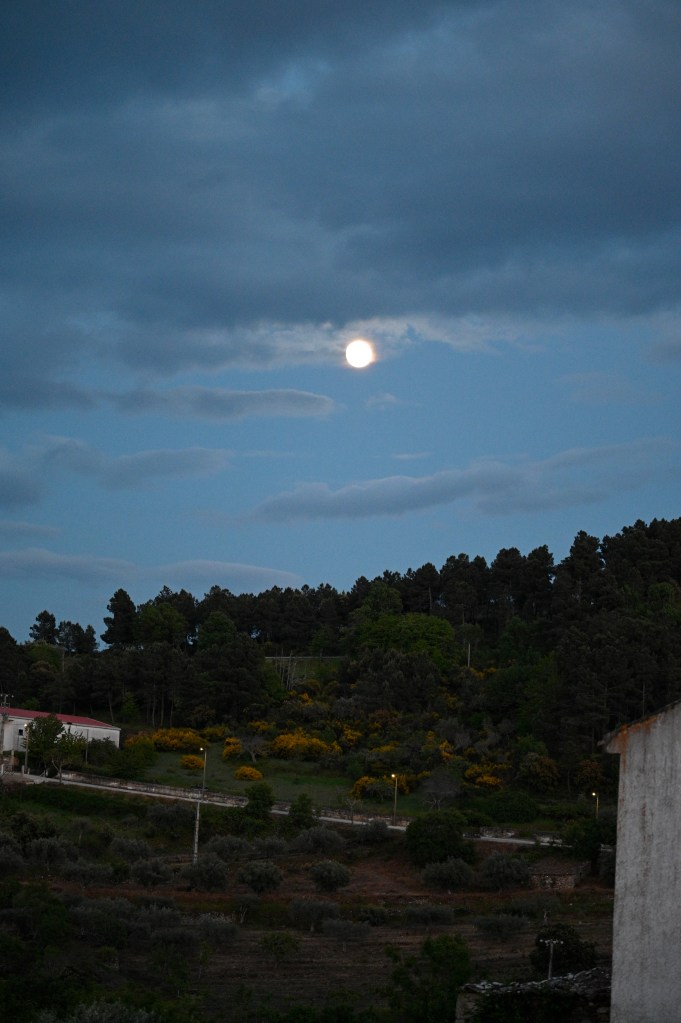
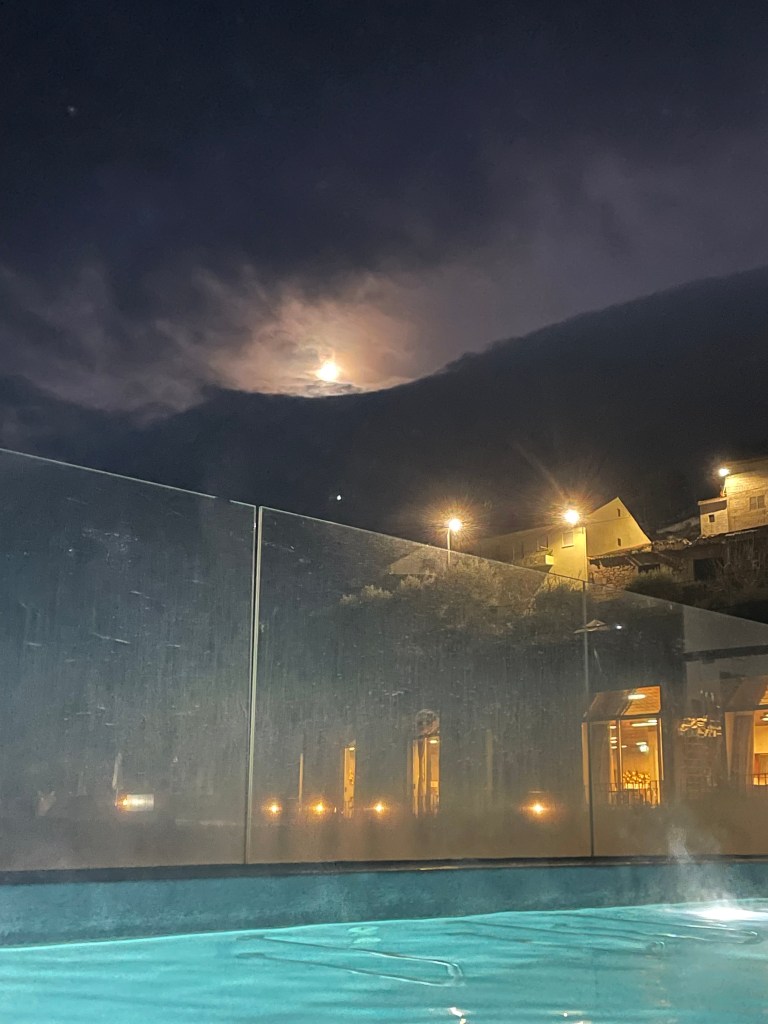
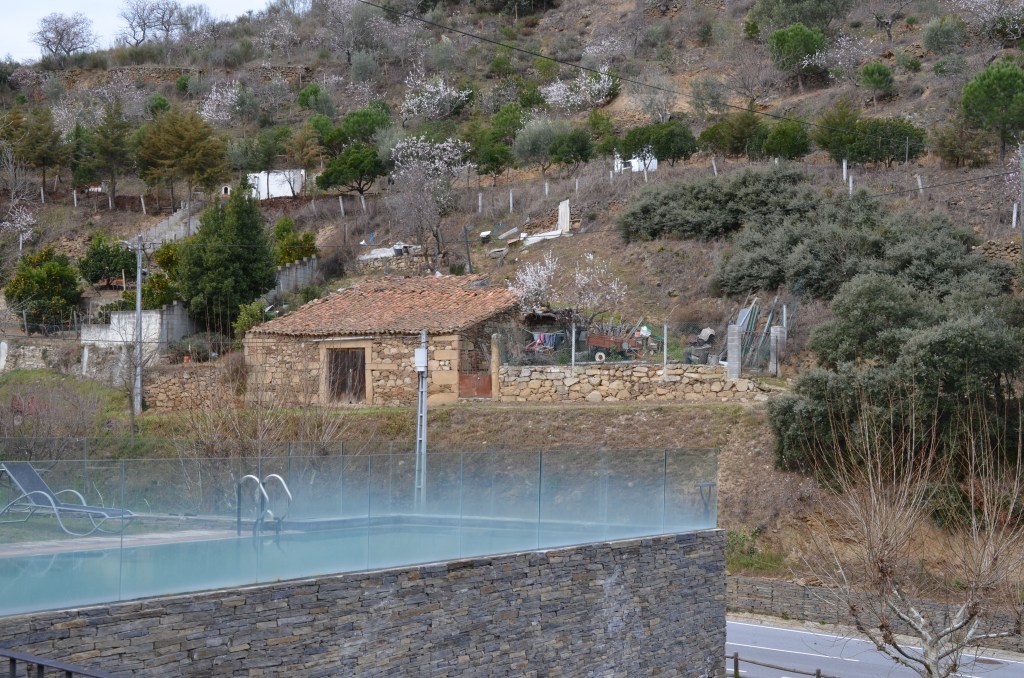
Longroiva, which is 10 minutes west of Mêda by car, is known for its hot springs. It also has a castle. The thermal springs and spa are located in the bottom of the valley, next door to a hotel, which also has its own, heated outdoor pool, which I was lucky enough to test a cold February night, with the moon rising above the hills. The hotel also has a decent restaurant, that serve warm food and good local wine.
Marialva
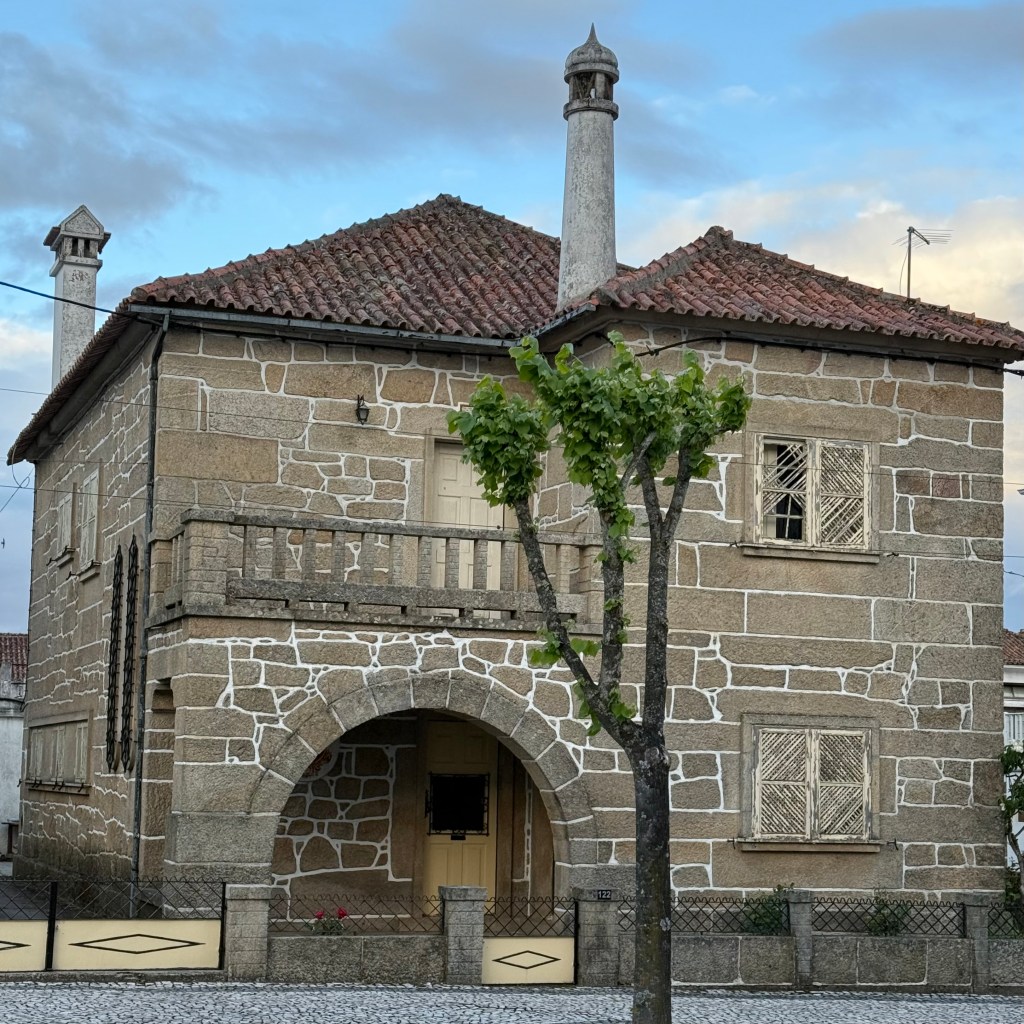
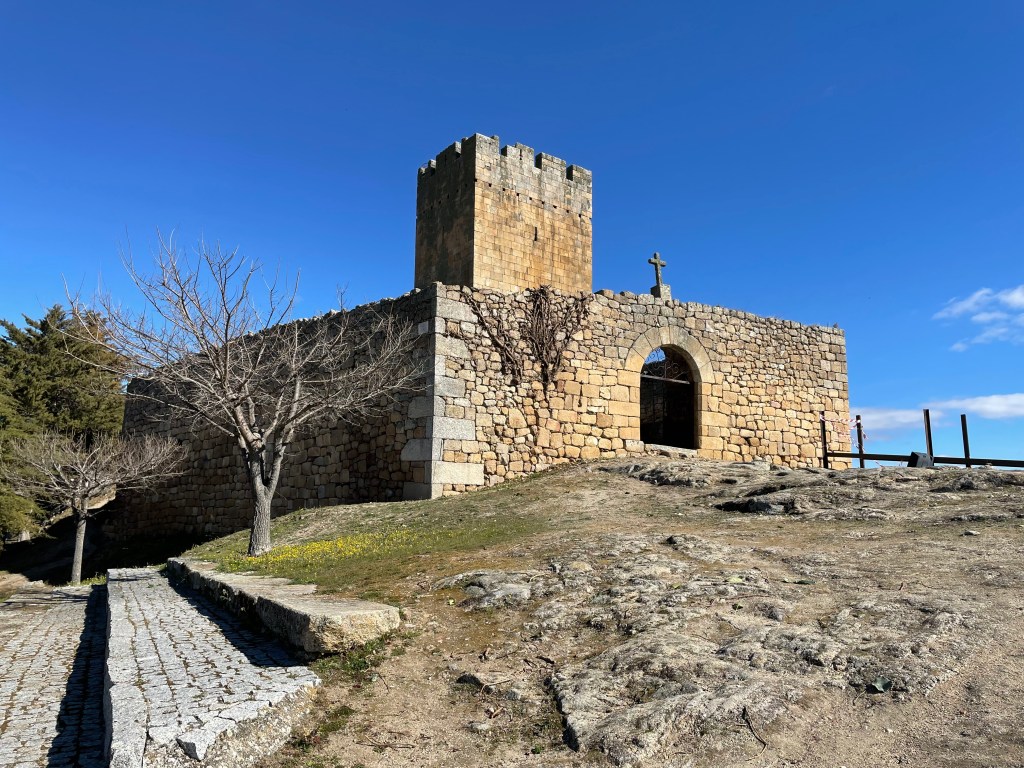
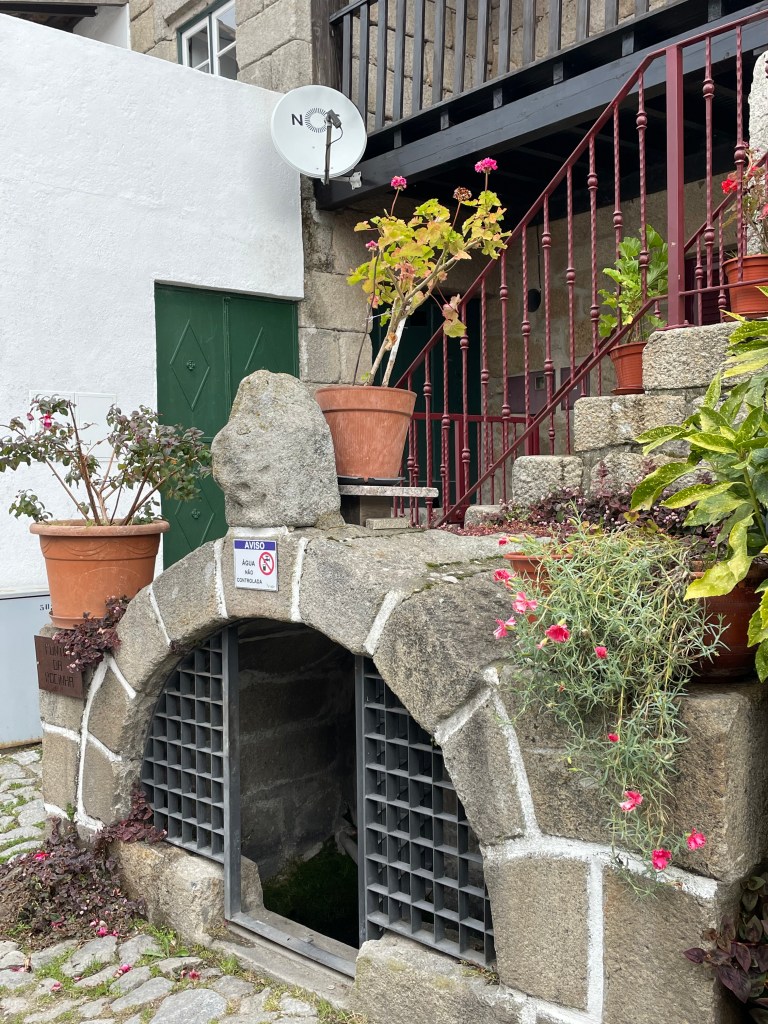
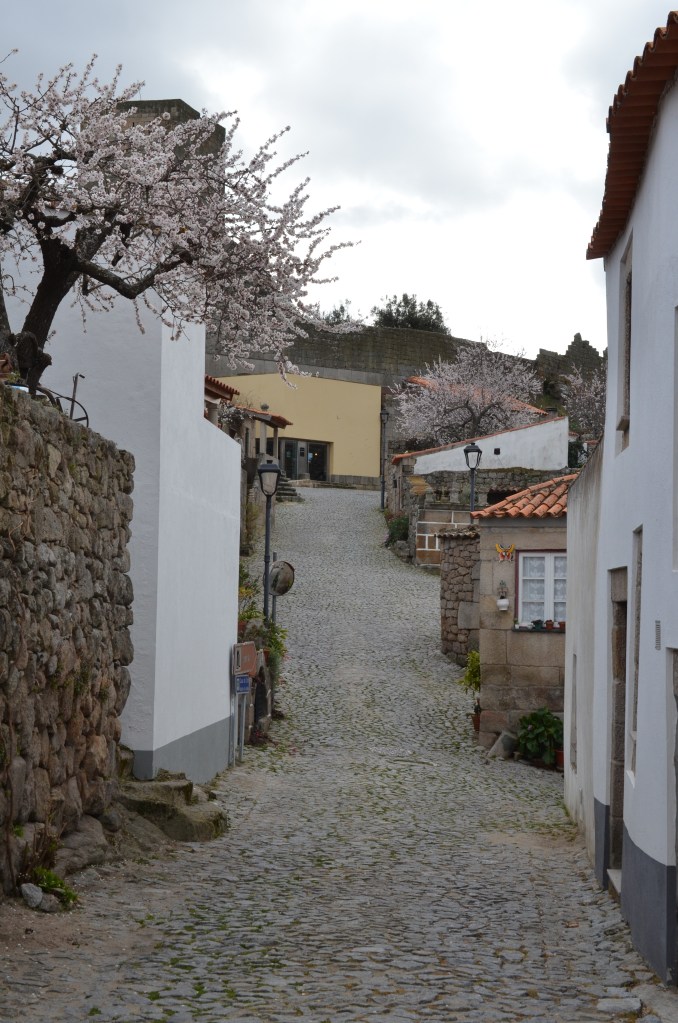
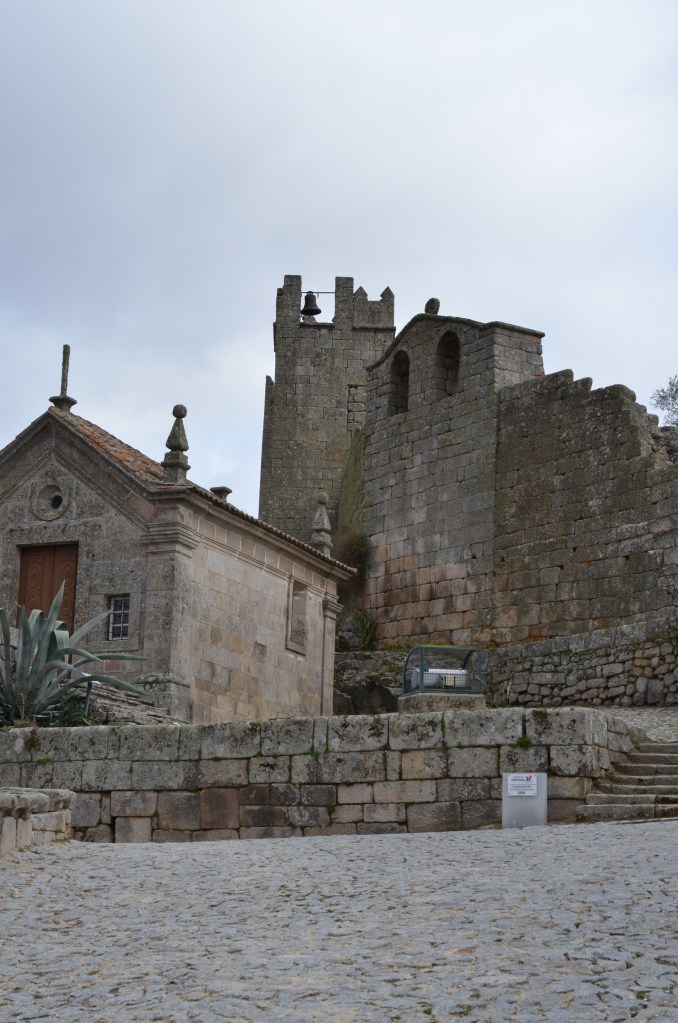
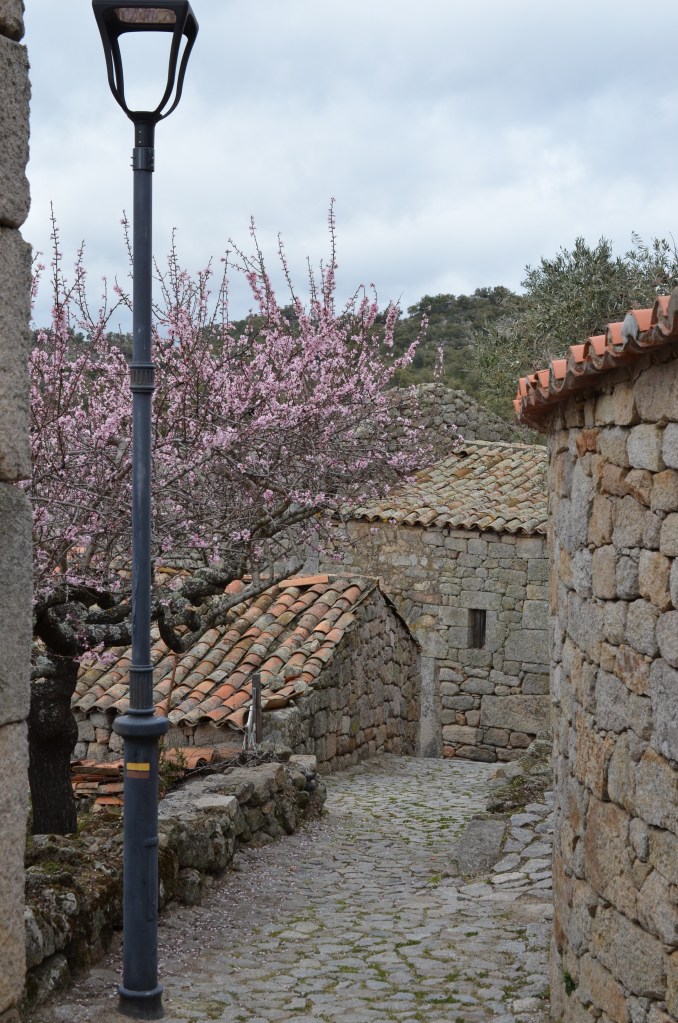
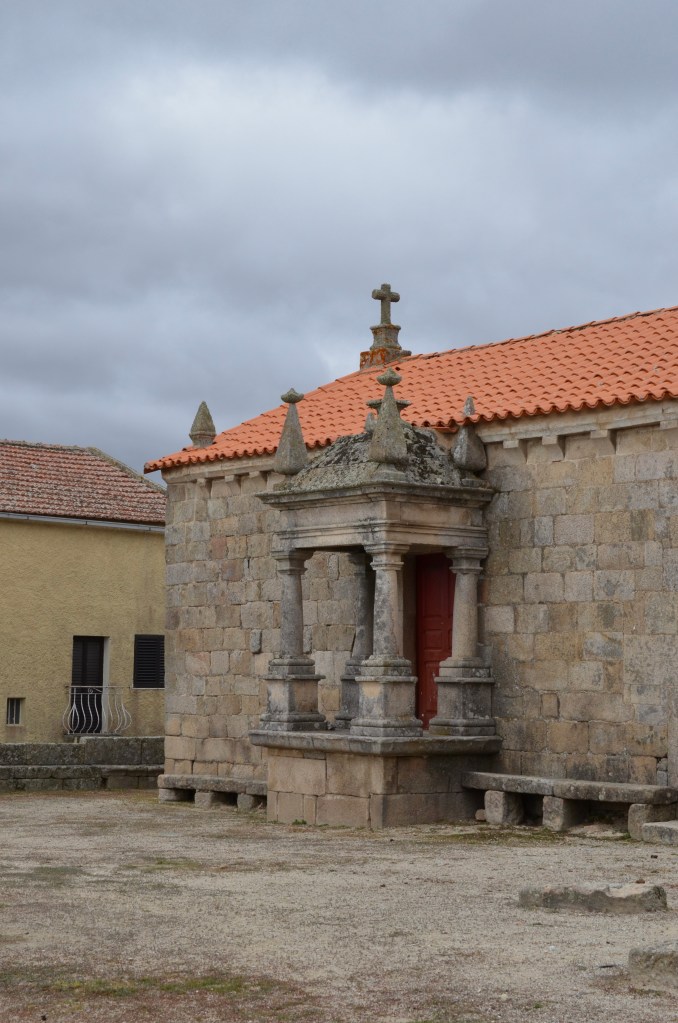
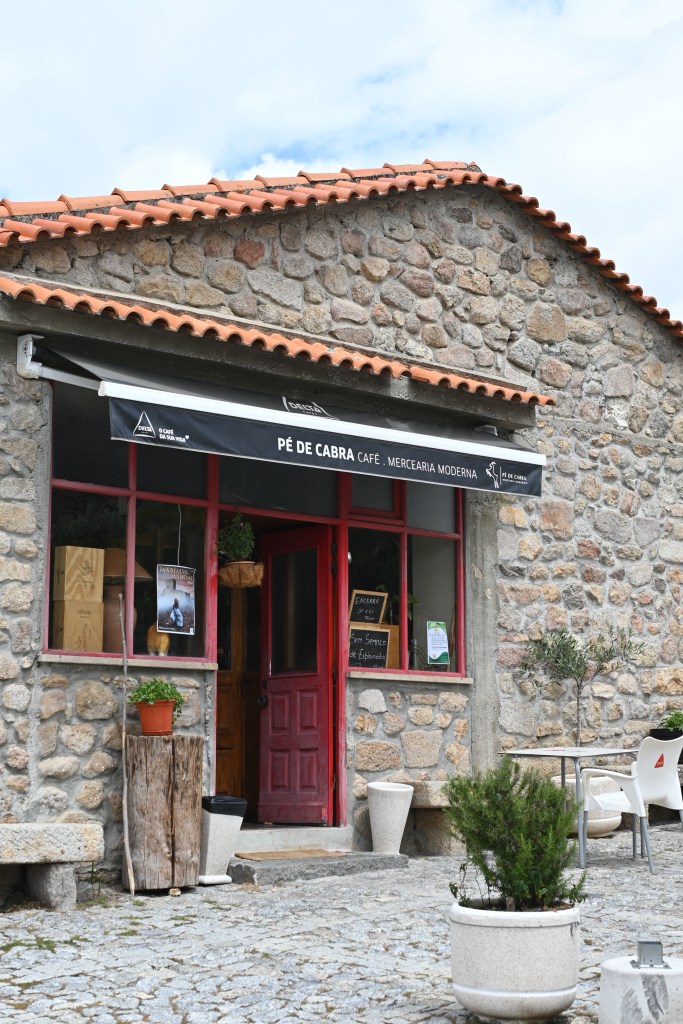
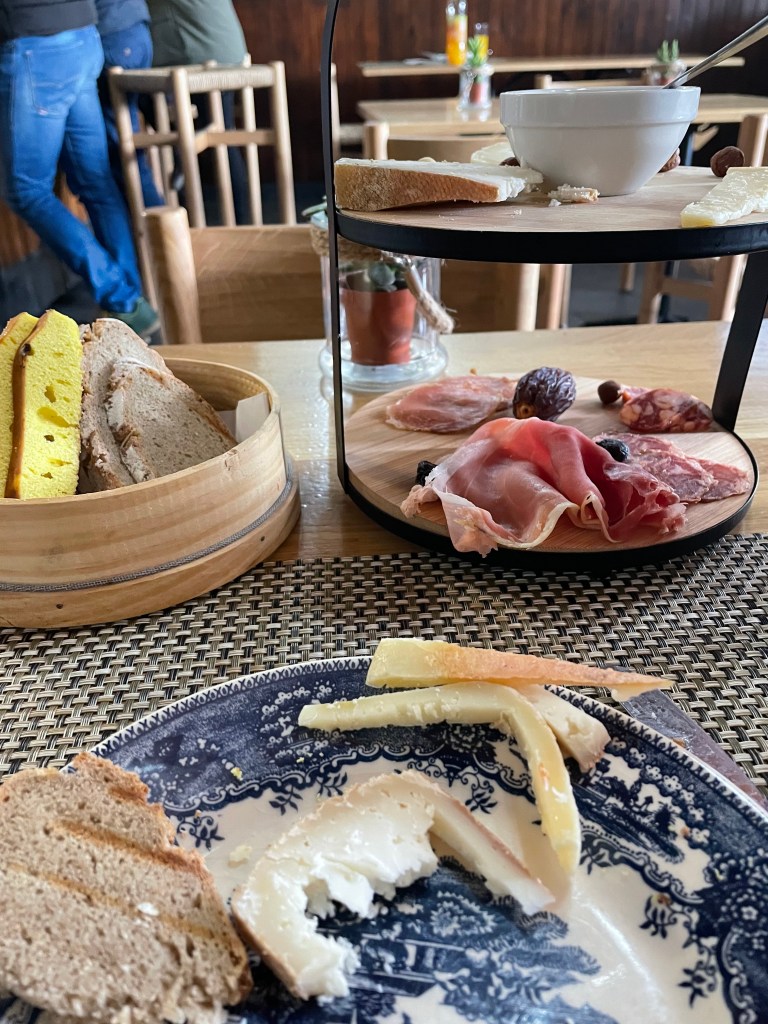
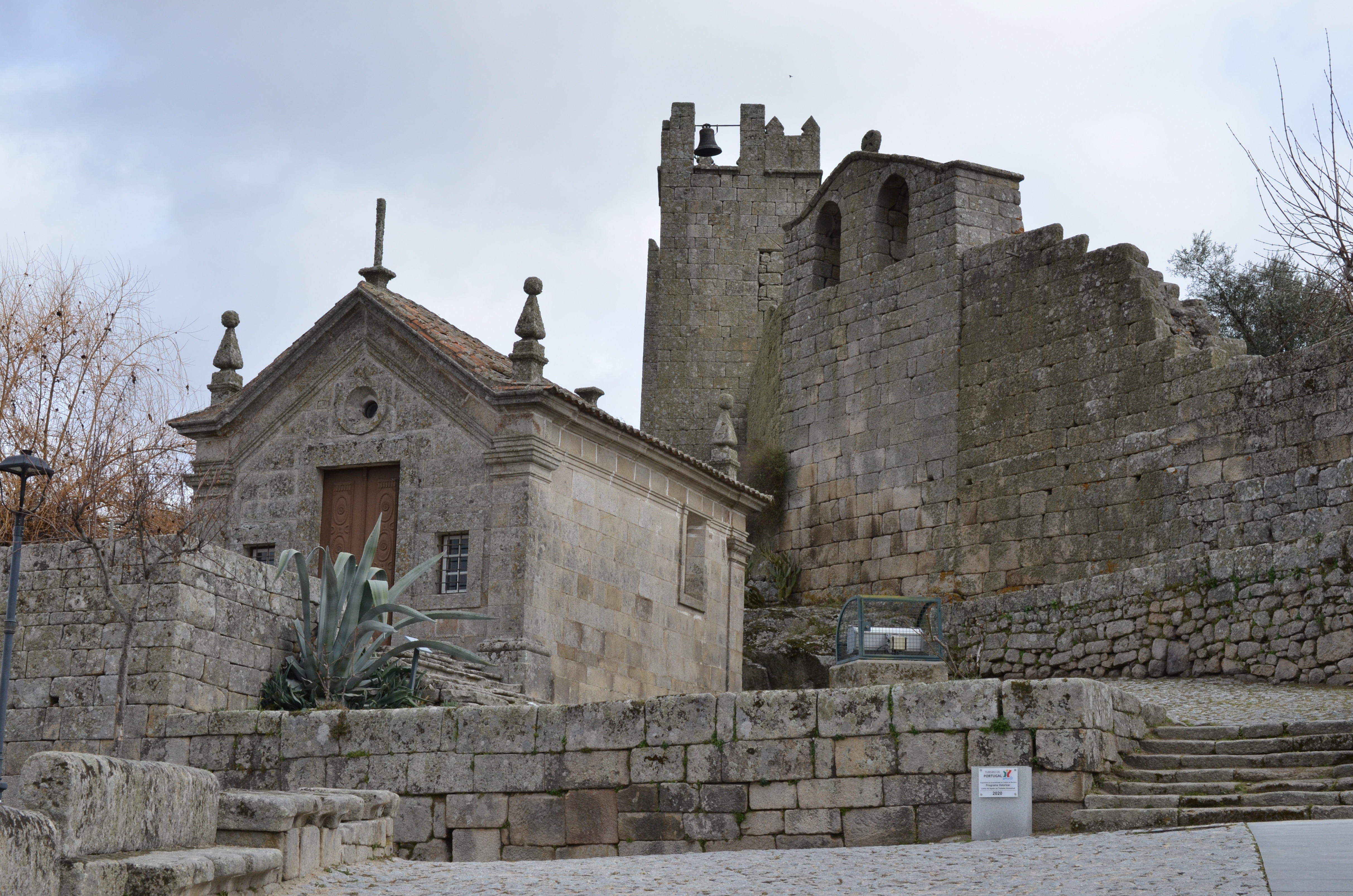
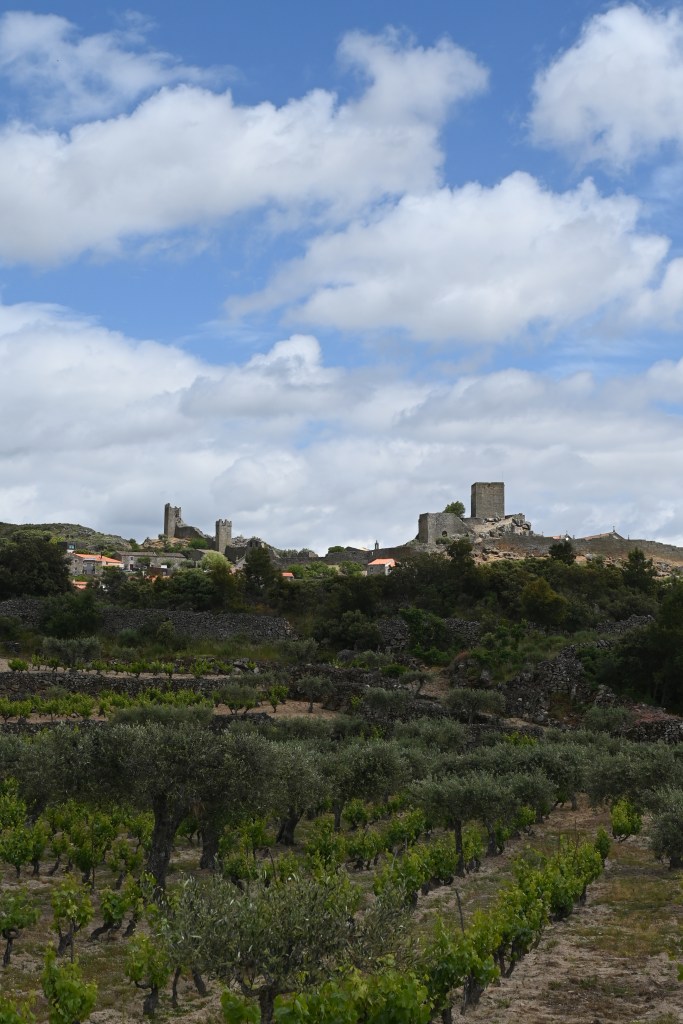
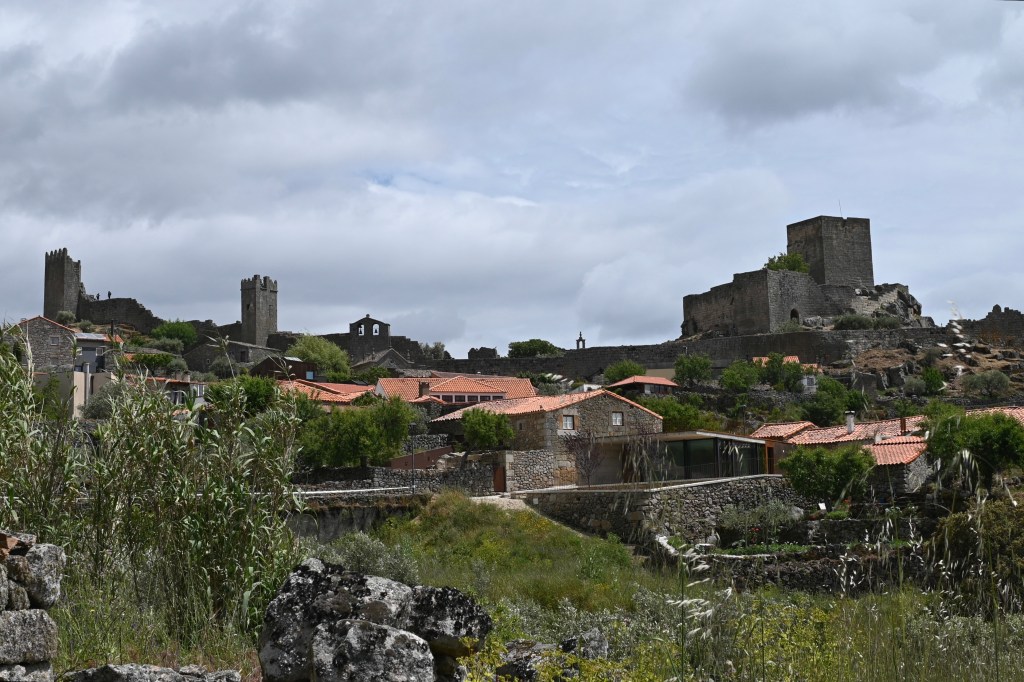
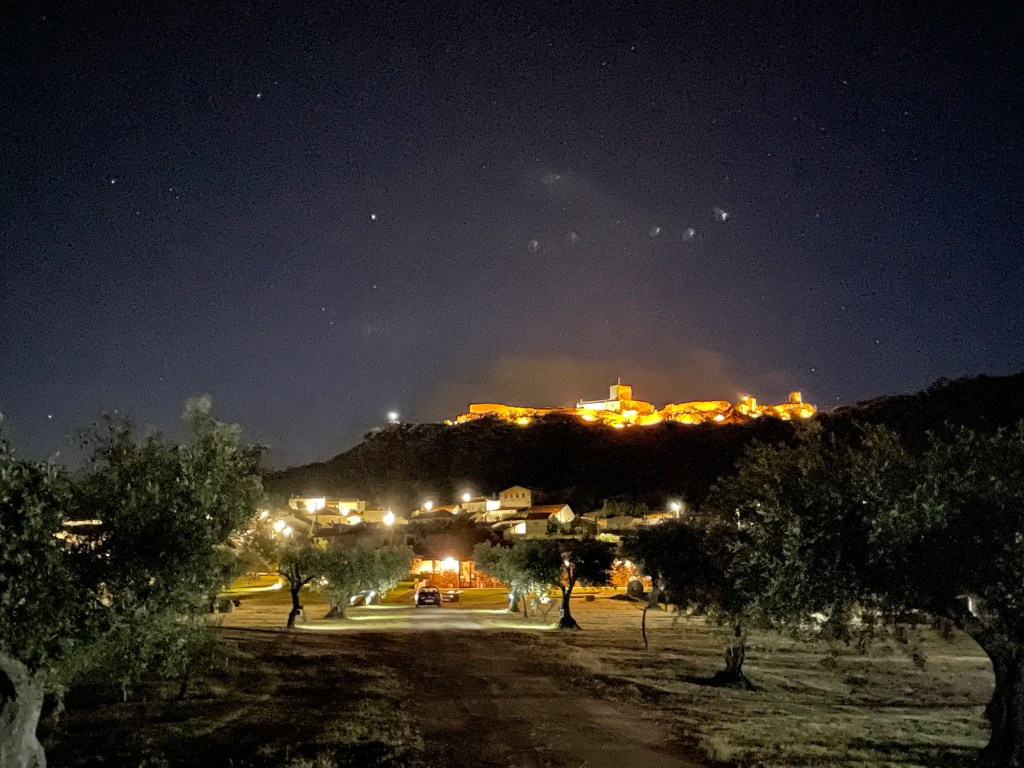
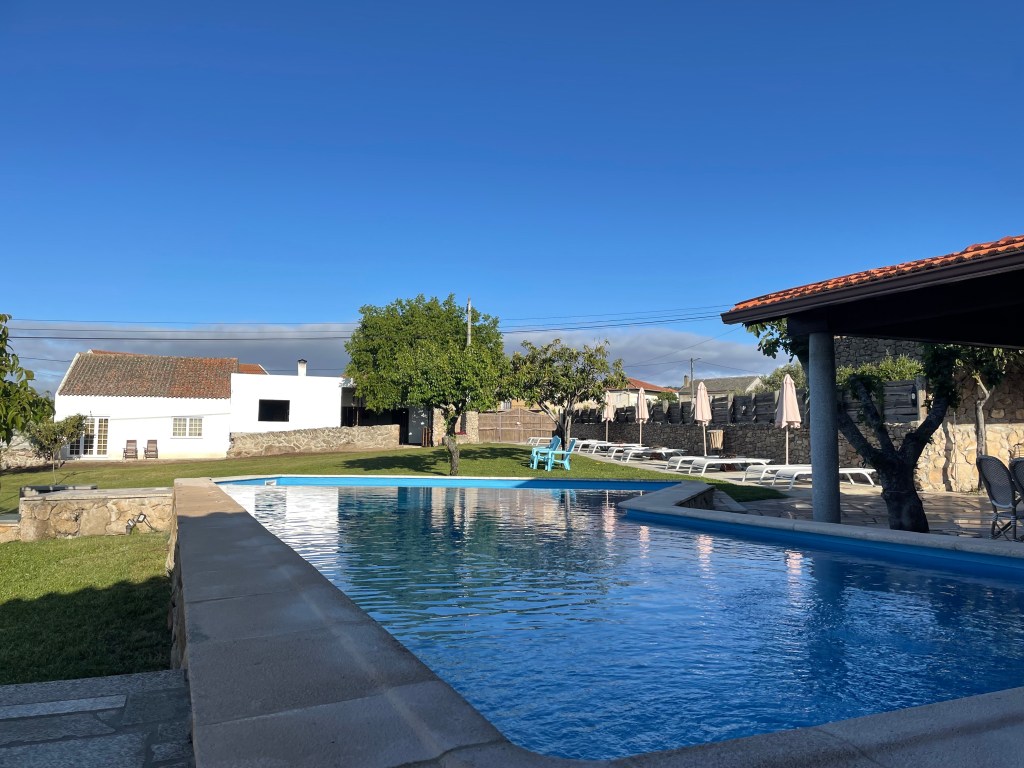
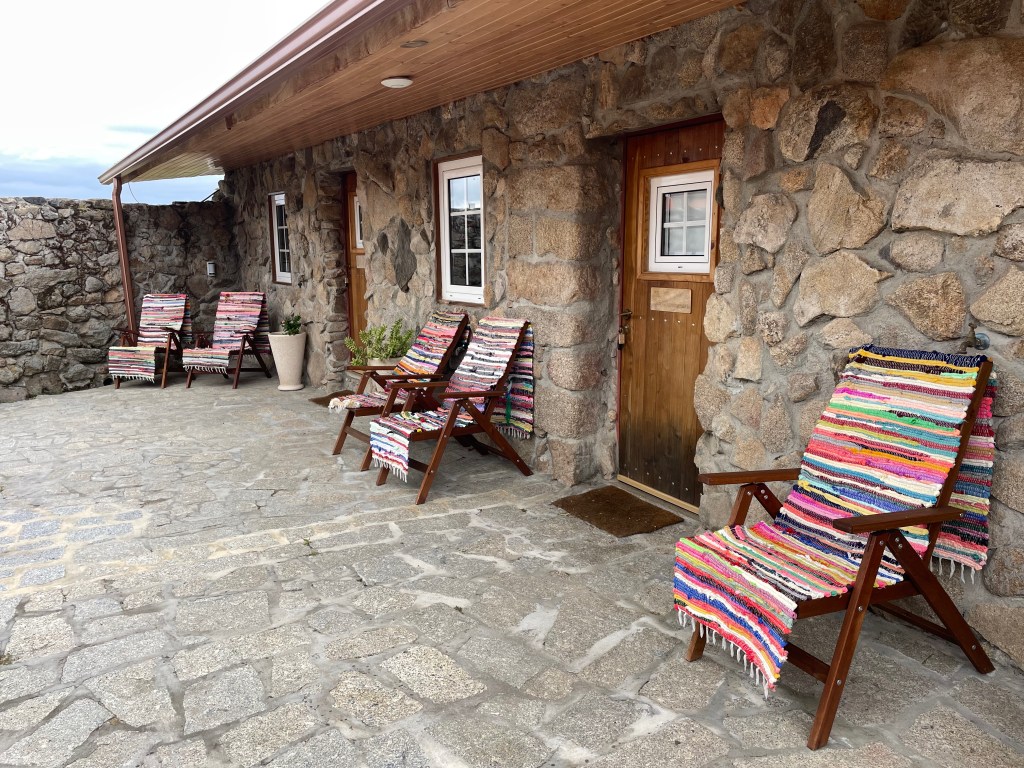
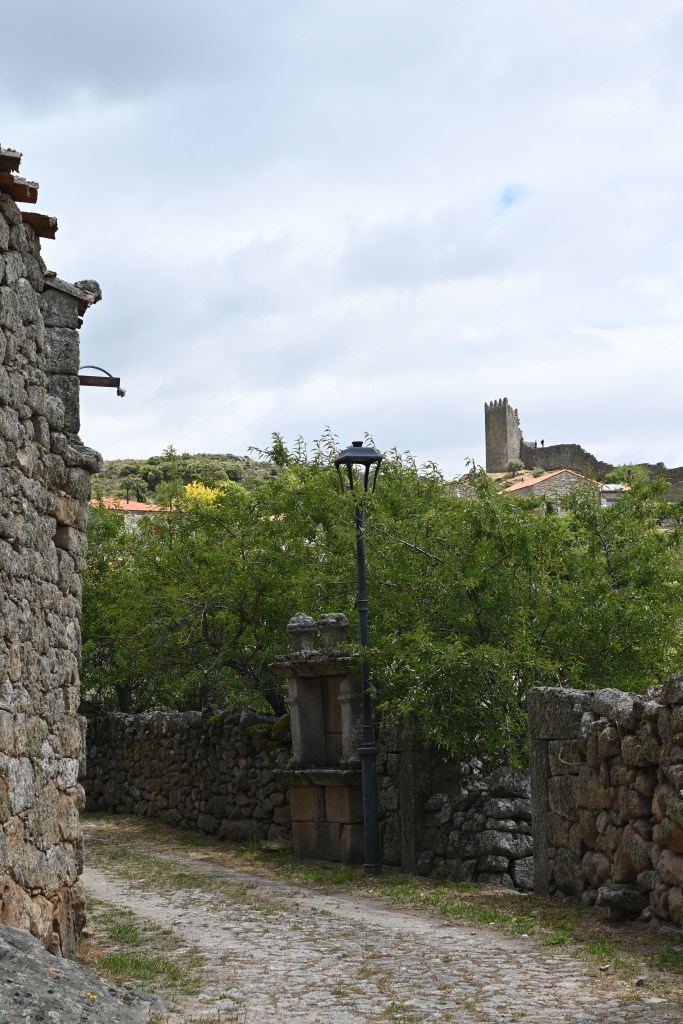
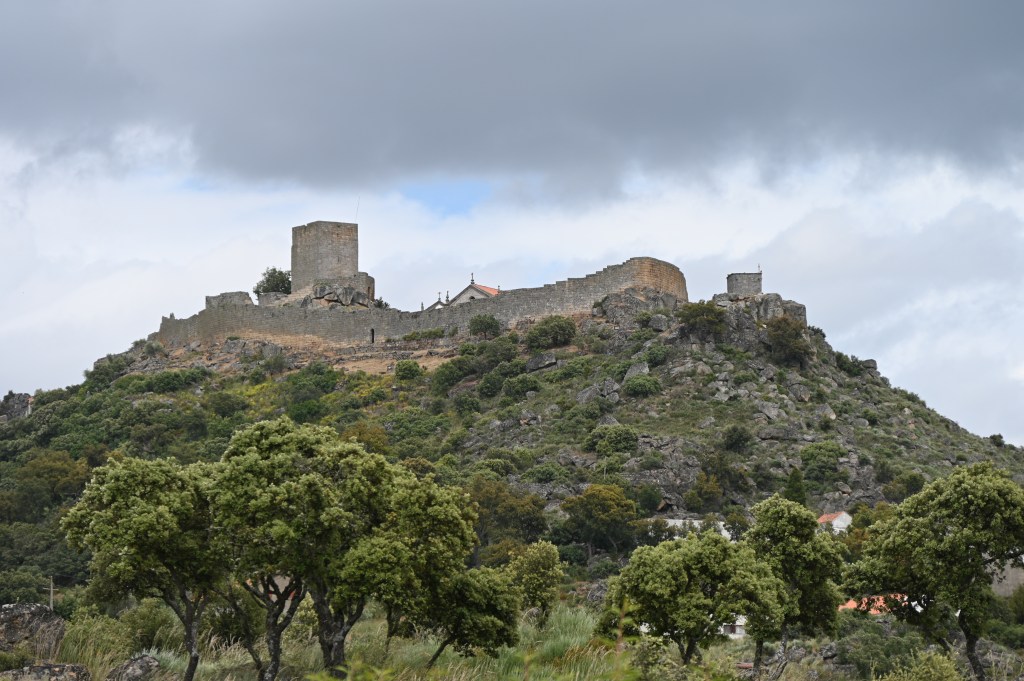
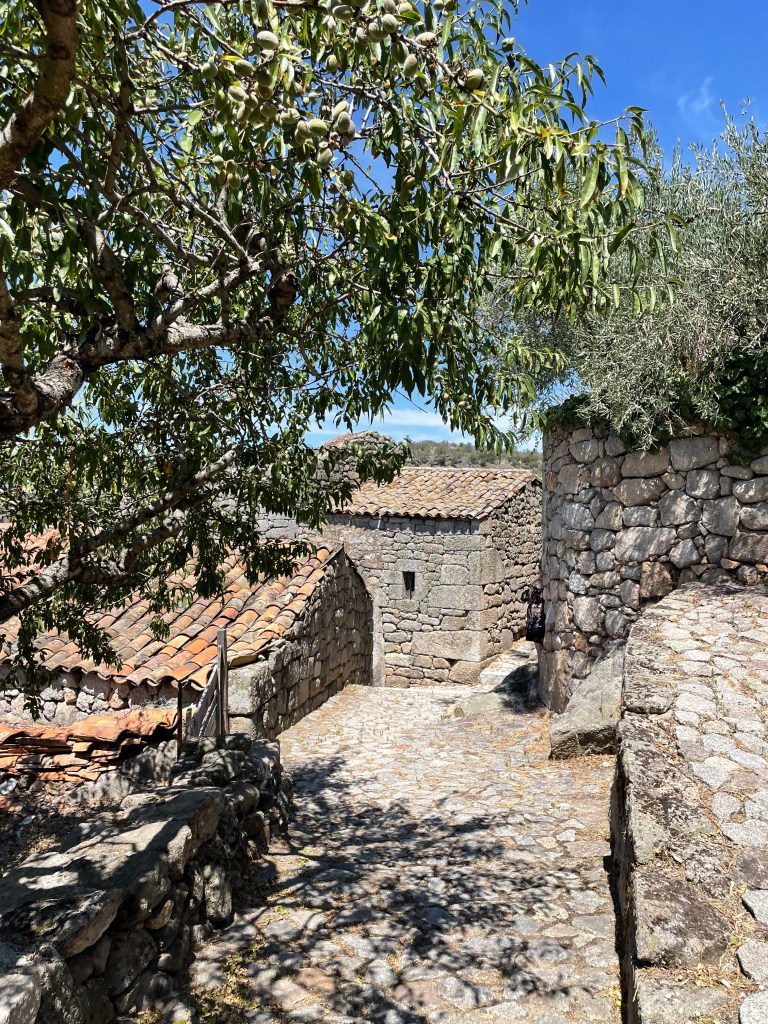
Marialva is a medieval village in Mêda Municipality, half an hour south of Foz Côa. Most of the houses are built of large granite rocks and it is really beautiful walking the narrow cobble-stone streets looking at the old houses with flowerpots outside and some cats and dogs running between the houses. Above the city rises a tall medieval castle, which you can visit, and each spring the city houses a large medieval festival, where people dress in medieval costumes, play medieval music and games and Where people eat, drink and enjoy. People from nearby villages and from abroad come to participate and enjoy the fair. If you are not there in time for the festival, Marialva is still a nice place to visit. In summertime, the castle may be closed at lunchtime, so check the opening hours in advance. When in Marialva, I always eat at Pé de Cabra Bistro, where they serve the most wonderful sandwiches, cheese and local ham platters, wine, coffee and good company. I can really recommend going here for some food, either inside, close to the bar or out in the sun. We have also slept at Casa do Nobre in Marialva, which also were really nice. They have a large garden, with olive trees, a heated outdoor pool, a nice view up to the castle and serve very nice food and wine.



More info
Read more about cities and must-see’s in the Douro region at:
 Laila’s travel blog
Leave a comment