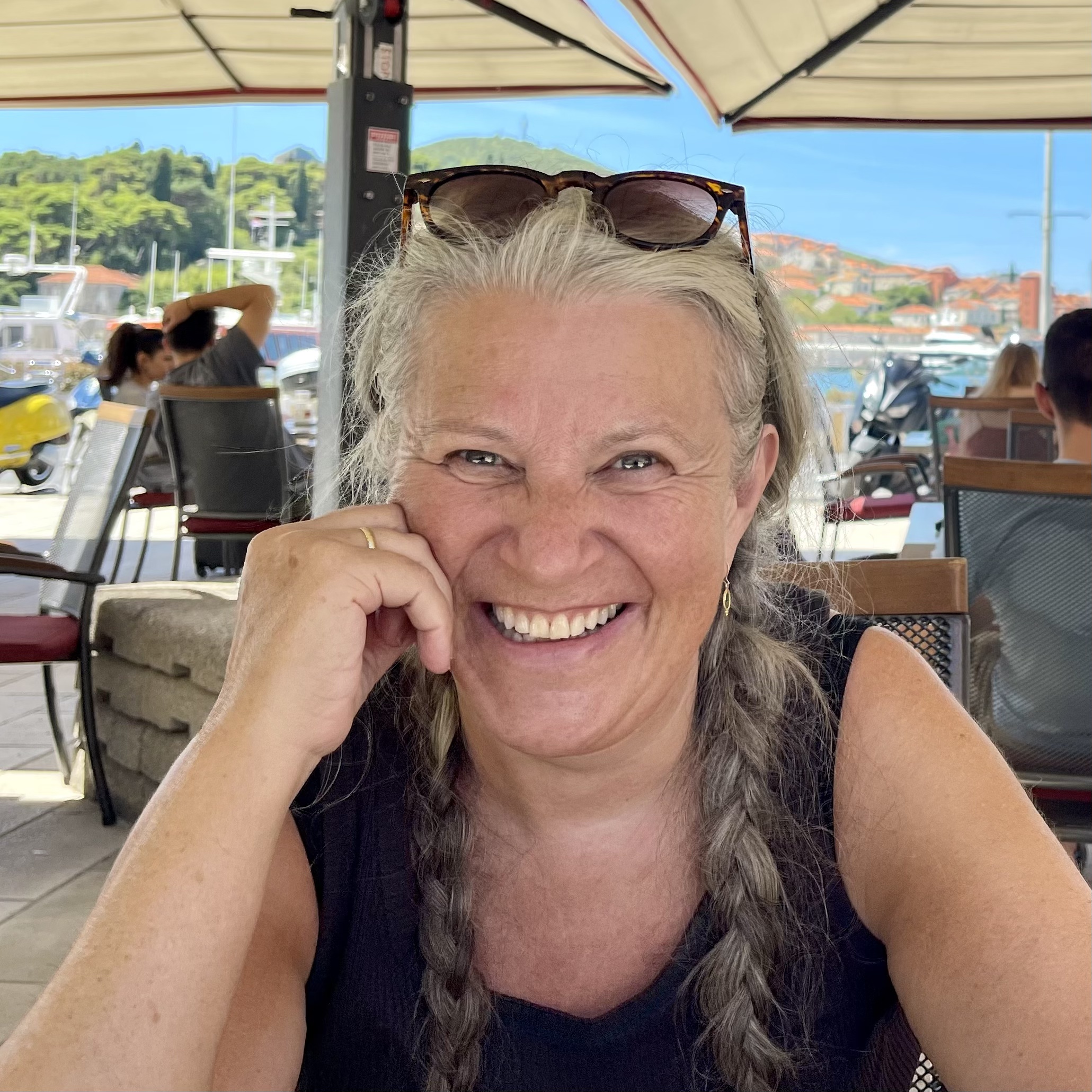
Sierra de Guadarrama is a mountain massif an hour’s drive north of Madrid. The area has famous skiing resorts, forests, lakes, streams and hiking trails and many people use the area as a way to escape the summer heat of the city.
La Granja de San Ildefonso
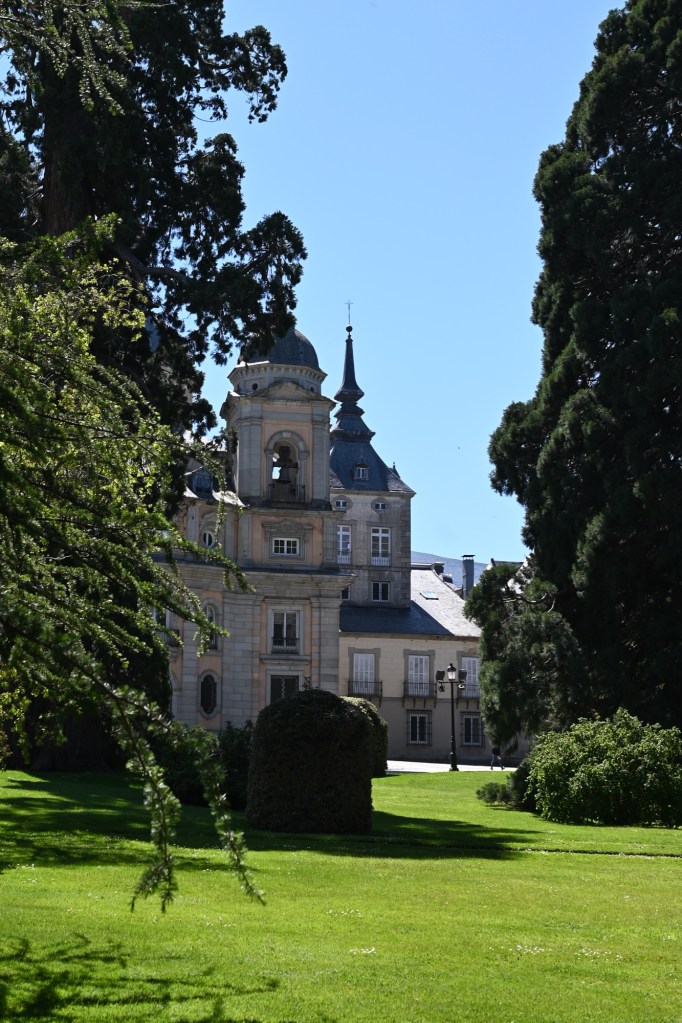
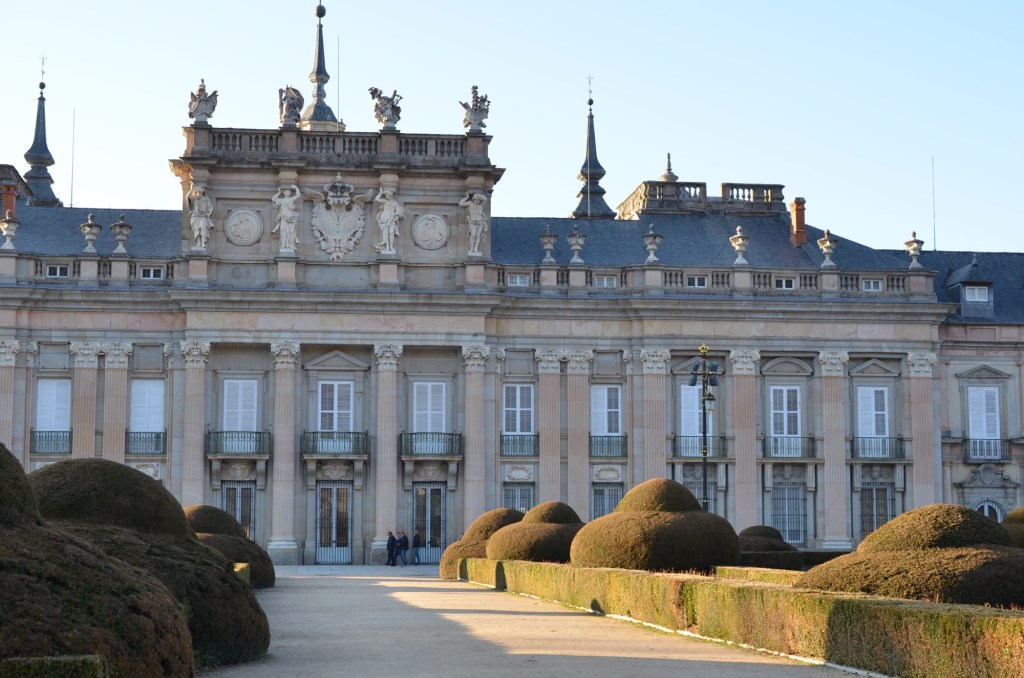
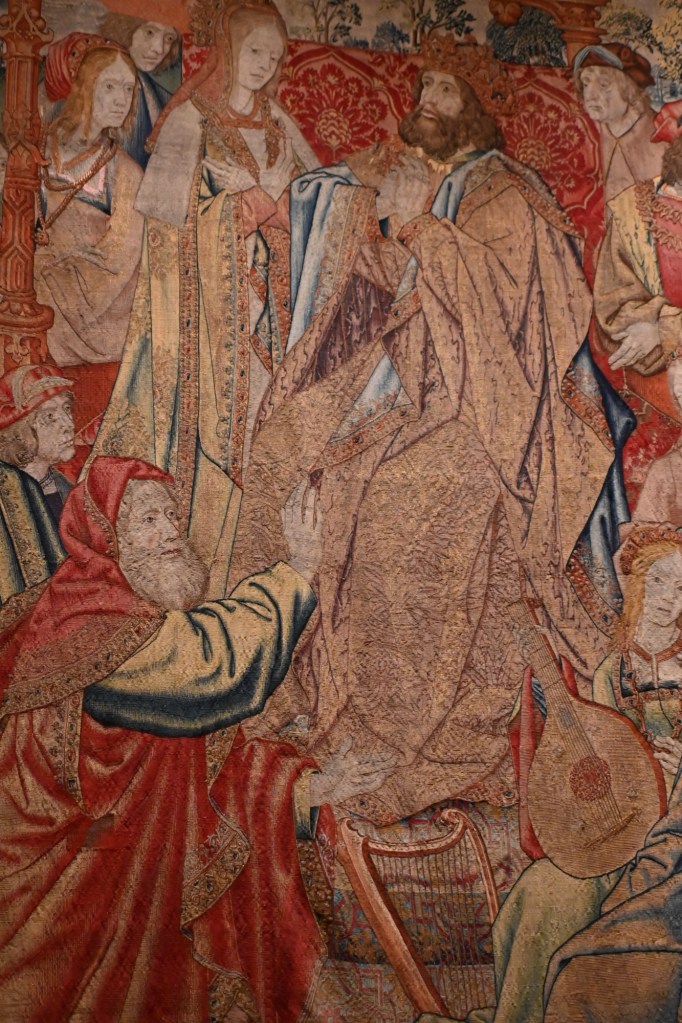
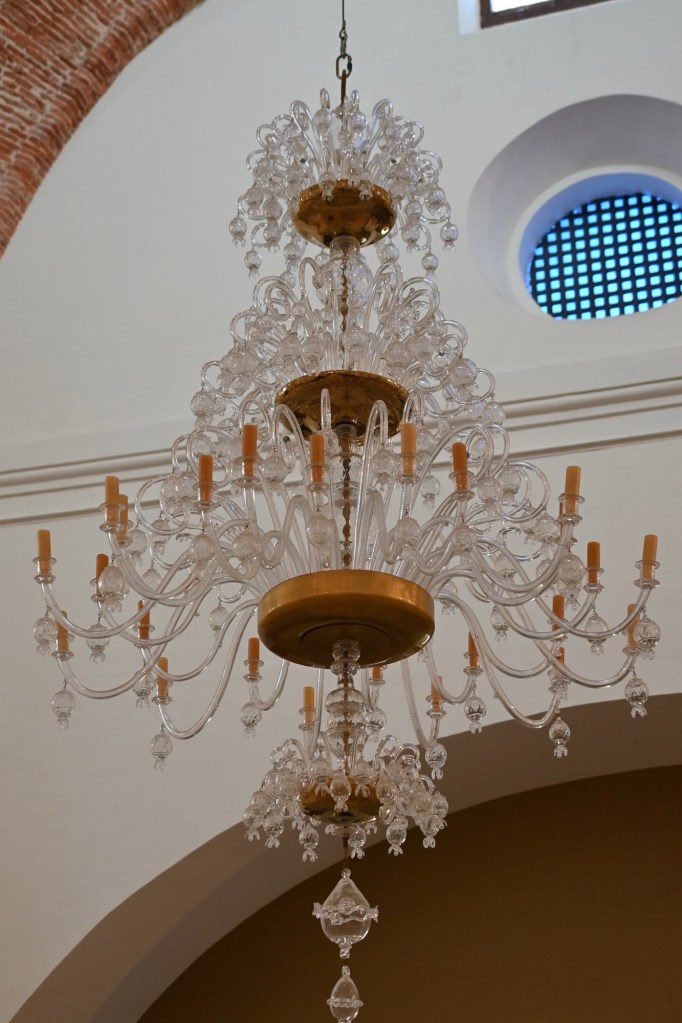
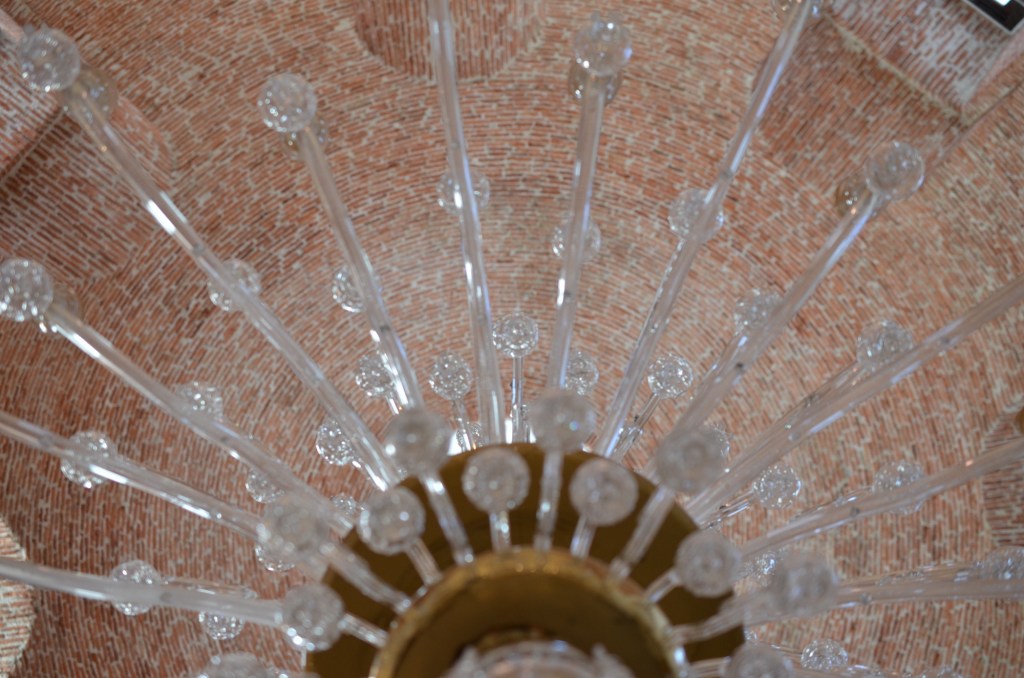
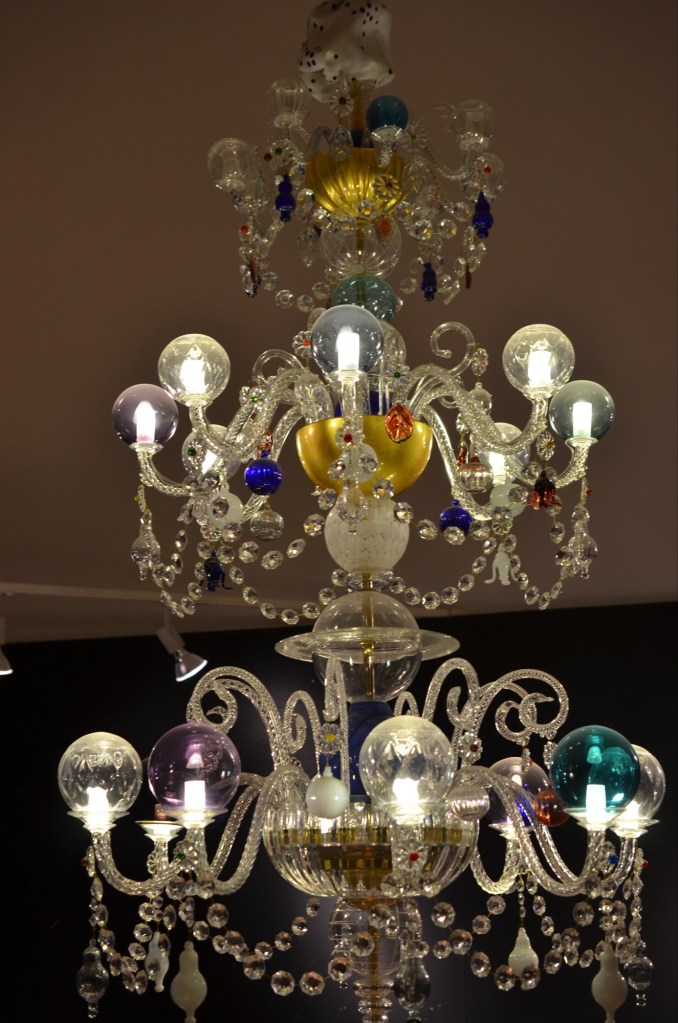
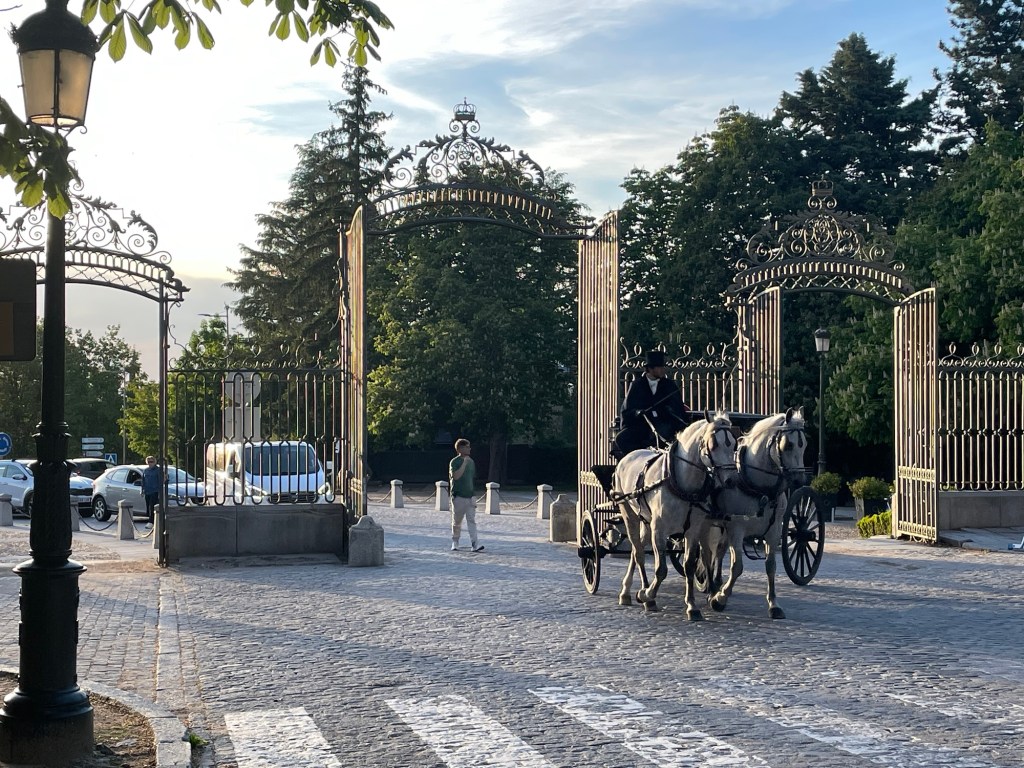
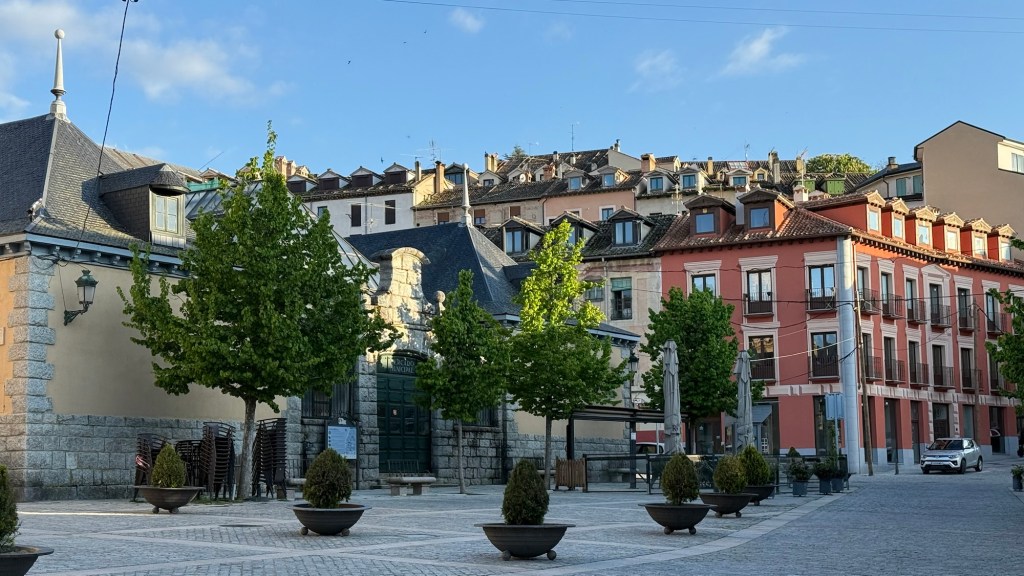
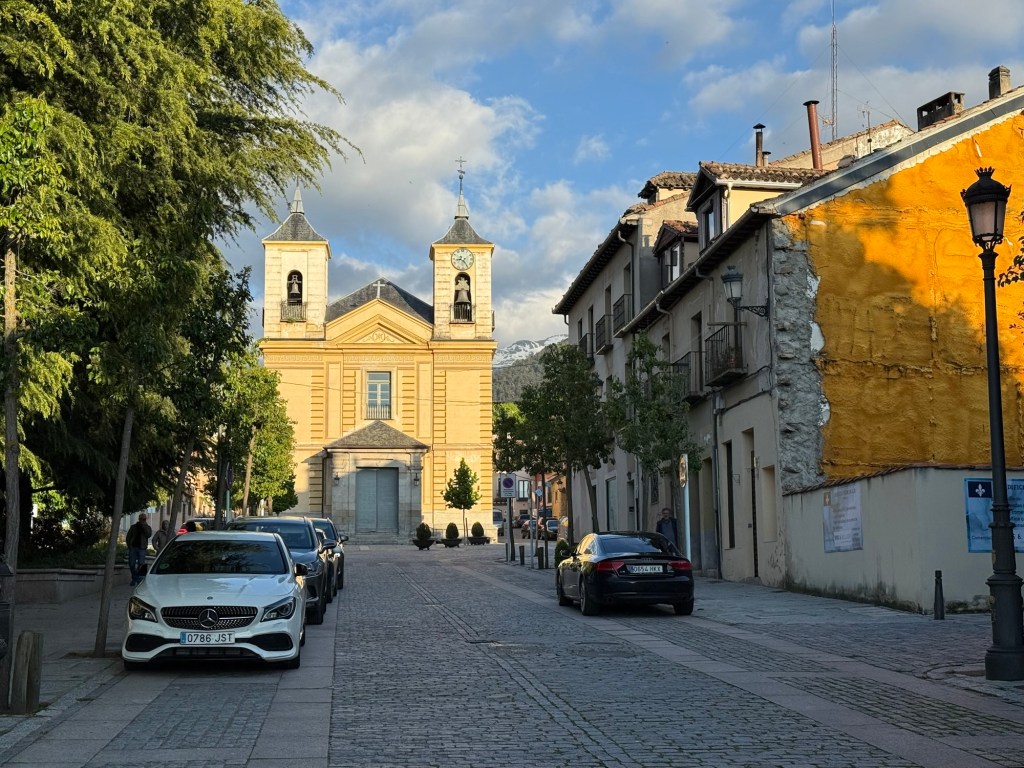
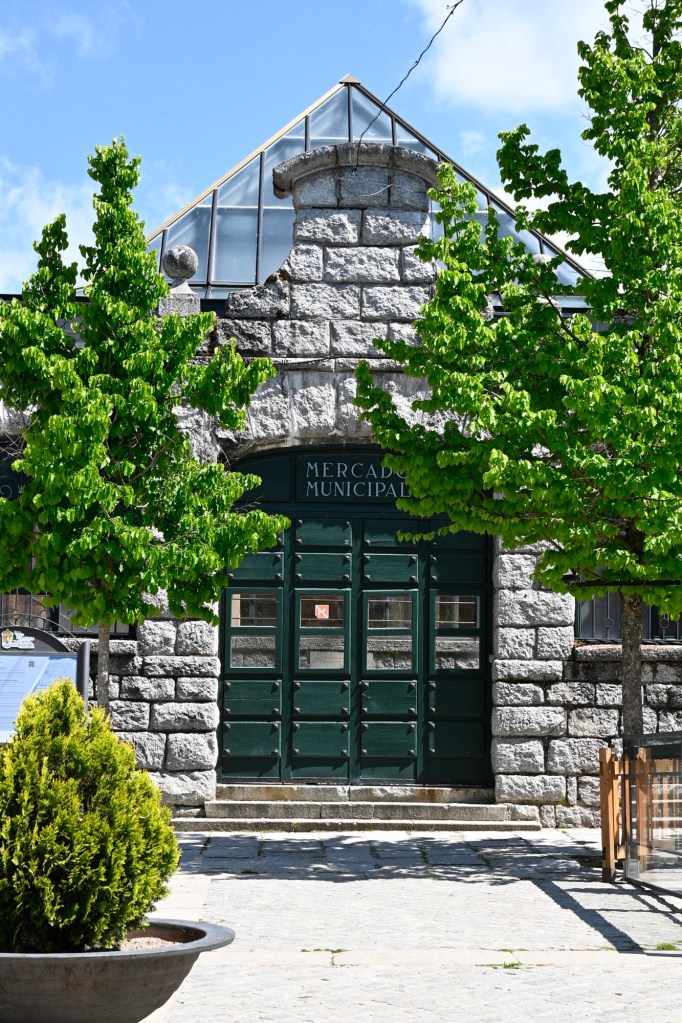
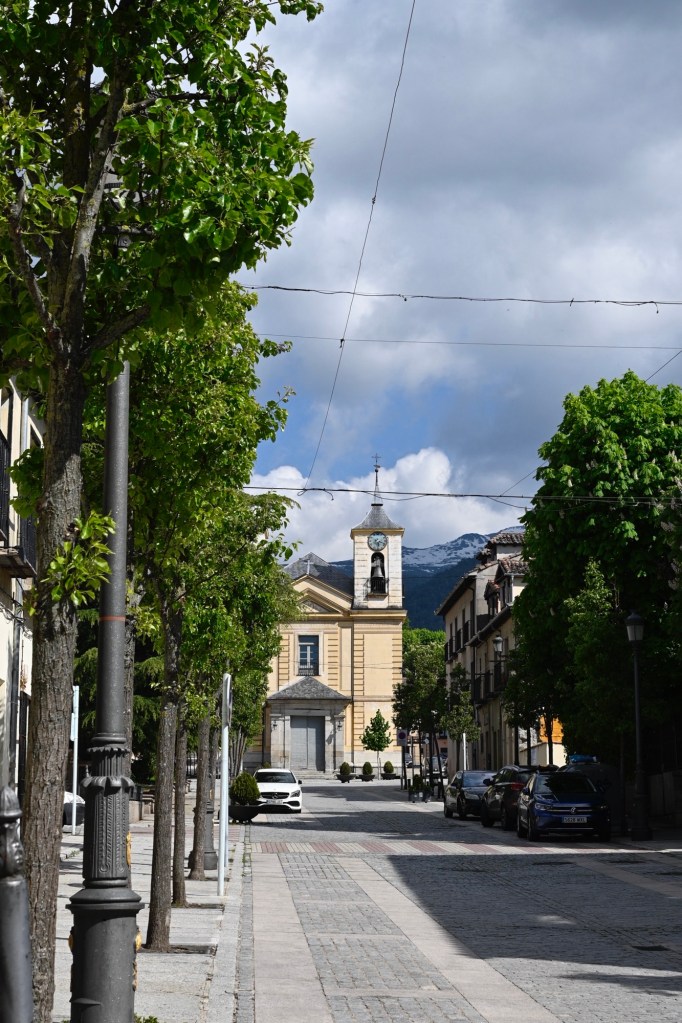
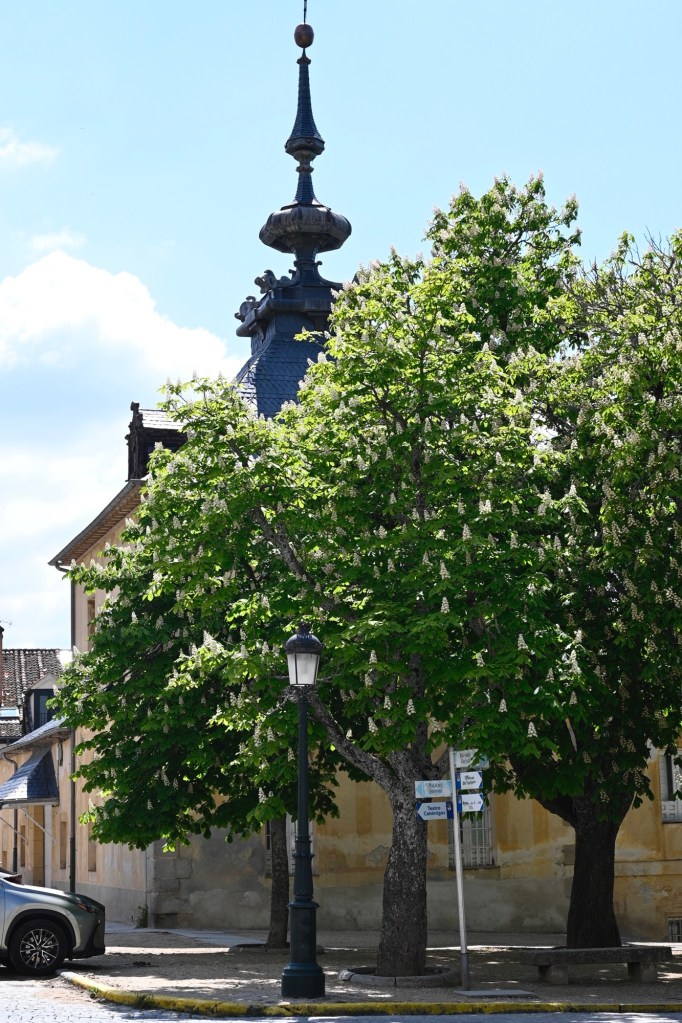
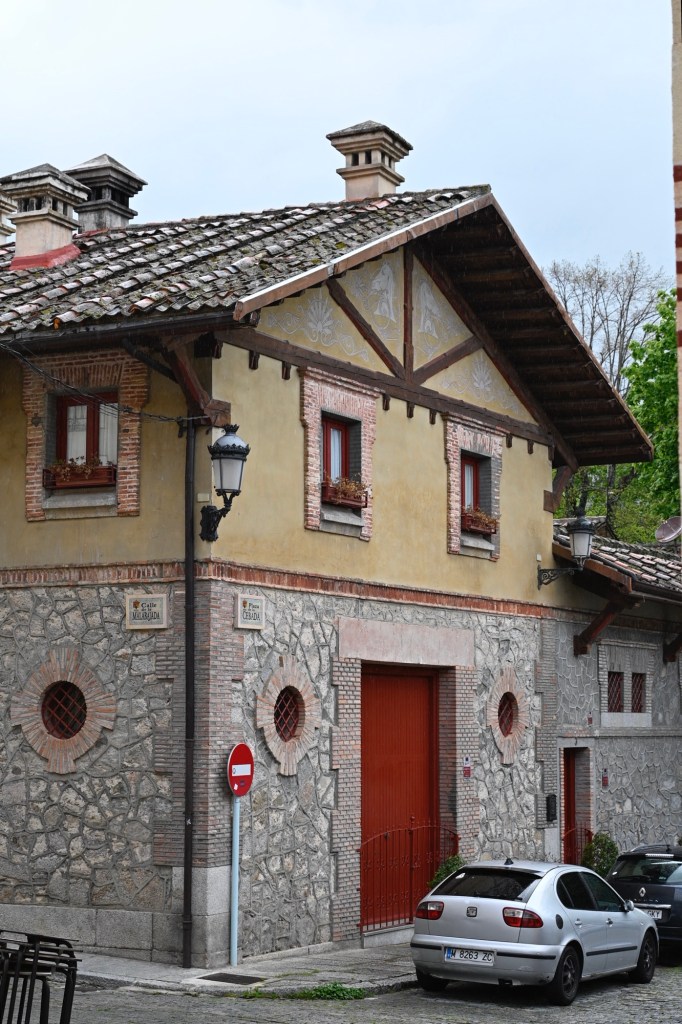
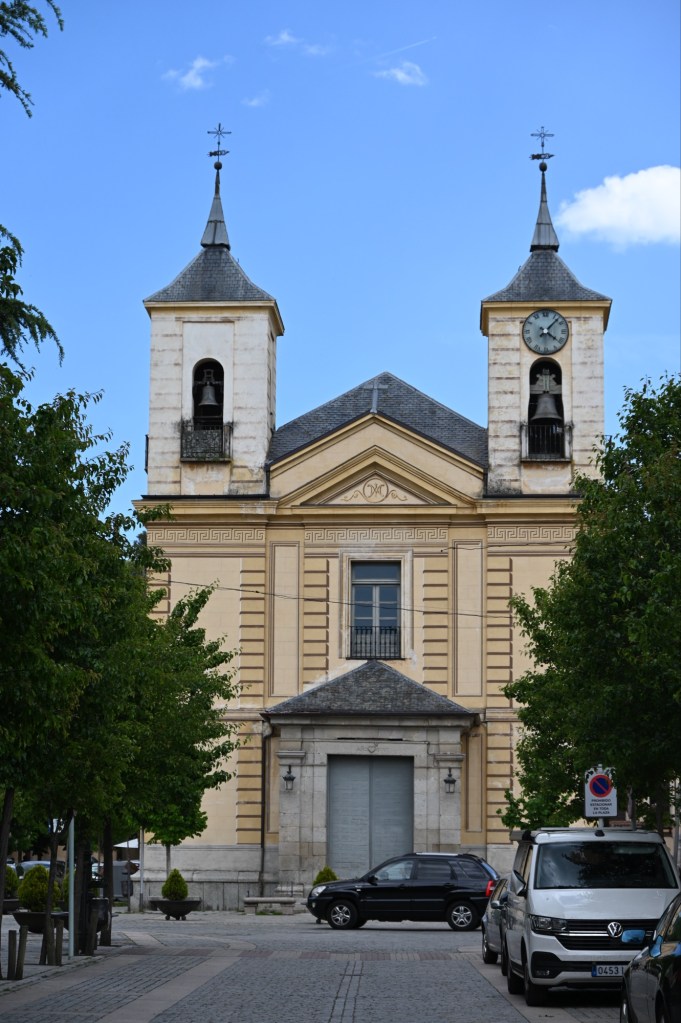
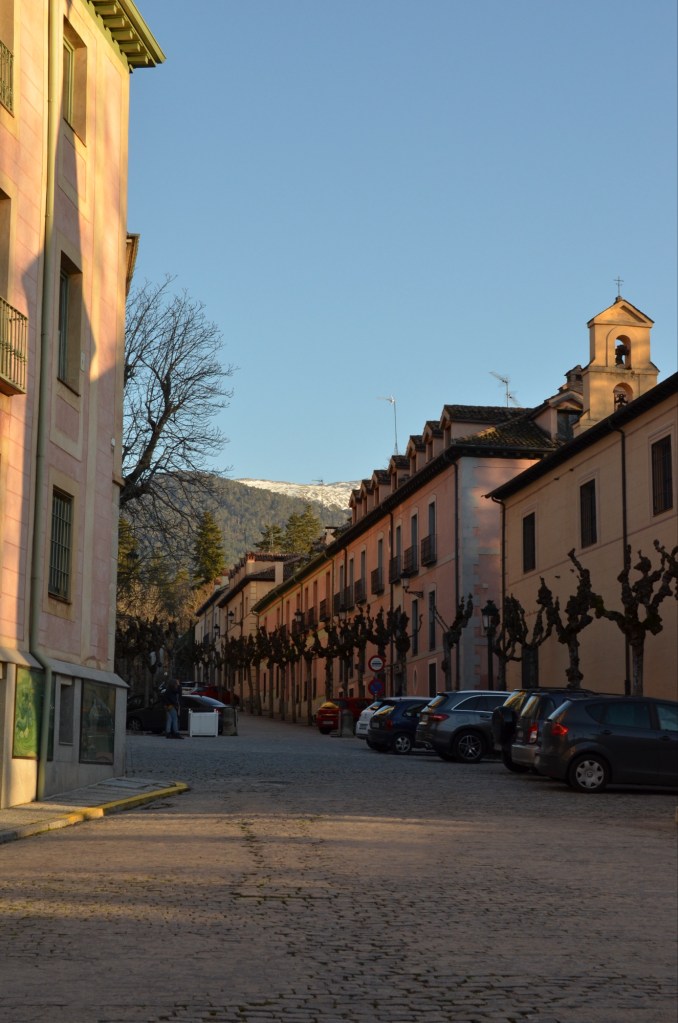
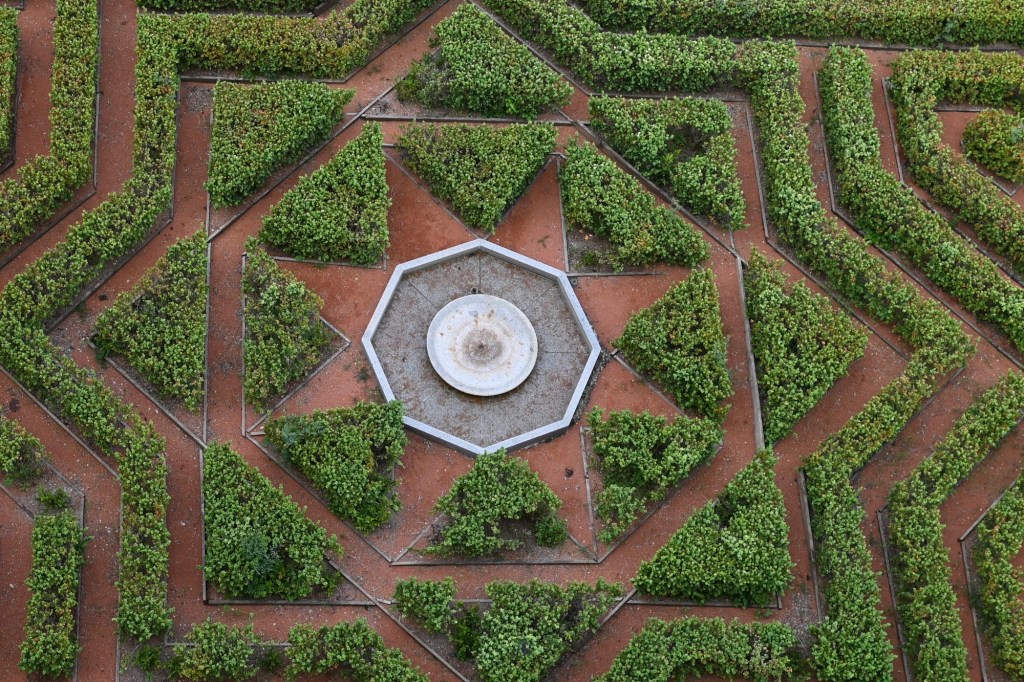
La Granja de San Ildefonso is one of the treasures in this area. In this little city, by the foot of the tall Peñalara mountain, the Spanish king, Philip V, built his Royal palace in 1724, which the royal family later used as a summer residence. The palace has a large Versailles-like garden, beautiful rooms, large wall tapestries and amazing crystal chandeliers made at the king’s crystal factory.
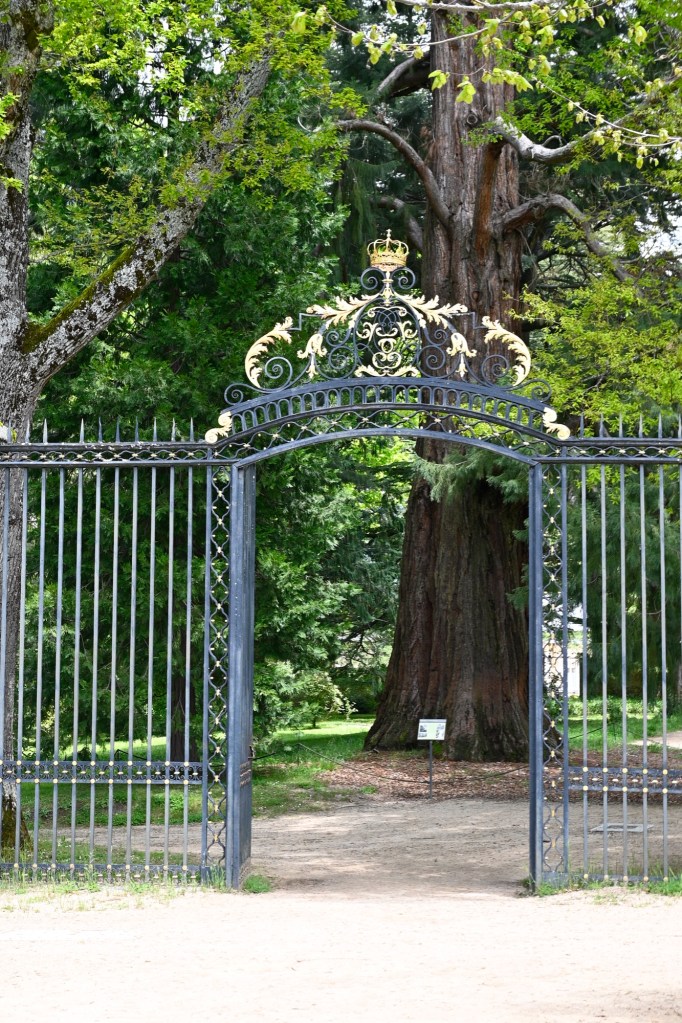
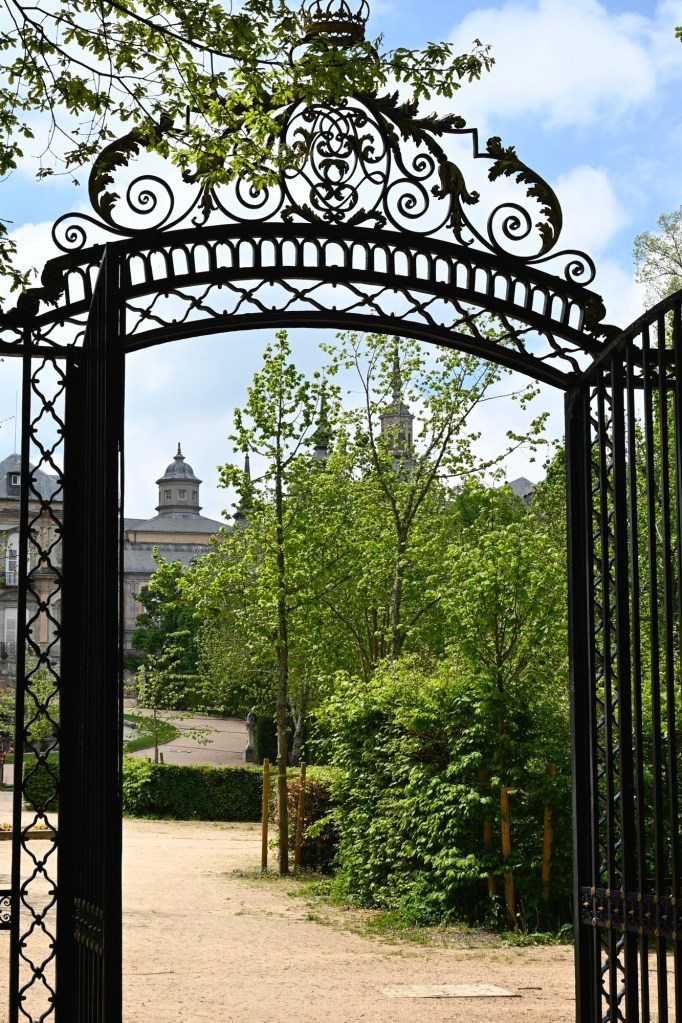
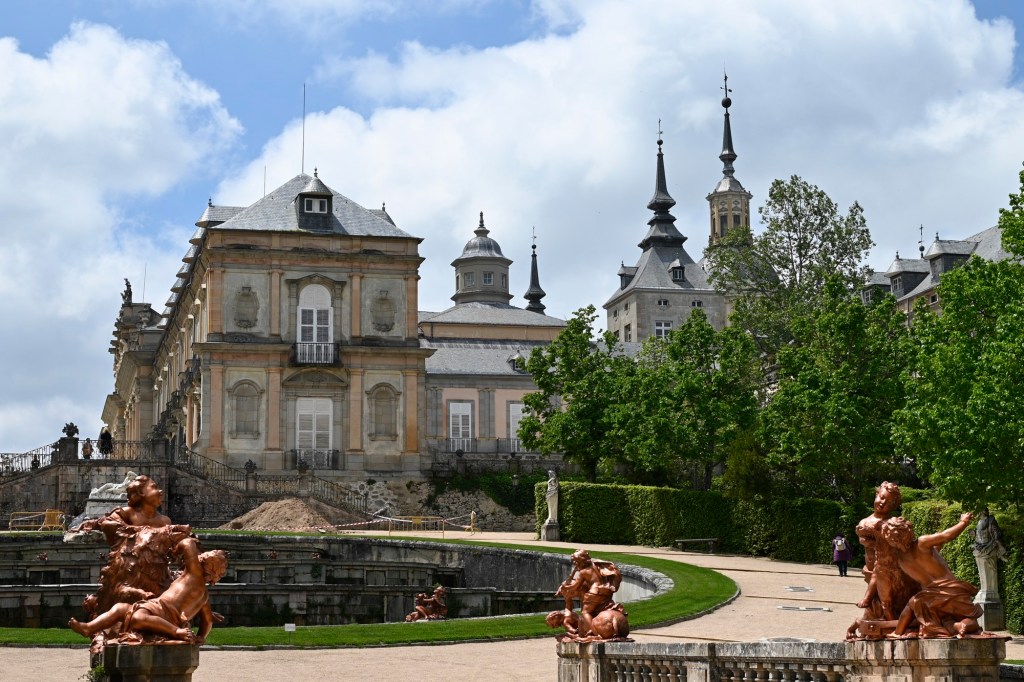
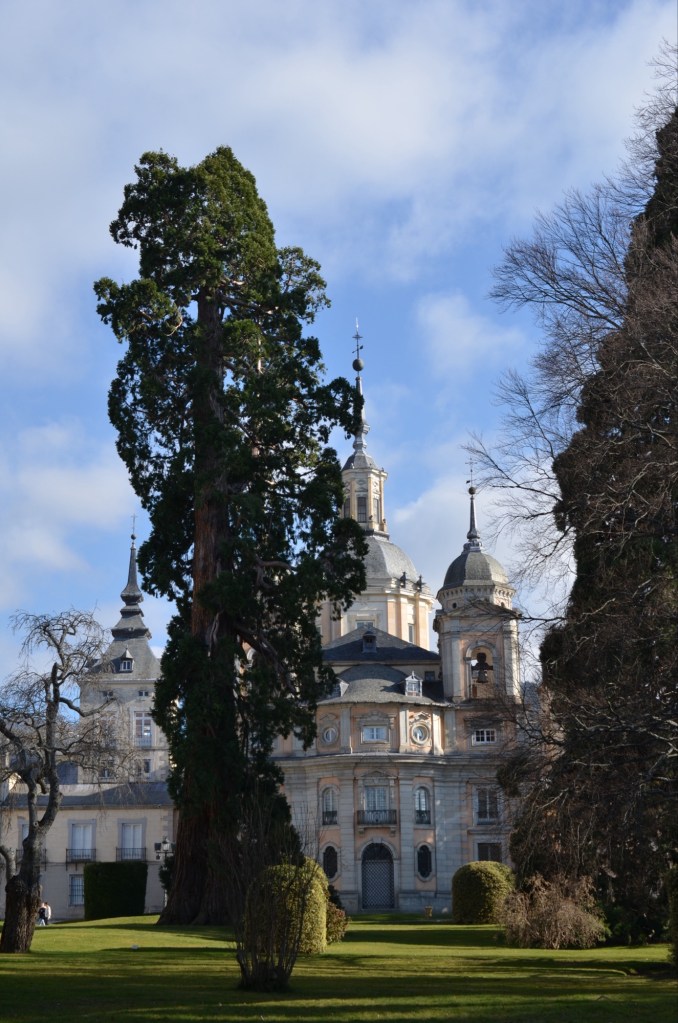
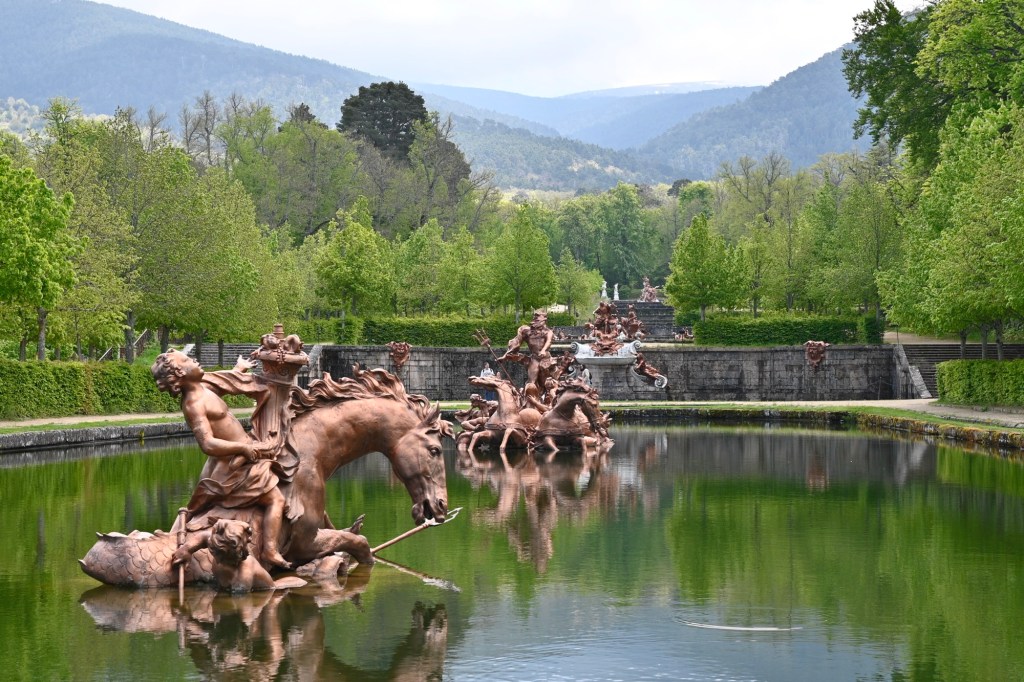
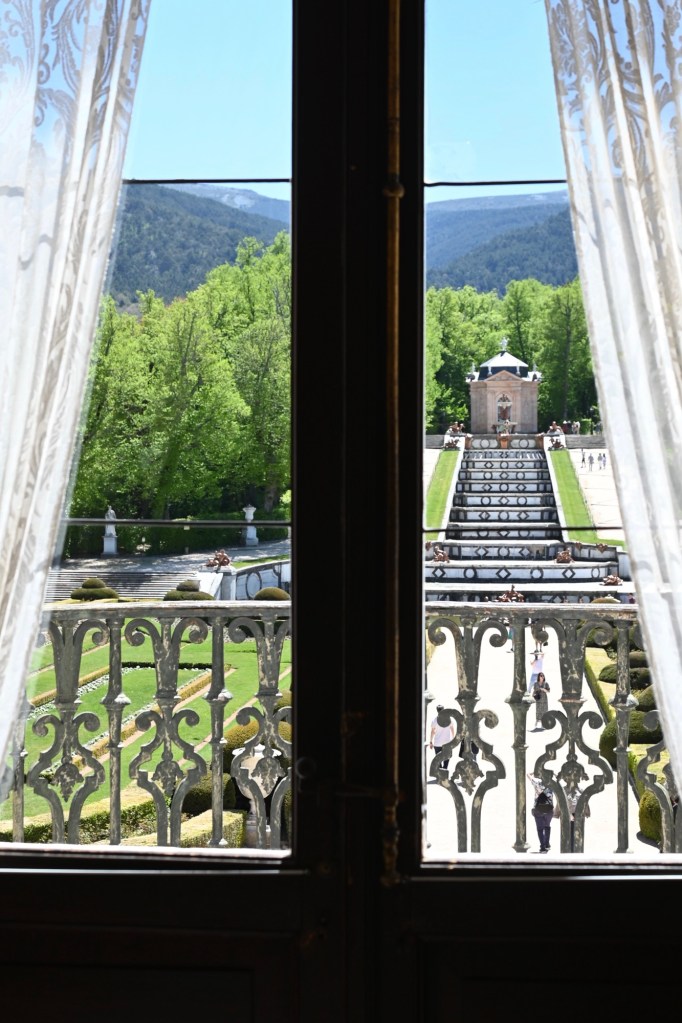
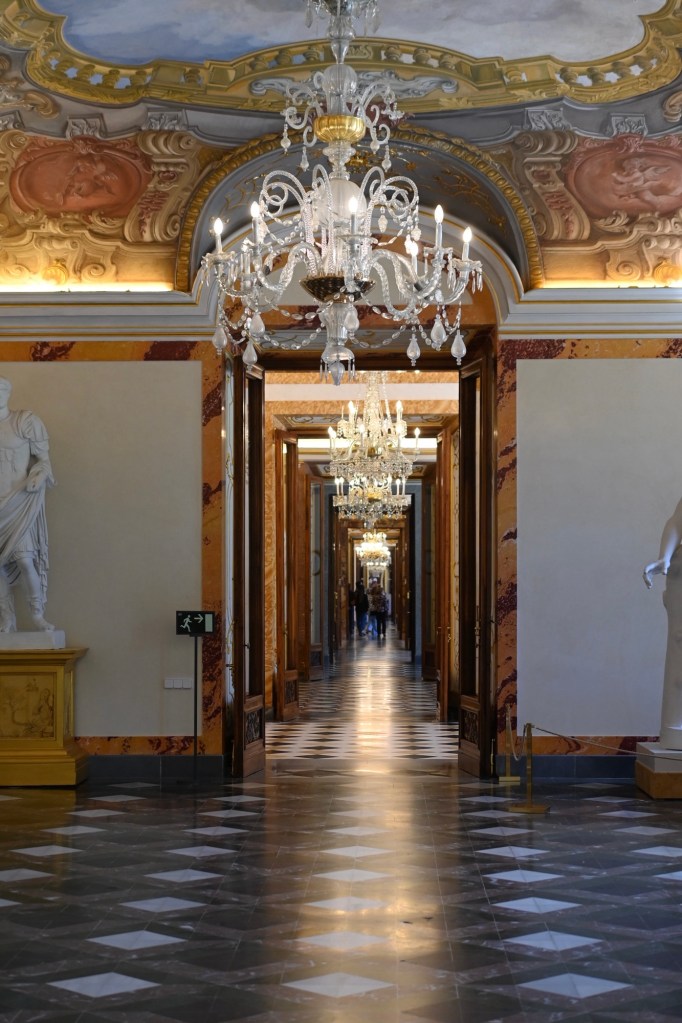
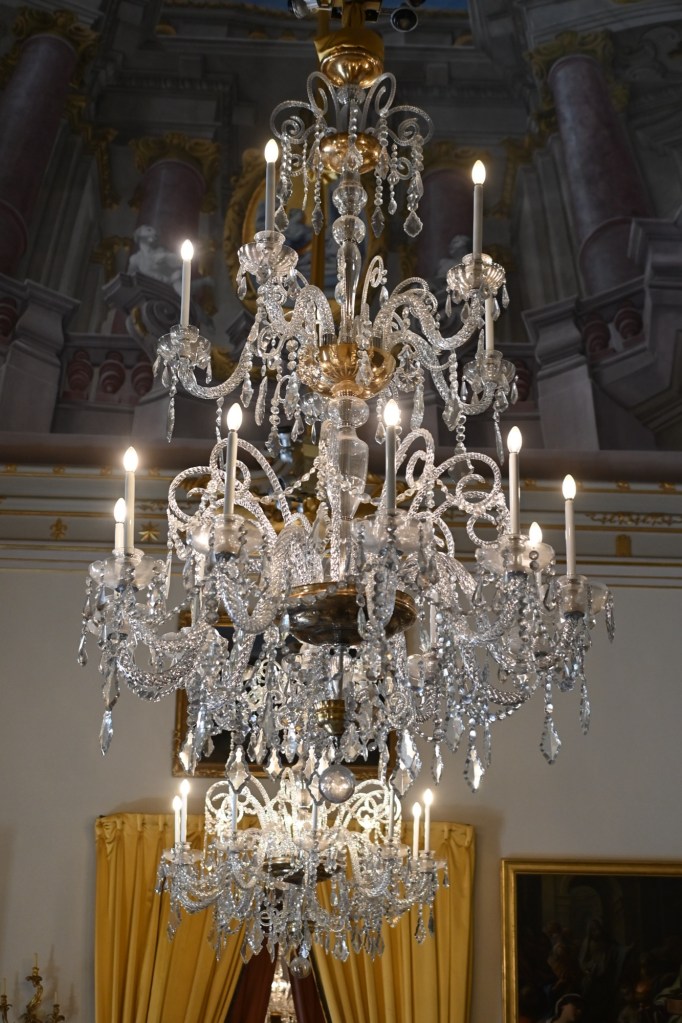
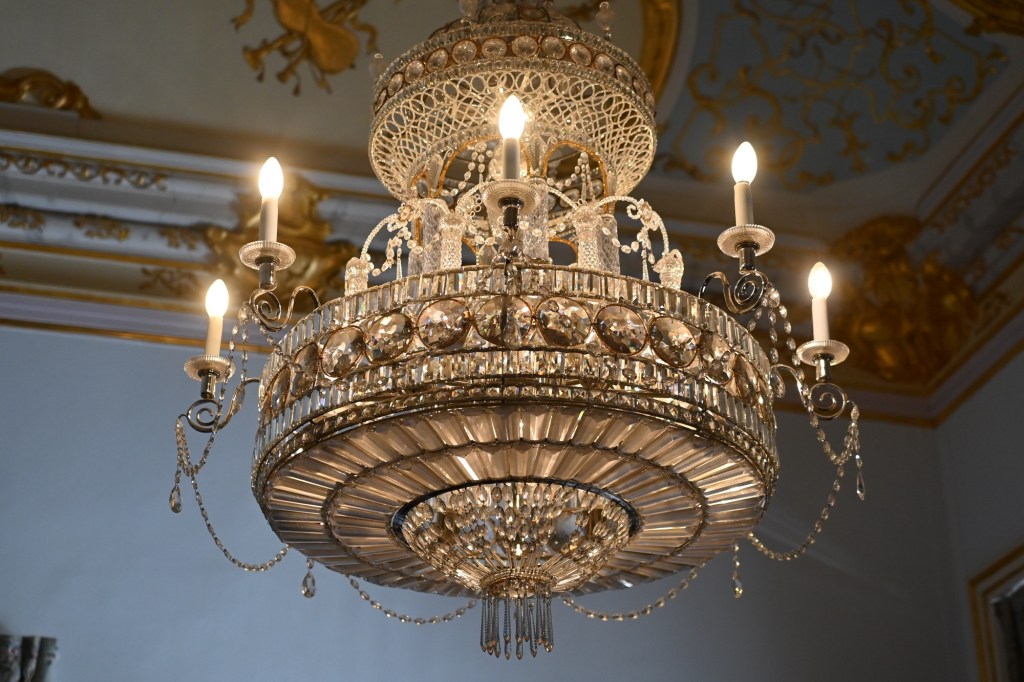
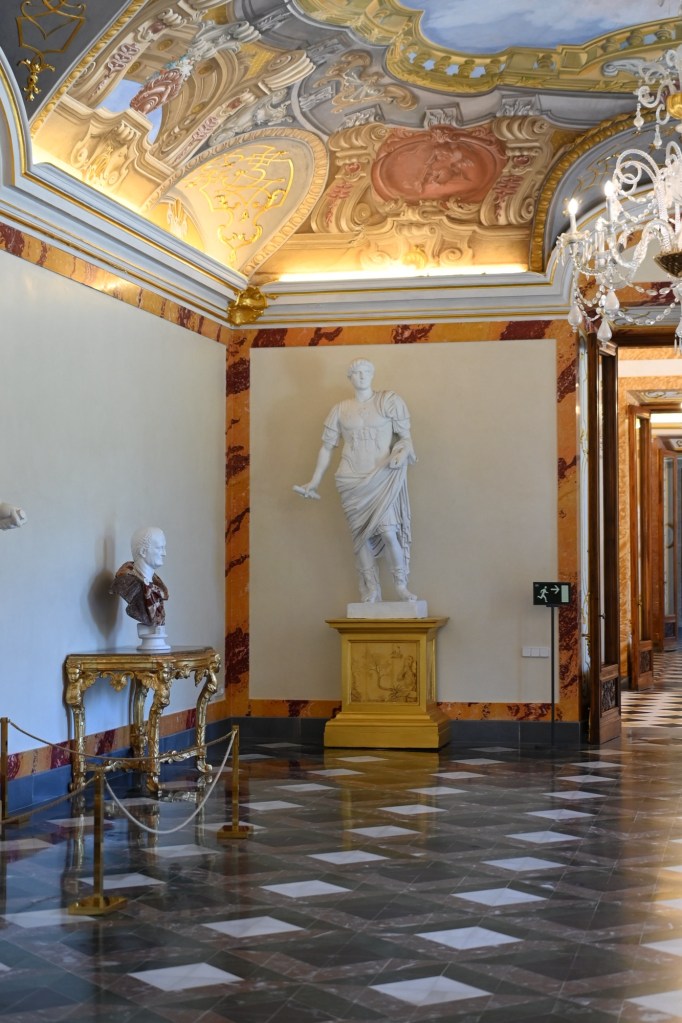
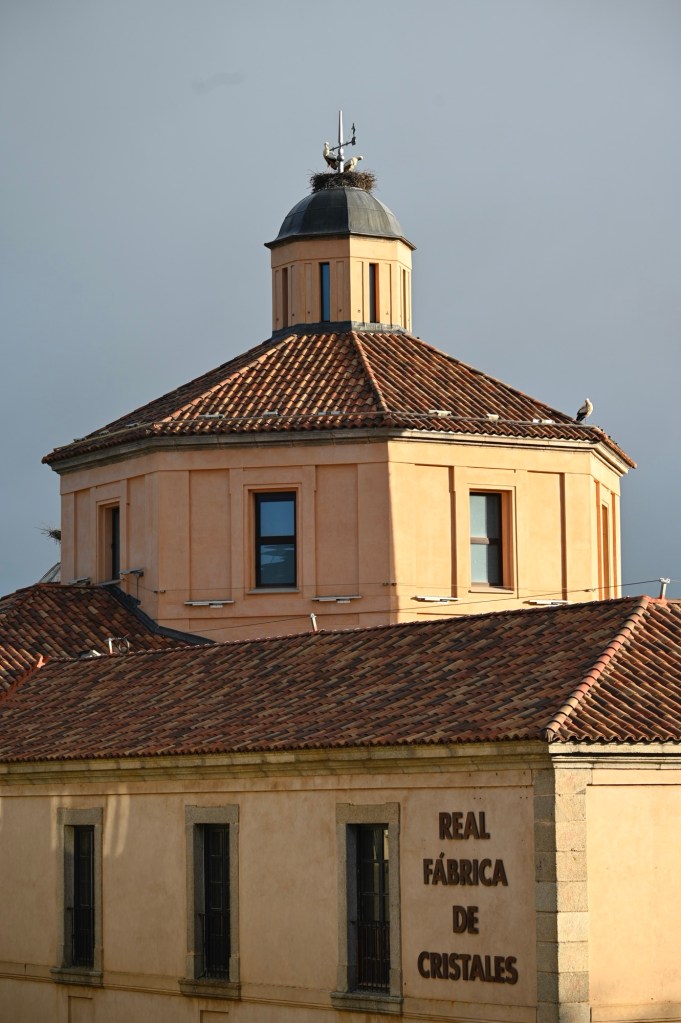
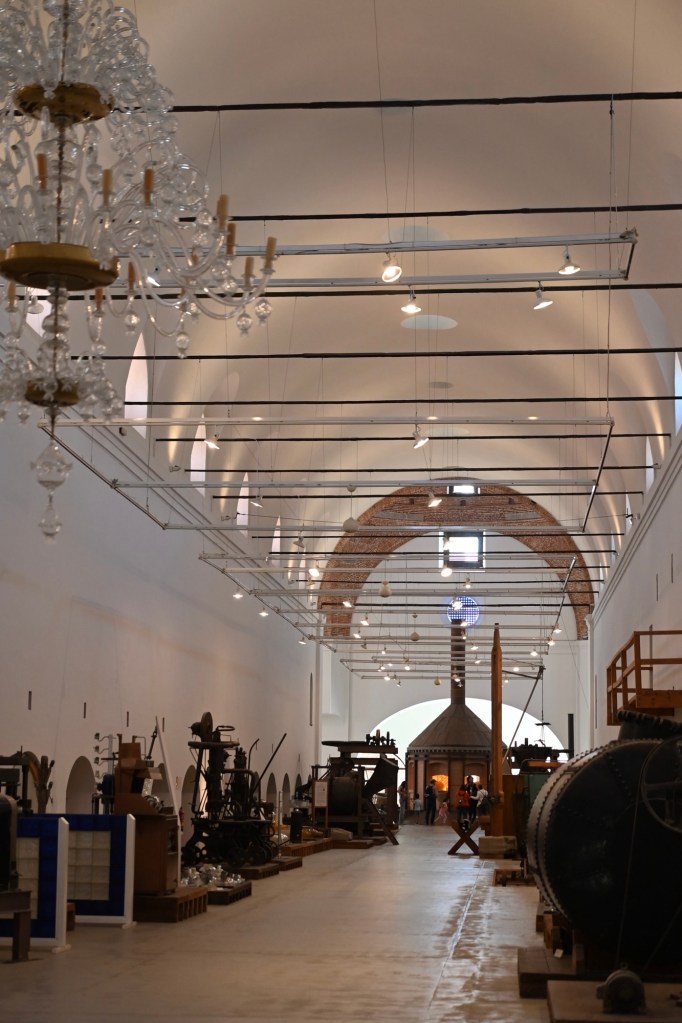
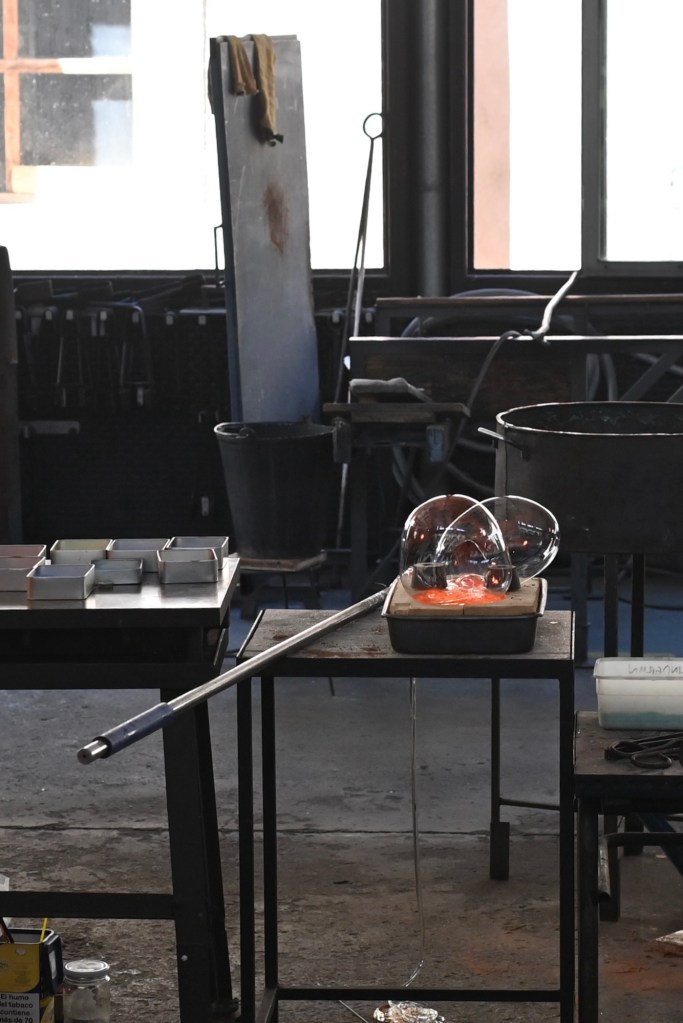
You can still go to the Crystal factory to watch how glass masters blow glasses and vases, see how it was done in old times or purchase glass items to your home.

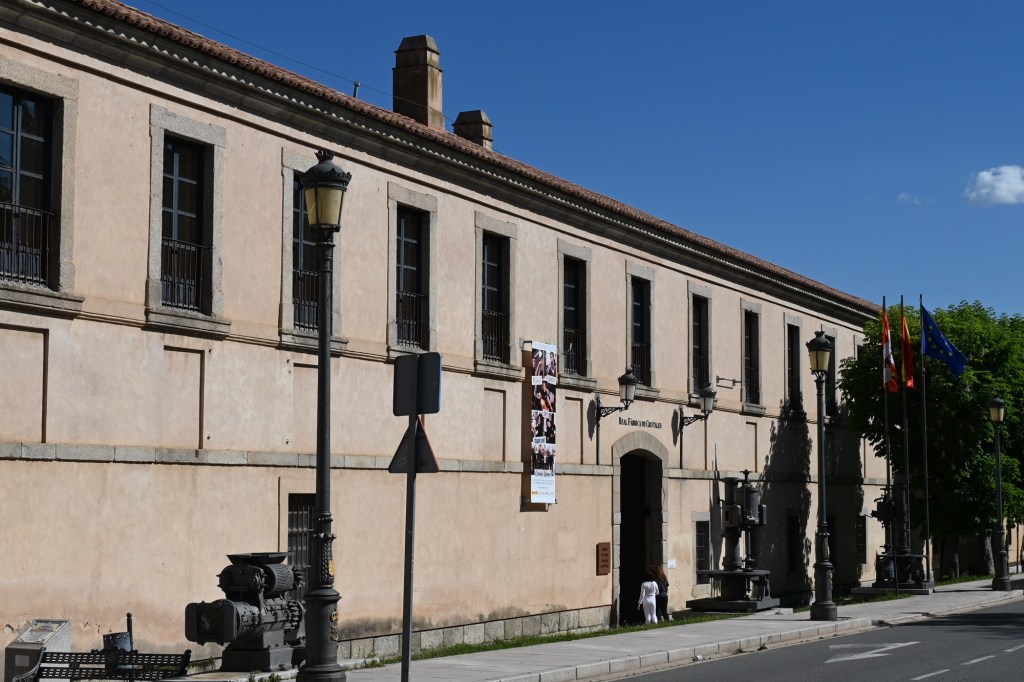
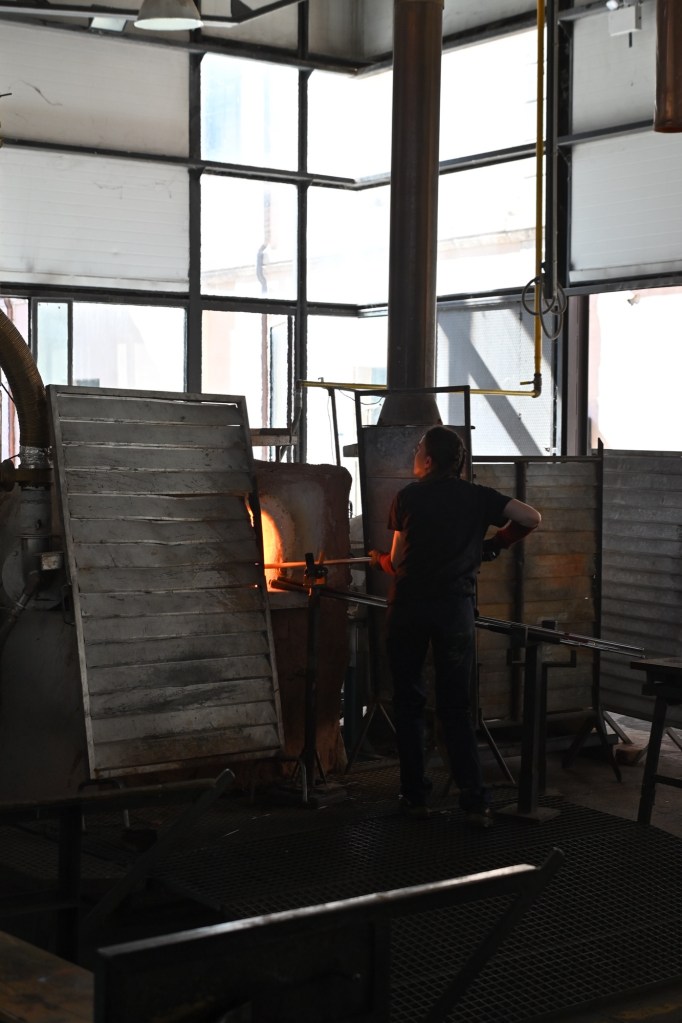
Most people visit La Granja to see the Royal palace and the Crystal factory, but the city has much more to offer for those spending a few more nights.
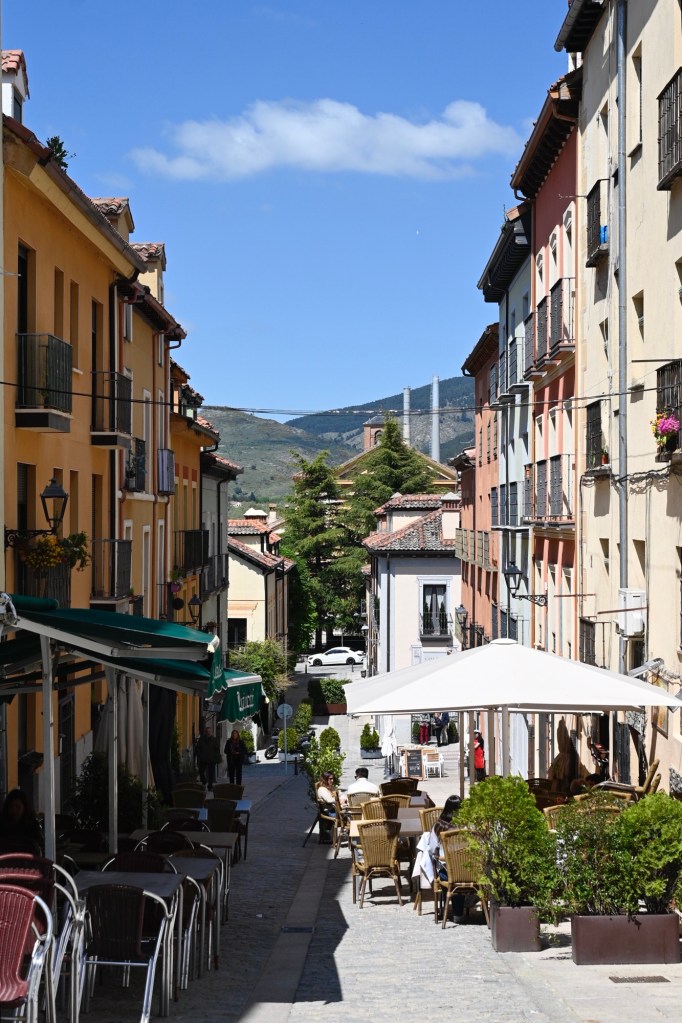
Although La Granja only has around 5,000 inhabitants, the large numbers of day visitors create opportunities for a vast number of restaurants, serving the most delicious food, and there are numerous concerts thanks to the Katarina Gurska foundation and music school, which operates their doctoral courses and seminars there.
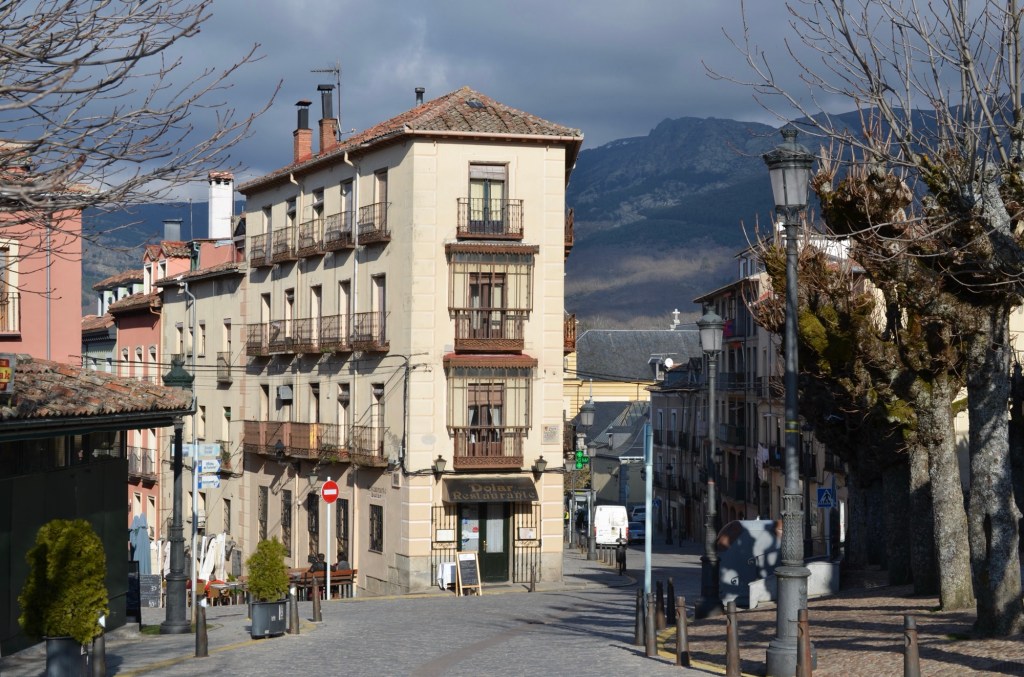
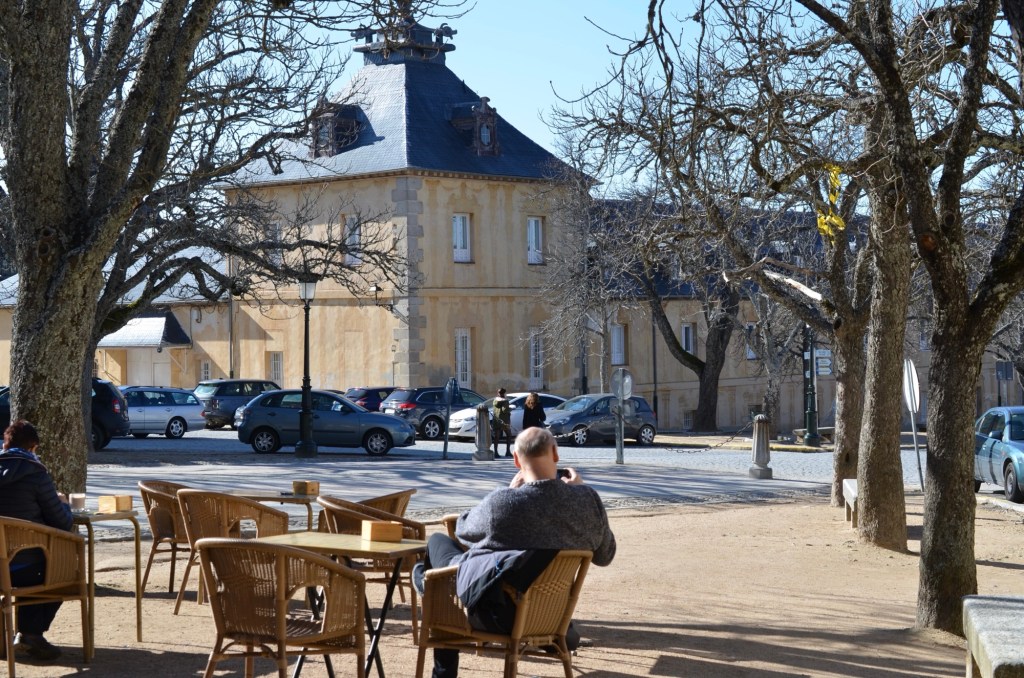
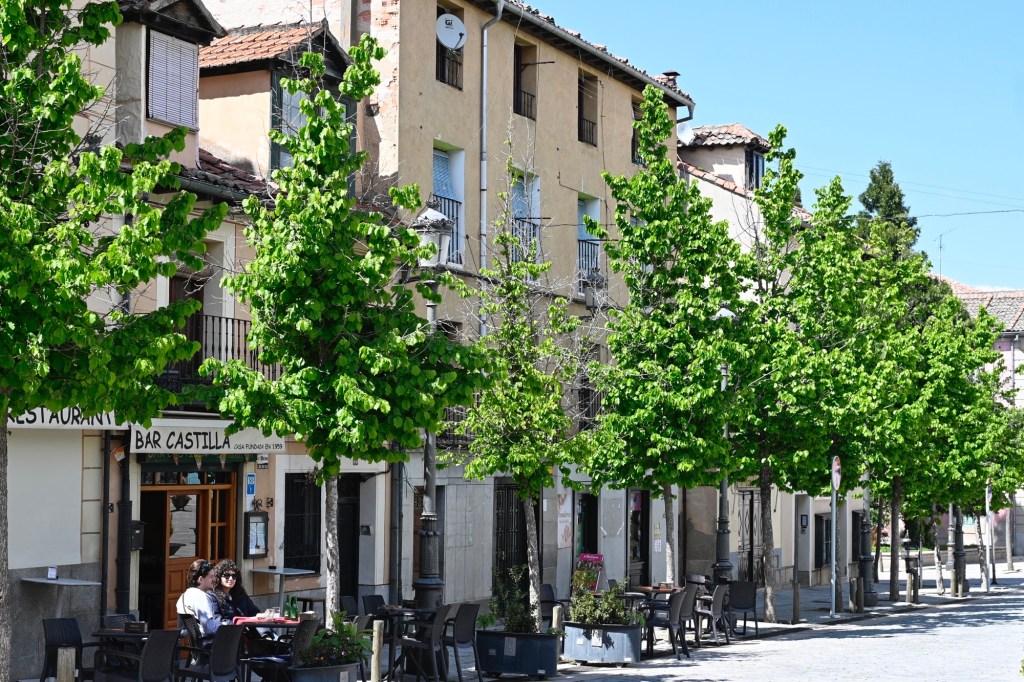
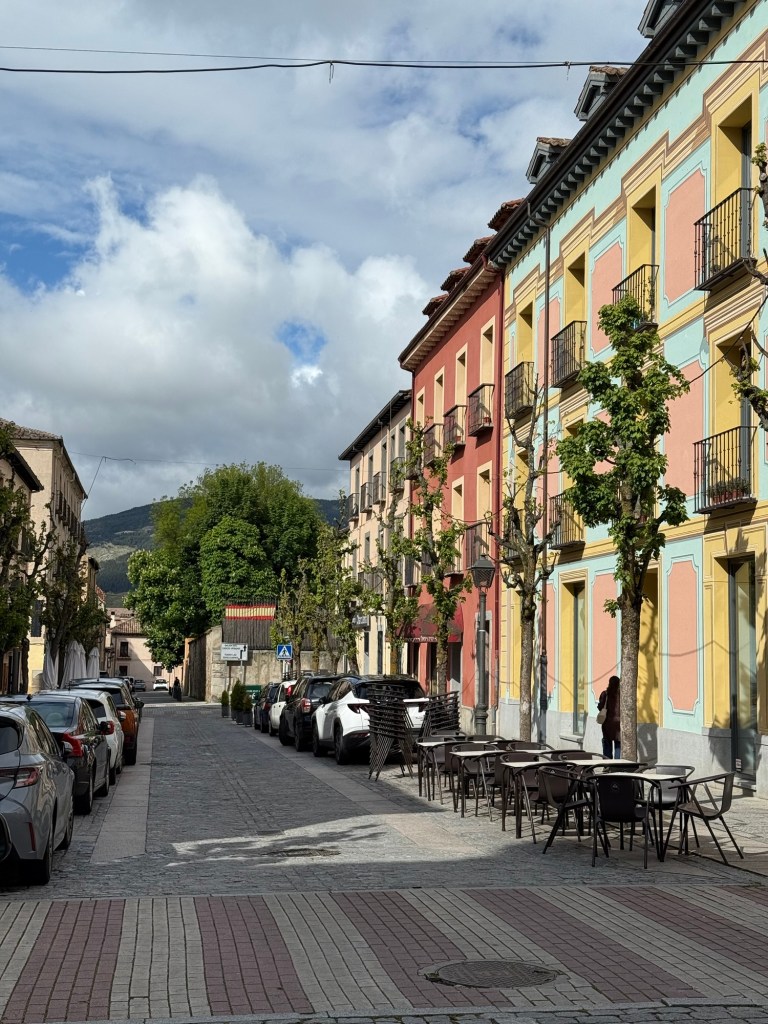
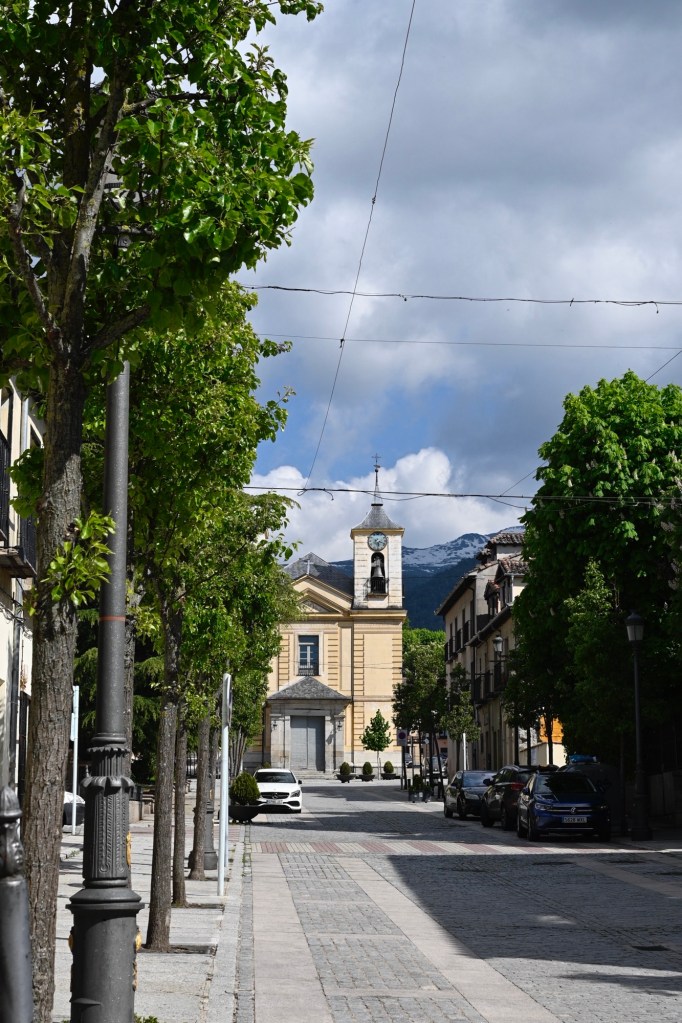
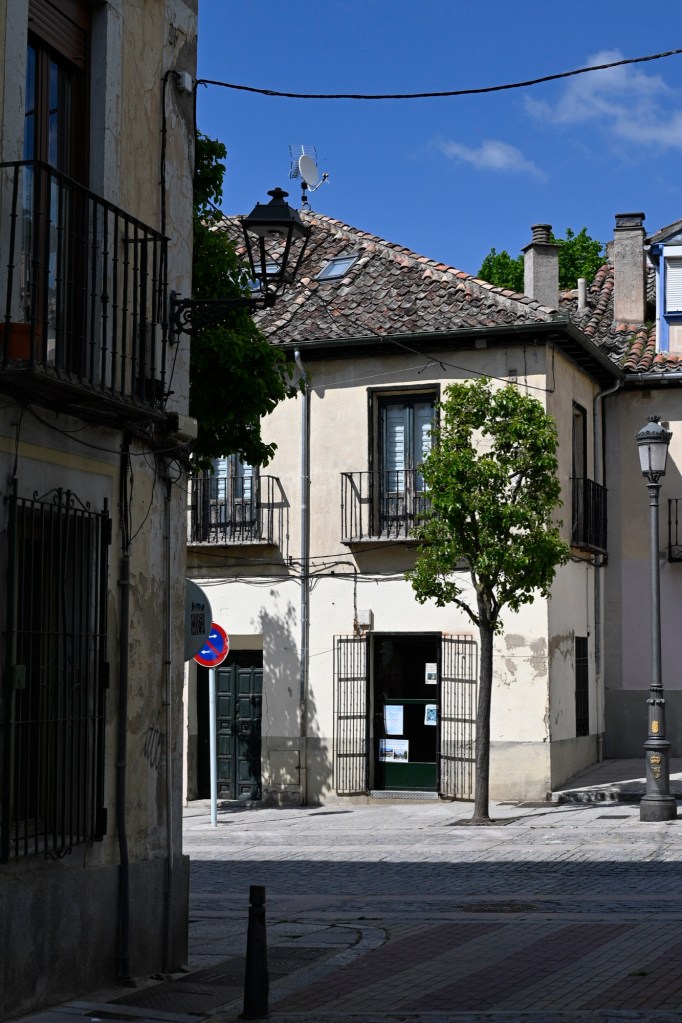
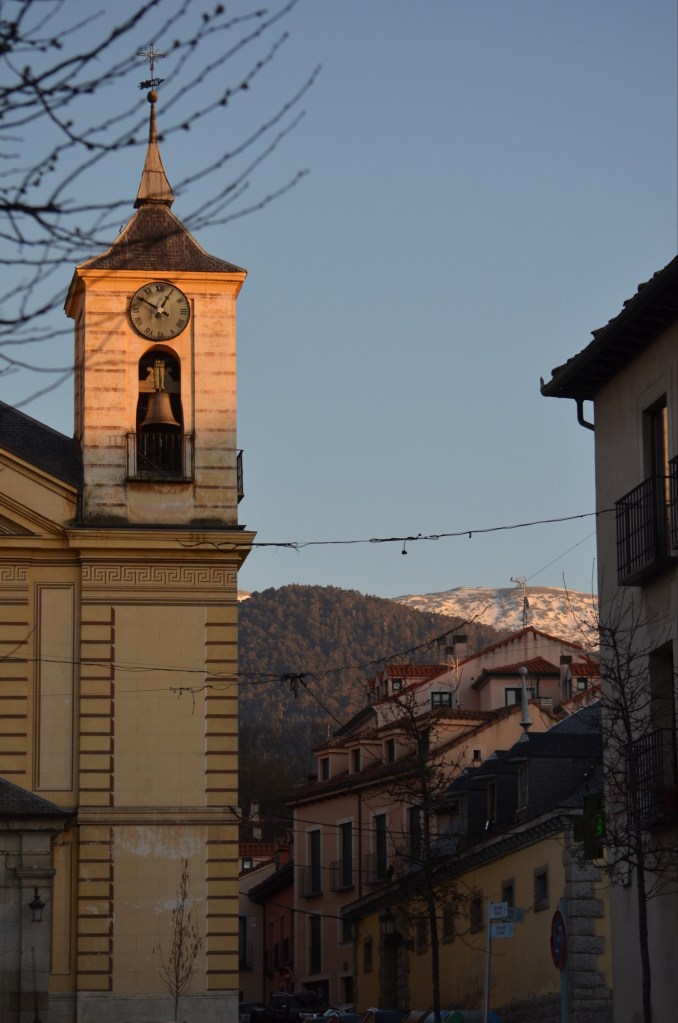
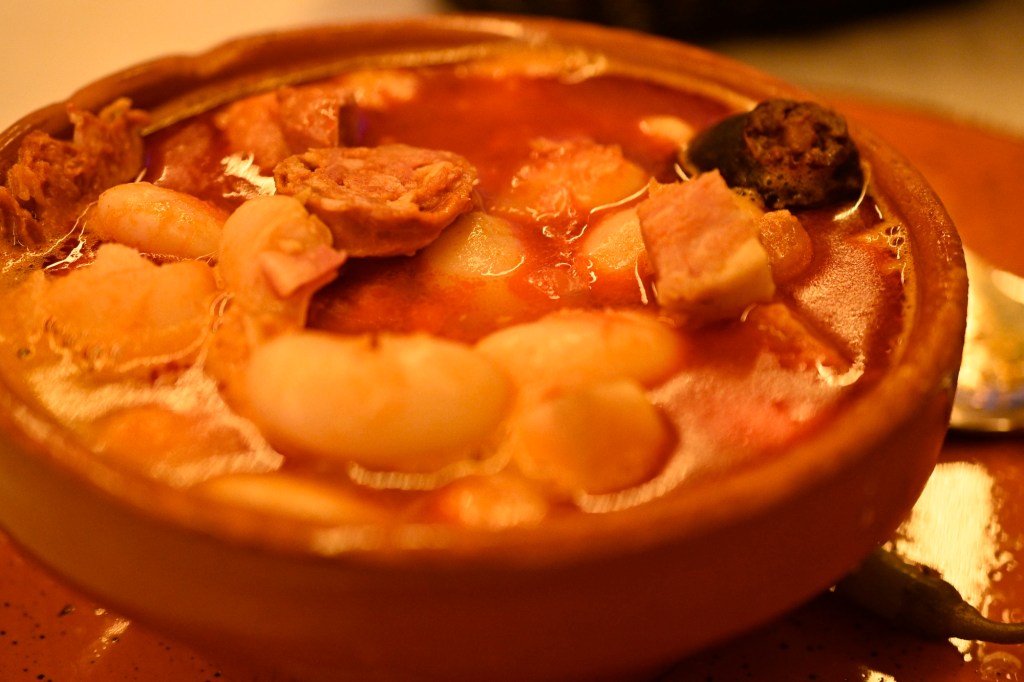
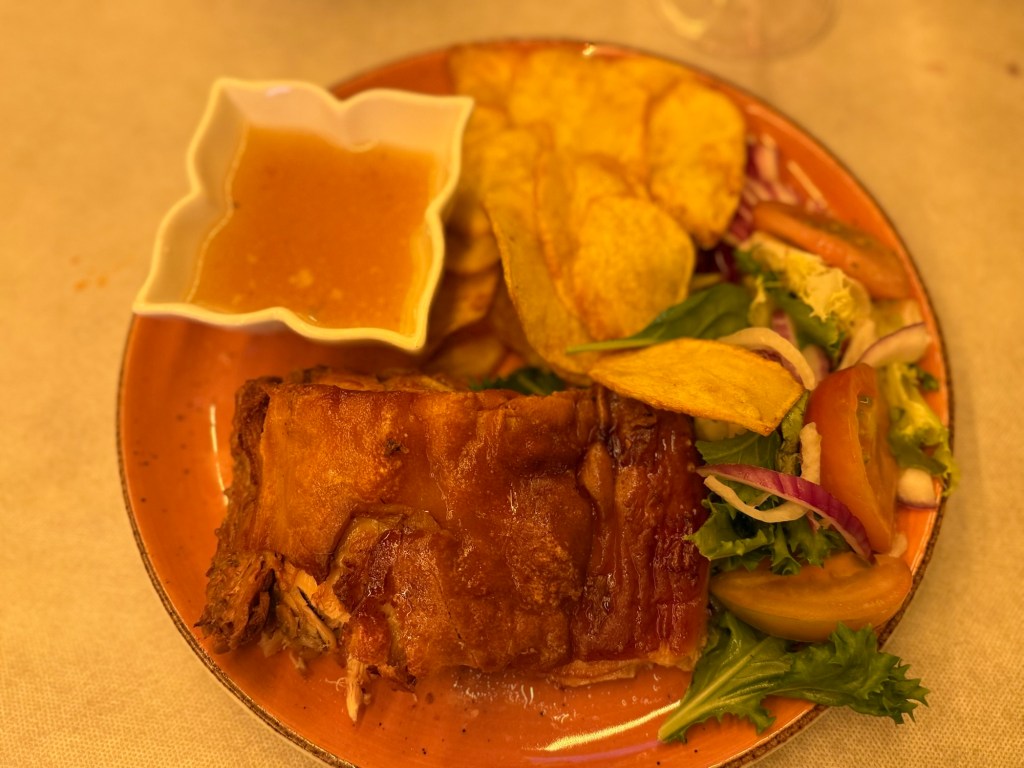
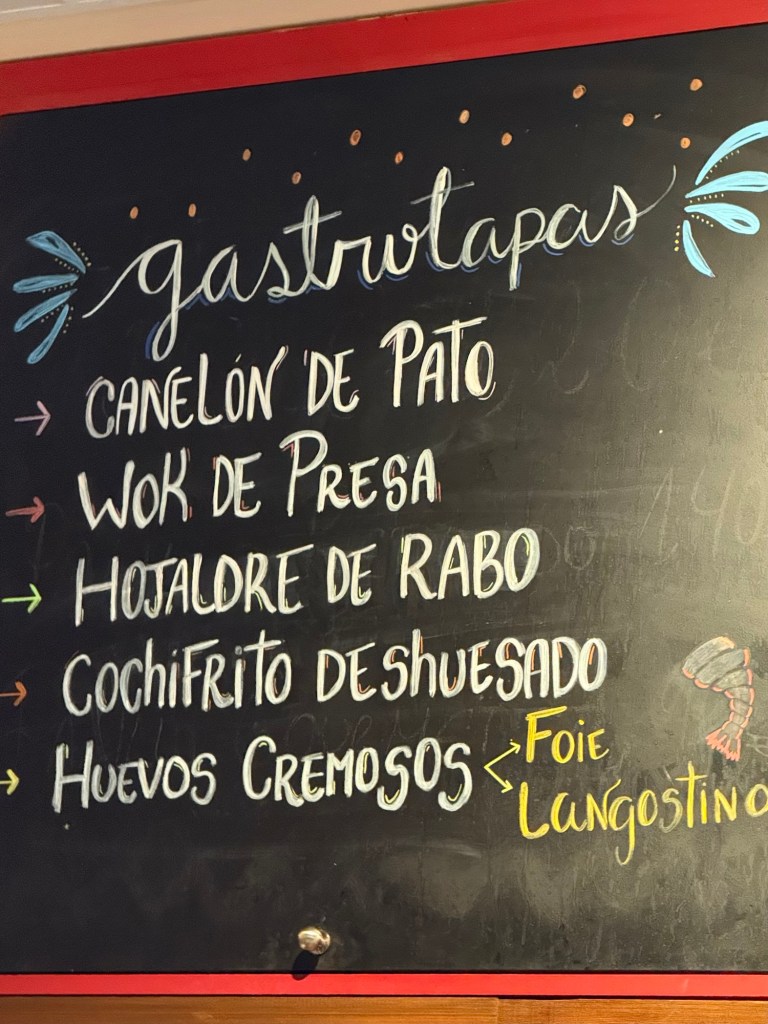
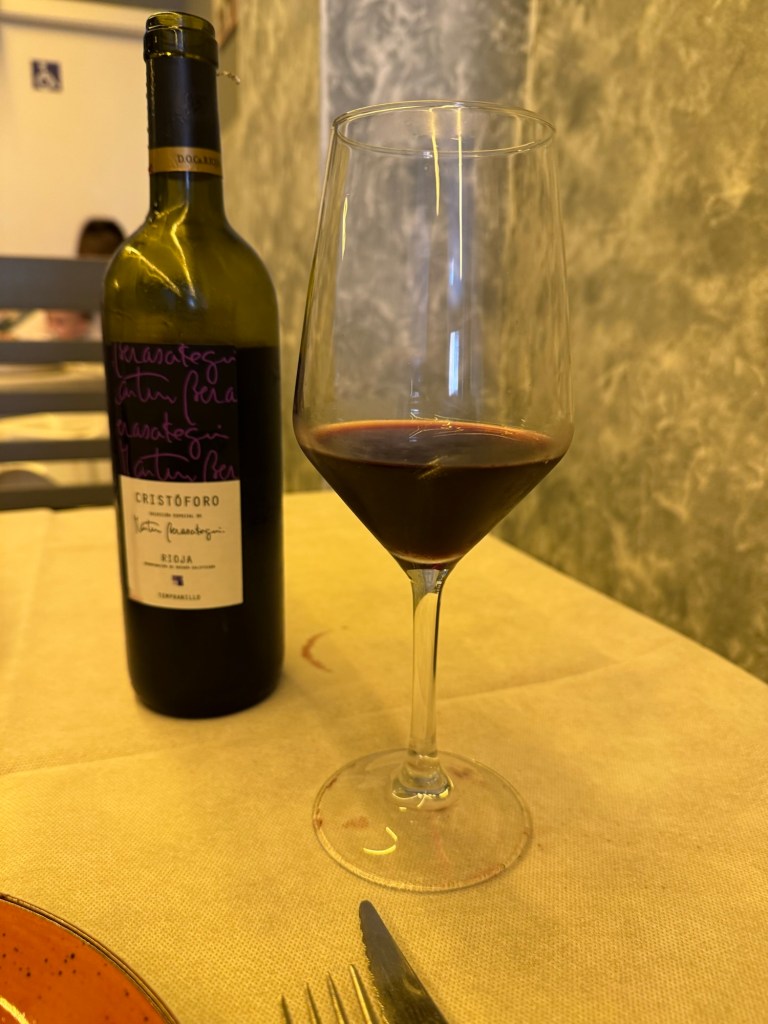
The local food speciality is «Judiones de la Granja», a white bean stew, with sauce including tomato, chorizo sausage and small pieces of pig’s ear. The white beans (Judión de la Granja) are larger than other beans and have thinner skin. They have been grown in the Royal site of La Granja since the 18th century. The dish is delicious, but personally I prefer it when they replace the pig’s ears with bacon. Another local speciality is «Cochinillo», a suckling pig, which normally is roasted whole, which creates a crispy outer layer and a really tender meat inside. Local people used to tell us stories of Cochinillo meat being so tender that you did not even have to use a knife to slice it, you could slice it with the sides of a plate. I don’t know if that can be done, but it is really a delicassy. Restaurants in La Granja often serve the full baby pig on a large plate (Cochinillo Assado), but you can also get a smaller piece of it, as a «dish of the day» option. Other dishes you can get, as tapas, depends often of which season you visit the region. In February, for instance, you can get the most wonderful Asparges, and always there are good choices of Spanish wine.
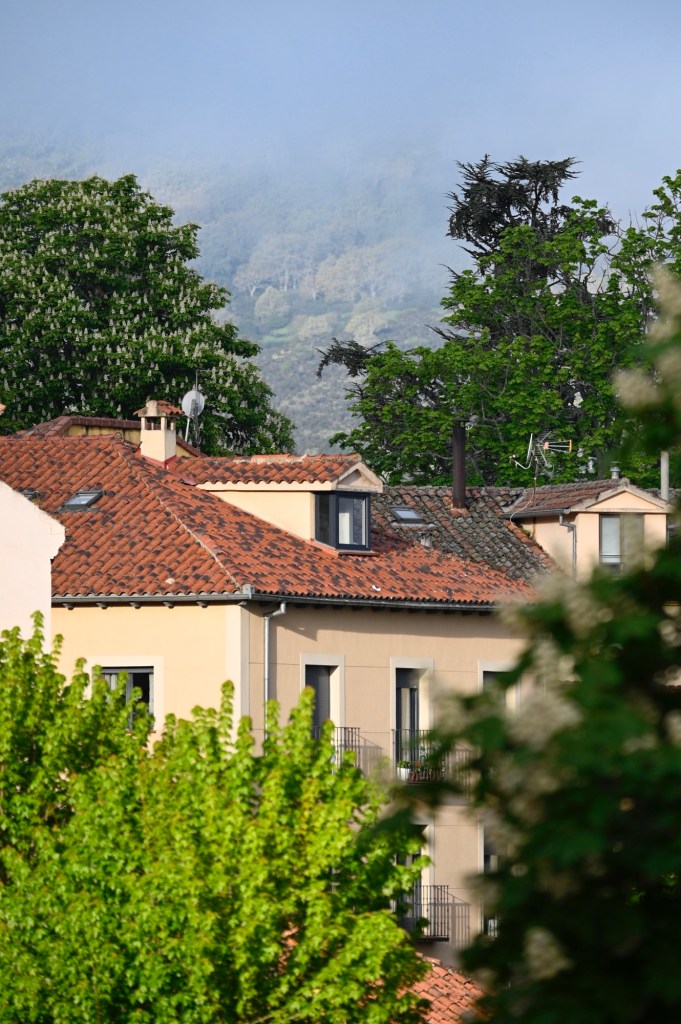
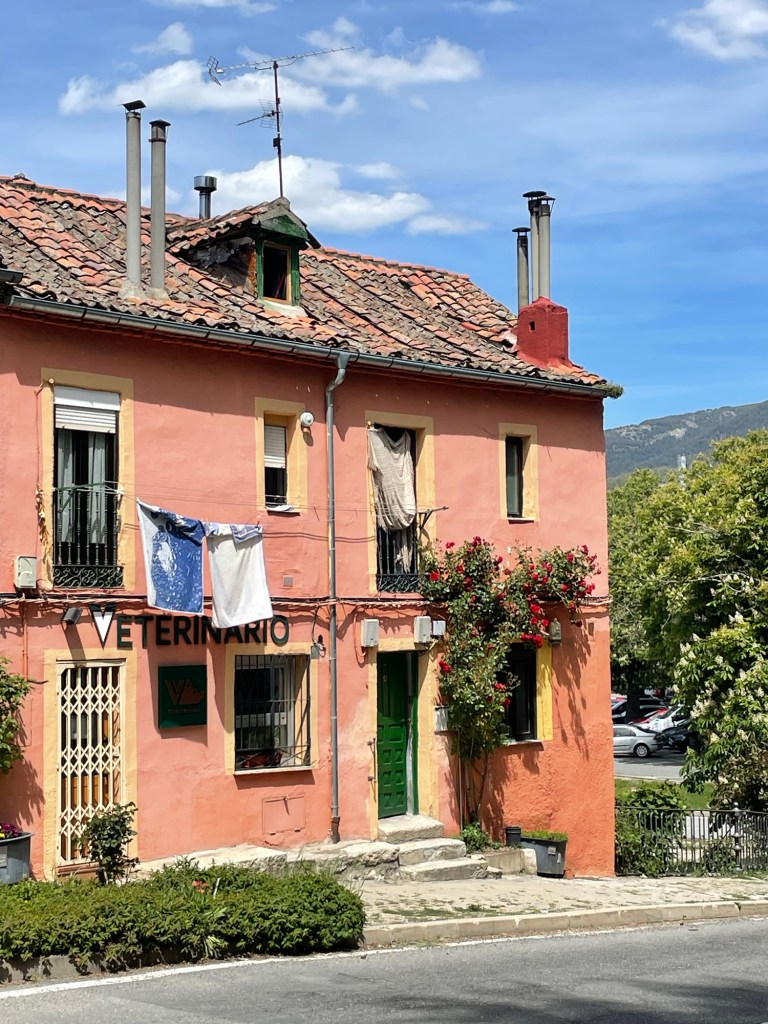
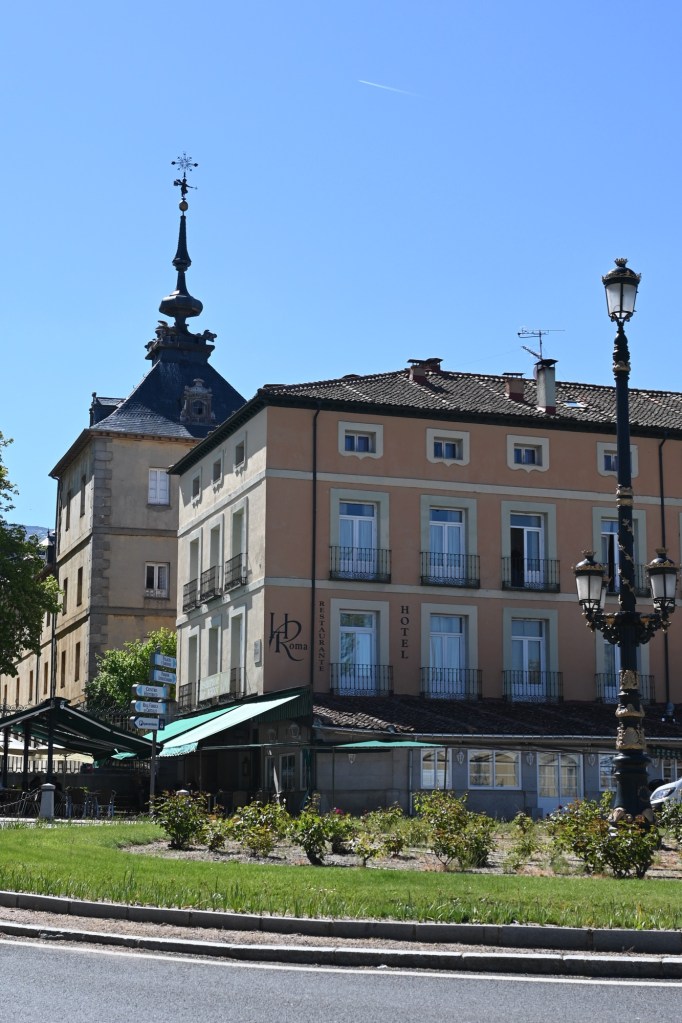
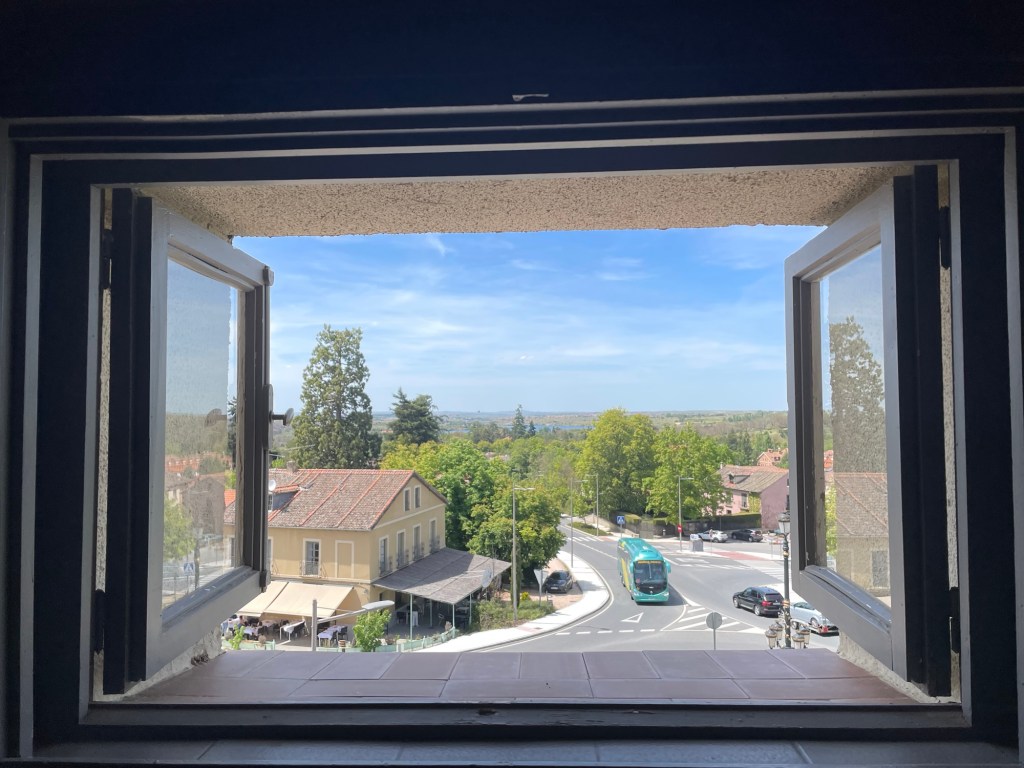
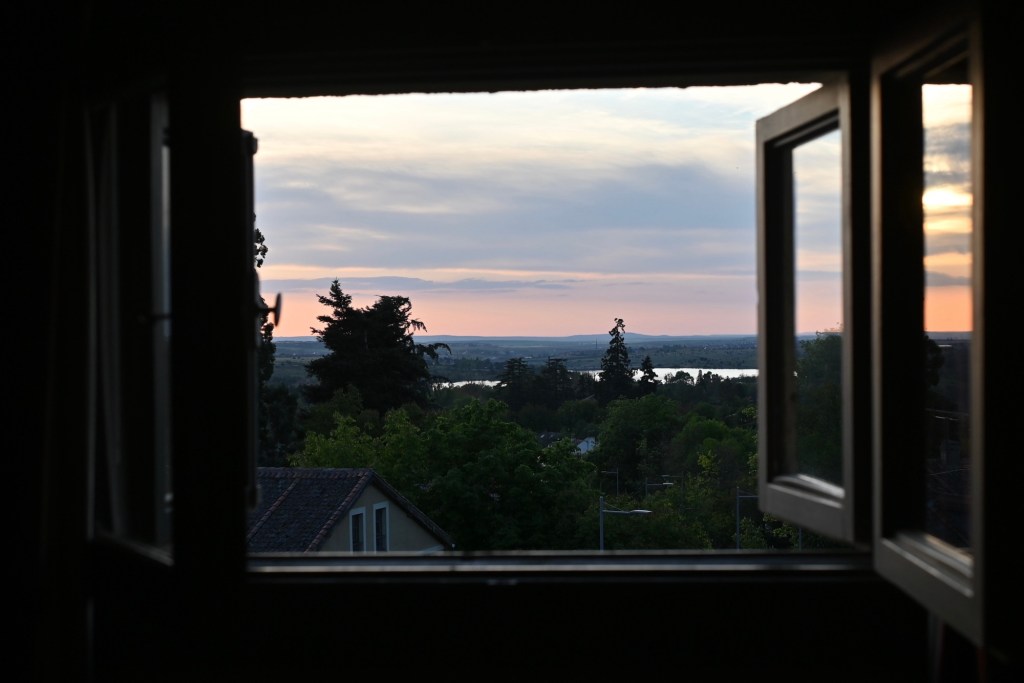
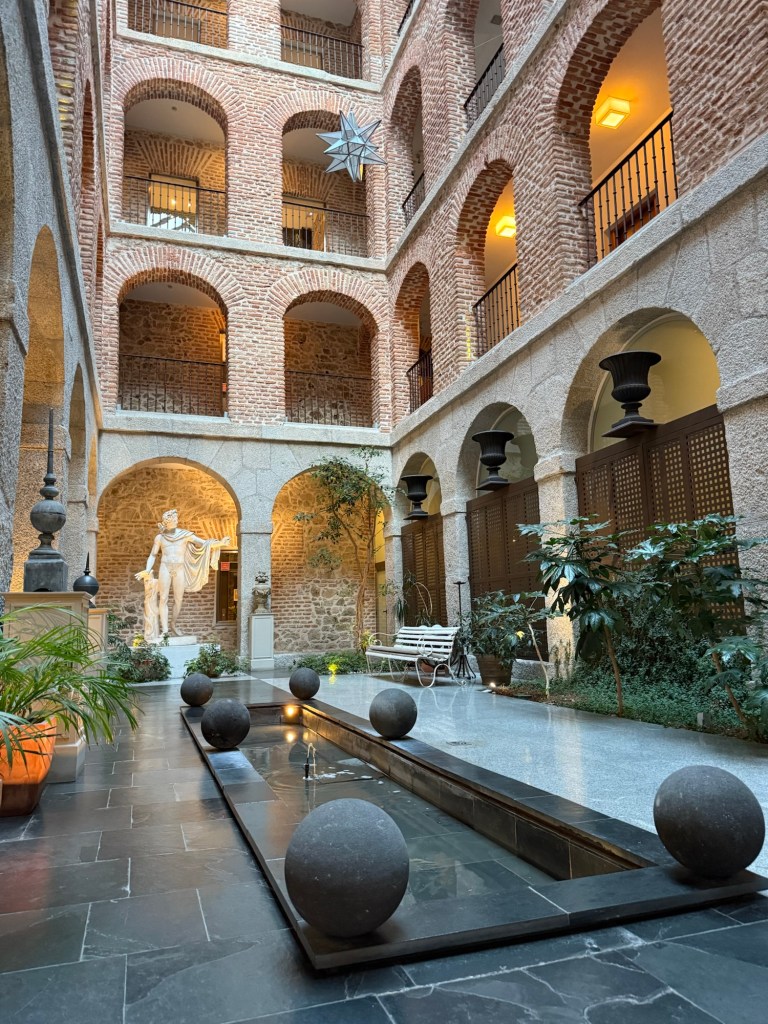
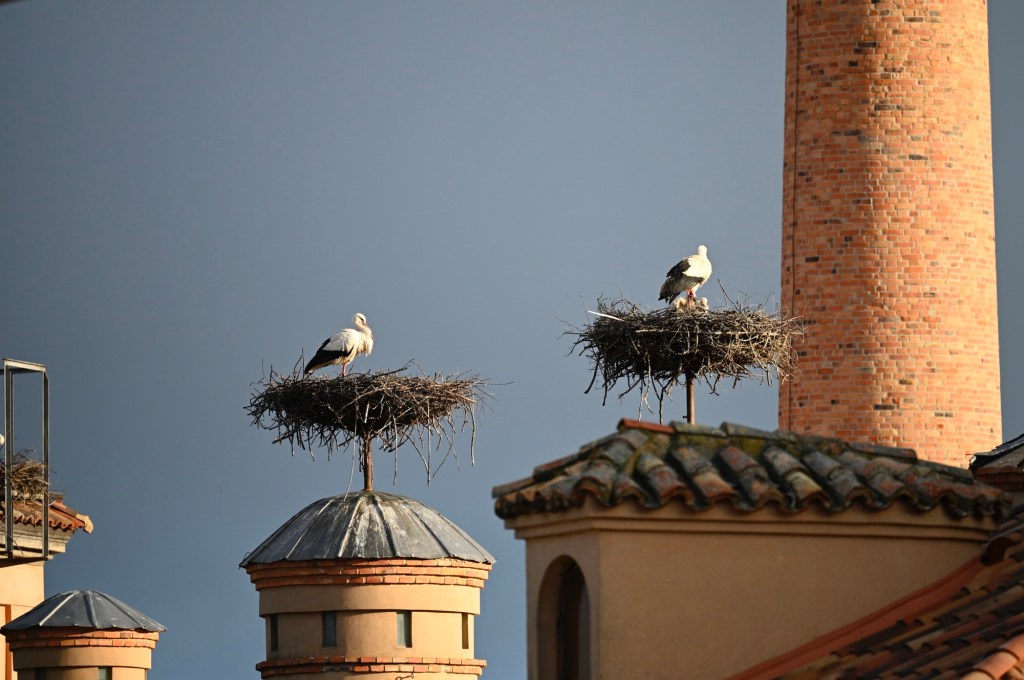
The Parador de La Granja is a fashionable hotel within the Paradores brand, with restaurant and spa, built in a historical building from the 18th century, but the city also has several other, more affordable, accommodation offers. Several of which offer views to rooftops where large birds, as Storks, are nesting.
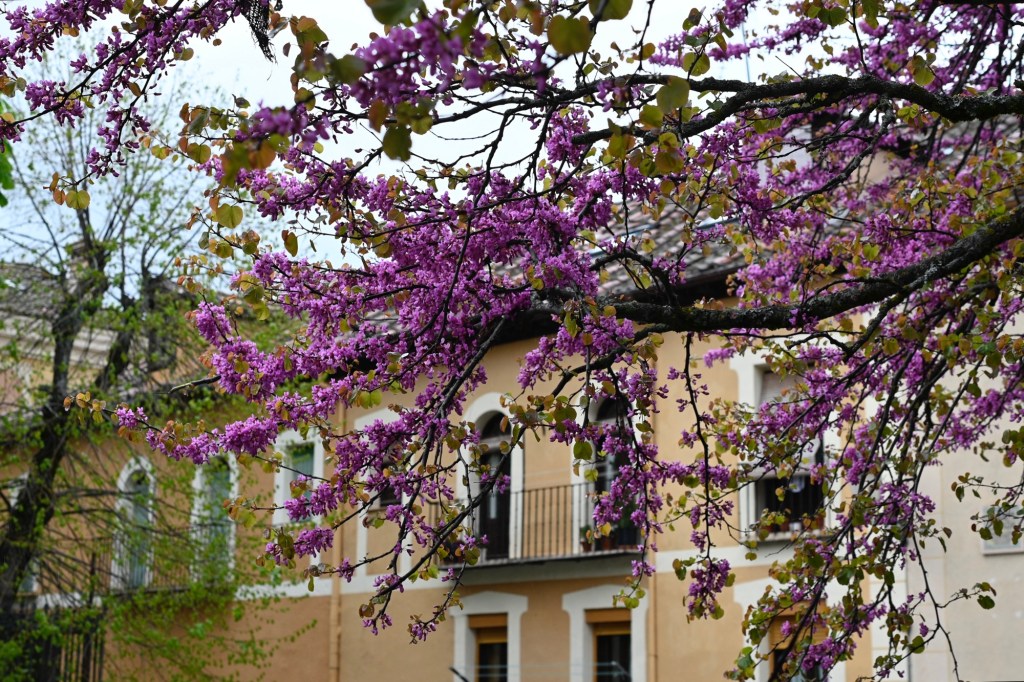
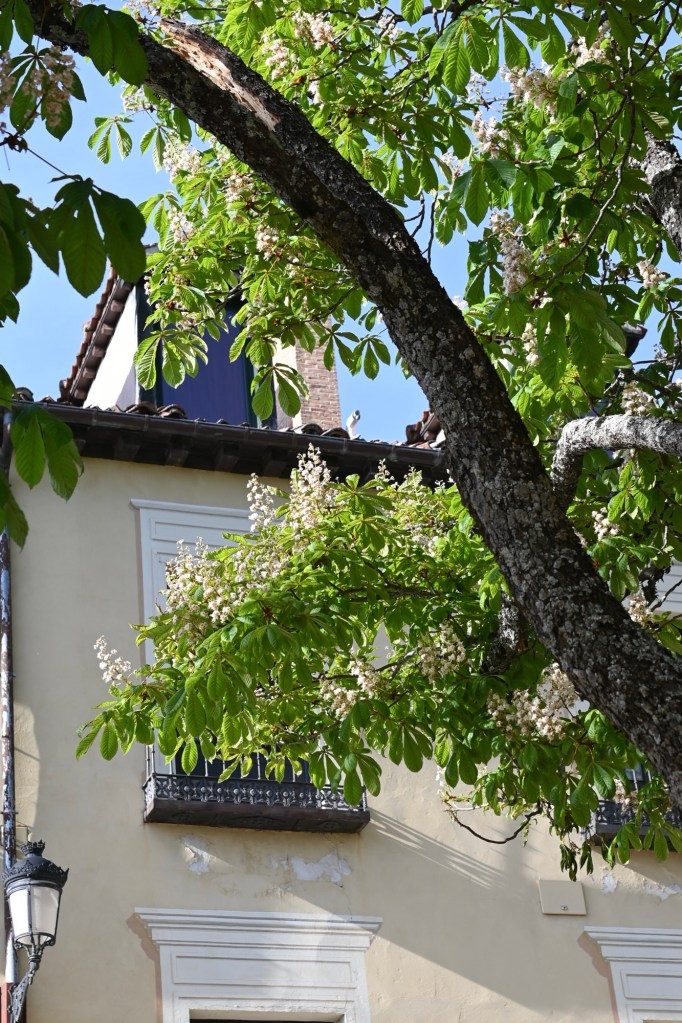
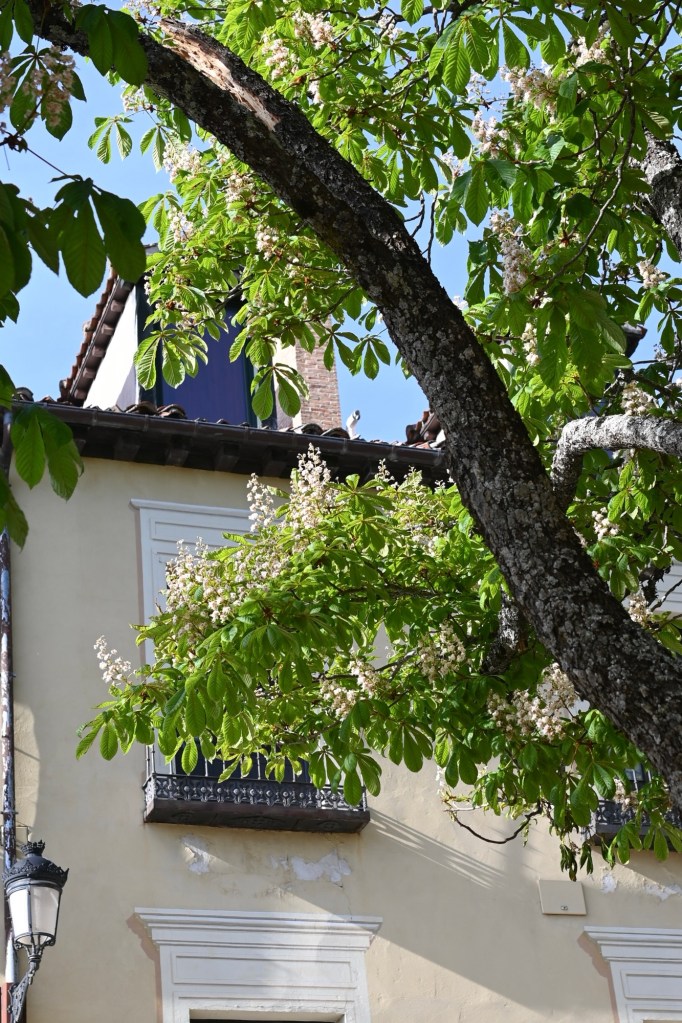
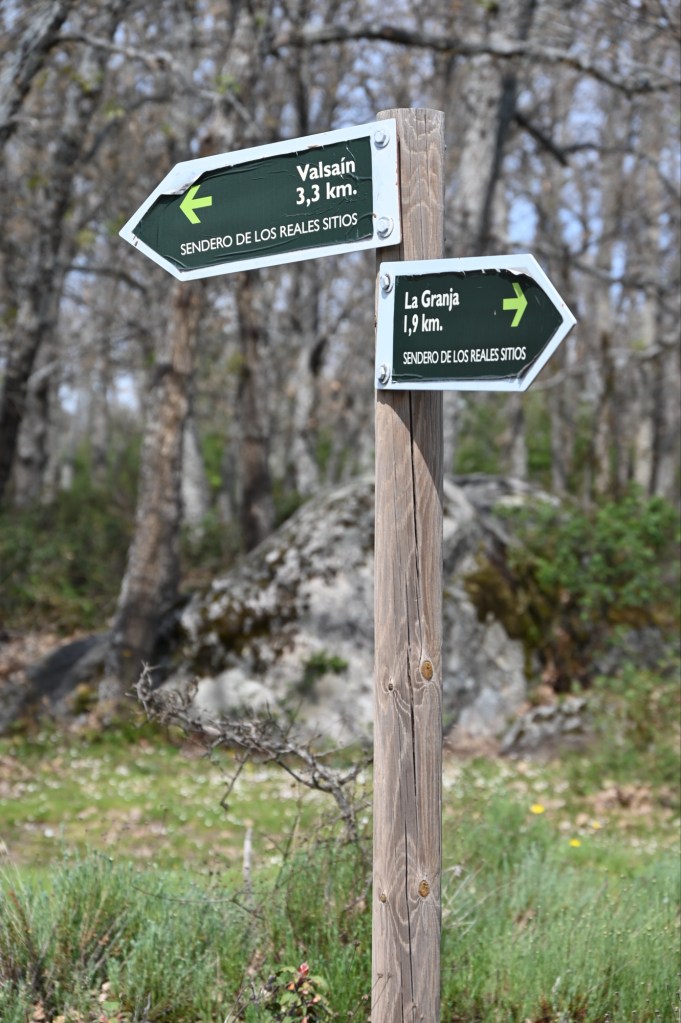
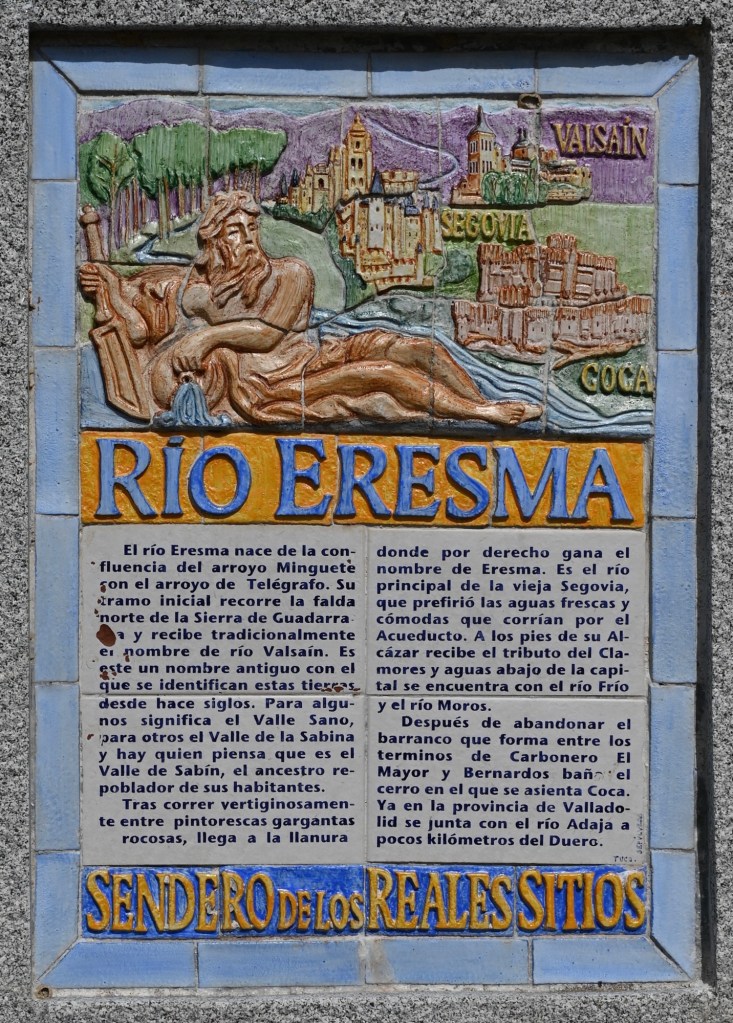
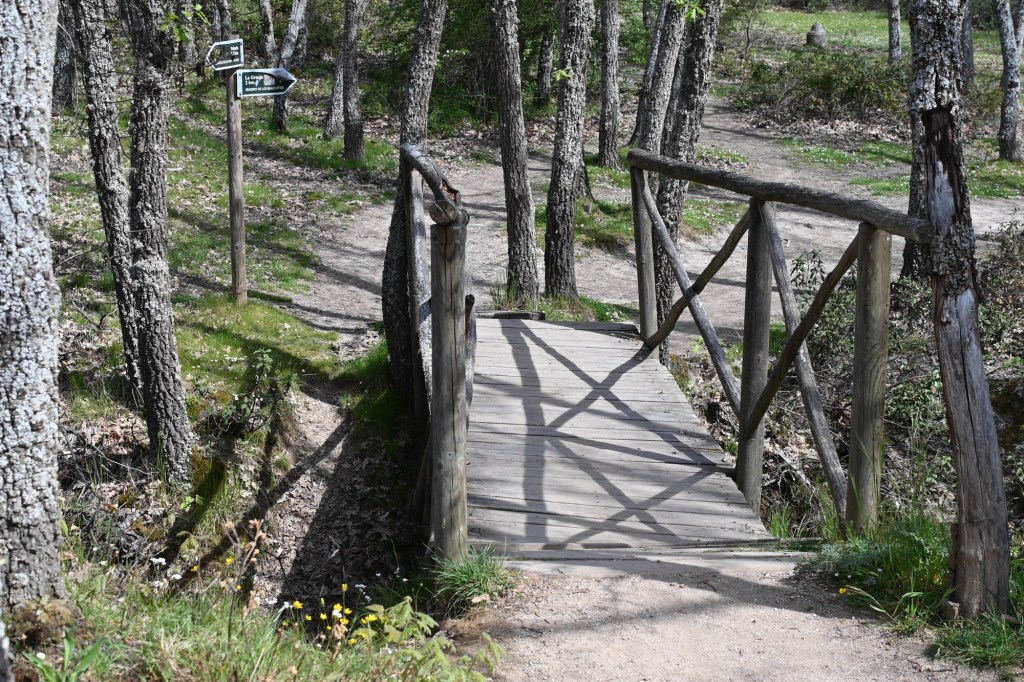
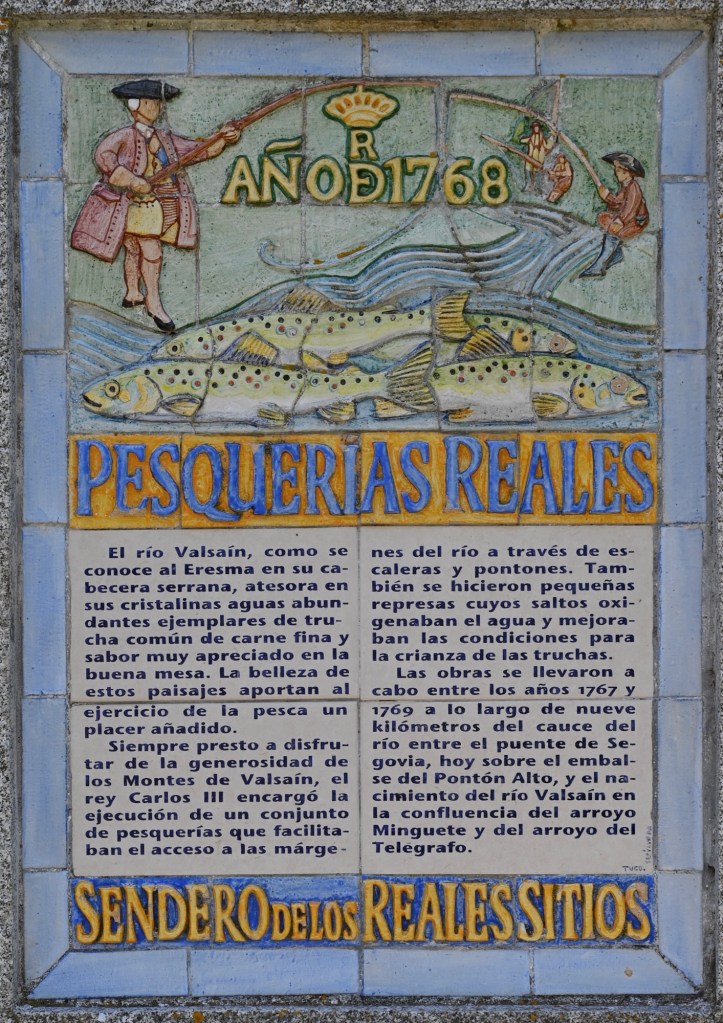
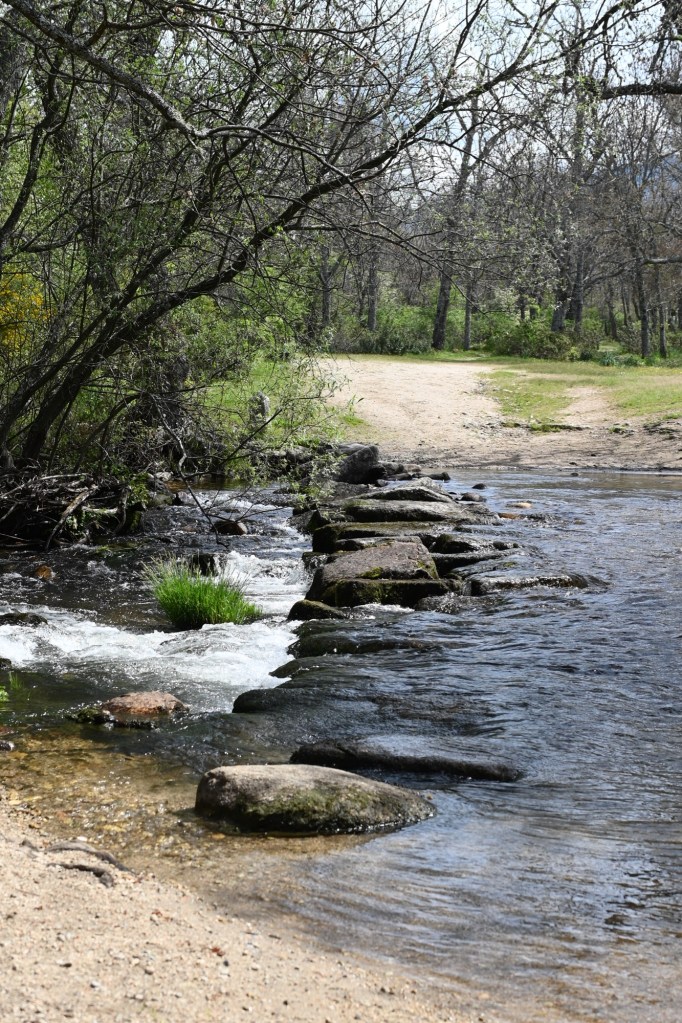
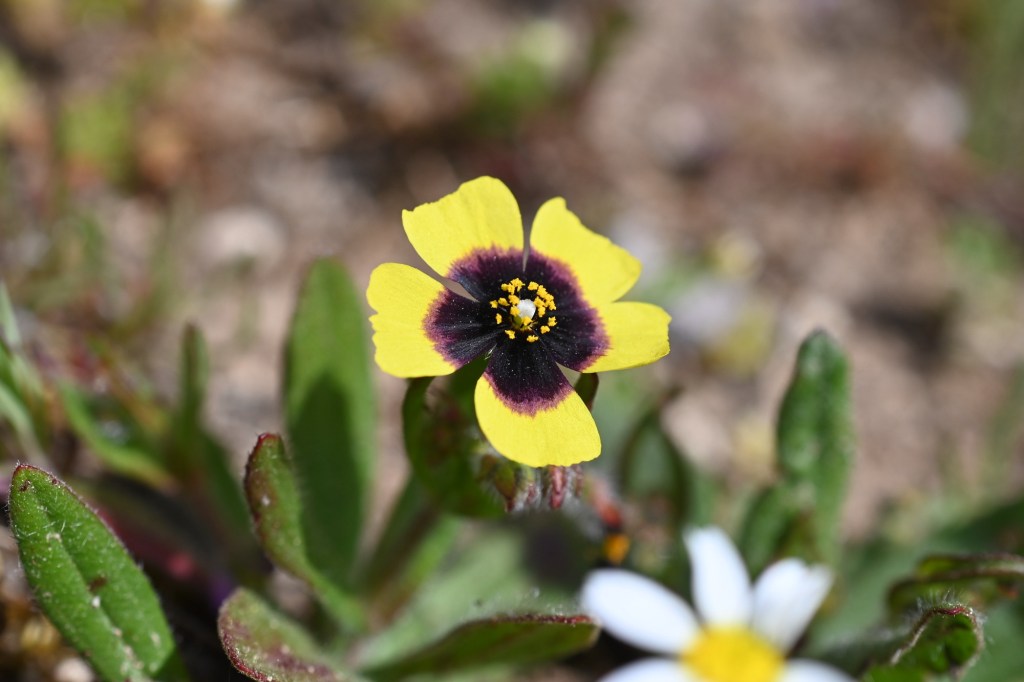
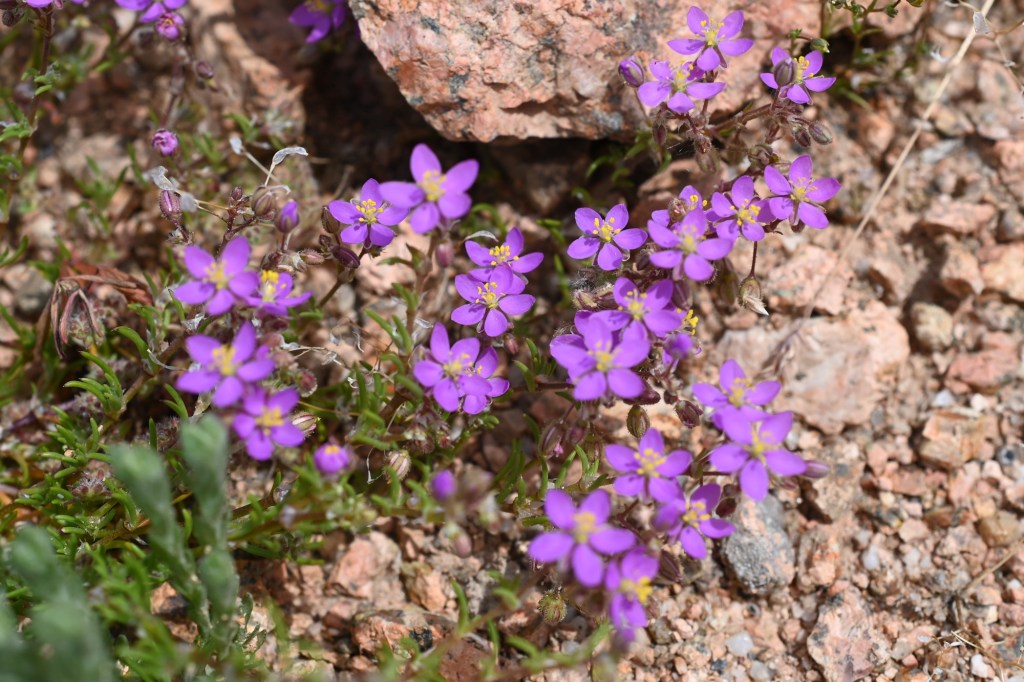
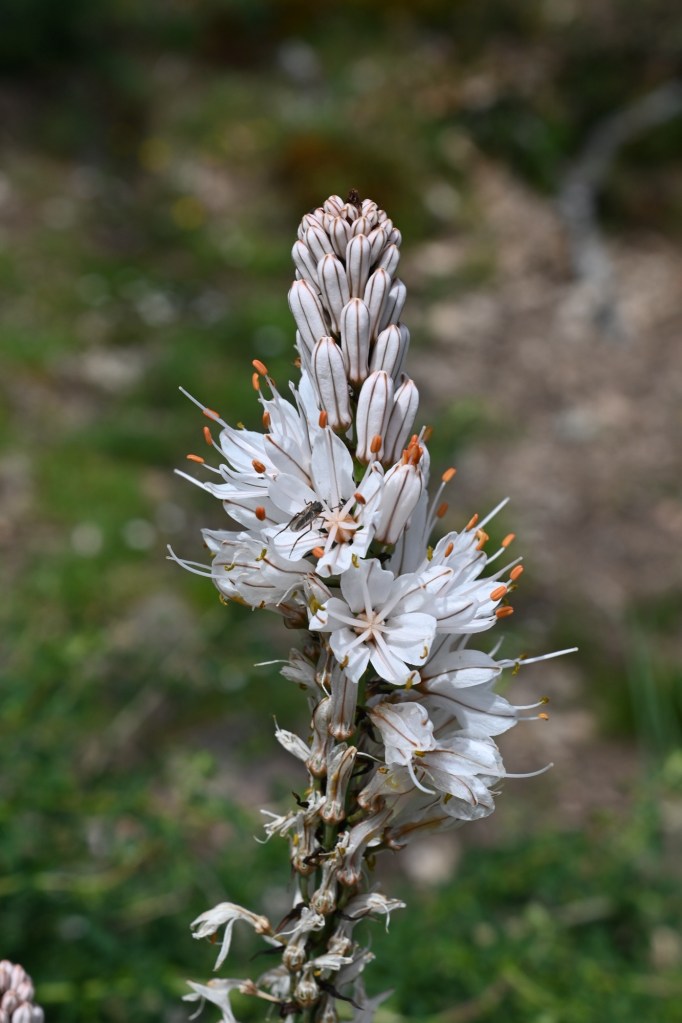
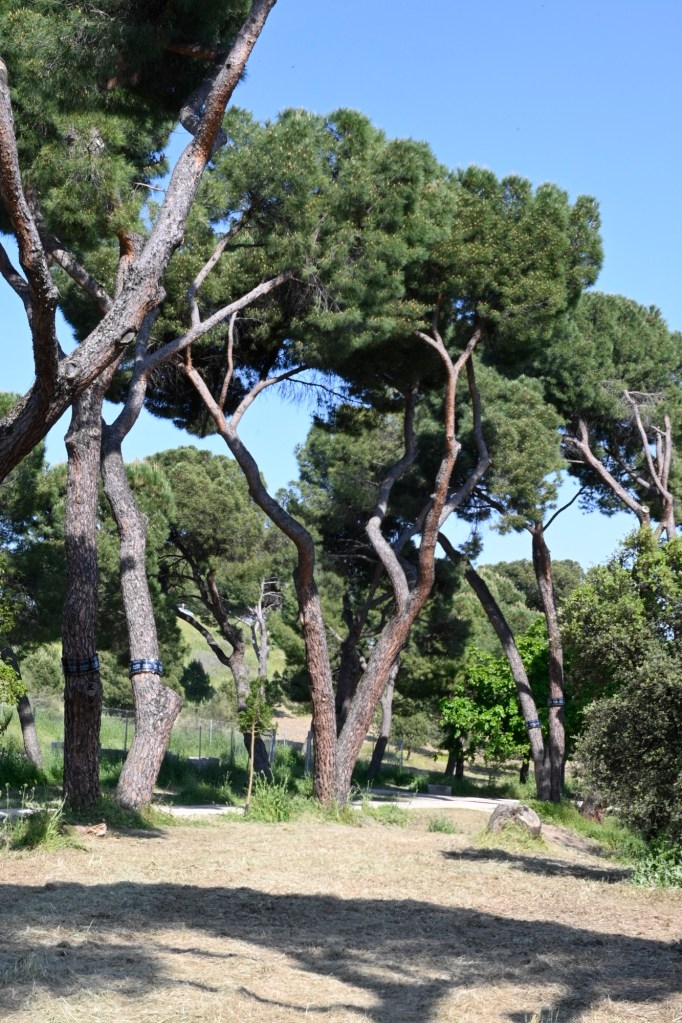
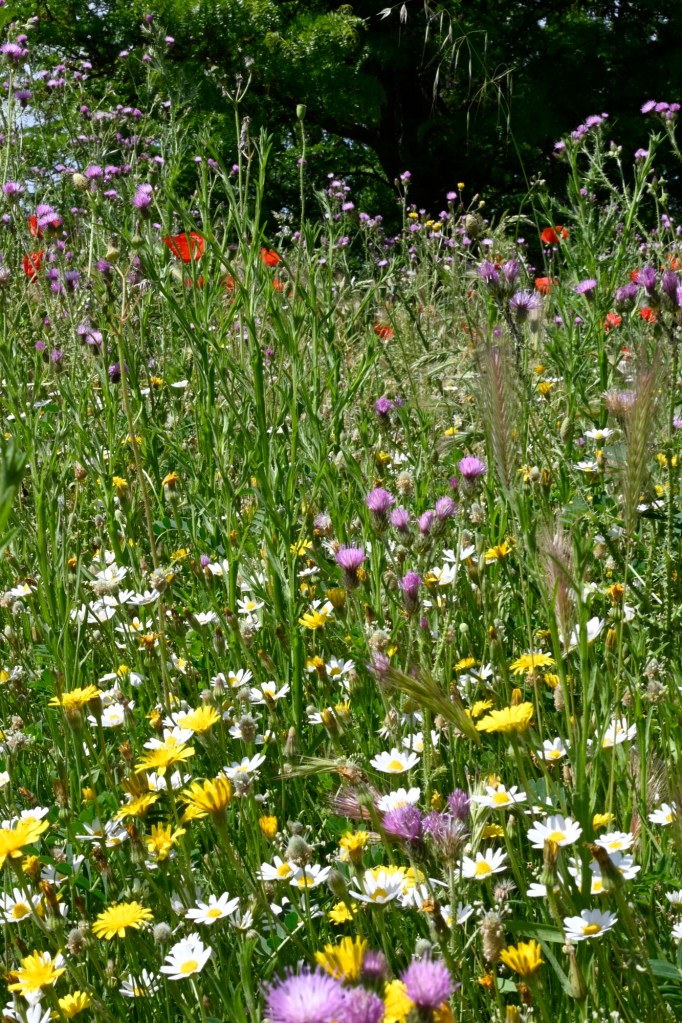
Around La Granja are numerous walking trails within forests, along rivers and lakes. There are lots of flowers trees and animals and you may meet horses and cattle grazing in the fields. To not get lost (as I did, when trying to shortcut the route), it may be wise download the map of the walking trail a little ahead and find some spots of interest to make you remember where you are. The Spanish king had a special fishing spot, within the Rio Frio (cold river) which are marked with signs.
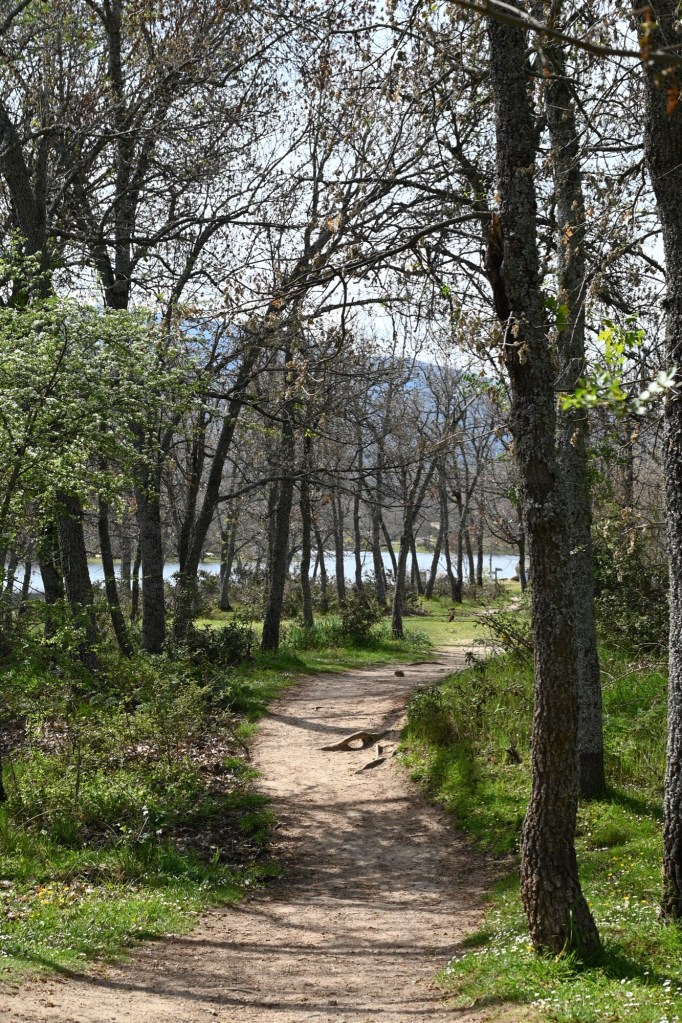
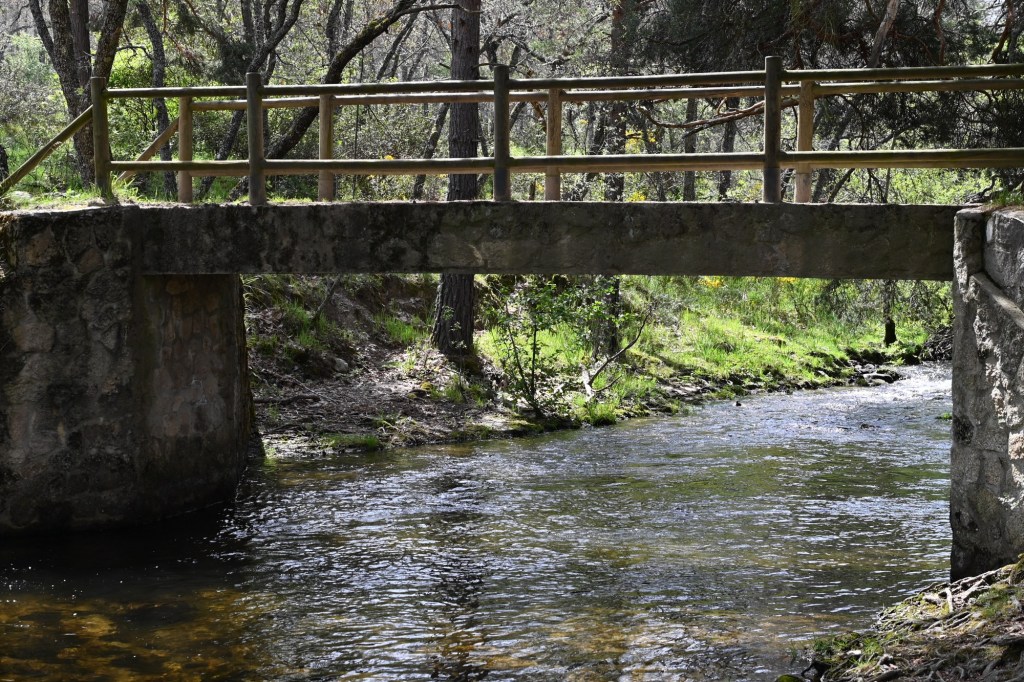
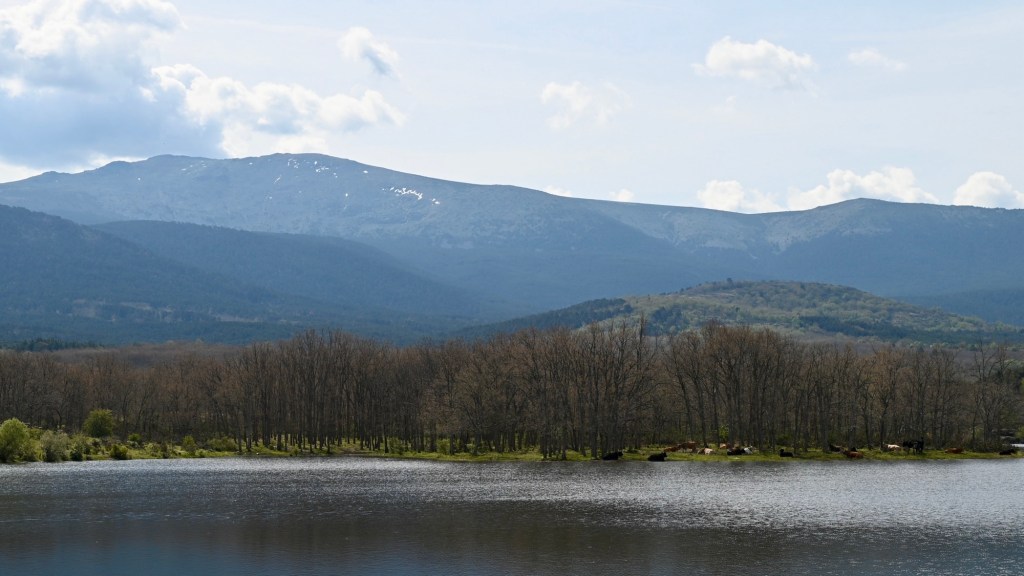
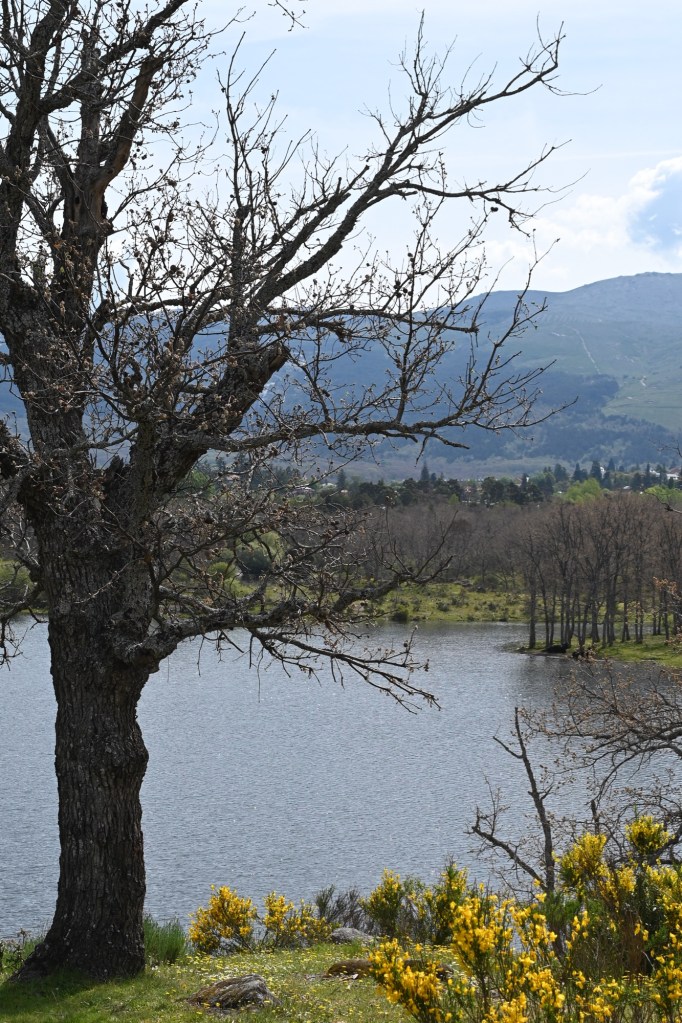
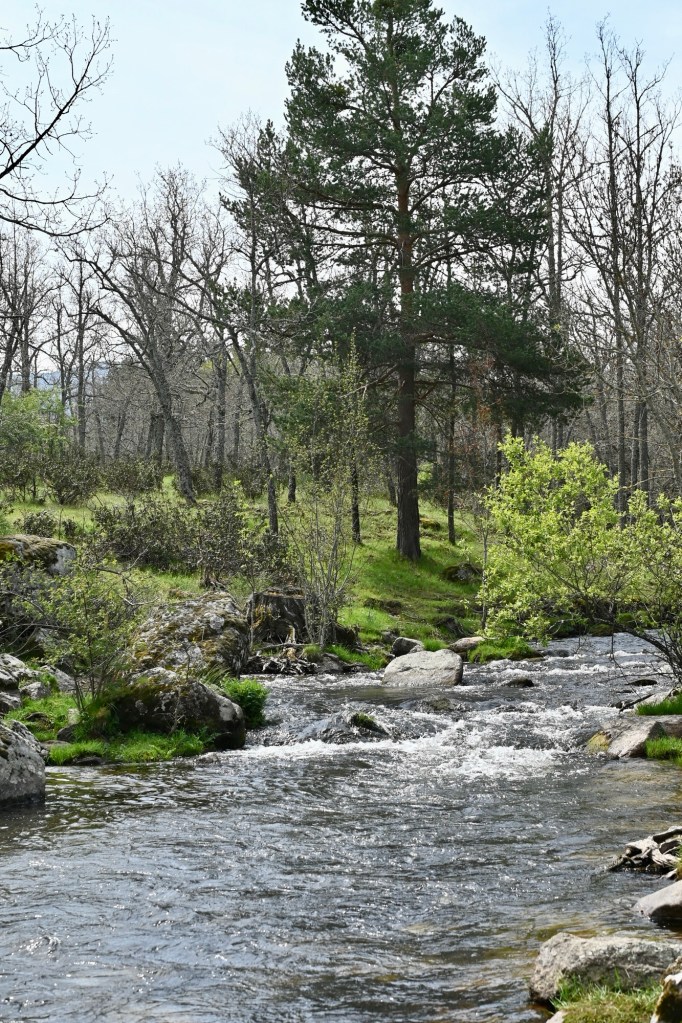
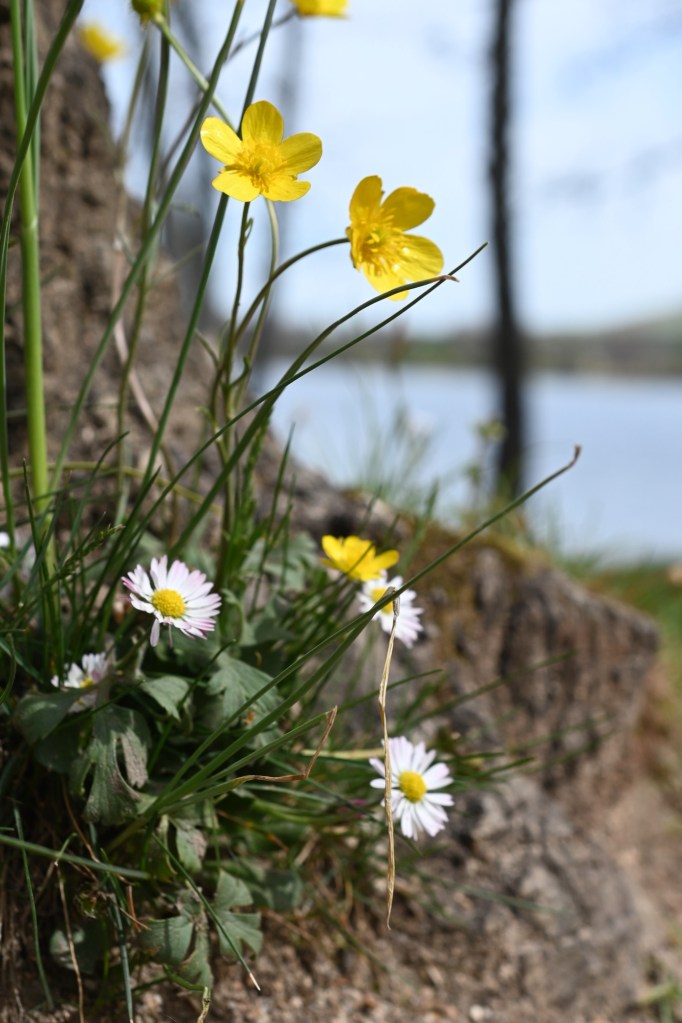
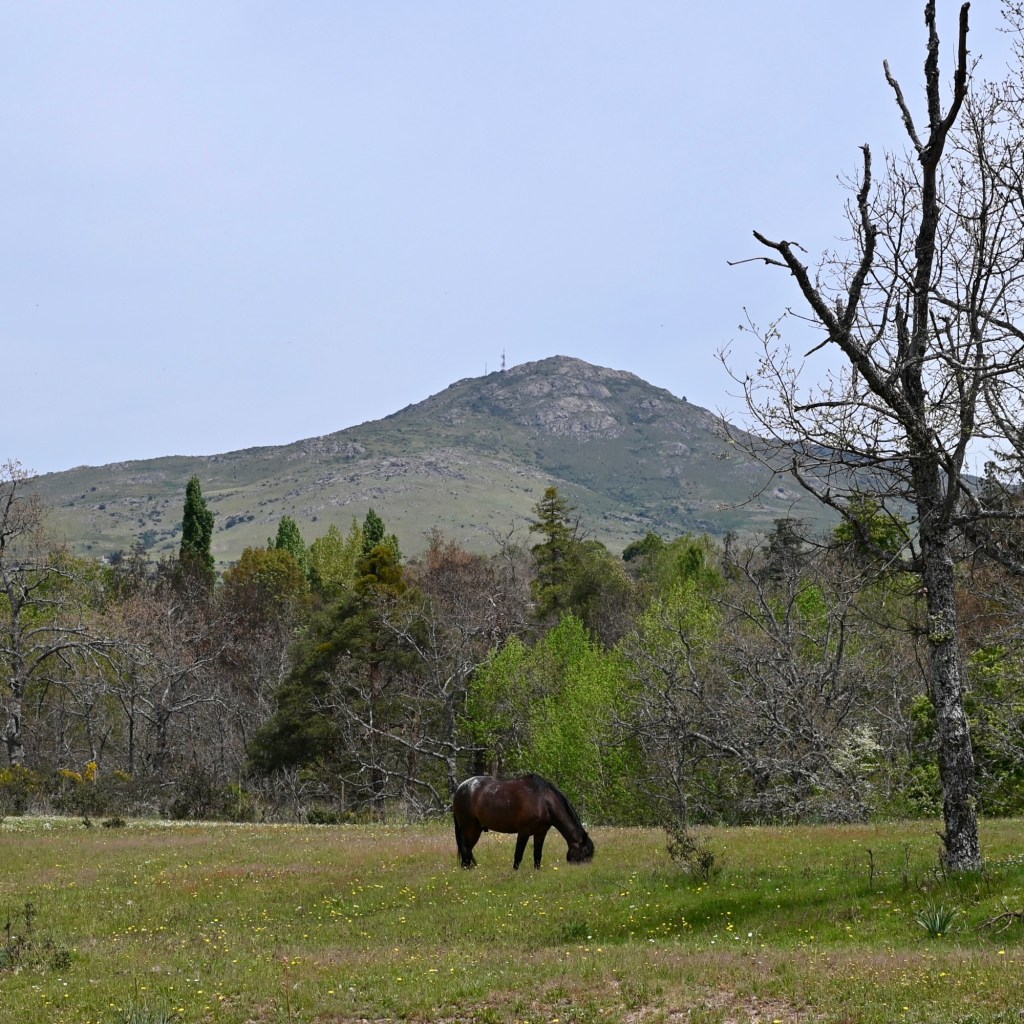
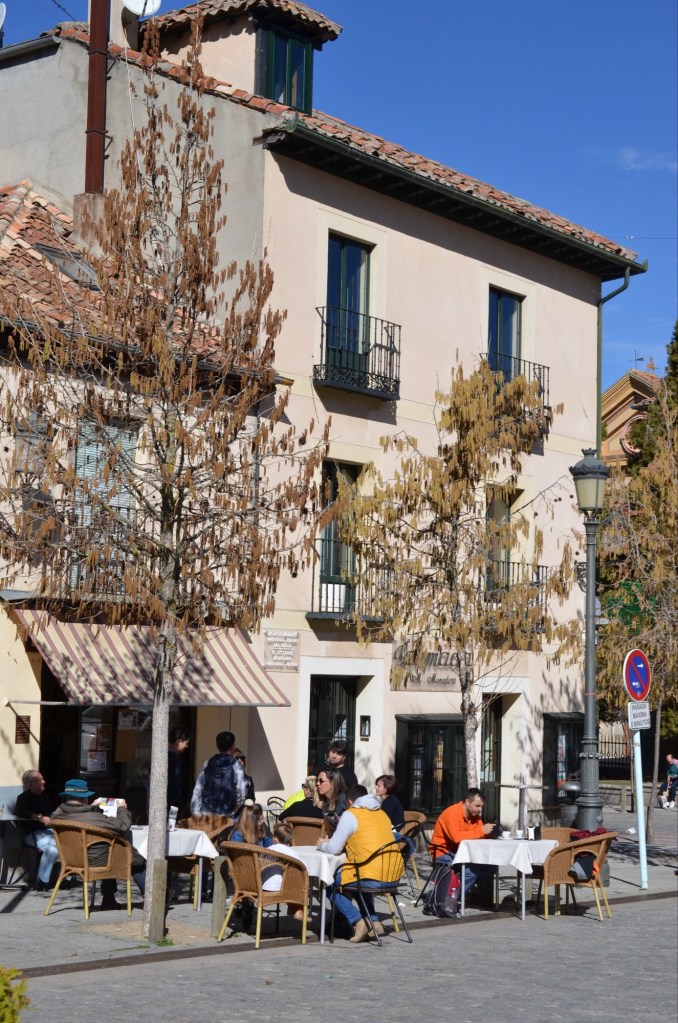
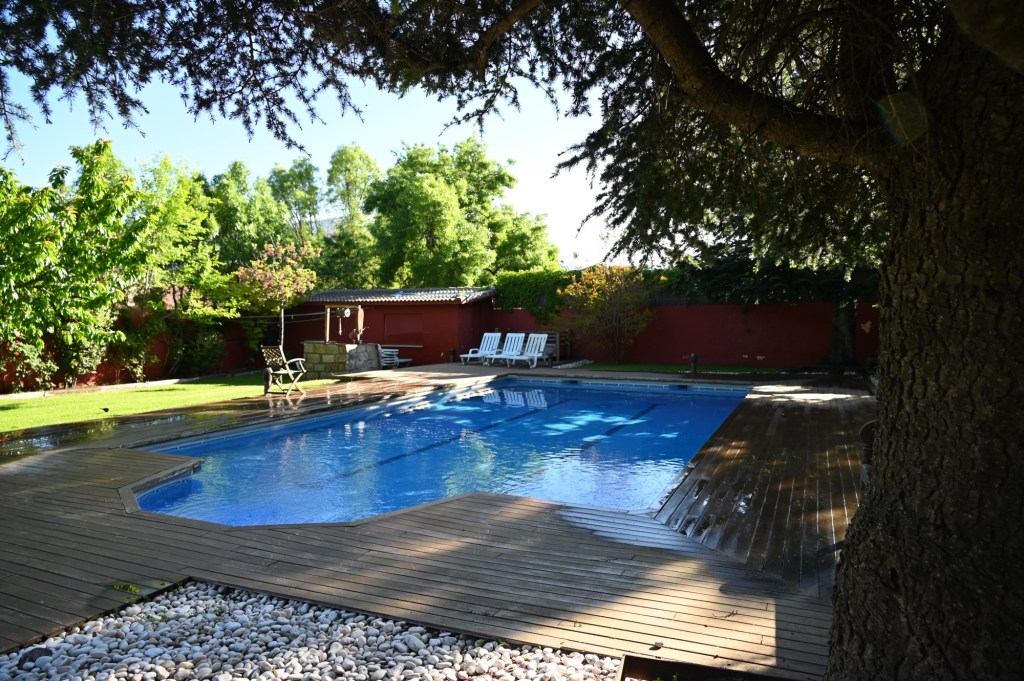
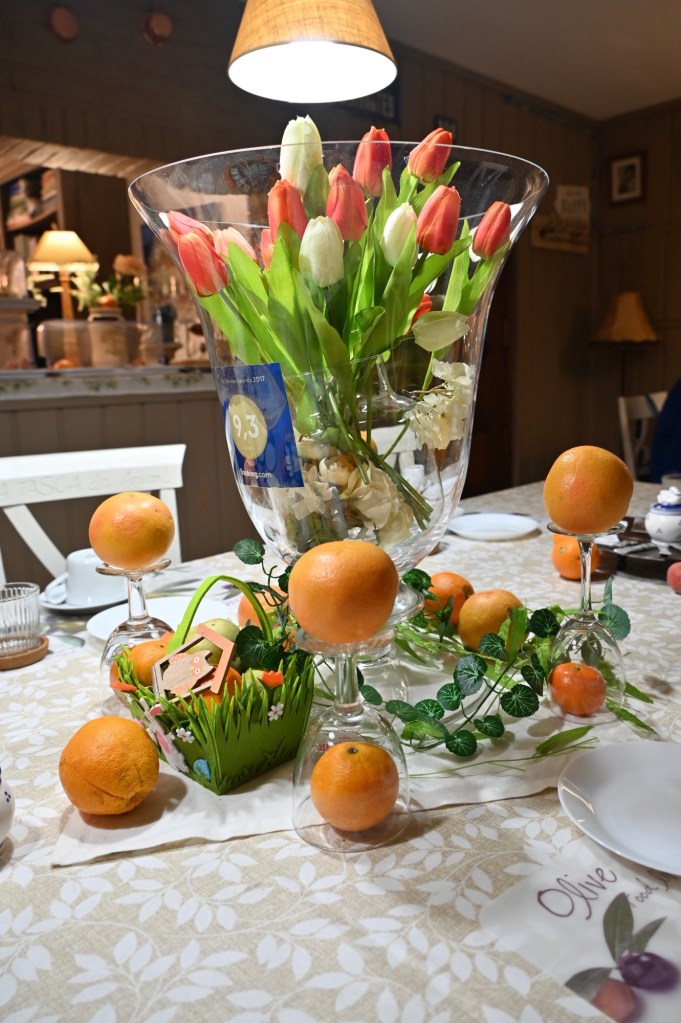
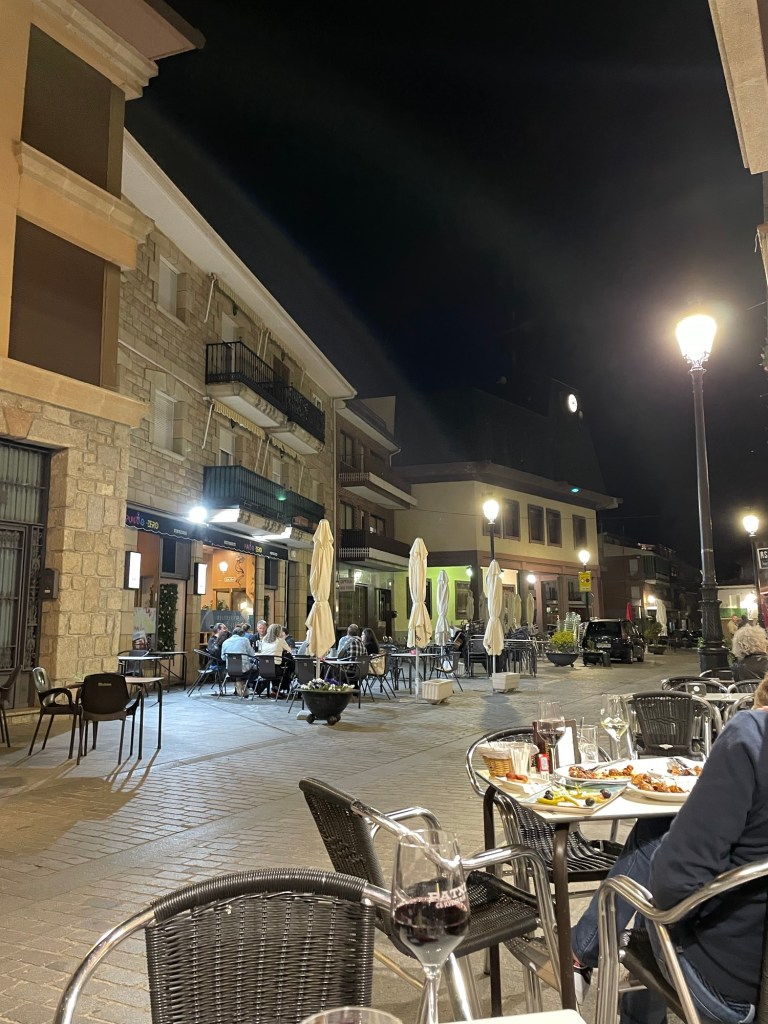
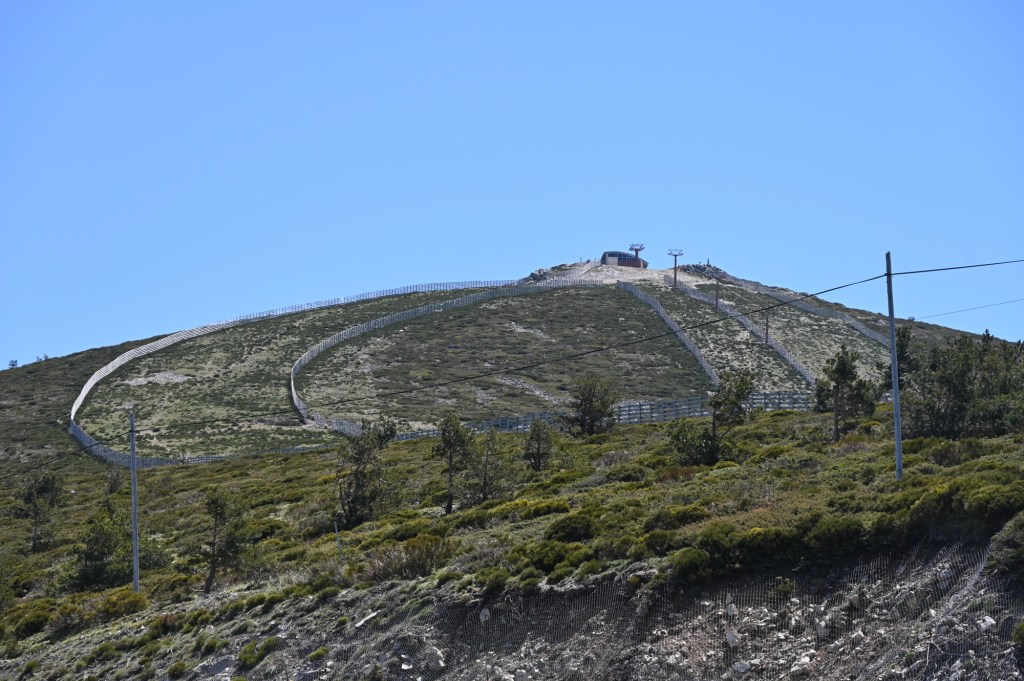
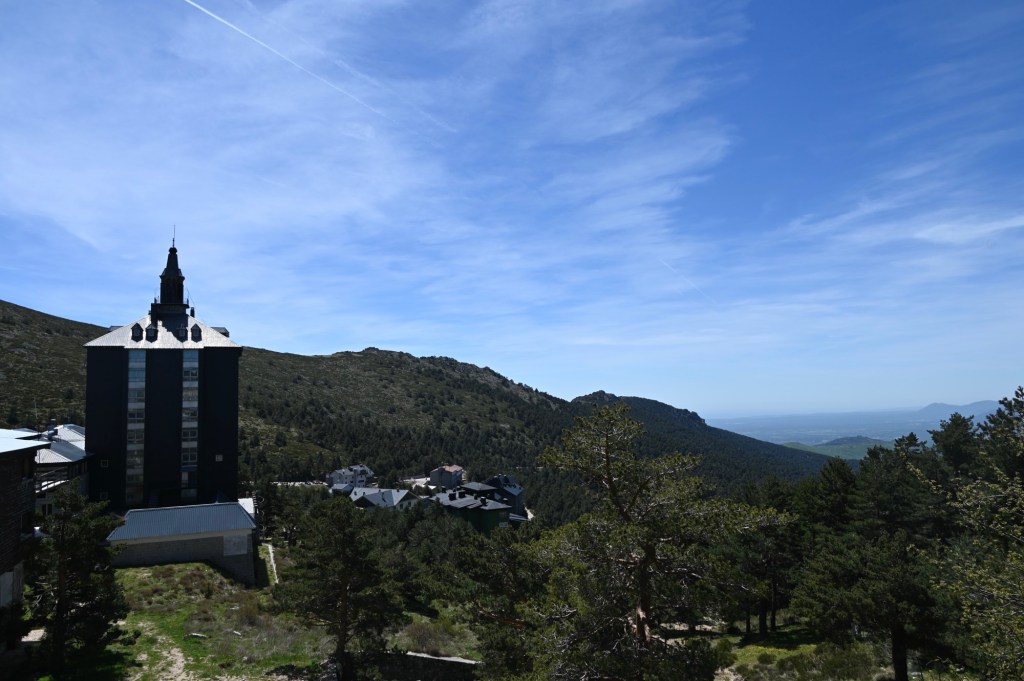
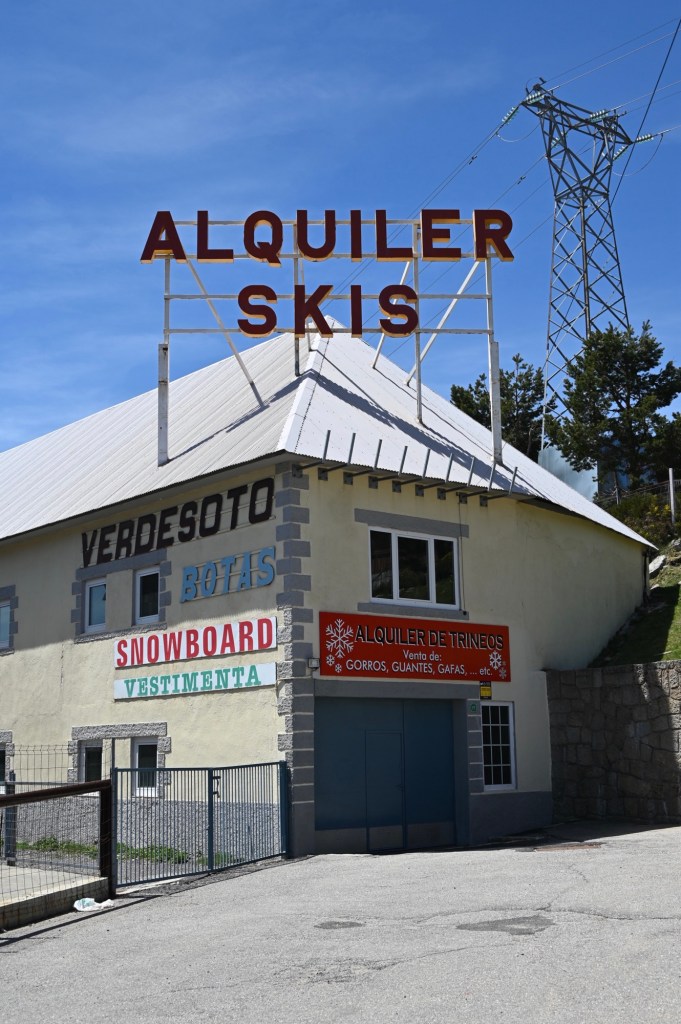
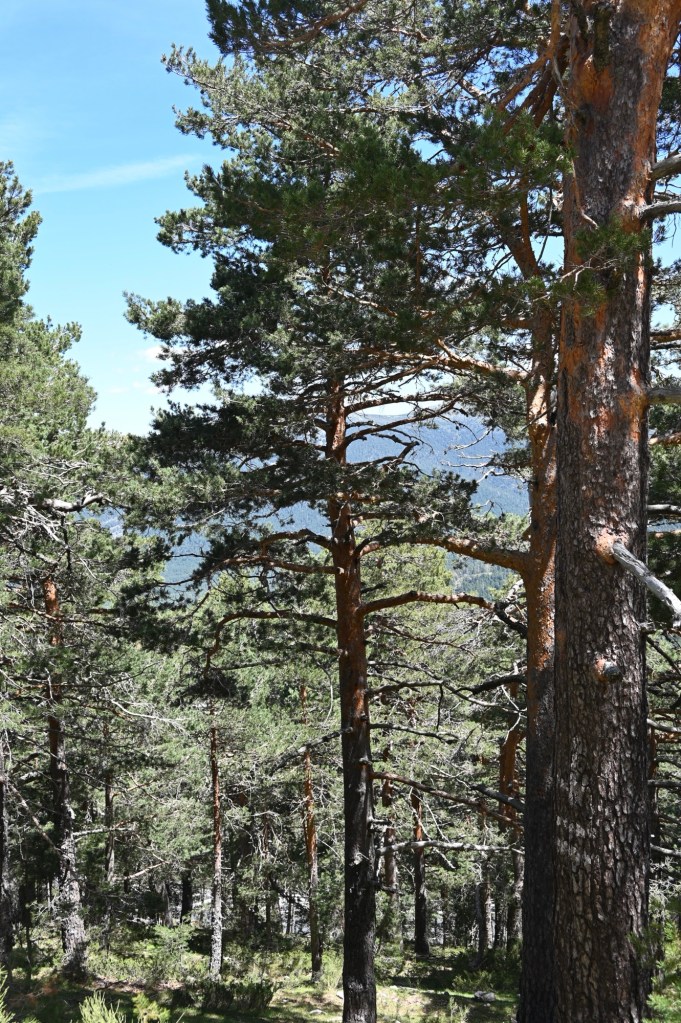
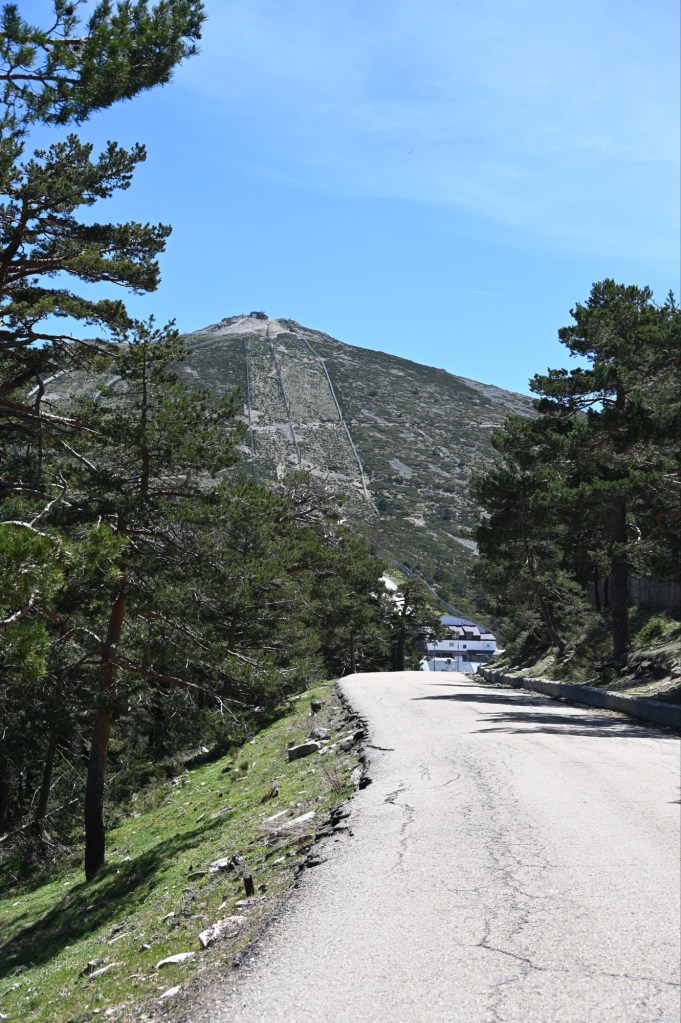
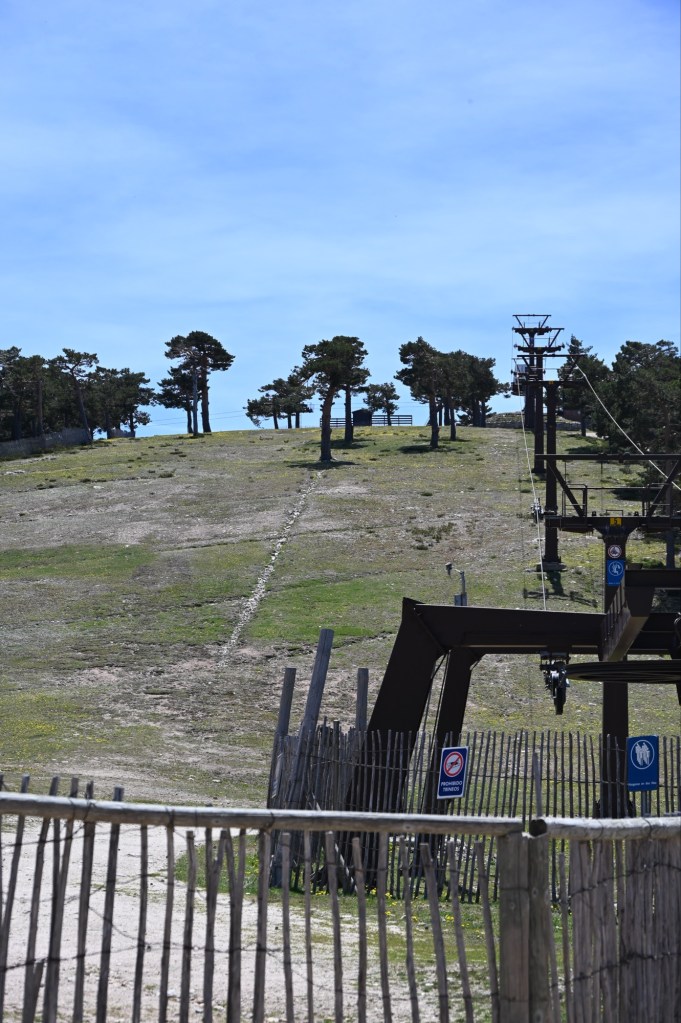
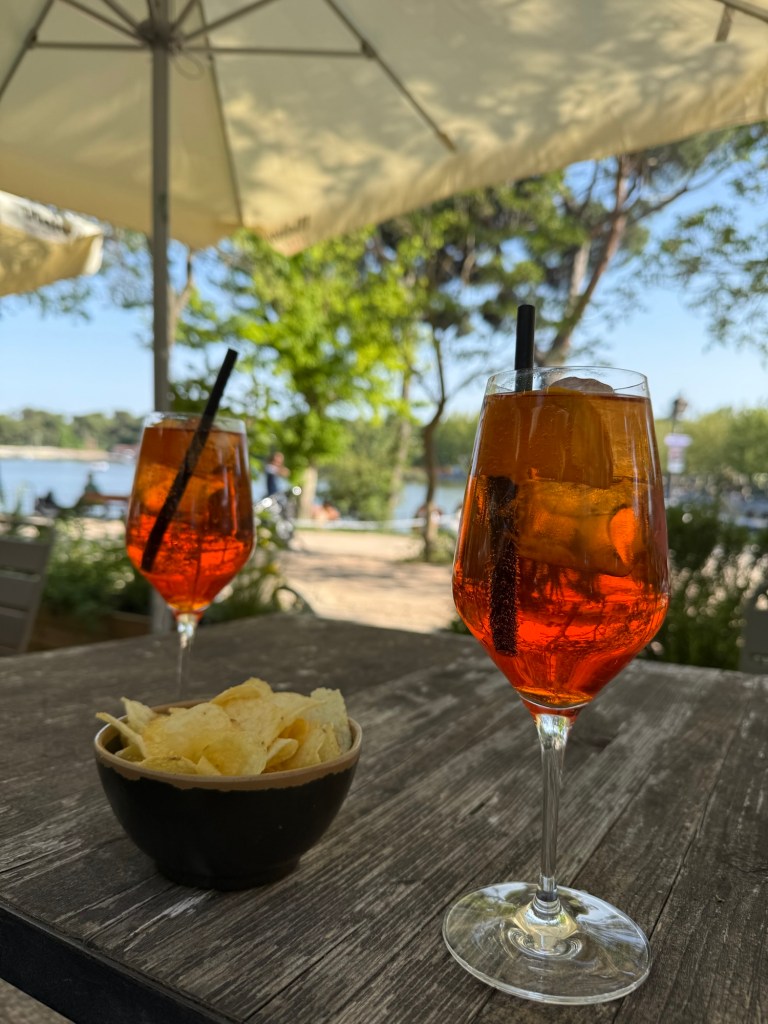
To travel to La Granja de San Ildefonso from Madrid, you either go by car, across the mountain pass at Navacerrada or you take train to Segovia and a local bus from there. When we crossed the pass in May, we decided to do a stopover in the small city Becerril de la Sierra instead of having to struggle with bringing a rental car into Madrid (read more below, under Transport). That showed out to be a treat, as we found a small B&B with pool, garden, parking and wonderful breakfast. In addition we walked into town in the evening to get food and wine at a local bar with outdoor dining tables. The next day we got to explore the forest trails around Navacerrada, with its barren skiing tracks and encounter cows roaming wild in between the trees.
Segovia
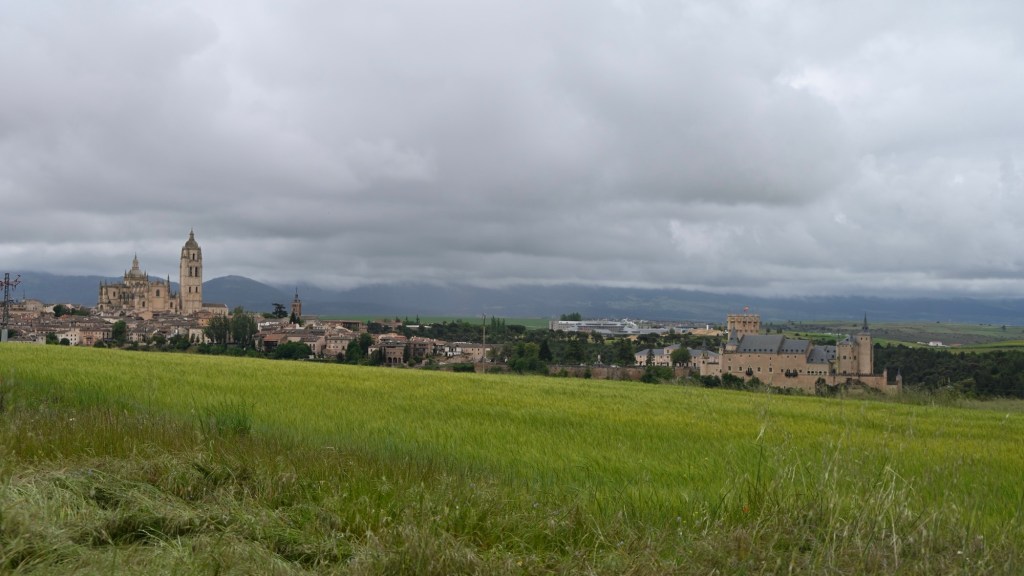
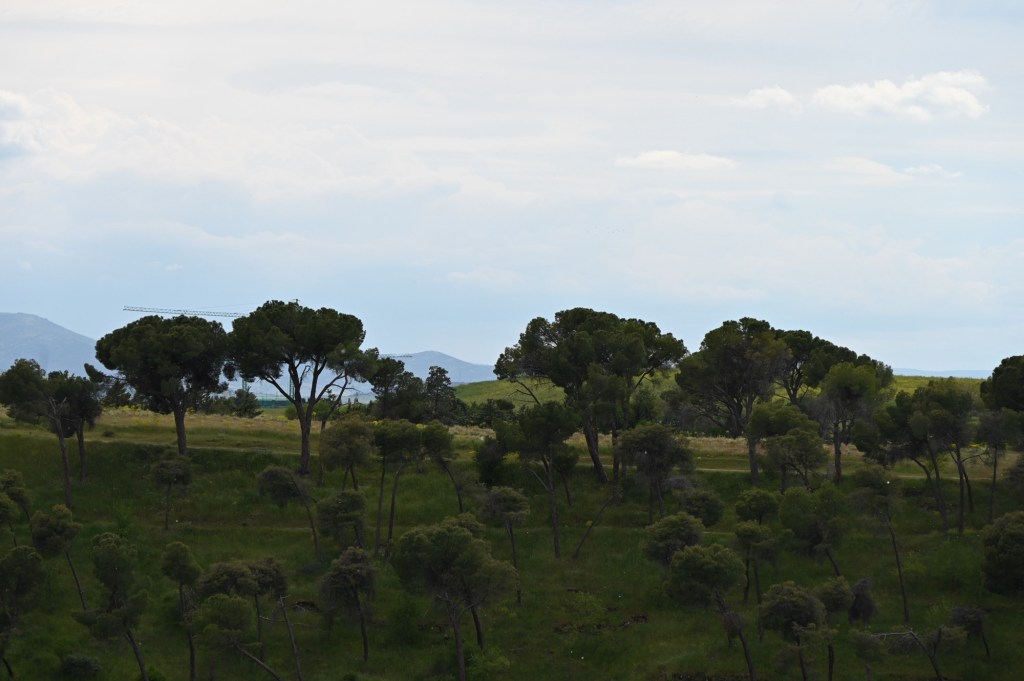
Segovia is the biggest city in the province of the same name, with around 55 000 inhabitants. It lays on top of an oval hill, at around 1000m above sea level, and is surrounded by green fields, pine trees and two rivers cutting its way along its sides.
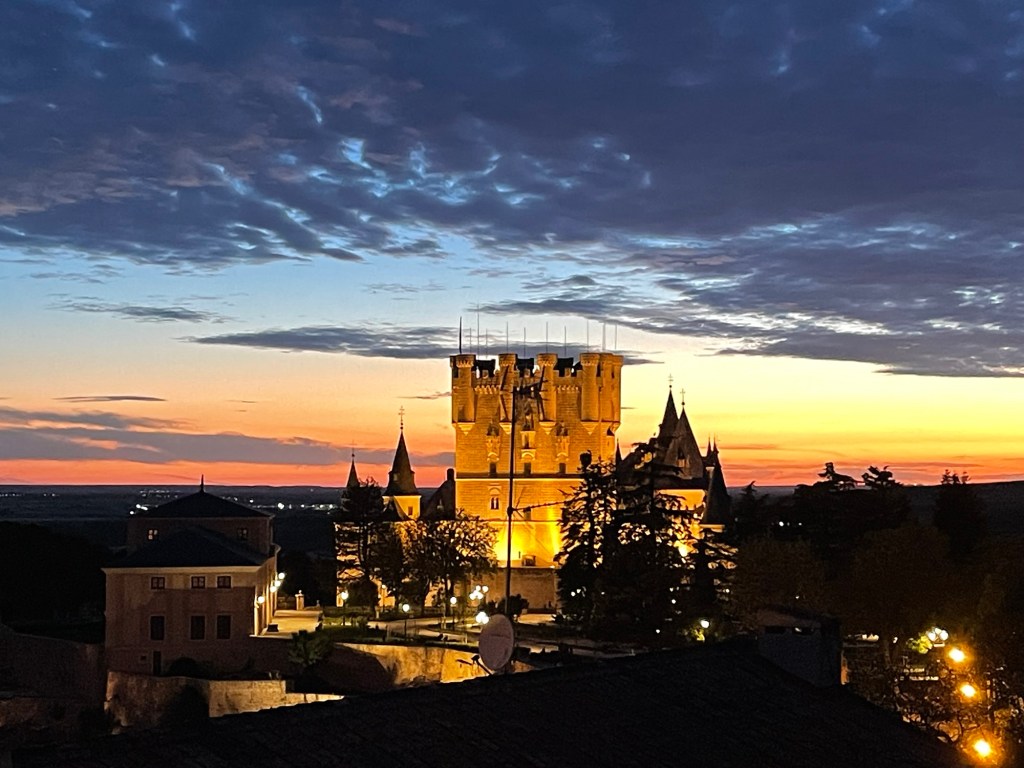
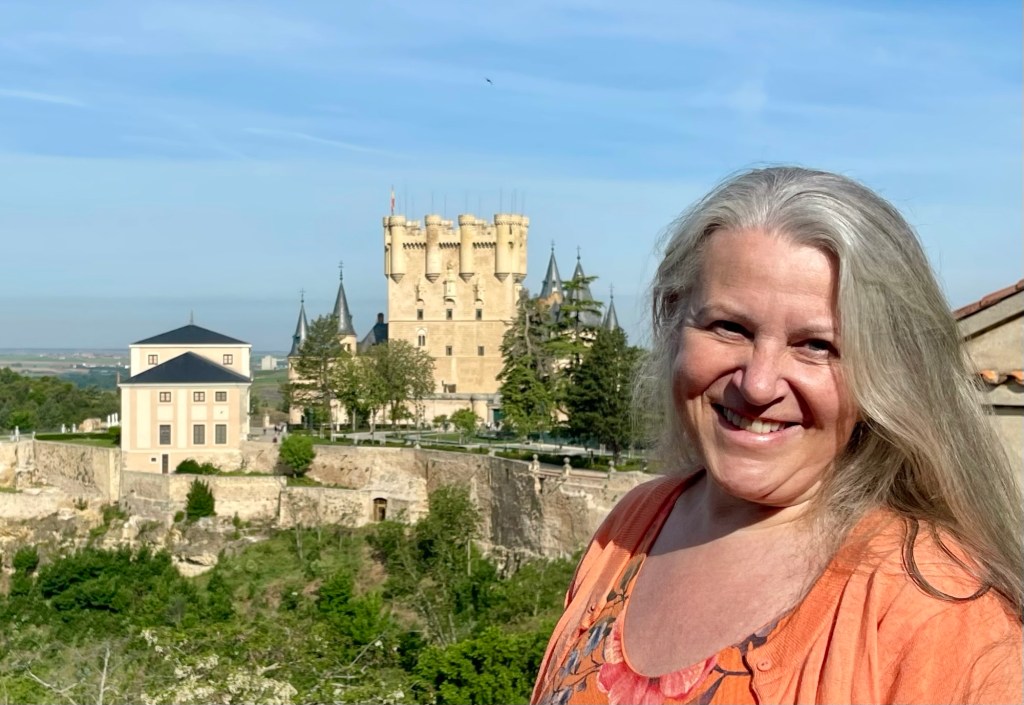
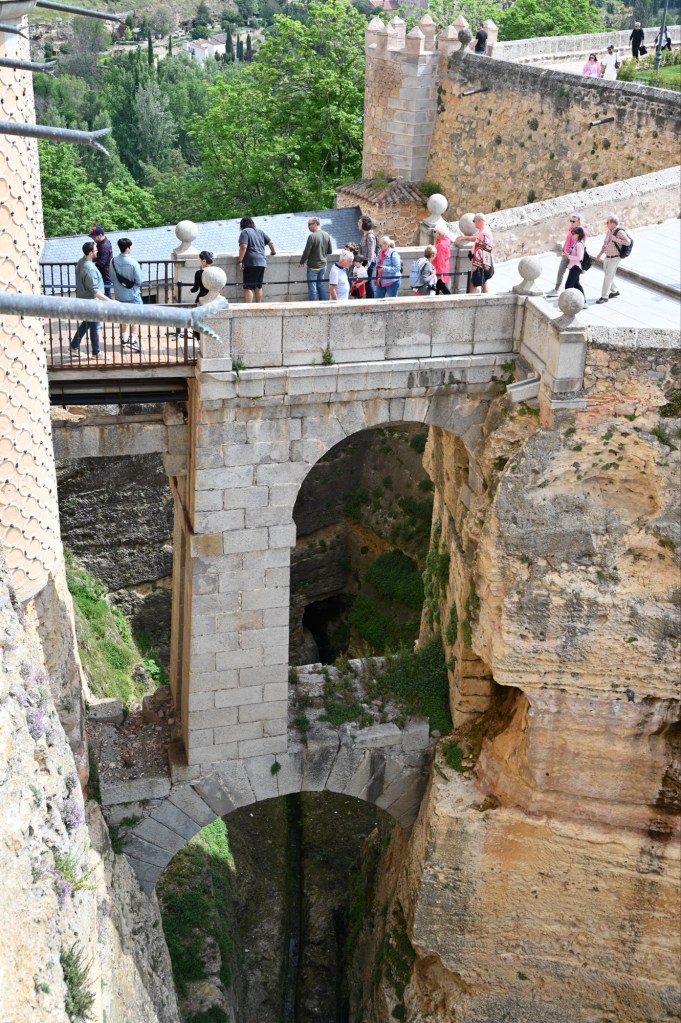
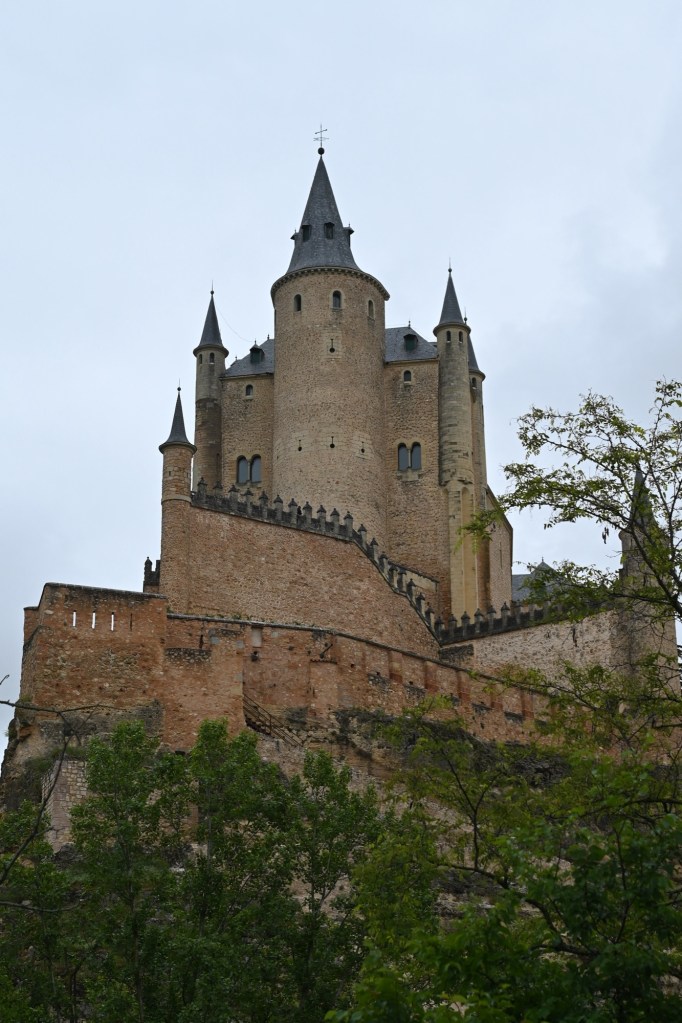
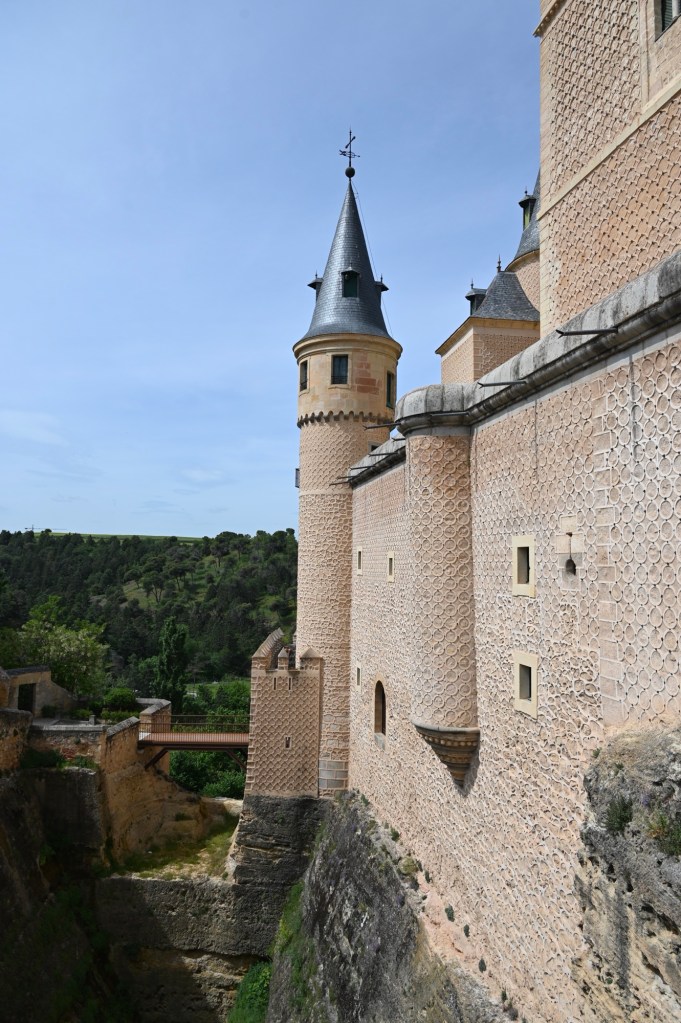
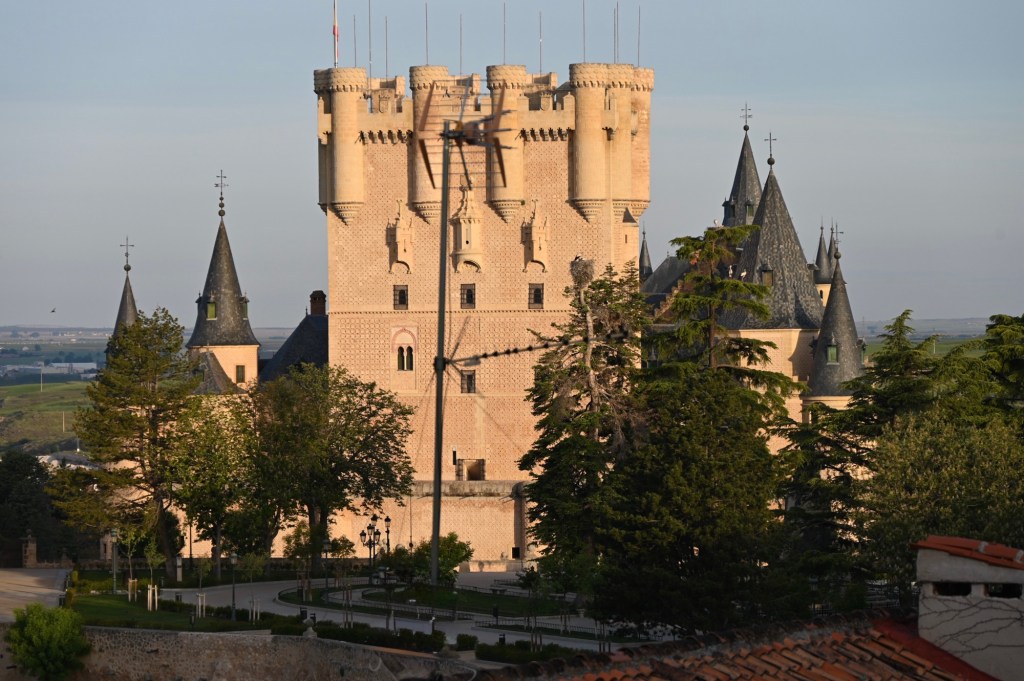
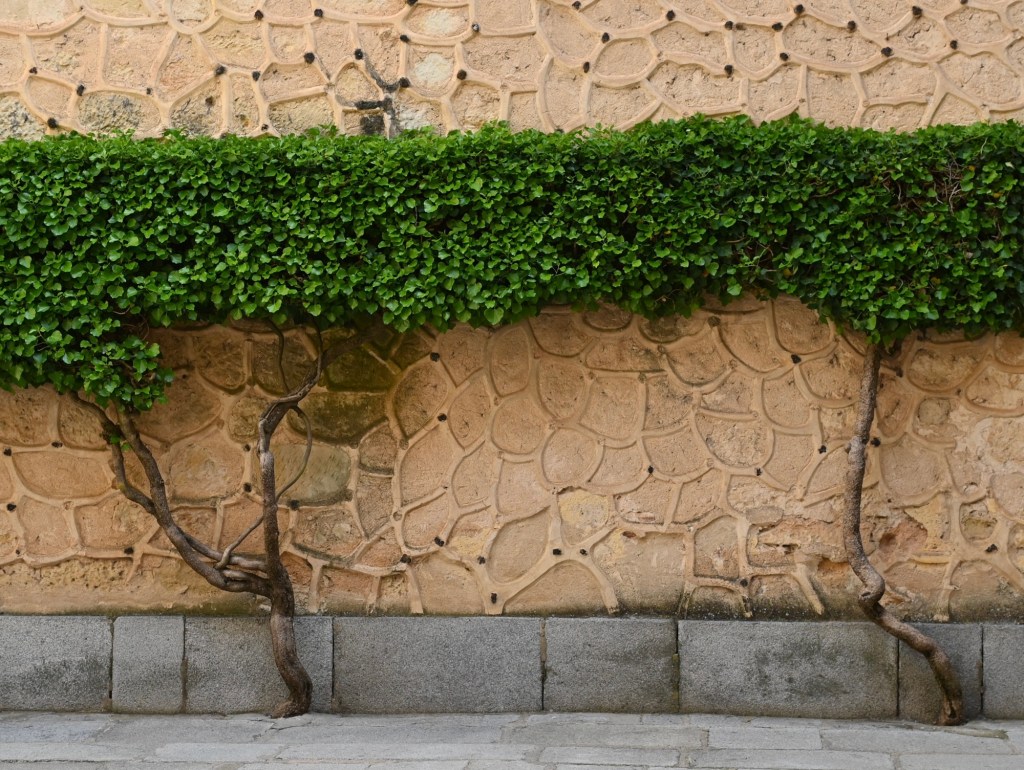
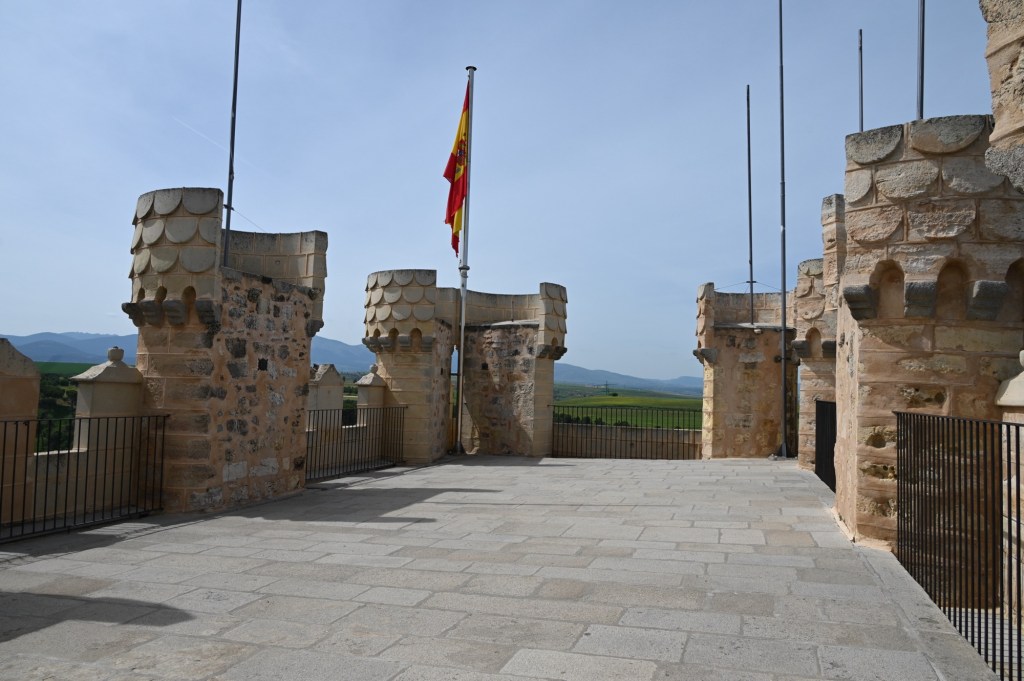
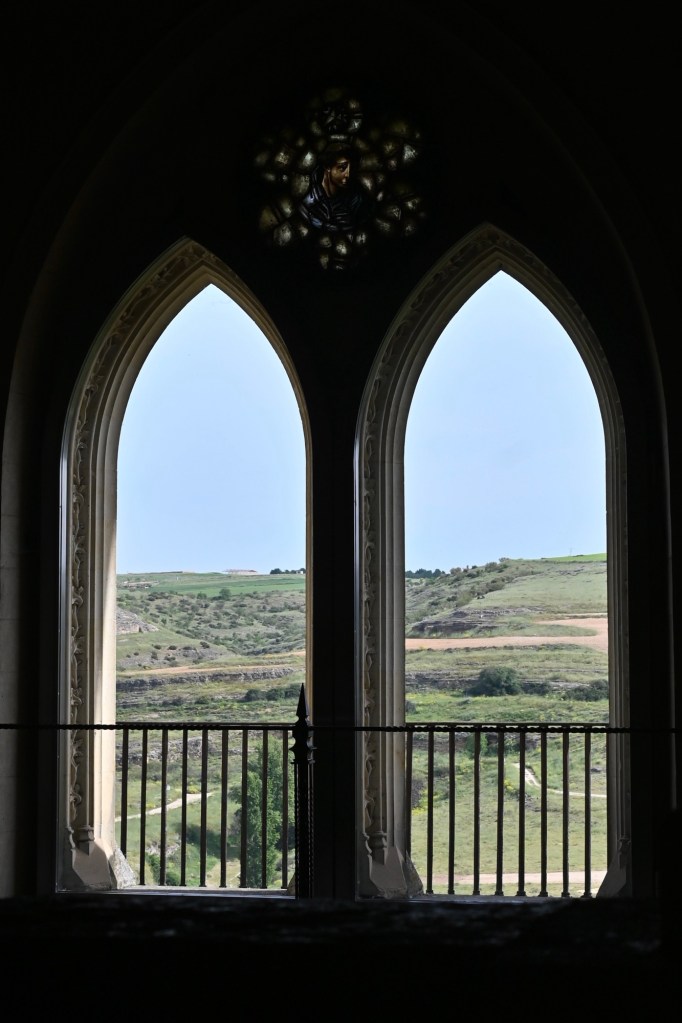
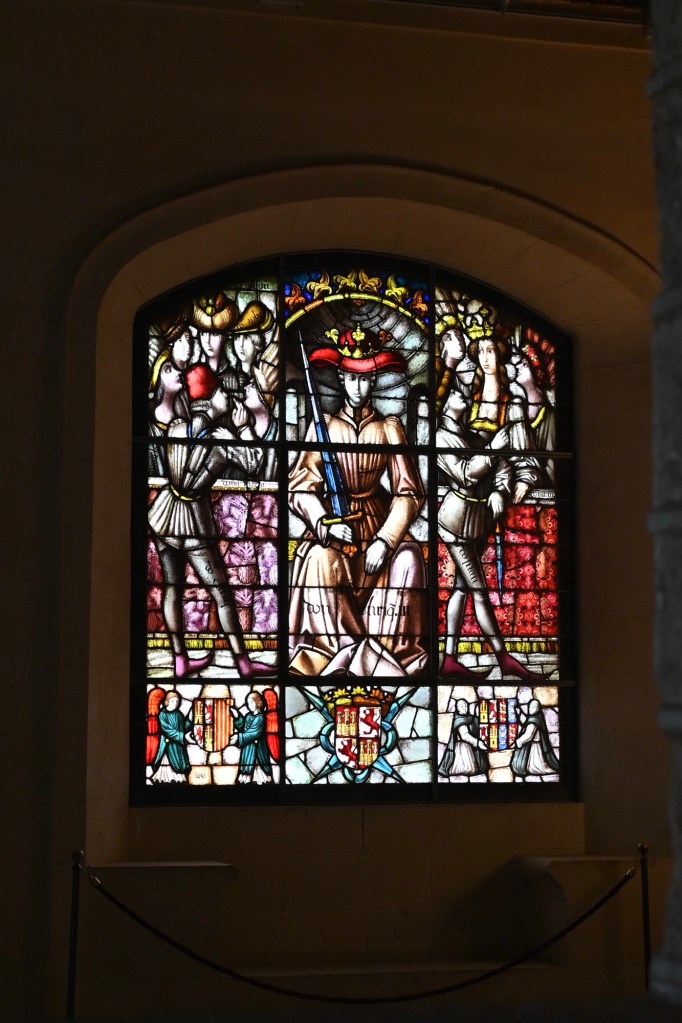
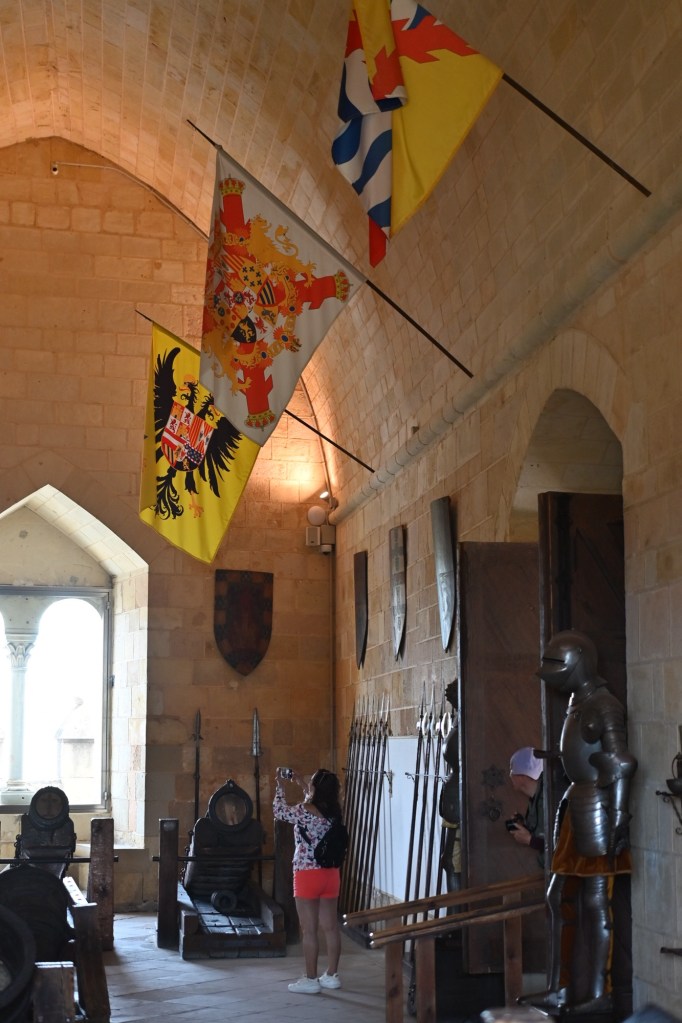
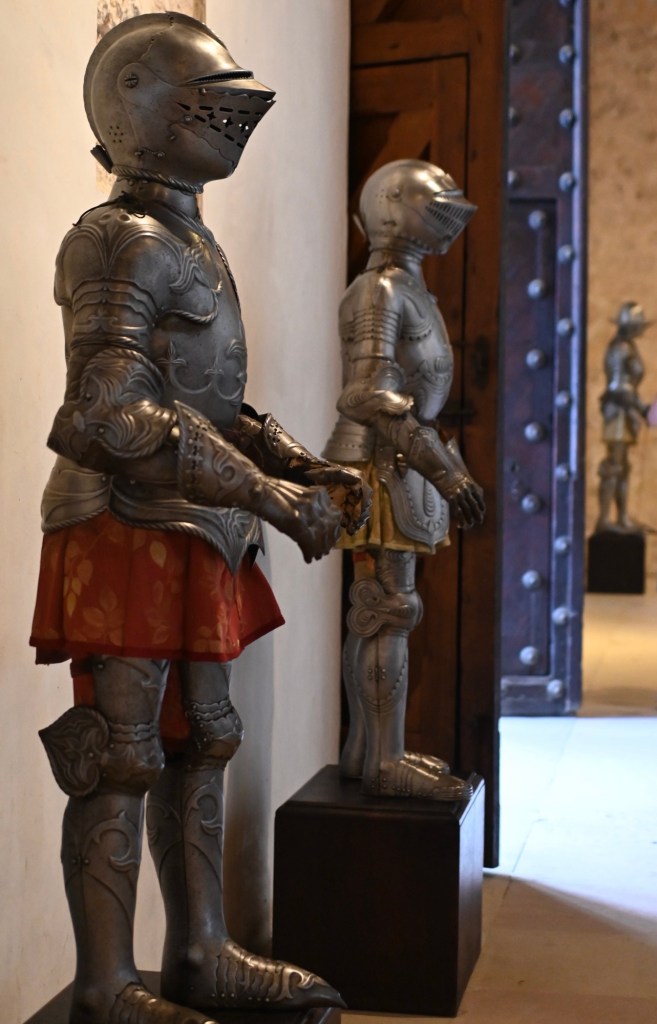
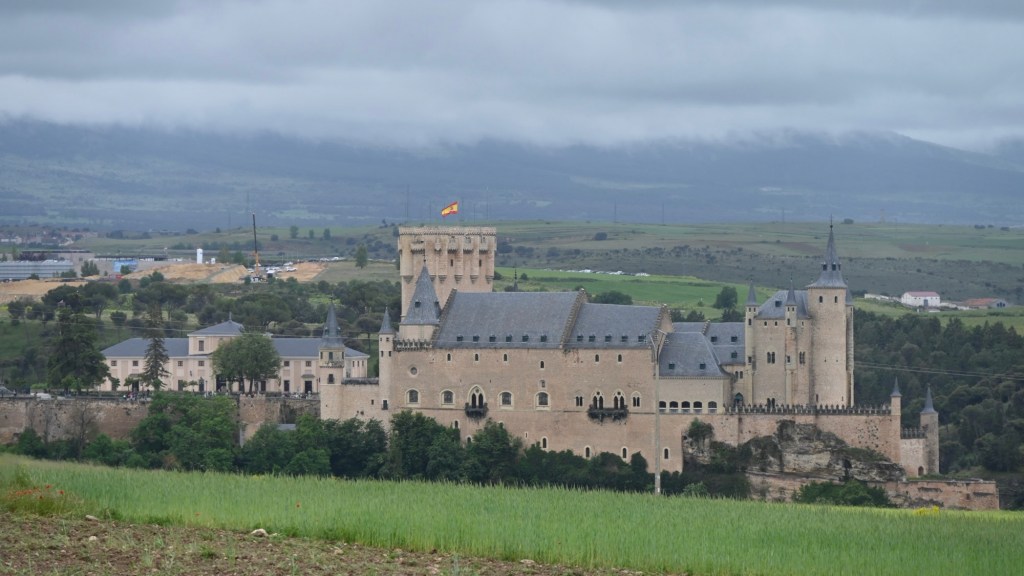
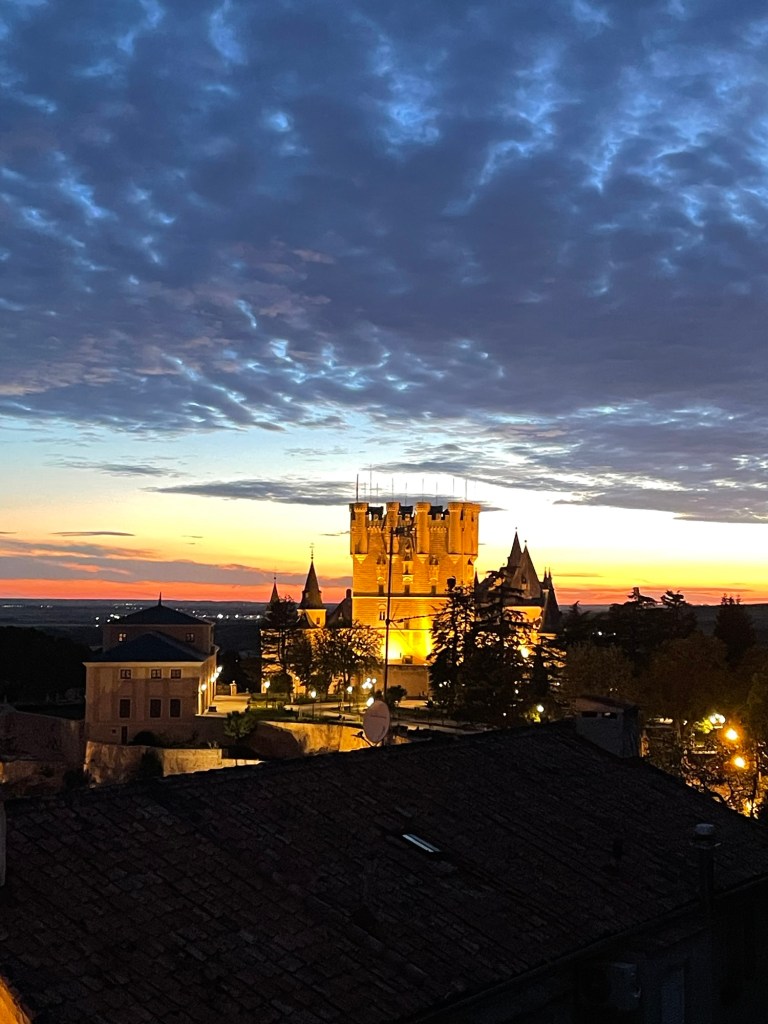
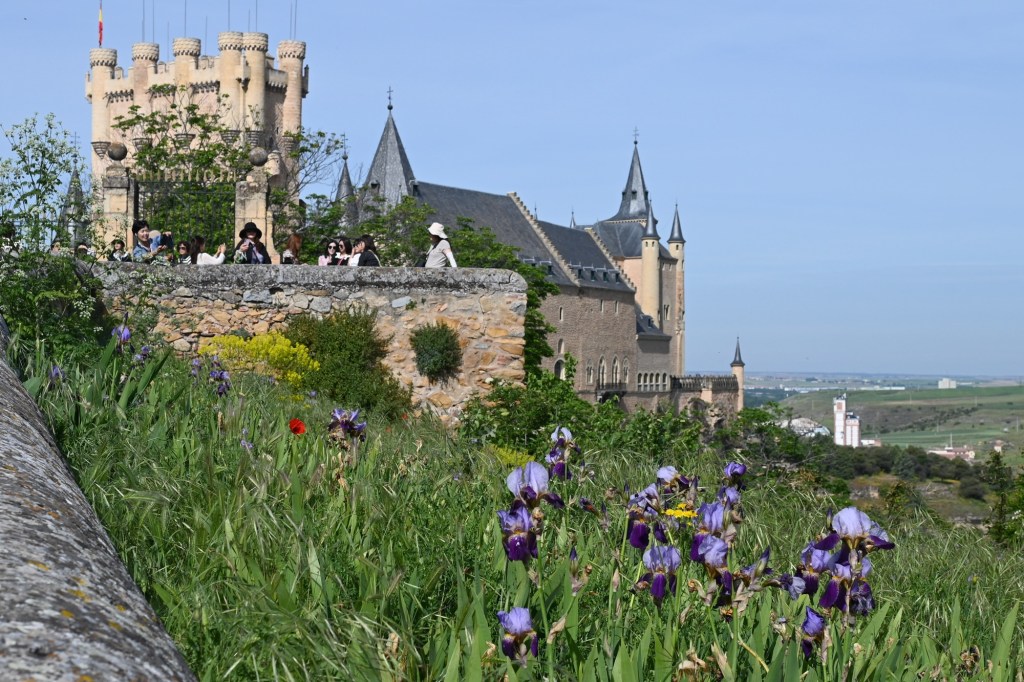
The historic city of Segovia became a UNESCO world heritage site in 1985. The most striking sites of the city is of cause the Alcazar, a fortified castle built before 1120, during the Moorish periode, which later has been the home of kings, a military fort and a renowned touristic destination. Its architecture has elements both from moorish and roman periods, and from one angle (from below, at a spot along the riverside) it seems to have been the inspiration for the Walt Disney castle. You’ll find tickets to the castle at the Alcazar webpage.
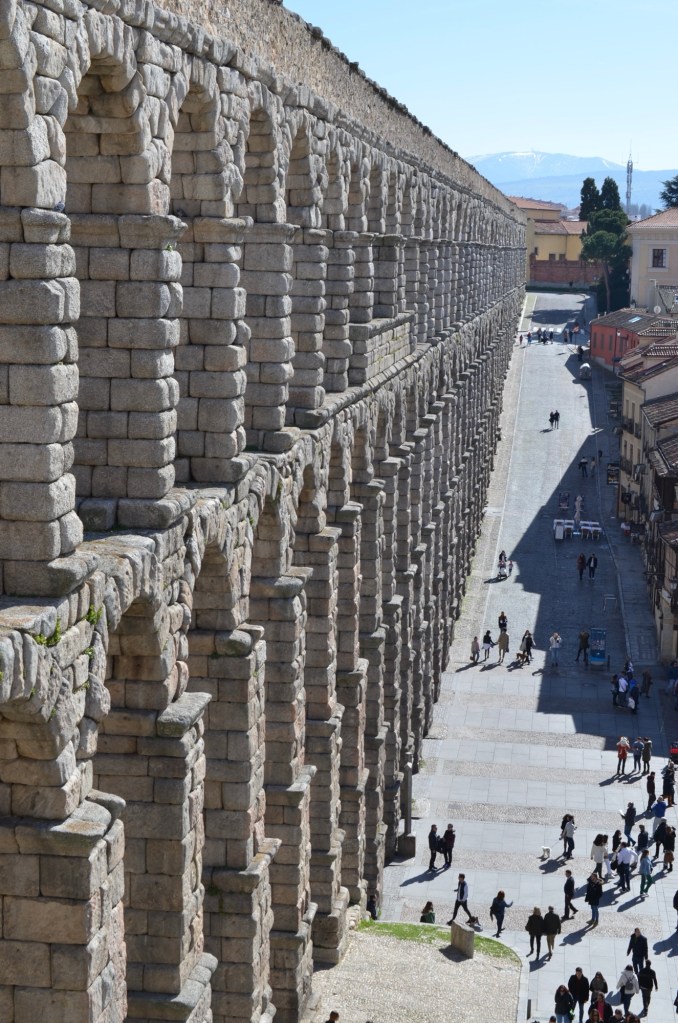
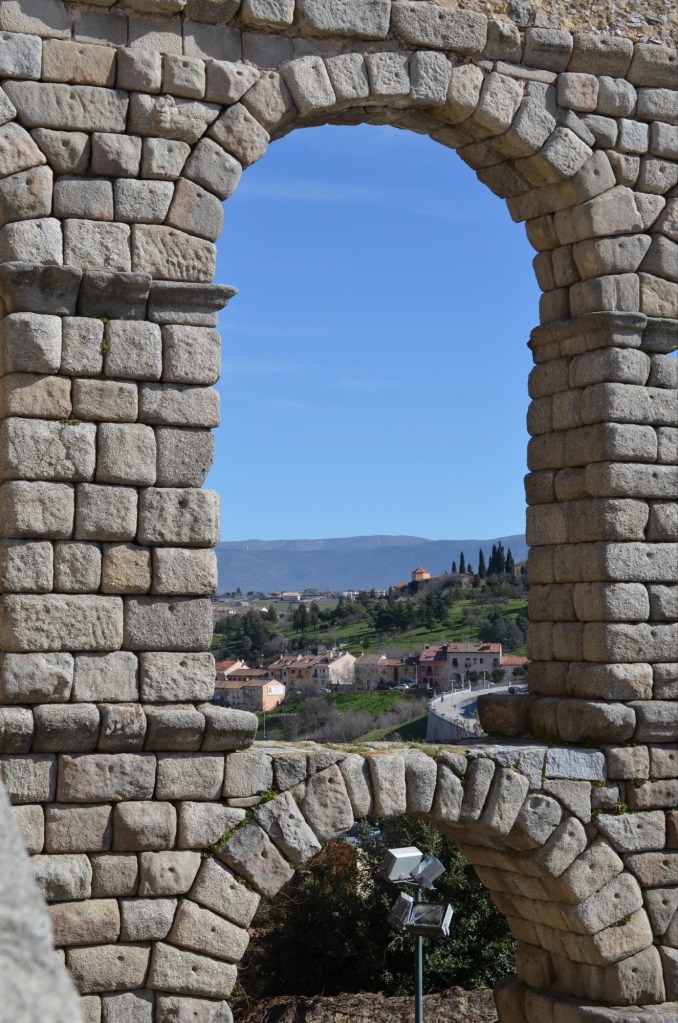
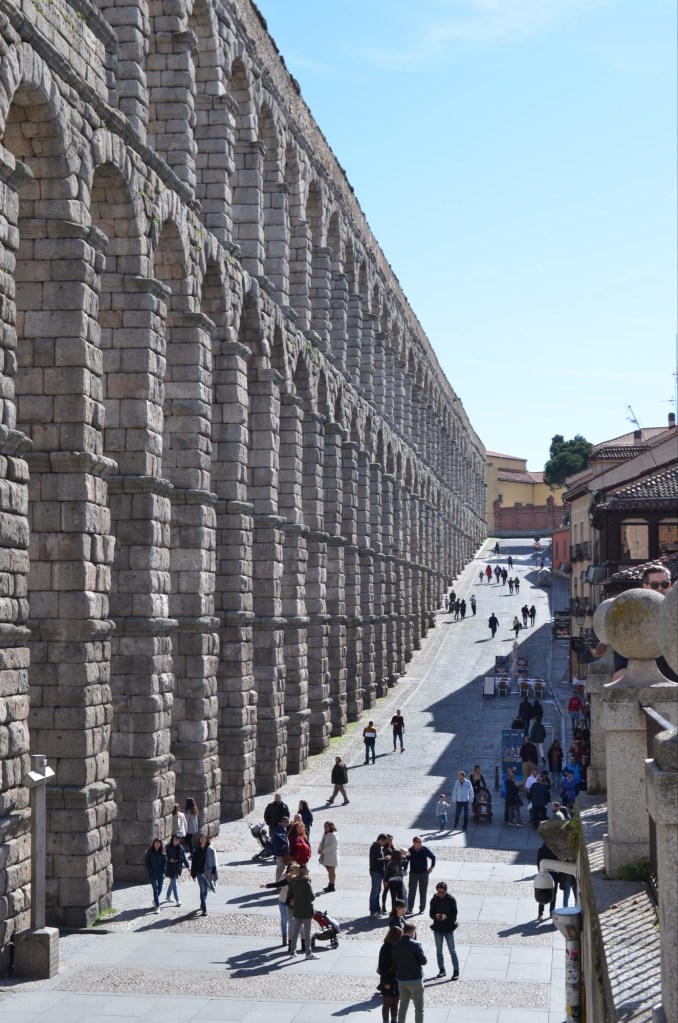
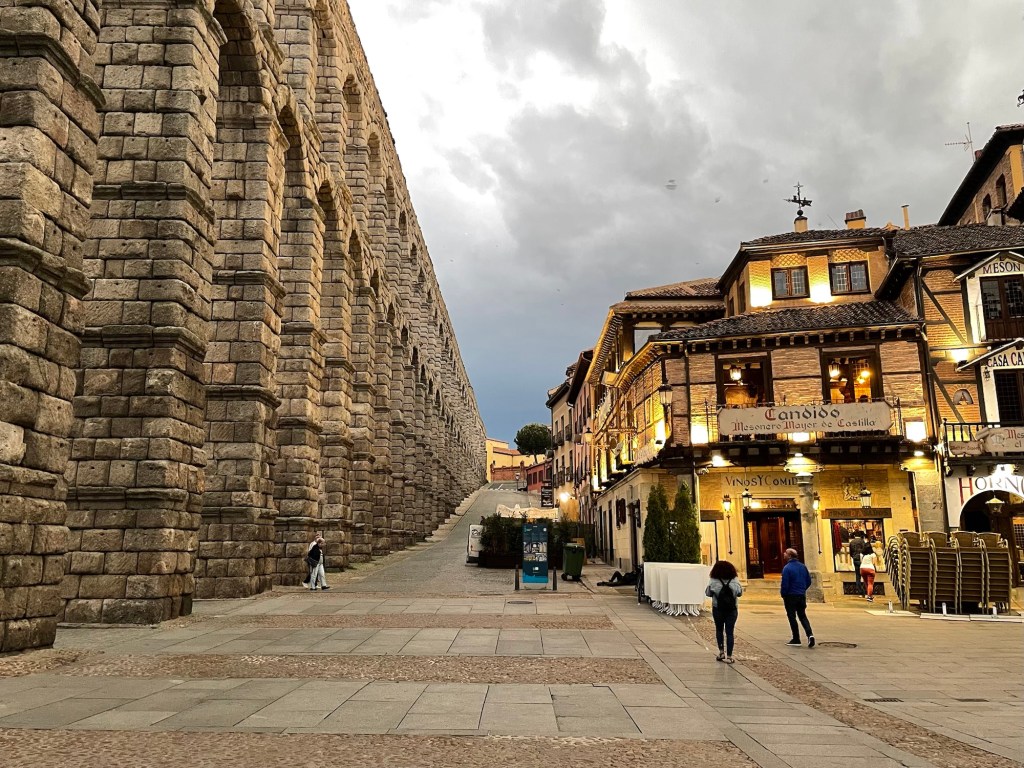
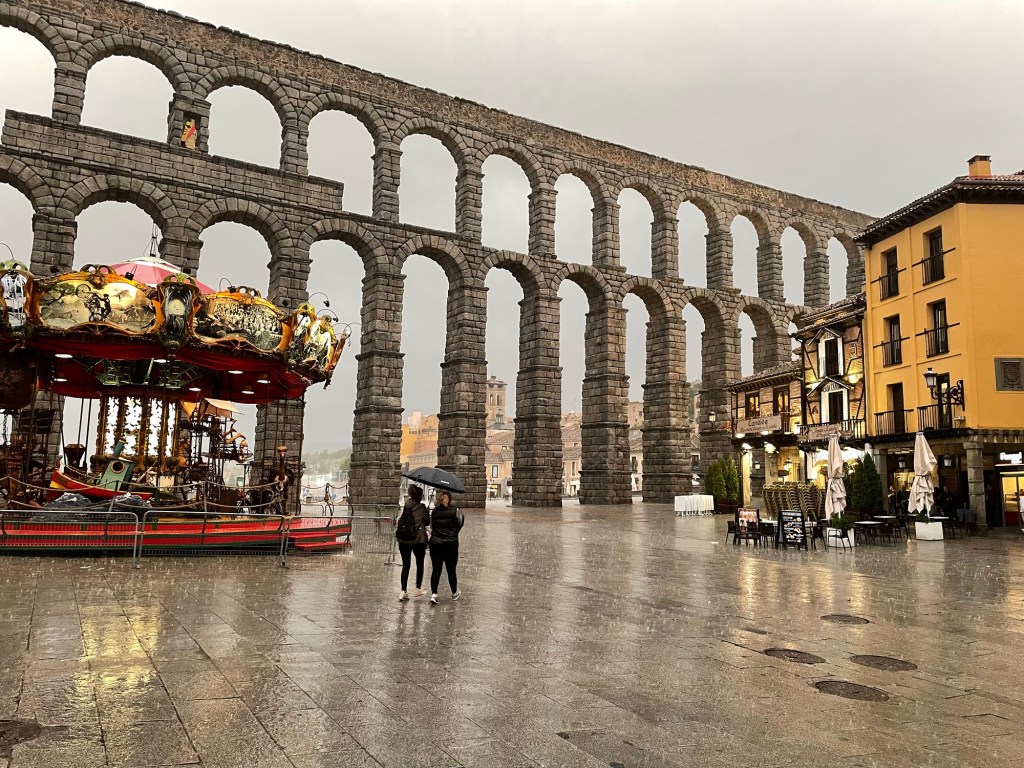
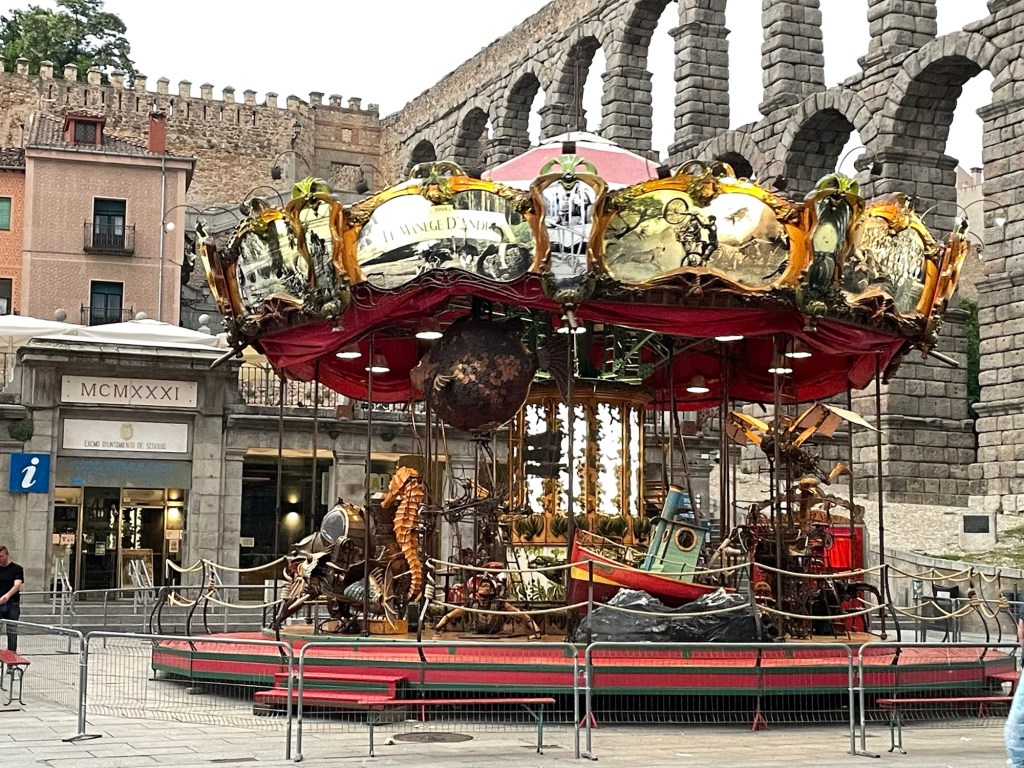
Another striking part of Segovia is its large Roman aqueduct which were built in the first century to channel water from mountains 17 kilometers away to the city’s baths and fountains. When in Segovia as a tourist, you can walk alongside the aqueduct or see it from below, alongside eating a good meal at one of the city’s many nice restaurants. I can recommend a portion of Gambas al Ajillo (shrimp in garlic) at «Restaurante El secreto de San Clemente» or any other restaurant in Avenida Aqueducto that has outdoor table with views towards the aqueduct.
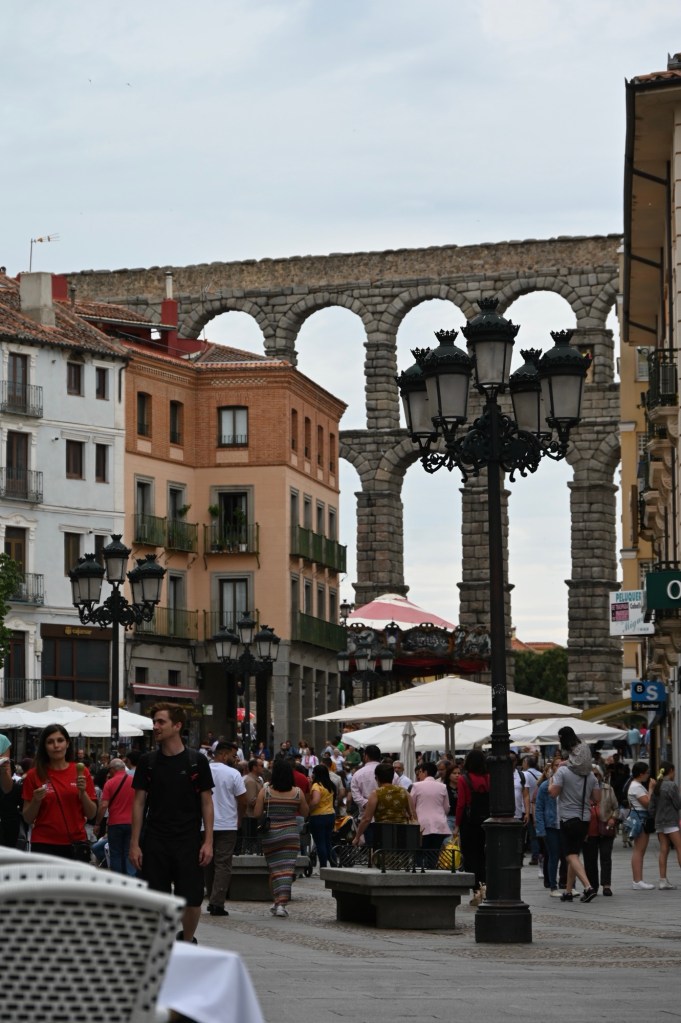
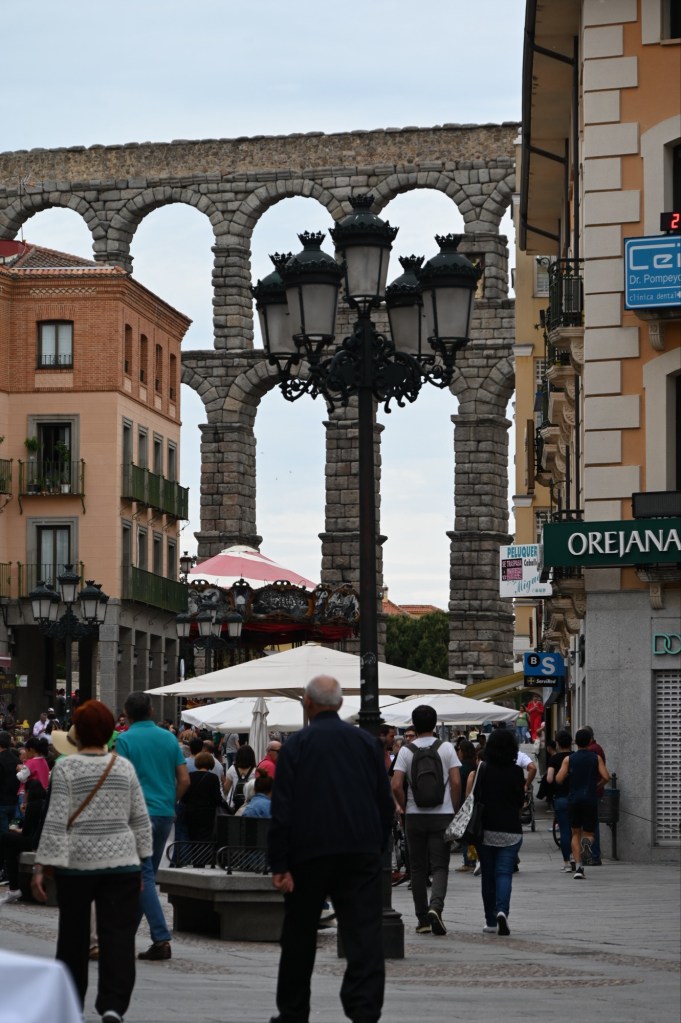
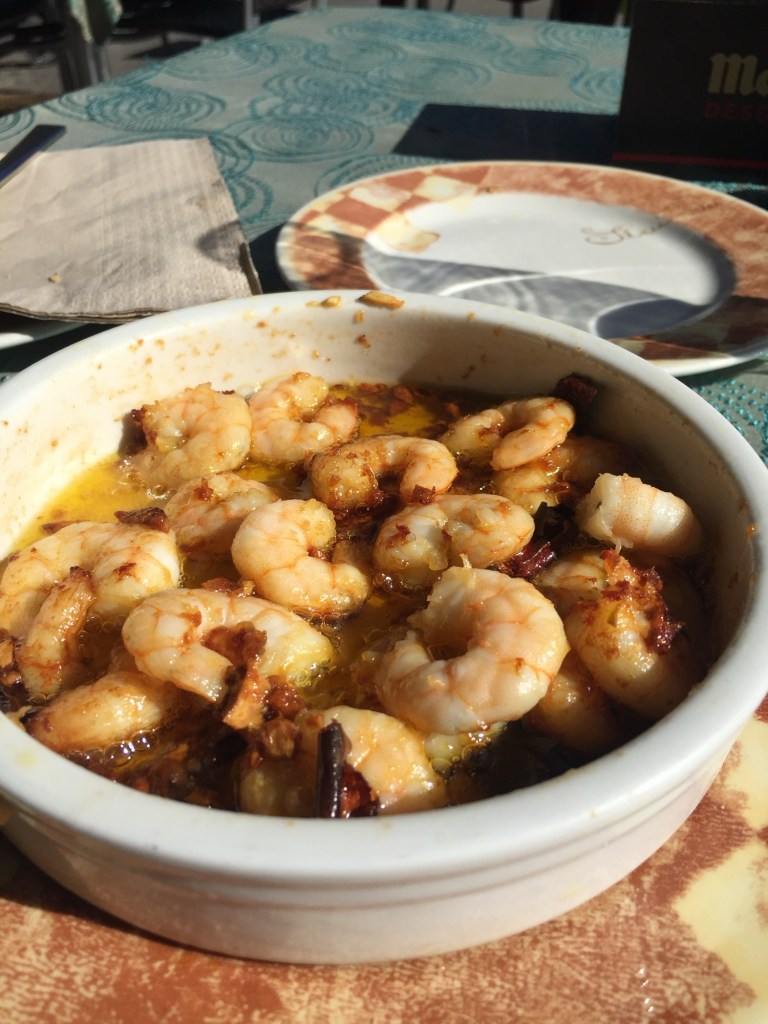
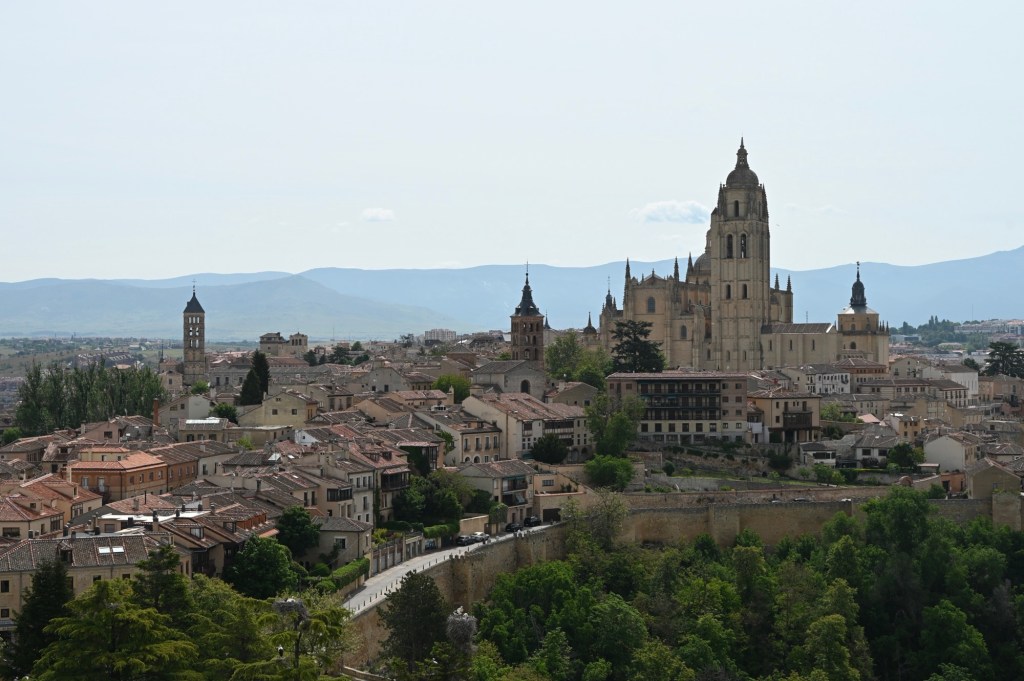
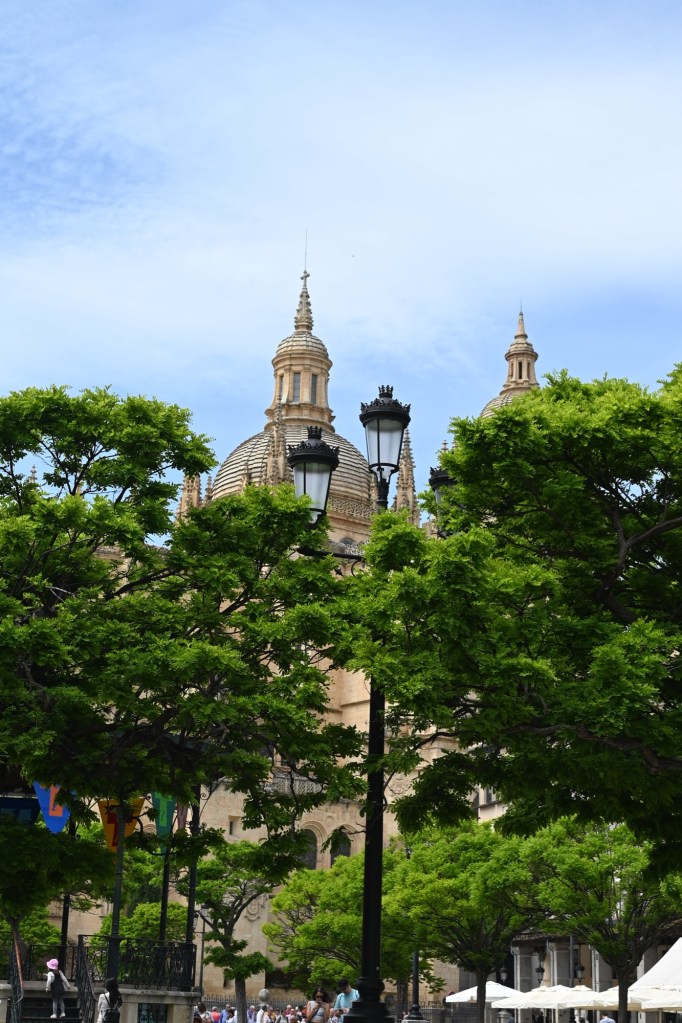
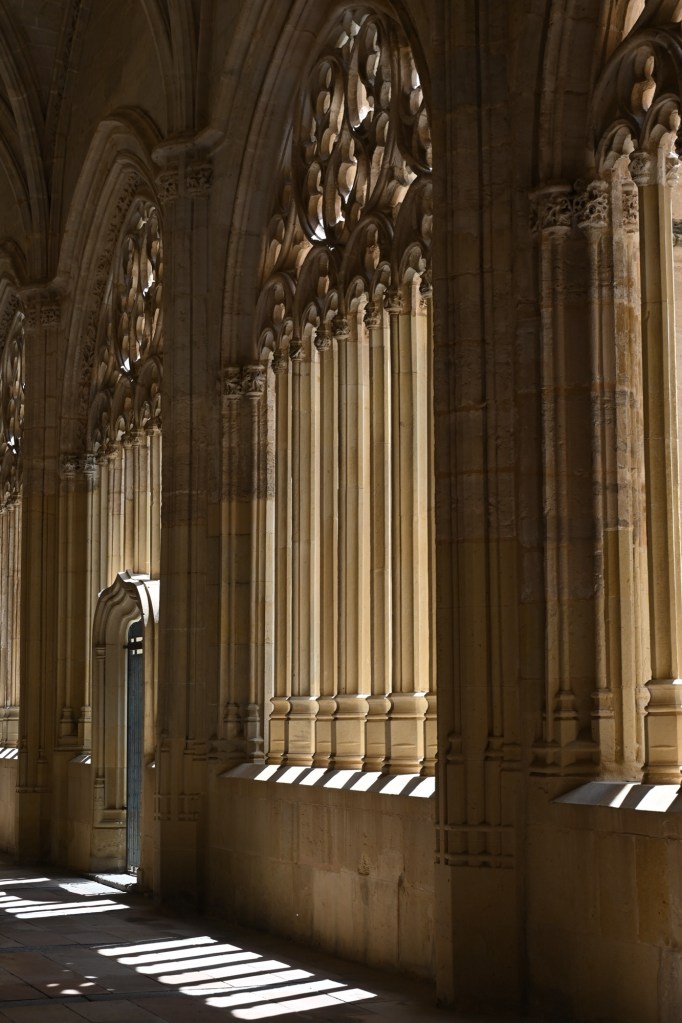
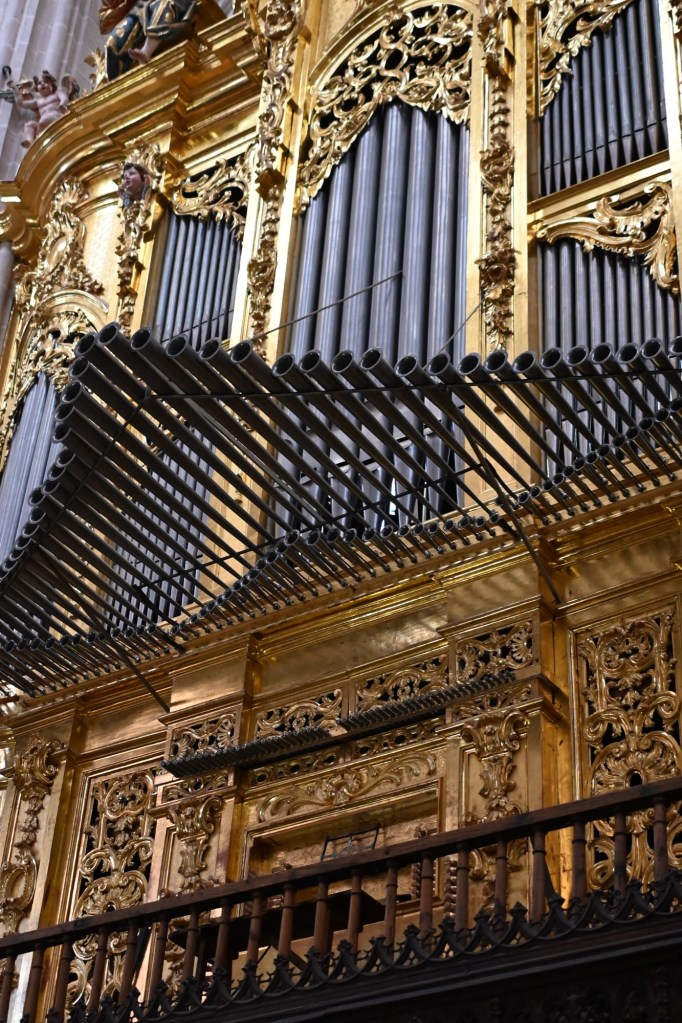
Segovia Cathedral is also worth a visit. The view from its tower its said to be magnificent as it is the tallest spot of the city. To see it you, however, have to climb a spiral 88 m staircase and buy an entrance ticket. I did not feel like climbing so I rather chose to use time on the cathedrals organ, paintings as well as its beautiful collection of tapestries and costumes.
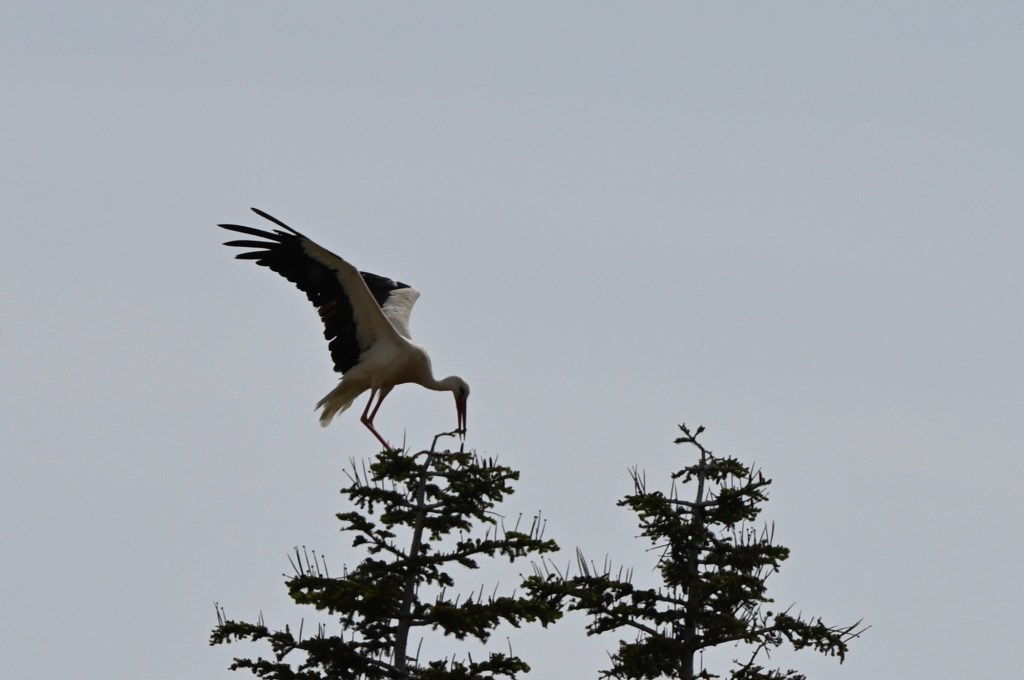
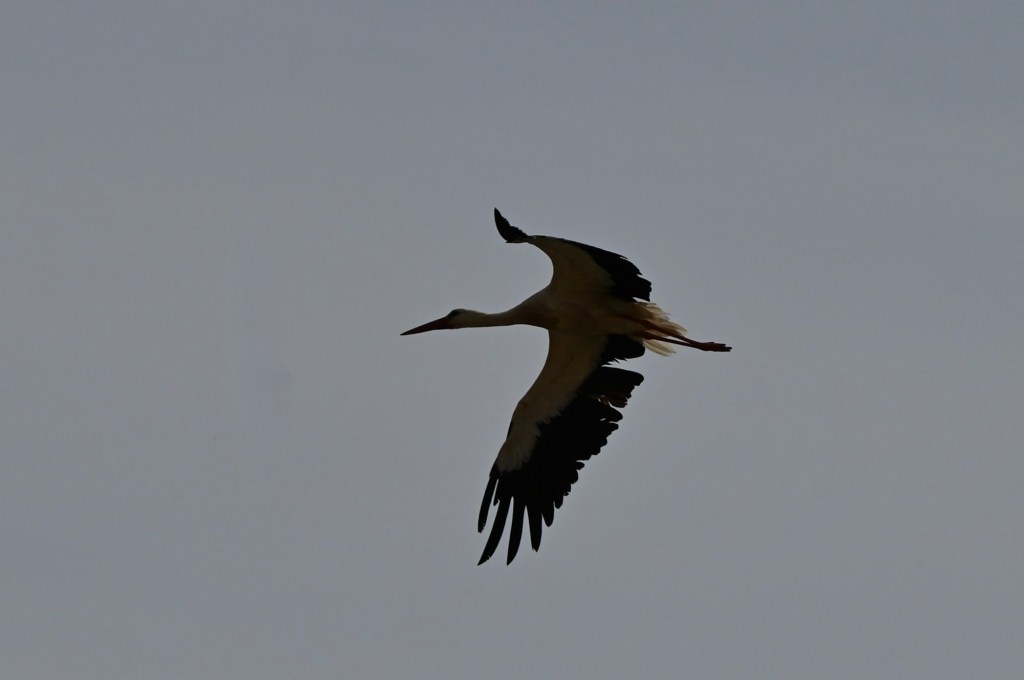
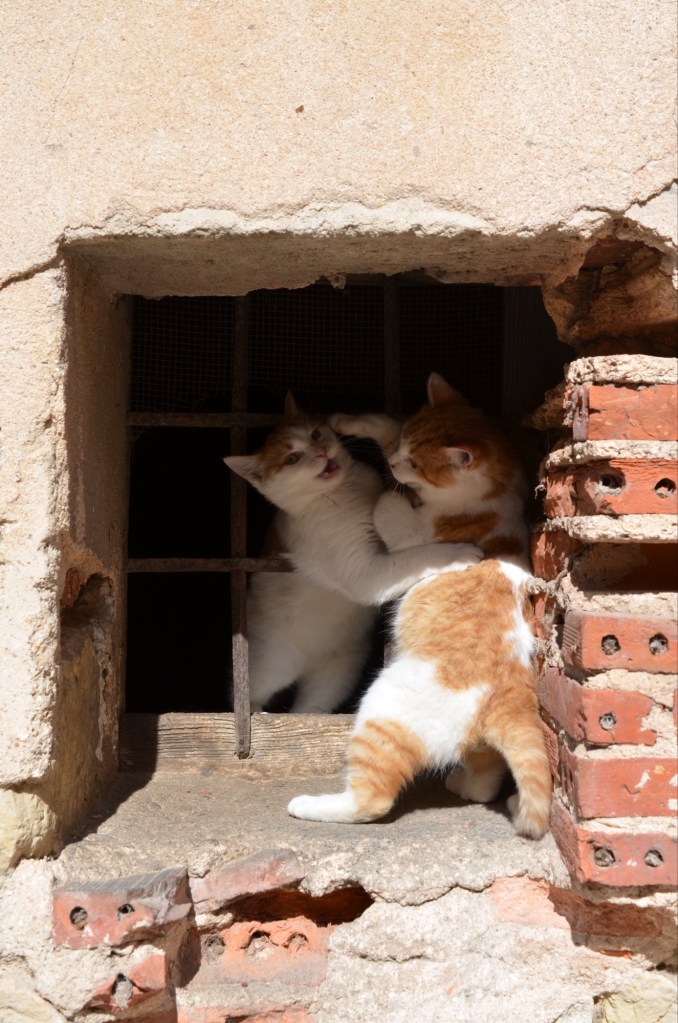
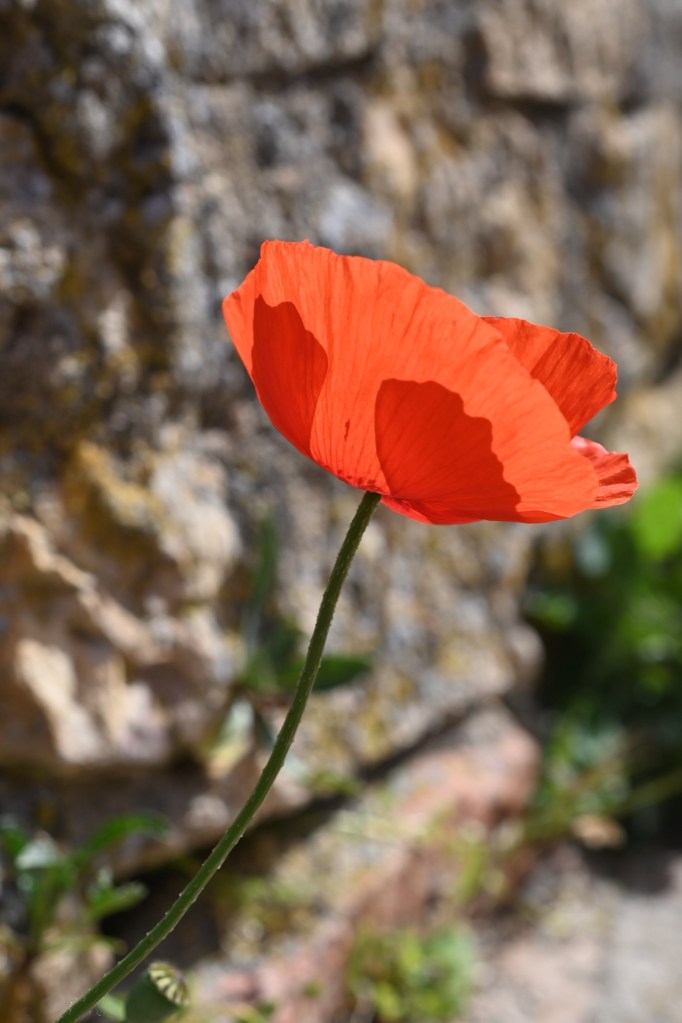
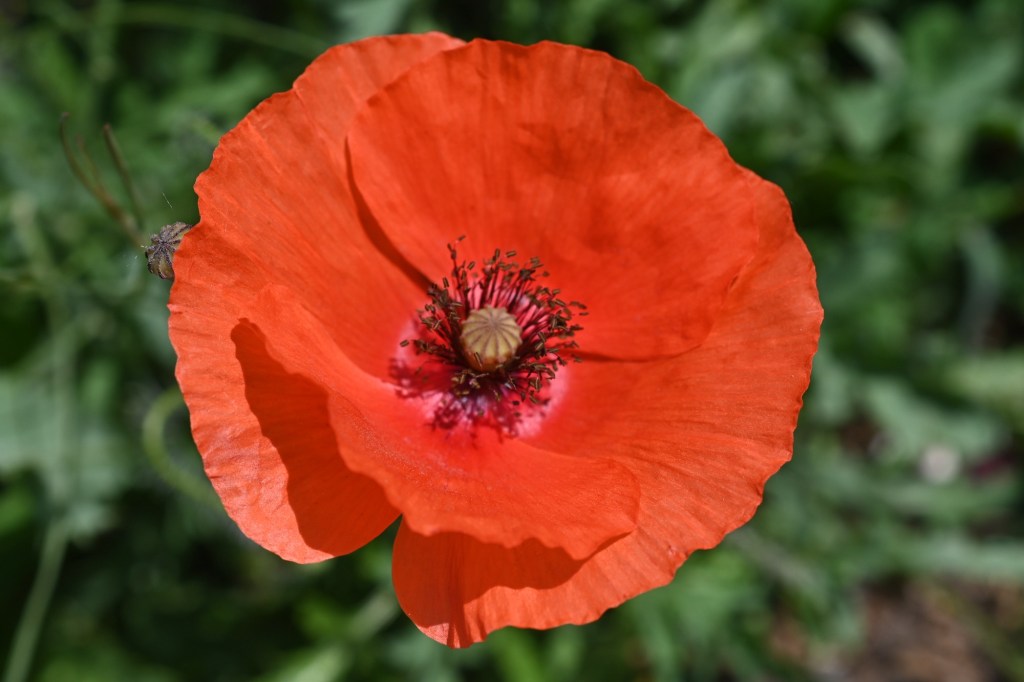
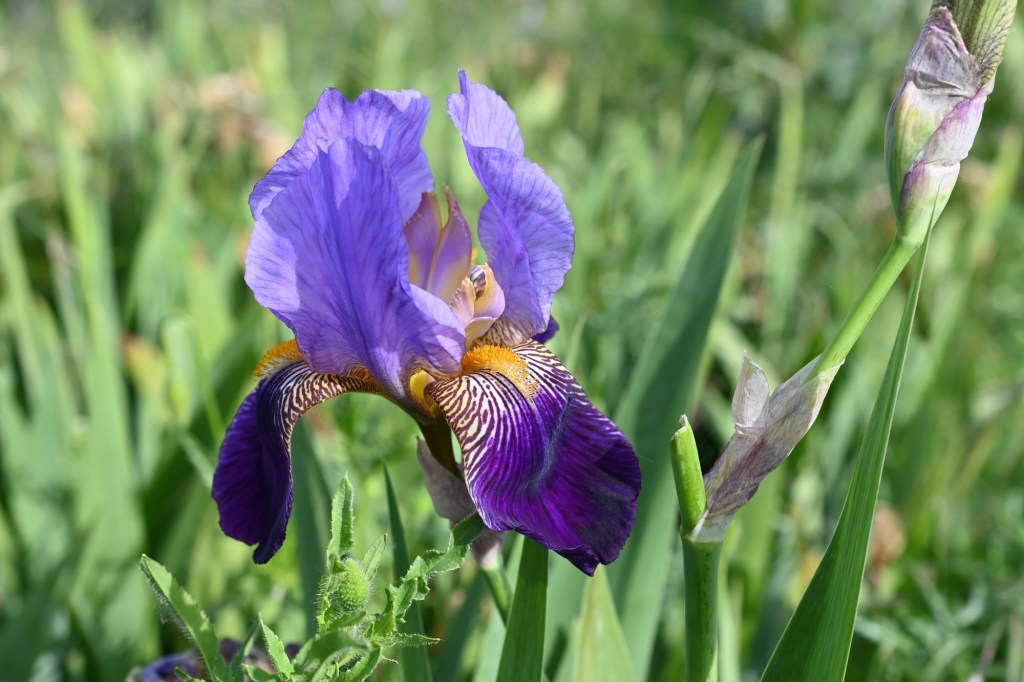
Segovias old city is also full of life. We saw several Storks nesting on top of trees and church towers around the city, beautiful flowers and sweet cats.
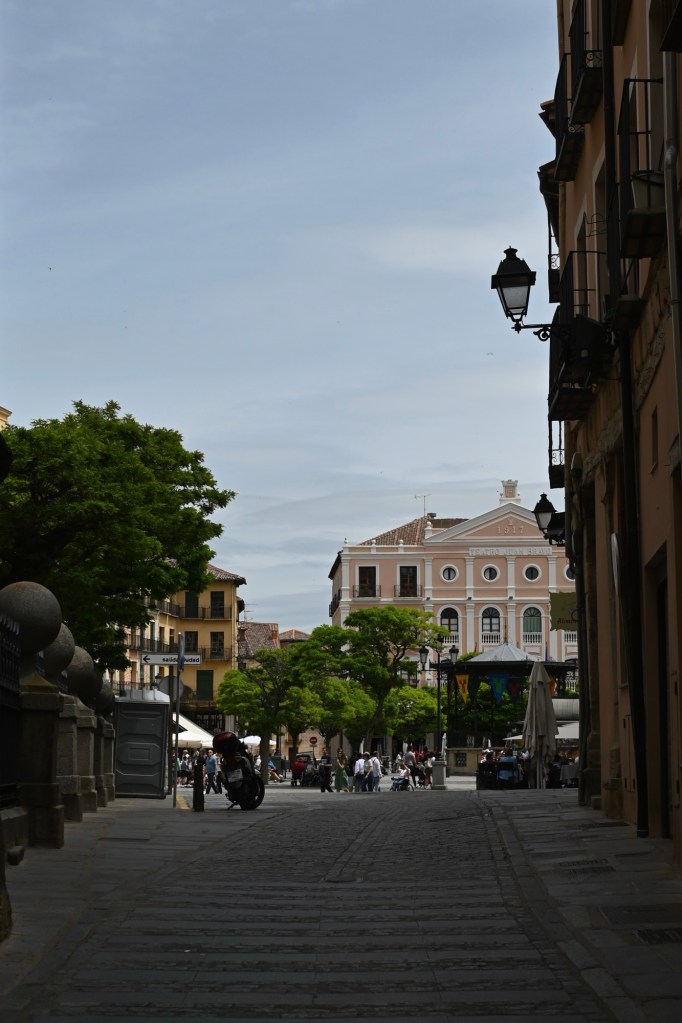
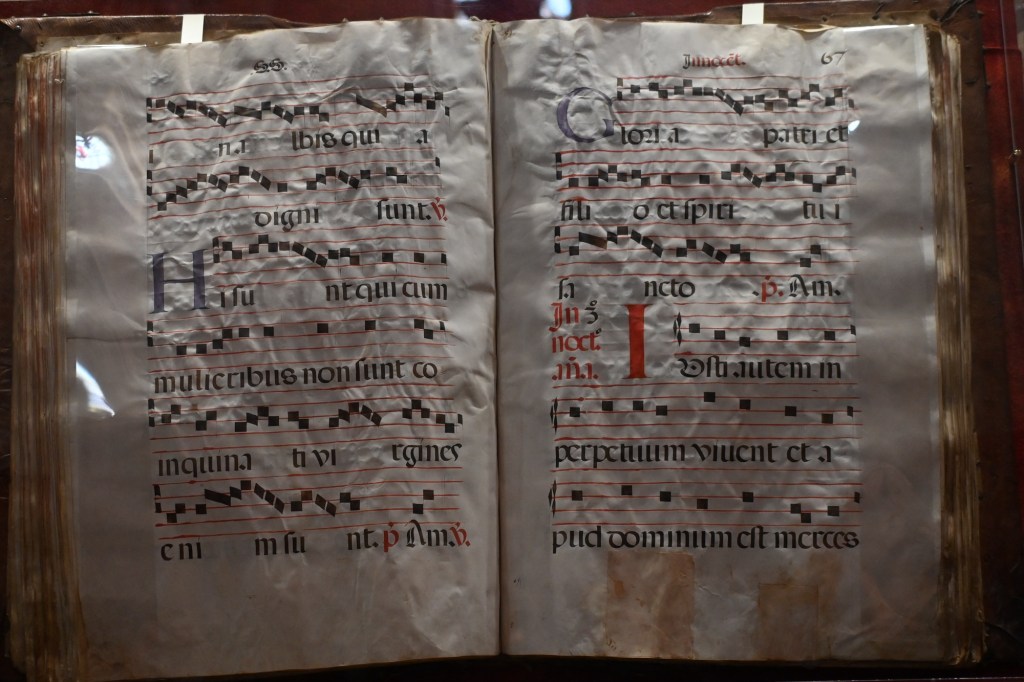
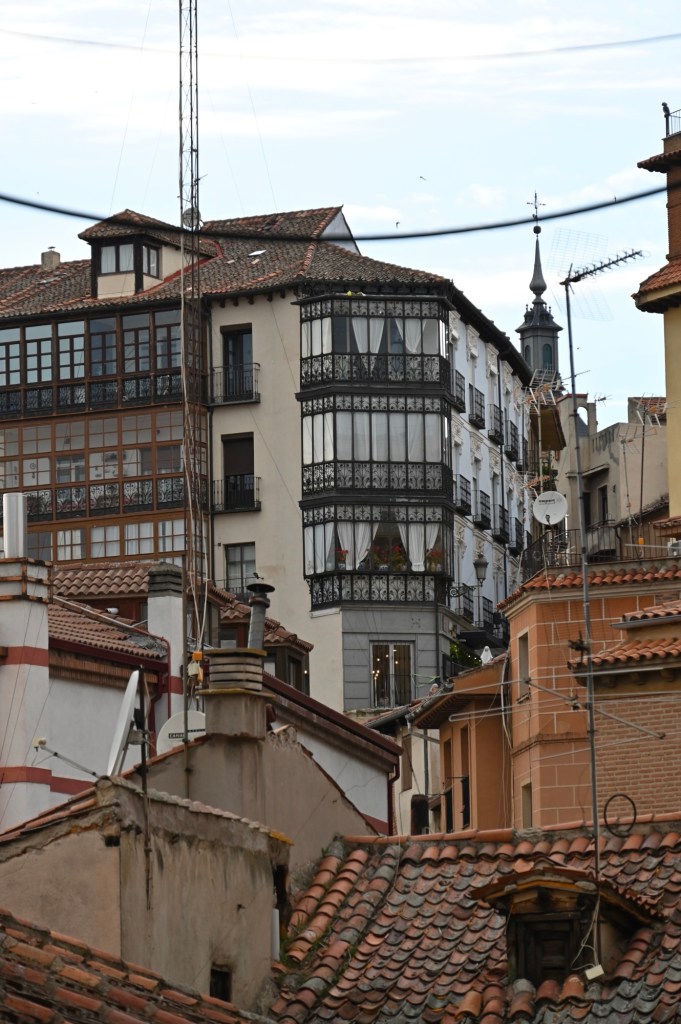
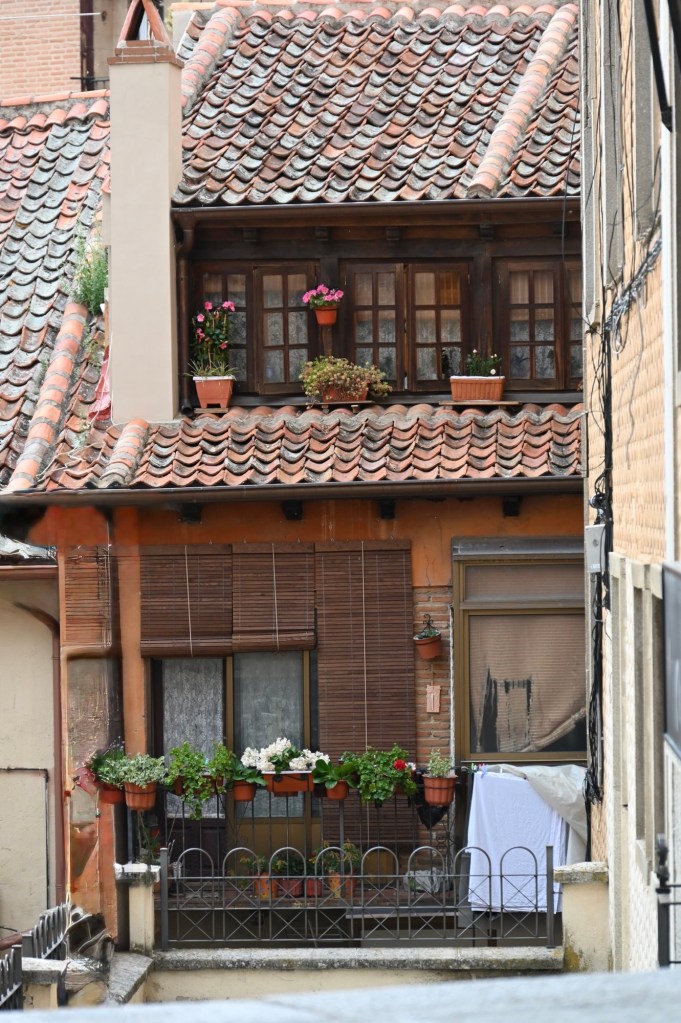
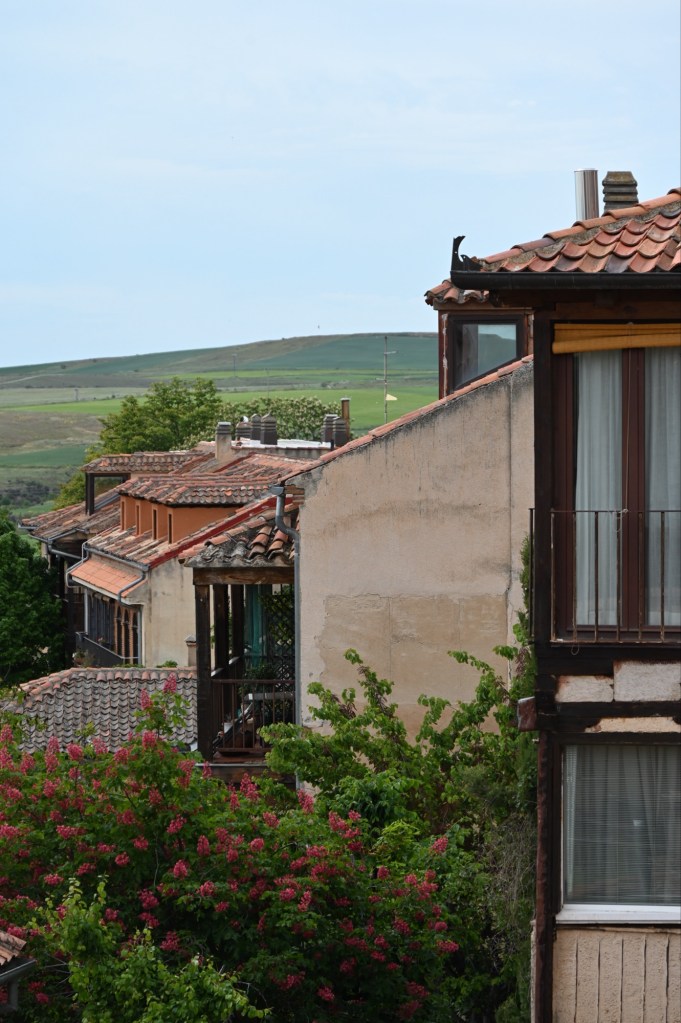
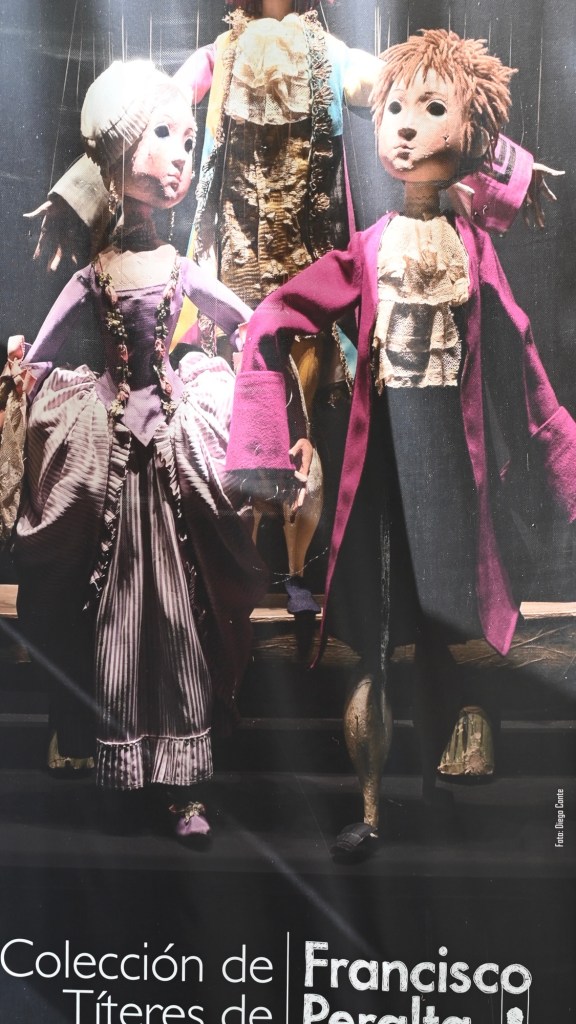
Segovia seems to be a centre for puppetry. Each May, the city is hosting a large puppetry festival, Titirimundi, which has activities all around the city. In addition the city has a puppet museum, with puppets made of the puppet master (titiritero) Fransisco Peralta.
Madrid
The capital city of spain, Madrid, would deserve it’s own blog post, but then again many others have written about it’s treasures. I will thus only make a few comments about things that are nice to experience, outside if the normal touristic advices. First if all, the Metro system works really well, so try to a hotel close to a Metro stop. In addition, it is actually very nice to make a ride one of the Hop-on-hop-off buses as a first-timer to get a more visual overview of the city, before diving into specific areas or sights.

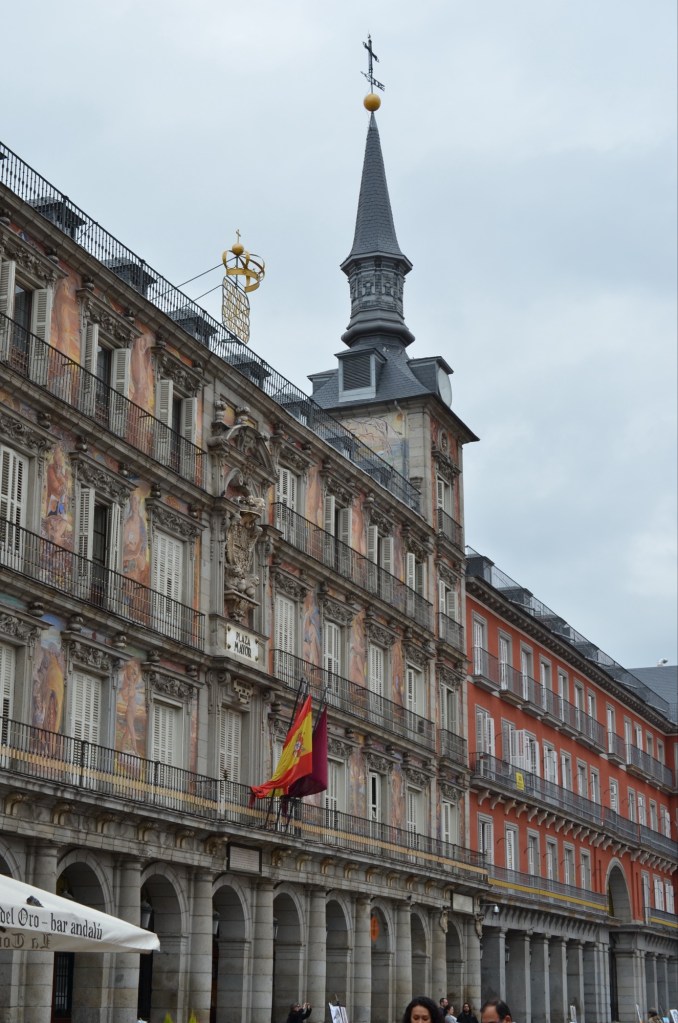
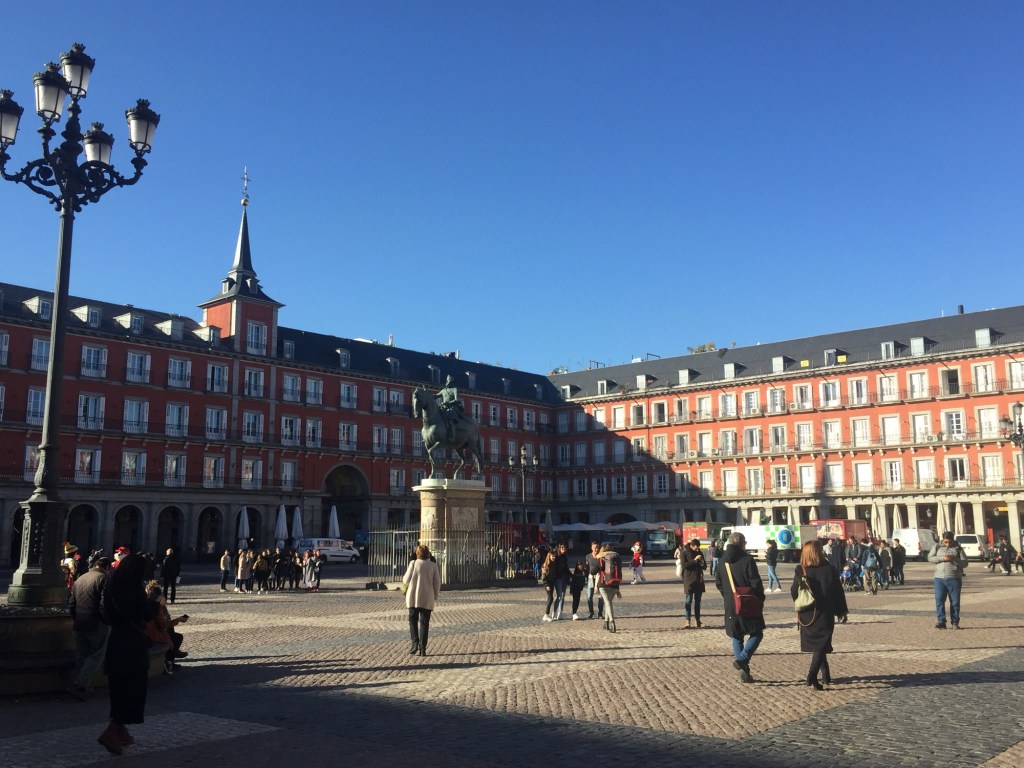
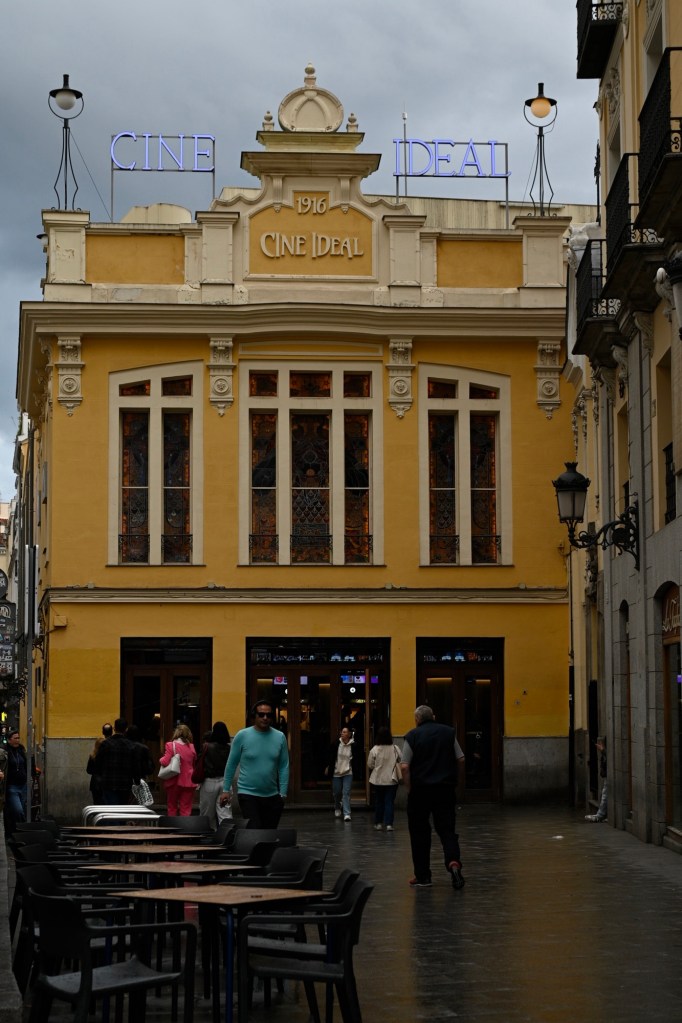
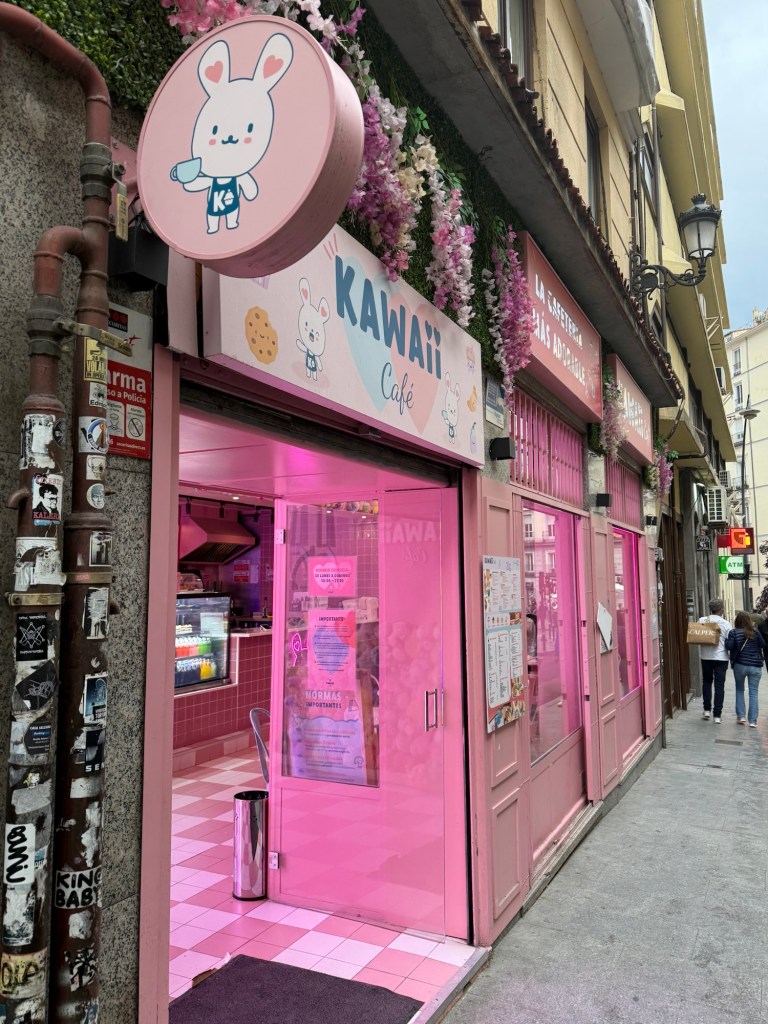
Madrids Plaza Mayor is really nice. Even if being a tourist-trap, with higher prices, it is really a beautiful place, not to forget the Mercado de San Miguel, right across the street of it. There are also lots of other quirky areas, areas, buildings and shops to drop by.
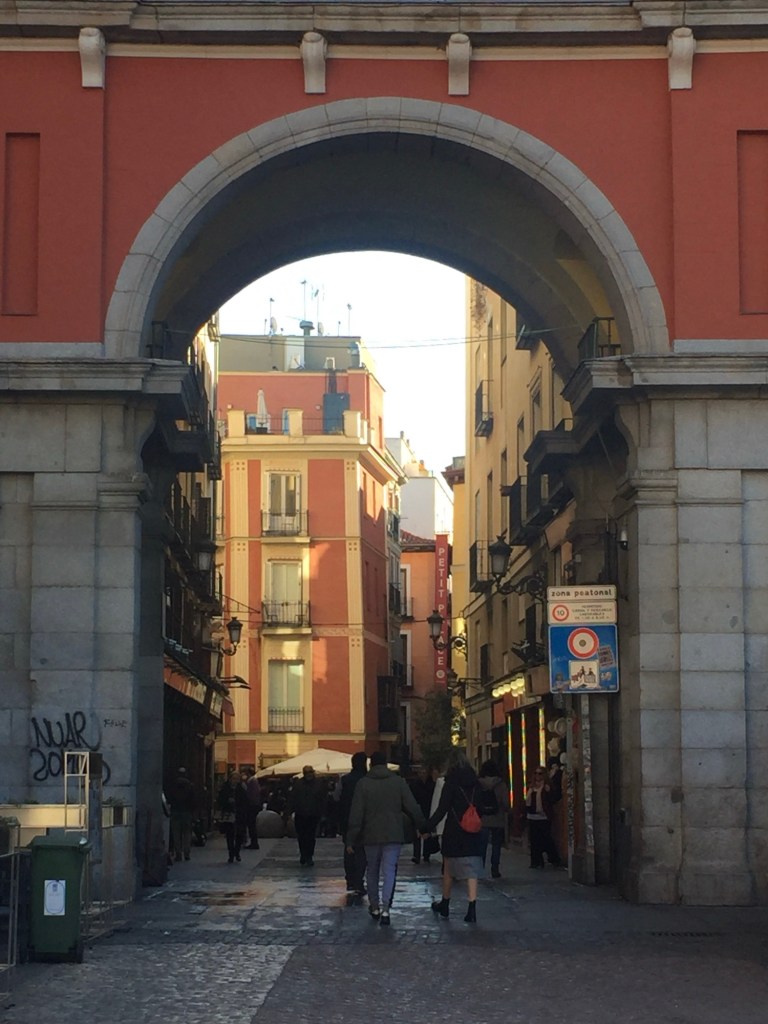
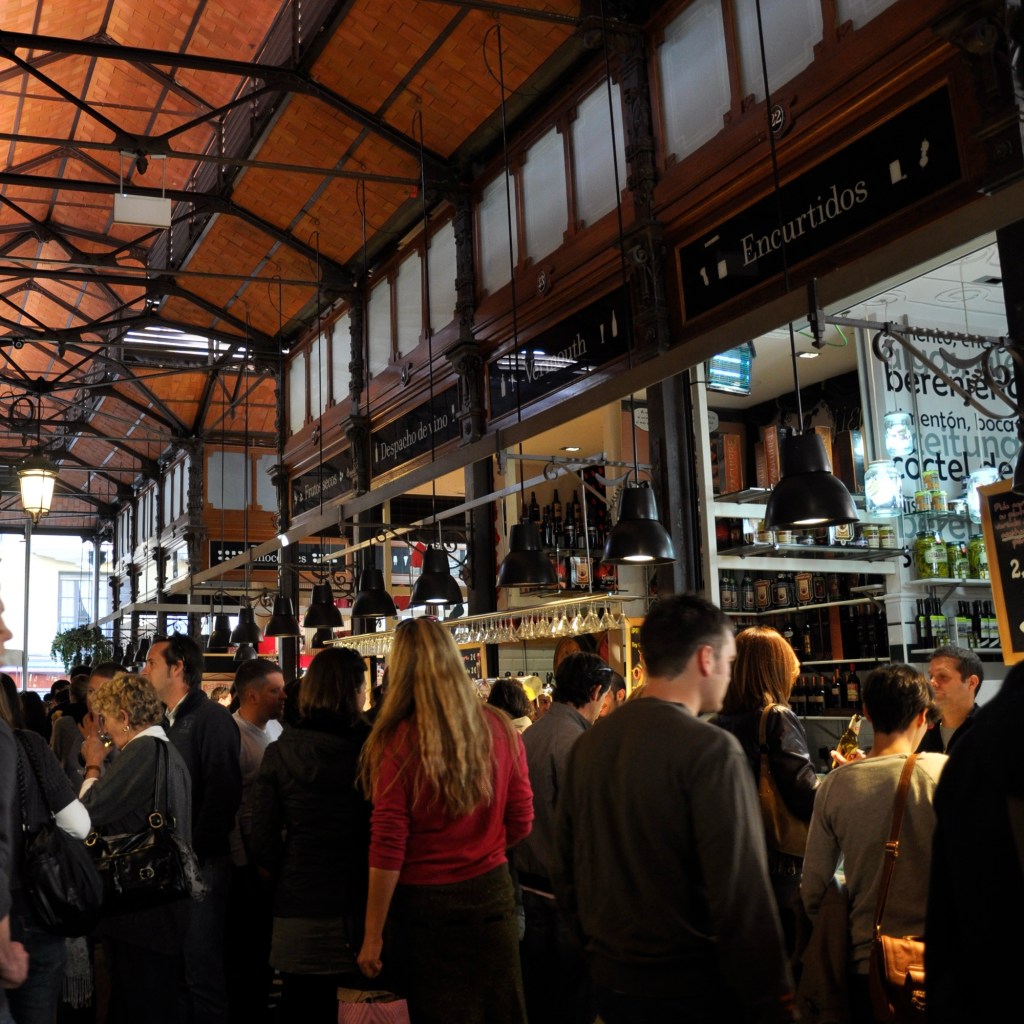
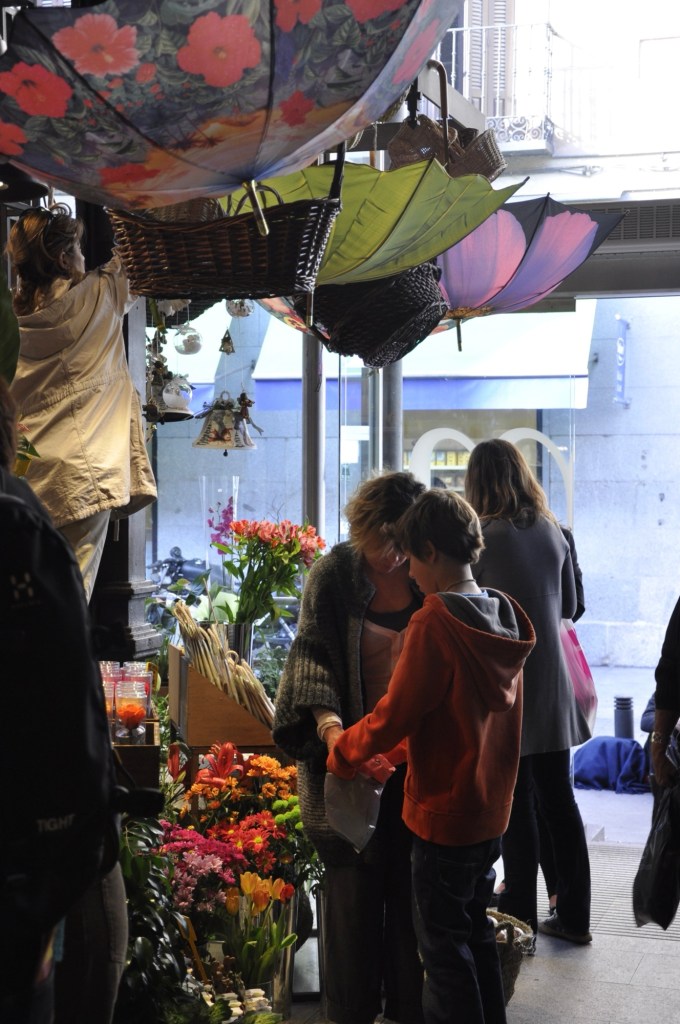
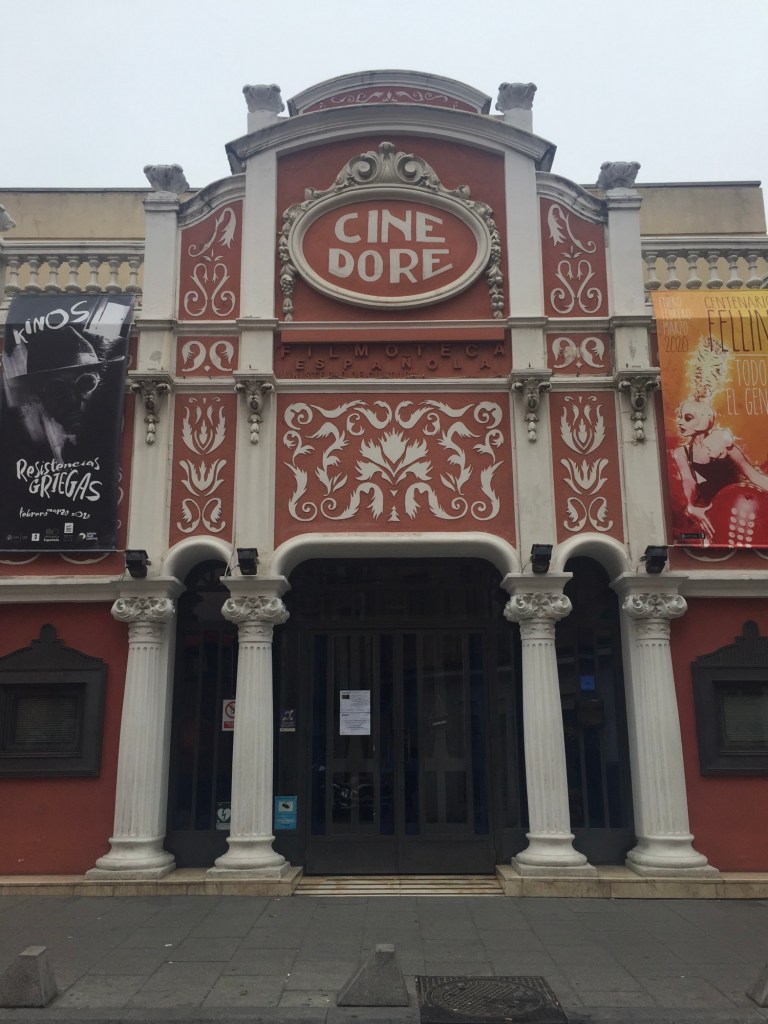

The arts museums in Madrid is really nice and some of them have free entrance after 18:00 at certain evenings. In the Reina Sofia museum, you can see Picassos big painting «Guernica» as well as lots of Miró paintings. At the Thyssen-Bornemisza museum, you’ll see a lots of old masterpieces as well as temporary expositions from current artists. Almost right across the street of this, you’ll find the huge Prado museum, with lots of old masterpieces.
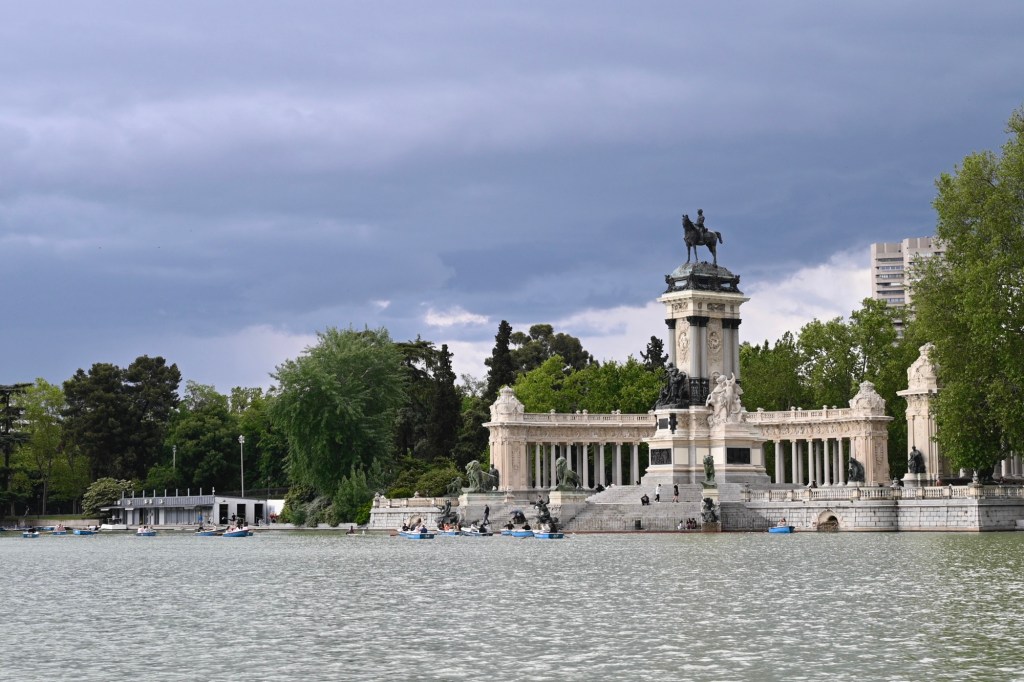
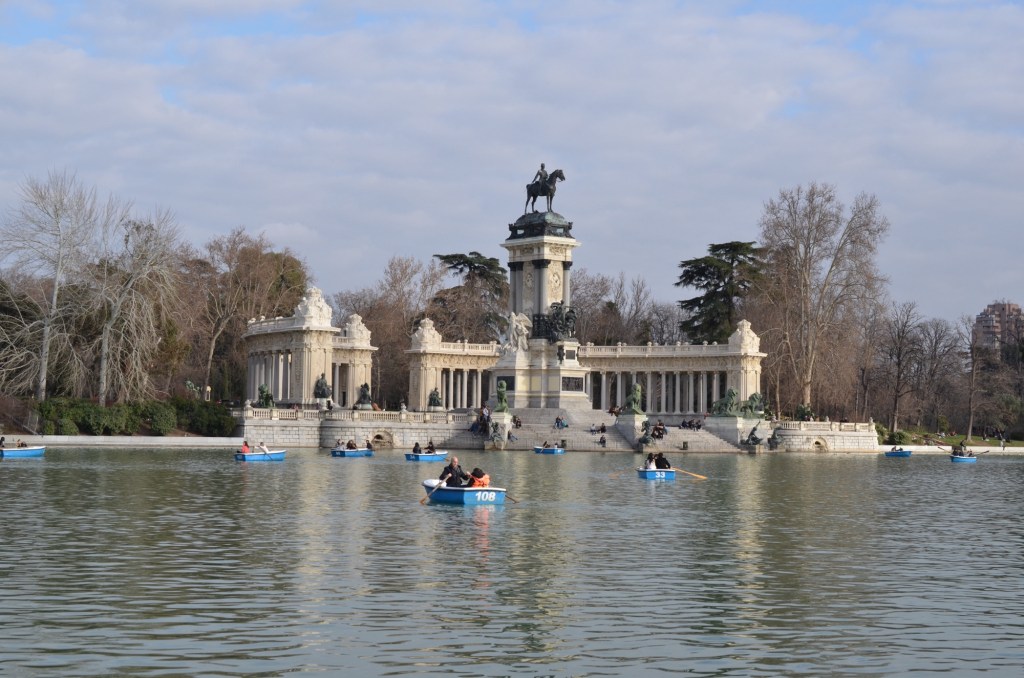
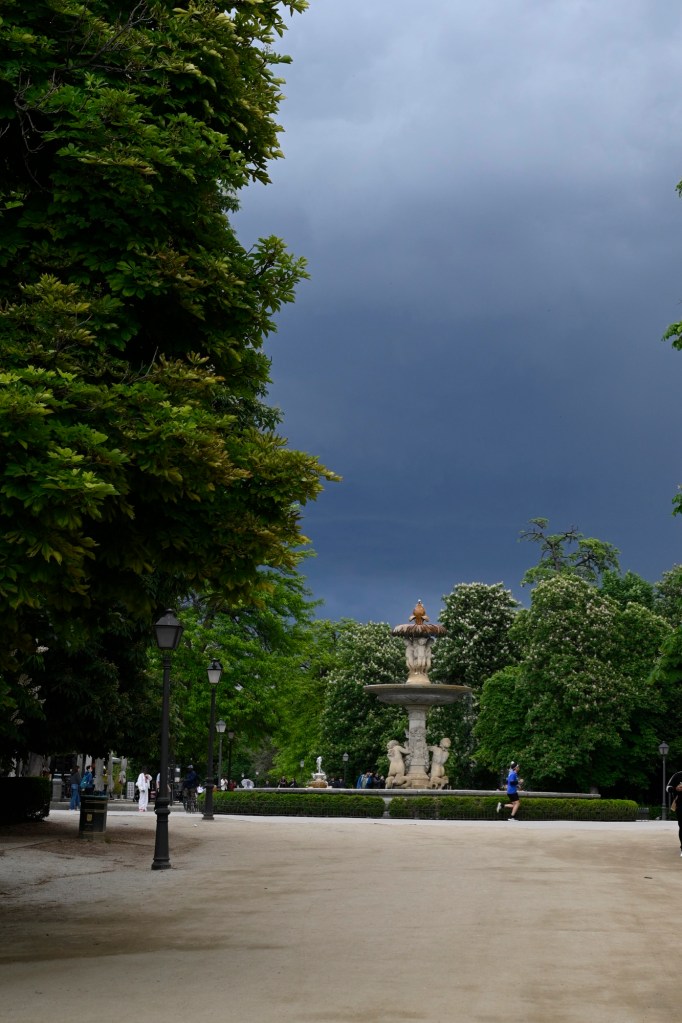
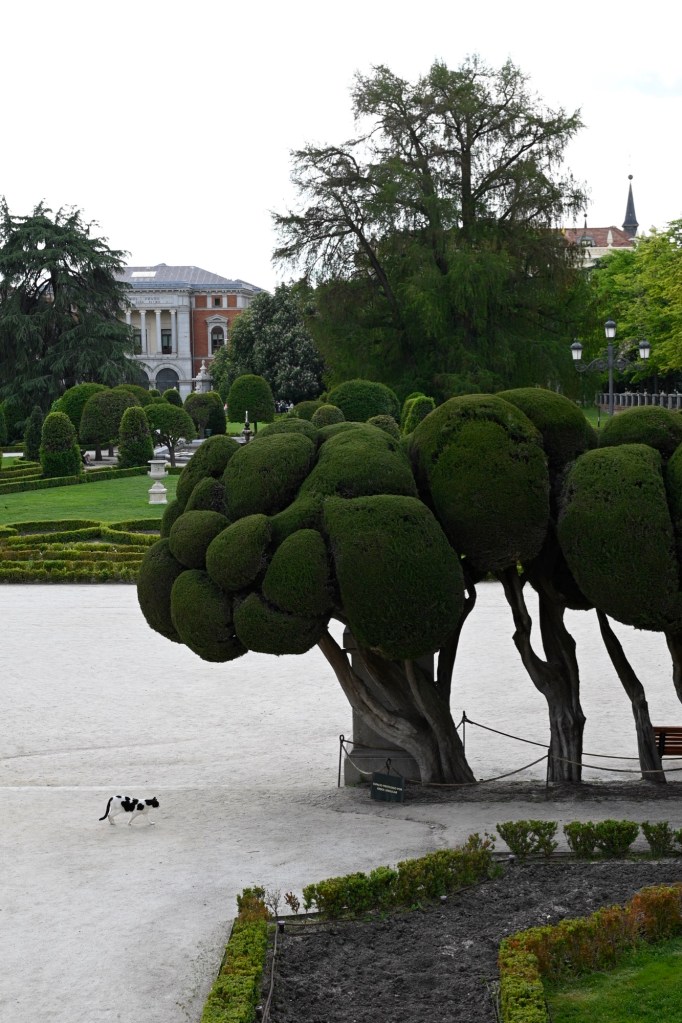
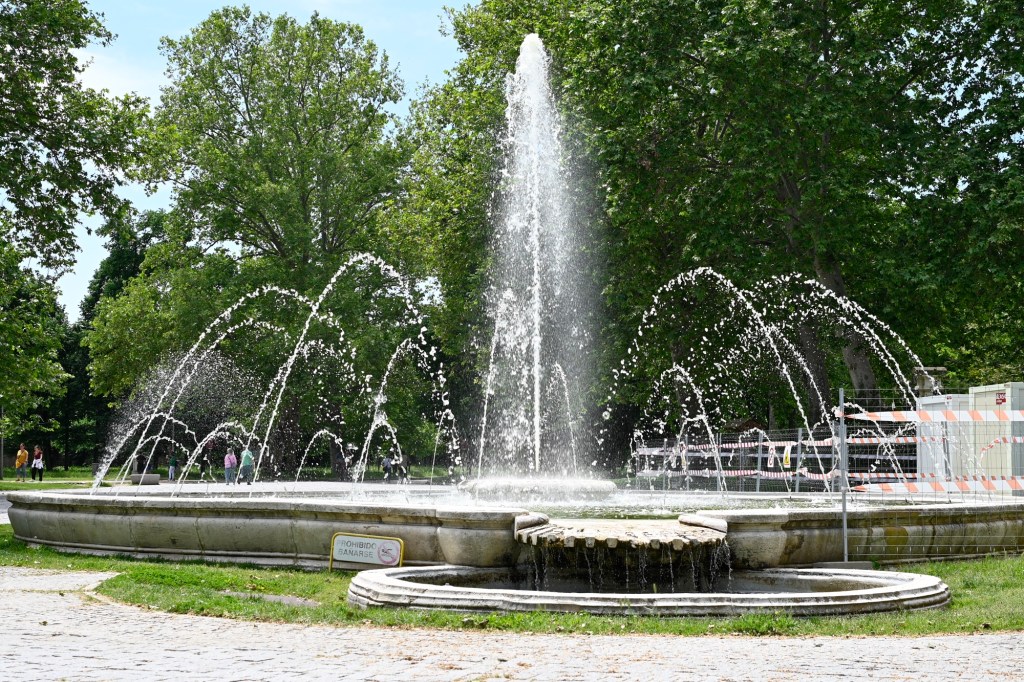
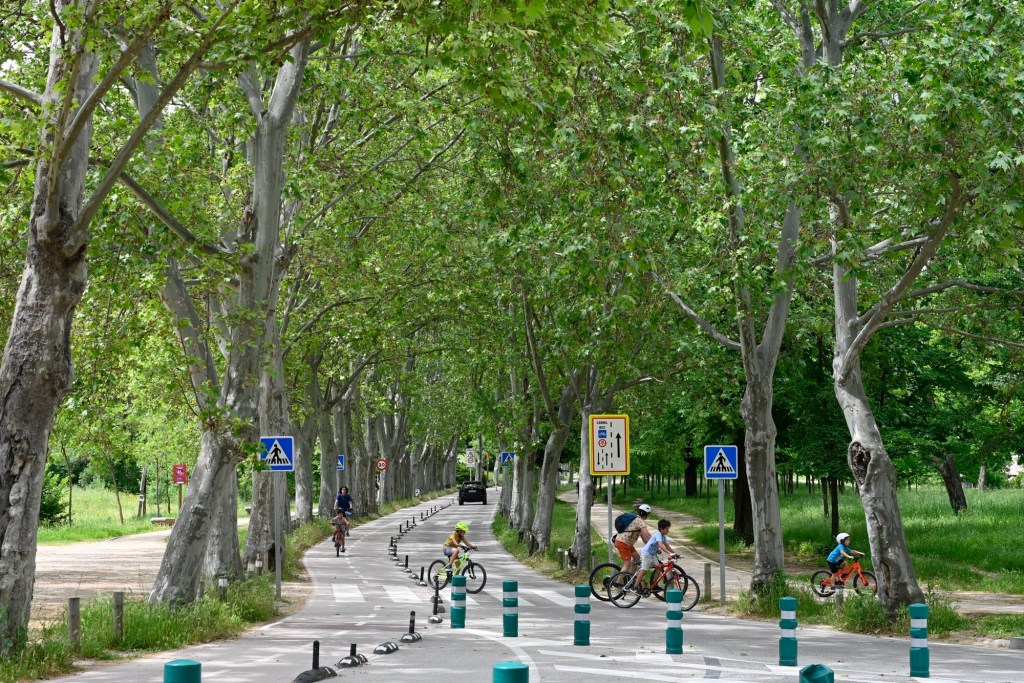
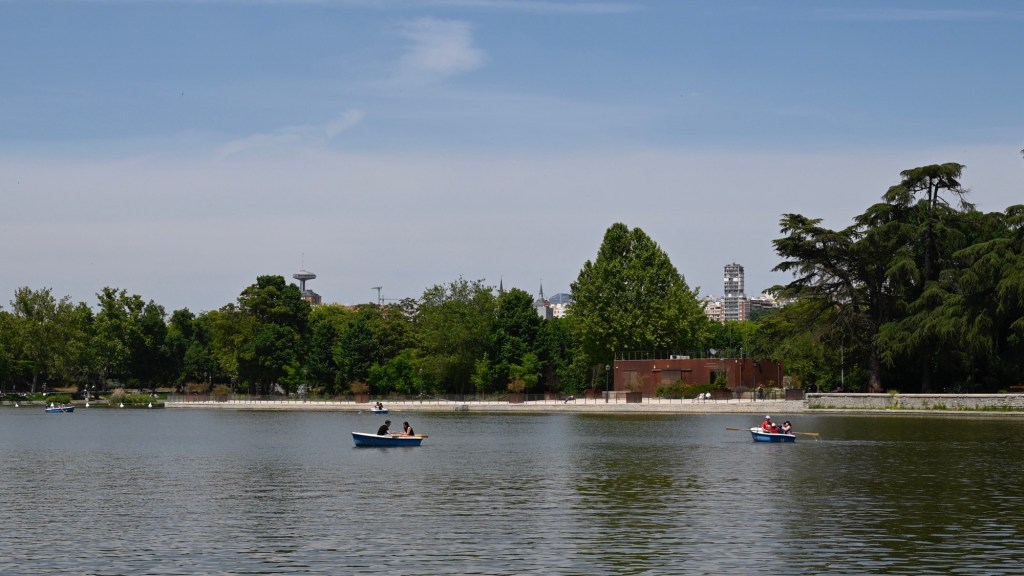
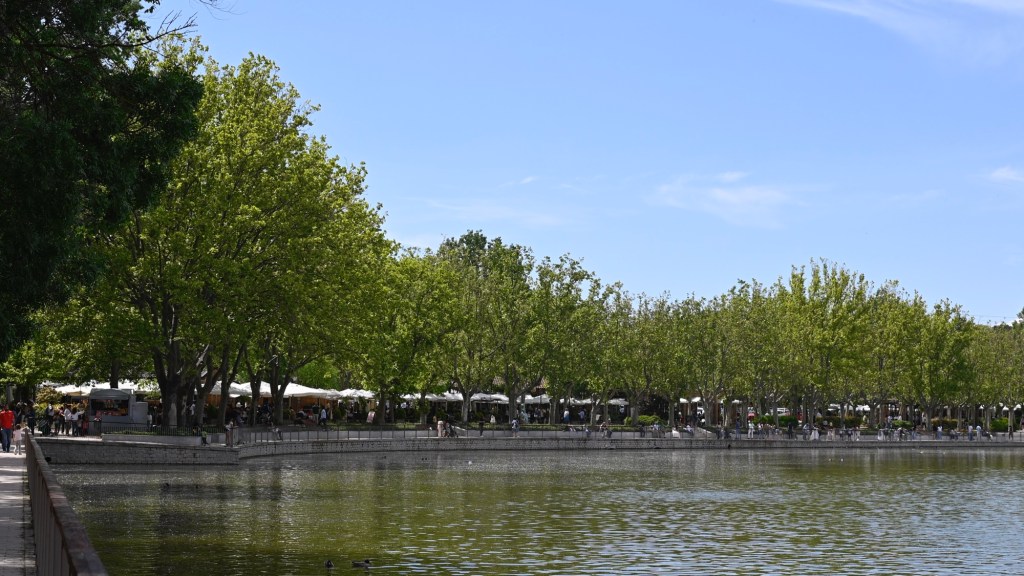
Then again, you’ll have the Madrid parks. Right behind the Prado museum, you’ll find the Retiro park. It has numerous tracks and roads for walking beneath the large trees, cafees and a large lake where you can rent boats for rowing.
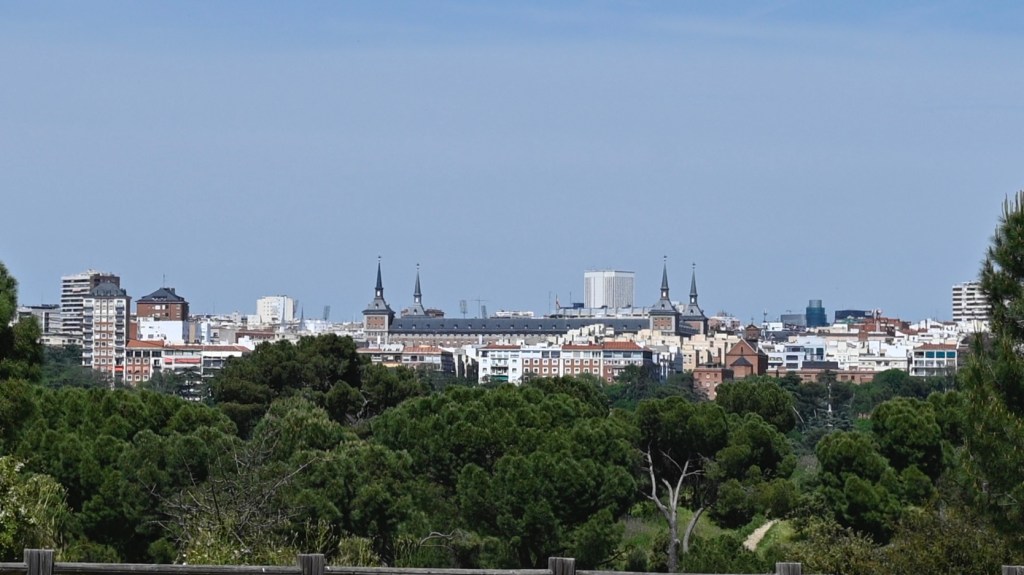
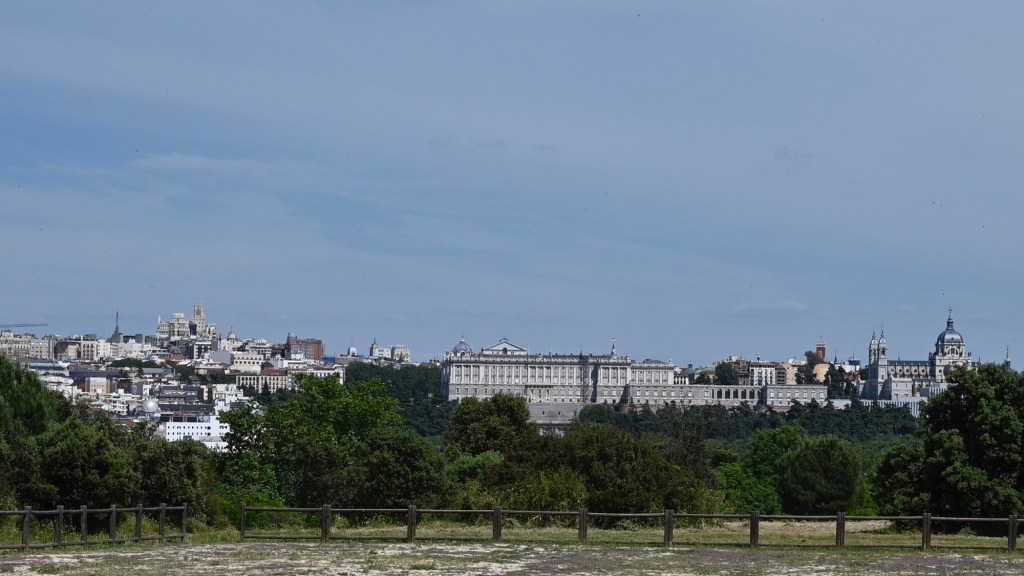
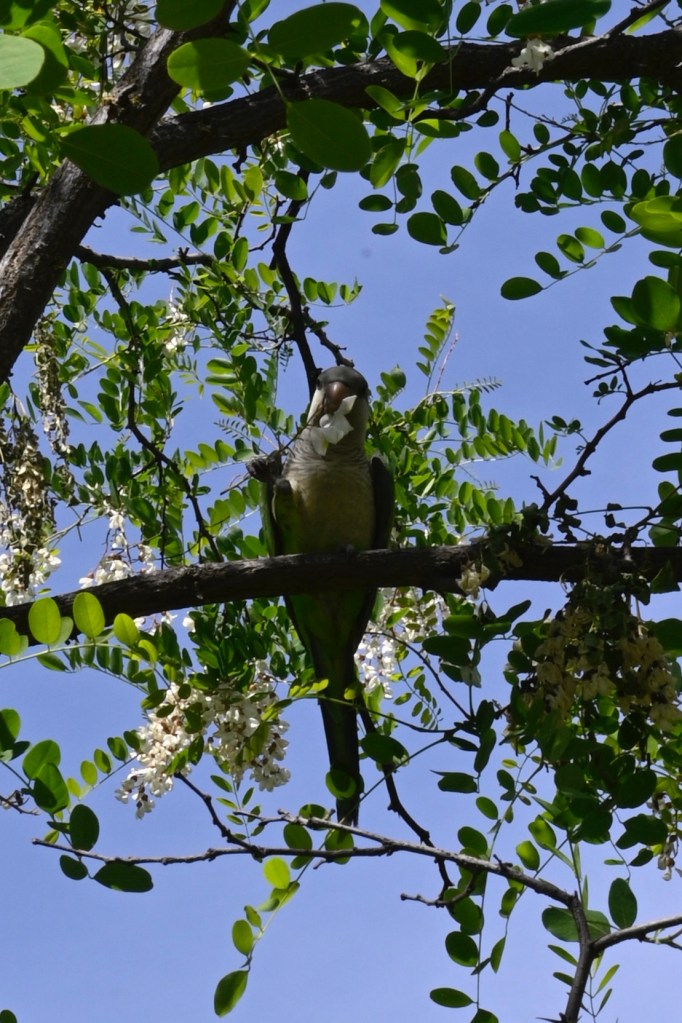
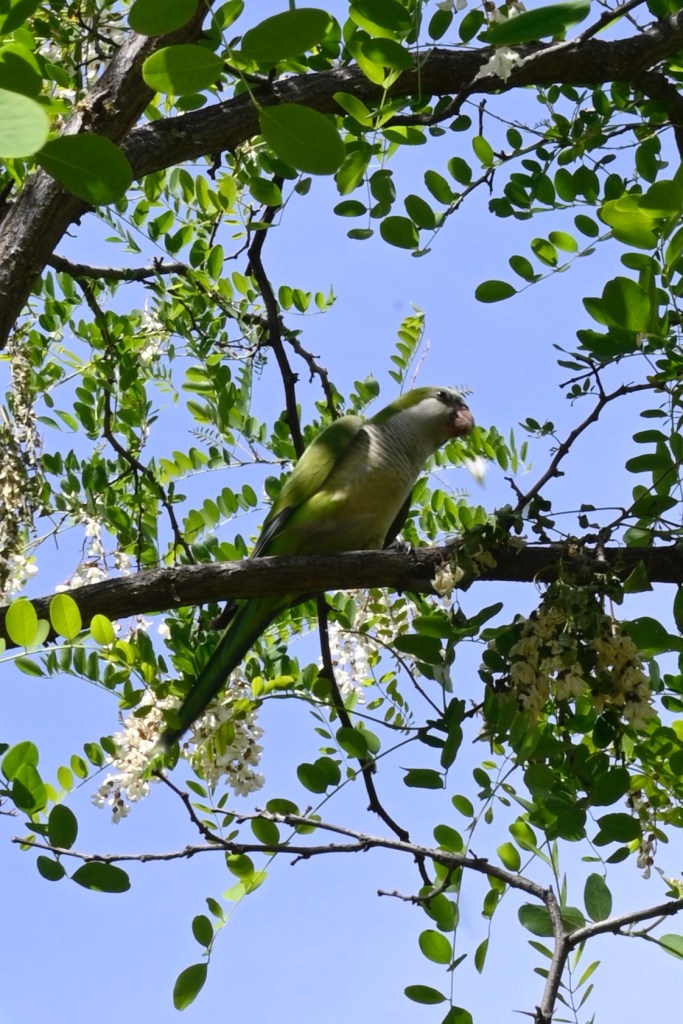
Another park, with less tourists, is Casa de Campo, west of the city. This park also has a large lake with boats and restaurants, but seem to be more of a place where local people hang out. On a sunny day you get a beautiful view of the city from here and also a more quiet environment. We also saw some parrots or more specifically, Monk Parakeets in the park.
Transport
Both La Granja San Ildefonso and Segovia is easily walkable. To get there from Madrid it is, however, wise to do some planning. With a rental car, both are easy accessible, but you can also travel there by train and bus.

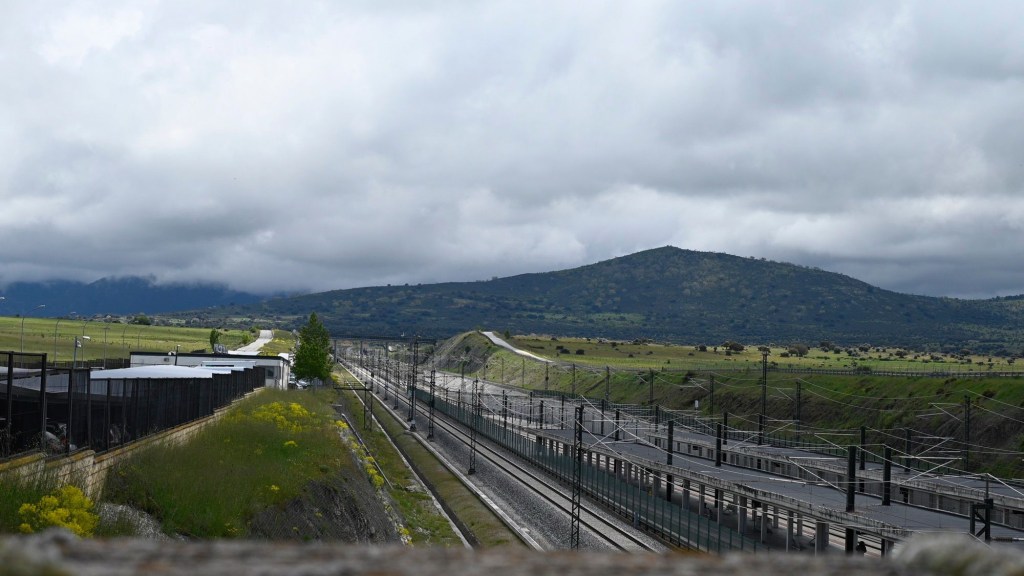
From Madrid, you take the train from Madrid Chamartin to Segovia Guiomar in 30-35 minutes, through a tunnel below the mountains. I recommend buying tickets in advance at Renfe.com, as the trains often gets full. From the Segovia train station, which is a little outside the city, it will be best to take the bus into town. There are also taxis, but the line can be long and few taxis seem to travel the distance out to the train station so bus may be quicker. From the Segovia bus station, you can then take another bus to La Granja de San Ildefonso. You’ll find the schedules at «linecar.es». The buses between Segovia and La Granja de San Ildefonso seems to run each 45 minutes and take around 20 minutes.
If renting a car in Madrid, bear in mind that you will probably not be allowed to drive into the historic city centre. The Madrid 360 low emission areas (ZBE) restrict car traffic from car pollution. It will thus be best to park the car outside of this zone and use Metro/bus inside the city.
 Laila’s travel blog
Leave a comment