When talking about the Douro river, one normally think about Portugal, and the rich wine lands along its river banks there. I have previously written another blogpost about the Upper Douro area of Portugal, so this current blogpost will thus be about the Spanish side, and mostly about the part southwest of Valladolid, where Douro merges with another river.
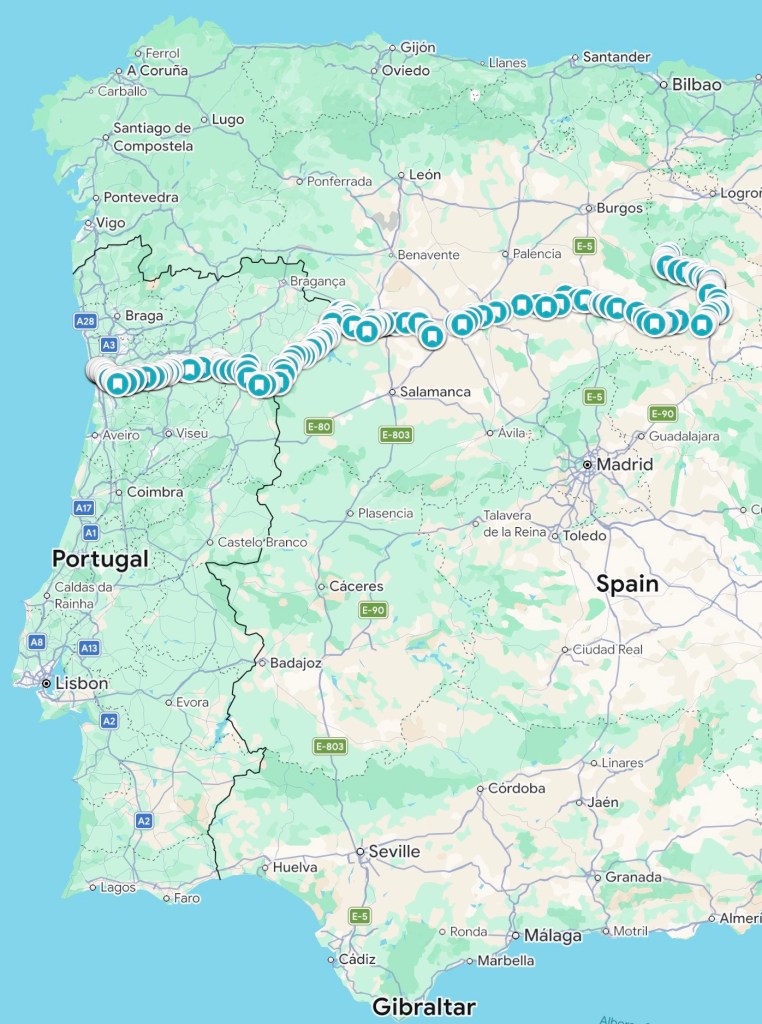
The Douro originates far into Spain, in a mountain area called Sierra de Urbión, at 2160 meters above sea level, at a spot called Nacimiento del rio Douro. Thereafter it curves and bends, south- and west for around 897 km, “the Duero route“, passing cities and villages like Salduero, Soria, Almazán, Gormaz, San Esteban de Gormaz, Vadocondes, Aranda de Douro, Roa, Pesquera de Douro, Olivares de Douro, Tudela de Douro, Tordesillas, Toro, Zamora, Miranda do Duero (and several other cities and villages in Portugal) before emptying into the Atlantic ocean at the city of Porto.
I found it difficult to find a precise map, so I followed it on Google Maps, ticking off spots where there were bridges, electro hydraulic power plants, viewpoints, beaches or quays, or other things relating to the Douro river and thus managed to create the river map you see below.
To travel the whole journey along the river, you probably would need a car, as well as a long vacation. However is it possible to see the river, many of its bridges and amazing cities along its shores in a few days, by traveling by train and bus northwestward from Madrid. I recommend starting the journey in Valladolid or Tordesillas. Continuing westwards to the city of Toro, Zamora and (if you have a car) ending your journey in the border town of Miranda do Duoro, on the Portuguese side.

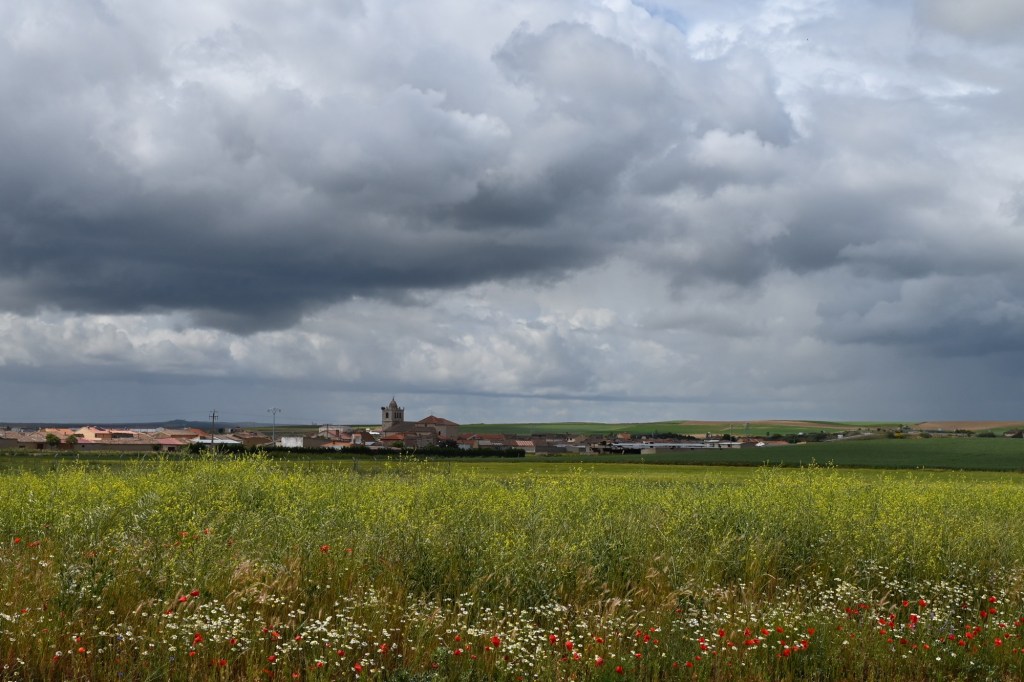
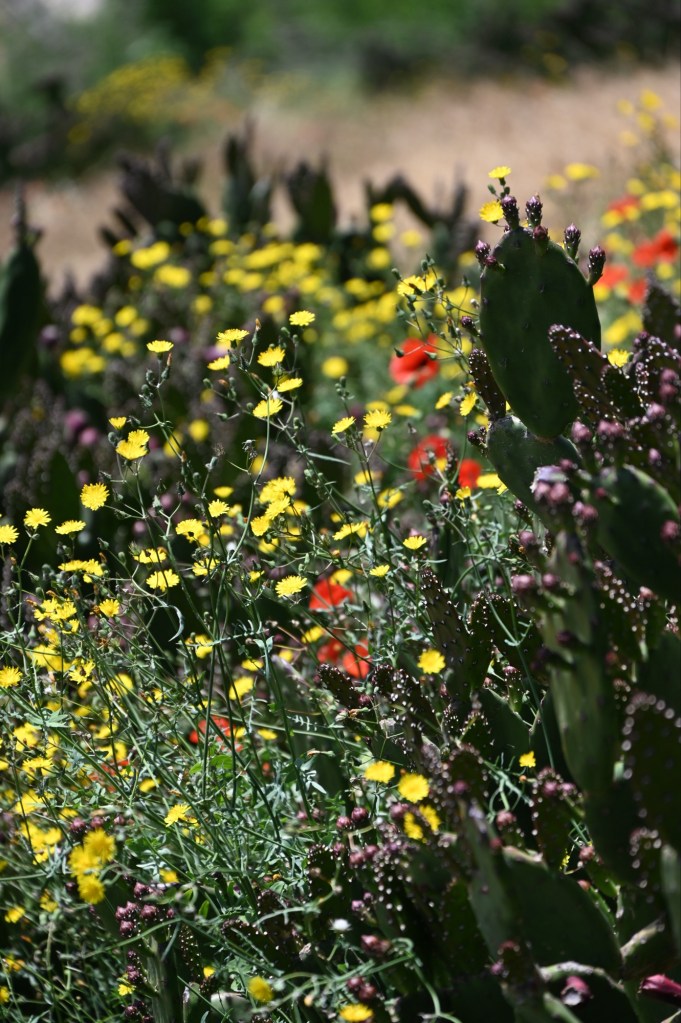
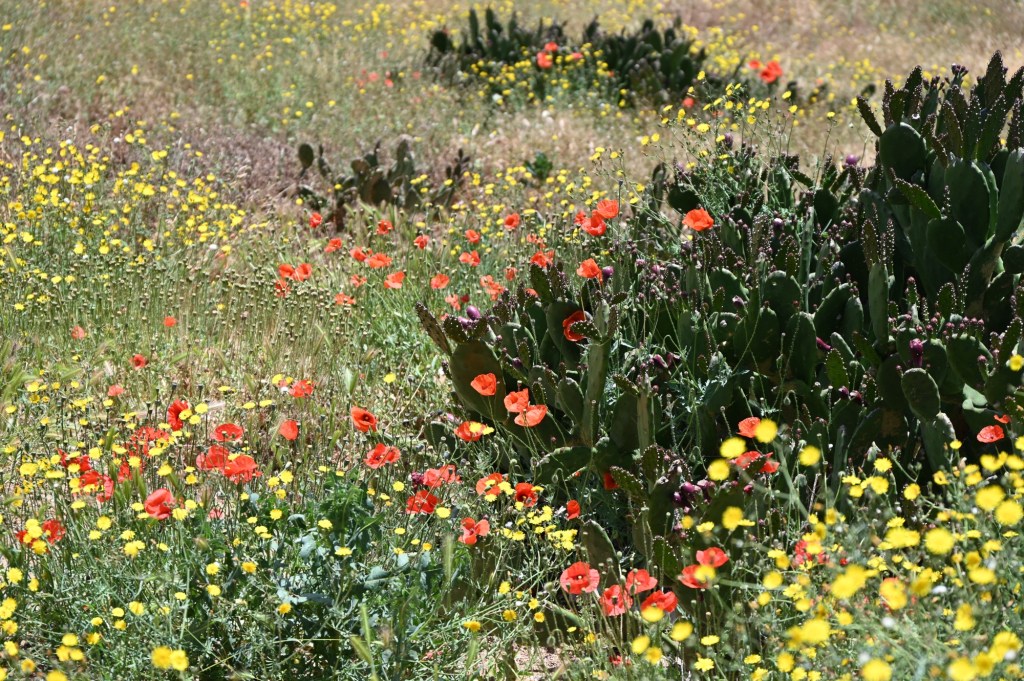
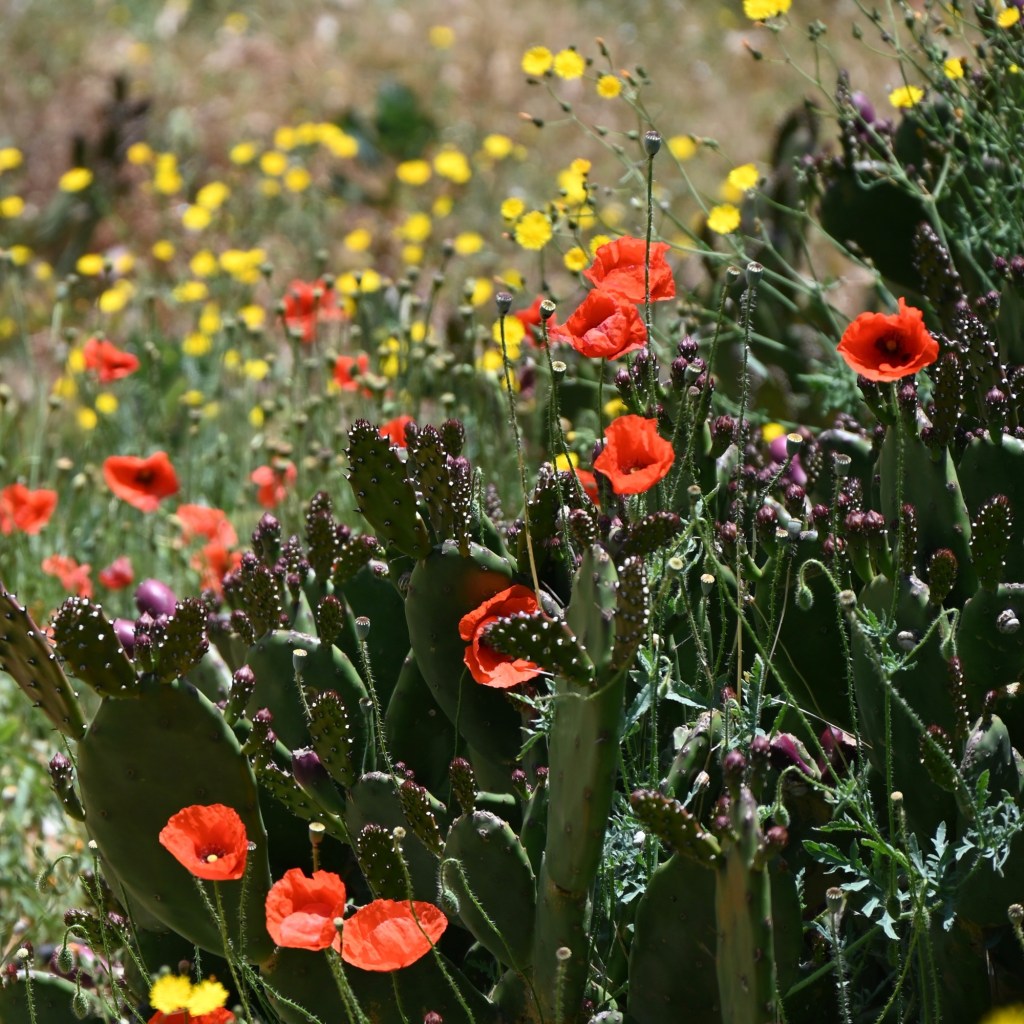
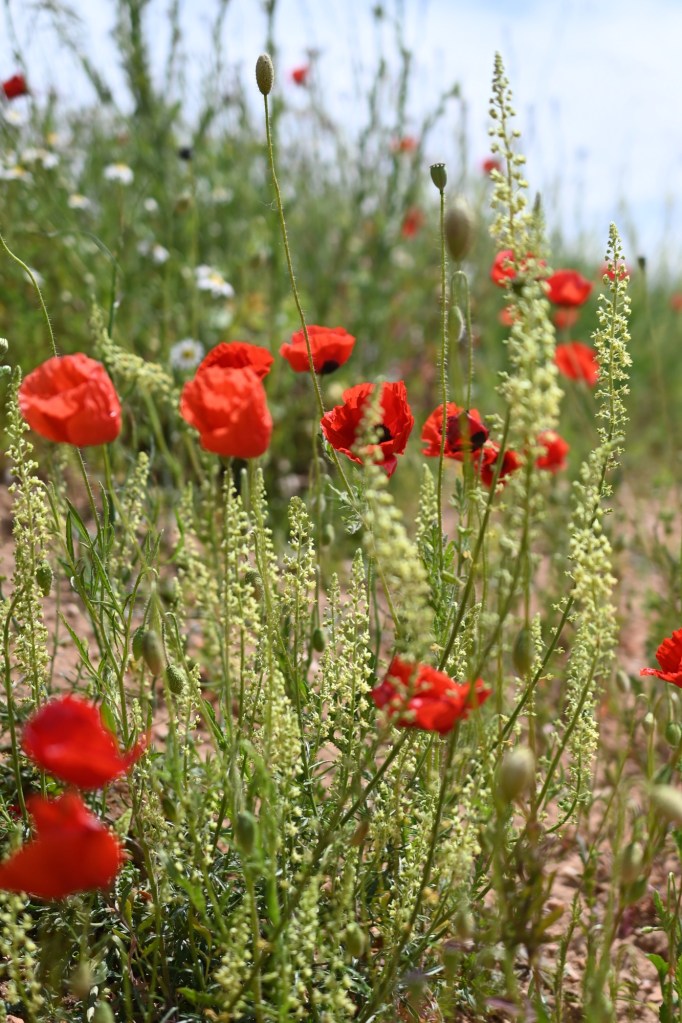
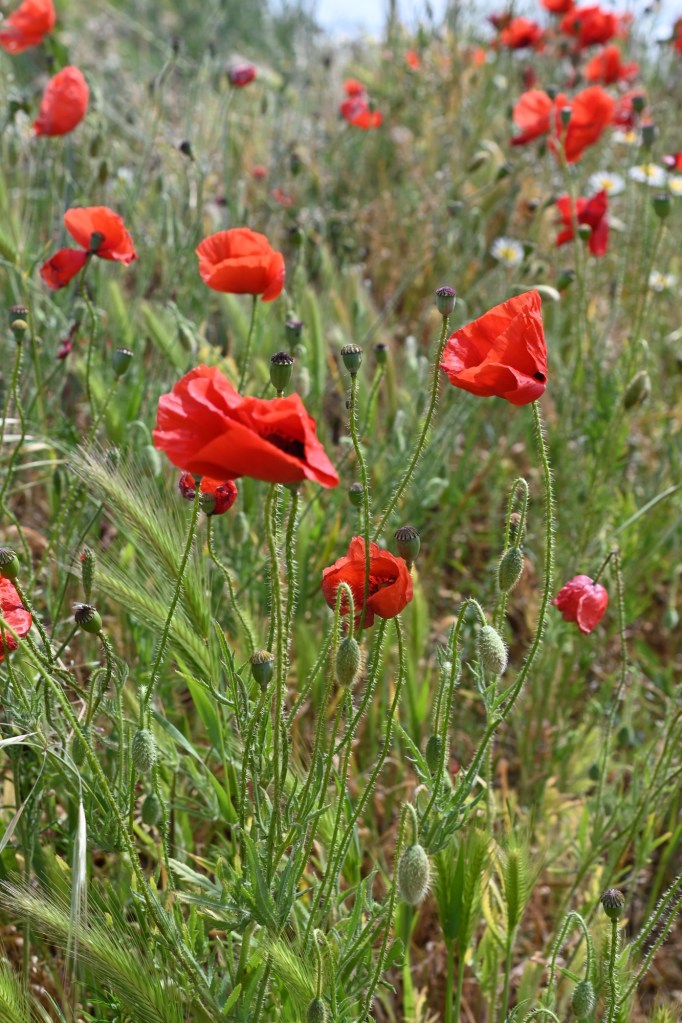
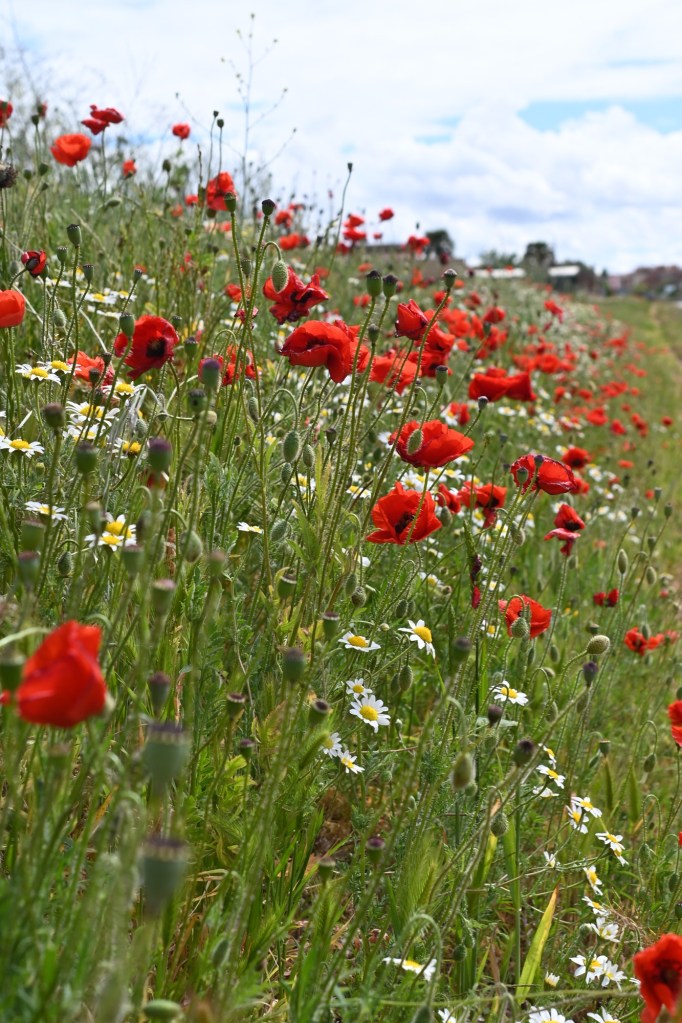
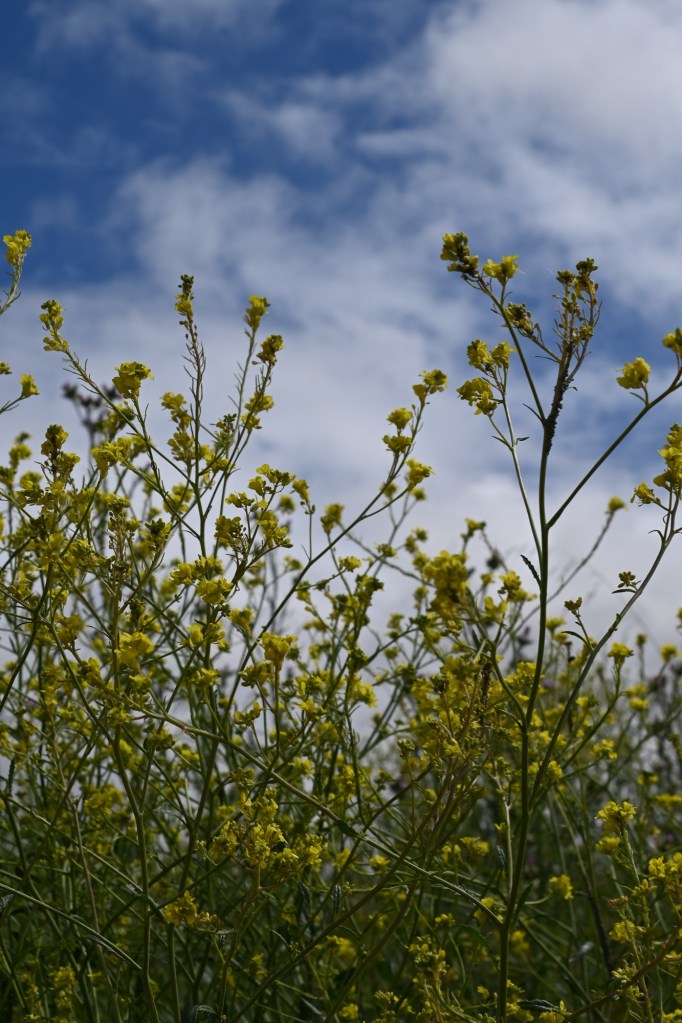
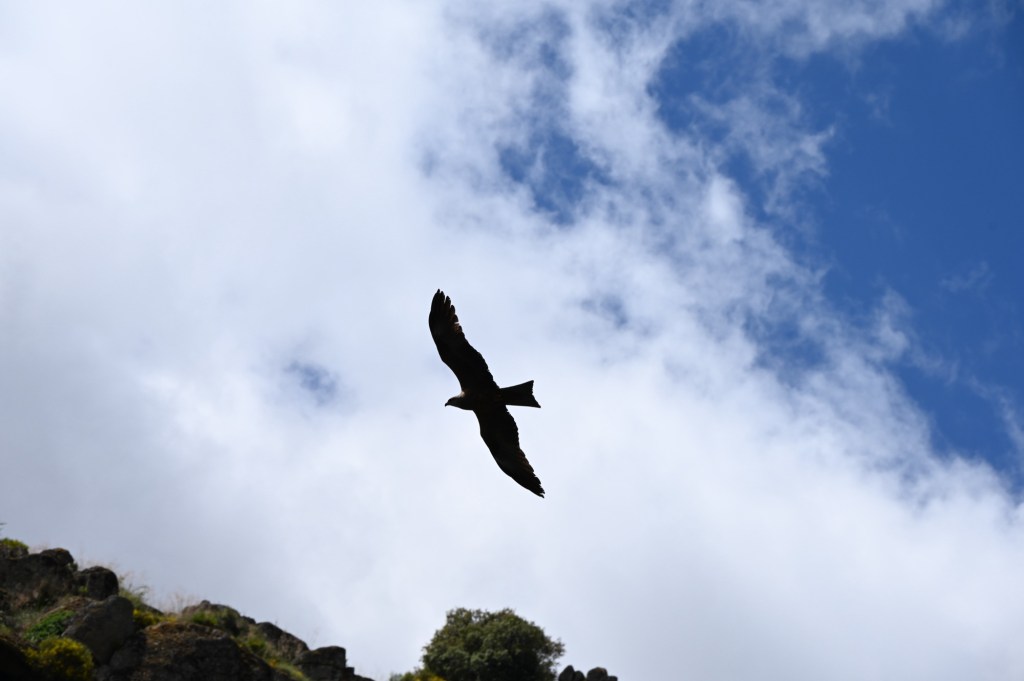
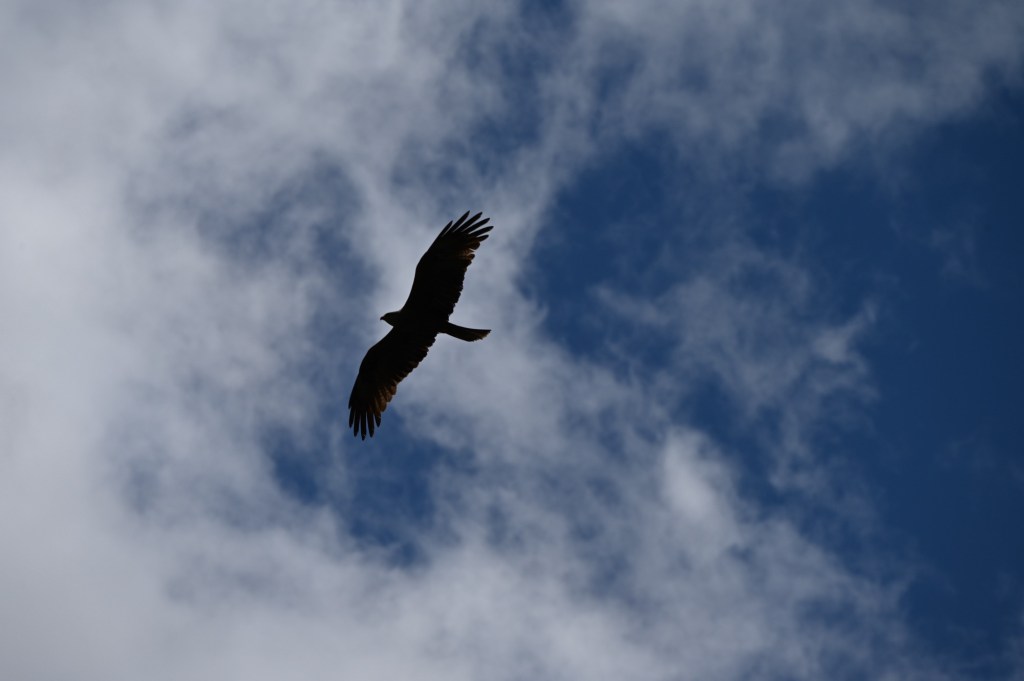
When we went this route in the month of May, there were lots flowers coloring the fields (Poppies and Daisies) and lots Eagles or Vultures in the sky. The closer we got to the border, the soil became more barren and rocky, but still there was lots of Broom to see.
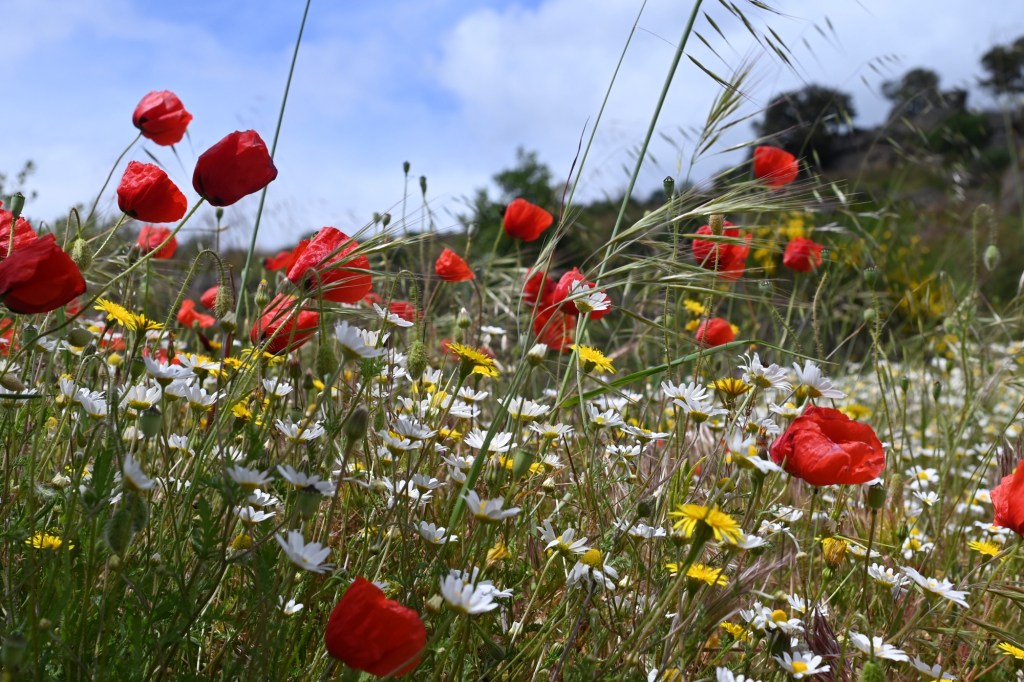
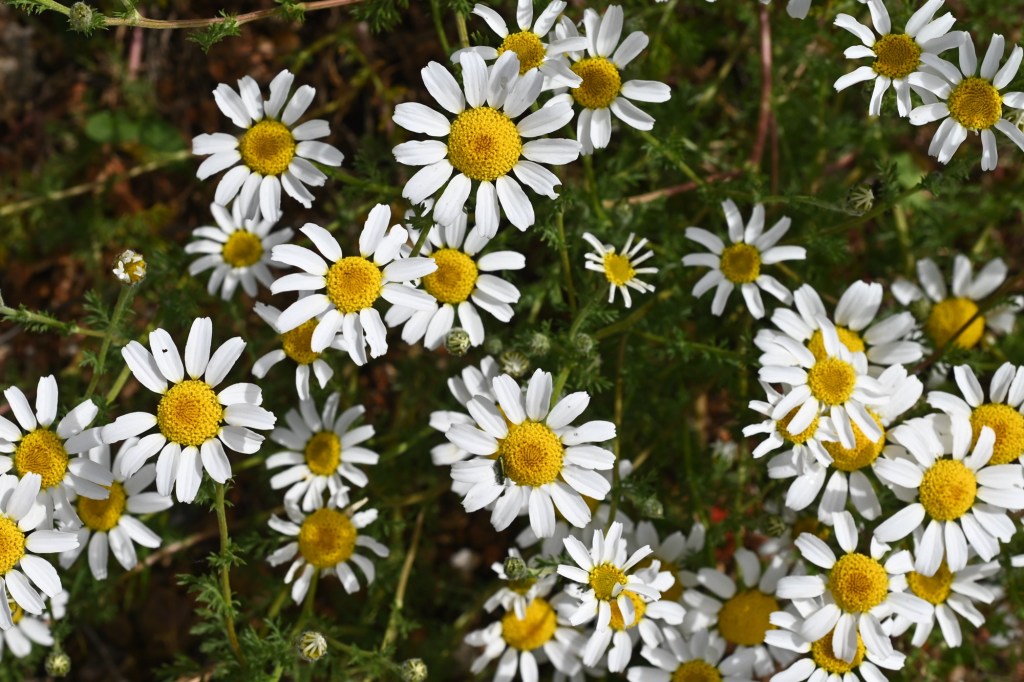
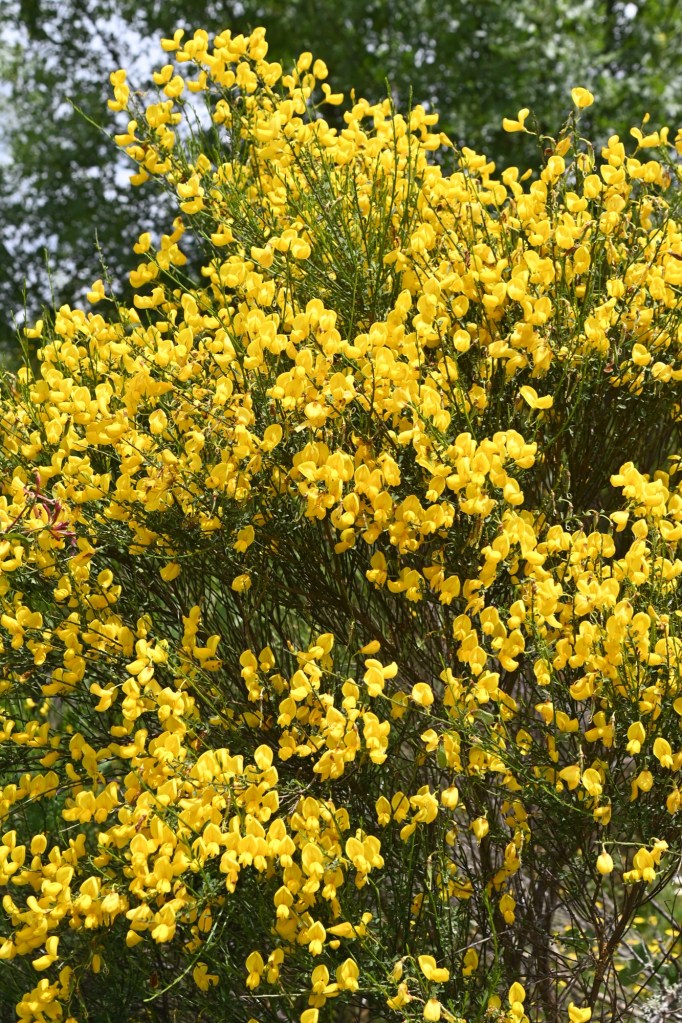
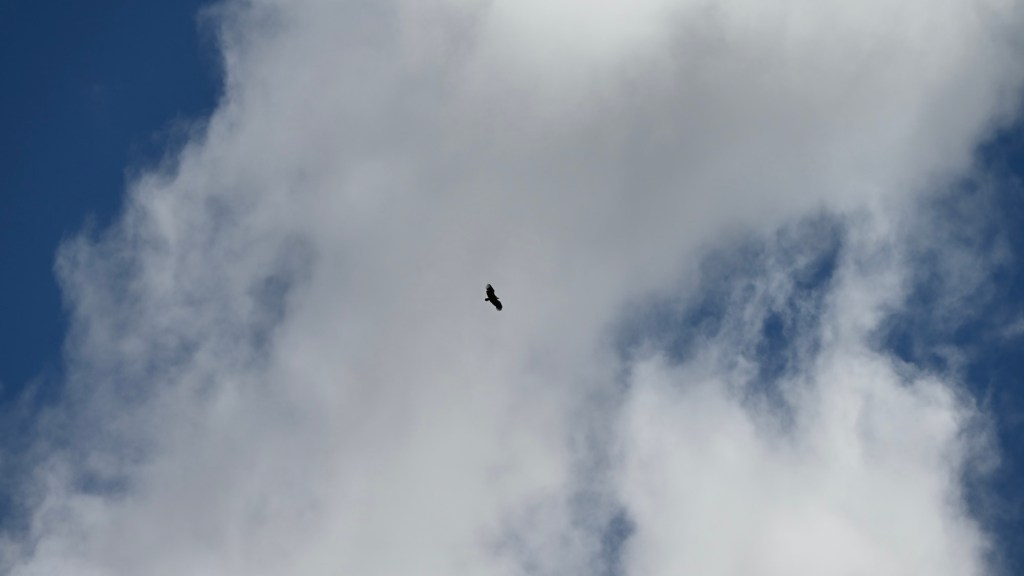
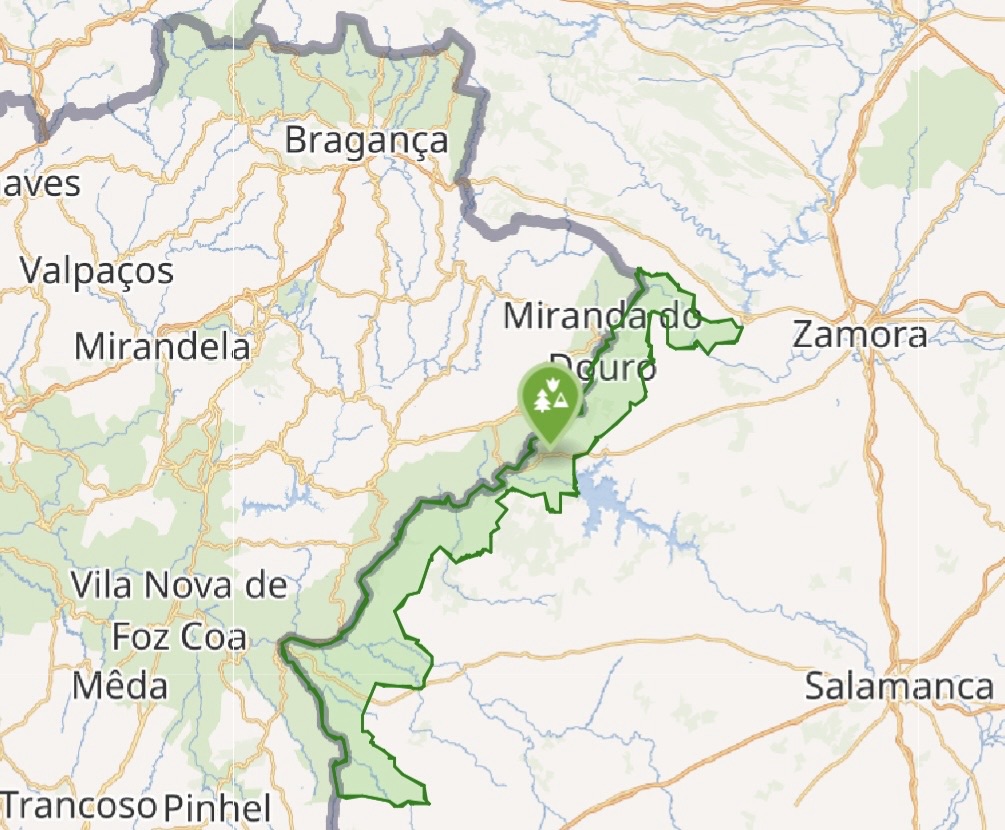
Along your way, you’ll pass through «Duero Natural Park» also called «Arribes del Douro», which is a protected area in the provinces of Zamora and Salamanca, in its western areas where the Douro marks the borders to Portugal, as well as an area on the Portuguese side. The area is rich in birdlife, especially large birds and there are several nature lowers sharing online information about the birdlife and nature on both the Portuguese and Spanish side.
Tordesillas
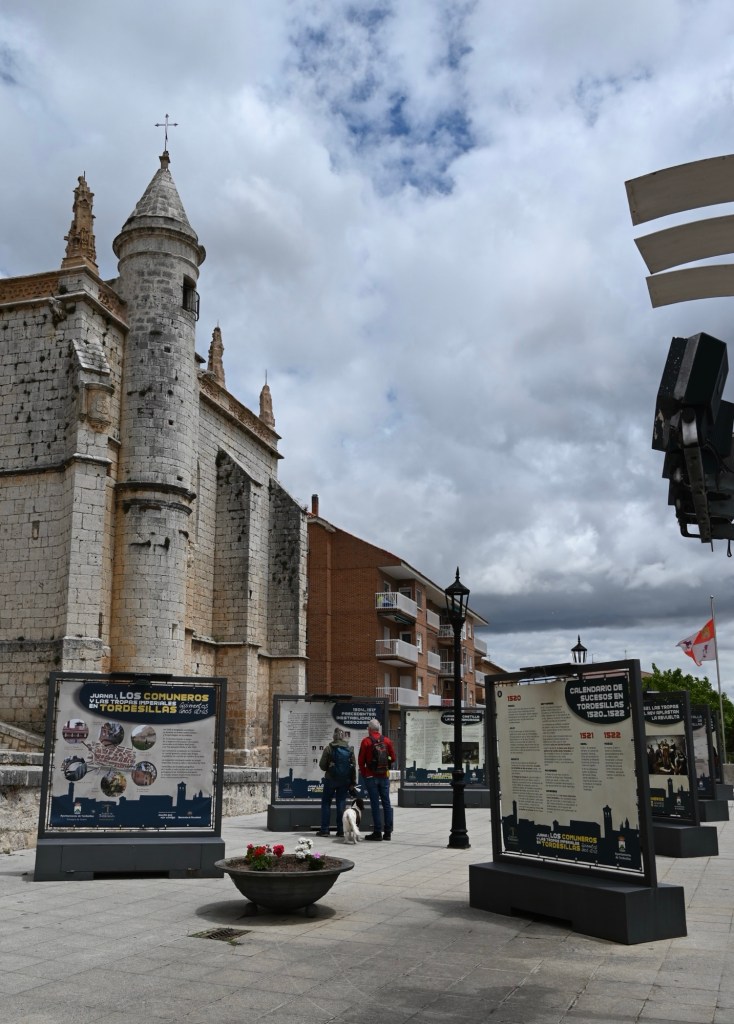
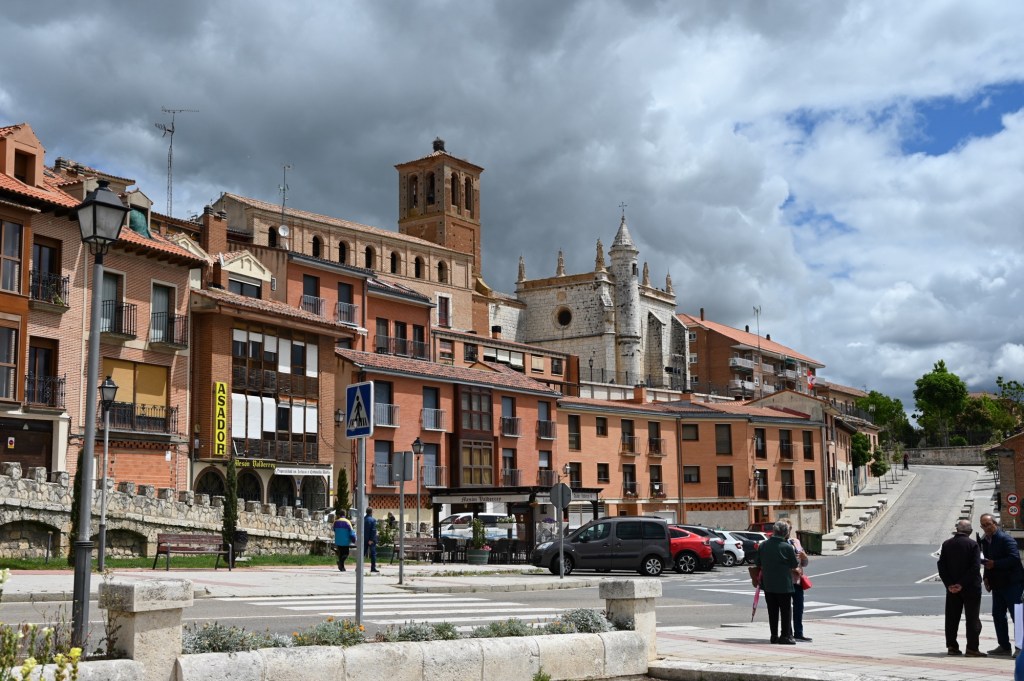
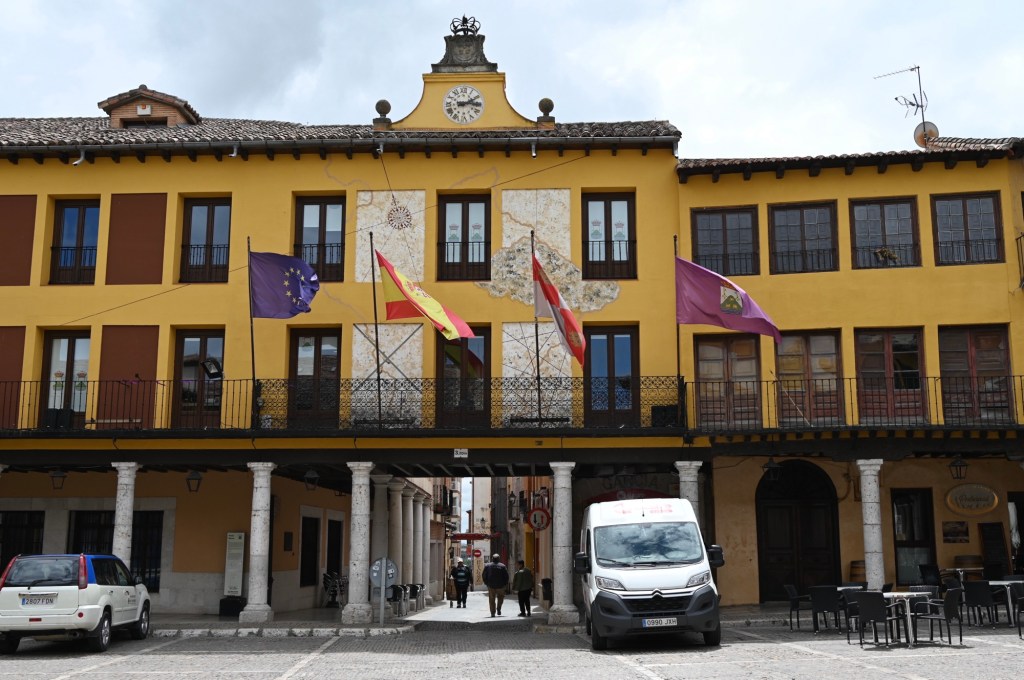
Tordesillas is a beautiful little city with less than 9000 inhabitants and a central square with restaurants serving lovely food. In spite of its small size, the city was once a centre of large historic importance, as it was here that Spain and Portugal, in 1494, agreed upon how to divide the world amongst them. If it had not been for the Tordesillas treaty, countries like Brazil and other Portuguese and Spanish colonies, may have became quite different.
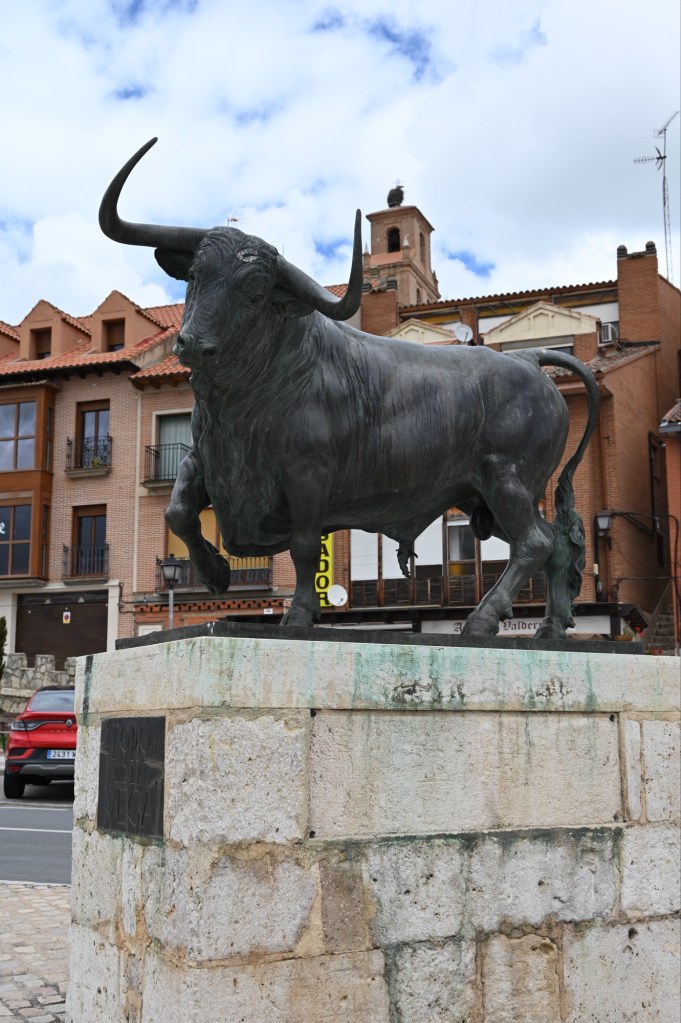
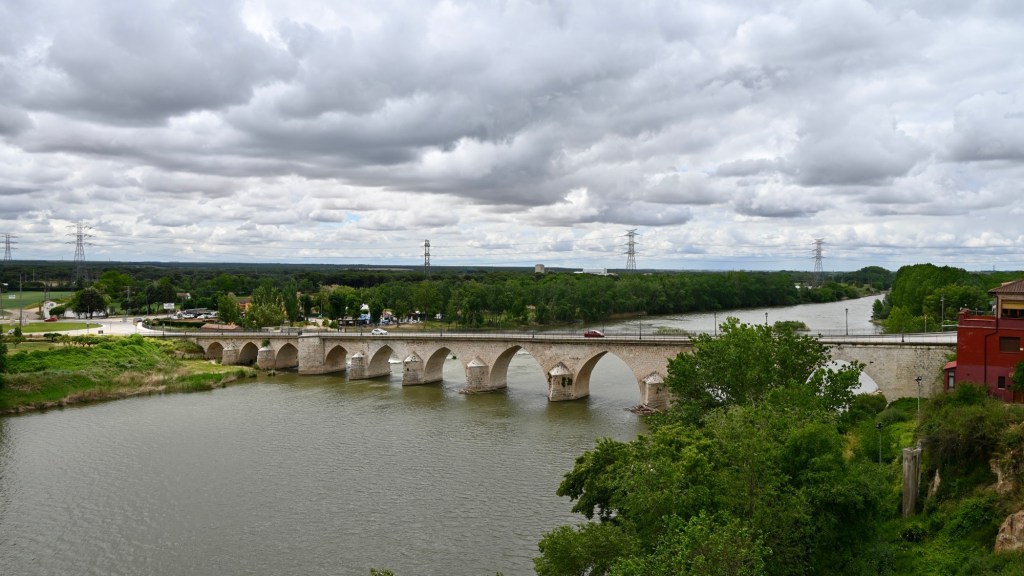
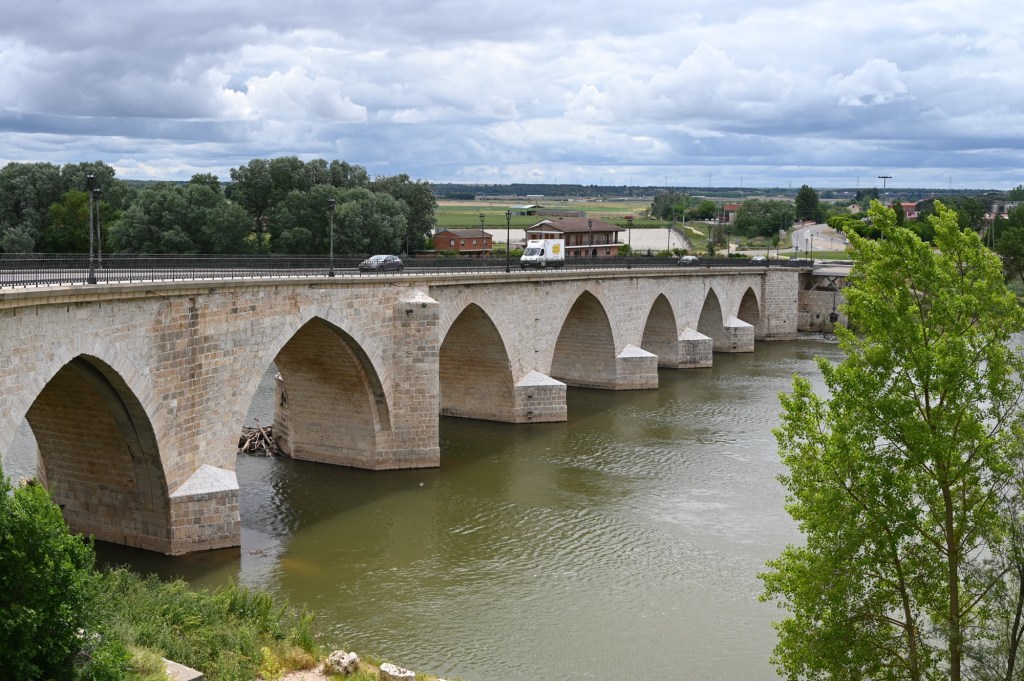
Entering Tordesillas from south, you’ll pass the Douro river over an almost 800 years old bridge. Thereafter you will see a statue of a large black bull, or Toro, as they say in Spain. The bull is symbolising the famous festival Toro de la Vega, which used to be held in Tordesillas from year 1524 onwards. In later years, however, the festival no longer involves killing of animal.
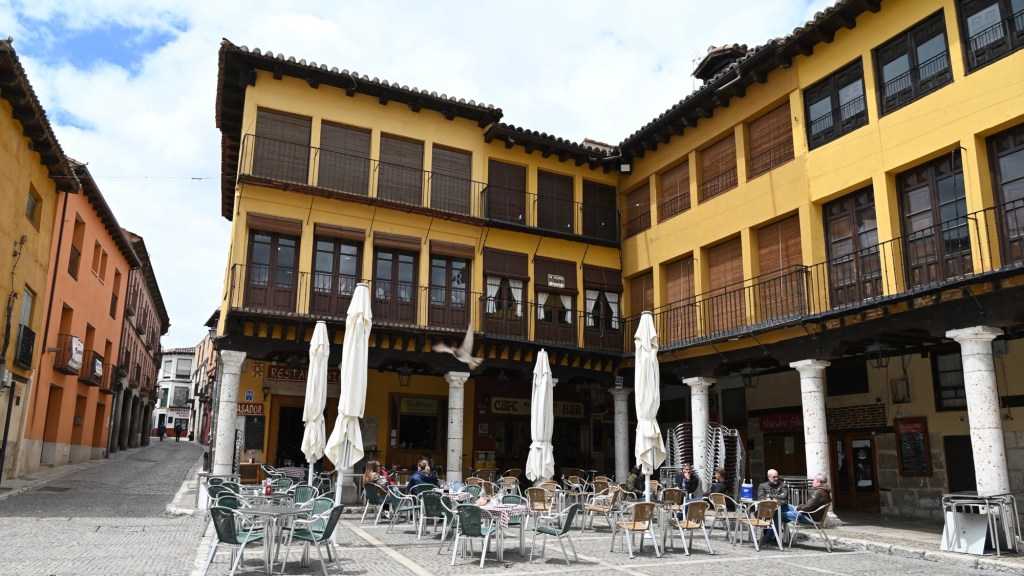
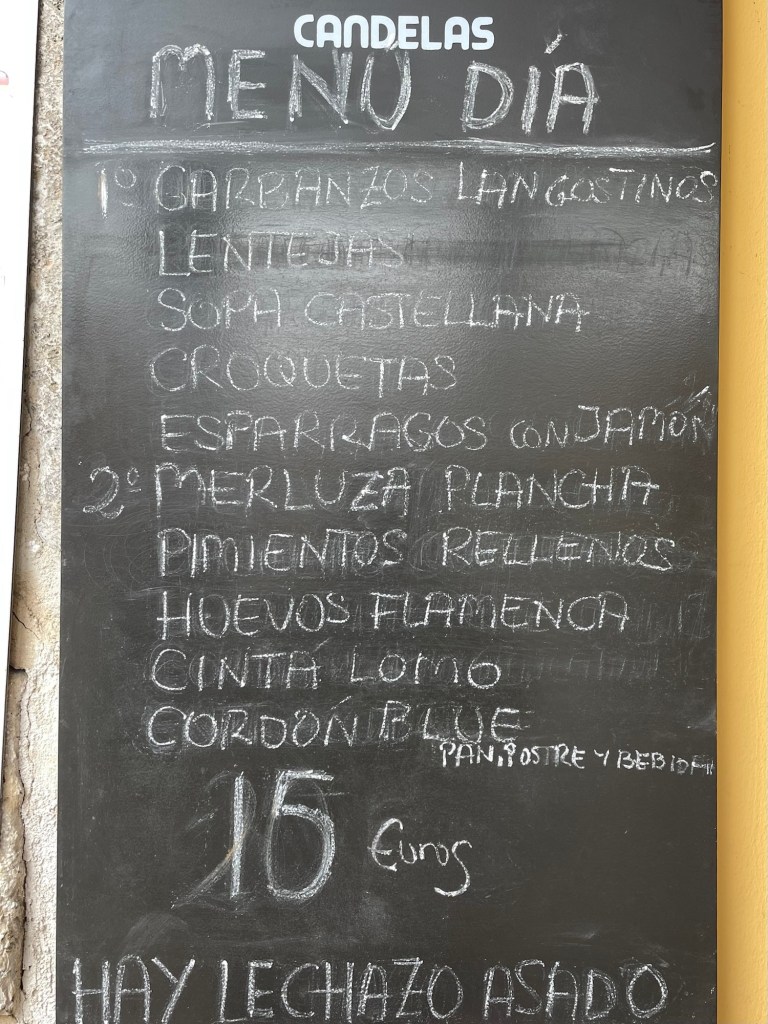
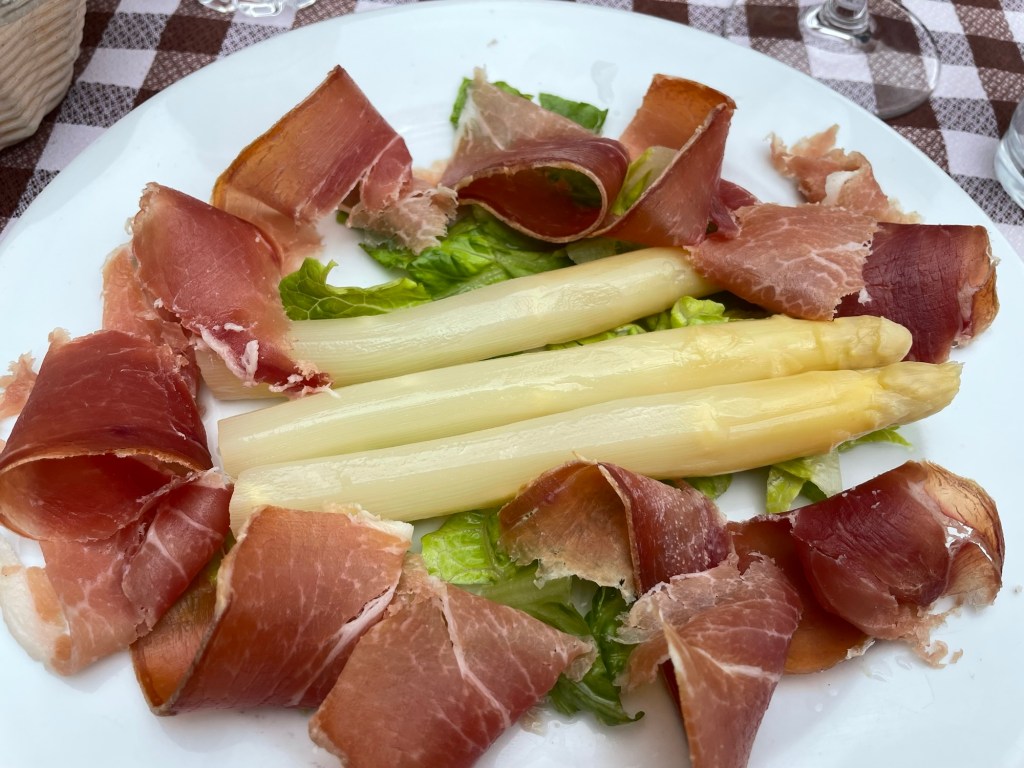
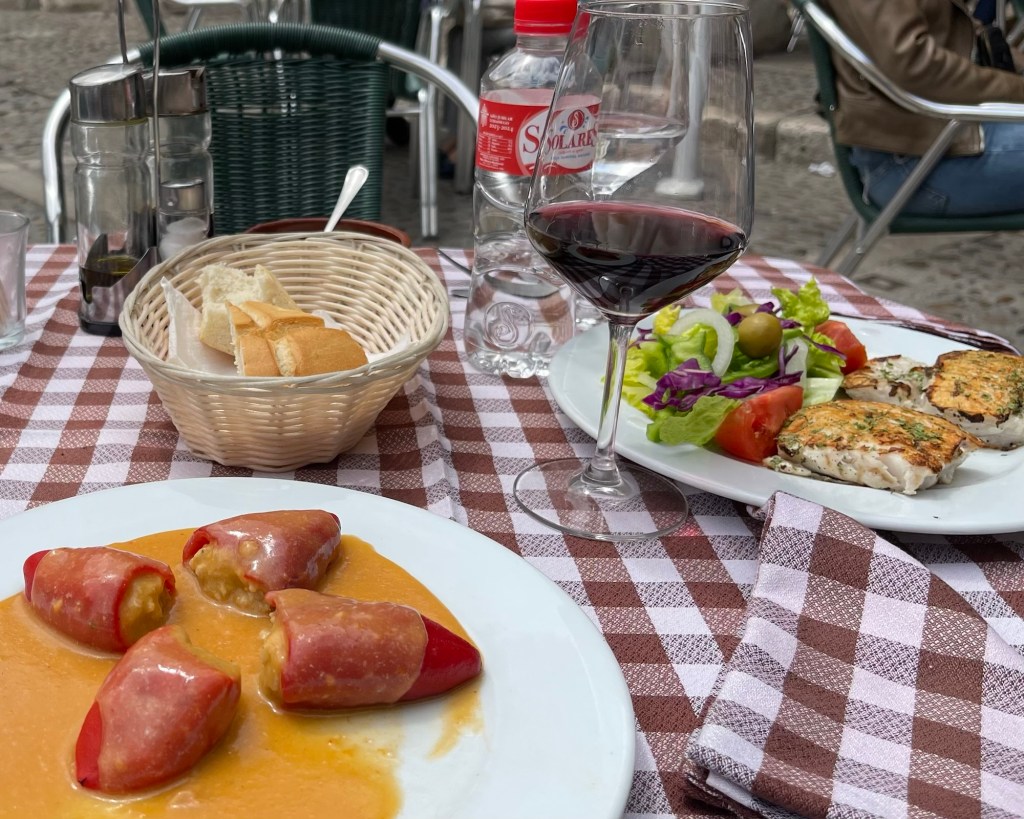
When standing in front of the bull, with your back to the river, and walking slightly uphill to the right, you’ll find the Museum of the treaty of Tordesillas, where you can learn more about the historic events. Bear in mind, however, that lunch break (siesta) in this part of the world may be quite long, so I advise checking the opening hours before you arrive. If you fail to reach the museum, you can, however enjoy a nice meal at Plaza Mayor, slightly more uphill, which at least we enjoyed very much. It’s really a beautiful old square. A meal at Restaurante Don Pancho there can really be recommended.
Toro
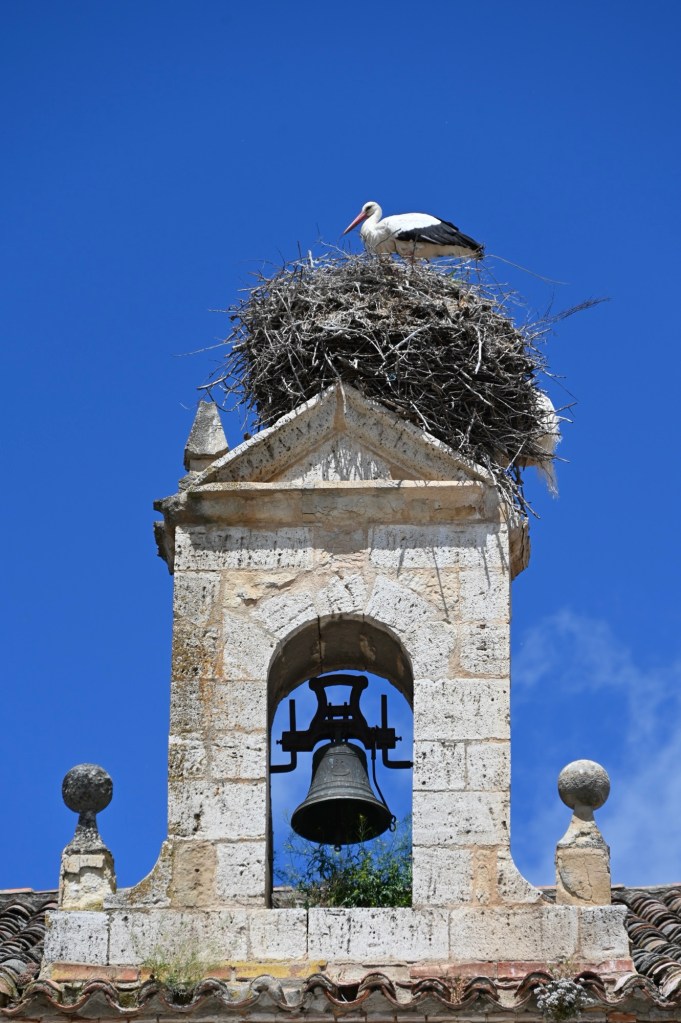
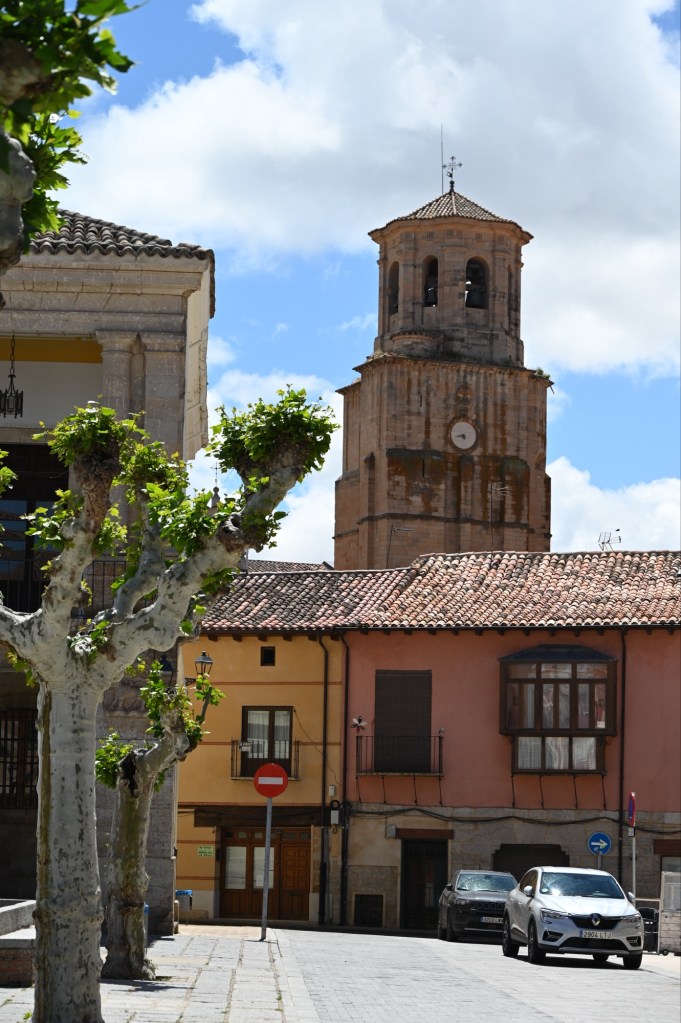
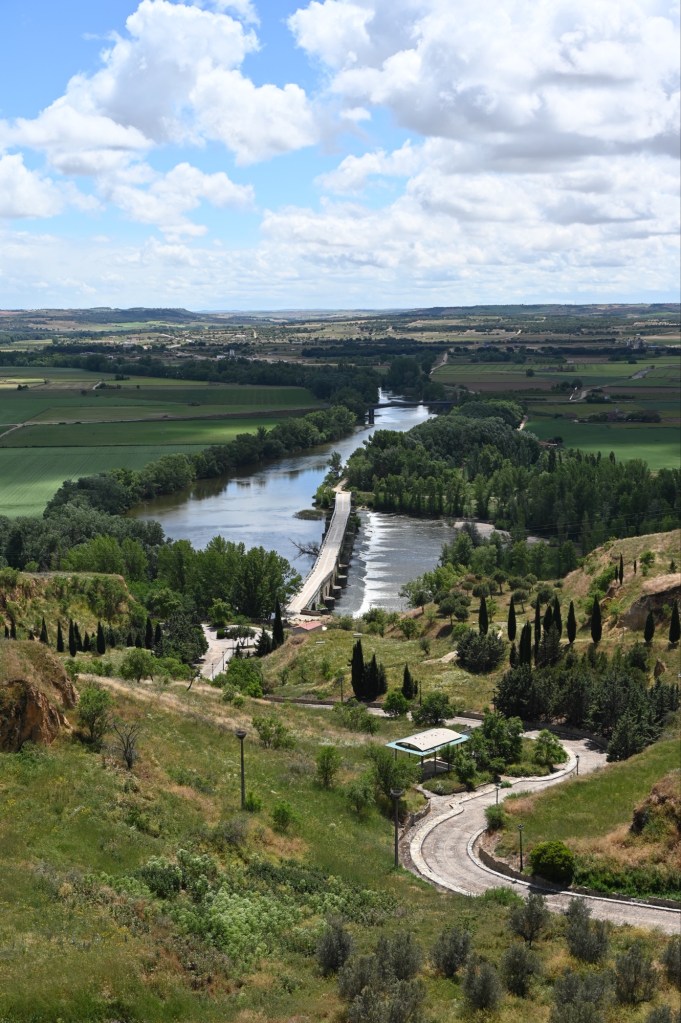
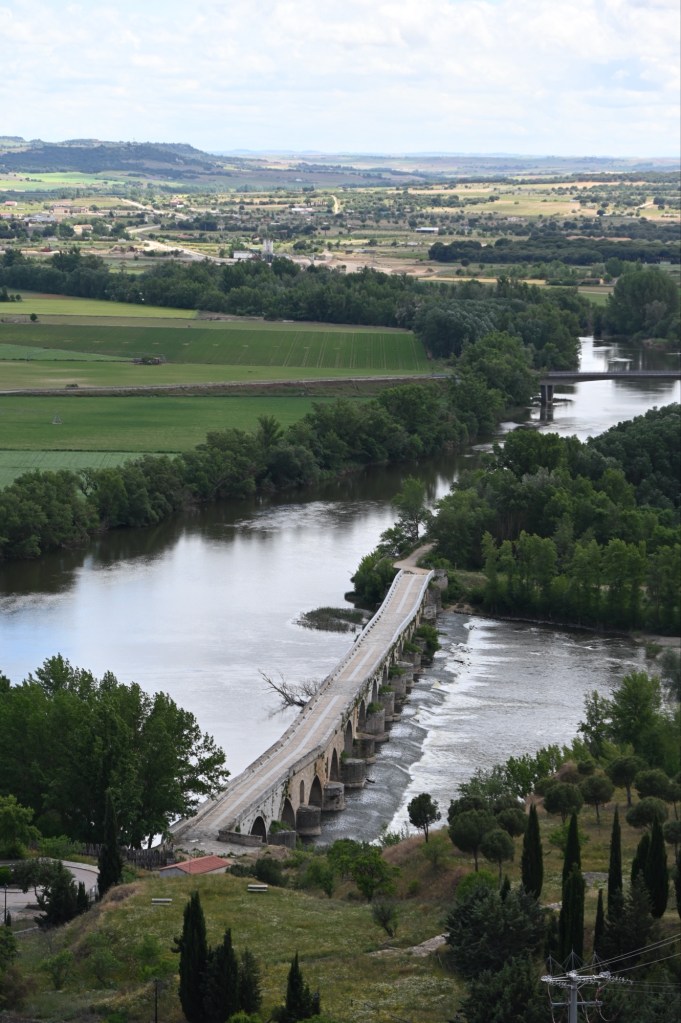
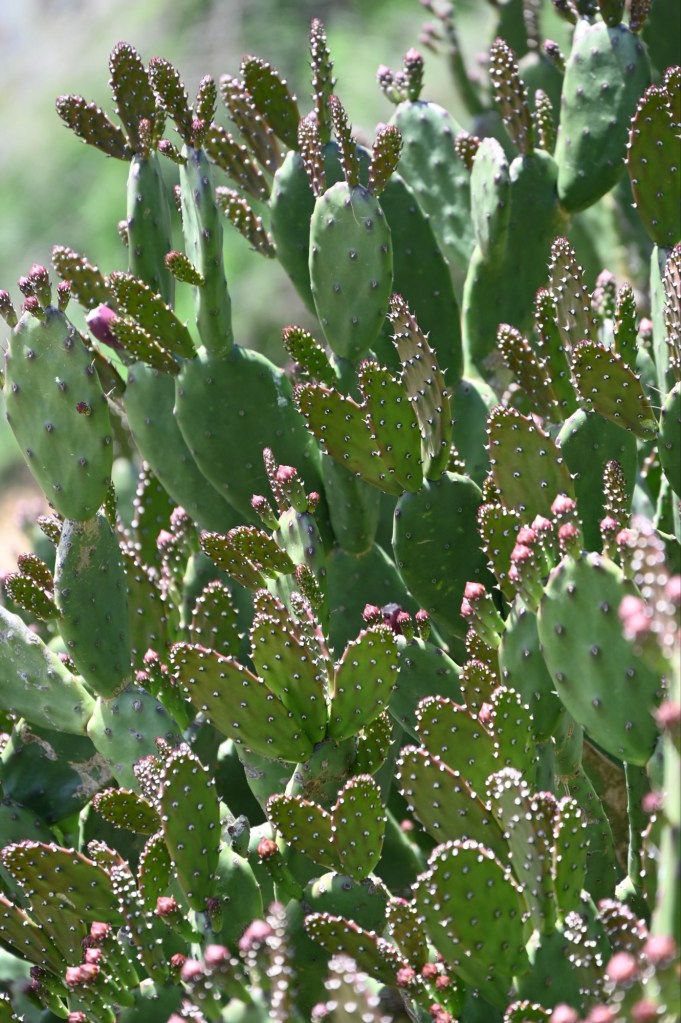
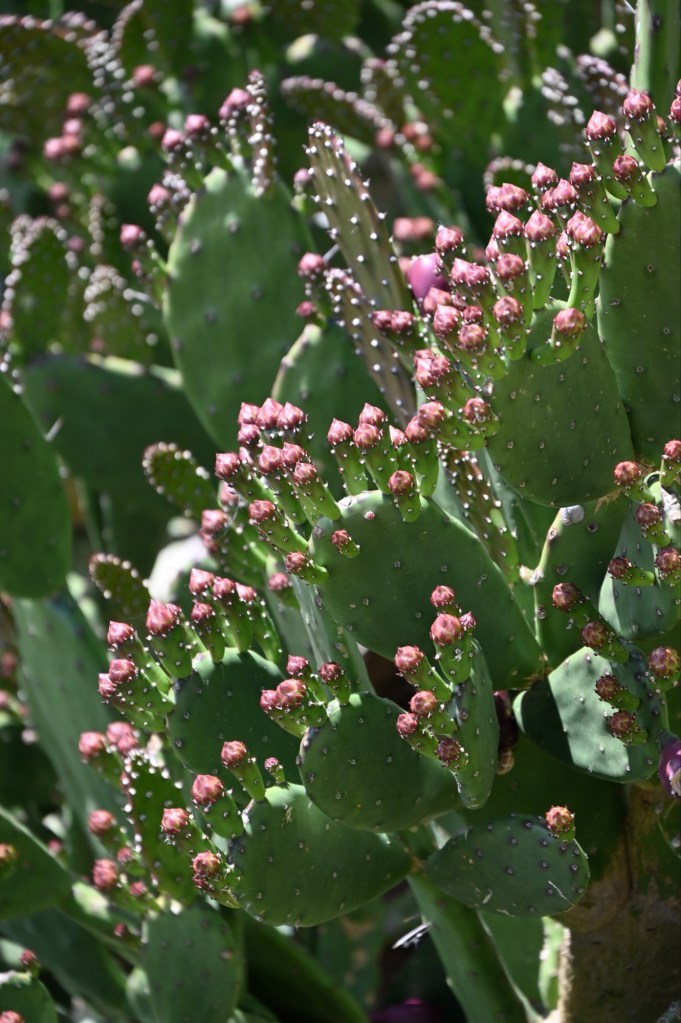
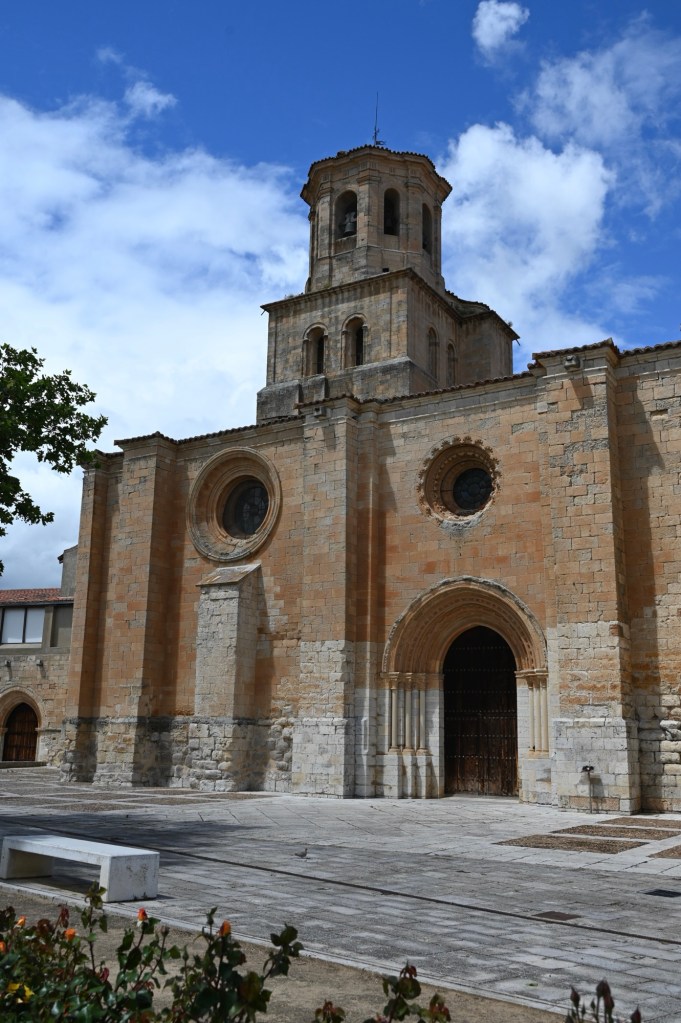
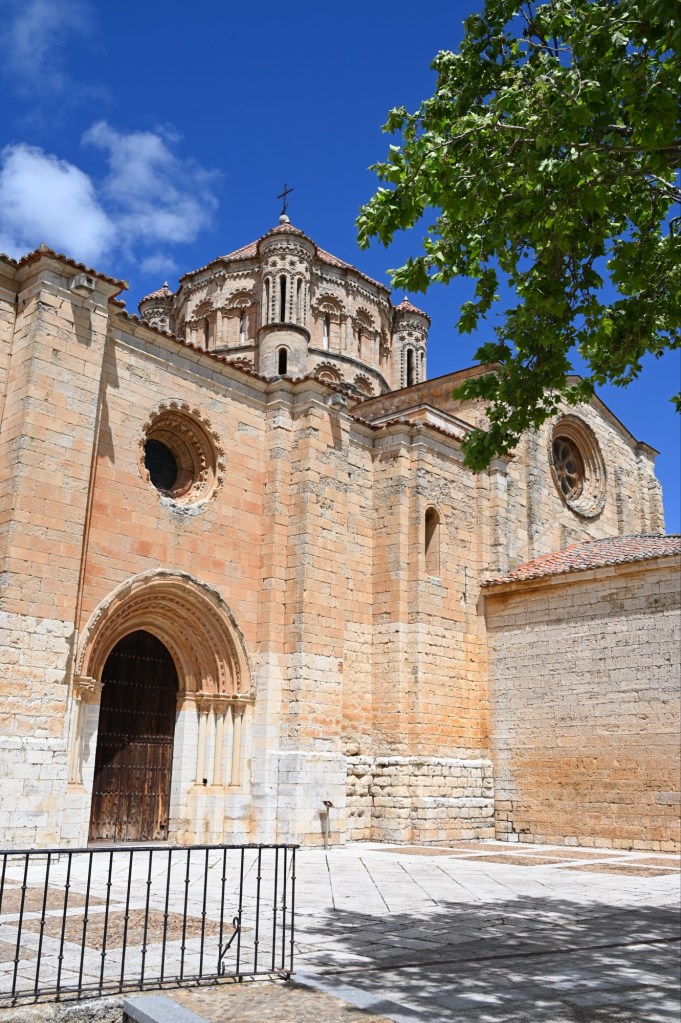
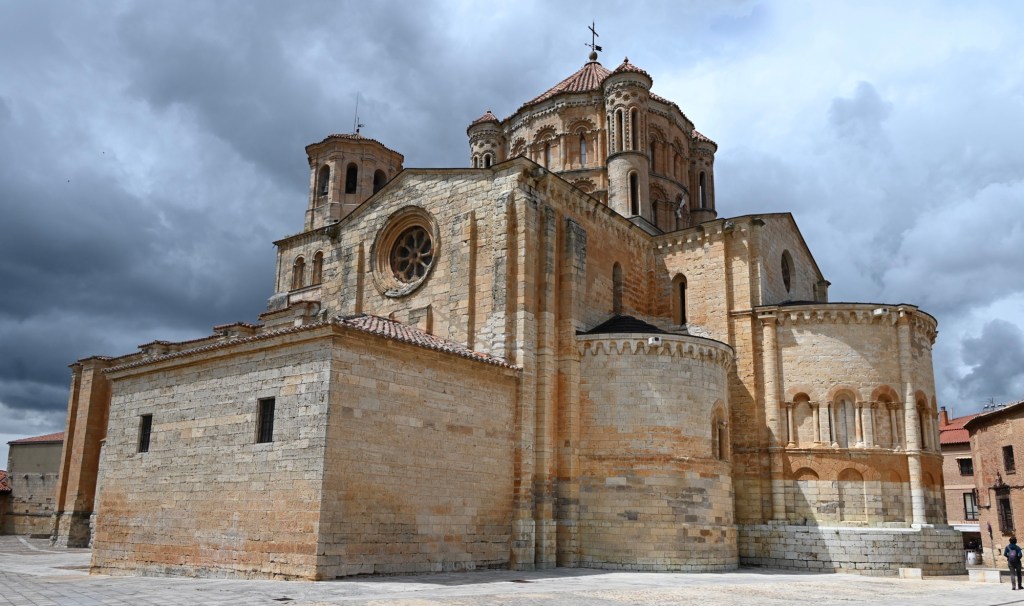
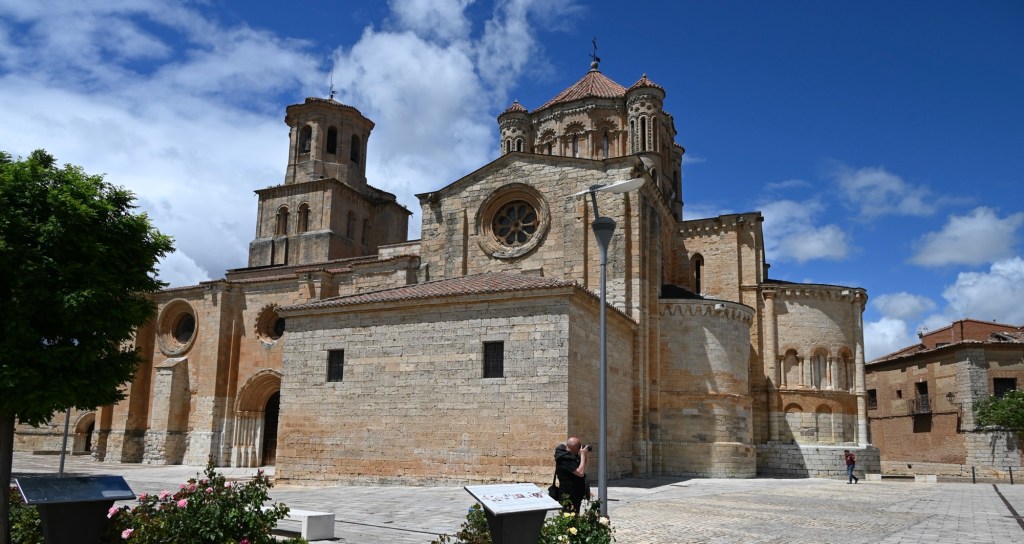
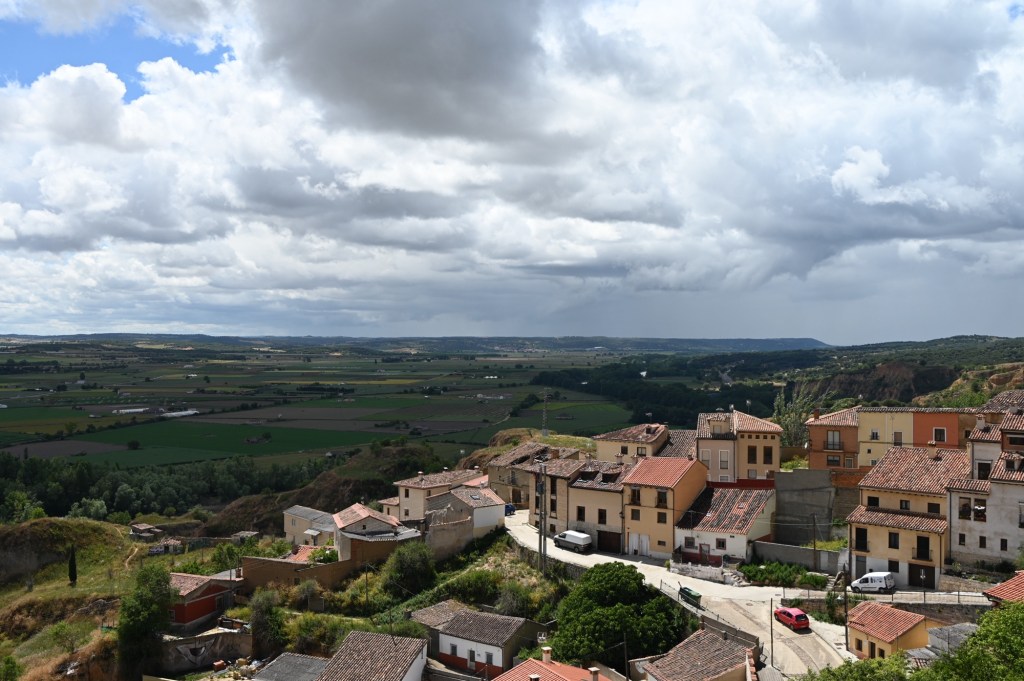
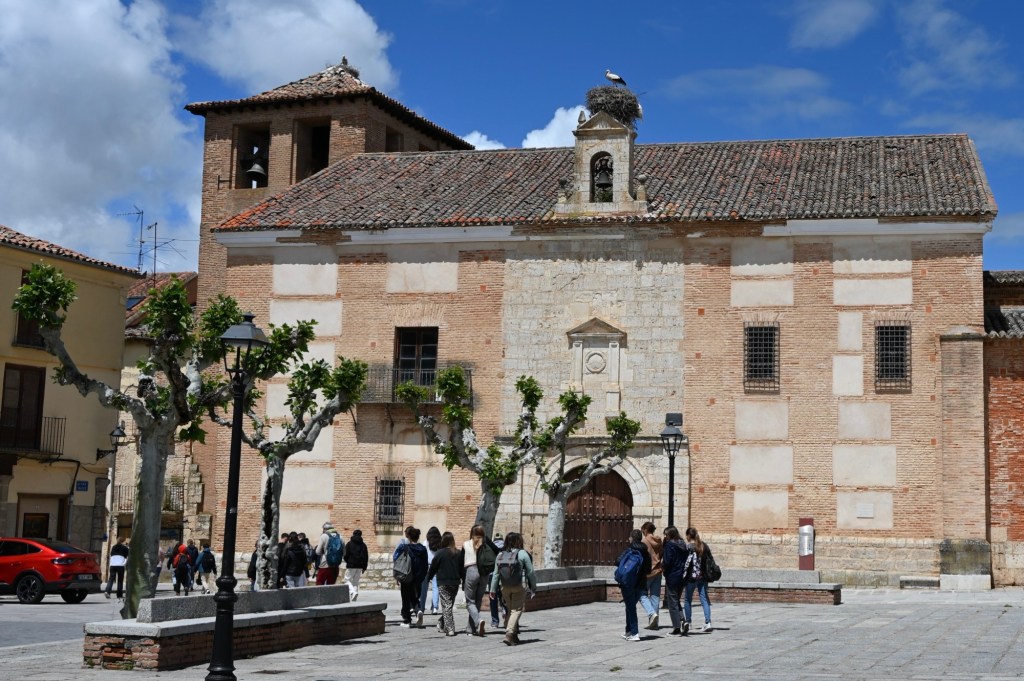
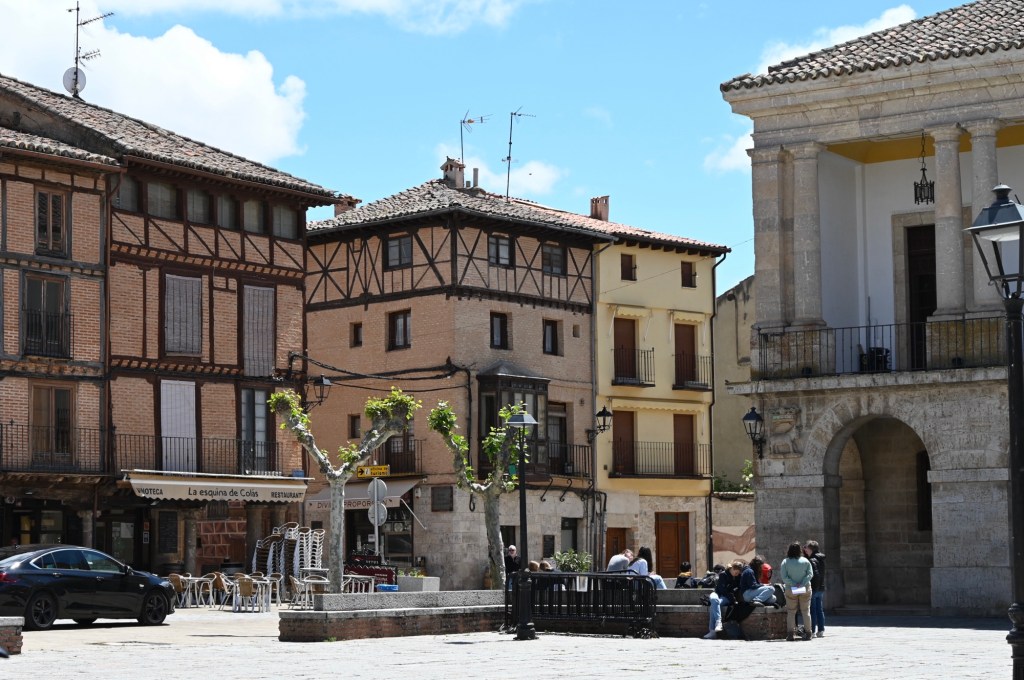
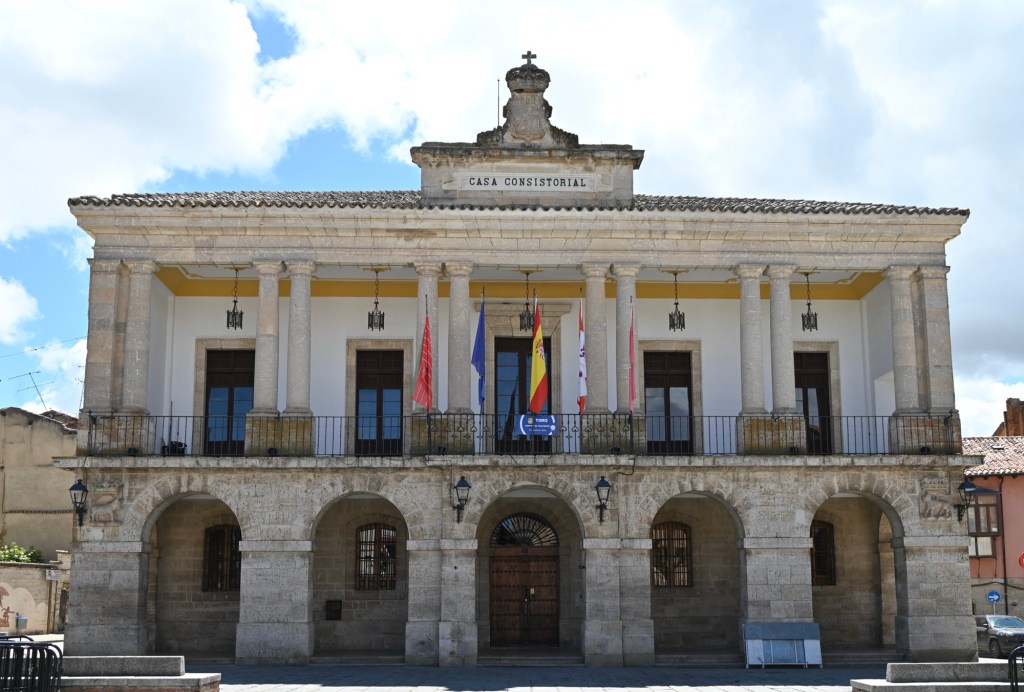
Toro is another city which is worthwhile a visit. It is also alongside the Douro river, but a little higher up in the landscape than Tordesillas. From the city you thus get a beautiful view downwards at the river, its old stone bridge and its surrounding fields. In Toro they make the most amazing wine and inside the city, you’ll find small wine-outlets which offer tasting of their different products (as for instance «La Tinaja Salada»). Unfortunately I had volunteered as driver on the day we were there, but happily they pack their product well, so we could bring with us some home. If you really wish to enjoy Toro’s wonders, I would, however advise on a sleepover in this city as they call Toro “The cradle of wine“. The city has a central square, with a Municipal building, where it’s tourist information office is located. Around this square we saw lots of large birds (Storks) nesting on roofs and in church towers. The city also has an old stone wall (Alcazar de Toro) and several churches with sacred arts, which we did not get time to see. The view from outside of Colegiata de Santa María la Mayordid however outweigh what we lost seing inside. The flowers and views over the Douro from there were amazing.
Zamora
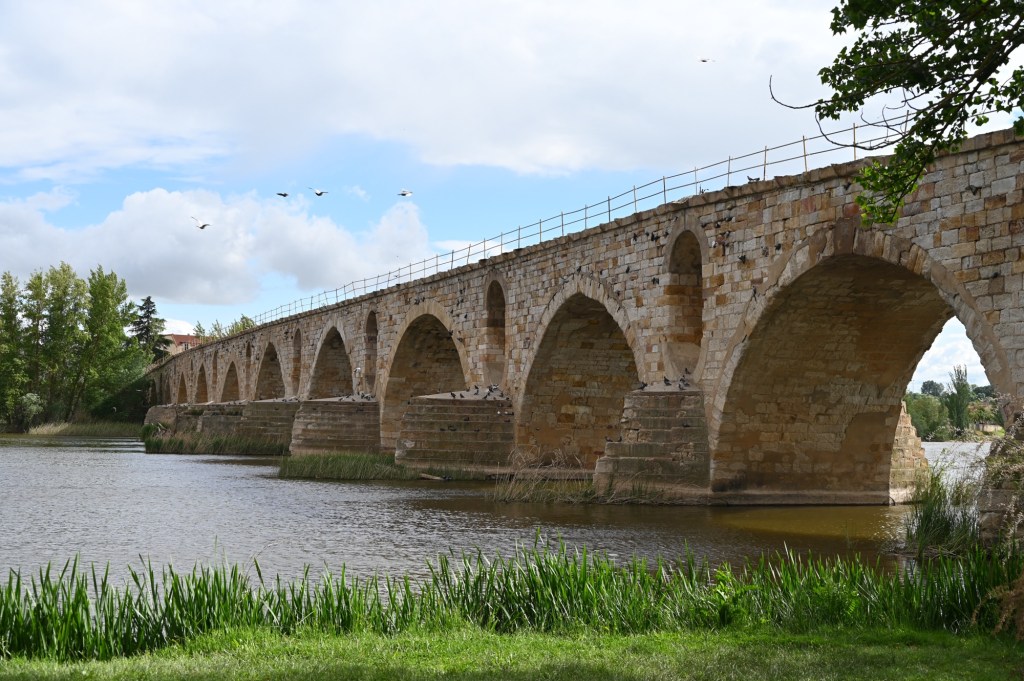
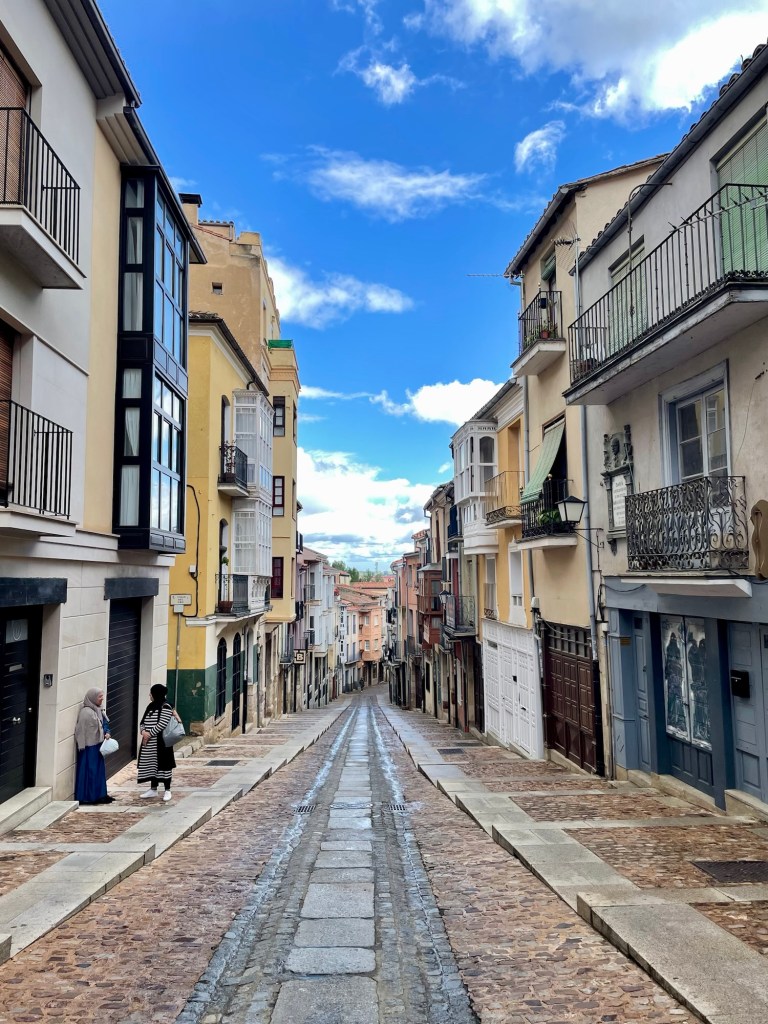
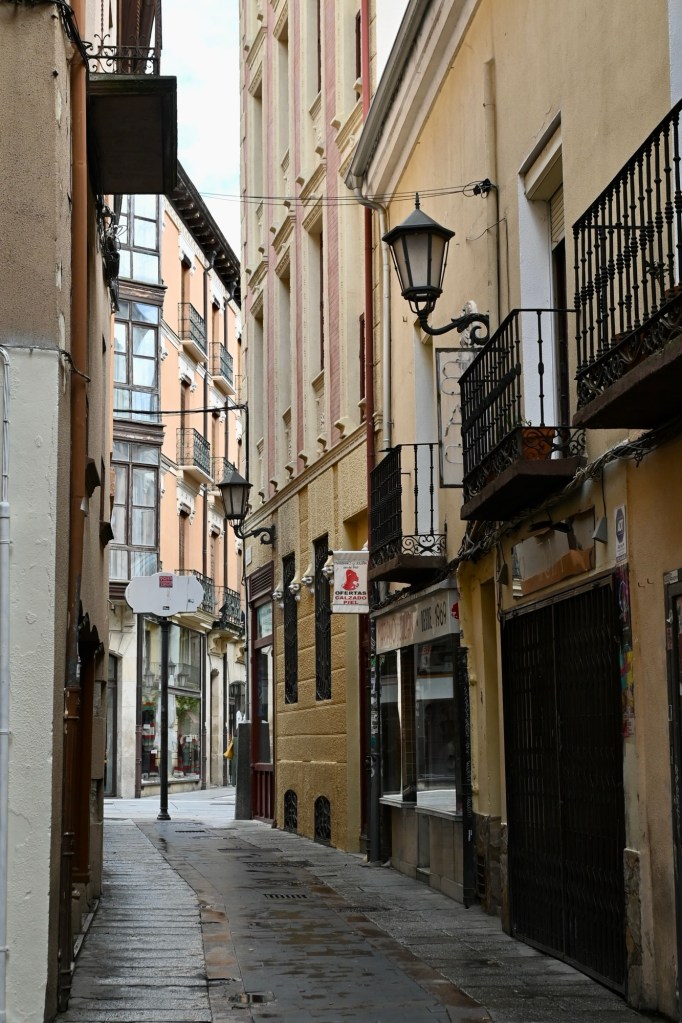
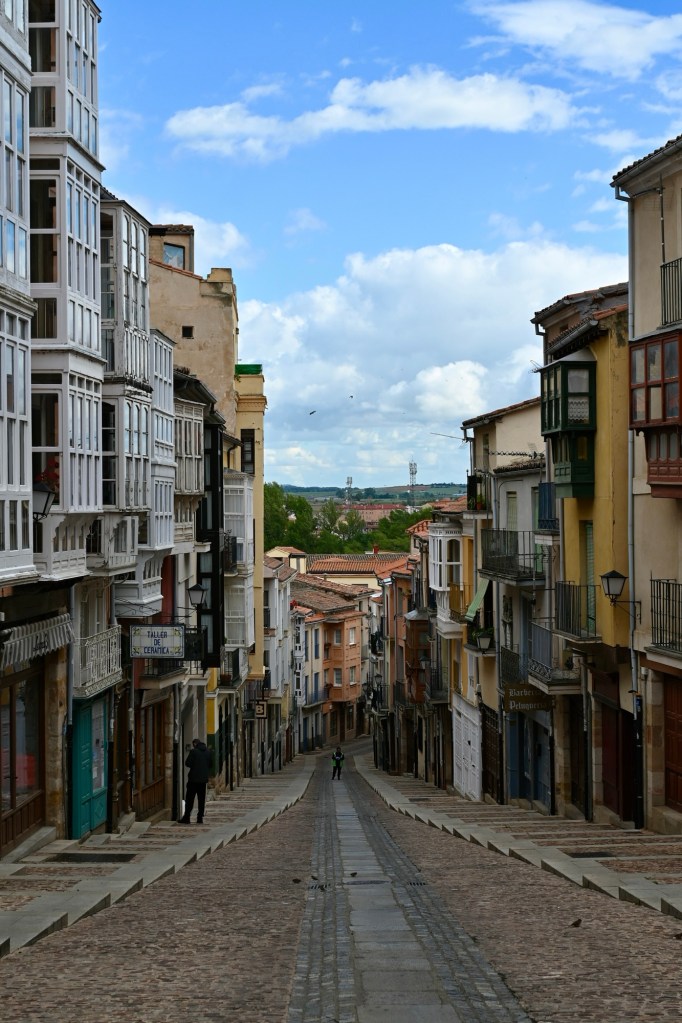
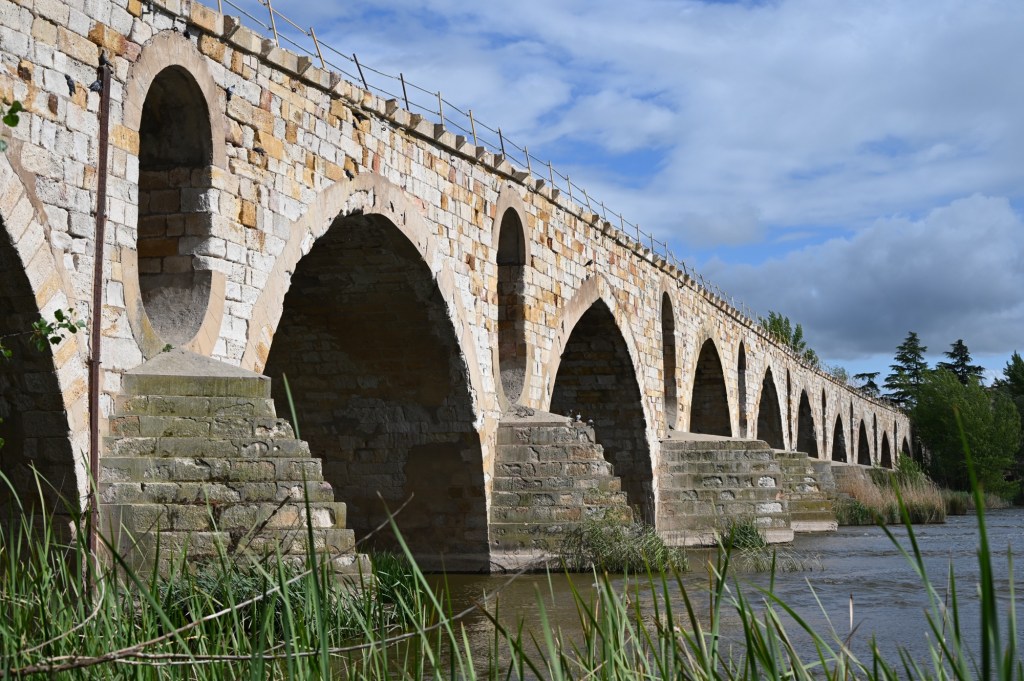
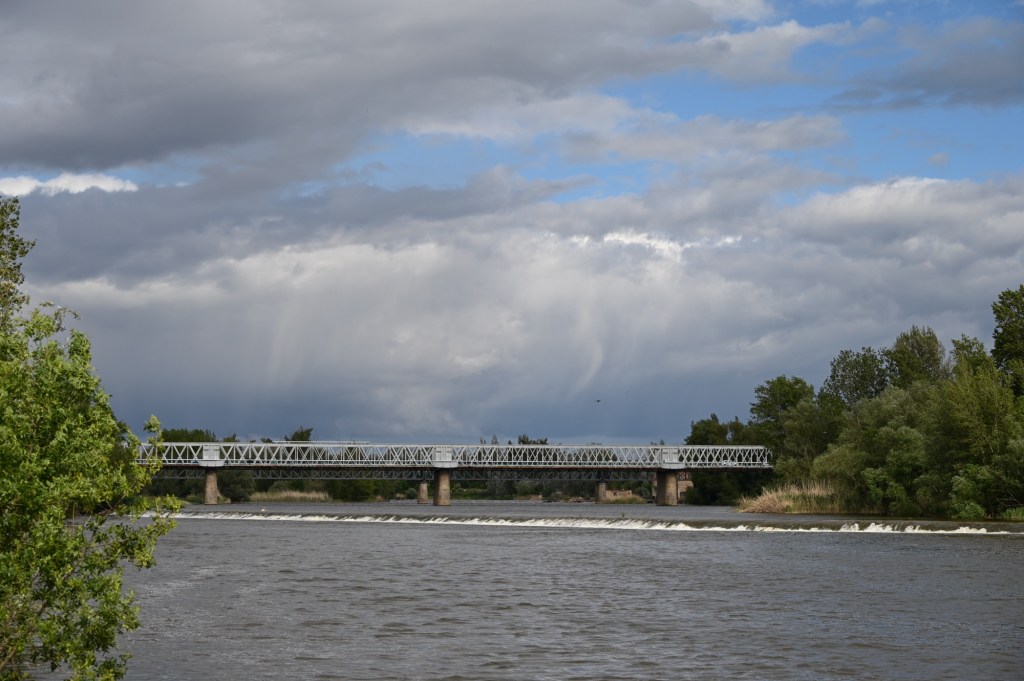
In Zamora there are several bridges crossing the Douro river. The old stone bridge, Puente Pedra, originates from the 12th century, but has been renovated many times since. There is also a newer iron bridge an a railway bridge. The city is known for its old town with winding old streets and its many churches of Romanesque heritage. To find the pitoresque street, shown in many photos of the city, search for “Calle de Balborraz”.
Arribes del Duoro
In my blogpost about «Portugal – Upper Douro», I wrote about the city of «Miranda do Douro», where we took a boat trip on the Douro river, from the international biological station located there. However did I not tell enough about all the views of birdlife and flowers seen at the viewpoint «São João das Arribas», which lays on the Portuguese side of the river, within the Arribes del Douro natural park.
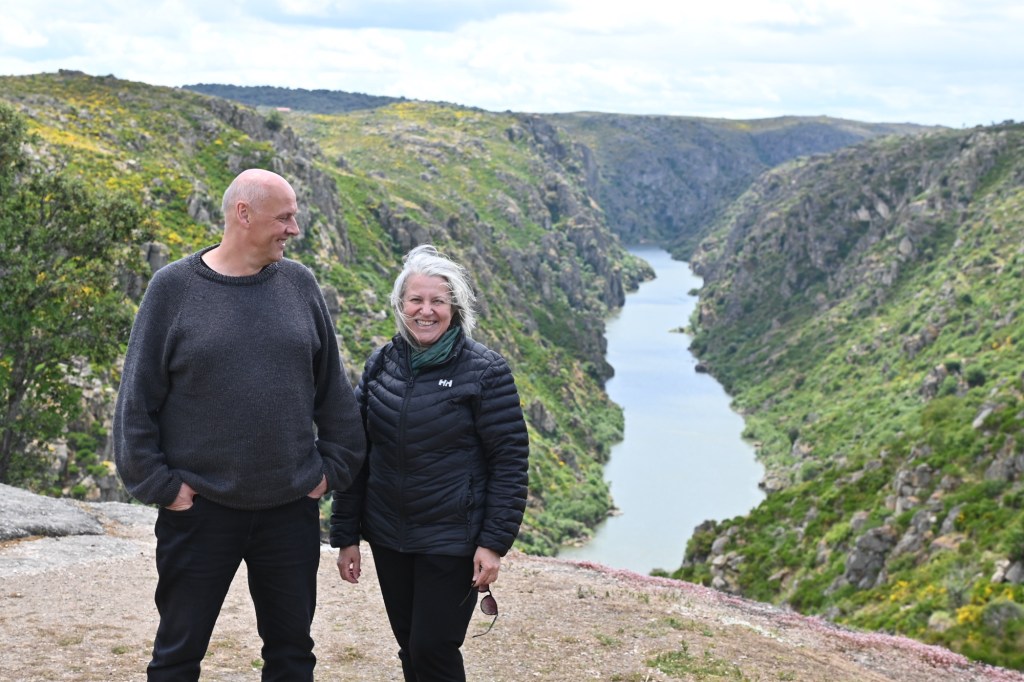
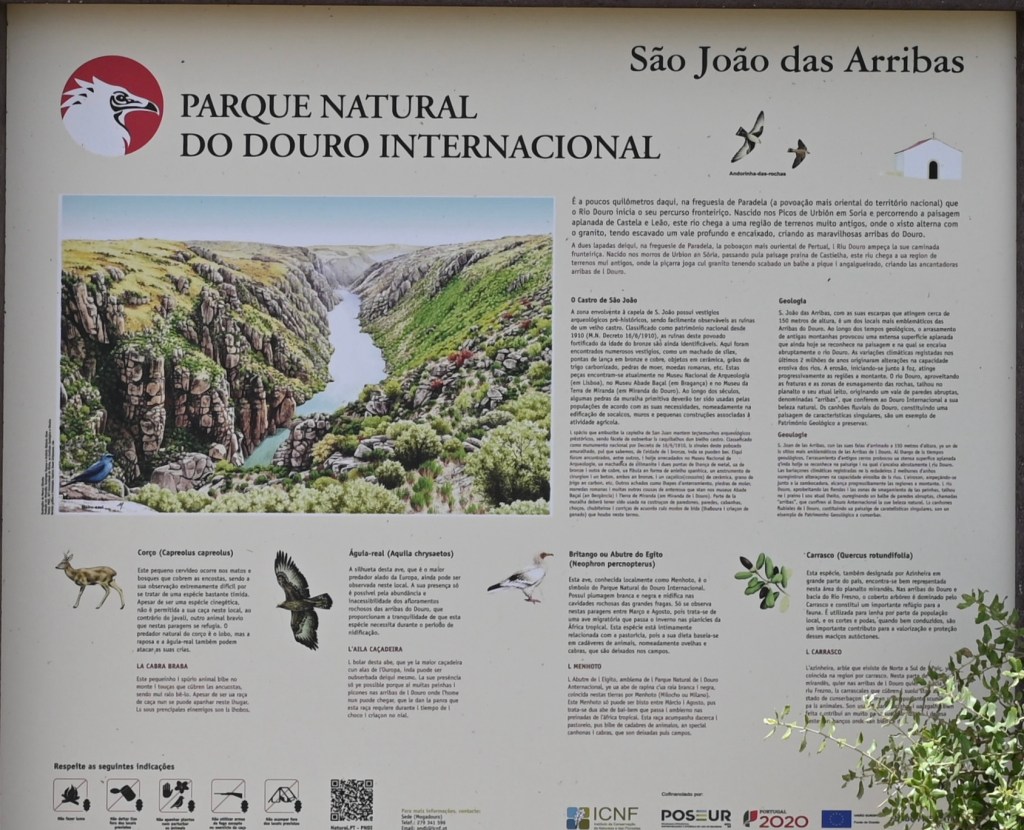
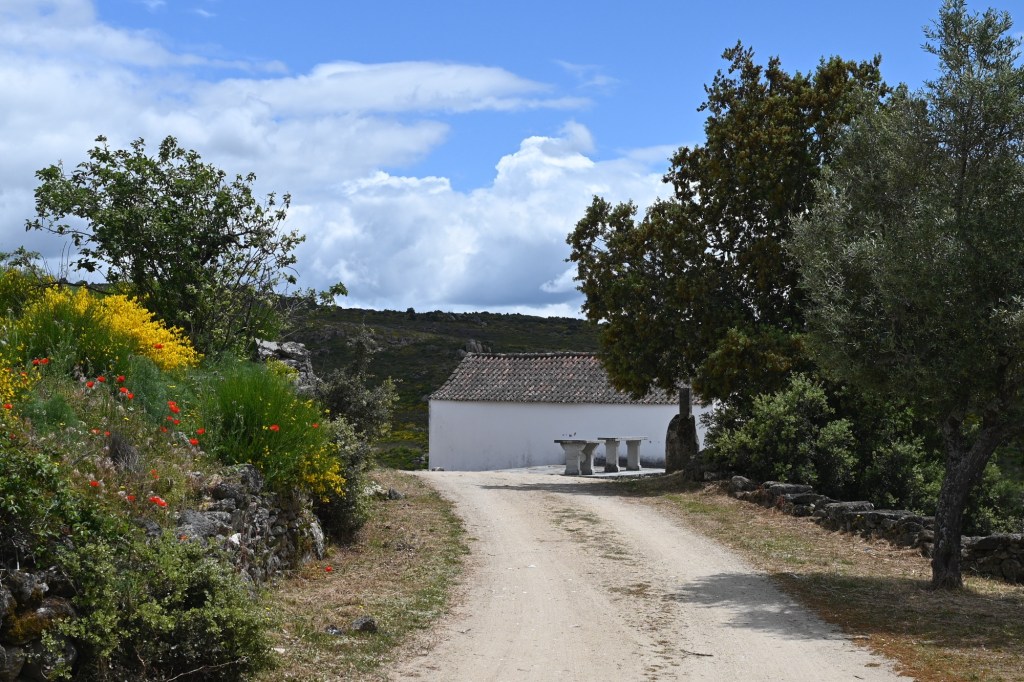
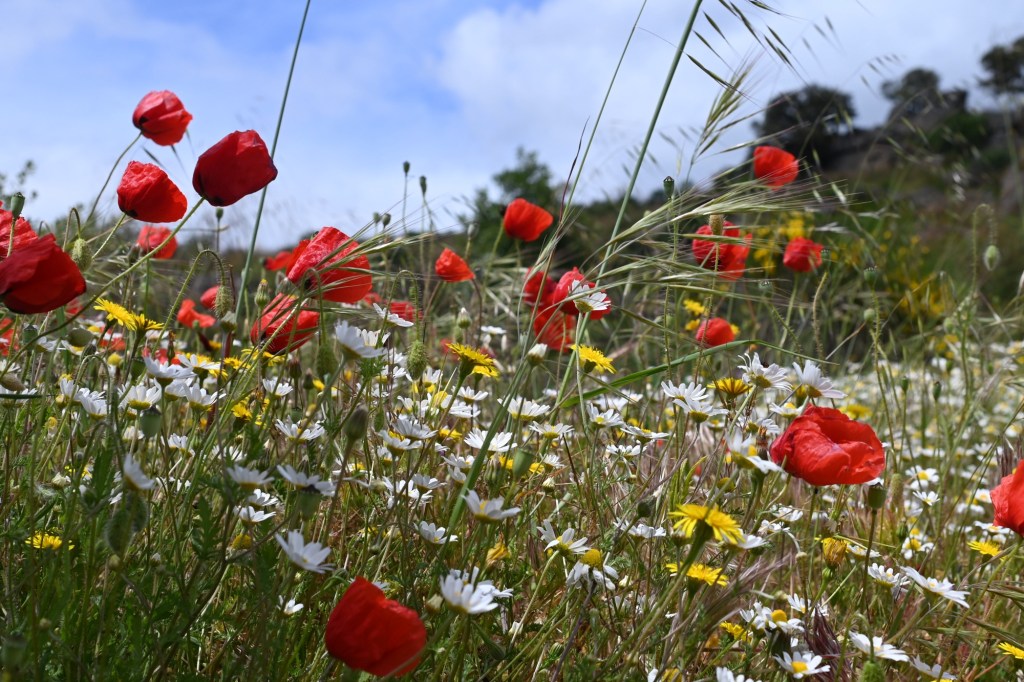
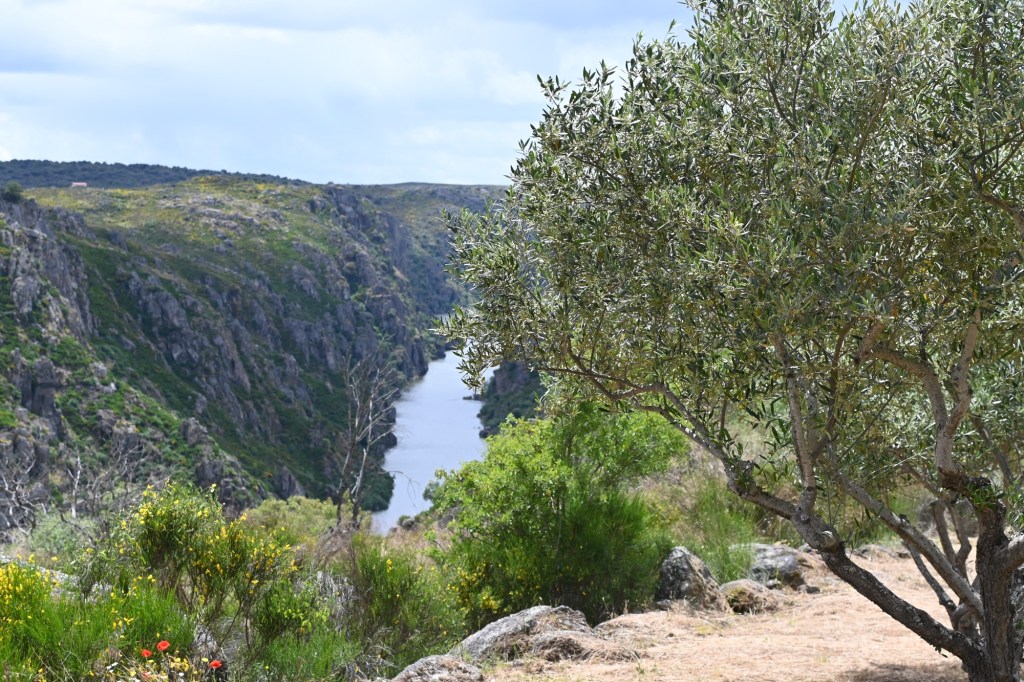
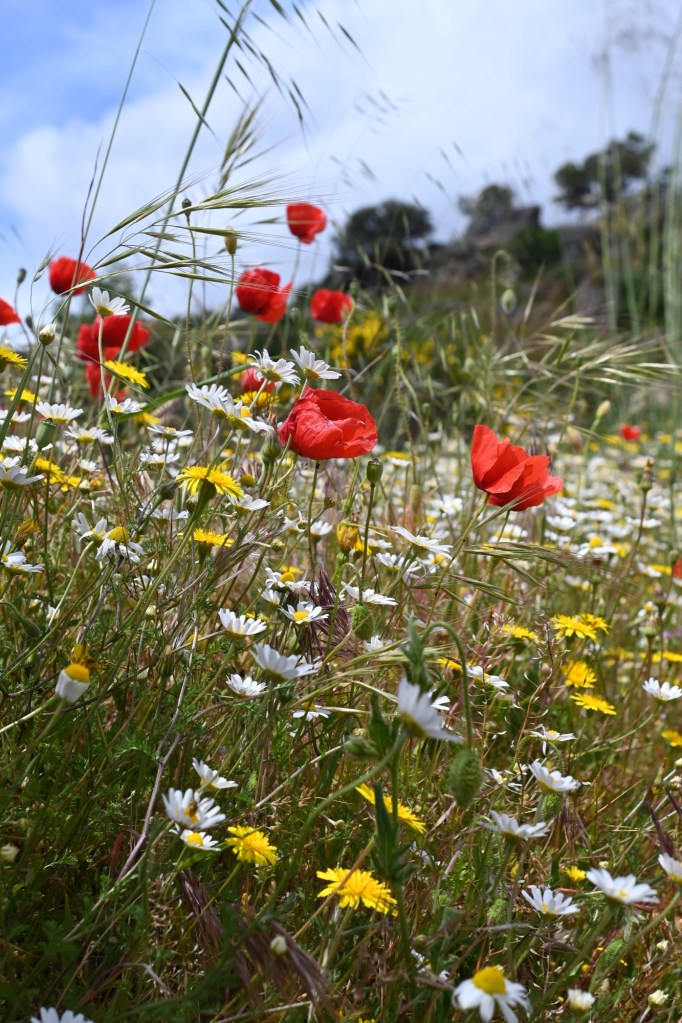
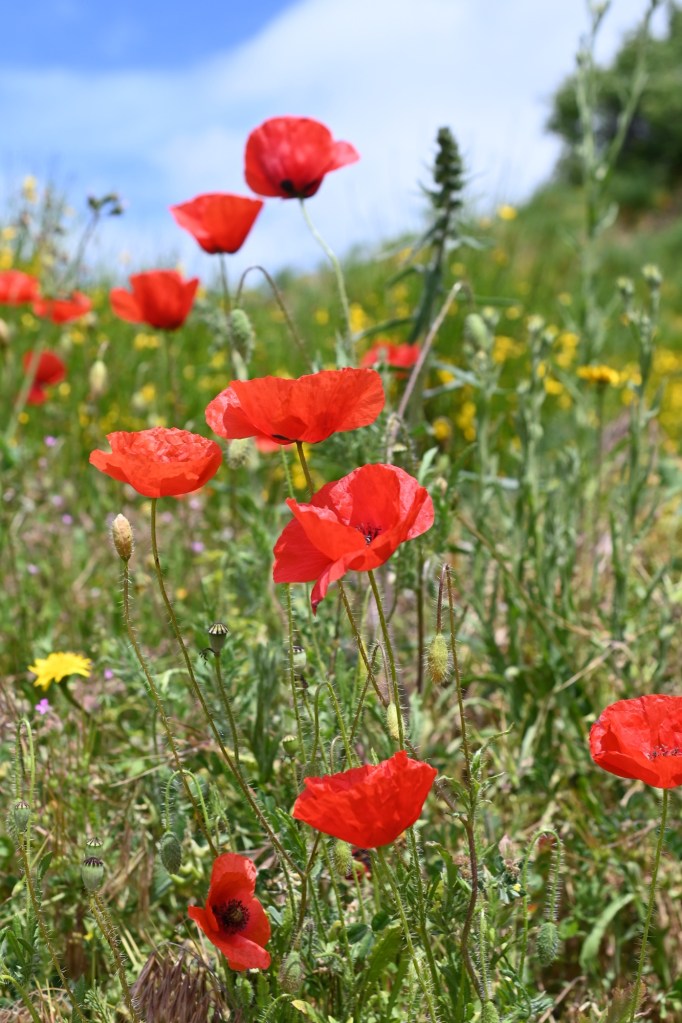
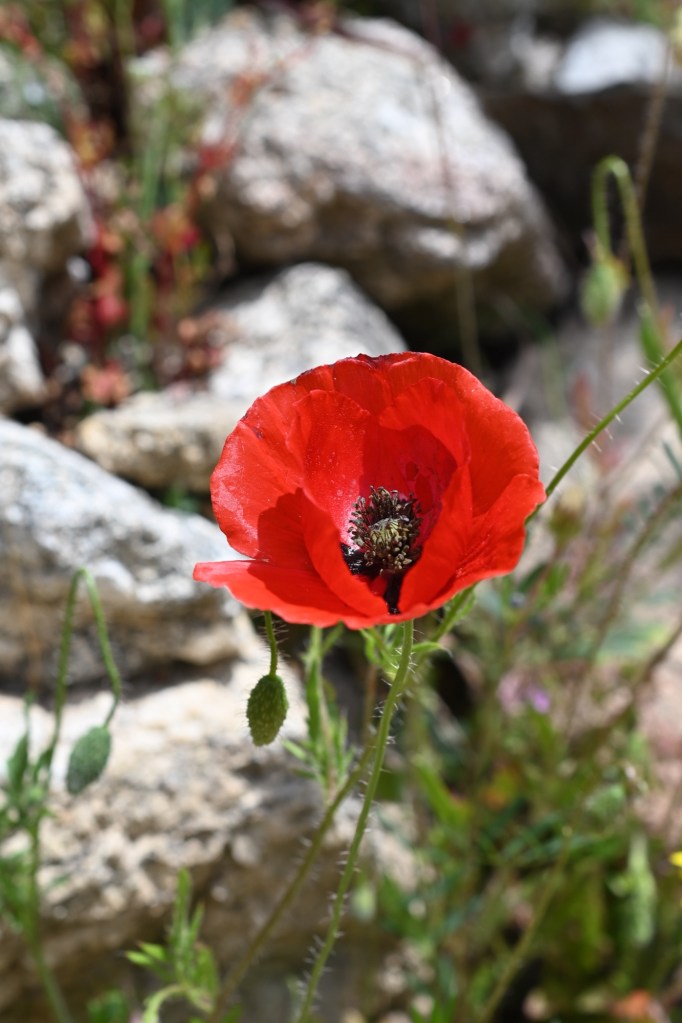
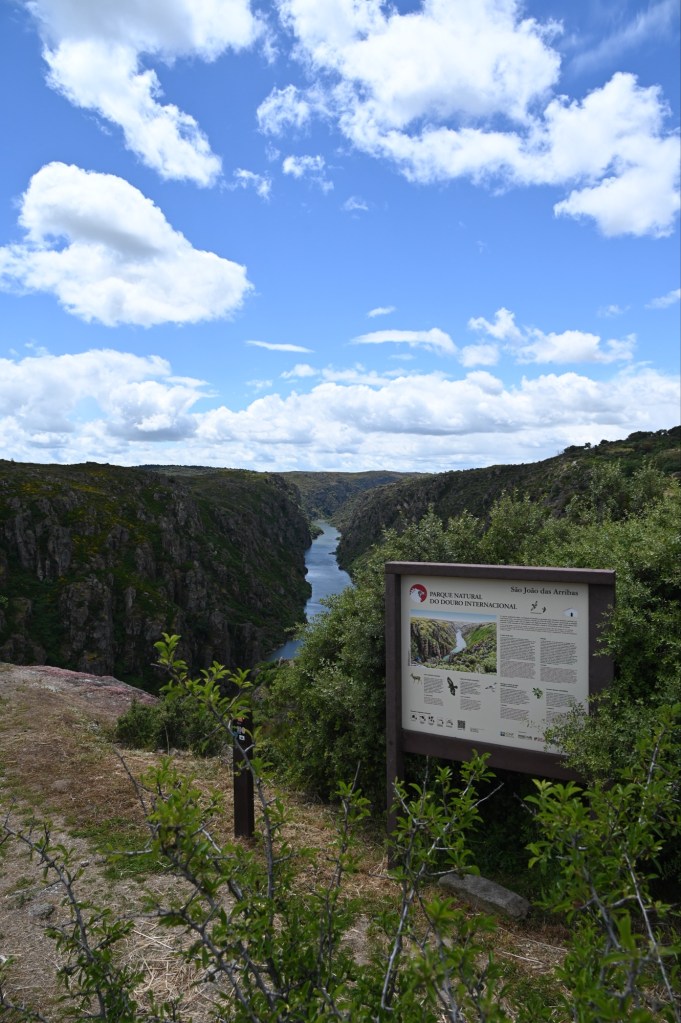
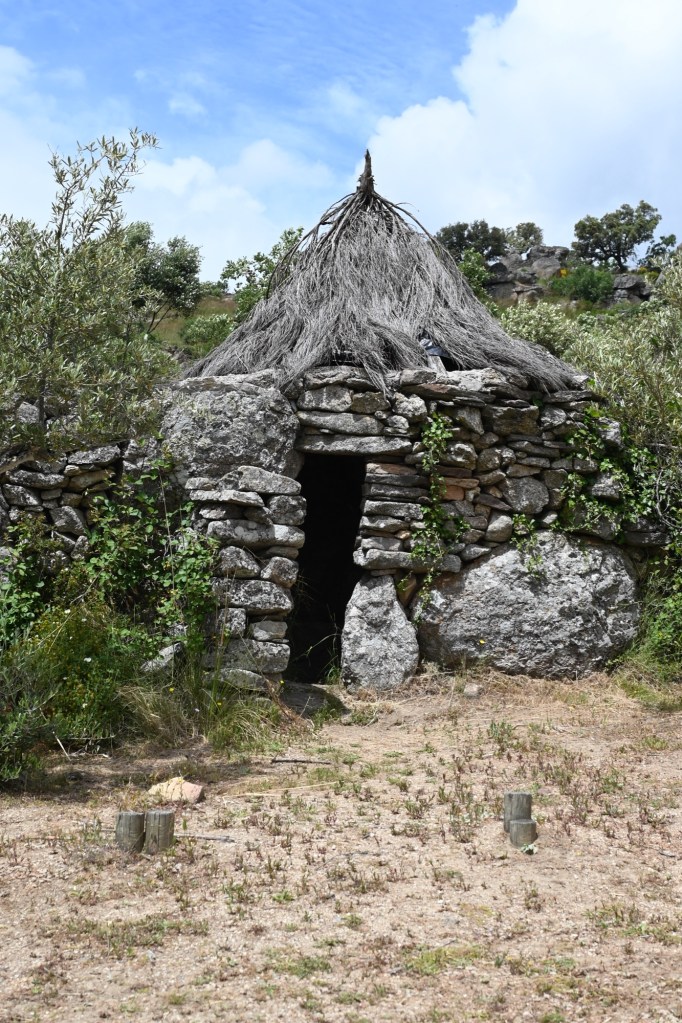
The Spanish side of the Arribes del Douro Natural park is said to be just as fascinating and beautiful as the Portuguese. It can for instance be reached from the Fermoselle area, where camping and accommodation providers gives good insight into the areas beauty and sights.
Salamanca
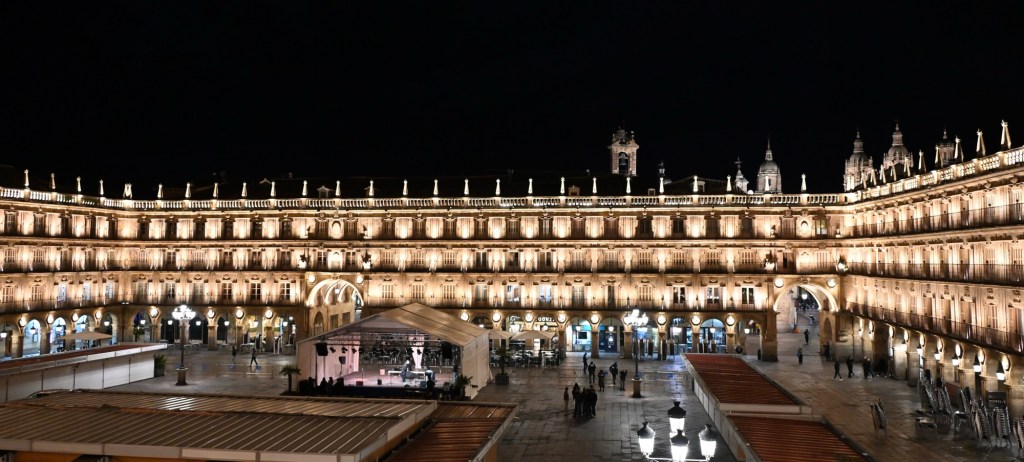
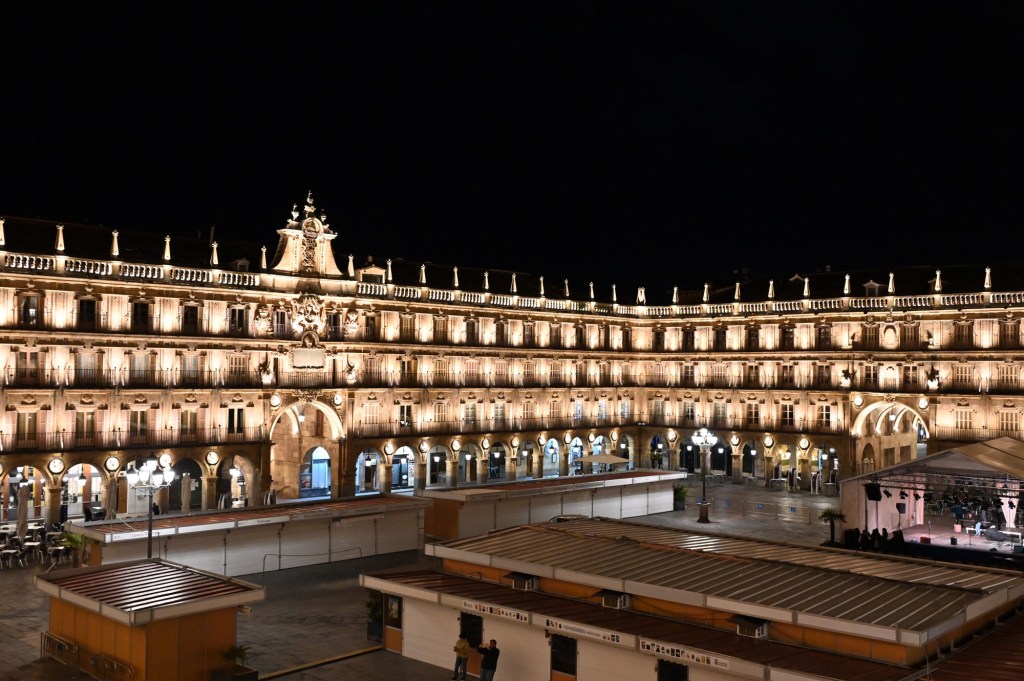
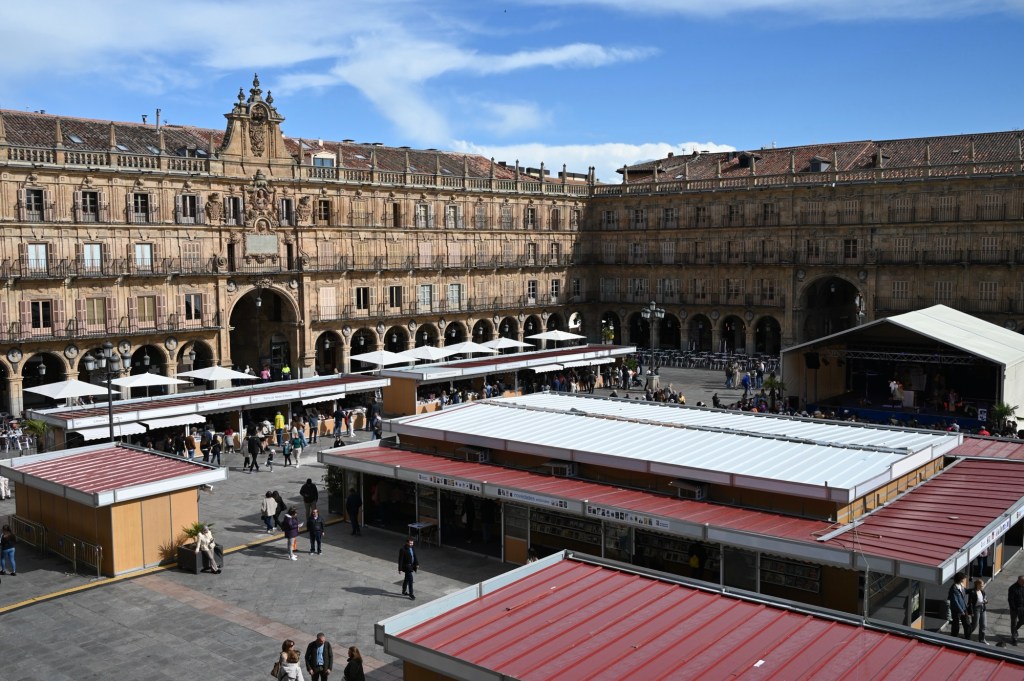
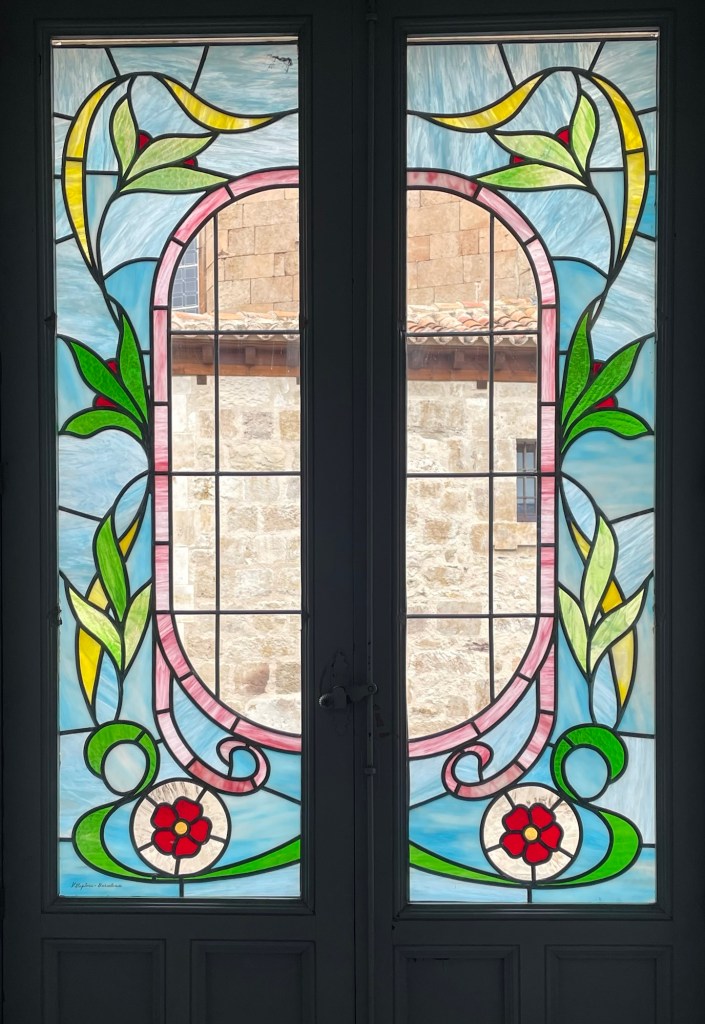
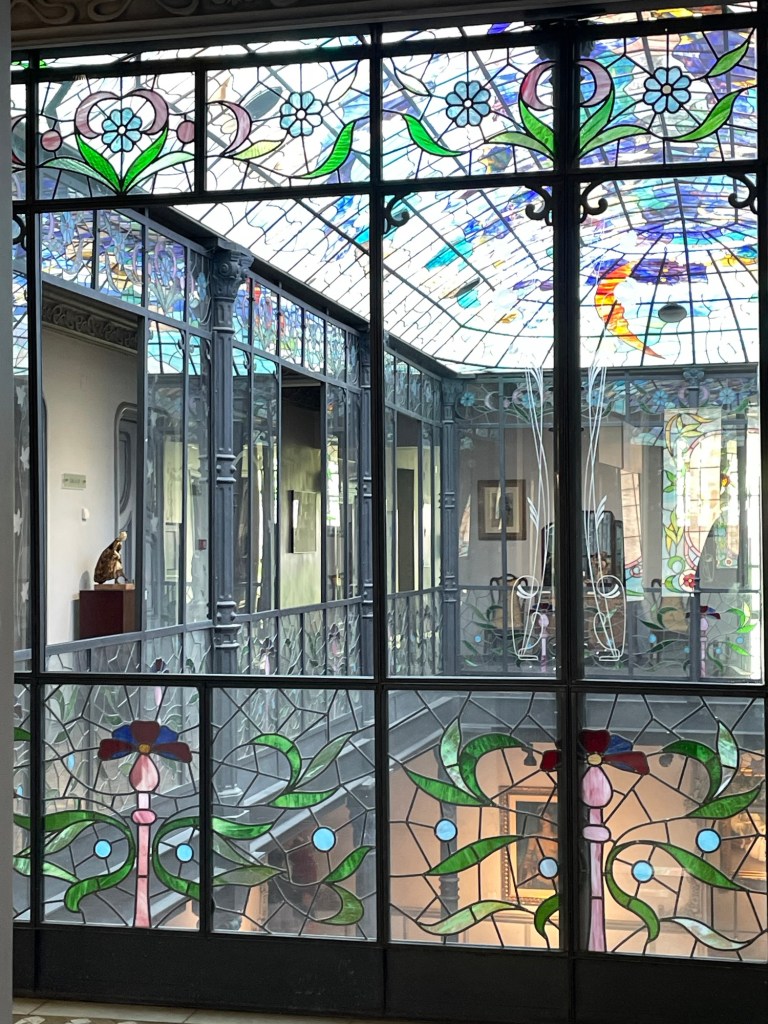
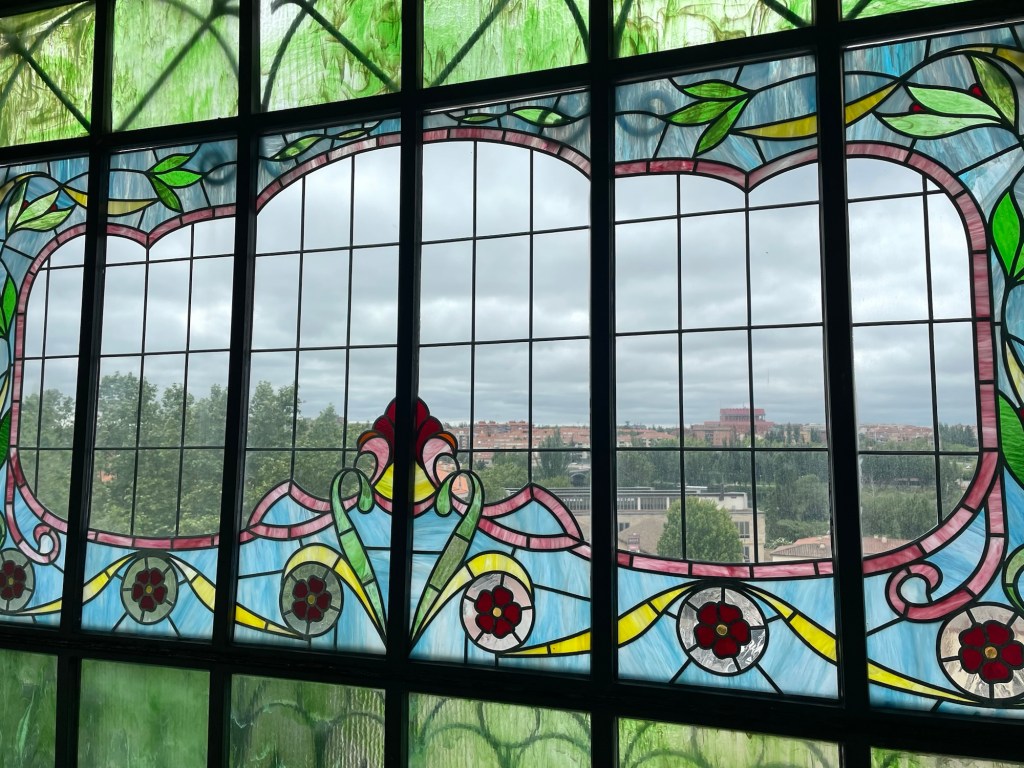
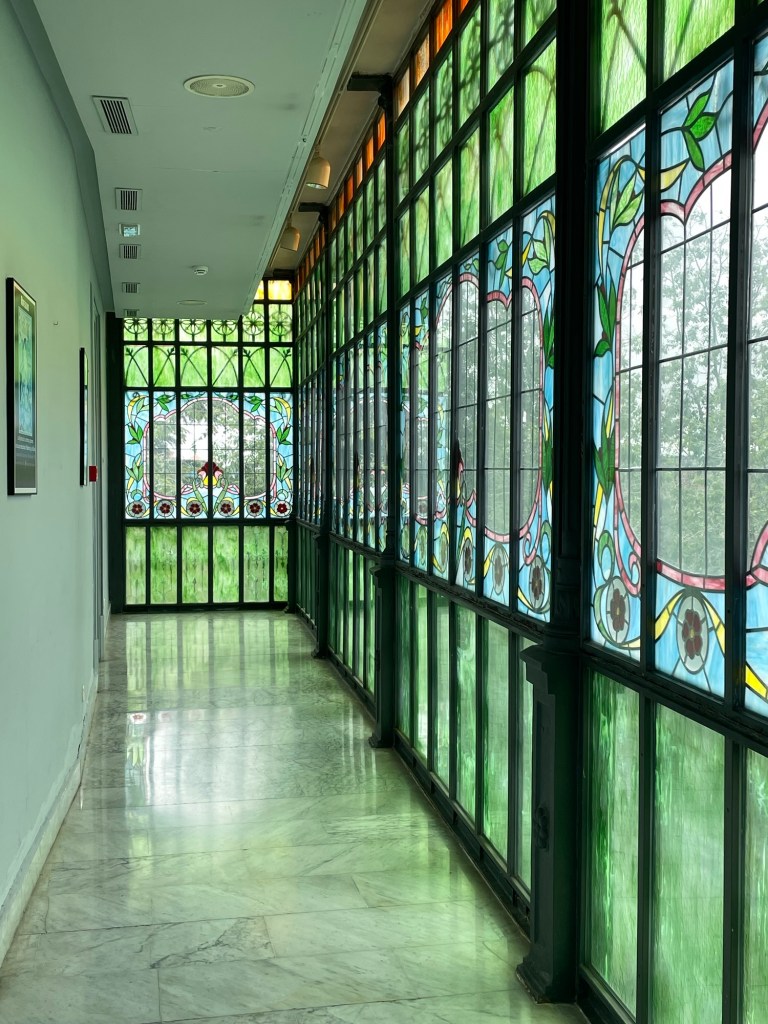
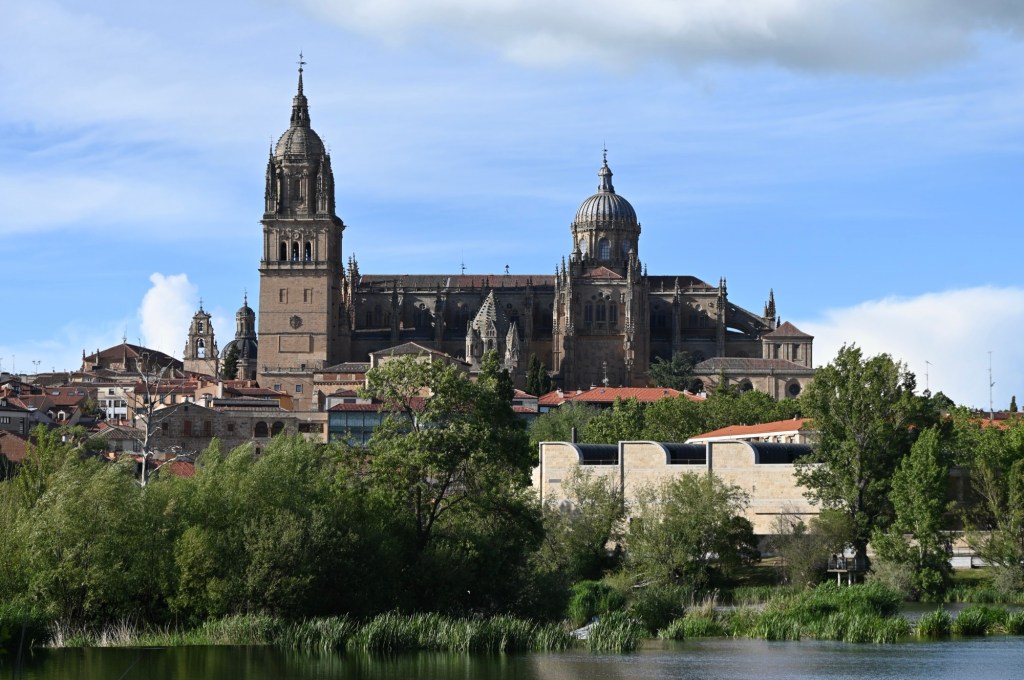
The city of Salamanca is not along the Douro river, but the province Salamanca is. Salamanca is, however, near the cities mentioned above and really worth a visit. The city’s historical centre is declared a UNESCO world heritage site and when the sun sets on its golden sandstone, one can really understand why many call it “the golden city“. The University of Salamanca also colors the city, with lots of young people, from all over the world, coming there to study. Salamancas central square (Plaza Mayor) is huge, and when we were there, there was a large literature festival ongoing, with book stands and children’s theatre performances filling the square. There were also several arts exhibitions in the University buildings and an Art Noveau/Art Deco Museum, with stained glass windows, which were really nice to see. As were all the large birds nesting in the church towers in May.
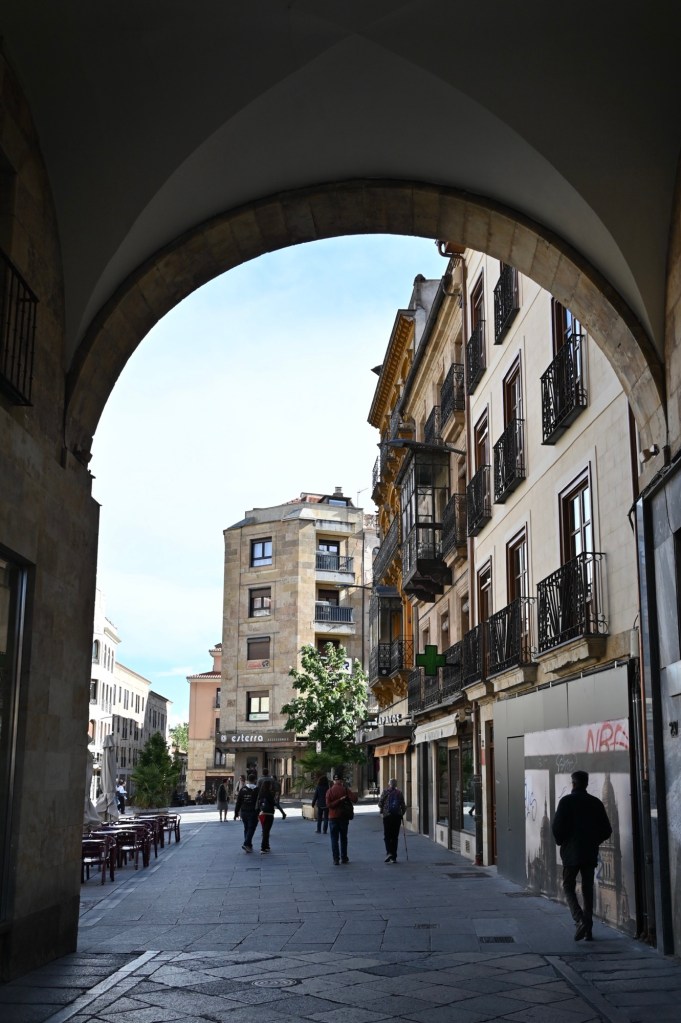
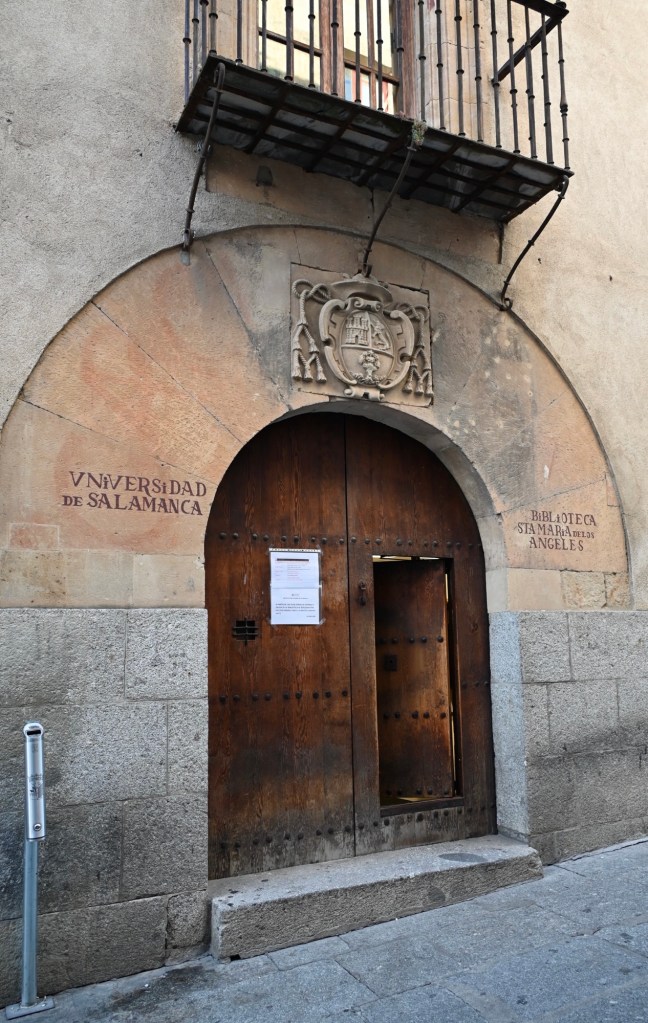
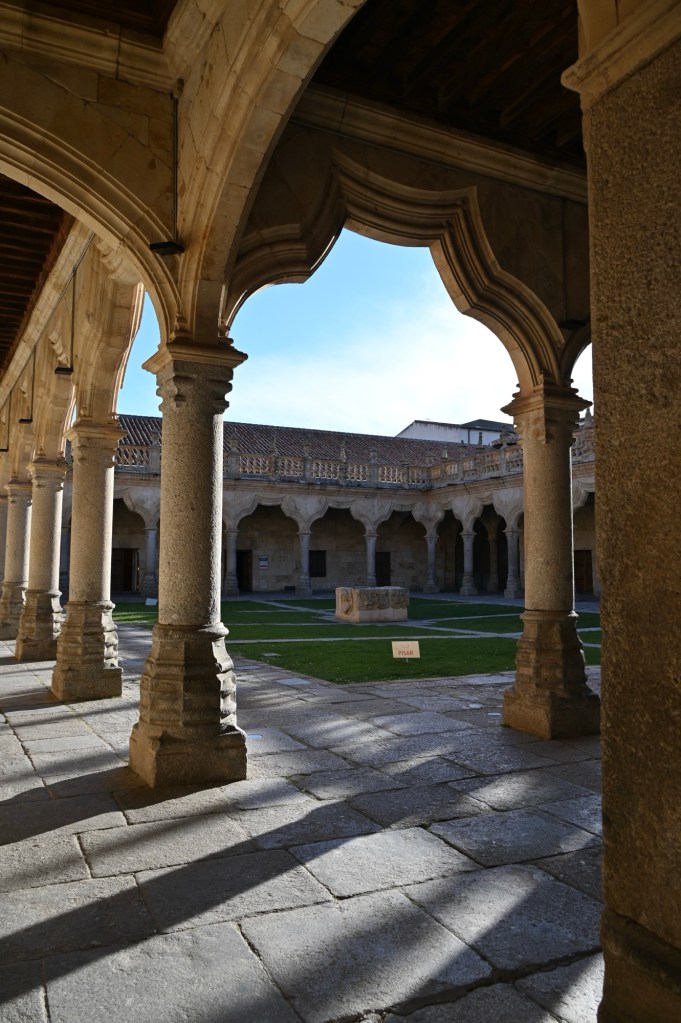
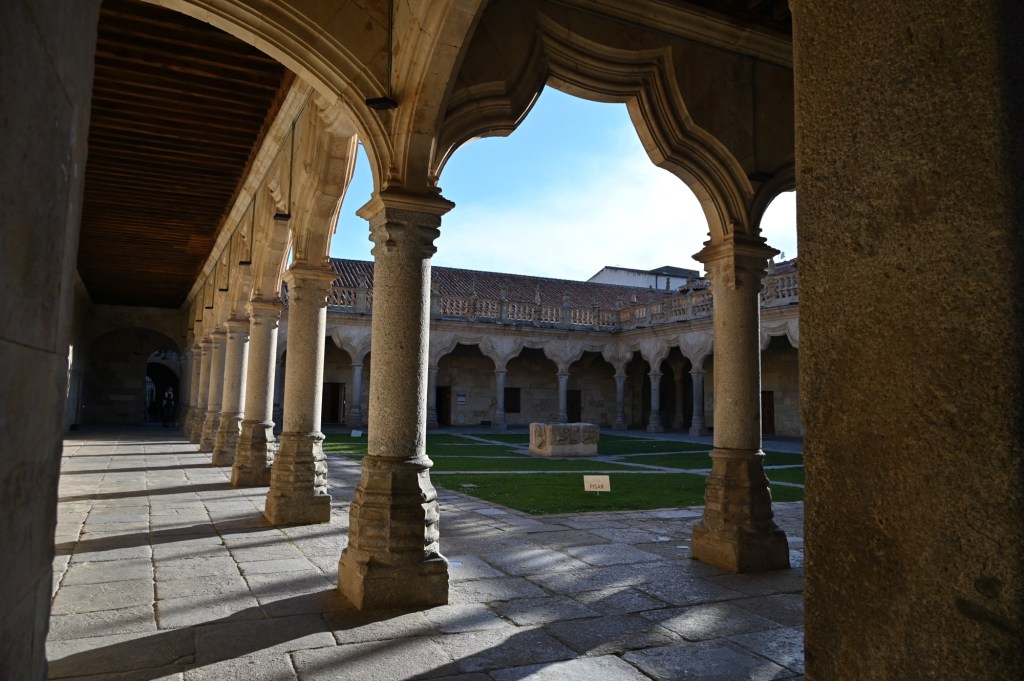
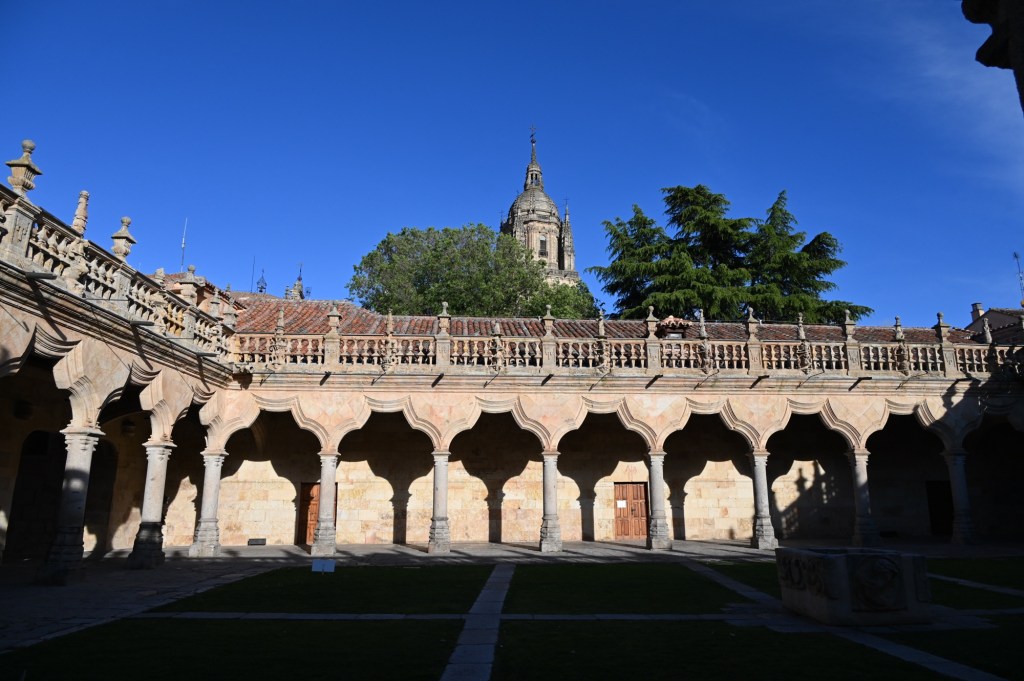
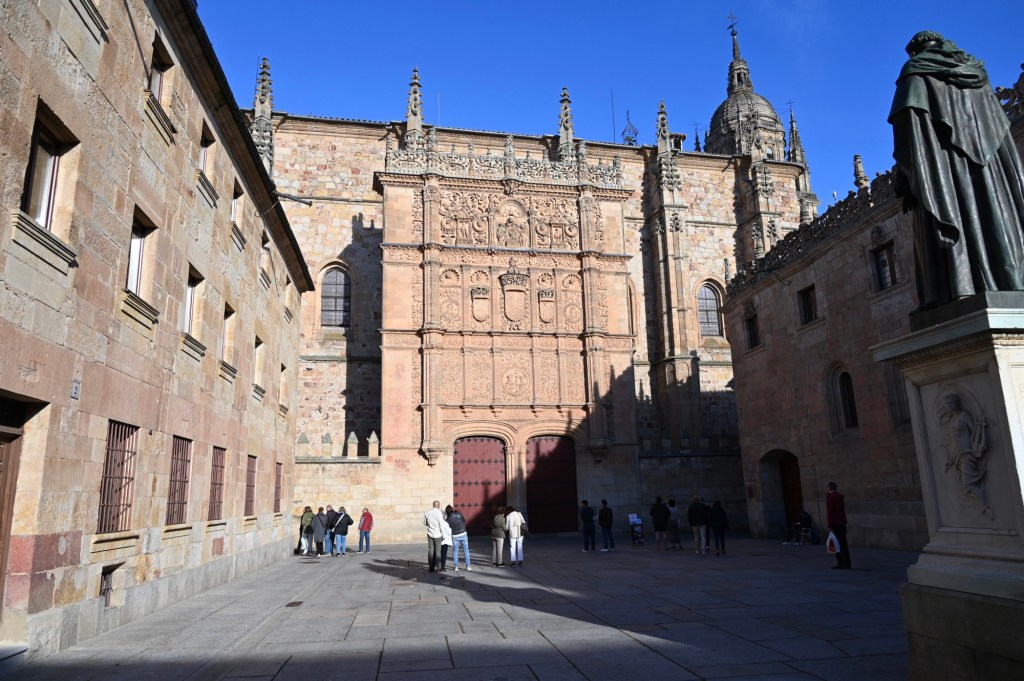
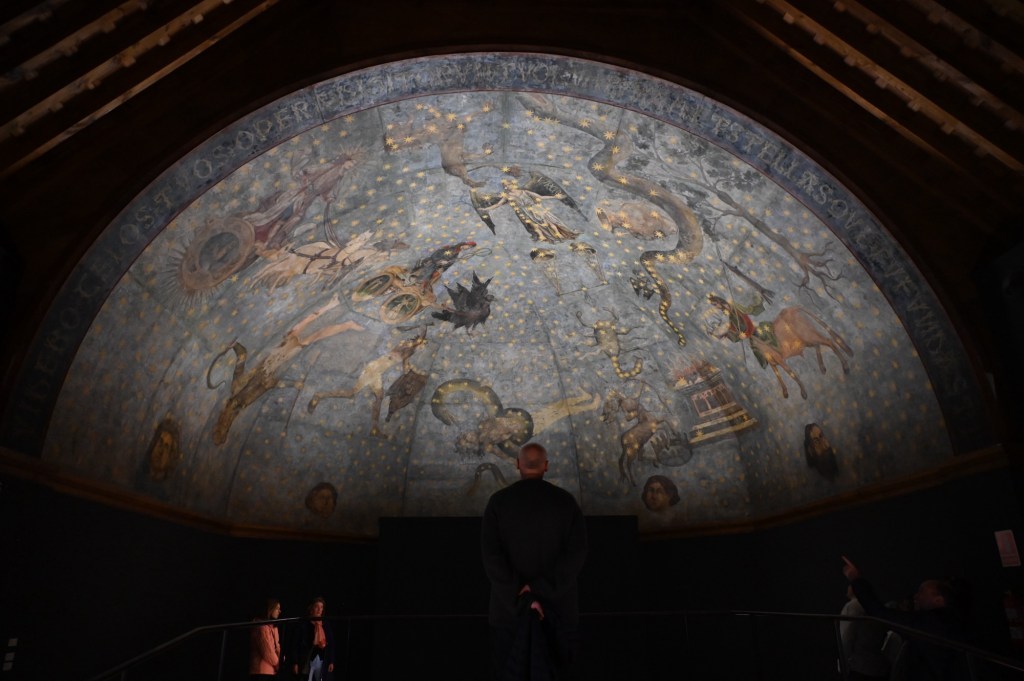
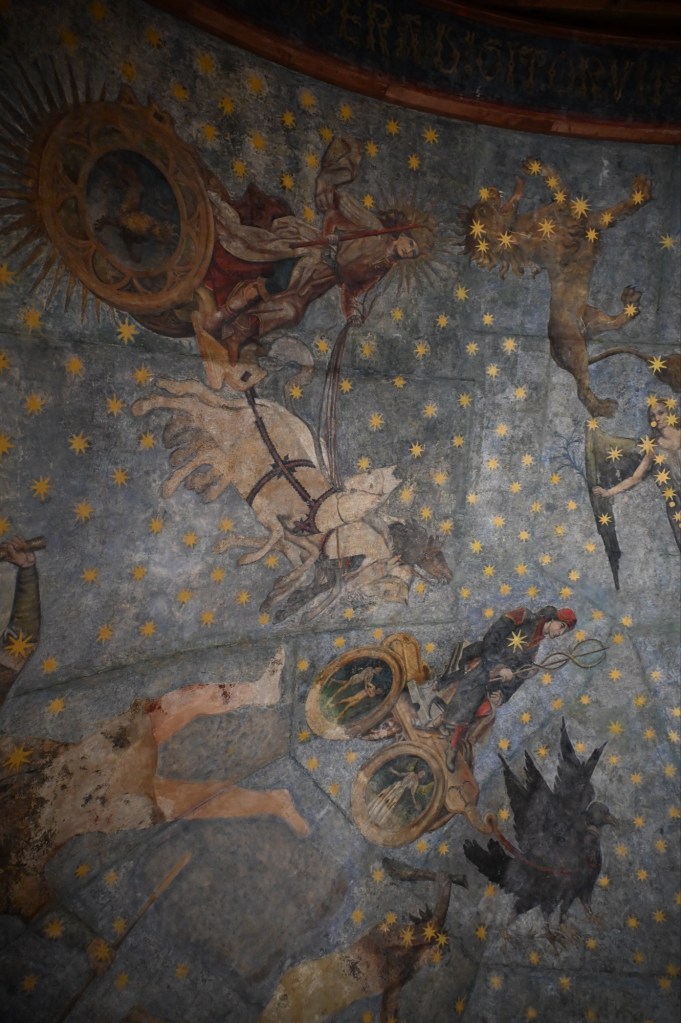
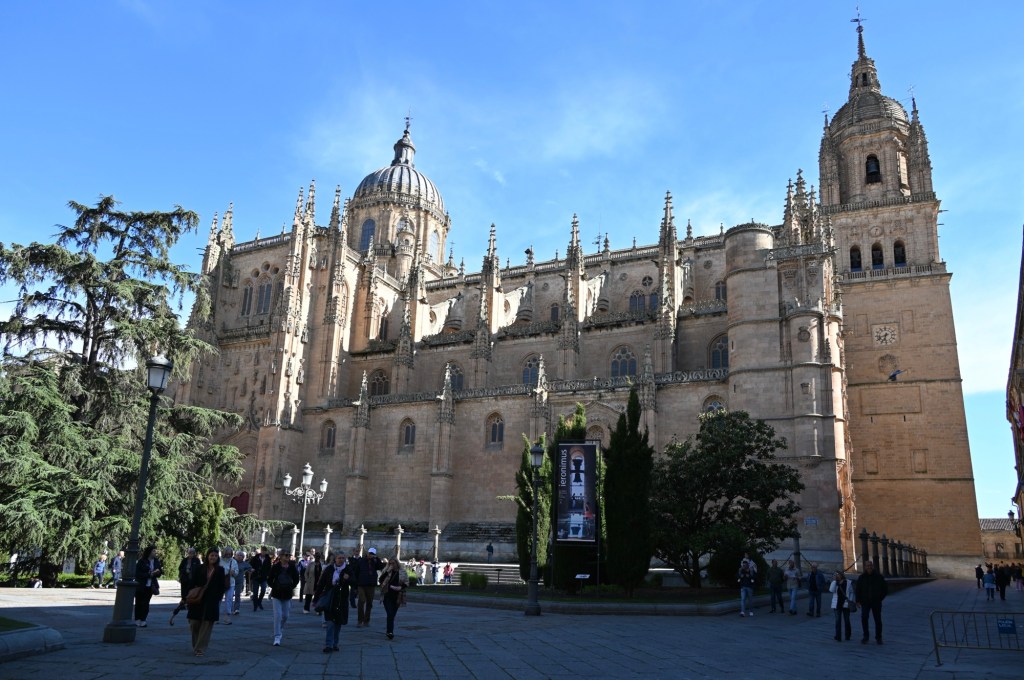
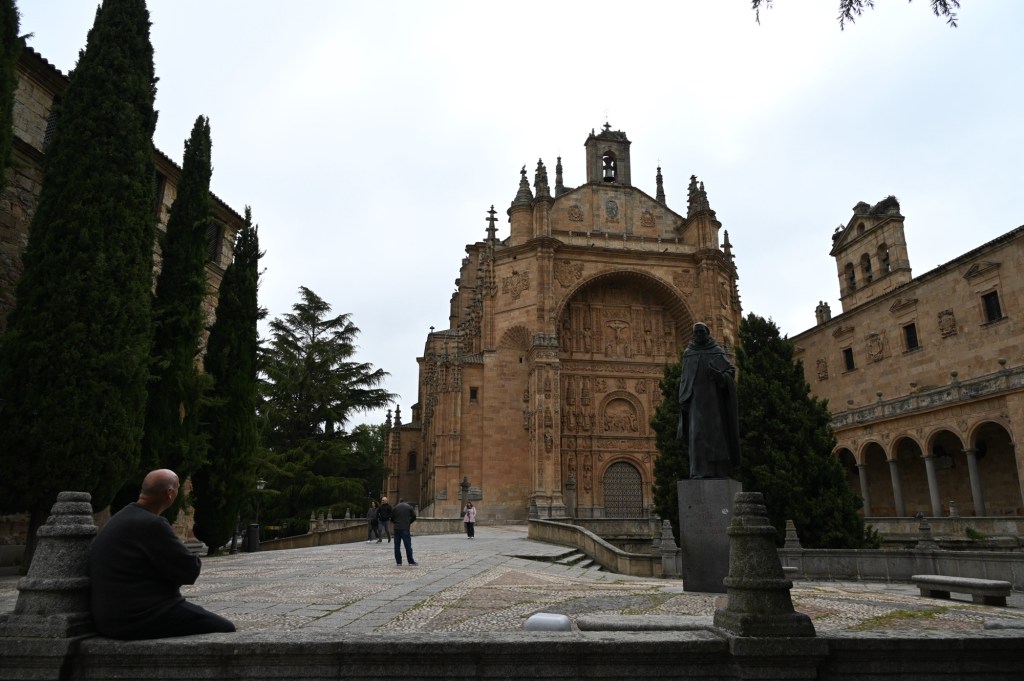
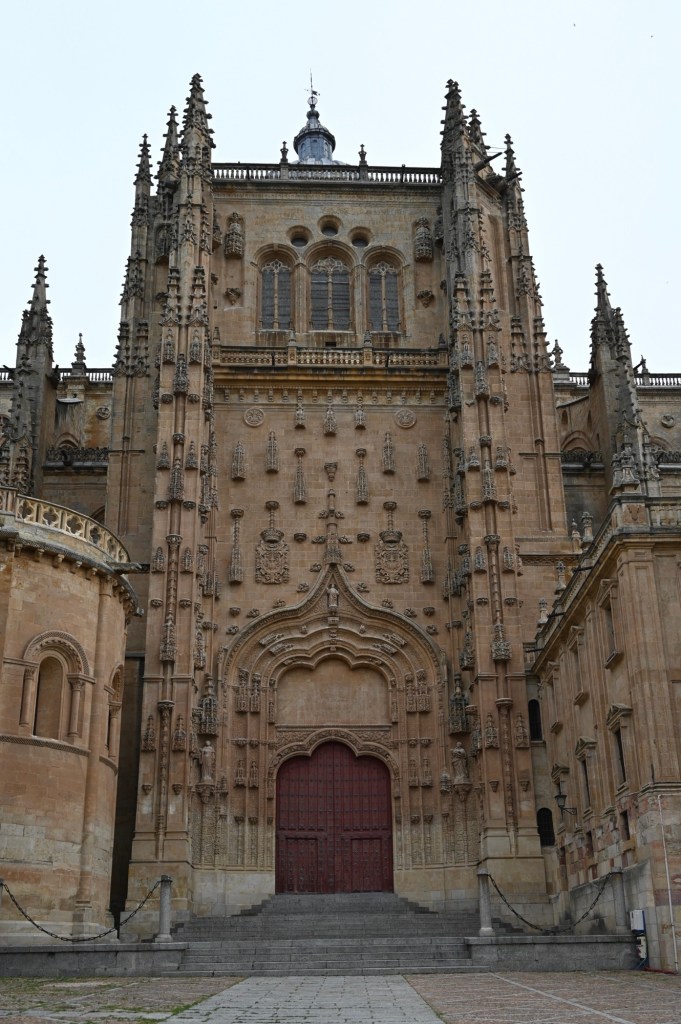
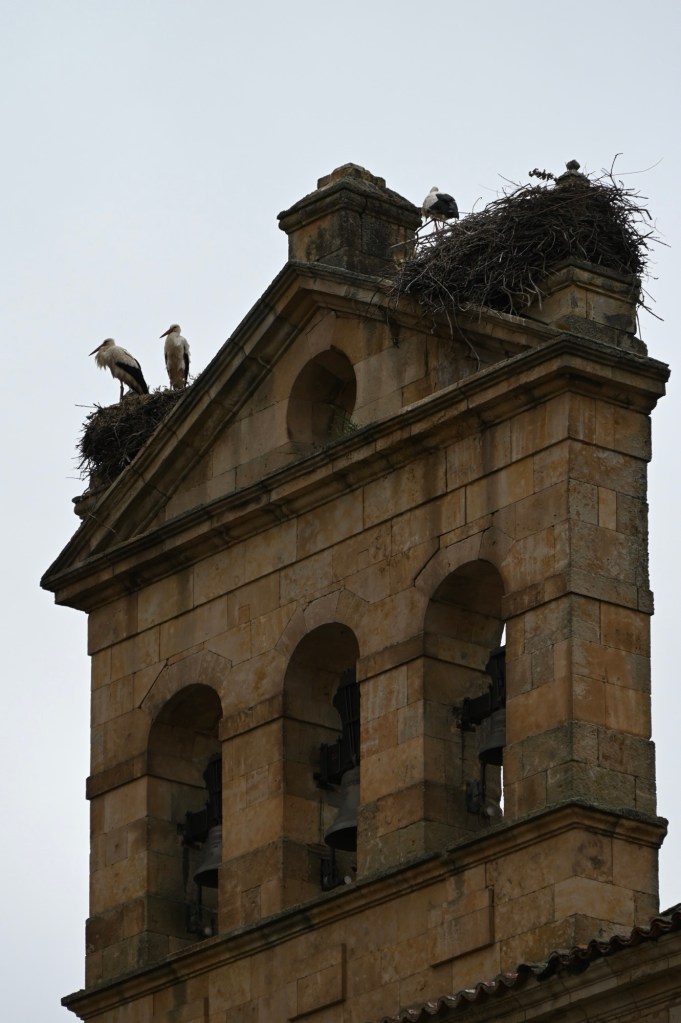
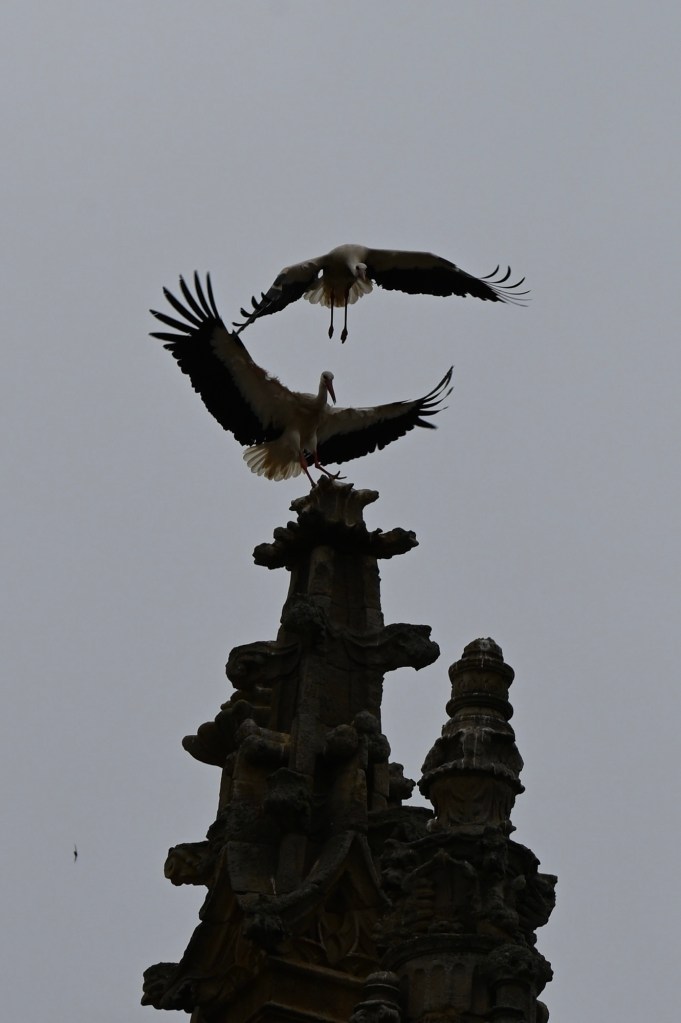
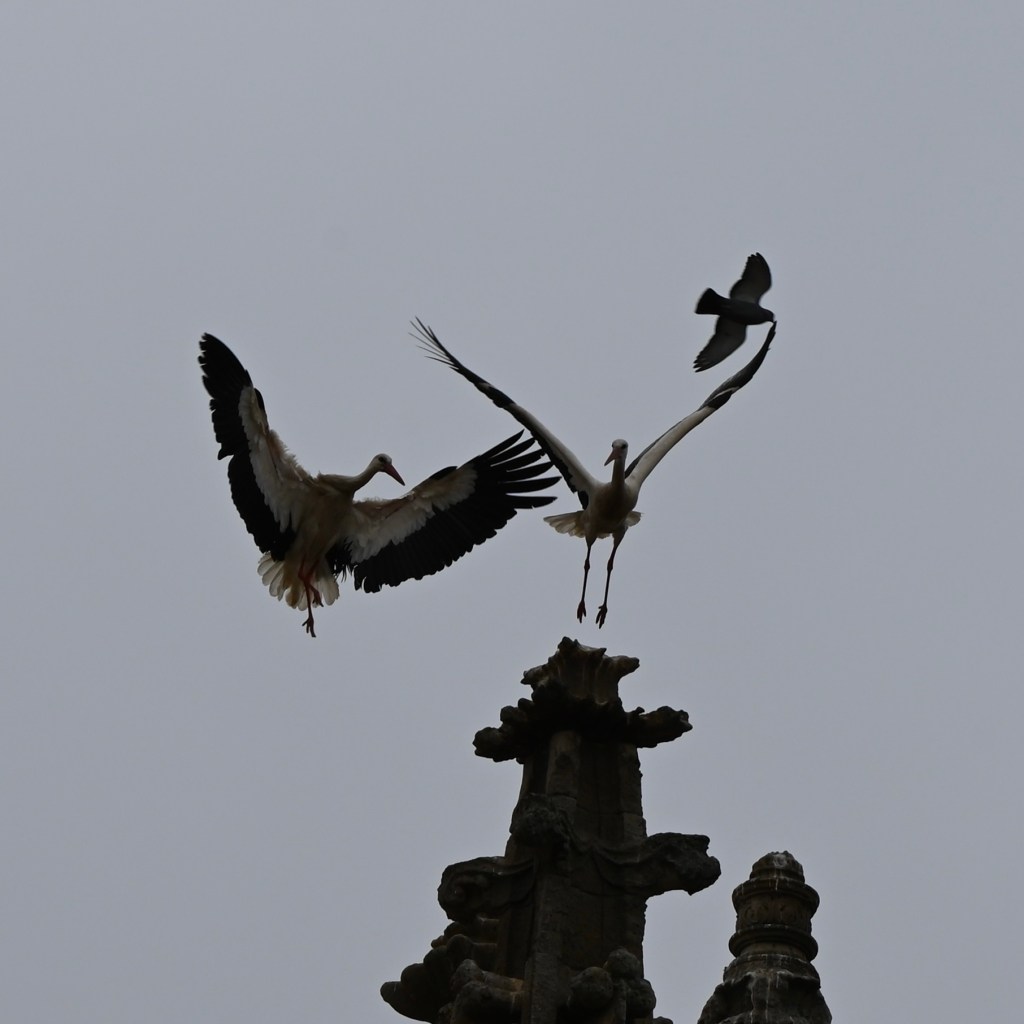
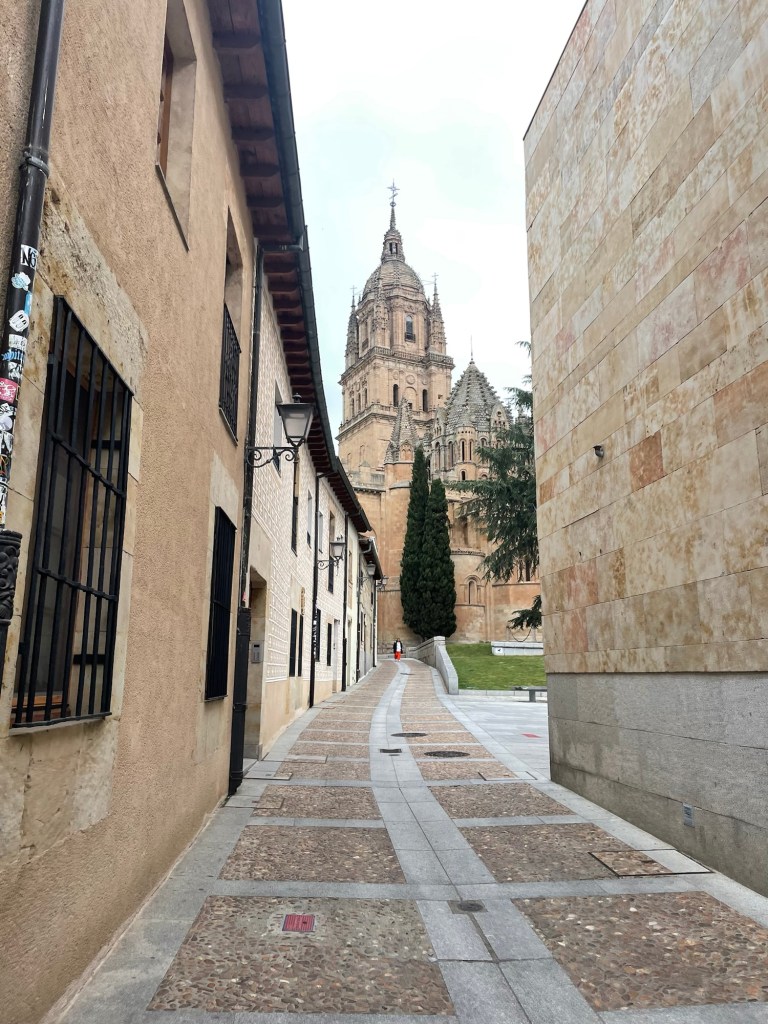
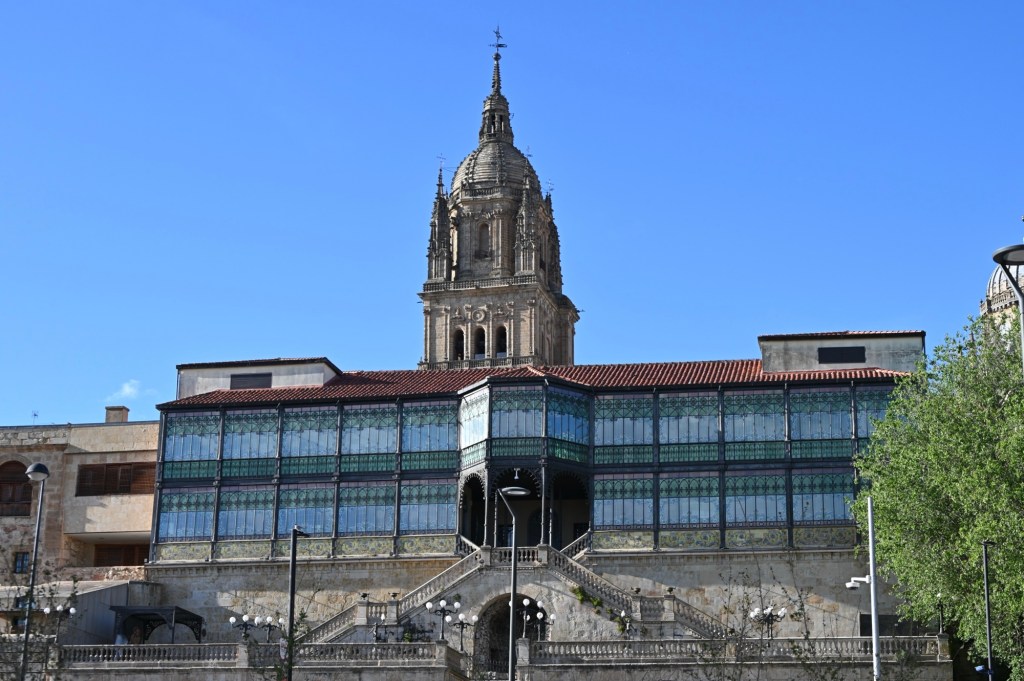
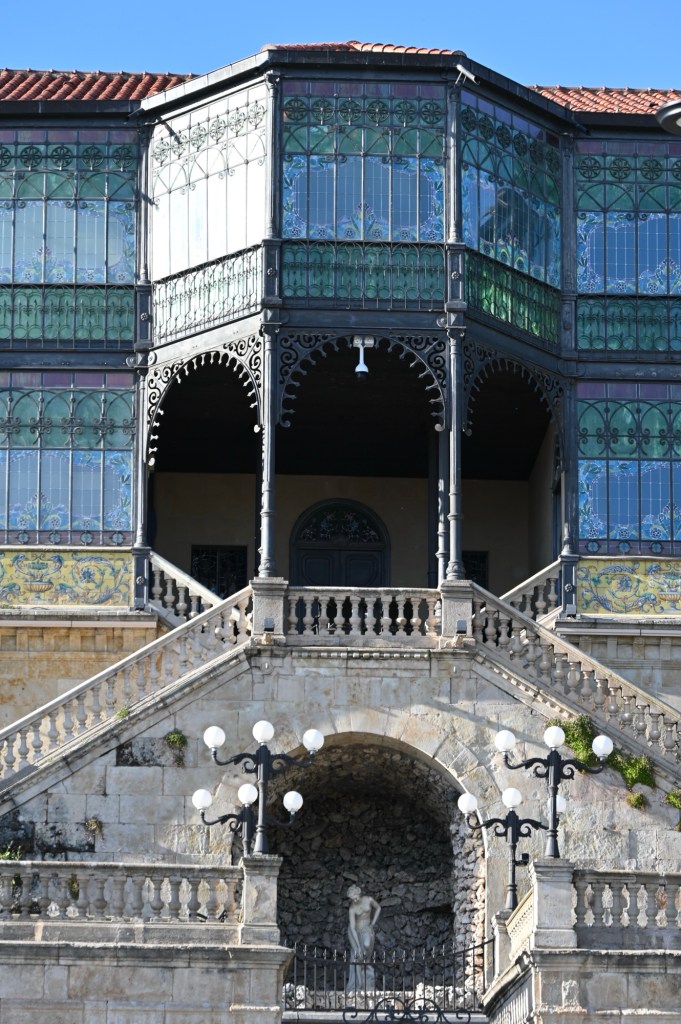
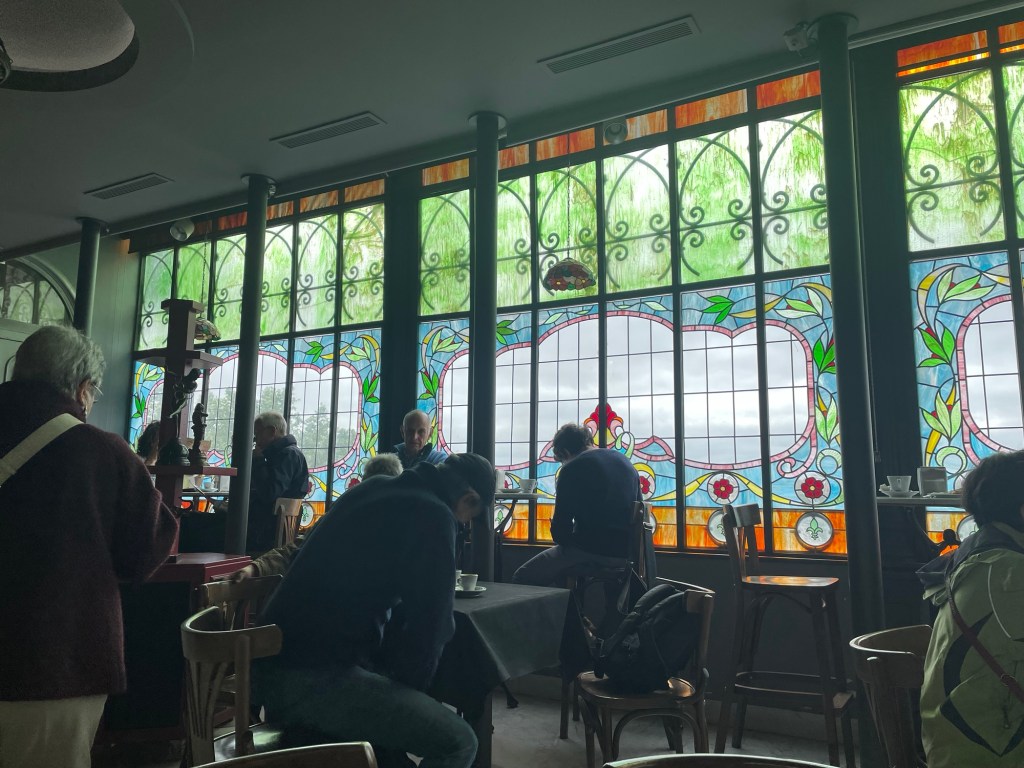
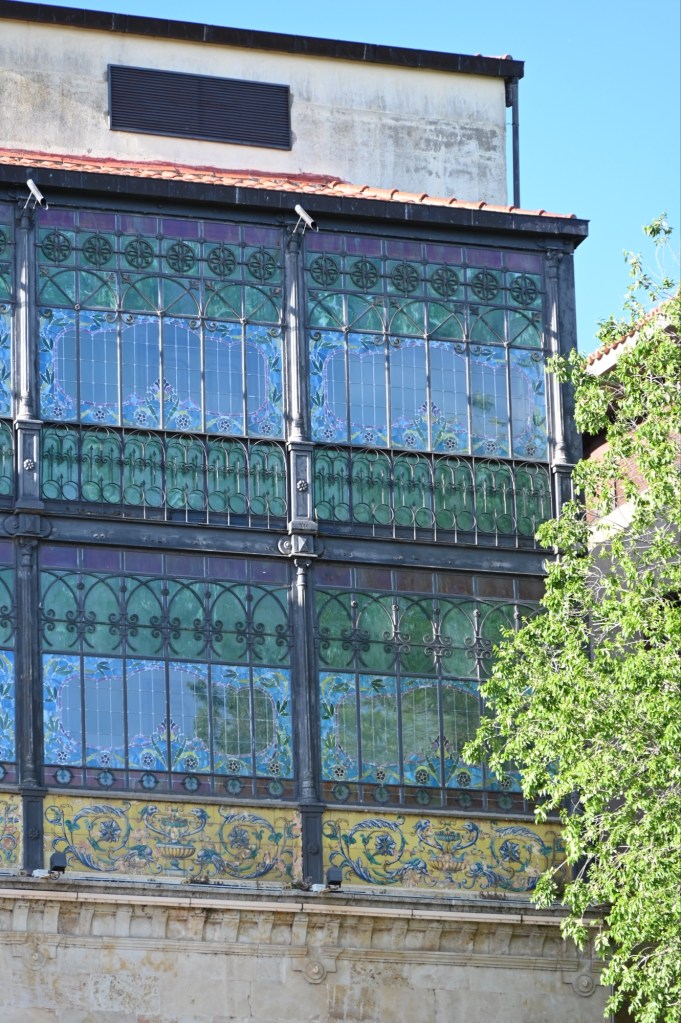
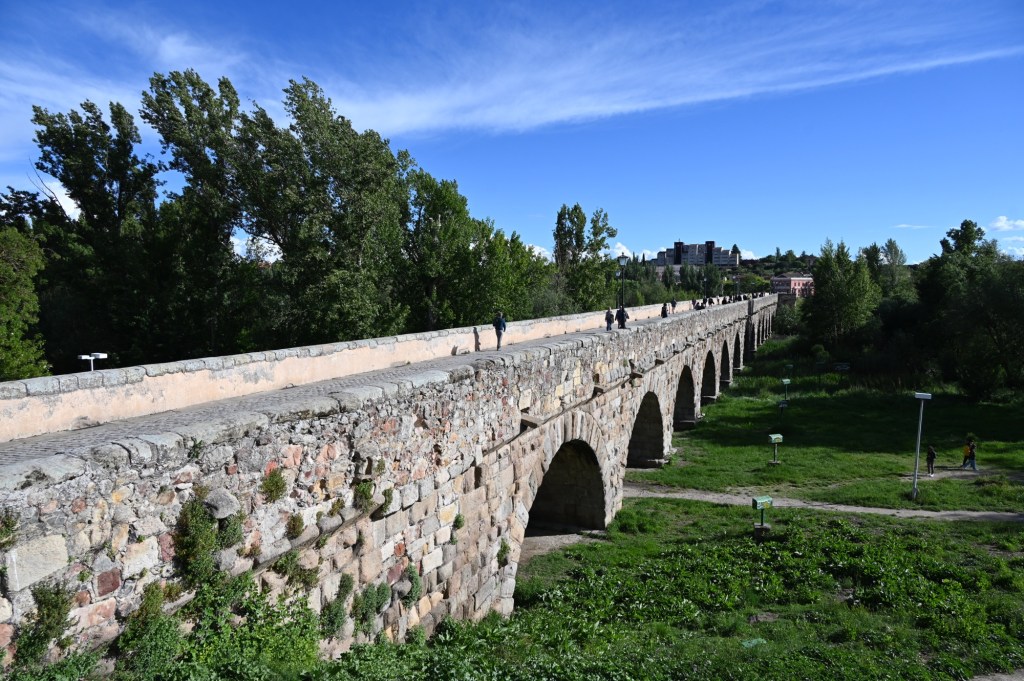
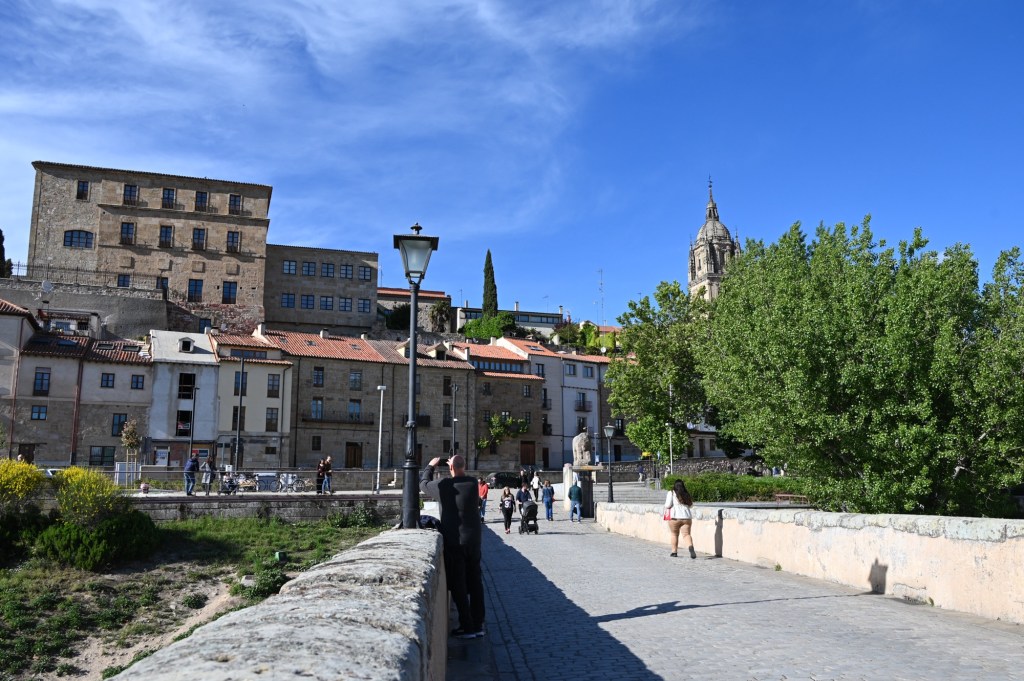
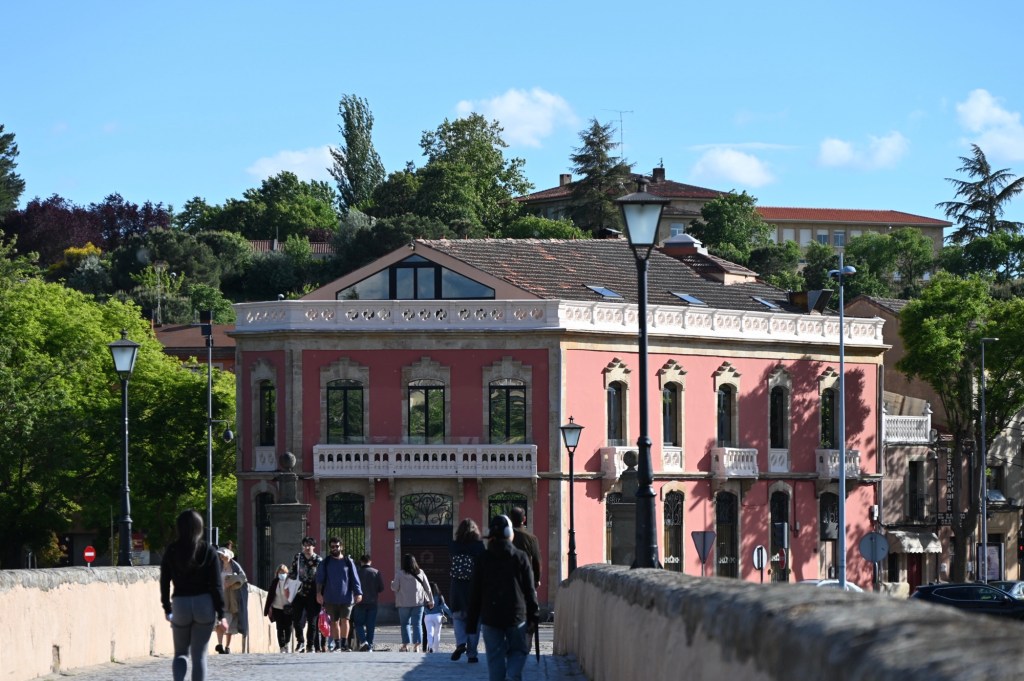
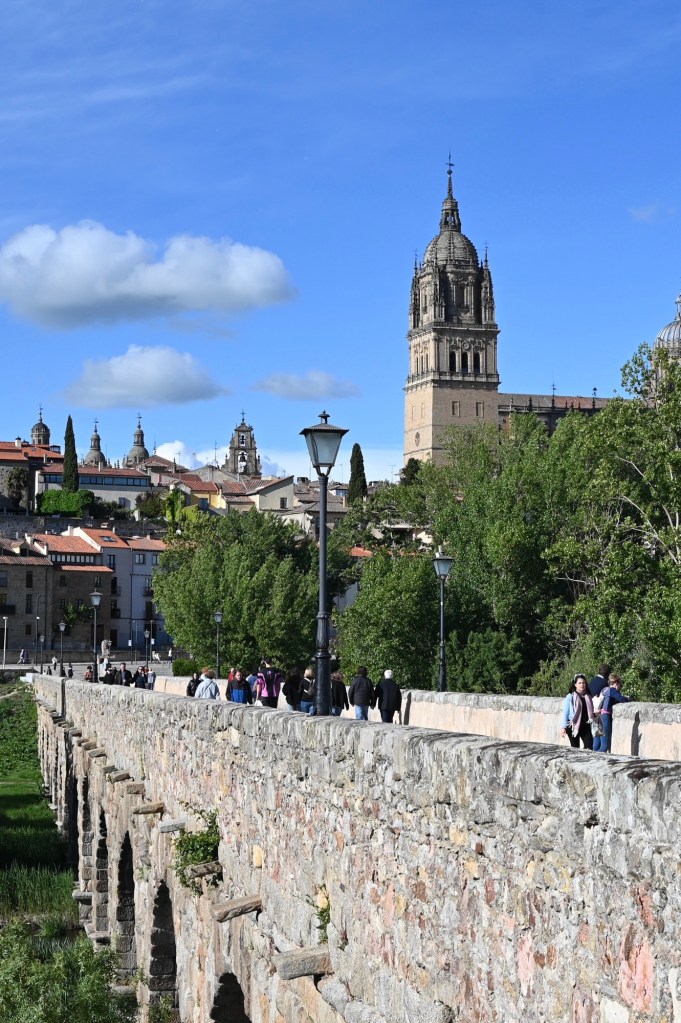
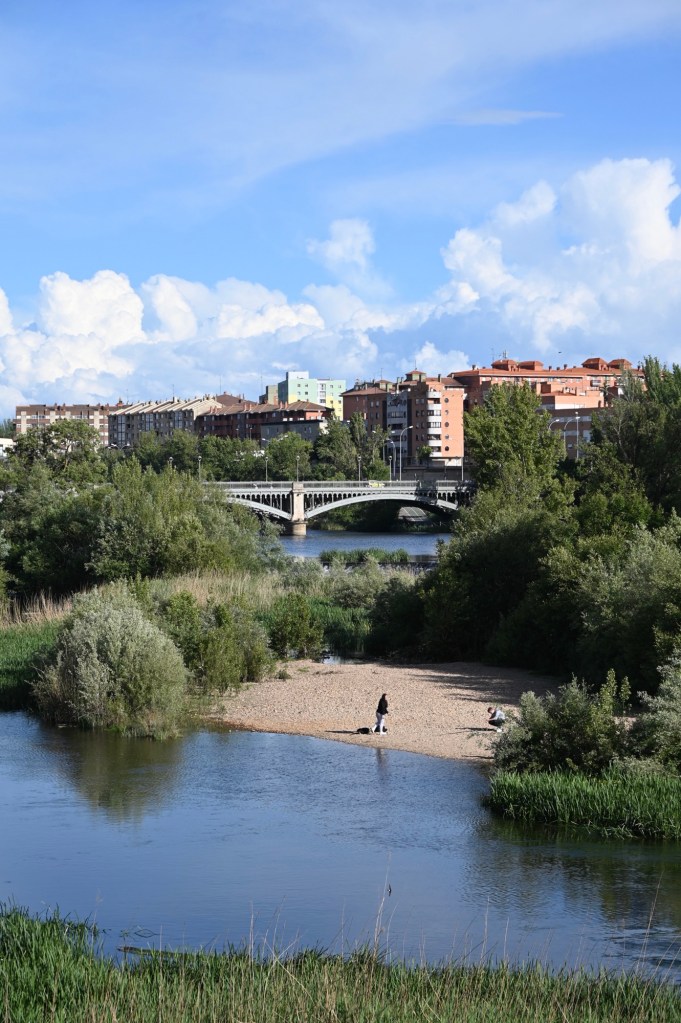
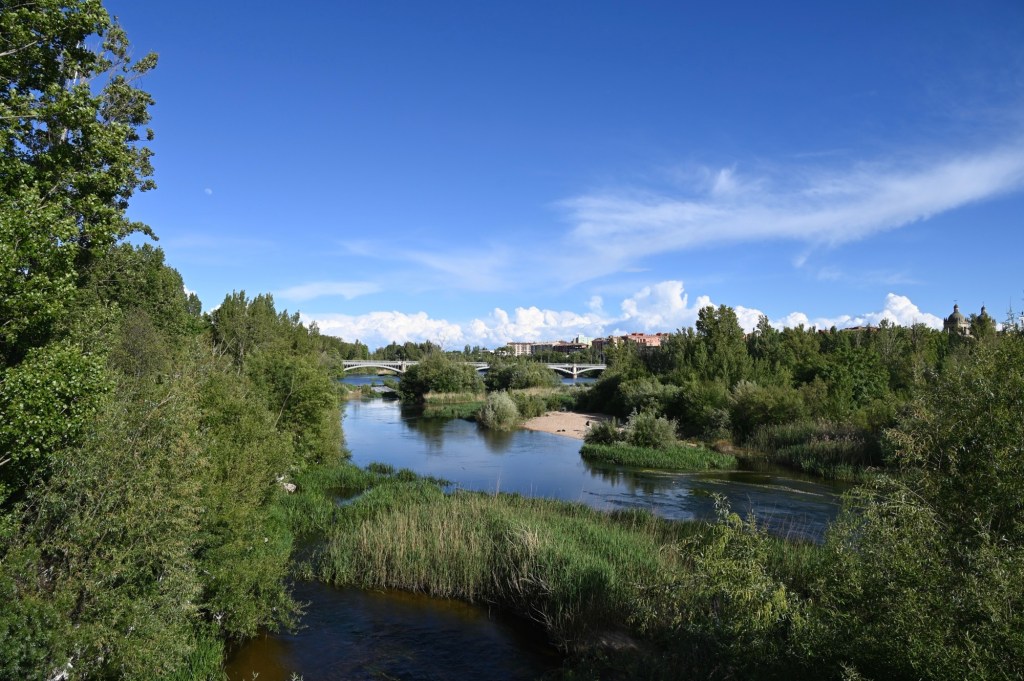
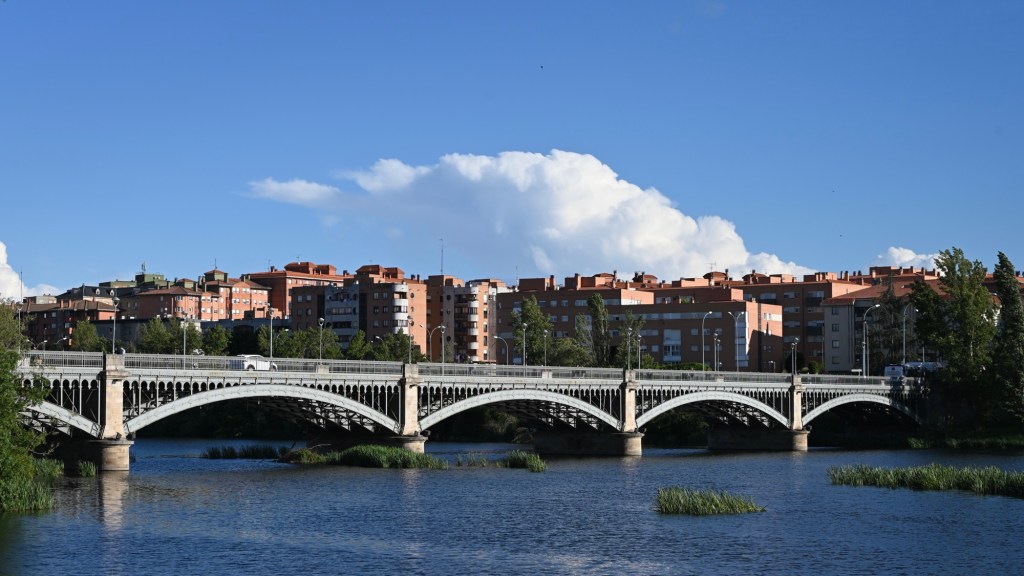
Although Salamanca is not along the Douro river, another river runs through the city. The city thus also has an old Roman bridge, which is worth to visit. Walking across the Roman bridge along the riverbed towards the newer Iron bridge, gives a beautiful view of the city.
Cultural heritage
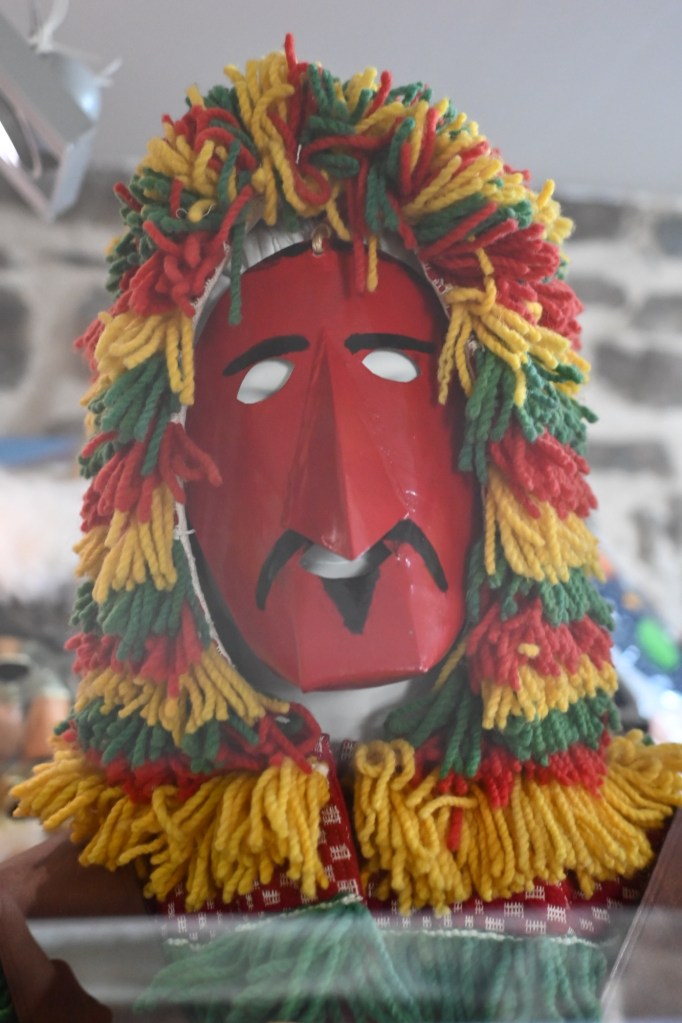
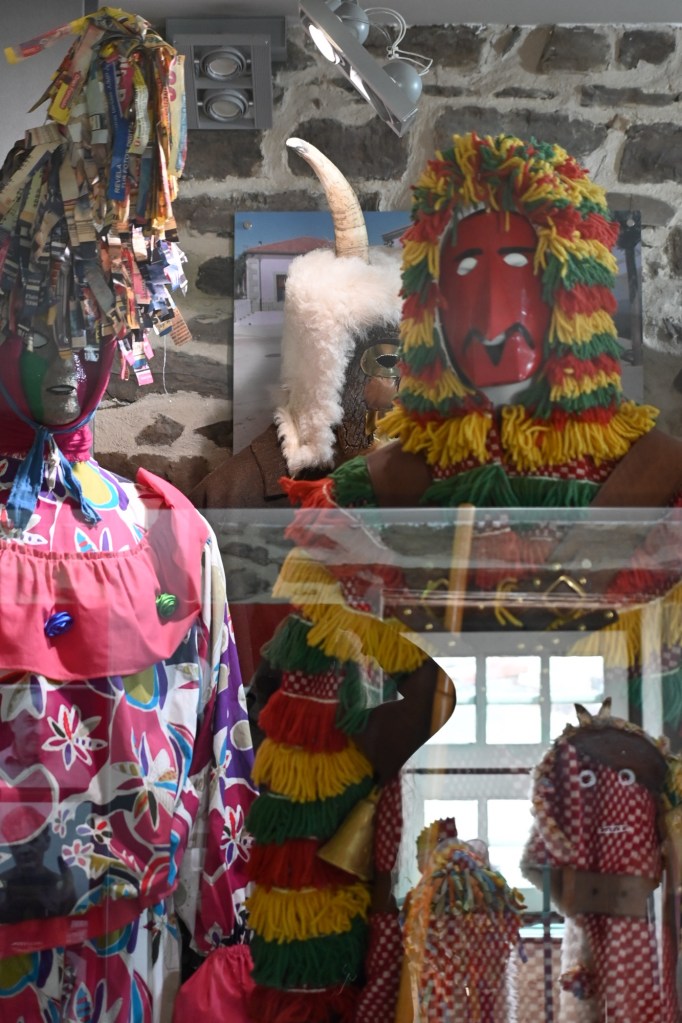
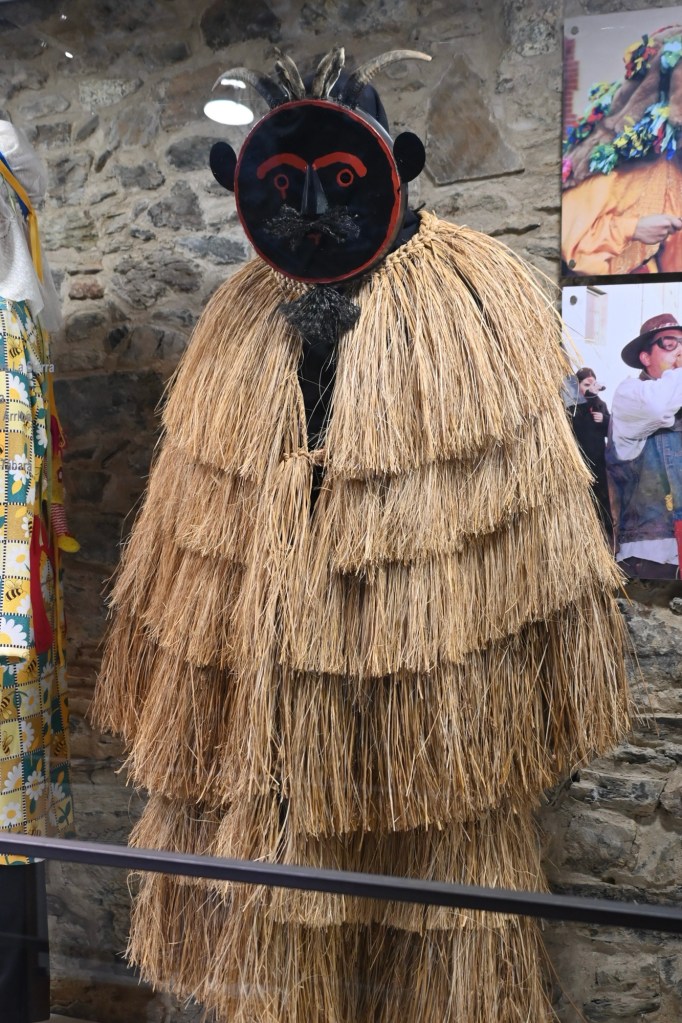
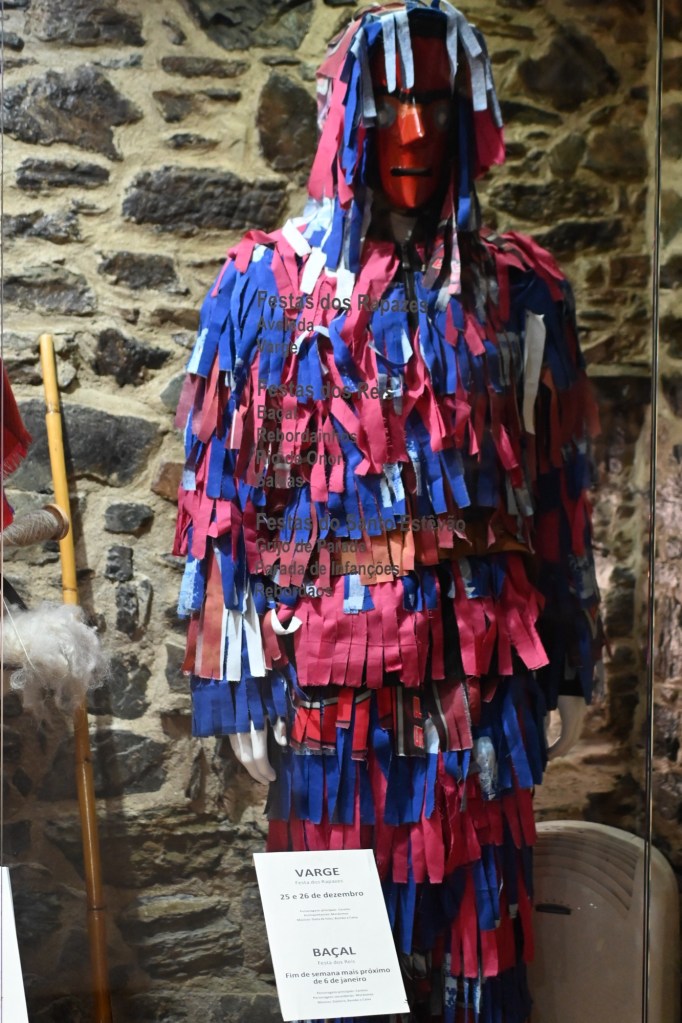
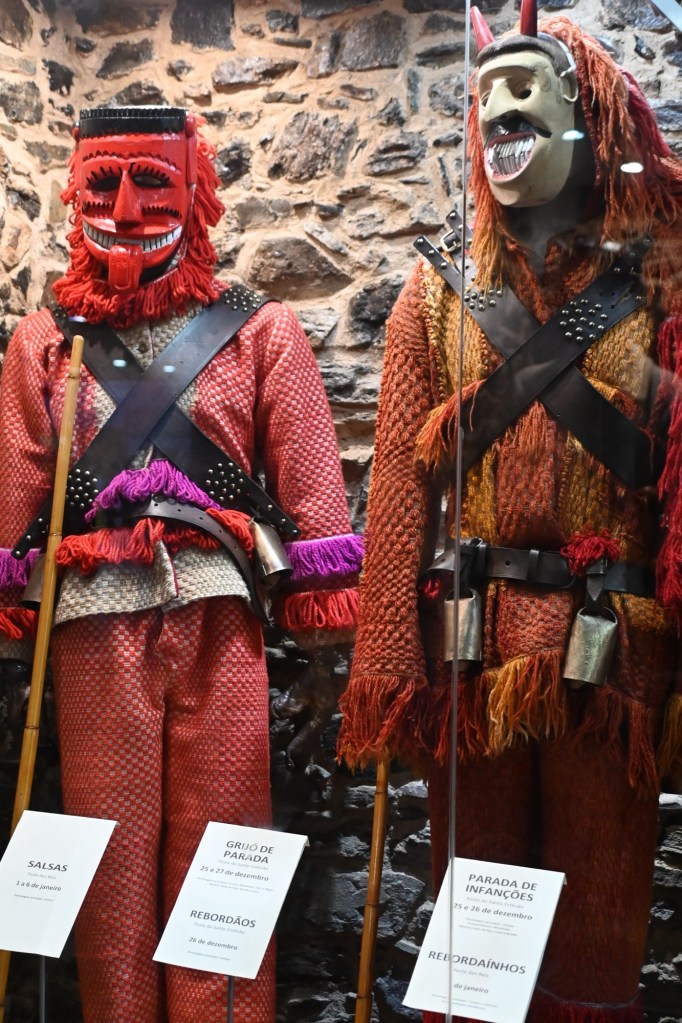
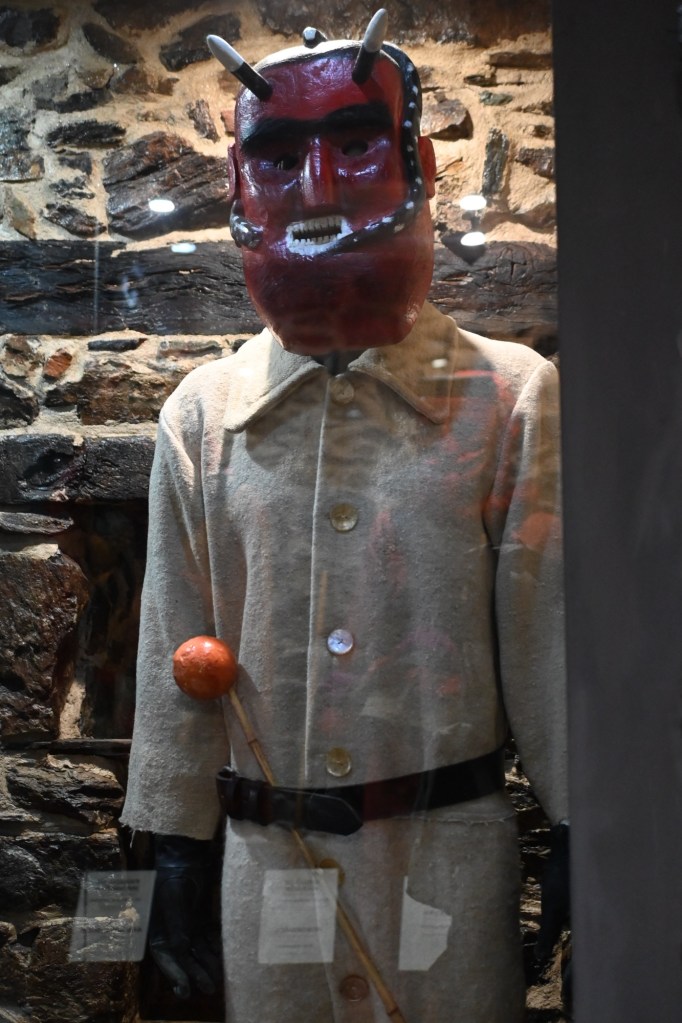
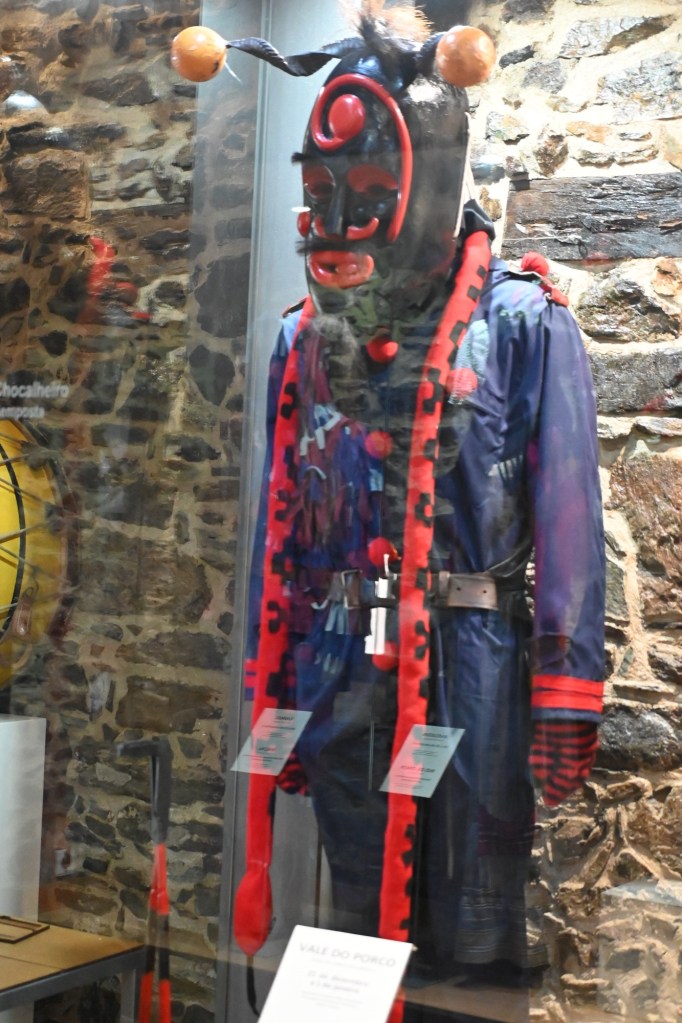
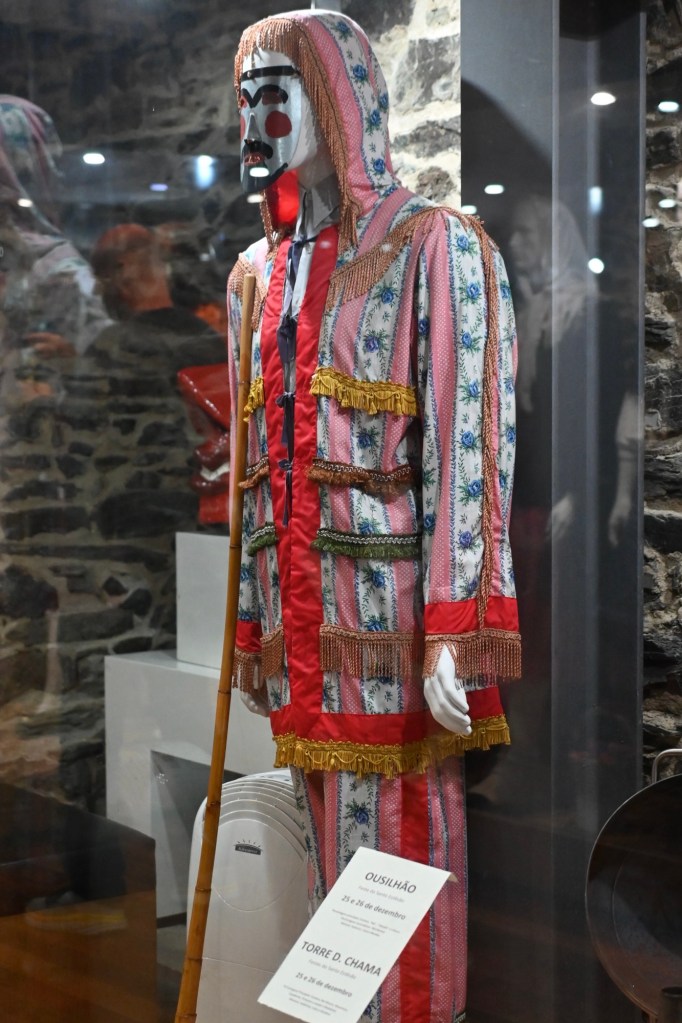
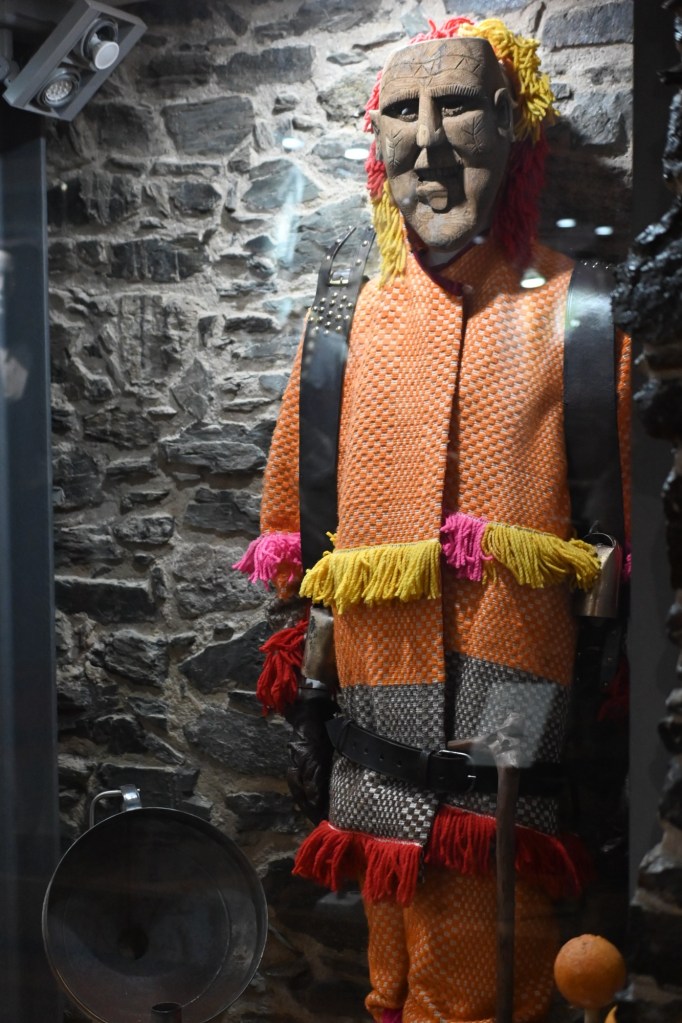
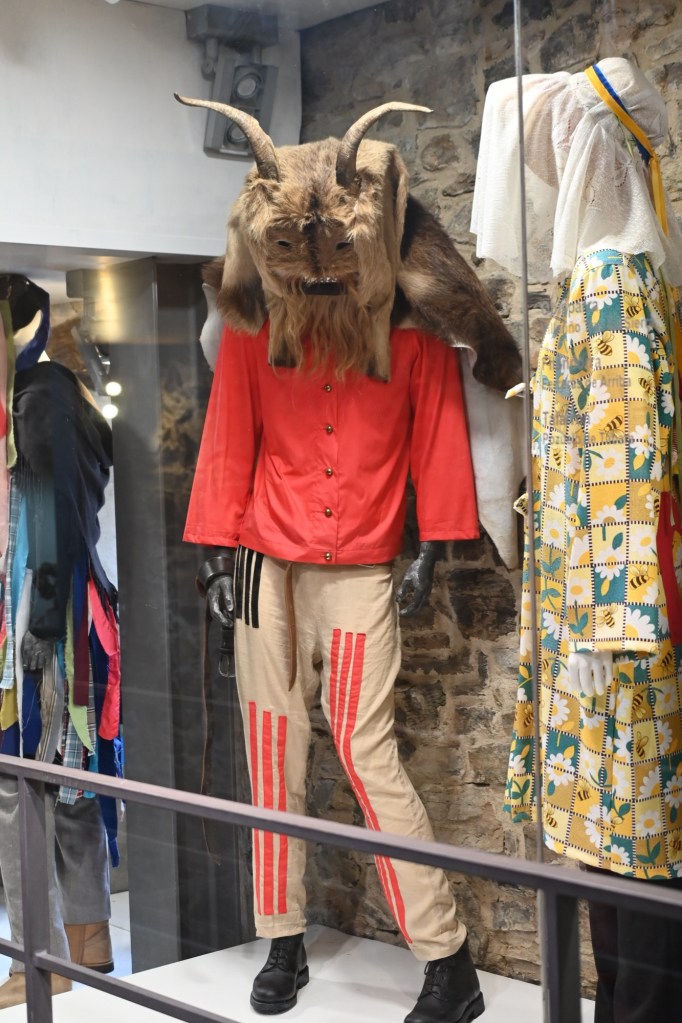
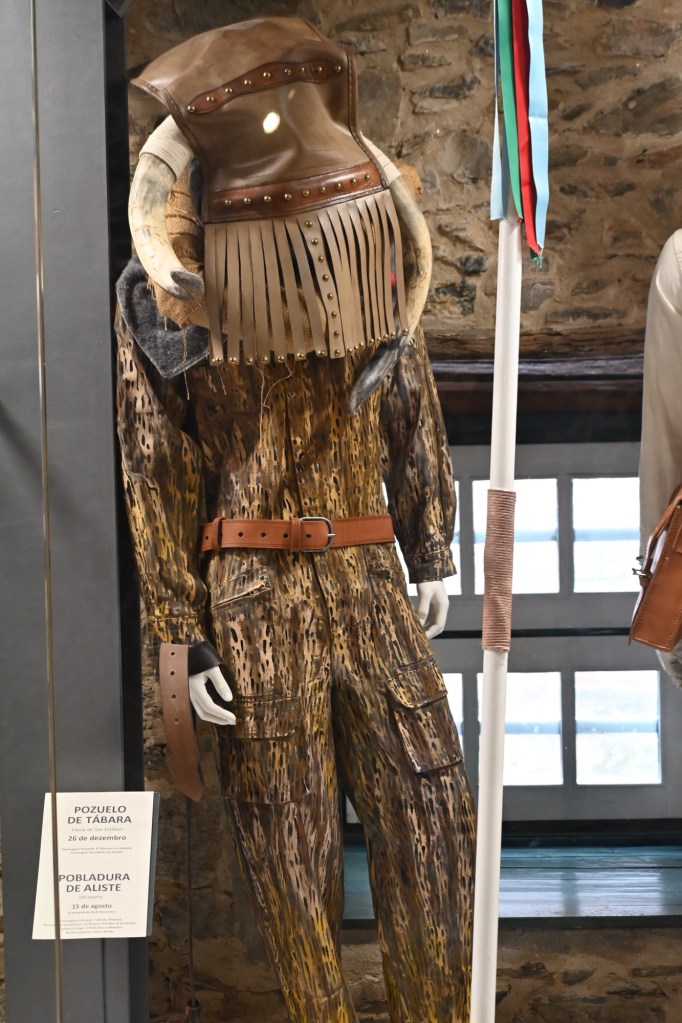
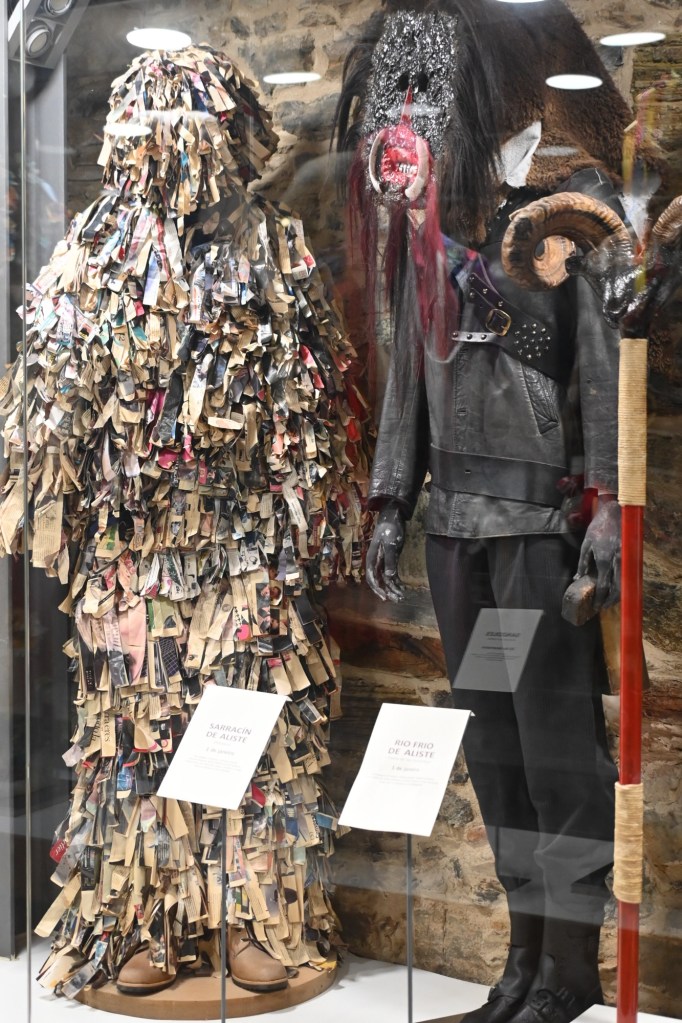
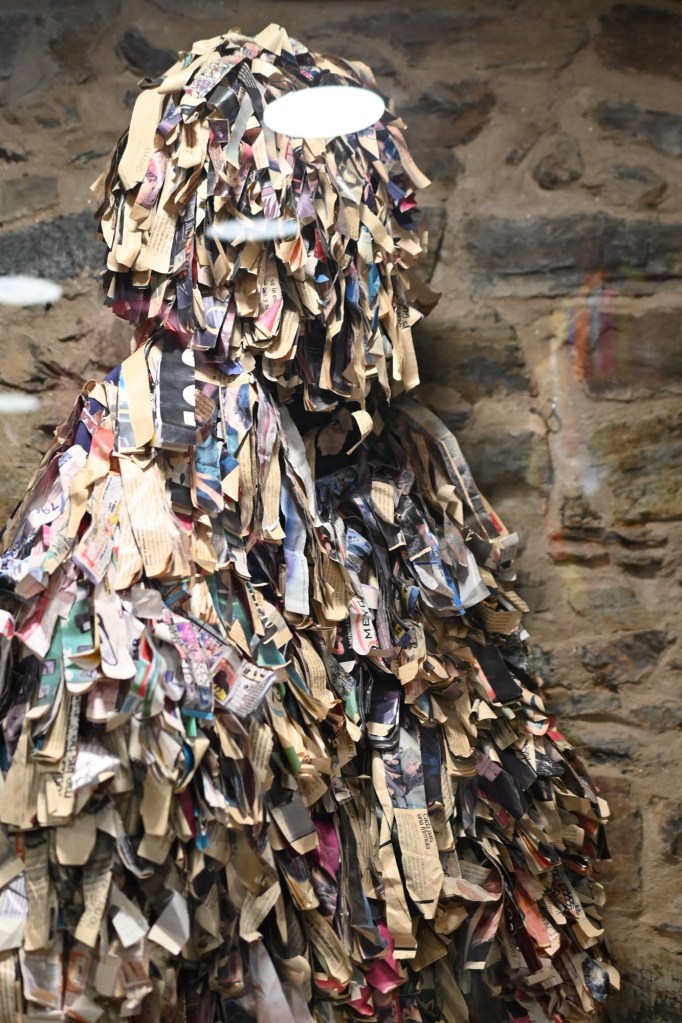
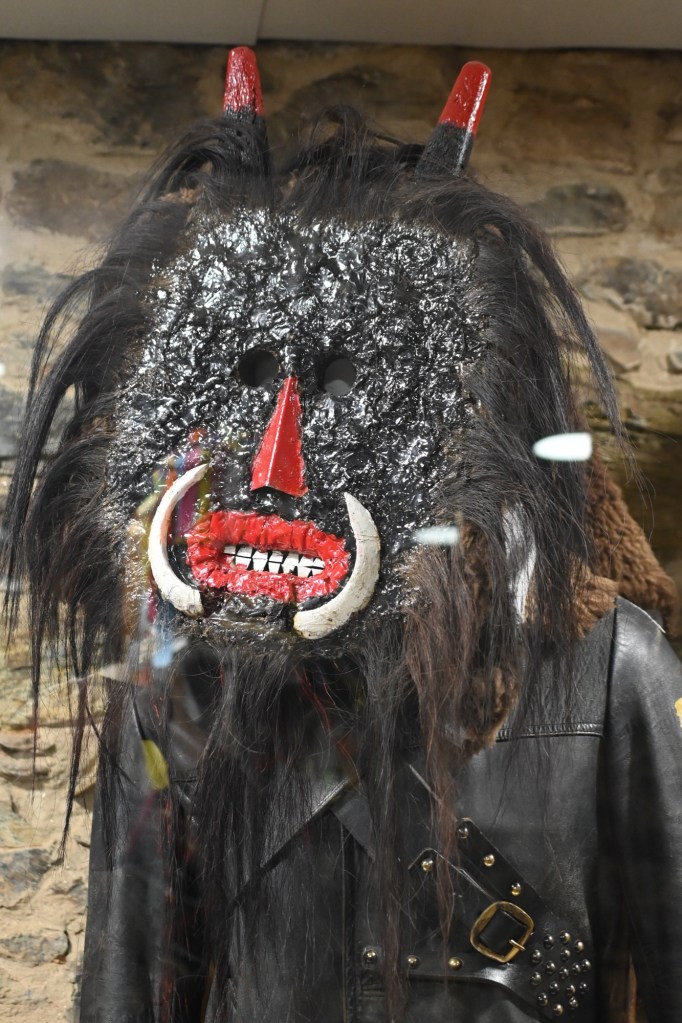
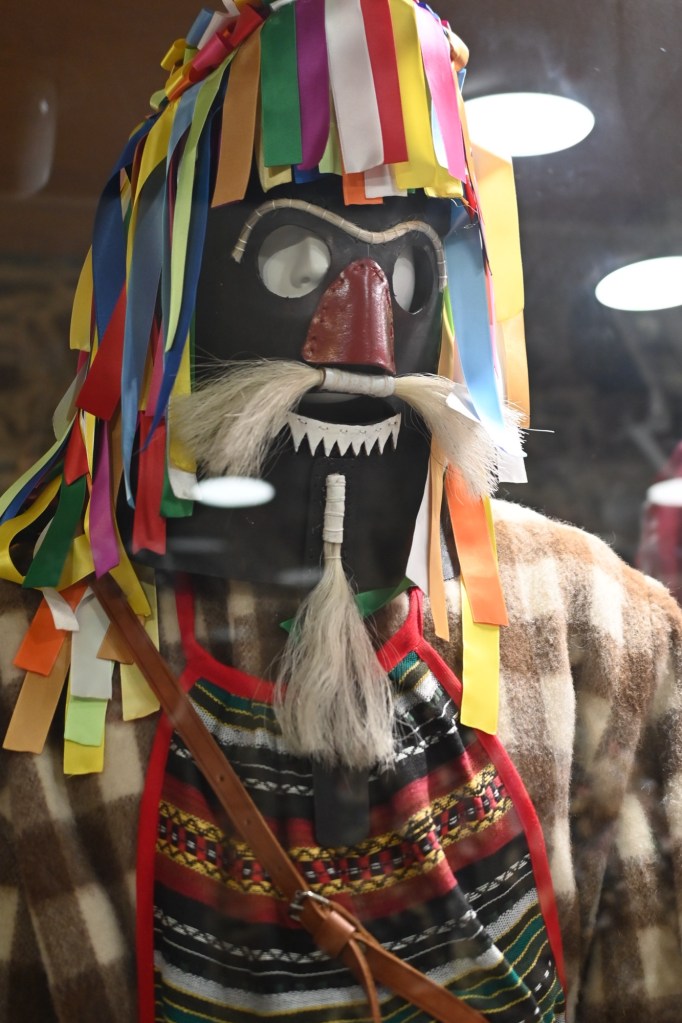
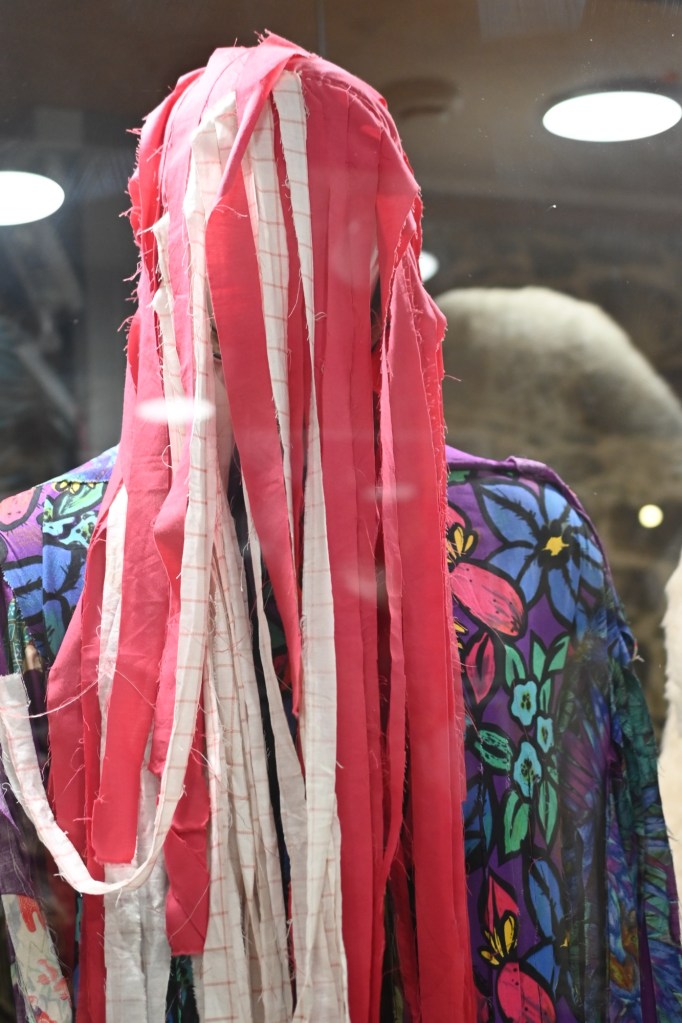
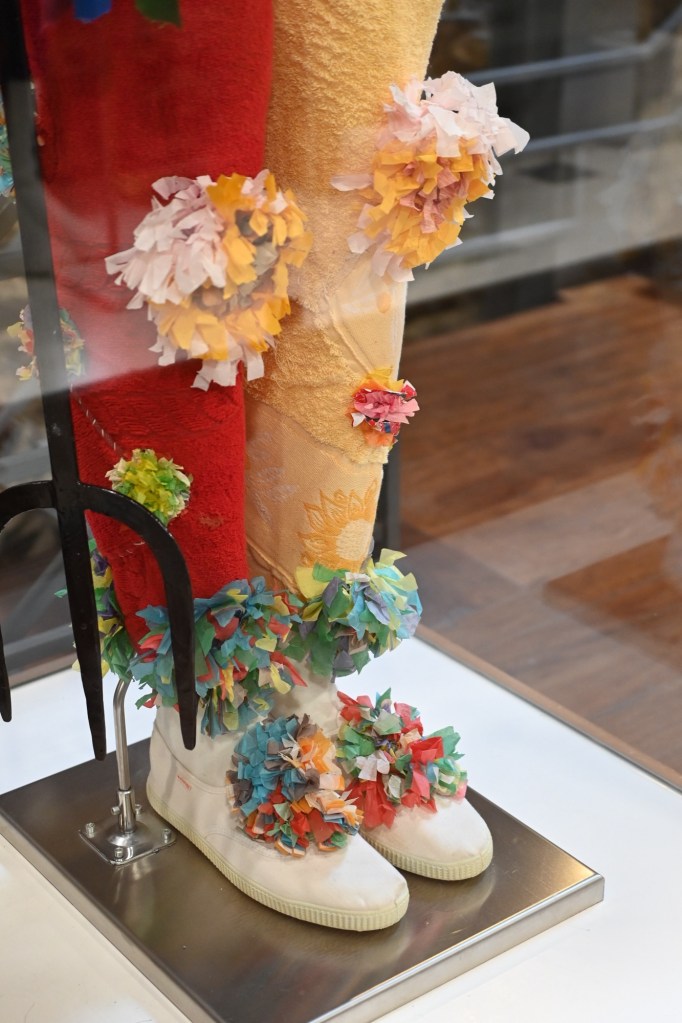
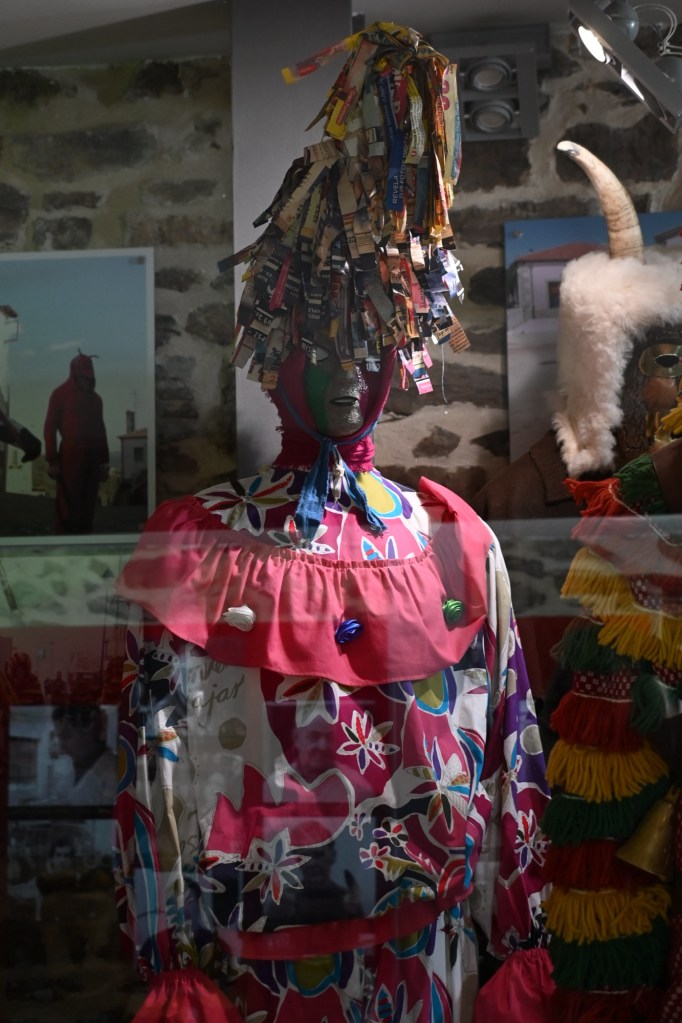
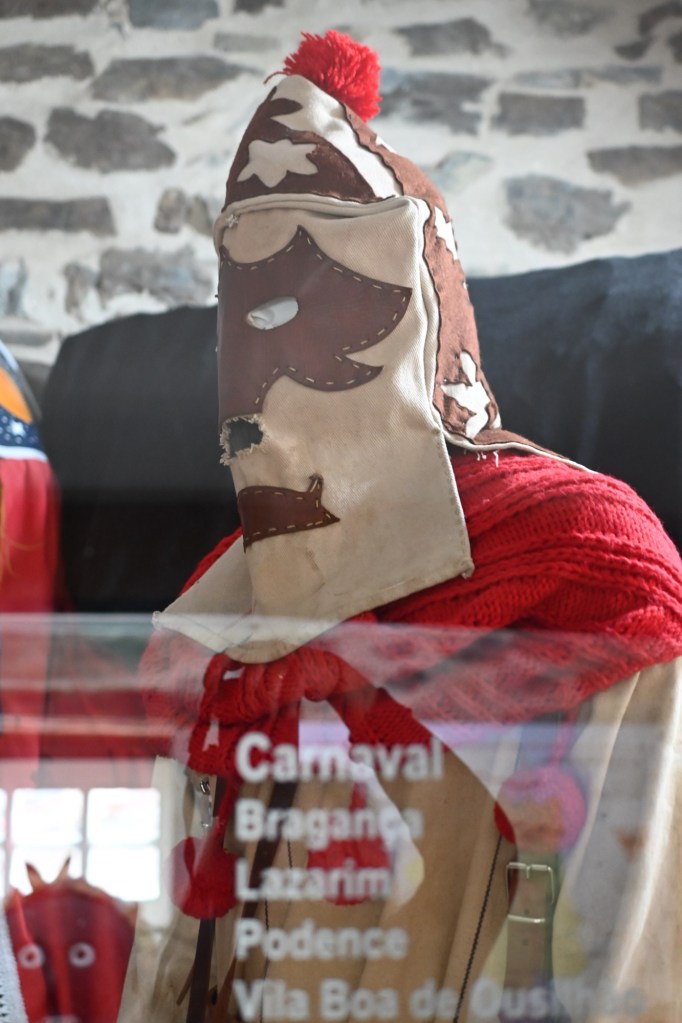
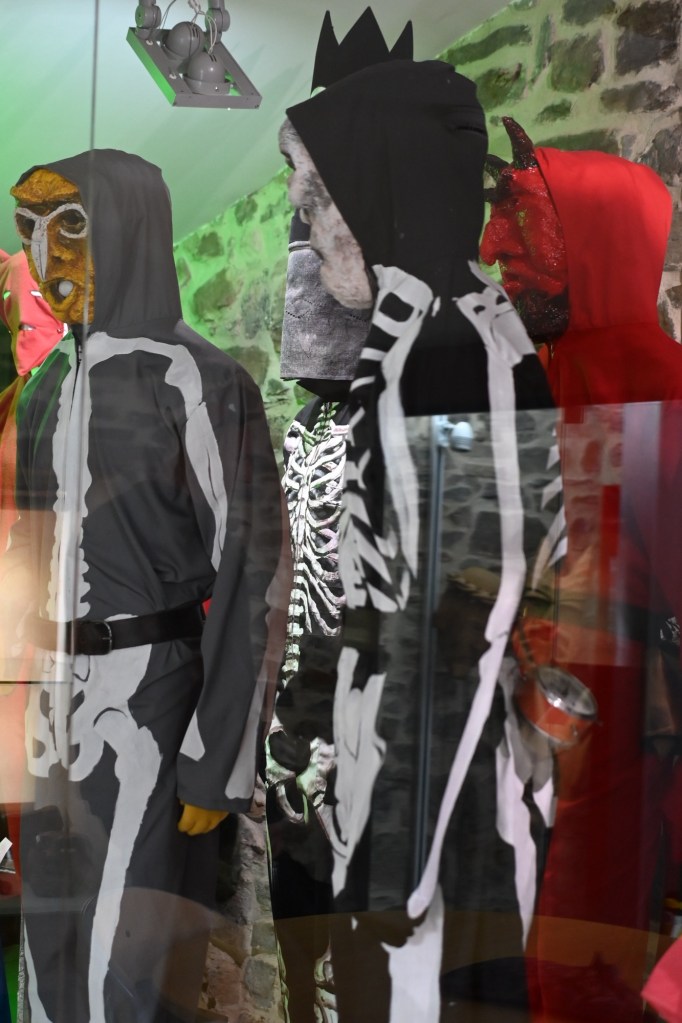
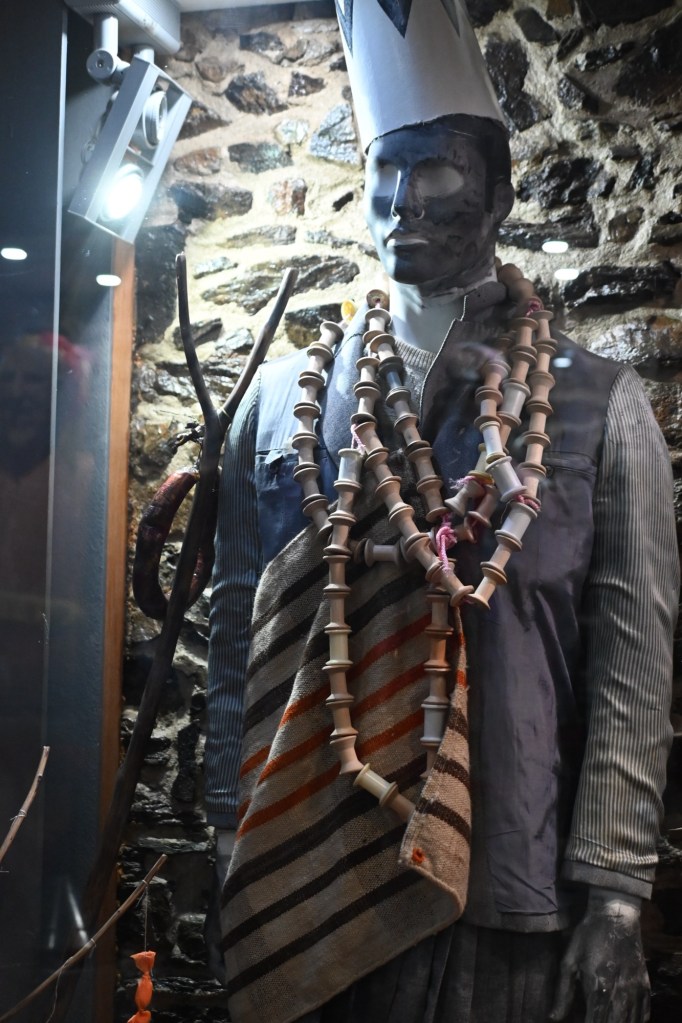
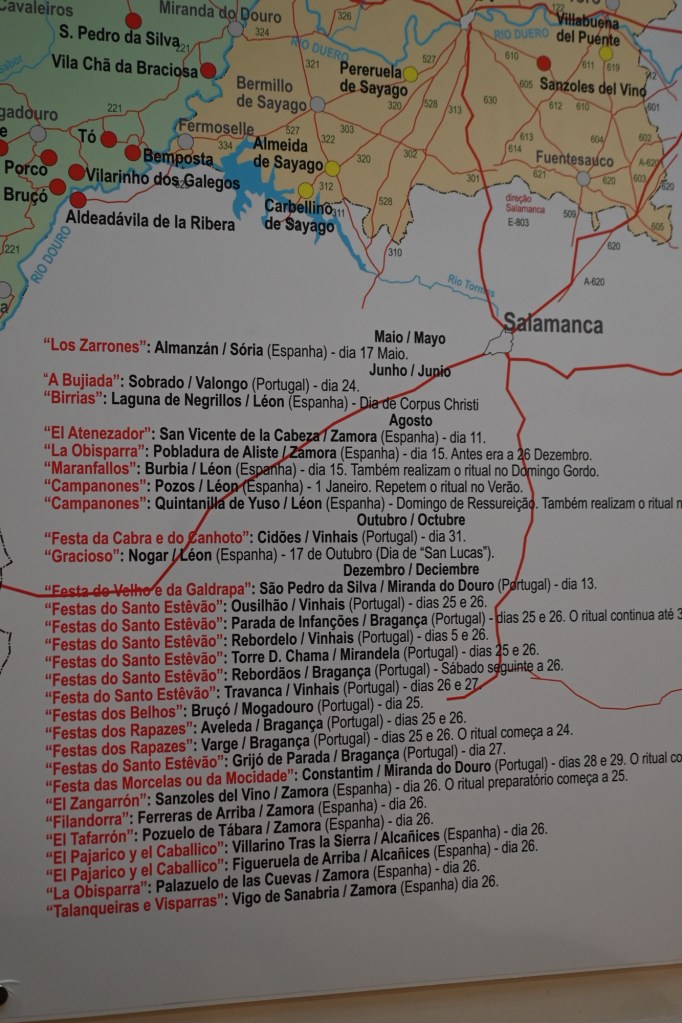
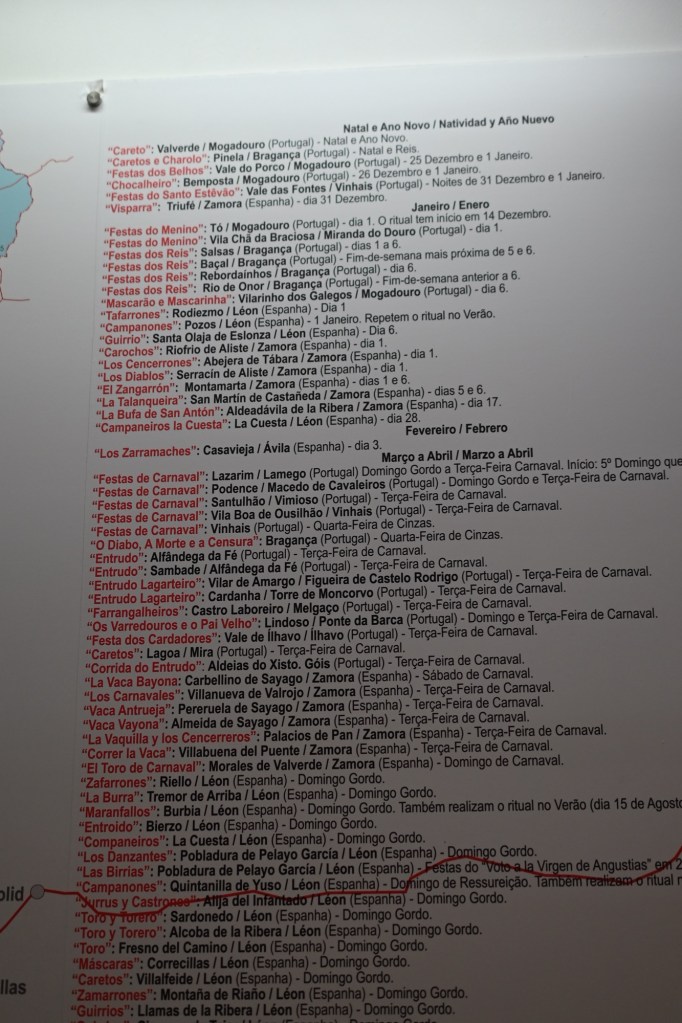
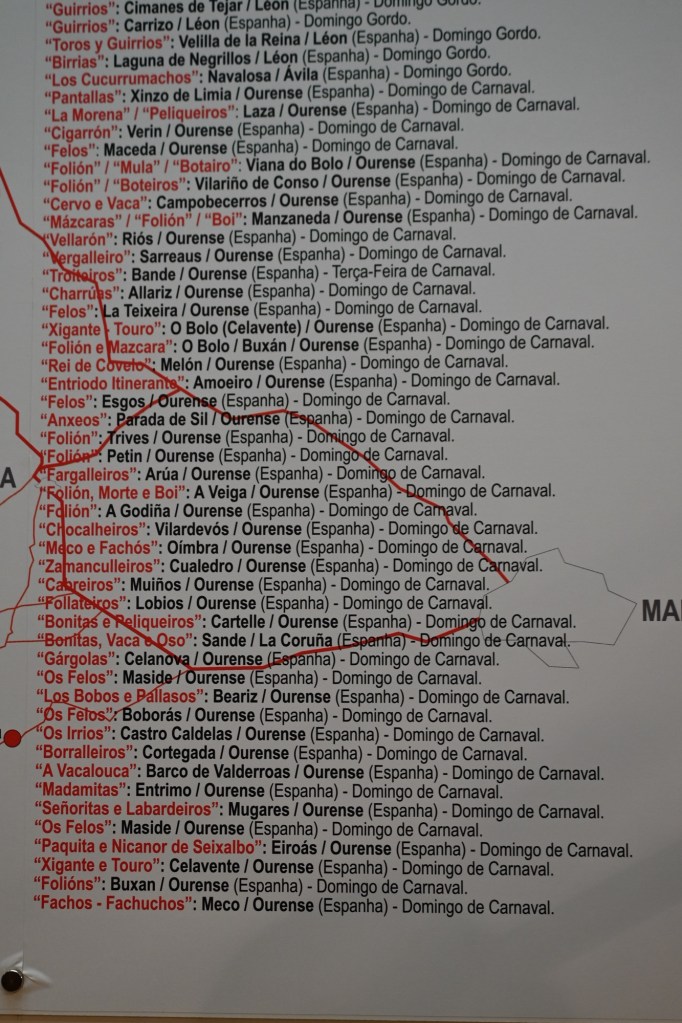
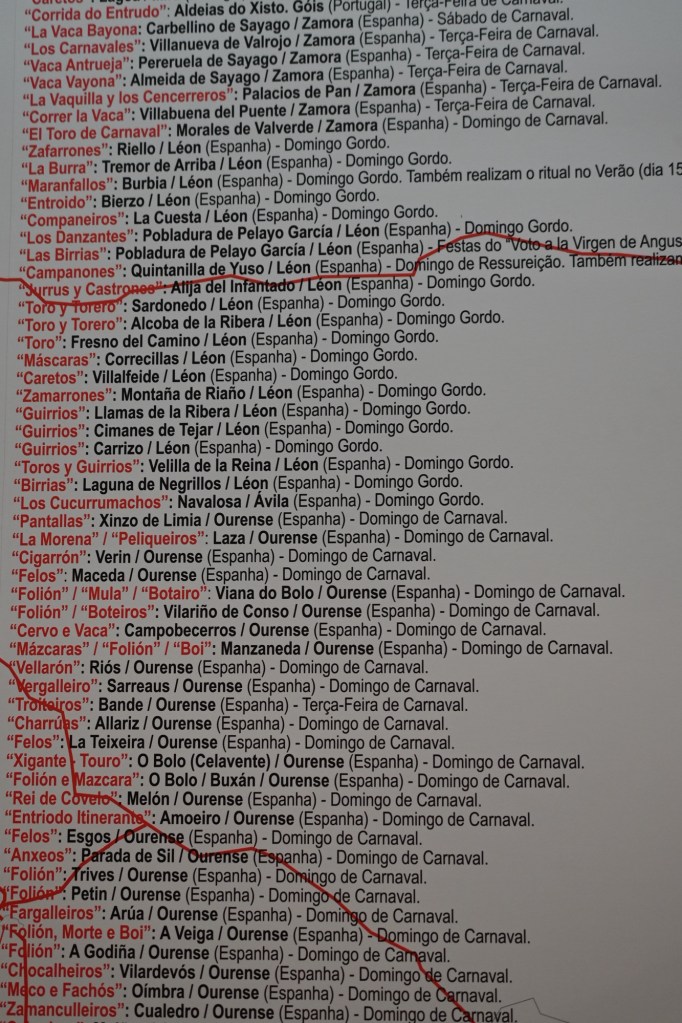
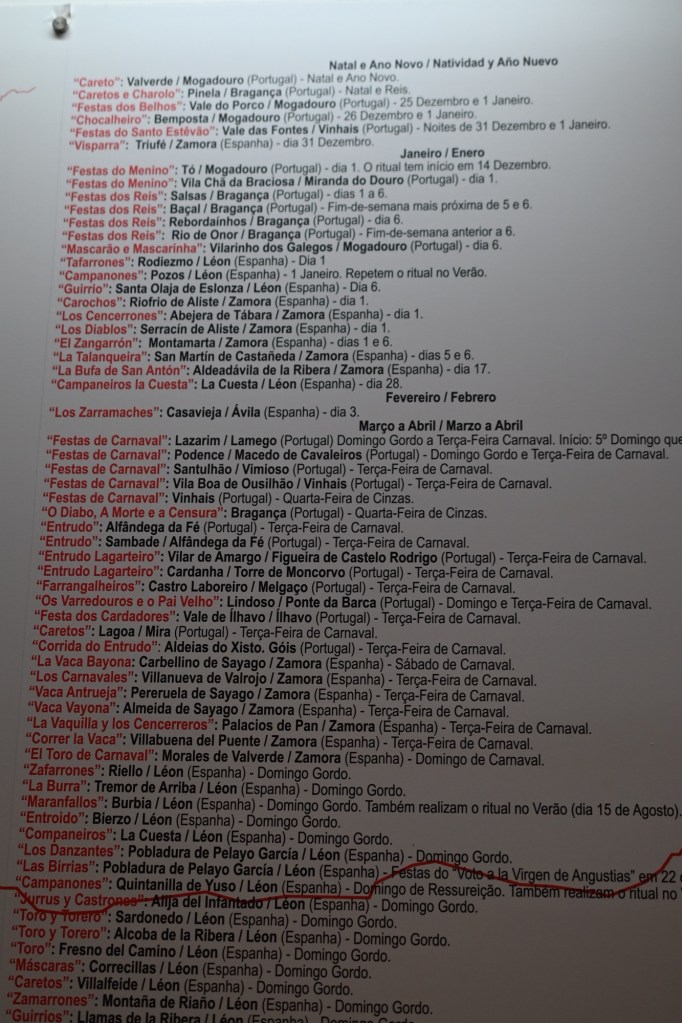
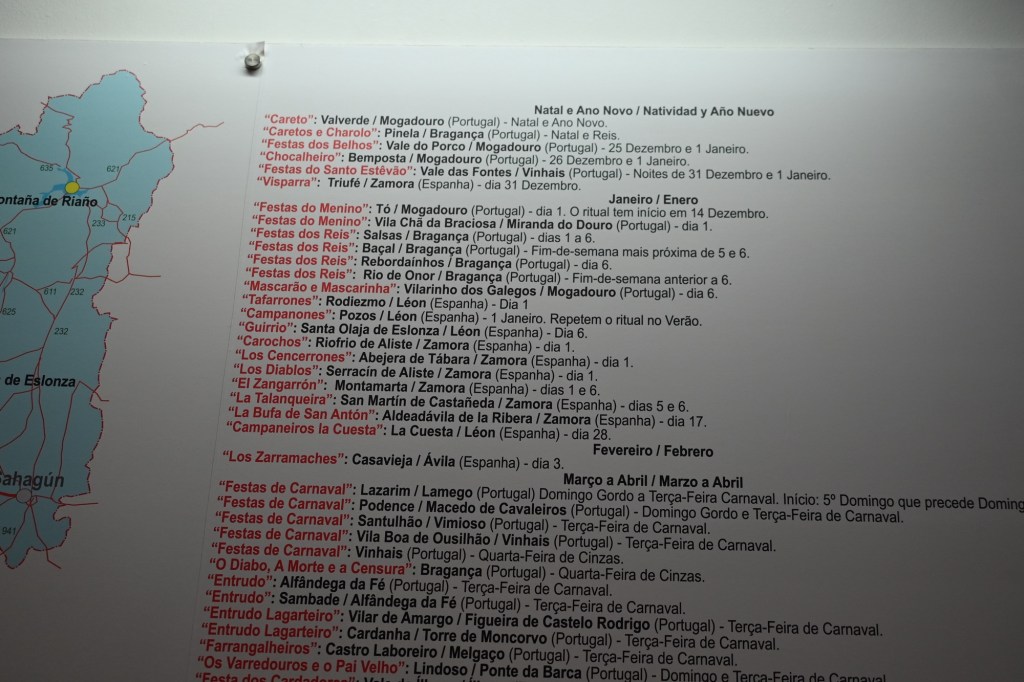
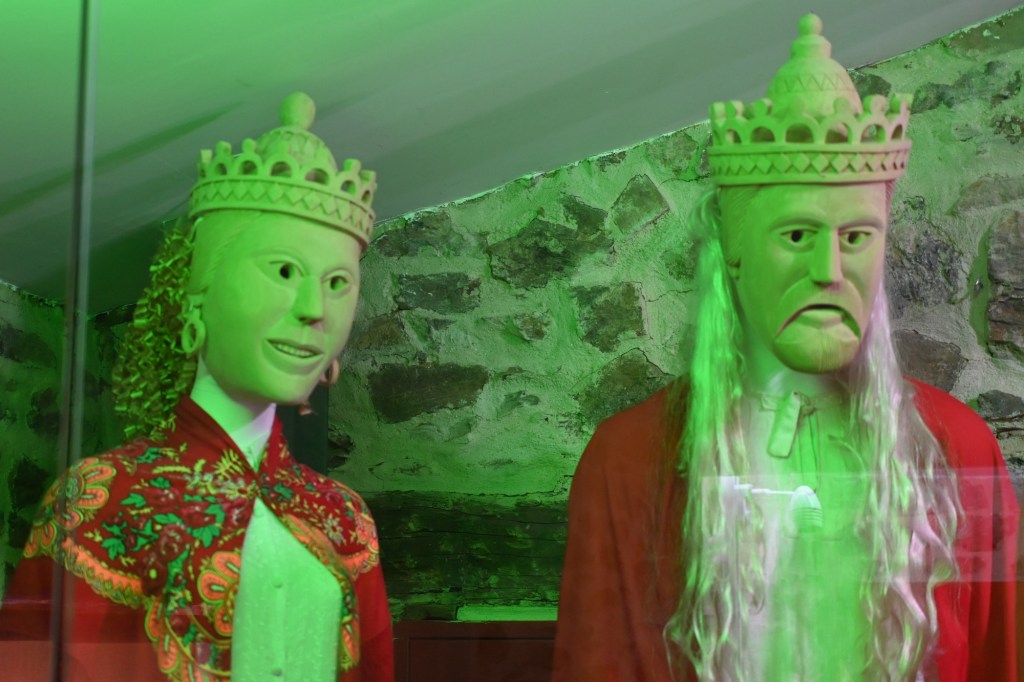
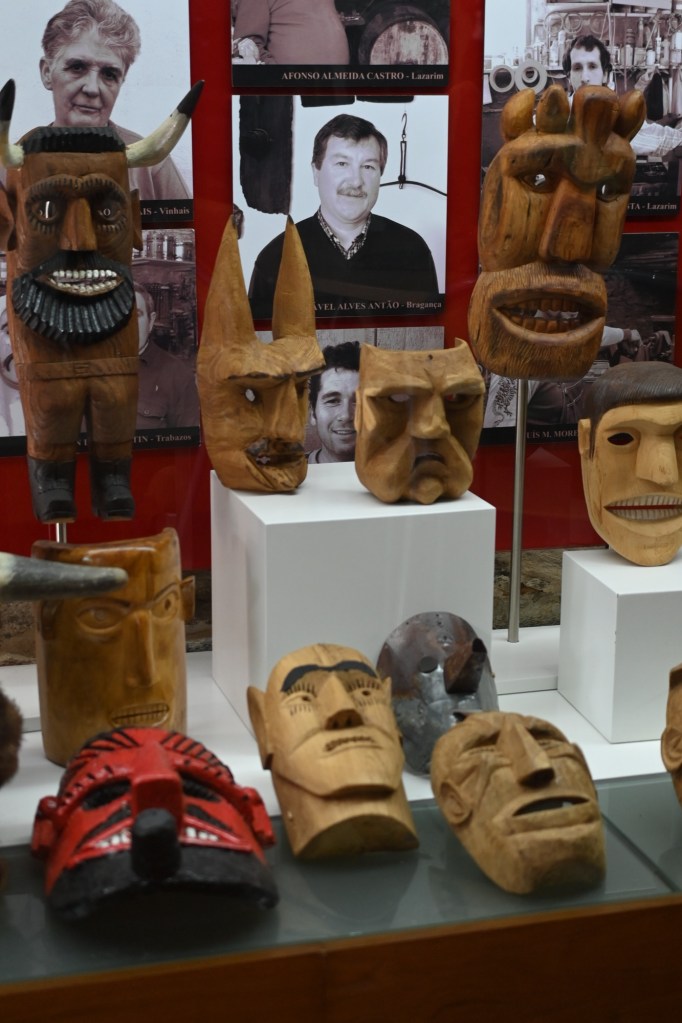
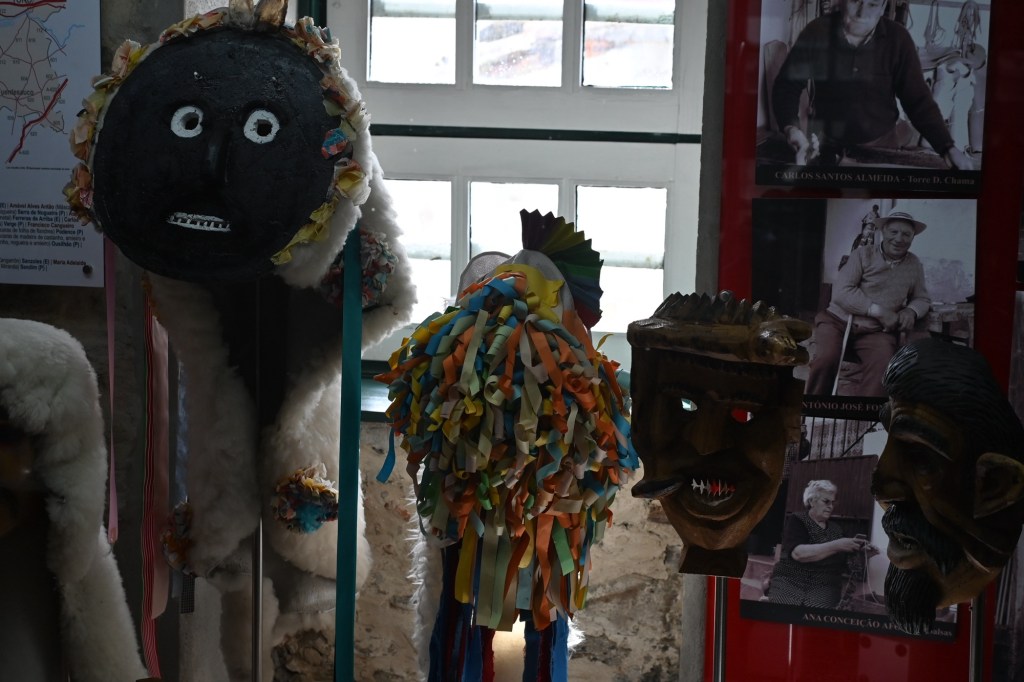
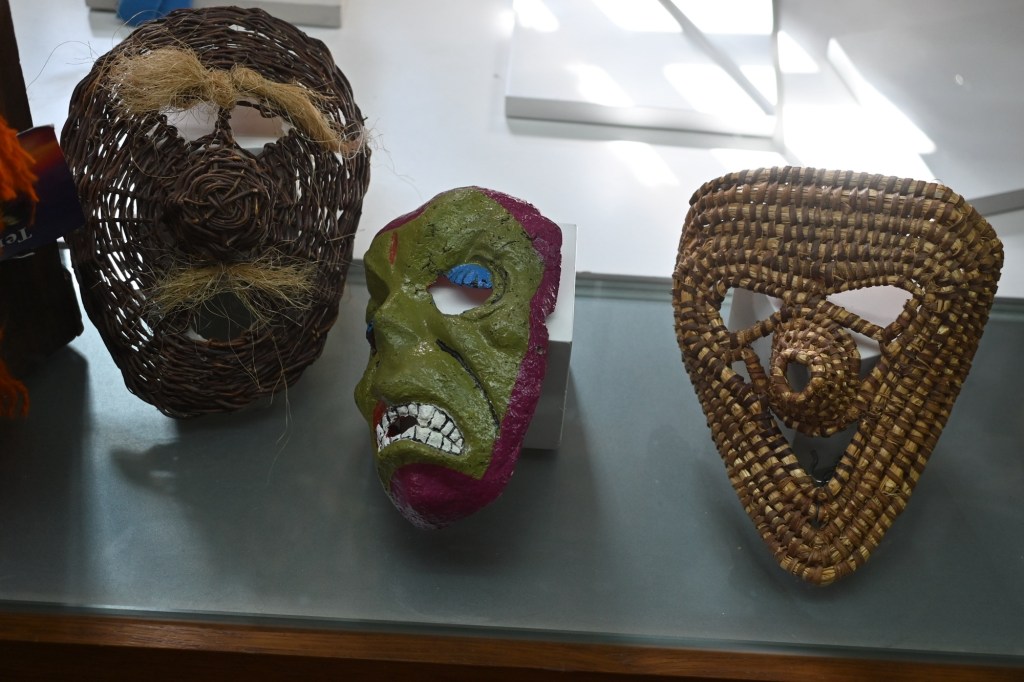
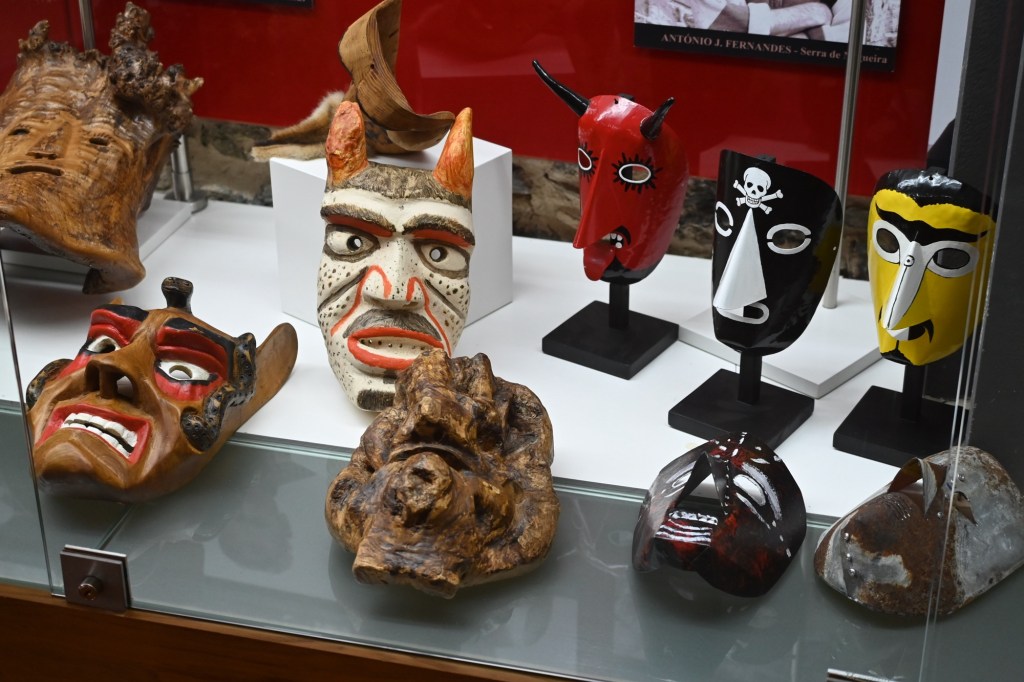
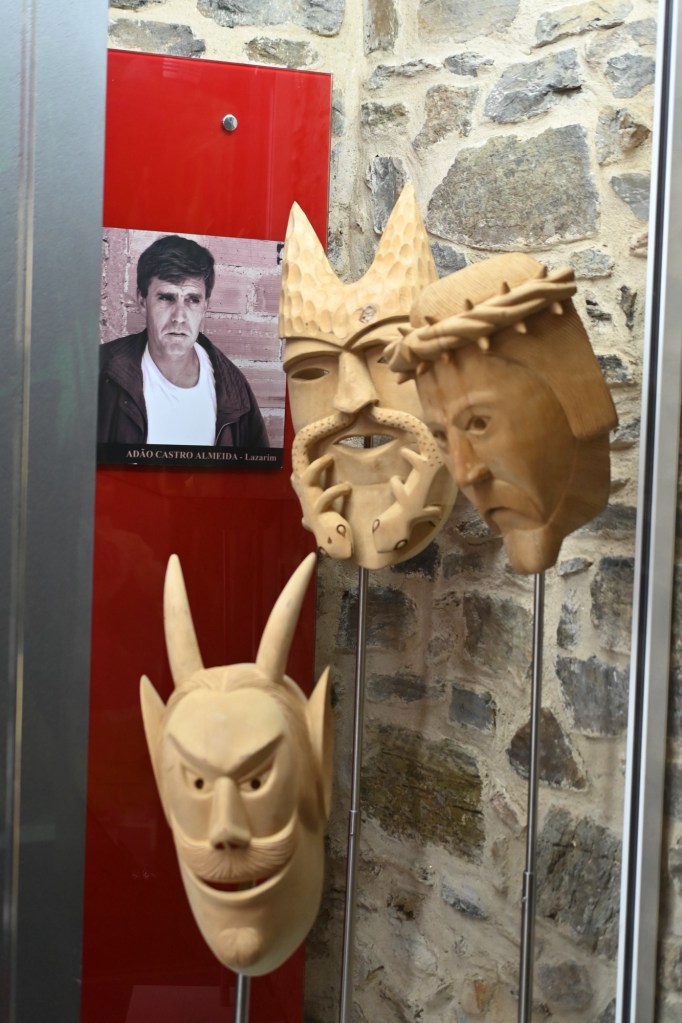
The Zamora region in Spain and the Trás-os-Montes (Bragança) region in northern Portugal share a ritual tradition of masks and masquerades to celebrate the end of the dark season and the coming of the spring.
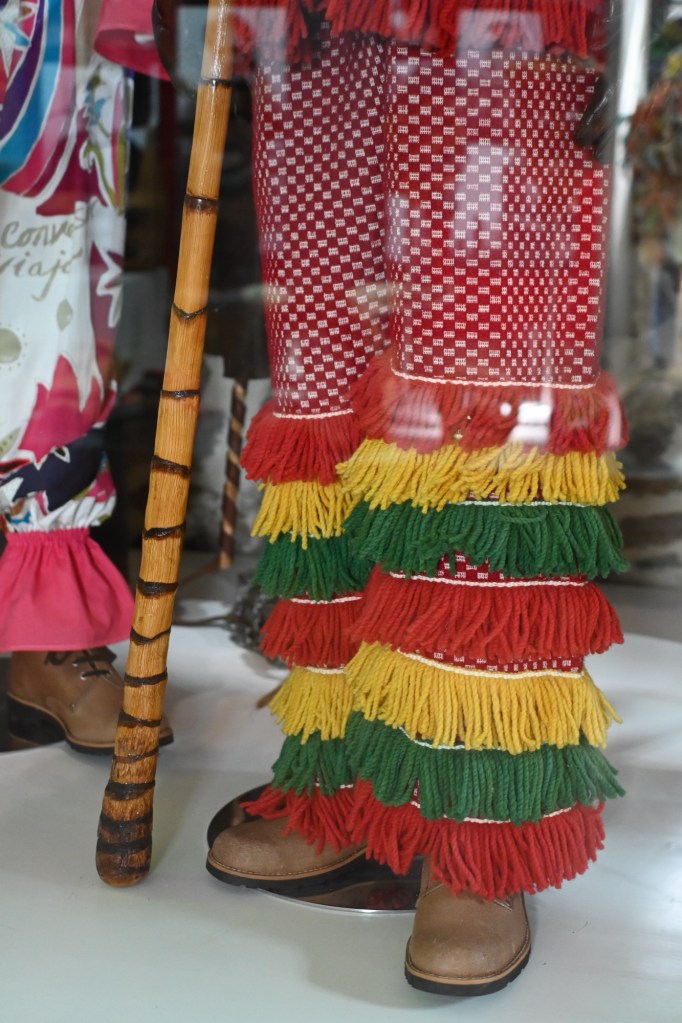
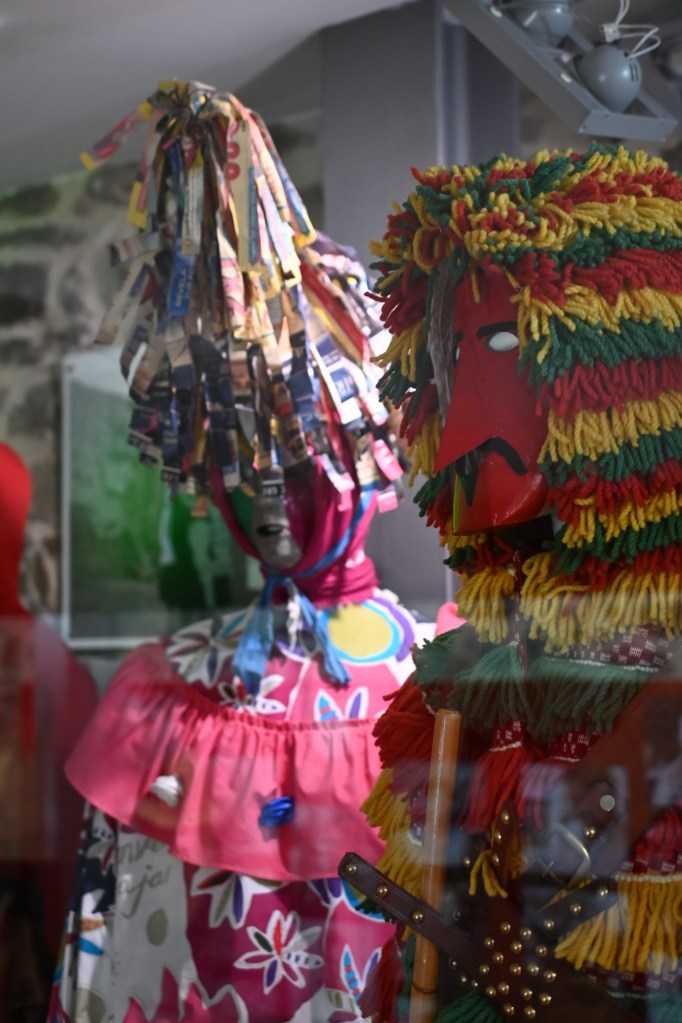
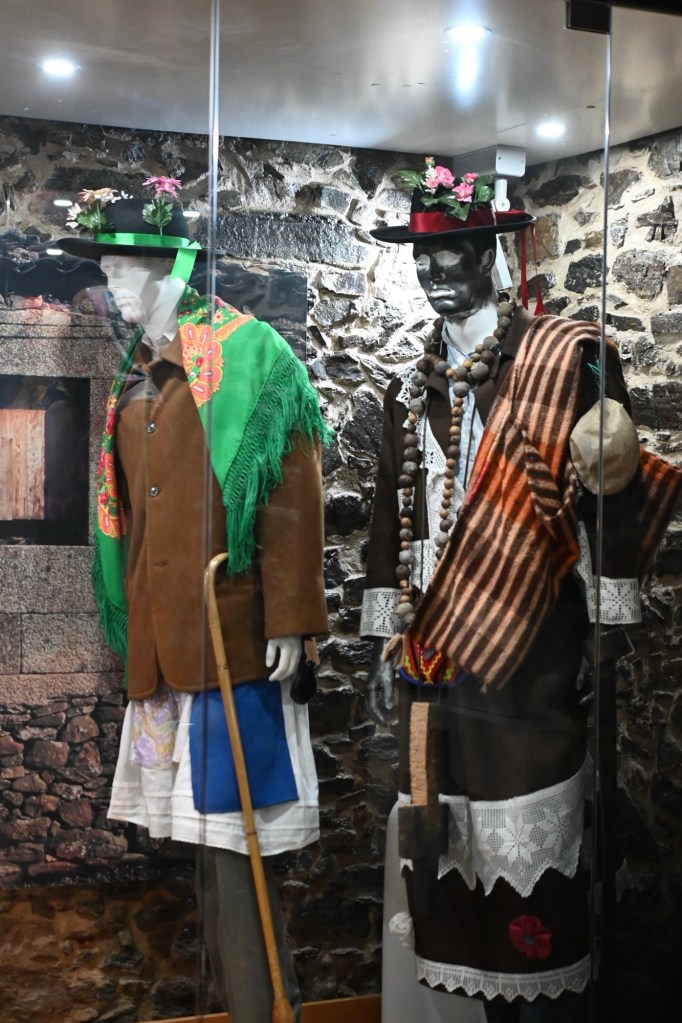
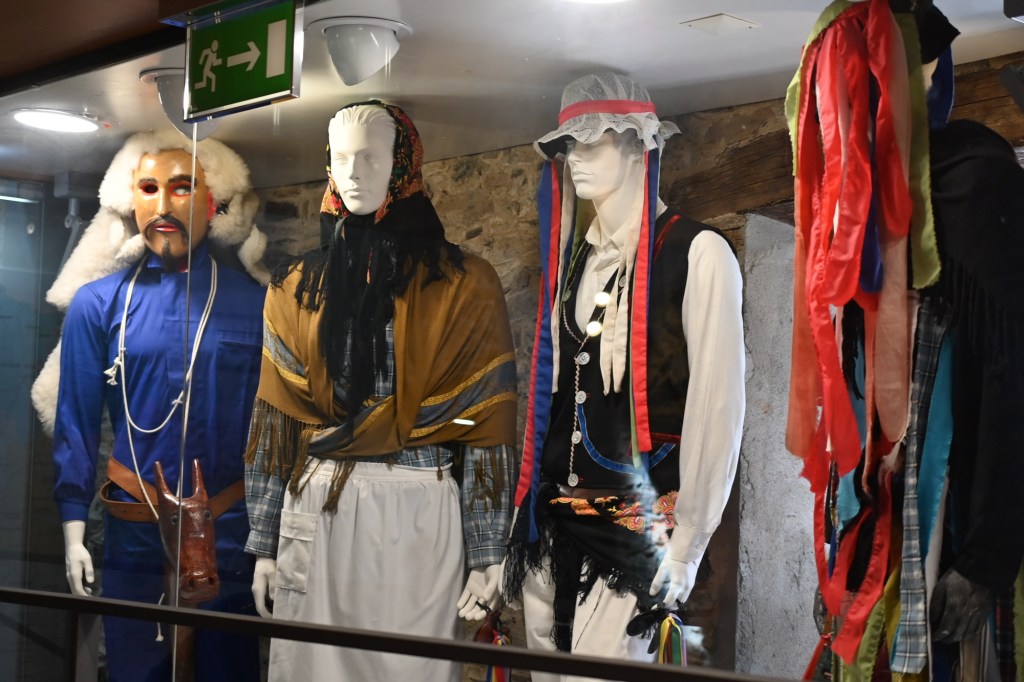
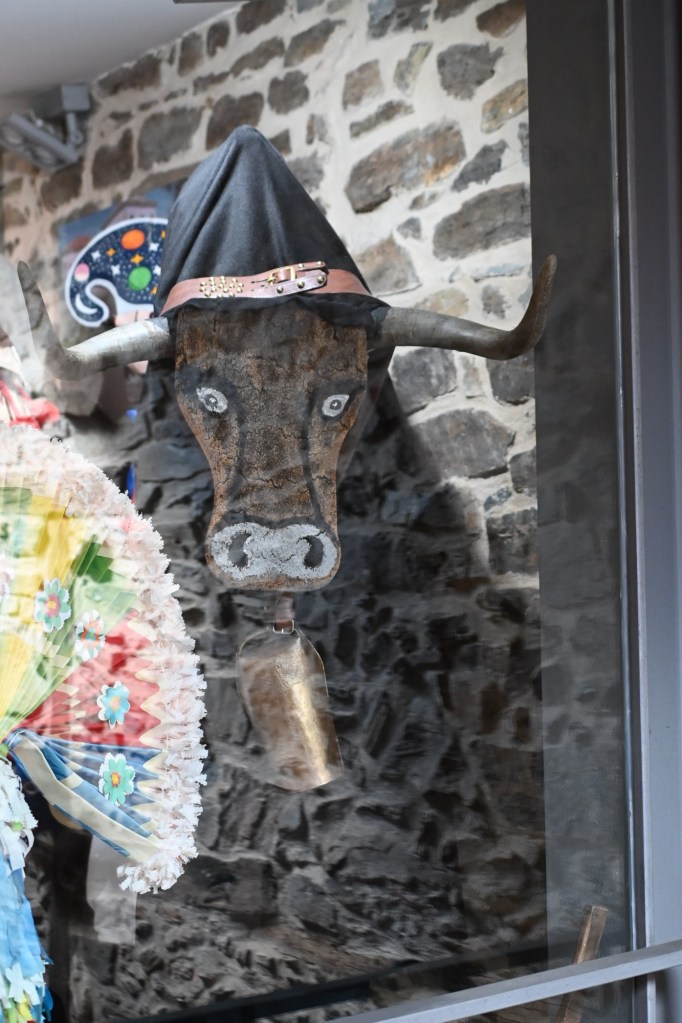
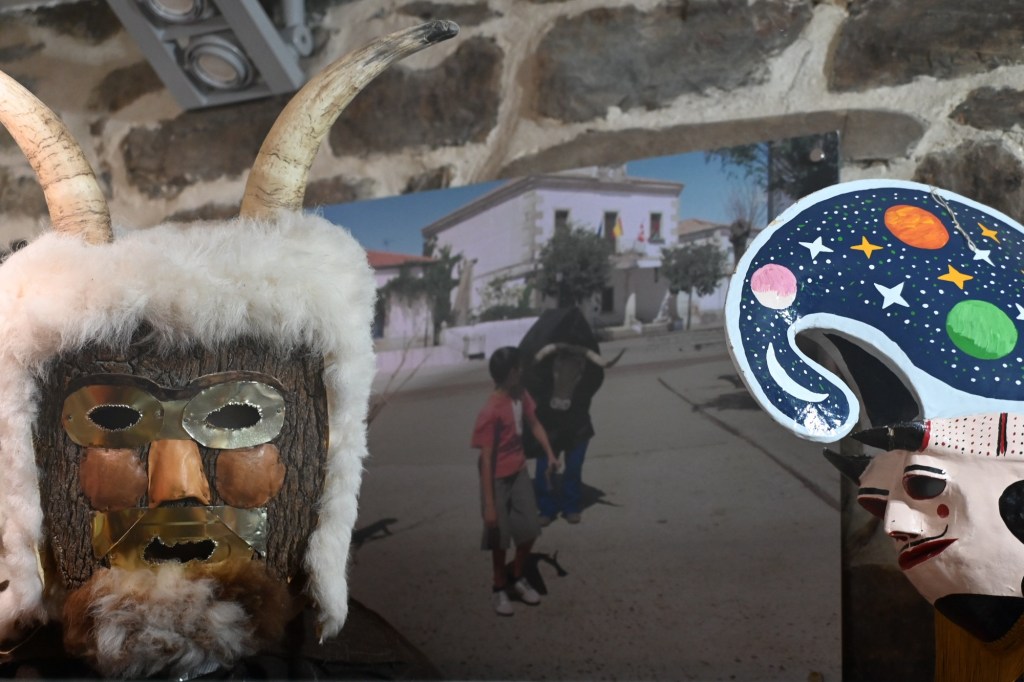
During the winter festival of Podence, young unmarried men dressed in colorful fringed costumes and masks burst through the city, and literally take contol over it, in a tradition called Caretos. The tradition has actually become recognised as an UNESCO cultural heritage. Similar figures (Careças, Devils or Masquarões) in other colors and shapes can, however, be found in many other villages in the Spanish/ Portuguese region.
In Bragança in Portugal, only one hour from Miranda do Duero or one and a half from Zamora, you’ll find the Iberic museum of masks and costumes. The museum display the masks an costumes traditions, as well as all the local «fêstas» in the cross-border region around the Douro river.


Leave a Reply