I’ve been lucky to visit Porto quite a few times during the last 16 years. During this periode, the city have developed from being quite “run down” city in 2009 to being the vibrant and popular tourist city you see today. The city’s walkable historic centre, with cobble stone streets and tiled house facades, combined with a mild, sunny climate, the Douro river running through and possibilities for wine tasting, makes it a really nice place. Many of the empty houses I saw the first time I visited has now been restored and there are small cafés offering both nice coffee, Pastél de nata and affordable lunch menues (Menu do dia) all over the city. Bear in mind that lunch menus only are served at strict hours (normally from 13:00-15:00), so outside of this times prices may be higher and it may be more difficult to get warm meals before dinner time, which is in the evening.
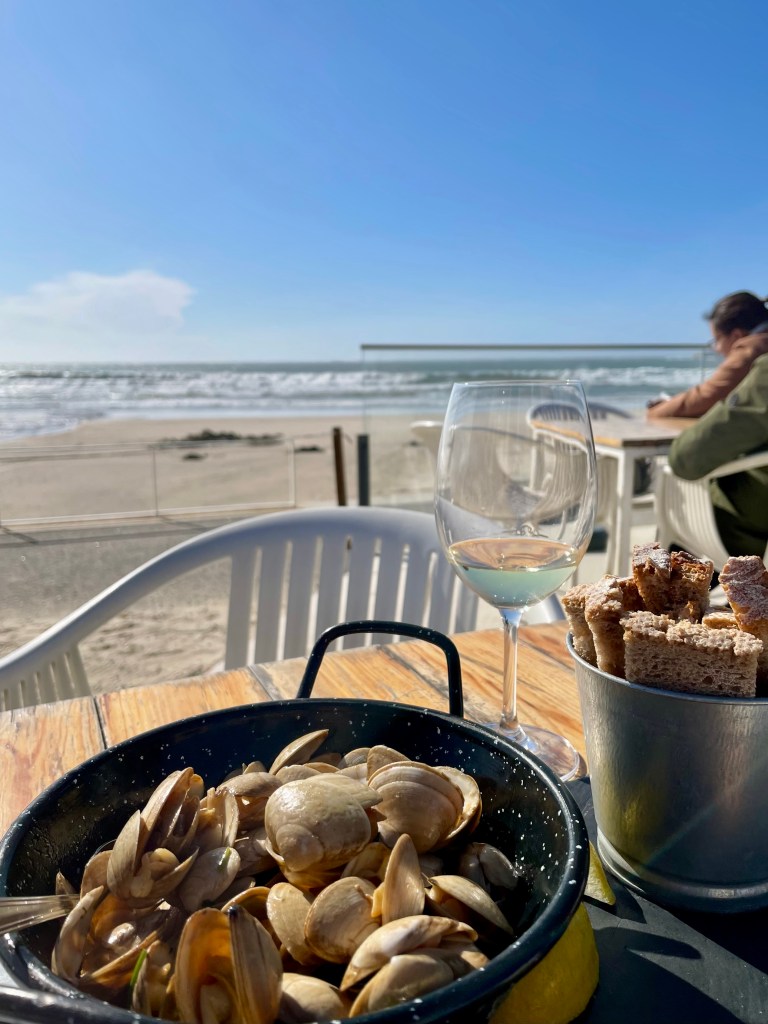
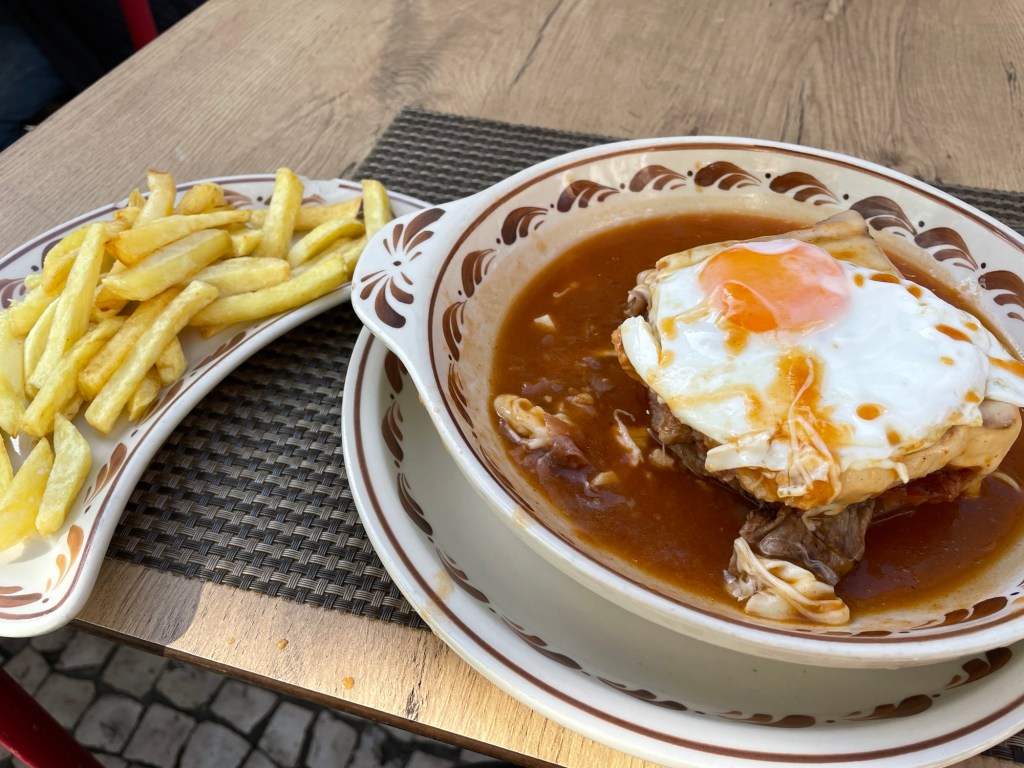
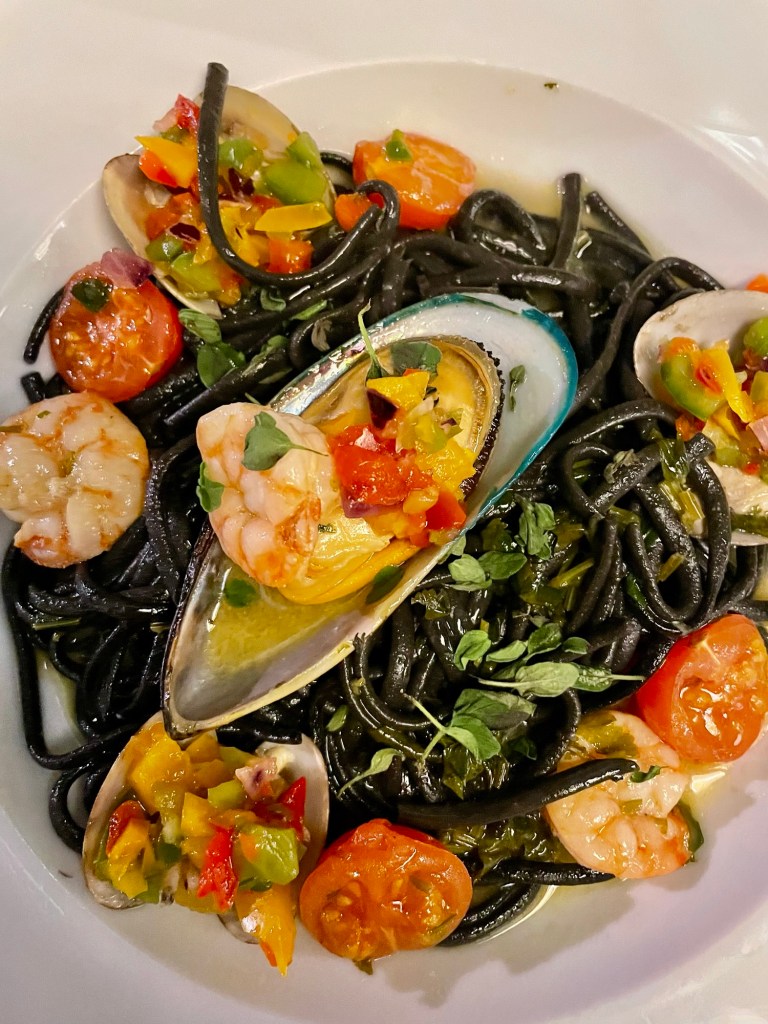
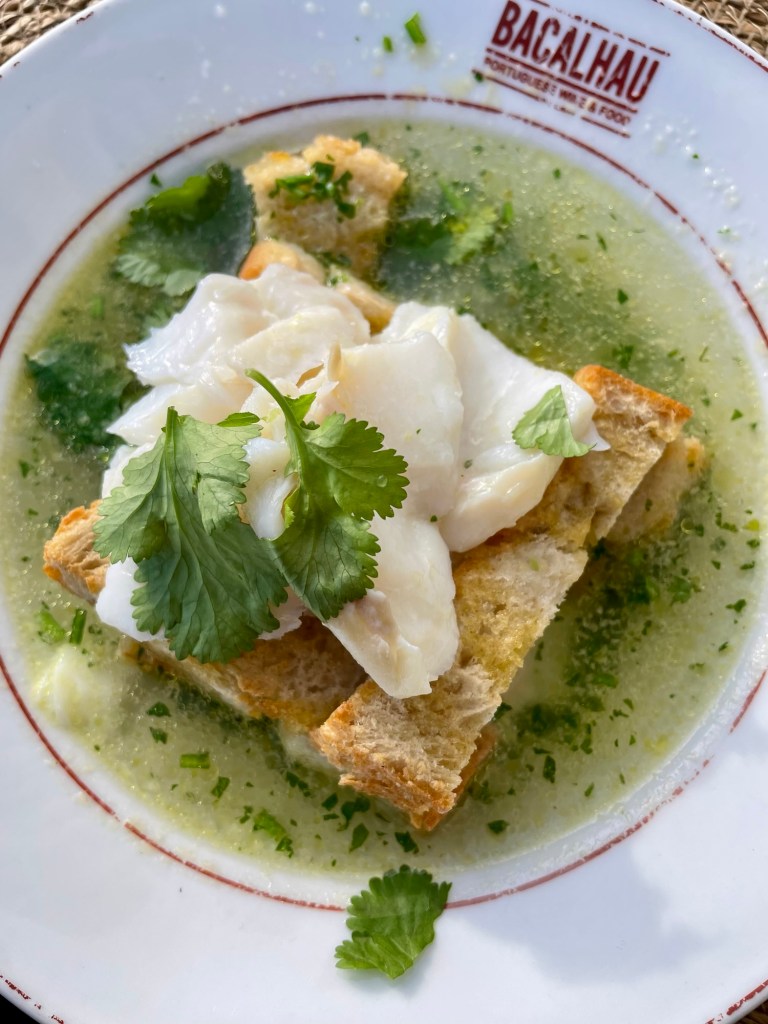
Other traditional meals is the Francesinha (a beef, ham and egg sandwich topped with a beer/tomato sauce), Açorda de bacalhau (a salty codfish soup with cilantro and garlic poured on top of dried bread and an pouched egg) and Amêijoas à Bulhão Pato (white clams in a sauce of oil, garlic, wine and cilantro).
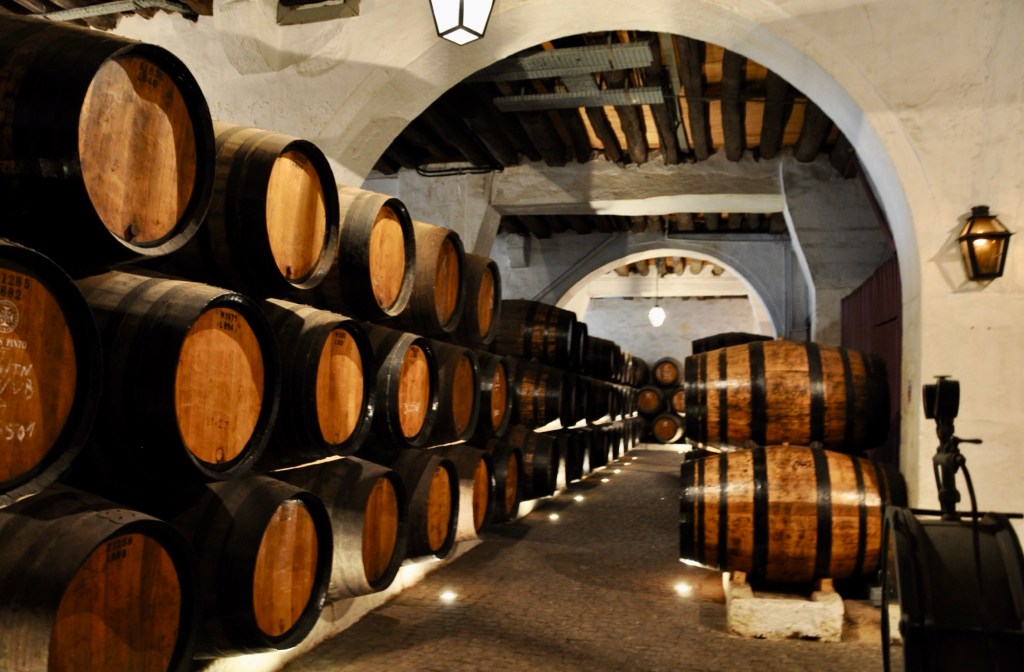
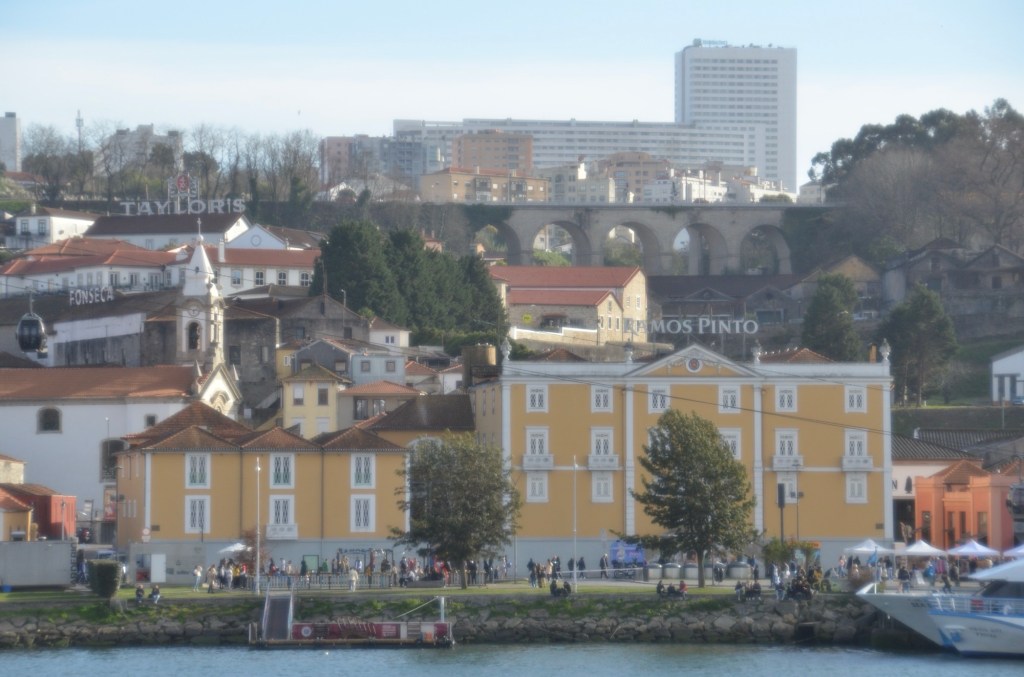
And then again you have the wines, both red, white and «green» (vinho verde) and the Port wine, which is one of the life-lines and the base of the city of Porto. The first time I was in Porto, I joined a tour of the Ramos Pinto Port wine museum, including Port wine tasting, which really was an eye opening to understanding the cities history, with the port wine trade, boats and links to Brazil. It was really funny and can be recommended.
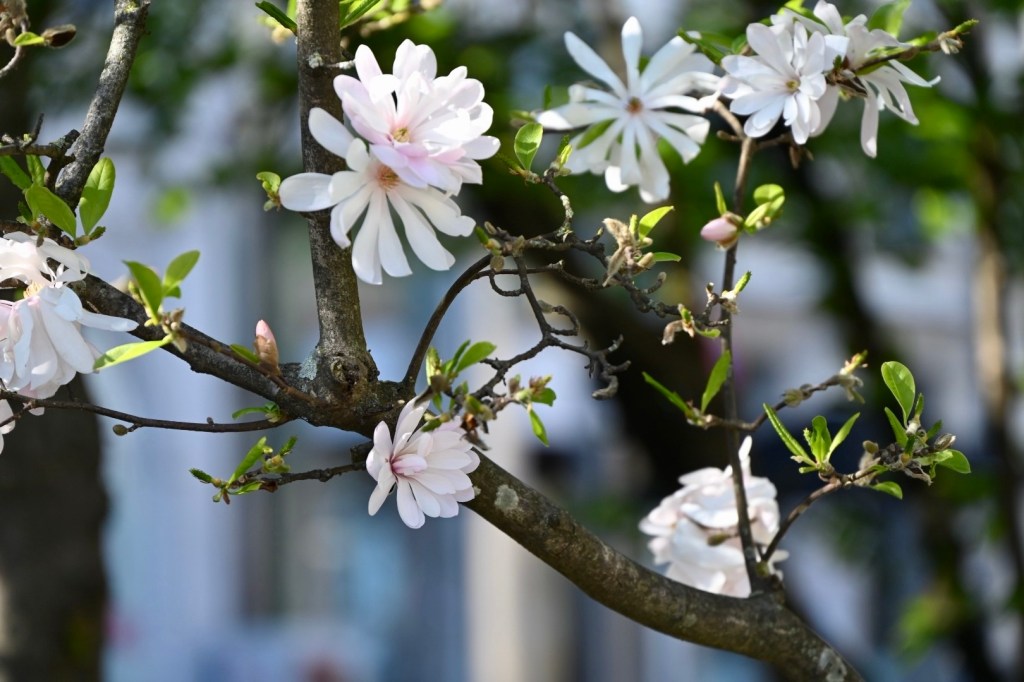
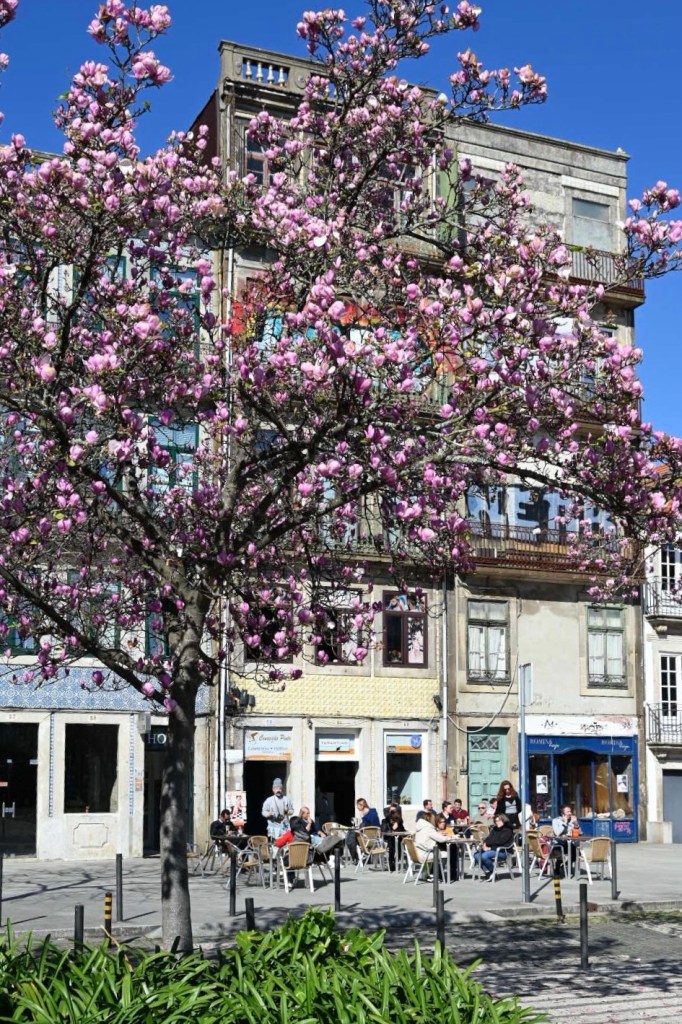
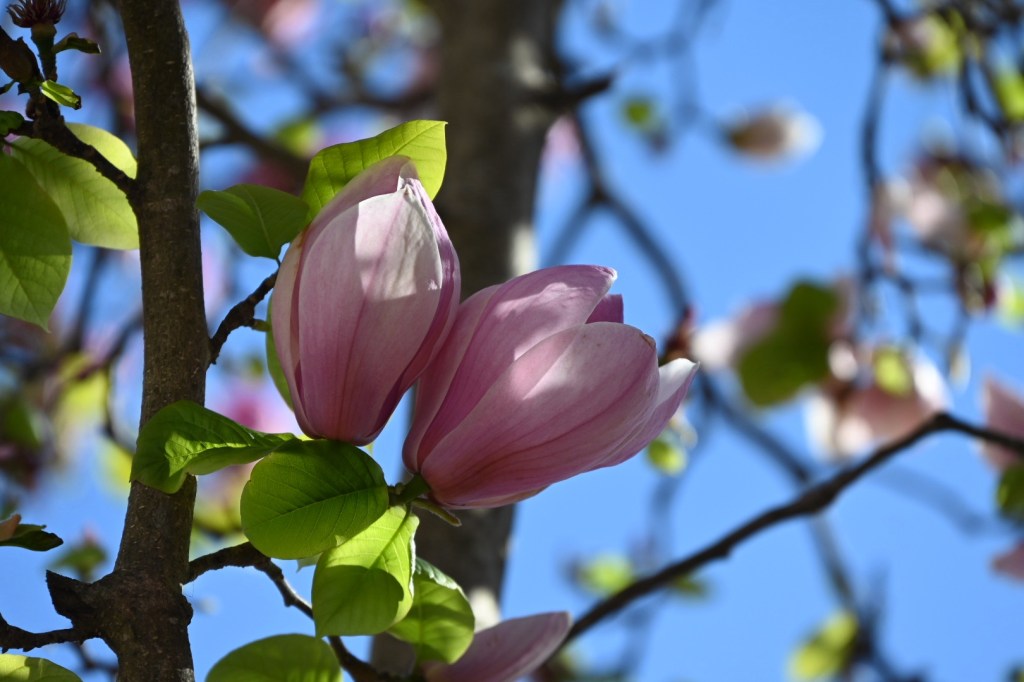
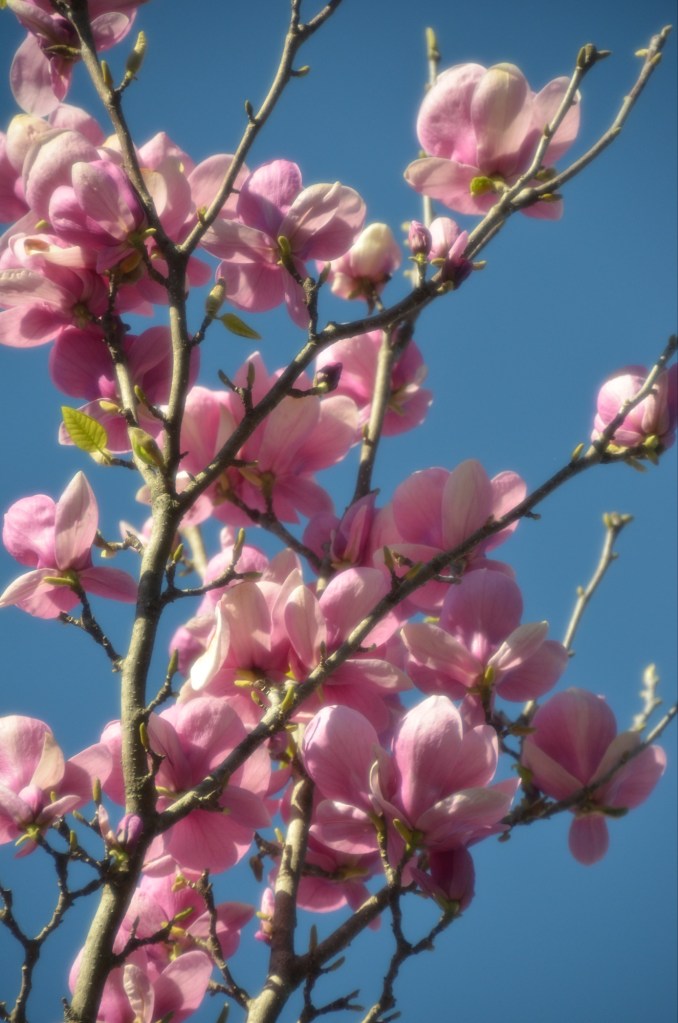
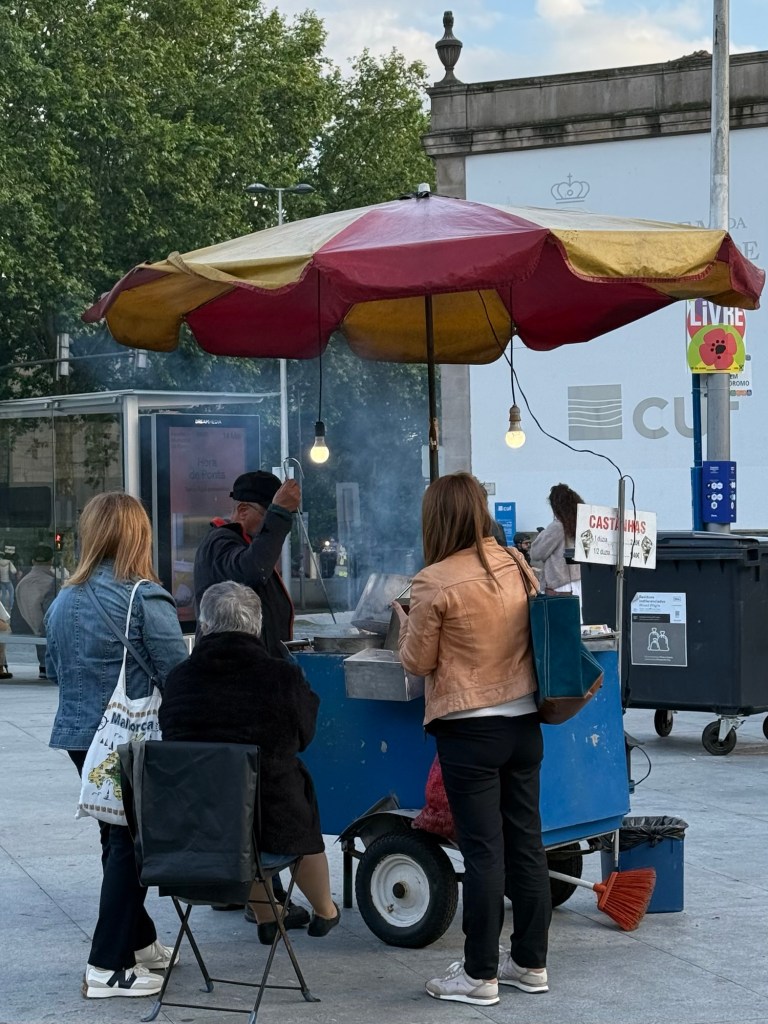
I’ve often visited Porto in February, but also in April and briefly in August. I’ve thus mostly been there a little out of the main tourist season. To arrive in Porto in February, for me means moving from Norwegian winter to Portuguese spring, with Magnolia flowers and almond trees in blossom, possibilities for eating lunch outside in the sun and warm grilled chestnuts being sold on the streets. It may still be some light rain, making the mosaic patterned streets dangerously slippery, but if you bring a few different shoe alternatives you will be fine.

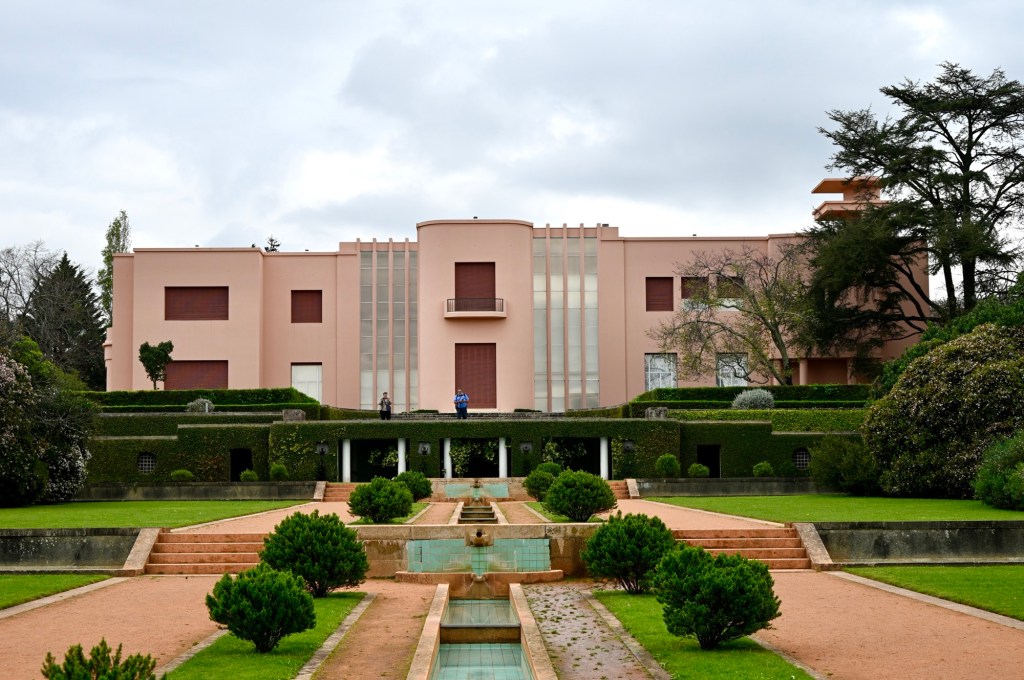
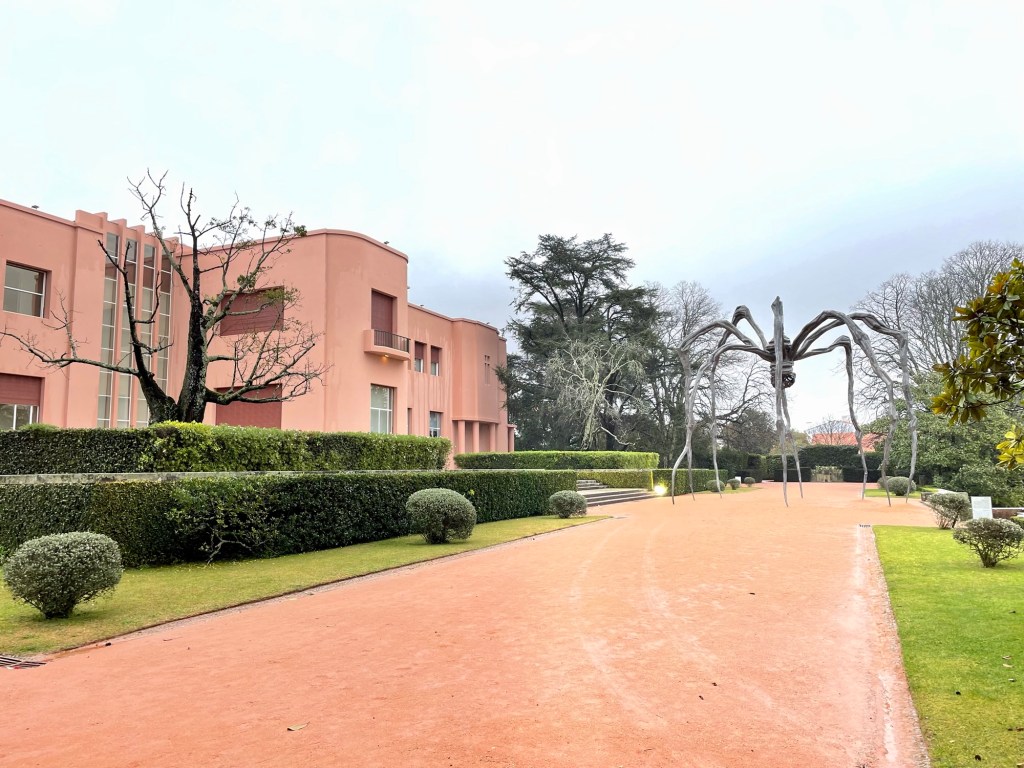
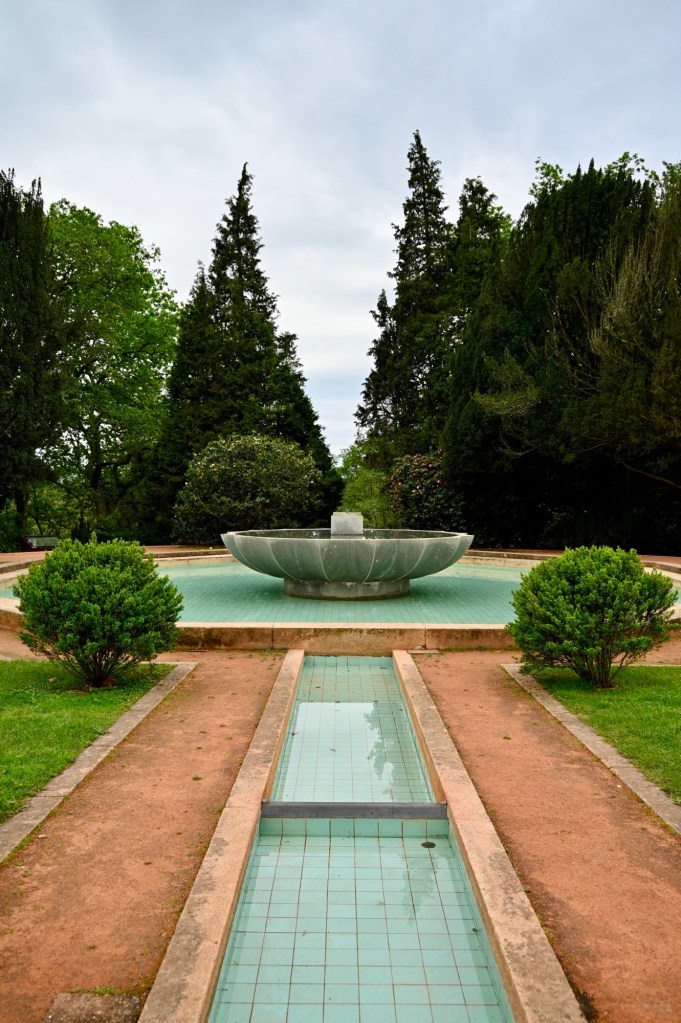
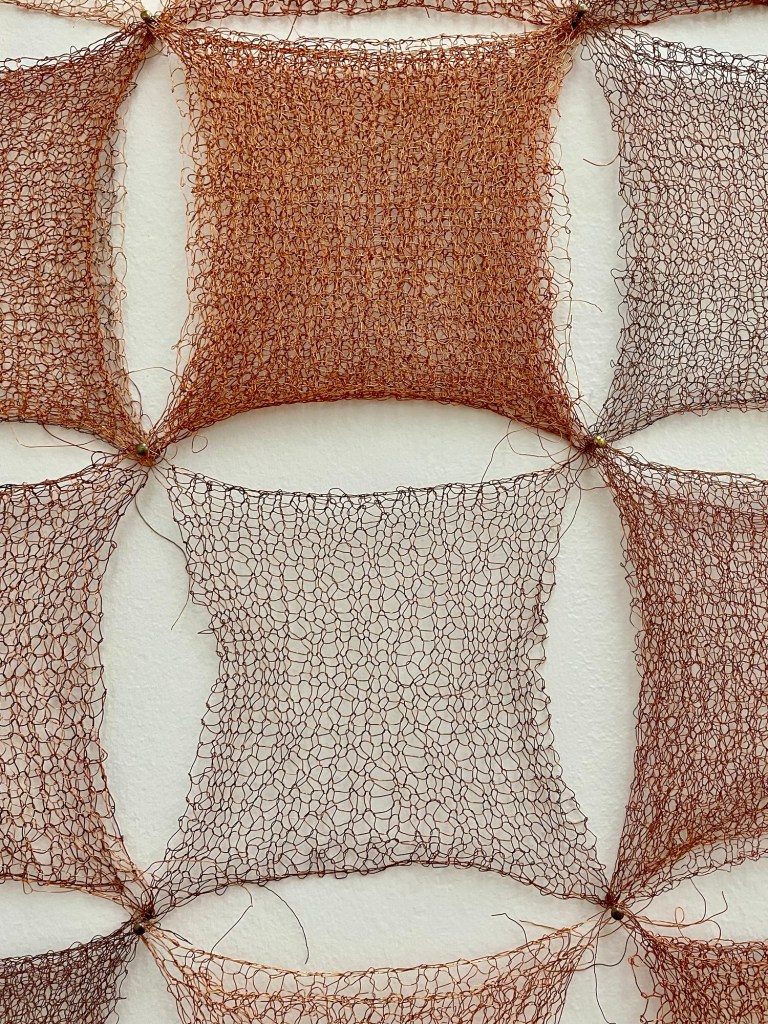
Serralves park and art museum
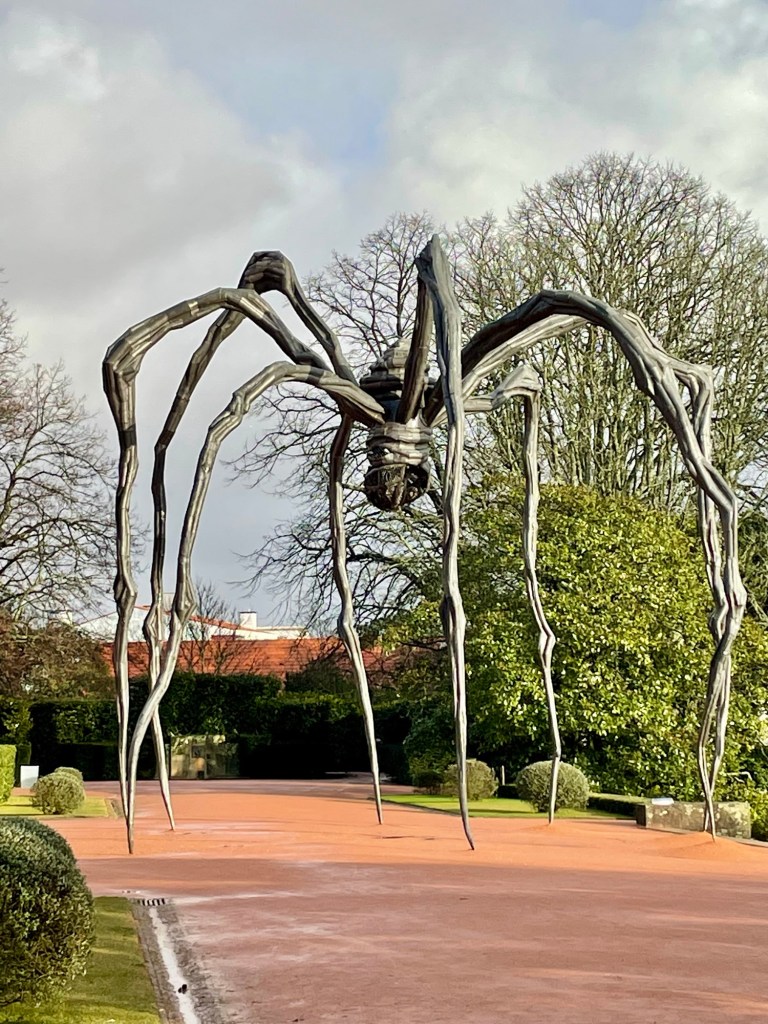
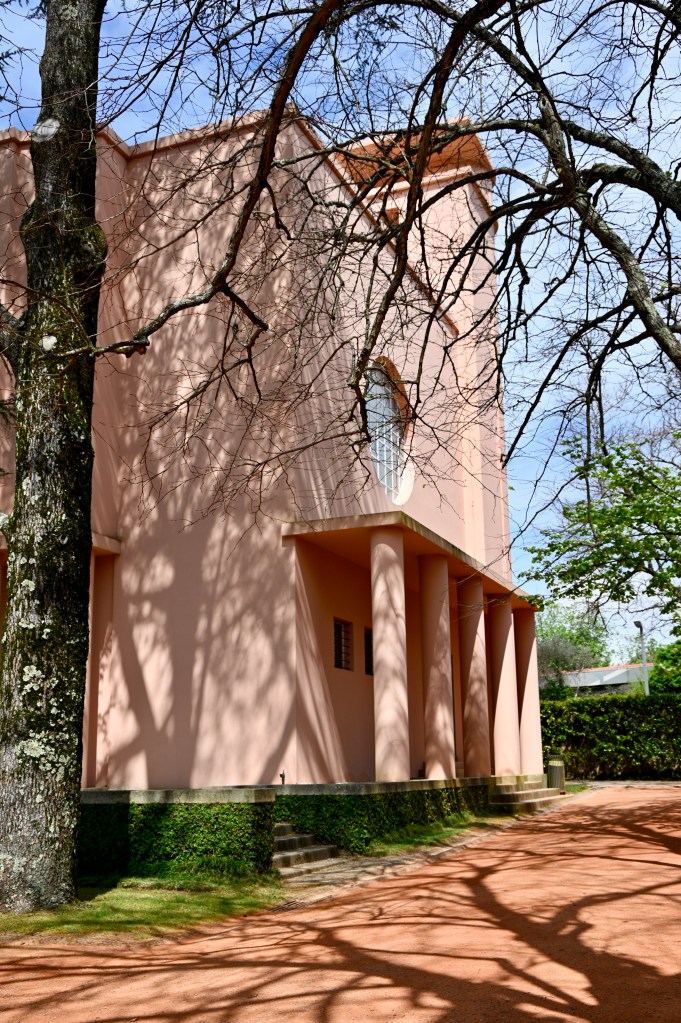
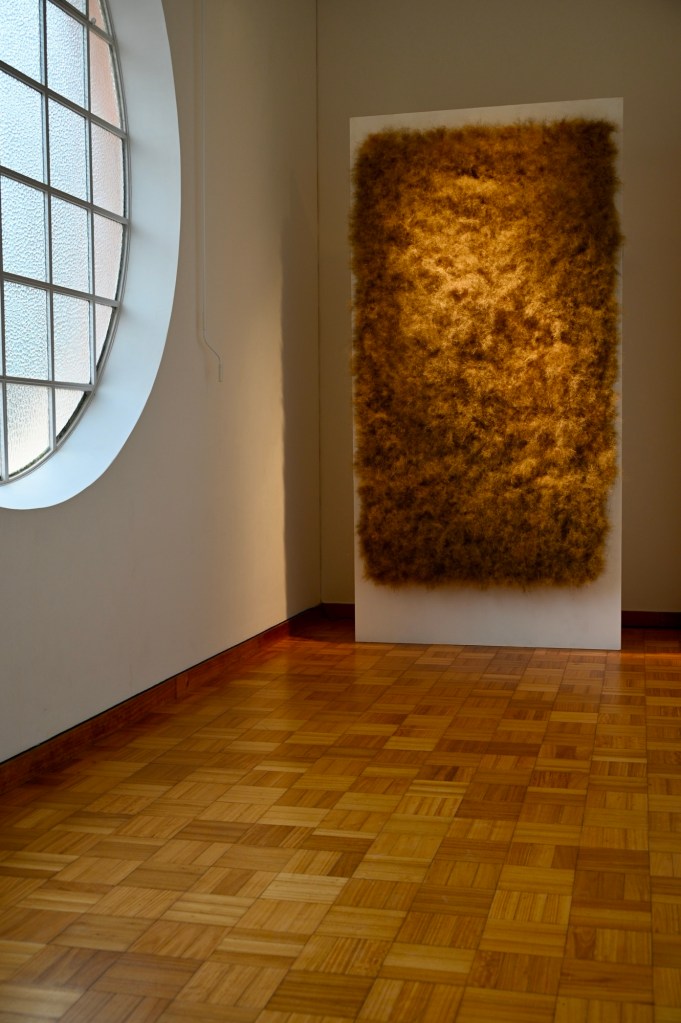
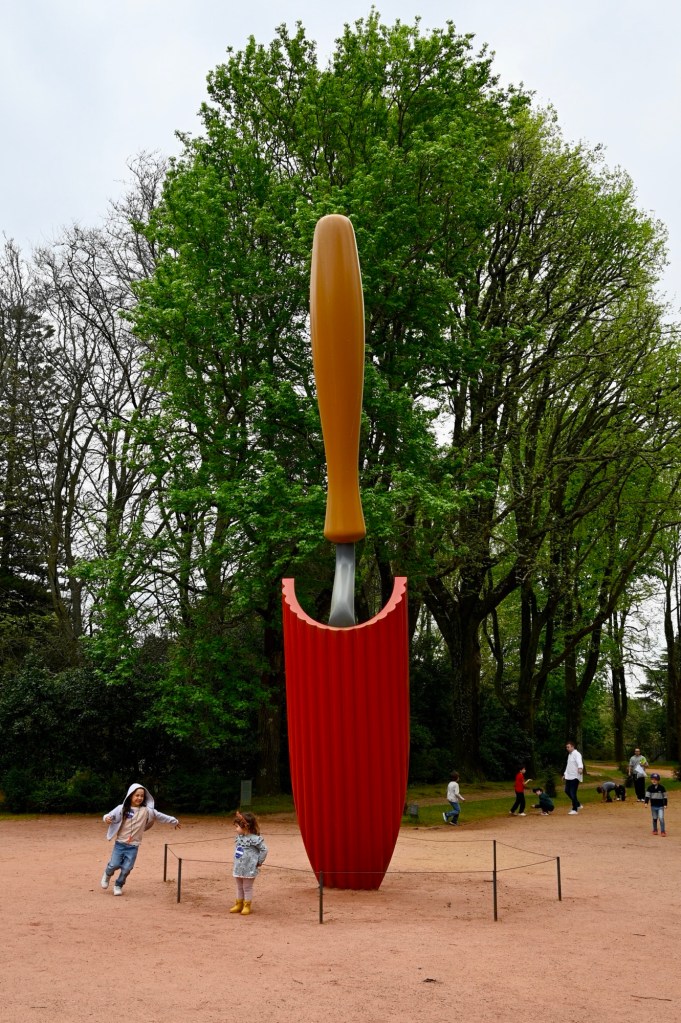
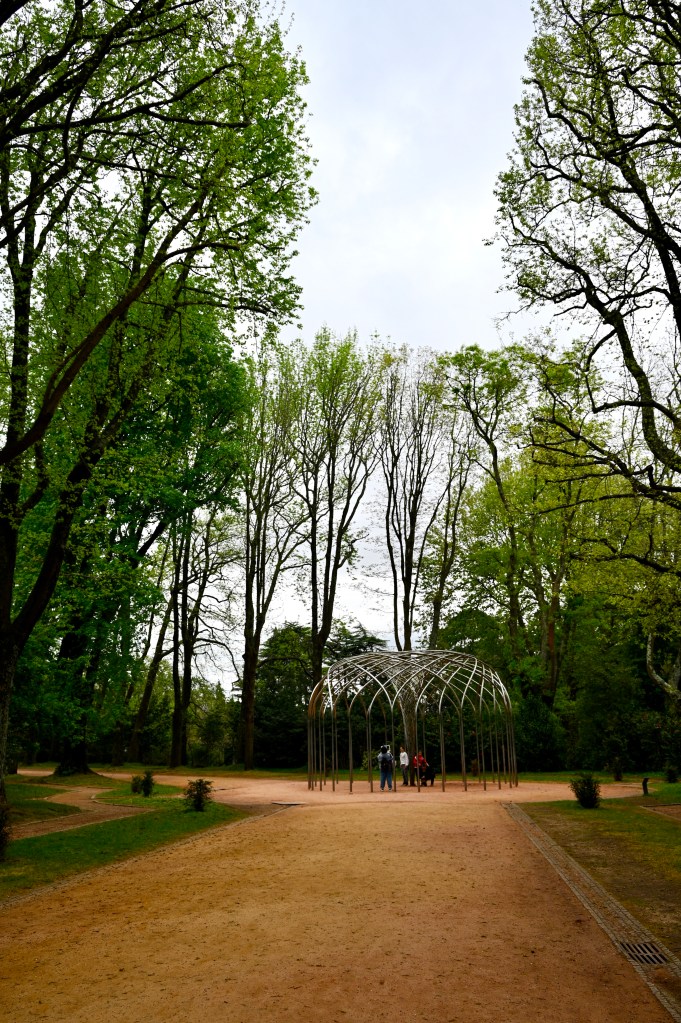
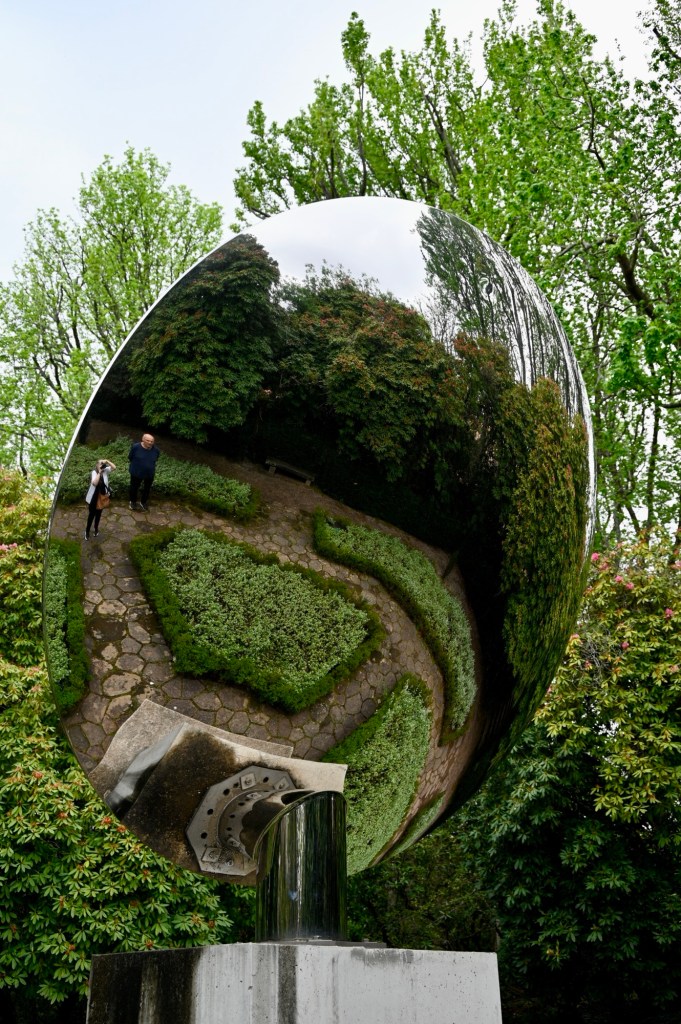
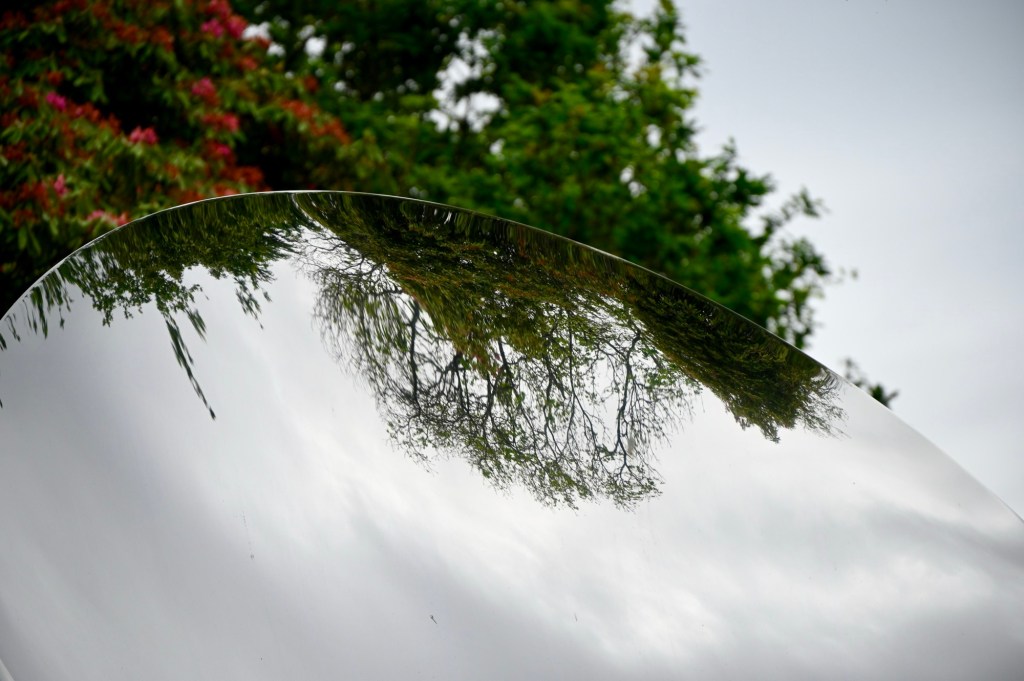
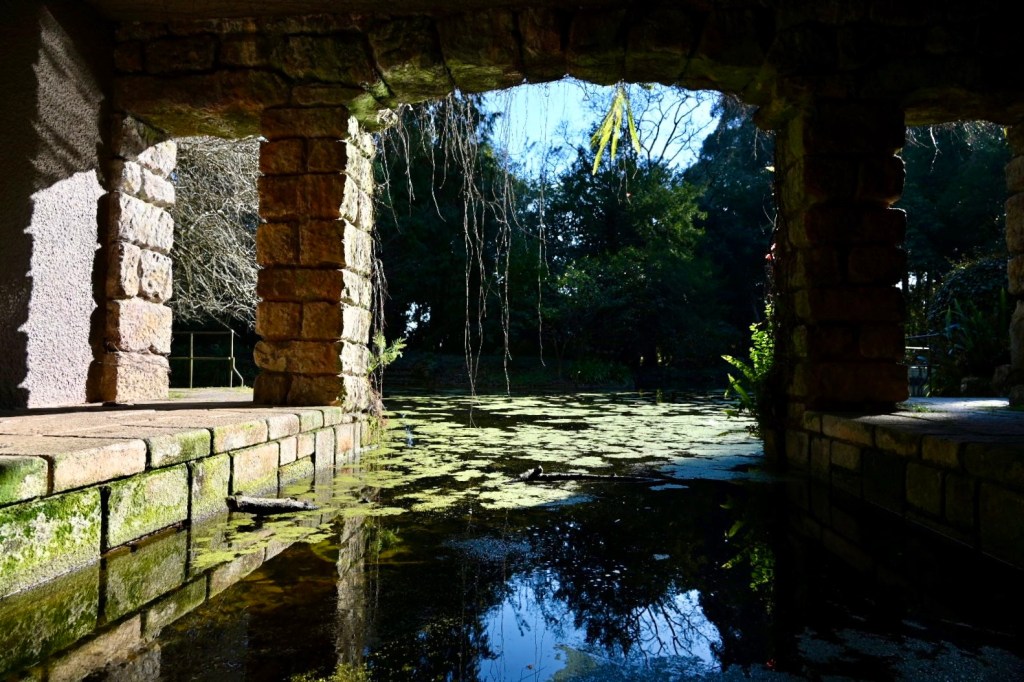
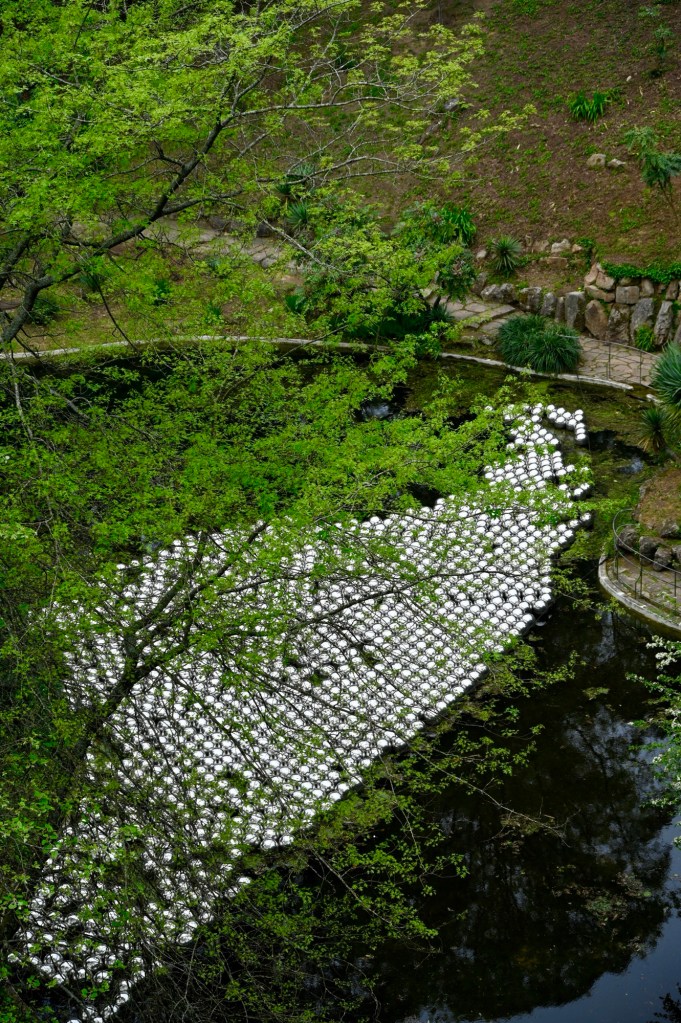
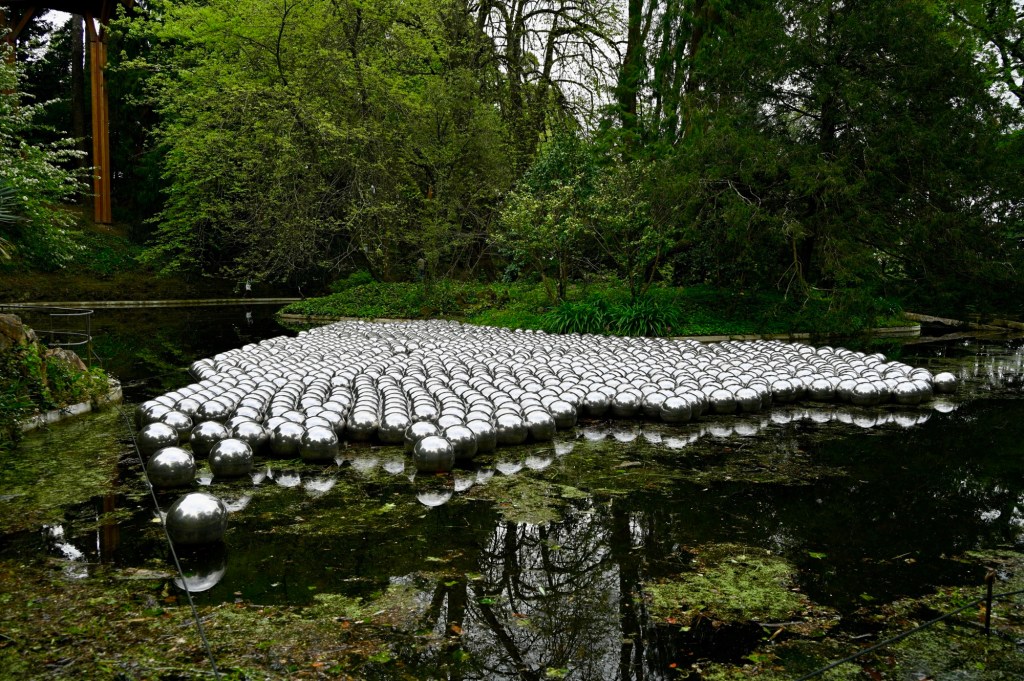
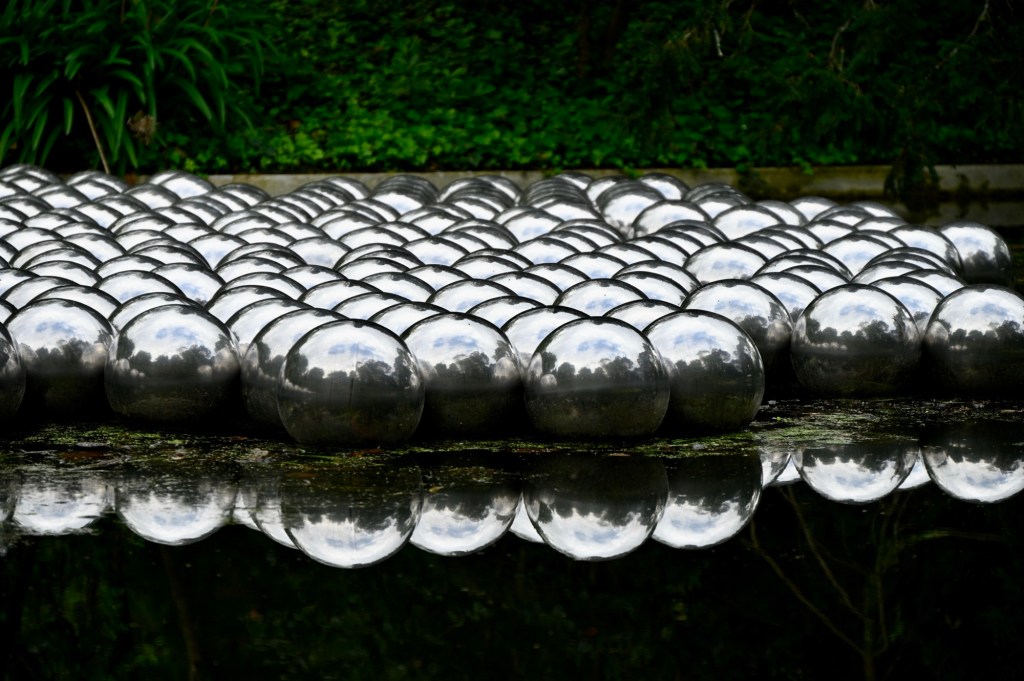
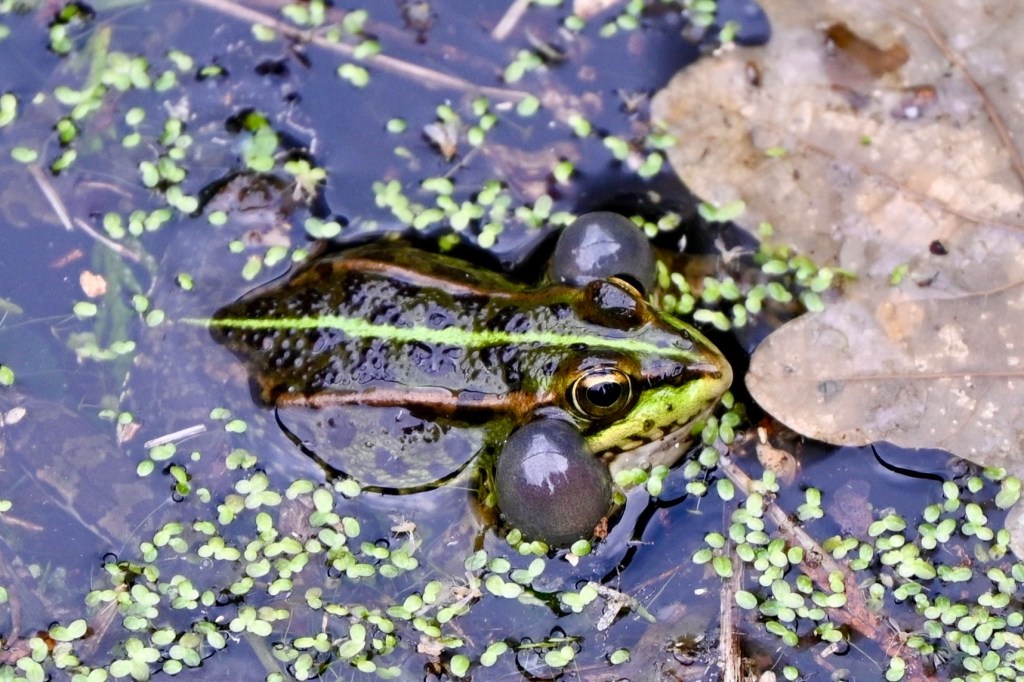
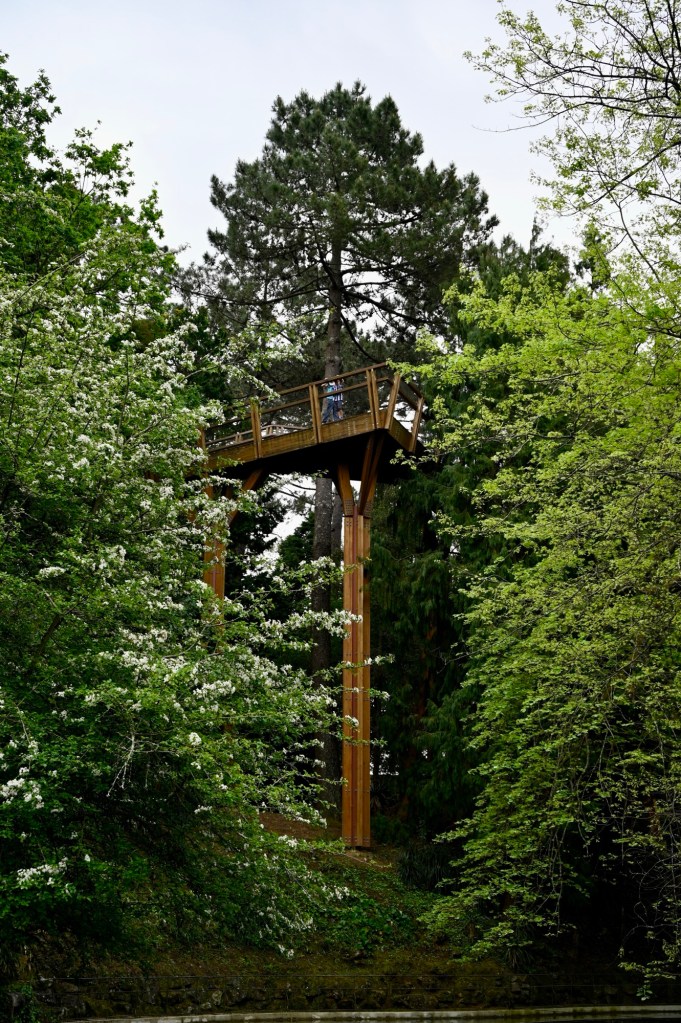
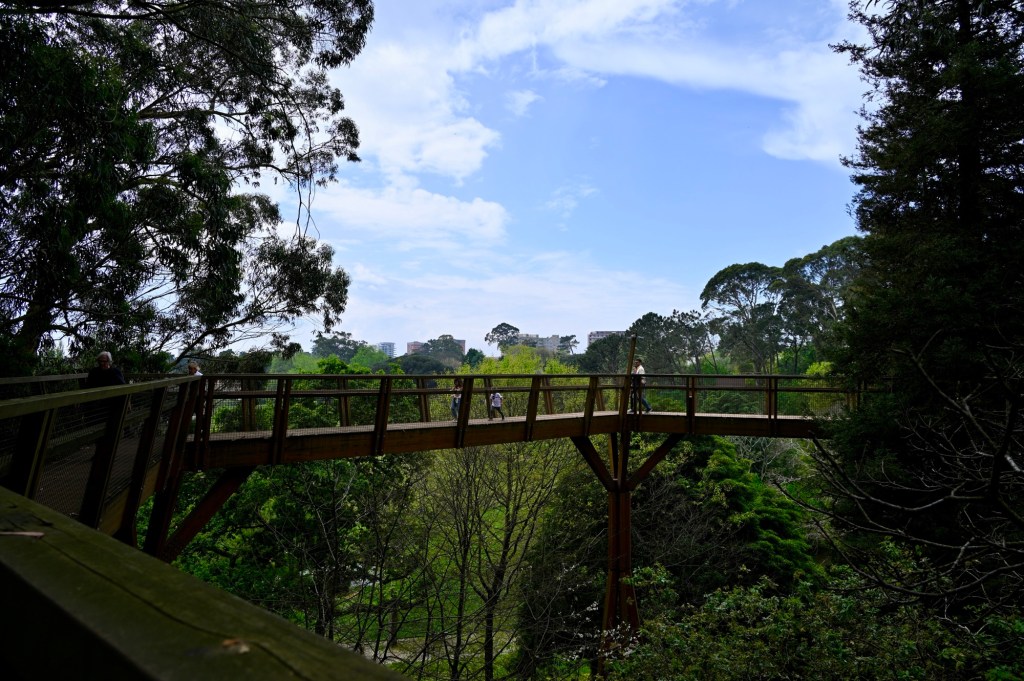
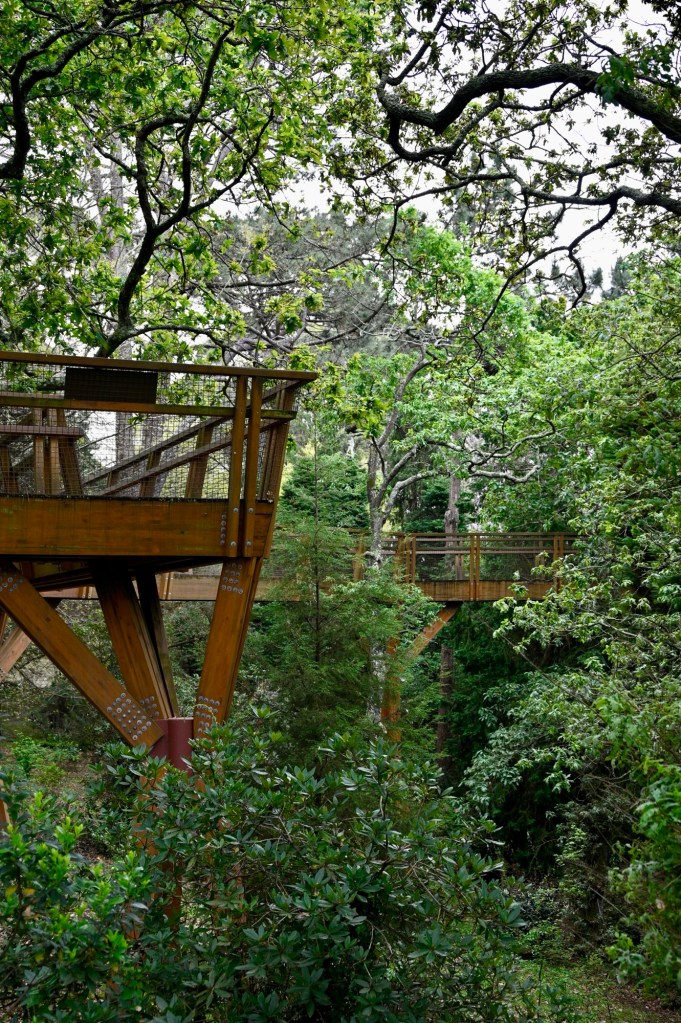
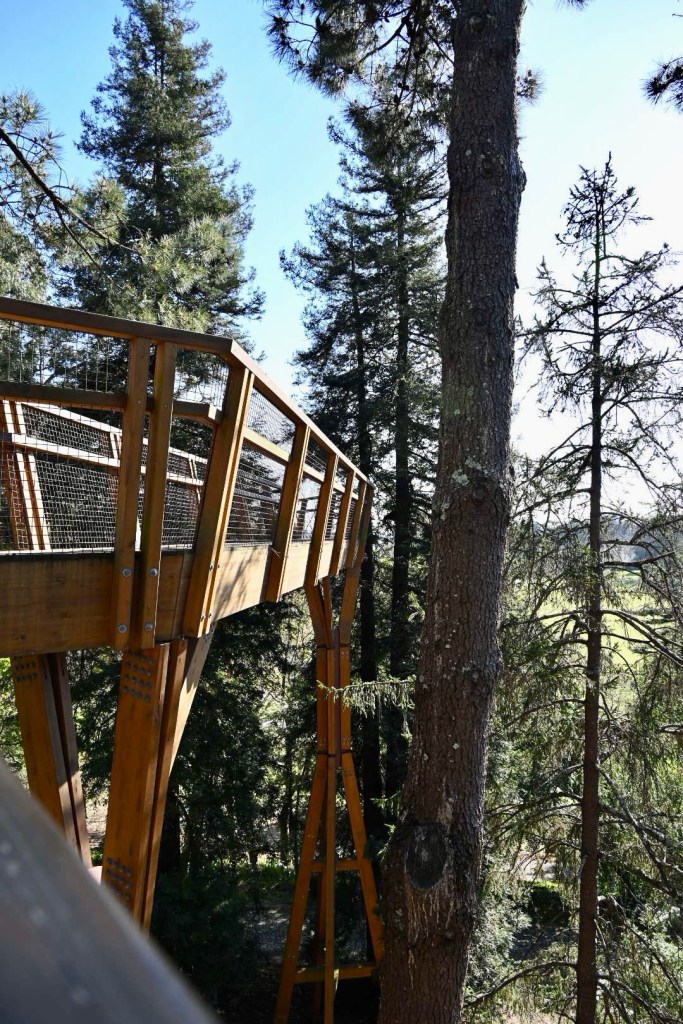
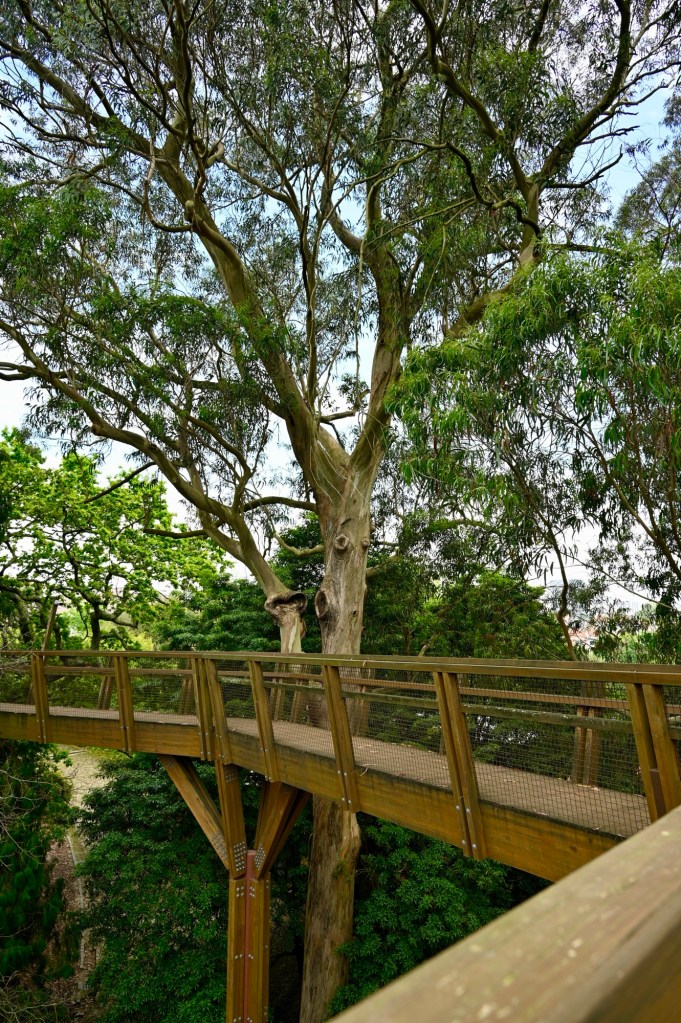
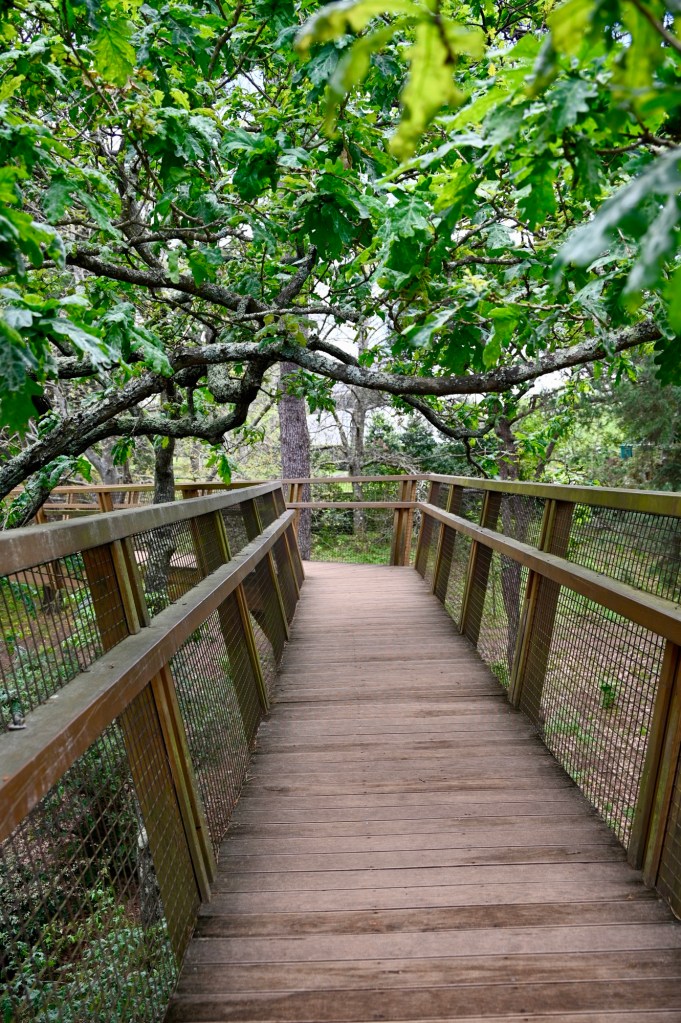
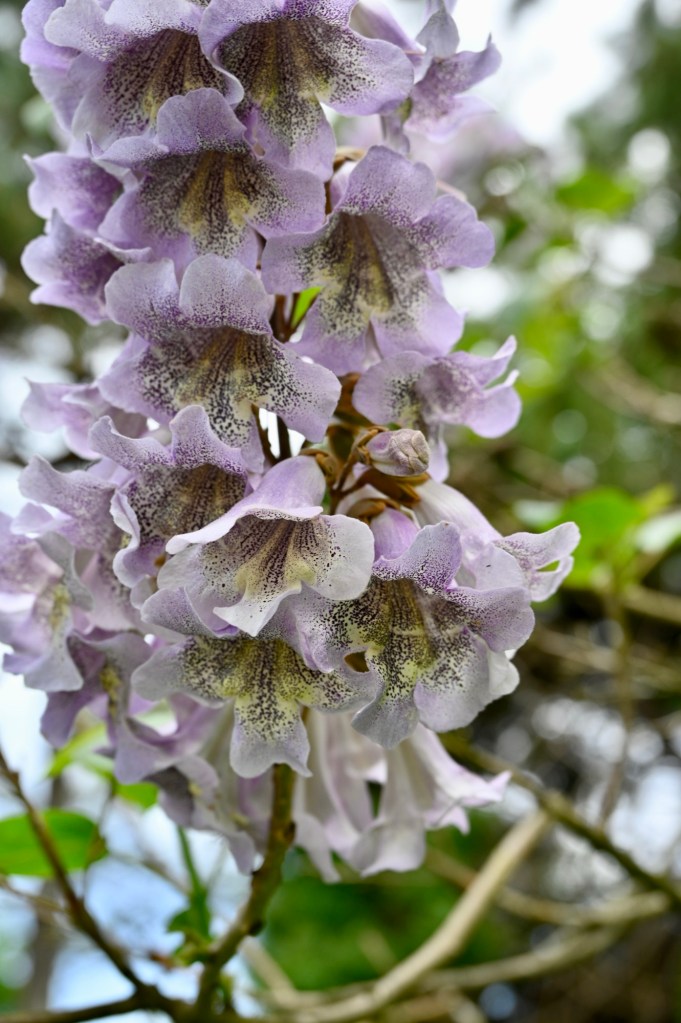
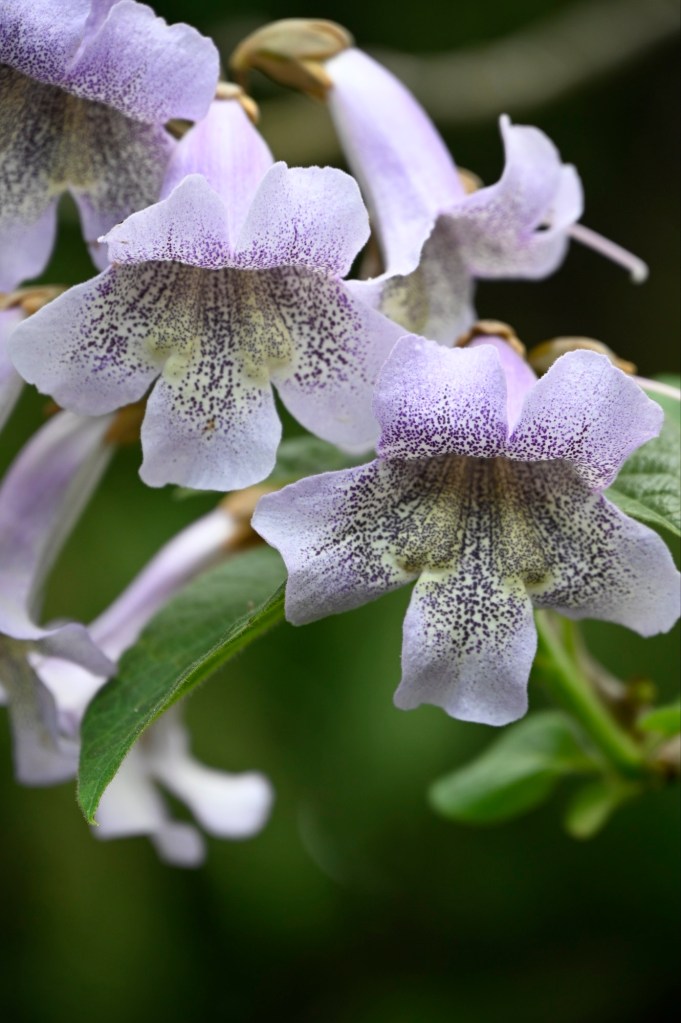
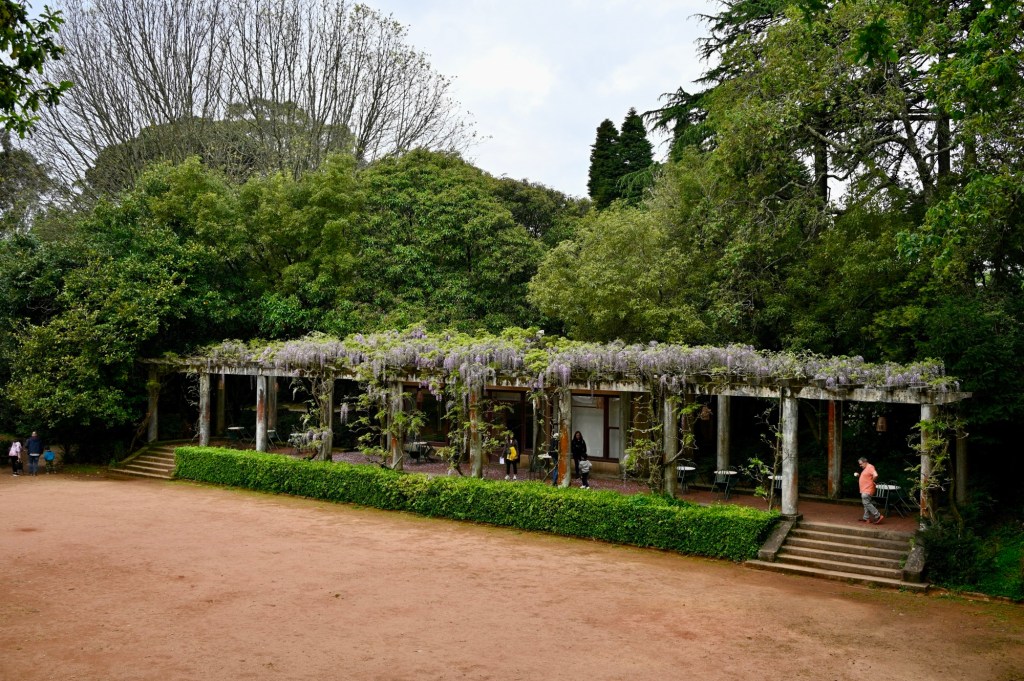
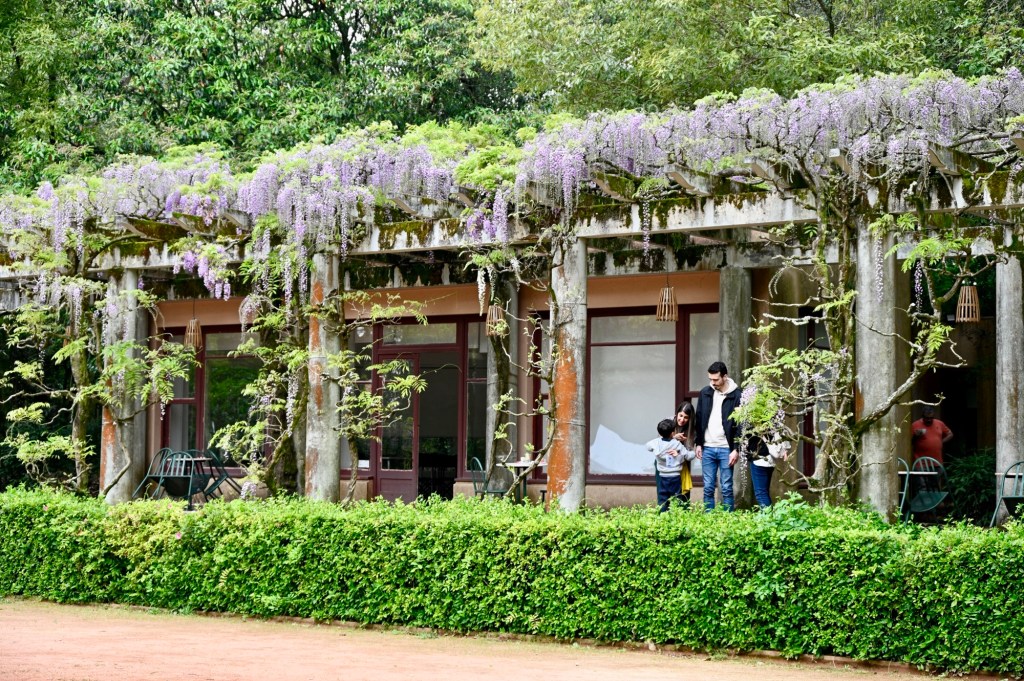
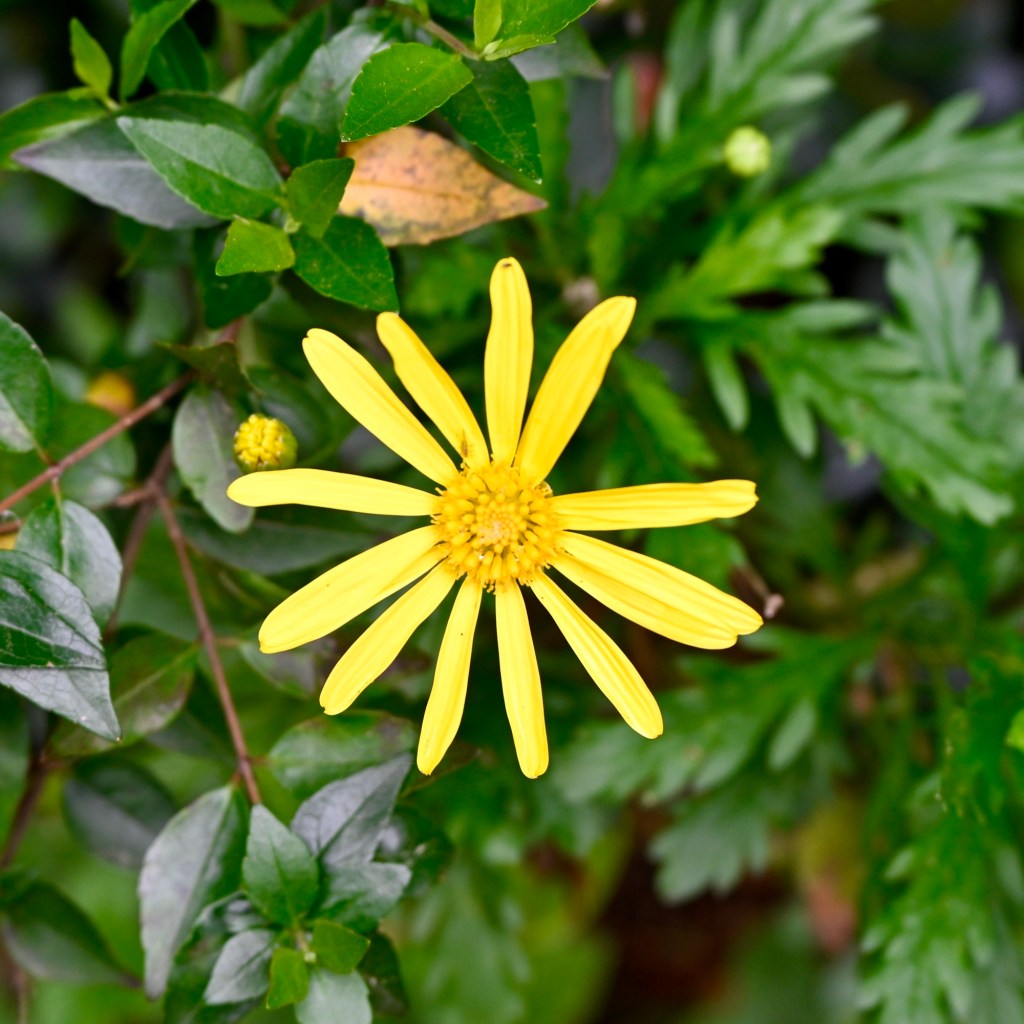
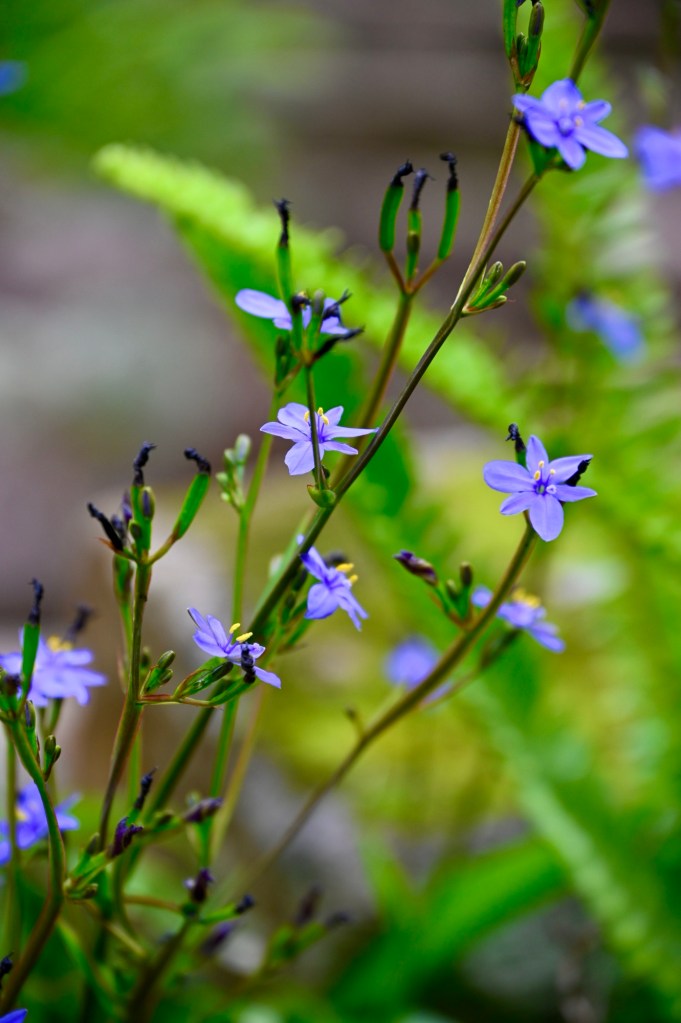
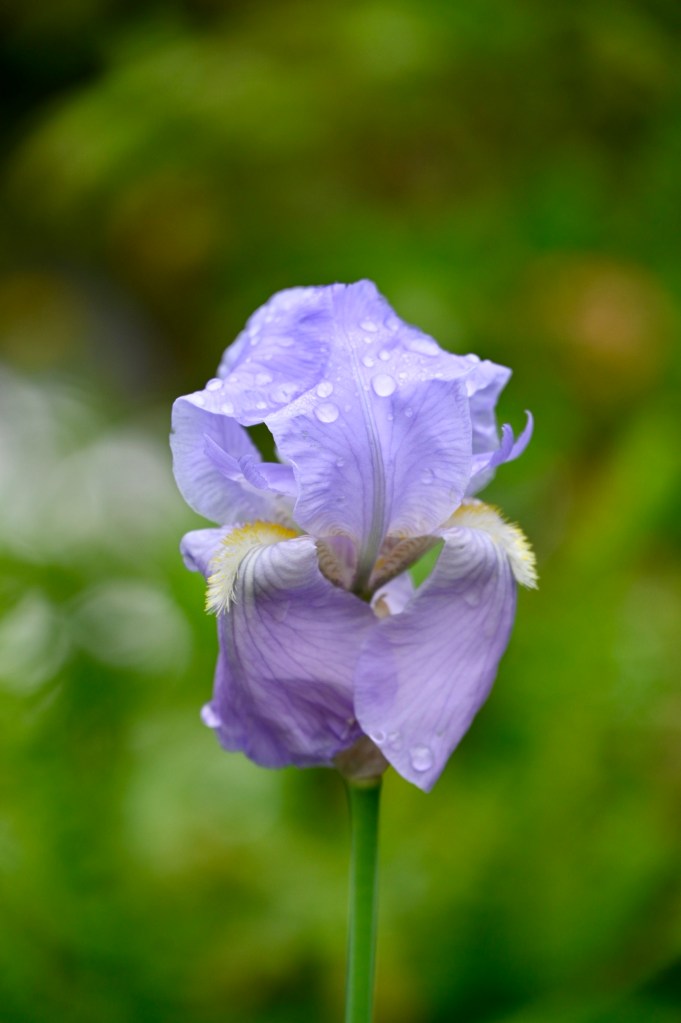
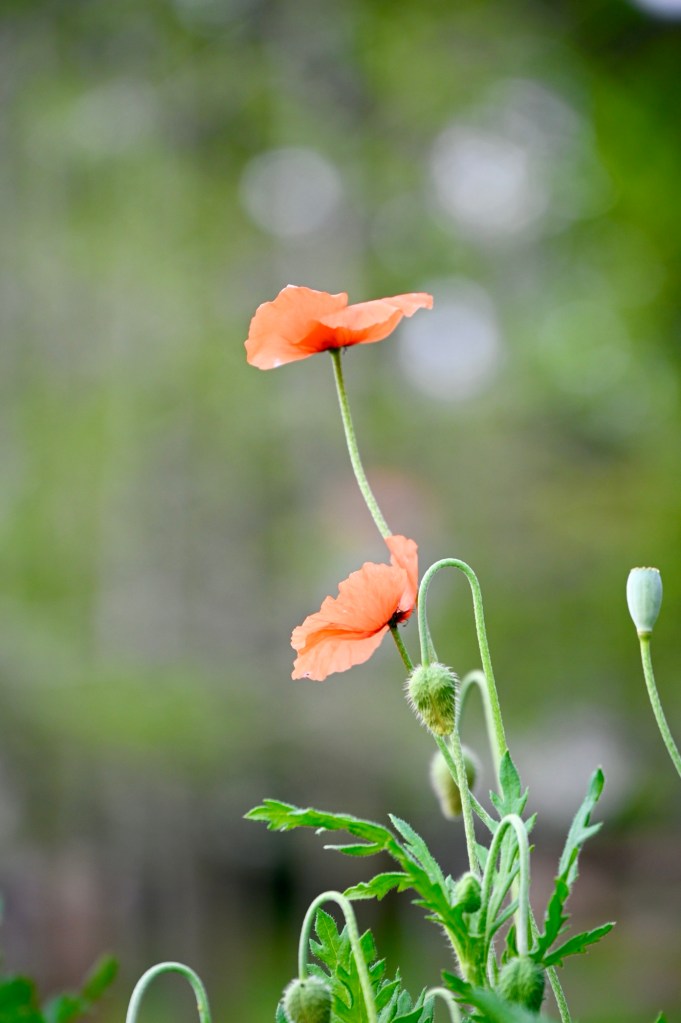
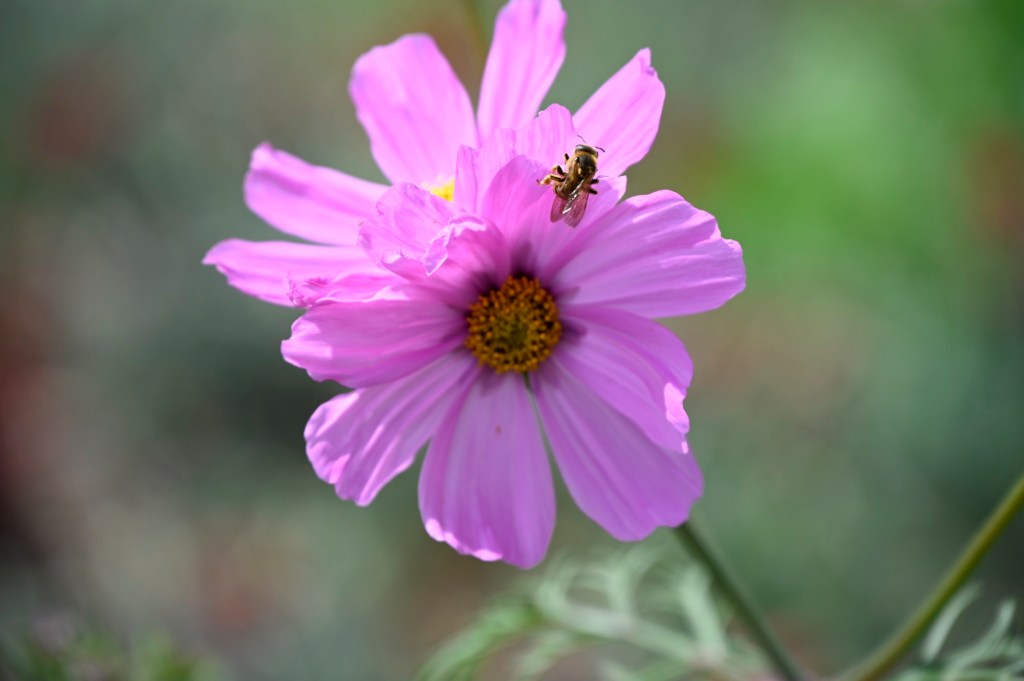
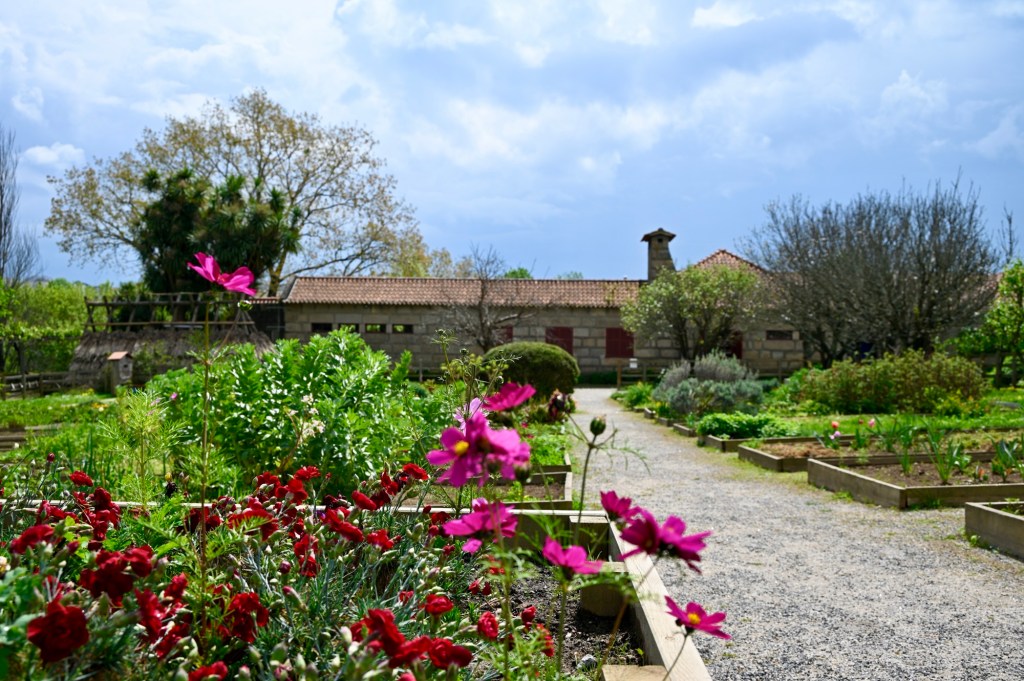
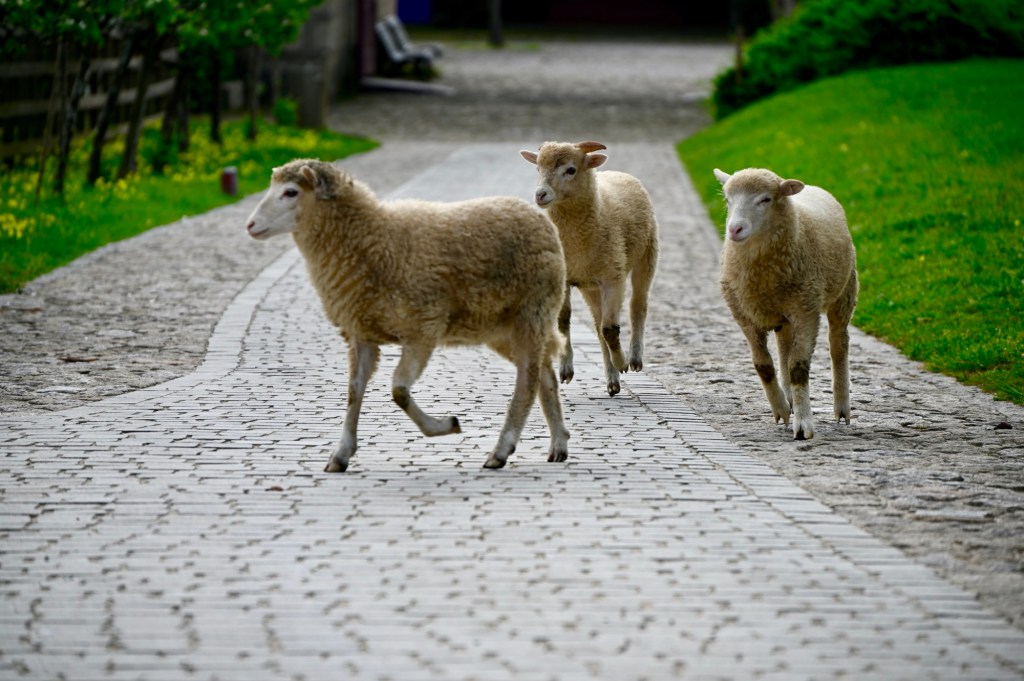
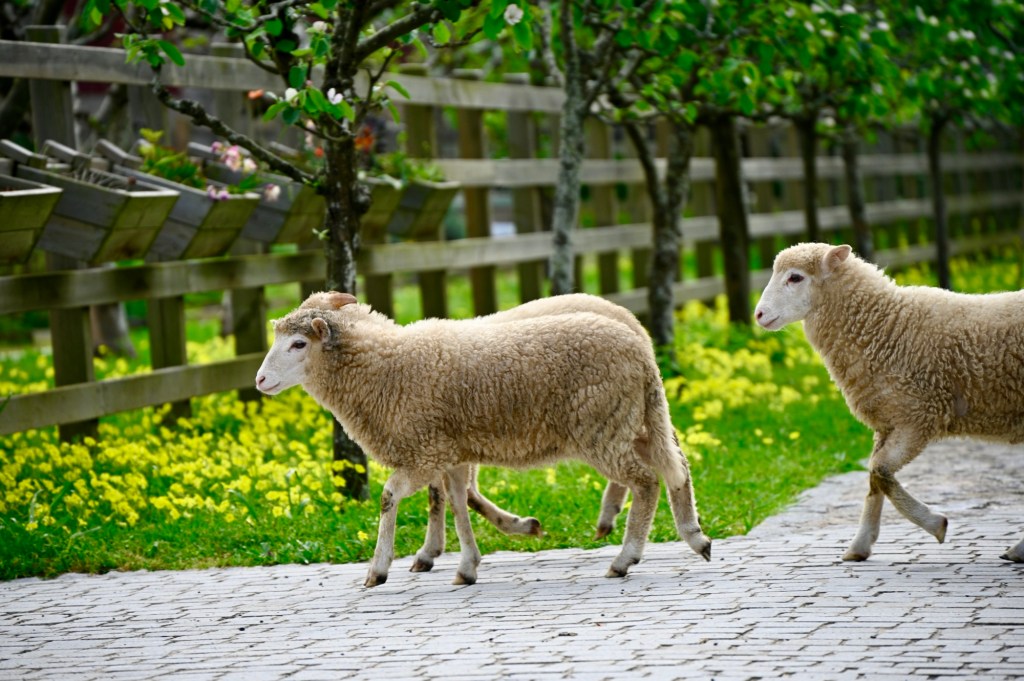
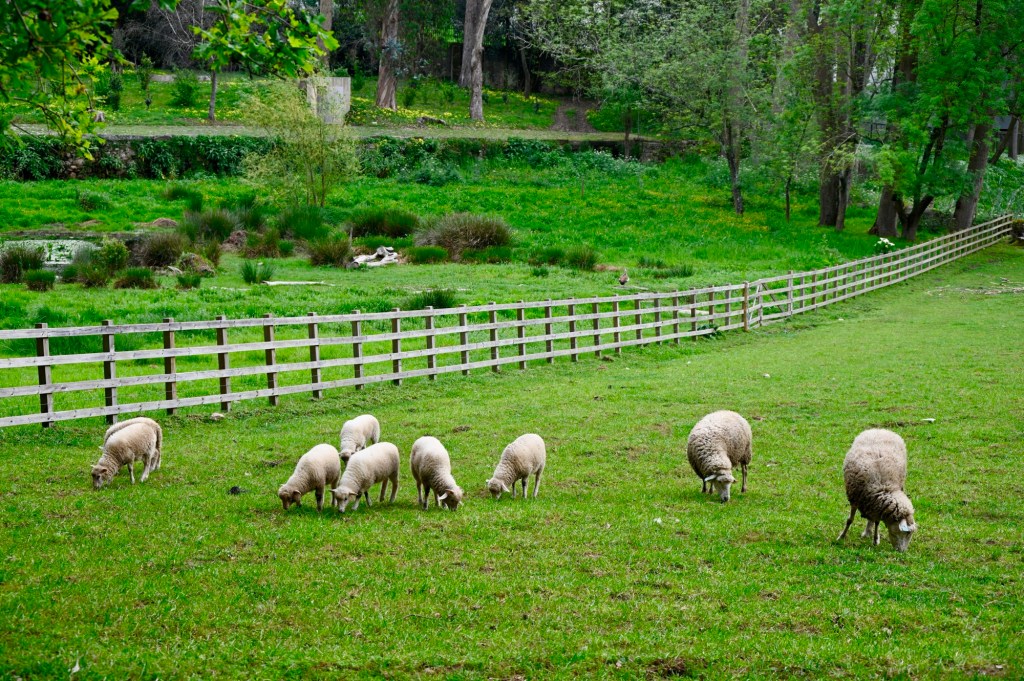
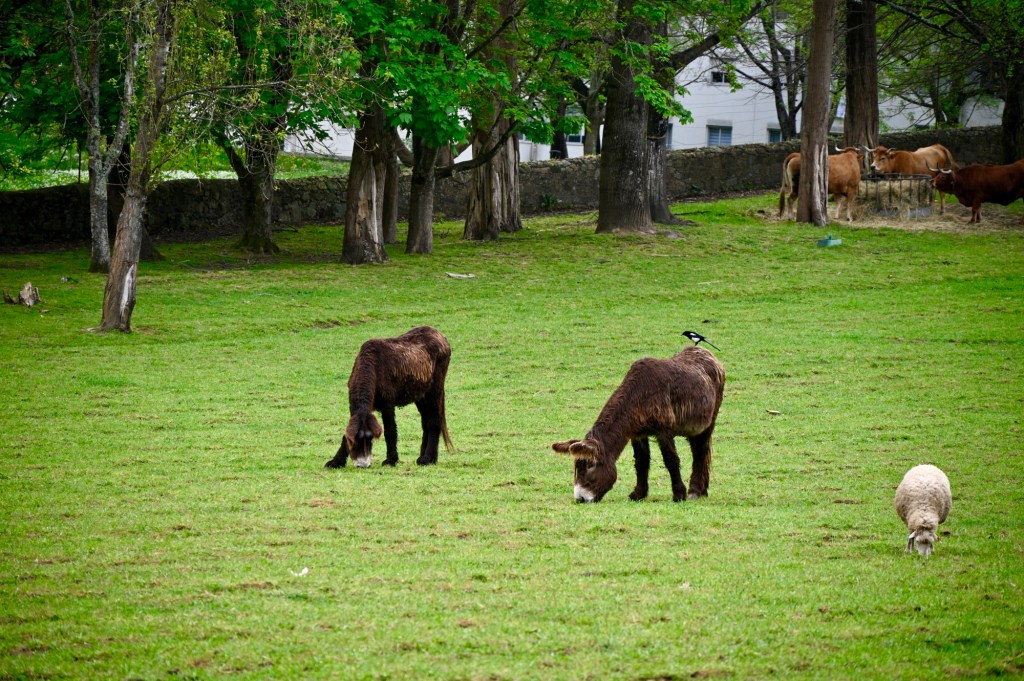
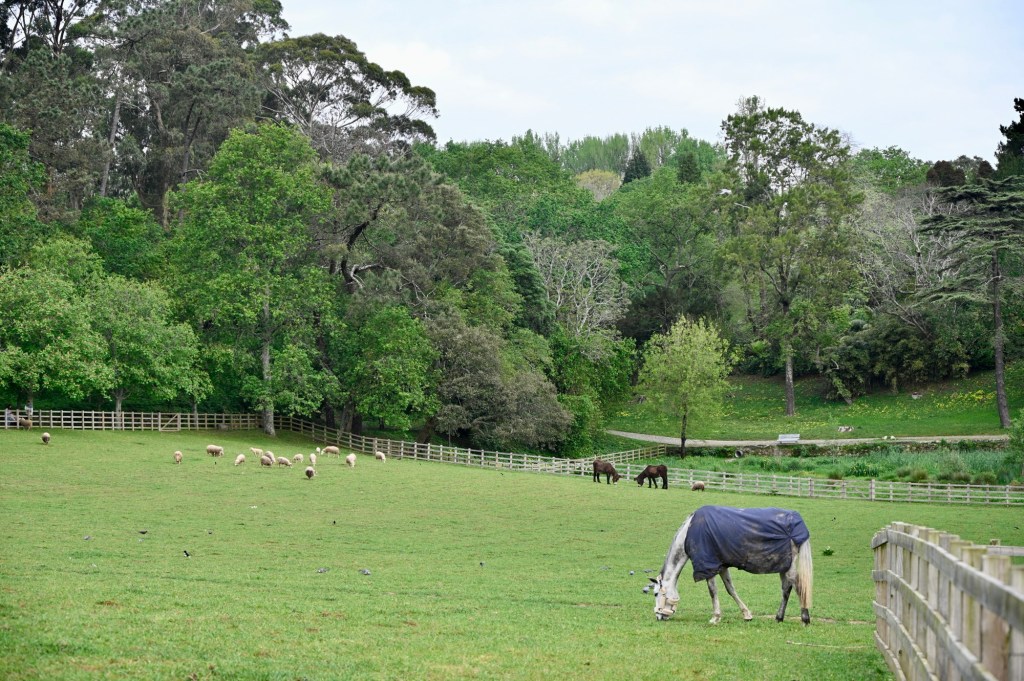
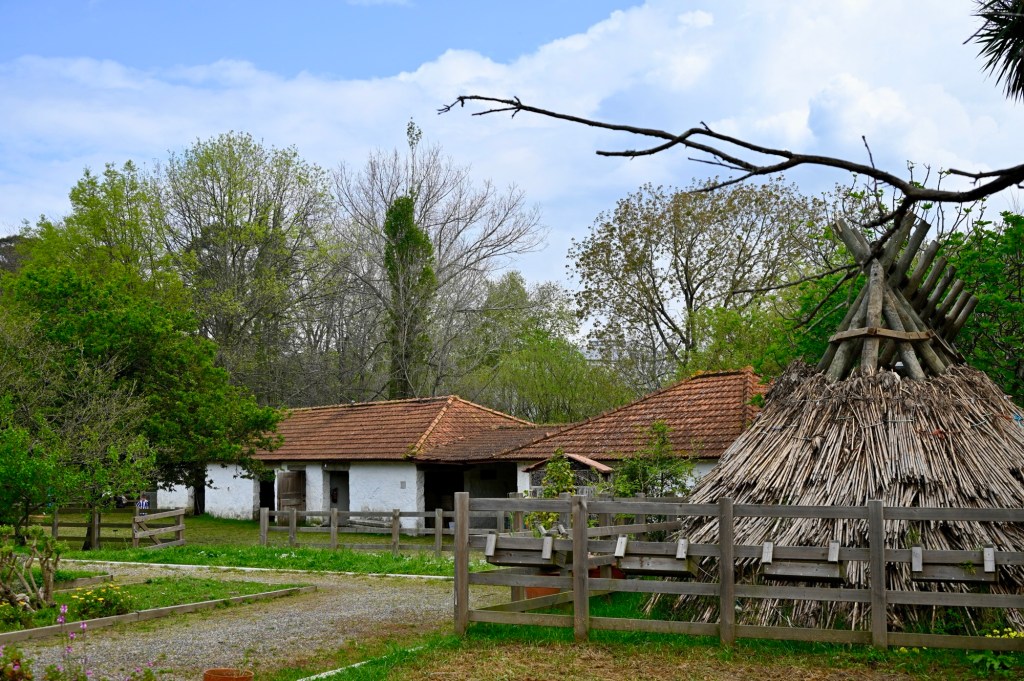
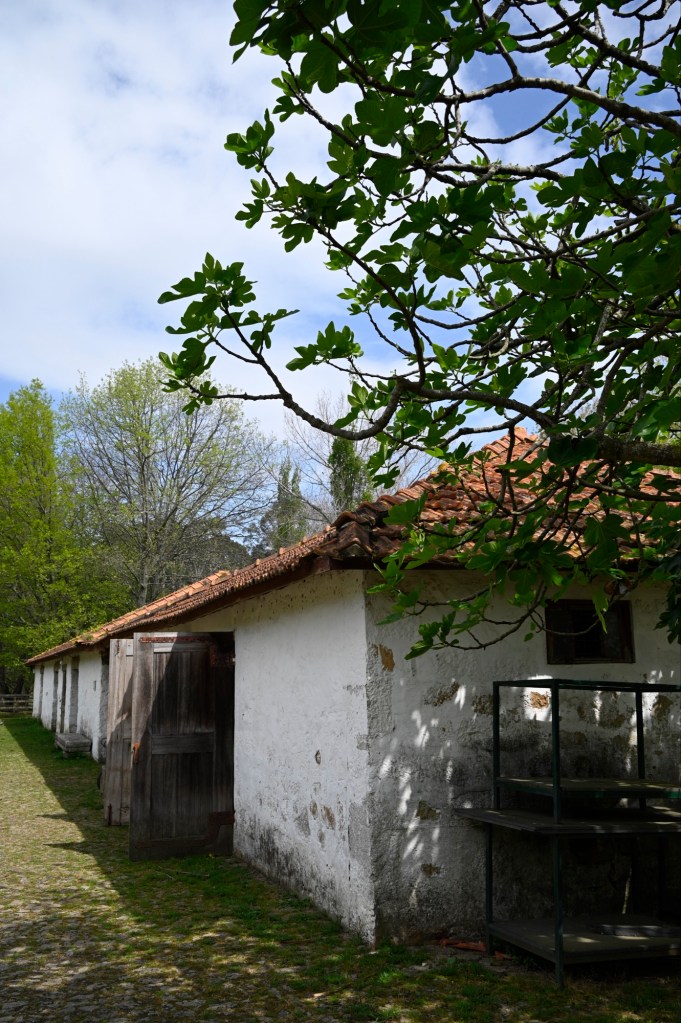
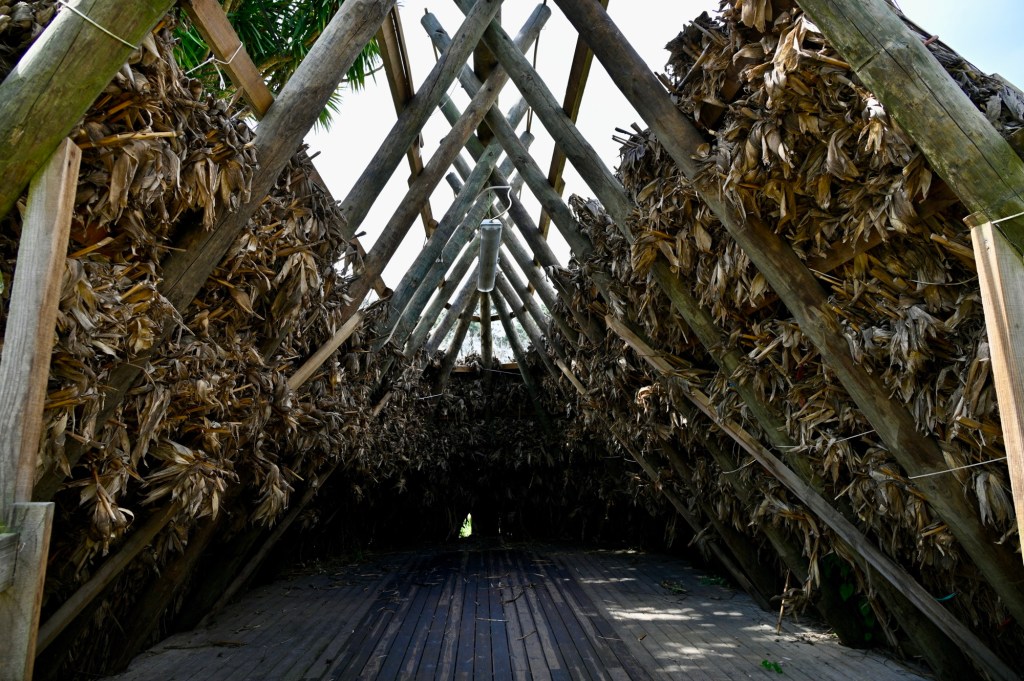
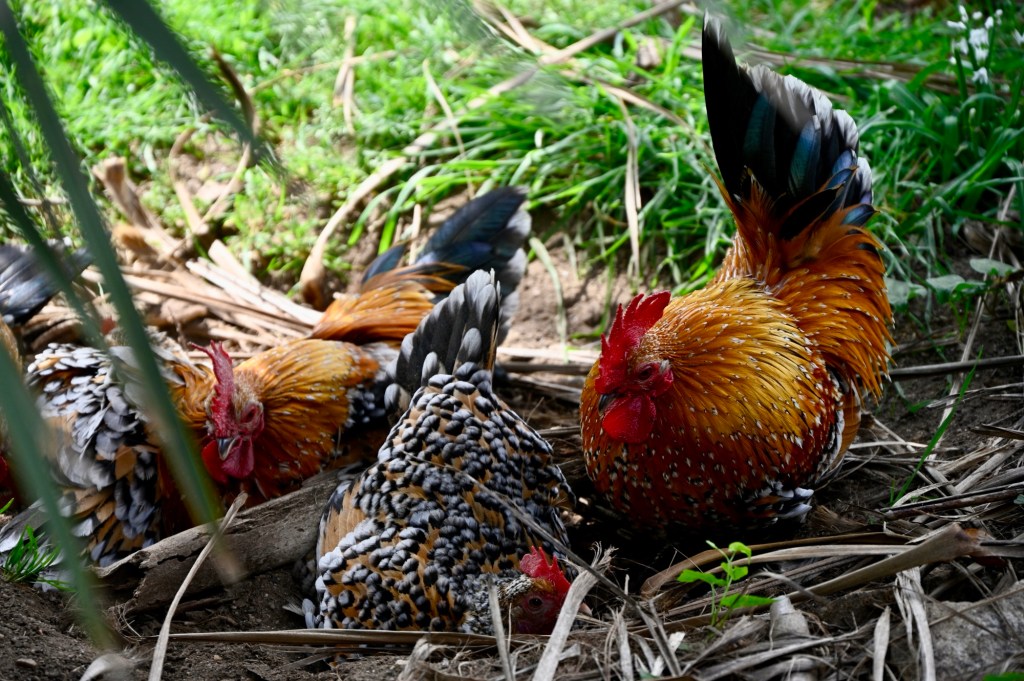
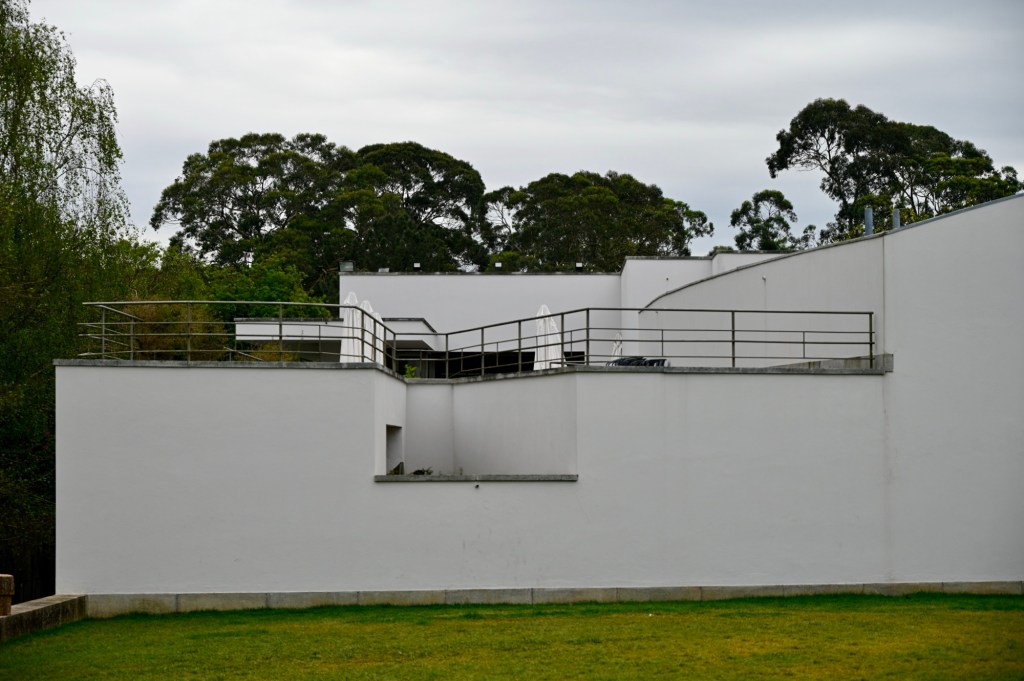
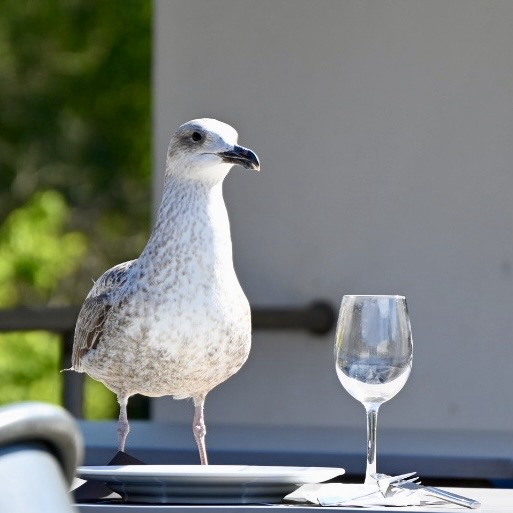
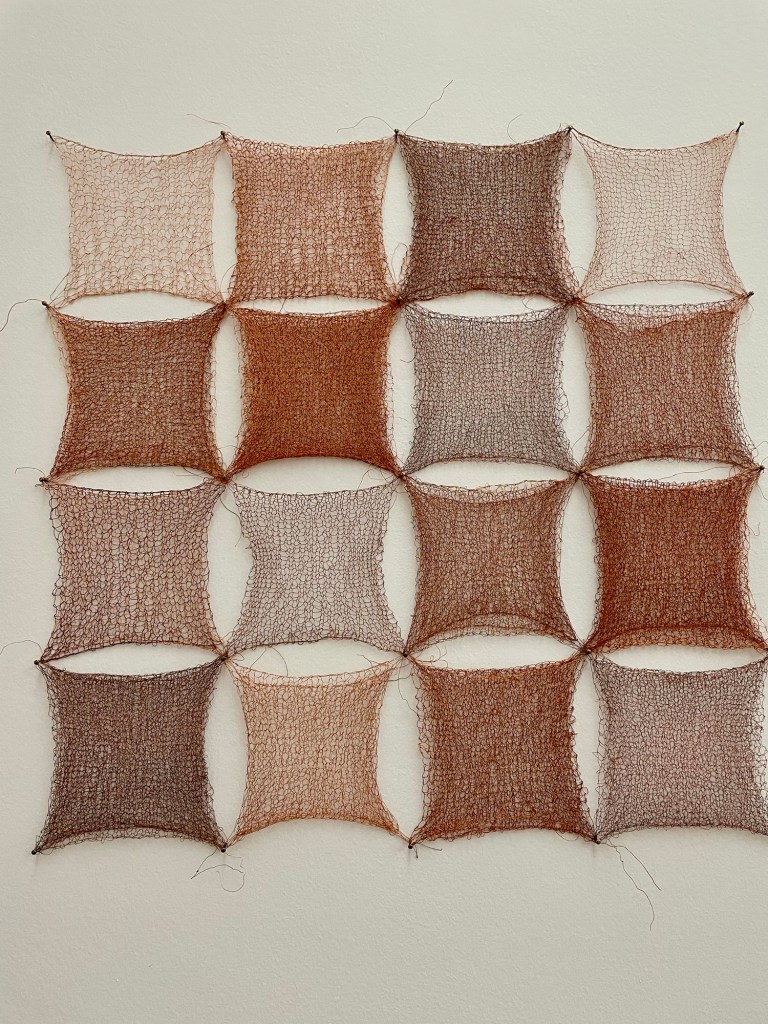
One of the things we always do in Porto is visiting the Serralves arts museum and park. It is a little out of the city center, so you must take a bus or Uber/taxi to get there, but it is worth the visit. Even if you are not into arts, the park is a really relaxing place to be in. You can walk around for hours, on beautiful paths surrounded by flowers and trees. You can do the treetop walk or visit the farm, where the have animals like sheep, horses, pigs, donkeys horses and chickens walking around in the fields. In between all this you’ll see different art pieces displayed, as a temporary placed giant spider, a giant red spade or a shiny sky mirror. If you get tired of walking, there is also a small tea-house within the garden and benches to sit on. The art pieces within the main art museum changes regularly and often have high quality, so there is new experienced every time we are there.




Matosinhos
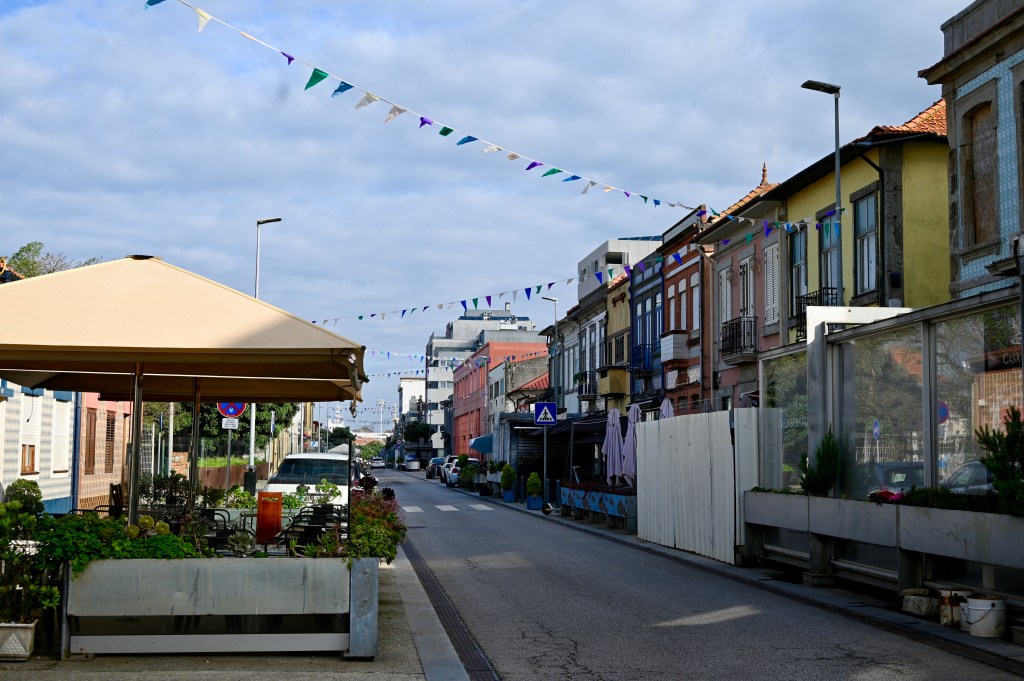
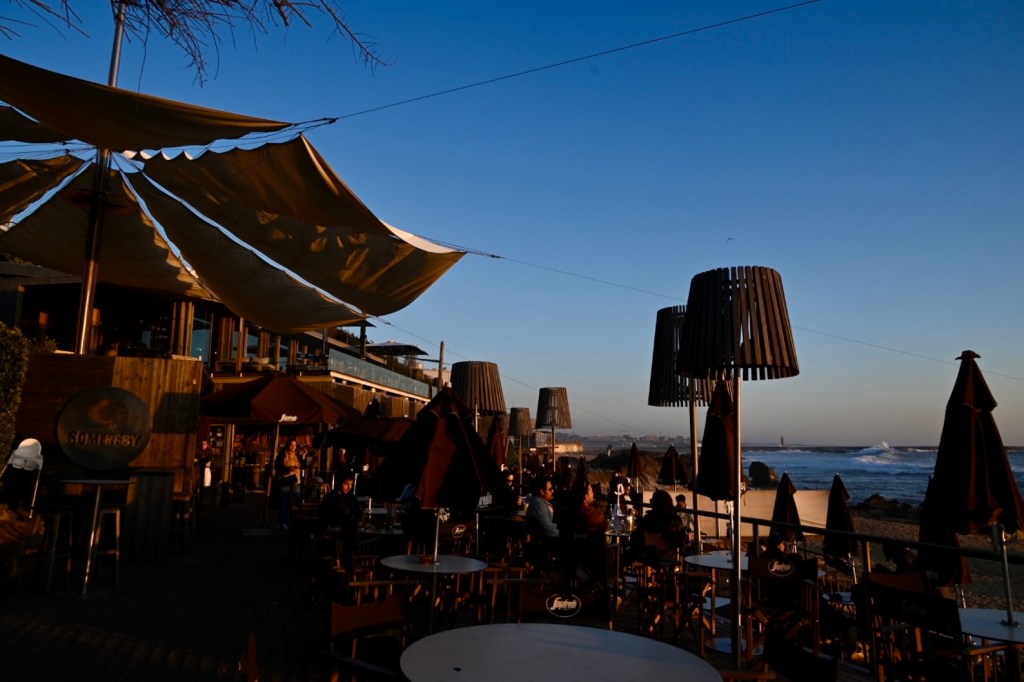
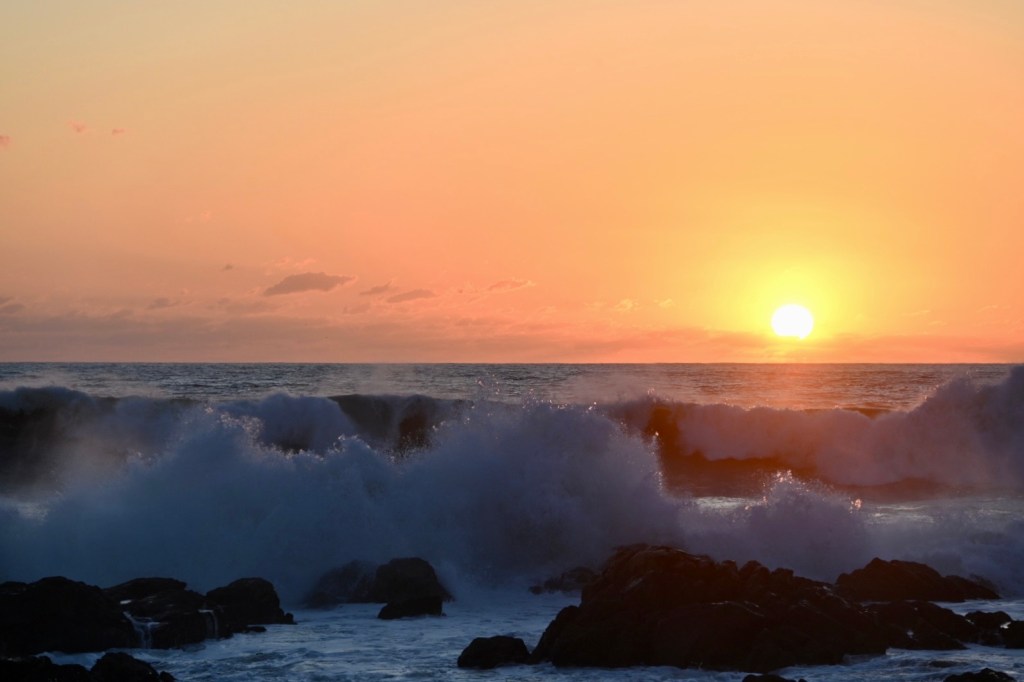
After visiting Serralves, you can take a short bus ride, or enjoy a longer walk, to the coastal city of Matosinhos. There, you can watch the sun set over the Atlantic Ocean while enjoying a drink by the waterfront and/or having dinner at one of the amazing fish restaurants located in the upper part of Rua Heróis de França, such as the small Salta o Muro. It may be wise to make a reservation in advance, but if you’re visiting outside the tourist season, you can simply walk by and see whether any of the other restaurants on the street have available tables. Most of them barbecue fresh fish every day right in front of your eyes. It smells and tastes amazing.
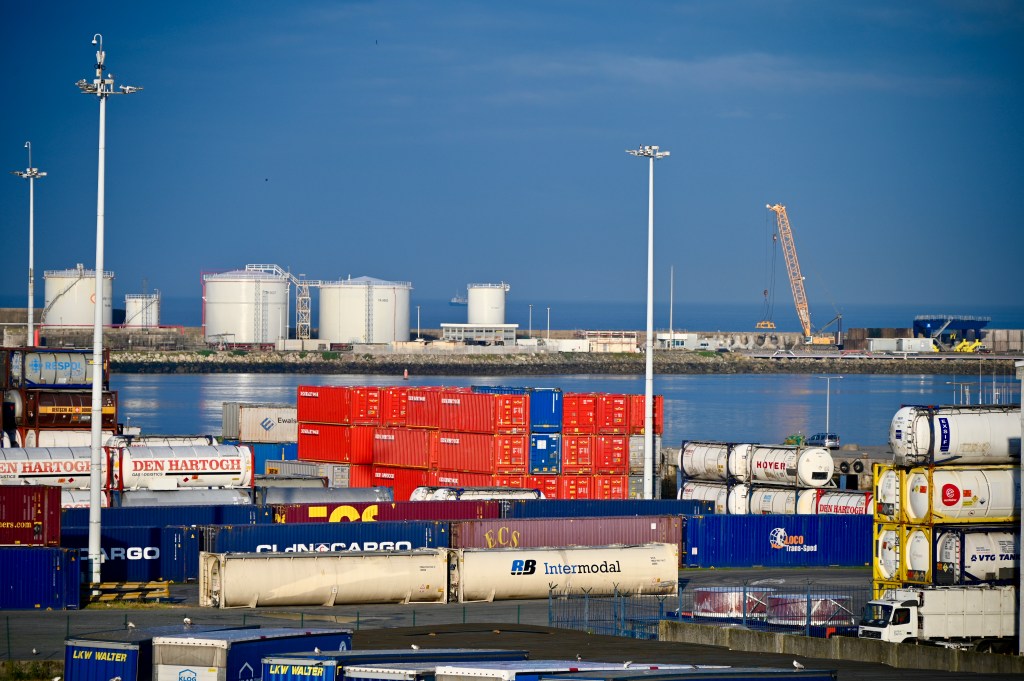
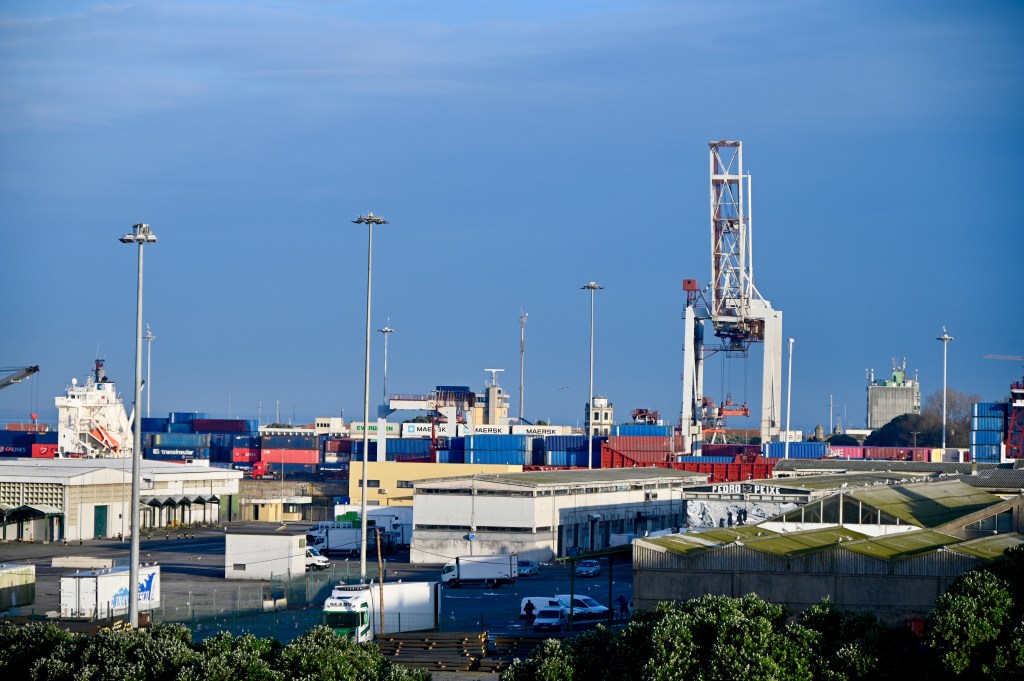
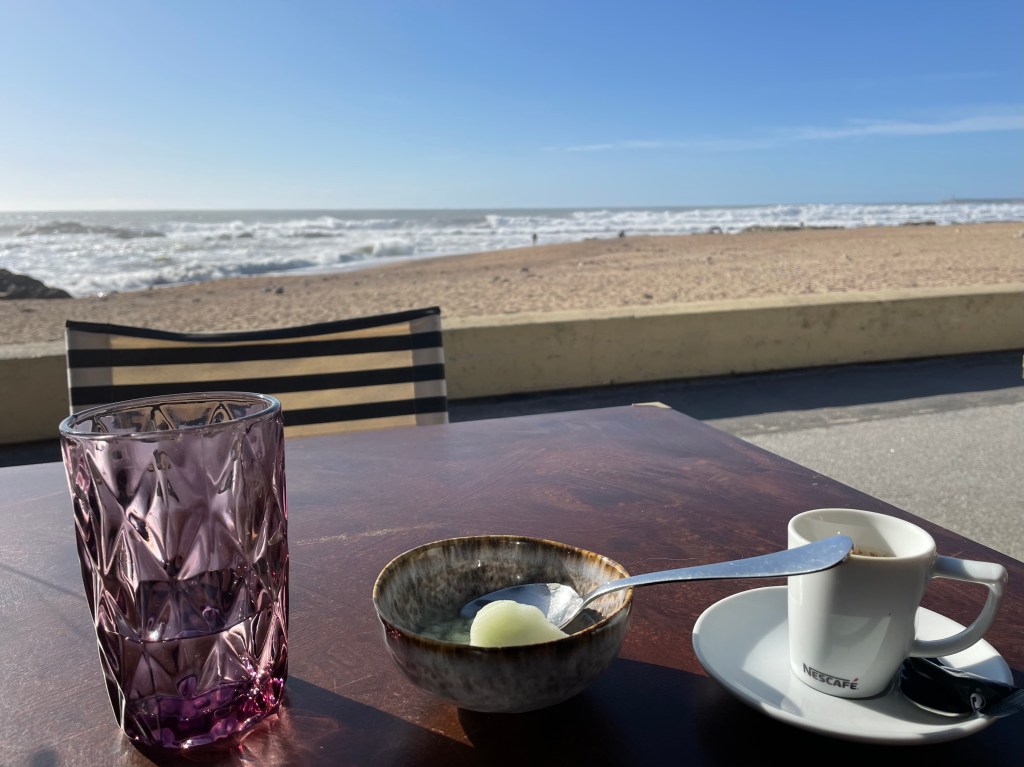
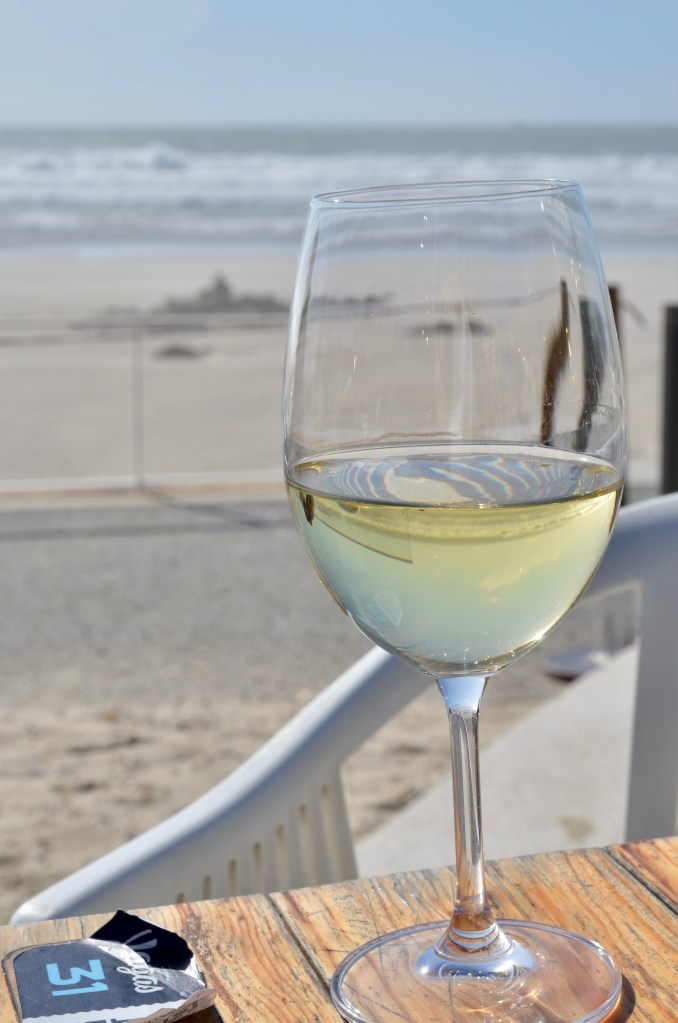
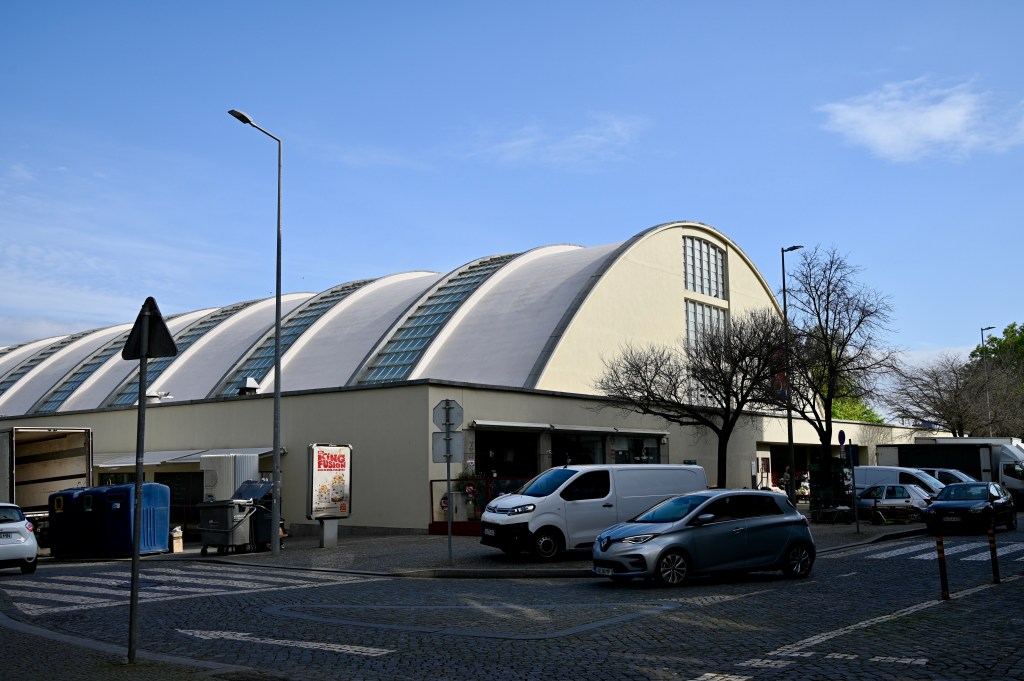
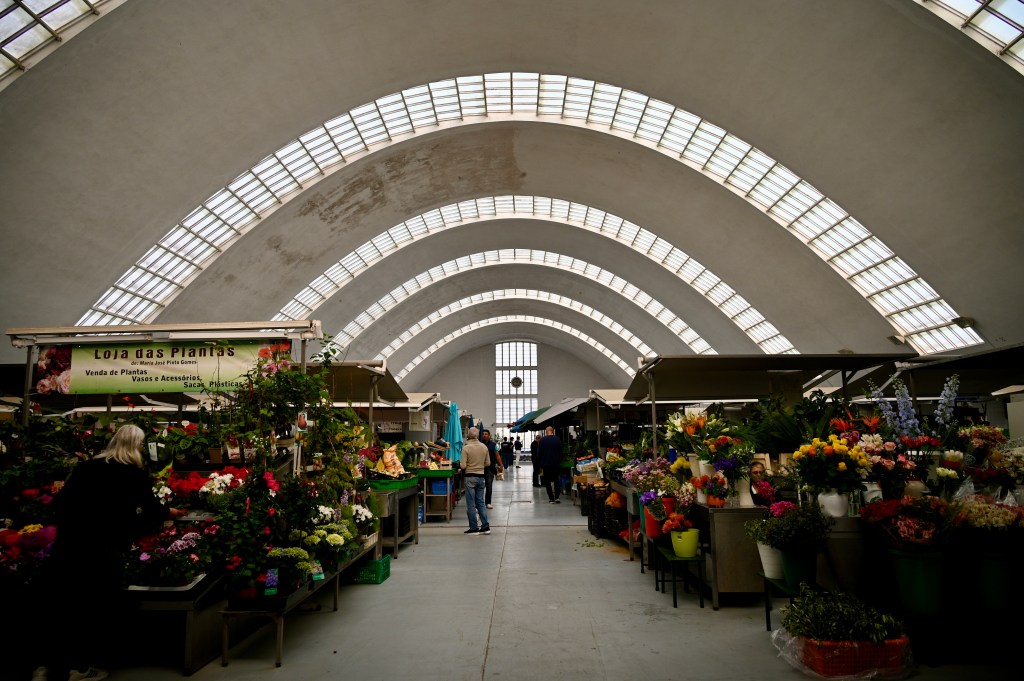
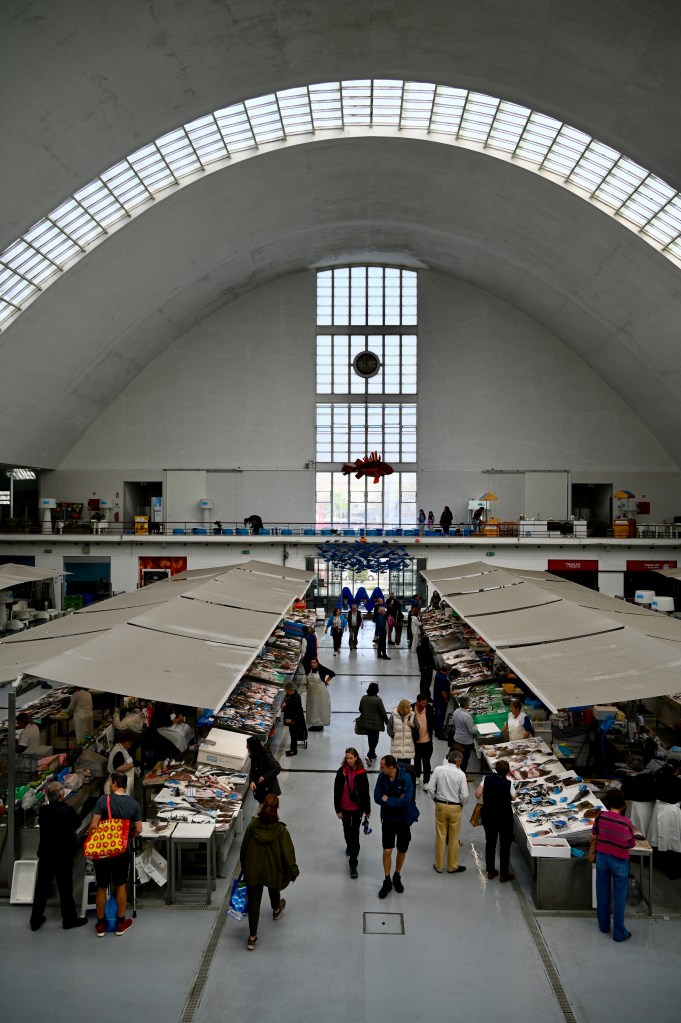
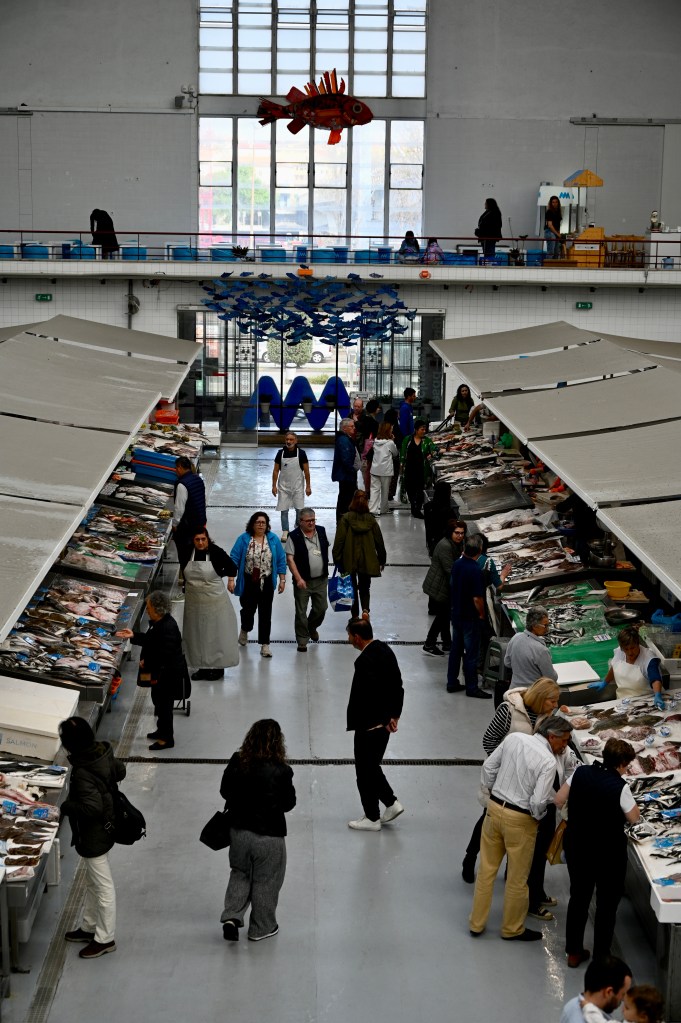
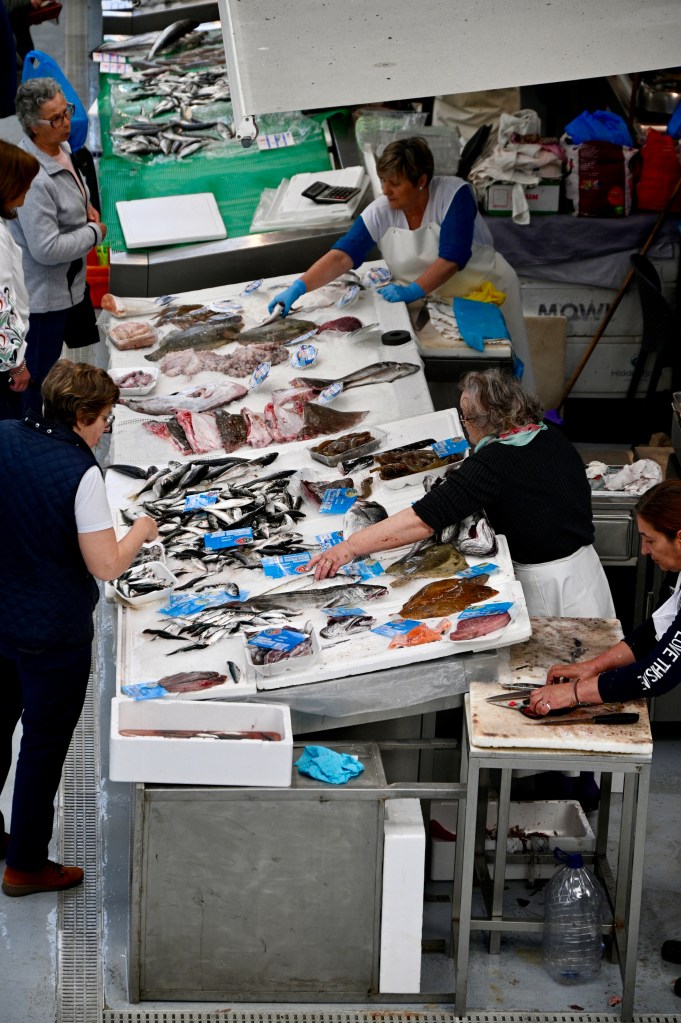
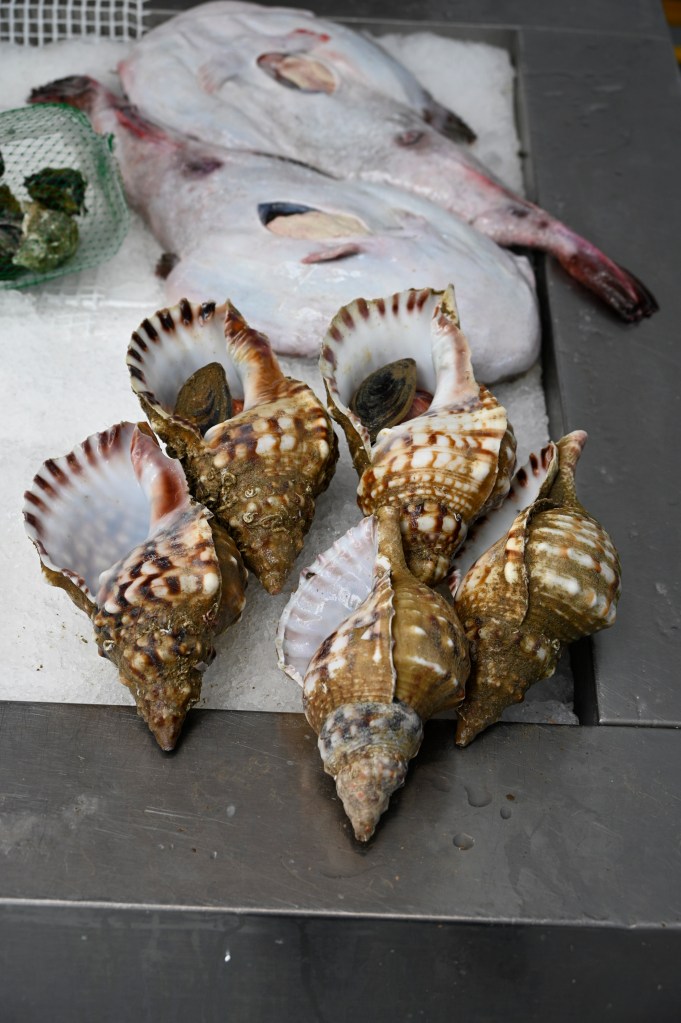
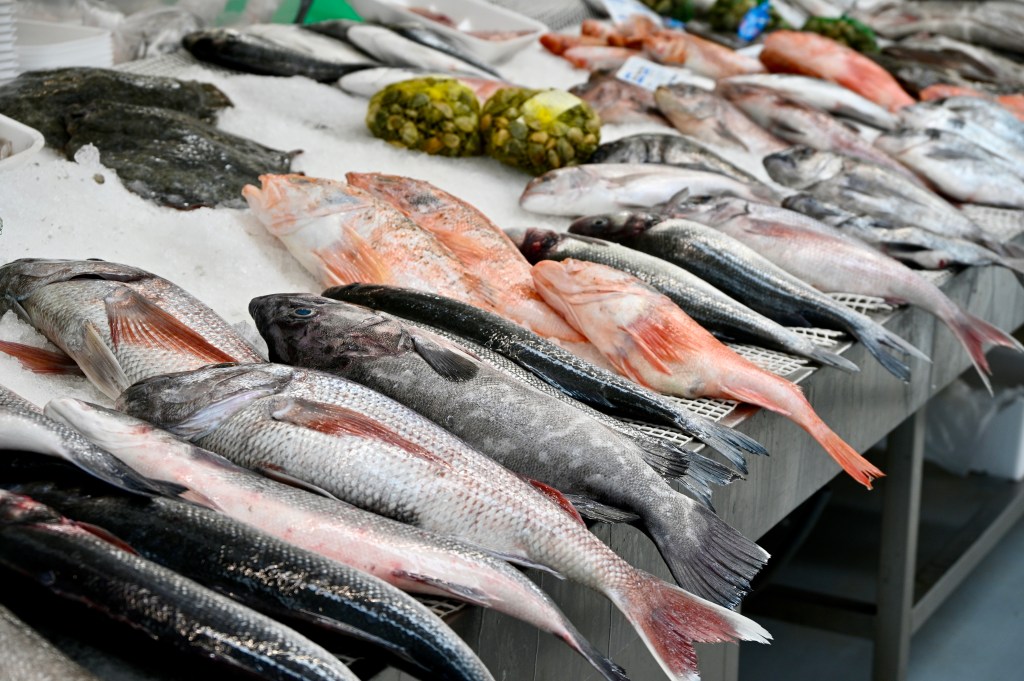
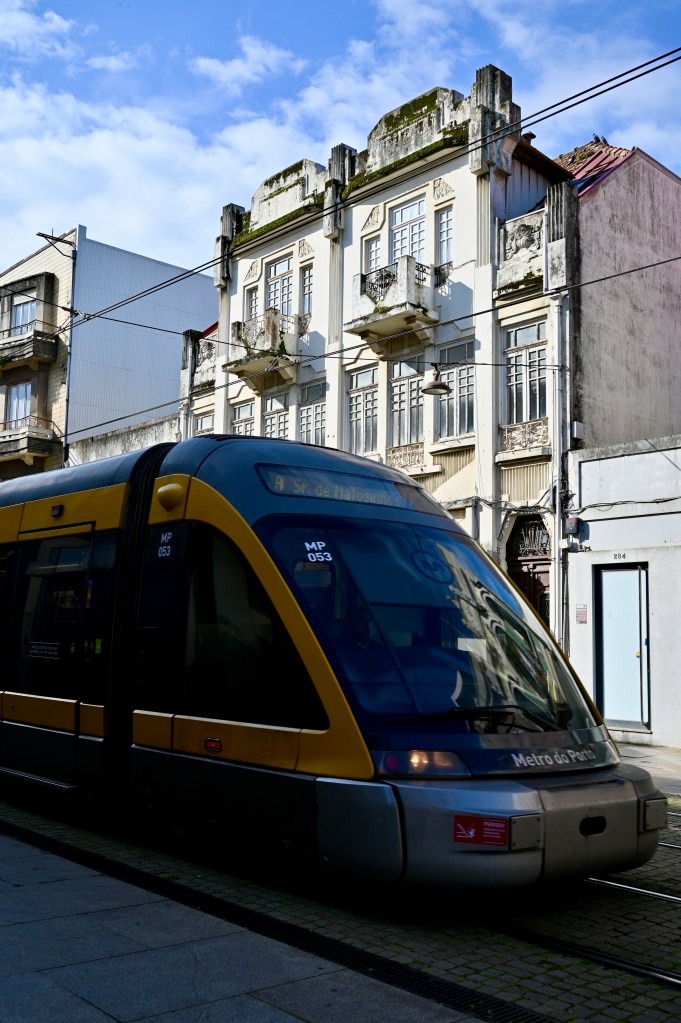
If you’re visiting Matosinhos in the morning, you can also visit the Matosinhos Municipal Market, which sells fresh fish and seafood, as well as a wide variety of flowers. The metro stops right outside the market and also close to the fish restaurants, making this area easy to reach from the central parts of Porto.
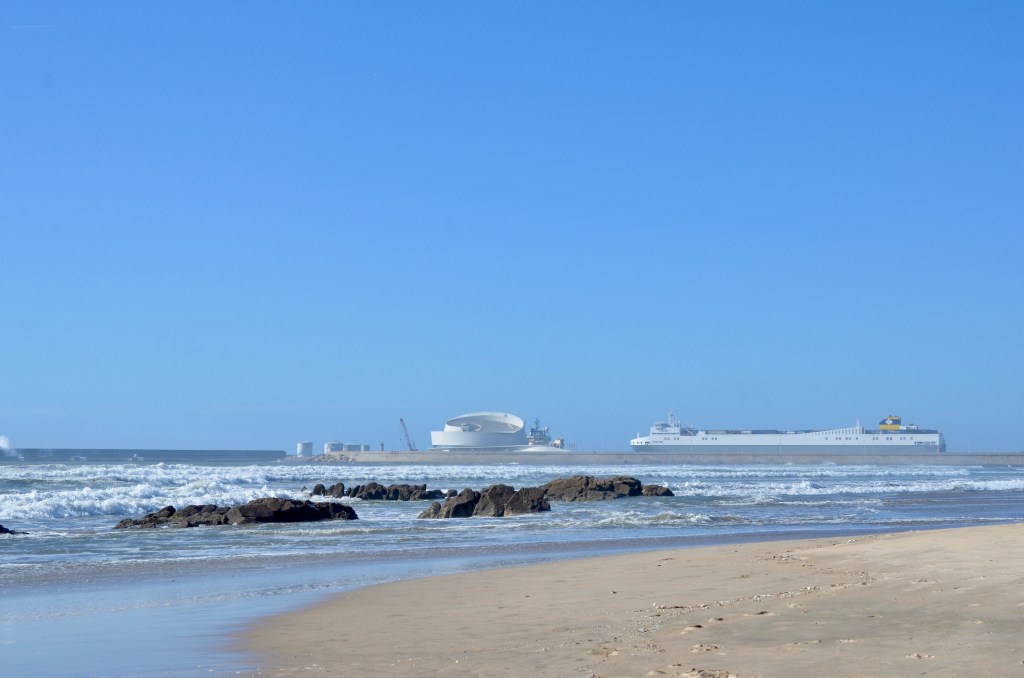
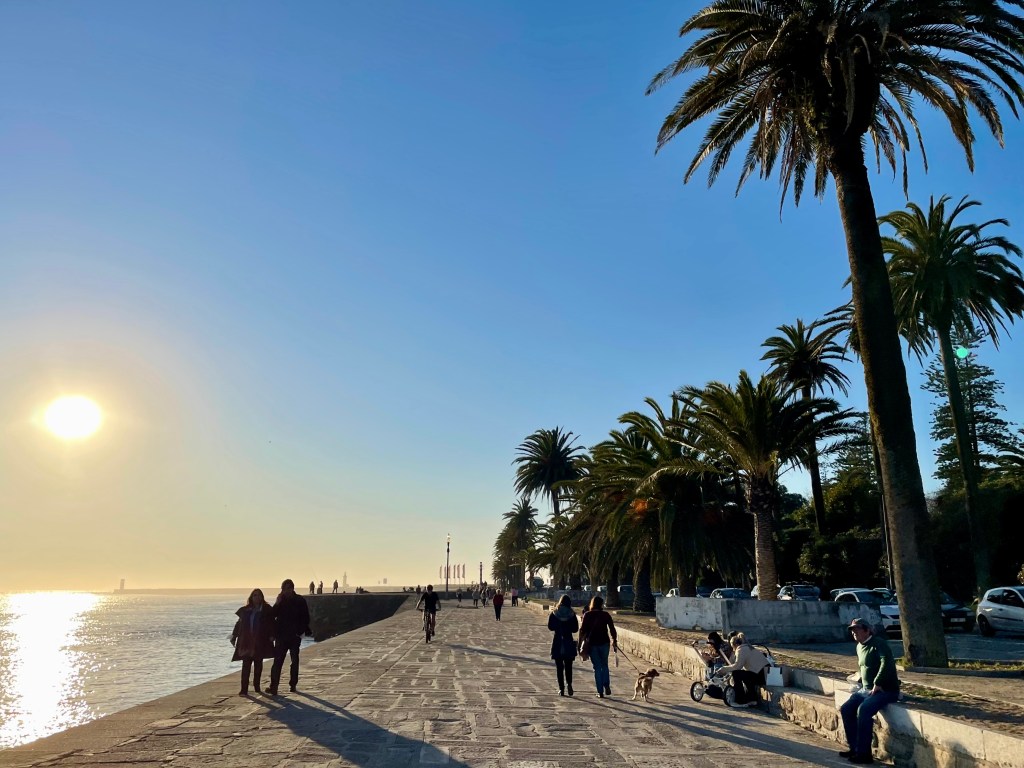
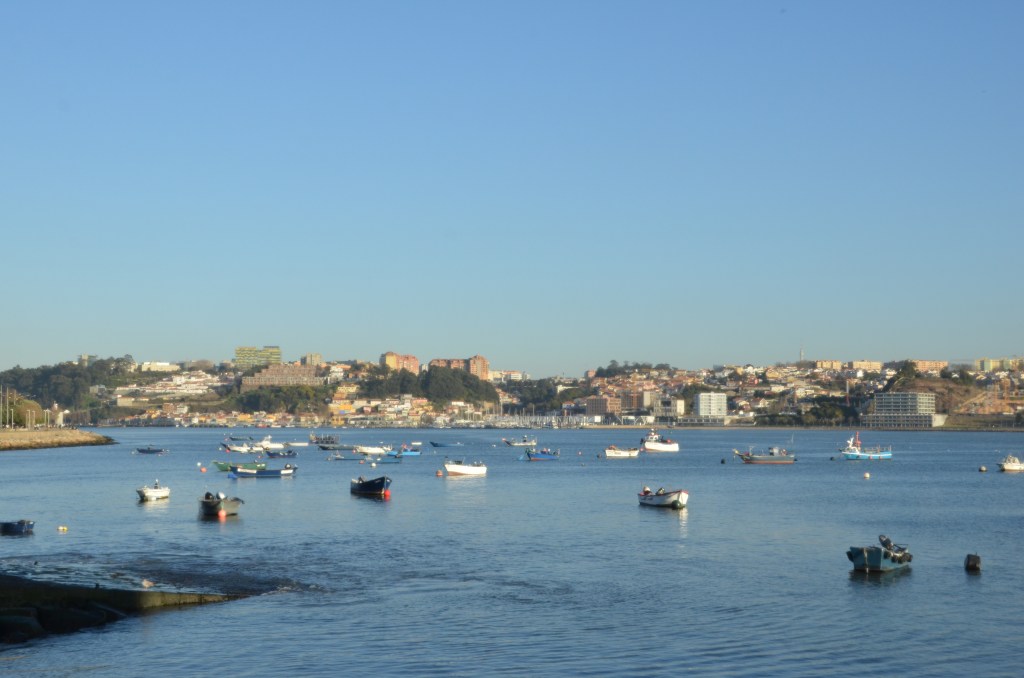
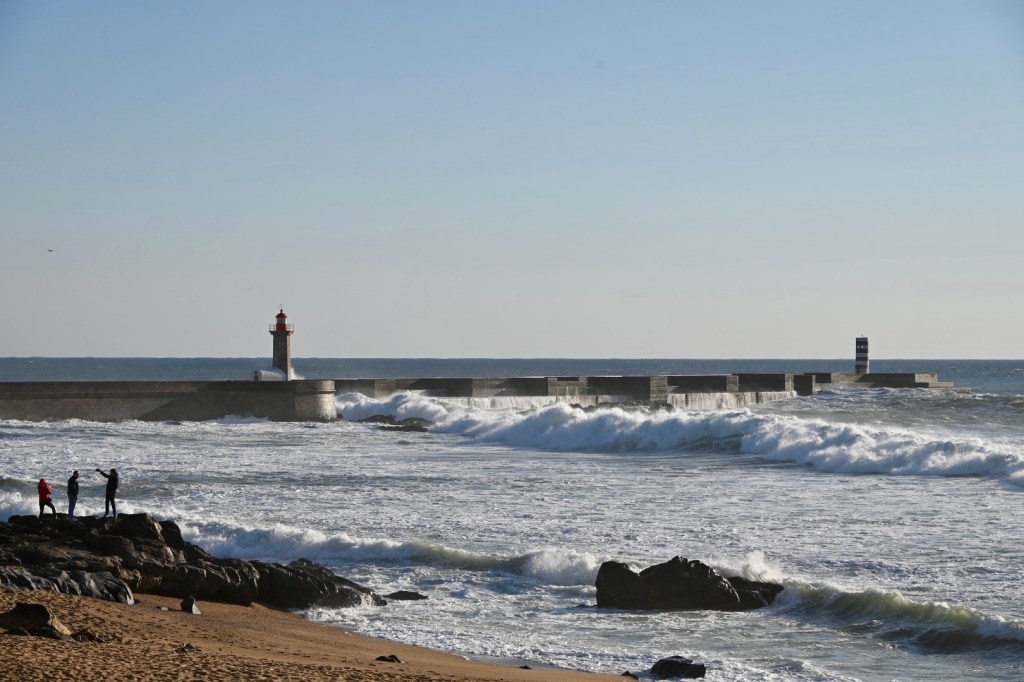
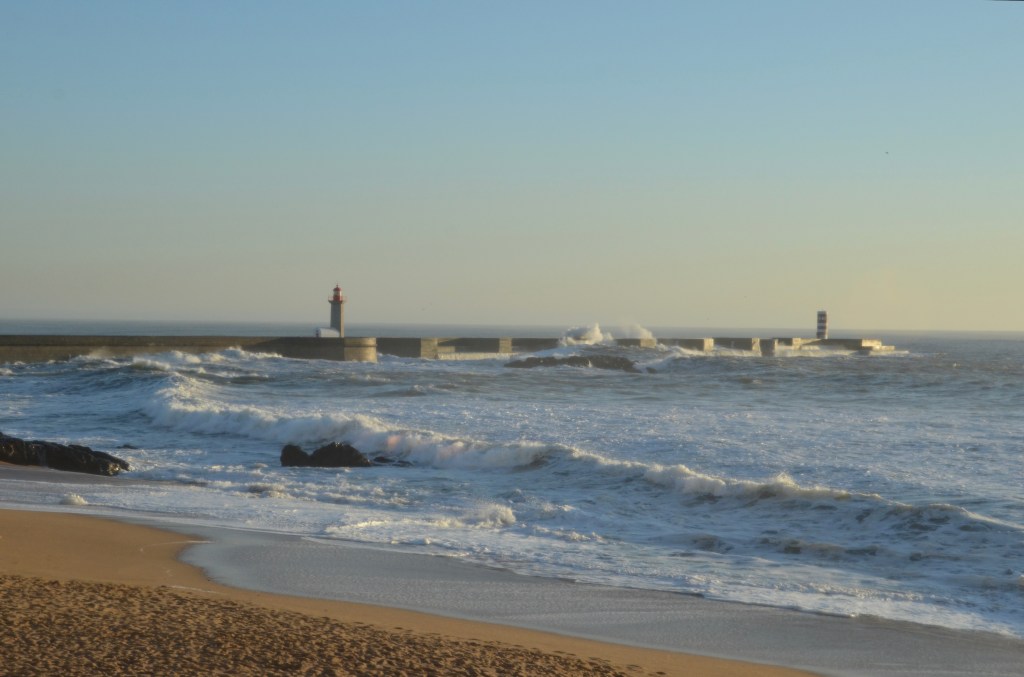
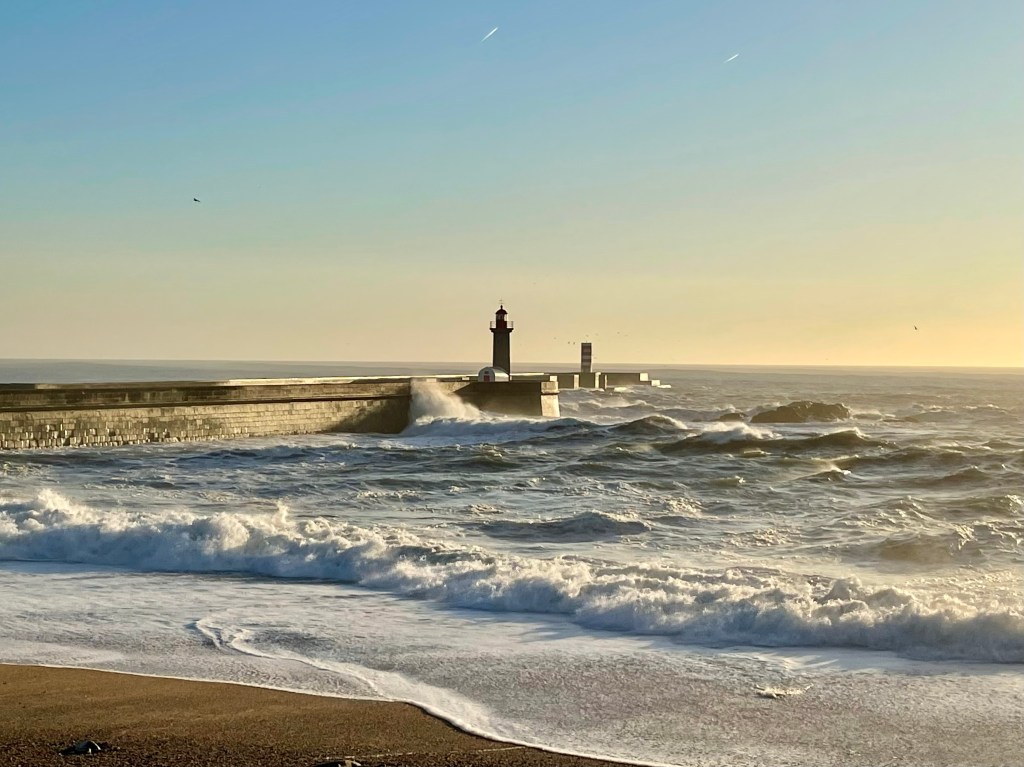
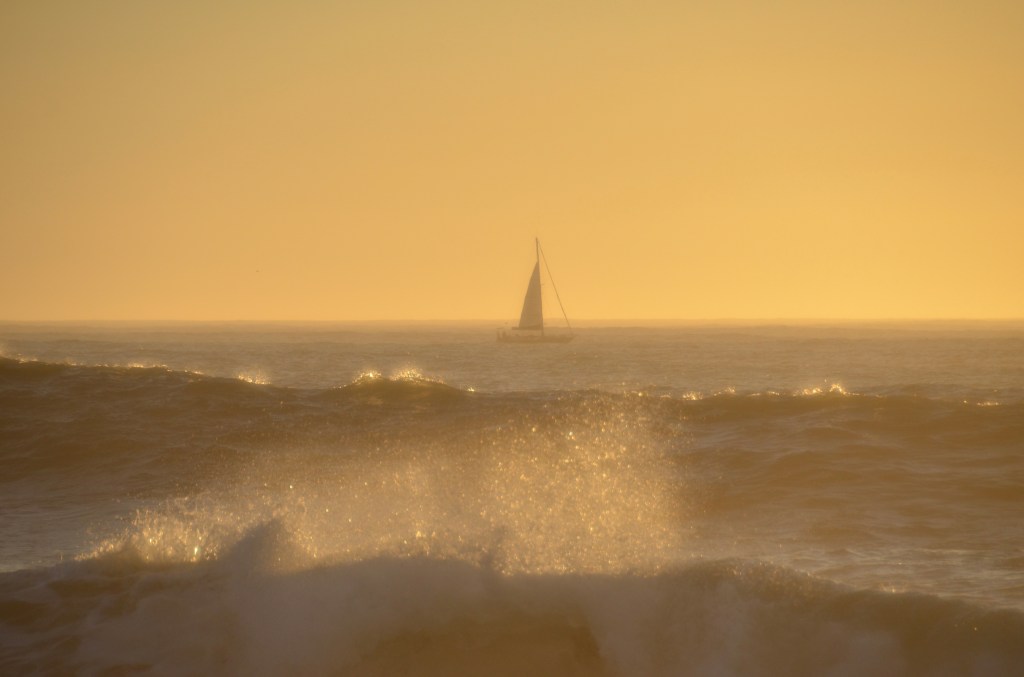
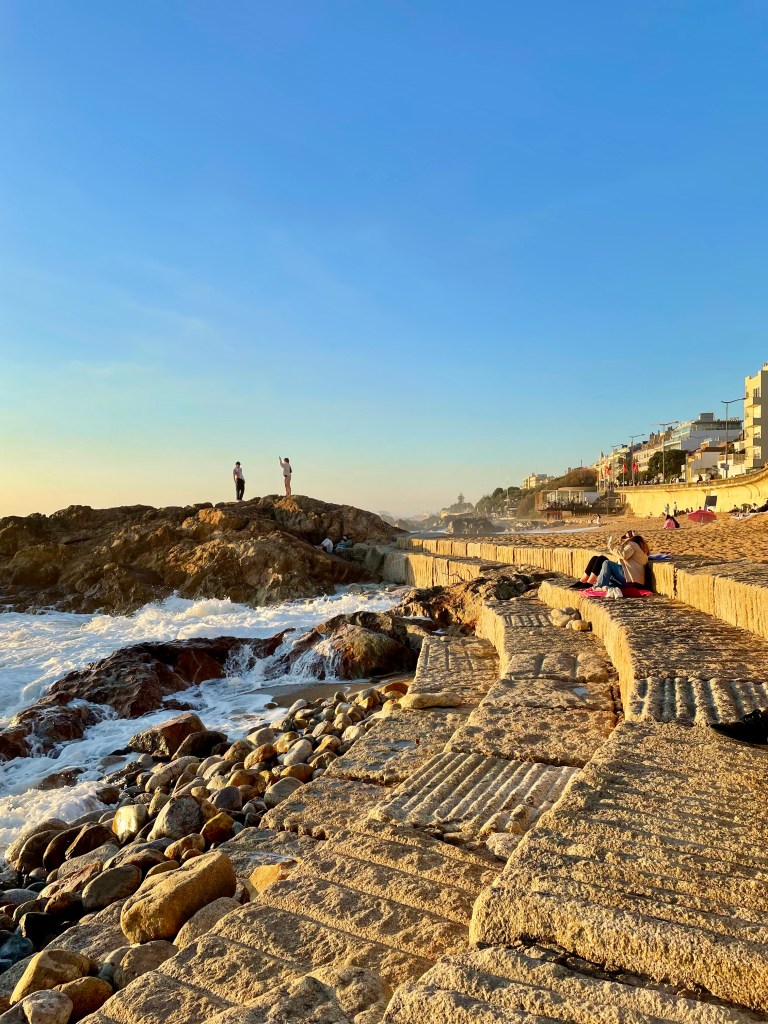
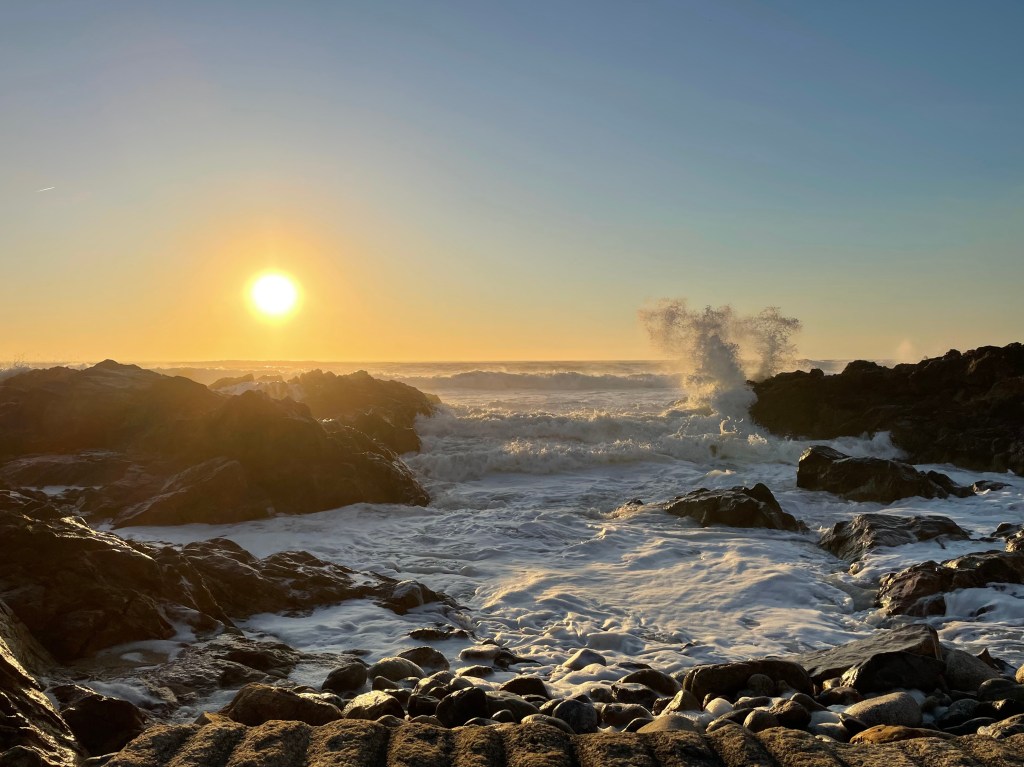
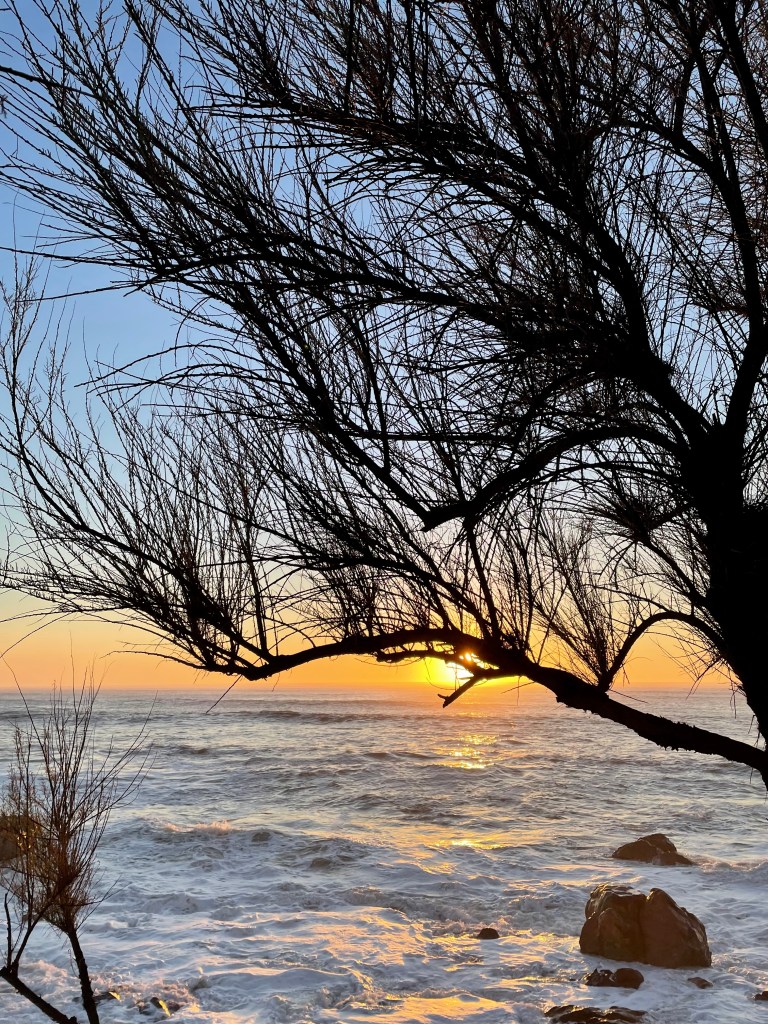
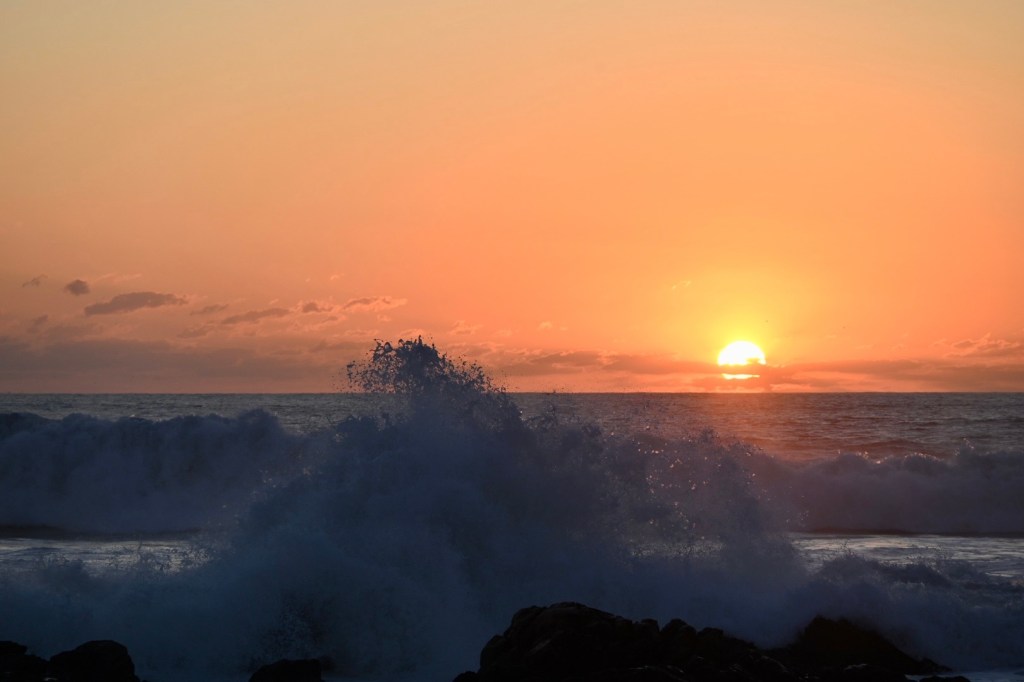
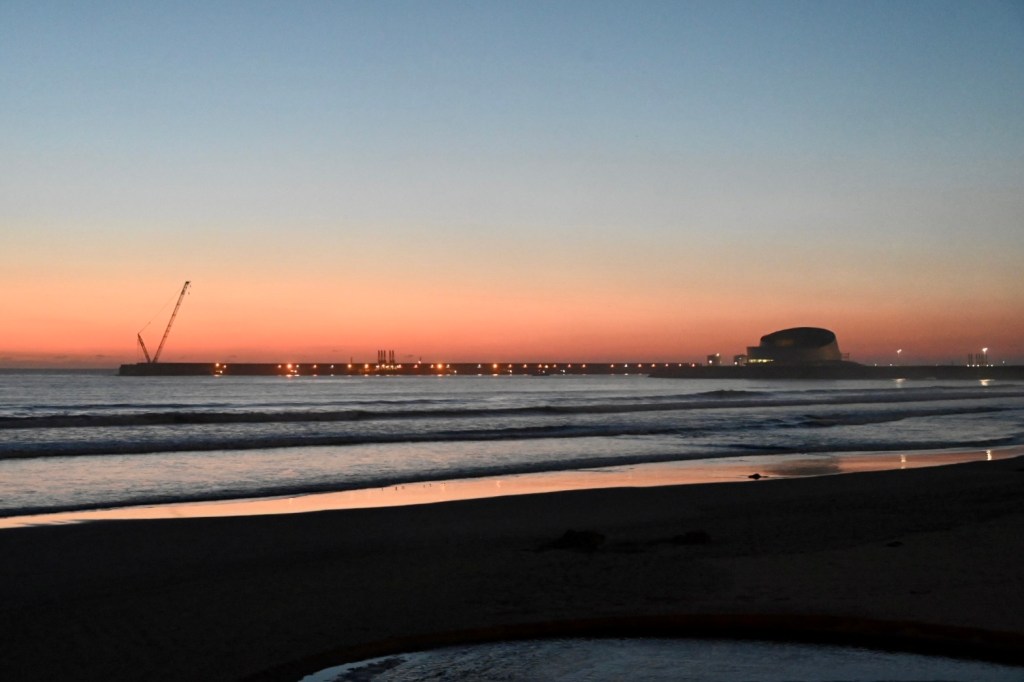
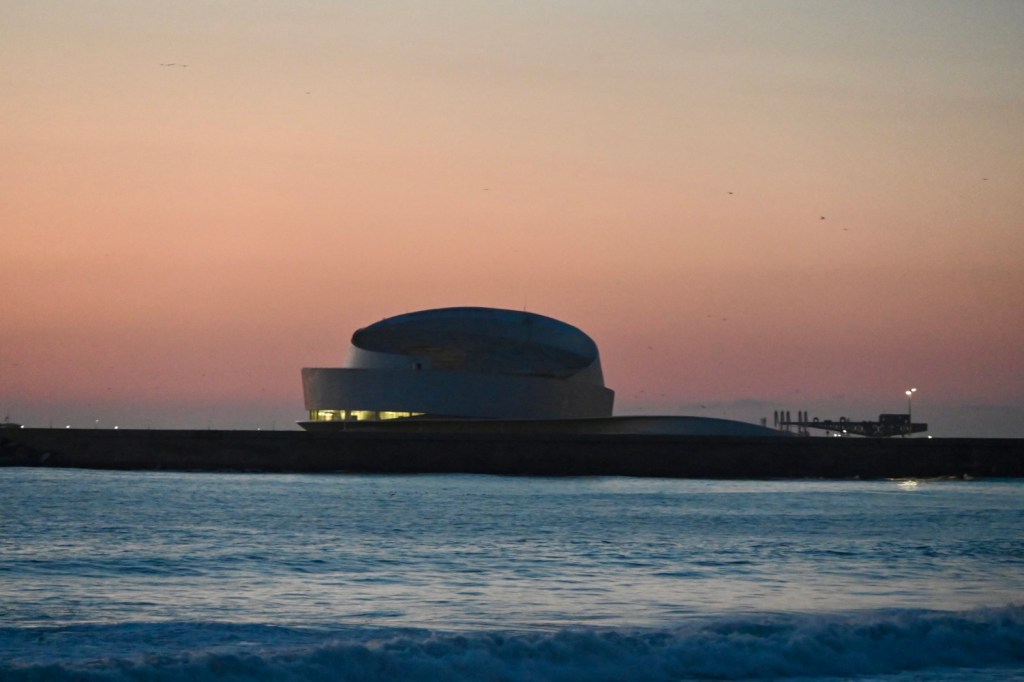
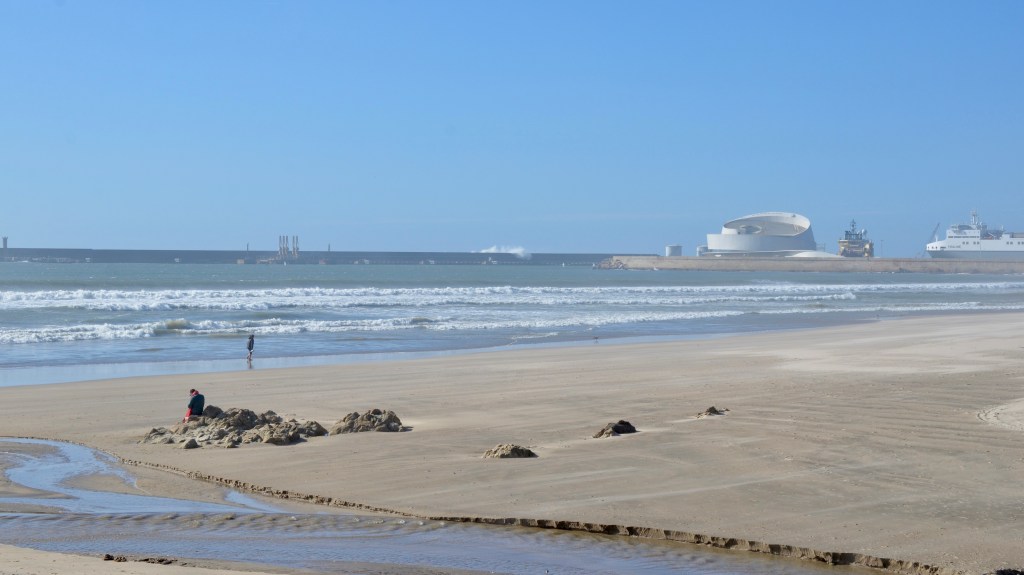
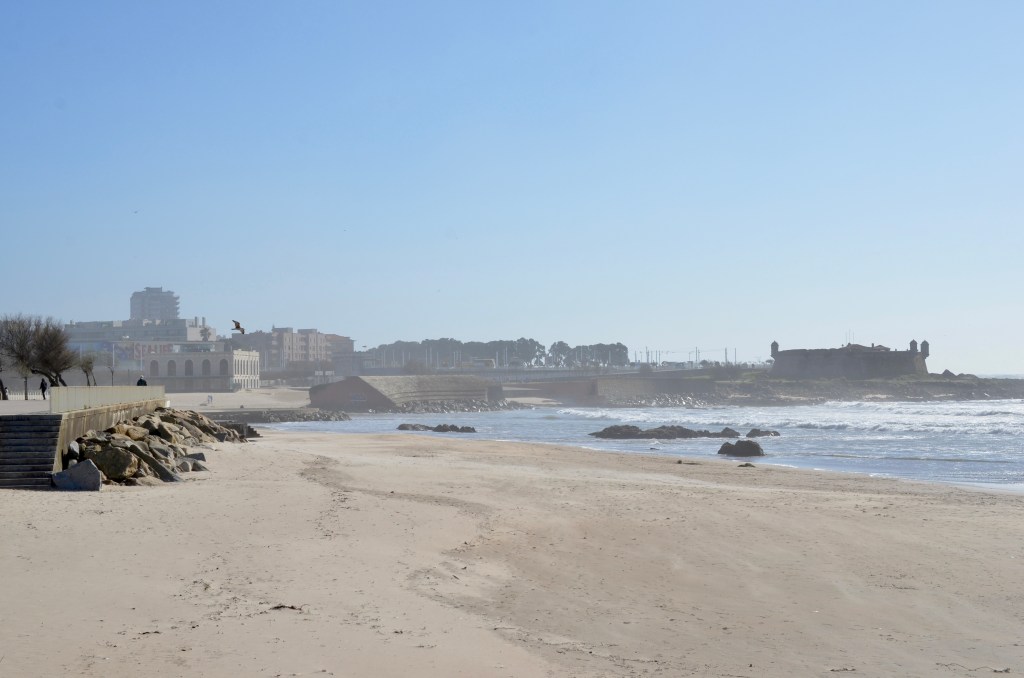
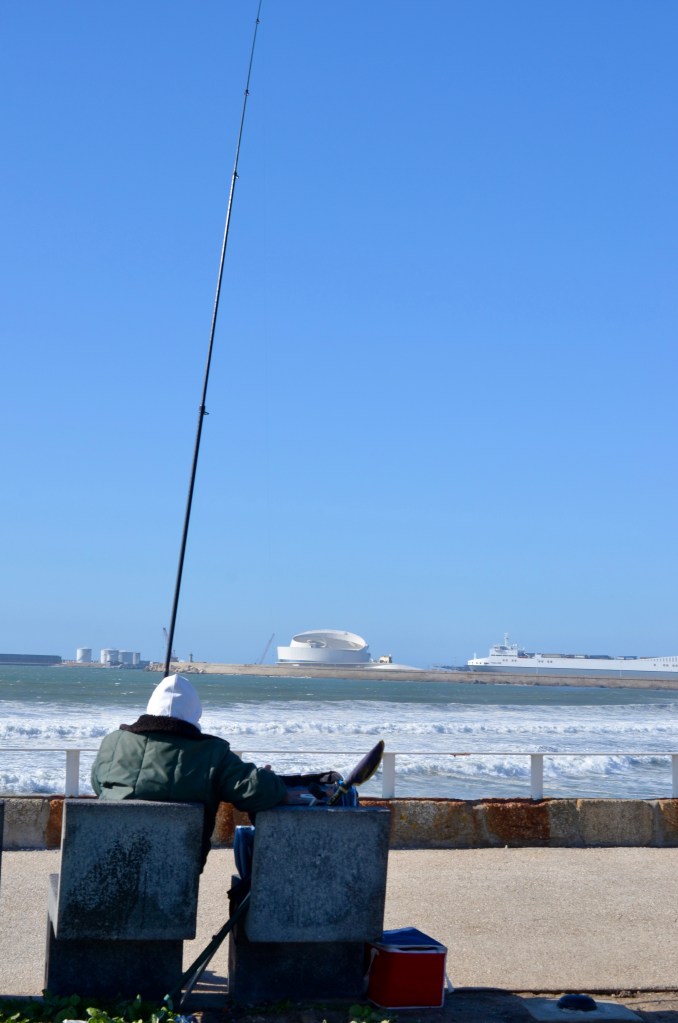
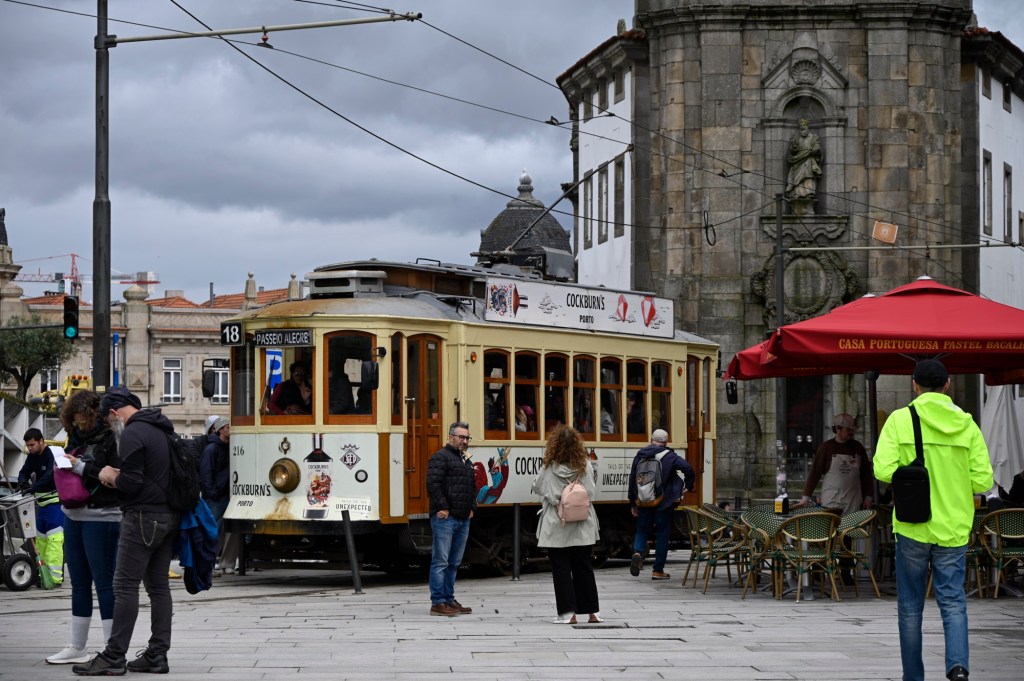
If you have more time, however, I would suggest the more than one-hour-long walk along the shoreline from the southern part of Foz do Douro, where the Douro River meets the sea, towards Matosinhos. One of the old trams stops at Passeio Alegre, which is a beautiful place to start the walk. From the lighthouse and northwards, you’ll enjoy views of breaking waves, long beaches, boats, sunsets, people, and even an old fort, while still being able to rest your legs or stop for a drink along the way. Bear in mind that many of the restaurants in the southern part of the route closes around sunset. Ending the walk in Matosinhos and taking the metro back to Porto from there is therefore the most practical option.
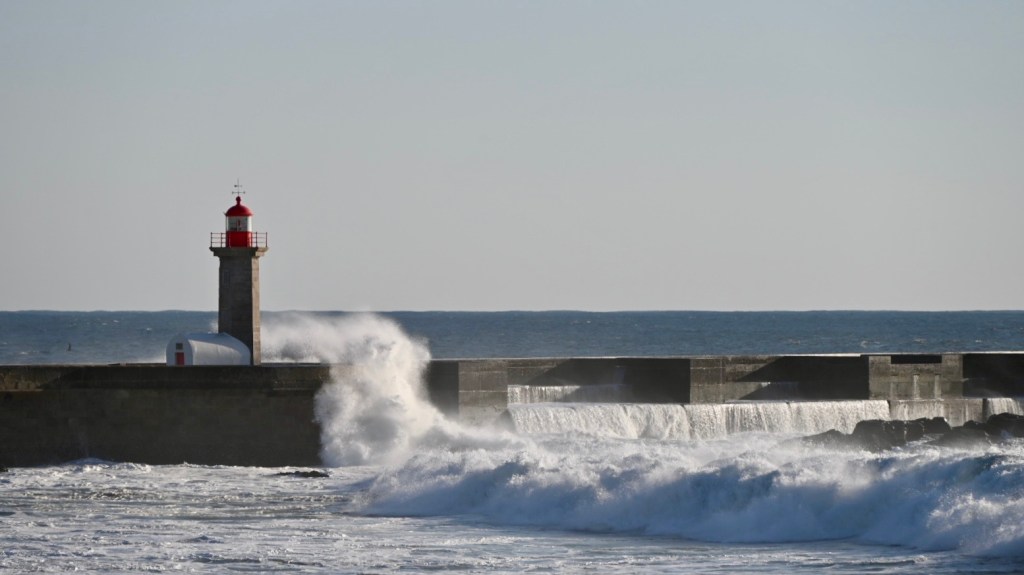
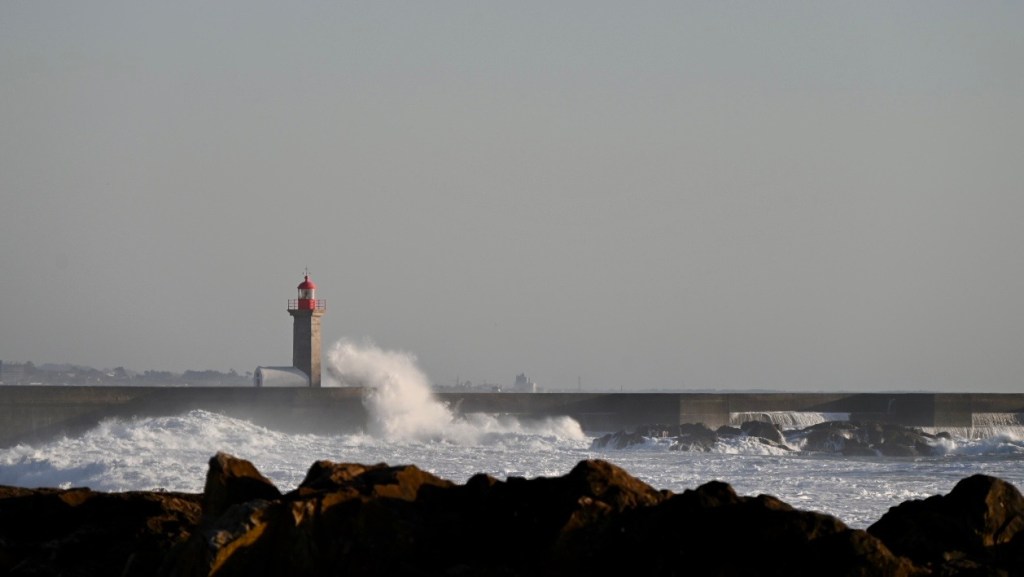
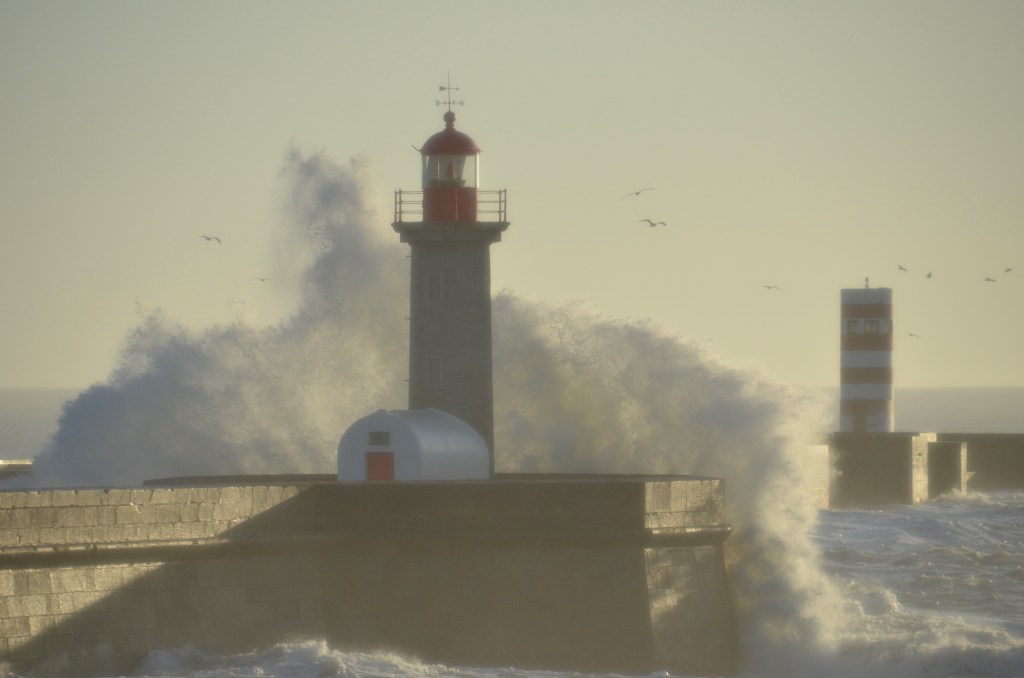
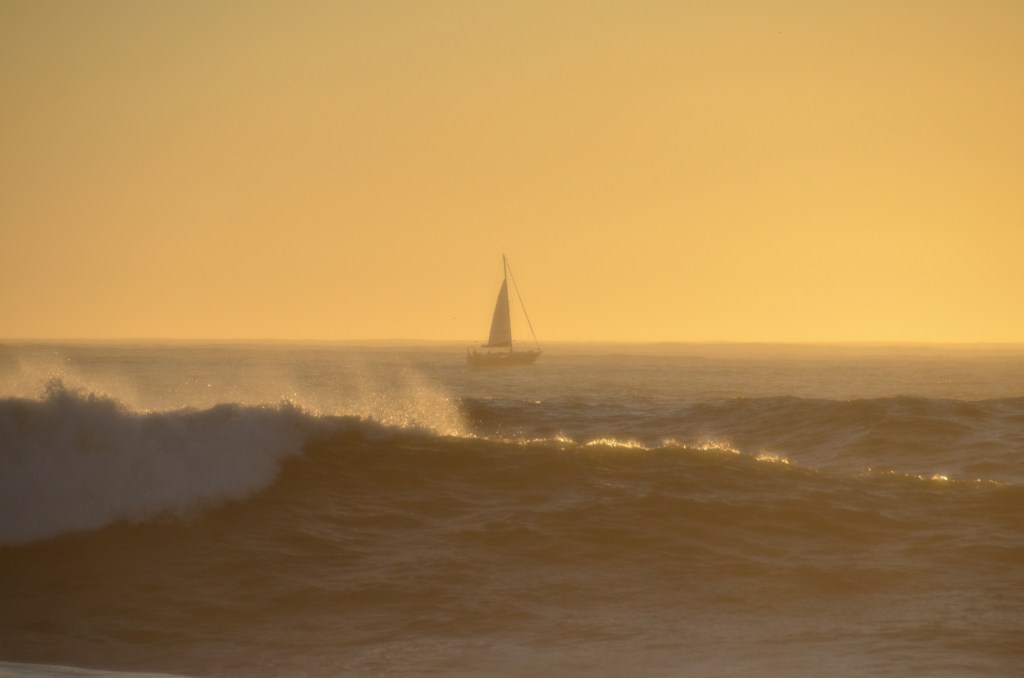
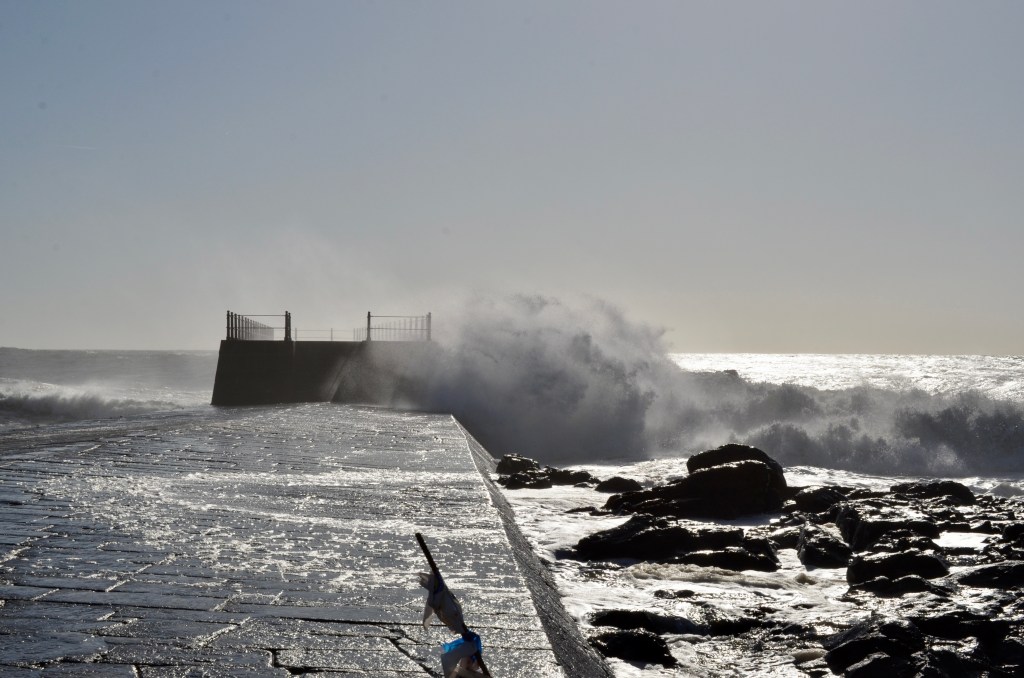
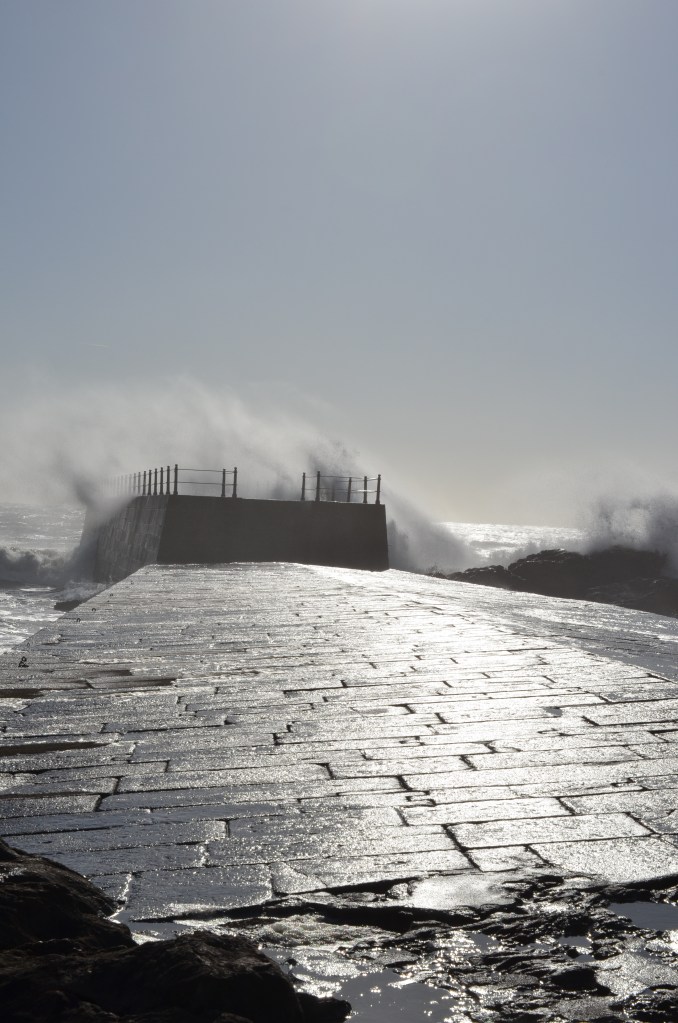
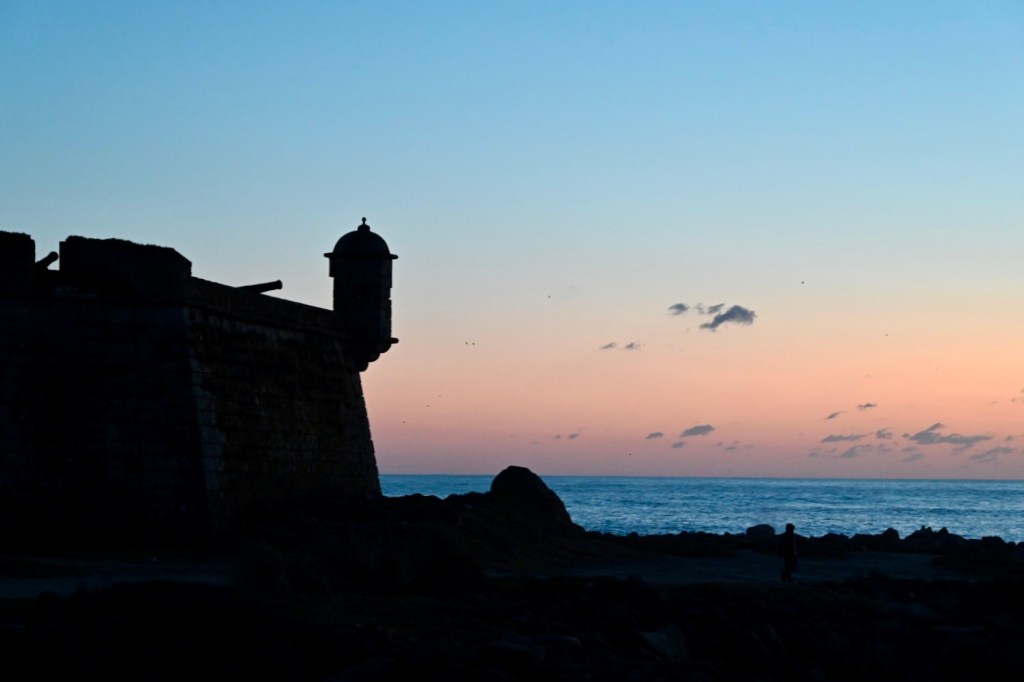
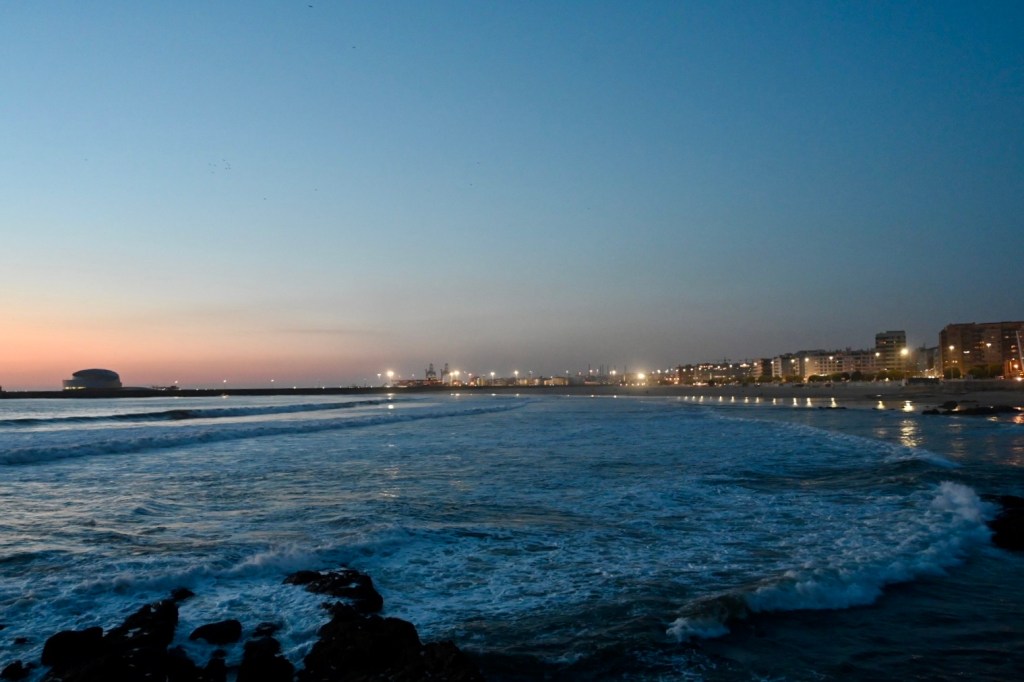
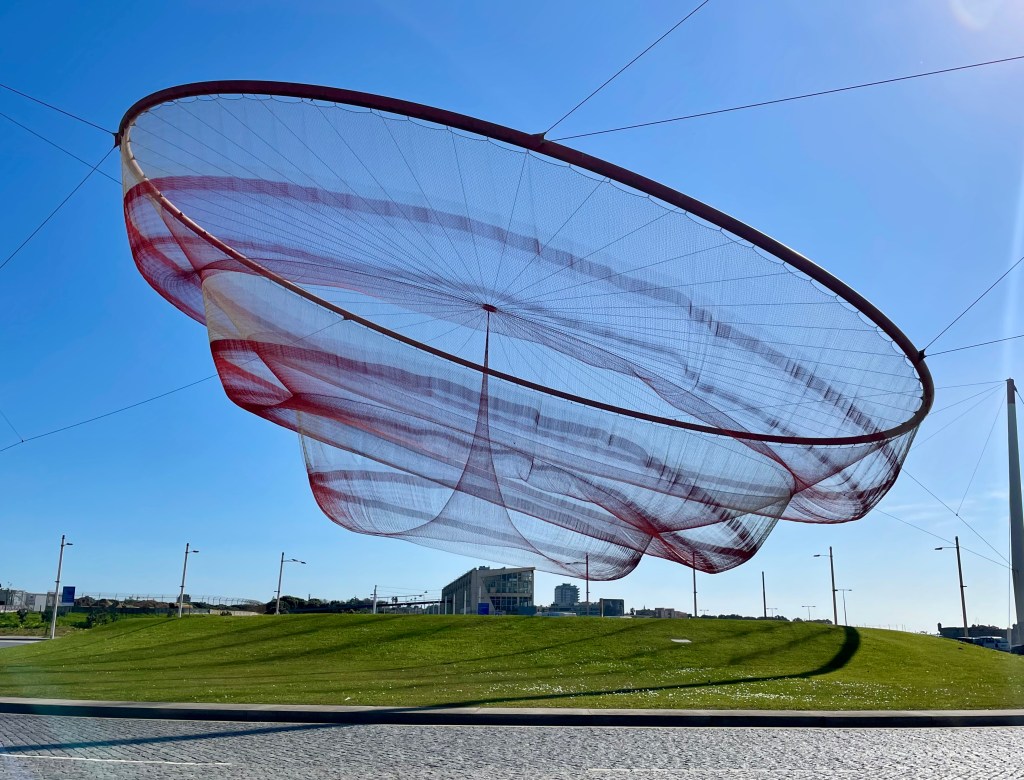
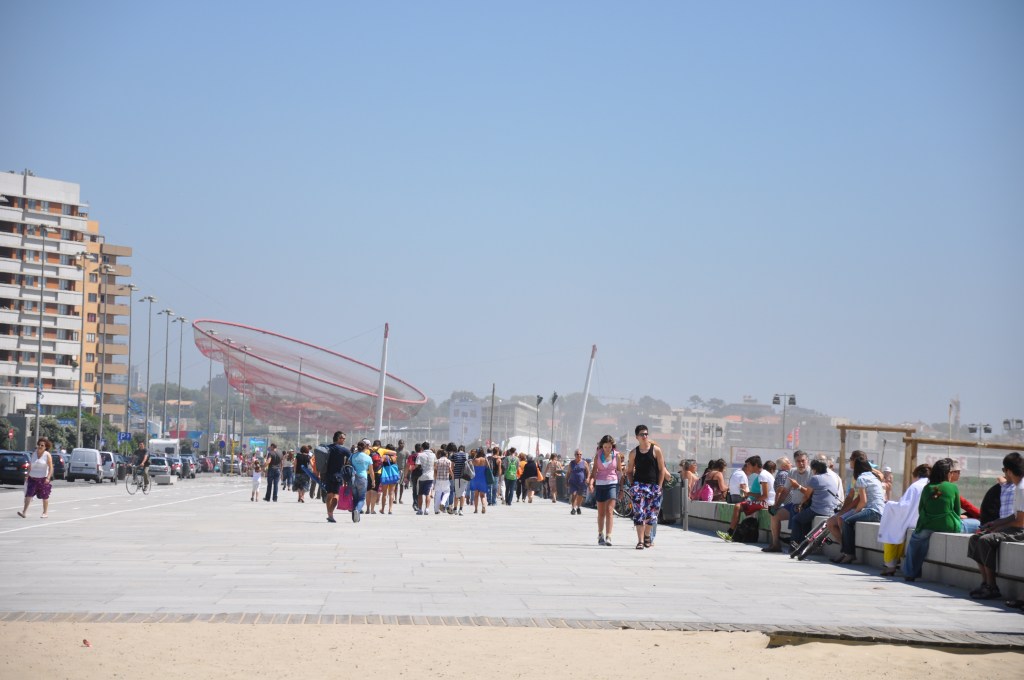
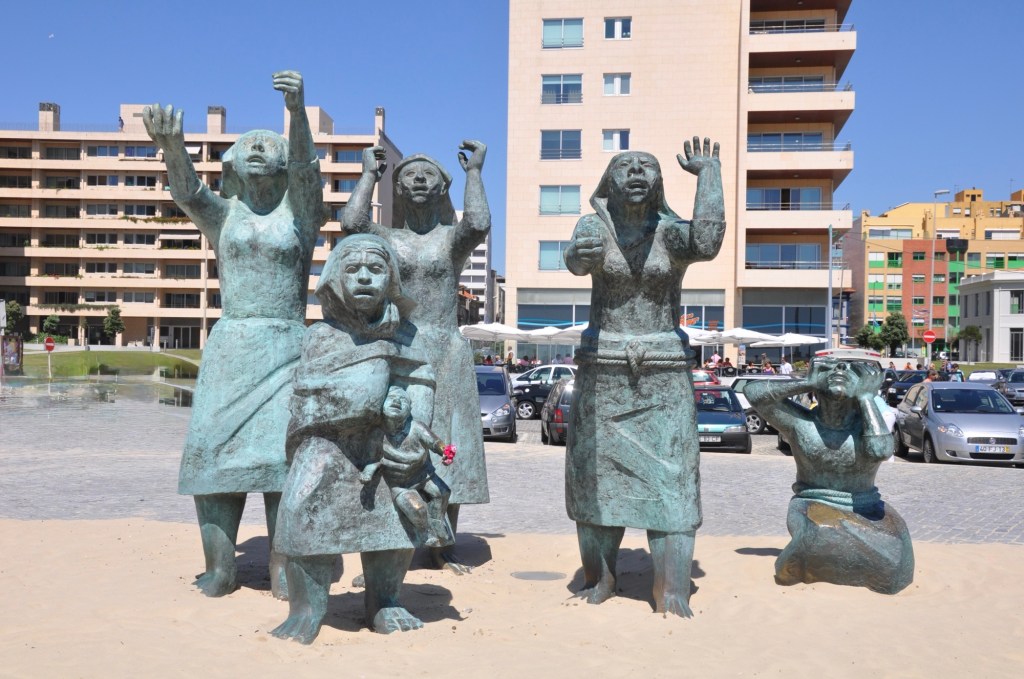
If you come by bus, these often stops in the area around the fort, close to a large artwork, called “the anemone” and also a sculpture called “Tragedia do Mar”. In this area you’ll also find the Sea Life Porto aquarium.
How to get around
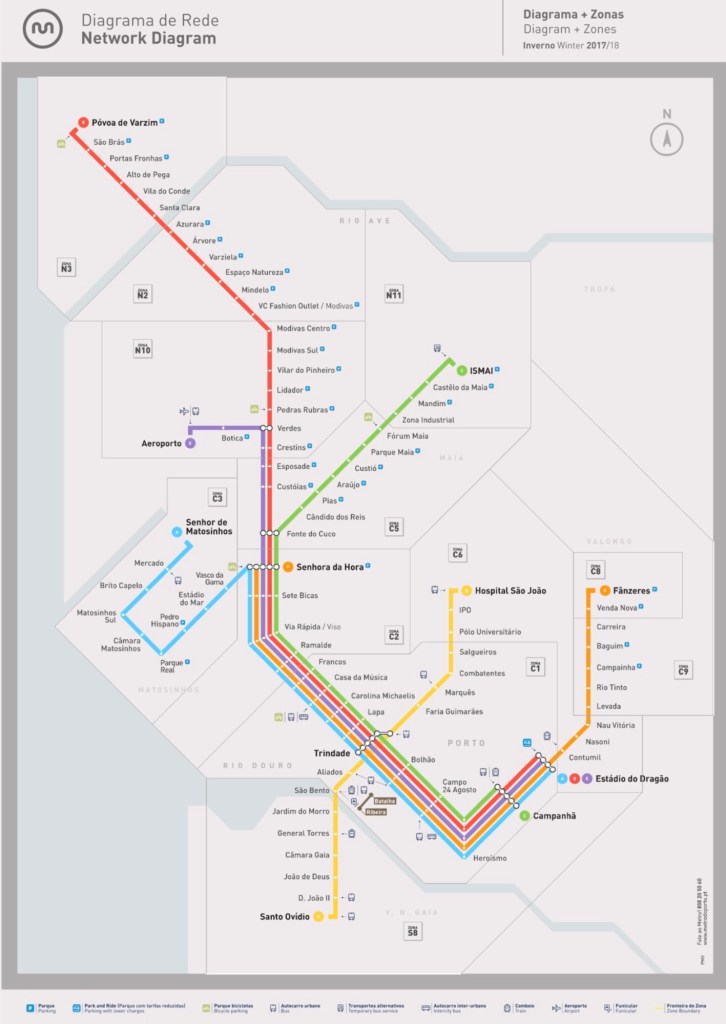
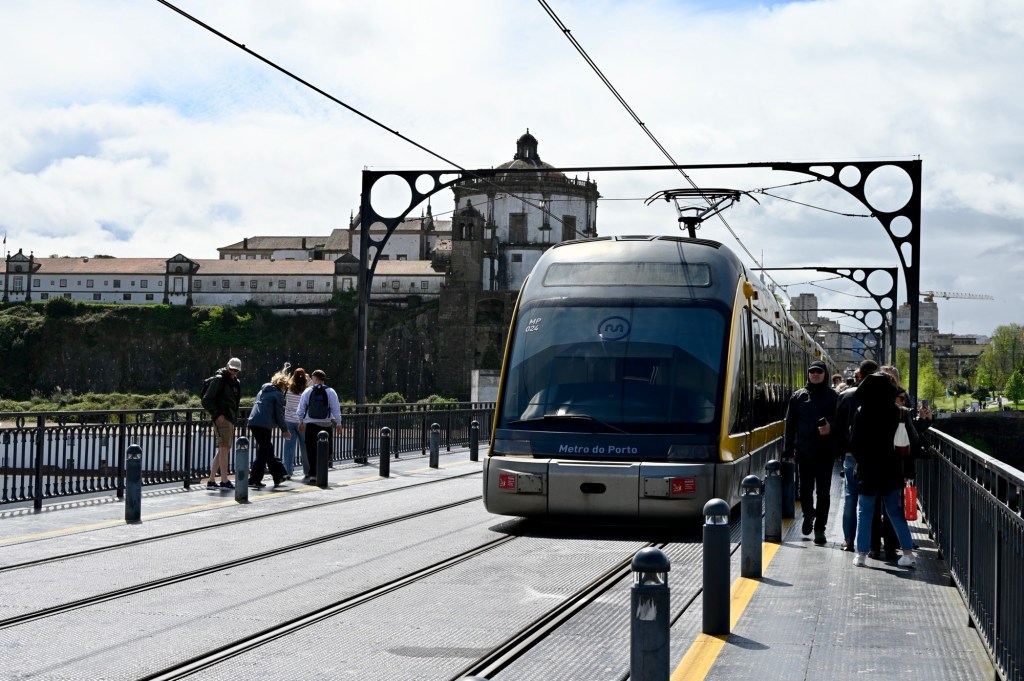
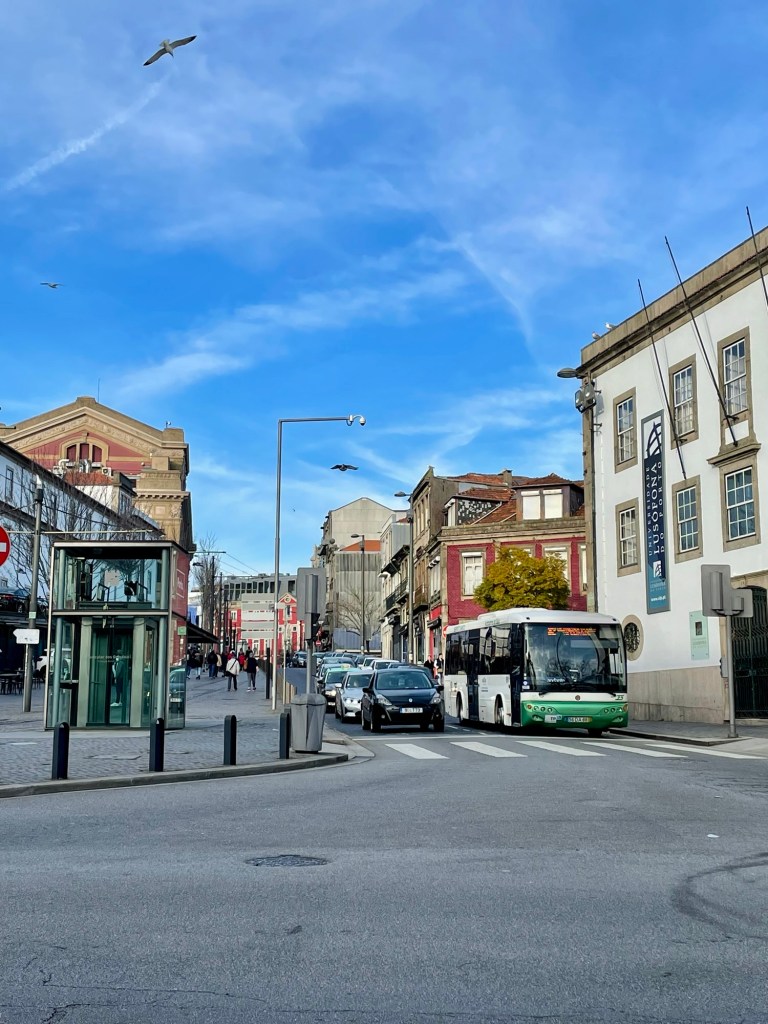
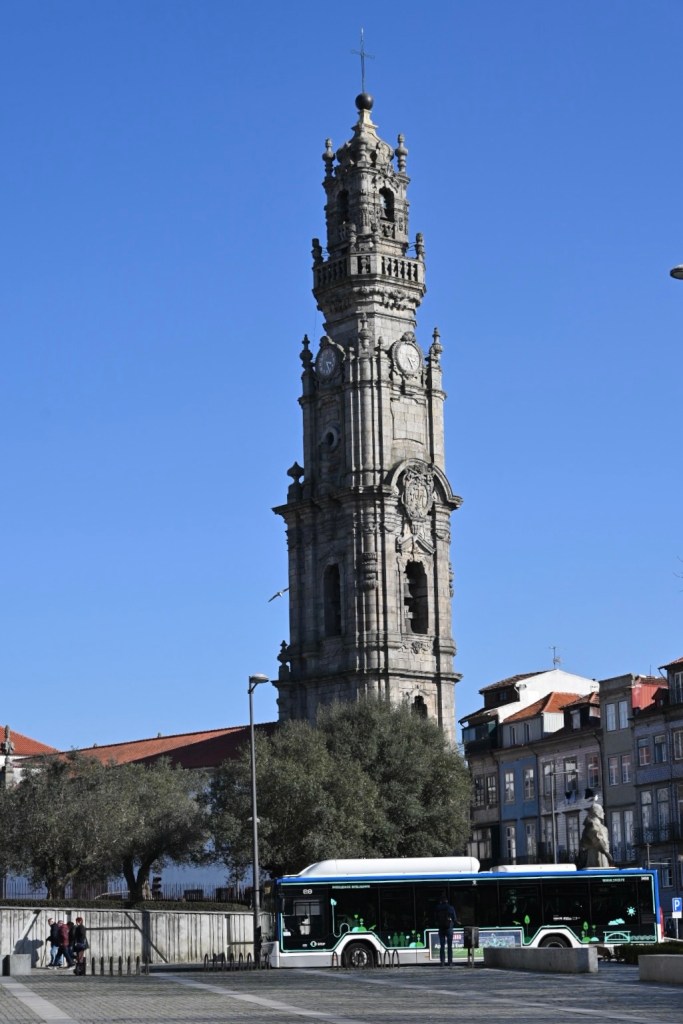
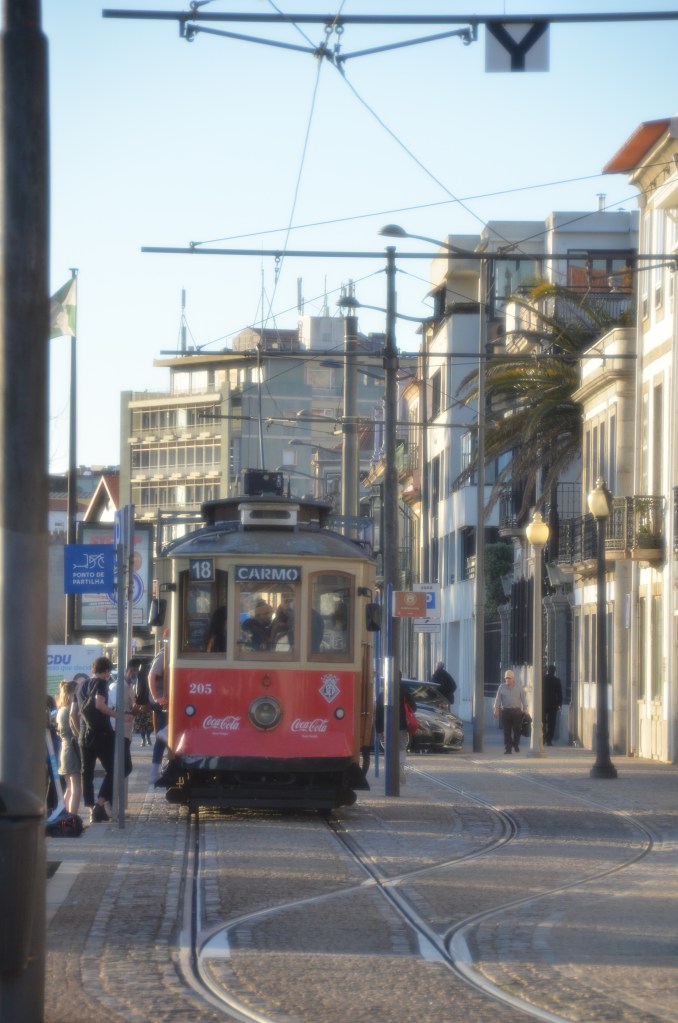
In Porto, you can easily travel around with the Metro, but in places where The Metro does not go, the busses are a good alternative. By using the bus, you also can see where you travel and get a visual impression of the different parts if the city. In addition, I have used sometimes used an Uber. The old tram is also a nice option, if its not full. Remember to bring som coins to pay on it.
City layout
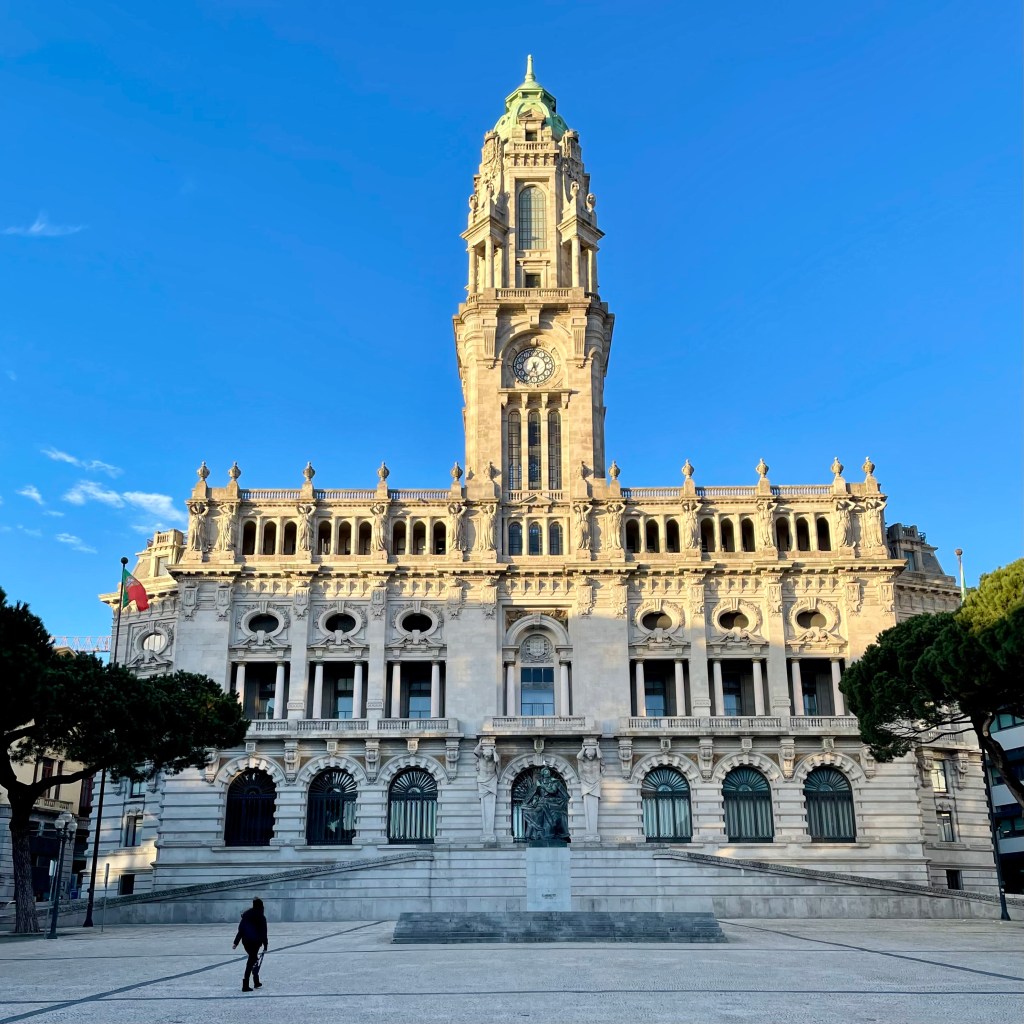
Many people visiting Porto thinks that the river is the centre of the city. It is definitively a seable place, as its where the port wine trade happened, where the Dom Louiz bridge is situated and an area with restaurants and life, but the real city centre is actually more uphill, a little south of the Aliados Metro station. From that spot you will have access both to the Metro stations, shops, cafés, cultural activities and historic buildings.
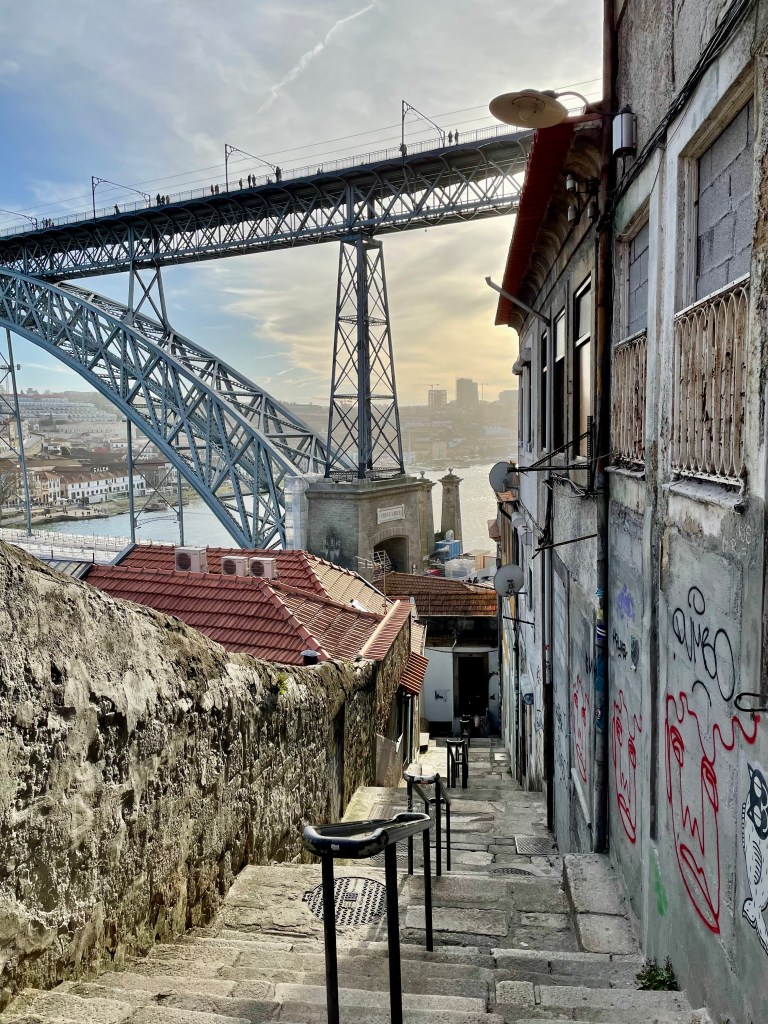
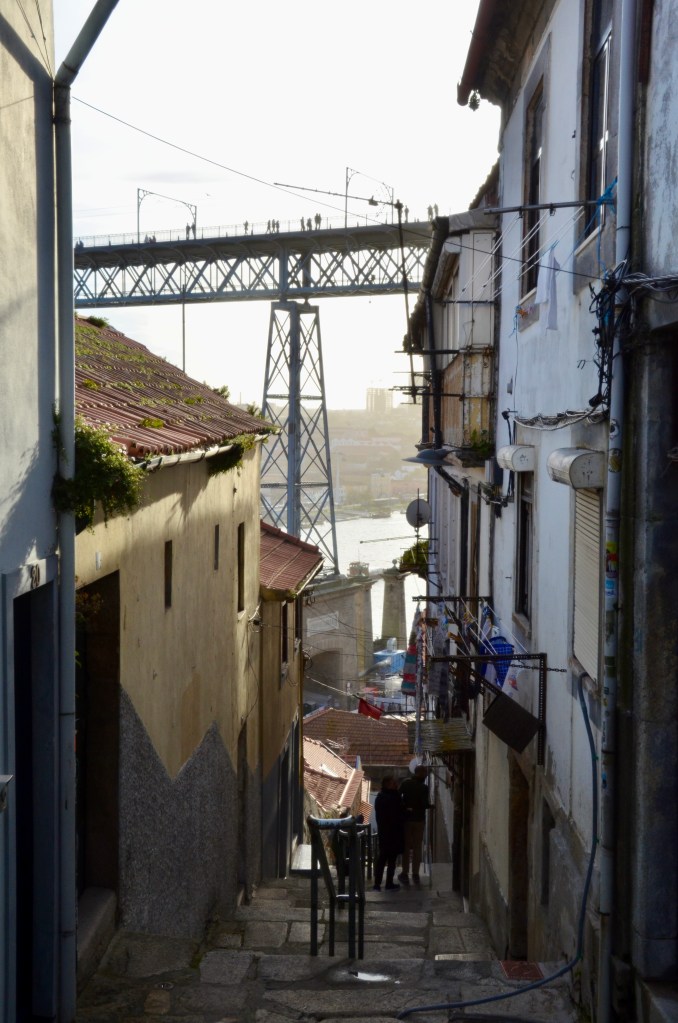
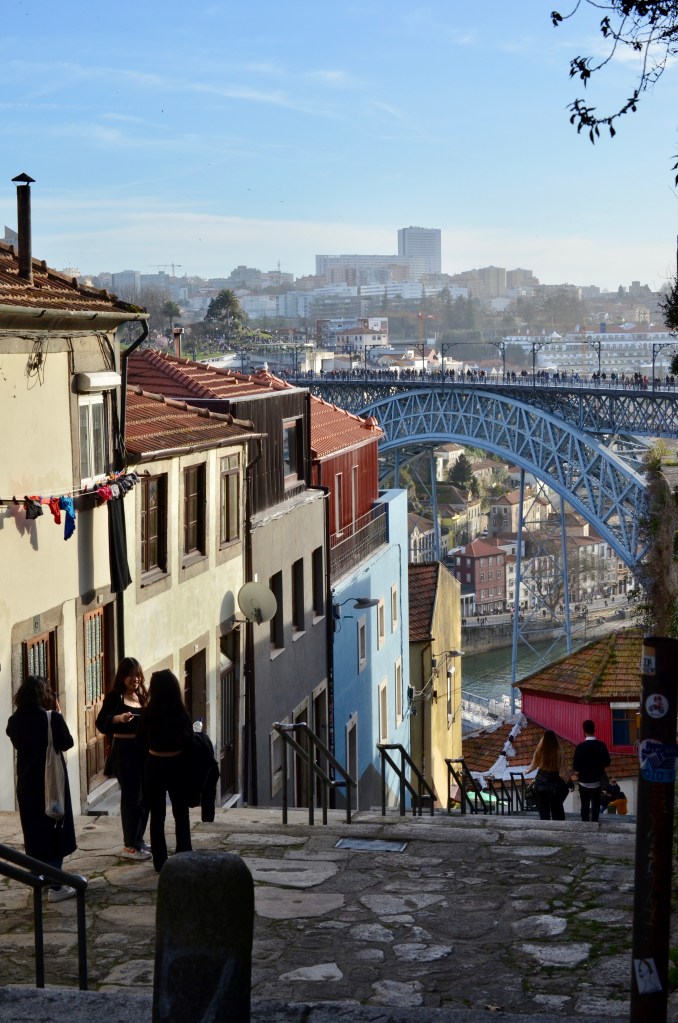
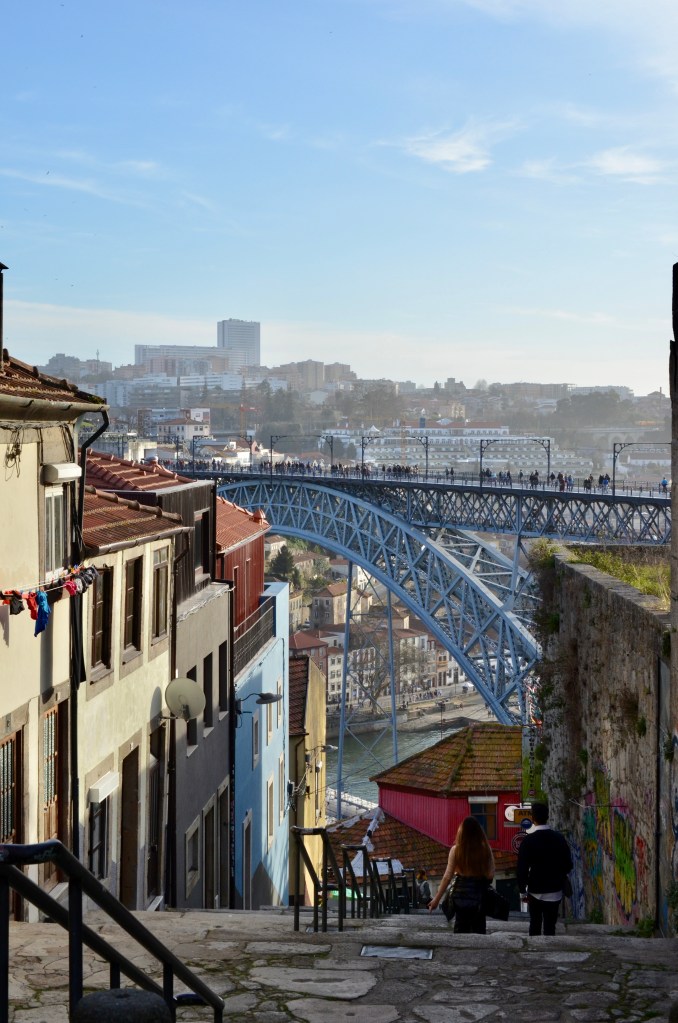
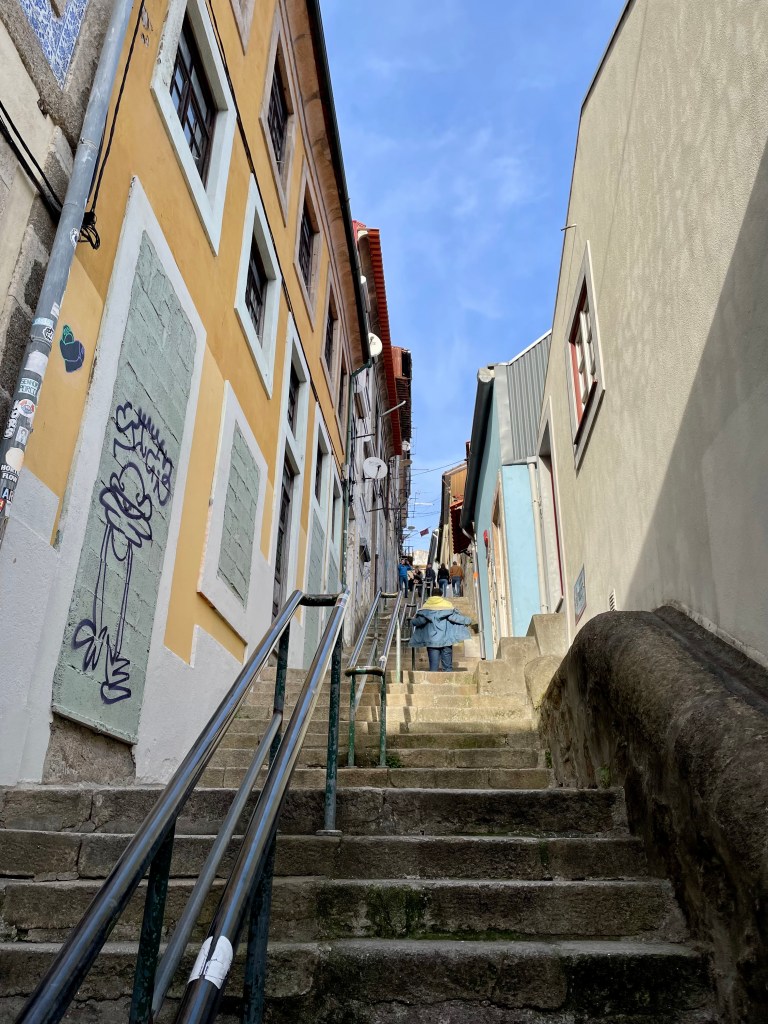
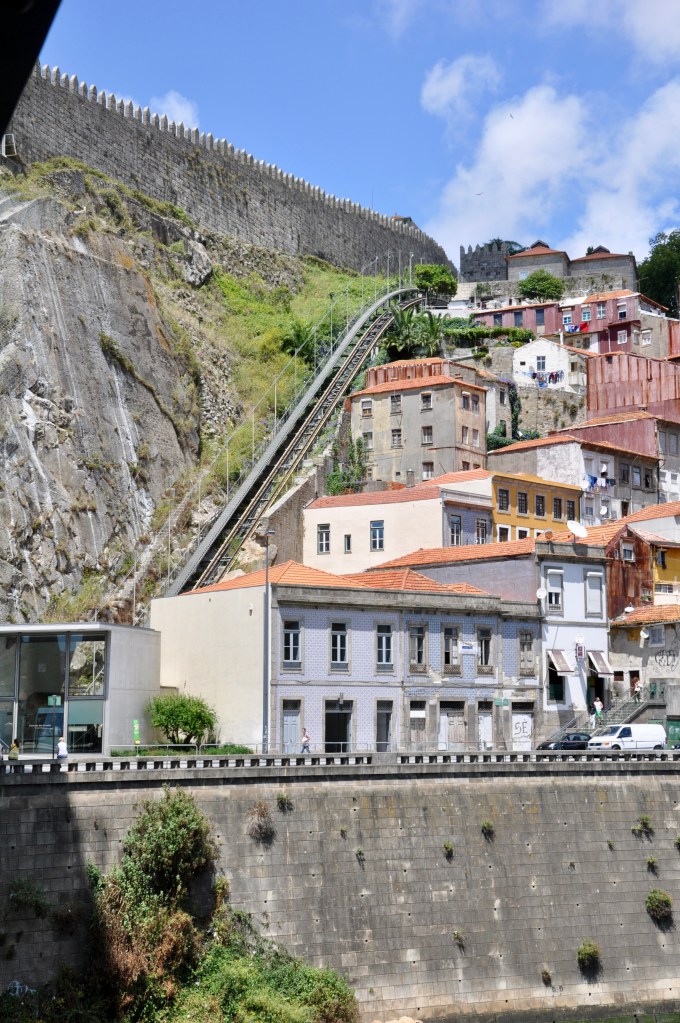
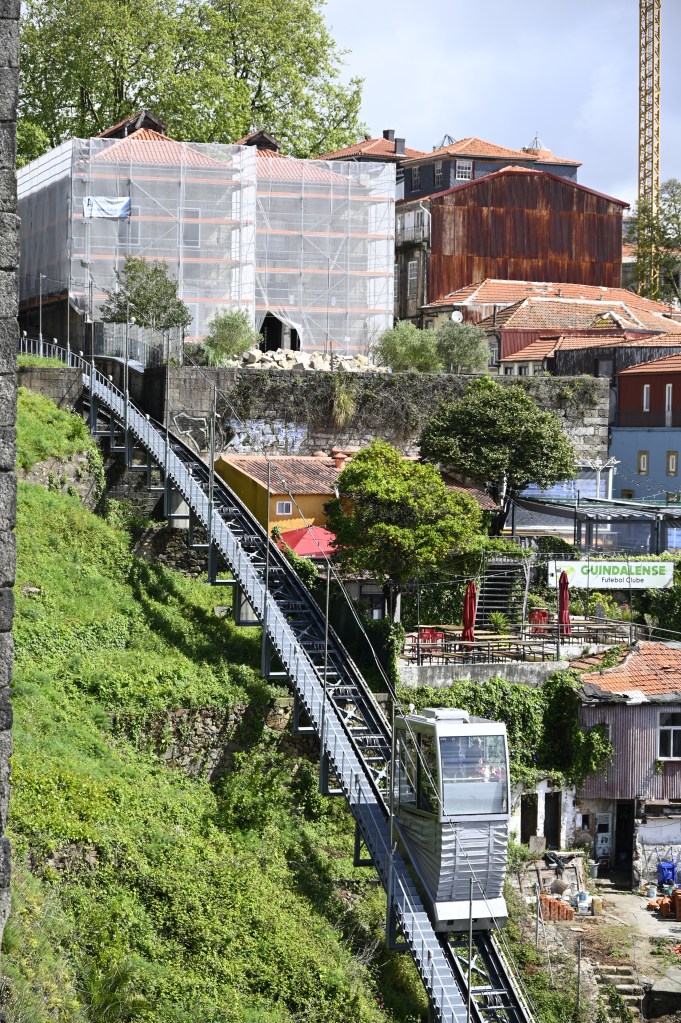
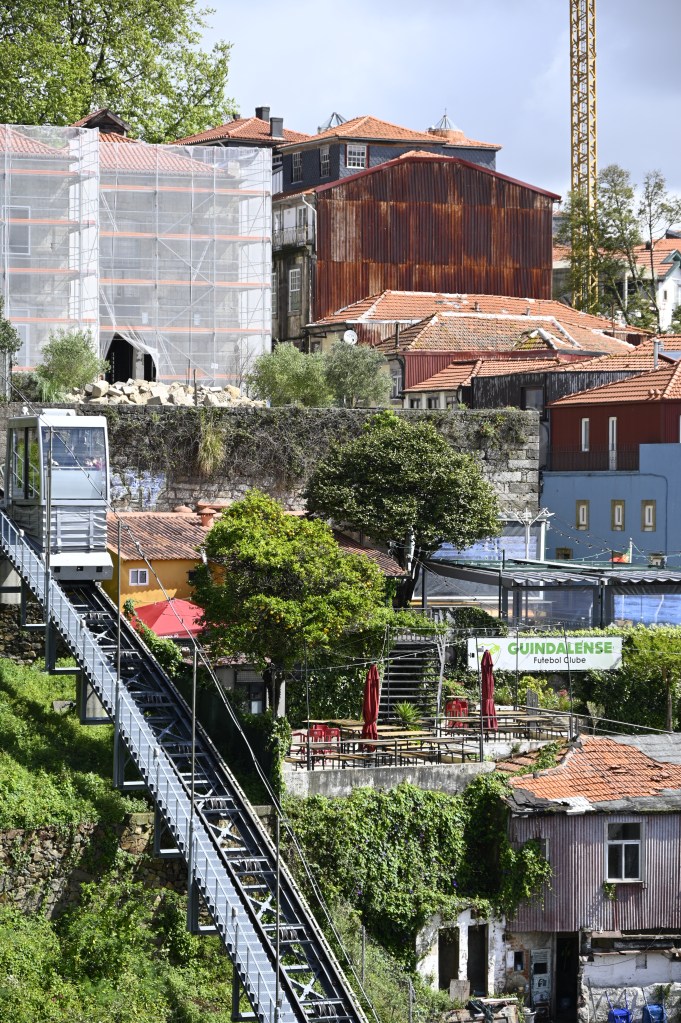
When walking in Porto, you will discover that it is full of hills, so wear sensible shoes. The tiled streets can get quite slippery when wet and there is often many stairs to walk uphill and downhill. Even though there is a few shortcuts to avoid the steps up and down from the riverside, like Funicular dos Guindais and Gaia cable car, the it may be long queues for these and you would miss the view these staircases could give you.
Bolhão Market area
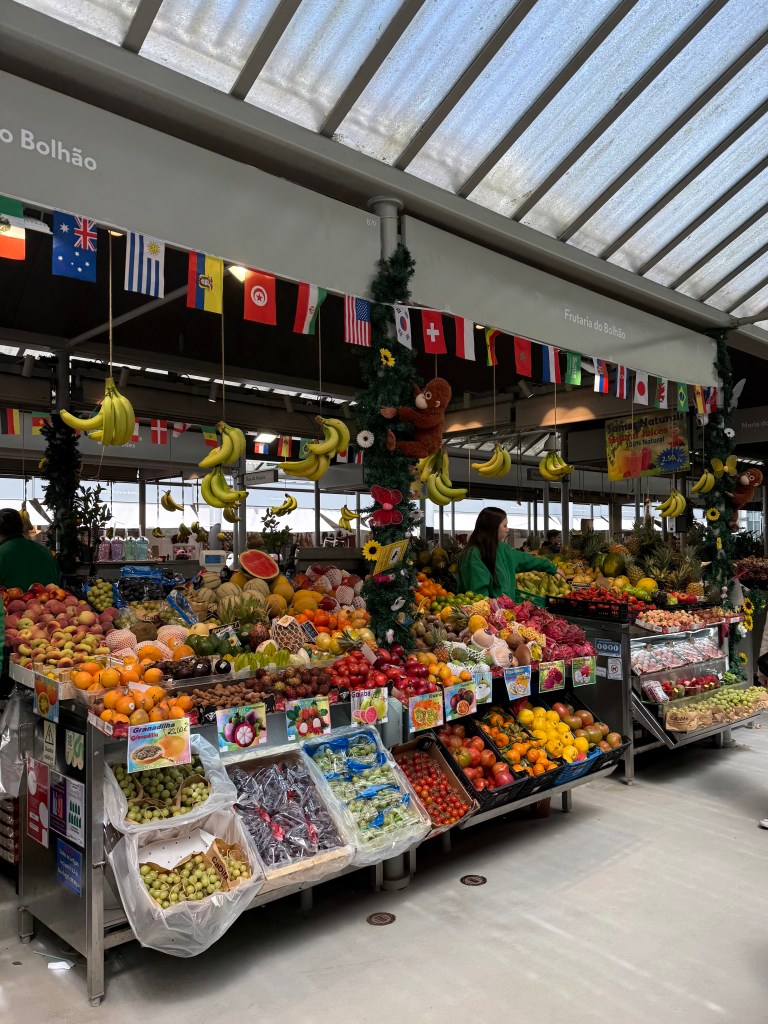
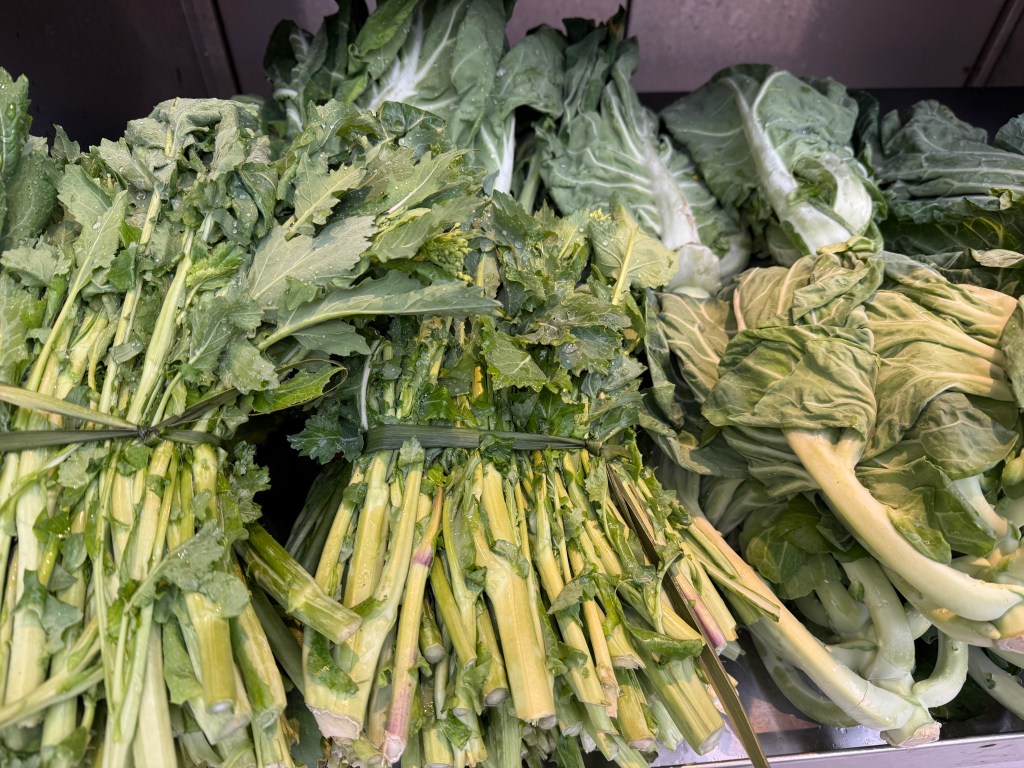
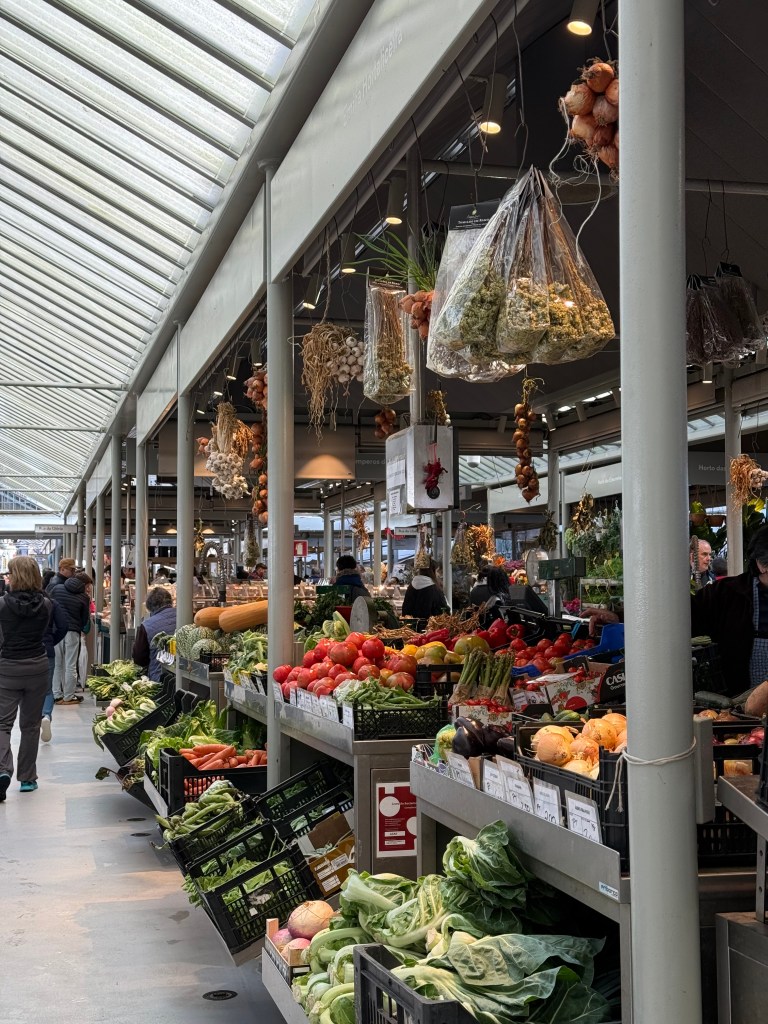
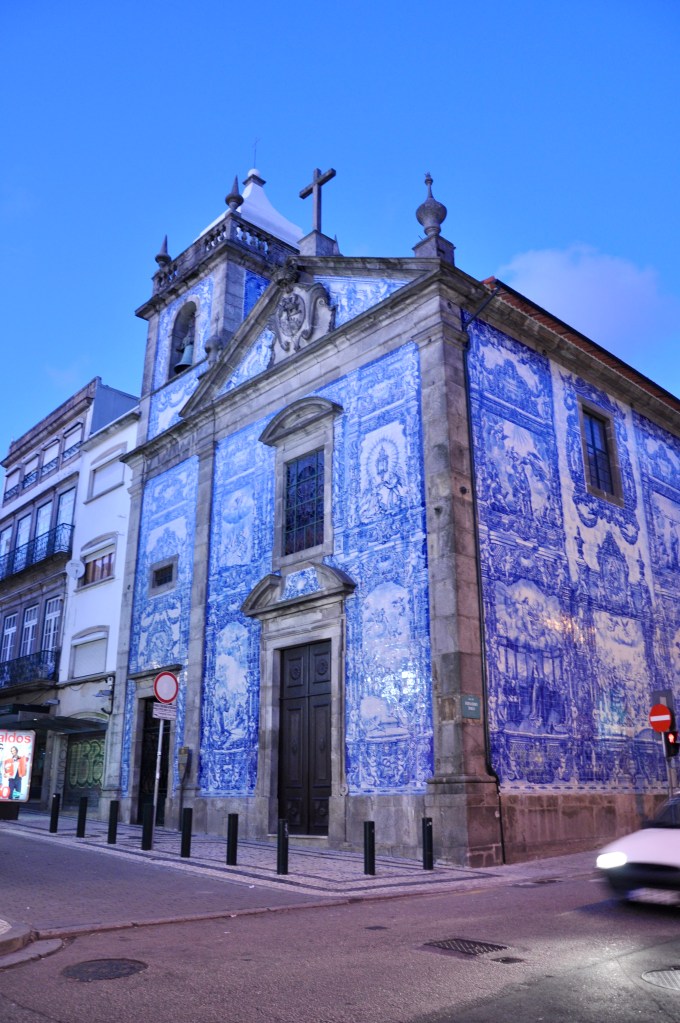
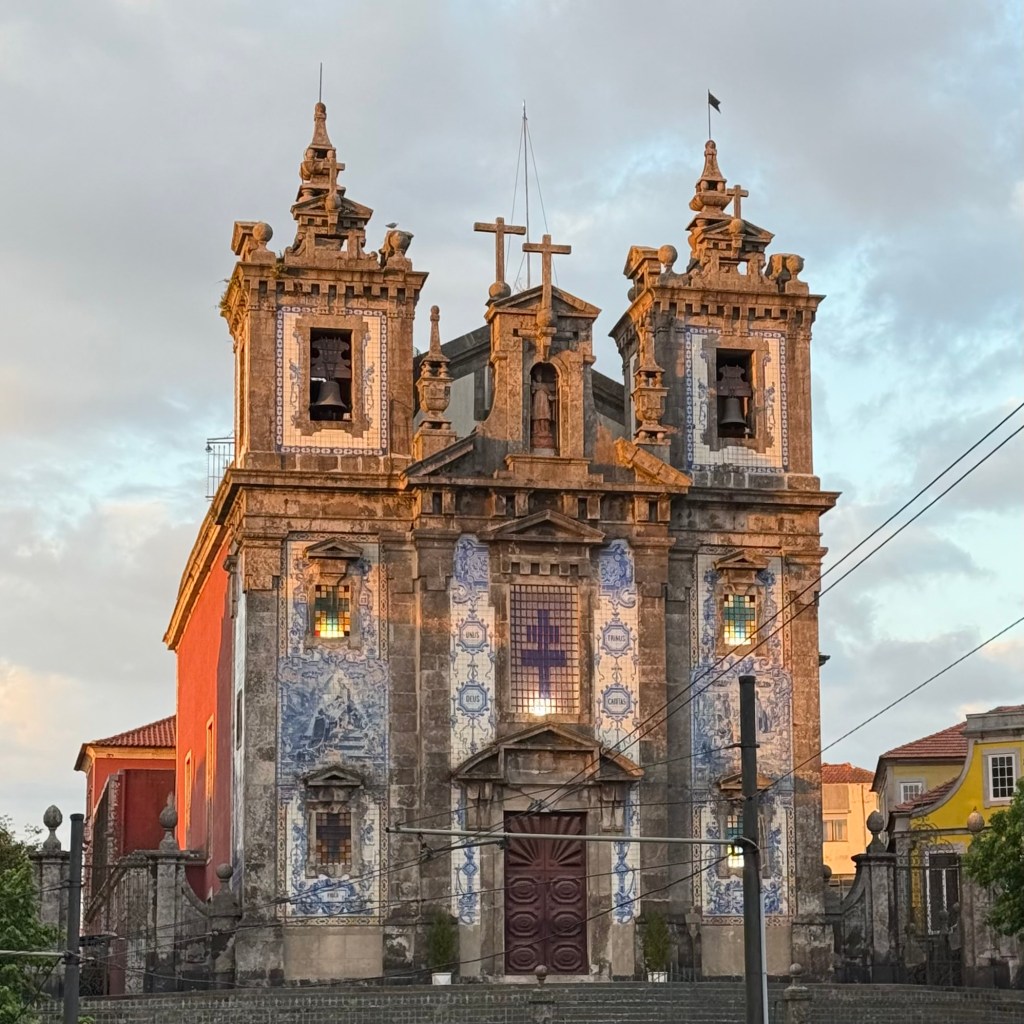
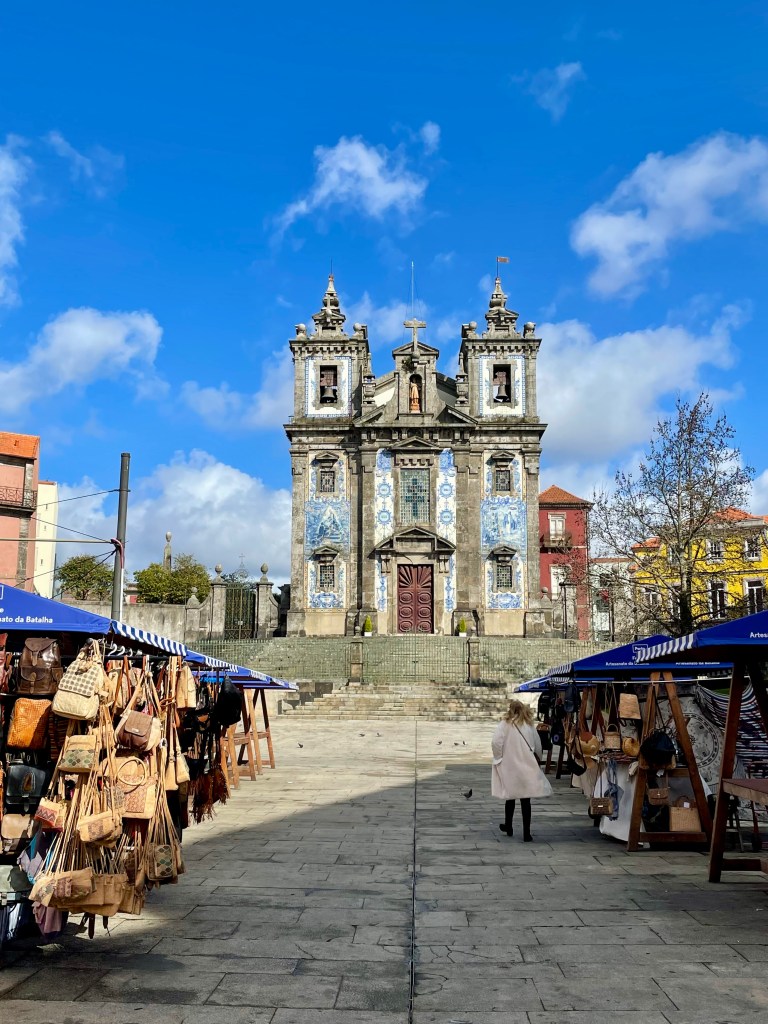
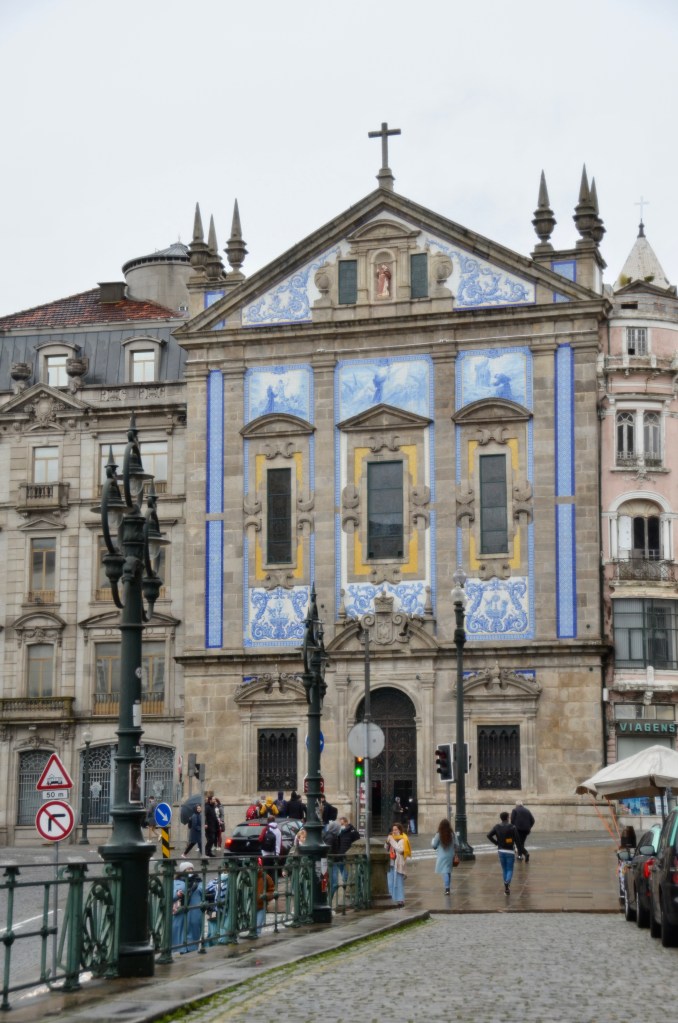
The Bolhão market is one of the places to find fruit and vegetables in Porto. You can also get freshly baked bread, filled with lokal cheese and ham, accompanied with sparkling wine. It’s normally open on weekdays, but closed on Sundays. The market is close to the shopping street Rua da Santa Catarina, where both the Majestic Café and the Blue-tiled Church, Capela de Santa Catarina, is located. Another beautiful Church, close to the lower end of the same street is Igreja Paroquial de Santo Ildefonso. Both of the churches are covered with beautiful blue tiles, or Azulejos.


Majestic Café
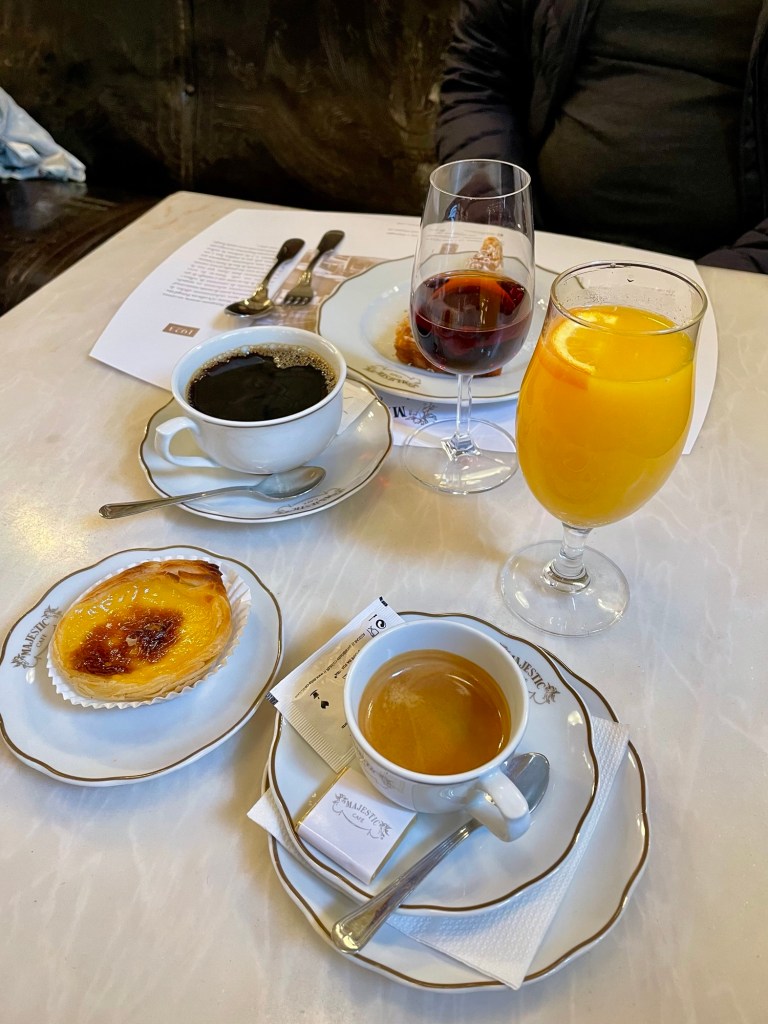
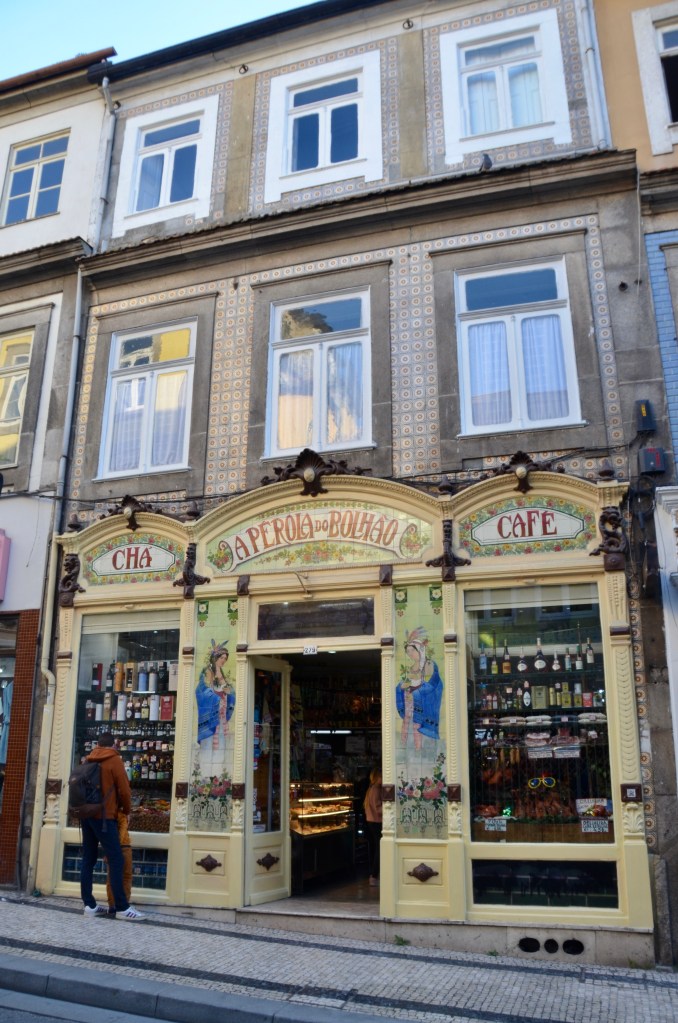
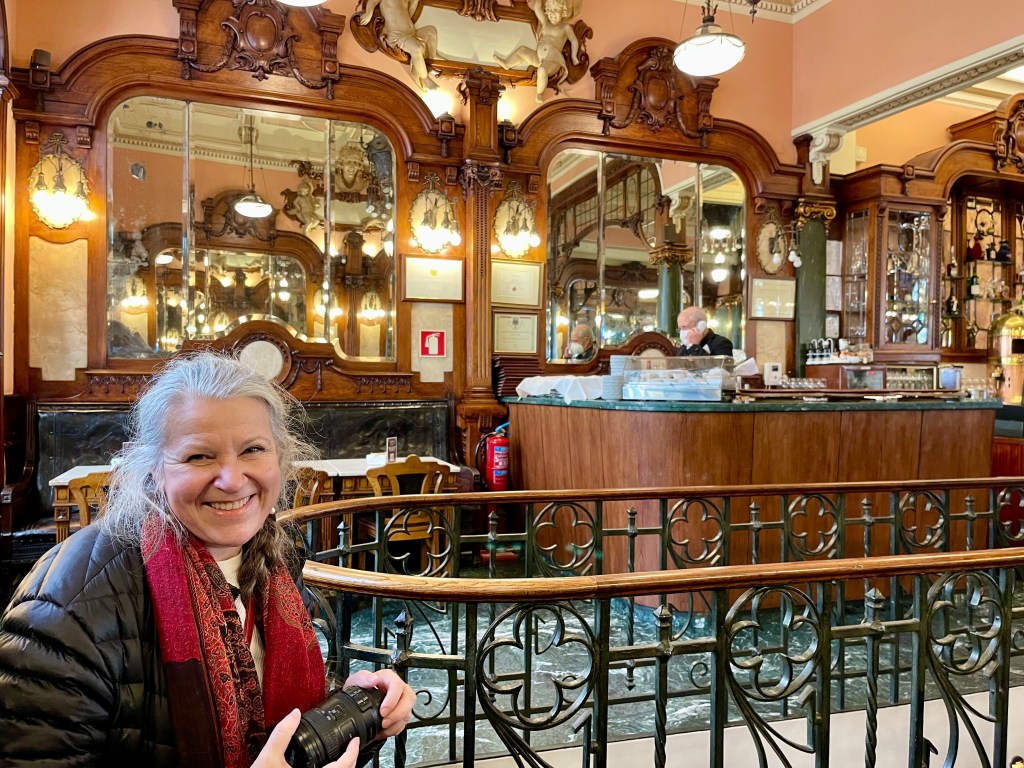
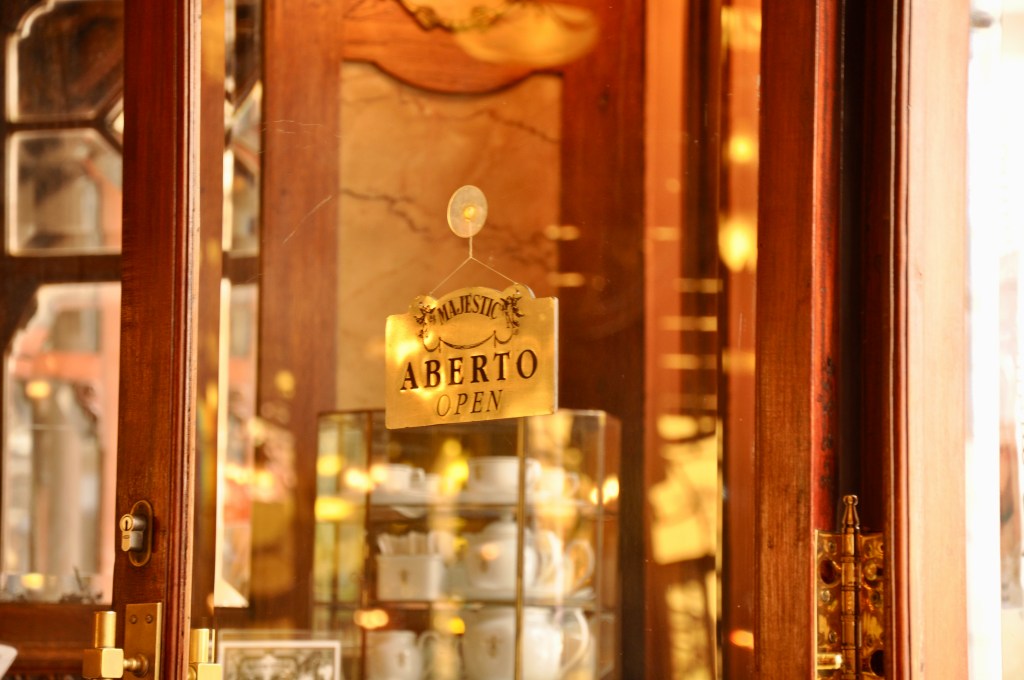
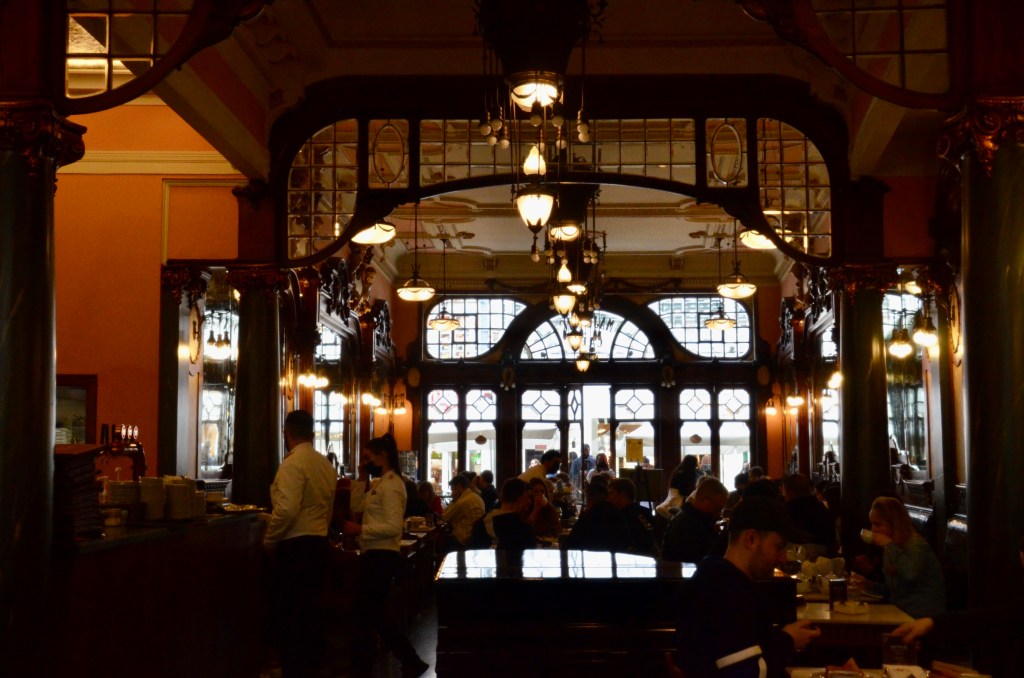
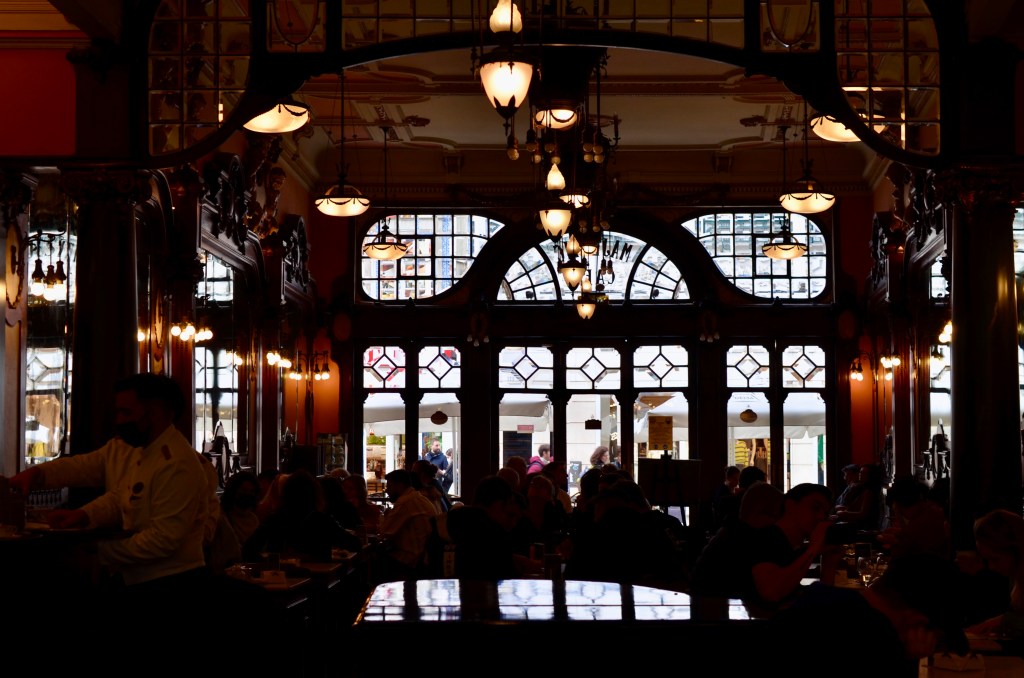
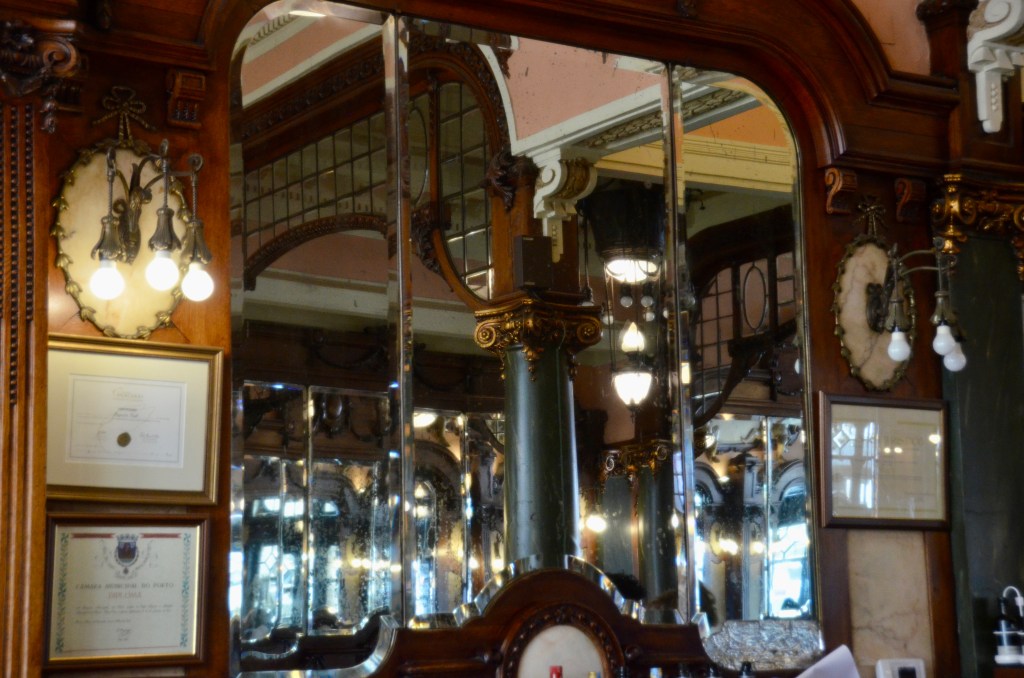
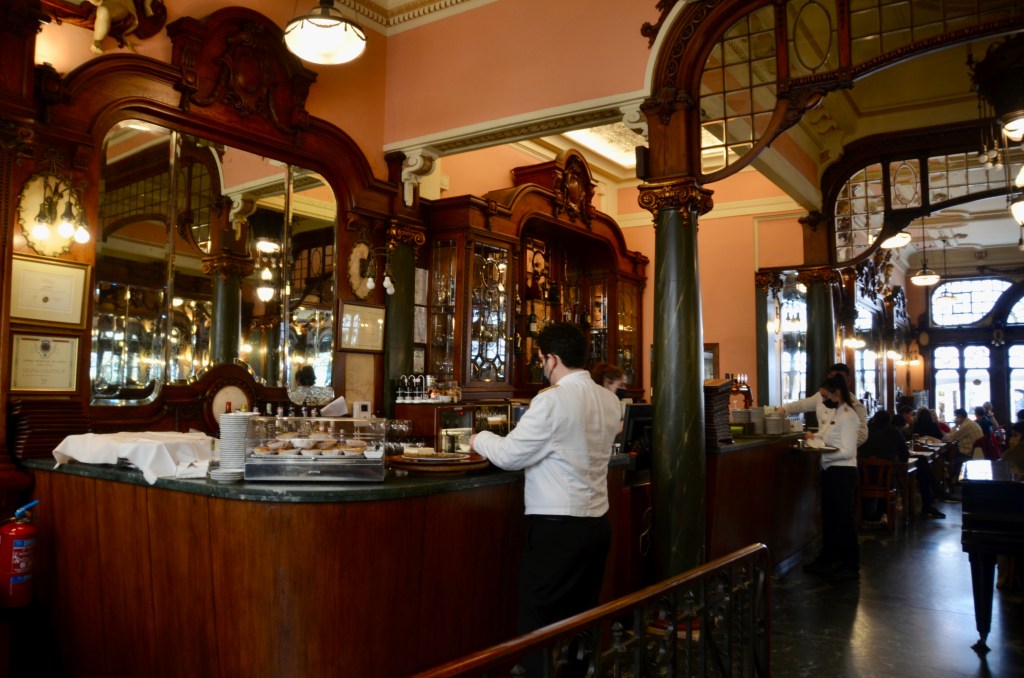
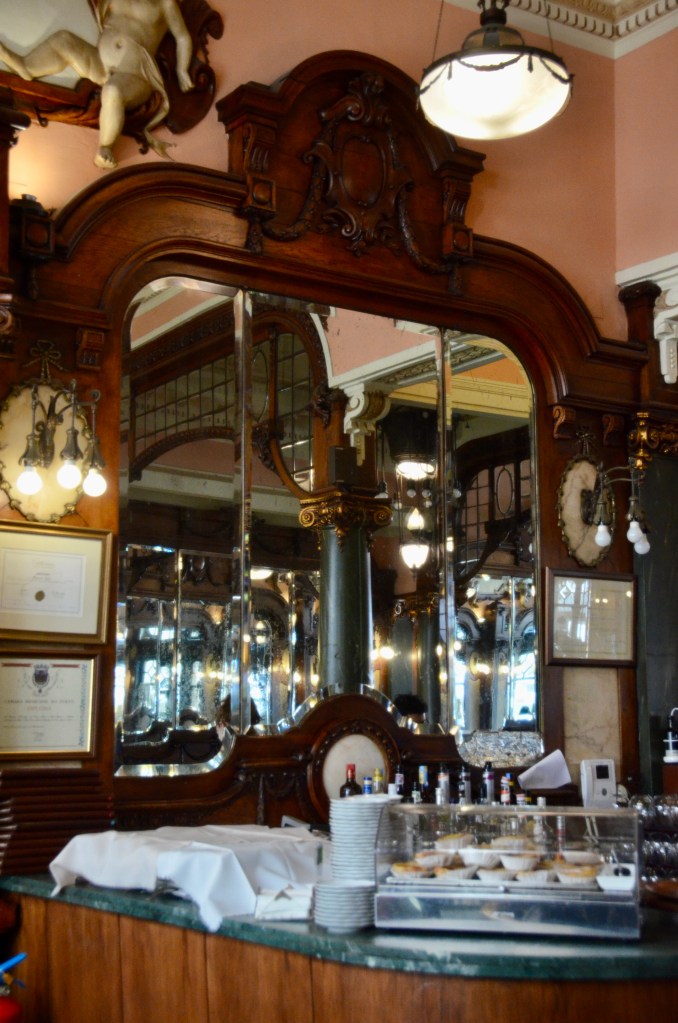
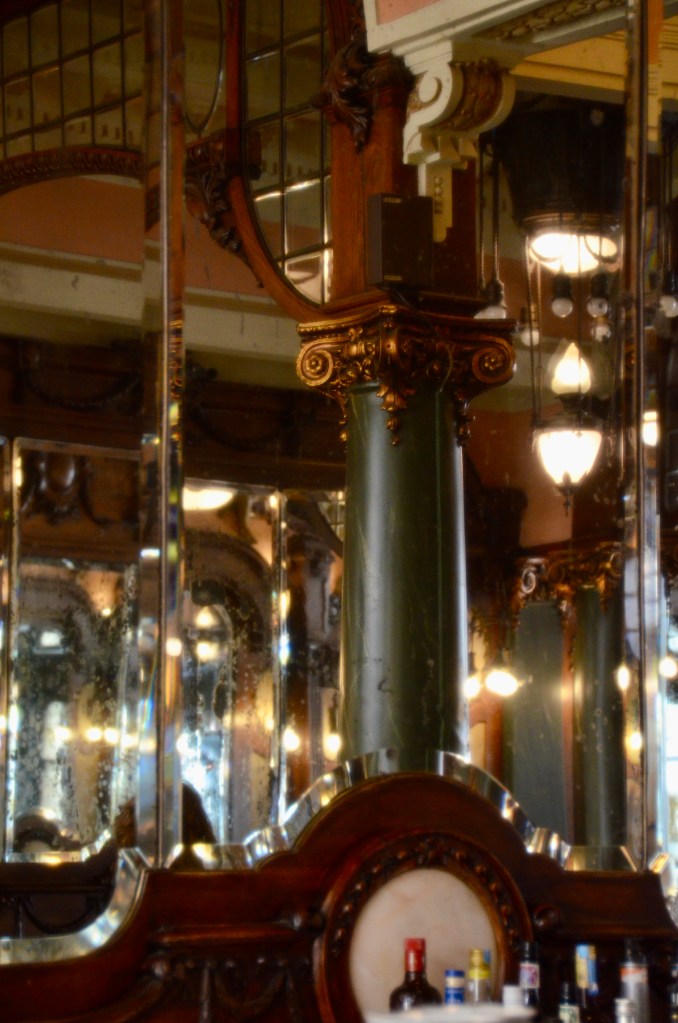
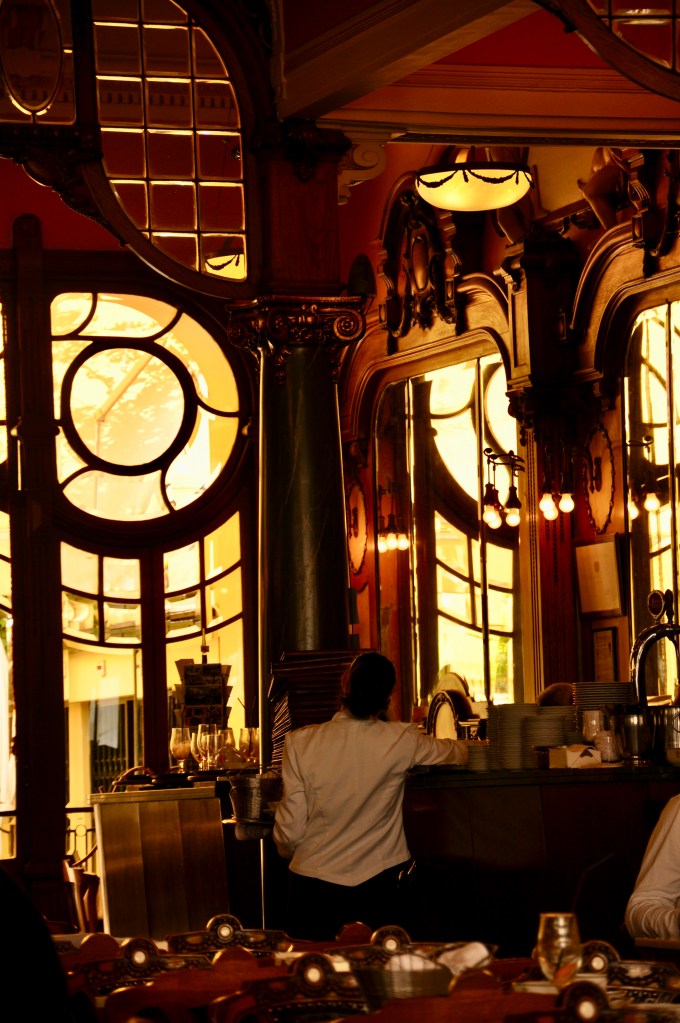
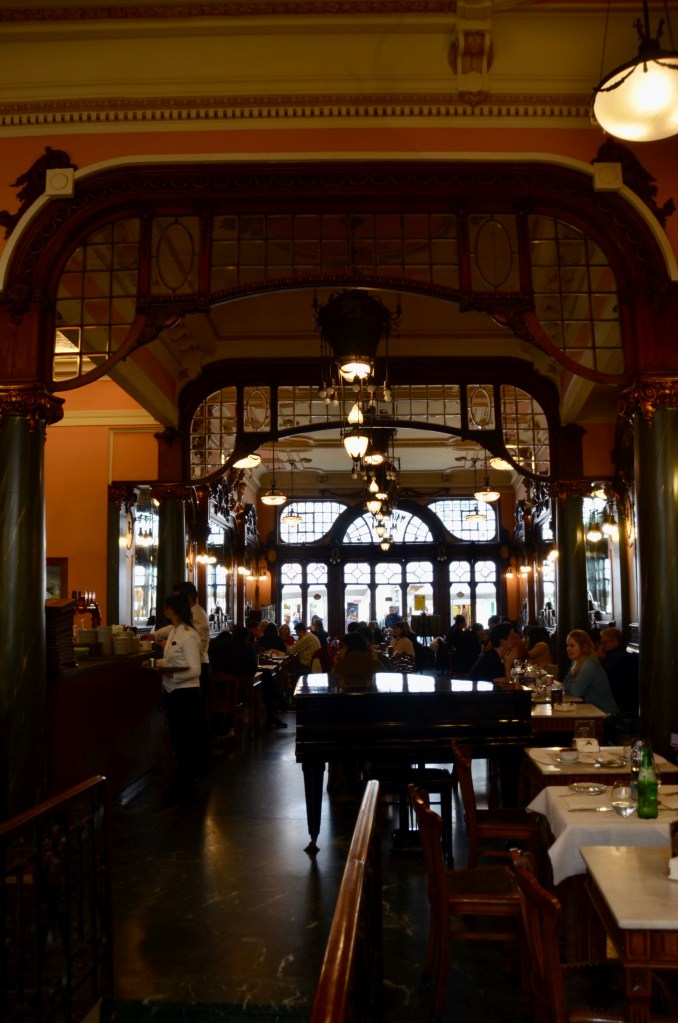
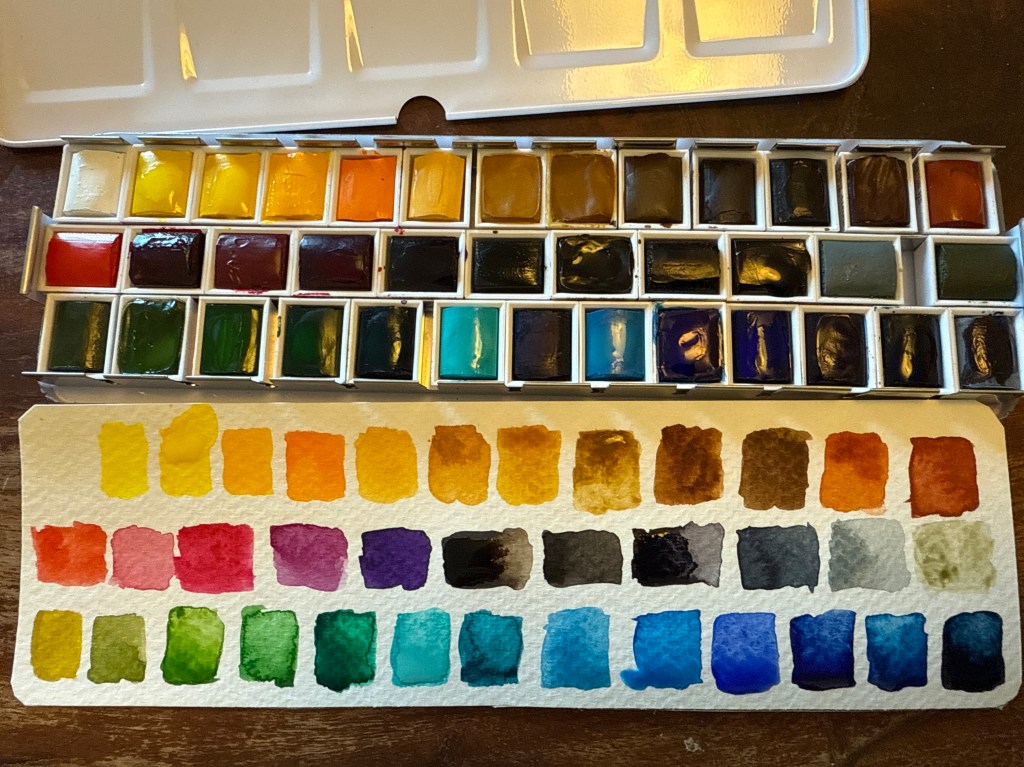
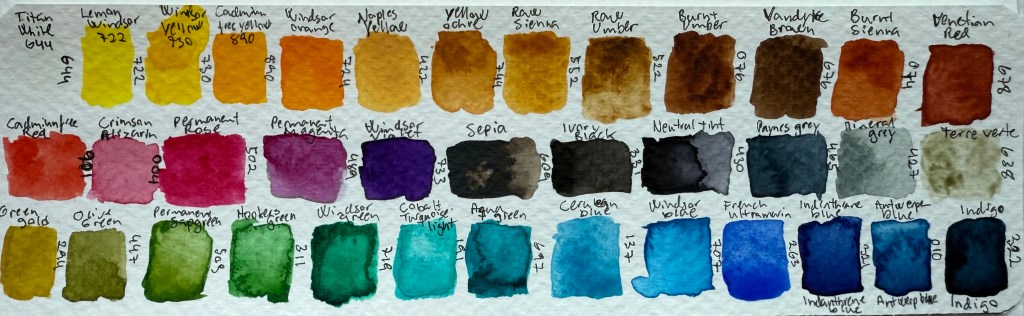
One of the highlights of Porto is the historic Majestic café, within the Santa Catarina street, where you get a wonderful Pasteis de nata and coffee in historic environments. Nowadays it quite crowded, so unless your there really out of season, it might be difficult to secure a table without standing i a queue or being there early in the morning. If your mere people, however, I would suggest leaving one person in the queue and let the other enjoy shopping at the art supply shop «Ponto das artes» across the street, where you find a variety of aquarel paint, brushes, color pencils and other material you may need to transcribe your own impression of the city on paper.
Tiles
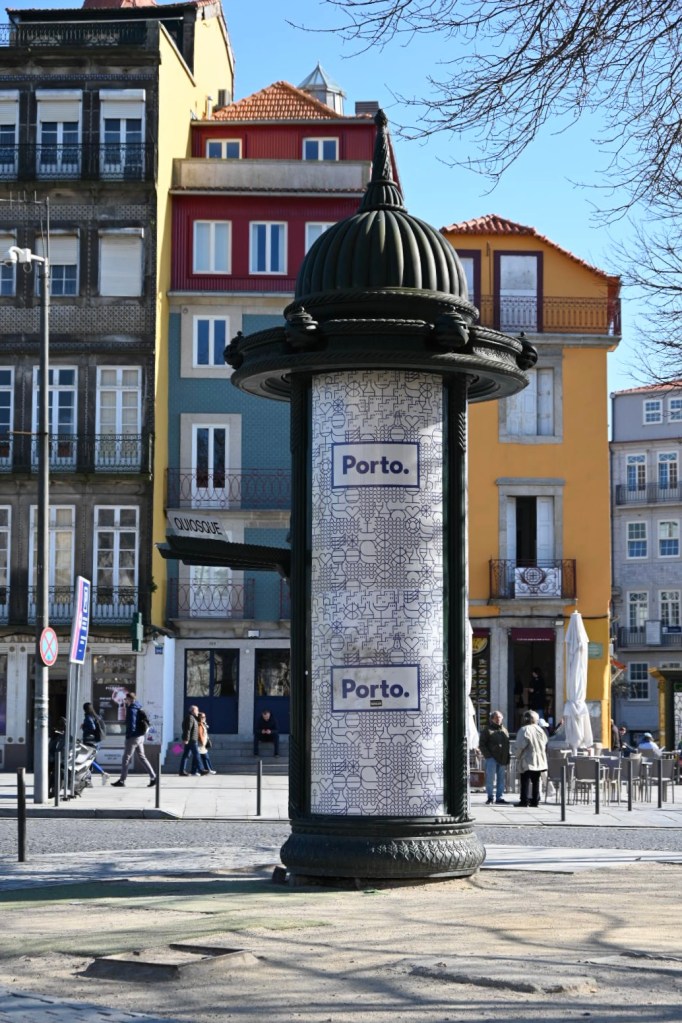
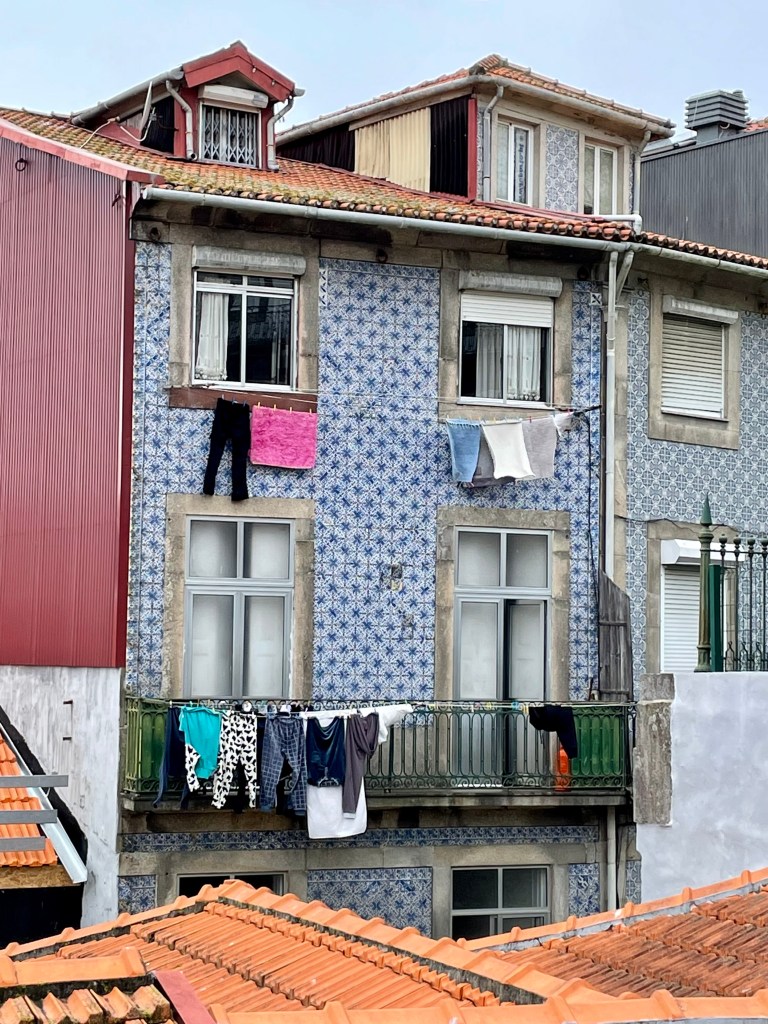
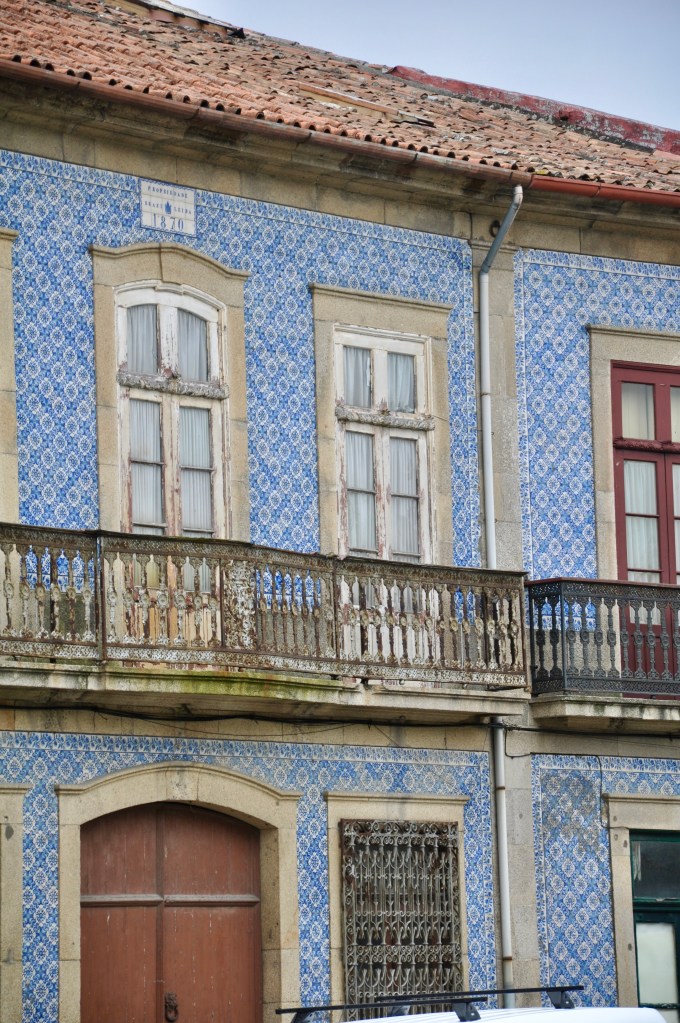
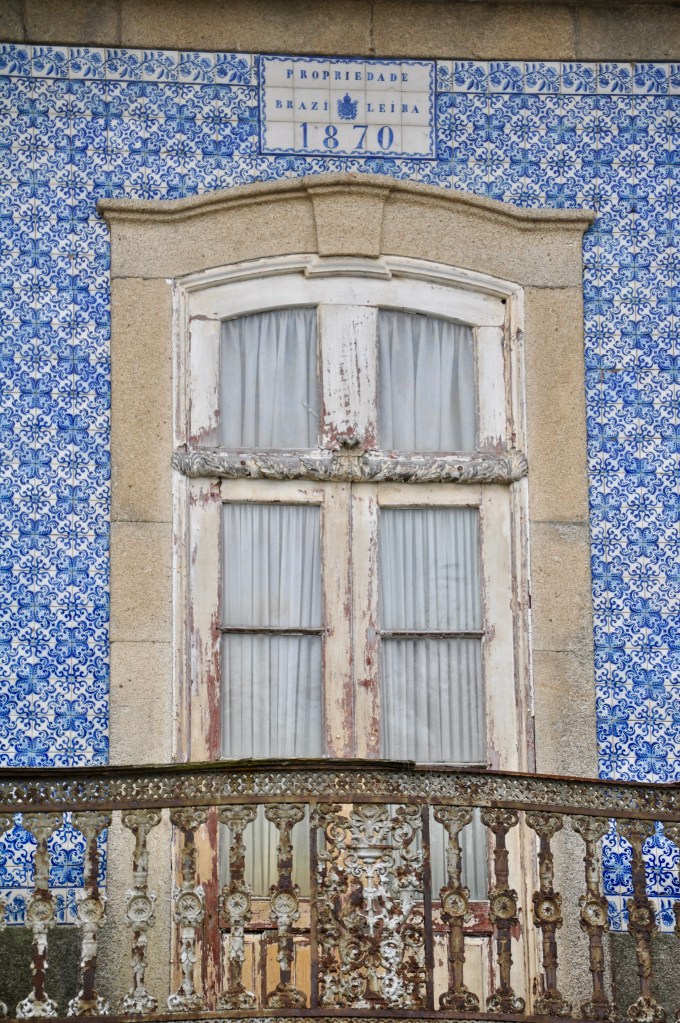
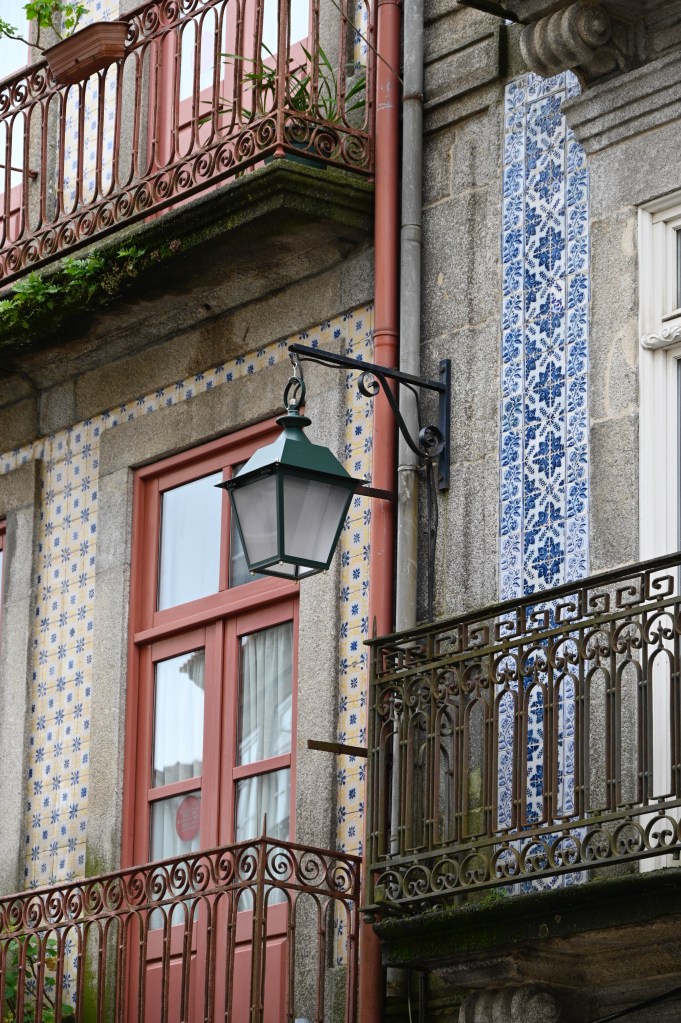
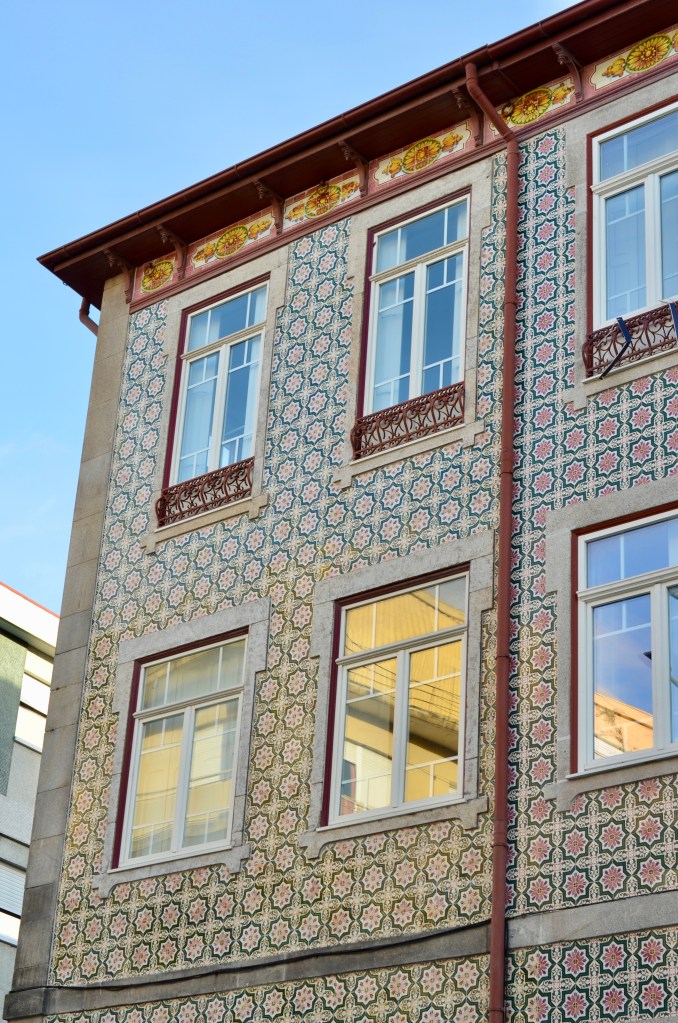
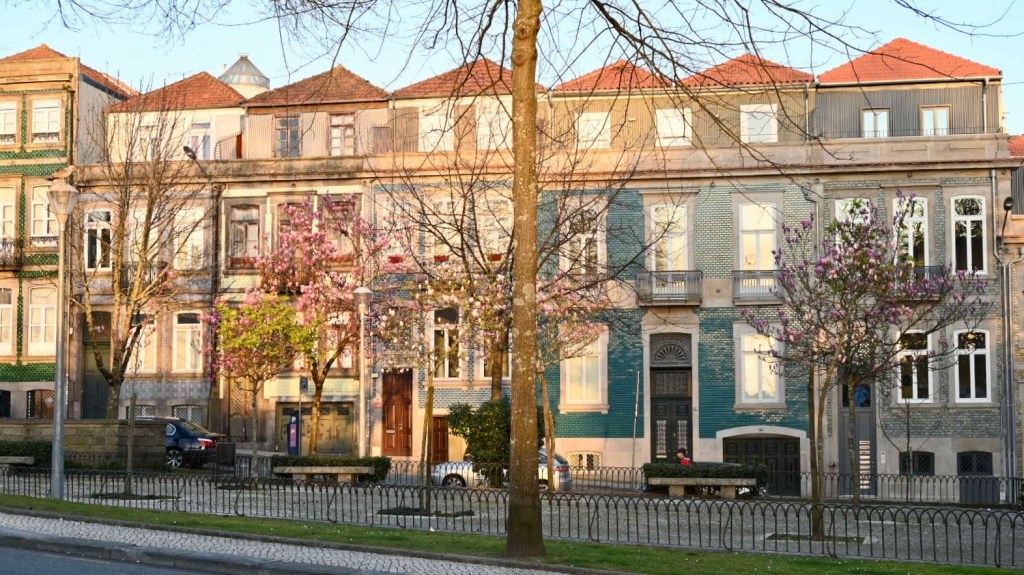
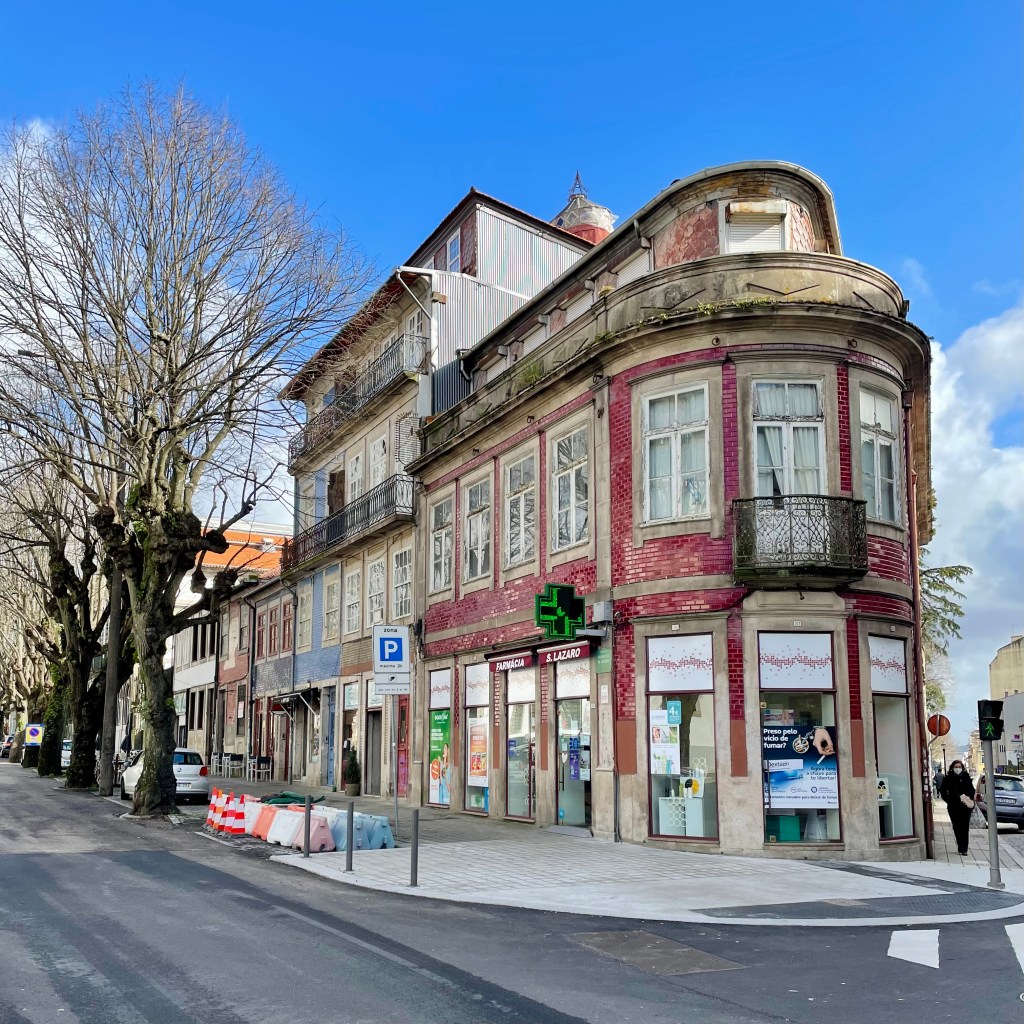
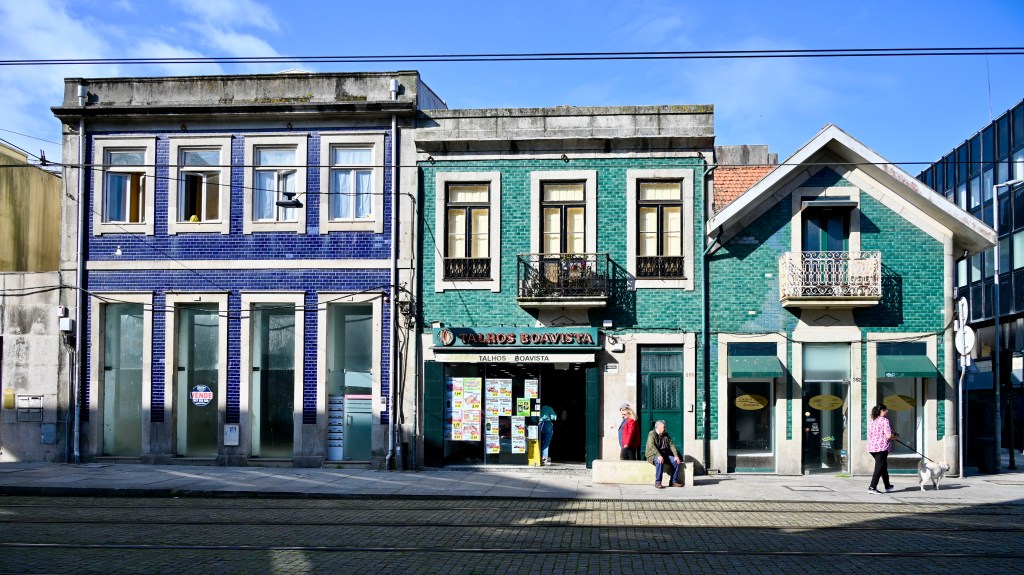
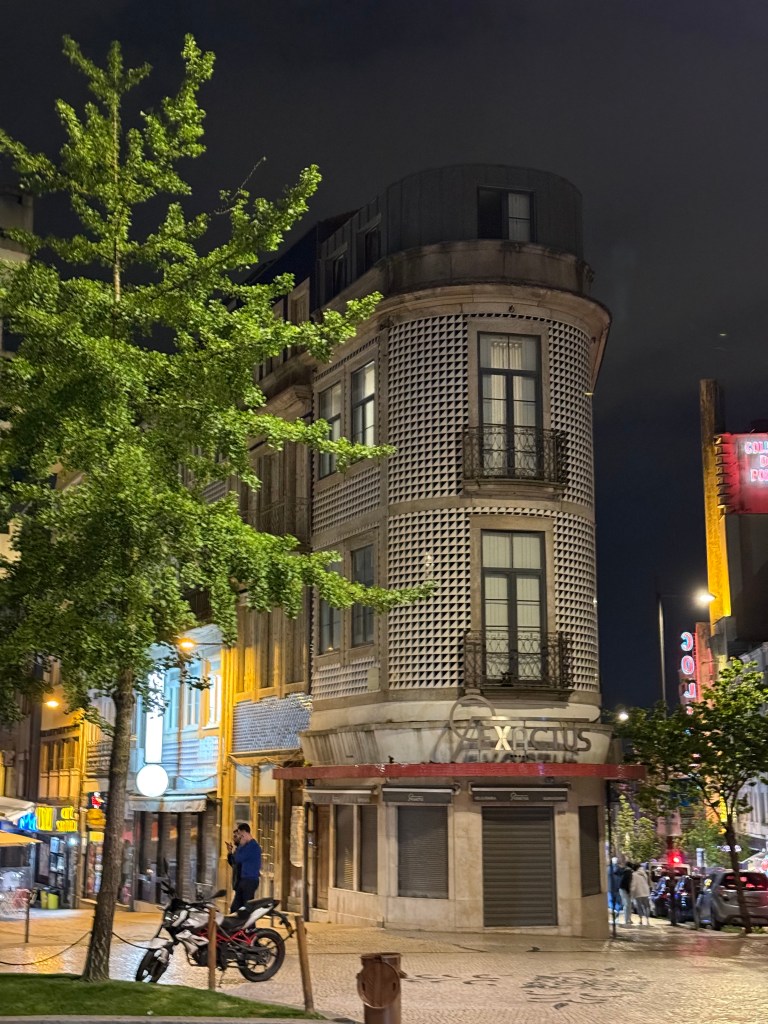
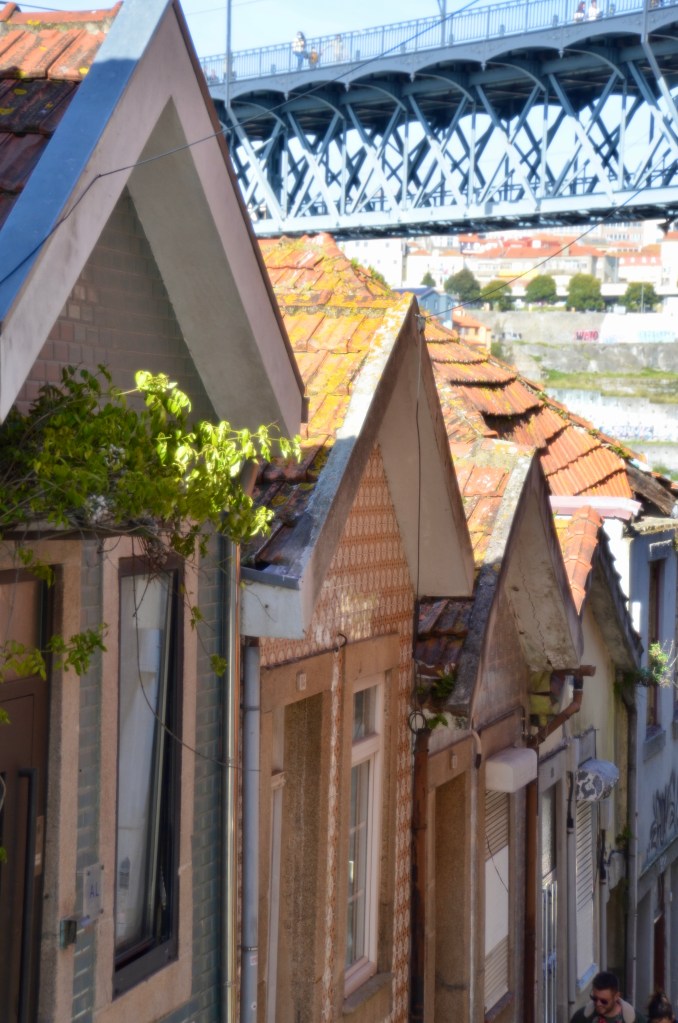
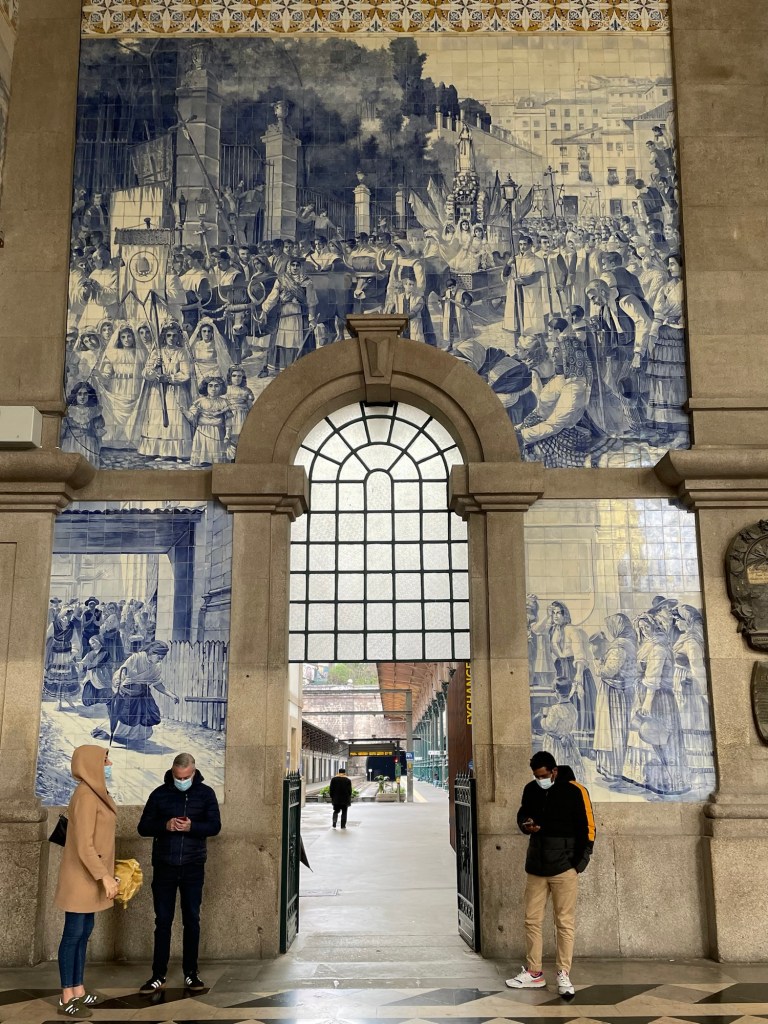
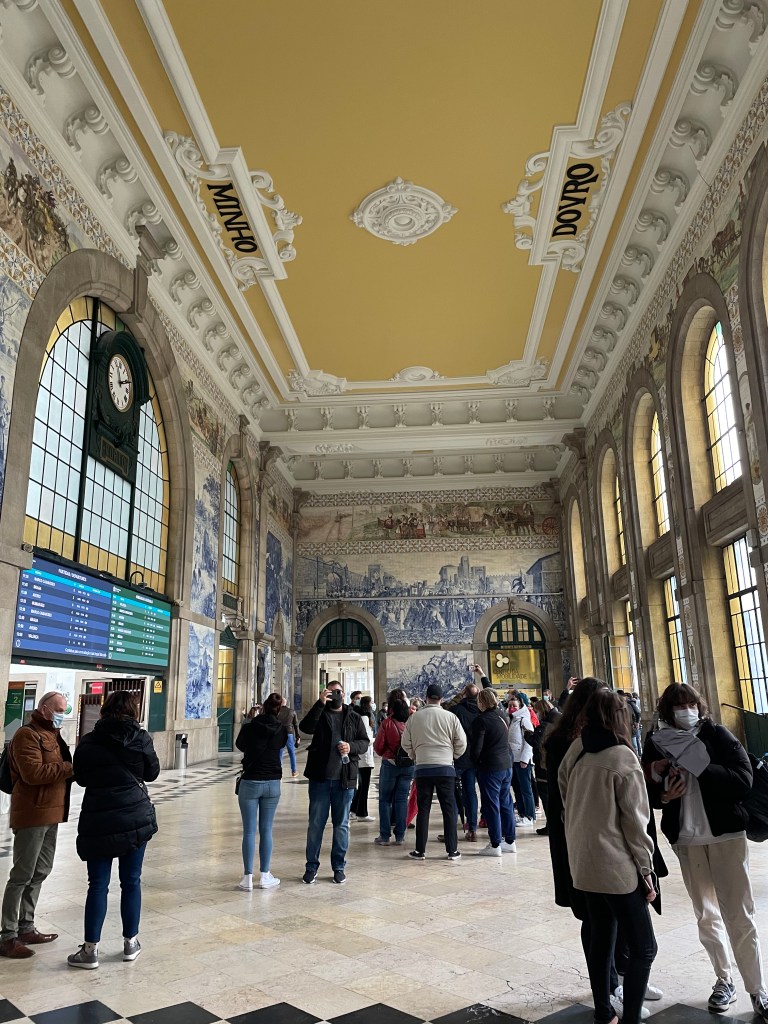
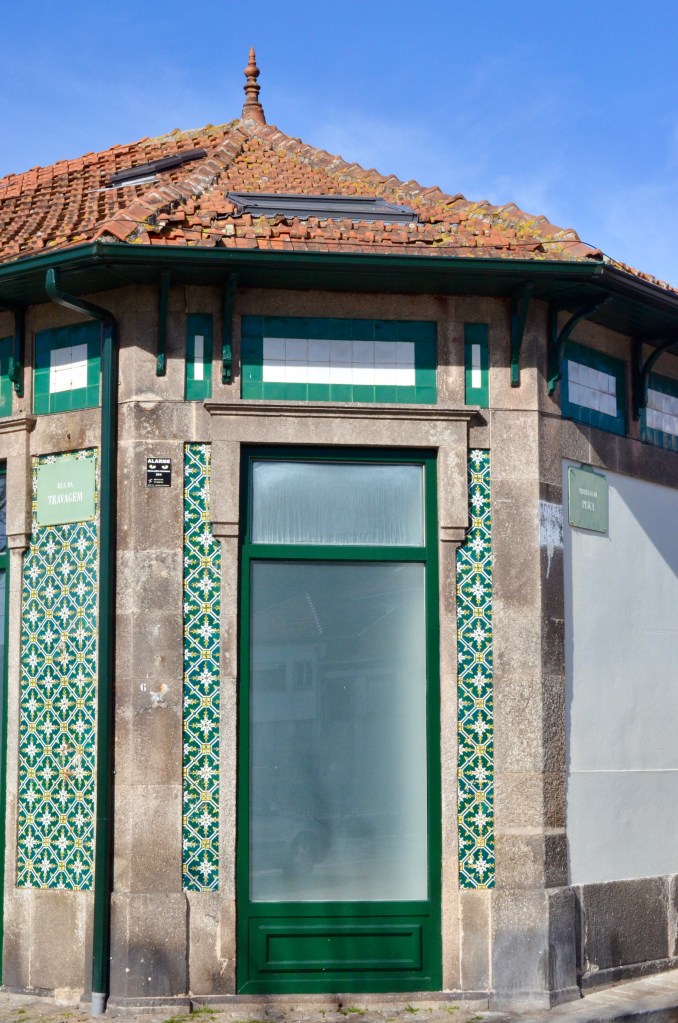
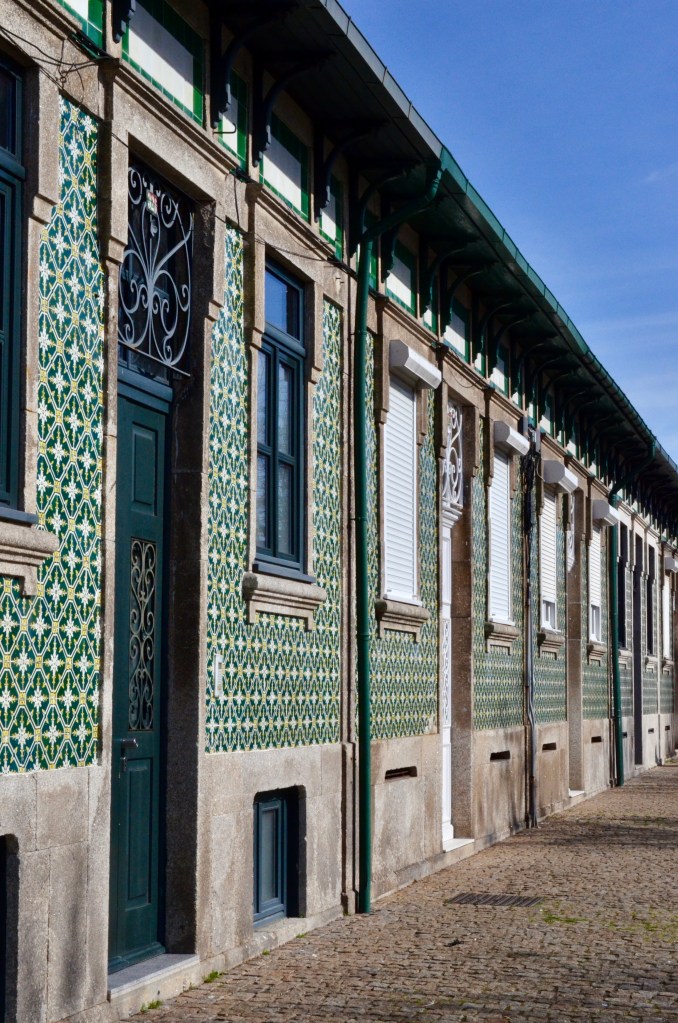
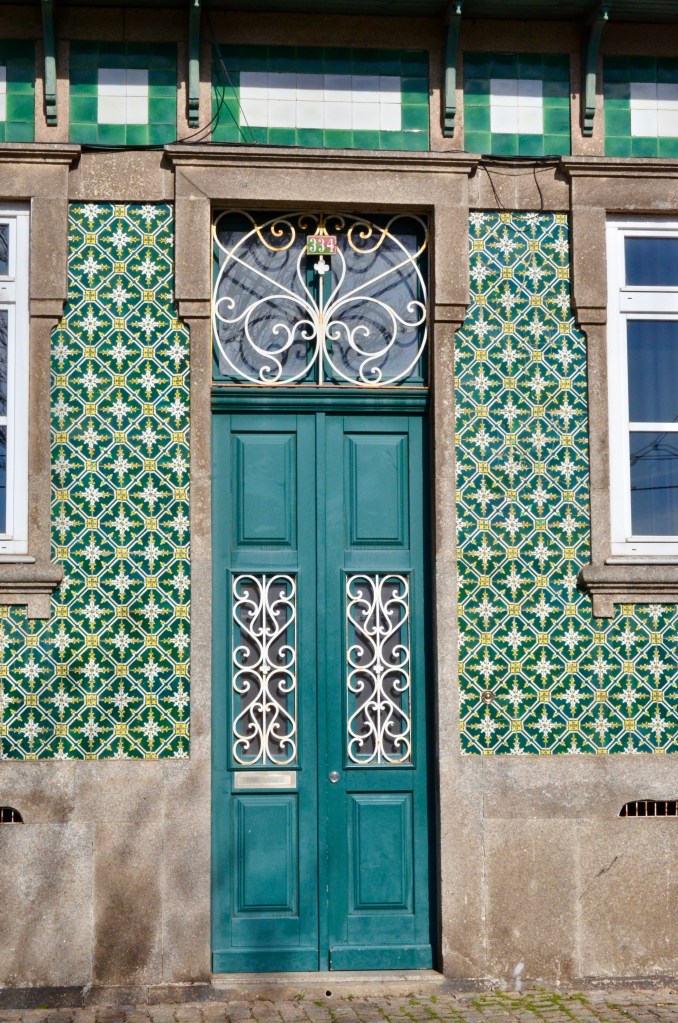
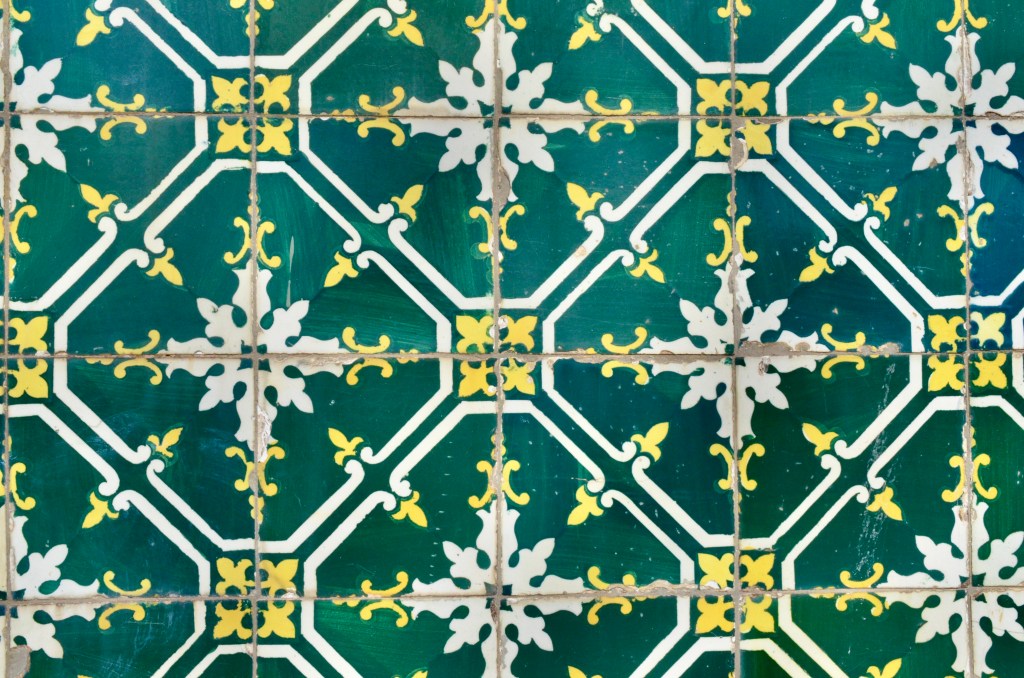
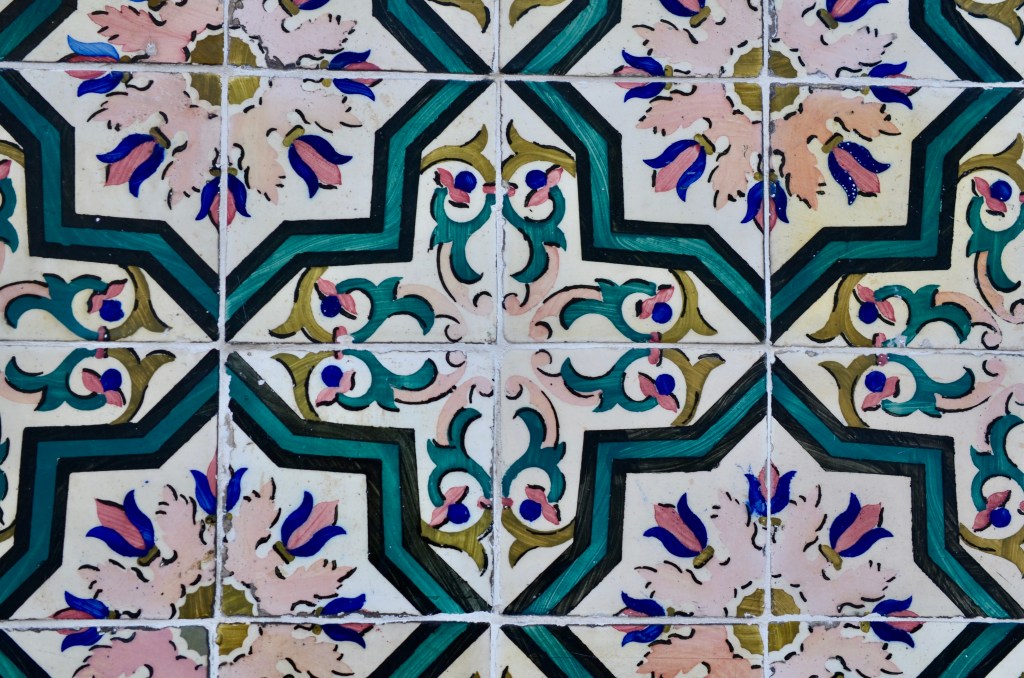
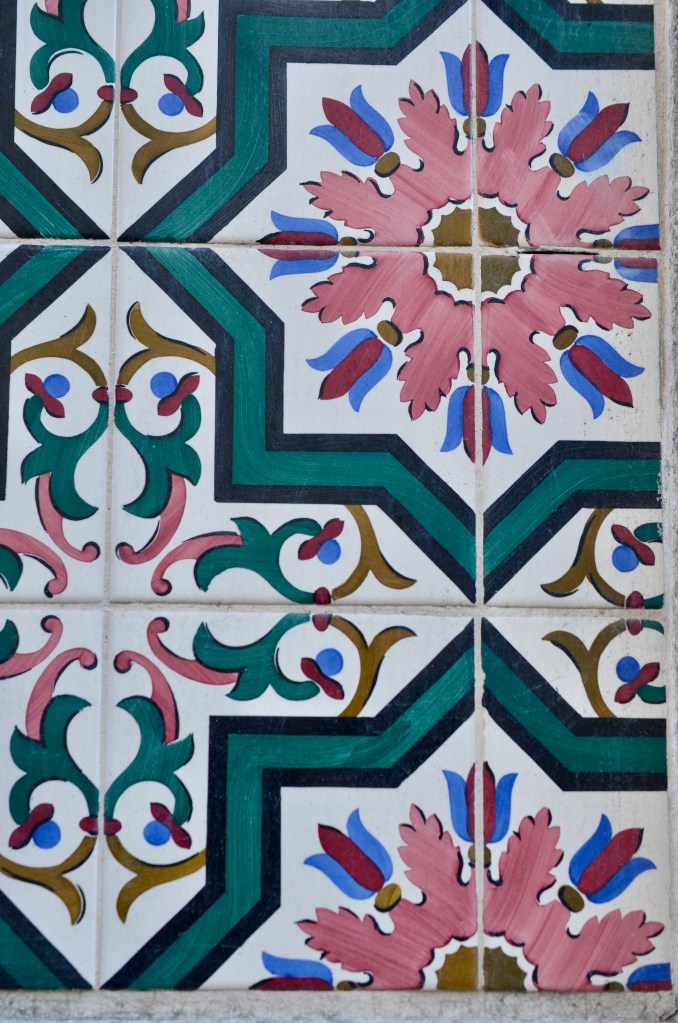
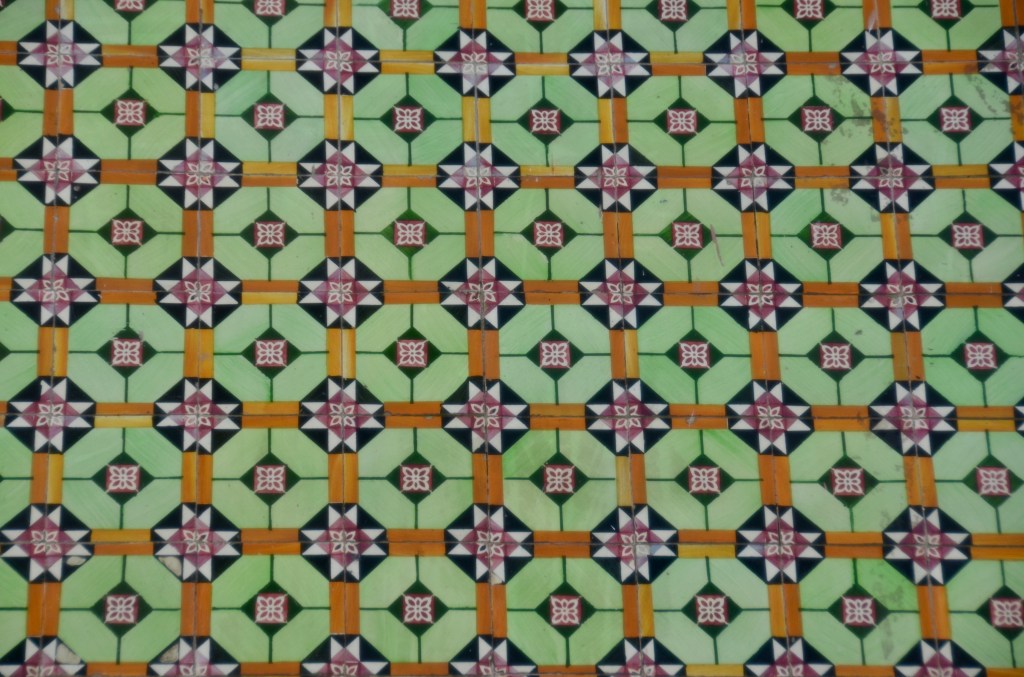
All over Porto you’ll se tiles on the house facades, not only the blue and white Azulejos, but in many colors. As the tiles are glazed, they protect the houses from the humid Atlantic climate and reflect sunlight, which can help stabilizing the temperature inside, as well as making the houses beautiful. In many places the tiles also tells stories, as the tiles in São Bento Railway station. The station is a sight in itself, but trains from there can also give you a wonderful ride alongside the Douro river, up to Regua or Panhão, as i wrote about in my blogpost about Portugal – Upper Douro.
Bookstores
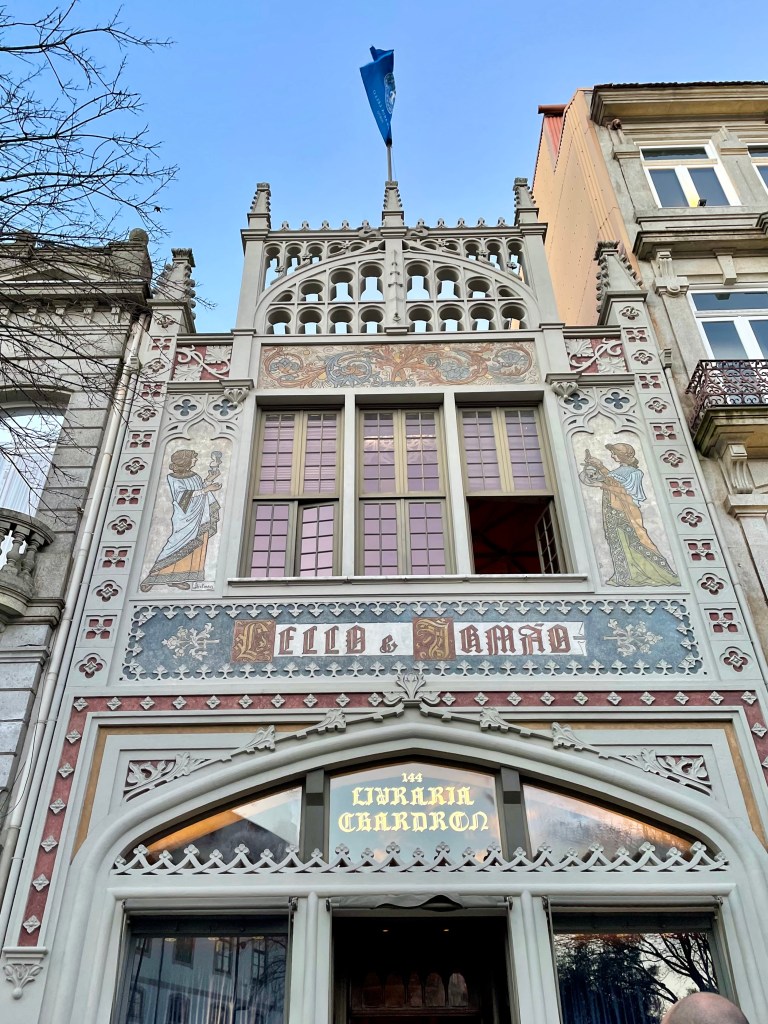
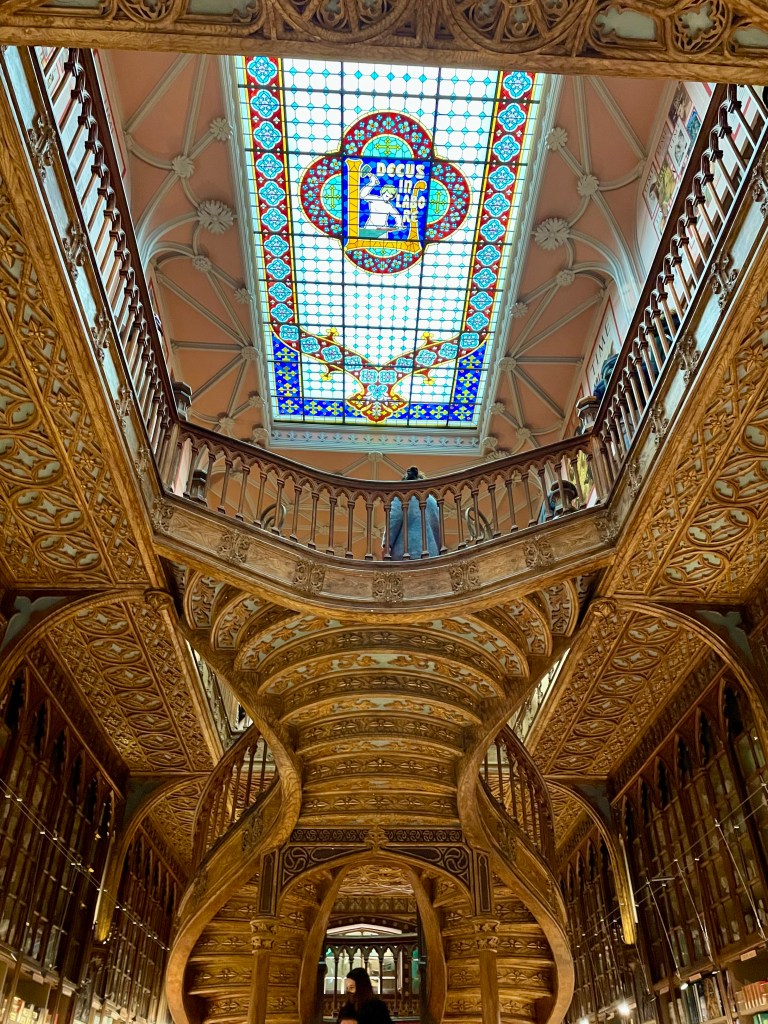
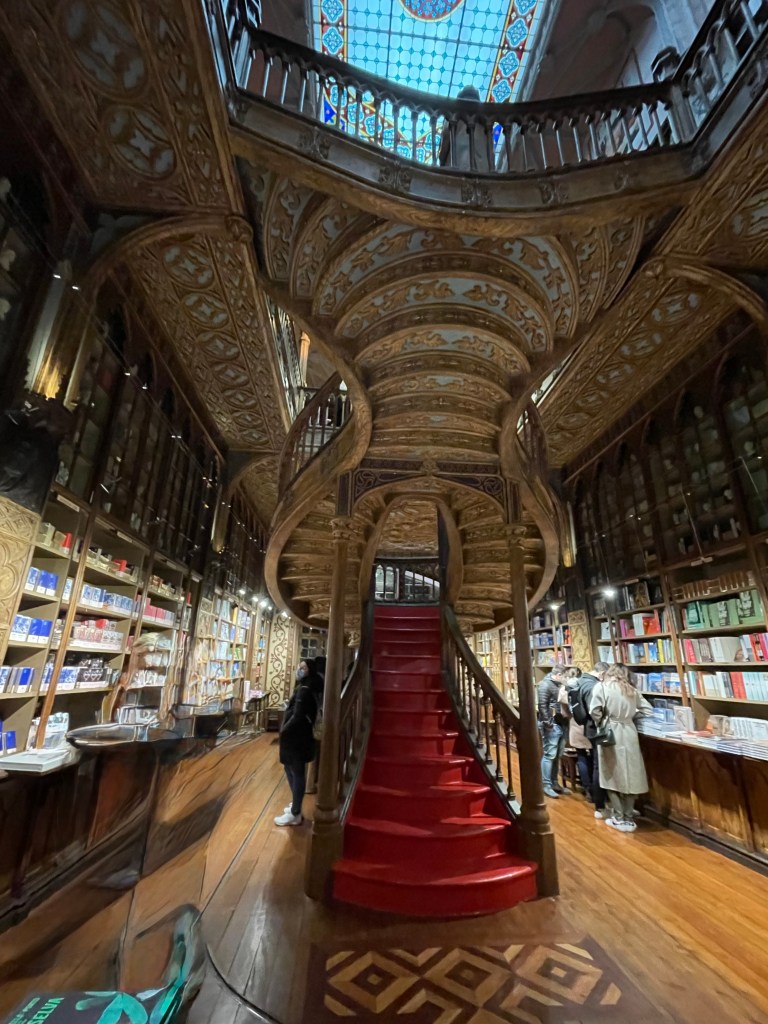
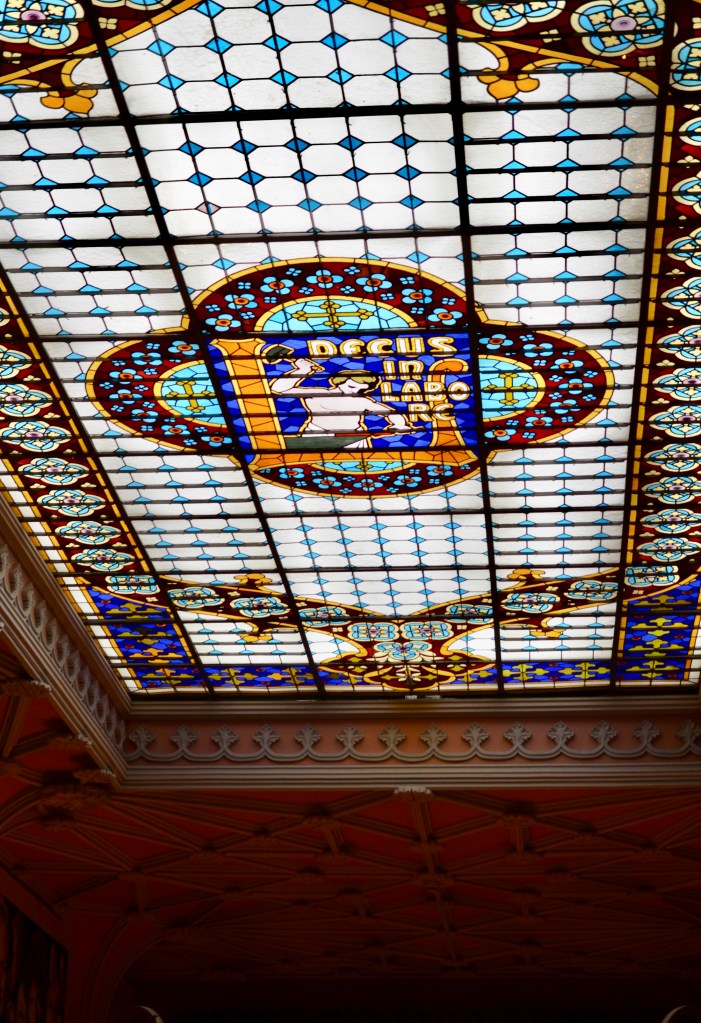
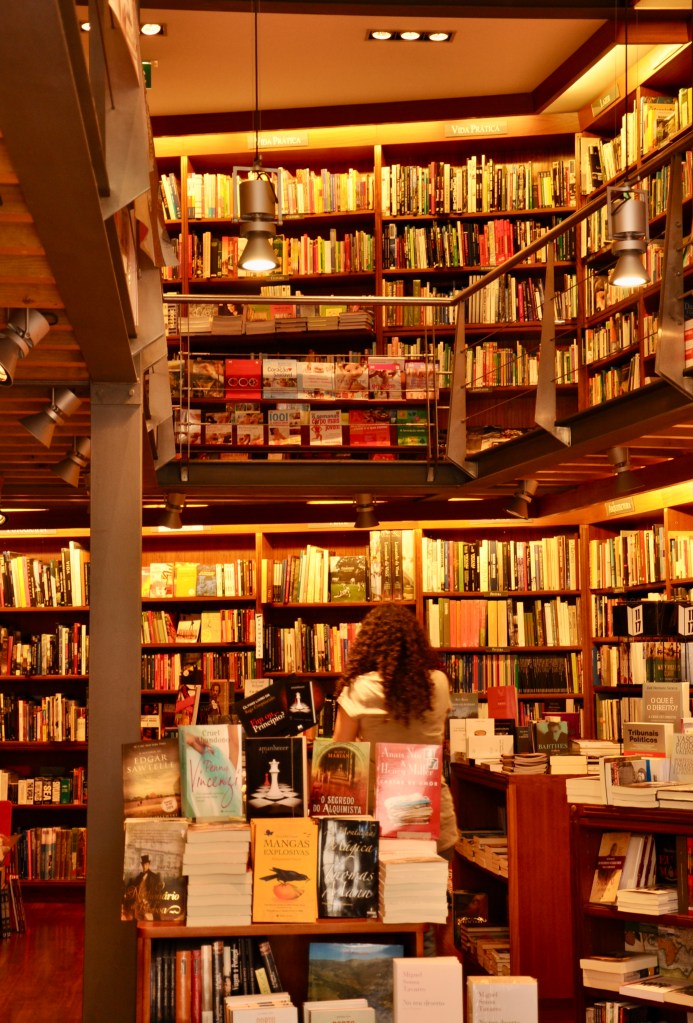
Porto has several old and wonderful bookstores, of which the most famous is the Livraria Lello.
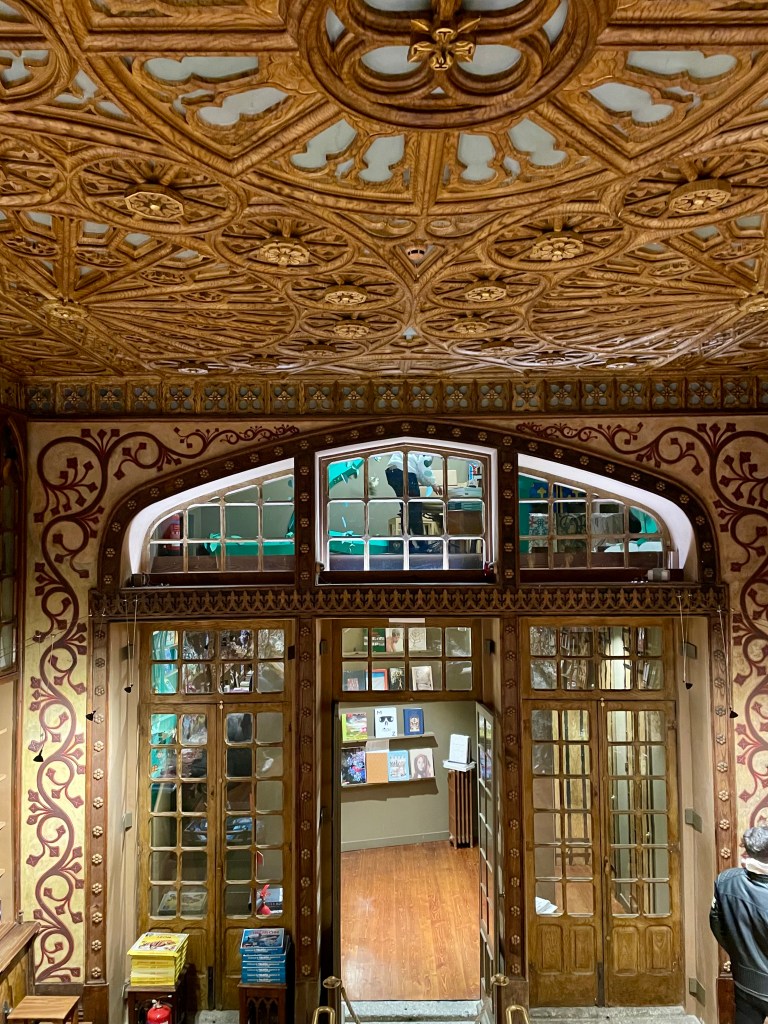
Livraria Lello is considered as one of the most beautiful bookstores in the world, resembling something from Harry Potter, but to visit you need to pay an entrance fee, which you can trade into a book when first inside. It’s often long queues outside, so make sure to get the ticket in advance and avoid the most crowded hours.
Down by the river
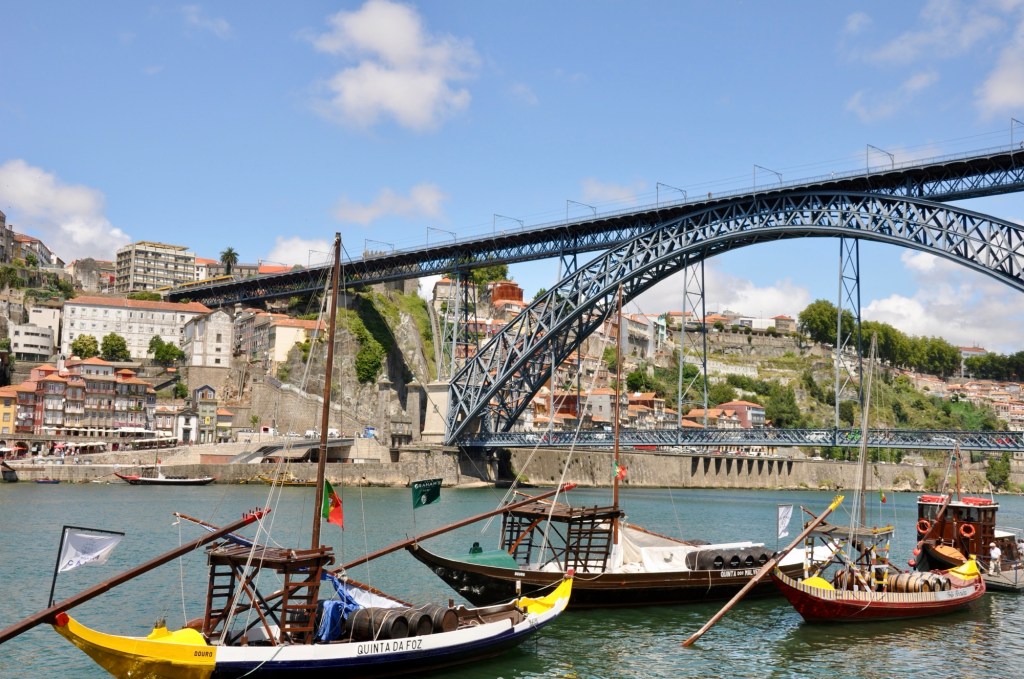
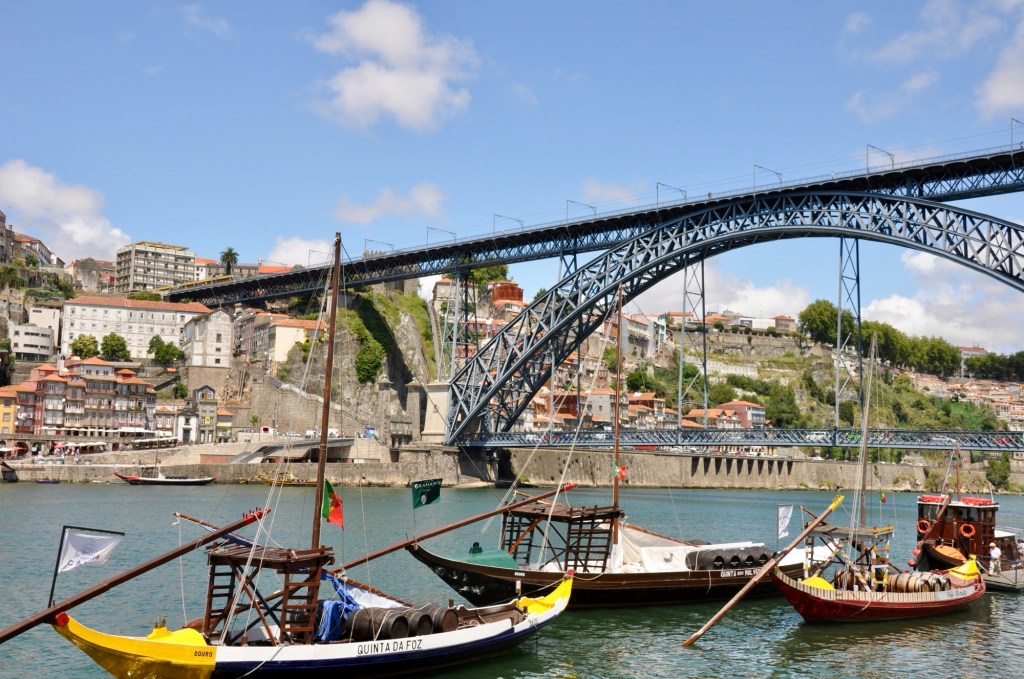
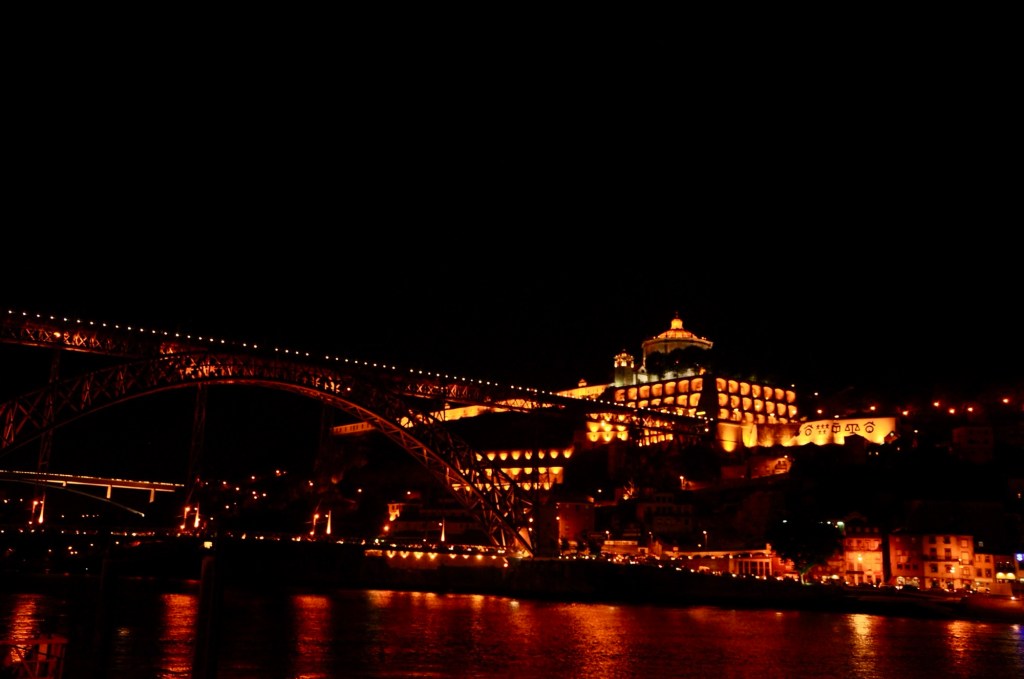
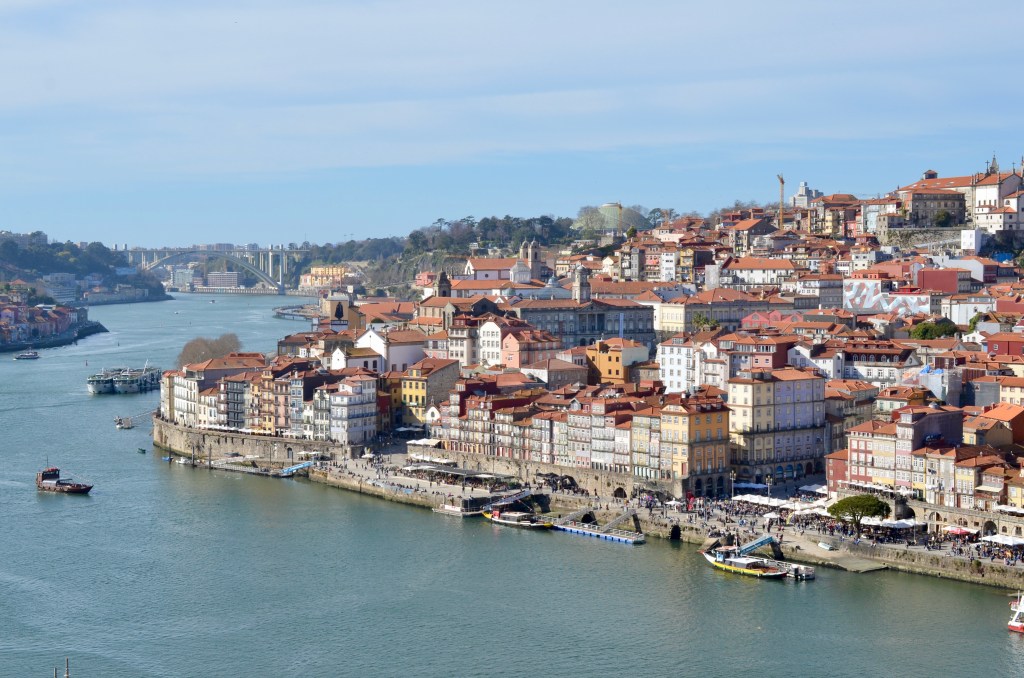
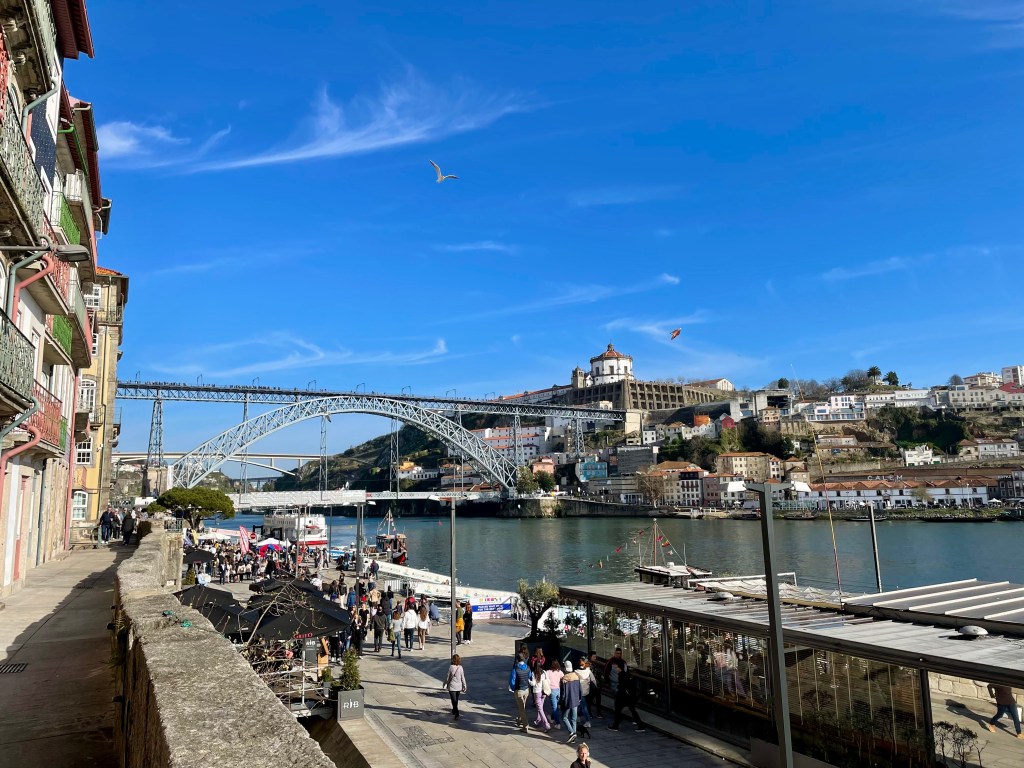
The area that most connects with Porto and that most tourists visits is the area alongside the Douro river, the Ribeira (on the city side) and Vila Nova de Gaia (the opposite side). Across the rivers runs several bridges, whereof the most commonly known are the Dom Luiz Bridge, which you can walk or take the Metro across. The Dom Luiz Bridge is a real landmark. It looks like it could have been built by Mr. Eiffel himself (the Eiffel Tower guy), but it’s actually not. It was Eiffel’s student and former business partner, Teófilo Seyrig, which built the Dom Luiz in 1896. Mr. Gustav Eiffel built another bridge in Porto some years before (1877), the Maria Pia Bridge, a little further inland, which is a railway bridge.
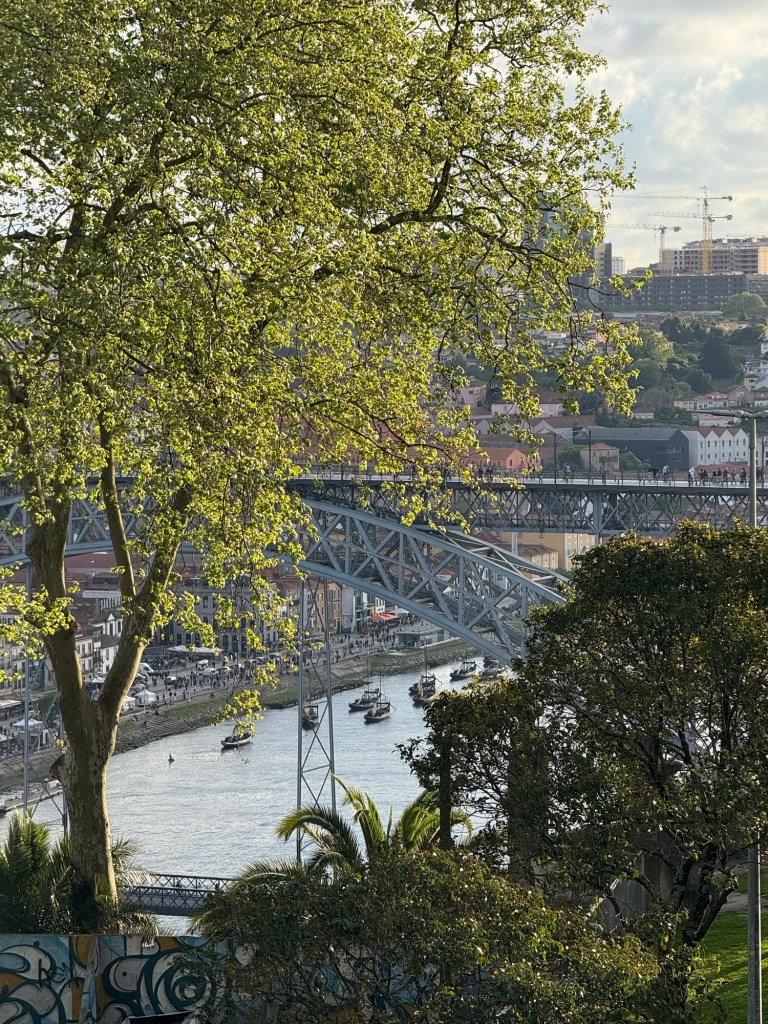
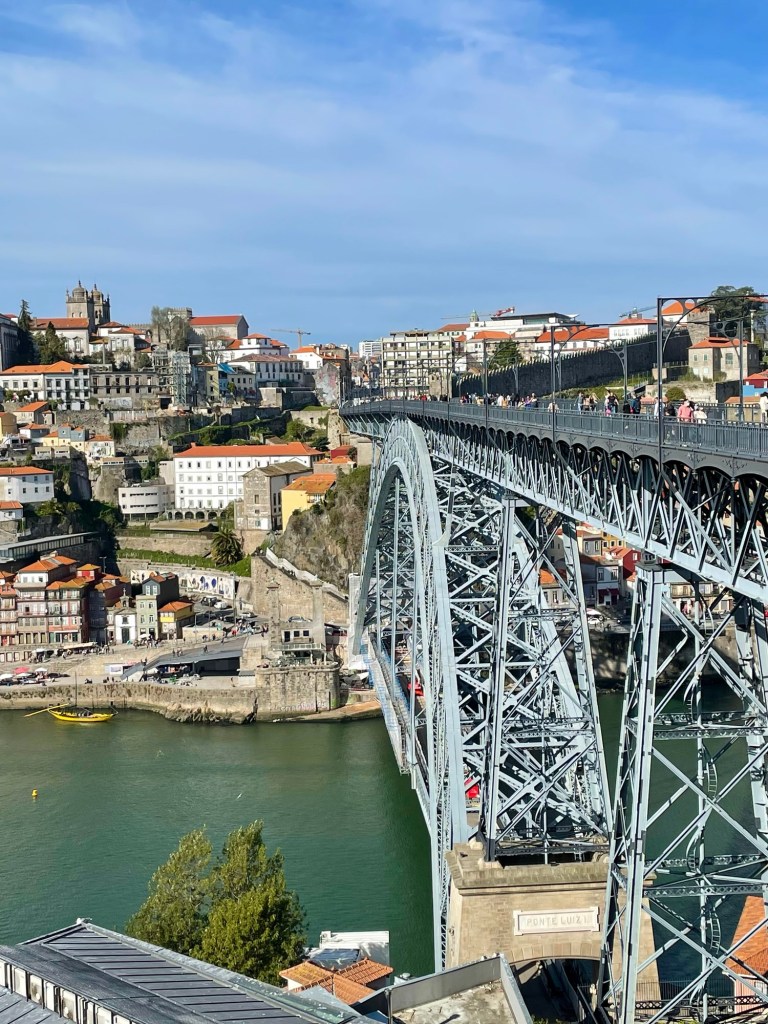
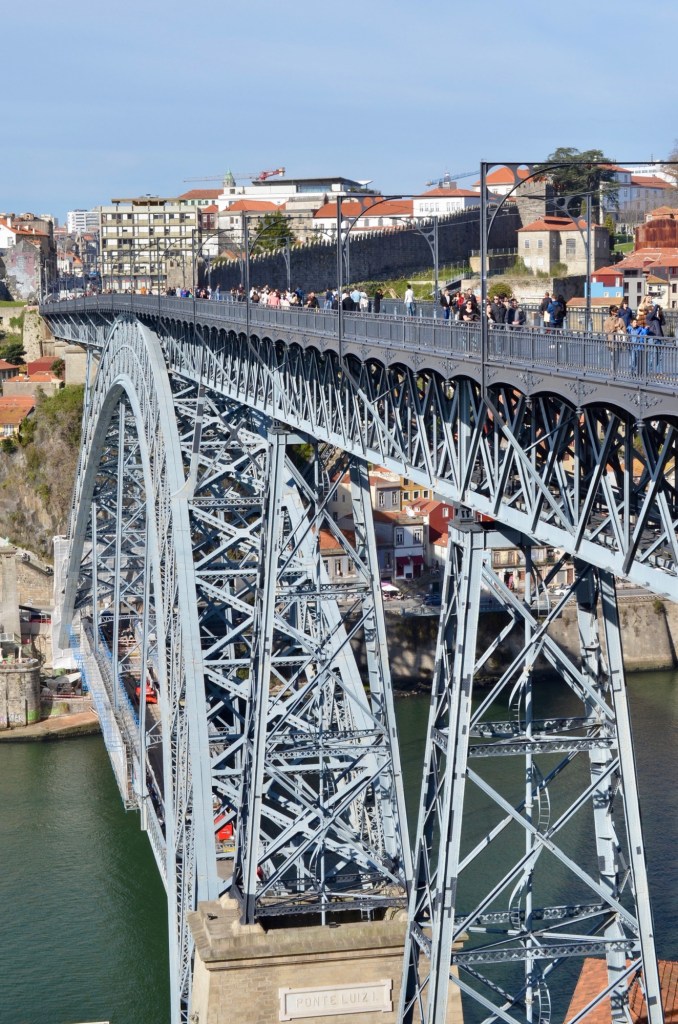
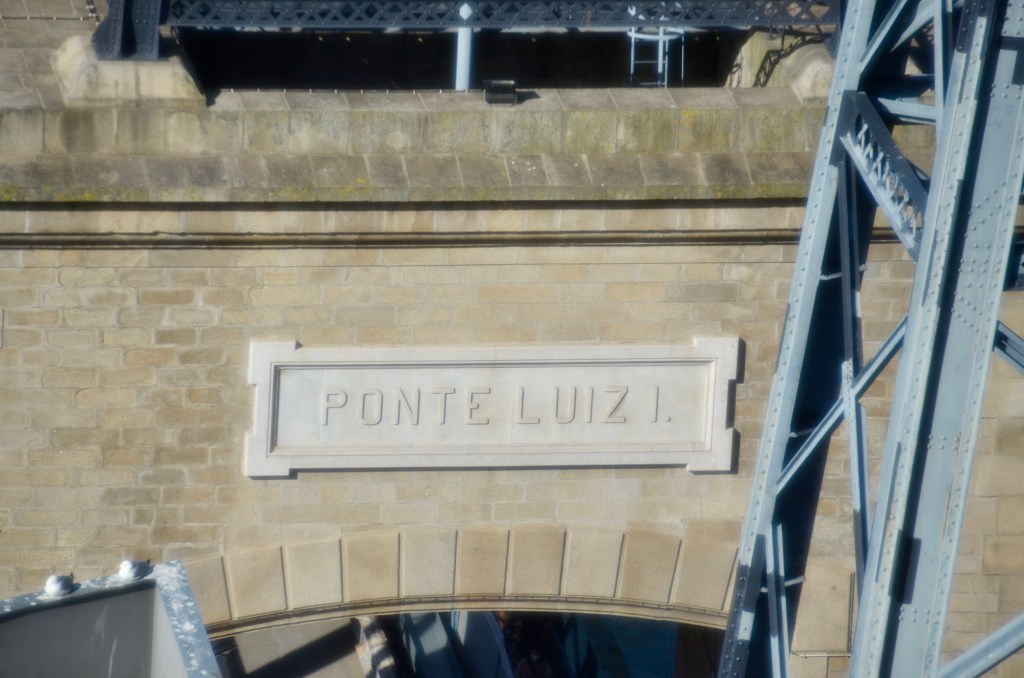
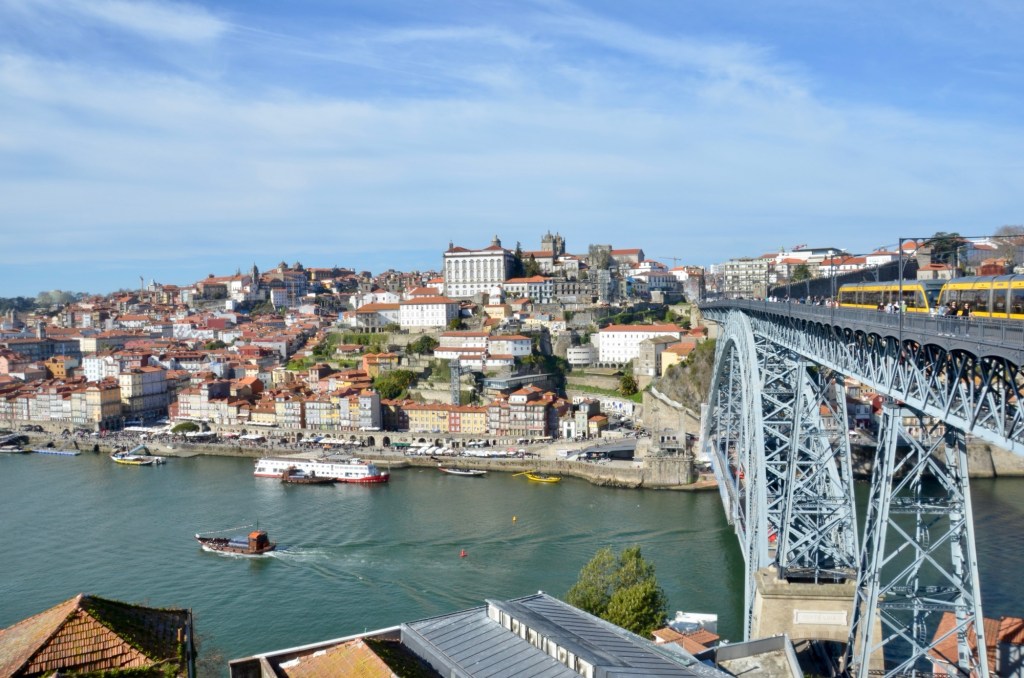
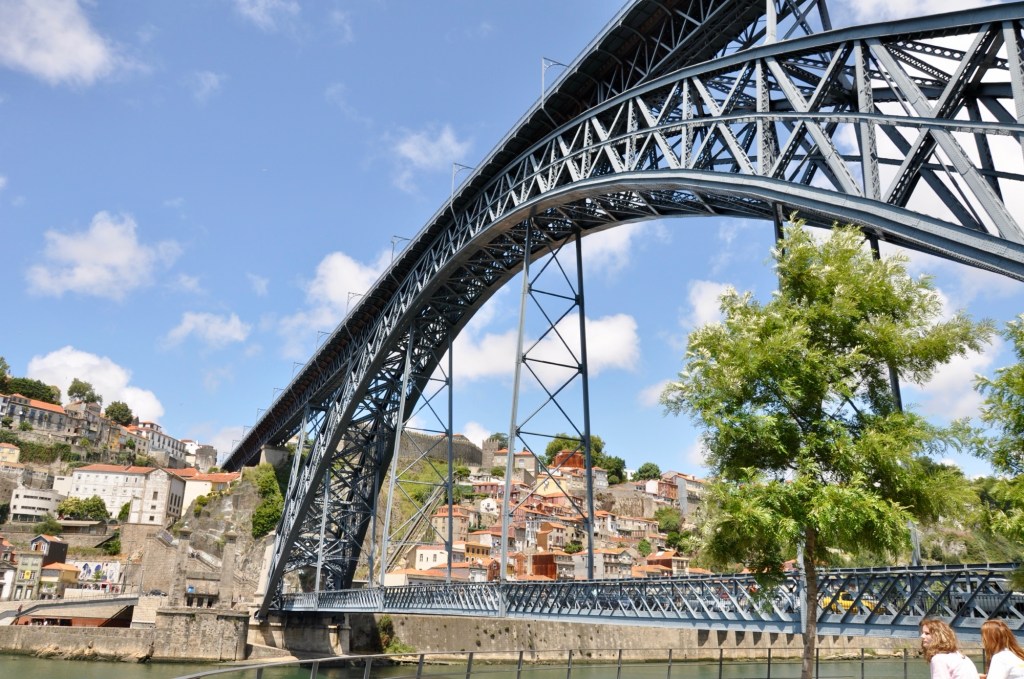
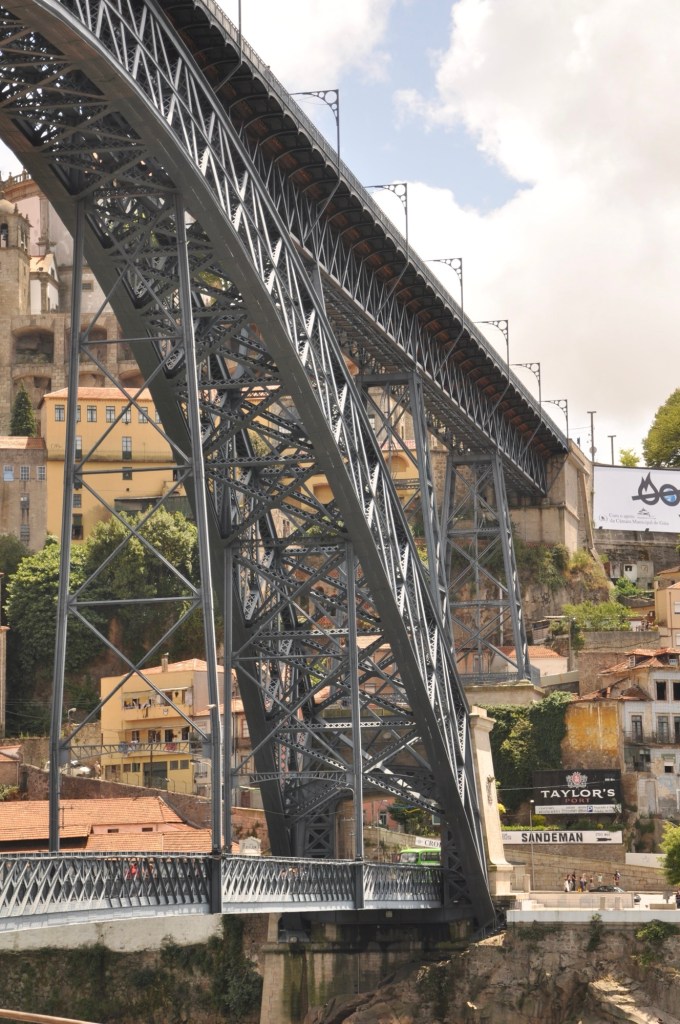
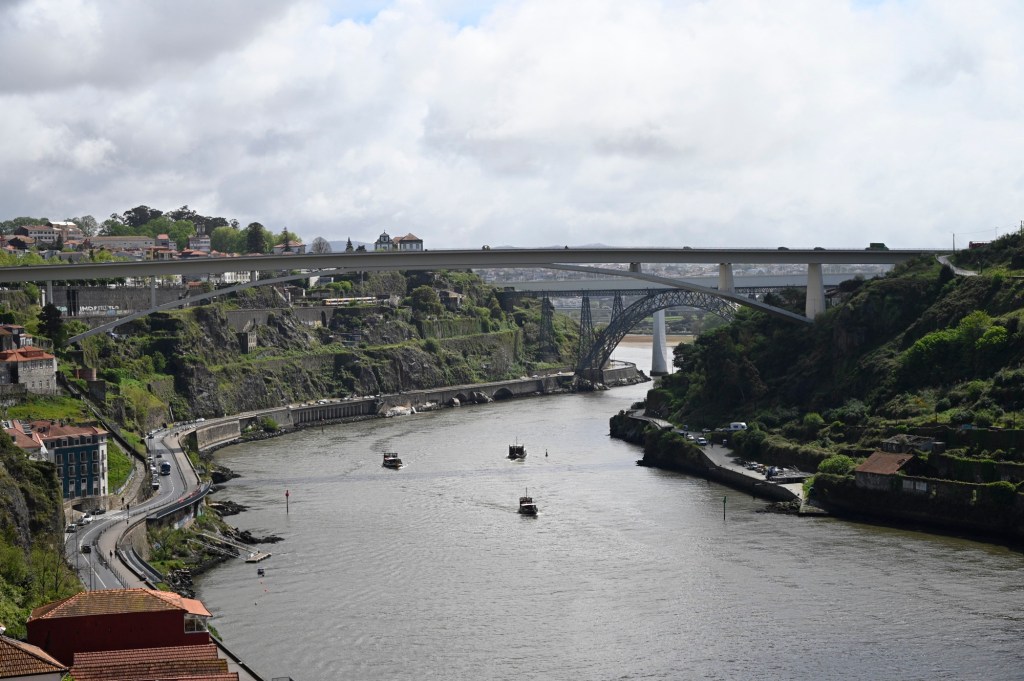
If you join one of the numerous boats trips along the Douro, you will probably travel underneath all the bridges and learn more about each of them. That’s a real nice thing to do. Many of the tourist boats depart from the Gaia side of the Bridge, in the area close to the lower station of the Gaia cable car, at Cais de Gaia (Pier), close to where the Ramos Pinto port wine museum is located, From this pier you can also take the Douro river ferry straight across the water to the Ribeira square for only a few Euros.
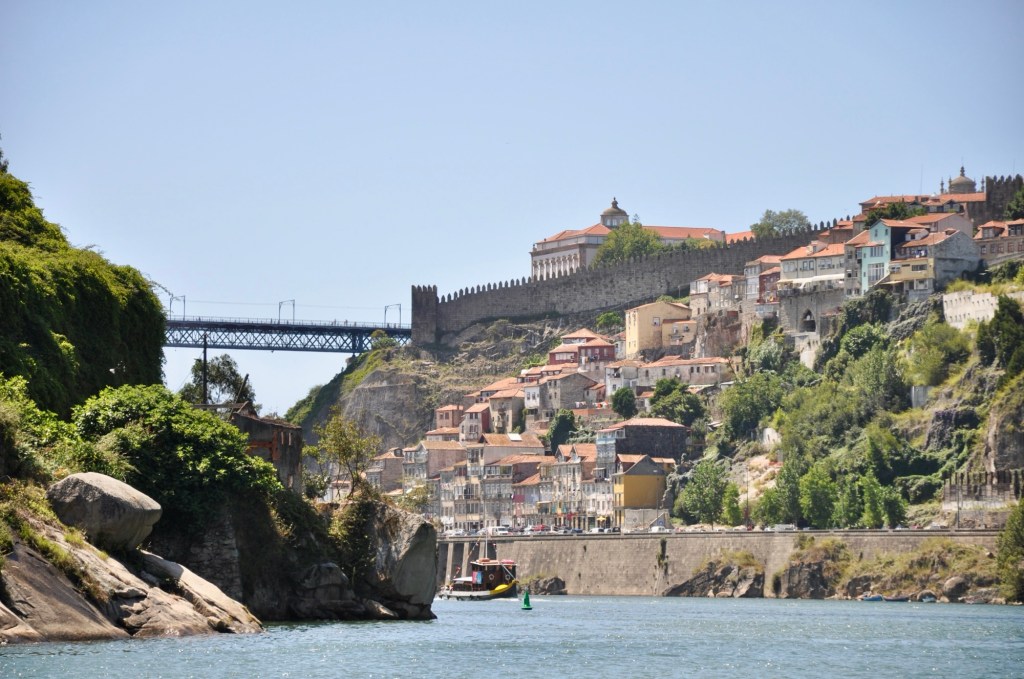
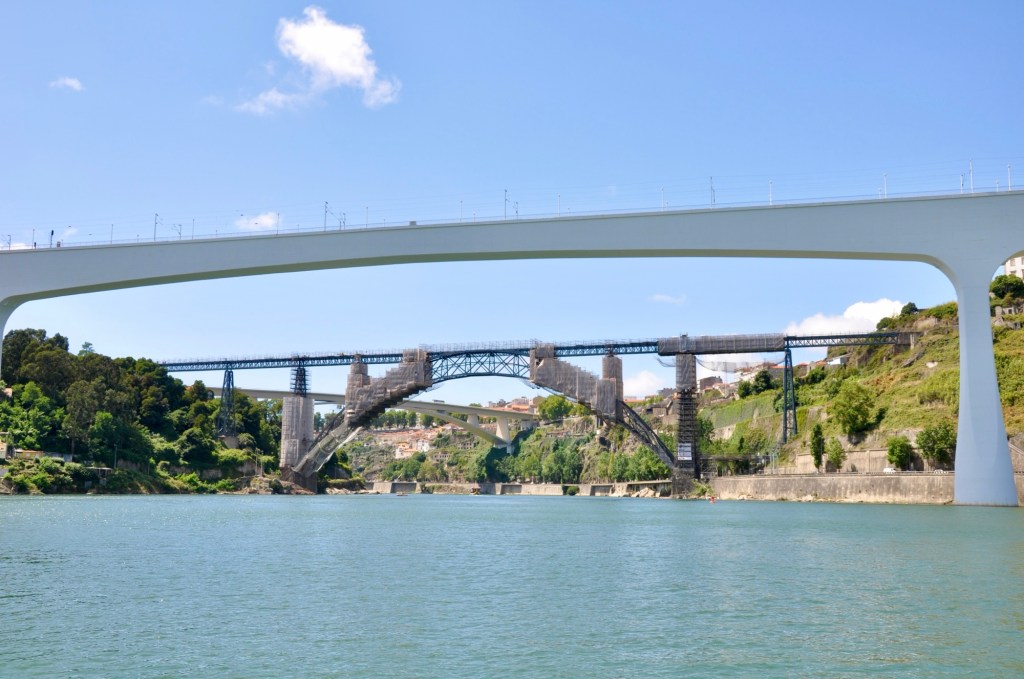
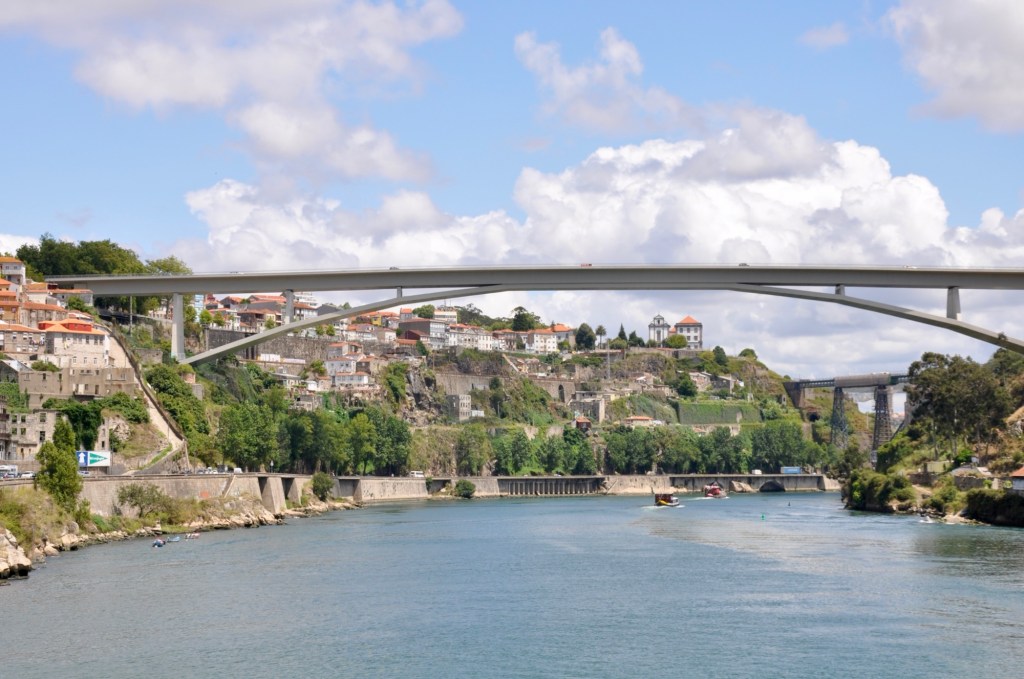
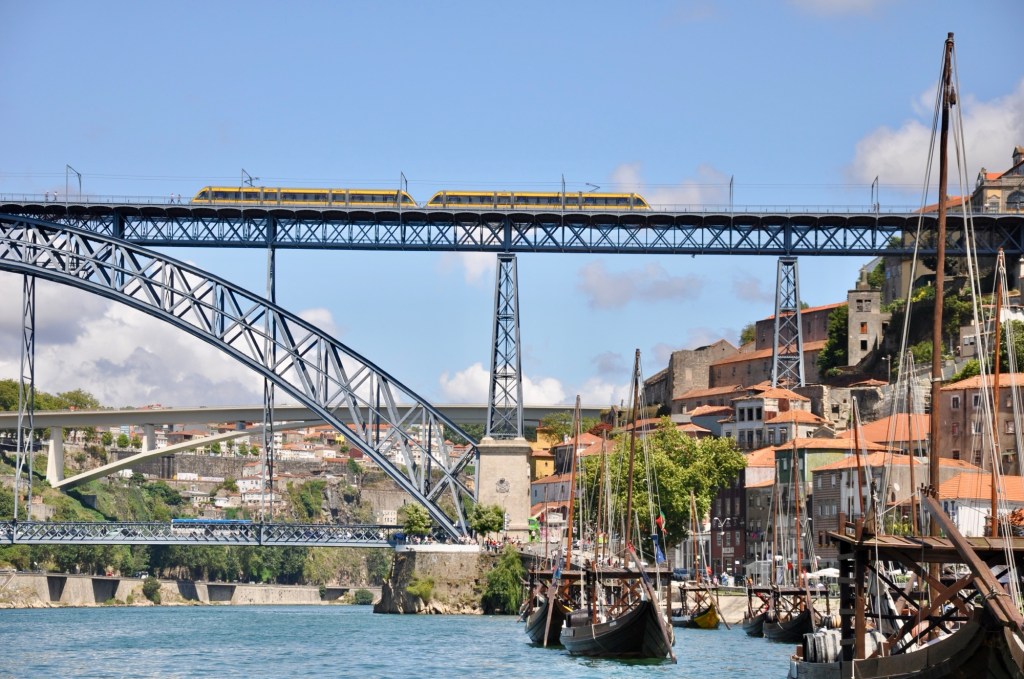
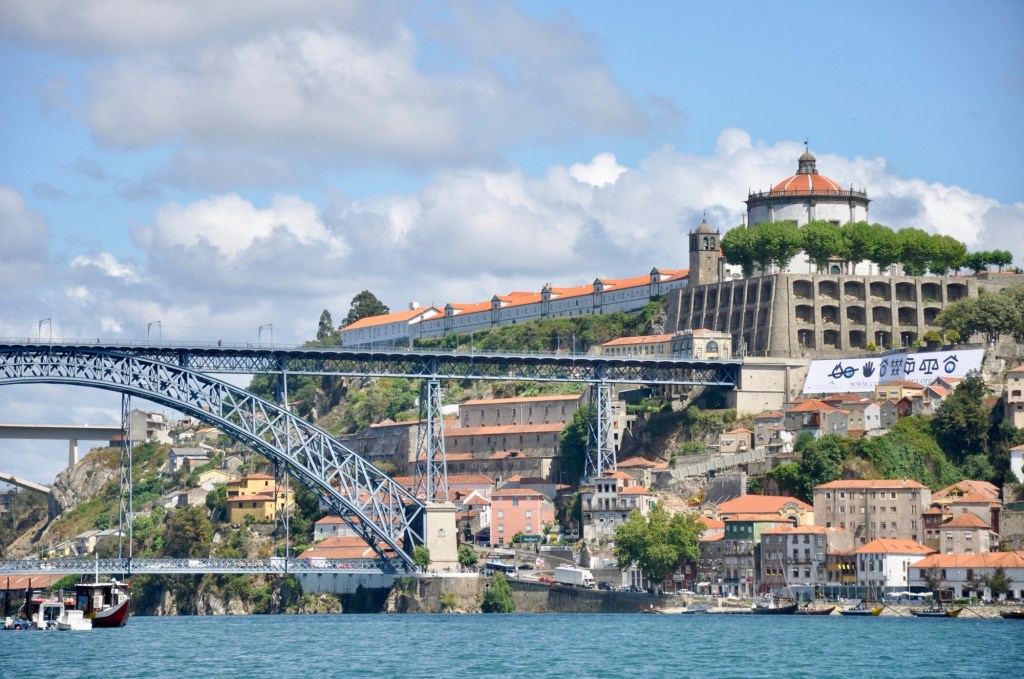
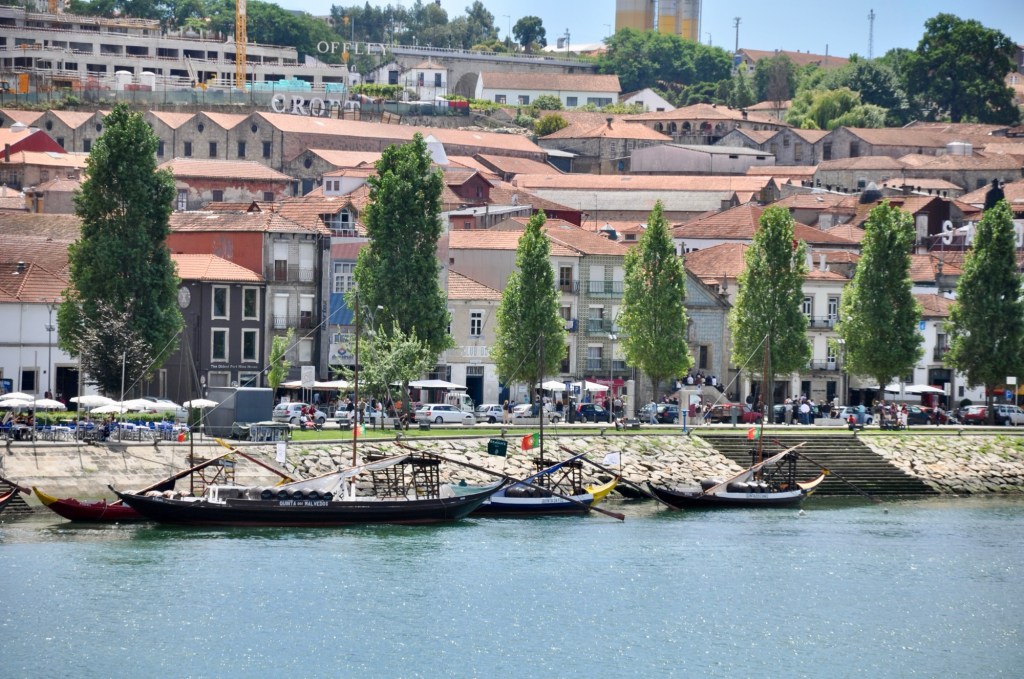
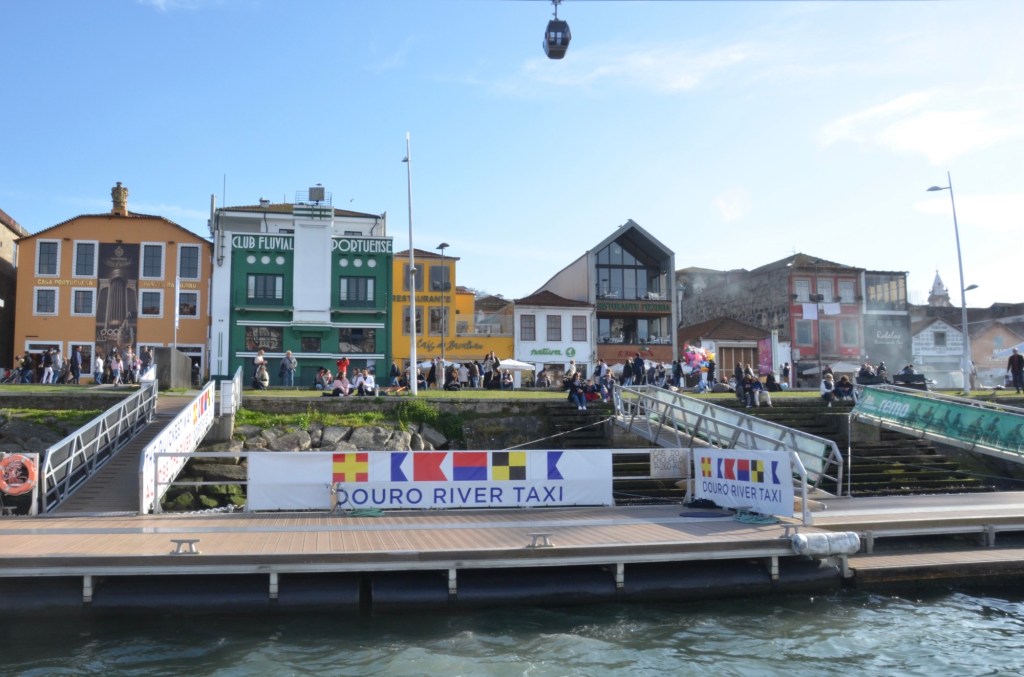
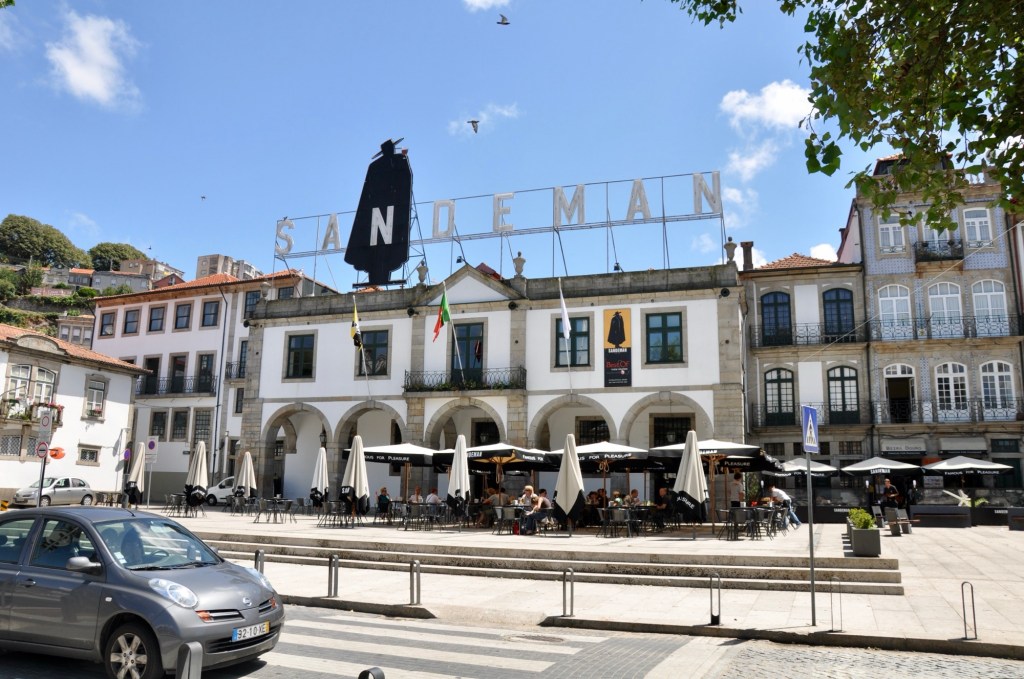
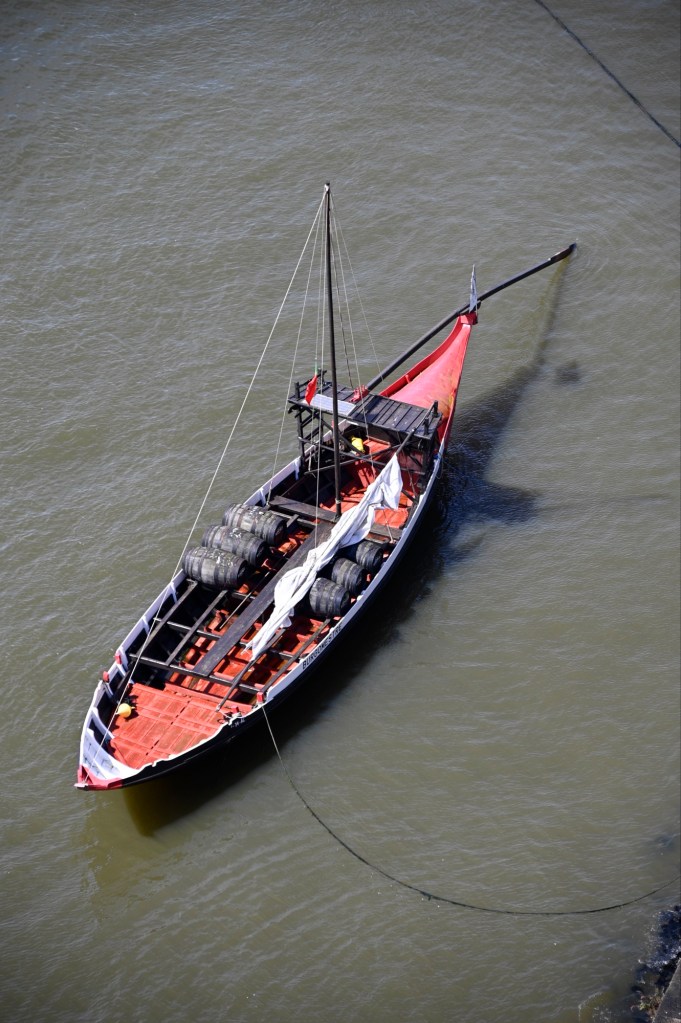
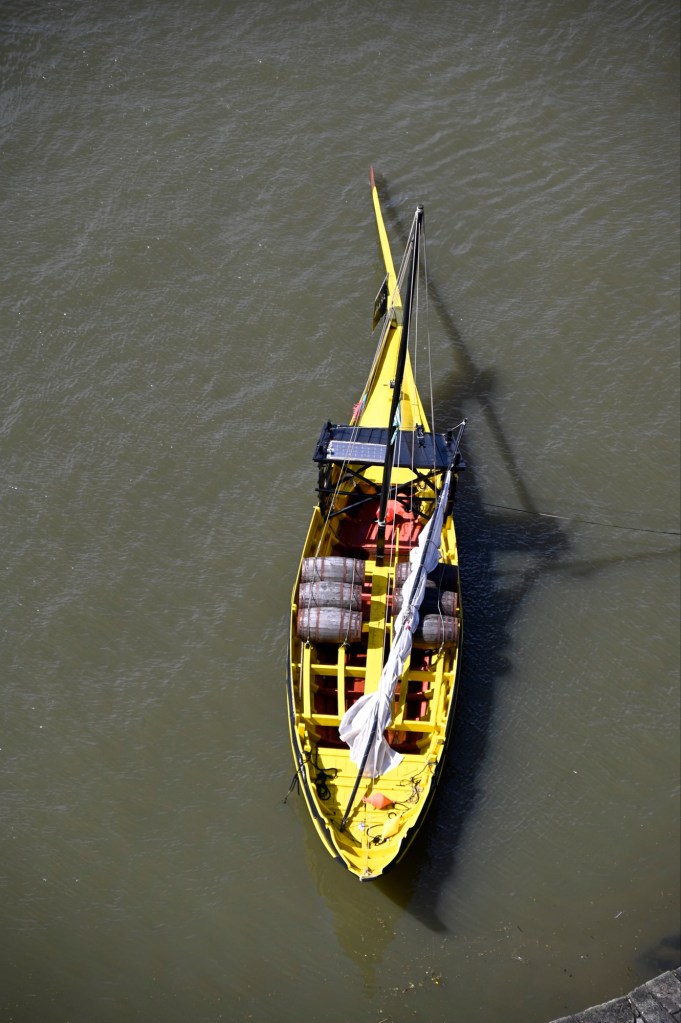
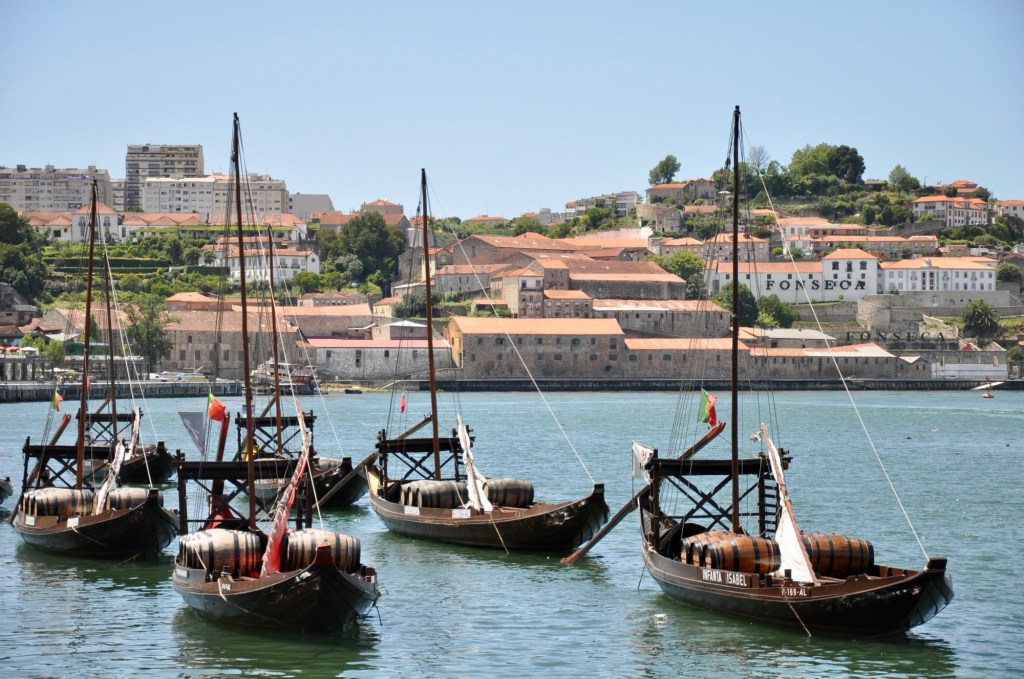
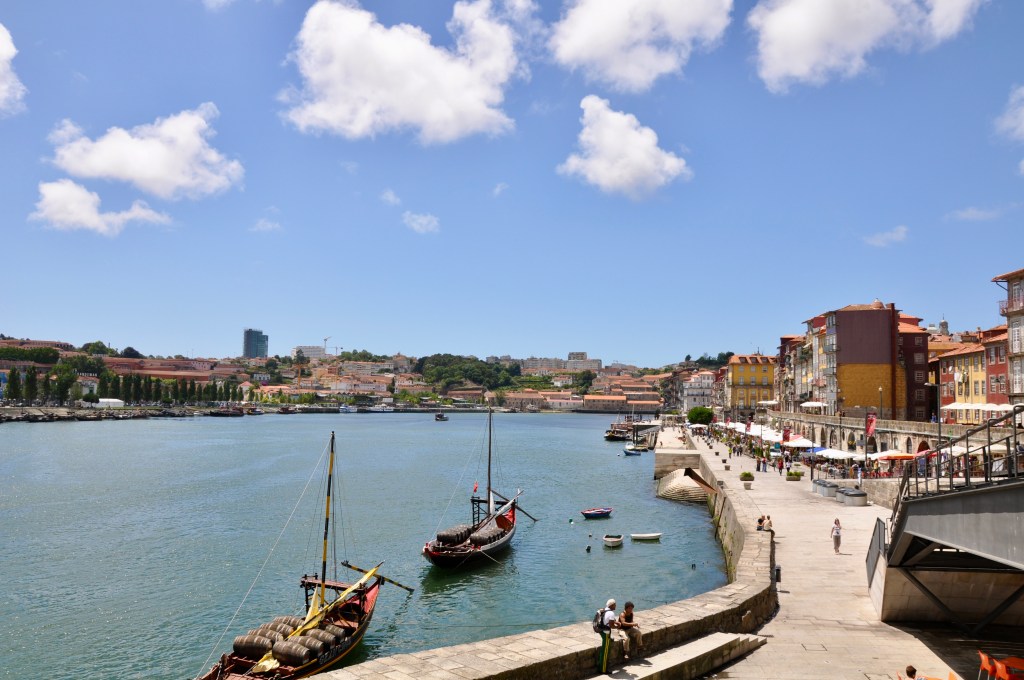
On the Douro river you’ll see many boats. The traditional Rabelo boats are long one-masted wooden boats, with flat bottom and shallow draught, which were used to transport the Port wine barrels from the upper Douro valley towards the city, from where they were transferred to larger boats and shipped all around the world. The name “rabelo” means ‘little tail’, which comes from the long timber projection from the rear of the boat which is used to steer the vessel. From above, the boats can almost seem like a long fish with a tail.
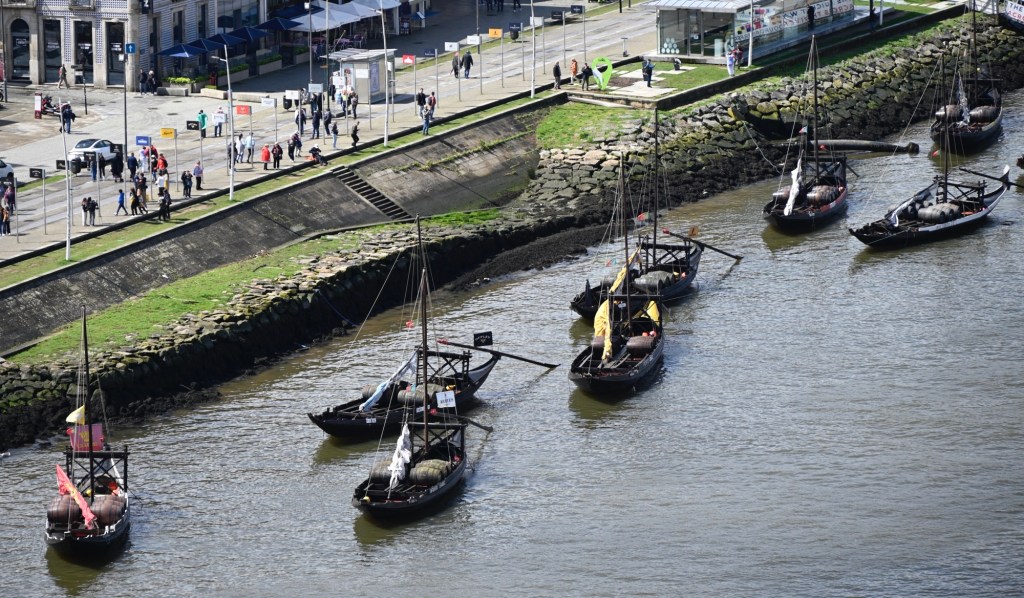
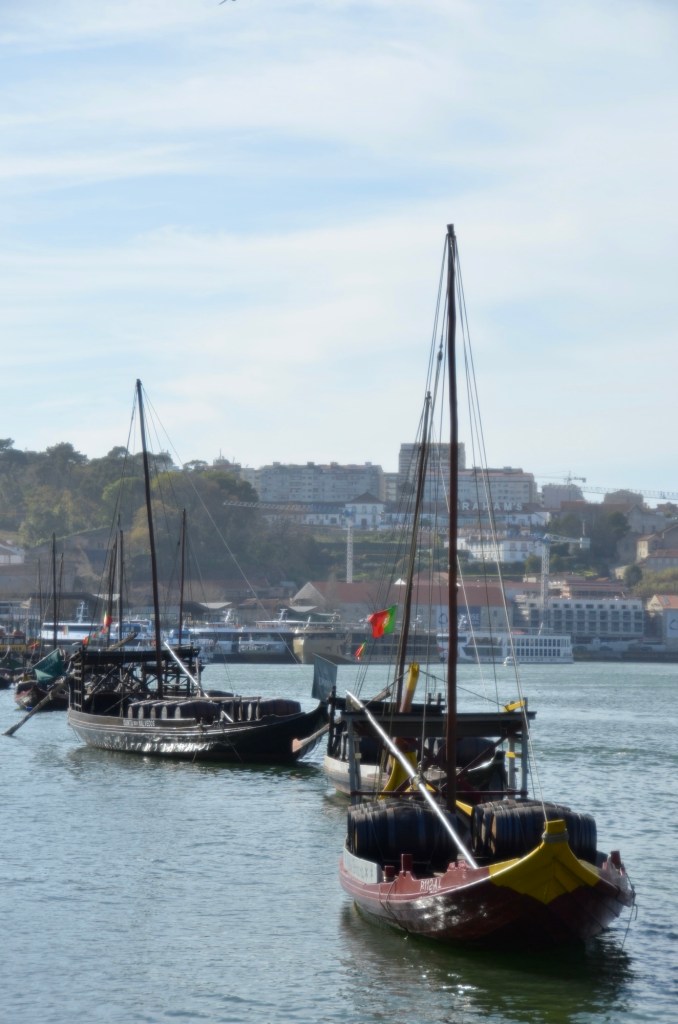
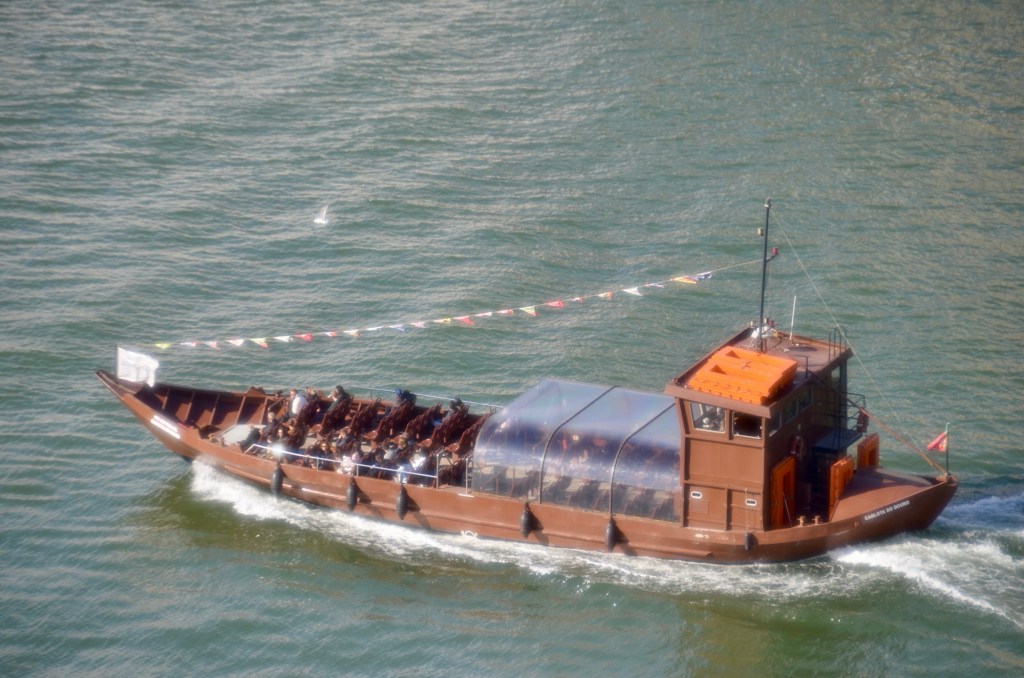
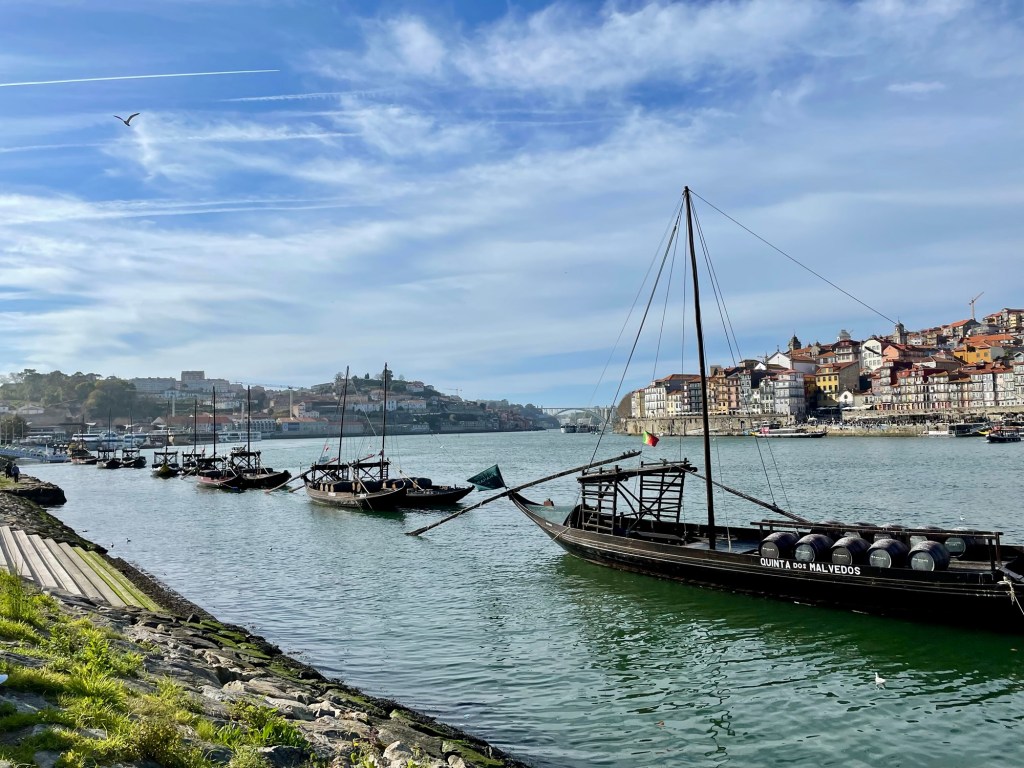
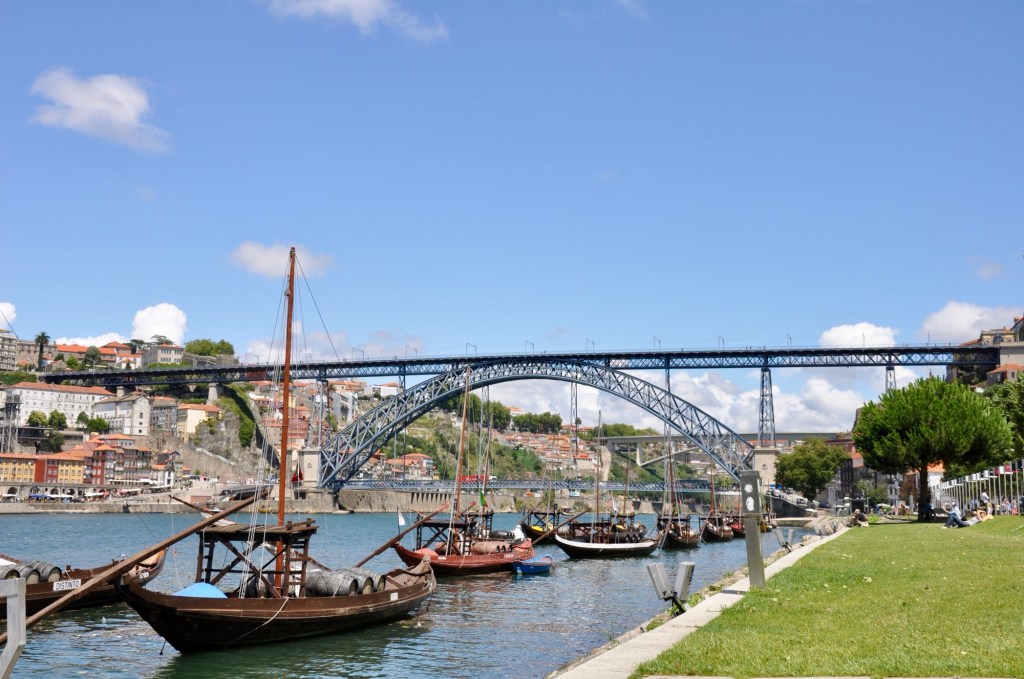
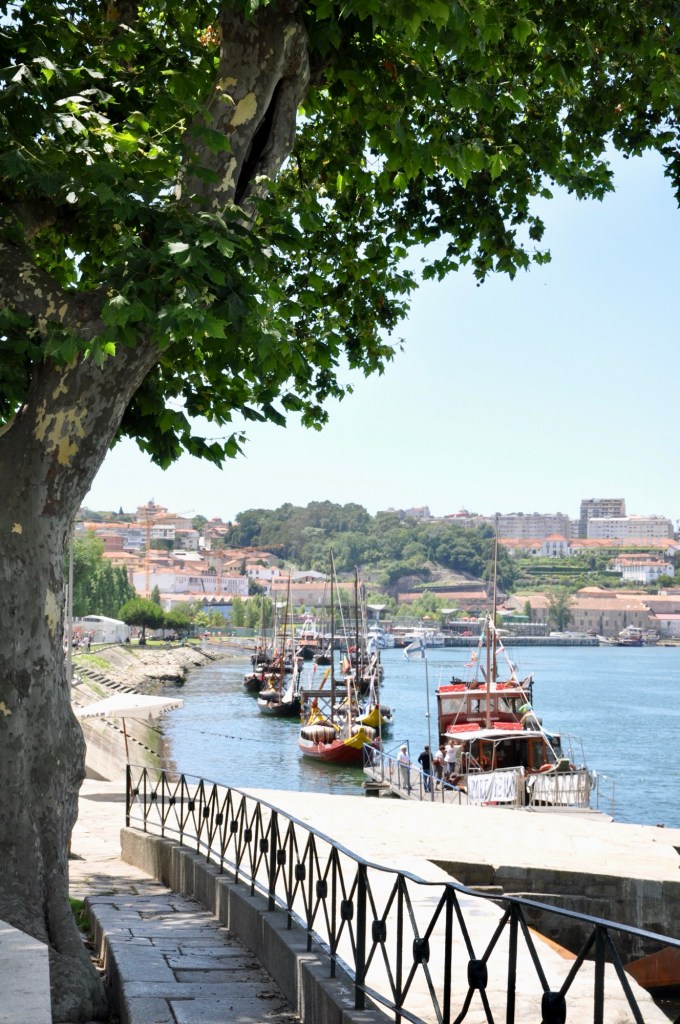
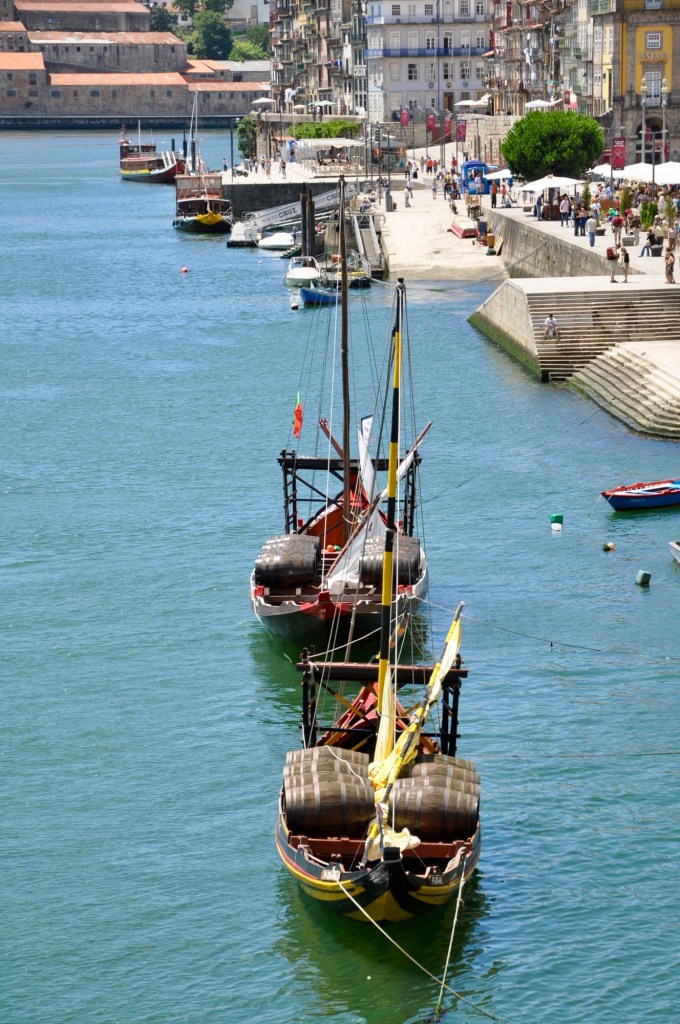
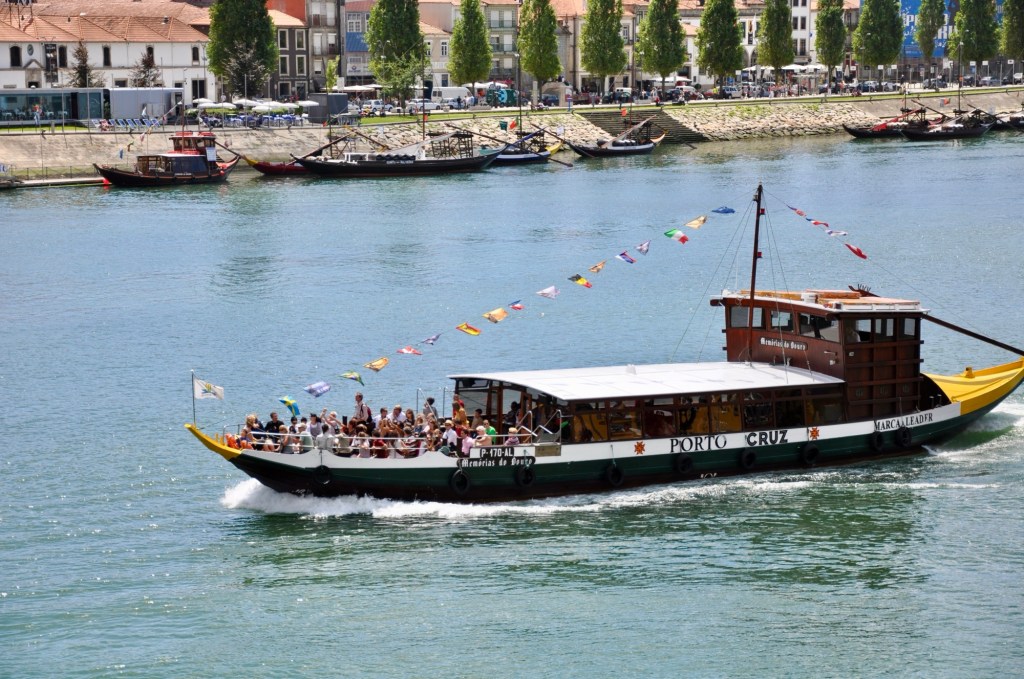
Vila Nova do Gaia is quite lively and full of people in daytime, with lots of restaurants, people, boats and sales stalls, but as it is on the side that looses sunlight early, it is less things happening there in the evening. The ferry across the water also stops running around sunset.
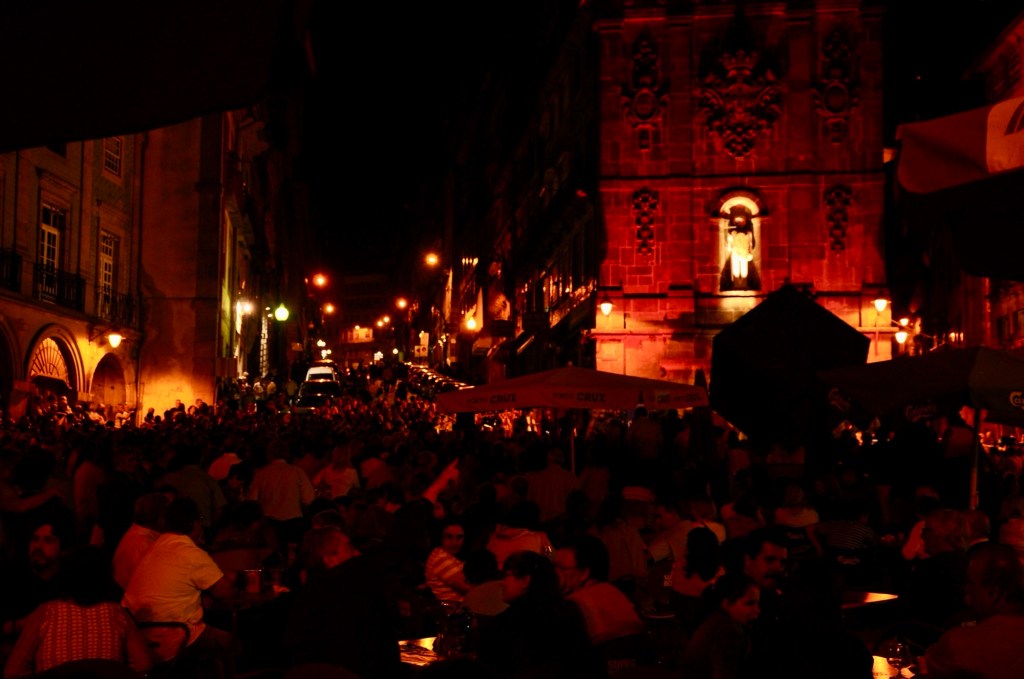
In the evening, the Ribeira district, especially around the Ribeira square can be more fun. Her you find lots of restaurants and you’ll also get a beautiful view of the Dom Luiz Bridge in front of the floodlighted Serra do Pilar Monastery. Sometimes there are also outdoor concerts here.
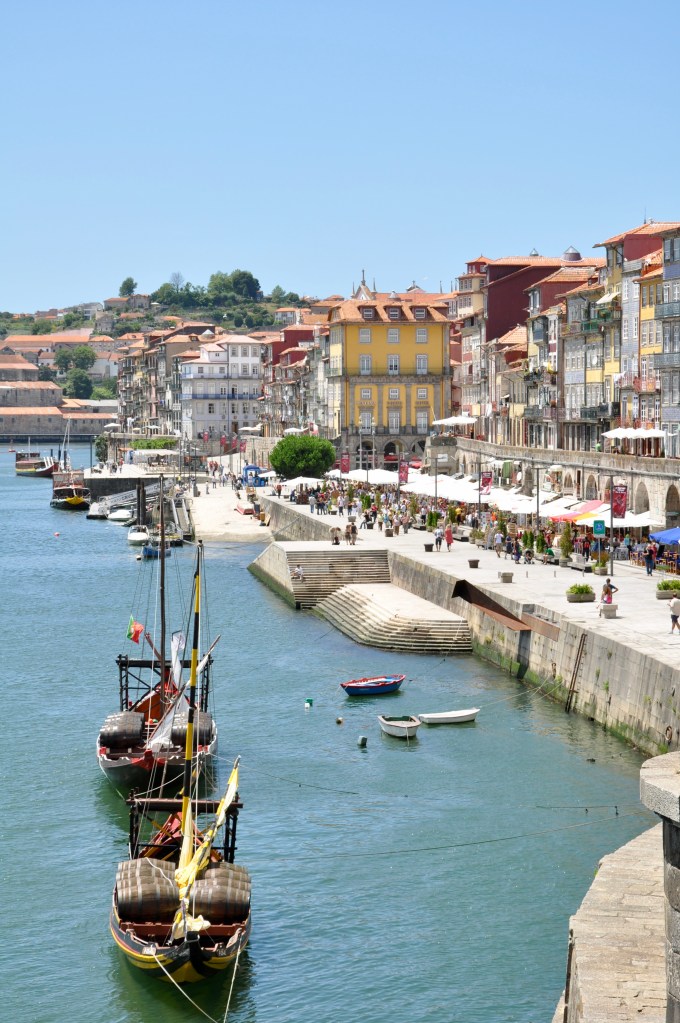
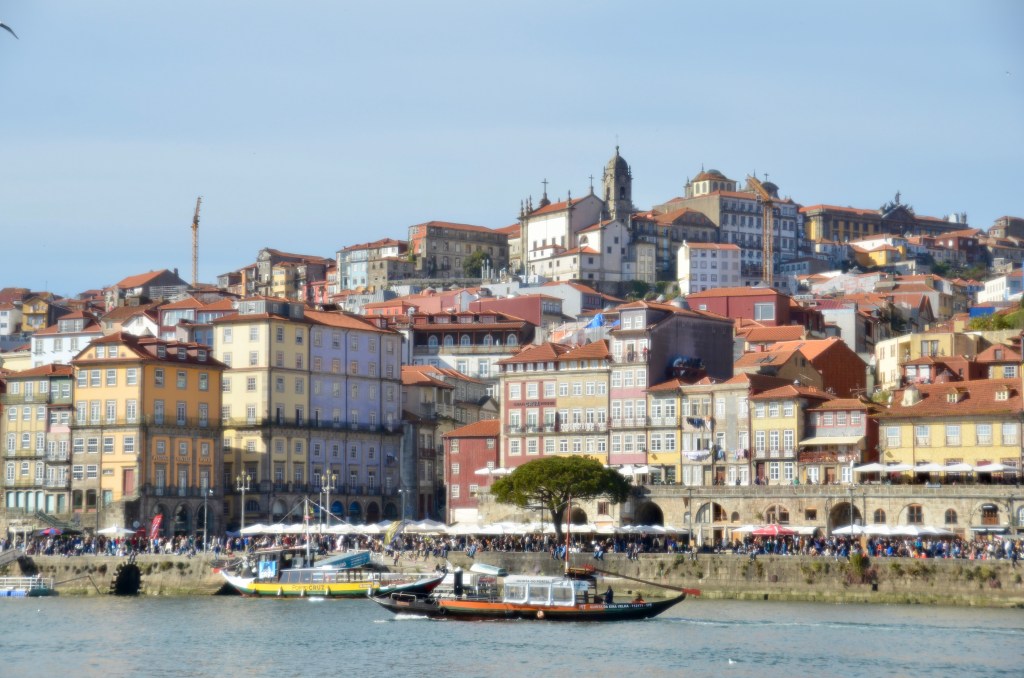
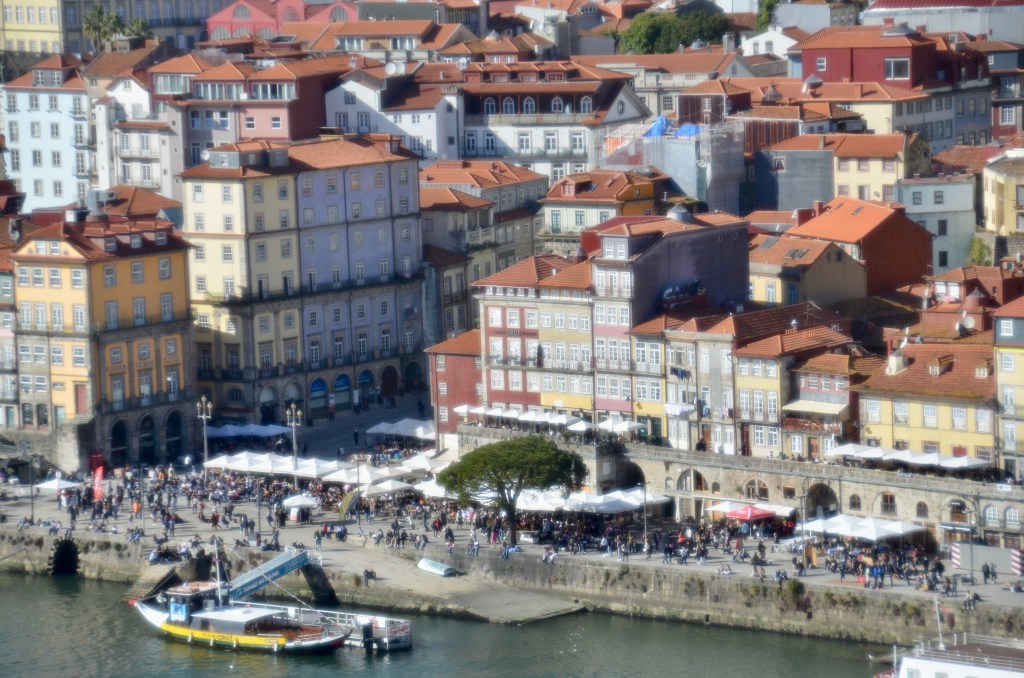
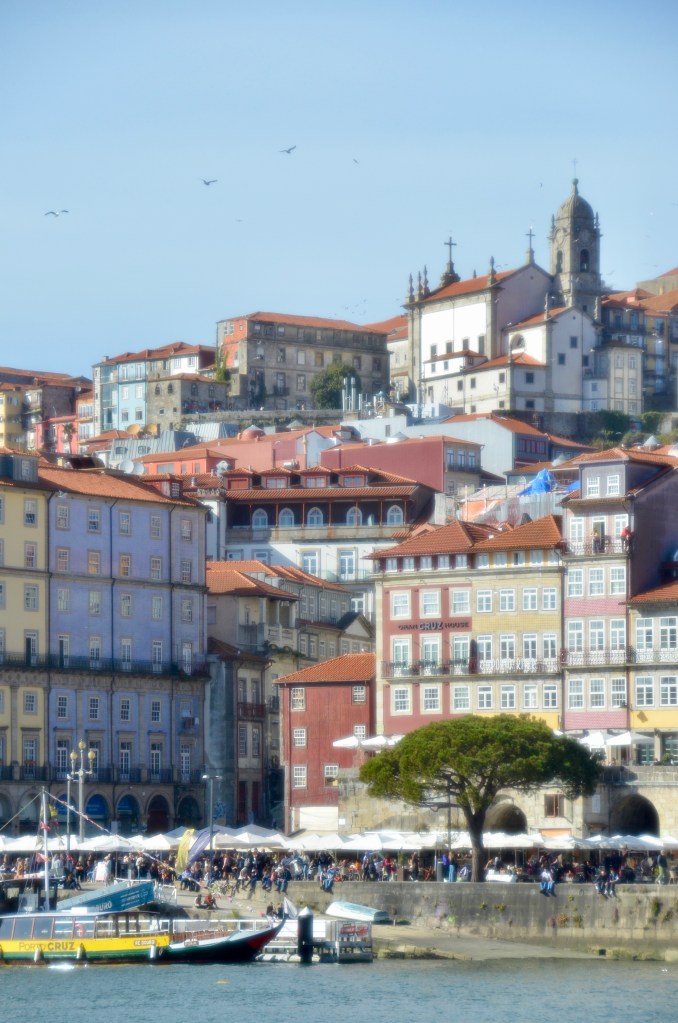
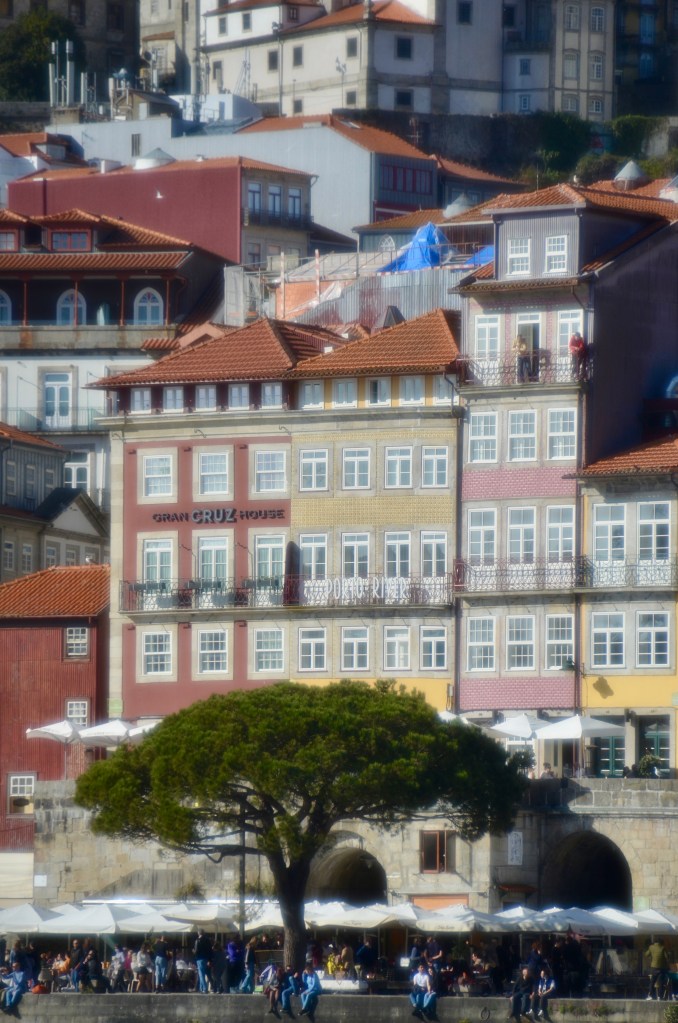
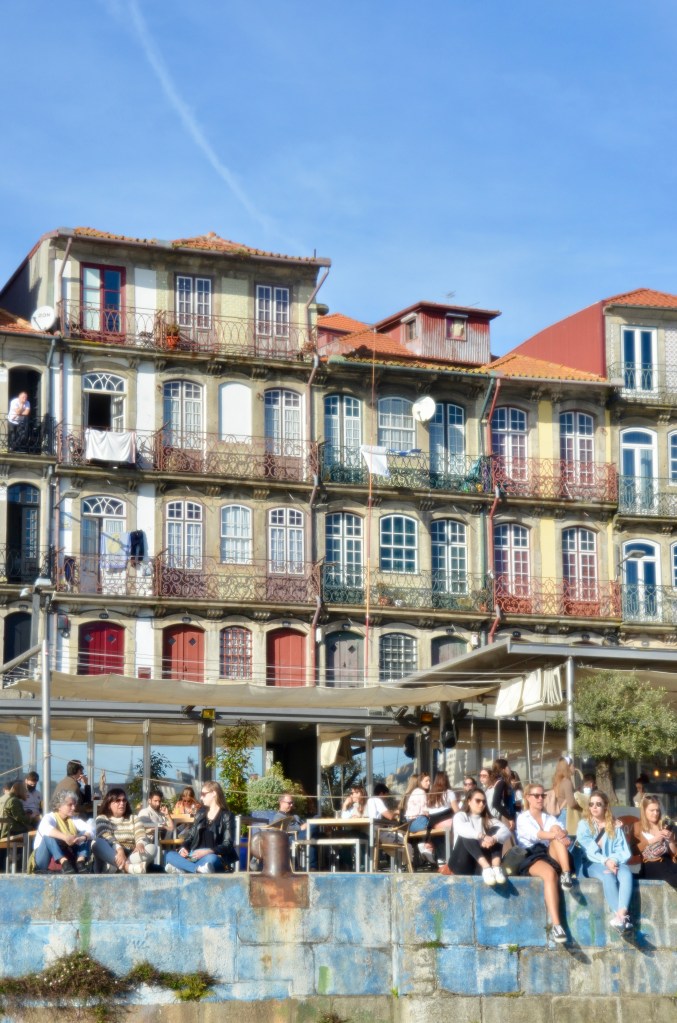
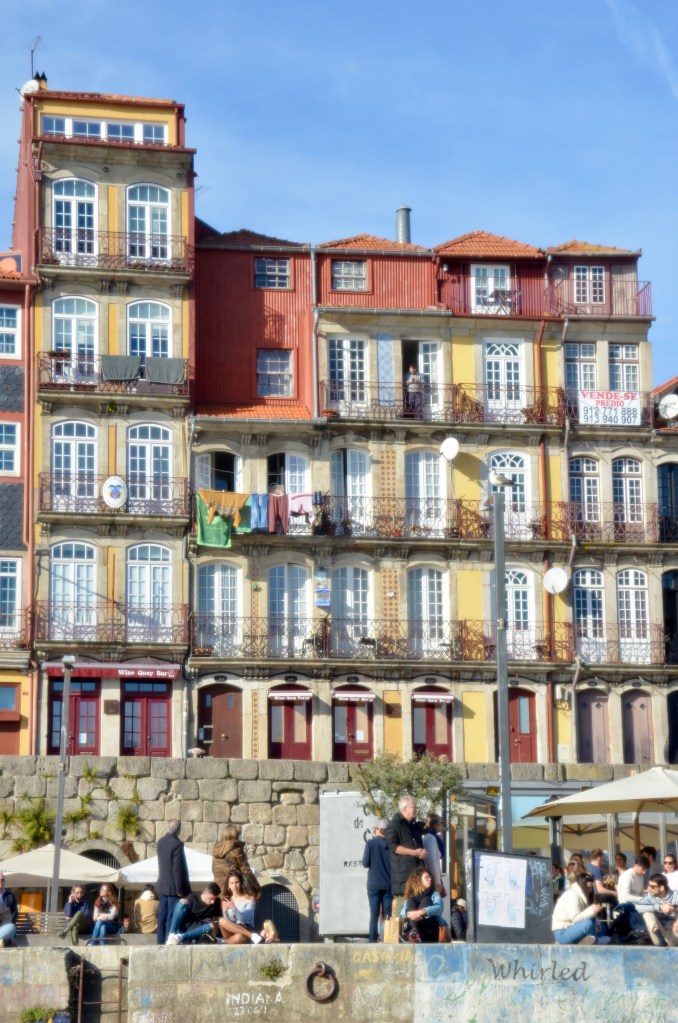
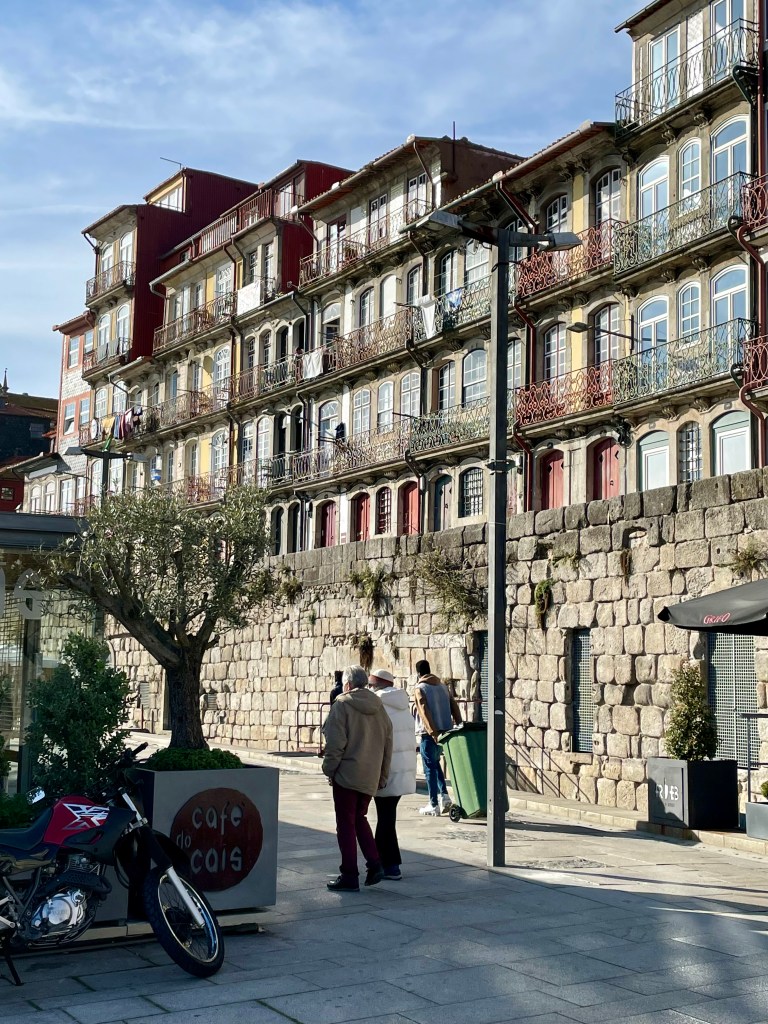
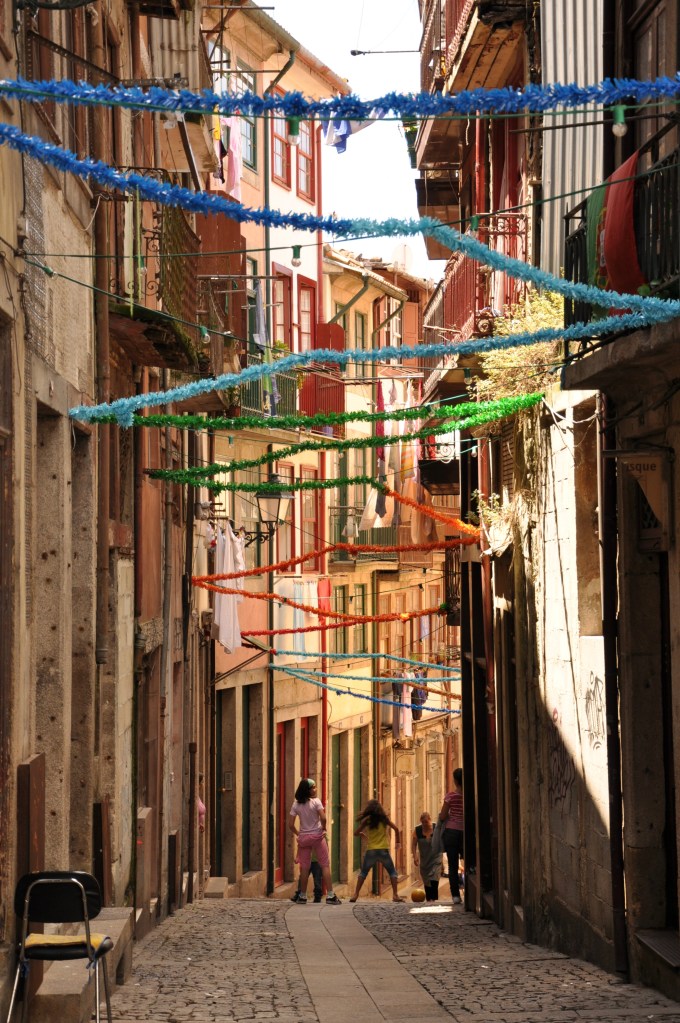
The houses in Ribeira district are really nice. Especially the ones facing the river. They stand tall and slender, side by side, with colourful fasades and wonderful french windows. They’re quite a sight, especially when seen from the water or from the Gaia side. Then you can also see the boats and pine trees lining the shore in front of the houses and people enjoying the sun. From the Ribeira square and uphill towards the centre there are also lots of picturesque cobblestone streets.
Music
If you like music, I can recommend visiting the musical instrument store Casa da guitarra. It is 10 minutes walking uphill from the Ribeira square or just a few minutes of relative flat walking if you exit the Metro at the bridge and walk backwards towards the city centre. It is inside an old building, with narrow stars, but as with Dr. Who’s Tardis; “it looks bigger on the inside”. Casa da guitarra is not only a store, but also a concert venue, guitar and mandolin workshop, as well as a museum. You’ll see several stringed instruments exhibited and they have Fado and guitar concerts regularly. You can book concert tickets through their website.
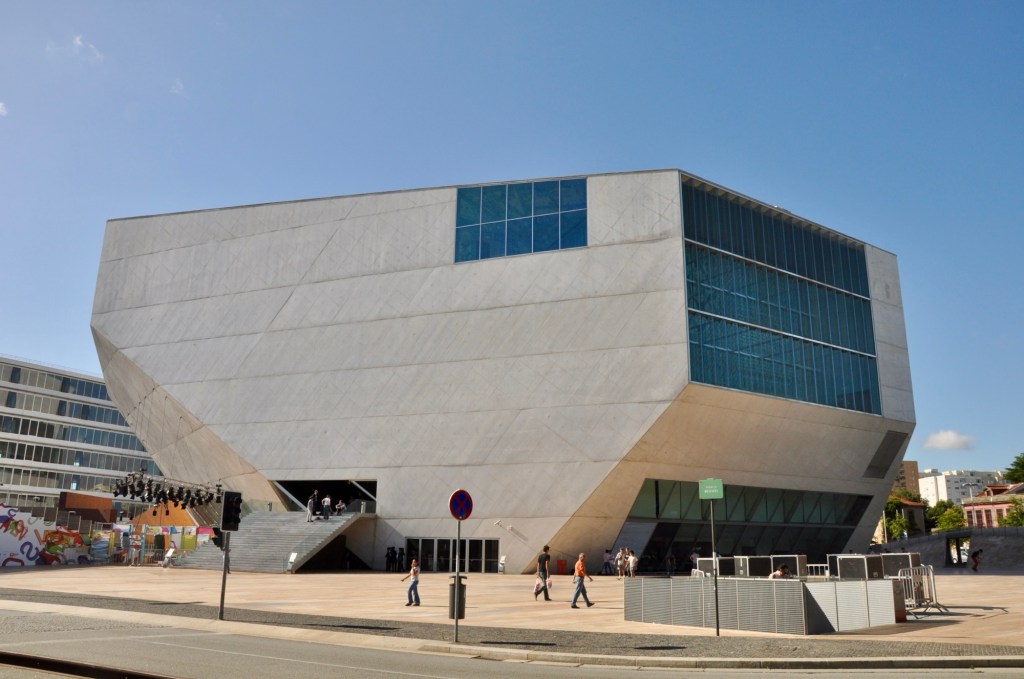
Another place to find music is at the Casa de Musica, further up in the city, close to the Metro stop of the same name. Casa de Musica is an architectural sight, also on the inside, where skew stairs and tiled surfaces shapes the building. Outside it looks like a white many-sided dice. The building houses several concerts of many genres and also works as a conference venue. In daytime you can visit the building and learn about its architecture through an audio guided tour. Remember to bring your headphones.
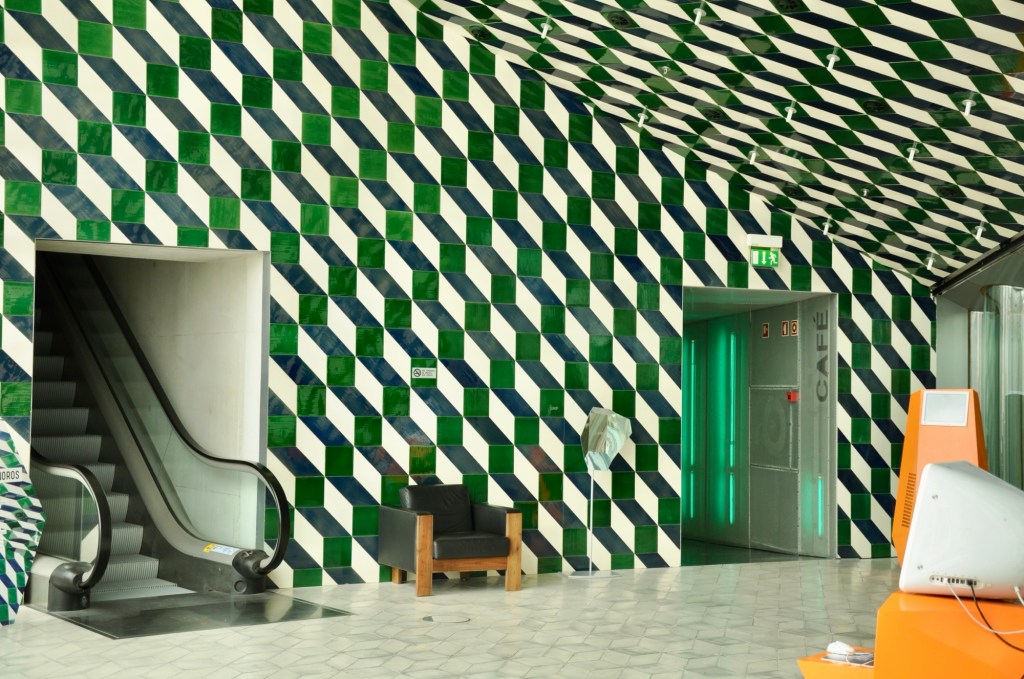
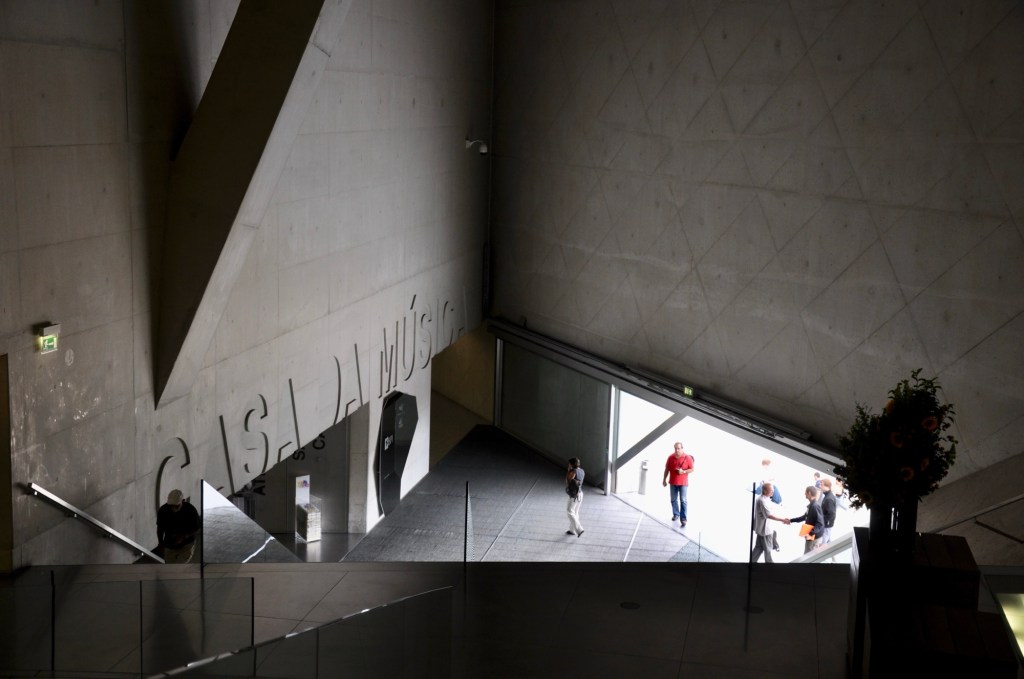
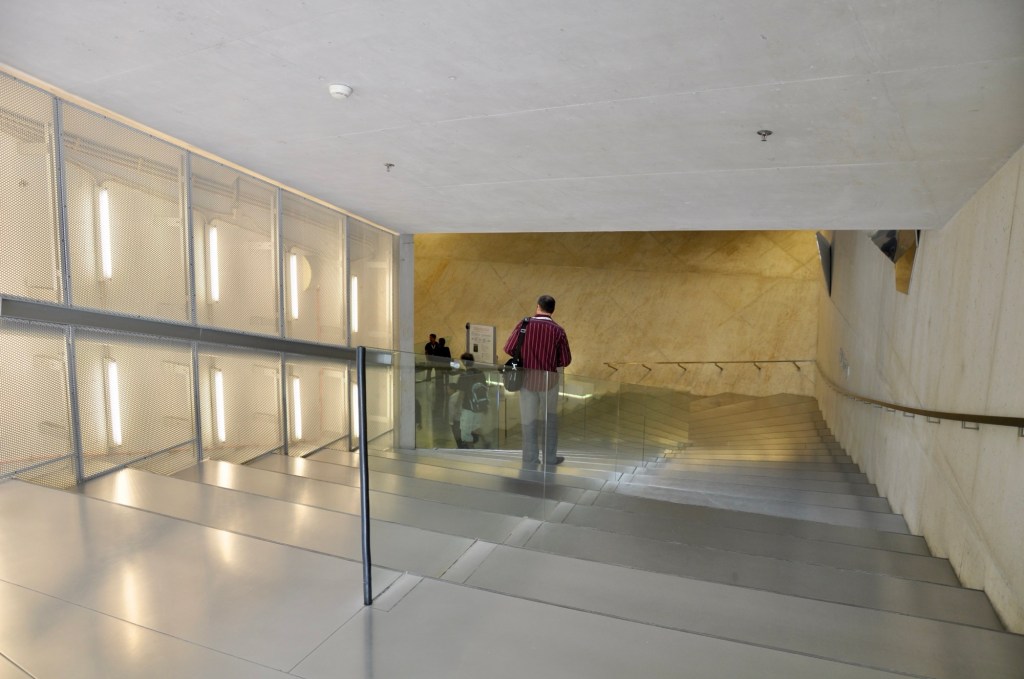
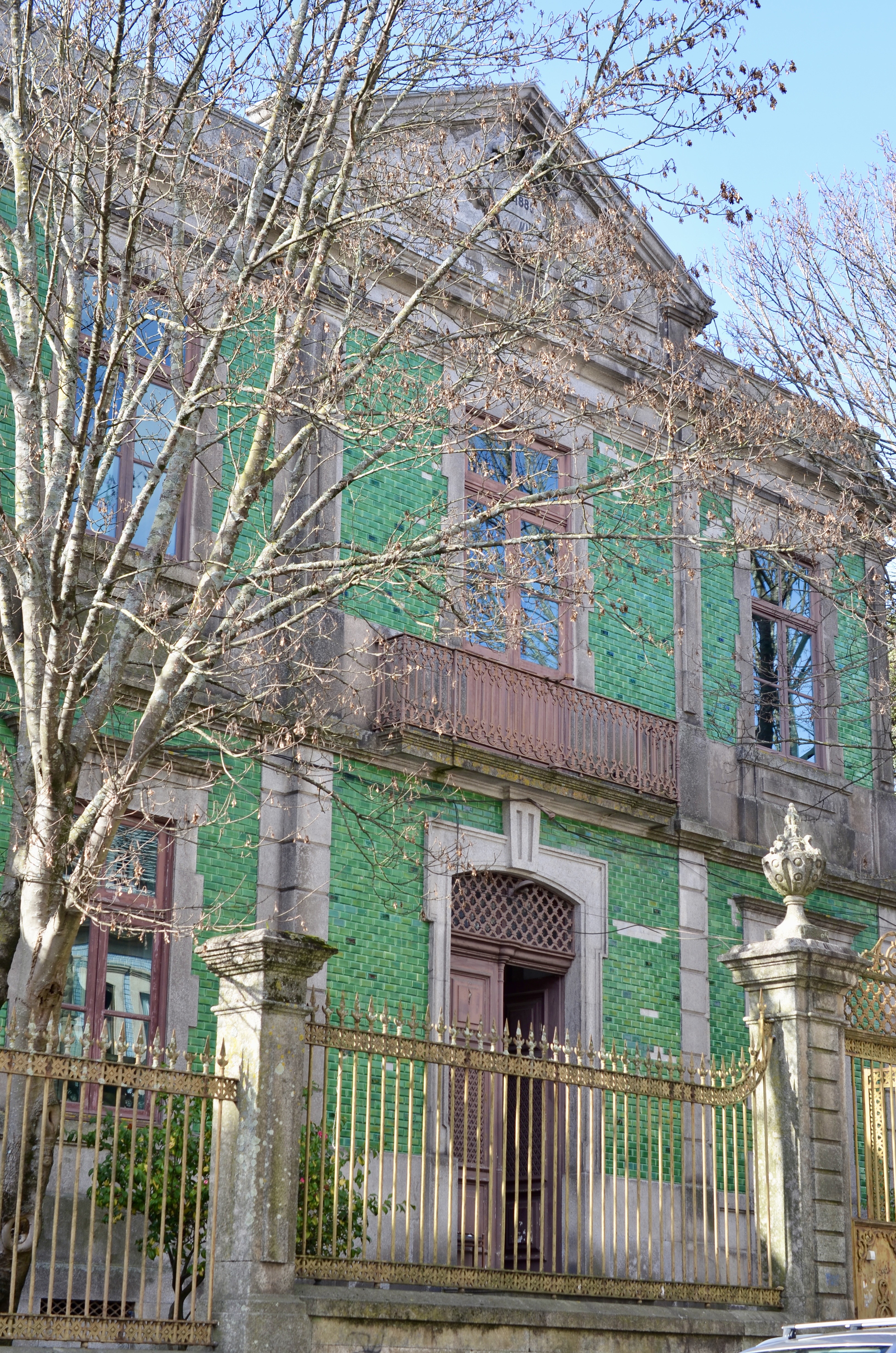
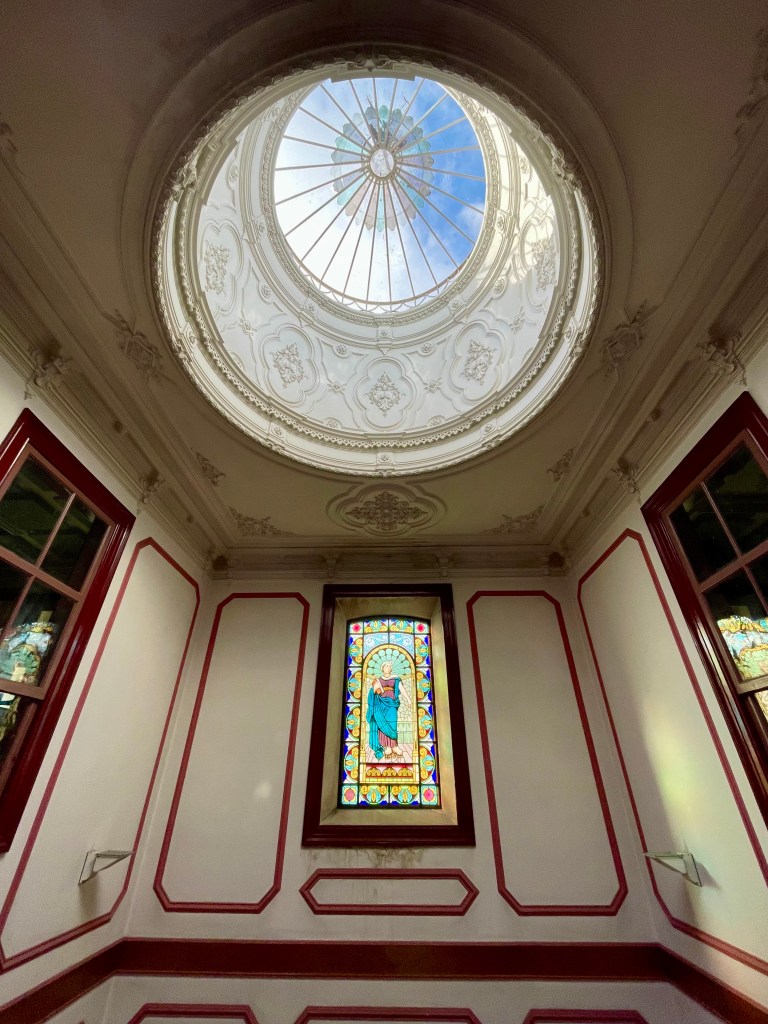
Porto has several good educational institutions, teaching music, theatre, electronic arts as well as other subjects, to people from many countries. One institution which I have been lucky to visit is the School of Music and Performing Arts (ESMAE), which is located in the upper parts of town, towards the Bela vista area, in an amazing old building with shiny green tiles and a beautiful staircase below a rounded dome with glass windows. They also had a large and modern concert/theatre stage.
If you wish to learn more about study opportunities in Portugal or Porto in particular, check the Universities Portugal website.


Leave a Reply